Featuresexpand_more
Spotlightexpand_more
Featured Forumsexpand_more
Brand Forumsexpand_more
Independent Brandsexpand_more
Lifestyleexpand_more
Resourcesexpand_more
Horological Meandering: From the same amount of metal,
…a larger diameter rotor harvests more energy per spin. Micro rotors may spin as fast, but they aren’t developing the same amount of torque as the same metal casted into a 3/4 or full rotor
13d
0
Horological Meandering: Moser PC big date
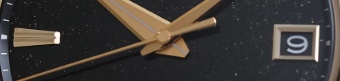
...has big white numerals, generaly 'light' enough to balance the indices. Especially the laer 2 digit dates. The 1st of the month is a bit lightweight, but one can't have everything. If the Moser date window were to be framed, the indices would need to become visually heavier to match. That balance
17d
1
Piaget: New corroborative information
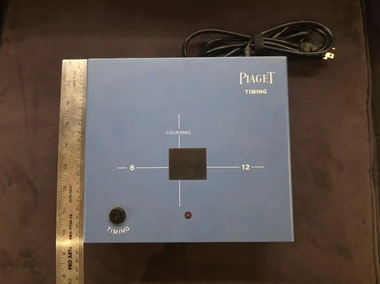
Collector @ArkJasdain shared photos of the Piaget regulation box to me, see at bottom. He also said on Reddit: QUOTE Yes, the original iterations of the 7P movement did indeed have the capability to have the rate reprogrammed with a wireless induction type signal. The memory in the first versions of
17d
1
Horological Meandering: Principles, not a bag of rules
Is how I approach date indication. >> date is a choice that once taken has to be legible and maintain the cohesion of the whole watch Legible: There’s no point to a date that’s hard to read unless the inclusion was cynical in the first place ie simply to sell the watch or simply because the movement
18d
1
Horological Meandering: Very interesting pieces incl that glashutte and GPS!
I didn’t realize the extent to which you had collected quartz. Even the gen 3 VHP (very high precision). I have sent you a DM.
18d
0
Horological Meandering: Ignoring brand, which I am training myself to do
..I quite like the watch But with that price I am not going to buy it. Which is the _other_ thing I am training myself. You can admire from afar. 😂
18d
1
Horological Meandering: Early quartz chronometry (3 part article series)
Submitting three long-form articles of mine tracing the first era of quartz timekeeping, which ran from 1927 to around 1975: The defining feature of this first era was that, like balance wheel and tuning fork chronometry before it, the rate precision was entirely a question of the frequency precisio
18d
6
Piaget: Be sure to refresh
I cleaned up or noted some typographical errors, including one within a cited source 😅 And if I am shown to be wrong on the Beta 4 - 7P connection, things get even more interesting because then there is a completely unknown Piaget quartz caliber lurking about
20d
1