
dxboon
[Elite User]
12454

Further foodie adventures in Los Angeles' Koreatown neighborhood
One of the things I love about America is that it is comprised of this amazing melting pot of people and cultures. In this regard, Los Angeles could serve as a microcosm of the overall American experience. The map of our fair city is dotted with an array of colorful neighborhoods like Thai Town, Little Ethiopia, Historic Filipino Town, Little Armenia, Chinatown, Little Tokyo, and my favorite foodie haunt -- Koreatown.
Koreatown, or K-town, as it is affectionately known, is an area of Los Angeles that is less than 5 miles southeast of Hollywood and borders the heart of downtown LA to the west. It's an area of town with a notorious history -- the Ambassador Hotel where Robert F. Kennedy was assassinated was located within K-town until it was razed in 2005. During the LA riots of the early 90s, a majority of the property damage and mayhem occurred in Koreatown. It took the police several days to contain the situation and many shop owners took to policing their storefronts with personal firearms (this story relayed to me by a close friend whose father owned a shop in K-town during this time of unrest).
Nowadays, the only rioting you are likely to see in the area is amongst the young people who prowl the K-town night trying to get into the hottest, glitziest, most secretive, nightclubs that litter the main streets and back alleys of Koreatown. By day, however, K-town is more about shopping for goods imported from Korea and dining on an astounding variety of Korean specialties. You could eat in K-town for every meal of every day in a month and not dine at the same establishment twice. It's a small geographic area, but chock full of eateries from high-end, fancy, white tablecloth restaurants, to hole-in-the-wall tofu houses, to mom and pop seafood places, Korean barbecue joints, Seoul-style coffee bars, and everything in between.
As a non-Korean, I admit to finding some of the local restaurants difficult to navigate. Some of the tastiest food is found in establishments that generally cater to an almost exclusively Korean clientele. Therefore, signage, menus and waitstaff may only be accessible to persons that speak/read the language. Luckily, my childhood friend Cathy, who is of Korean descent and worked for a few years in Korea after college, often acts as my guide when I visit Koreatown. Through Cathy I've become fairly proficient at ordering the items I like at barbecue and tofu houses in Korean (When it comes to food, I try to learn all the native phrases for the items in question!), but I still need help when it comes to many other specialty restaurants.
I'd been hounding Cathy to introduce me to a good authentic Korean noodle and dumpling restaurant for some time, and since my birthday is approaching, she made plans for us to visit a place in K-town that she liked for this cuisine called Myung Dong Kyoja. According to Cathy, Myung Dong is a bustling neighborhood of South Korea's capital city, Seoul. There is a restaurant in this area of Seoul that is famous for a dish called kalguksu -- hand-cut noodles in broth, which is likely the inspiration for the restaurant at which we dined. The etymology of the other word in the restaurant's name, kyoja, is likely from the Japanese word, gyoza, which in turn probably originated with the Chinese word jiaozi. These are all words which signify dumplings. Every culture seems to offer their own sort of dumpling, whether steamed, fried, or otherwise. The Italians have stuffed pastas like ravioli; various Central and Eastern European cultures have their pierogis, borak, koldunai (There is a local restaurant that serves these excellent Lithuanian dumplings -- a post for another day!); Indians bring samosas to the table; Thai people serve kiew fried or in soups; there's the famous Chinese wonton; or how about the empanadas that are prevalent in the various cultures of the Latin world? Even a larger filled pocket of dough like a Cornish pasty evokes the same dumpling spirit inherent in all the foods listed prior.
Dumplings are a world food; the kind of familiar, comfort-inducing good eats that serve to unite every culture on the planet. When you eat a delicious dumpling it's hard to suppress the smile that originates in your palate and spreads to your face. At least, that's how I feel. Maybe it's just me.  Phew! You must be tired of reading by now. This thread is worthless without pictures, right?
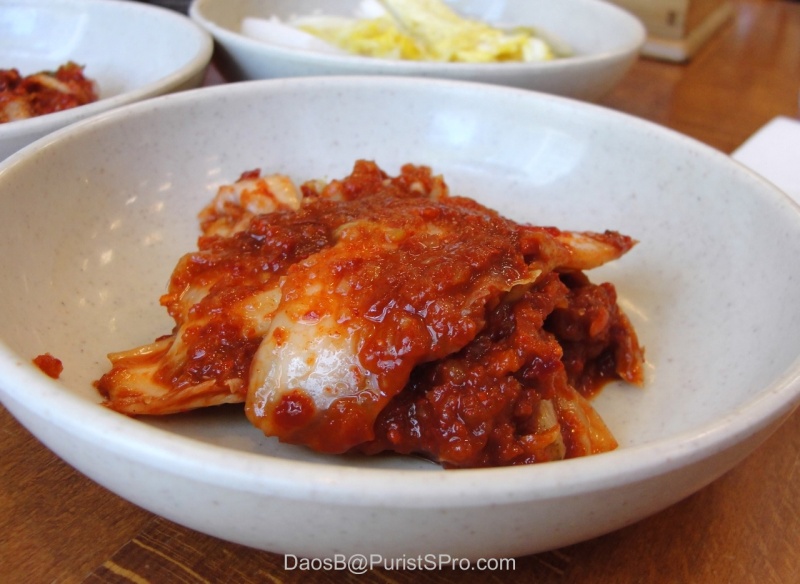
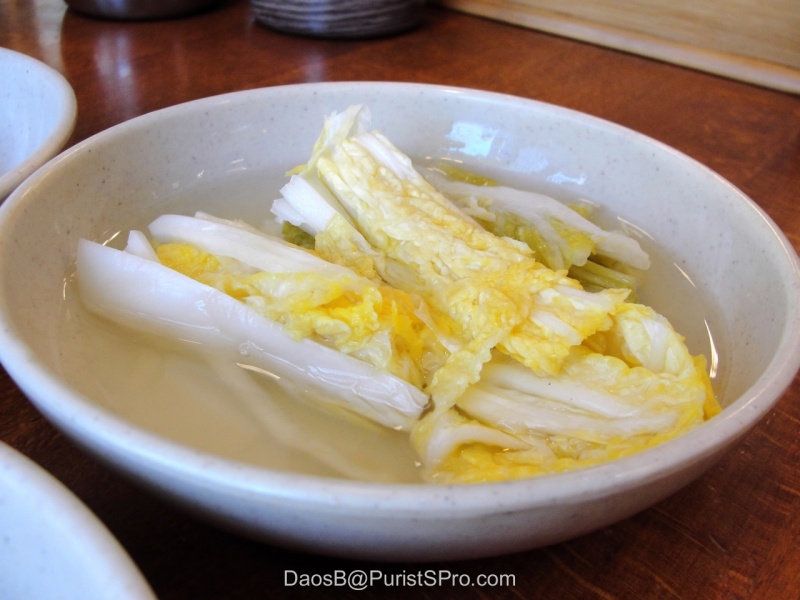
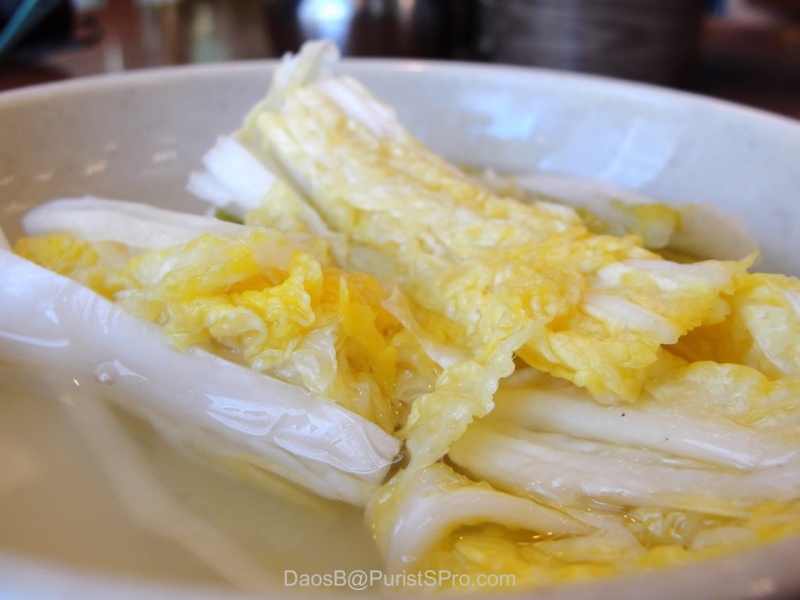
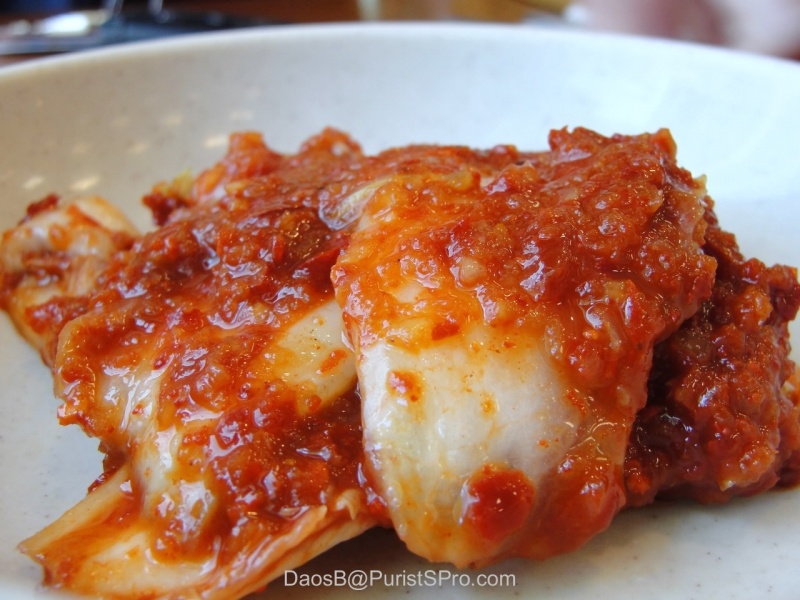
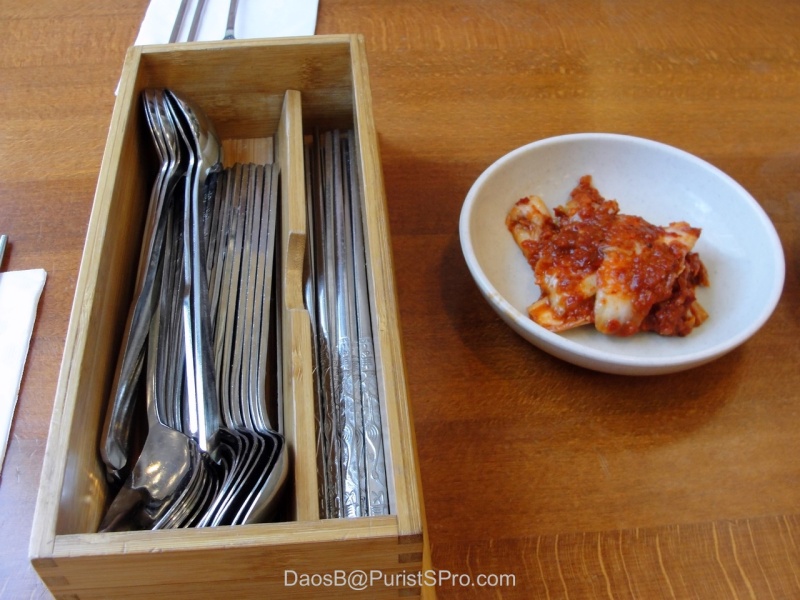
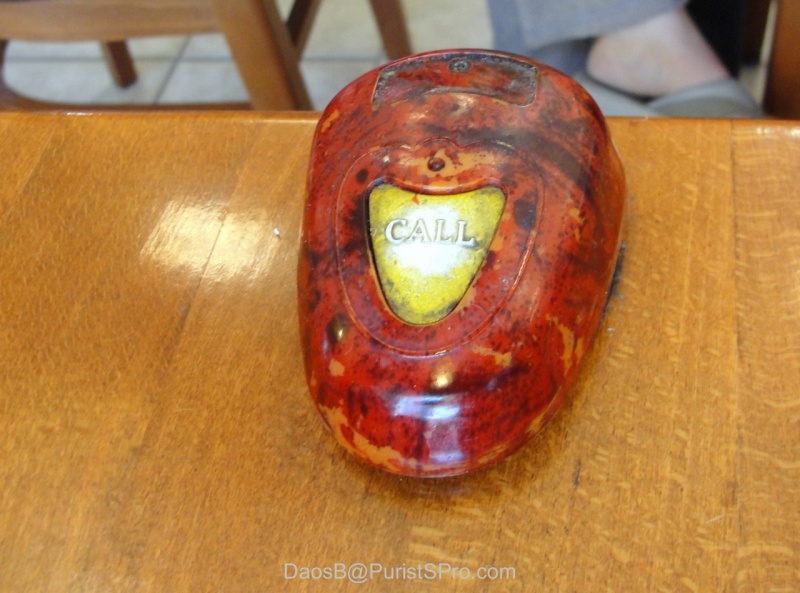
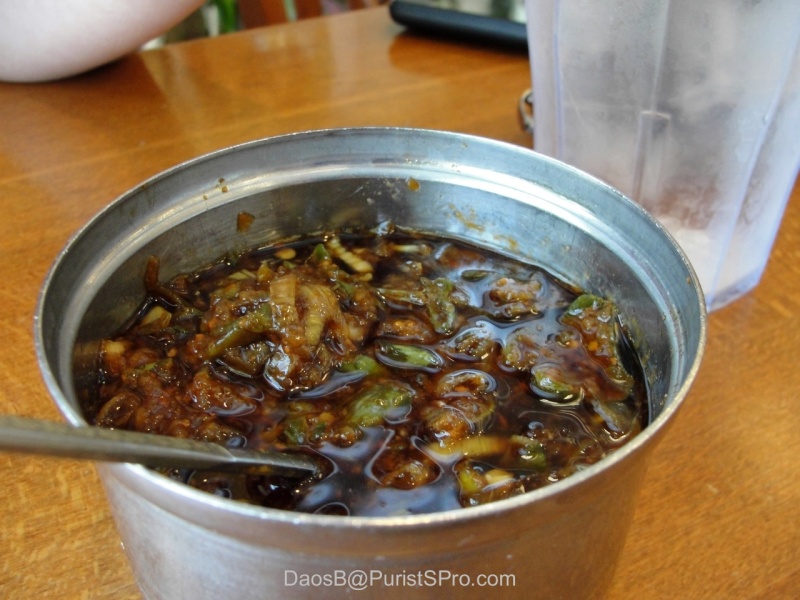
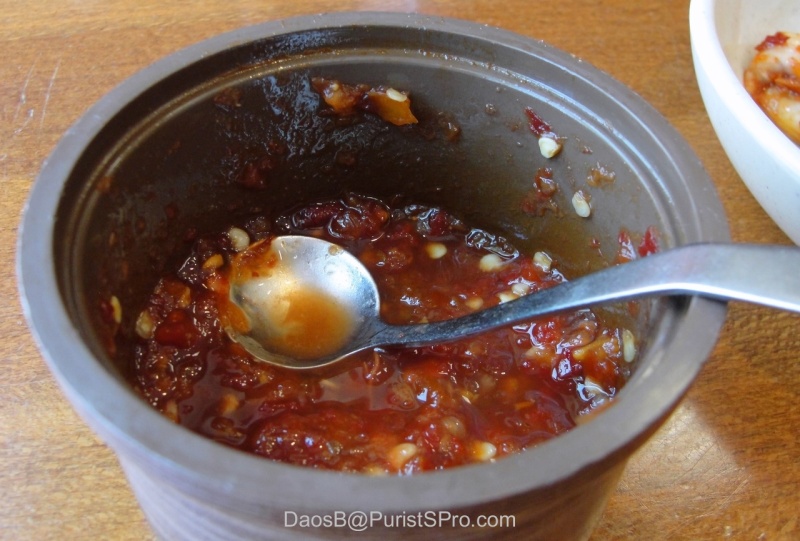
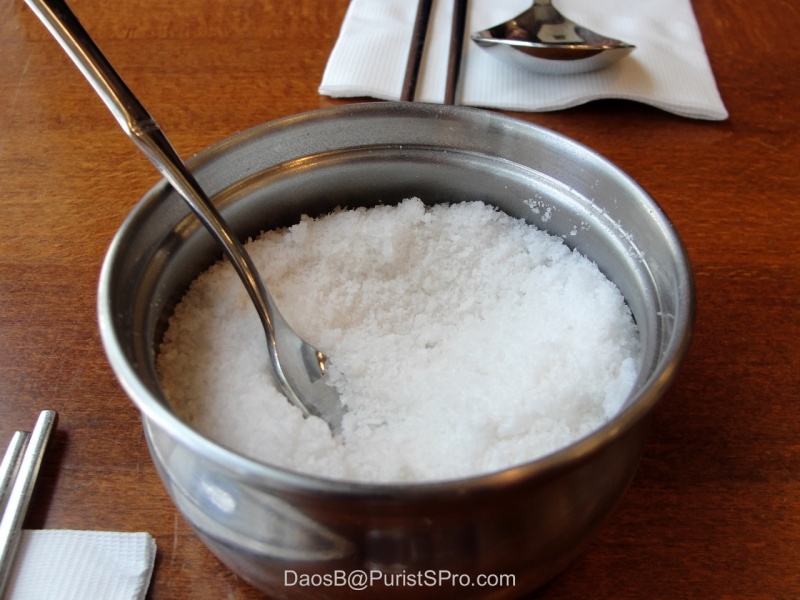
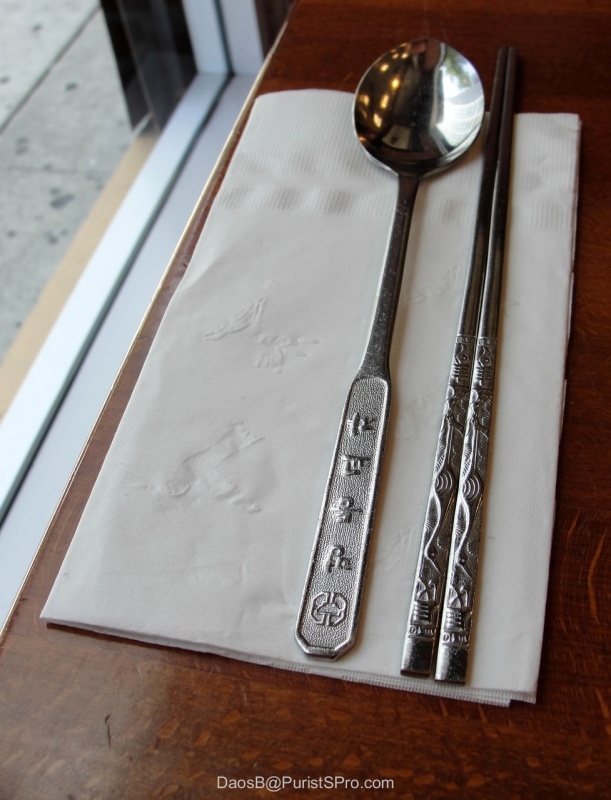
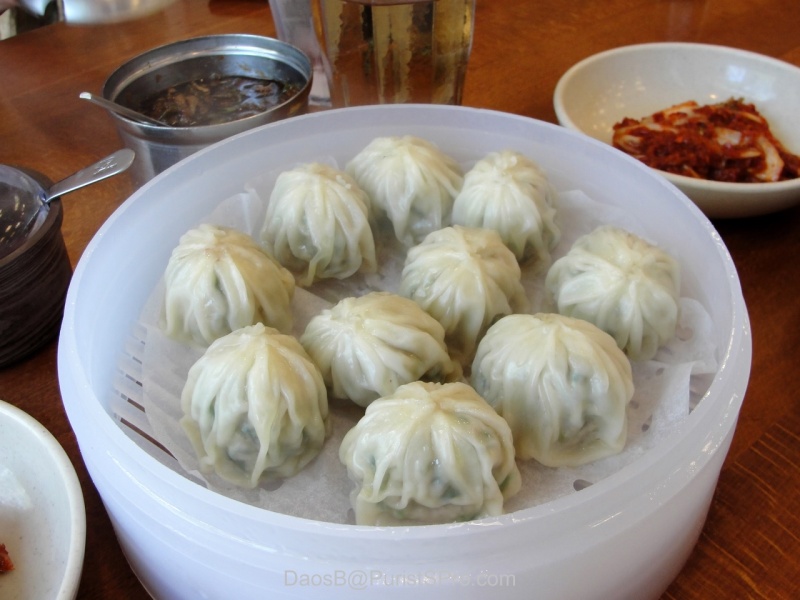
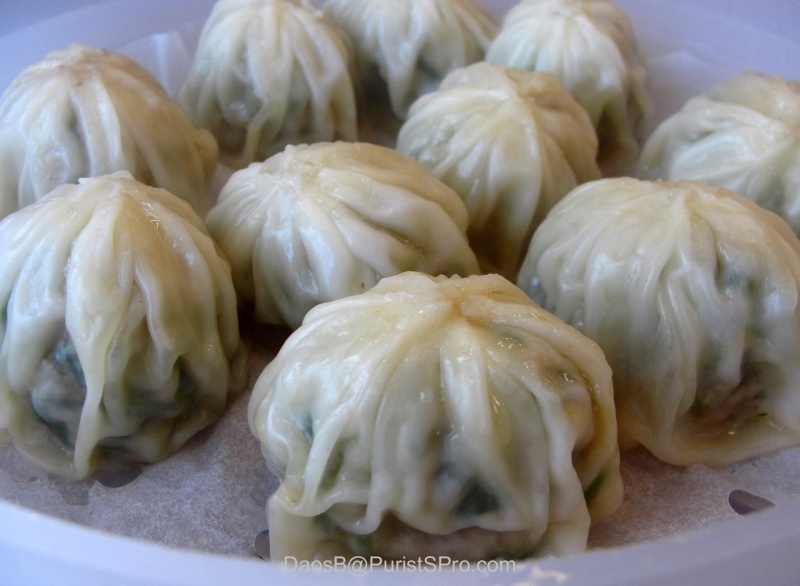
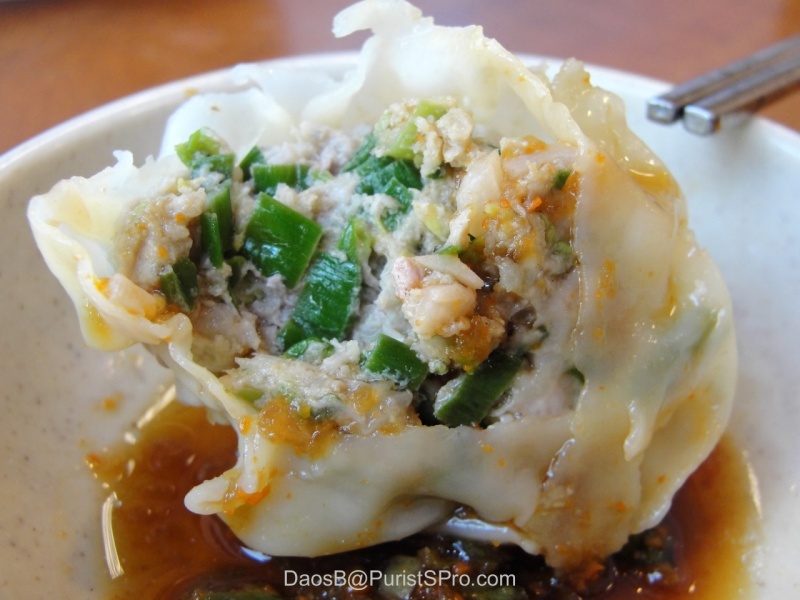
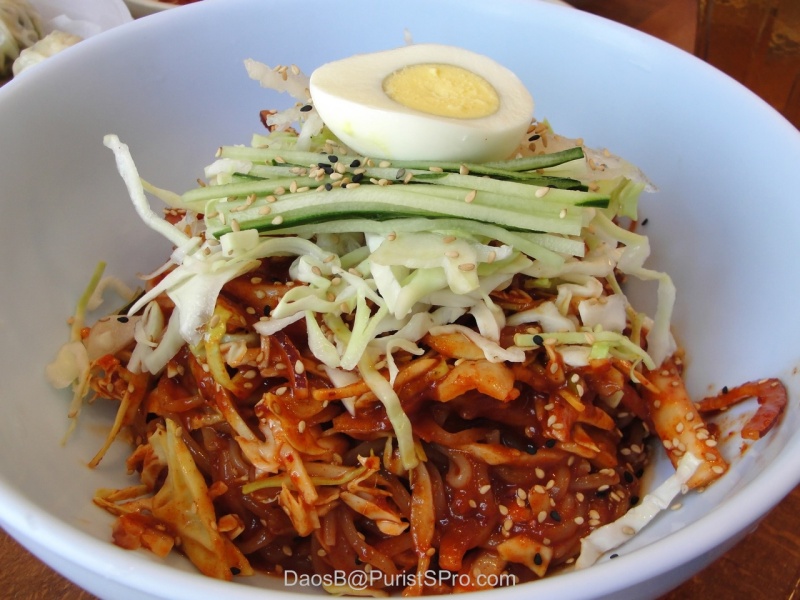
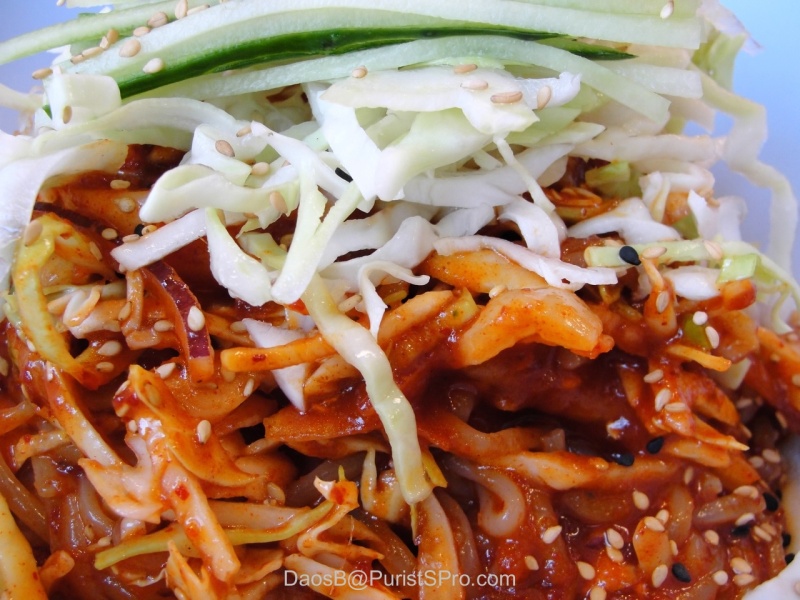
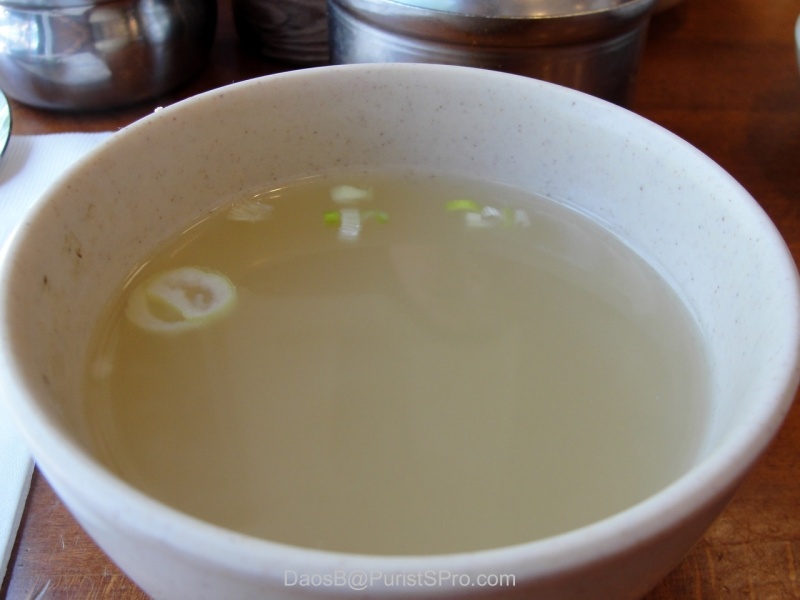
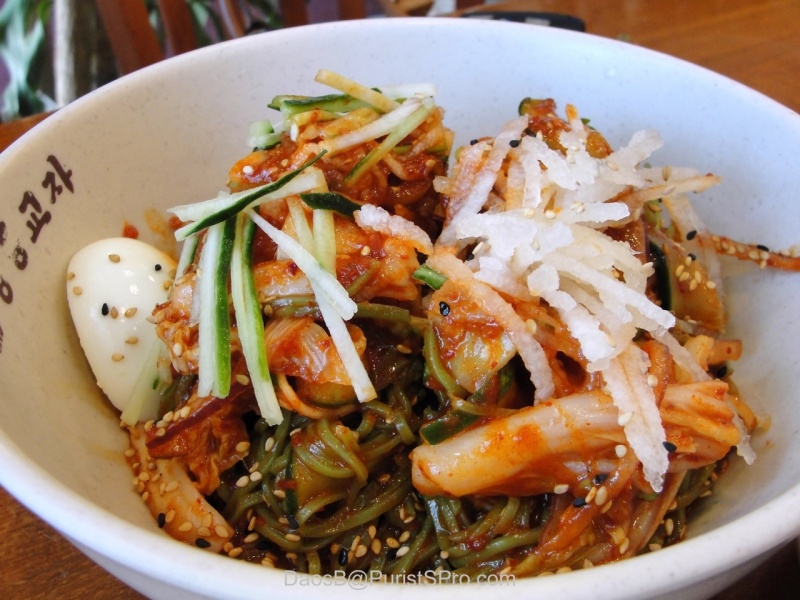
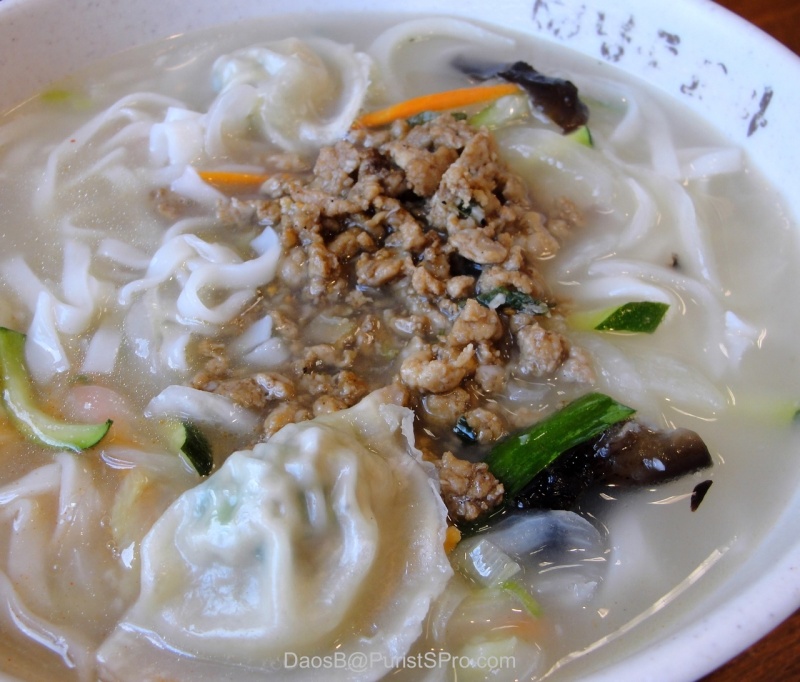
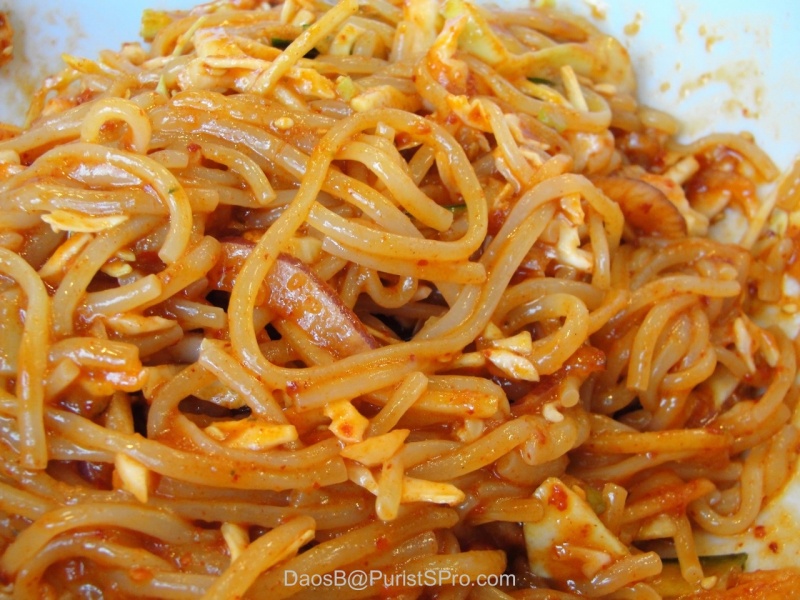
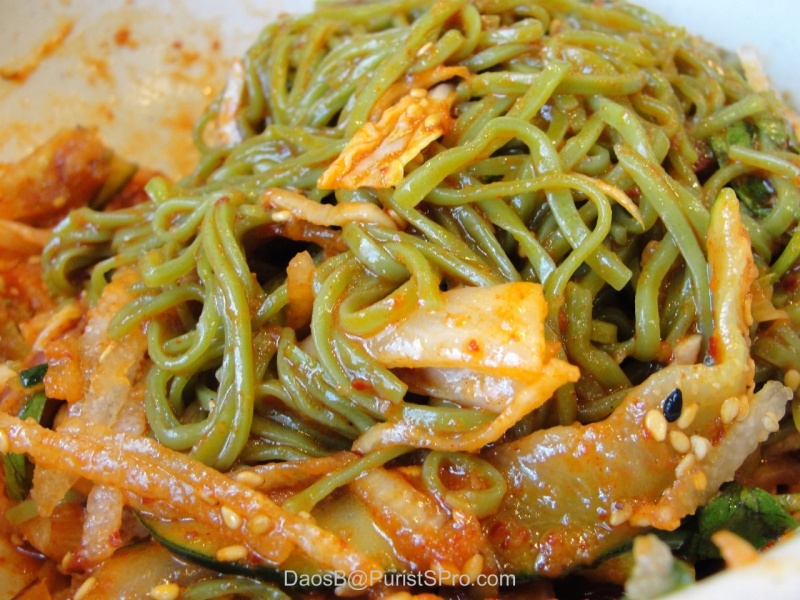
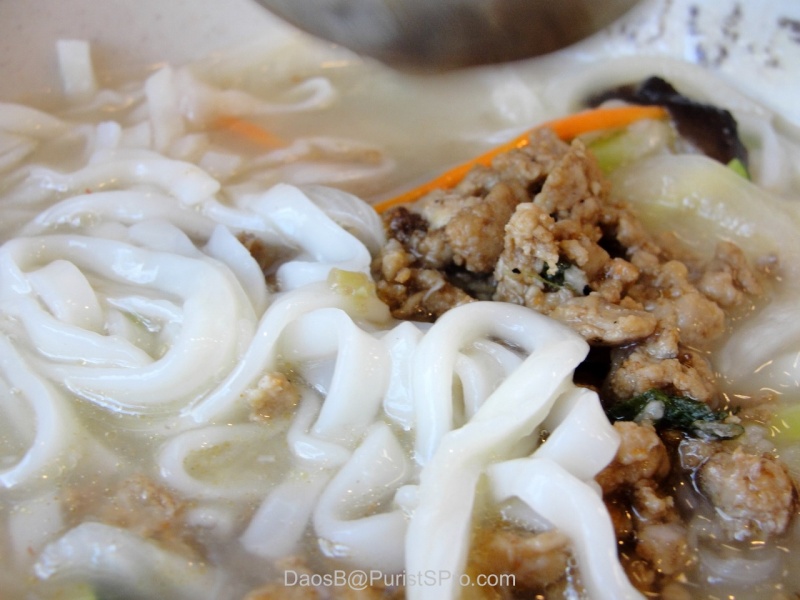
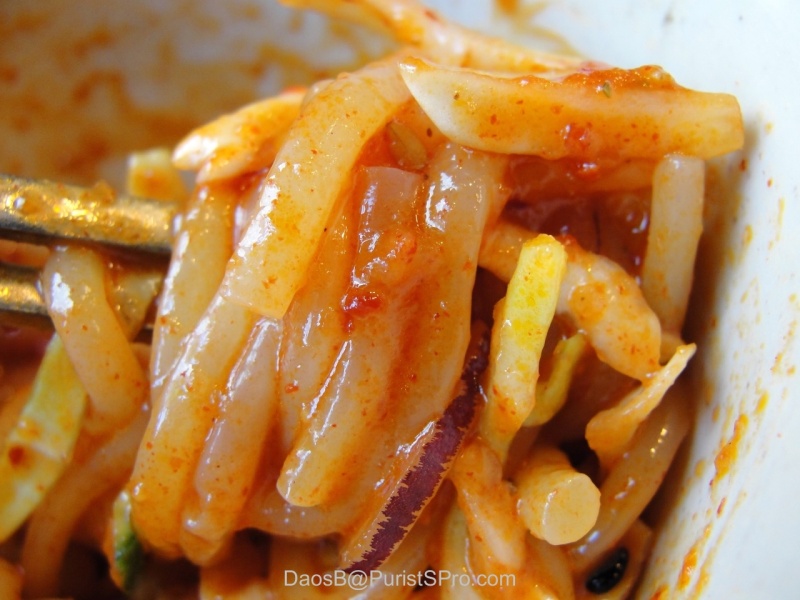
There was so much food I ended up eating leftovers for dinner. The noodles became even spicier as the day wore on! Call the fire department 'cause my mouth is in flames (LOL! Not really. I love spicy food.)!
Noodles, soup, dumplings -- these are all foods that make me feel warm and comforted. There's something so basic about the items, but in the hands of a caring chef they gain nuance and sophistication. I will definitely be returning to this restaurant in the future for another round of spicy, garlicky, goodness!
Cheers,
Daos
This message has been edited by dxboon on 2011-06-26 00:22:58 This message has been edited by dxboon on 2011-06-26 00:30:05
Further foodie adventures in Los Angeles' Koreatown neighborhood

re: further
I also like the noodles with black bean sauce...
See you there!

I didn't read anything ...
Korean food is very delicious...

You are making me hungry Daos and very fond memories
I gather from AndrewD that Melbourne...
Thank You Daos
:-) I look forward to meeting up in person one day...

Looks good although I have never been to a Korean restaurant.
Hi Richard
Too long isn't long enough in my opinion on that deck.
Night View is spectacular Richard from the deck
Maybe the Momofuku group...

It all looks delicious ...
Next time you're here...

Brush with a mixture of baking soda and peroxide, then . . .

It is not fair Daos...
LOL! Oh, no! Sorry!
I will be in Rome !
Then pictures at the gelataria for me, per favore! :-)
I have a lot of pics, please enjoy right now !
*Squealing with excitement*


Looks like another great meal Daos.
I have had so many good meals these last few days, Jerry...

I JUST finished pigging out on fish filet w/
Oooh! That sounds delicious!

Love Korean!
We'll have to compare notes...

Looks like a tasty meal
Thanks...

Ah, Daos!
There are so many...

Great post, Daos...