
cazalea
[Seiko Moderator]
20967

No Final Four, no Succession, no Vermouth - just hunting the old-fashioned way
A friend's 70th birthday provided the occasion for a Raptor Experience.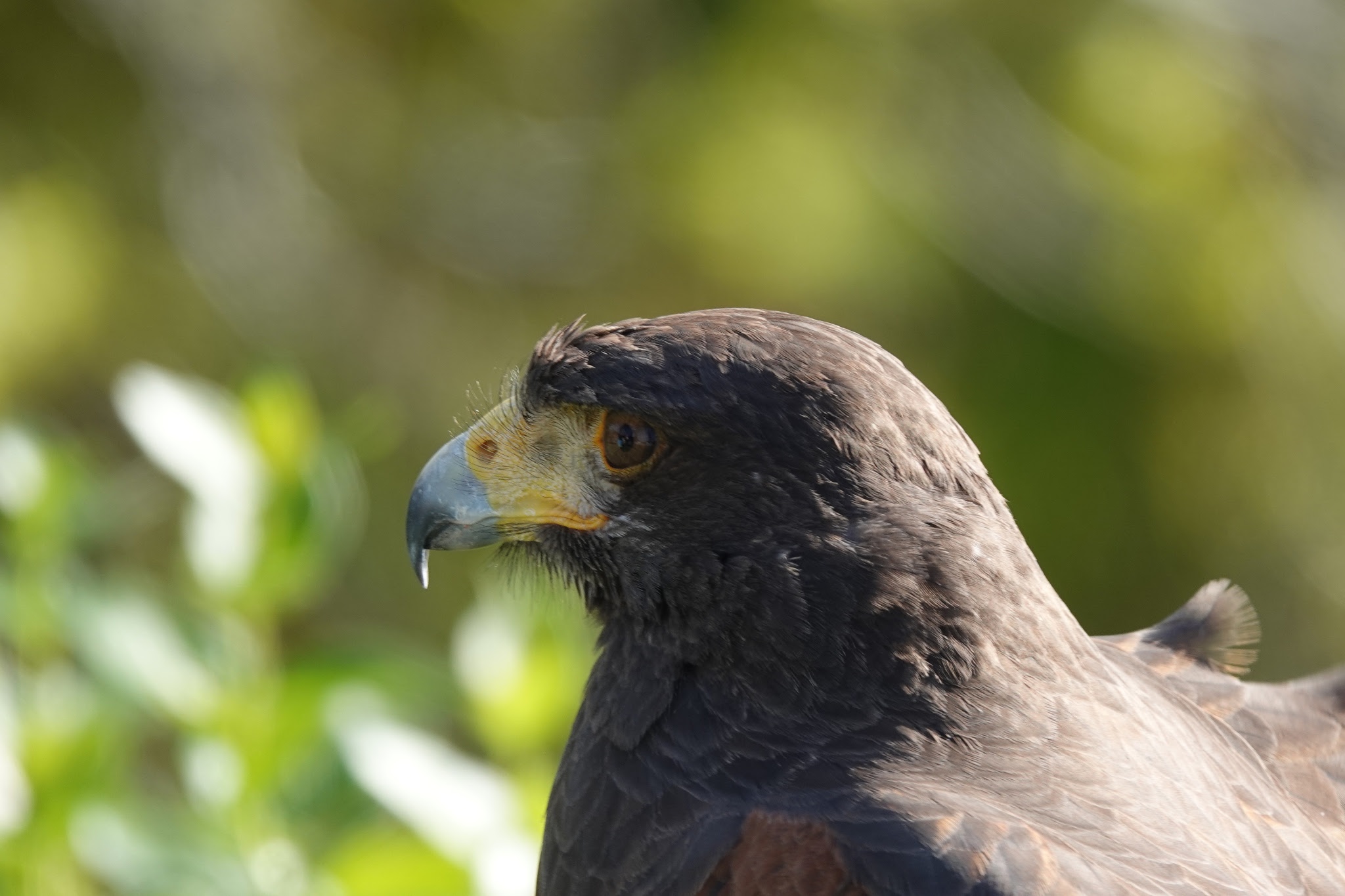
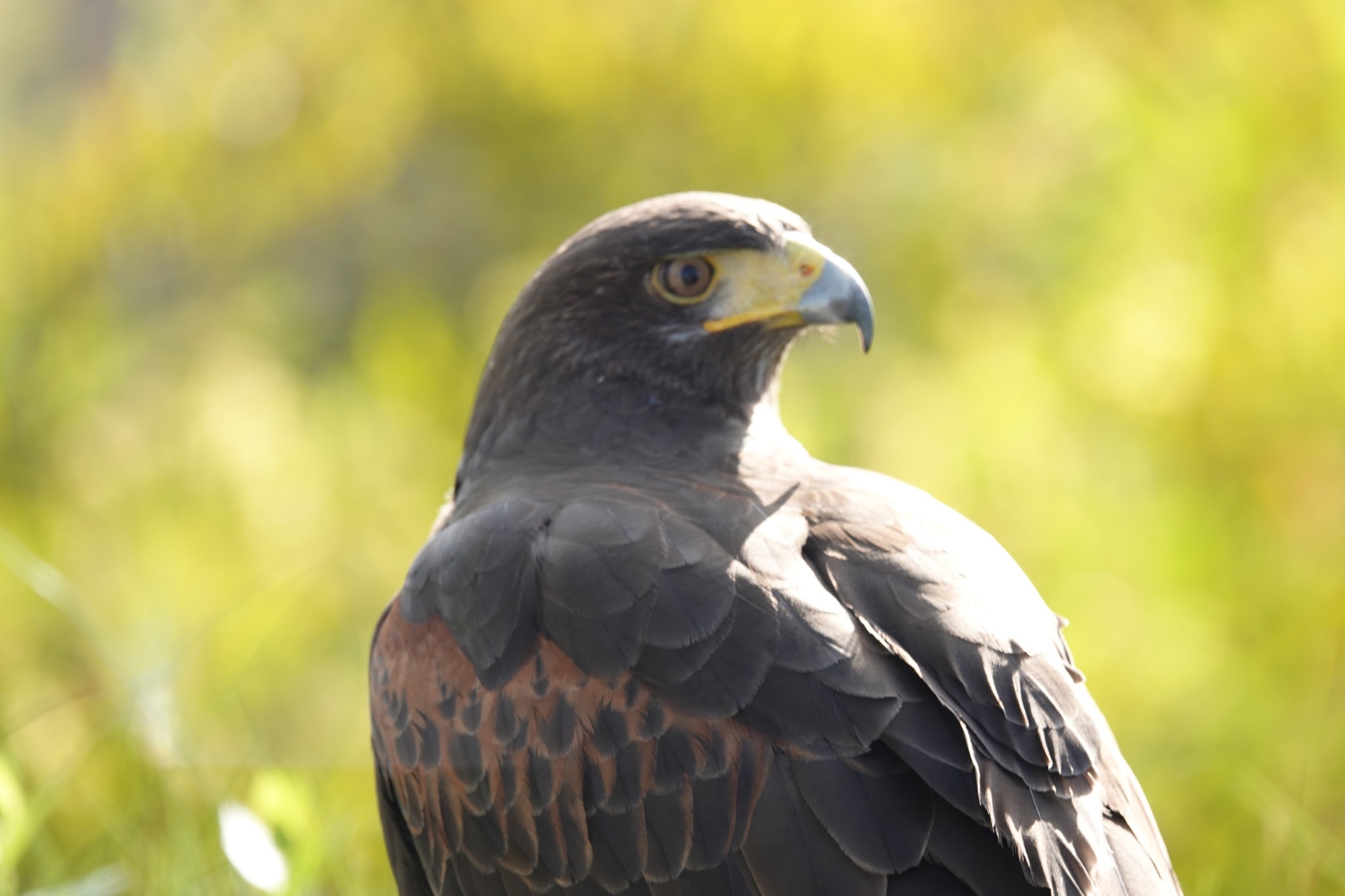
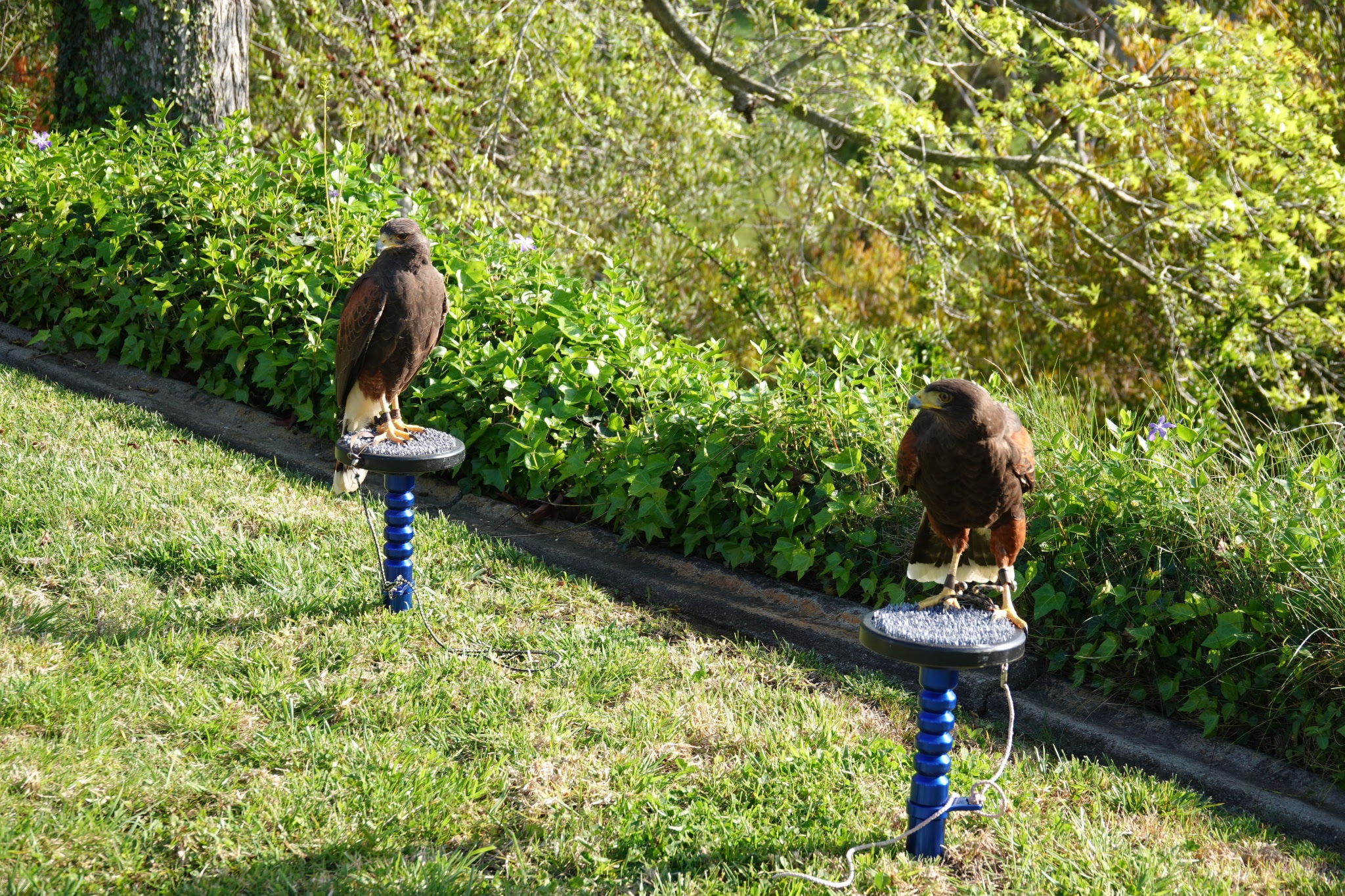
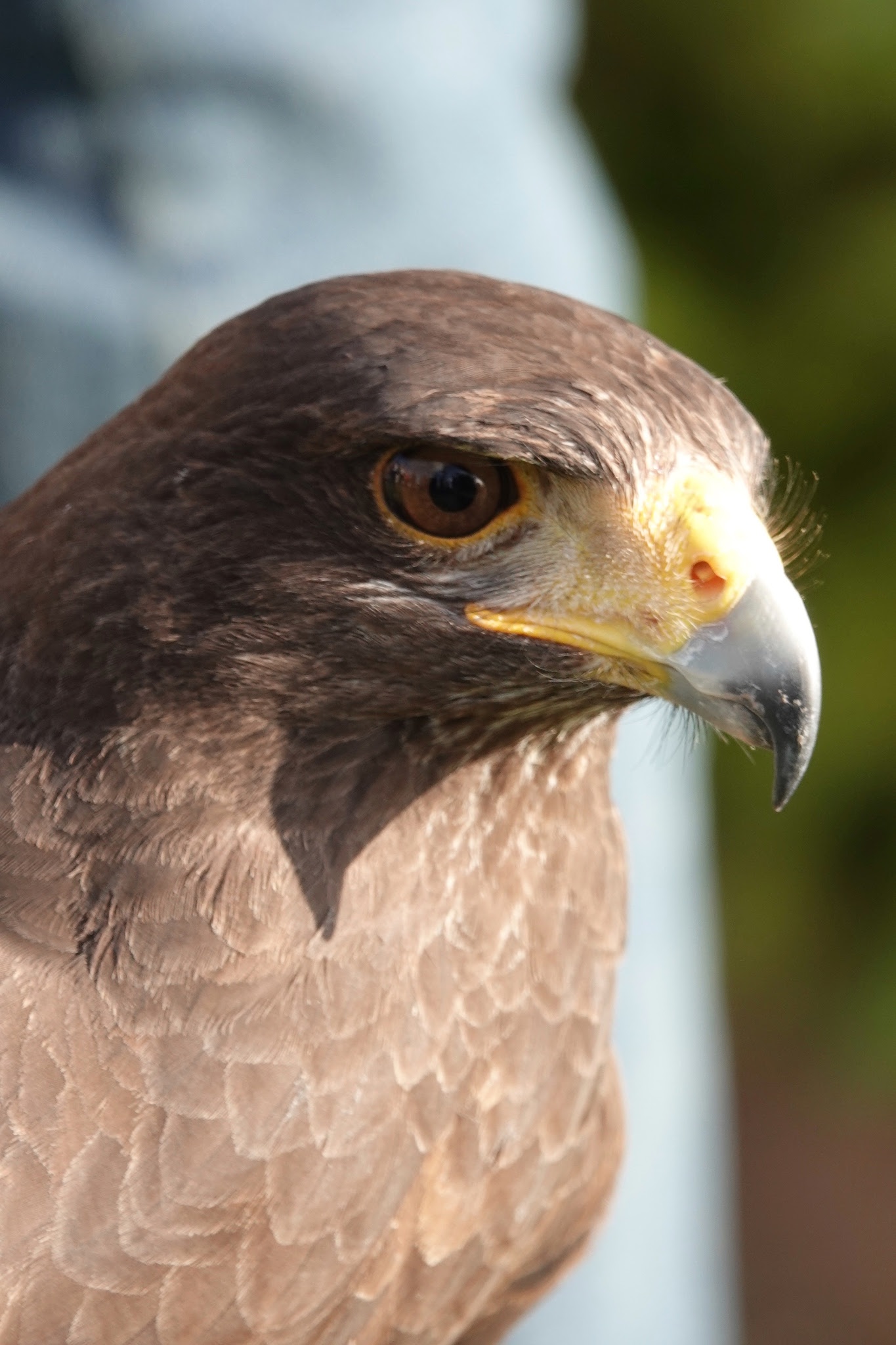
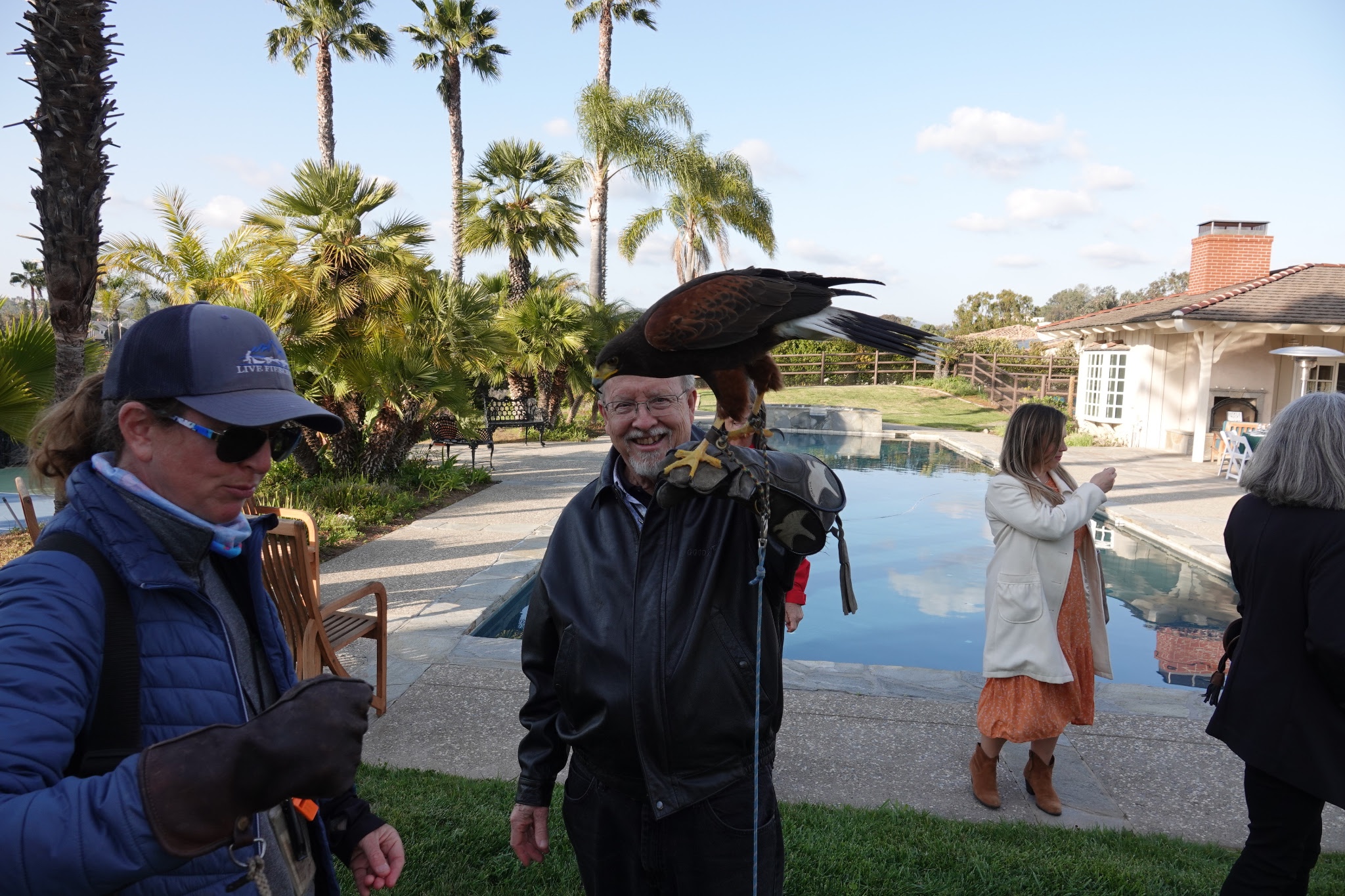
Two hawk-loving ladies brought two Harris hawks to the party and we all got a lesson on falconry,
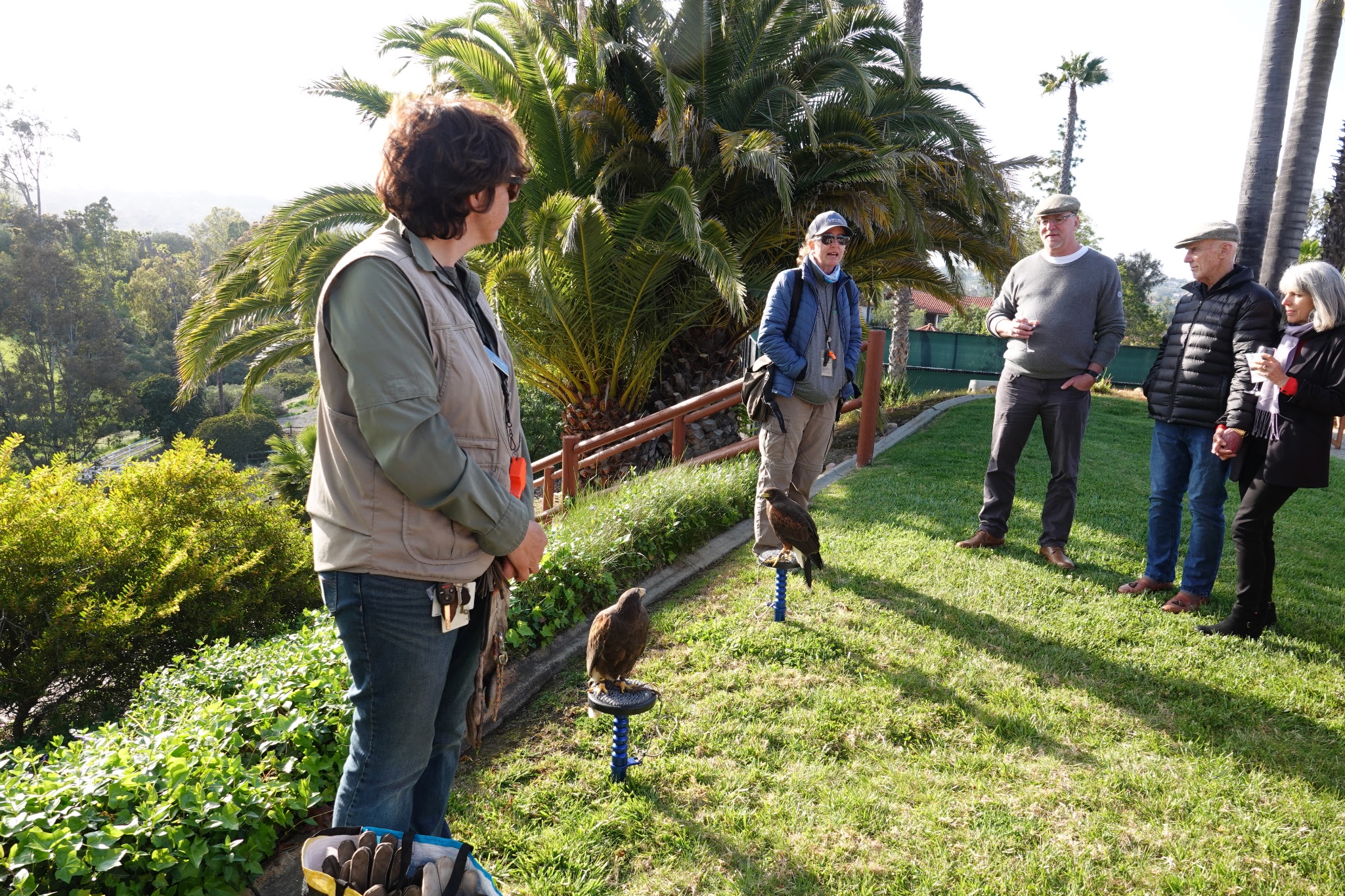
Unlike almost any other raptor species who are solitary hunters, the Harris Hawks hunt in pairs or family groups. Their native habitat is inhospitable desert, where everything edible lives in or near a cactus or thornbush. One terrifies the prey, who runs around seeking cover, while the second bird comes in and grabs it with claws that can exert upwards of 300 lbs per square inch.
- Range: Southwestern United States, Mexico, Chile, Argentina, Brazil and Western Europe.
- Migration: The Harris hawk lives in the United States and Mexico, but may migrates to South America for the winter. They migrate because their prey may not survive harsh northern winters.
- Habitat: Their habitat includes open country, deserts, chaparral, forest edges and oak savannahs.
- Diet: Large insects, small mammals such as squirrels, desert cottontail, and mice; they also feed on larger prey like great blue herons, jackrabbits, young wild turkeys, quail or doves.
Our Raptor experts told us an owl has an even stronger set of talons and can cut a rabbit or small mammal into pieces simply by clenching its "fist". In contrast, falcons do NOT kill by grip. Instead, they impact their prey at speeds upwards of 200 mph and the impact does the trick. They pick up the pieces and fly off to eat it elsewhere.
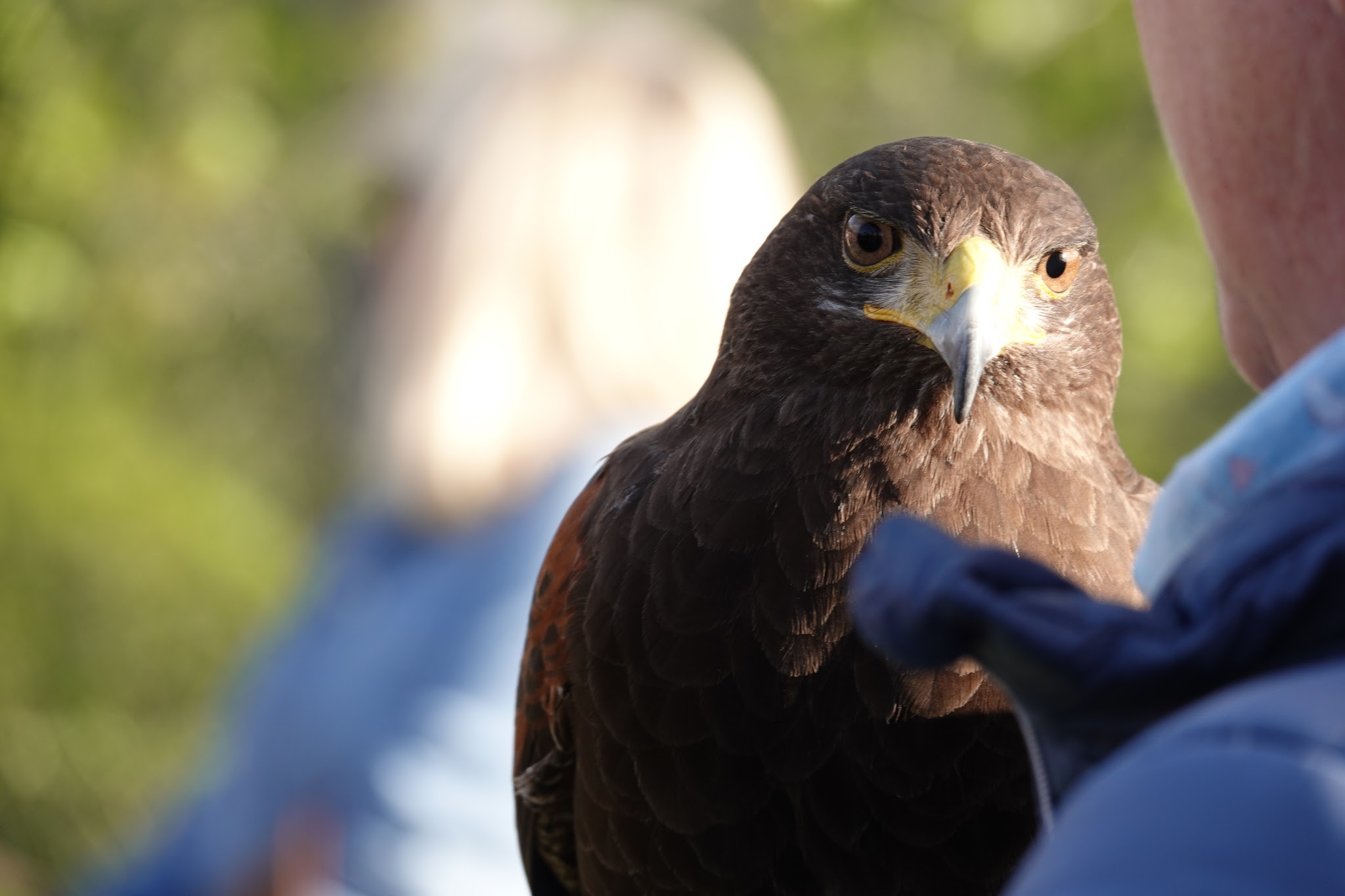
Yes, I held up my arm in a thick glove and he landed there.
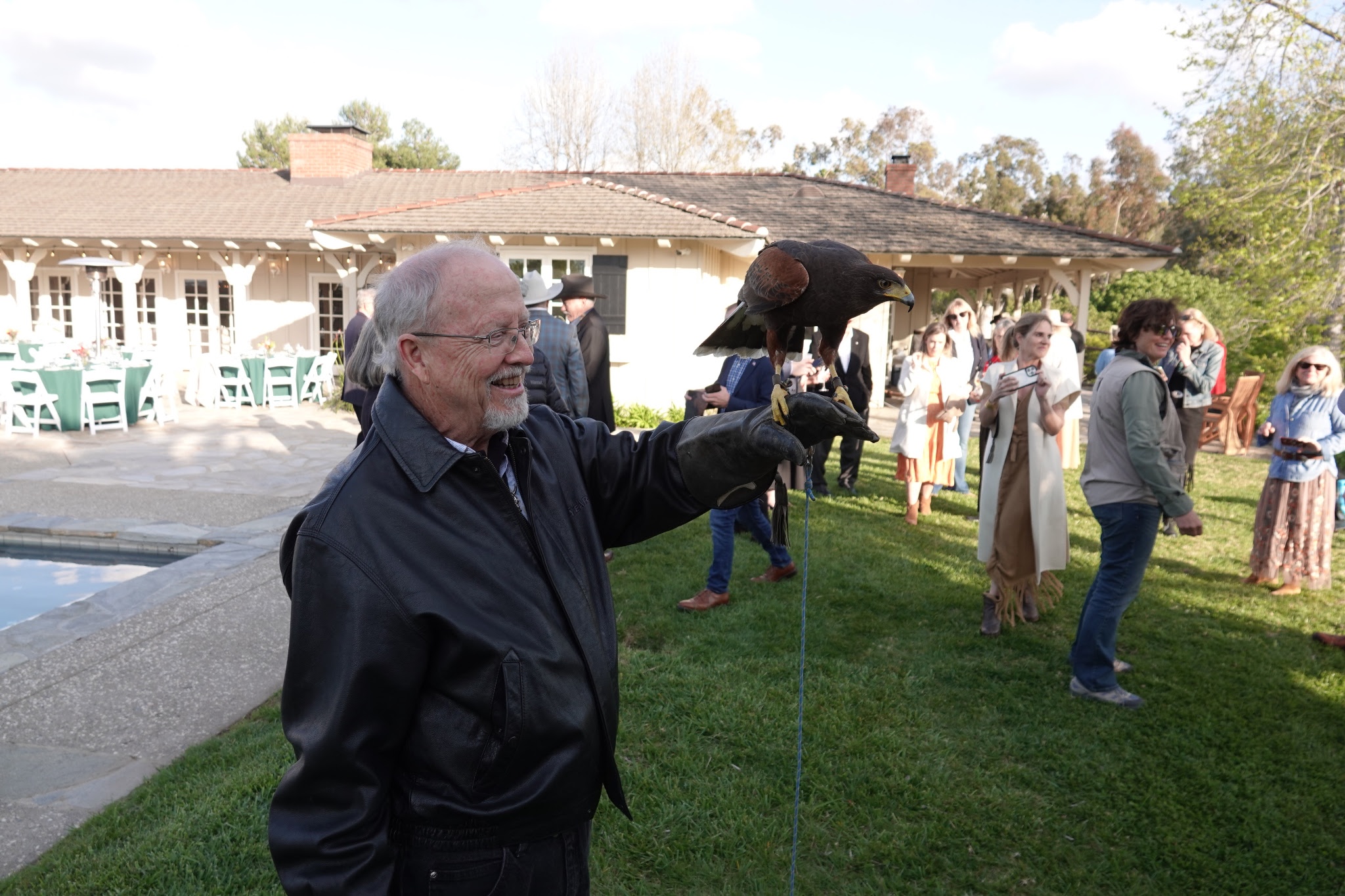
These are relatively. small raptors.
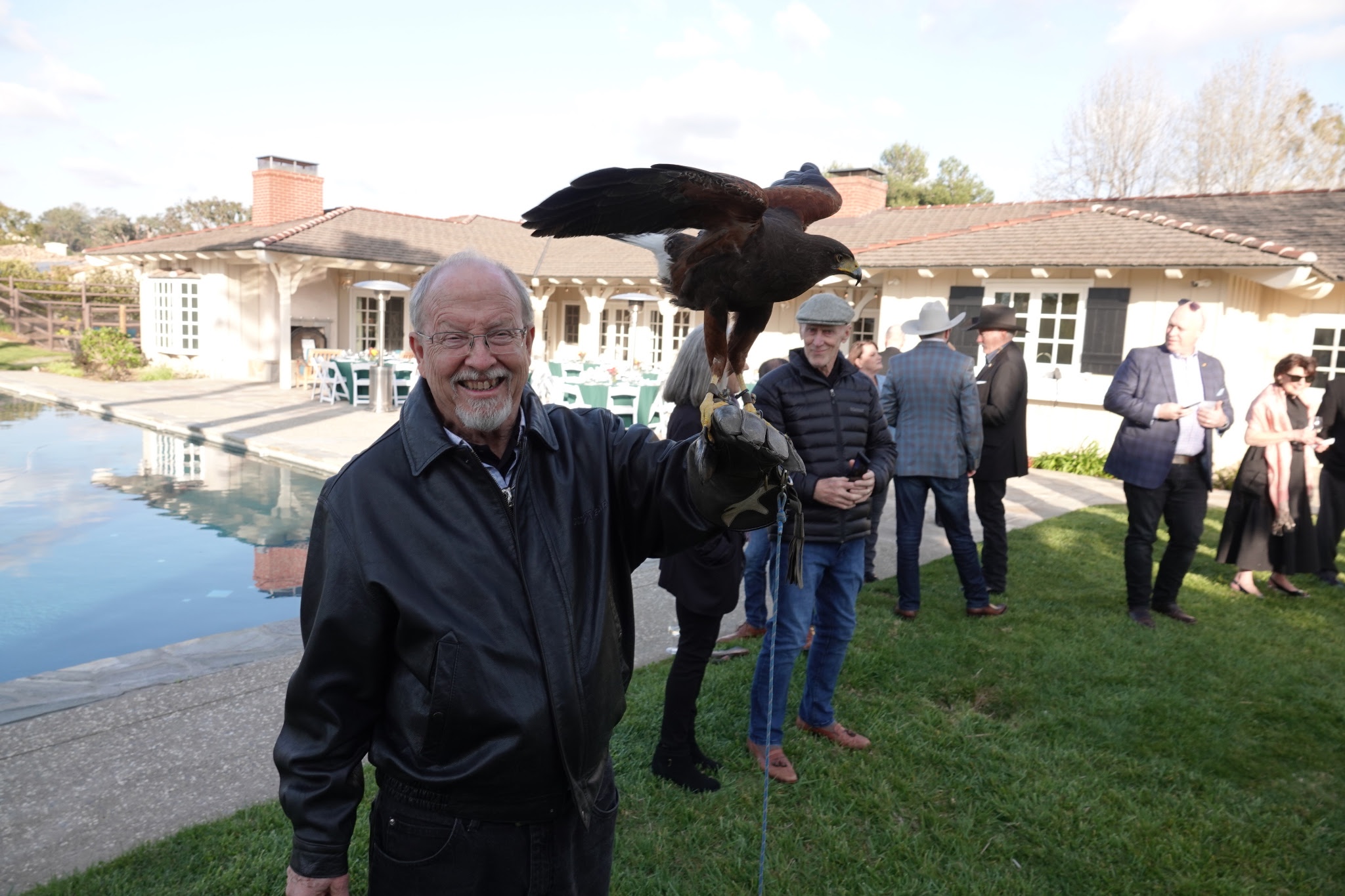
Big enough to be terrifying though.
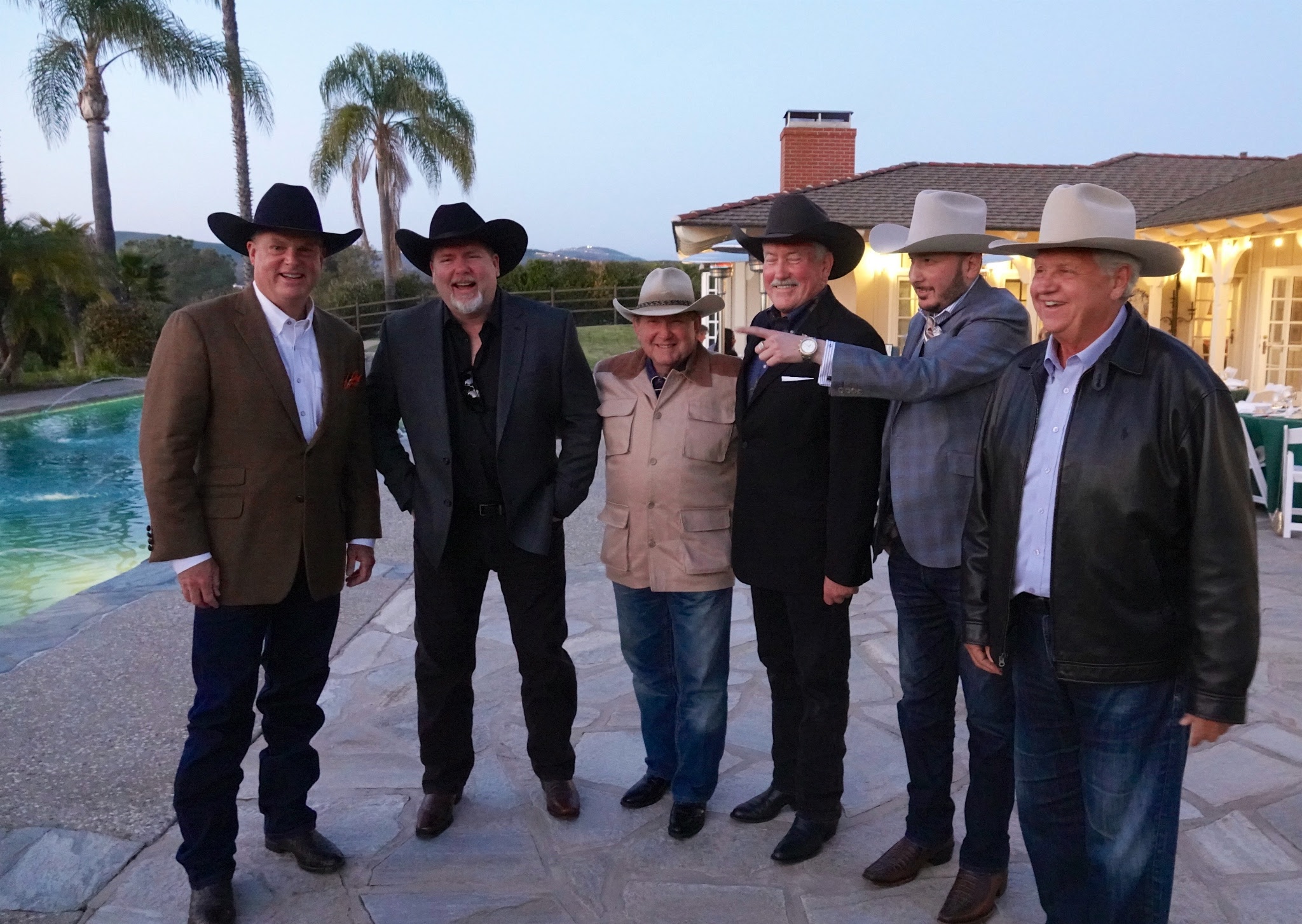
The gentlemen cowboys (car collectors, hunters, fishermen, businessmen)
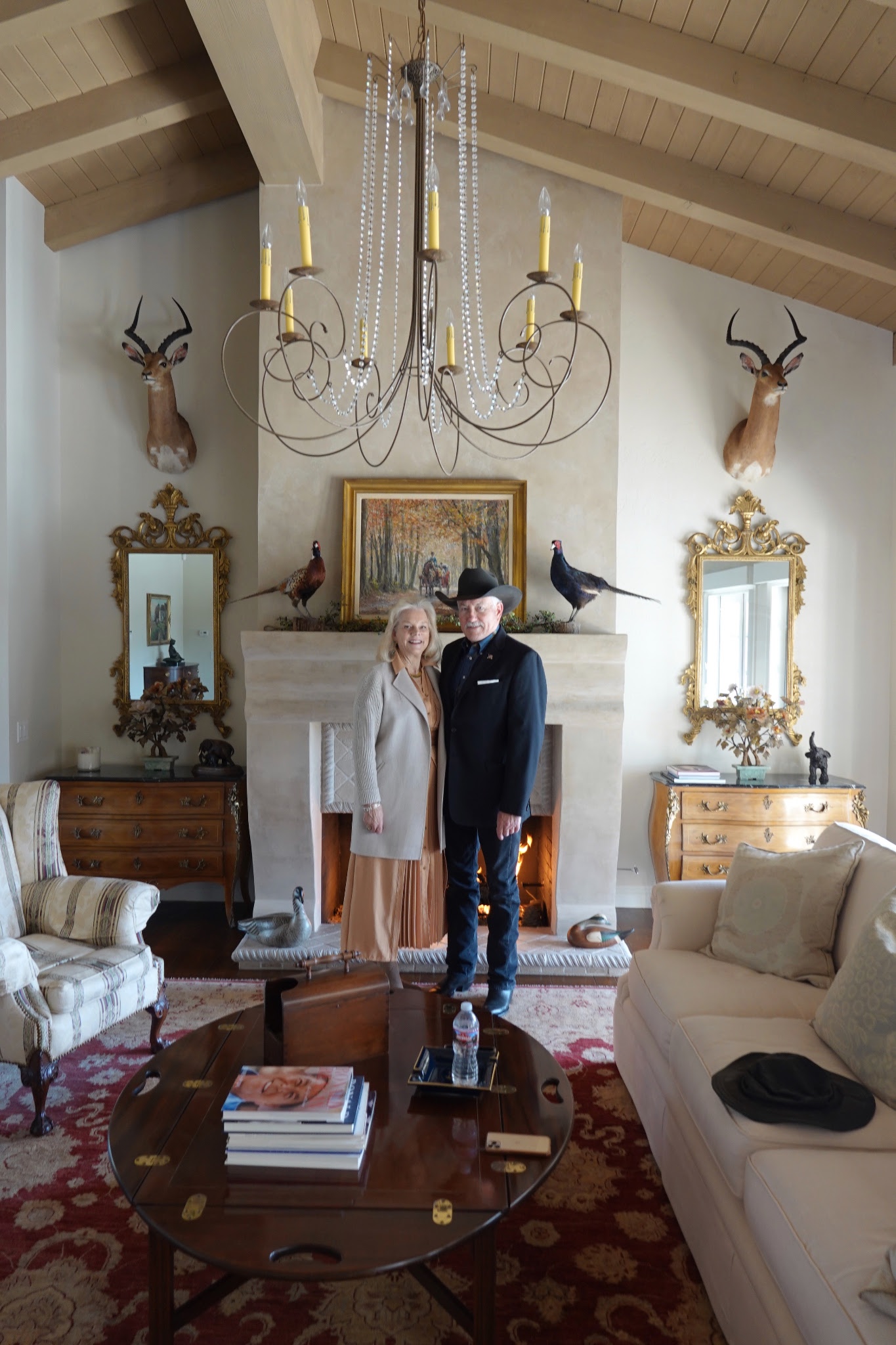
Cazalea
Yes, I held up my arm in a thick glove and he landed there.
These are relatively. small raptors.
Big enough to be terrifying though.
The gentlemen cowboys (car collectors, hunters, fishermen, businessmen)
Thanks for the Raptor Experience and all the great food.
Cazalea
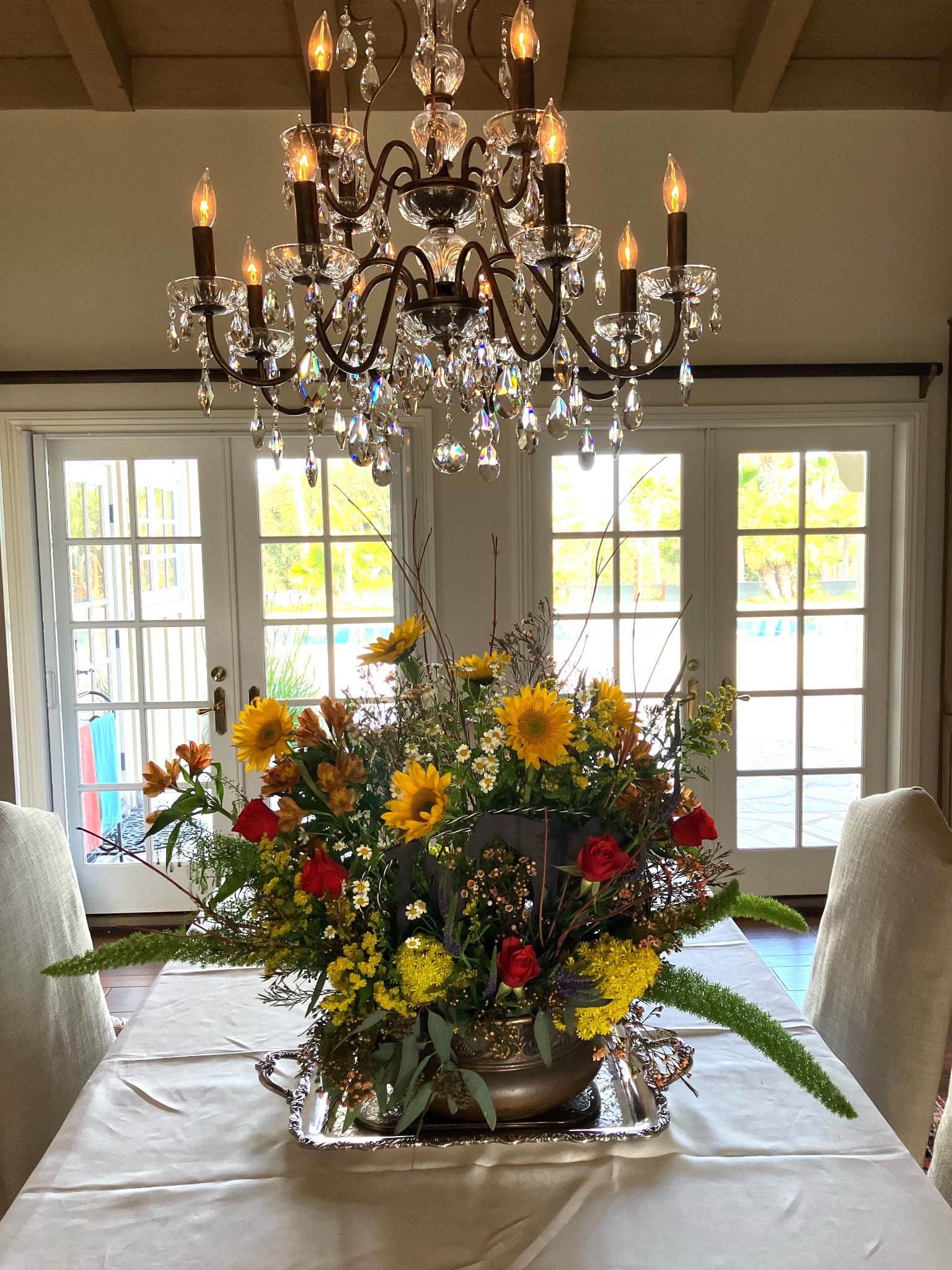
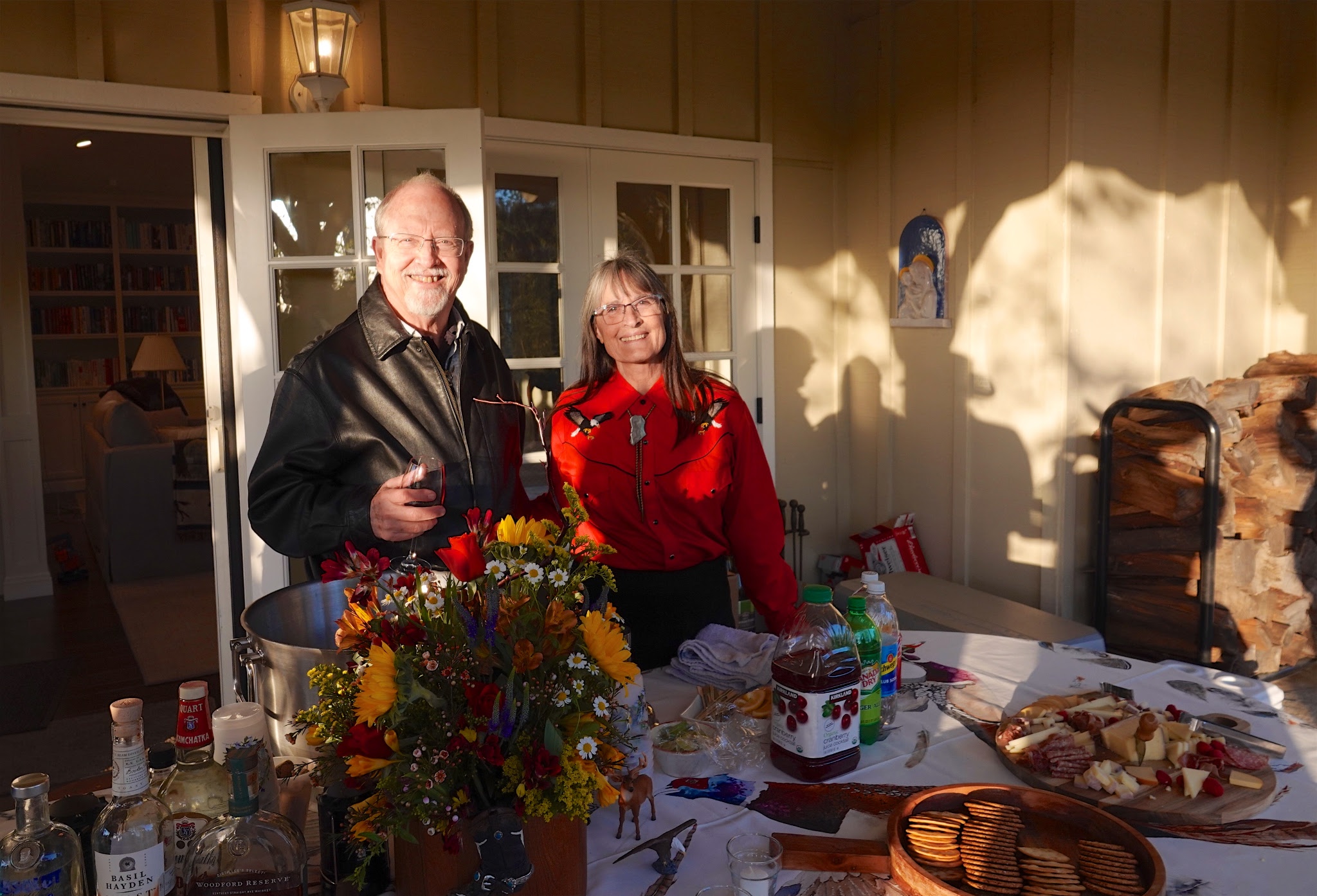
PS - my wife did the flowers for this event.
No Final Four, no Succession, no Vermouth - just hunting the old-fashioned way
A friend's 70th birthday provided the occasion for a Raptor Experience. Two hawk-loving ladies brought two Harris hawks to the party and we all got a lesson on falconry, Unlike almost any other raptor species who are solitary hunters, the Harris Hawks hun...

Lovely stuff!!
Excellent images Mike, it is evident that you guys enjoyed it thoroughly! Thanks for taking us along with this pictorial.... Cheers, Filip

Wow! What fun!
What a cool party and what a cool host! That bouquet by your wife was sensational! But the piece de resistance were those raptors! The power. The focus those birds have is amazing. What a cool and amazing experience!
A bit scary looking one eye to eye from a foot away! But great fun talking with people who live with these birds all the time
They (birds) were better behaved than many dogs I know! They kept them on leads just because the birds had never been in that area before, they are curious, and it was approaching dusk and the owners didn't want to hunt them down across hill and dale!
We'll have to get the Chopard Alpine Eagle...
The dial is like a predatory bird iris. We'll get acclimated to bird stares soon! Your wife also chose the best shirt for the event! My best to her! They look like very well behaved birds indeed!

What a wonderful party! Looks like everybody had a great time. Very interesting experience with hawks. And so beautiful flower arrangements by your wife Mike! Big congrats to her.
I enjoyed so much reading and viewing your pictures. Thanks a lot for sharing with us!! Best cordial regards, Abel
Thank you for reading
I will give her your compliments. I only helped with logistics, ordered the cake and took pictures. And ate/drank enough that I forgot to take pictures of the food courses 😕. Apparently I also forgot to focus on the Black Forest Chocolate cream cake... wi...


Amazing Birds
I came across them this week whilst researching raptors and their populariy in different regions and cultures for this article on the Falcon which along with other birds of prey featured heavily in art forms from over 100 years ago www.rlaliquemascots...

Shared a similar experience in Bahrain . . .
. . . where I got to go on a falconry hunt. Not Harris hawks, but they were American birds. Can't remember the type, though. 🦅