Help to determine Omega pocket watch caliber
Hi!
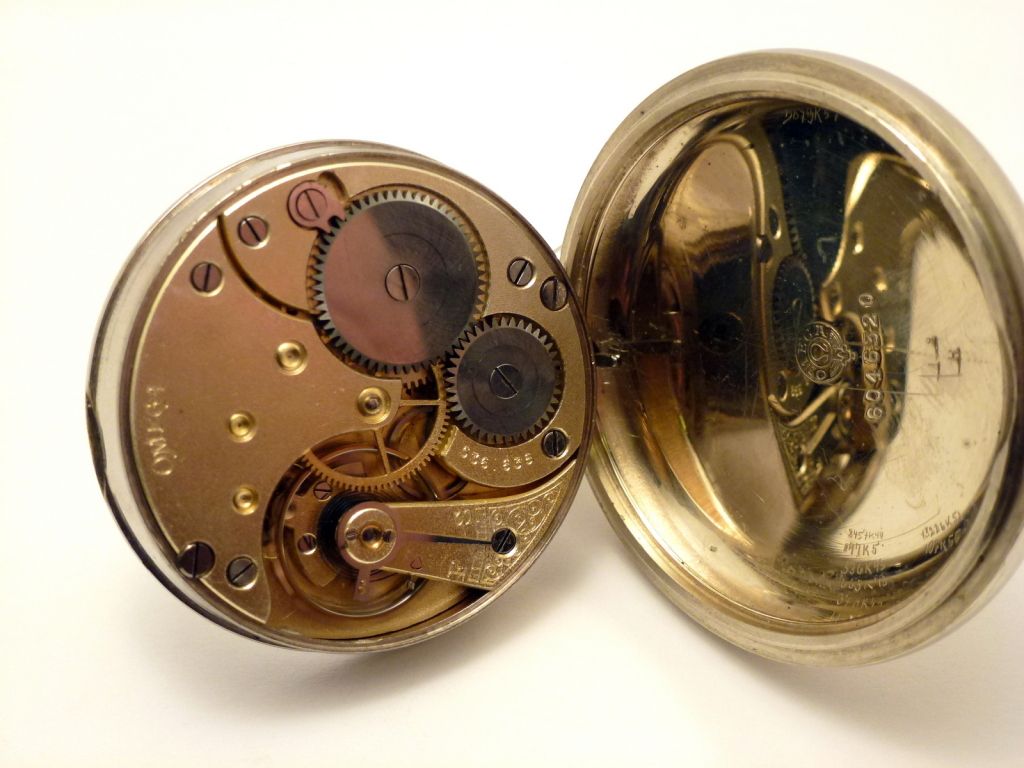
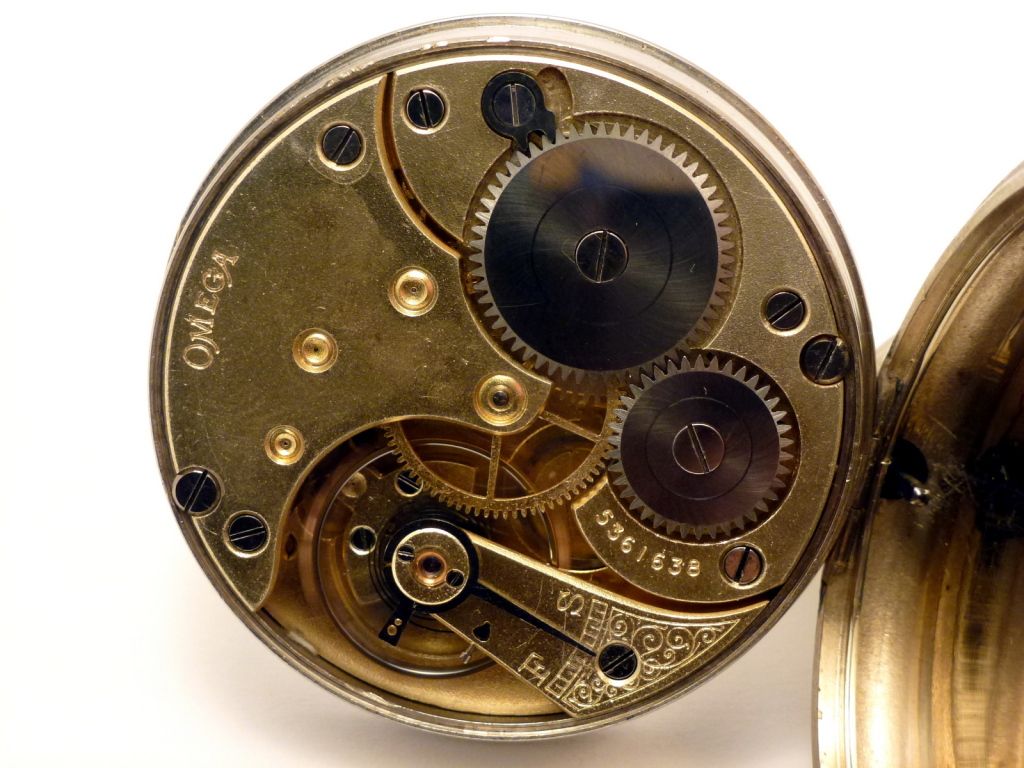
I also collect Omega pocket watches. Most often you can see the caliber number stamped on the movement, but on this one I can not see it.
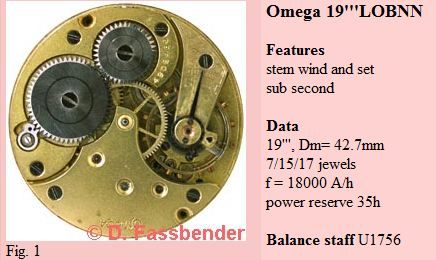
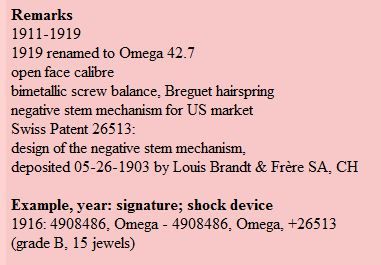
I've tried a find a similar and my guess is Cal. 19 LOBNN, but would like to hear what you think. (see below)
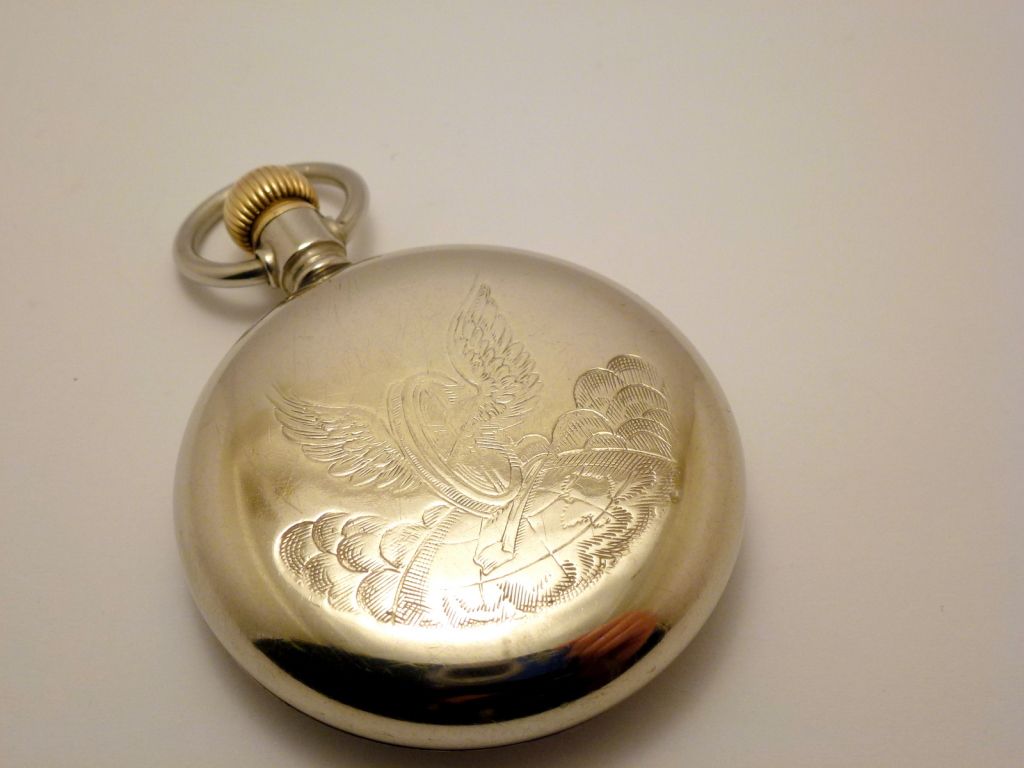
In addition, this clock has a train wheel at the rear. Omega has made watches for many railway companies in many countries and these watches had typically a more accurate caliber. Could this watch be a "railway watch"?
approx. 1917
Thanks..
Best Thomas
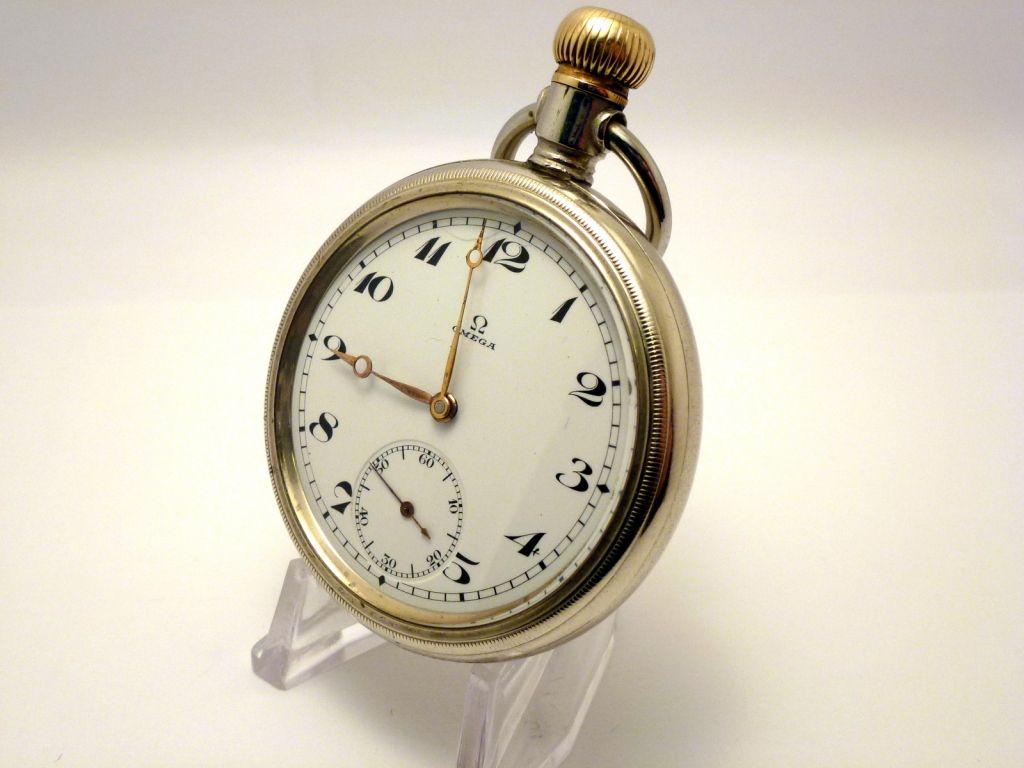
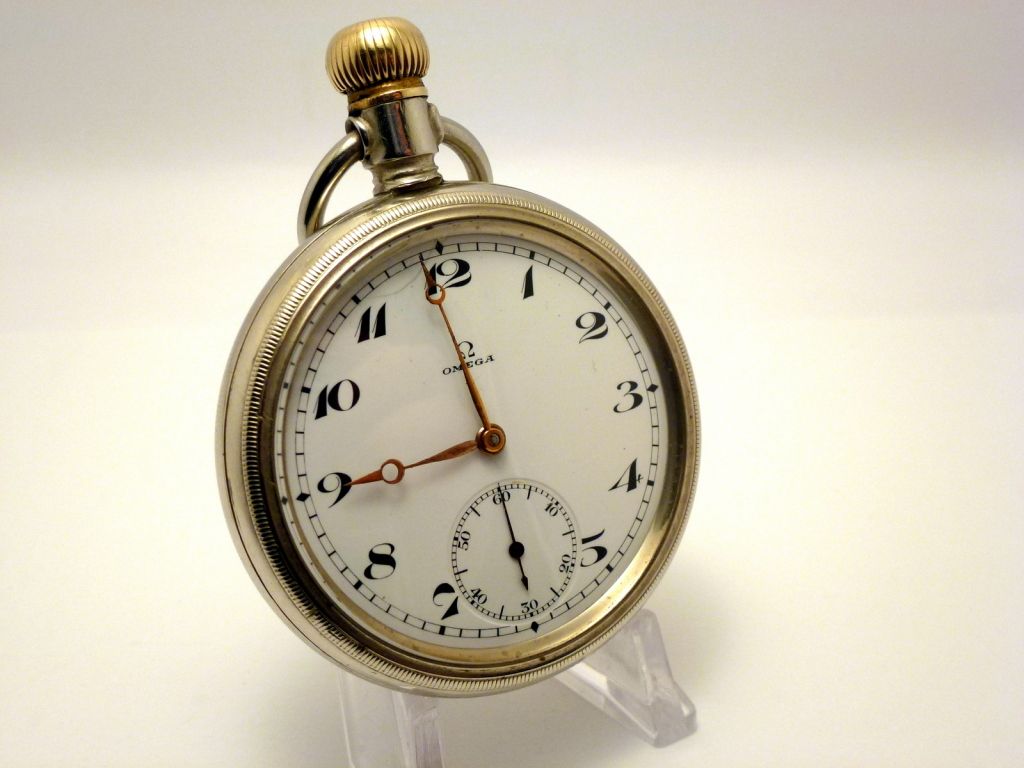
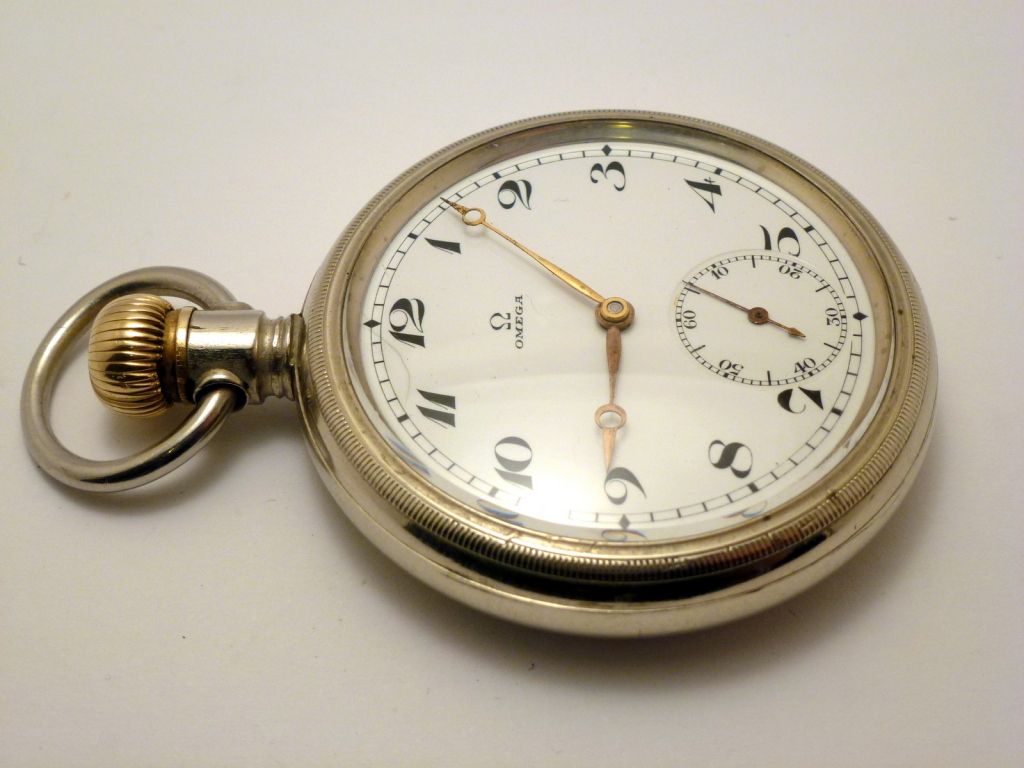
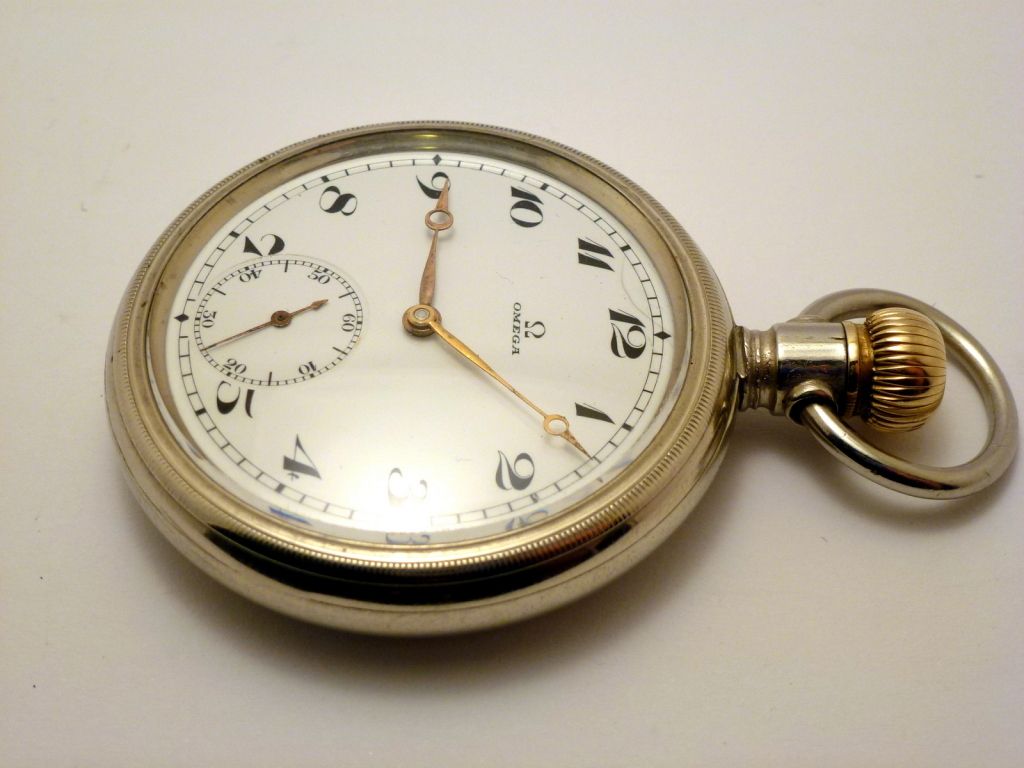
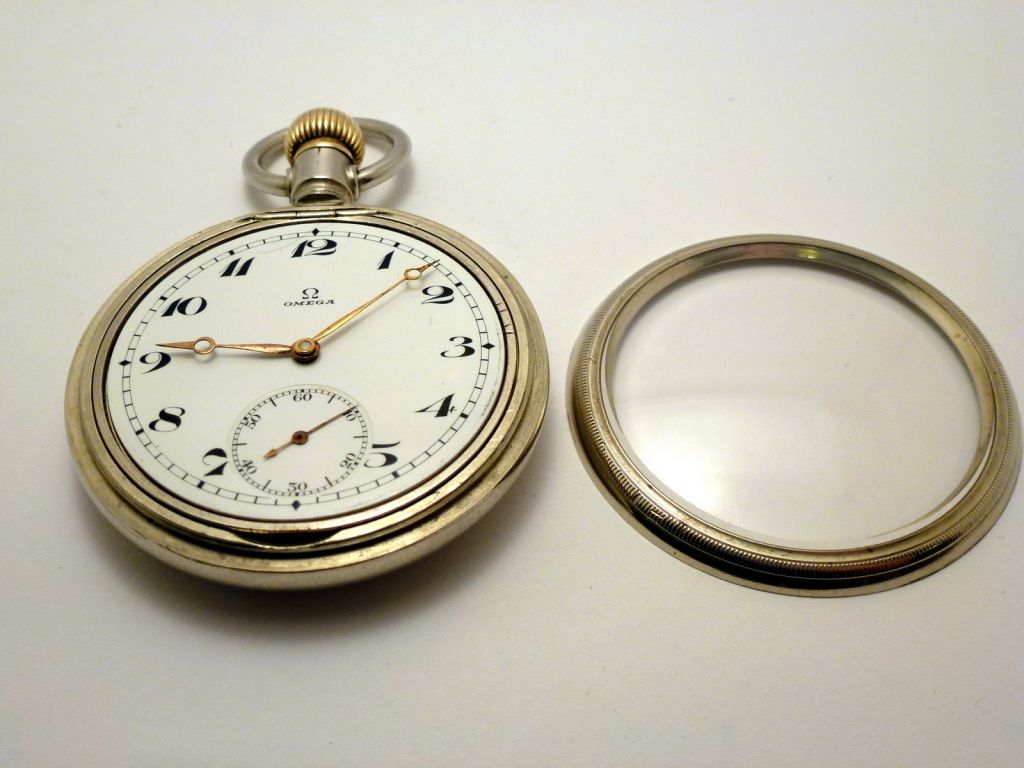

Hi Thomas, I would like to know...
Hi Thomas, would like to know the exact diameter for determination.
Might have been designed for railway use due to the back - but what makes me uncertain about that is the
very low number of jewels - none to be seen on the wheels...
kind regards
erich
I guess it is
A calibre 40.6 L 15 p then? But they do not have a pattern engraved like the 19'' and the 19'' is 42,7 mm according to Rannft ??
Best
Thomas
ref. identifying
Hallo Thom.
This is the very movement which made Omega famous; when it was introduced (size 19''') it was actually called caliber "Omega" (the wellknown story about the namegiving by banker Rieckel). It proved to be a big succes and within a couple of years it was available in sizes 15 - 17 - 18 - 19 - 20 lignes (for men) and 10 - 11 - 12 - 13''' (for ladies). Moreover, practically all sizes were offered both in Lépine version and Savonette.
And that's not all: depending on what accuracy you wished for (or money to spend!) the customer could choose from qualities -or grade A (basic), B (most current), C (very fine) and D (top notch!).
In the example you have brought forward in your post 19'''LOBNN 15p: 19=size, L=Lépine, O=Omega, B=grade, NN=negative stem mechanism by Omega, and the number of jewels.
To determine the size by the naked eye and distinguish between 18, 19 or 20''' is rather difficult - you really do need a set of calipers. Your measurement of 40,6mm would indicate that it is in fact a 18'''. However, keep in mind that the (then new) caliber 40.6 (in millimeters) that Omega introduced in 1923 looks very similar.
Concerning the winged wheel at the back-side, this could also be due to a person's jubilee at his company, where he received it as a memorable gift from his (railway)employers?
Apart from all this, i find the fact that it is on many occasions pretty frustating to find so little info on the movement itself : only the brand name and that's it - no Swiss, no jewels, no adjustments, no type of caliber, sometimes not even a visible serial number (at least you have that!).
This was not always the case, proof of which is this 19'''SO grade A (7 jewels) pic:
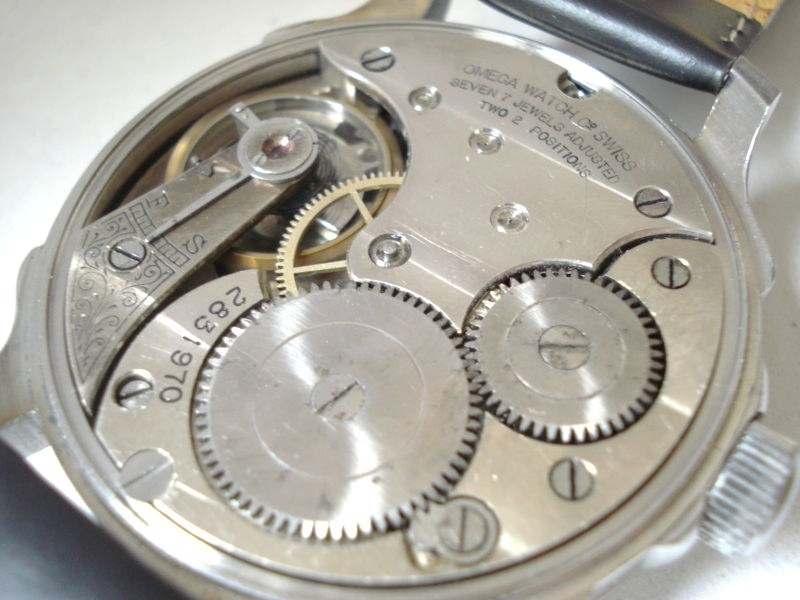
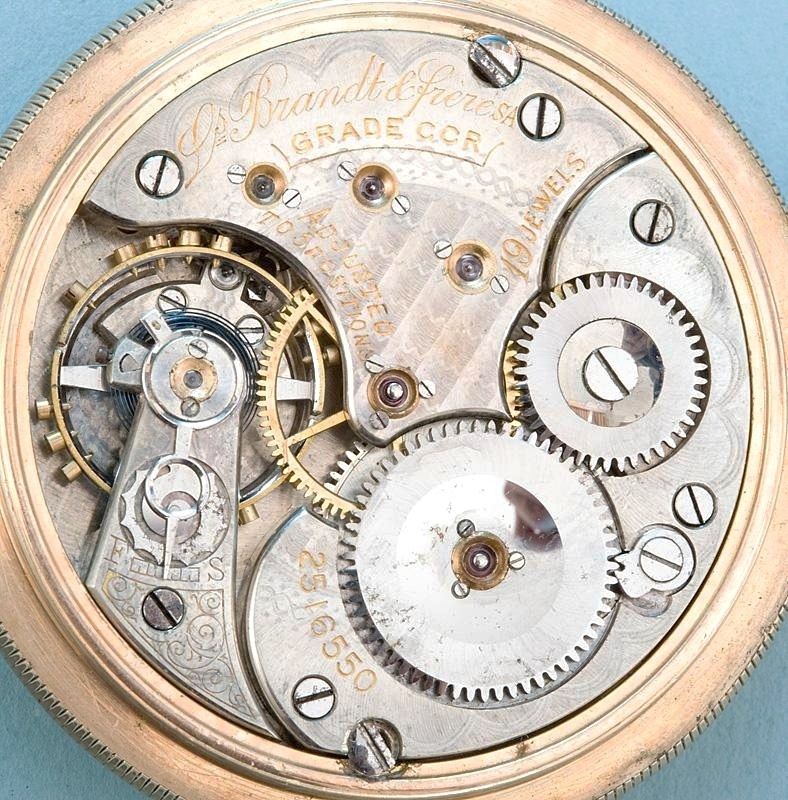
DDR version
The finest of the series, grade D, with 16 or 17 jewels was available as chronomètre from size 13''' up to 20''' with a 'bulletin' issued by the Bureau / Observatory in Bienne, Neuchatel or Genève - adjusted to variations of less than a minute per month, in 5 positions and under extreme temperatures.
Consequently, evolving took place into:
grade DD - very fine finished, for the bigger sizes 18, 19 and 20'''.
grade DR - with extra-fine finish, for 19 and 20''' with 19 jewels, balance screws in gold.
grade DDR - this appeared in 1905, intended for official chronometers and observatories, made in silvered nickel, equipped with 23 jewels (incl. 2 diamonds), all parts polished and/ or gold-finished, in short: non plus ultra!
Of the 19'''DDR 900 pieces were made in 1906/ 07 and in 1911.
396 pieces of size 20'''DDR were crafted in 1905 and 1908.
?
The 19'''DDR version was replaced in july 1922 by cal. 43.15 which was named: "Verybest". Also equipped with 23 jewels, 600 pieces of this Verybest were made.
This info comes from the former museum-curator Marco Richon, hope this satisfies your enquiry Achim.
best, Ben.
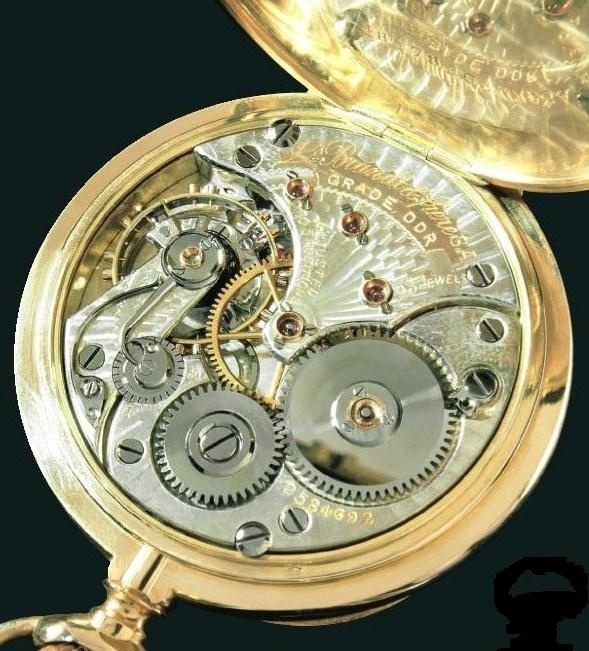
thanks, ben ! always wanted to buy a DDR grade....
some photos of a DDR


Thanks very much for sharing your DDR with us, Fred. Thomas' [tdn-dk] thread is some nine years old - could you possibly . . .


The engraving on the back cover looks very much . . .
swift wheel..
Thanks, and that would not be half bad Art ! For a prof. timekeeper or for any time-keeping purposes you would however expect a little more than a bog-standard bread&butter movement, isn't it?
The engraving shows a winged wheel with spokes, some kind of tread on the circumference (?) and it seems to roll over a kind of beam. This possibly represents a piece of railway track is my guess.
Well, in those days railway companies offered a very important and dependable means of transport for the public, which in daily life was held in high esteem. Aviation and automobiles still needed more time to develop before they could start to compete. For myself i would tip on a gift or public relations thing from the railways.
Now and then you may come across attractive engravings (mostly locomotives/ trains) that have worn away heavily due to daily use in the waistcoat pocket, which can be a real pity...
ciao, Ben.
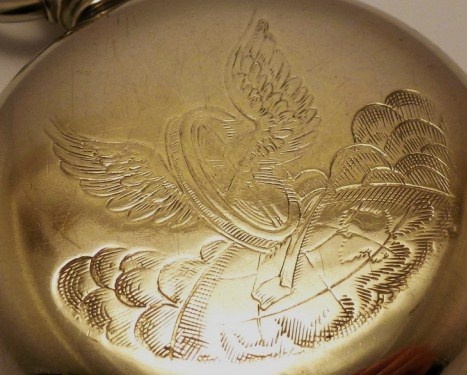
Thanks..
I learn a lot here!
I guess the conclusion is, it is a 18''' variation of the cal. 19''' properly a standard grade B. According to Omega a 18''' is 40,7 mm, and the cal. 40,6 was actually only 40,0 mm i case diameter (and was first made in 1923).
According to Omega there were in 1906 379 different variations of their movement!!!
I guess it is not a railway edition, but i have actually seen this ingraving several times before.
Best Thomas
