rovermark
604

A Los Angeles gem: The Nethercutt Museum and Collection
Recently I received a call from an old friend who is currently working on a book about lesser known Los Angeles asking if I was free on a Saturday afternoon. He had reservations for a 1:30 tour of a car museum that I had never heard of, even though I have lived in LA for over 20 years, the Nethercutt Collection.
The Collection is located in Sylmar, which is the very northernmost part of the San Fernando Valley. It occupies two buildings. A single story museum, which is accessible without being part of a guided tour, and a four-story tower located across the street. To see the collection housed in the tower you must be on a guided tour. As you will see, taking the tour is well worth your time.

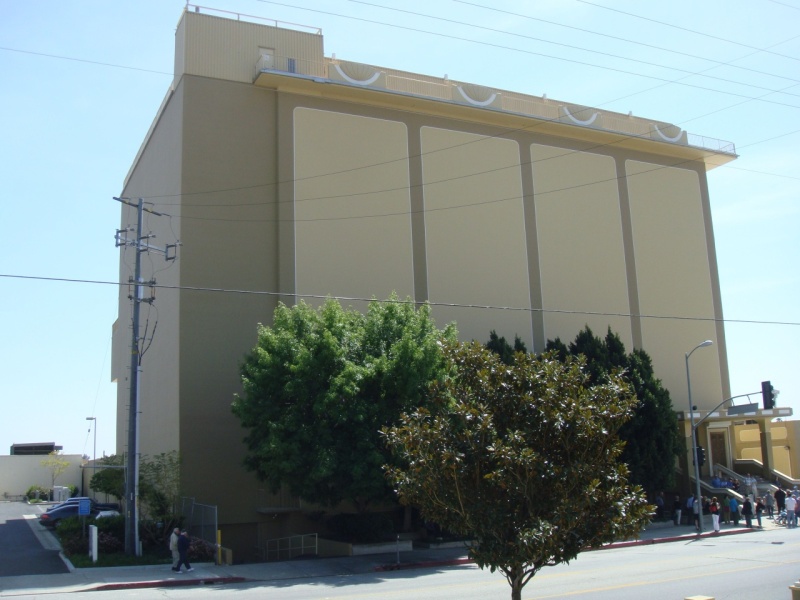
The tour starts on the first floor of the tower. The very first car you see on entering is one that holds a place not only in my heart, but my garage as well, a Delorean:
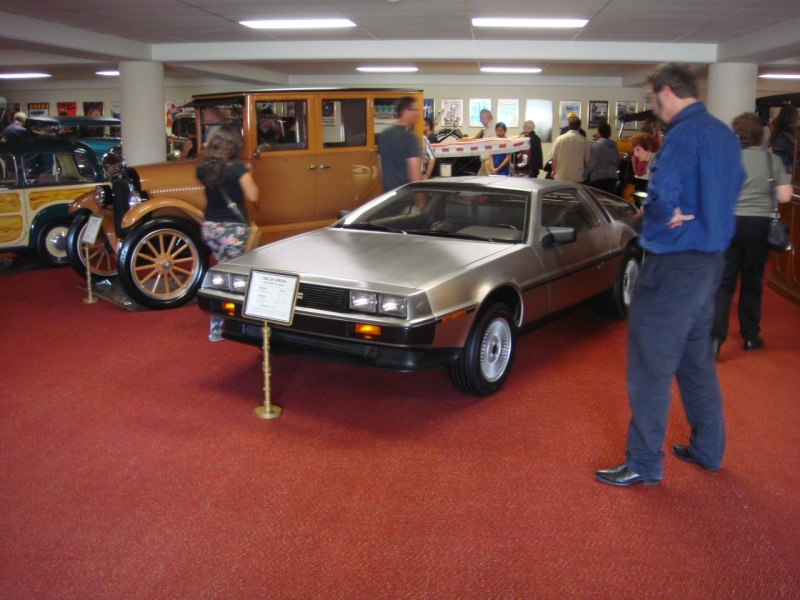
On the same floor were a variety of cars ranging from the early 1900’s up through the 1980’s, with a primary focus on pre-WWII cars. Some of the ones that caught my eye included a General Electric electric car from 1914. It even came with the charging equipment its’ owners would require.

On the opposite side of the spectrum there was a 1930 Cadillac Phaeton. With a V-16 engine displacing 452 cubic inches I suspect it wasn’t exactly frugal when it came to fuel.

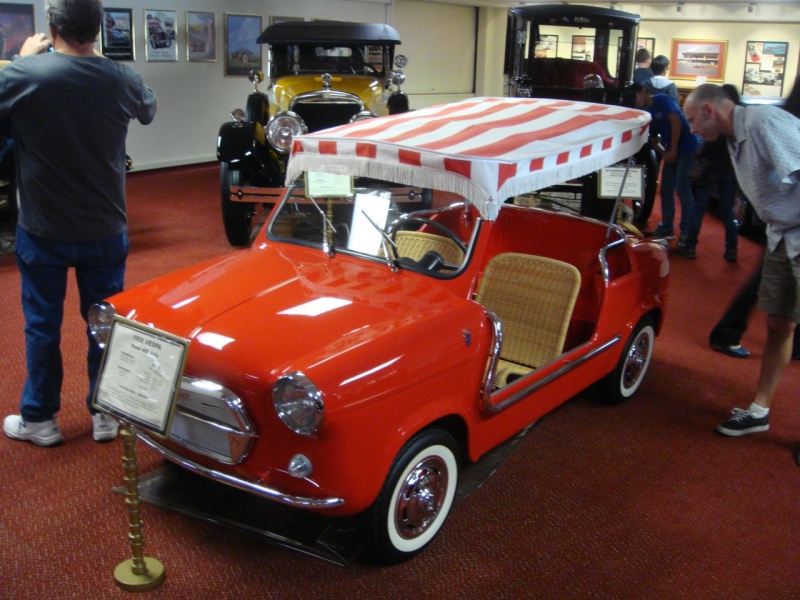
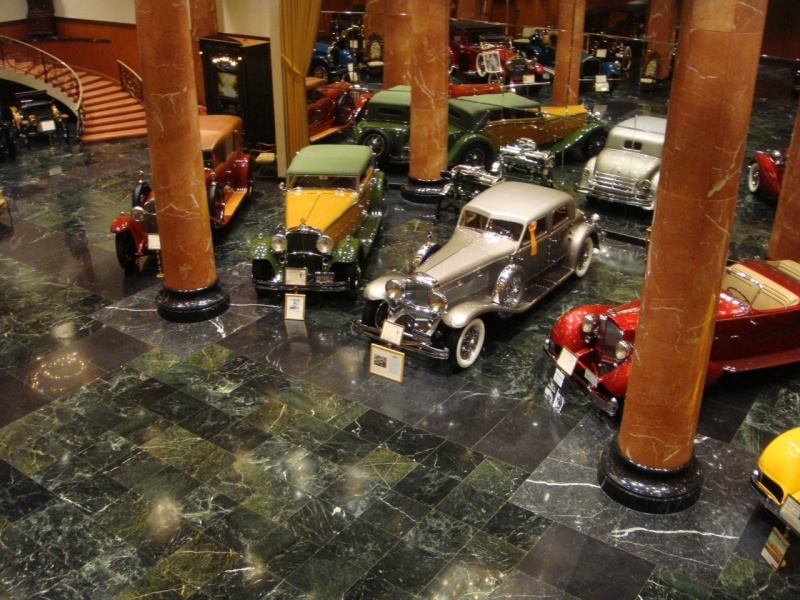
After allowing the crowd to roam the floor and look at the various cars the tour moved on to the second floor. According to the tour’s guide this room was styled after car dealer showrooms of the 1920’s.
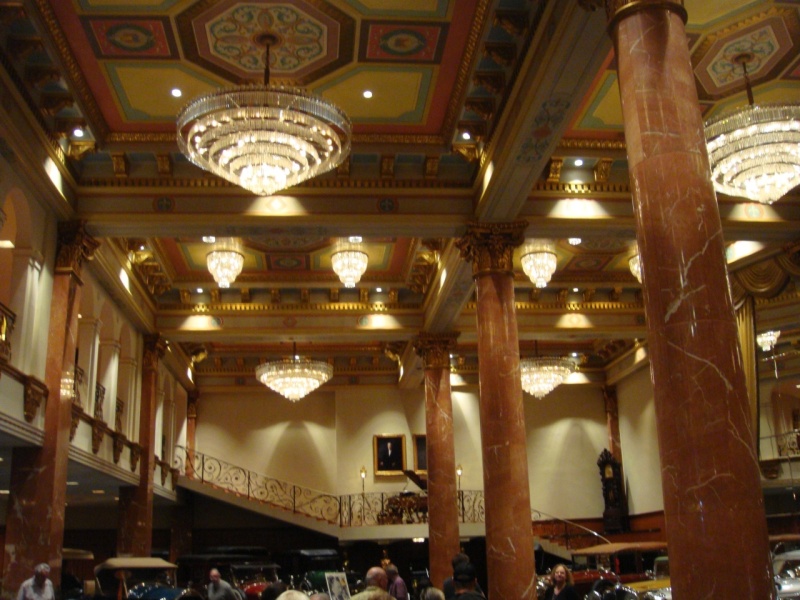
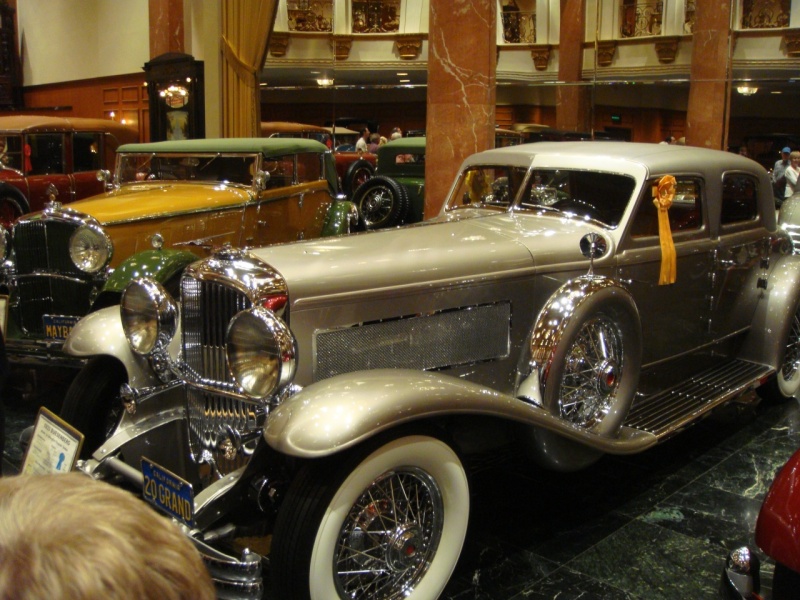
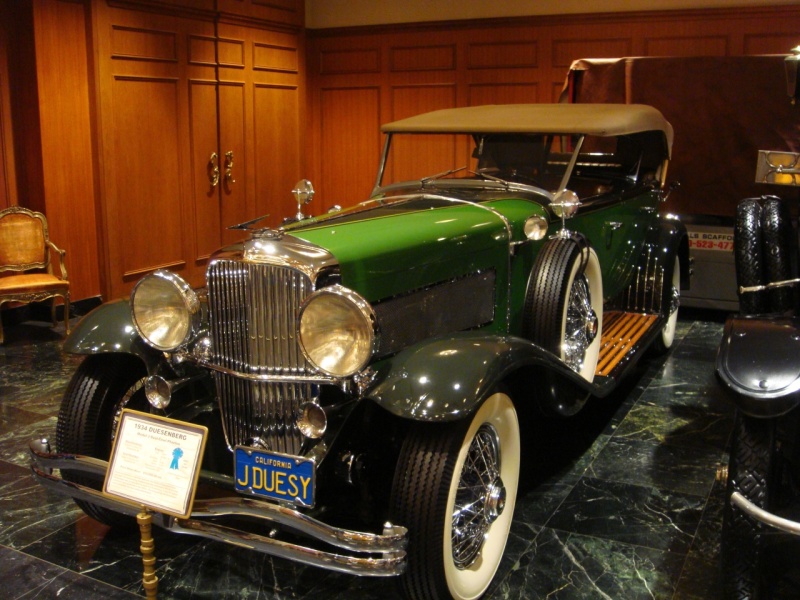
There were even a couple of beautiful Dusenbergs:
Then there was my personal favorite on this floor, a 1932 Maybach. Something about this car just blew me away. It’s simply fantastic. I wish I had some photos that could convey just how beautiful it really is:
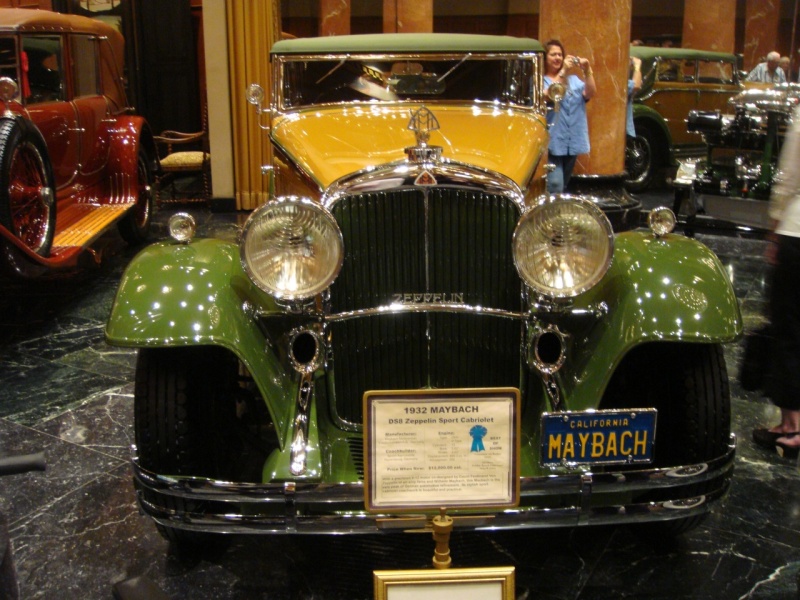
After allowing people time to wander among the cars the tour proceeded to the third floor, which is a balcony overlooking the "showroom".


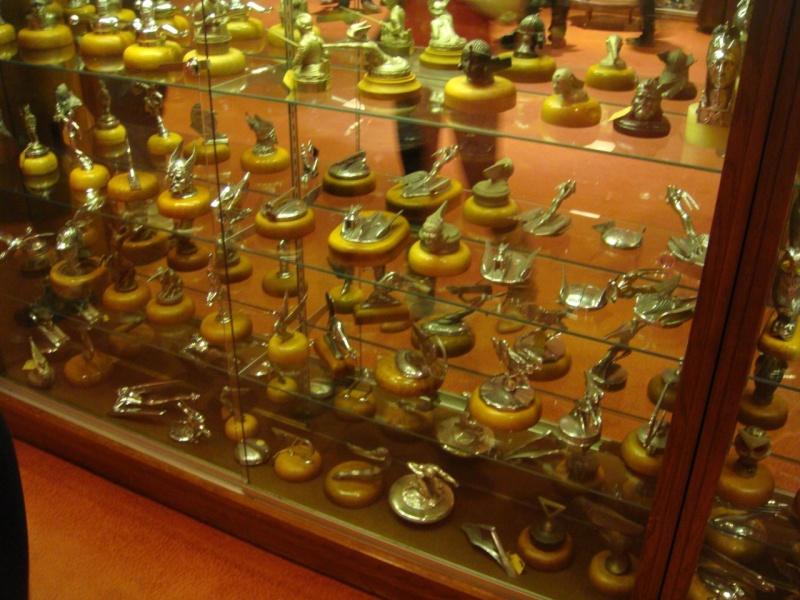
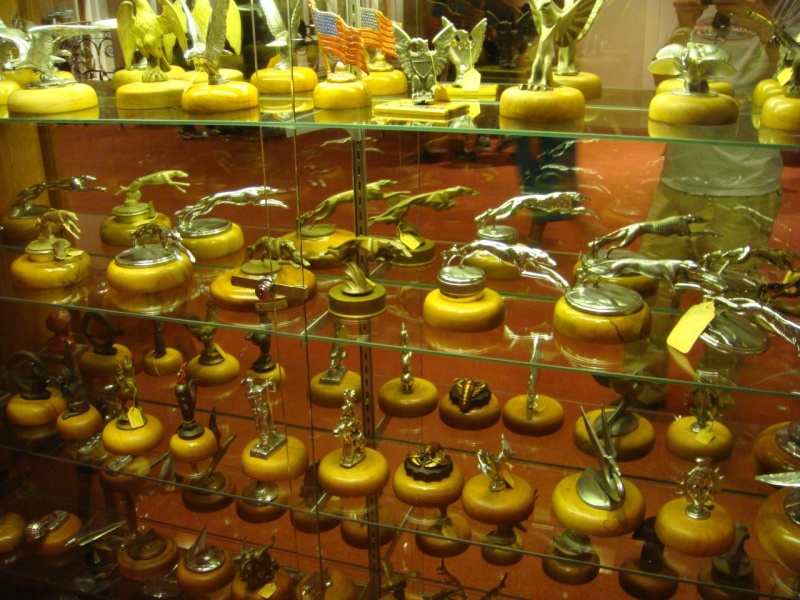
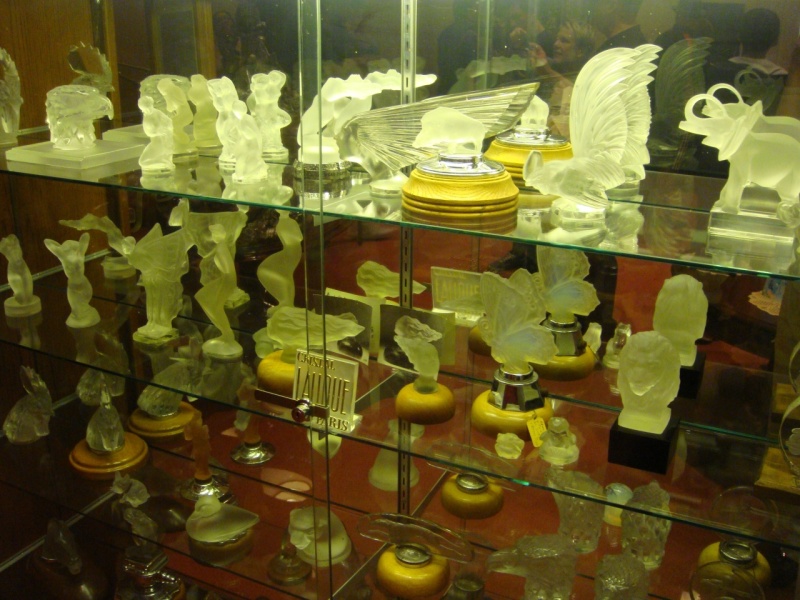
This level presents a transition in the collection. Cars were not the only thing the collection's founders were interested in. They also collected mechanical music and sound devices. Along the wall were a collection of hood ornaments.
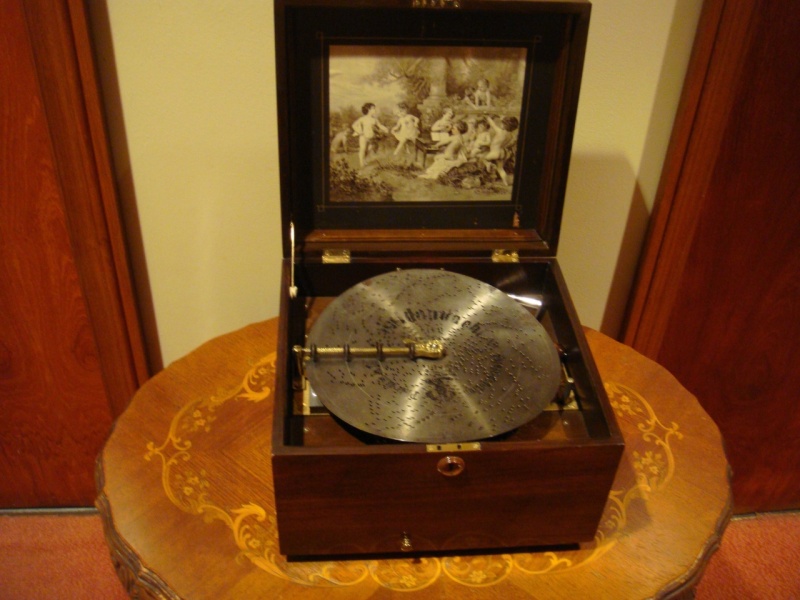
This floor is also where the collection of music playing machines starts. Among them were a type of music box that used disks that could be considered the direct ancestor of modern optical media. With this player the music is represented by a series of holes in relation to the solid space. With modern media the same principle is used, just on a microscopic scale:
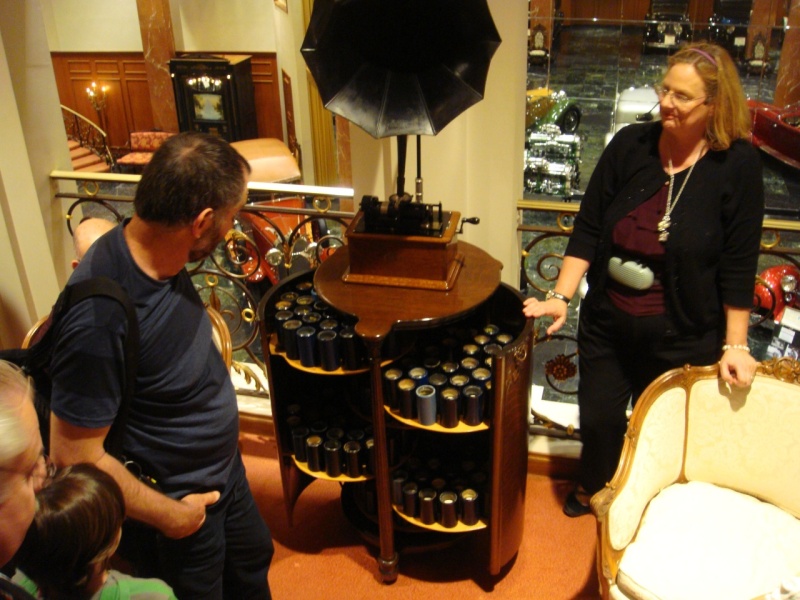
Another one of the machines was an Edison Cylinder player. This was the first commercial device that reproduced sound. Instead of flat disks it used wax cylinders. An interesting fact about Edison Cylinder players is that many of them didn’t just play cylinders, but could record them as well.
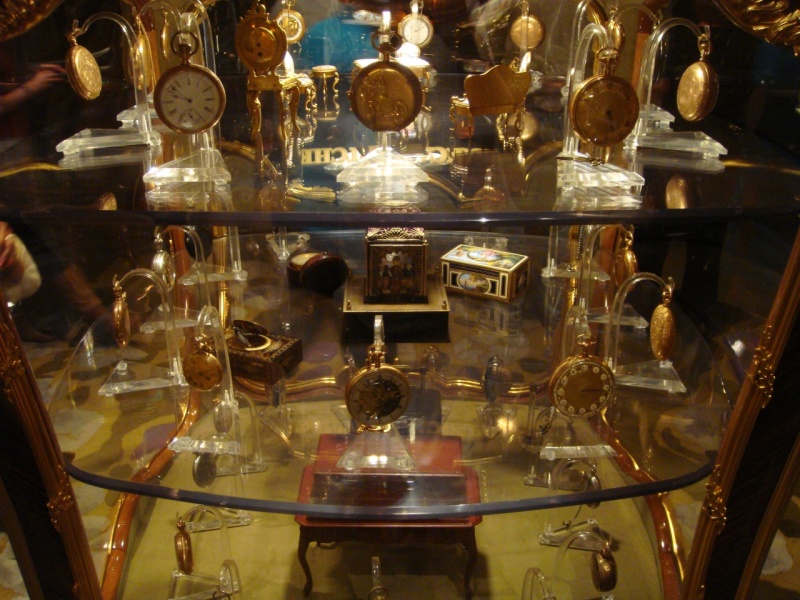
After a demonstration of the Edison Cylinder player the tour moves on to the fourth floor, which is dedicated to music. The first thing one sees as you enter the room is a glass case full of musical pocket watches (car and watches...hmm).

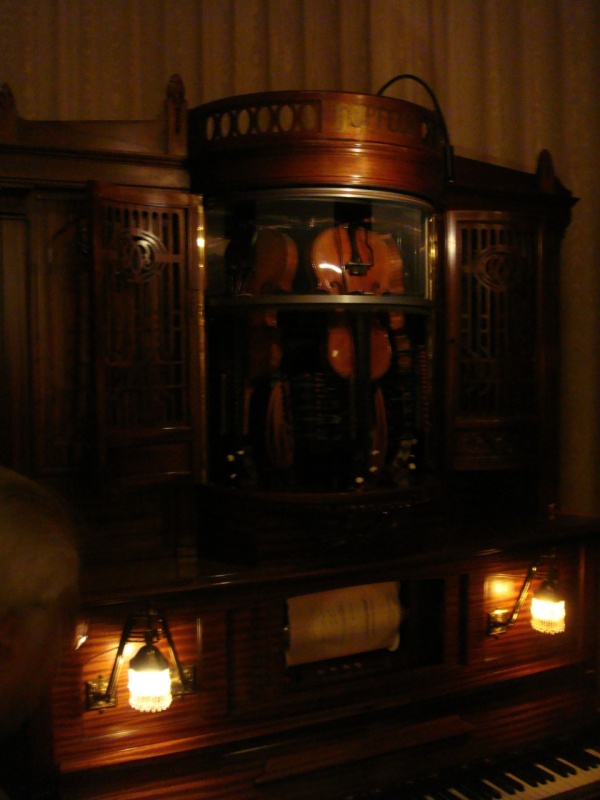
As you move past the entrance it becomes clear what the main focus of this room is: a Wurlitzer Theater Organ. But first the tour focused on the machines around the sides of the room. Assembled was a collection of various Orchestrions. Orchestrions are machines that are designed to mechanically emulate a band. They commonly used pipes and percussion instruments. As with player pianos, the songs played by Orchestrions could be easily changed.

I found this one to be quite interesting. It incorporates violins that are played by a circular bow that moves around all three at the same time while little mechanical levers control the fingering on each. The curator mentioned an interesting bit of information: He has to tune the violins every day. The machine did away with the need for three violin players, but an establishment that had one of these still needed someone who could tune it!

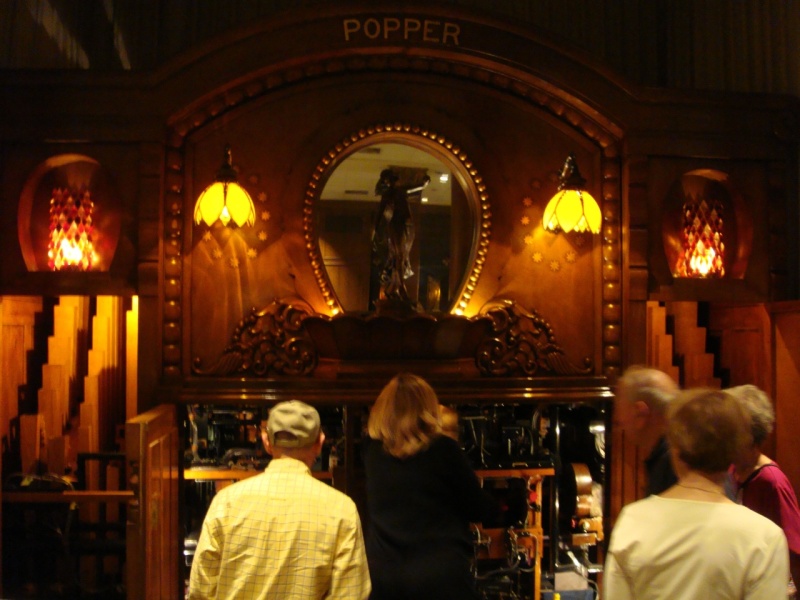
Some of these machines were quite massive:

Here is one with some of the cabinetry opened to expose the pipes and the machinery that operates it:
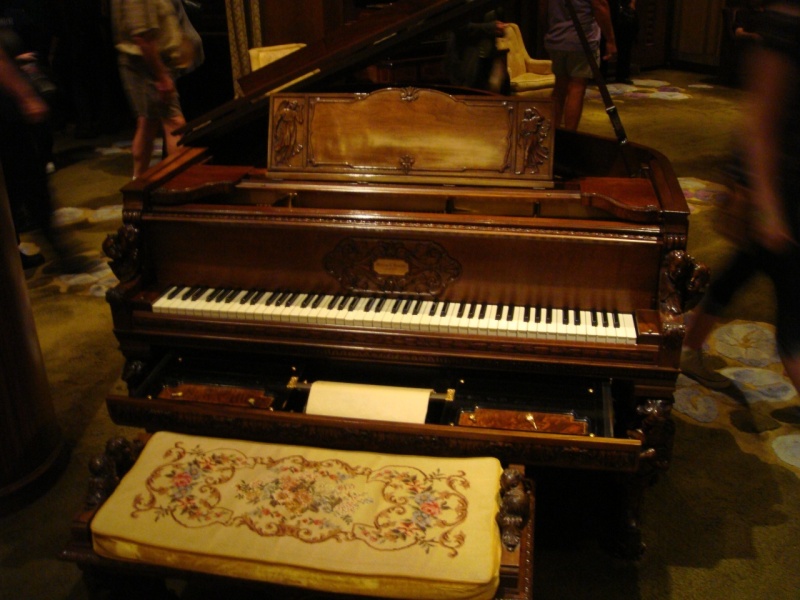
Along with the Orchestrions there was a player piano. Of course it wasn’t just a player piano but a Bösendorfer Imperial Grand Piano.
After demonstrations of a number of the Orchestrions the tour focused on the centerpiece of the room, a Wurlitzer organ. Wurlitzer organs were originally designed to allow one person to create orchestral musical accompaniment for silent movies. Wurlitzers were also capable of providing a number of sound effects.
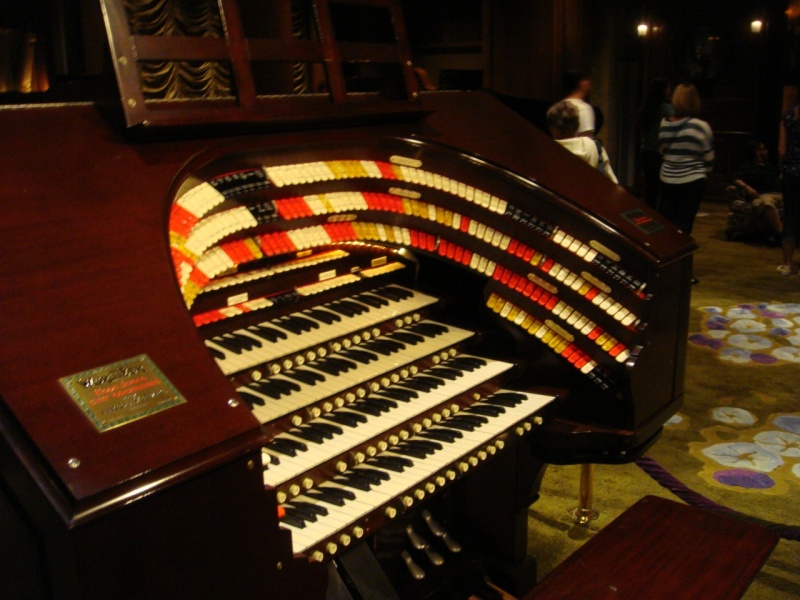
This one is a particularly large example although only small portions of it were visible. The complete instrument features 5,000 pipes and fills most of the floor. Here are just a few of the pipes:
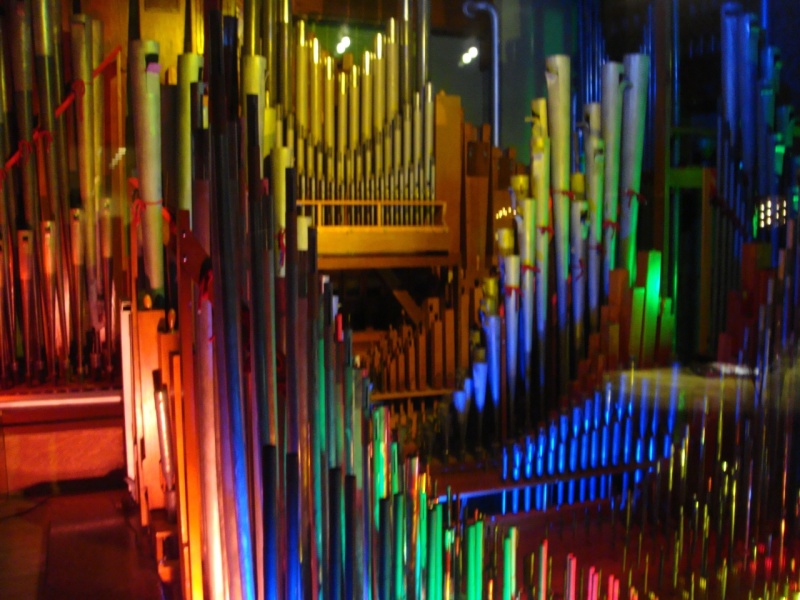
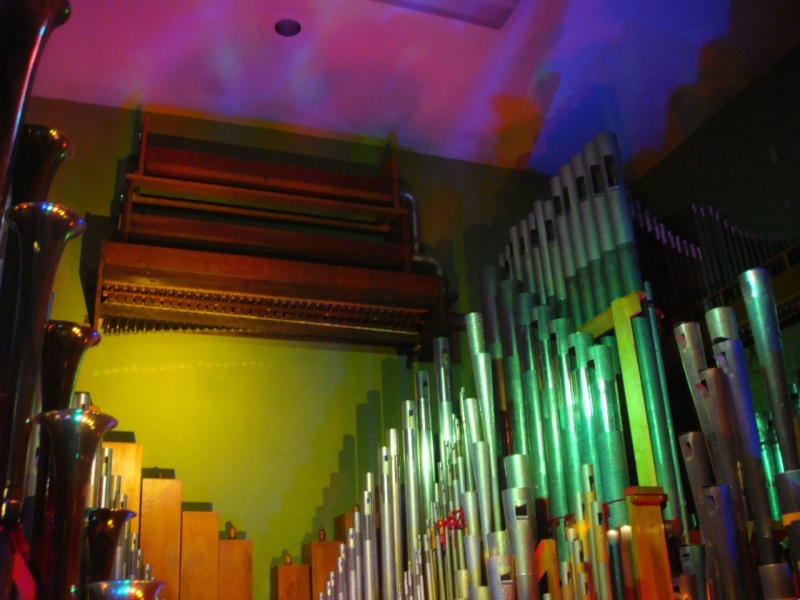
The tour concludes with the organ performing a mini concert. Of course that is not all of the collection. For car fans there is still another whole building located across the street.
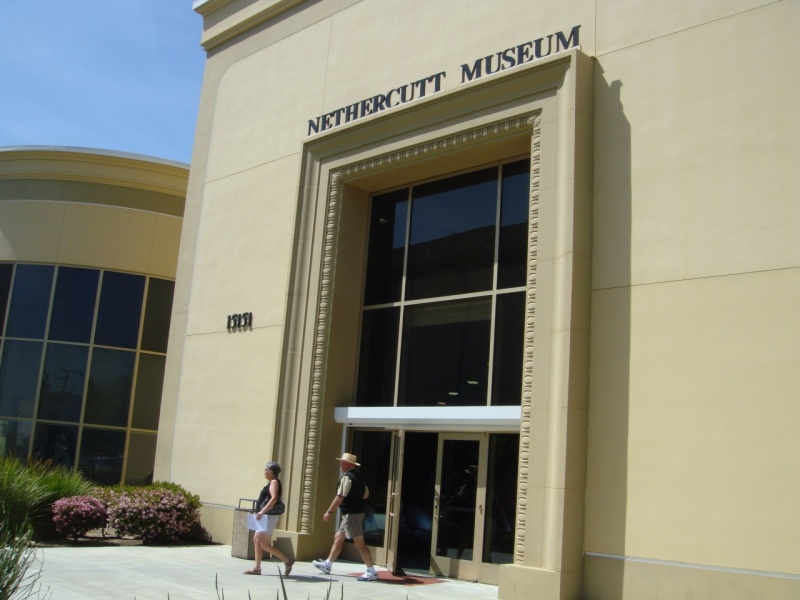
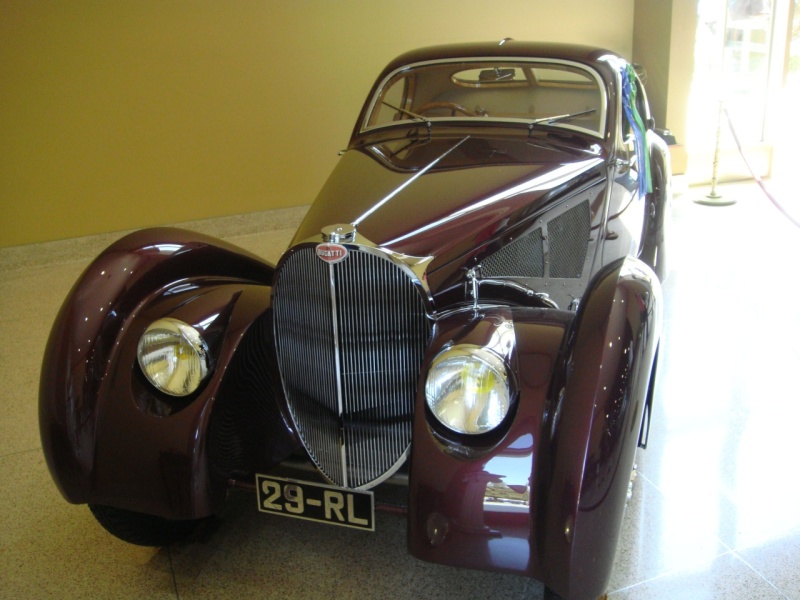
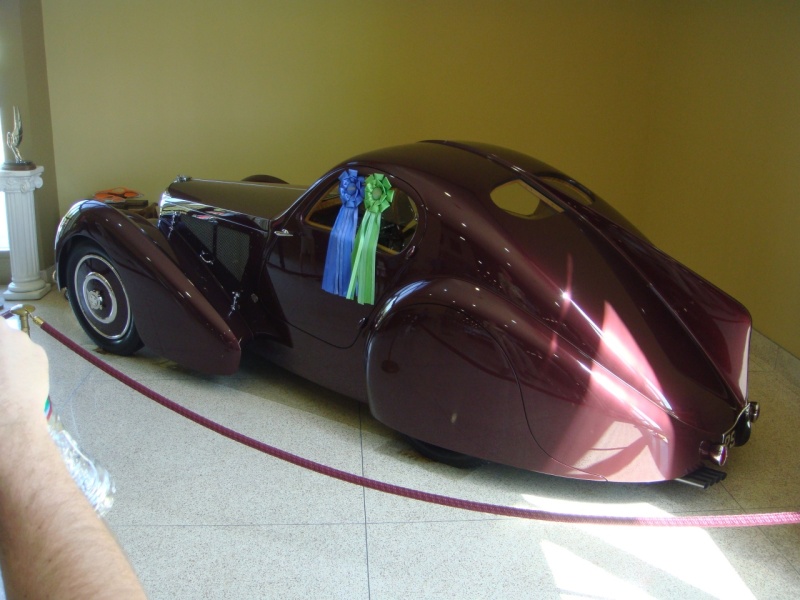
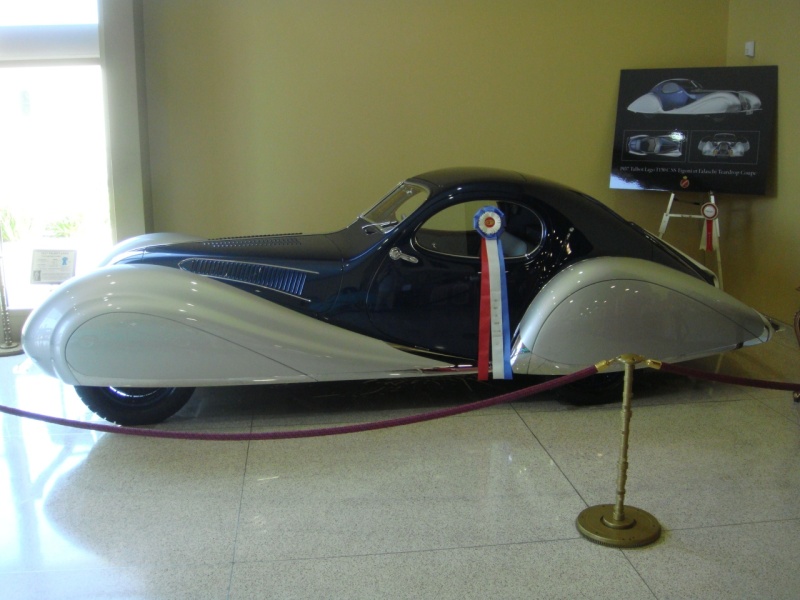
Given the quality of the cars located in the tower you might think that you had already seen the “best” cars in the collection. The minute you step through the museum’s doors you would realize you were wrong. Right there in the lobby were a Bugatti Type 51 and a particularly beautiful Talbot-Lago T150 C-SS Sport Coupe:

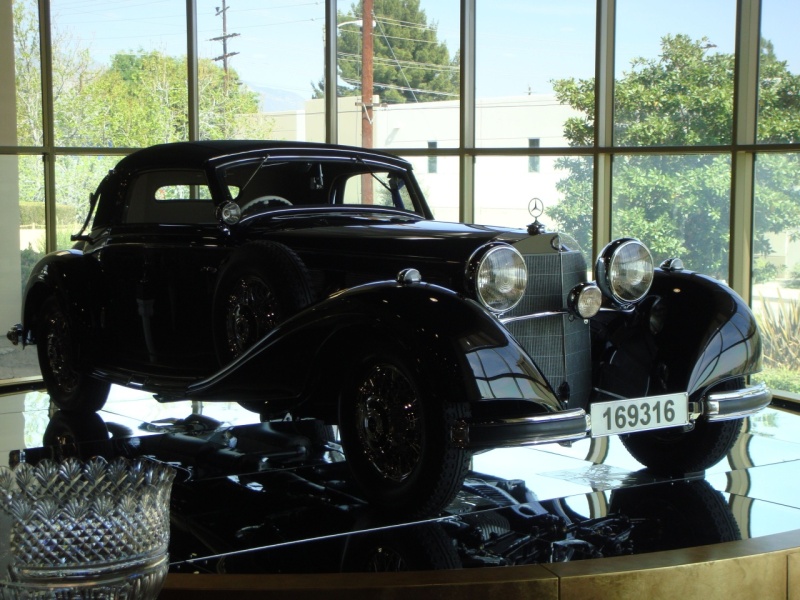
The treasures continued inside. How about a Mercedes 540K Cabriolet?
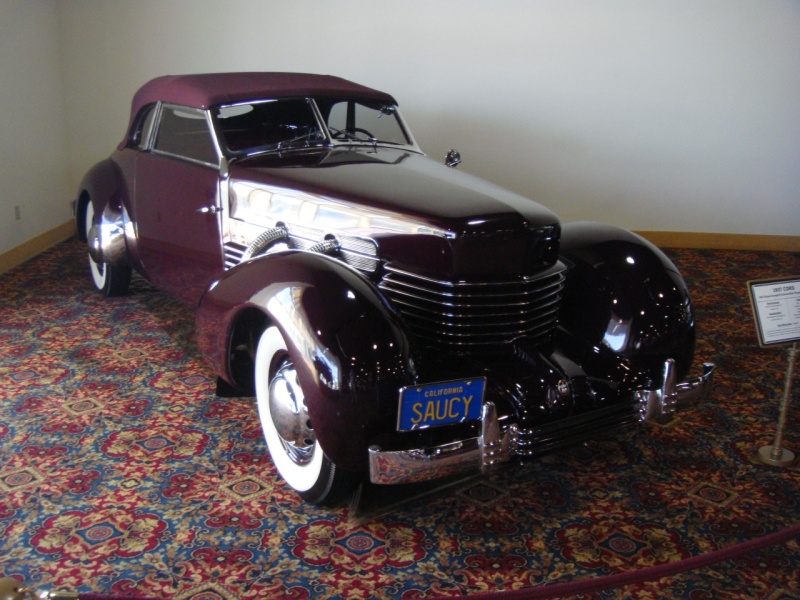
Or a Cord 812?
Rolls-Royce more to your taste? Worry not, there is a whole wall of them:
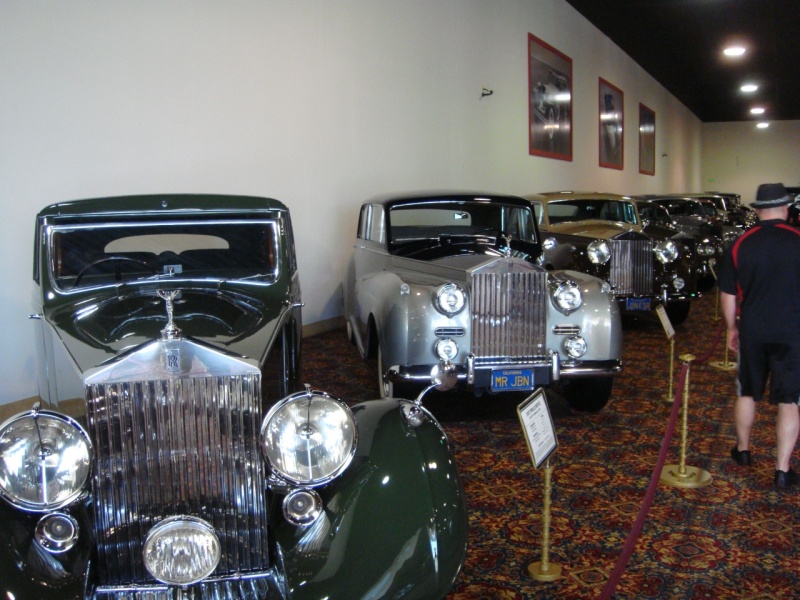
Among the vast collection of cars a few that stood out to me included another Bugatti. When one thinks of Bugatti one tends to think of racecars or elegant Coupes like the Type 51. One doesn’t think of something like this Type 23, which was designed to be affordable:

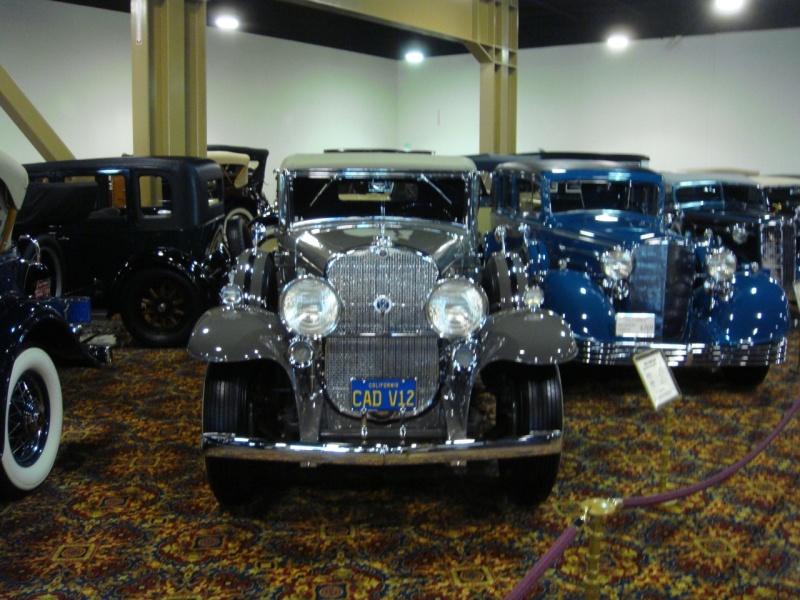
I was also drawn to this 1931 Cadillac. With a V-12 engine I imagine it would have been quite sporty:

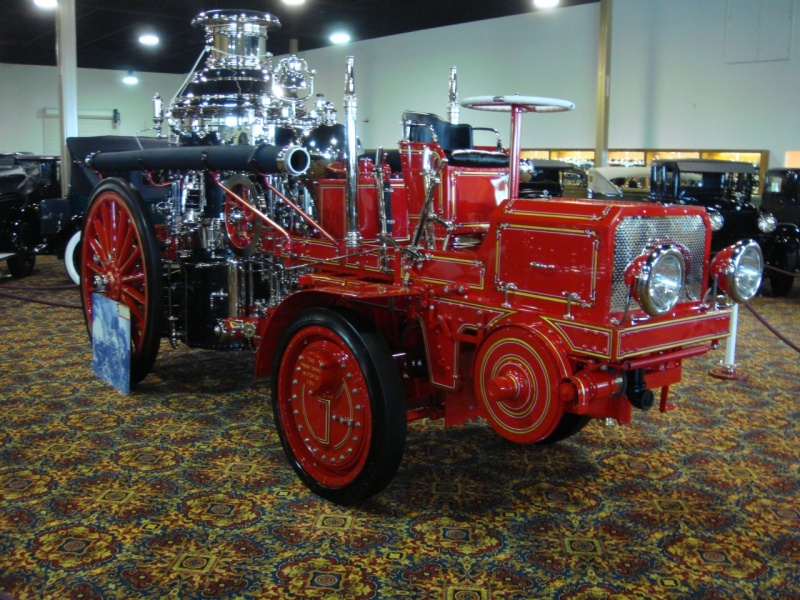
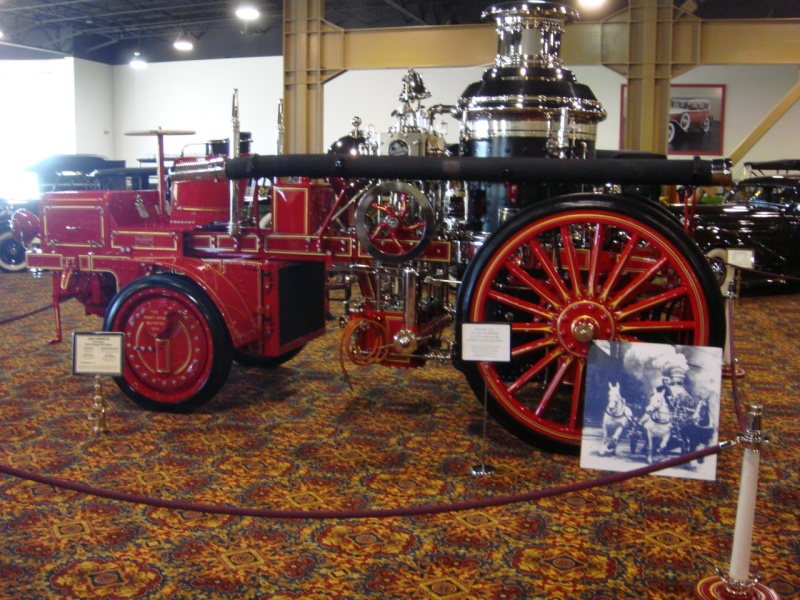
This 1913 Fire Engine was quite impressive. While it moved using a gasoline engine, water pumping was done using steam. Oh, and just to be a little odder it is front wheel drive.
And finally there was this 1913 Mercedes 37/95 Double Phaeton-Torpedo. It was capable of reaching 100 MPH, an amazing speed for the time. I imagine it would have been quite terrifying to drive at speed.
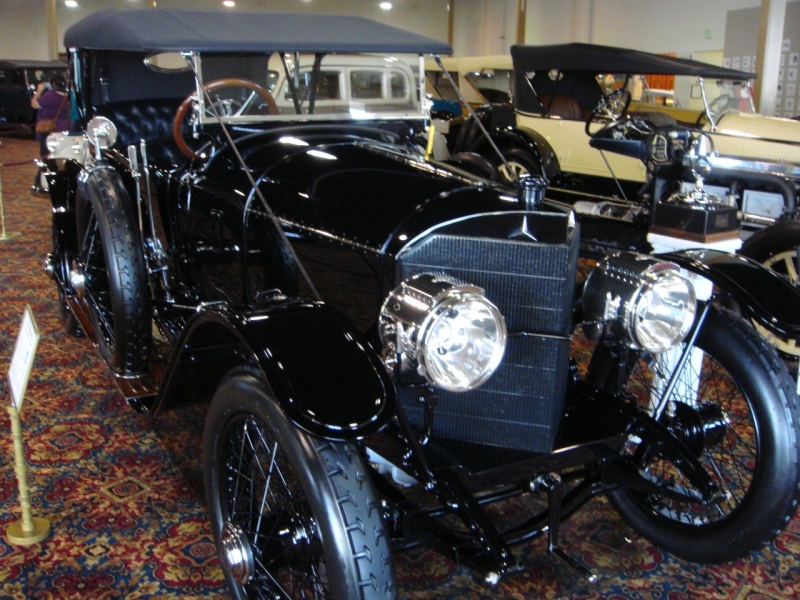
Of course there were many more cars that I didn't take pictures of. It was almost overwhelming how vast the collection was and the quality of the cars presented. If you are in the Los Angeles area or are planning a visit I recommend calling the museum and making a reservation. It is a wonderful, and free, way to spend a morning or afternoon.


A Los Angeles gem: The Nethercutt Museum and Collection

Thanks Nicolas.

Awesome collection!
Glad you liked the pics
Oh, and next time in San Fran...

amazing museum.
Thanks Graham

Ashamed to admit . . .
Don't be ashamed

Amazing! I wanna go!
Hi MIke

Some real eye-openers in there...

