
Marcus Hanke
[PuristSPro Moderator]
11295

A Journey to Romania, Part II
A Journey to Romania
Europe’s “Wild East”
Part II
by Marcus Hanke
Europe’s “Wild East”
Part II
by Marcus Hanke
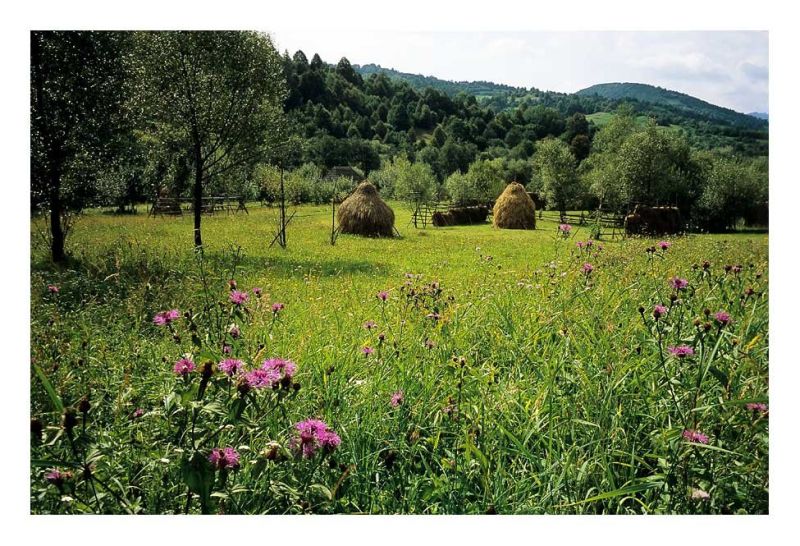
While working ourselves down from the mountains again, the slow approach into “civilisation” was clearly observable: at first, all we saw were cows, goats, and some horses. Later, we encountered some wrecked cars rusting aside the track, even later followed by a few badly battered, but still usable ones, until finally, the sight of some rather new, undamaged cars announced the proximity of something that would more justifiably carry the designation “road”.
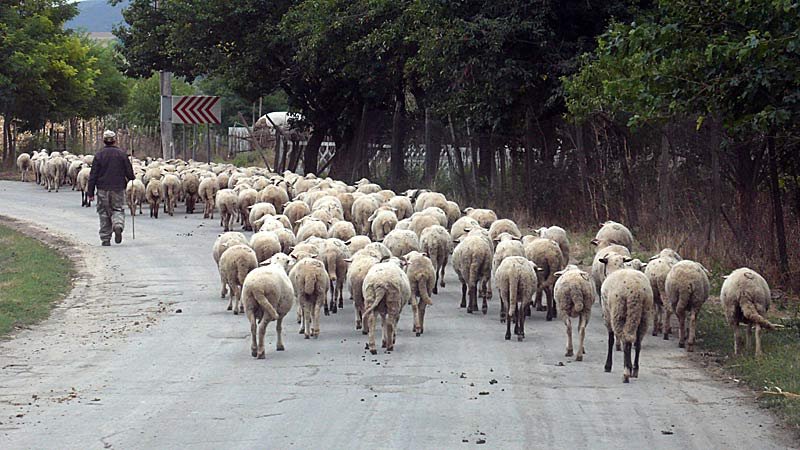
This is a good opportunity to mention another Romanian uniqueness, its cars, especially the Dacia. This ubiquitous means of transportation is the hidden engine of Romania’s everyday life. Originally, the Dacia was an indigenously produced licence offspring of the old Renault 12. As a result of its simple and solid construction, about 2 million of them were produced between 1969 and 2004. Still many of these are driven, and presumably will continue to be for the next ten, twenty years. While the original design has only very moderately been upgraded, more recently the Dacia company was completely acquired by Renault, and is producing more modern constructions now. Since Romanian work hours are cheaper than in the rest of the EU, and the synergetic exploitation of Renault/Nissan technology is not expensive, the modern Dacia cars can be offered at a very cheap price. Originally, these cars were assigned for distribution in Eastern Europe only, where the average incomes are low. However, when the news about the new Dacias spread in Western Europe, a sudden and immense demand made clear that for most families there, an investment of more than 10- to 15,000 Euros for a car is a most serious issue as well. The managements of European car producers, while busy adding even more luxury accessories to their products, had completely overseen the fact that the cost of everyday life in Europe has risen sharply, but the salaries had not. As a result, Renault decided to offer the Dacia in Western Europe as well, creating a wave of orders, that only slowly can be fulfilled.
While I originally followed our Western tradition to arrogantly smile at the sight of the clumsy shapes of the older Dacias, during our voyage I developed highest respect for these tough cars. In fact, I cannot imagine anything that could destroy them. They are light, solid, with enough ground clearance to pass over the obstacles of corrugated tracks, and even after falling into one of the bad potholes, they won’t be seriously damaged. Up to eight people were seen squeezed into them, and when the car became stuck on a mountain track with the awful noise of metal scratching over stone, the four doors flung open, and released busy passengers who simply lifted the whole car over the obstacle, only to jump into the car again, which disappeared in a cloud of noise, smoke and dust ...
Belief, painted onto walls
Despite its cultural and natural richness, Romania offers only a few landmarks of undisputed worldwide fame, and among these, the painted Moldovian monasteries are clearly occupying the highest rank. These fortified monasteries were mostly founded in the early 16th century and feature strong walls, which offered a safe retreat for the neighbouring population during times of unrest and war. Far more important they are, however, for their overwhelmingly decorated churches. Not only their insides, but also their exteriors were covered over and over with bright frescoes, depictions of saints, places and religious scenes.
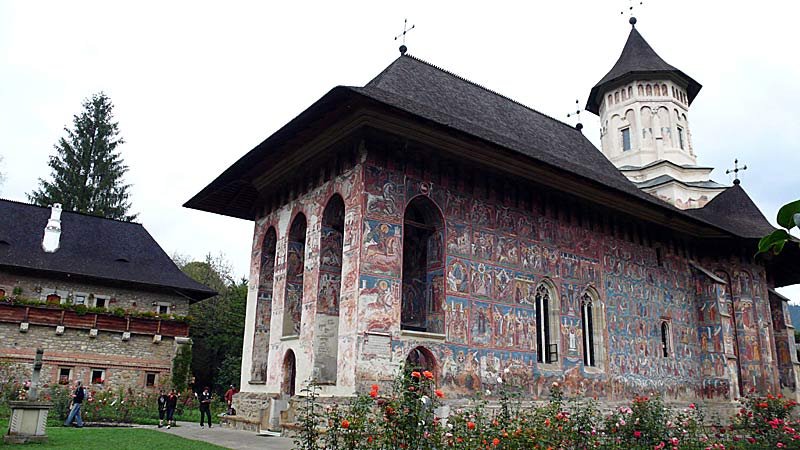
Moldovita monastery
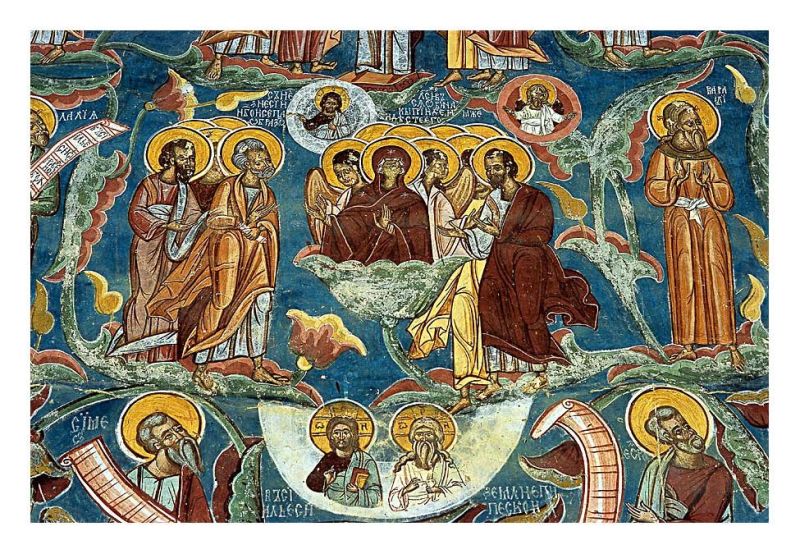
It is clear that these outer walls served as a means of religious education of a mostly illiterate population, especially during important services, when the small churches were too small to accommodate all the visitors.
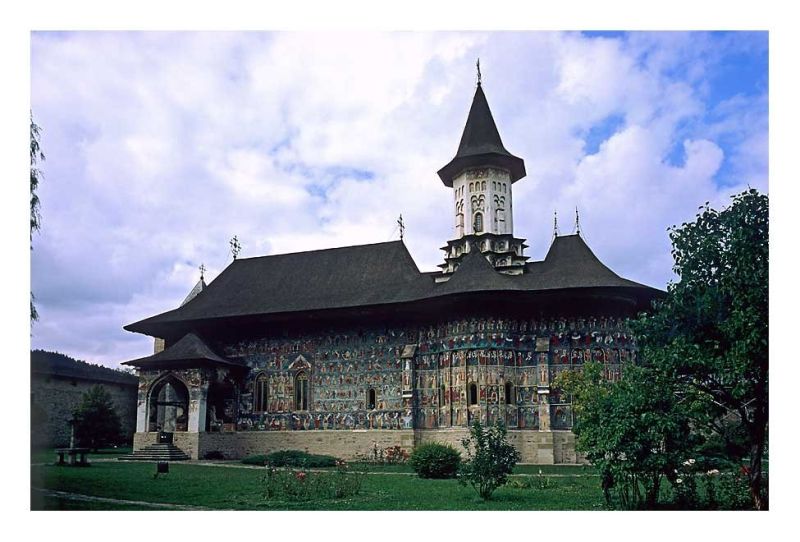
Sucevita monastery
When I was still at school, in the early Eighties, I saw a picture of one of the monasteries in a school book, and was immediately taken. I just HAD to go there, to see this marvel myself! Unfortunately, I had never the opportunity to fulfil this dream before, but when we discussed a good destination for this vacation, the picture of this monastery, of its small, brightly painted church amidst massive walls, located in the loneliness of Carpatian forests, immediately popped up in my memory; now or never.
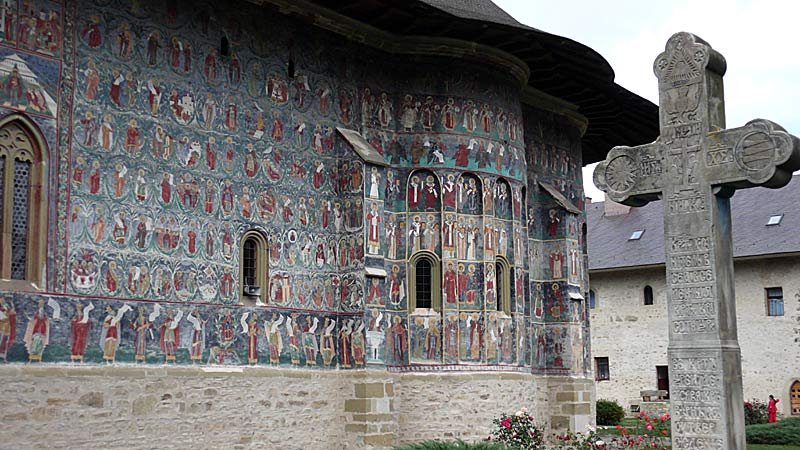
Sucevita monastery
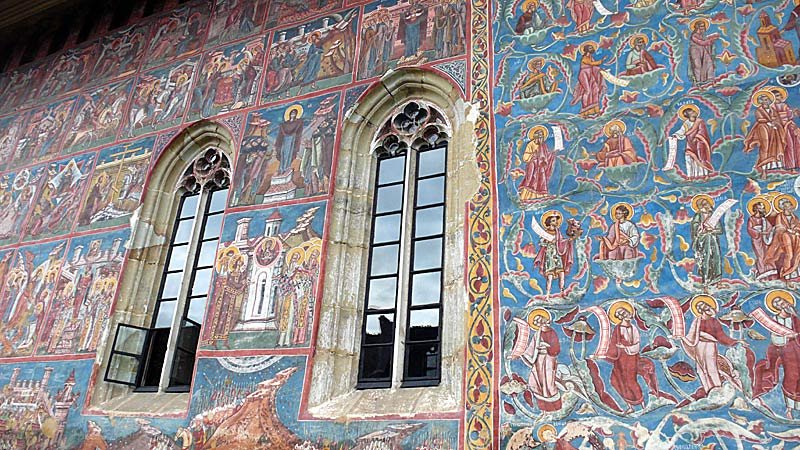
While the paintings deteriorated over the centuries, restoration began already during the reign of communist dictator Ceaucescu, and is now - assisted by the means offered by the UNESCO, as a result of all the monasteries being listed as World Cultural Heritage - approaching completion. Thus we are privileged to enjoy the richness of decoration and its vivid colours without our view being compromised by scaffoldings. Unfortunately, the Romanian orthodox symbology and iconography somewhat differs from that of the Roman Catholic tradition, so I do not recognise and understand many of the wonderful paintings.
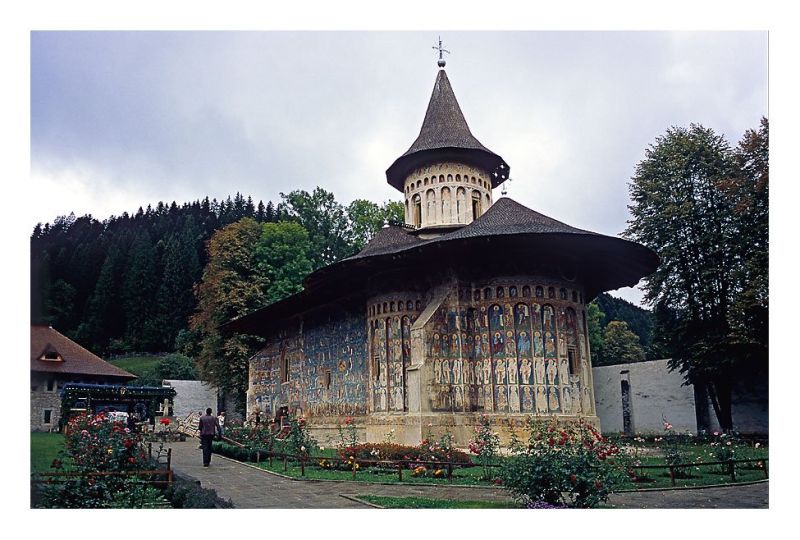
Voronet monastery
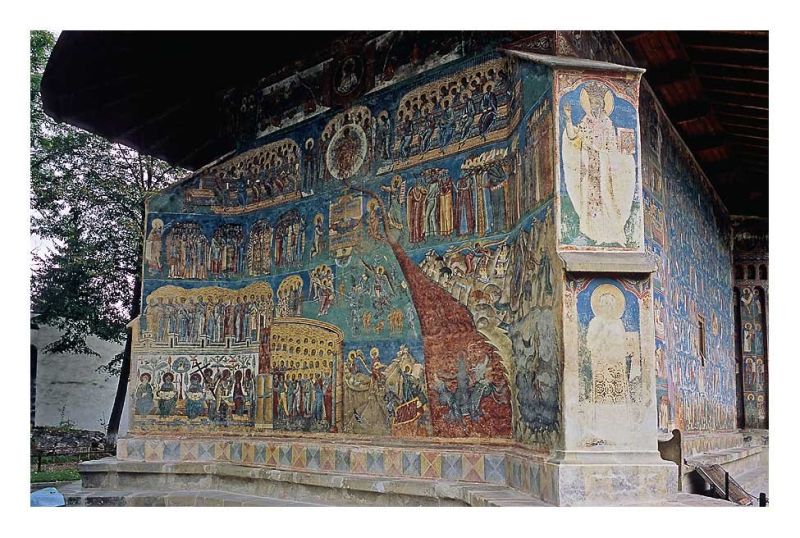
While still more than twenty of these monasteries are located in this region in the country’s North-Easter corner, which is now called the Bukovina, we only visit the four most famous ones: Moldovita, Sucevita, Humor and Voronet, the latter even gained the reputation of being the “Sixtin Chapel of the East”. Besides being museums, the monasteries are still active order communities, so we see many nuns in their black gowns. Apparently, these ladies have sworn to never smile again, since they all appear very serious, even humour-free. I know that I am far from being a womaniser, but a lady that would not return my smile is a rarity. But maybe my physical appearance is so distant from the nuns’ aesthetic ideals, that they all prefer to stare at me thin-lipped, when I greet them with a broad grin. What I pity, I would have liked to shoot a nice portrait of a smiling nun ...
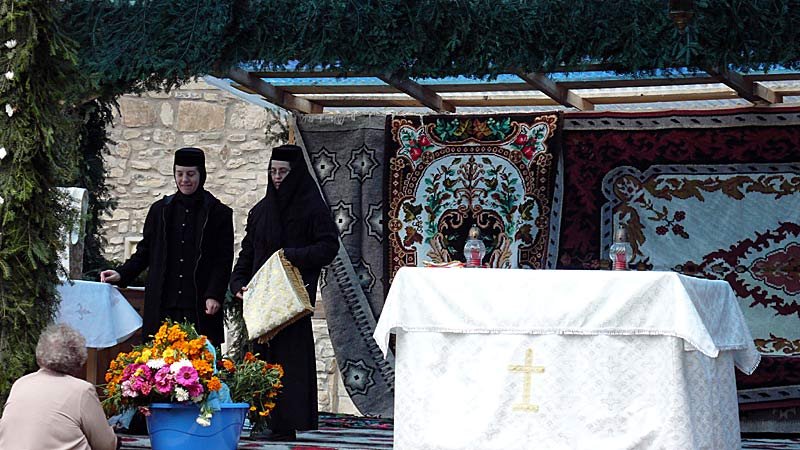
People with mysterious origin
Turning into South-West direction again, we now enter the region of the Székely, this is how they name themselves. Most apparent sign of their presence is the domination of the Hungarian language. I was not astonished to find a Hungarian minority in Romania, since the country borders to Hungary, and has long-standing historical connections with it. However, the presence of Hungarian-speaking people here, in the very center of Romania, was surprising. In fact, the Székely have nothing to do with Hungary, but are of a much older origin, that is disputed among experts until today.
One hint into the right direction might be the weird-looking inscriptions on some road signs, that strangely resemble runes used by Teutonic tribes or the Vikings. But what have Hungarians to do with Vikings? Nothing at all. A short research leads to similar types of rune alphabets, that were used by the Phoenician people in the ancient times, which spread to Central Asia. There, the early Turk tribes, from which later the infamous Huns and much later the Osmanic people developed, also used very similar rune alphabets.
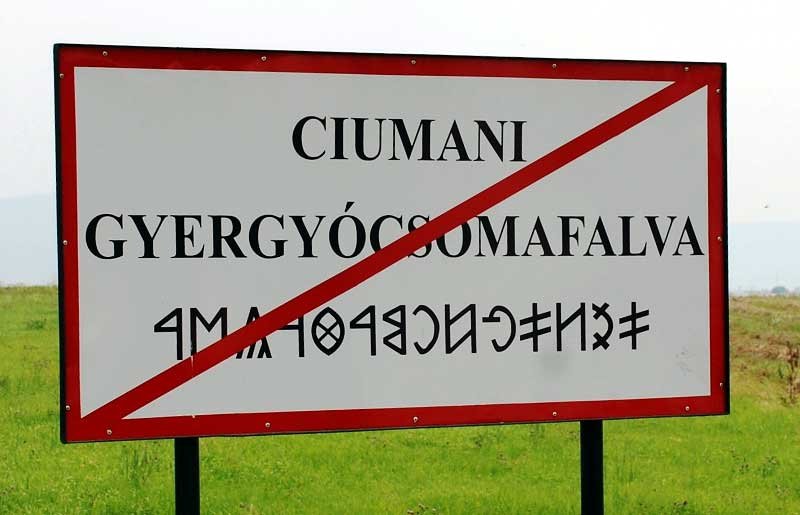
Street sign with Székely runes. This picture was made by my friend Harry (Wildwux at
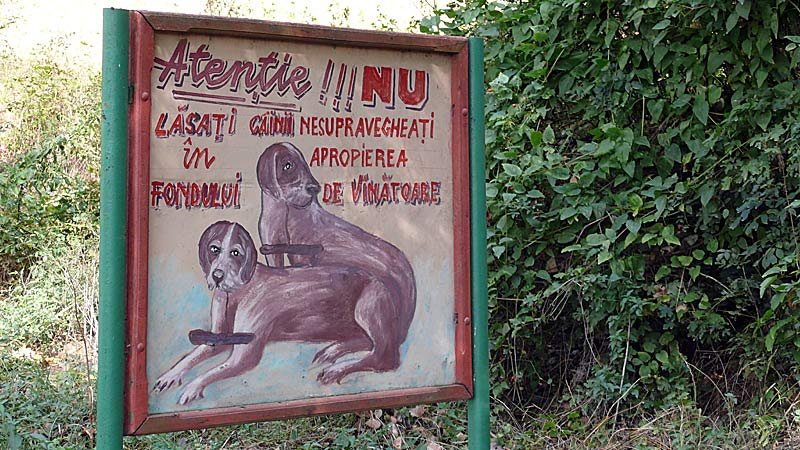
Unfortunately, our younger dog, a sheepdog from the Spanish Pyrenees, did not read all the stories before our departure, so with loud barks, our cute, but naive Ulysse sped forward to confront the “intruders”. Luckily for him, the two stock protectors only glanced at their master, who just smiled at the canine counterpart of a Tasman Devil assaulting, and without a sign from him, the two four-legged nemesis remained inactive. Some meters in front of their fangs, Ulysse realised the the fact that only the discipline of his adversaries stood between him and his sudden end as tiny pieces, and - still barking to save his face - retreated behind our large Belgian sheepdog Chagall; should he deal with the Romanians ...
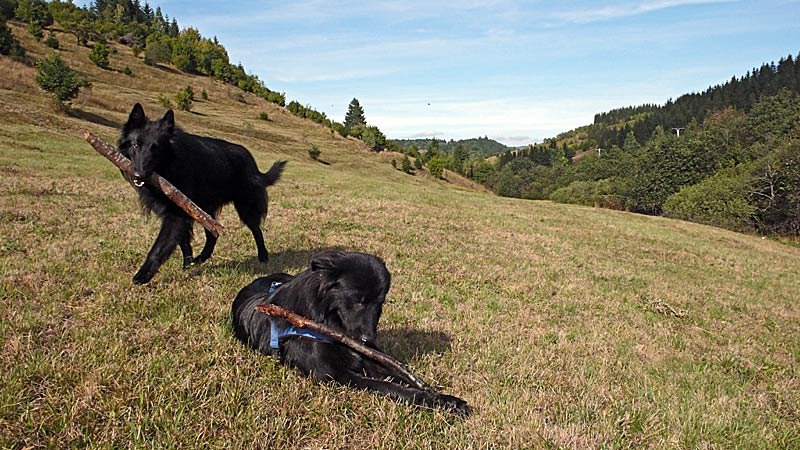
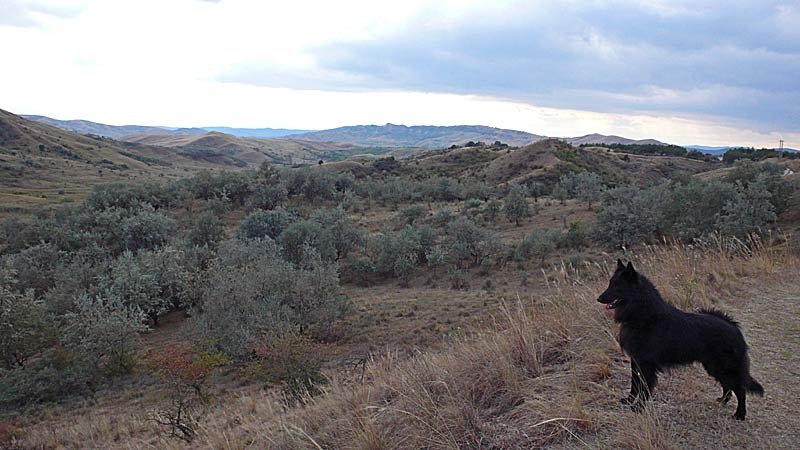
The shepherds live in tiny huts up there in the mountains, together with their stock. Only during the winter, they stay at home, in the valleys. Most of them have own houses and farms, which are managed by the rest of their families during their absence. They are all very friendly and curious, I am sad of not being able to talk with them.
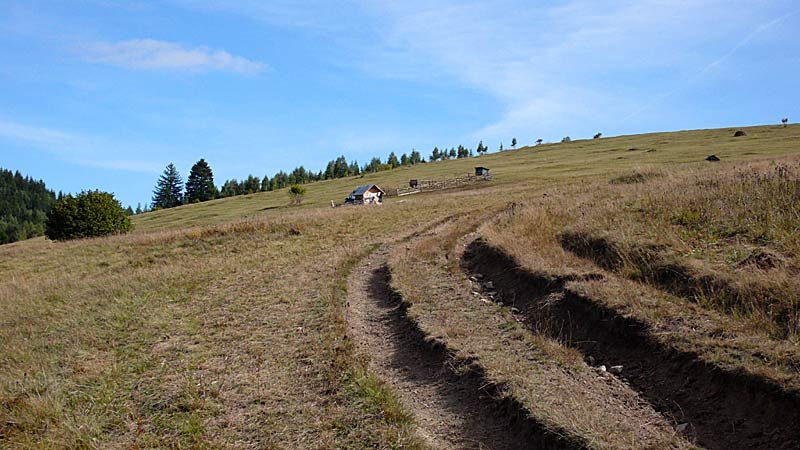
Typical track and shepherd's hut at Ragul Pass
Blown away from the Danube estuary
Leaving the mountains, we keep the car’s nose directed towards the estuary of the river Danube, in the far East of the country. This huge delta is a landmark unique in Europe, and as a whole protected as a national park. Before it feeds the Black Sea after flowing for 2,800 kilometers and passing seven countries, the Danube divides into three large arms, between which are more than 5,500 square kilometers of marshland, water, swamp and sand. Many endangered species live here, both animals and plants. For the most part, only boats can access the area, there are barely any paved roads in the delta, and only a few tracks.
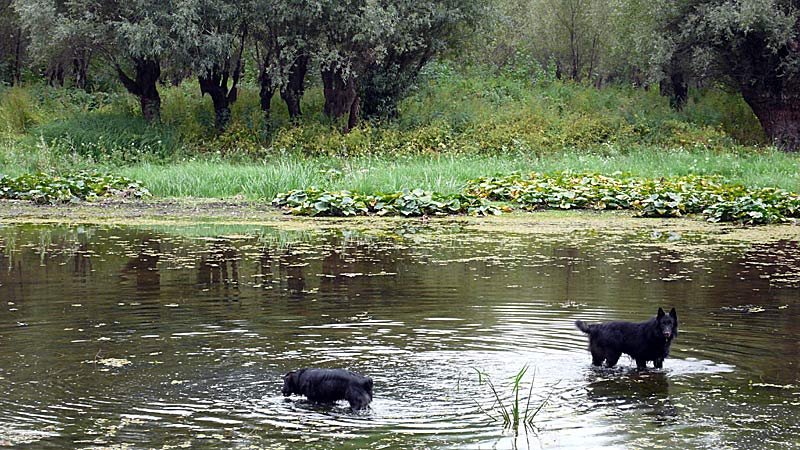
Water pigs Chagall and Ulysse bathing in a Danube arm
We had planned our visit there to be a great time, wanted to use a small track studied in the satellite imagery on Google Earth, to stay aside one of the thousands of small channels, and to observe the local birdlife. But once again, weather has different plans: We arrived in the delta by taking a ferry over the main arm of the Danube, then rain and strong winds come over us. The track we had planned to follow - as all the tracks in the region - normally consists of raw earth and dust; no problem in dry conditions, but more than problematic after many days of frequent rain. To go there alone, with no other car to assist in case of being hopelessly stuck, just seems too risky. With deep regrets we therefore turn Southward, and decide to visit some of the old Greek settlements instead.
In the classic times, Greek merchants travelled along the Black Sea coast and founded trading posts and towns wherever this deemed profitable to them. Some of these settlements were later inhabited by Romans, Byzantine citizens, and finally Osman muslims, before the ongoing collection of earth material transported by the Danube filled the harbours and cut them off their access to the sea. Today, some of them are excavated and shown to the public. A friend of mine had sent me the coordinates of one of these excavations, according to him, there is a perfect and tranquil place to stay over night there.
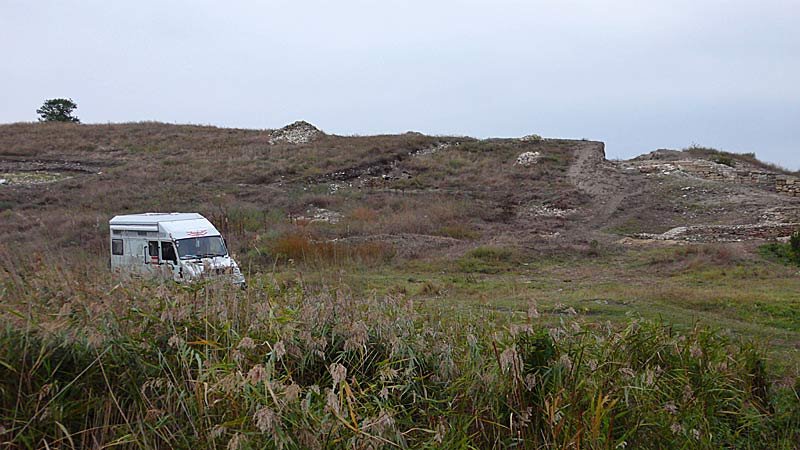
Taking cover in the storm near the ruins of an ancient Greek settlement
After a long search we finally find the correct track to the peninsula and the ruins of the Greek town. But instead of a sunny beach, we are greeted by rain and stormy gales with speeds of up to 90 kilometers per hour. It seems safer to cuddle behind a small hill, the night is cold and humid, the storm is banging onto the truck, seemingly trying to throw it over; no thought about sleeping that night. The next day, the long and apparently sandy track has become a line of bottomless mud. With reduced air pressure in the tires, all diff locks engaged, and many prayers to the god of the offroaders, we make our way back. Thanks, dear Bremach!
There is another Greek settlement, that has been excavated and transformed into a highly interesting museum: Histria. We were the only visitors there, and had ample time to study the ruins and explanatory signs.
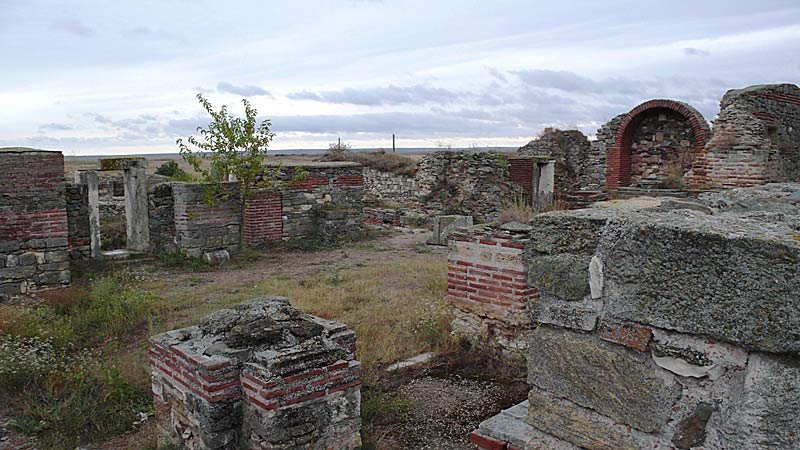
Ruins of Histria
No, the Carpatian mountains still seems to be the better part to spend the holiday in. Back we go, to the West (young man), like a cowboy, directly into the direction of the setting sun - if we could make it out through the thick cover of rain clouds ...
Return to part 1
Continue to part 3
Copyright January 2009 - Marcus Hanke & PuristSPro.com - all rights reserved
PuristSPro Homepage | ThePuristS Homepage
Comments, suggestions, and corrections to this article are welcome.

This message has been edited by Marcus Hanke on 2014-02-26 00:56:30
A Journey to Romania, Part I
A Journey to Romania Europe’s “Wild East” Part I by Marcus Hanke During the last years, some of my favourite travel destinations, have become increasingly unsafe. In the Sahara regions, the risk of being kidnapped, wounded or killed by either criminal, or...
I wouldn't believe that Romania ...
is in Europe!! The potholes and muddy roads remind me of my country. I will feel at home there. Several questions: how fast can your truck go? Did you see any dracula in transylvania? Wish I could write like you...... cen@jkt


A Journey to Romania, Part II
A Journey to Romania Europe’s “Wild East” Part II by Marcus Hanke While working ourselves down from the mountains again, the slow approach into “civilisation” was clearly observable: at first, all we saw were cows, goats, and some horses. Later, we encoun...

Fantastic photos!
Marcus, I'm completely engrossed in your travelogue! I've wanted to visit Romania for several years, and your photos are putting the country ever higher on my list of places to visit. Thanks so much for these wonderful photos...truly amazing and beautif...


A Journey to Romania, Part III
A Journey to Romania Europe’s “Wild East” Part III by Marcus Hanke Leaving the Danube estuary, we pay a very brief visit to the Black Sea coast, offering our dogs a chance to go bathing. At an age of four years, our Groenendael “Chagall” is the first dog ...
Marcus, a photo for you.
Thanks for the conclusion to your article. As you know, I've been following your, and the dogs' (Thanks by the way for the information about the lovely Chagall. He is a great-looking ambassador for his breed!), adventures in Romania. I will definitely ...

Great pic!
I haven't been to the Big Island, but a regular to Oahu. I guess I need to try the other islands. Do you stay in Hilo? -MW
MW, try the Big Island sometime.
Last year I went to Maui, Oahu, and Hawaii. On Hawaii, we rented a vacation house slightly south of Hilo near the thermal hot springs (about 20 minutes from historic downtown Hilo). The east side of the Big Island is a little sleepier than the western s...
Hawaiian sea turtles and seals....
Your turtle pics brings back fond memories of my first time in Hawaii! Here's a seal that frequents the Ko 'Olina lagoons: Everyone always stops and says 'awwww, how cute!" The first itme I was in Oahu, we went sea kayaking and spotted so much marine life...




Dear all:
I want to thank you for your many kind and positive comments. Originally, I was hesitating to write this travelogue, since I was uncertain whether this kind of post would be a match for a horology-oriented forum. On the other hand, I have to admit that no...


Greetings from Romania
Hello Markus, Imagine my surprise and joy when I discovered that such a great, extensive and caring detailed report was presented for the Purists. I am a Romanian (actually a Romanian-German, as part of my ancestors were those Transsylvanian Saxons), and ...
Very Fascinating Travel Chronicle
Thanks for sharing your wonderful travel experience. Probably we do not have chance to see such a beautiful country. Nien