
A visit to Seiko’s Shizukuishi Watch Studio
A visit to Seiko’s Shizukuishi Watch Studio
Seiko has man facilities across Japan, and the world, producing watches and watch components. One of the main production sites is located in Morioka, in the north of Honshu Island and about three hours from Tokyo by train. It is an area famous for its hot springs as well as Koiwai Farms, a farm and theme park that is apparently very popular with the Japanese.
Located in a serene, wooded area, the Morioka factory is owned by Seiko Instruments Inc (SII) – a distinct entity from Seiko Epson which runs the other facility in Shiojiri. The Morioka factory produces a whopping 10 million movements a month, most of which are quartz and destined for brands other than Seiko.
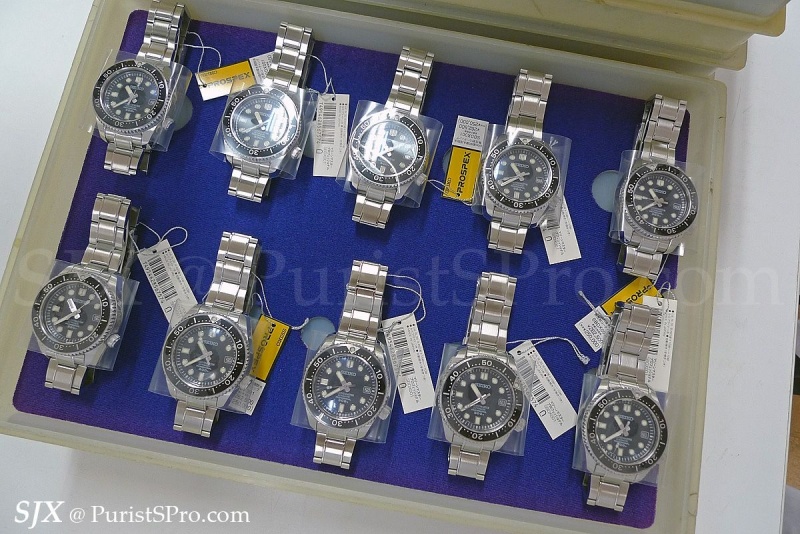
Also located in Morioka is the Shizukuishi Watch Studio. Established in 2004, the Shizukuishi Watch Studio is best known for its high-end mechanical Seiko watches, including Grand Seiko, Credor and Prospex.

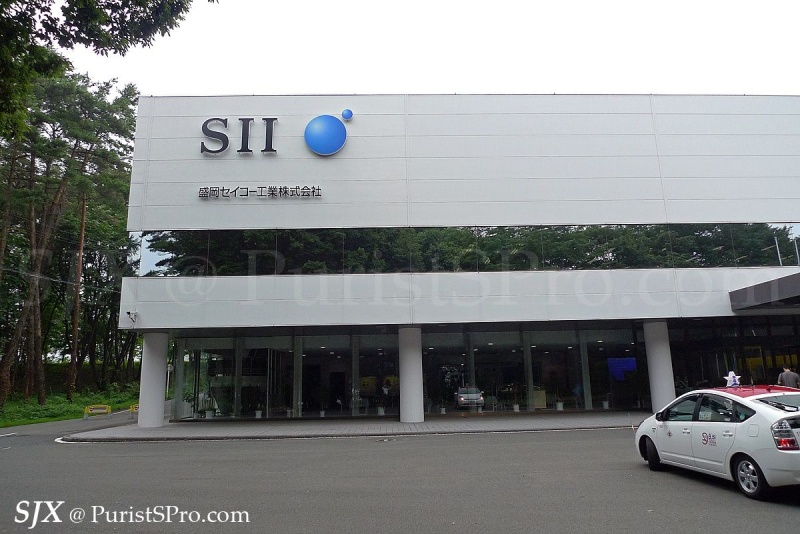

Producing only mechanical watches, the Shizukuishi Watch Studio produces every component of the mechanical watch – it is the only fully integrated mechanical watch factory in Japan. For the mainspring and balance spring, for example, the raw wires are made 50 miles south of Morioka at another SII facility before being processed into the required parts in the Shizukuishi Watch Studio.
About two dozen types of mechanical calibres are made at Shizukuishi. Two highlights are high-end mechanical movements: the 1.98 mm high ultra-slim cal. 68 hand-wind found in Credor and the 9S series found in Grand Seiko. Annual output at Shizukuishi is in the region of 20,000 units.
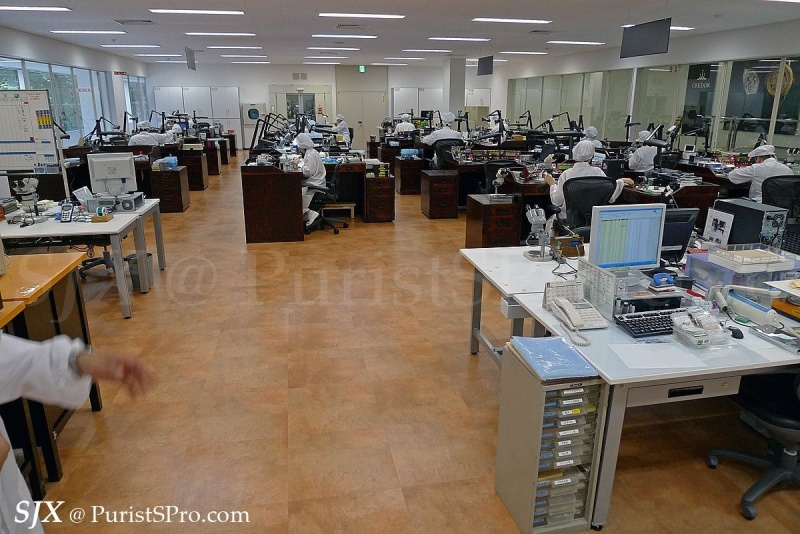
The assembly area in Shizukuishi
Shizukushi Watch Studio is unlike any production facility for a luxury watch in Switzerland. The reception area is drab with late 20th century dull carpeting and all staff, even management, are wearing uniforms. But these cosmetic differences distract from the substantive, philosophical differences with European watchmaking.
For one, there is a tangible emphasis on individual quality and achievement. Scattered across the factory are boards with employee certificates of achievement, noting the different ranks with “Meister” being the highest (adapted from Germany’s apprenticeship system perhaps?). And within each department there are monthly performance charts for each craftsman showing the productivity.
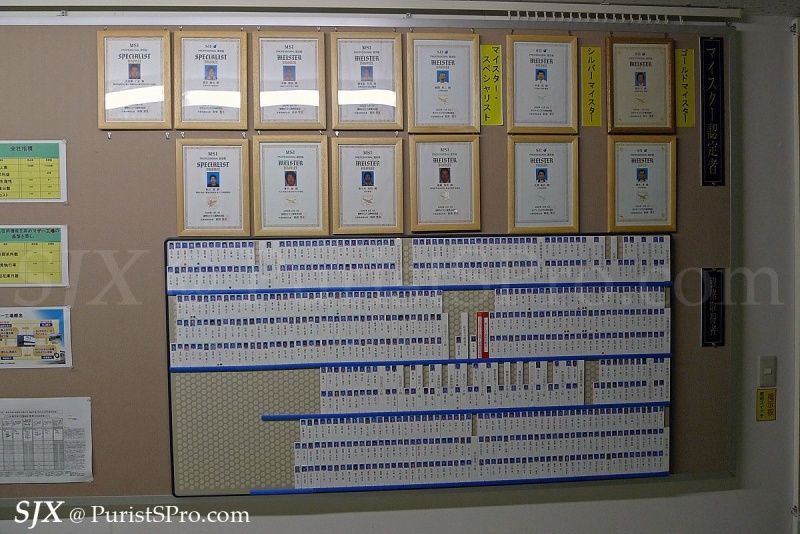
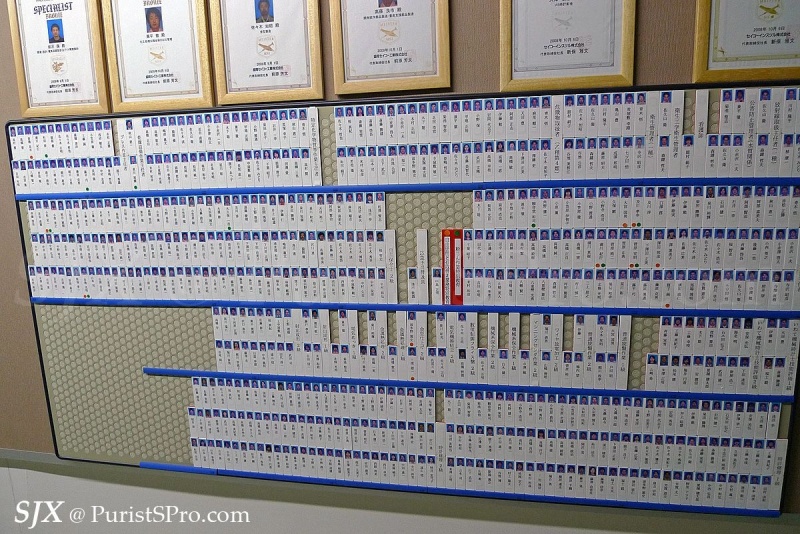
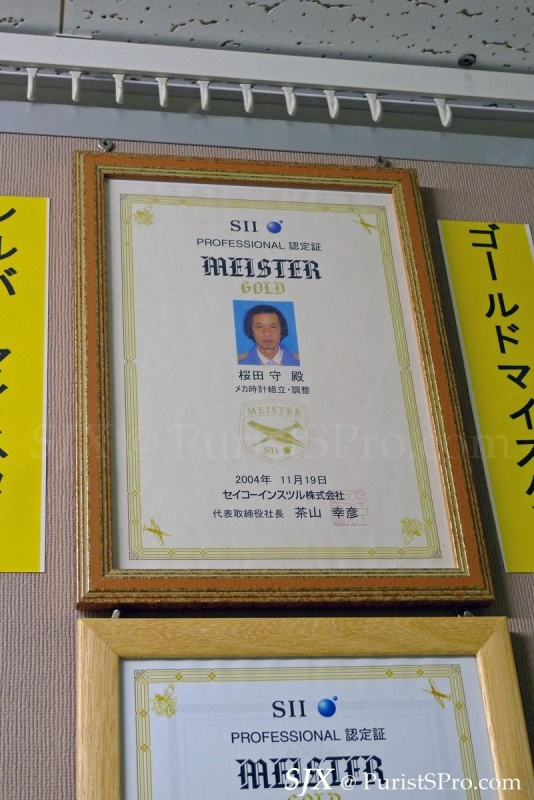
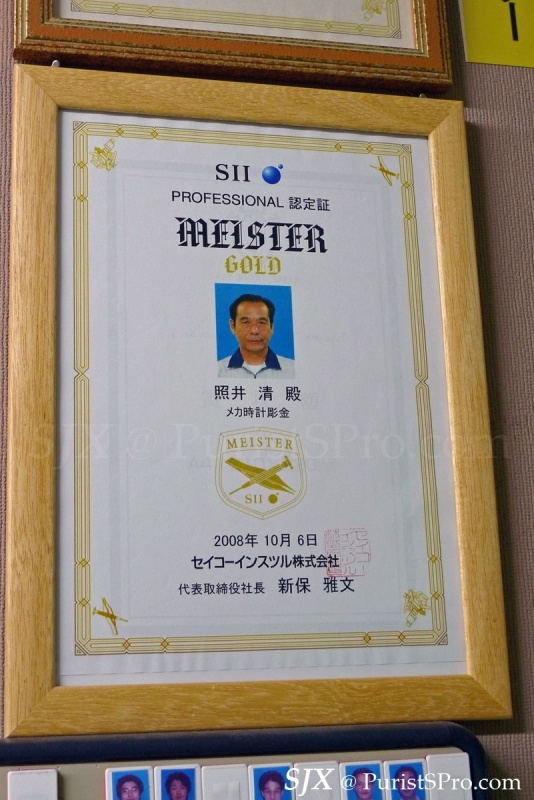
This is not unique to the watch industry, in fact it is a national obsession in Japan. The Japanese government gives out honours to the best craftsmen, the best known type being the Living National Treasure bestowed on artisans. Some Seiko employees, both at Shizukuishi and in Shiojiri, are prize winners at the National Watchmaker Skills Competition while others like Mamoru Sakurada and Kenji Shiohara are “contemporary master craftsmen”. Shiohara-san and Sakurada-san have also been awarded "Medal with Yellow Ribbon" by the Emperor of Japan for their skills.
But the differences run deeper than that. There is a key philosophical divergence in Seiko’s approach to watchmaking versus its European peers. There is a focus, no, obsession, with perfect functioning and as a consequence all the processes that affect that are rigorously designed, like the clean room assembly for instance.
The focus on aesthetics on the other hand, is also different. Beauty for Seiko lies in legibility and elegance, hence the conservative but easily readable designs of Grand Seiko. The sharp, diamond-cut hands and indices characteristic of Grand Seiko are intentionally made that way so that they catch the light, improving legibility. Luminova, on the other hand, is not favoured since it is not quite timeless or elegant.
- SJX
This message has been edited by SJX on 2011-02-06 06:01:25Part I: Parts production
As is to be expected from Seiko, the factory is impressively large and vertically integrated, producing nearly every component of the movement. Parts that are not made on-site are made at other Seiko facilities, and I think that is limited to the jewels of the watch. The only thing that goes into a watch Seiko doesn’t produce itself is the straps and movement lubricants.
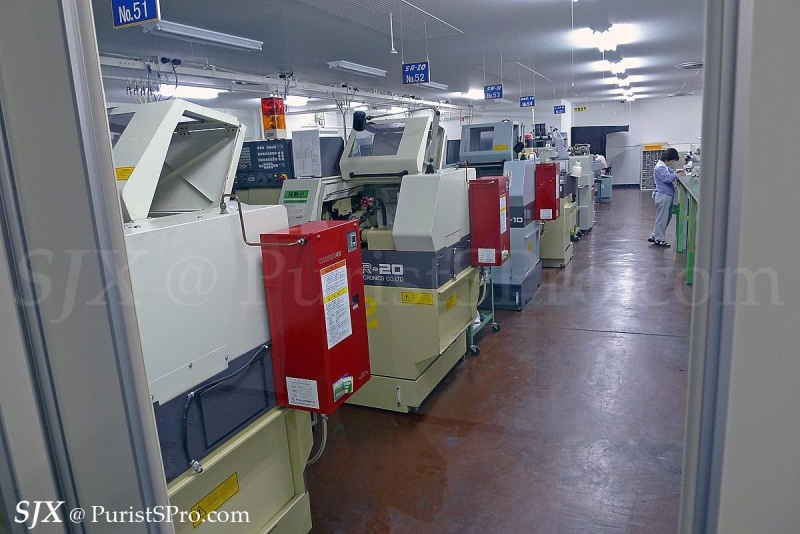
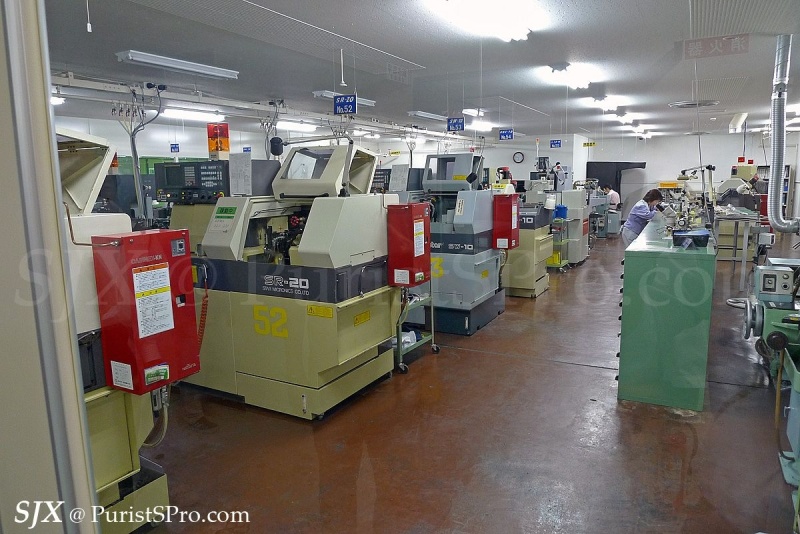
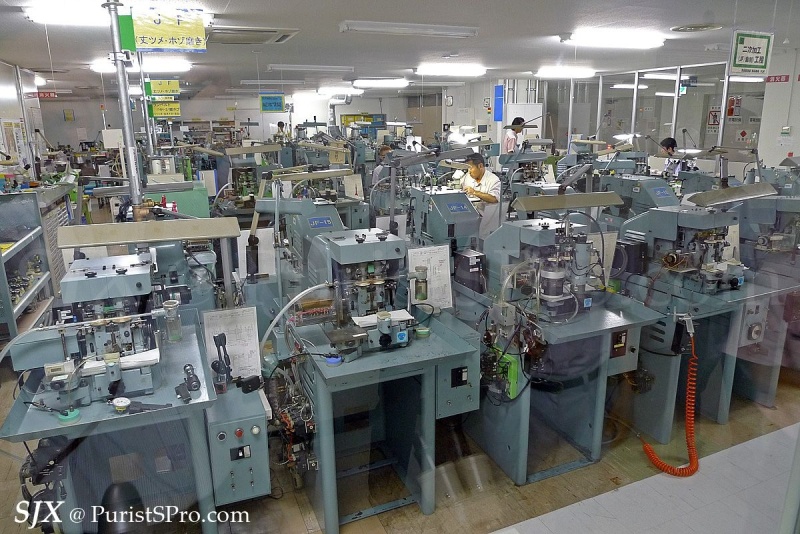
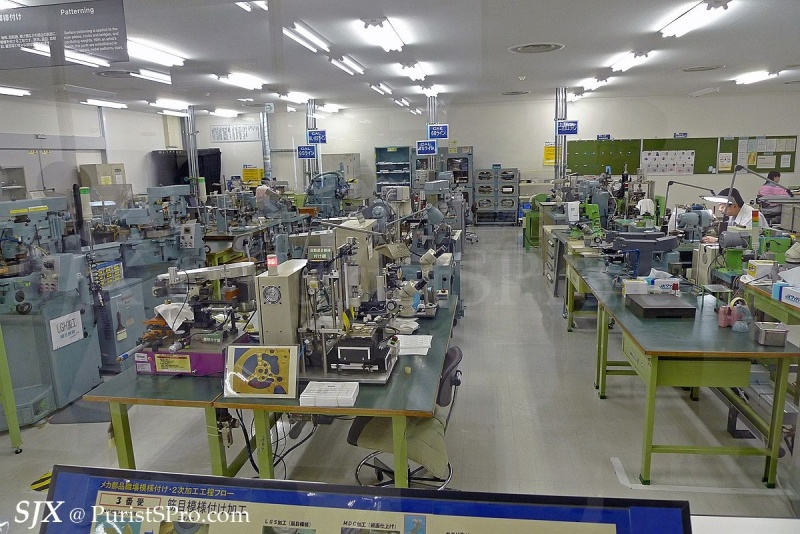
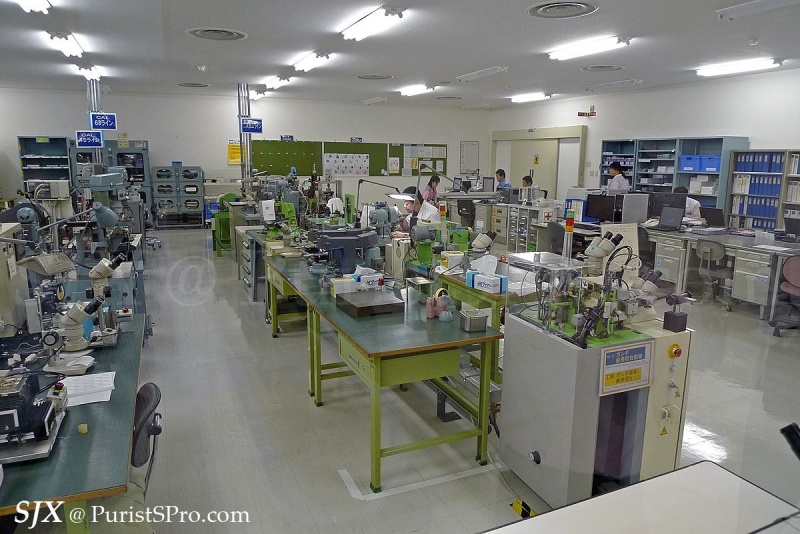
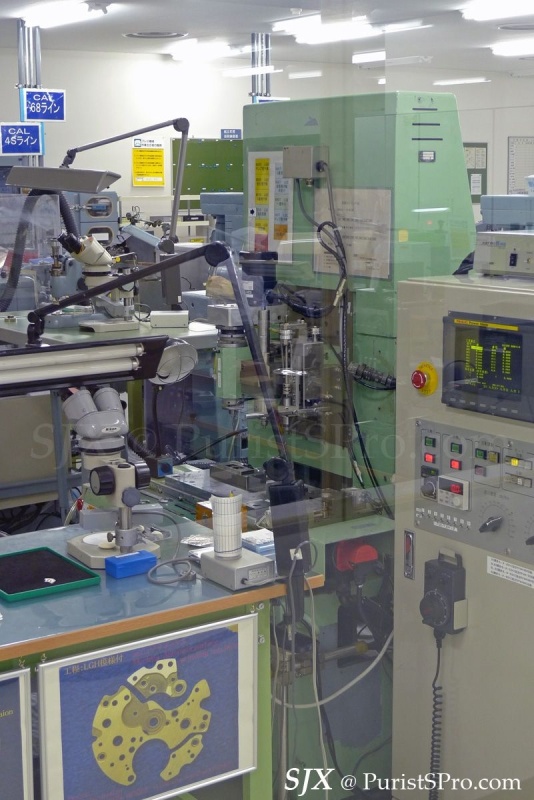
At Shizukuishi, all the requisite equipment is present – CNC controlled milling, drilling and turning machines – and in huge numbers. There seem to be dozens of them.
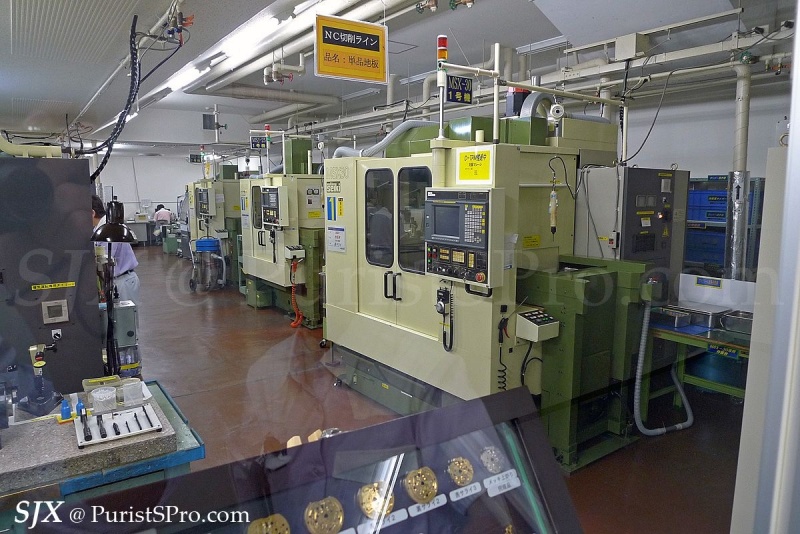
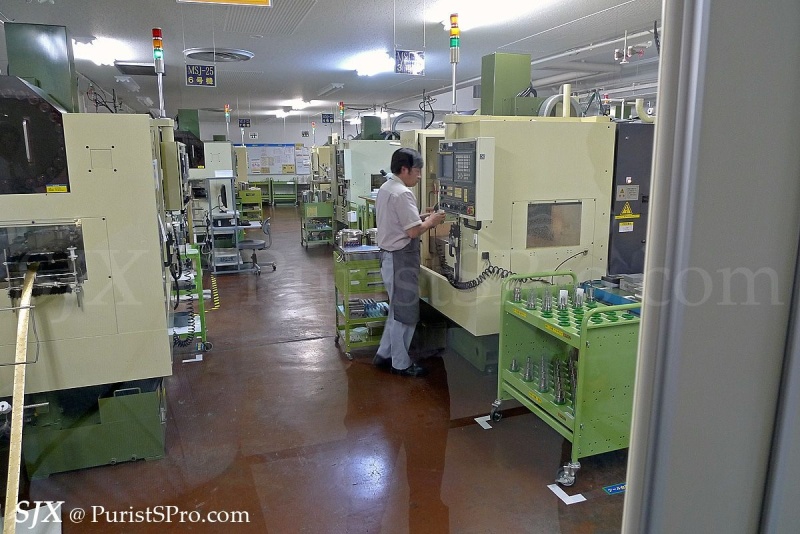
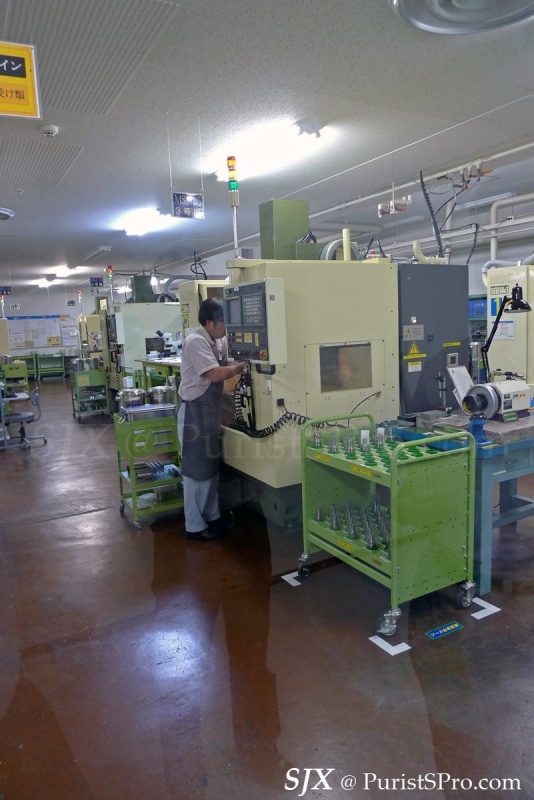
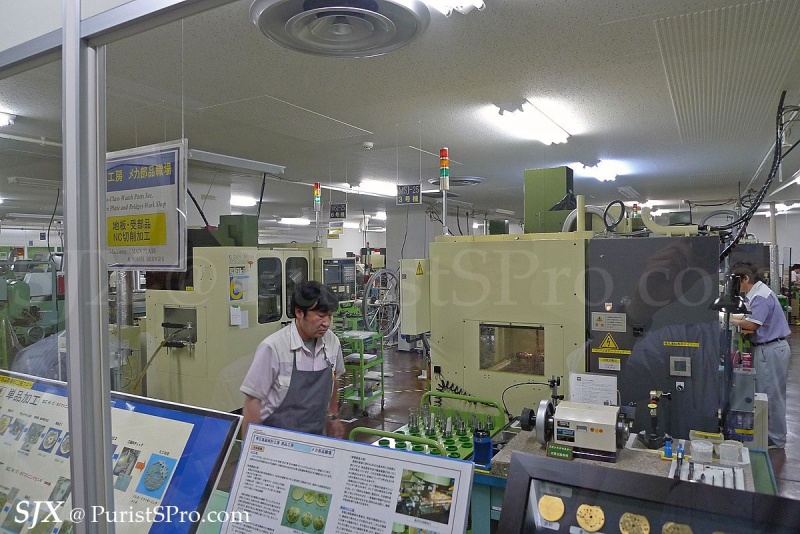
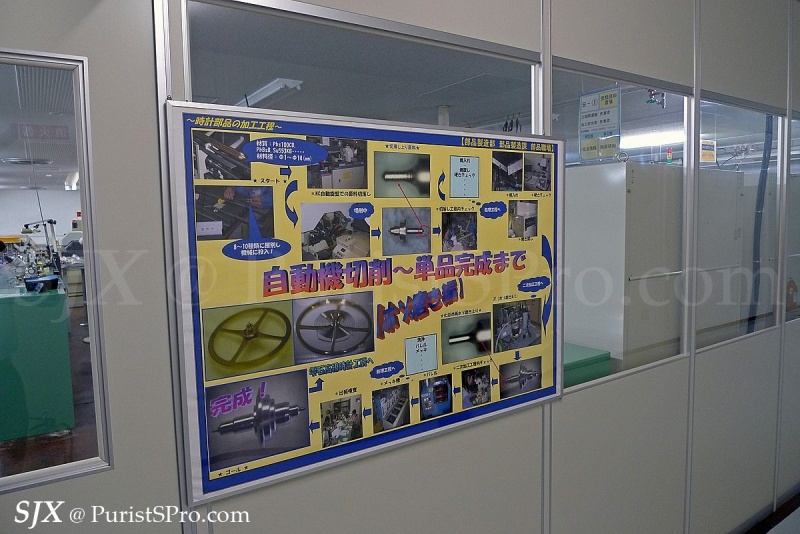
Above and below: Charts explaining the manufacturing processes for some parts
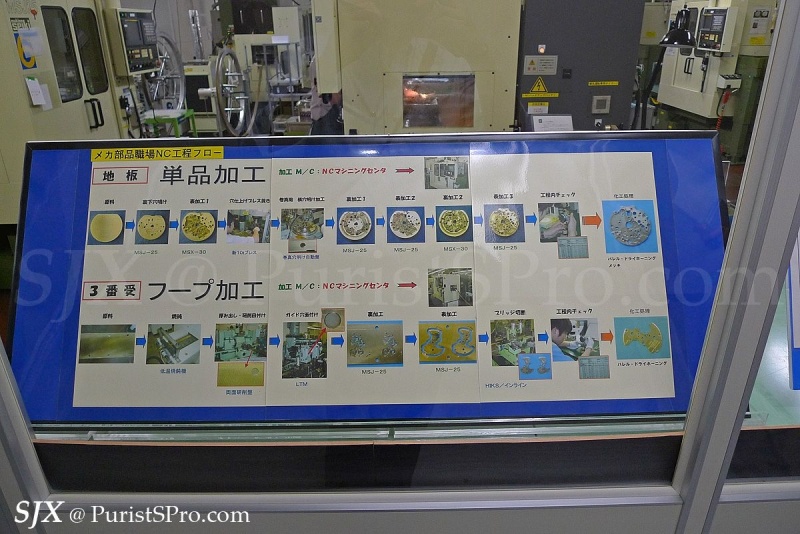
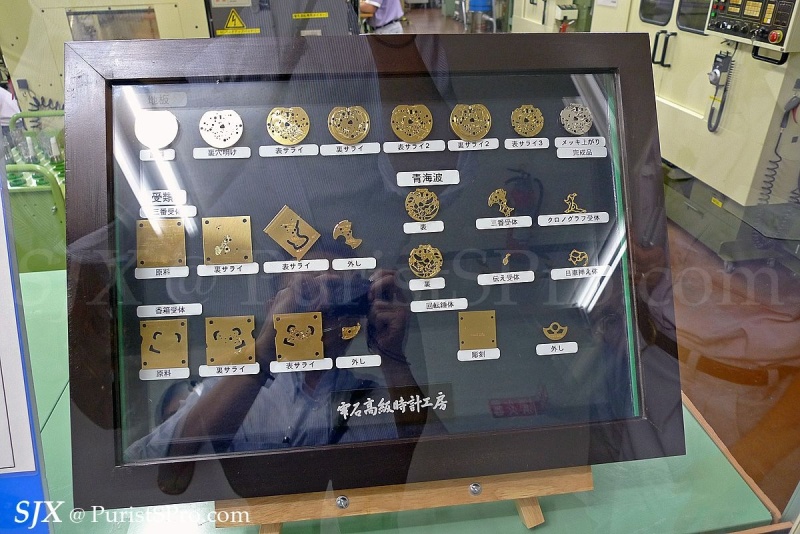
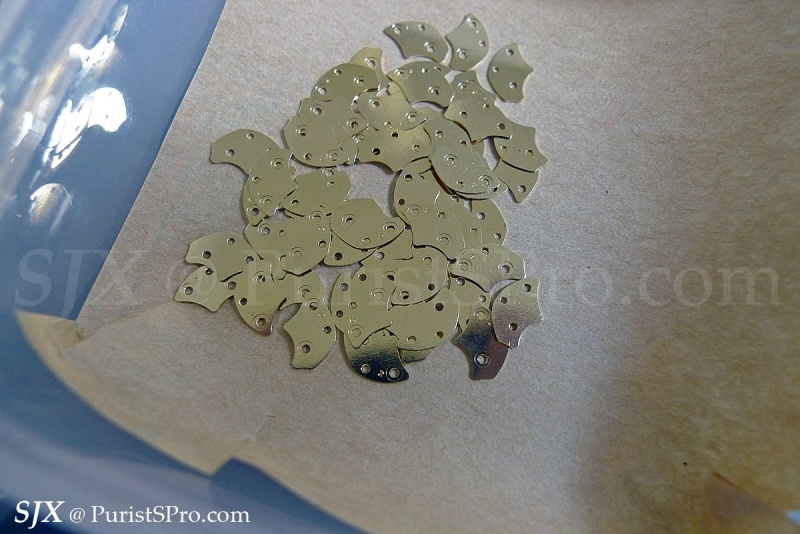
Some of the parts made here
There are also awesomely large hydraulic presses making tiny parts.
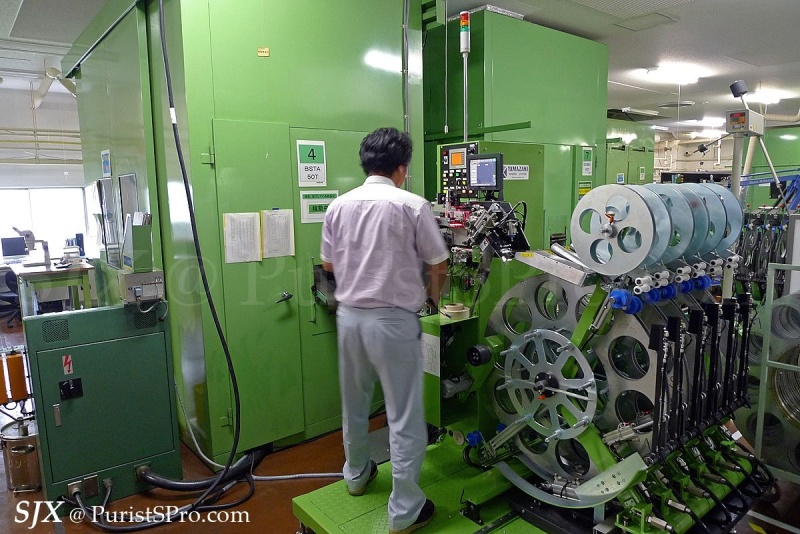
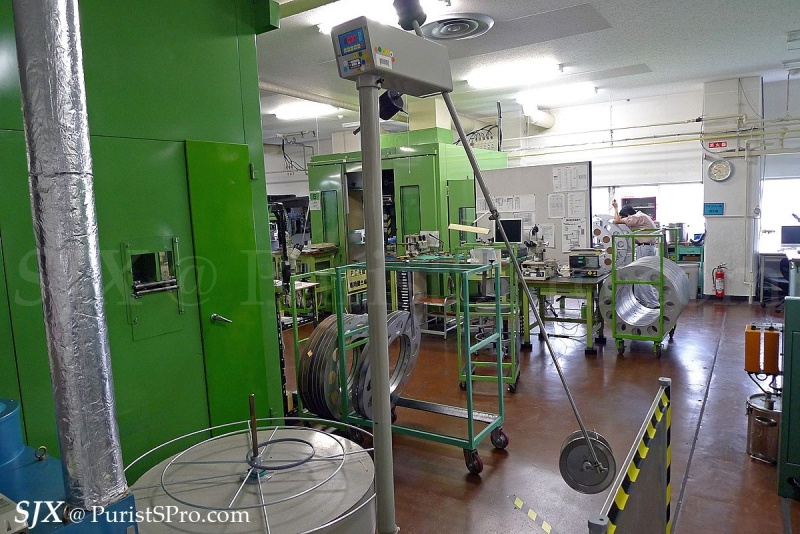
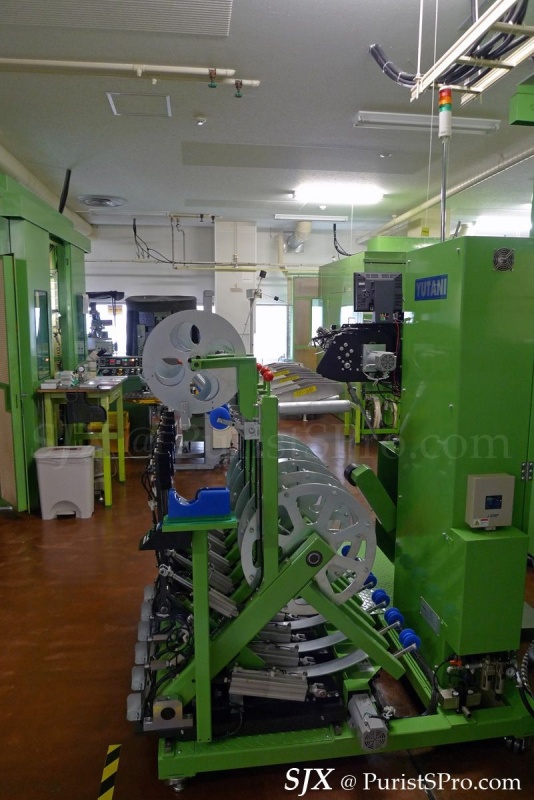
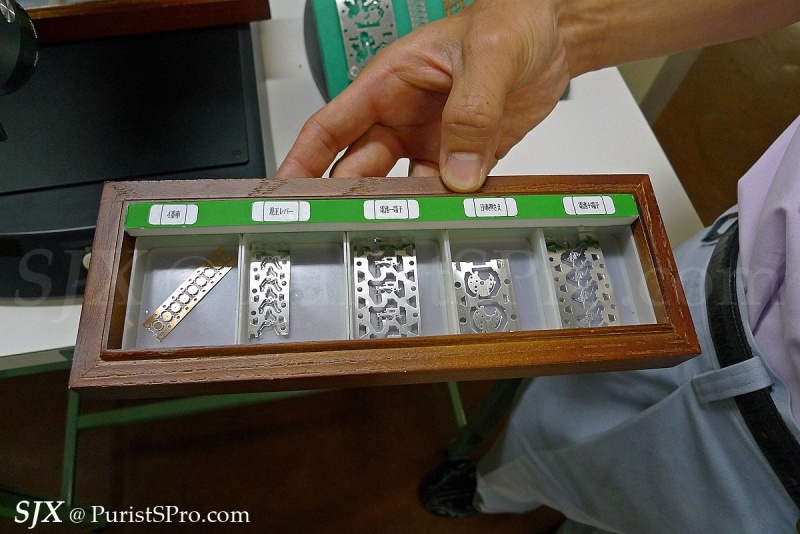
There really isn’t much to be said about the production capability here. Shizuikushi Watch Studio can make practically anything.
This message has been edited by SJX on 2011-02-05 22:30:42Part II: Decoration and finishing
Production capacity at Shizukuishi is 20,000 to 30,000 units a year. But while those facts and numbers would imply industrial production on a heroic scale, devoid of the human touch, that is the converse of the truth.
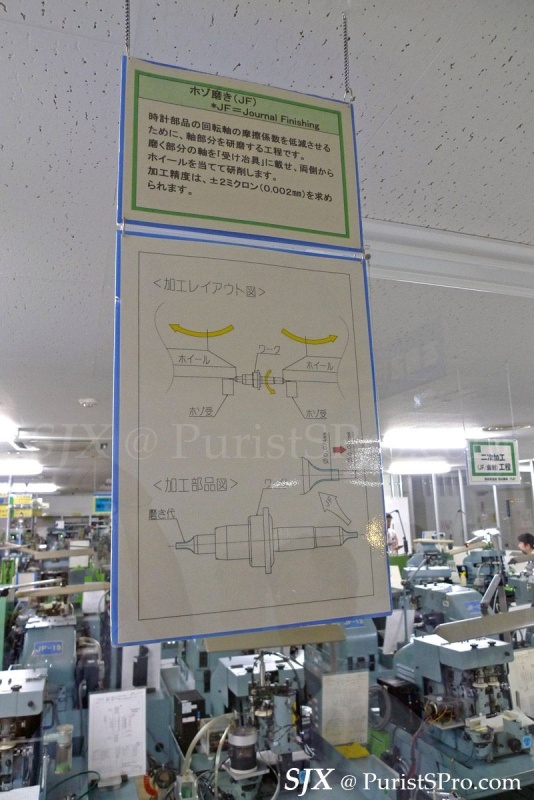
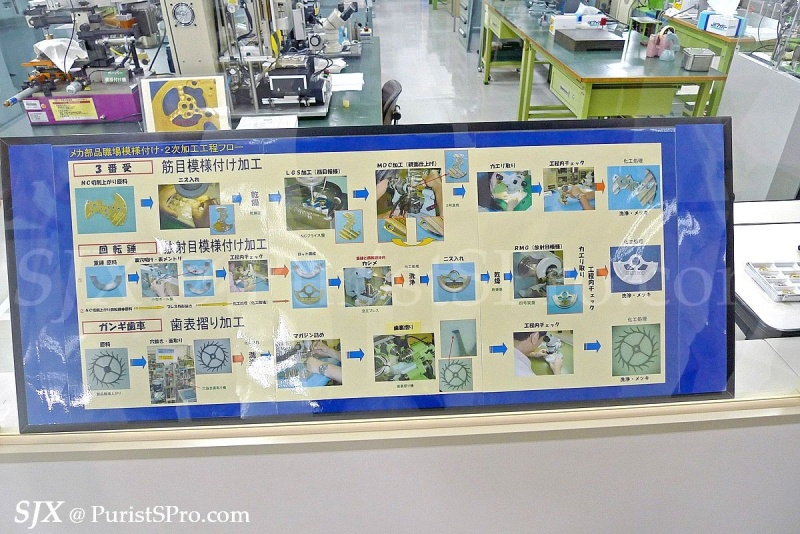
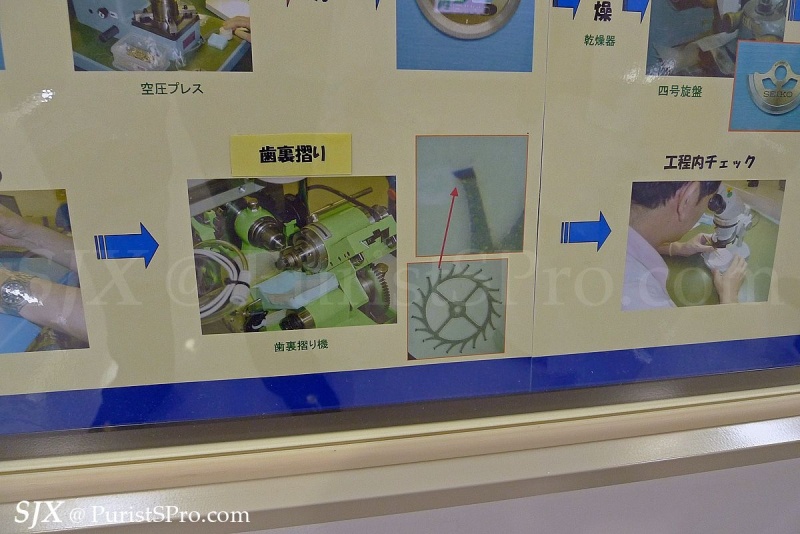
An explanation of the various finishing processes
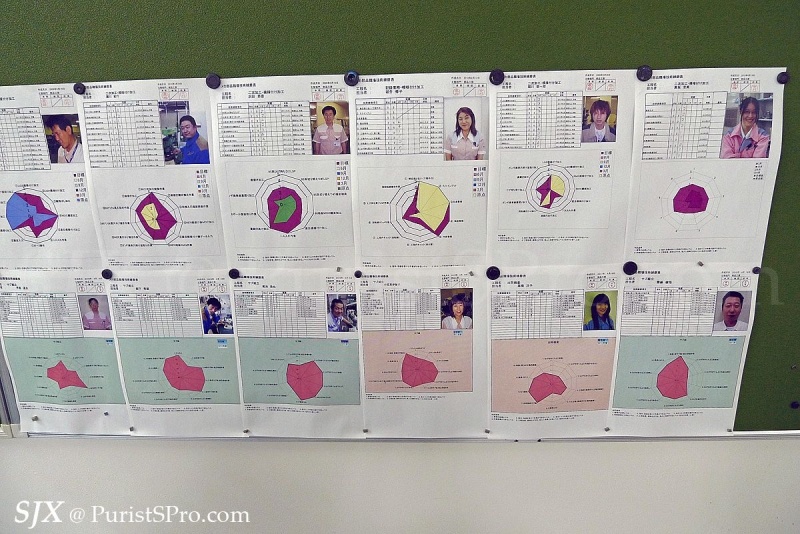
Monthly statistics on the productivity of each craftsman and woman
Watch making at Shizukuishi is carefully and meticulously performed. Finish of the moving parts in the movement, functional as opposed to decorative finishing, is top notch: pinion teeth are polished and so are the pivots. Even the teeth of the escape wheel are polished. To my eye that is the same standard of care given to the moving parts in movements that qualify for the Geneva Seal.
Decorative finishing, on the other hand, is done mechanically, resulting in very precise and unemotional decoration. Striping and spotting for example are both done by a machine. The resulting ‘Tokyo stripes’ are perfectly formed and deep, almost engraved into the bridges.
Bridge before and after striping
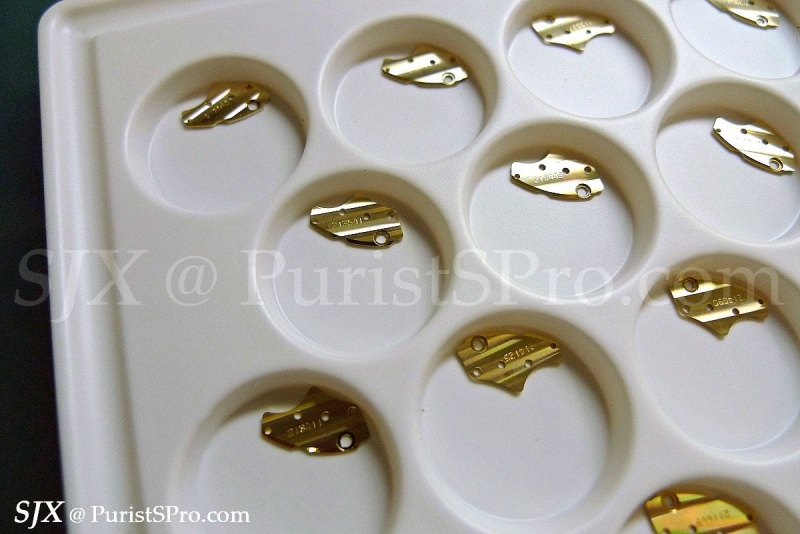
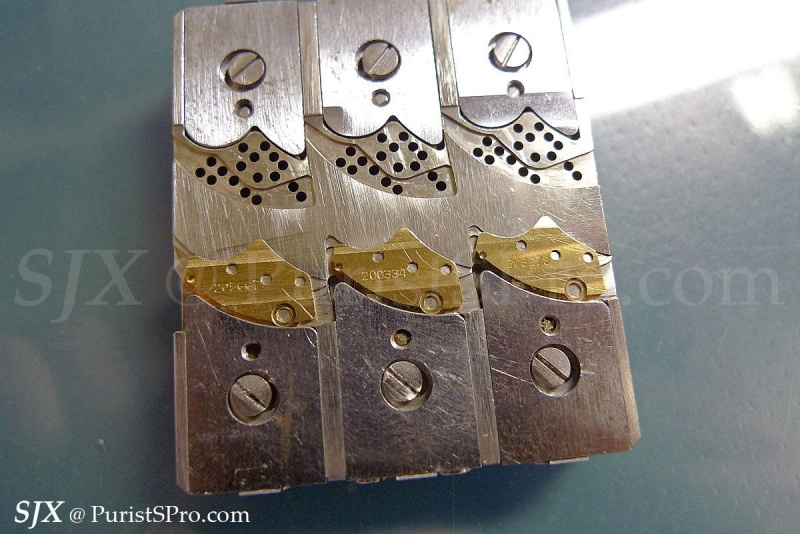
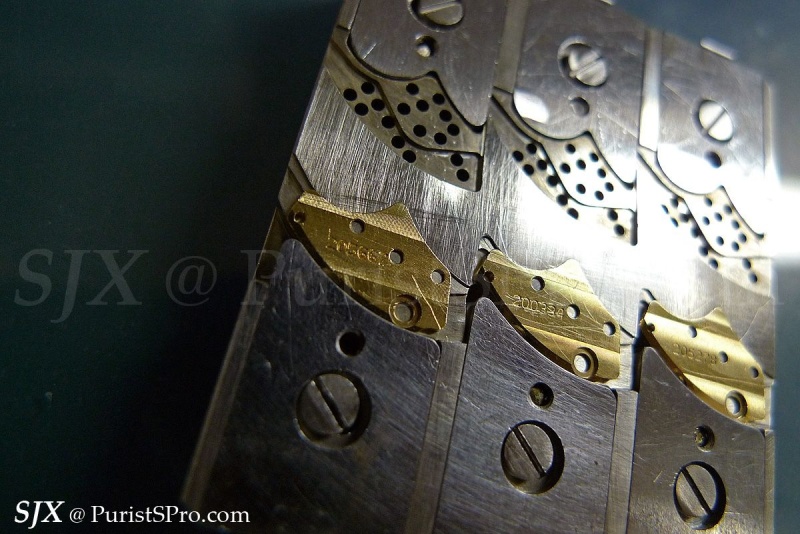
Contrast that with the finishing of pivots which is done by hand, as is the polishing of the leaves of the pinion.
Below: Polishing a pinion
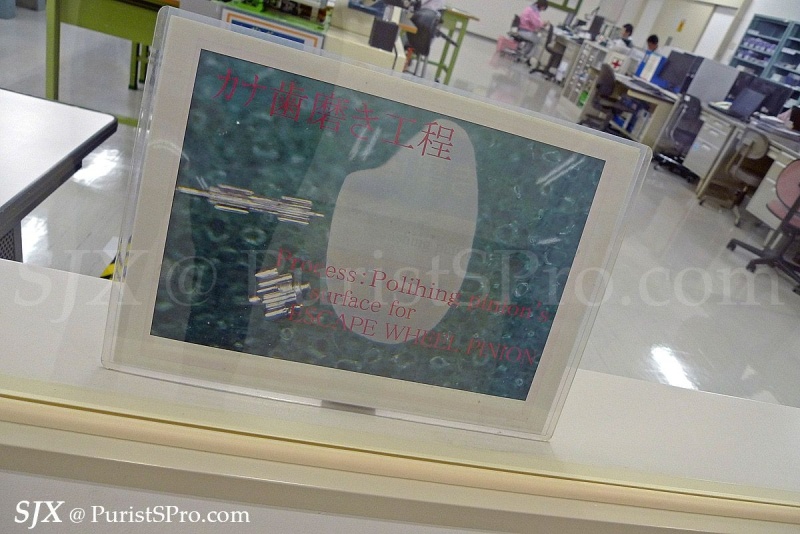
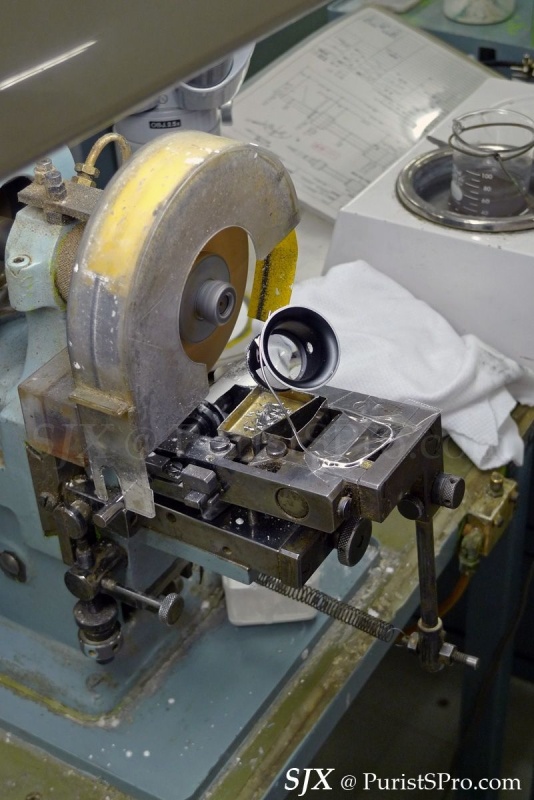
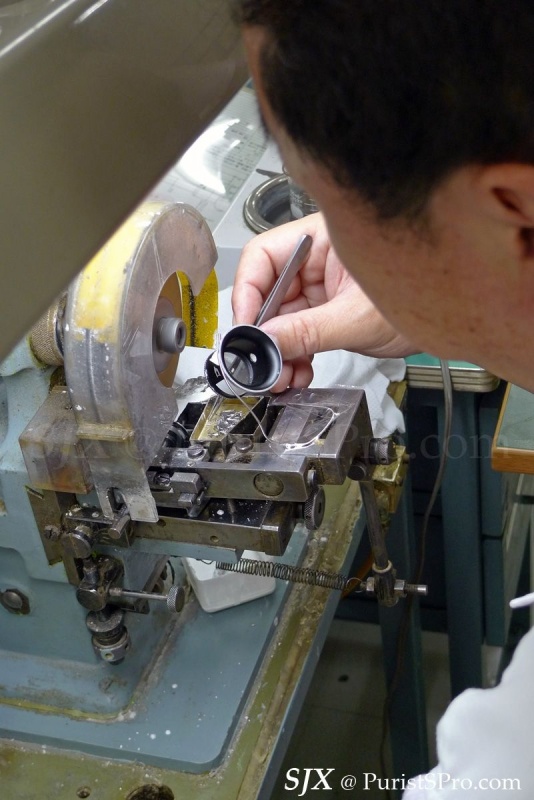
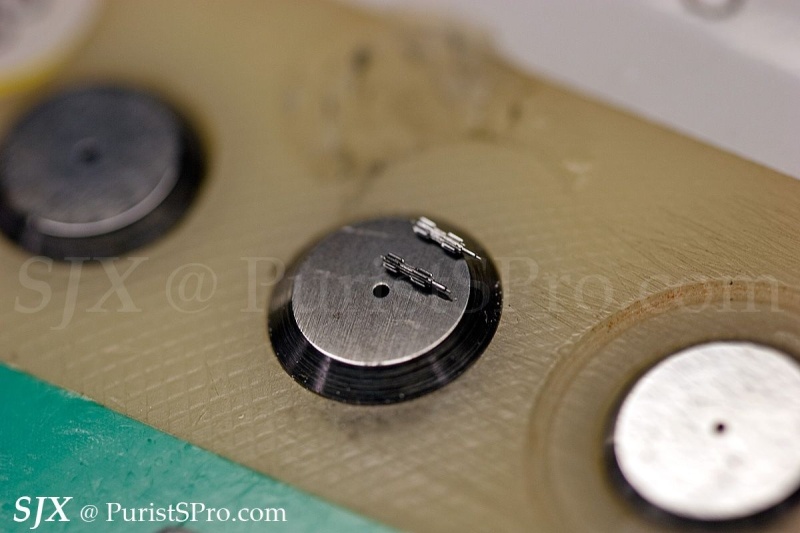
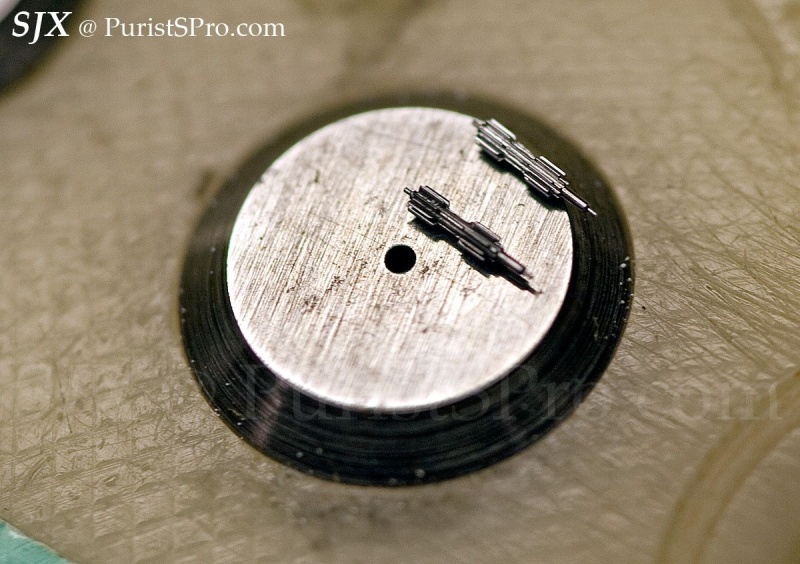
Above: Pinion before and after polishing
This message has been edited by SJX on 2011-02-05 22:39:30Part III: Movement and watch assembly
One would think that the accuracy of the Grand Seiko is because of the rigorous testing done after assembly. That is only half the story. The process of assembly is quite extraordinary. The level of effort that goes into ensuring the environment is perfect, absolutely perfect, is unbelievable.
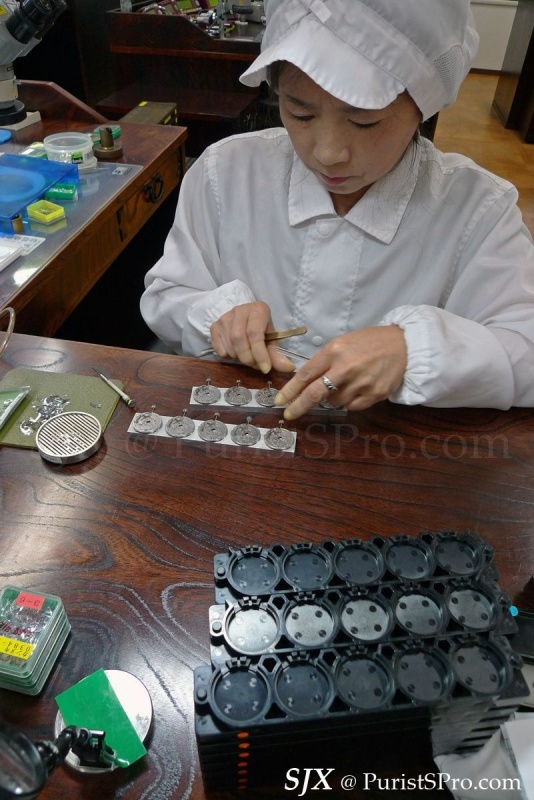
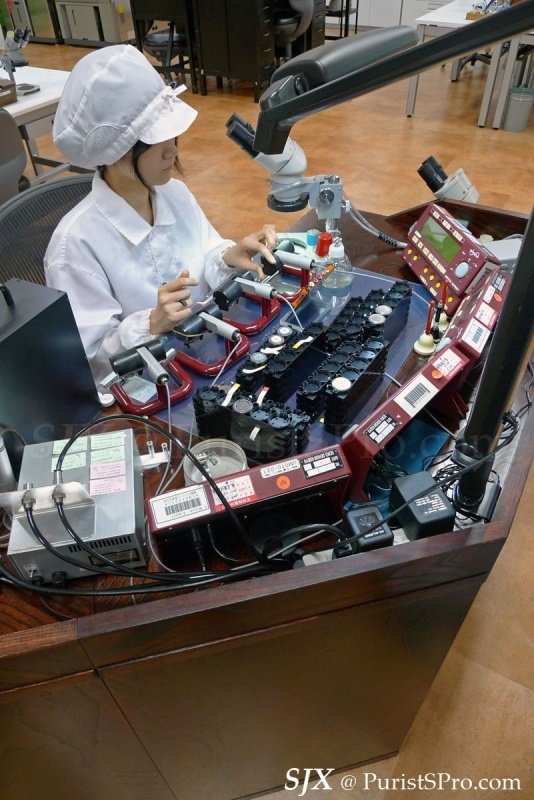
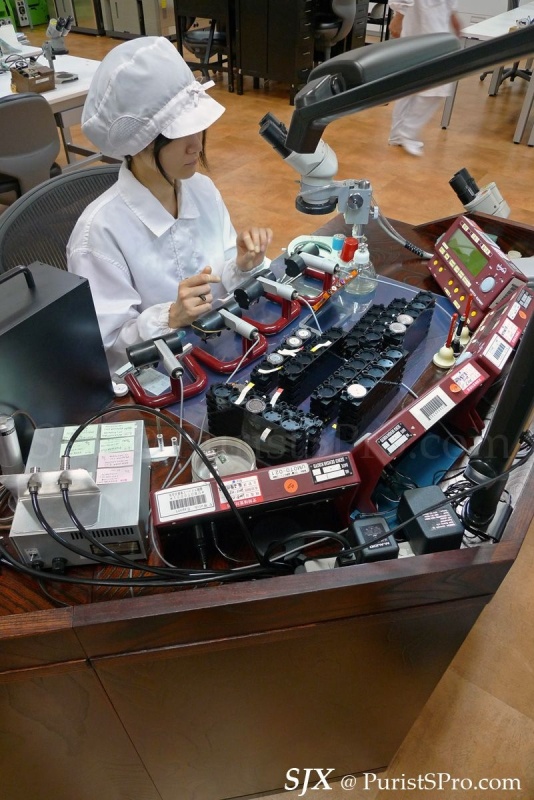
For a start, the assembly room is a clean room. Everyone going in has to dress up – coat, hat and shoe covers – and then pass through an air shower. As a result everyone inside resembles a cross between a nurse and a chef.
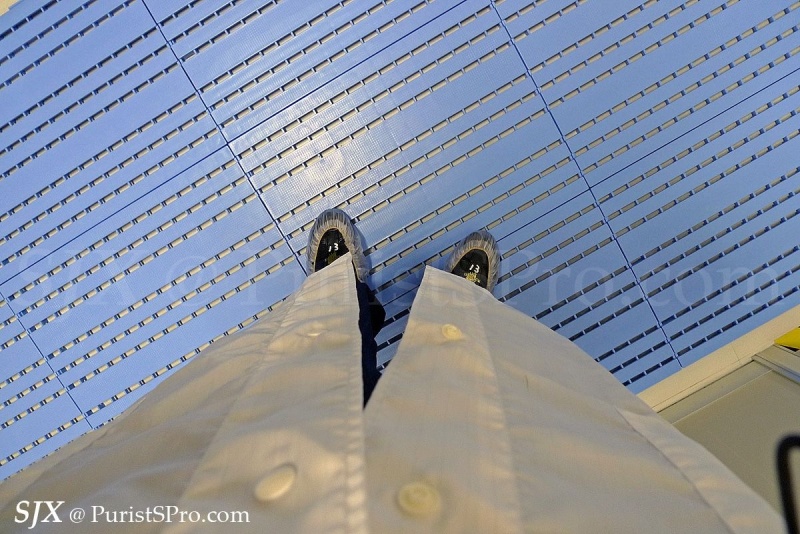
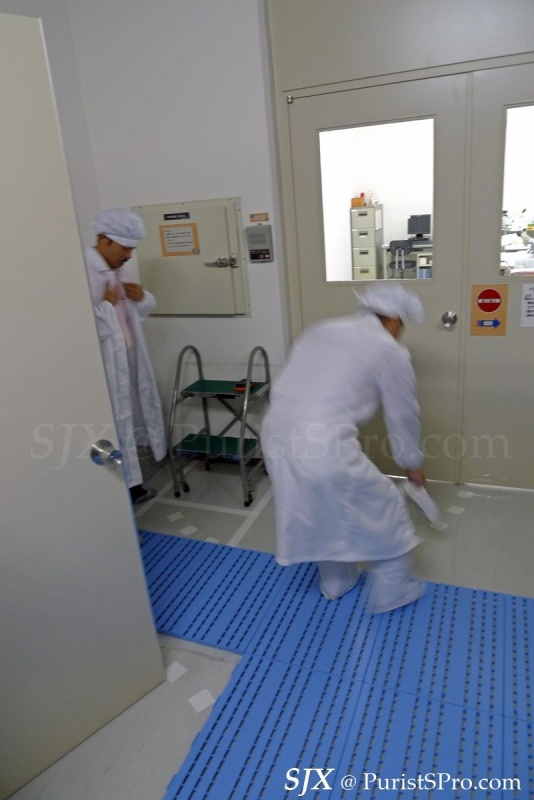


No other watch factory I have seen performs assembly in an industrial-level clean room (I think it is a grade 1000 clean room). The room is so clean and so quiet you are afraid to breathe lest you contaminate the air.
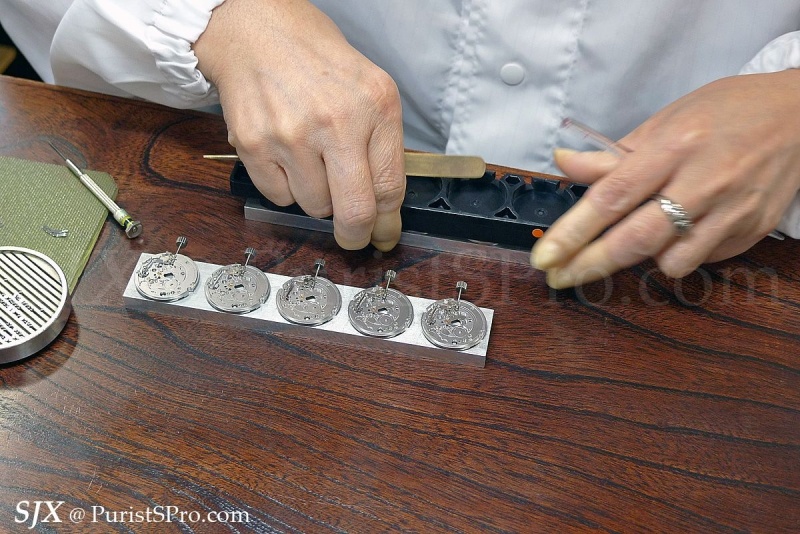
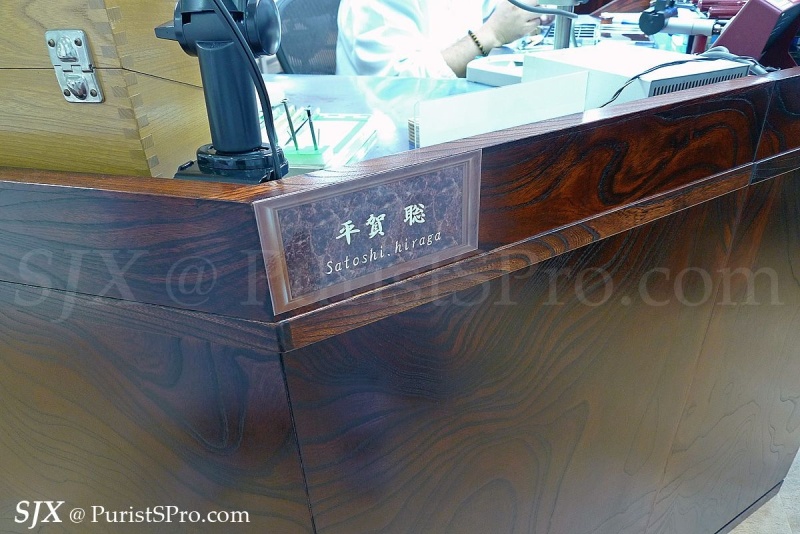
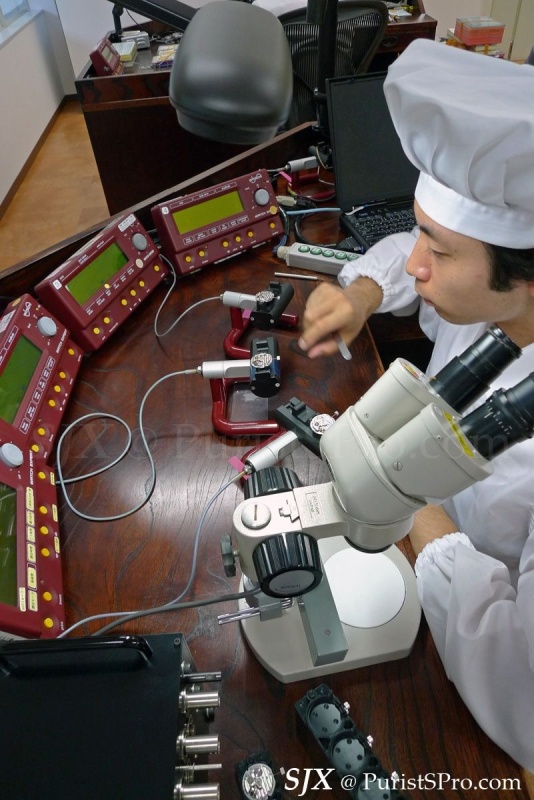
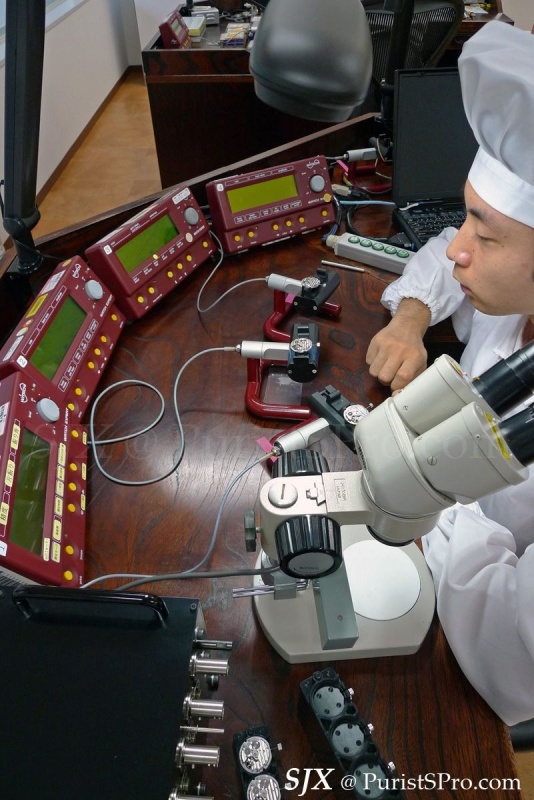
And the set-up for each watchmaker is designed to ensure he or she has the most conducive environment possible to assemble the watches. Every bench looks absolutely identical, but each of them is customised for the particular watchmaker so each bench is a different height.
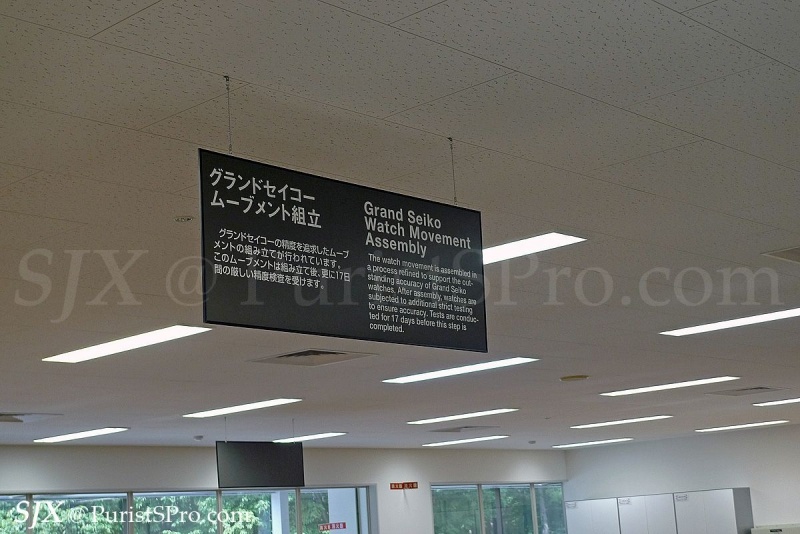
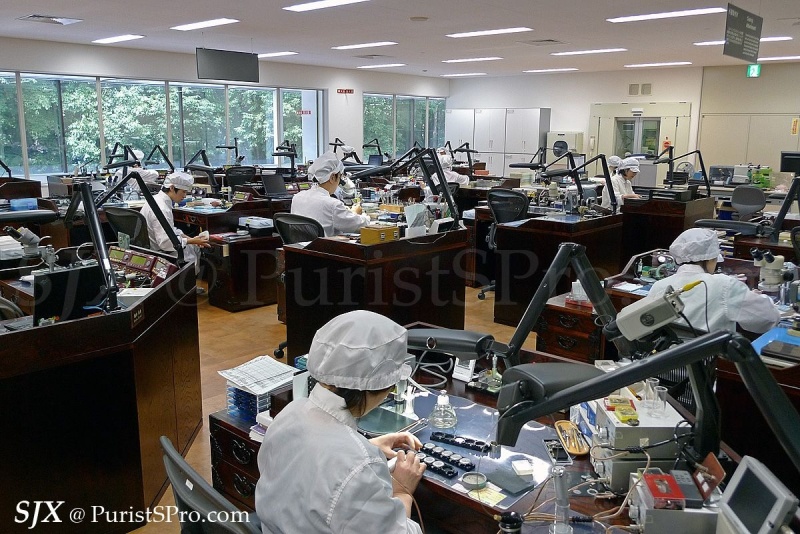


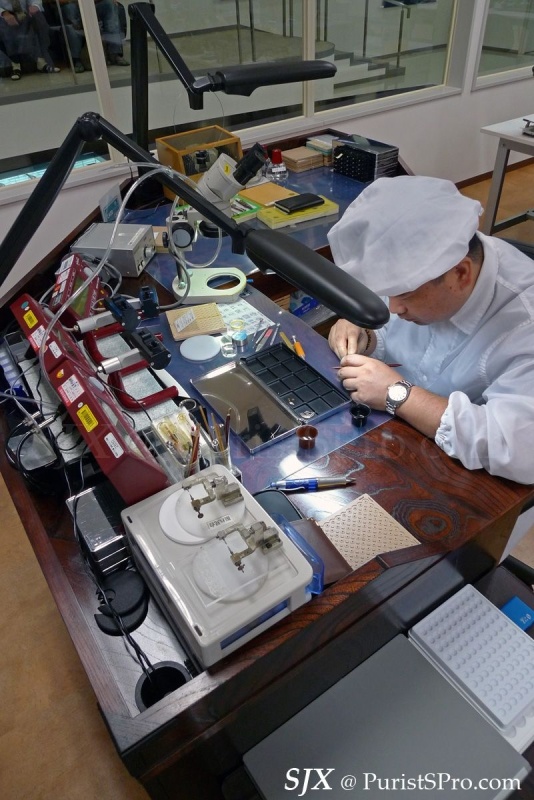
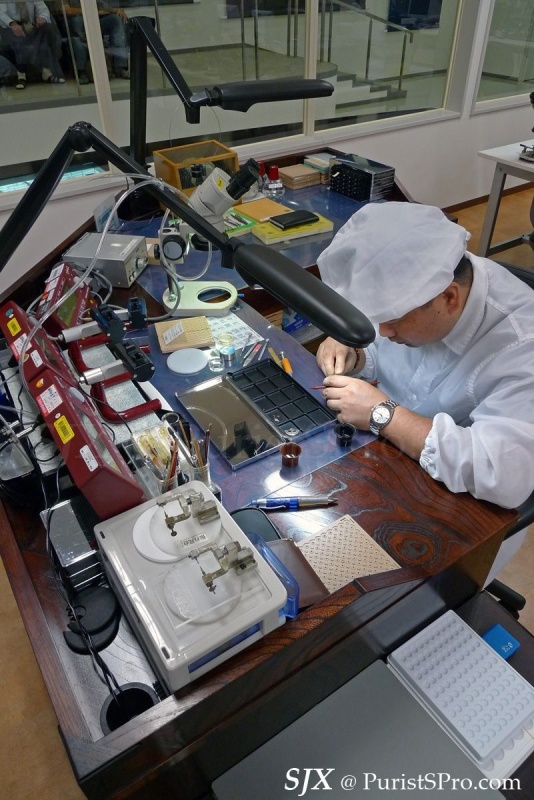
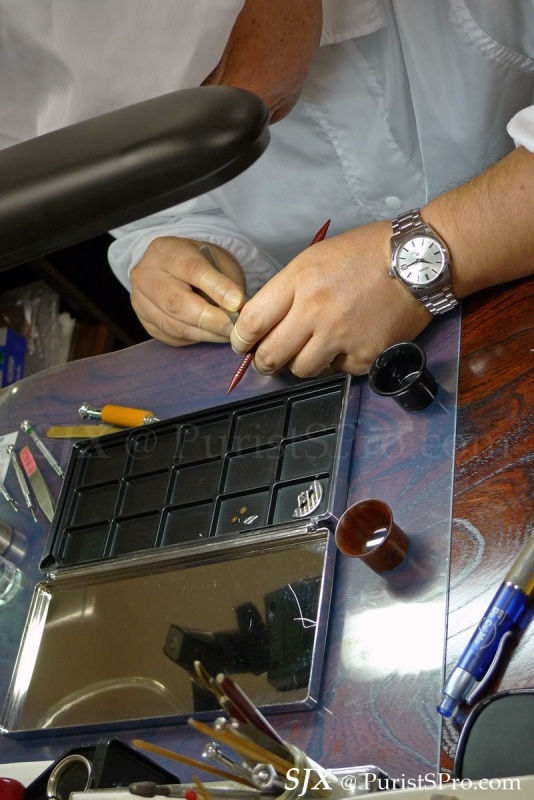

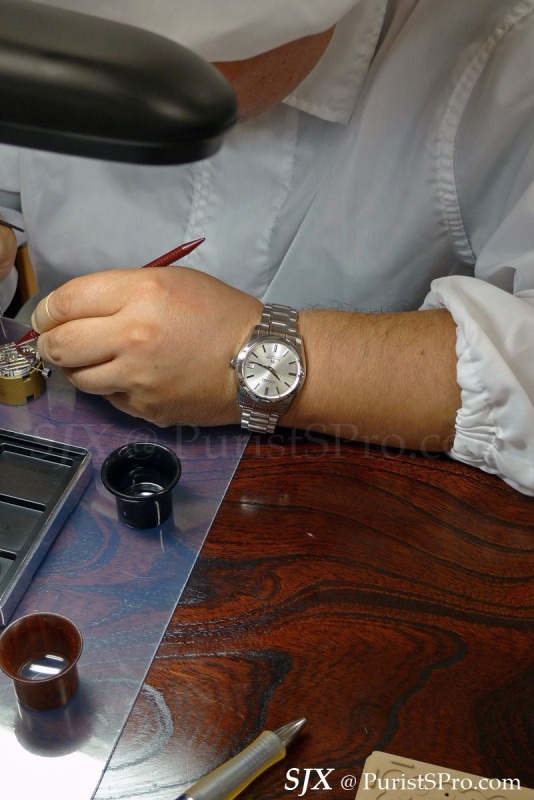
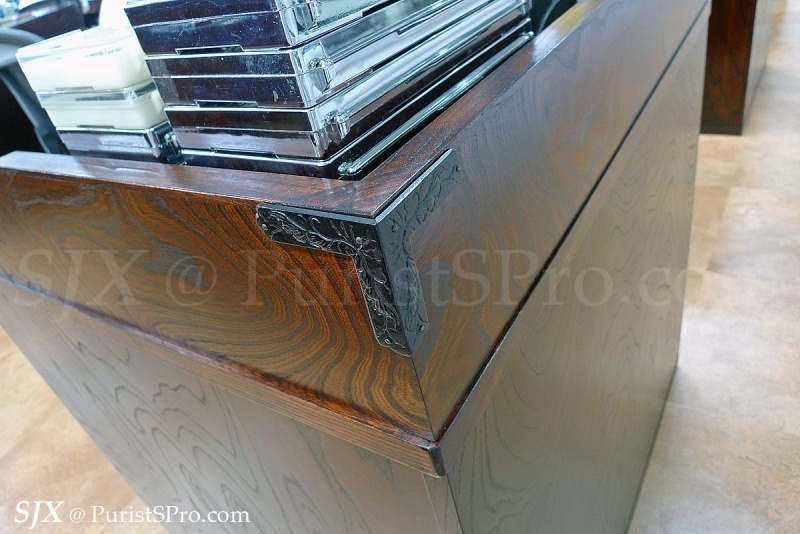
In fact, the beautifully made desks and drawers decorated with elaborate metal work are a traditional Japanese type known as Iwayado Tansu. Naturally these are made by a company located in the same prefecture. But tradition and modernity co-exist – each watchmaker sits in an Aeron chair.

There are various specialists in the assembly department. Mr Mamoru Sakurada, who is recognised as a contemporary master craftsman, specialises in assembling the ultra-thin cal. 68.
Other watchmakers are adjustment specialists, who regulate the completed movement. All Grand Seiko watches assembled here are then tested for 17 days to ensure they conform to the Grand Seiko accuracy standards.

This message has been edited by SJX on 2011-02-05 23:04:10


I don't have words...
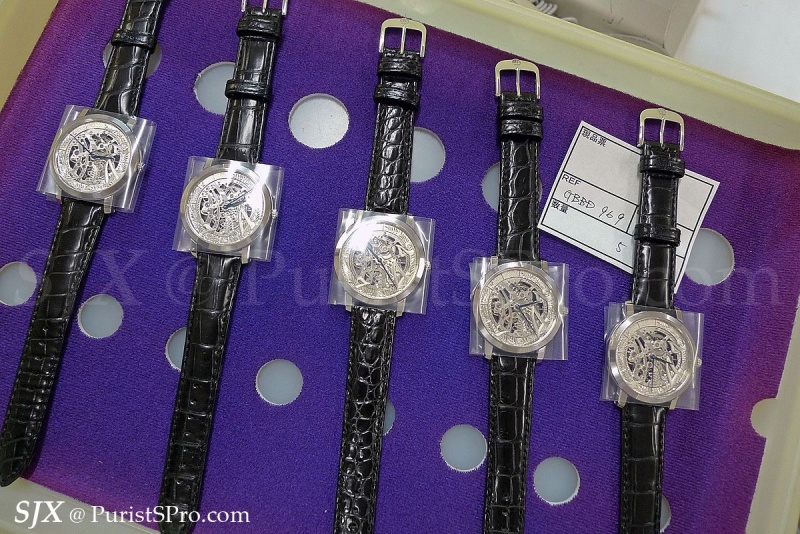
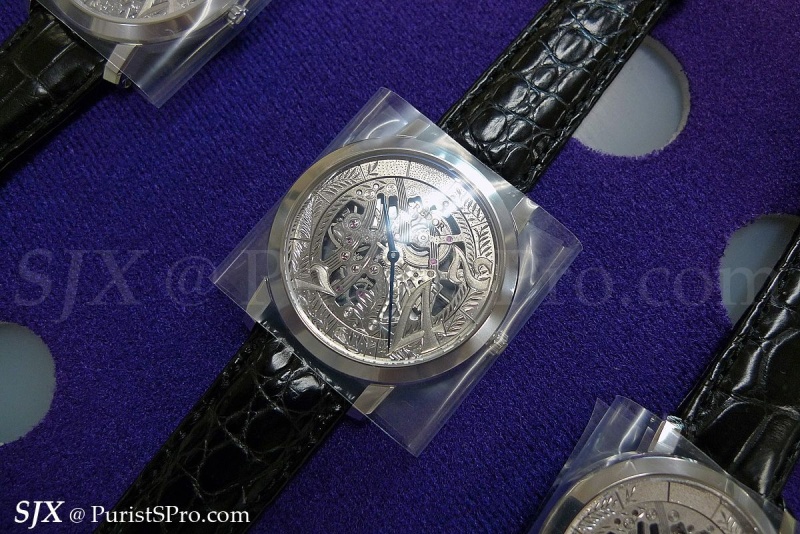
Part IV: Assembly of ultra-thin, skeleton cal. 6899A
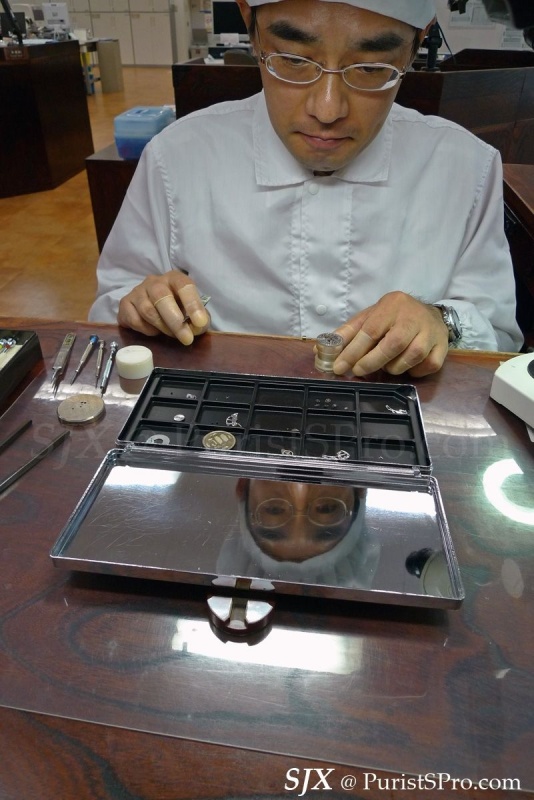
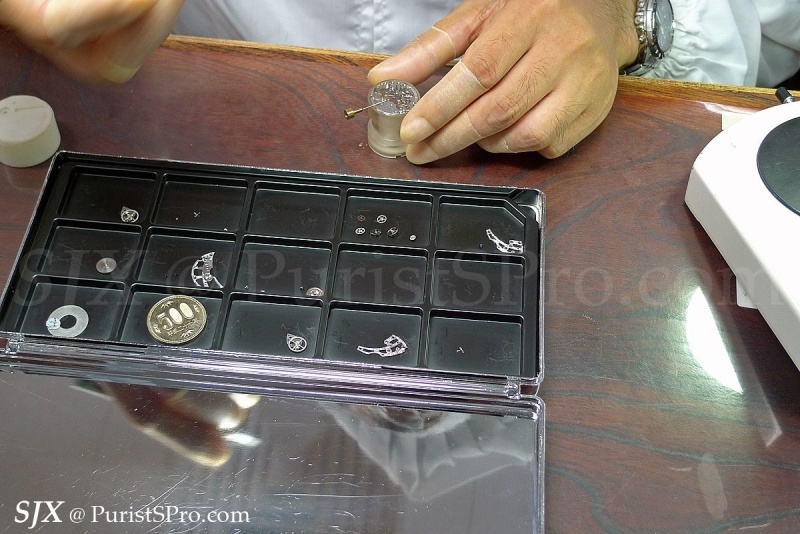
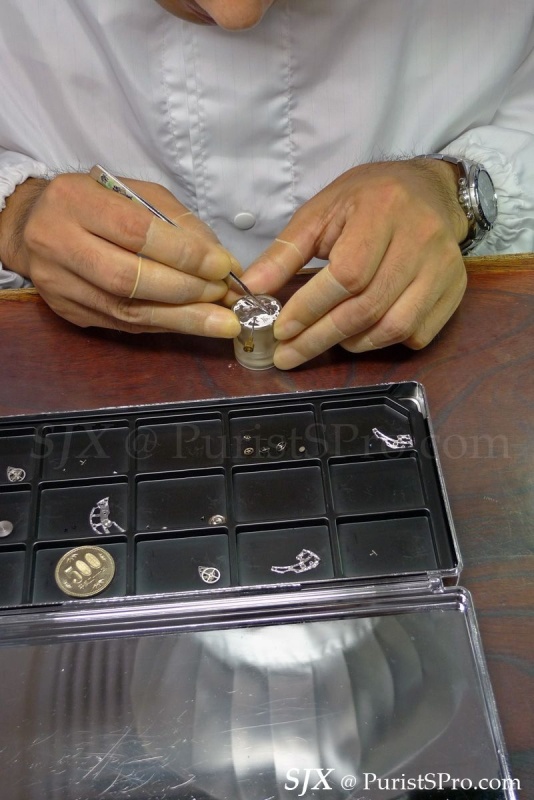
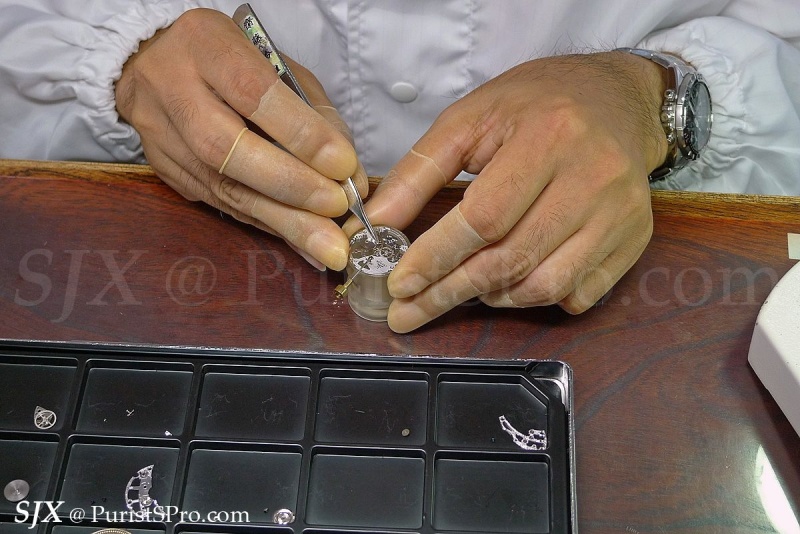
Saito Katuo is one of the few watchmakers who are able to assemble the 1.98 mm high cal. 6899A, a skeletonised, ultra-thin, hand-wound movement.
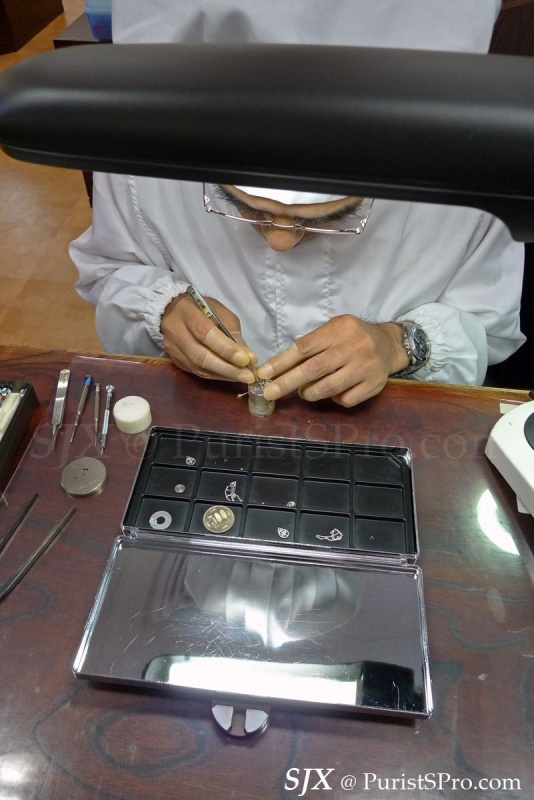
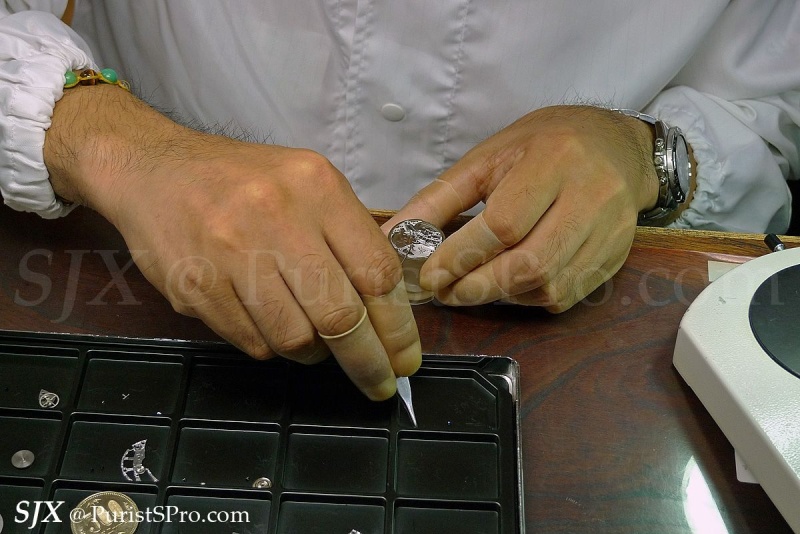
Comparison of the pallet fork from the cal. 6899 and a regular mechanical movement
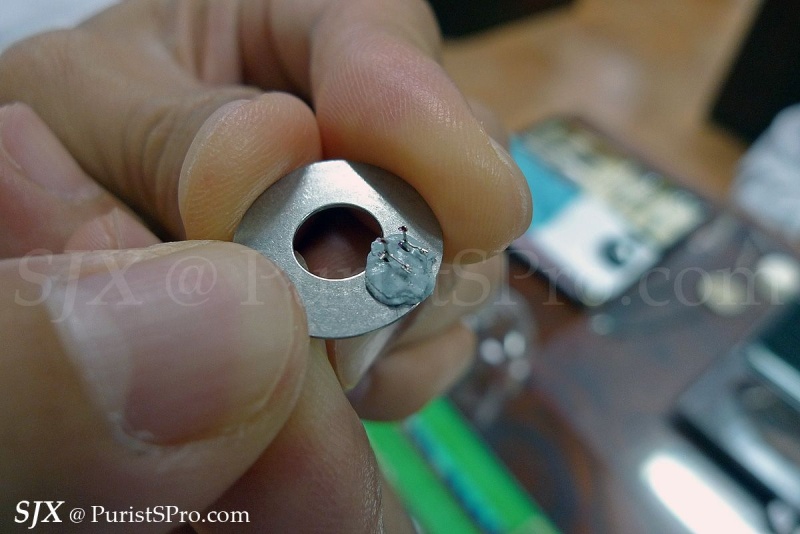
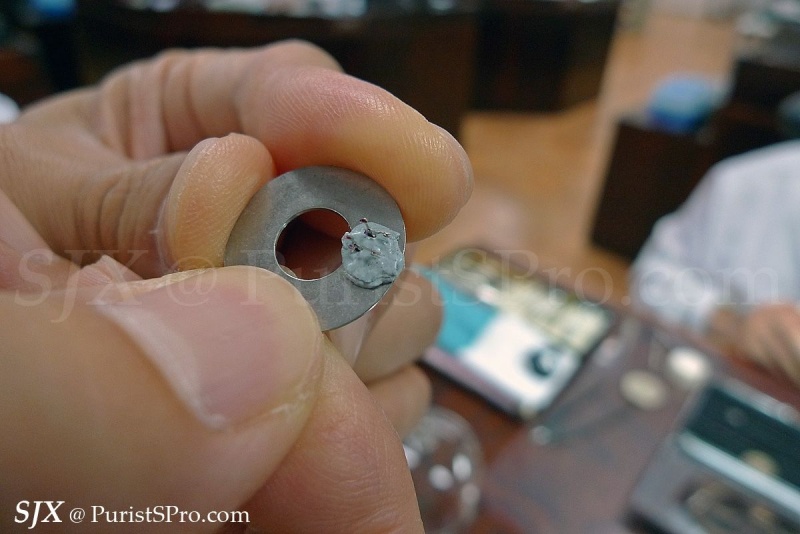
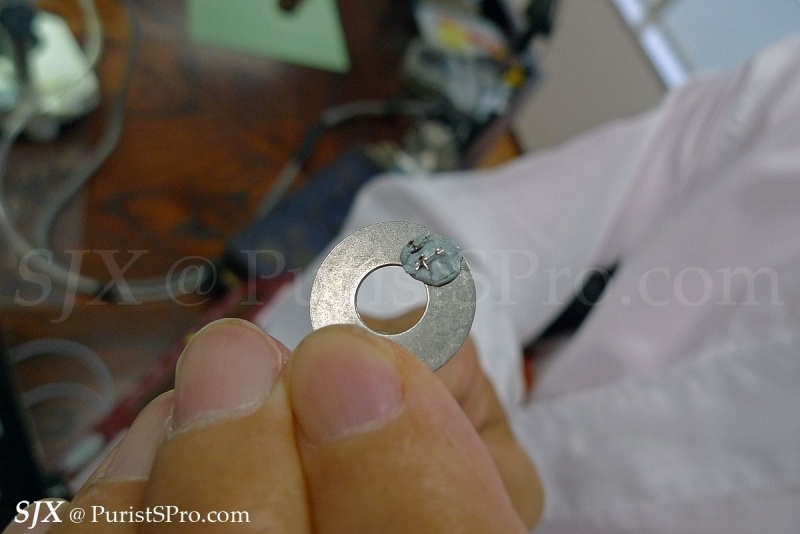
The movement is slightly slimmer than a 500 yen coin but Saito-san makes it look easy.
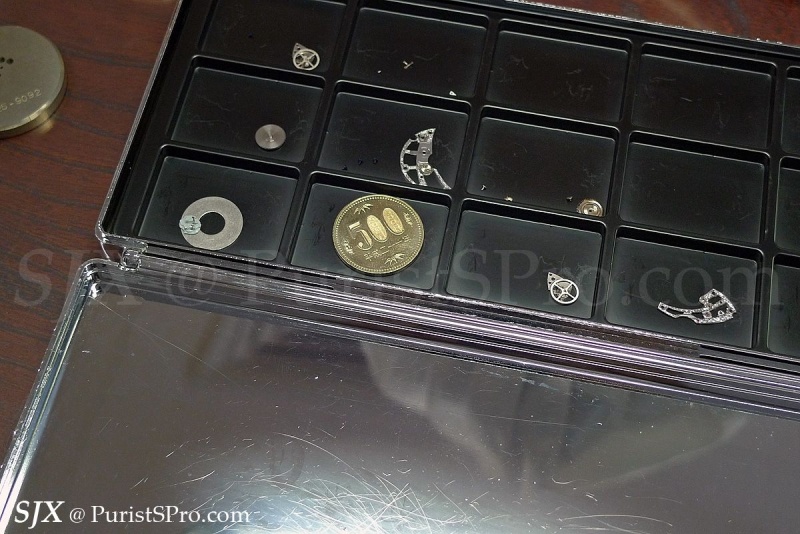
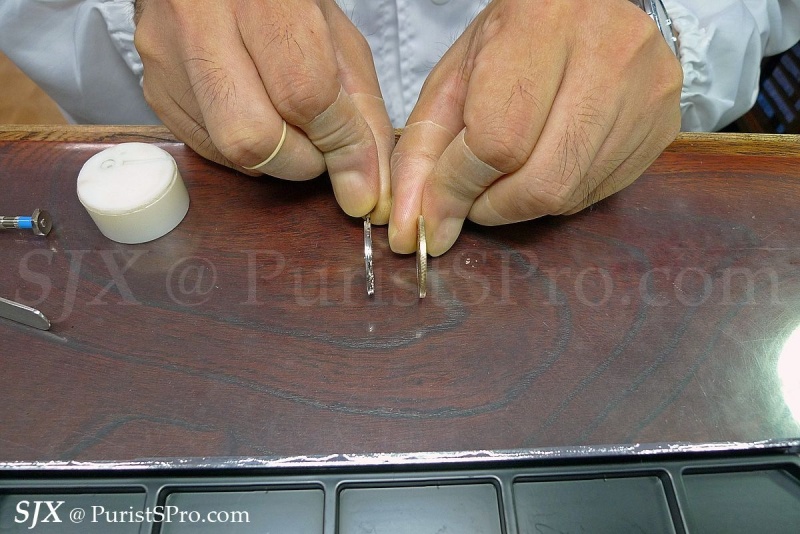
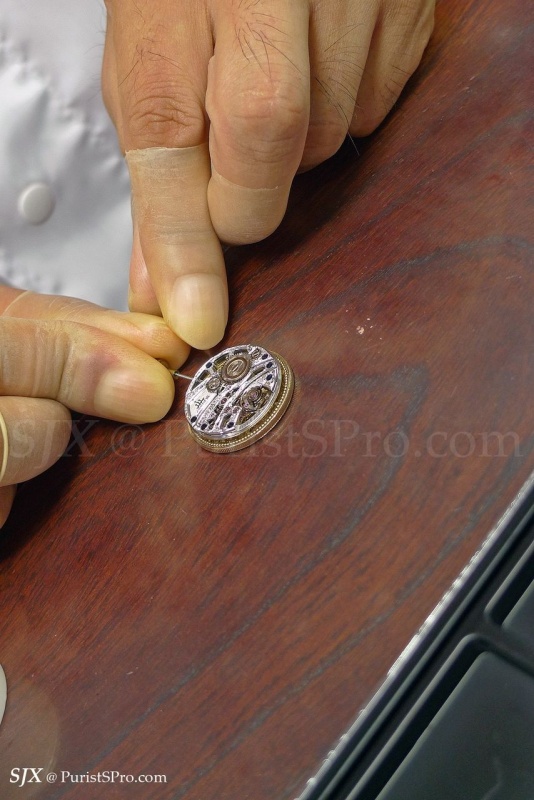
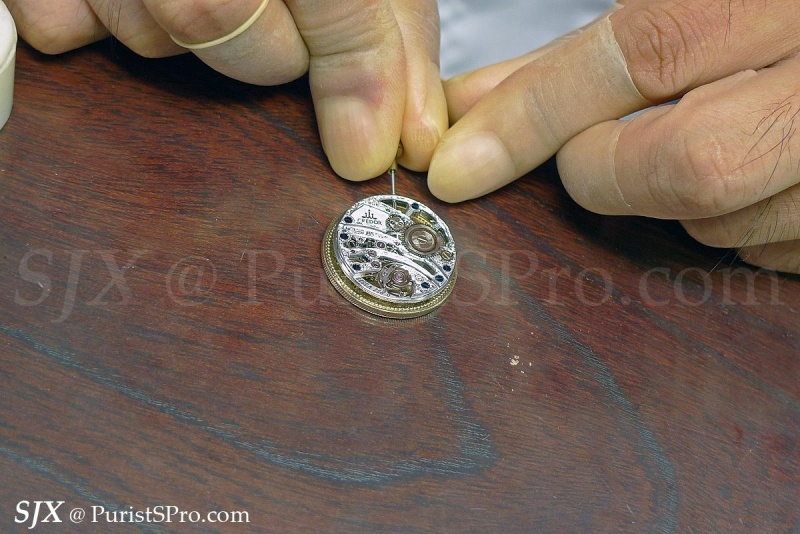
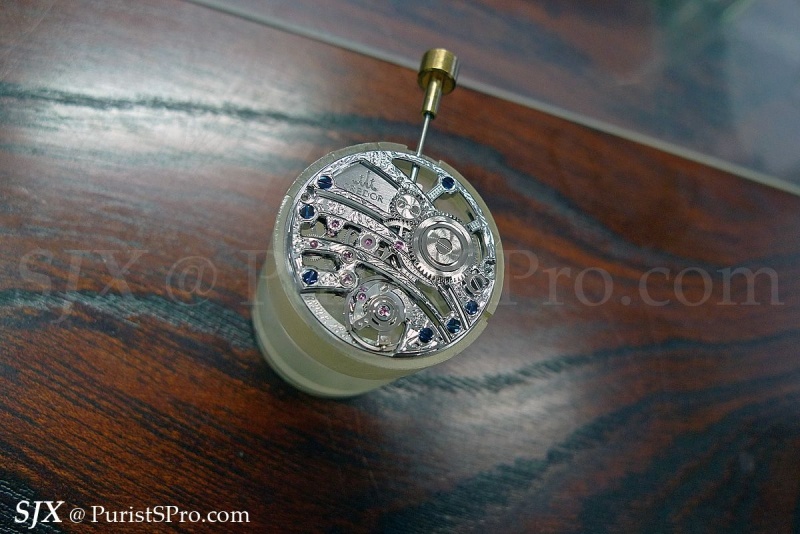
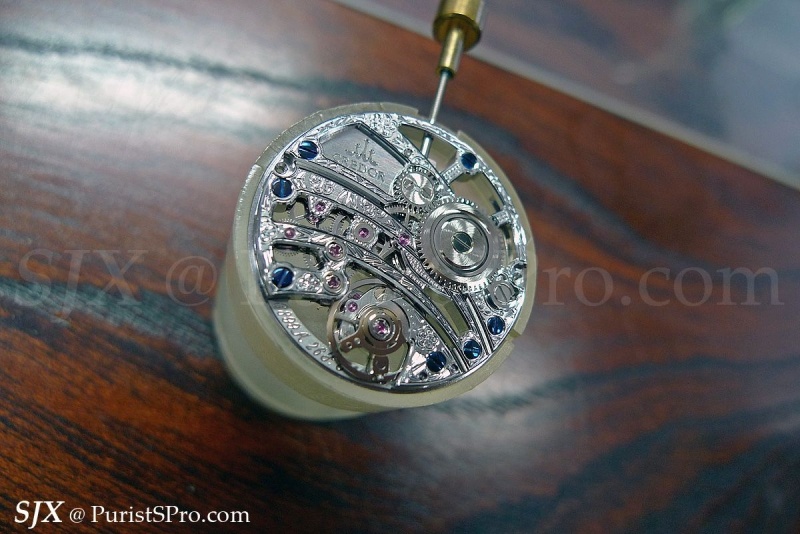
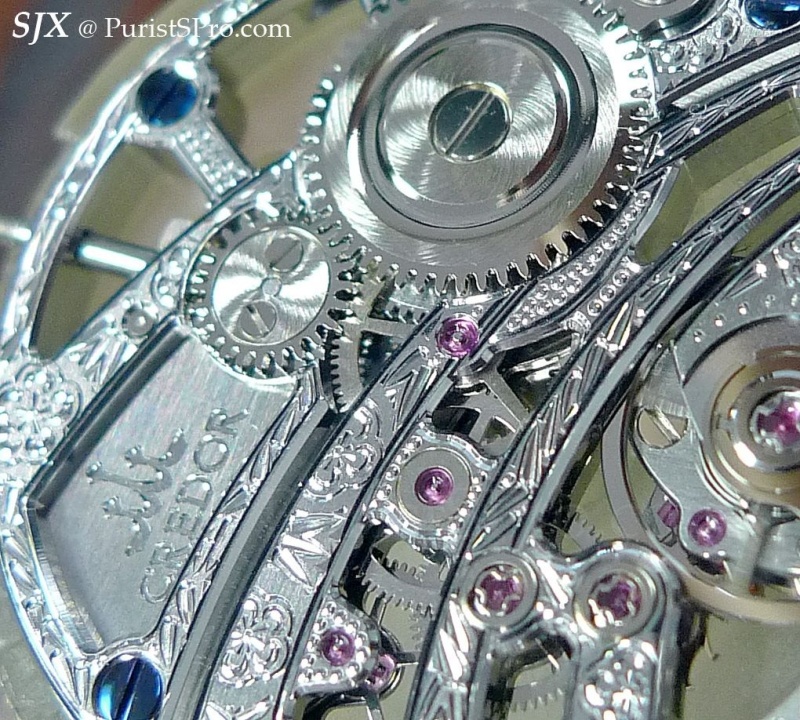
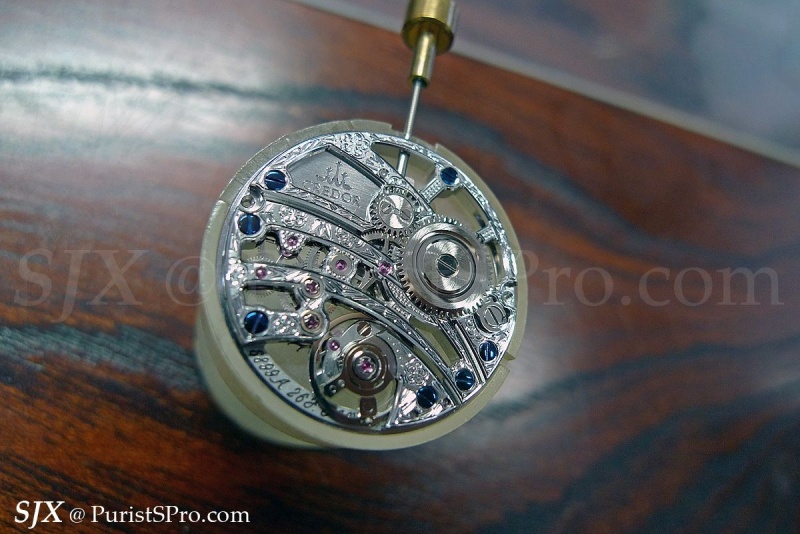
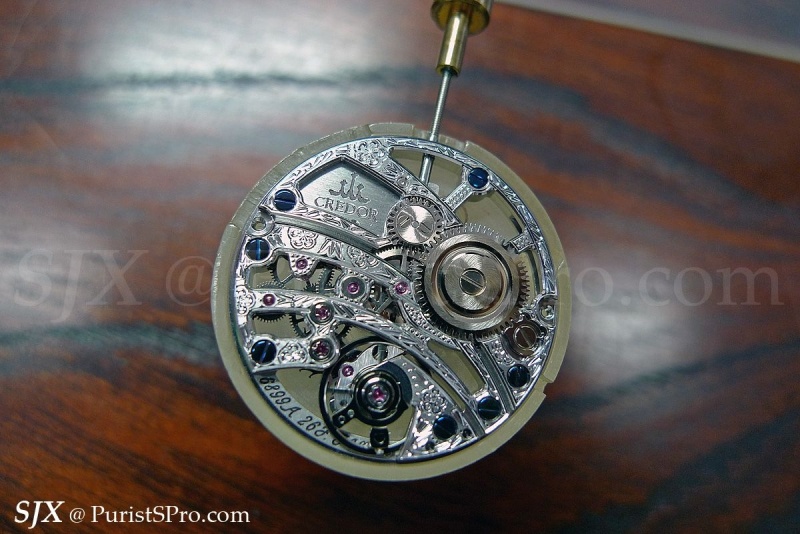
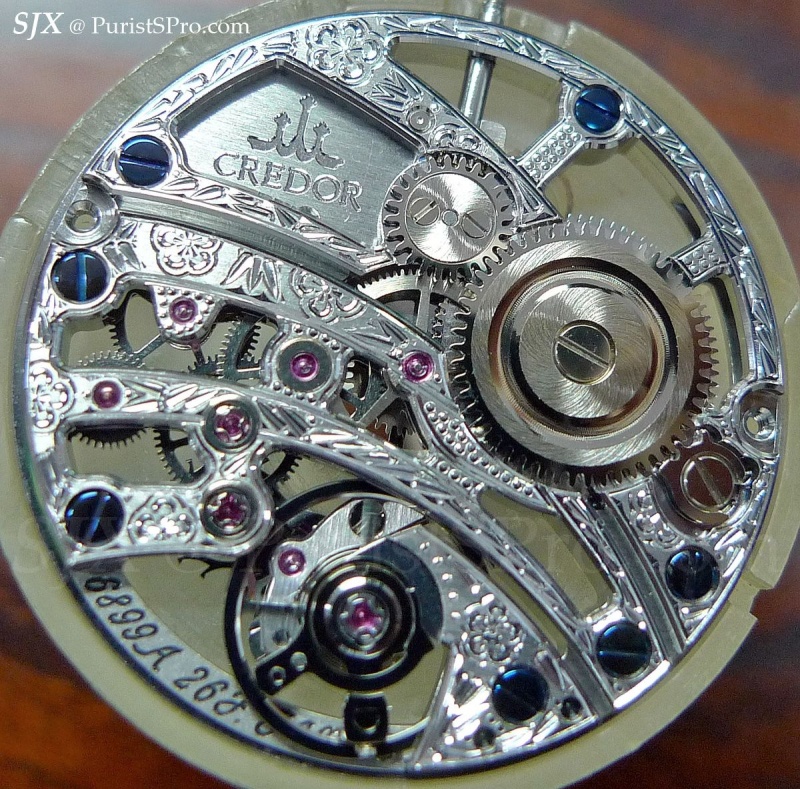
The bridges, by the way, are hand-engraved by an in-house team of engravers, including contemporary master craftsman, Terui-san.
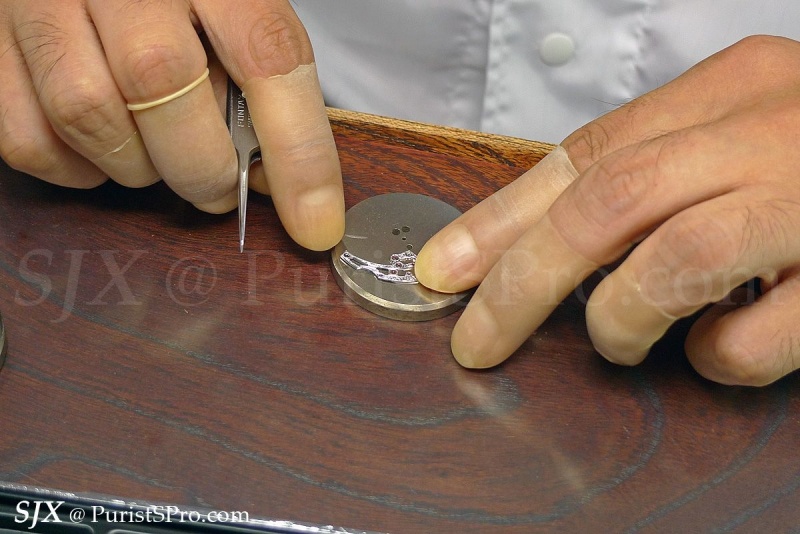
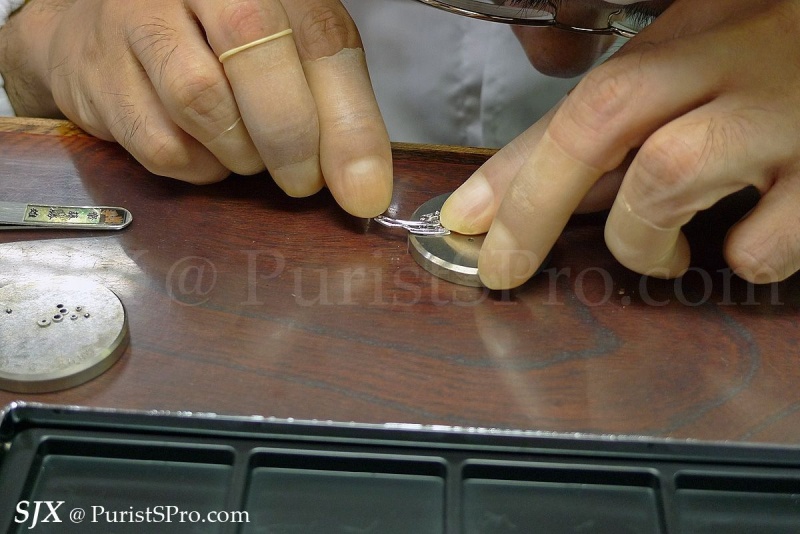
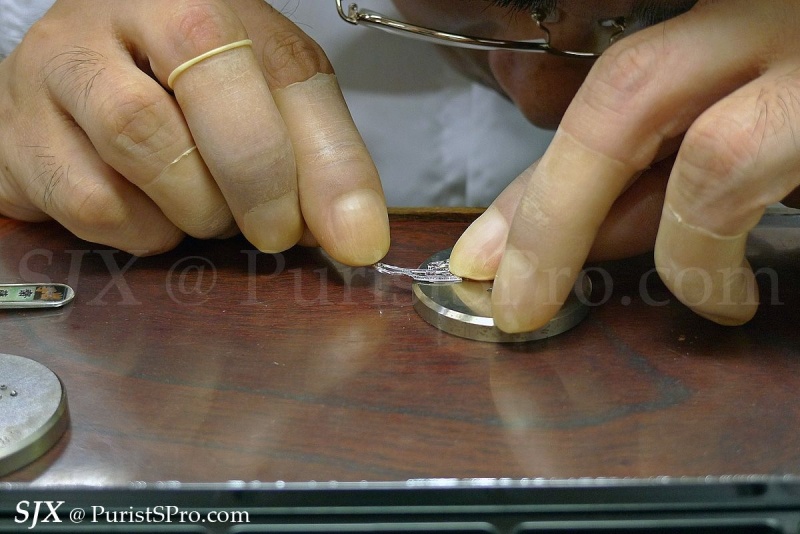
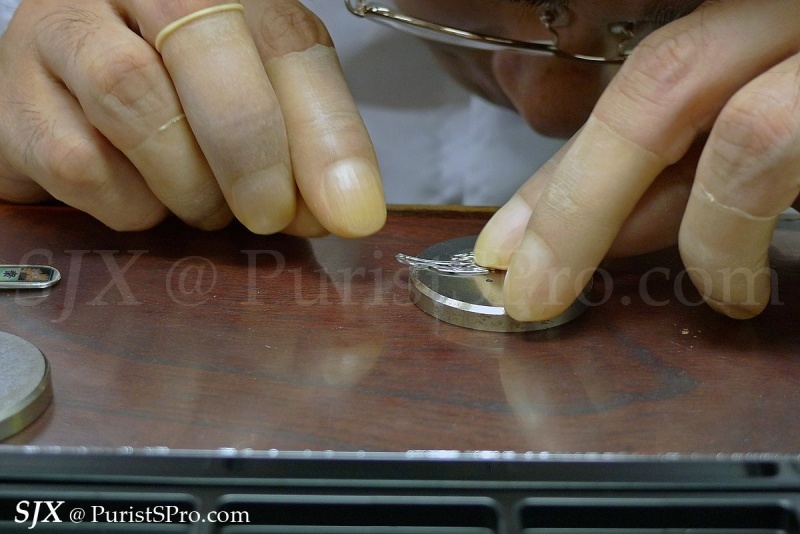
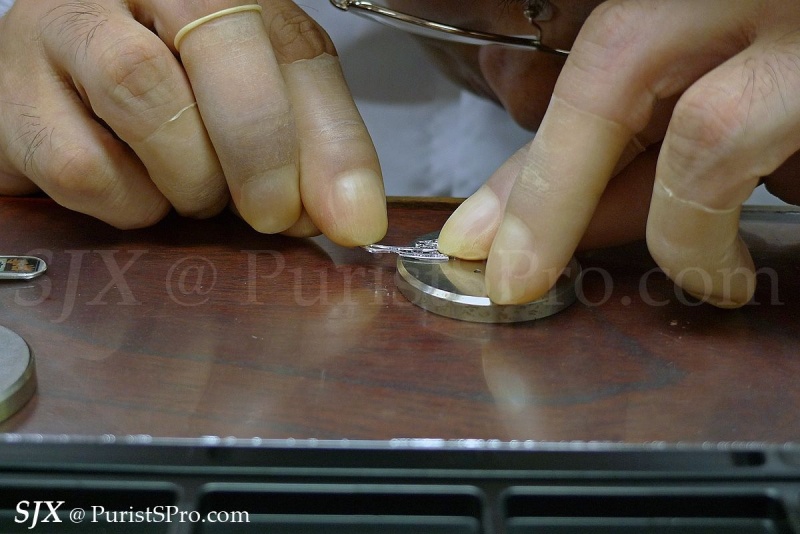
One of the most interesting steps in the assembly is the manual adjustment of bridges. The tolerances of the parts in this movement are unusually fine, so everything has to fit perfectly, especially the gear train. As a result, sometimes bridges have to be reshaped by bending them.
This message has been edited by SJX on 2011-02-06 06:02:45

Part V: Inspection and testing
After assembly, the watches are inspected and tested for water resistance in an adjacent room. Once they pass, and I am pretty sure nearly all do, they are shipped out (mainly to Japanese destinations but that will change gradually).

This message has been edited by SJX on 2011-02-05 23:15:11

Exhibit "A" in the case . . .
. . . for Seiko's commitment to quality.
Thanks, SJX, for this report . . . another turn of the ratchet in favor of acquiring a Grand Seiko.
Cordially, Art


Thanks SJX,
best,
Michel

HQ report.
Thank you so much for sharing.
Vte


This will probably be controversial -- but I don't get it.
I'm willing to hear other views but to me this is more of a turn-off for Seikos, than a turn-on.

It is very subjective, Seth...
Are they mechanically inferior to European watches, I don't think so, but I prefer to not answer as I don't know Seiko watches, so, I'm not in position to give my opinion.
Now, aesthetically speaking, I totally agree with you.
Their feeling and design let me very cold, but, as said, one's truth is as worth as anybody else's truth, when it comes to tastes.
Best,
Nicolas.
This message has been edited by amanico on 2011-02-06 11:39:40
So...
...you painstakingly adjust a watch for accuracy in vaious positions...and get that speck of dust on the hairspring....Not a reason for clean-rooms?
I get your points about the sterile atmosphere, but this place makes 20000units per year. Mass production is rarely glamourous.
I get what you are saying but for me

I think SJX started the post with a picture of all the employees on a wall...
and further elaborated on it showing us that these are actually people working on watches rather than robots
it may look industrial, antiseptic but the dedication is probably no less than their counterparts in Europe or the US.
hard to romanticize them when they're wearing those white suits... makes you think they're working in a Center for Disease Control facility

I am with Nicolas on this one...
... that this whole thing is subjective.
To evaluate the watch, in all simplicity, there are three points - outside (case, design), inside (movement) and the passion/philosophy of the people behind it. Well, at least there are, to me. And certain brands/independents have followers because they like these three, particularly the last one - passion/philosophy, I think.
So, I think it is just that one of Seiko's way to express its passion and philosophy is this manufacturing process. Everybody has favorite brands or independents, while everybody has not-so-favorite brands or even hates some. Like Nico said, this is all subjective.... Different religion, different creed, different people - I don't get MANY things, either. But the variety or diversification is what makes the world we live in and the world of horology interesting. After all, with all the differences, people are people (anyone remember Depeche Mode?)....
Best,
Ken
A great and wise man once wrote
"Production capacity at Shizukuishi is 20,000 to 30,000 units a year. But while those facts and numbers would imply industrial production on a heroic scale, devoid of the human touch, that is the converse of the truth.
Watch making at Shizukuishi is carefully and meticulously performed. Finish of the moving parts in the movement, functional as opposed to decorative finishing, is top notch: pinion teeth are polished and so are the pivots. Even the teeth of the escape wheel are polished. To my eye that is the same standard of care given to the moving parts in movements that qualify for the Geneva Seal."
And, "Every bench looks absolutely identical, but each of them is customised for the particular watchmaker so each bench is a different height."
How can production get more personal than customised furniture for each watchmaker? That also means lifetime employement which means a lifetime of commitment to watchmaking.
- SJX
Thanks

Pretty cool!
Cheers,
Daos
Awesome report and pics!
Thanks for sharing.
Those movement assembly workbenches are beautiful!

Loved the radar charts for employee productivity performance!
Great report, SJX! Thanks!!!
Thanks for sharing...
must have been an interesting trip to see first hand how the Japanese do their stuff as compared to how their Swiss counterparts do so. Thanks again for sharing...