
Interview from the JLC Heritage Department!
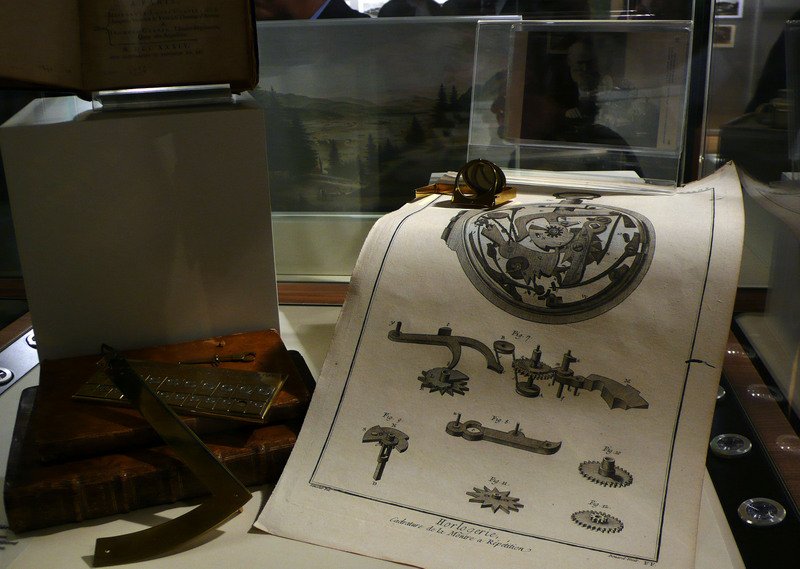
Interview of Marc-Andre Strahm and Sebastian Vivas ( Heritage Department ), by Dje and Amanico for www.PuristSPro.com
A Manufacture is first and foremost - and beyond the technical aspects - a story of men and women.
In that spirit we considered as much worthy of interest to listen to those who contribute for our pleasure and passion to maintaining the magic of timepiece creation.
The first chapter of this series of interviews is dedicated to Jaeger-LeCoultre’s history, through the encounter of an expert, Marc-Andre STRAHM, and a historian, Sebastian VIVAS, complementing each other, and both working at the Heritage Department.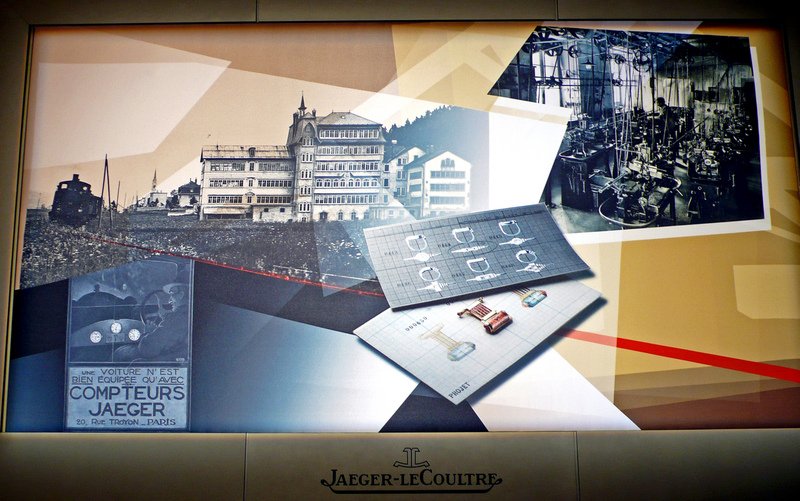
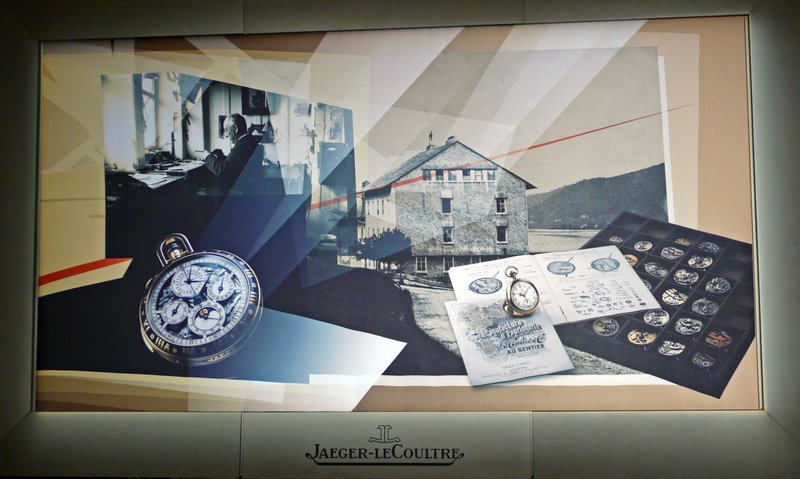
Q1: Could you please tell us your personal journey, and tell us in what conditions and why you both ended up working for Jaeger-LeCoultre?
Answer from M.A.S:
I spent the first 12 years building on three different experiences: studying at the "Technicum" in La Chaux de Fonds first, then learning precision mechanics, and finally working in a watch shop doing the servicing.
I then decided to open my own haut de gamme vintage clock and watches restoration shop and it occupied me for thirteen years.
In the last two and a half years I’ve worked as the vintage horology expert for Jaeger-LeCoultre. I’ve simply answered newspaper advertising from the Manufacture.
Answer from SV:
I have a University degree course in literature and history. I’ve then begun as a University of Neuchatel assistant. Unlike Marc-Andre I’m not a watchmaker, neither a technician
I’ve worked with the “Journal Suisse d’Horlogerie” on my study thesis and this work ended up in a publication titled “L’Ancre et la Plume”.
Imprinted with horology I spontaneously applied for a work at Jaeger-LeCoultre and I work as a historian in the Heritage department since 2001. We have an endless work!
Our department works in close partnership with many other JLC departments.
Recently we have worked on the book « La Grande Maison”, on the conception and realisation of the Heritage Gallery, on several communication subject and several other events.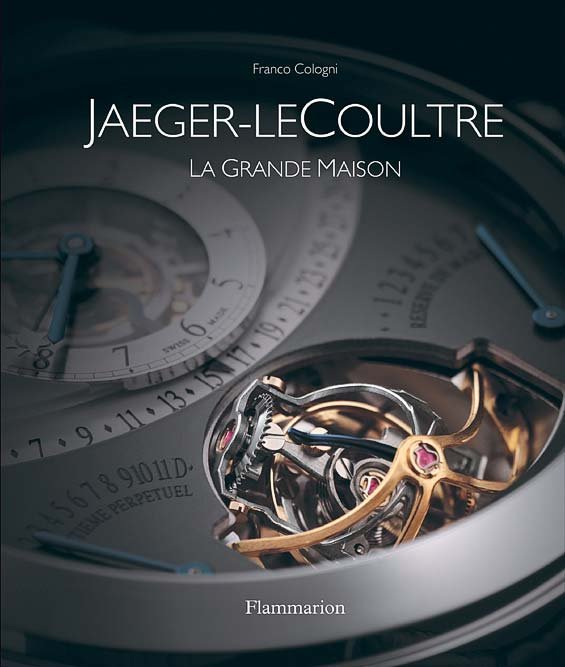
Q 2: What is your connection with Vintages?
Answer from M.A.S:
I rarely wear modern watches. I have no special pleasure with those by the way.
Vintage is my field.
I’ve lived around vintage stuff for thirty years on the horology side as on the furniture or car side (note from writer: MAS drives an old Range Rover)
Answer from SV:
Personally I make no distinction between past and present time. Let me explain:
New watches often represent a fusion between past, present time and future.
Let’s take the Amvox1 case.
This watch brings back a Polaris case, shows the esthetical codes of the twenties cars’ dashboards and the calibre is built on an old base, perfected and perfectly contemporary.
So there’s no gap between past, present and future.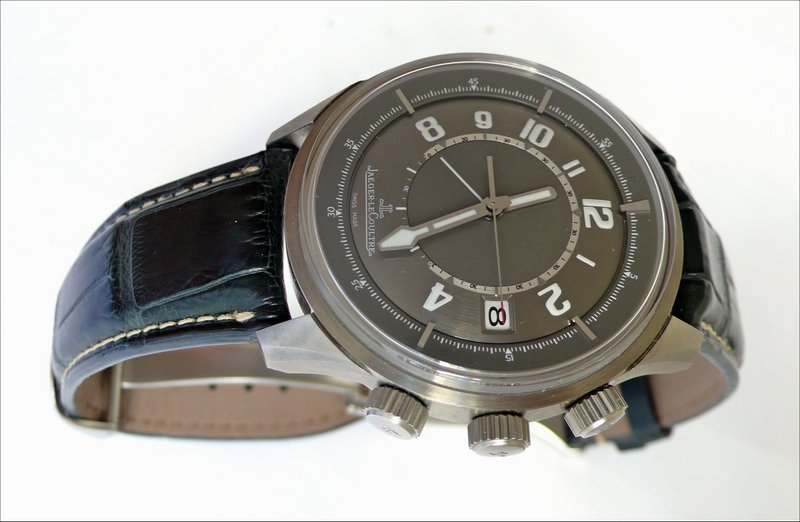
Q3: What is your favourite vintage and why?
Answer from MAS:
I’ve always liked JLC. I particularly appreciate the Reverso and the Futurematic.
If I had to decide of my three favourites they would be:
1/ The Polaris I’m wearing right now (note from writer, MAS wears a 1965 Polaris)
2/ The 1938 Reverso, first series in steel, men’s size.
3/ The 1958 Geophysic.
Answer from SV:
I would say the Geophysic. I’ve worn it for years. I like it for its pure style, its history (named after the International Geophysical year, the watch is presented to the US submarine Nautilus captain, later linked with the North Pole) and its rarity.
The Memovox comes next.
Q4: What is the vintage you’d like to see re-edited?
Answer from MAS:
The watch I love, the Polaris in the 1965 version with applied indexes (note from writer: we understand you...LOL).
The 1968 version (note from writer: with painted dial) is very nice too.
I would then see the 1959 Deep Sea ref E 857 and the Geophysic, but both in a larger case.
What to say about the Futurematic!
A re-edition brings the light on the vintage object in my opinion. I see the principle of re-editing as a very positive move as long as this phenomenon doesn’t become too common.
Answer from SV:
A gem set Duoplan in steel in the purest art deco style and some ultra thin models if there’s an expected market.
Géophysic: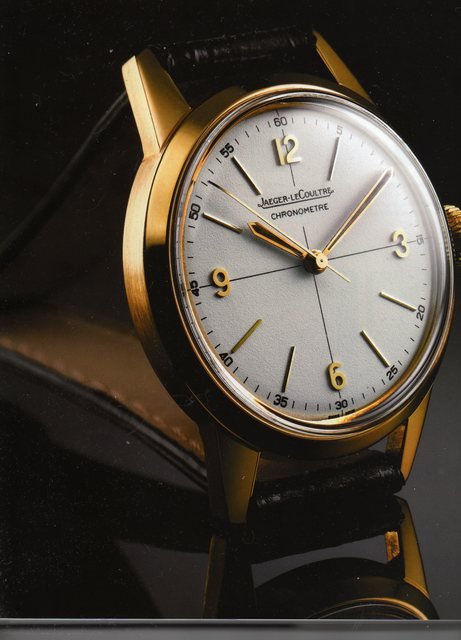
Future Matic: ( Sorry, don't know who to credit )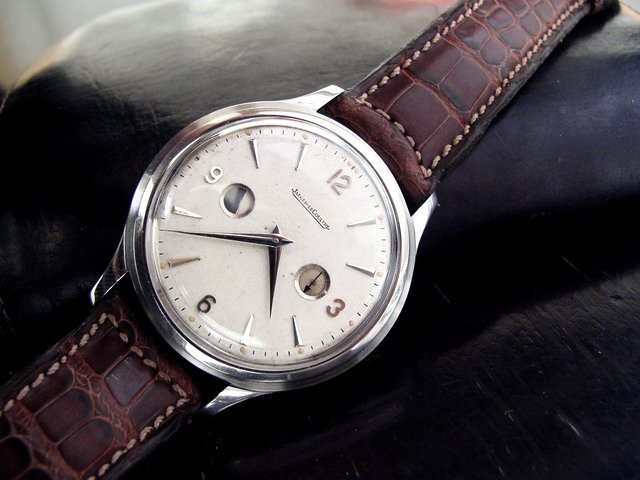
Memovox Deep Sea 1959 Ref E 857: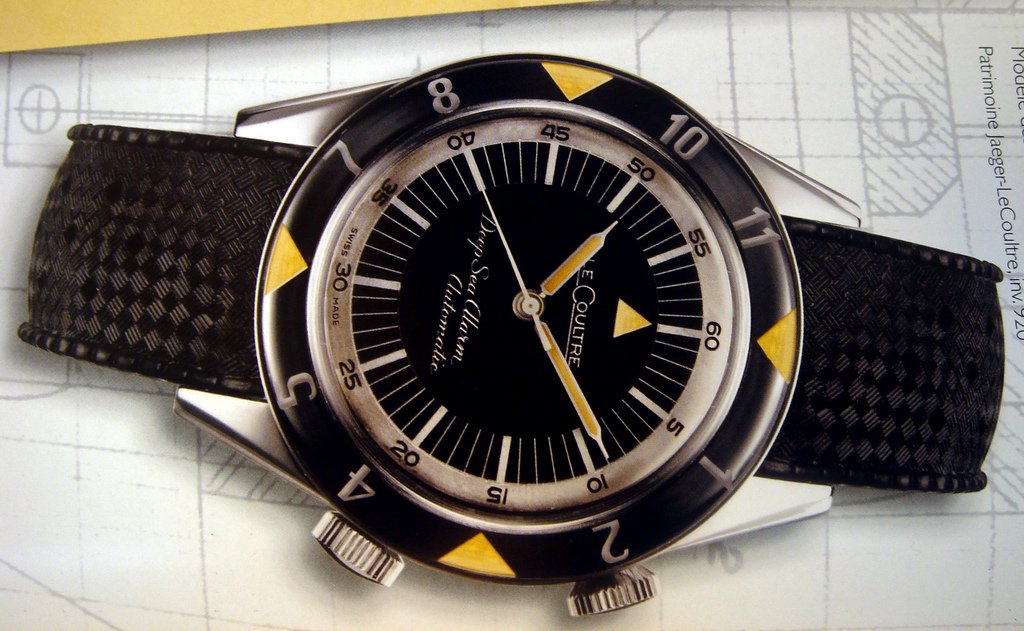
Polaris Prototype 1965: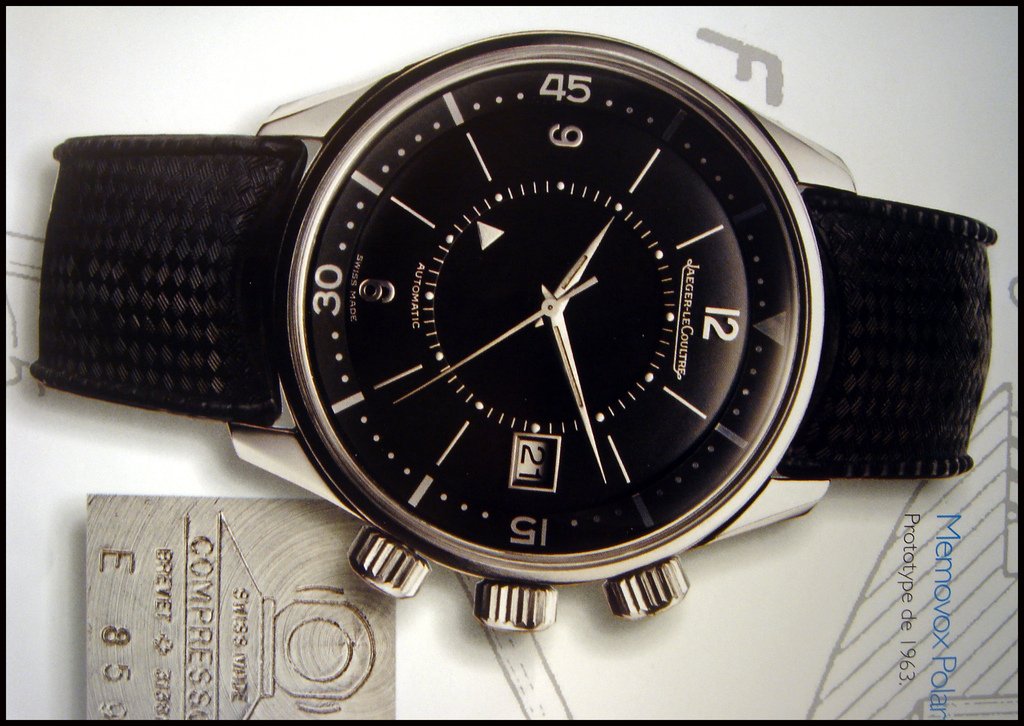
A nice set of Reversos: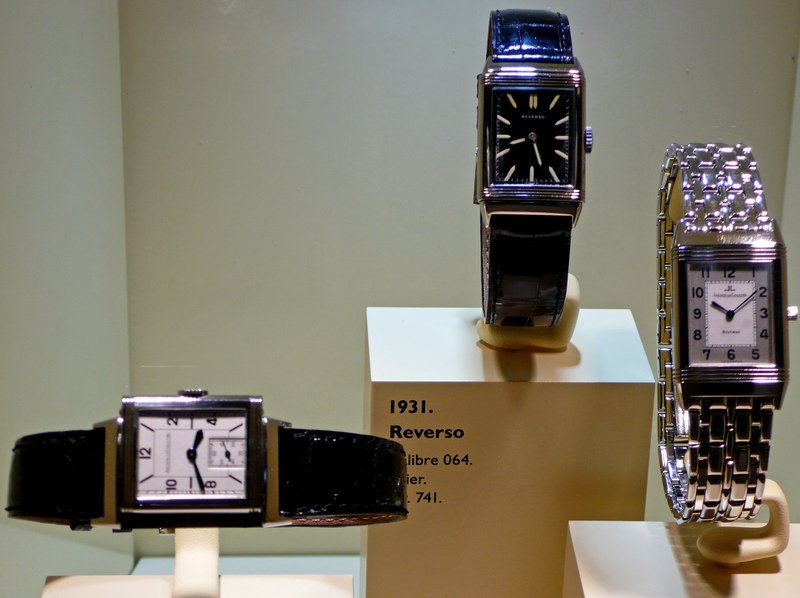
Q: Talking about the Polaris, there’s a controversial discussion about the so-called Calypso hands...What can you say about this?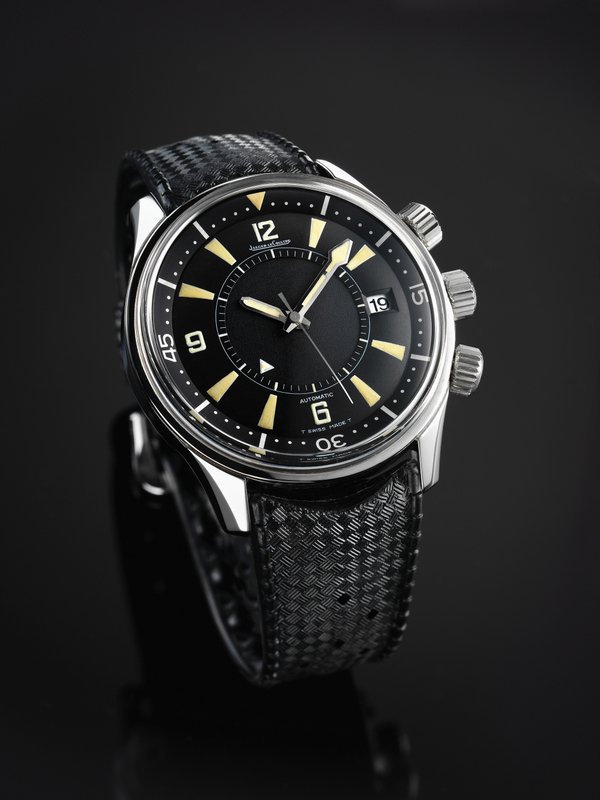
Answer from SV:
The person who has been managing the spare parts stock for forty years (!!!) is sure to have seen these hands at the time. I don’t see what the discussion is!
Q: What about the « Polaris » name as we know that it is not the official name of the watch?
Answer from SV:
There are several theories but none can be definitely considered as the right one so far
The name can be linked to the missile project sharing the same name, a name that was very popular at that time in the States.
The Polaris name was used only on the American market and not in Europe .
Commandant Cousteau also popularized the undersea world at that time.
Q5: JLC and the collectors:
- Do you have the spare parts for the service or restoration of old or even very old watches, such as glasses, calibres, hands, les dial, etc...?
Answer from MAS:
The rule is the following:
For a recent watch the service department can repair, service, or restore without any problem.
A more than 30 years old watch can be serviced by a specialized watchmaker or even restored extensively if necessary.
JLC can eventually remake old parts but this is considered as possible only when the watch has a value that exceeds and justifies the high cost induced by the operation.
However we still have in stock some parts like some hands or calibres for some watches like the 1931 Reverso models.
Dials are let untouched if in acceptable state, if not they are preferably restored than replaced.
We are currently wondering if we should remake some Deep Sea bezels.
-How long takes a vintage piece restoration?
Answer from MAS:
Between 6 and 12 months, closer to 12 than 6 by the way…
- How many pieces are present in the archives? Can JLC track down a specific piece?
Answer from MAS:
Nearly all but we can’t state 100%. Furthermore the information we have is more or less exhaustive depending on the models.
Answer from MAS and SV:
We take the opportunity to answer about what has been written sometimes over the internet regarding the authenticity of some vintage models pictured in the press kits. For instance the picture of the 1931 Reverso and specially its hands: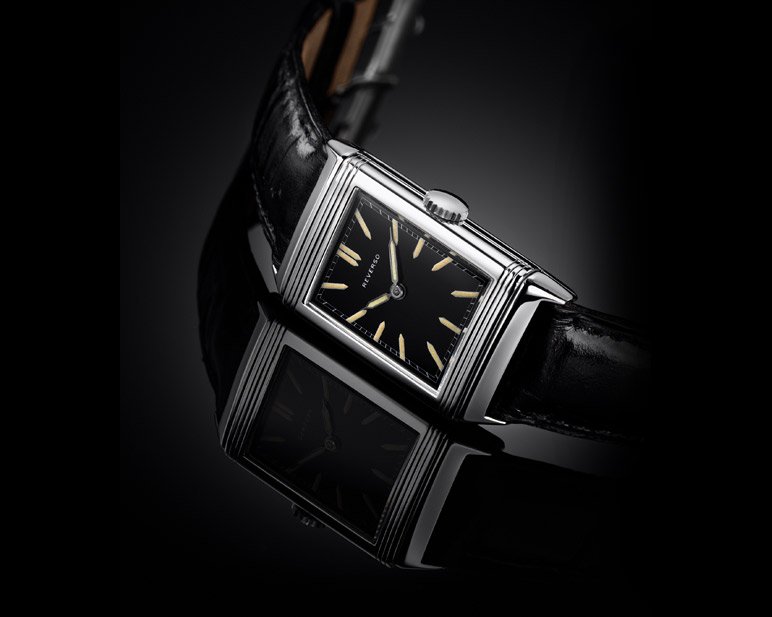
This type of hands has probably existed at this time even if we can’t prove that so far. It was quite probably on Reverso models with a Tavannes calibre (the first calibre used in the Reverso).
Recently we were close to changing the hands on a 1934 Reverso model as we had doubts about their authenticity and we found an old Hermes catalog right in time. The catalog was showing the debated hands.
- How do you see the Heritage Gallery?
Answer from SV:
This space is and will be permanently alive. It won’t stop evoluting and integrating new pieces.
For instance the first waterproof watch from Jaeger-LeCoultre from 1939 just arrived.
We hope to get and show someday a Chronometer signed Edmond Jaeger.
Q 6: Let’s talk about the diverse publications on JLC. The book “La Grande Maison” is a very beautiful presentation of the Manufacture and the brand but is a generalist book. The Reverso book from 1991 “La Legende Vivante” is no more up to date as it doesn’t integrate all the magnificent models launched since that time, and is not available anymore. The book from Jean Lebet dedicated to the Atmos is a rare bird too and is old now. Consequently JLC collectors and fans lack a reference book on vintage watches and calibres. Is it a subject you’re working on?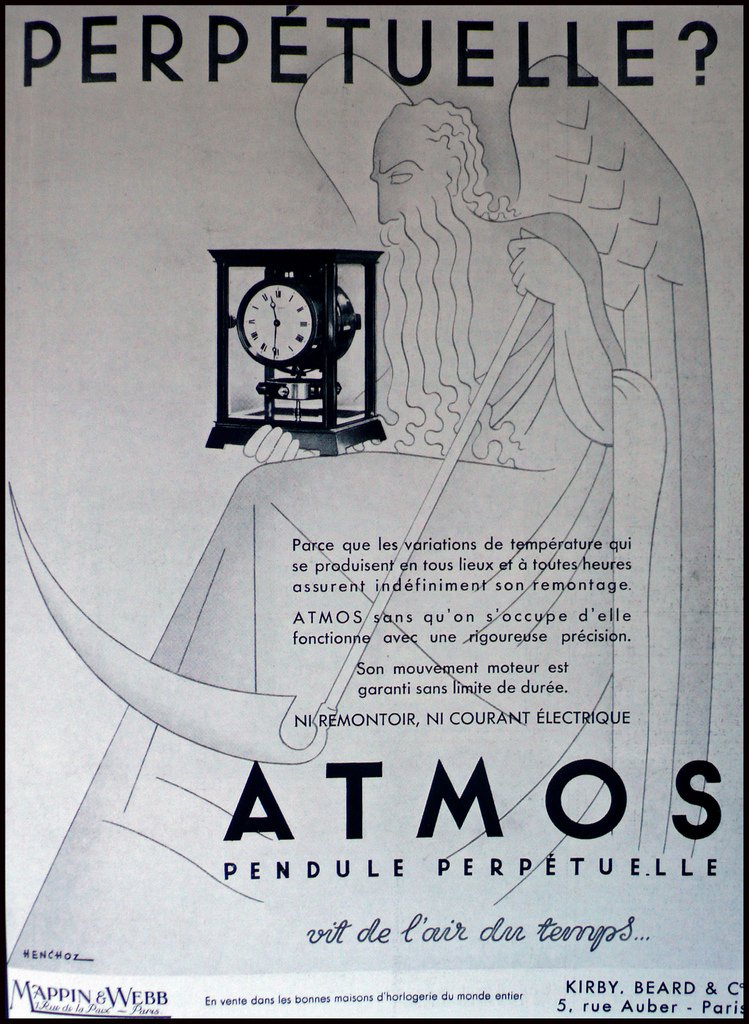
Answer from MAS :
" La Grande Maison " is a reference book.
We agree on the interest on such a new vintage and calibre reference book but there are other projects at the time being, making this impossible for now.
We must add that the archives are so huge that their study takes a very long time.
However the publication of a book on vintage watches would be in the air!
Q7: Taking into account the saying: «To know better the past to better understand the present, and to better foresee the future", how do you see JLC’s future?
Answer from SV:
We are on our side focussed on the past. If you look at the long term history of JLC, starting from 1833 you’ll go from the pinion cutting tools invention to the full integration of all the watch making activities.
There is still a huge potential at all levels and we have the means to realize extraordinary stuff.
To be concrete the historians have a certain role to play in the creation of some new products.
Take the case of the Duometre. JLC has taken into account the opinion of the historians on the respect of the watch making tradition and on the design of the calibre.
Answer from MAS:
We can’t make history say everything….We have to think considering the tools they had, and we can only admire what the watchmakers have been able to do with the tools they had!
.............................
We wish to thank you both for taking the time to answer our questions.
We wish both of you and the JLC teams a great success and a bright future!
Dje and Amanico, for " www.PuristsPro.com ". This message has been edited by amanico on 2008-04-02 00:27:26


Excellent interview!
All that history in this wonderful brand. I wish there were more vintage shops around me to look at these old beauties.
Thanks!
We have some, there, in Paris, Allen
And always a pleasure to meet these Vintage things...LOL
I'd love to see some few ré editions of Iconic JLC watches, in a next future...
Let's wait, see, and pray.
Best.
nicolas

Marvelous read
I've learned so much about JLC in few months from you Nicolas
that my wife is becoming jelalous (thinks that Nicolas is code name of my mistress ROFLMAO)
and my brain has swollen .....
Moreover my scientific work is starting to suffer because of you
somehow all this watch info sticks to me like glued so other staff is making
room for it ... I'm very afraid that you gonna make one WIS out of me
Best and sincerely your
Damian
Wow, Damian, what nice compliments from you
At least I take your words as compliments...Well, I hope they are! LOLOLOLOL
Hey, this is just passion, pleasure of sharing, and I can tell you that sharing all this with people like you is a great pleasure!
As four your wife, i'm afraid I can't do nothing...LMAO.
Best.
Nicolas

Thank you for that interview, Jerome and Nicolas!
I am sure the hands issue on vintage models will not be ended for as long
as JLC does provide convincing evidence. There are serious and well informed
collectors that will surely not be statisfied by the mentioning of what the spare
parts manager means to know unless that is laid down much more detailed
in an affidavit. I am not that serious and well informed but I would understand
that point of view. Will we at least see a reproduction of the mentioned Hermes
catalogue?
Cheers
Christian
BTW: the photo of the porthole Futurematic must be credited to Clavi (afaik).
LOL, Herrk,
Are you sometimes Happy? LOLOLOL
Best from...

LMAO!
Come on, A smile, herrk!
Nicolas
Here yor go, NIcolas!

But - though I dislike to quote myself - as I wrote in my post:
I am not that serious!
I already had a smile in my face when I read that Sebastian
and Marc-Andre had the Geophysic on their list as well as
the Futurematic for a possible reedition (remember my top
10 list - I do not what to quote myself again).
With a smile on my face
Christian
Hey, Christian, better, now! LOL
I was just kidding, of course...How do you name in English the " Angry Smurf"???
Like you, some of my Top Ten JLC watches are Vintage, and I'd appreciate a lot to see them re edited.
Let's wait and see!
Best, my " Angry smurf" Friend!
Nicolas
The name of that smurf is:
Grouchy!
But I never reconciled with that name (what else did you expect ),
as it reminded me first and foremost on nobody else but Groucho
Marx.
Enjoy the weekend!
Christian
An interesting interview indeed
Well done Nico and Jérome at setting-up this interview.
Your questions were very relevant and sometimes challenging, and the answers were also interesting.
I share Marc-Andre Strahm and Sebastian Vivas tastes for their favourite vintage watches (there would probably be many more to add, but the list needs to be limited to a selection). I specially like Sebastian ideal re-edition wish of a gem set Duoplan and some ultra-thins, but his comment ("if there’s an expected market") says long about the unlikelyness of this happening too soon.
Now, commenting some aspects of the article (as my annoying self usually does...)
Regarding the 'controversy' over the Calypso hands.
I am quite convinced that Jaeger LeCoultre has had (and maybe still has) these hands in their stock, and therefore I completely believe the parts store manager recollection of having seen them. Actually, these hands can be found on a small number of late memovox E 870, but mostly on same period (1970's) Zodiac Seawolf models (Both the Jaeger LeCoultre and Zodiac cases were sourced from the same supplier and were relatively similar in shape by the way, though only the JLC had an alarm feature).
At that time, I believe that the 'manufacture' Jaeger LeCoultre did not cover all of the aspects of manufacturing it does nowadays, and parts like cases, dials, hands and bracelets were frequently outsourced (while Jaeger LeCoultre was producing the movements and doing the final assembly of the watches).
The Calypso hands were therefore available to be fitted to the memovox 870 at the end of model production I believe (JLC sources would be helpful to clarify dates here).
What I am questioning, is whether these calypso hands have genuinely been fitted to the 859 during the actual time of production of the watch. I have read the story of this 'special order' from an italian retailer, but it seemed to be a second-hand information, not a sure fact. I am very much willing to buy this story if there is actually a trace of this order in the archives (something I don't know), but otherwise my personal hypothesis is that the calypso hands have existed only post polaris production and that they might have been fitted to the Polaris we see with such hands only later. I don't challenge their existence within the JLC parts stock, I am only wondering if they have really been fitted to the 859 at the time of production.
Example of calypso hands on a Polaris II looking Zodiac, note the family look of both case and hands with the memovox 870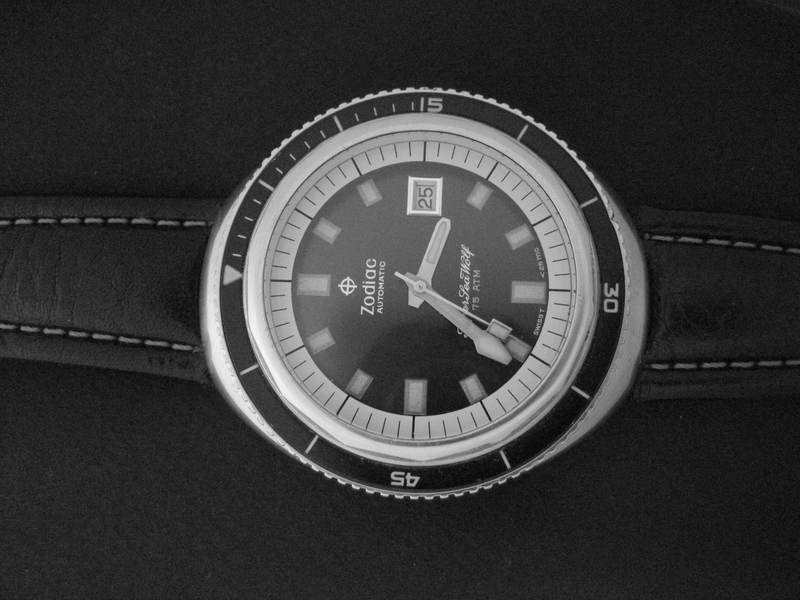
Photo credit "Smitty"
Regarding the Reverso hands, the explanation given that they are found in an Hermes catalog convinces me (I have not found it in my small archive of Hermes ads, but this one is definitively not exhaustive. I would like to see this vintage advert showing these hands).
I think I was surprised initially and expressed doubt over these hands as they are definitively not the usual type of hands found on early black dialed reversos, and therefore I was surprised that this very watch with unusual hands was chosen as an illustration of what an oldtimer reverso looks like.
The fact that the first press releases showing a vintage polaris with incontestably wrong 'spade' hands had bothered me, so that is why I was sceptical on the reverso too, but now I reckon these reverso hands might be good (it seems that even Marc André and Sebastian have not reached a definitive conclusion on that one).
I appreciate the effort Jaeger LeCoultre is doing at highlighting some of its past production and history, which are my primary interest over current production, and I am often critical whenever I spot something I believe is not totally accurate. But I believe this leads to good things in the end as it helps to document the history of the brand in addition to the researches Sebastian is doing.
I still believe that the book "la grande maison", although it is a nice coffee table book that probably pleases most Jaeger LeCoultre enthusiasts, is not enough a reference book for collectors and that there is room for a much more detailed (and probably boring to many!) book which would be a true 'catalogue raisonné' (something that the current book is not despite what the description of Franco Cologni book says.
For example, I was also a bit disapointed recently when I saw that the presentation of historical diving models on Jaeger LeCoultre special dive website ( www.jaeger-lecoultre.com
somehow messed up the models in its 'milestones' presentation (examples: a DeepSea alarm being shown instead of a Polaris II, an E558 caseback being shown instead of the Polaris one... , as well as the previous mix up between calibres shown and the corresponding watches in the official press releases (non-alarm calibre 883 (Geomatic) being shown instead of the 825 memovox calibre, picture of a DeepSea MasterMariner being shown instead of the DeepSea alarm...).
I know these details are of very little importance to the actual buyers of modern products, but I believe accuracy would still be a good thing overall, and help create legacy in the long term.
Now, these comments being made, I am glad to know that the Gallery has found an example of "the first waterproof watch from Jaeger-LeCoultre from 1939".
If I am right, I believe this watch is the rectangular watch using the Baumgarter waterproofing system (isn't it?).
If this is the watch we are talking about, I think this is truly a superb watch, which, as most other rectangular JLCs, is very under-rated today (I believe they are overshadowed by the Reverso, which is a pity as there are many other great rectangular classic JLCs)
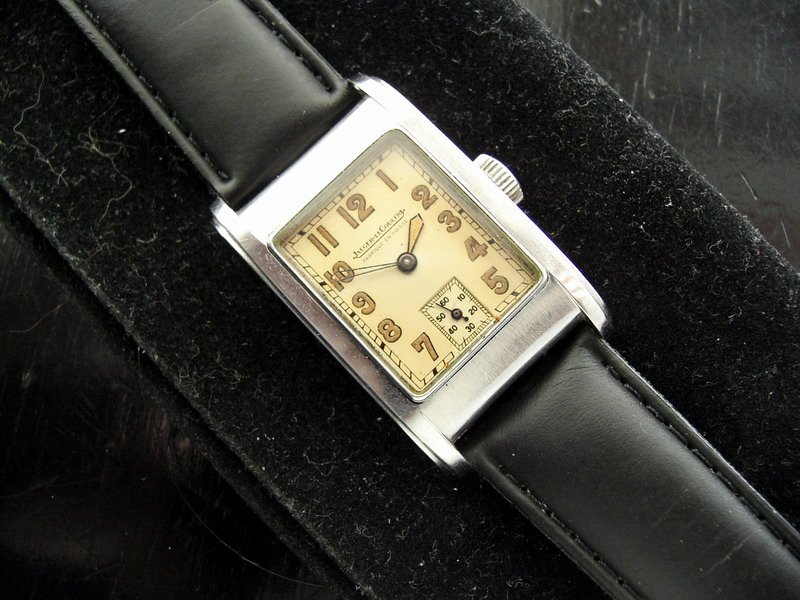
Photo credit Clavi ...
Thank you Nicolas and Jérome for the interview
(ah, by the way the nice Futurematic you have shown in your report is mine, but no problem for using the picture here of course ! )
Here is the typical backside. Don't forget: slide do not lift !
Clavi, I want to thank you a lot for your very valuable input, as always
I think that JLC is beginning something, and as all things, nothing can be perfect from the beginning, but, as you, I think that they're on the good way.
The relation between JLC and Collectors as you, me and others, is, IMHO, something very important.
I'm happy to see them working on this matter.
Pepole like you, informing us, perfecting our knowledge, and criticizing in a very positive and constructive way, is very helpful, at least for me.
Just wanted to say it here, Clavi.
Feel free to share more often with us your valuable knowledge, my friend!
Best.
Nicolas
Absolutely fantastic!
Thank you Nico and Jerome for this wonderful interview. It is very reassuring to read about how JLC regards its past and the recognition of the importance of this to us collectors and JLC enthusiasts.
Well done gentlemen, see you tomorrow!
Asi
Ditto, Asi
Can't agree more with what you said!
Thnaks for the nice comments, aznd catch you now in a few hours!
Best.
Nicolas

Very interesting, thanks!
I look forward to seeing vintage inspired watches from JLC.
- SJX

Thanks Andy!
Don't miss your train becasue of reading the forum! LOL
See you in a couple of hours, now!
Best, my friend.
Travel safe!
Nicolas
Hi Nicolas - great report and
please pass on the request that it would be fantastic if they could remake some bezel inserts for the Deep Sea
in fact is there someone to whom I could make that request?
I'll do it for you, as
I think we are quite a lot interested by this!
Thanks for the nice words!
Best.
Nicolas



In the 'Duetto' tradition...
...another fine piece of work from the 'face' and 'verso' of the JLC forum (you can fight over which is which!). Thank you both for this insight, and for keeping the flame burning. Will not be seeing you tomorrow (bien dommage!), but please pass kind regards to Mlle Ville - will be waiting eagerly for your following posts.
Cheers,
pplater.
Well, pplater, as often, very well and funny put!
LOL
Yes, we'll do all to keep the flame not burning, but RAVAGING! LMAO.
Thanks for your nice comments.
I'll pass your BR to E.V.
Only sad to not see you there today...But we'll make a post about today's event, of course!
Best, my friend;
nicolas
Thank you, Steve G,
From you and your unbelievable collection, it's paleasure to read your comment!
best.
nicolas