
AndrewD
[HoMe Moderator]
12829

Review: Minerva triple date moon phase chronograph
Vintage Minerva triple date with moon phase and 12 hour chronograph
I thought I would post this review of my new vintage Minerva on the Montblanc Forum rather than on the HoMe Forum, as it is the current 'home' for Minerva. Hope you find it interesting.
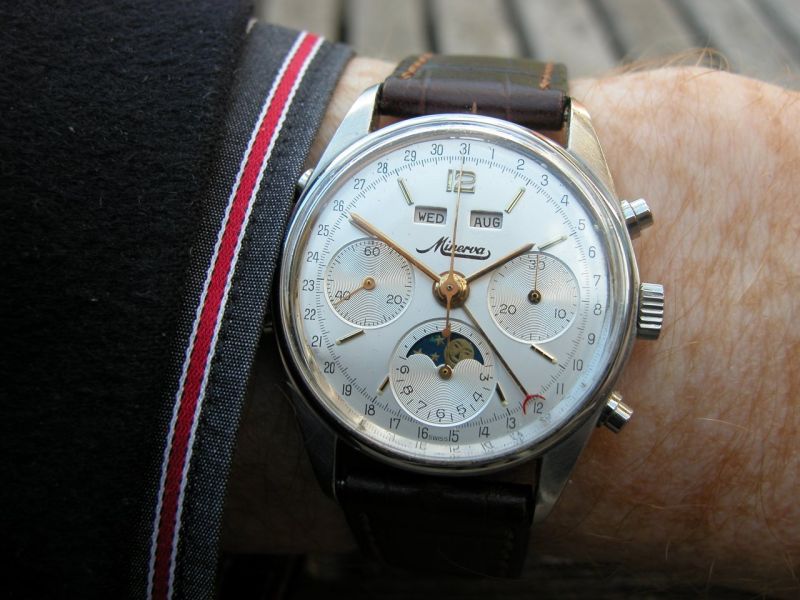
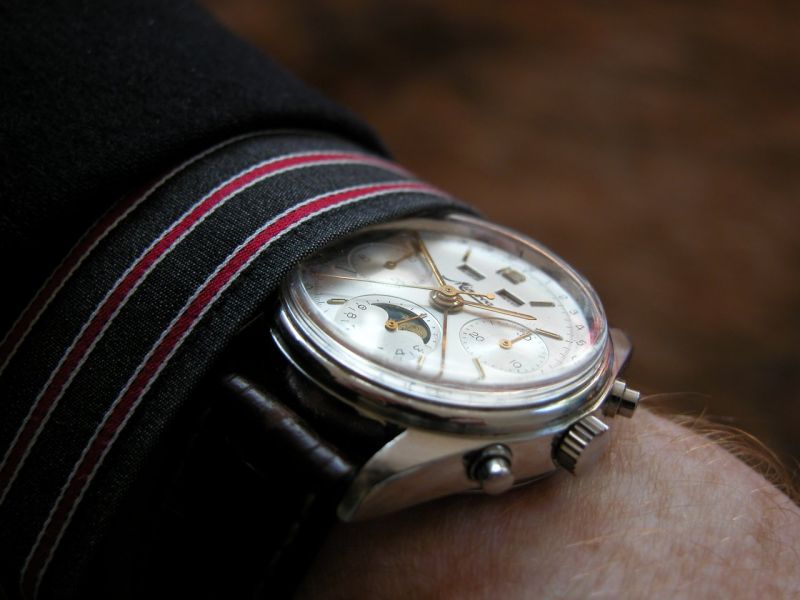
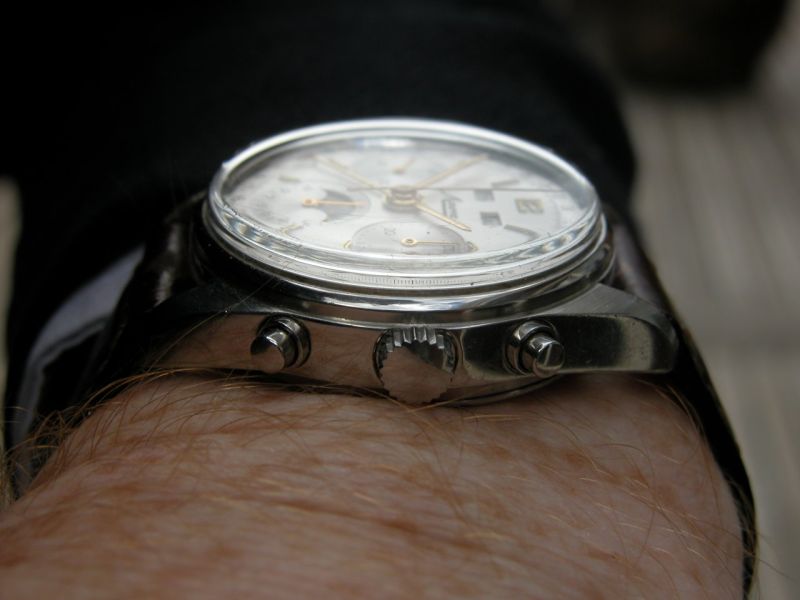
Firstly a description: the watch is housed in a steel case measuring 36 x 13mm (excluding crown) with a 19mm lug spacing. The inside case back is signed “Tourneau” after the American watch retailer. Although now an international chain, at the time this Minerva was sold Tourneau was working from their original New York premises. They assembled their own watches and distributed many Swiss brands including Minerva. They also had an extensive service division. Some watches were co-signed “Minerva” and “Tourneau” on the dial and others had “Tourneau” engraved on the case back.
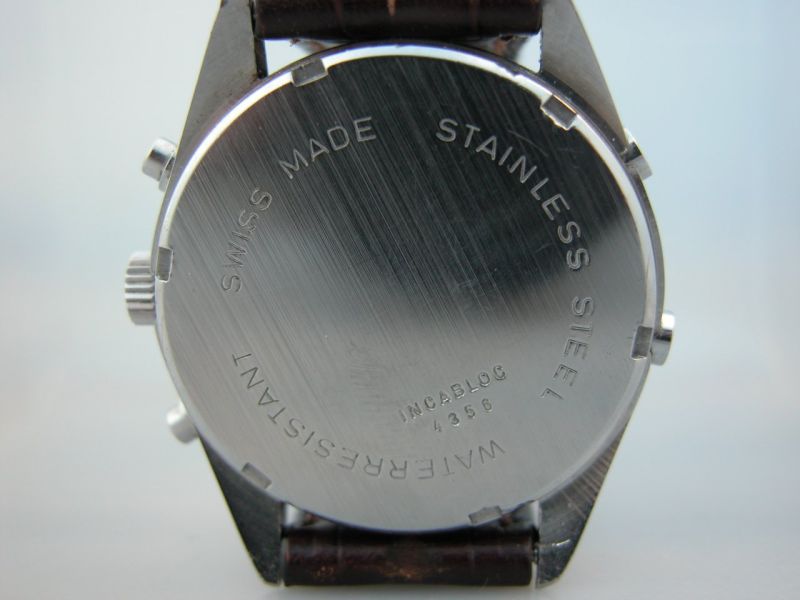
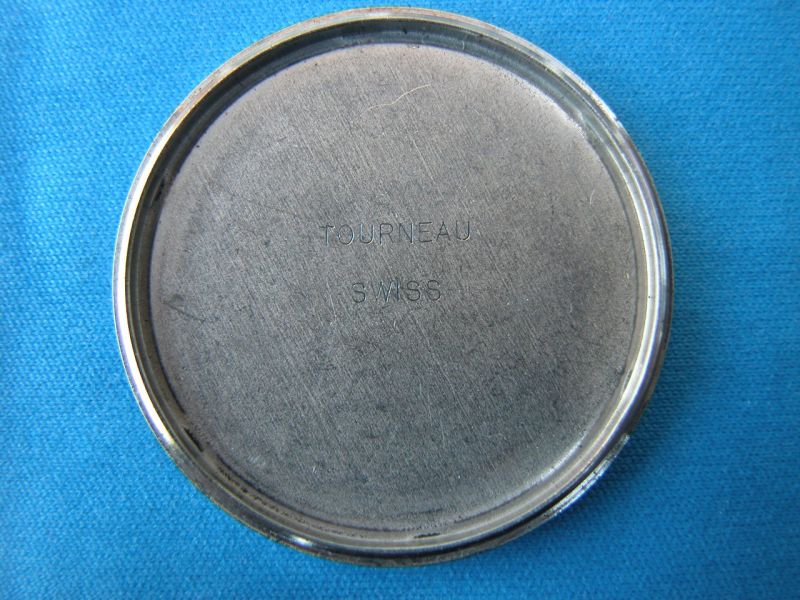
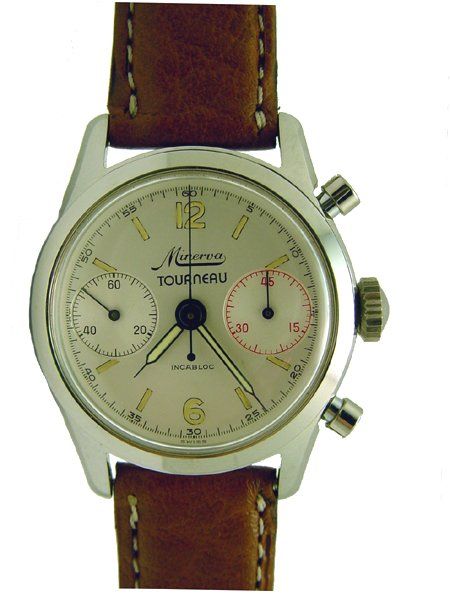
The precise number of these Minerva triple date moonphase chronographs produced is not officially known although unsubstantiated internet rumour suggests 50 in gold and 50 in steel cases. The model run appears to be quite long however, consistent with other Minerva models, extending from the 1950’s into the early 1970’s with minor dial variations.
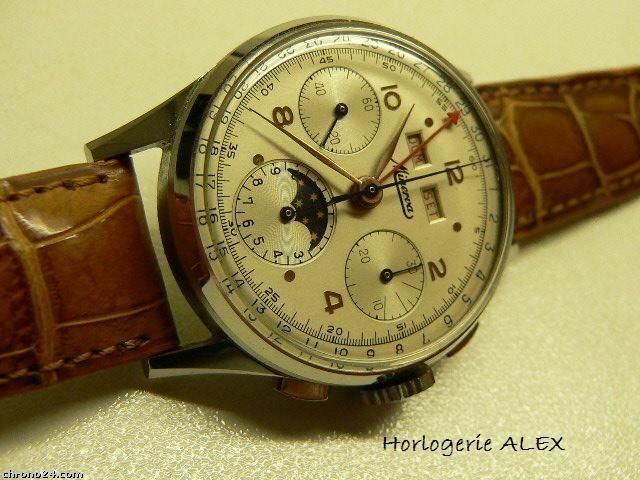
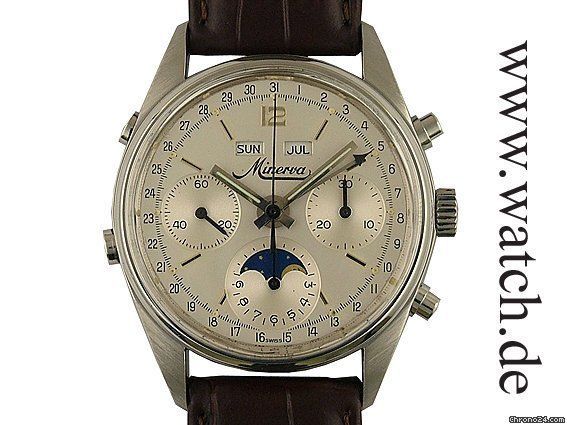
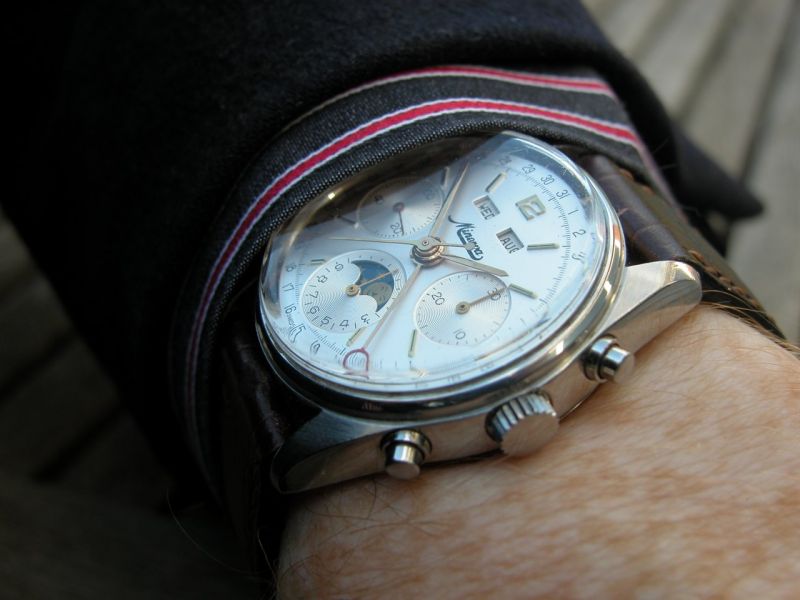
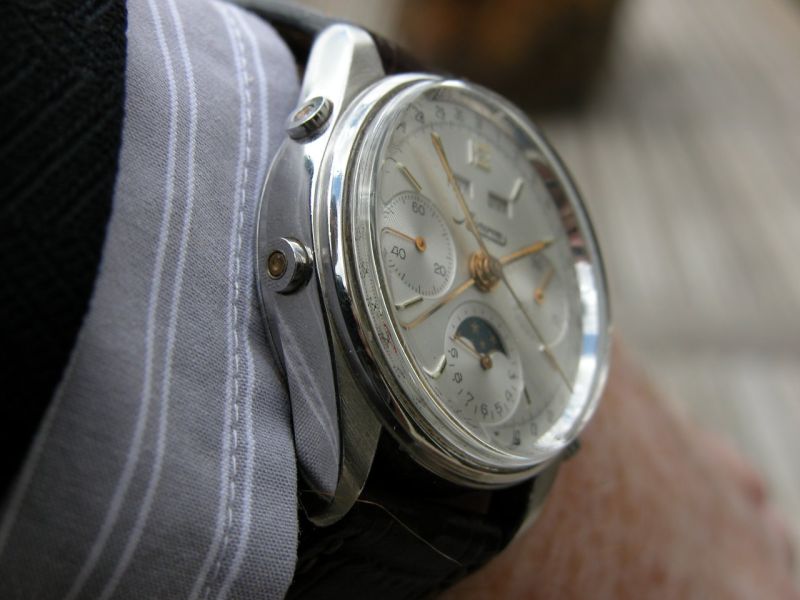
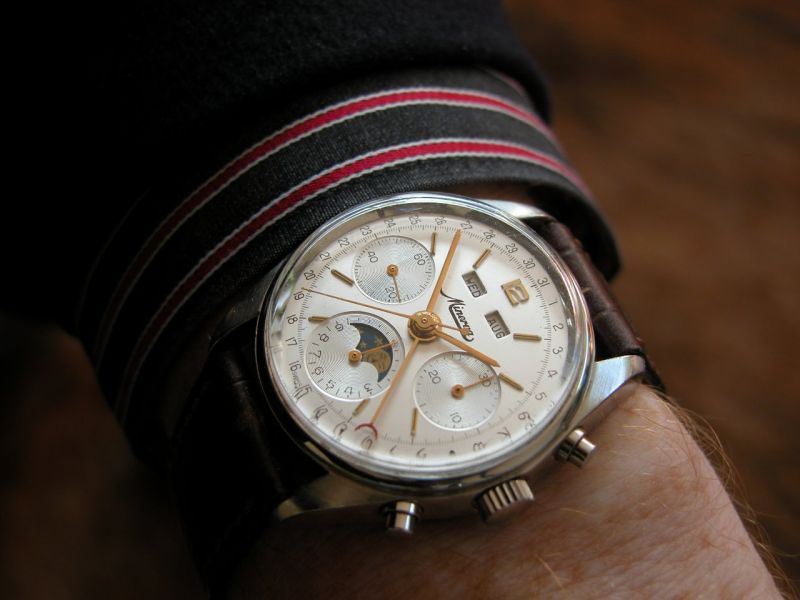
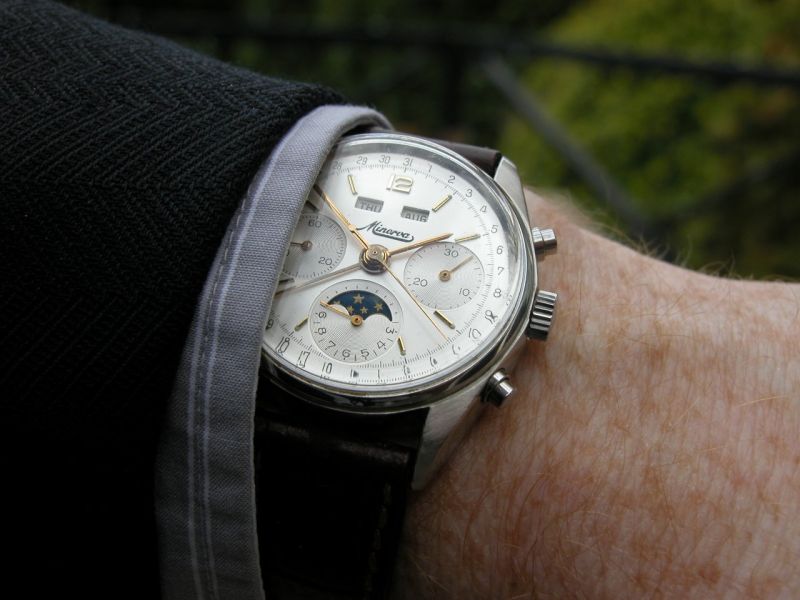
The dial is a silver colour with applied onyx inlaid gold markers with tritium dots, an Arabic “12” and matching gold hands. The perimeter date pointer has a red painted crescent. There is an inner 1/5 second chronograph track. The Tricompax display has a 30 minute chronograph recorder at 3:00, combination 12 hour chronograph recorder and moon phase at 6:00 and constant seconds at 9:00. Day and month windows complete a dial signed “Minerva” and “Swiss”. The corrector button at 10:00 advances the month when partially depressed and both the day and month when fully depressed. The corrector button at 8:30 advances the date pointer when partially depressed and both the moon and date when fully depressed. The pushers cannot be used to advance the day, month or date indicators between 2000 and 0200 hours or the date and moonphase indicators between 1000 and 1400 hours when the automatic jumping occurs.

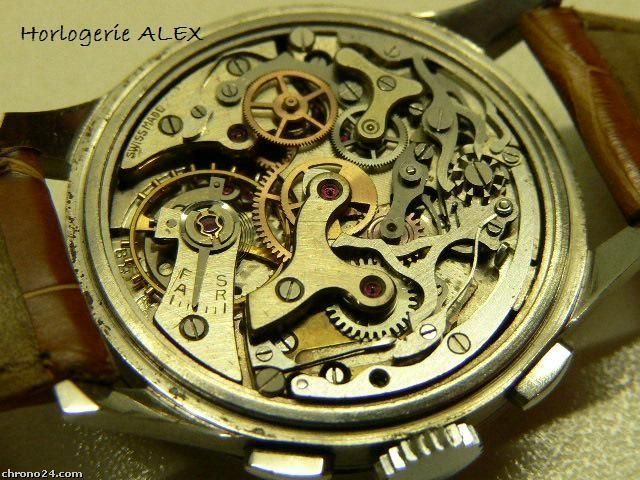
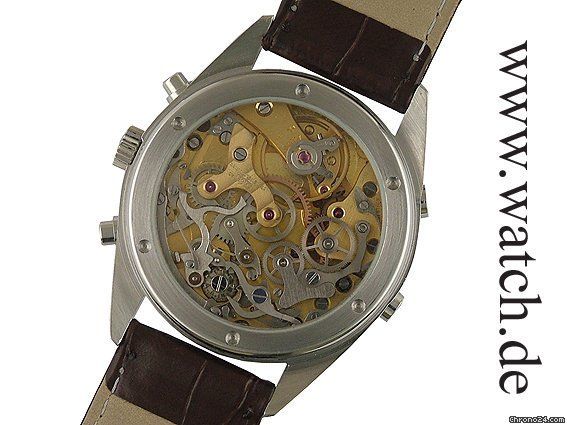
The movement is a gold plated Valjoux Calibre 730, 17 jewel column wheel chronograph. The Cal. 730 was the final evolution of a family of chronograph movements that began in the 1950’s and ceased production in 1974: the Cal. 72 was a three-register chronograph; the Cal. 72C had a triple calendar added (hence the “C” designation) and the Cal. 88 had a moonphase.
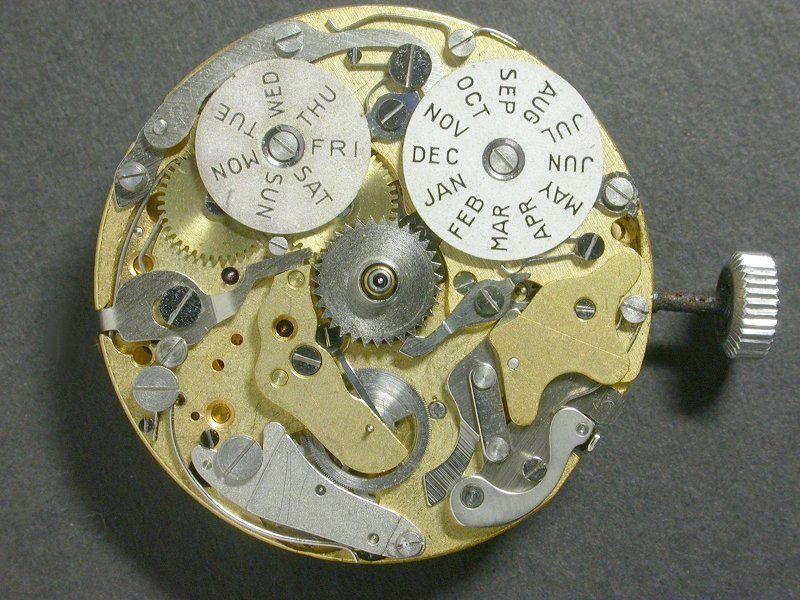
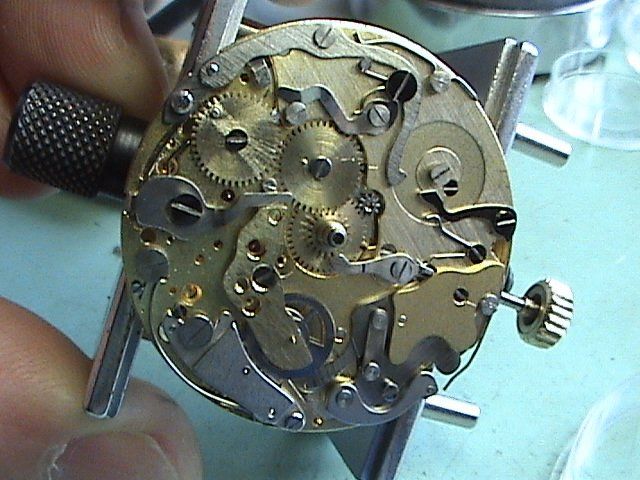
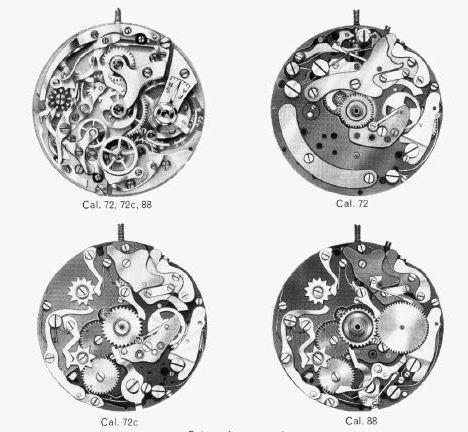
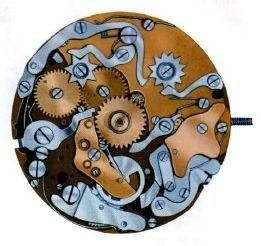
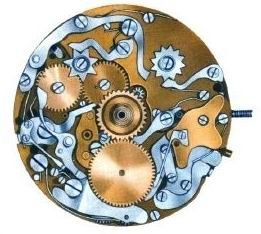
The Cal. 730 was an upgraded 72C used by a range of manufactures including Rolex, Vacheron Constantin, Breguet, JLC, Breitling (Wakmann), Heuer, Record and Ulysse Nardin. The Cal. 730 had a larger glucyder balance wheel without balance screws which beat at 21,600vph (Cal. 72C 18,000vph), gold-finished plates, a Triovis microregulator and a modified detent system for easier servicing.
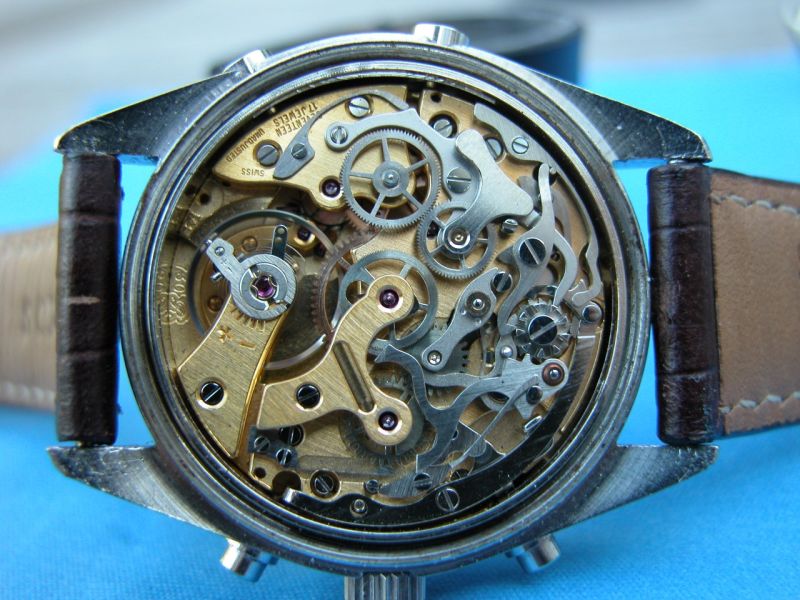
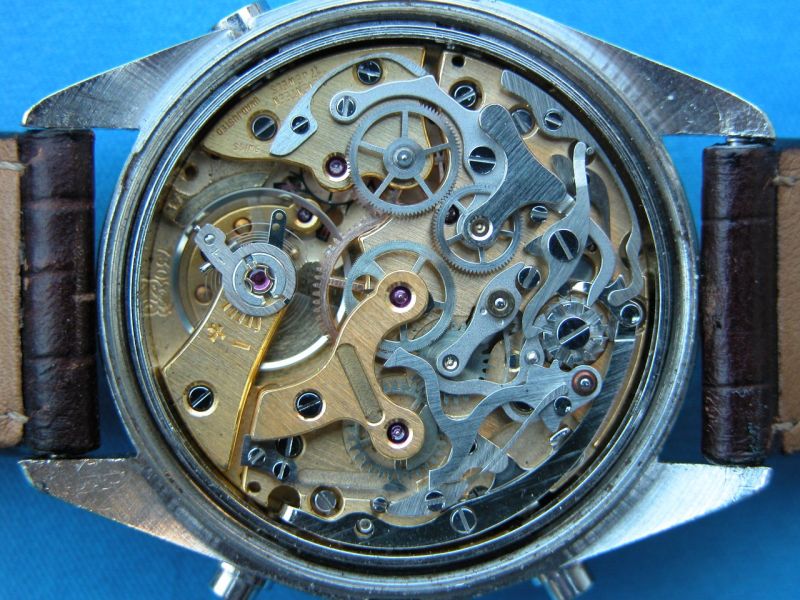
While the Cal. 88 is the variant with moonphase, the movement in this watch is marked 730 and has a moonphase. Could this be some sort of variant of the Cal. 730 or is something more sinister afoot? You will notice also that the bridge has had the manufacturers name removed.
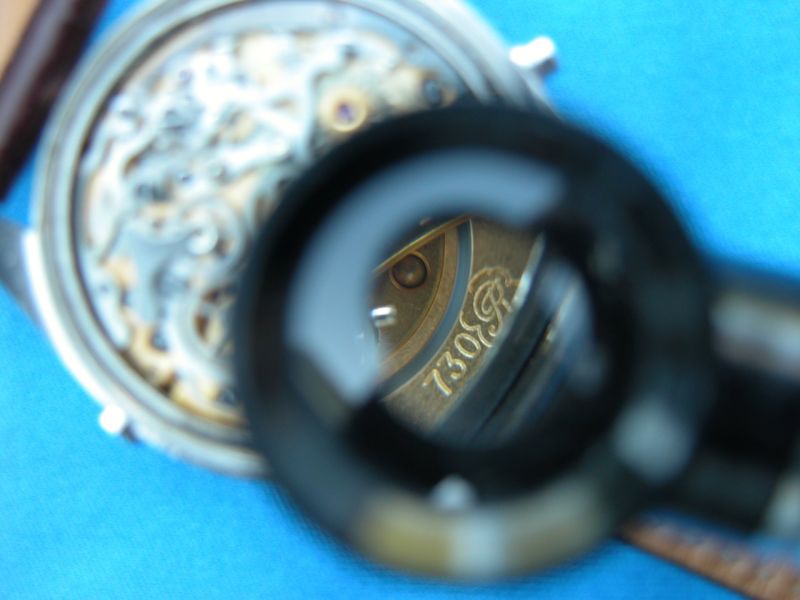
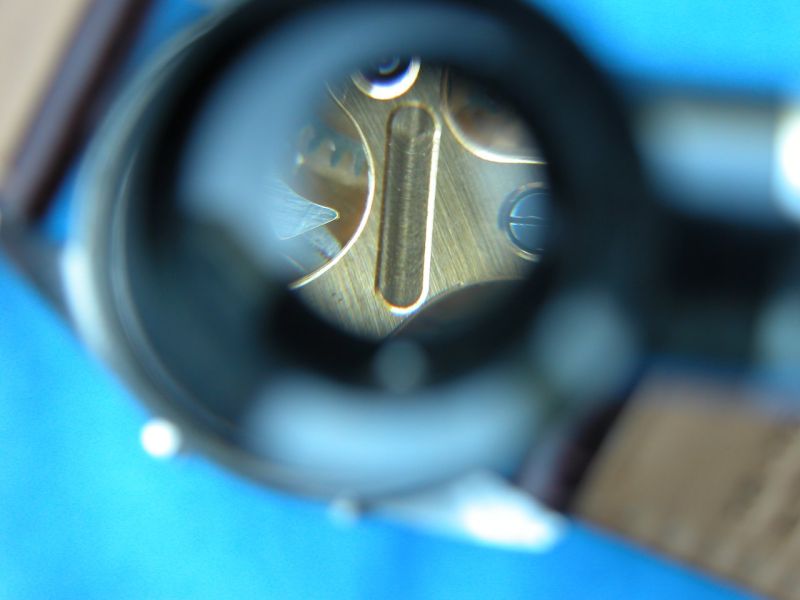
So, what is going on with this movement? The Cal. 730 shouldn’t have a moonphase as far as I can tell, but I am happy to be wrong. The defaced bridge and lack of Minerva signature on the movement suggest that the original movement may have been swapped out at some point. Were Tourneau assembling these watches themselves in the 1960’s and using movements such as this, or has something happened in the intervening years? Could additional parts have been added to a Cal. 730 base to provide a moonphase display and is this movement some sort of frankenhybrid? Perhaps you might have some other theories?
Despite these issues there is a lot to like with this watch. The 36mm case has a stocky appearance accentuated by the high acrylic lens and it is extremely comfortabe on the wrist. The chronograph has a distinct activation and ‘whizzing’ sound on reset. The dial is a joy to look at and despite the number of hands and amount of information displayed it is very easy to read the time or date at a glance. The corrector pushers in the case allow quick setting of the displays but, as per all Valjoux calibres, the month must be advanced manually. Finally the watch has a complex mechanical ticking that I love to listen to – there really sounds like there is a lot going on inside. Although the lack of a signed movement probably reduces the value of the piece, the overall watch is a pleasure to wear, the case, dial and movement are in good condition and I like a bit of intrigue.
Andrew


Review: Minerva triple date moon phase chronograph


There's a special place in heaven for those who manage . . .
Kind words, Art, thanks…
It was around midnight after a long day when I first read your review . . .

Concerning the "special place in heaven"...
Hi, anaesdoc . . .


What a beautiful vintage piece, Andrew!

Awesome review Andrew..
That would be appreciated …
Now I know at least something about Minerva
Now that's a watch. Congratulations.
Servicing …
Hi Andrew,
Nice ...


Great reading, Andrew!
Wrist shots …

A very nice watch and an informative post...
