
quattro
[Moderator]
18867

A Svend Andersen world record watch
While browsing through the book Andersen Genève 45 Years of Independent Watchmaking , I came across this Calendar watch presented on pages 72-73.
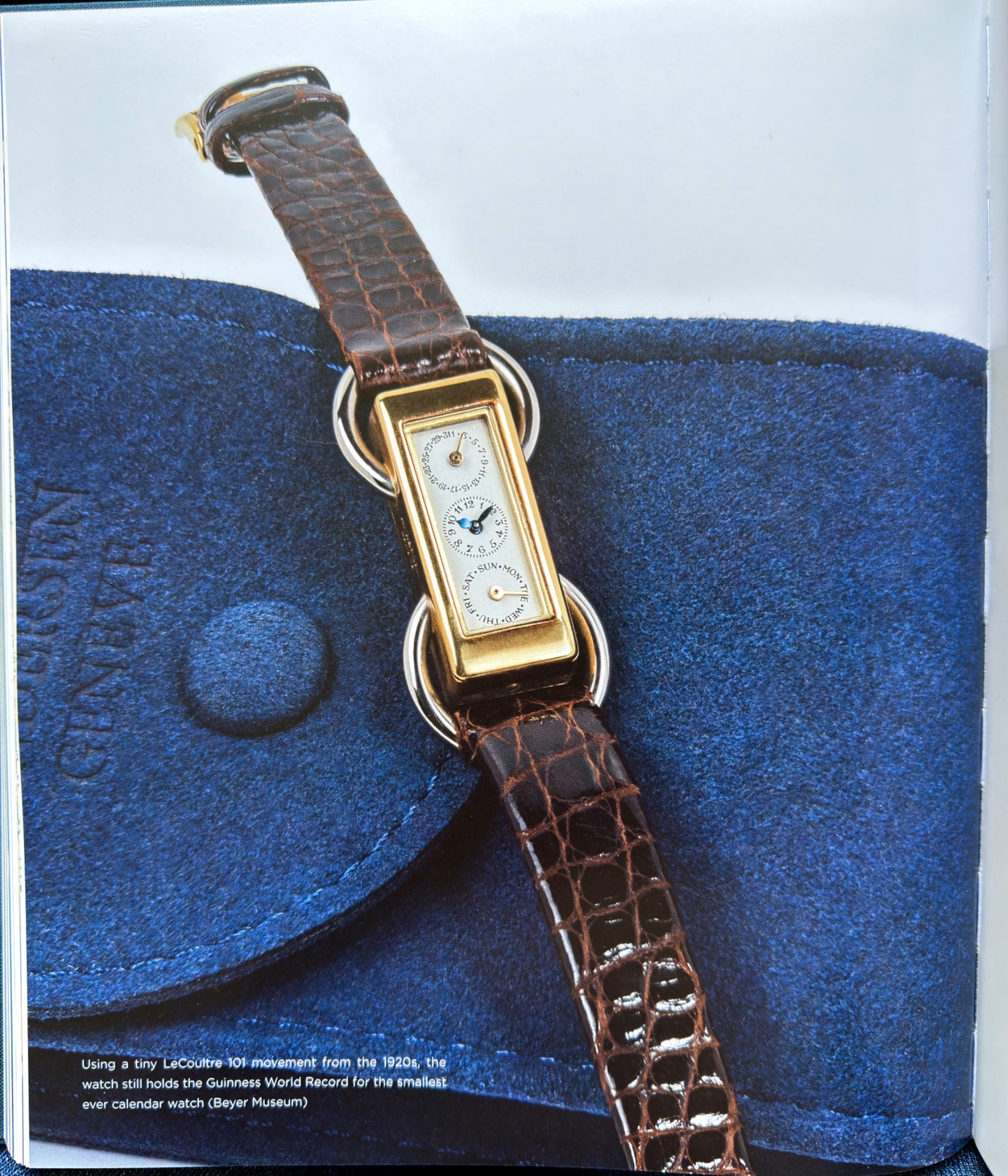
Photo of my personal copy
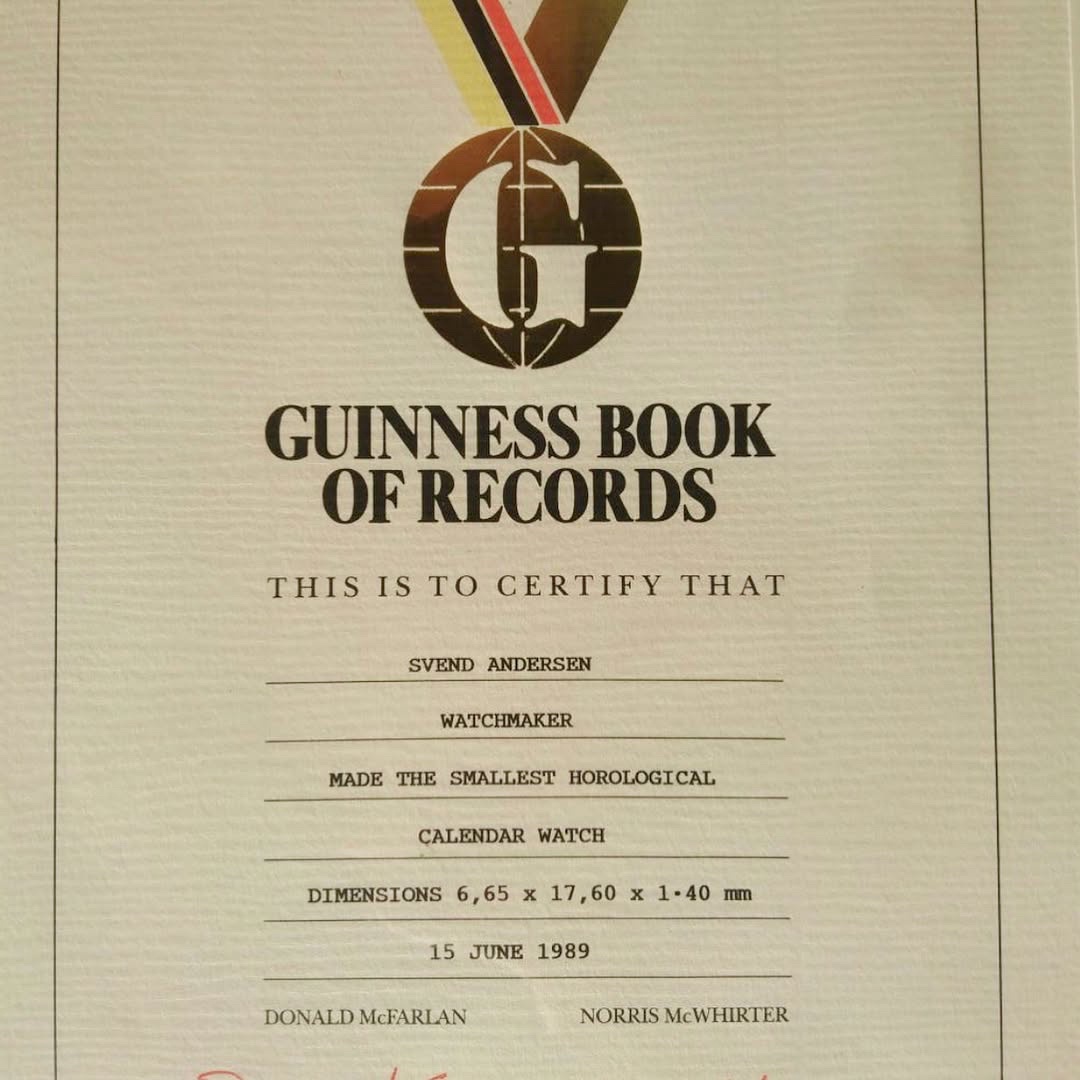
credit: @ahci_updates
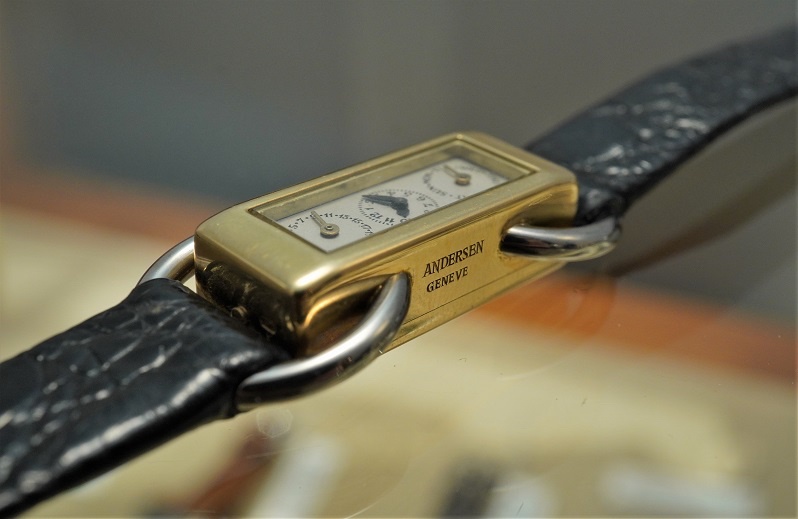
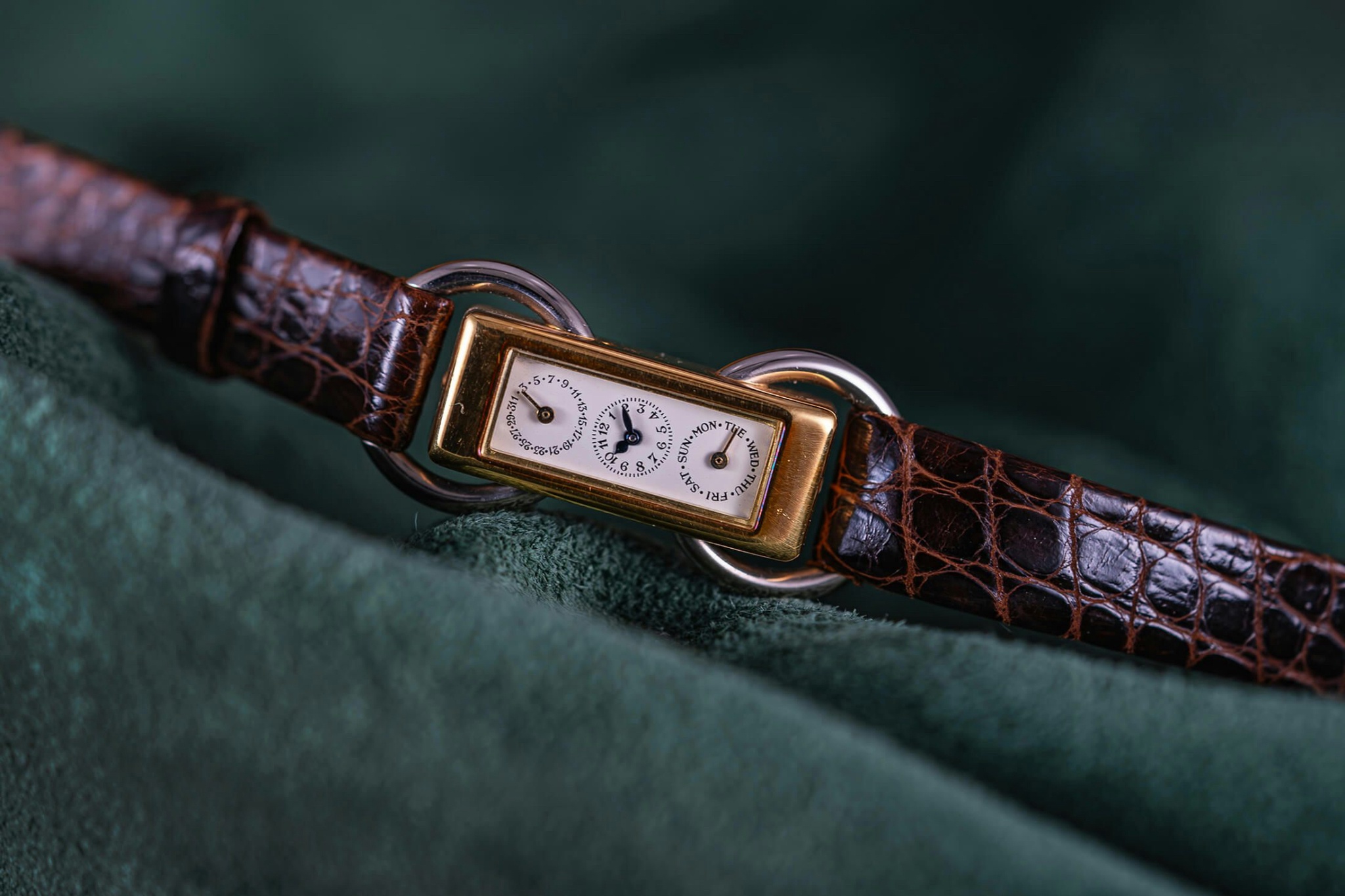
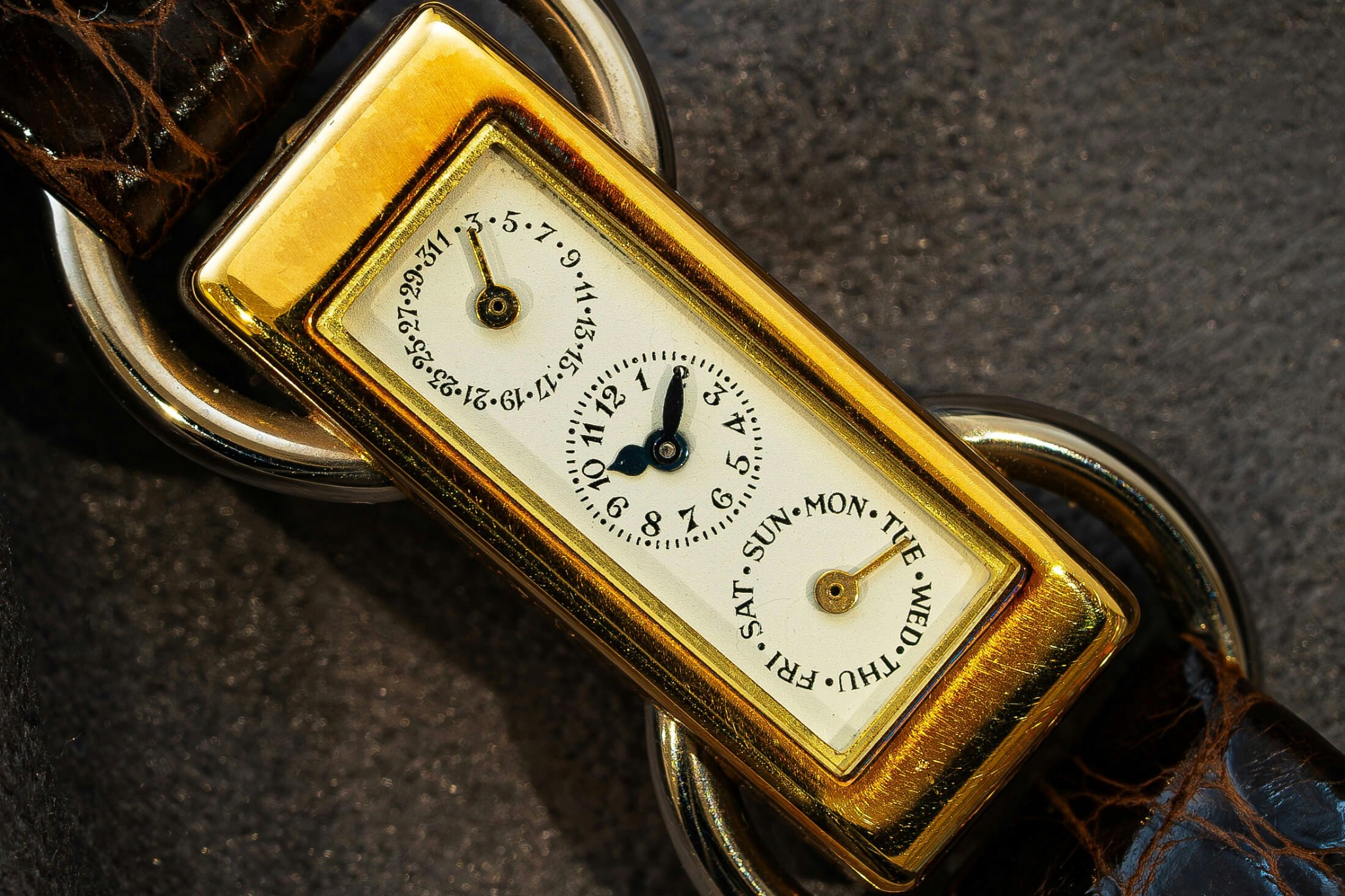
First, here is what the watch looks like, with its yellow gold case and white gold lugs.
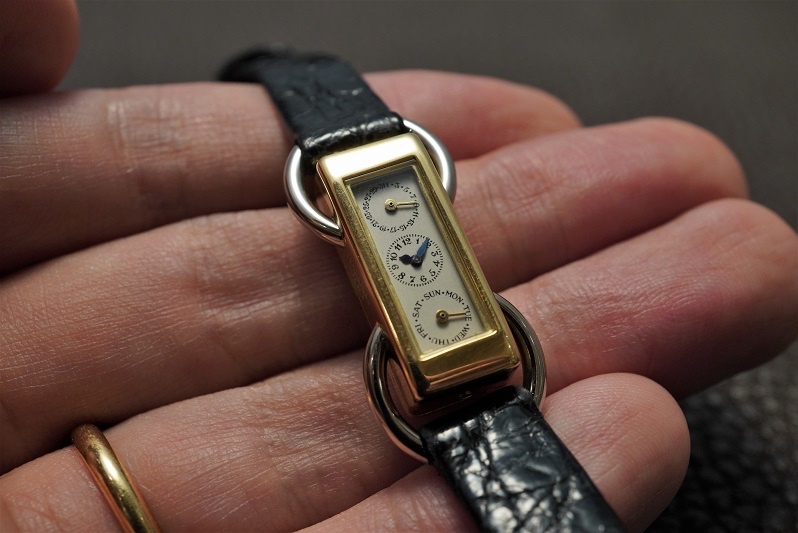
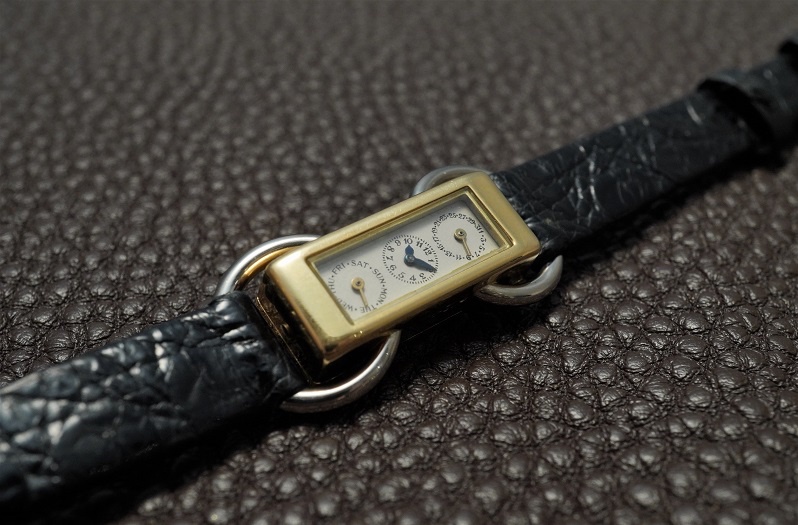
credit: @ichigo_ichie
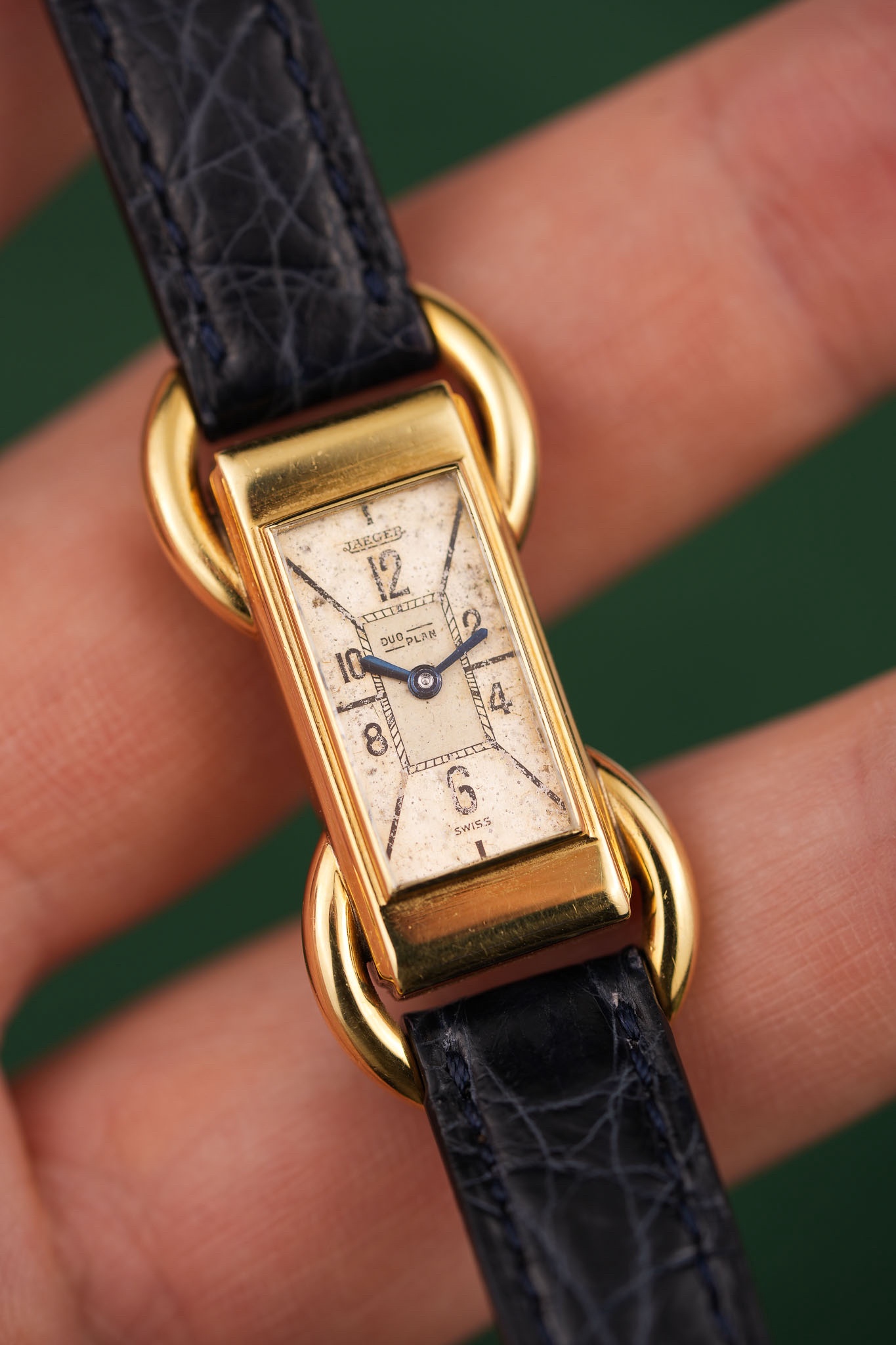
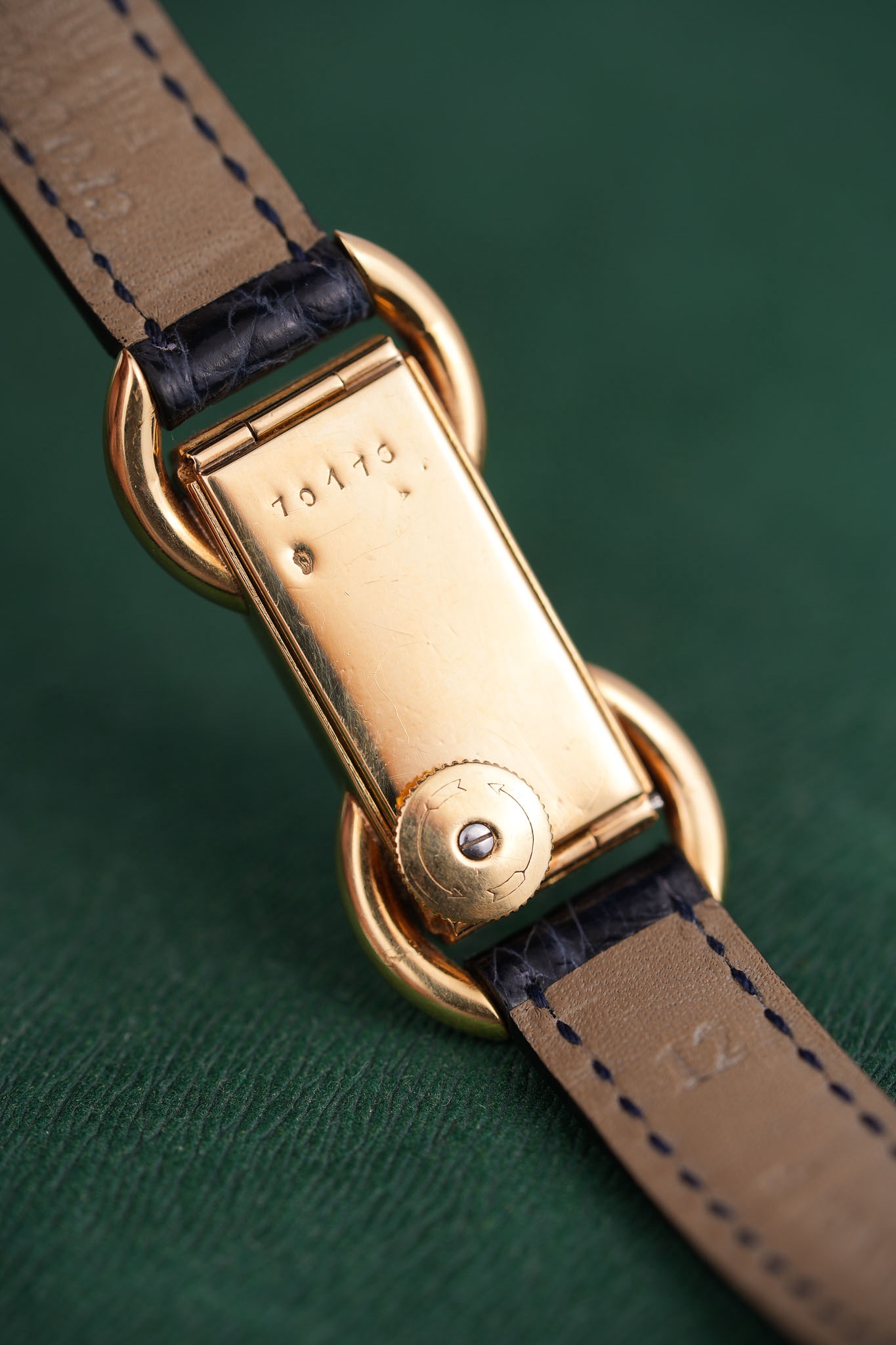
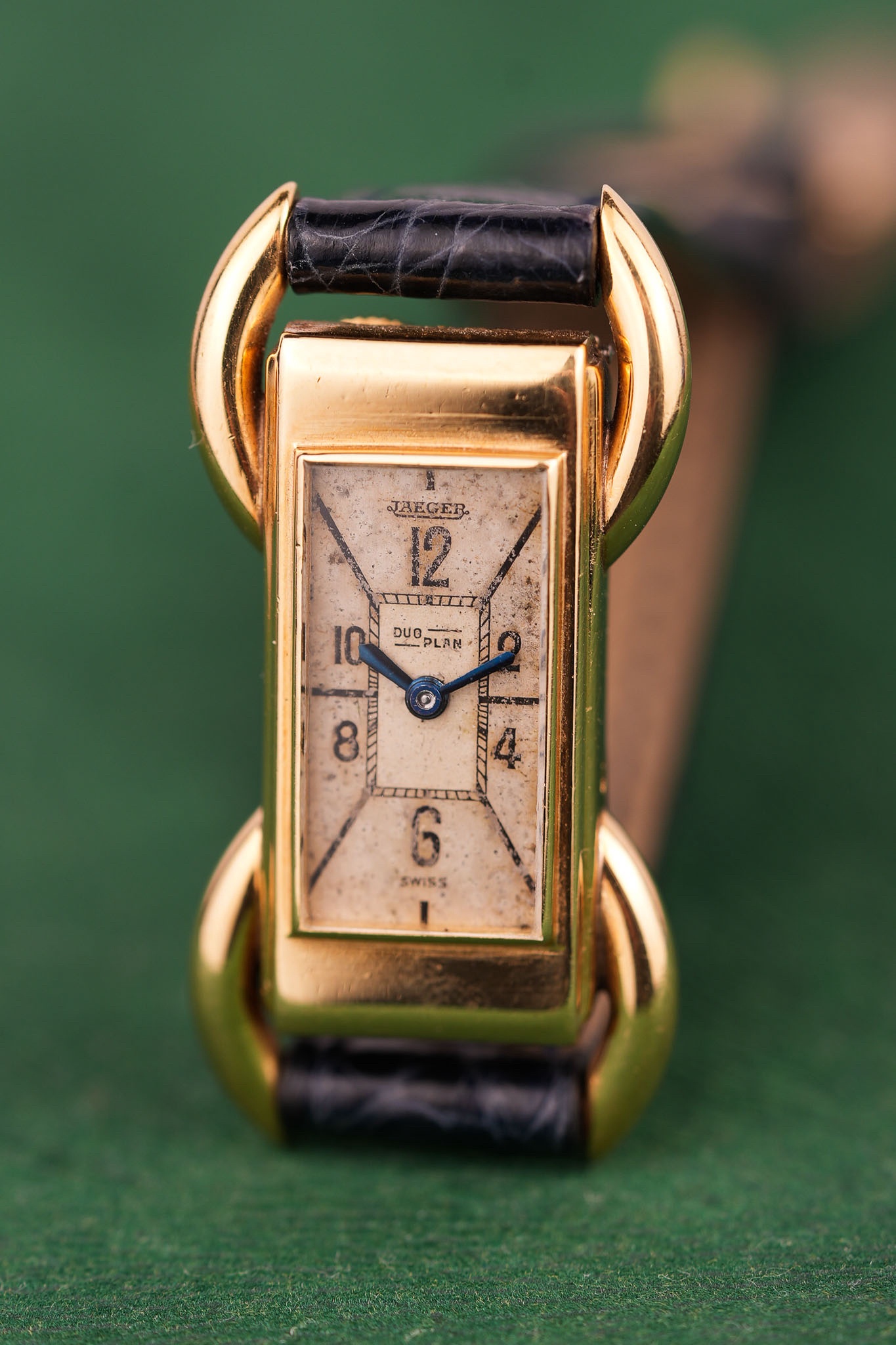
Its design is clearly inspired by the Jaeger-LeCoultre Duoplan “Crab Lugs”, which, unlike the Andersen Genève, is a time-only watch.
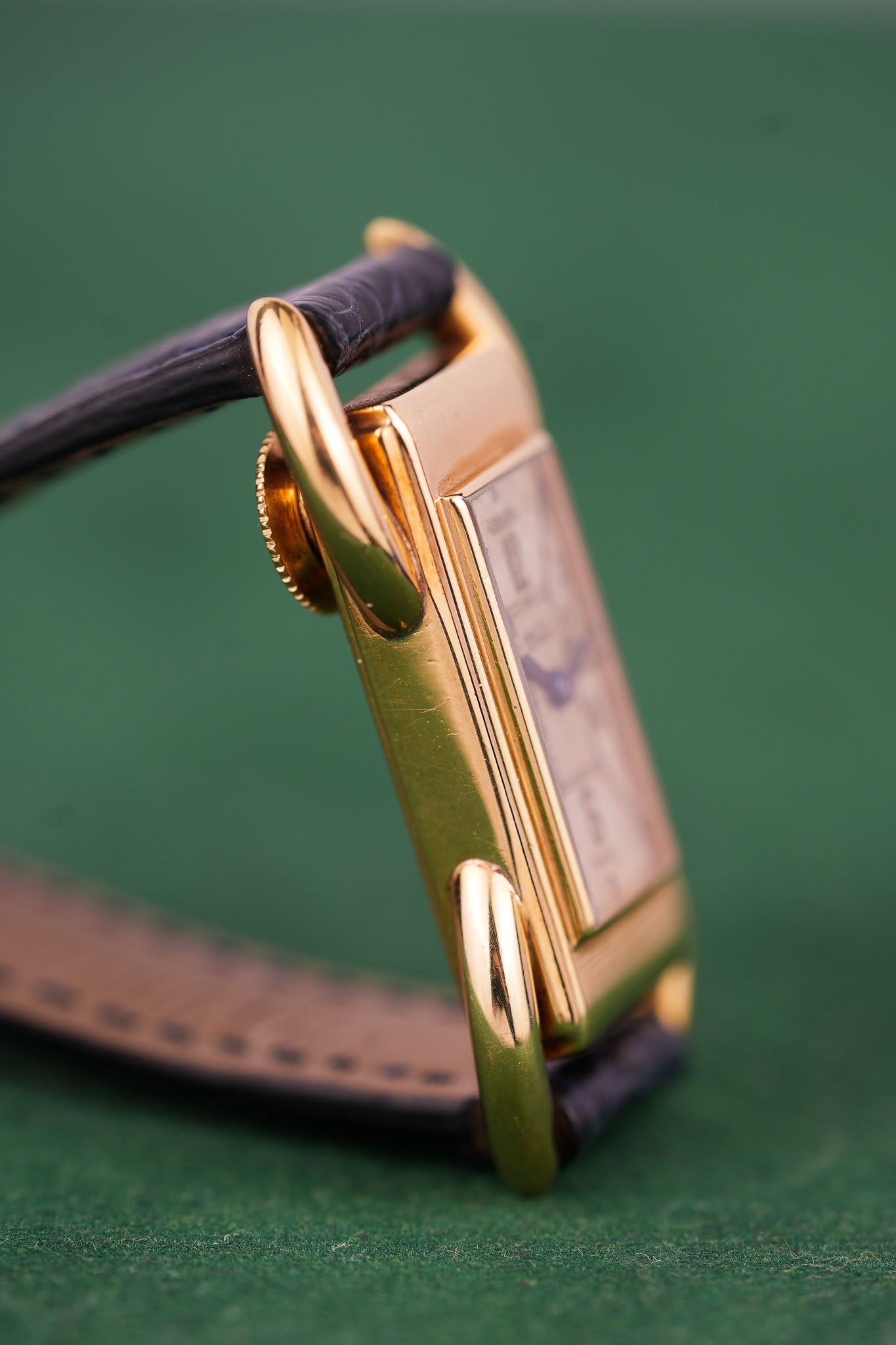
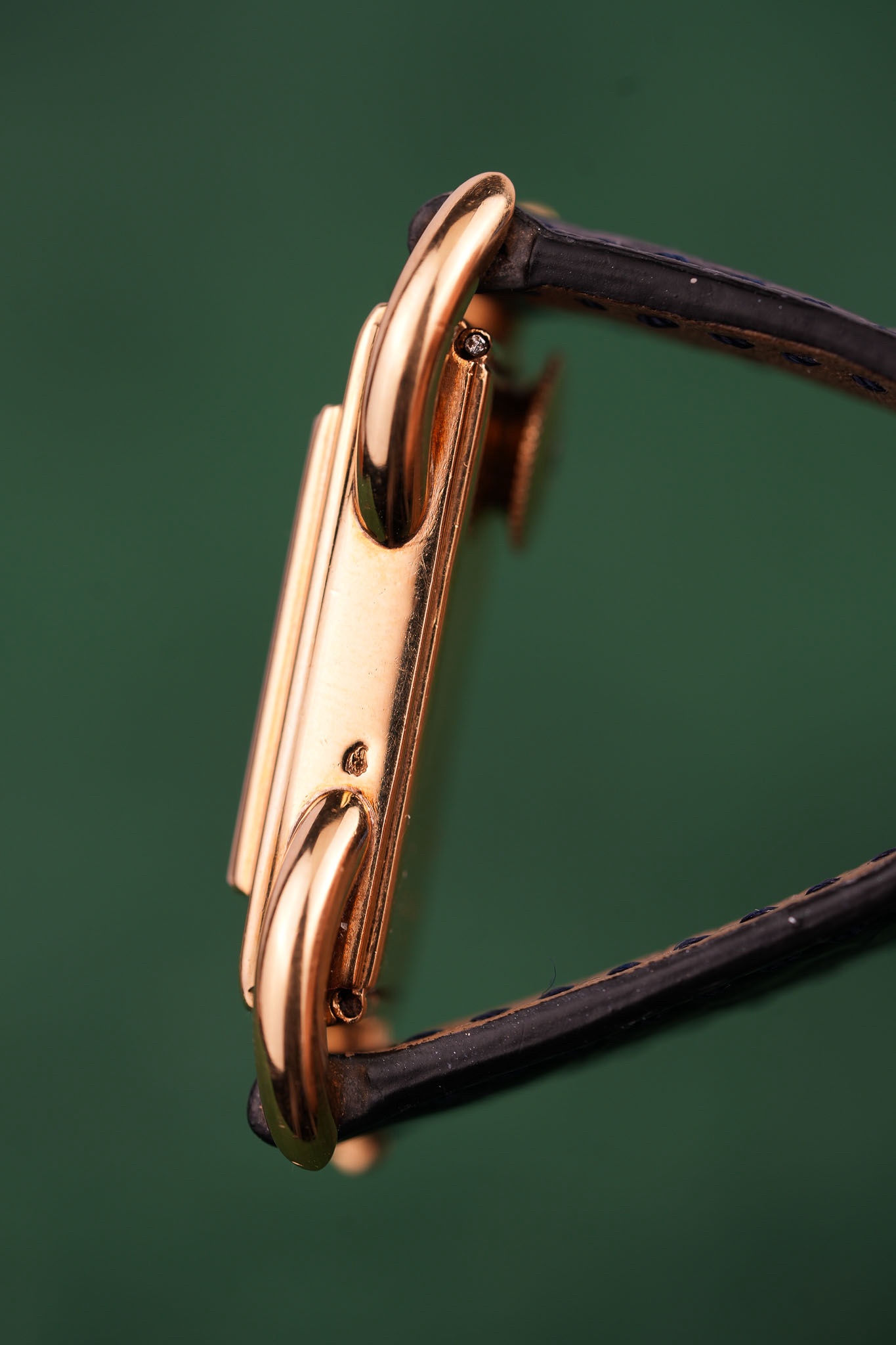
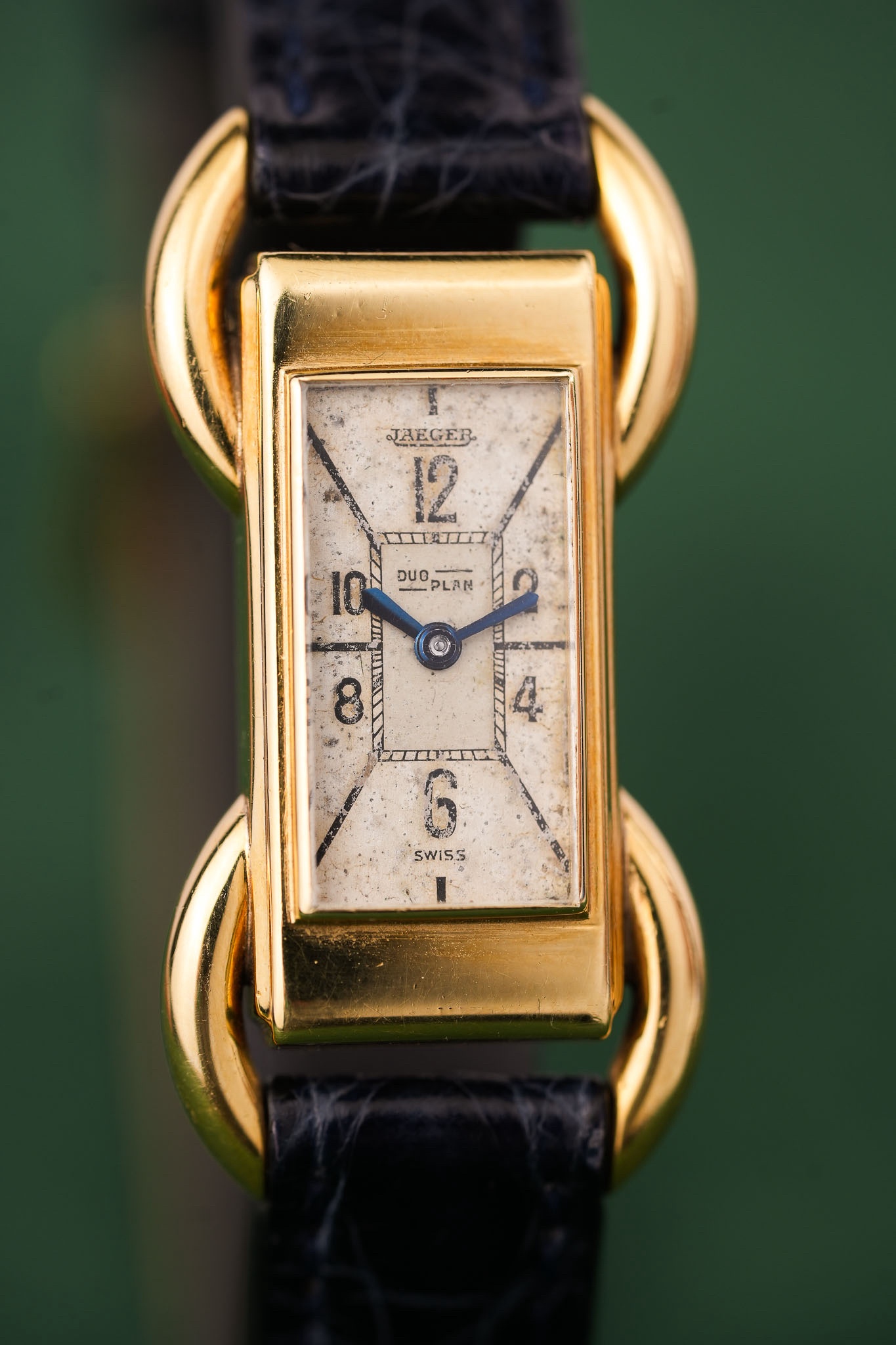
credit: Discreet Peacock
As Timothy Barber writes, the watch “was built on a tiny 1930s movement, a handful of which were salvaged from a Parisian safe that had been locked for 50 years”.
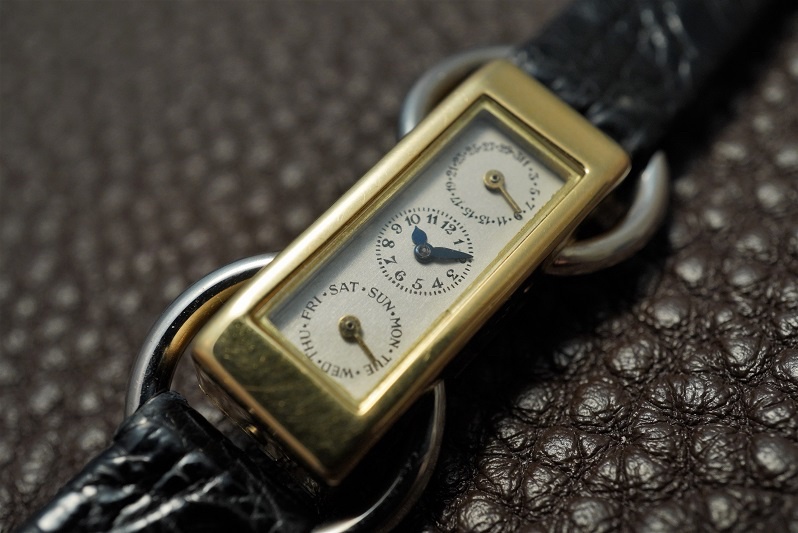
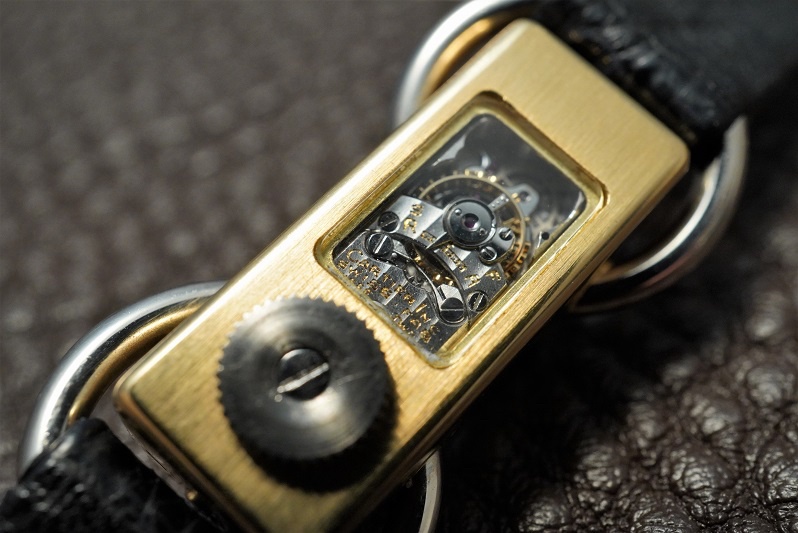
credit: @ichigo_ichie
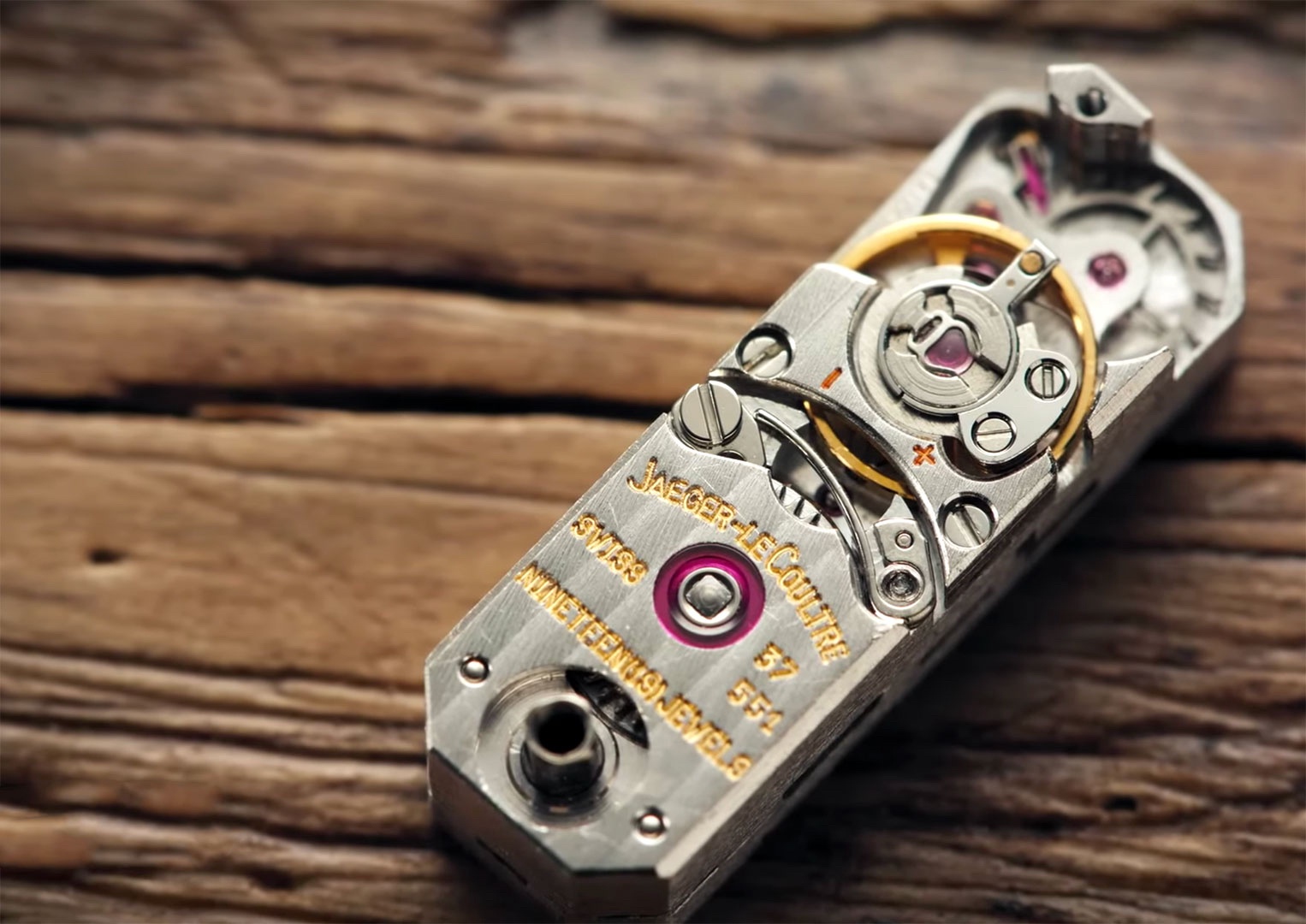
These movements used by Svend Andersen are based on the Jaeger-LeCoultre calibre 101, which is the smallest movement in the Duoplan family, whose specificity is, as I explained in this other post, to group the components on two planes/layers in order to obtain the smallest possible size.
credit: @ichigo_ichie
These movements used by Svend Andersen are based on the Jaeger-LeCoultre calibre 101, which is the smallest movement in the Duoplan family, whose specificity is, as I explained in this other post, to group the components on two planes/layers in order to obtain the smallest possible size.
Here is a caliber 101 signed Jaeger-LeCoultre...
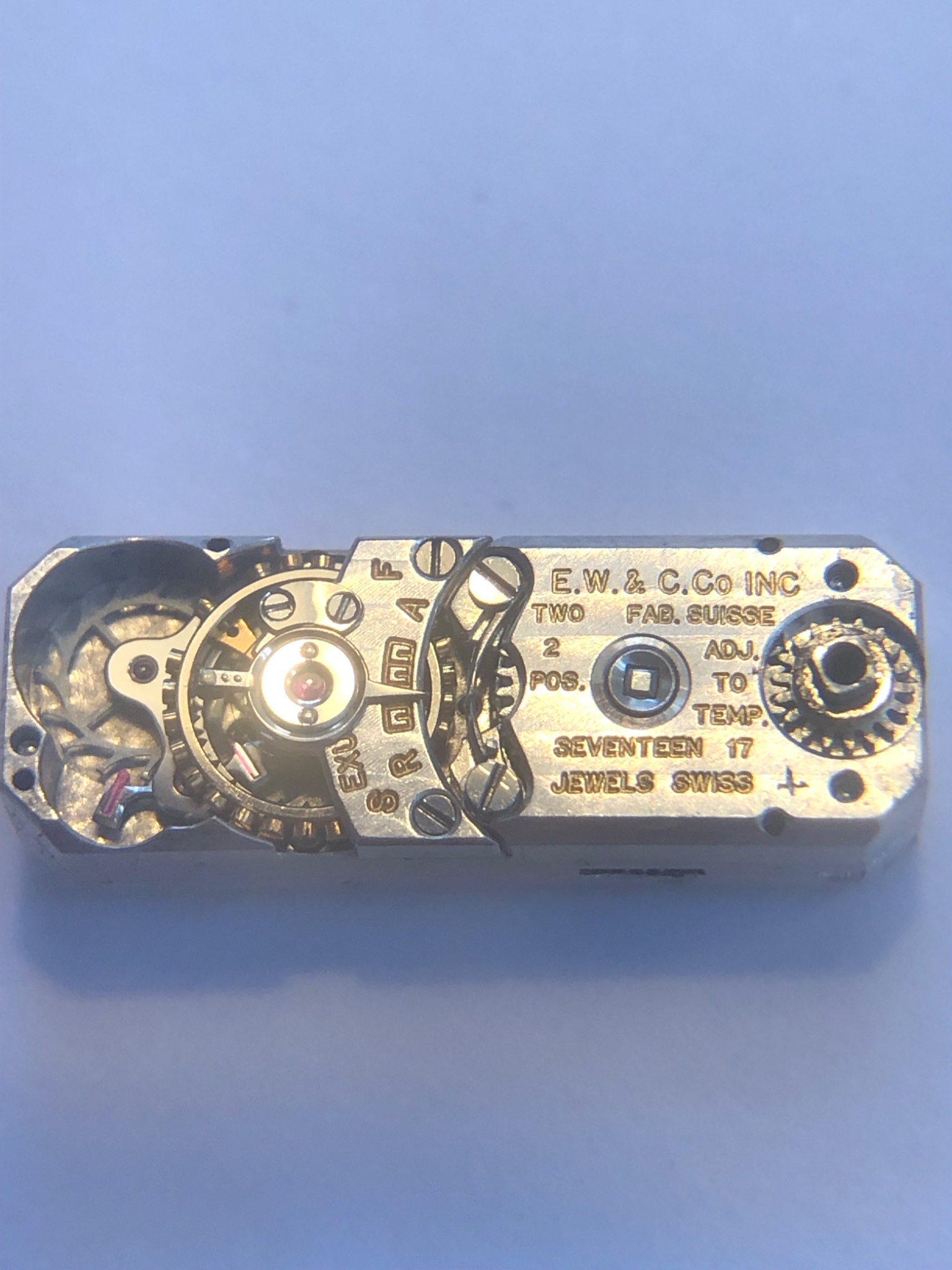
... another one signed by the European Watch Company (based on a JLC ébauche)...
... and the complete Duoplan family, with the caliber 101 on the left (the other three calibers are 104, 403 & 409).
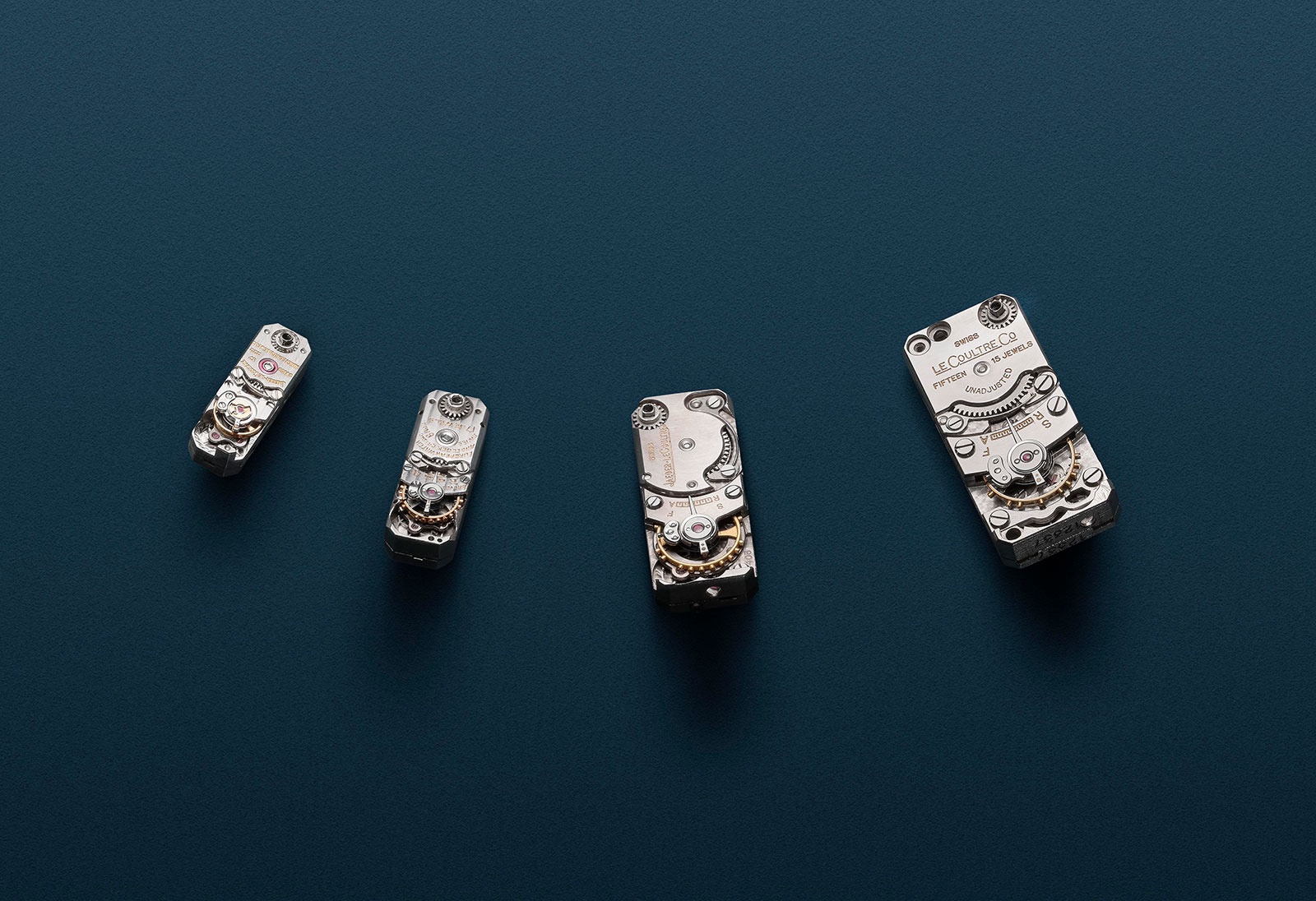
credit: Watchfinder, Artcurial & Jaeger-LeCoultre
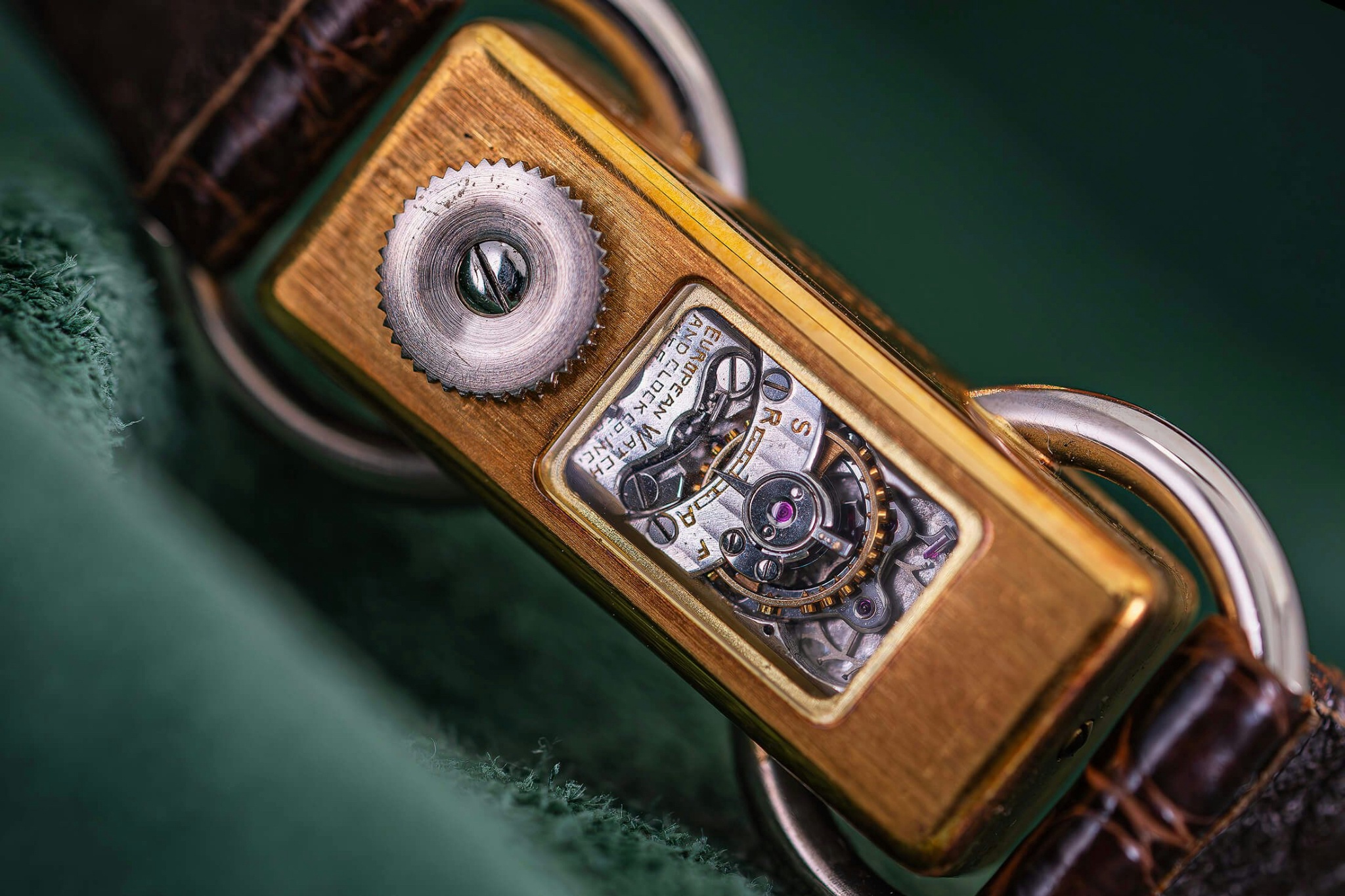
In the example of the Andersen Calendar watch presented above, the movement is signed Cartier.
And Svend Andersen added a calendar module which is only 0.7 mm thick on top of it, under the dial...
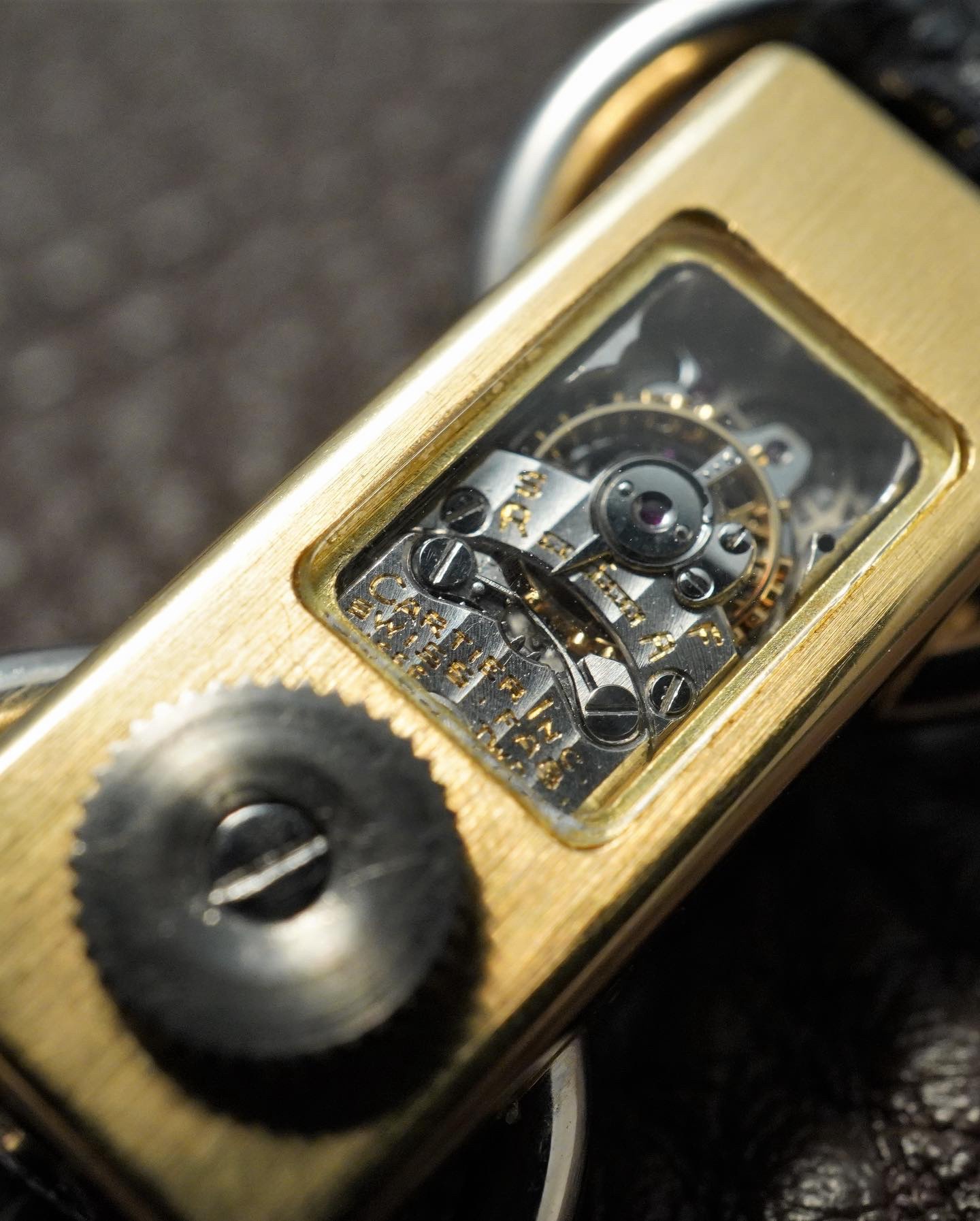
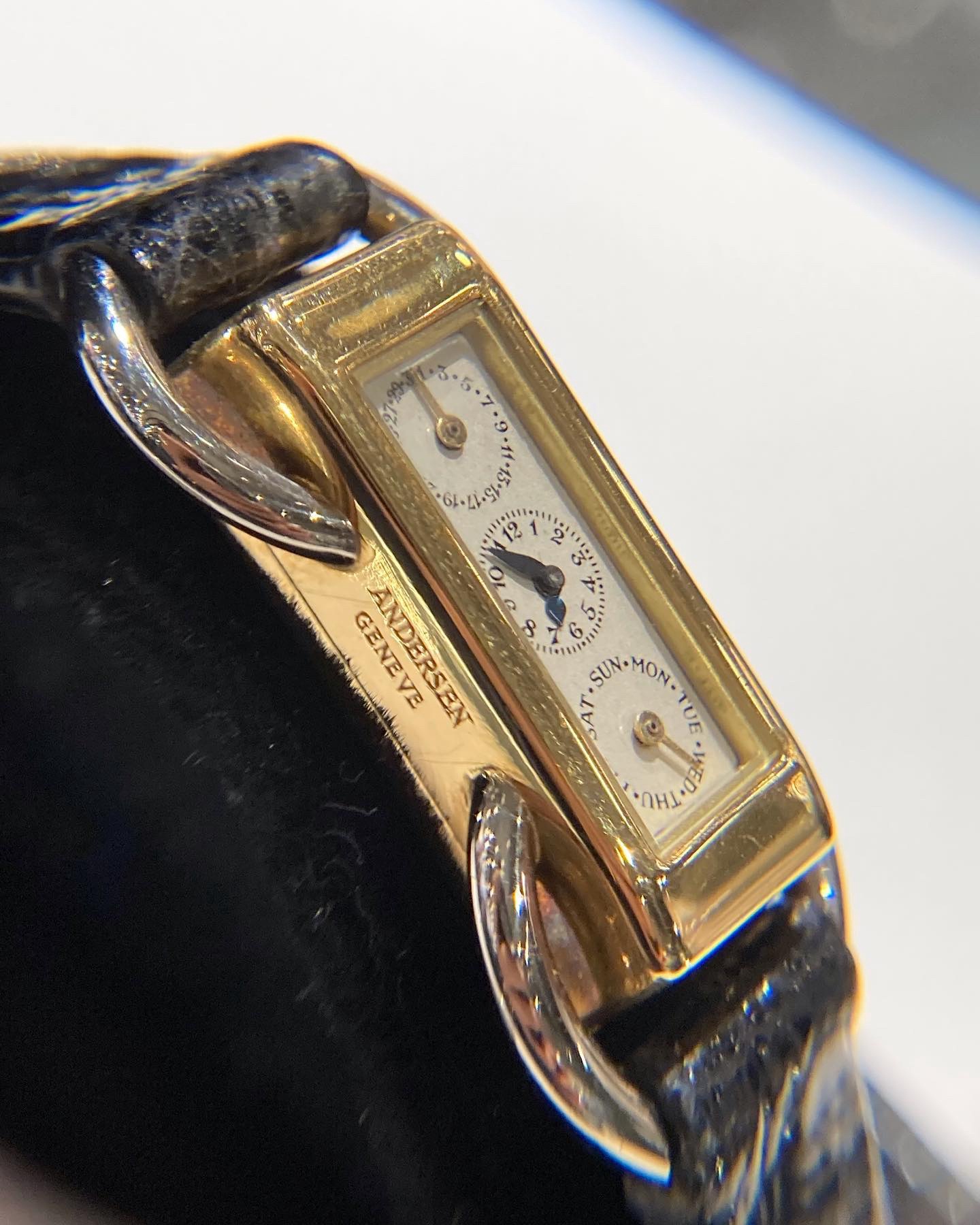
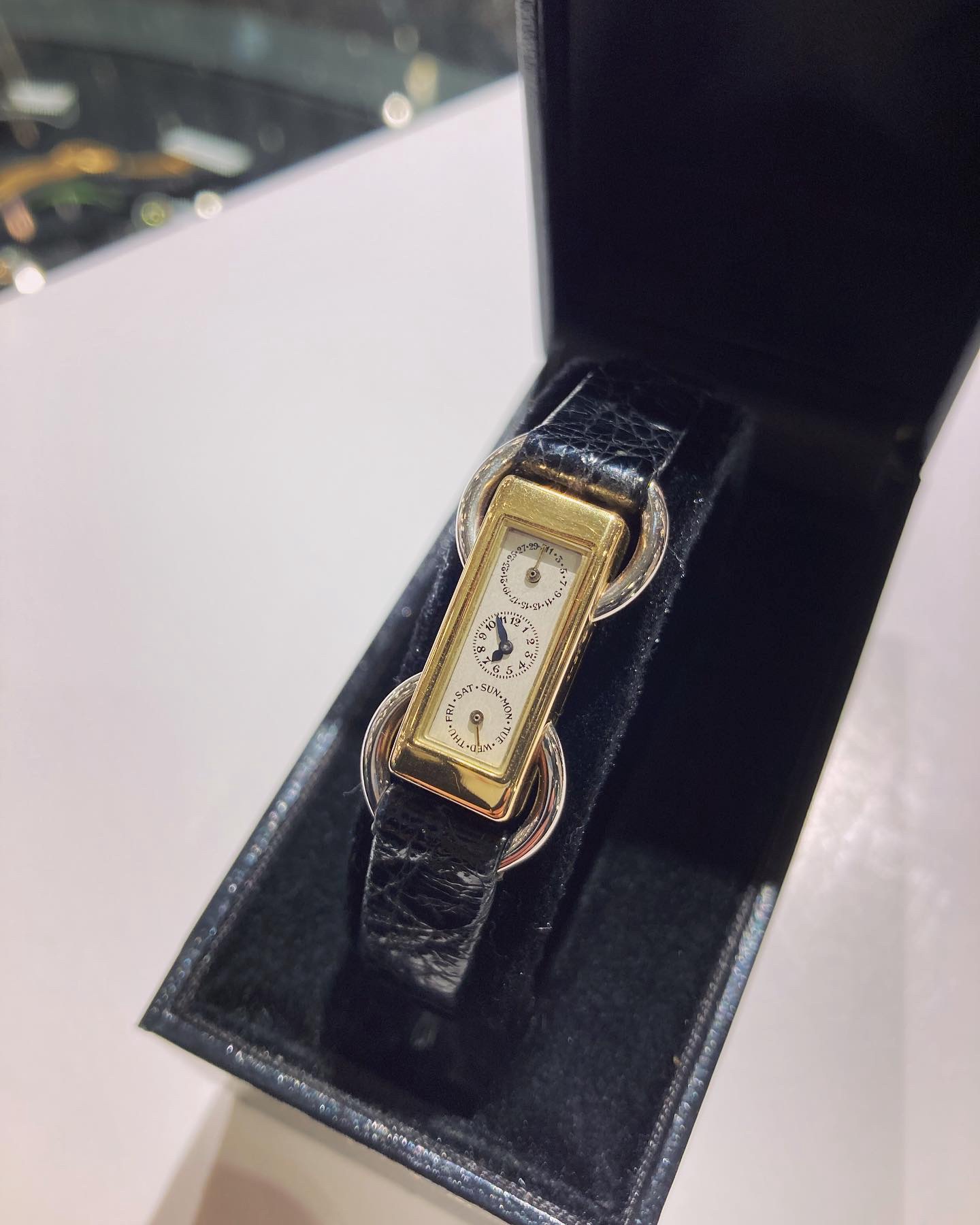
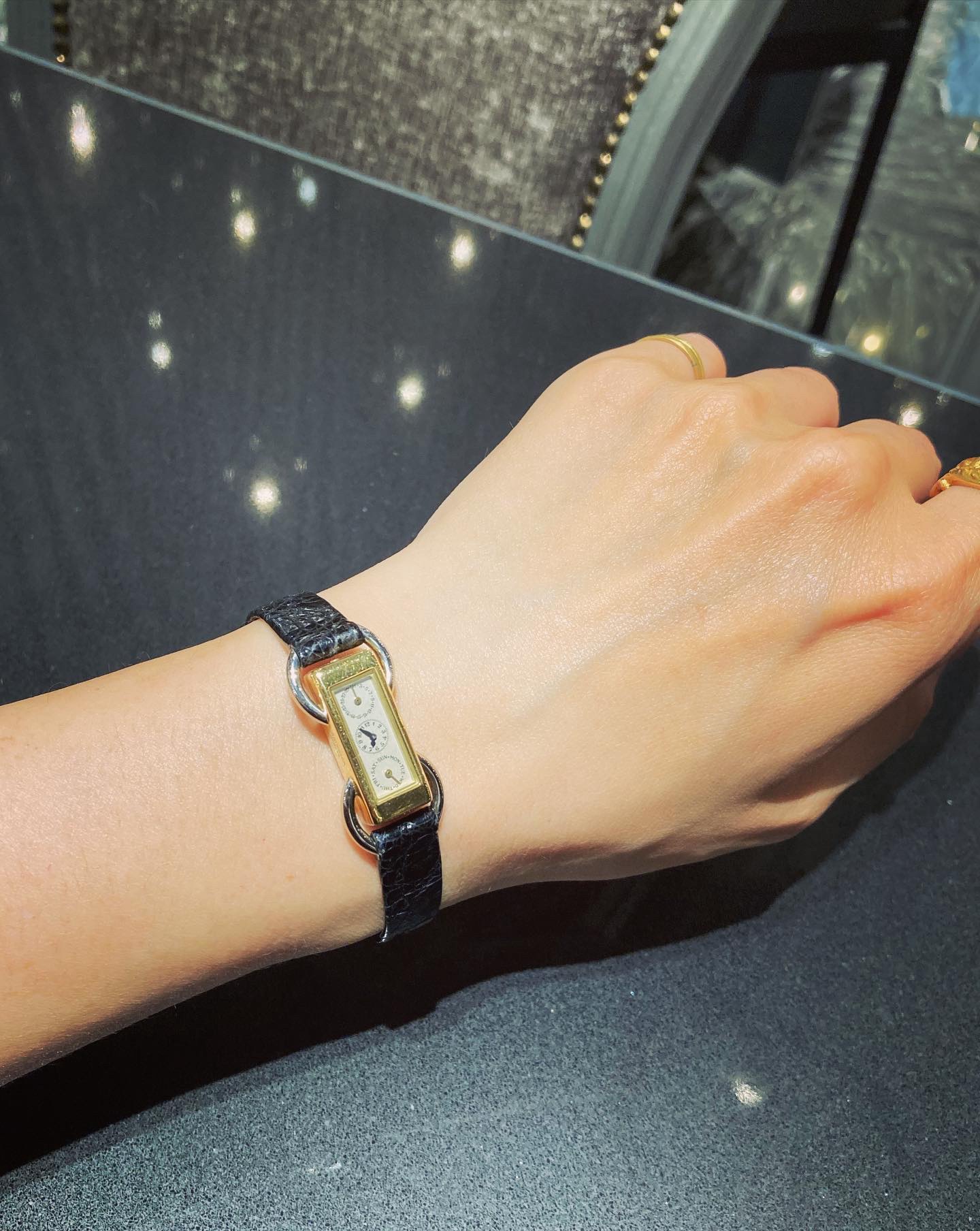
The photo below shows just how small this watch is.
credit: @shellmann_isetan
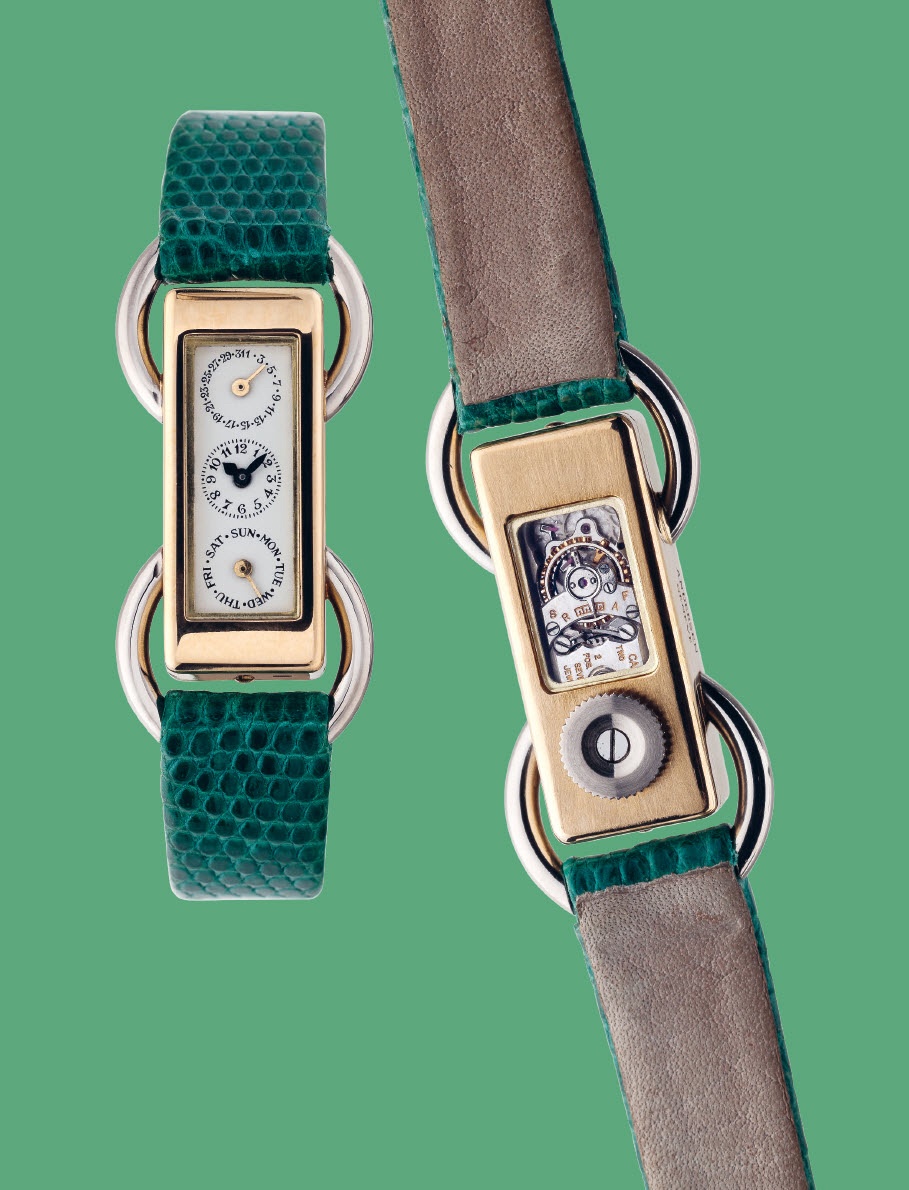
As a conclusion, here is, first, another example with a base movement signed European Watch Company.
This one belongs to Yoshihide Isogai, former President of Shellman Watches in Tokyo: you can see him talking about this watch in the video below from minute 17:04.
credit: Hodinkee
And here is the actual prototype, which Svend Andersen gifted to René Beyer and which is on display at the Beyer Museum in Zurich.
credit: Hodinkee
And here is the actual prototype, which Svend Andersen gifted to René Beyer and which is on display at the Beyer Museum in Zurich.
I could be wrong, but the movement seems to be signed Cartier vertically.
René Beyer (left) receiving the prototype from Svend Andersen's hands (right).
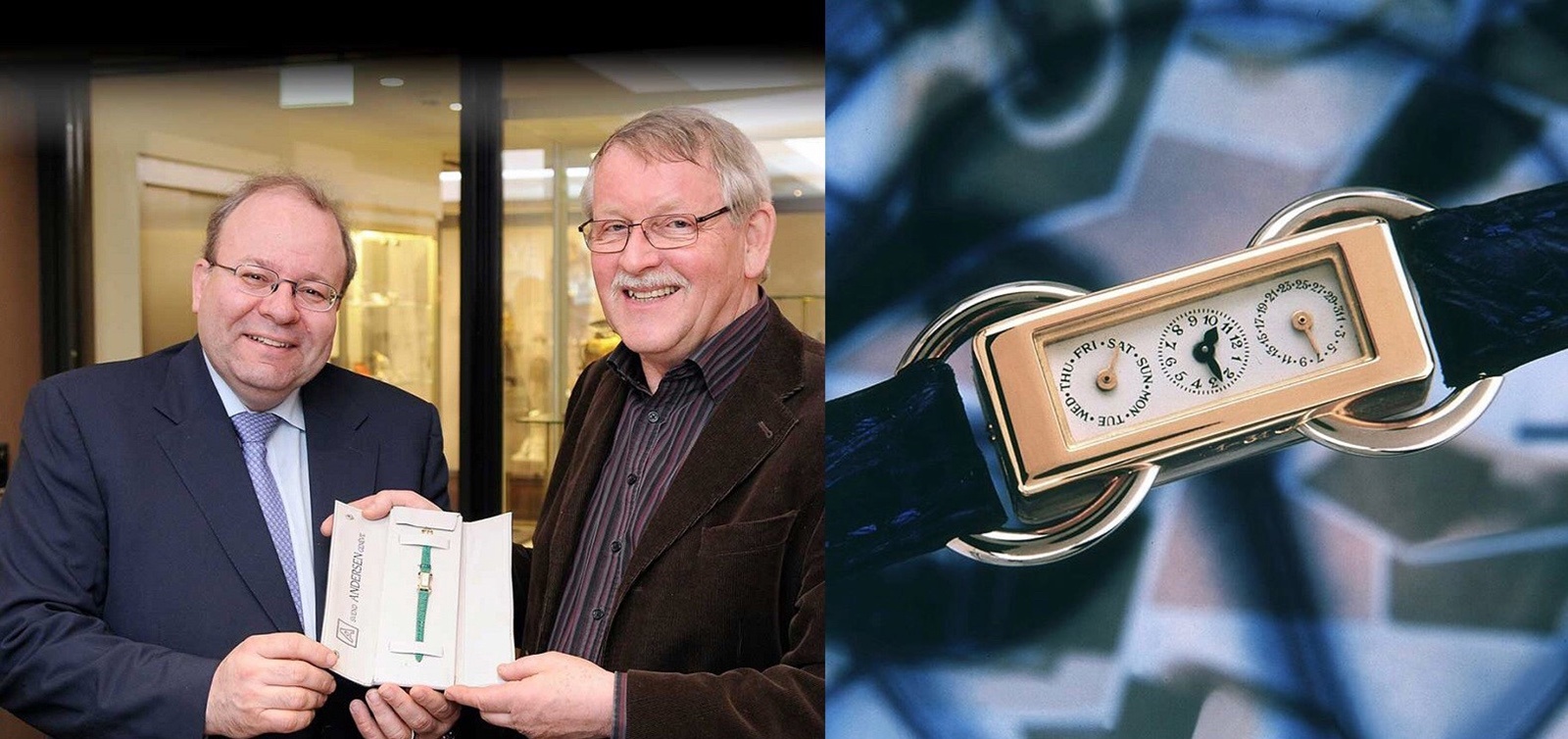
credit: Beyer
René Beyer (left) receiving the prototype from Svend Andersen's hands (right).
credit: Beyer
Of course, this watch is very small, and its design certainly won't appeal to everyone (but I like it personally).
However, how can one not admire the way in which Svend Andersen, a watchmaker of great talent, has pushed the feat of miniaturization a little further by adding, in a very elegant way, a calendar complication to such a small timepiece?
Thanks for reading.
Best, Emmanuel
Talking Watches With Yoshihide Isogai
A Svend Andersen world record watch
While browsing through the book Andersen Genève 45 Years of Independent Watchmaking , I came across this Calendar watch presented on pages 72-73. Photo of my personal copy As the caption at the bottom of the page states, this is the smallest horological c...

Yes, the Yoshihide Isogai interview you're thinking of is here.
Best, Emmanuel Talking Watches With Yoshihide Isogai
Amazing stuff, quattro.
And beautiful in two-tone. Andersen's aesthetics seem almost always spot-on.

Svend Andersen ...
I still don’t understand why the market fails to recognize Andersen’s importance today. He has been such a key figure for independent watchmakers, and beyond that, he created truly exceptional timepieces. His early creations, (whether his now-signature wo...
I agree with you, Bruno.
And I will post about the second watch later. Best, Emmanuel