
KMII
[Montblanc Moderator]
50142

Junghans - the Uhren und Automuseum Schramberg ⏱️🇩🇪
Some weeks ago pkonos has presented his new Junghans timepiece and we discussed about the hometown of the brand and the museum landscape there. As mentioned in that thread there are two
Junghans focused museums, the one in the manufacture proper and the Uhren und Automuseum, with the collection of Martin Sauter.
While I have yet to visit the Terassenbau museum here a short pictorial overview of the Sauter collection.
Nowadays the vast majority of discussion on German watch landscape and history focuses on Saxony and revolves around Glashütte. At the same time in earlier times the Black Forest was a possibly similarly important German watch industry center. The cuckoo clocks we all know and love l? Definitely Black Forest and not Saxony (or Switzerland) 😁
As the major clock manufacturers suffered heavily from both the quartz crisis as well as from the overall market for clocks declining overall, and also the watch manufacturers from the area - even the ones surviving the quartz era with interesting innovation - later on went through several insolvencies and did not influence the rewriting of the historical canon in the same way.
The museum is a five story affair, with four floors of vintage cars and finally (and fittingly) the top, fifth floor devoted to watches.
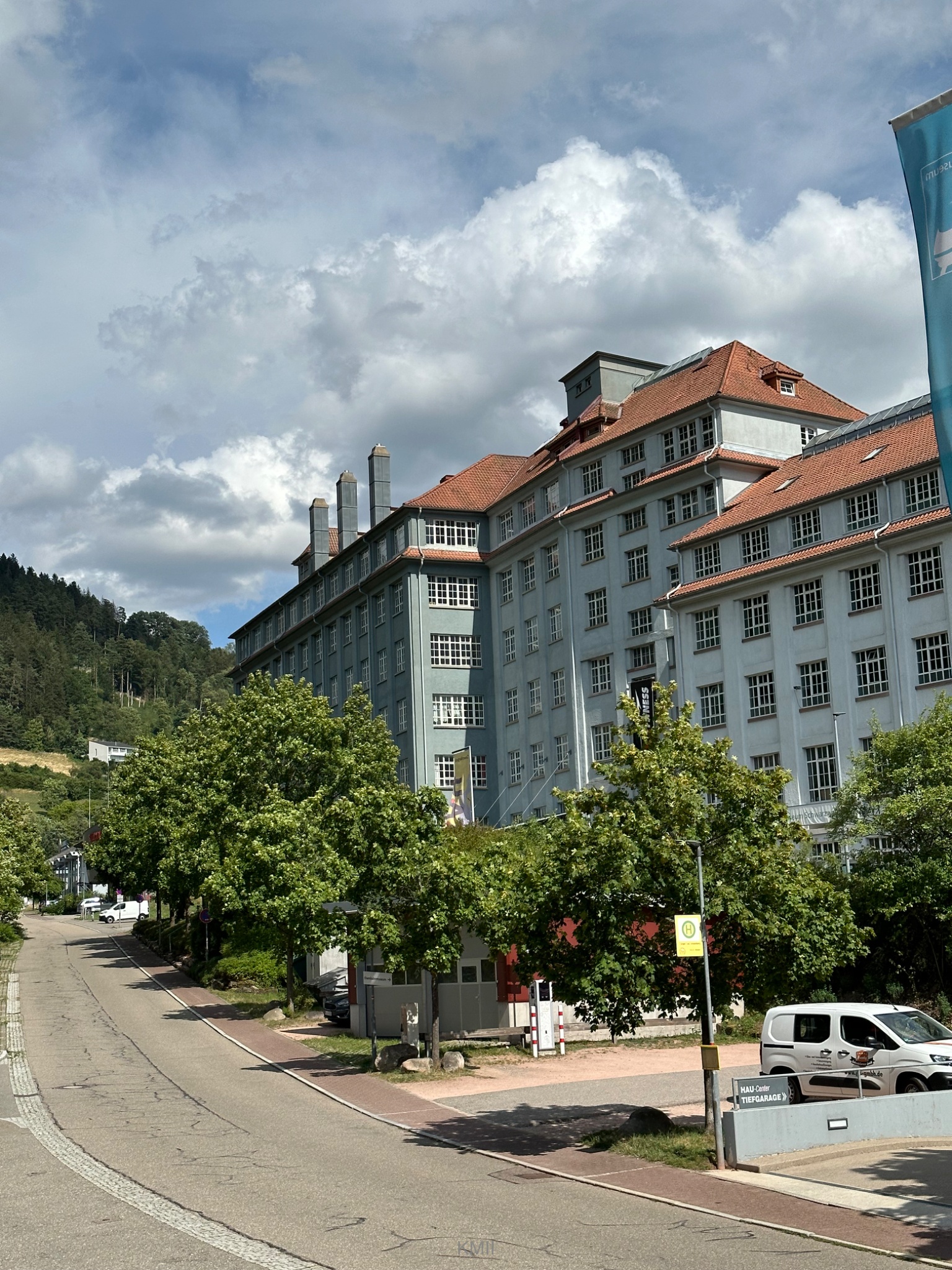
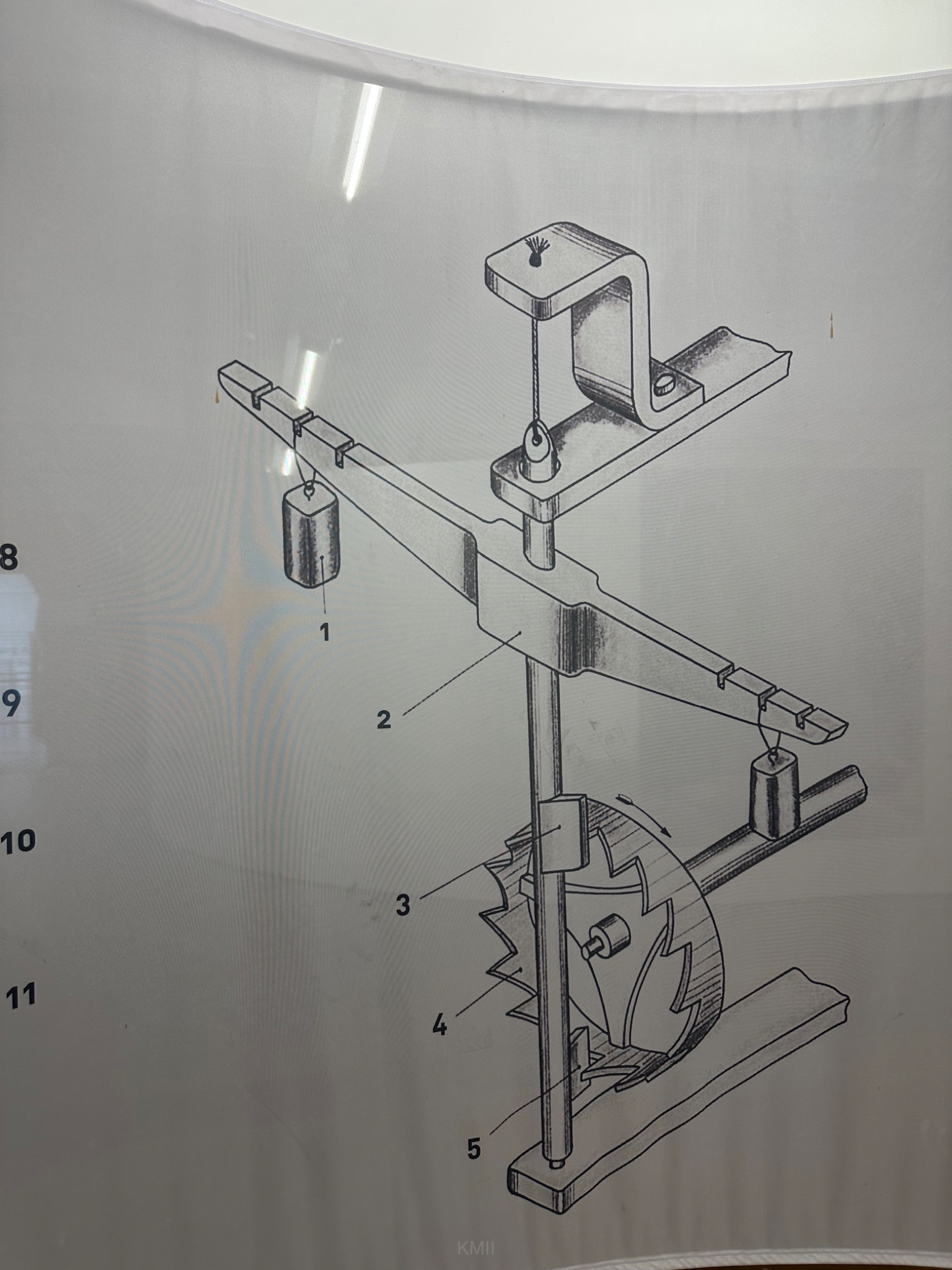
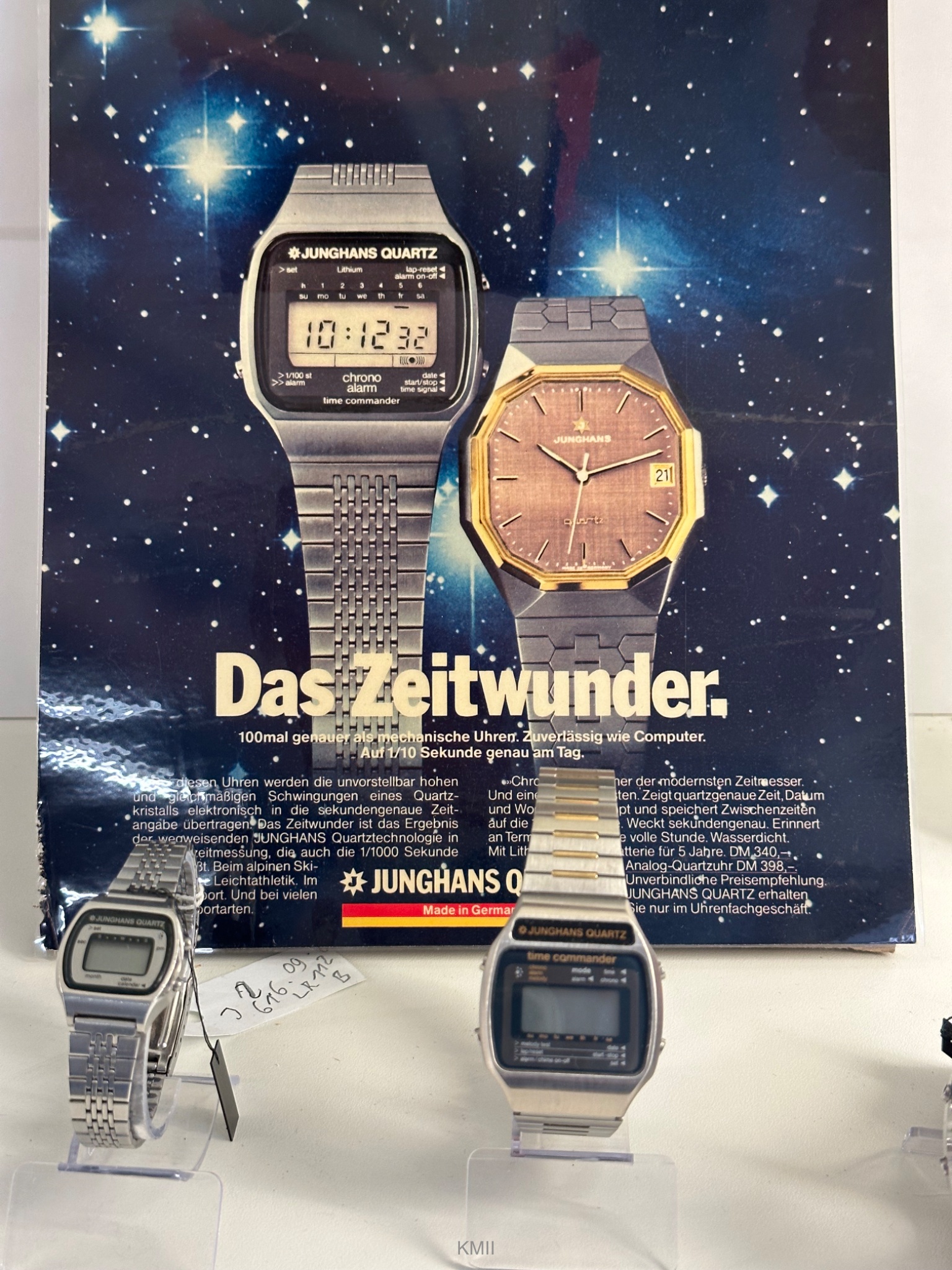
As most such museums you have a combination of models, historical drawings, period marketing materials and the watches themselves being displayed.
As most such museums you have a combination of models, historical drawings, period marketing materials and the watches themselves being displayed.
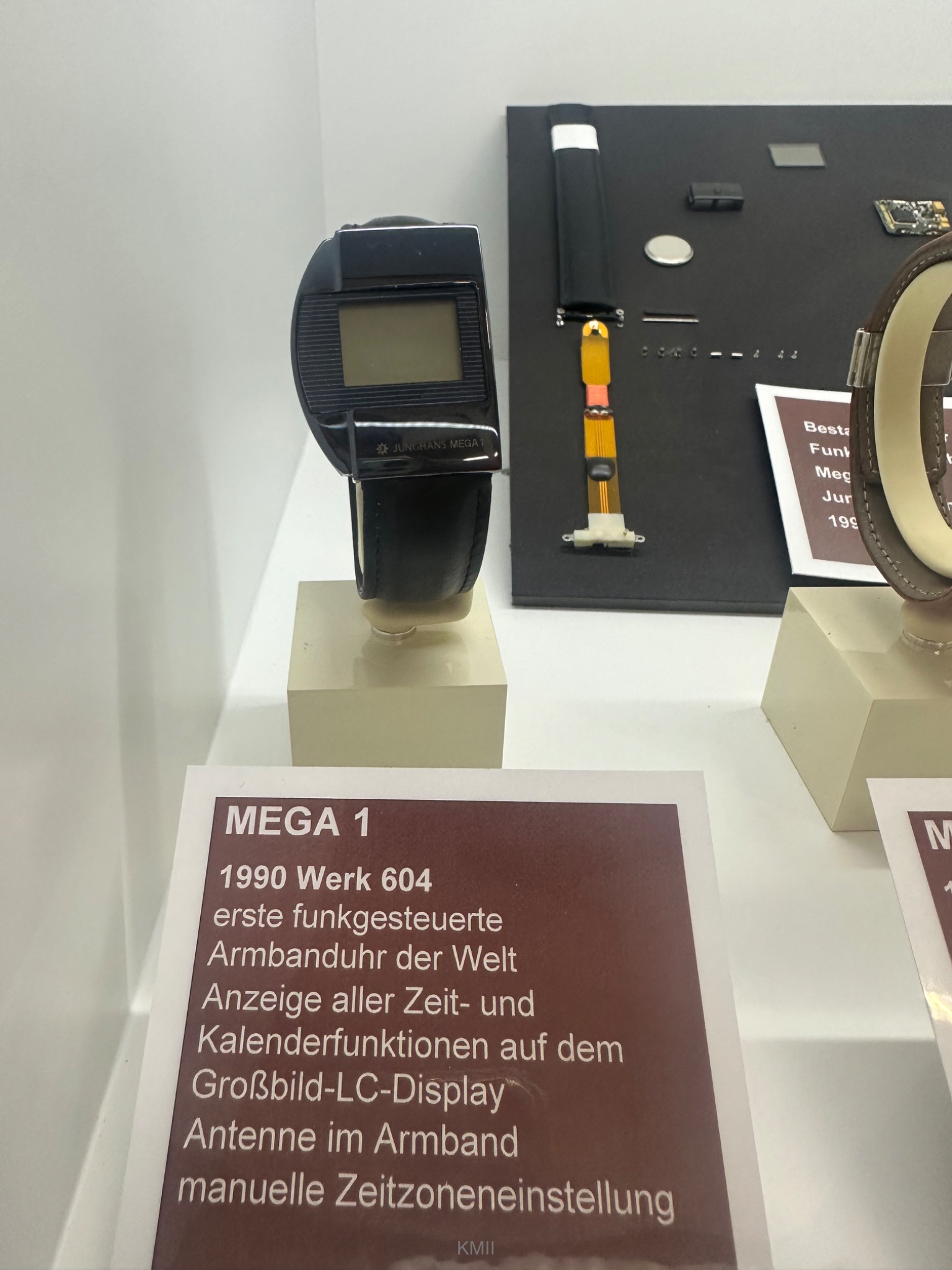
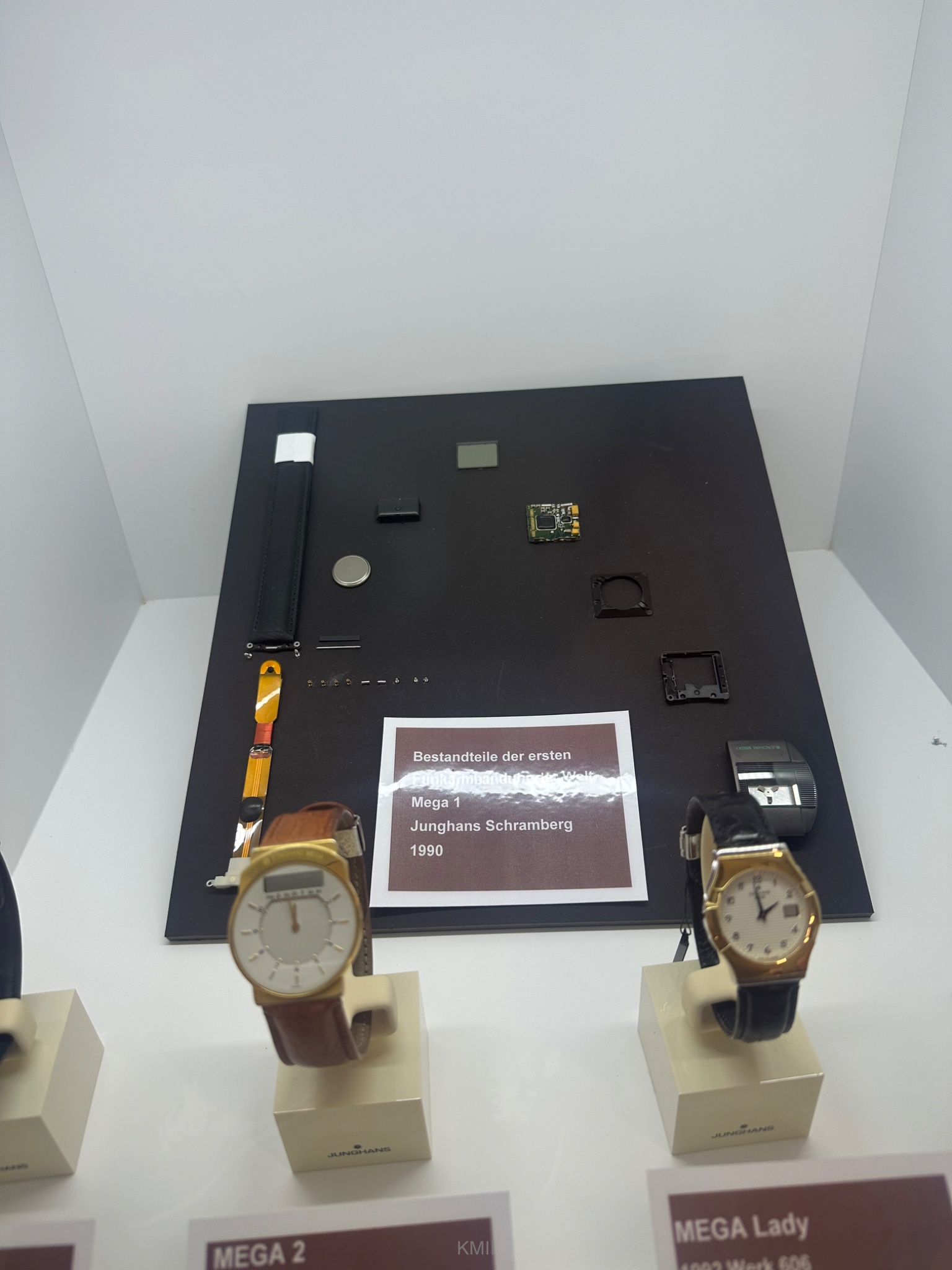
The one that continues to exert the largest pull on yours truly is the Junghans Mega 1. This was a watch that as a very young child I listed after and one I would still like to add to my collection at some point. When launched in 1990 it was a technological tour de force. While this was the era of Japanese domination in terms of quartz design and functionality improvements and the Swiss were taking the first steps towards a Veblenian transformation, the Mega 1 brought a radio controlled time setting (with practically perfect accuracy as a result), world time and a cool - even if challenging- feature of placing the antenna in the strap (I would not be able to swap those freely 😉🤷🏻♂️). This was fairly Star Wars back in the day 🛸
Of course both the watches and history of the brand are so much more than this one seminal moment 😊
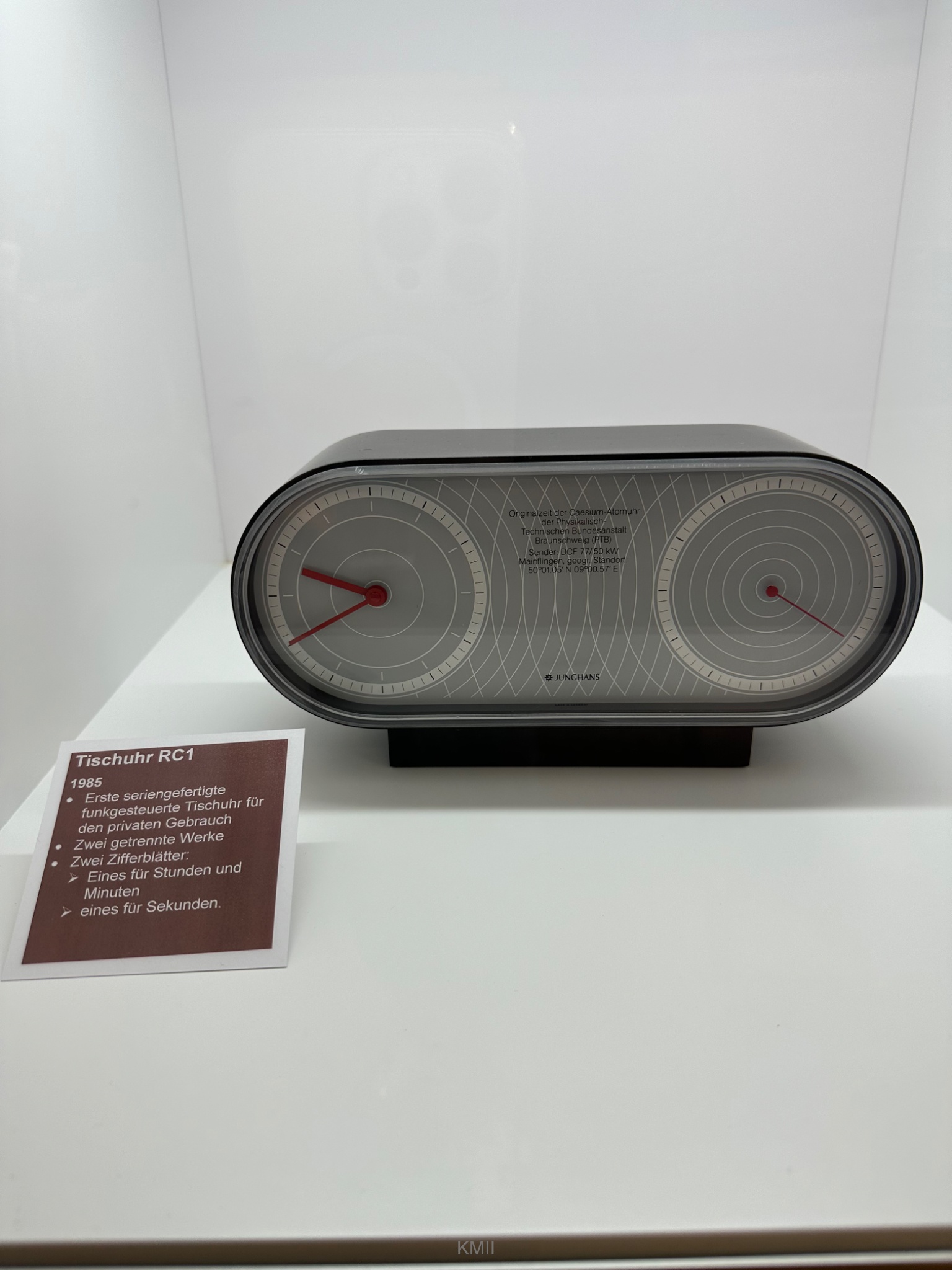
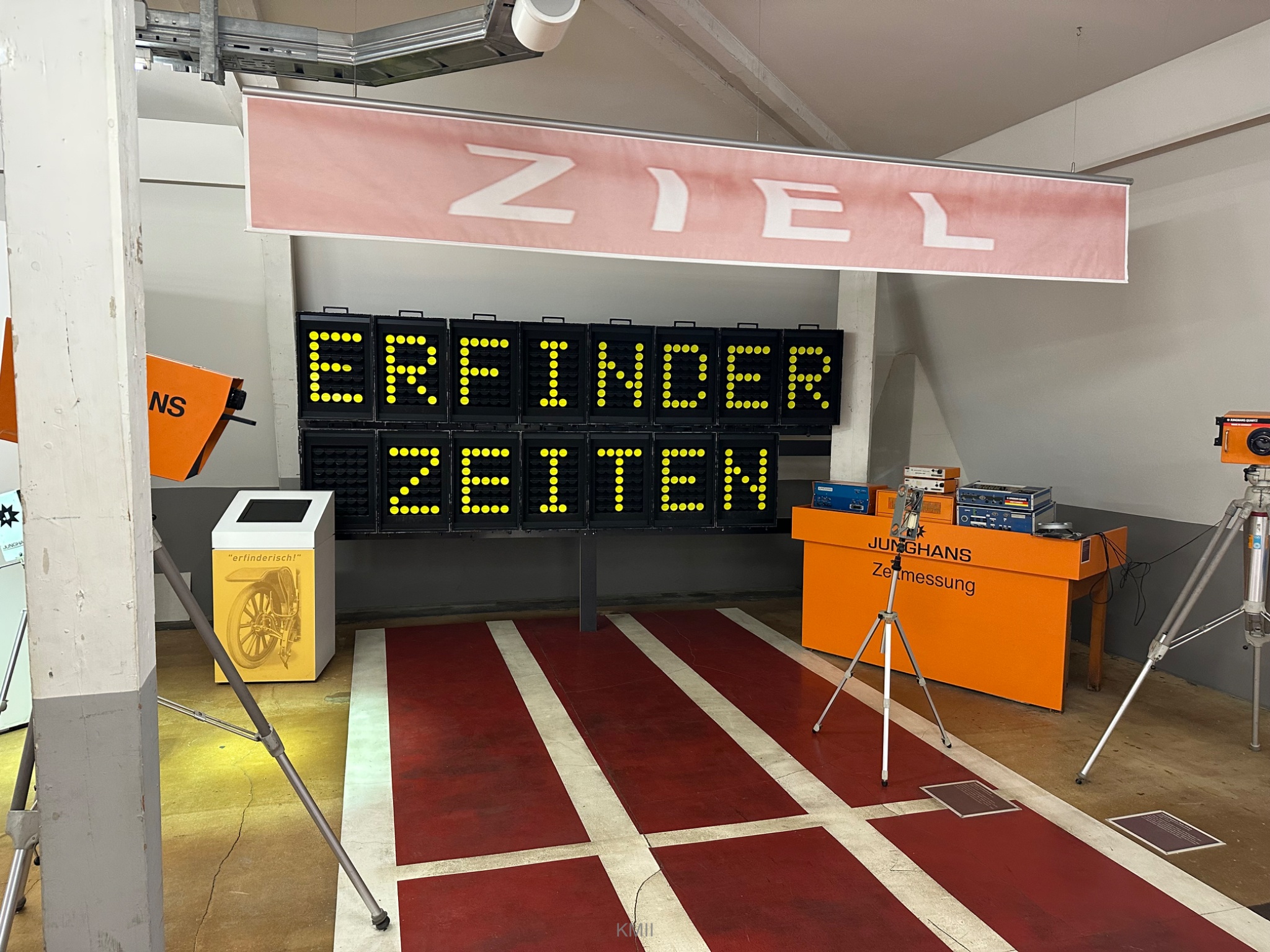
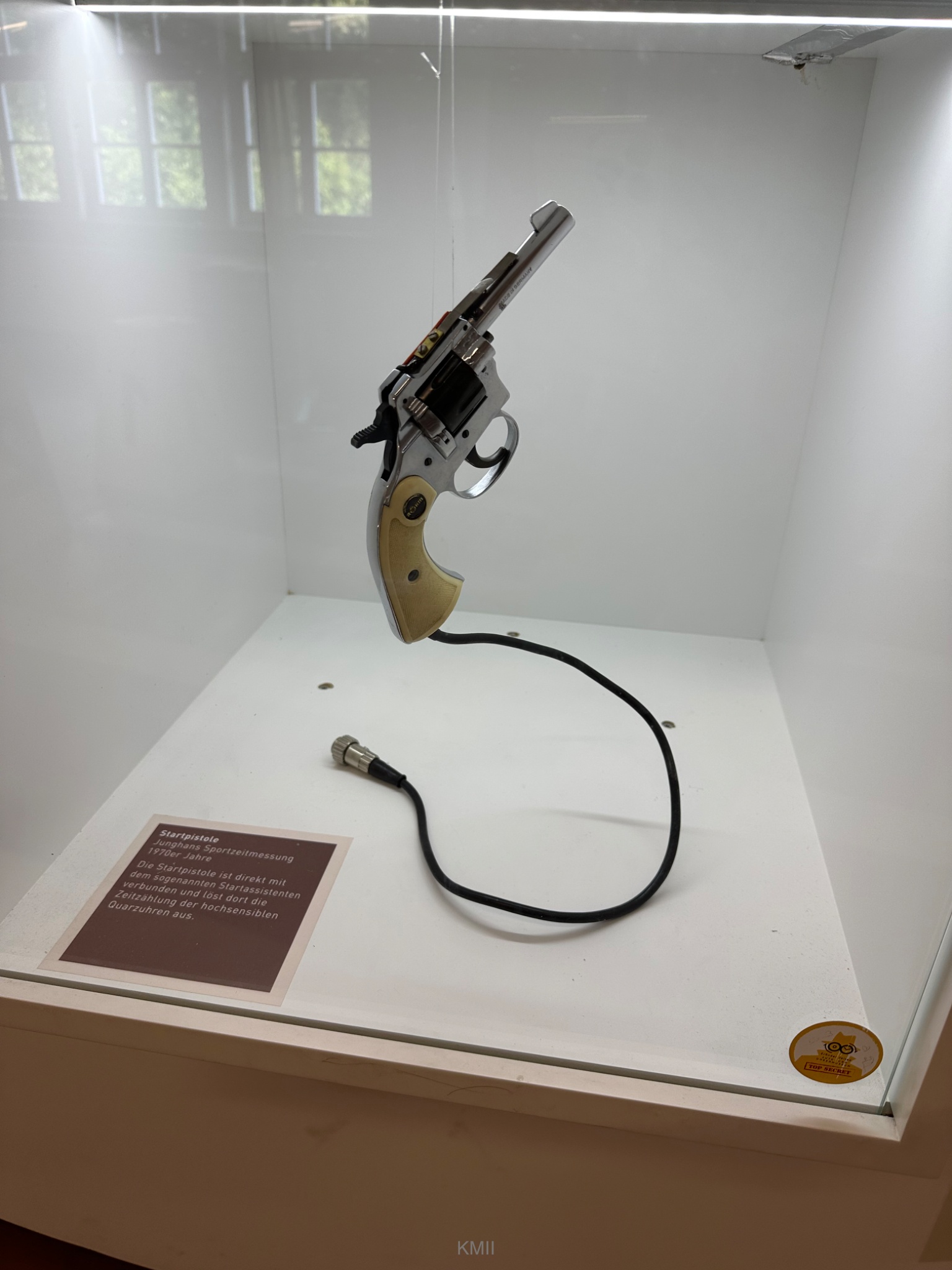
For some reason at least one watch was displayed upside down 😂
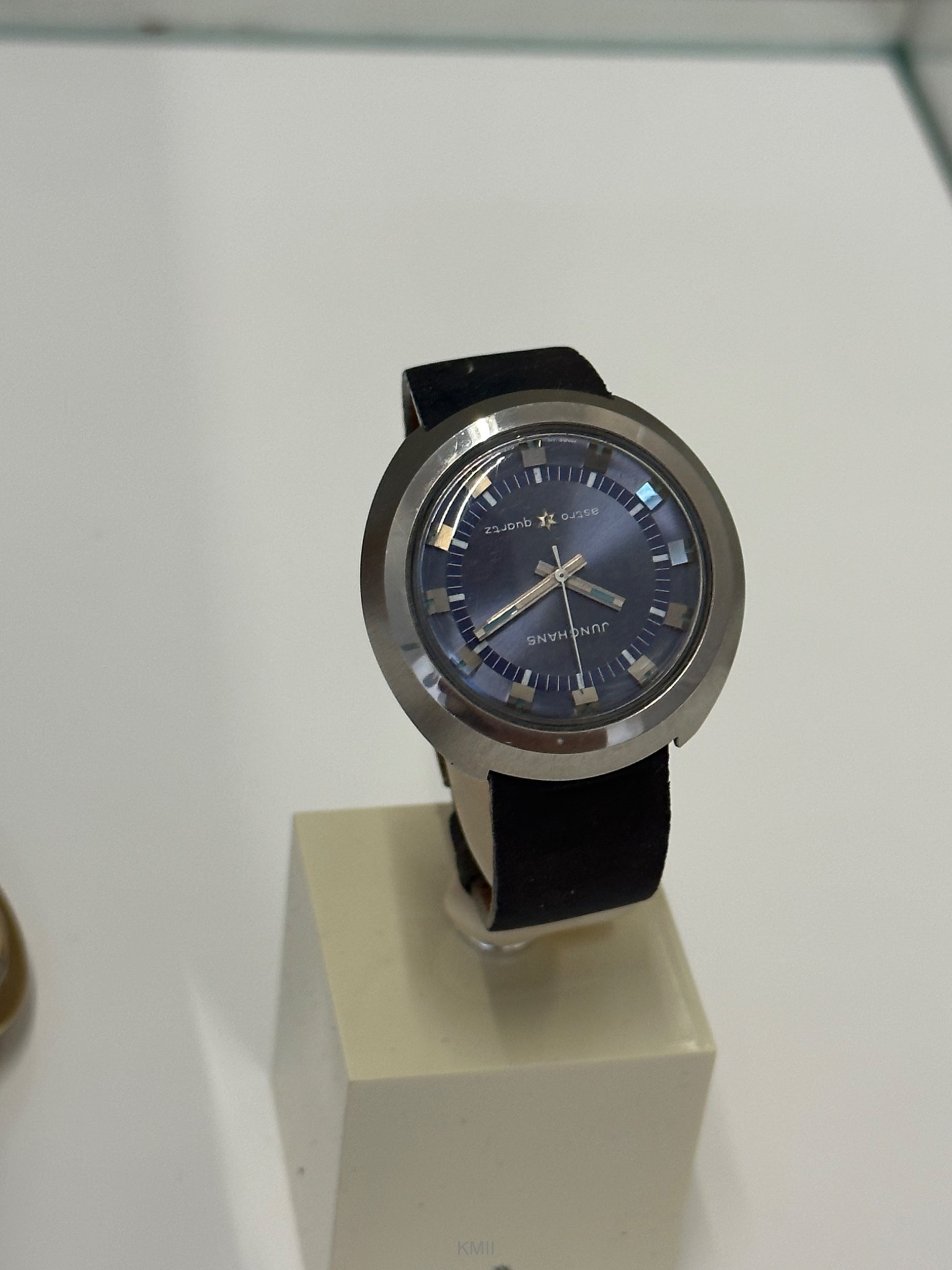
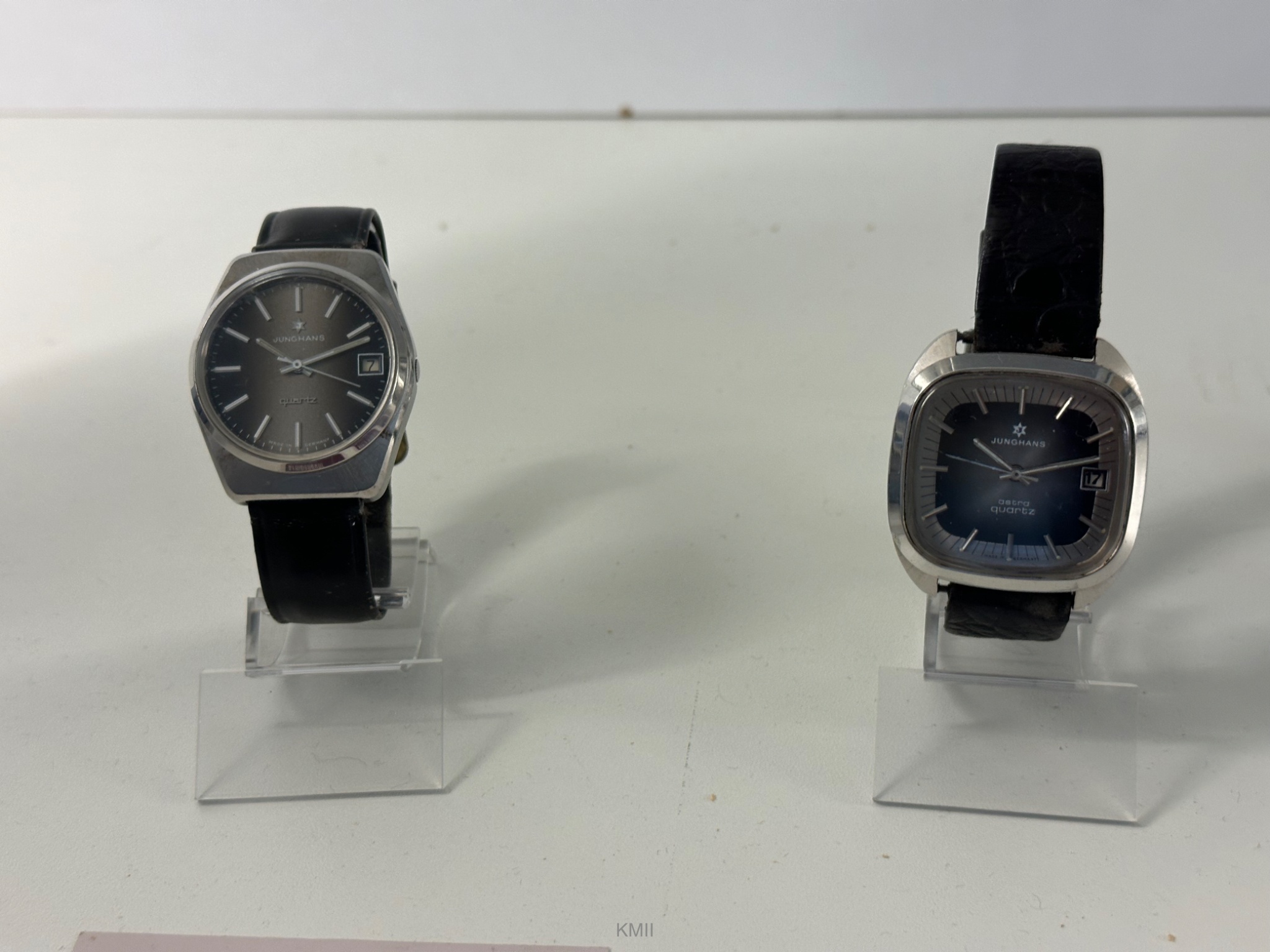
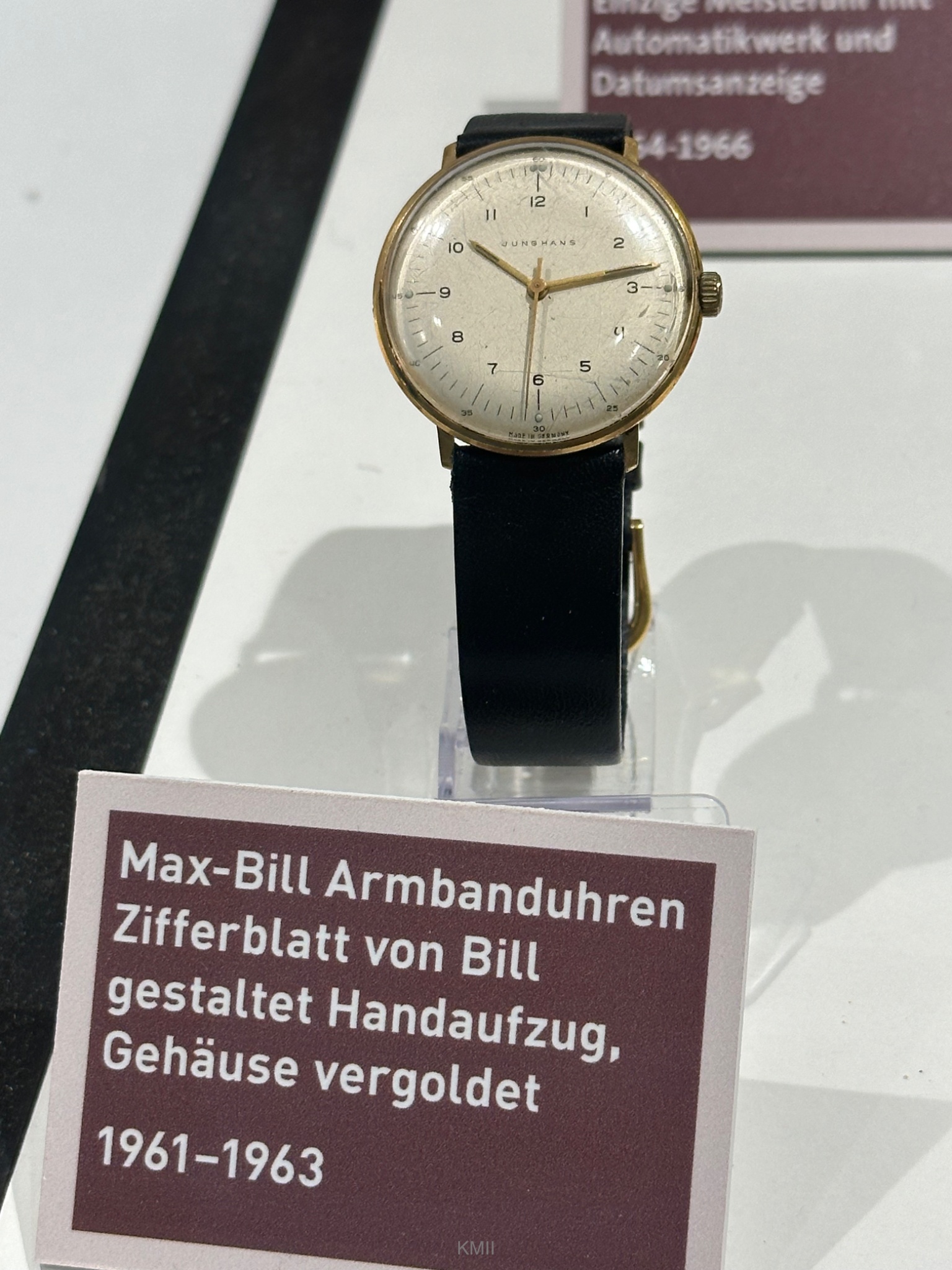
Max Bill - possibly the best known watch of the brand 🙌🏻
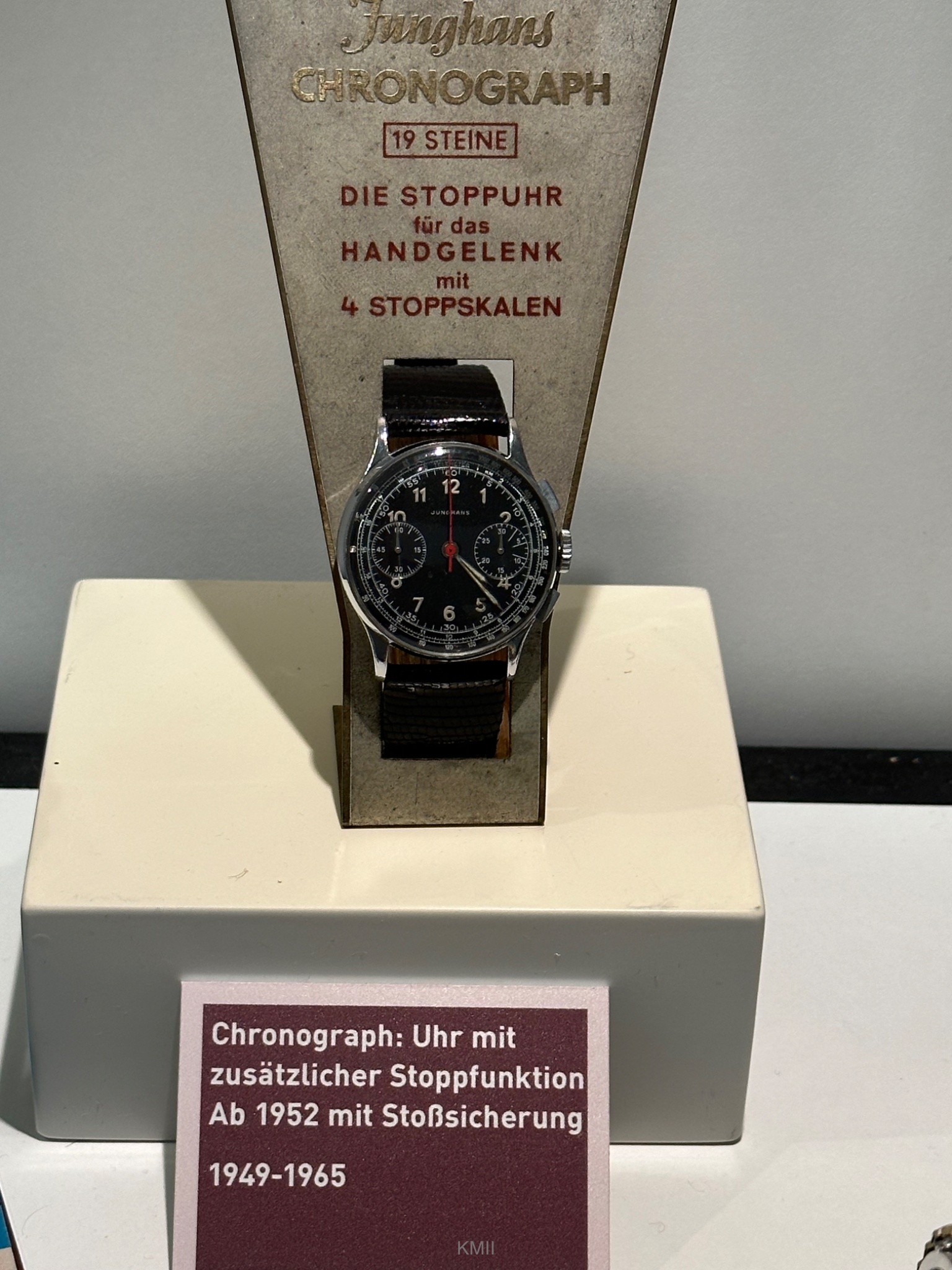
The Chronograph - also the basis for the post-WW2 Herman Airforce watch prior to the 1550 era.
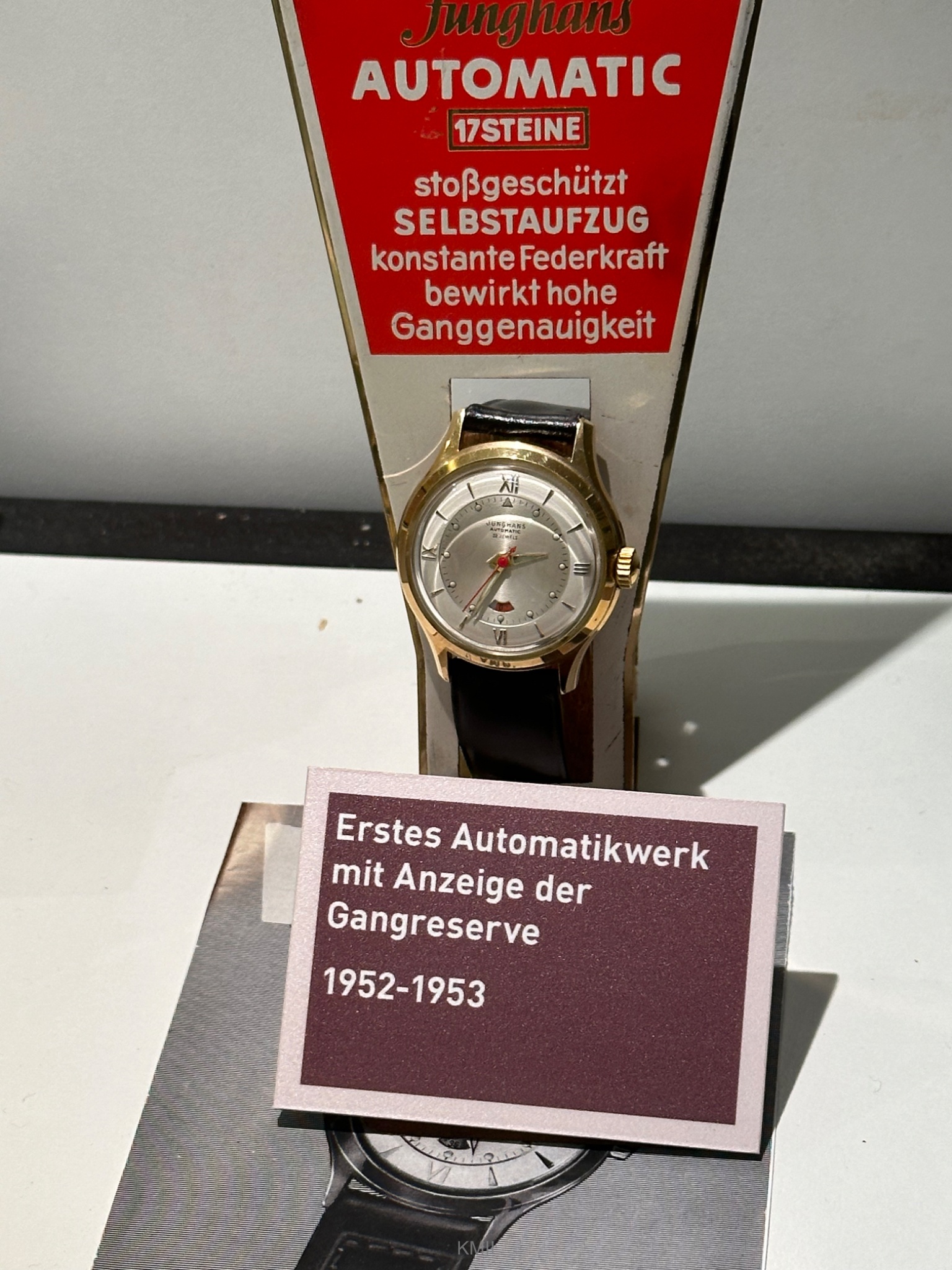
First automatic ⏱️
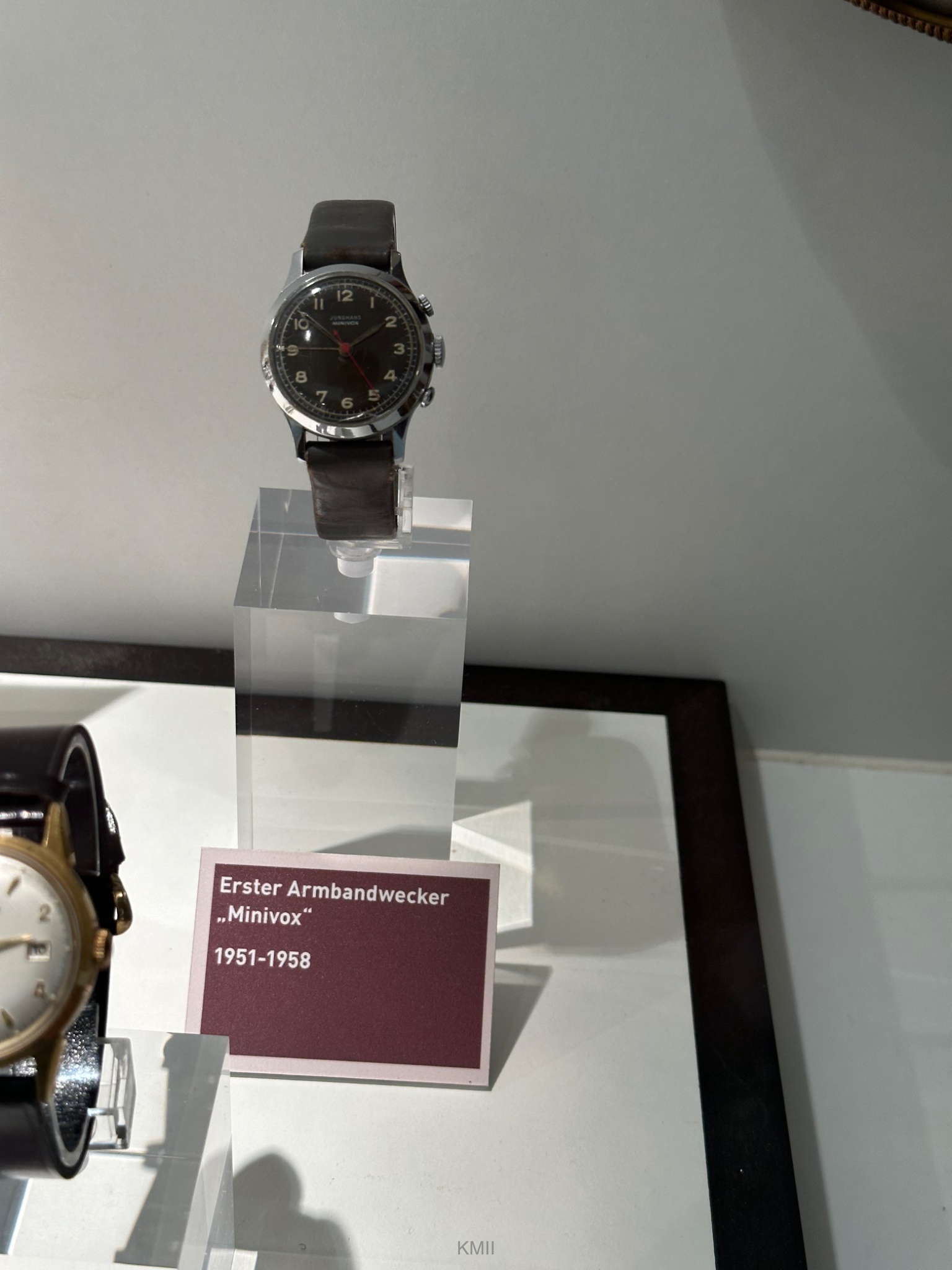
Alarm… (for JML? 😁)
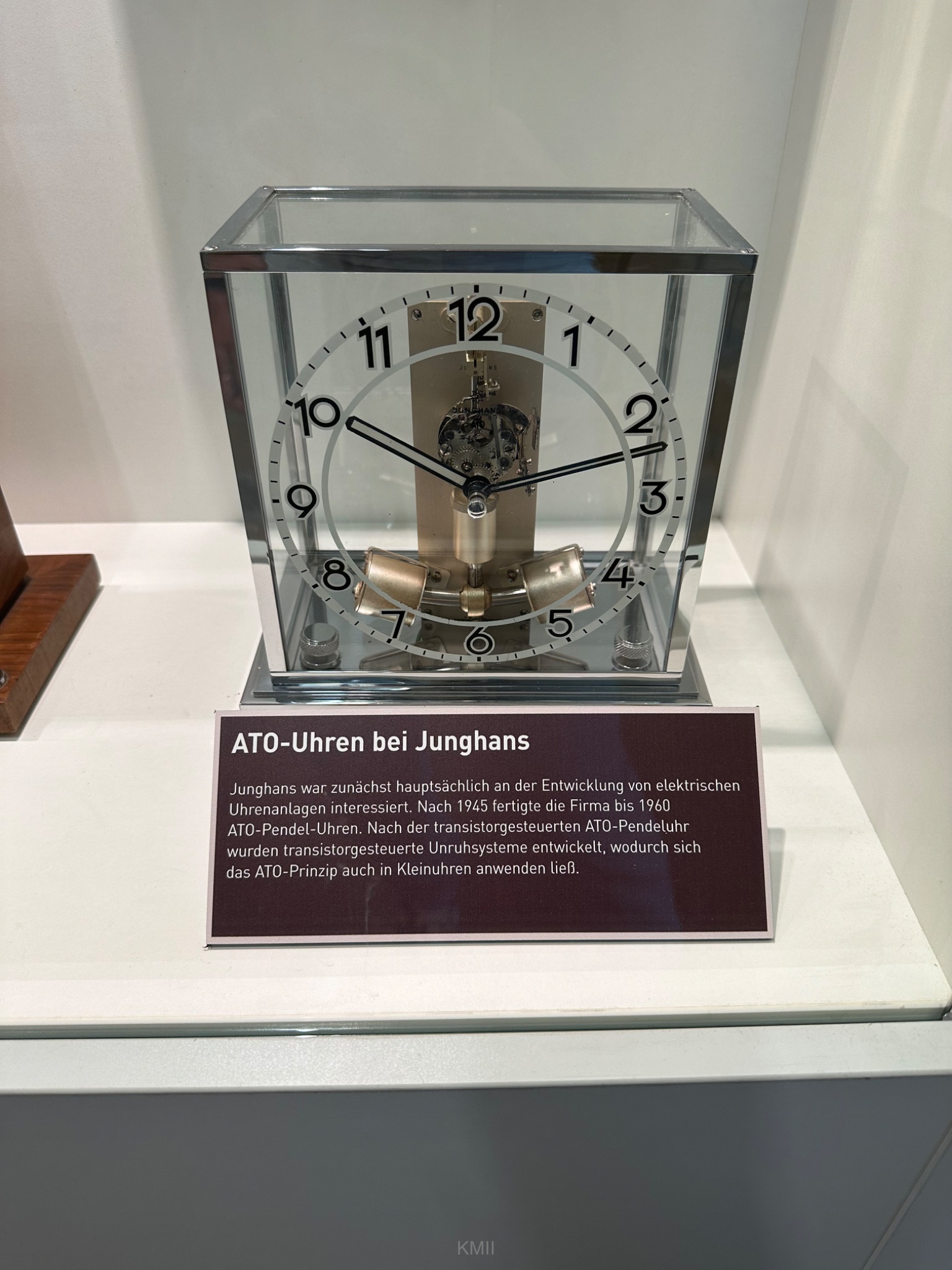
Transistor-steered ATO clock…
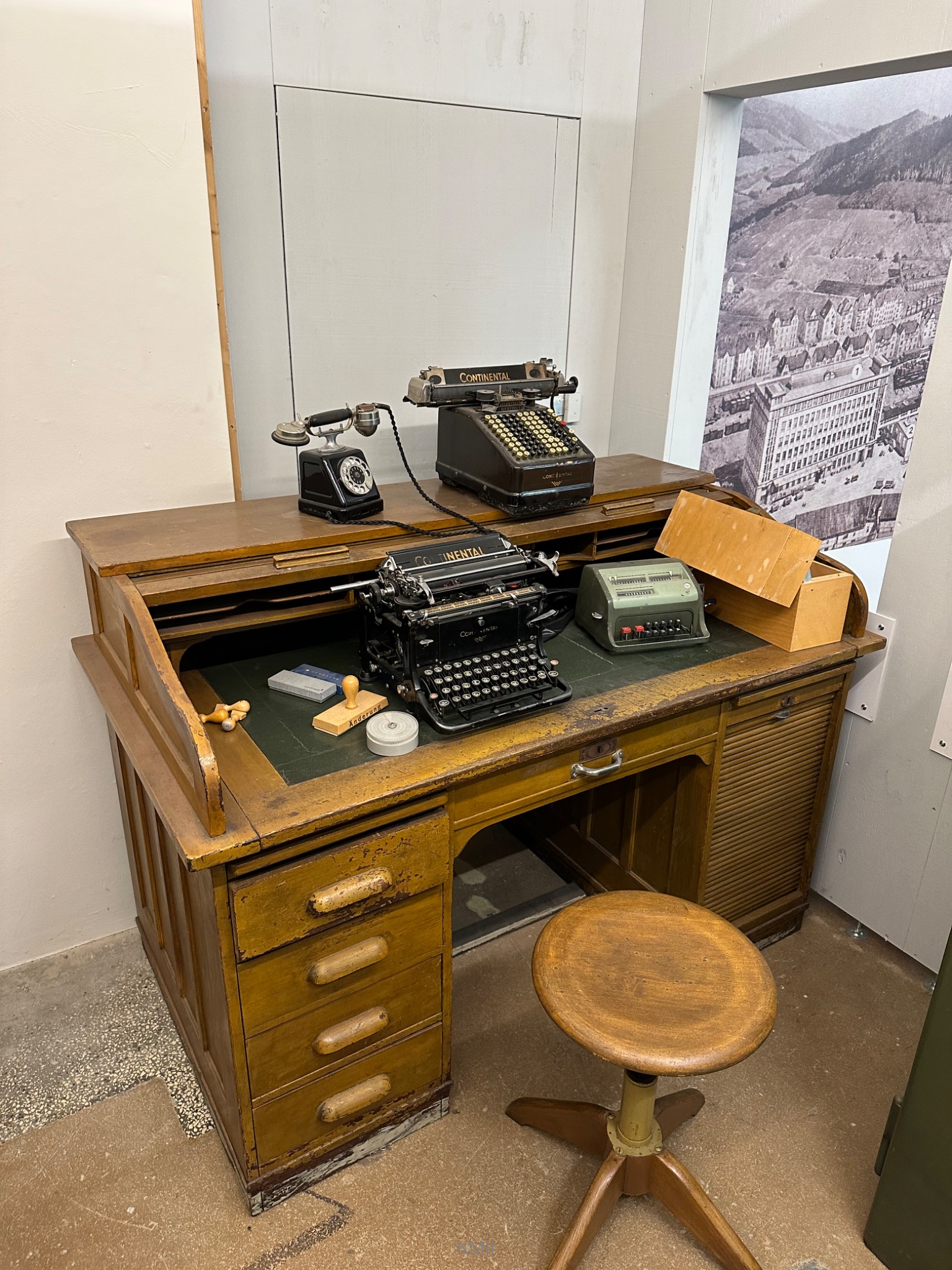
Workplace from back in the day ⌨️
And many more clocks and watches…
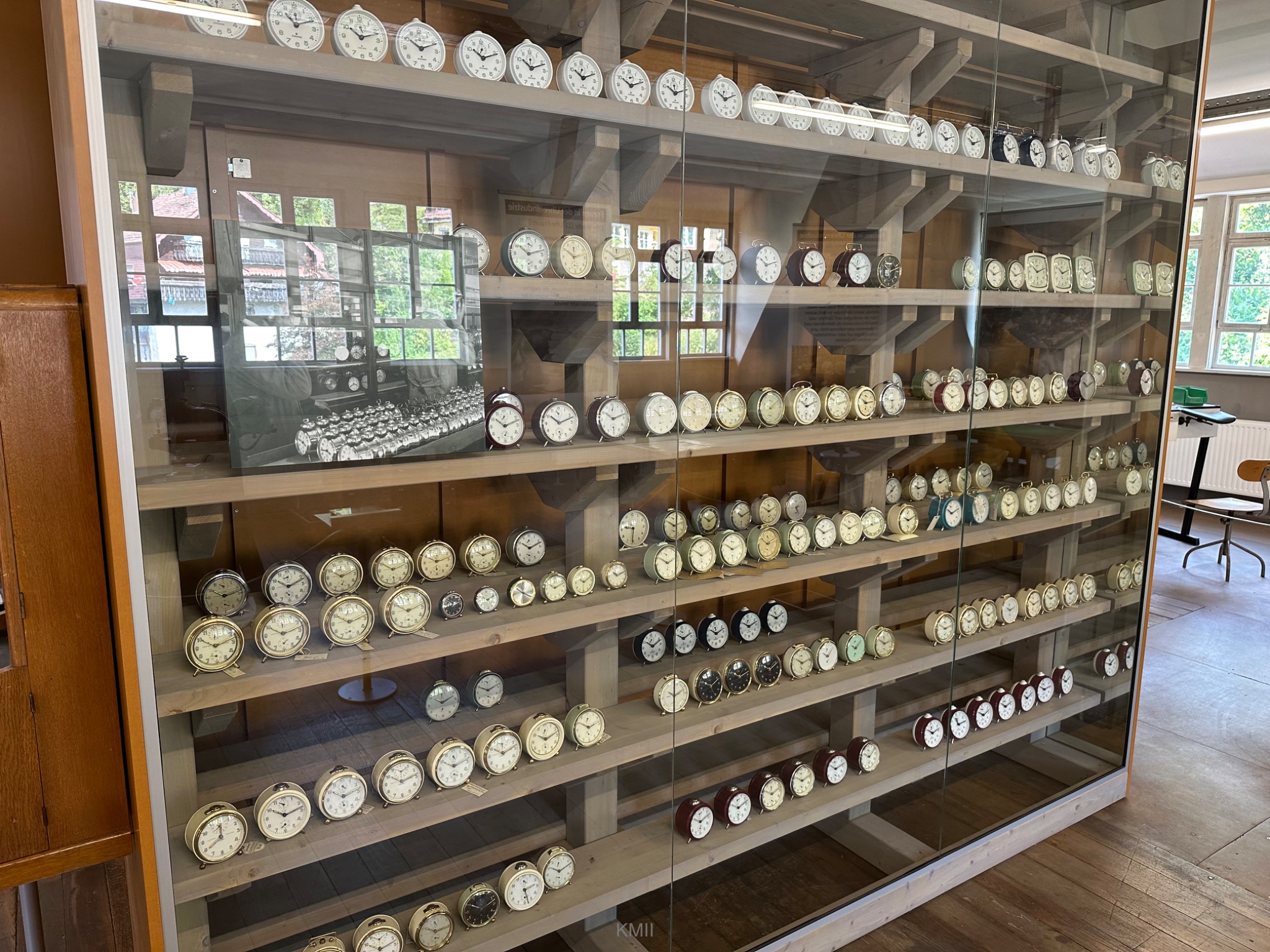
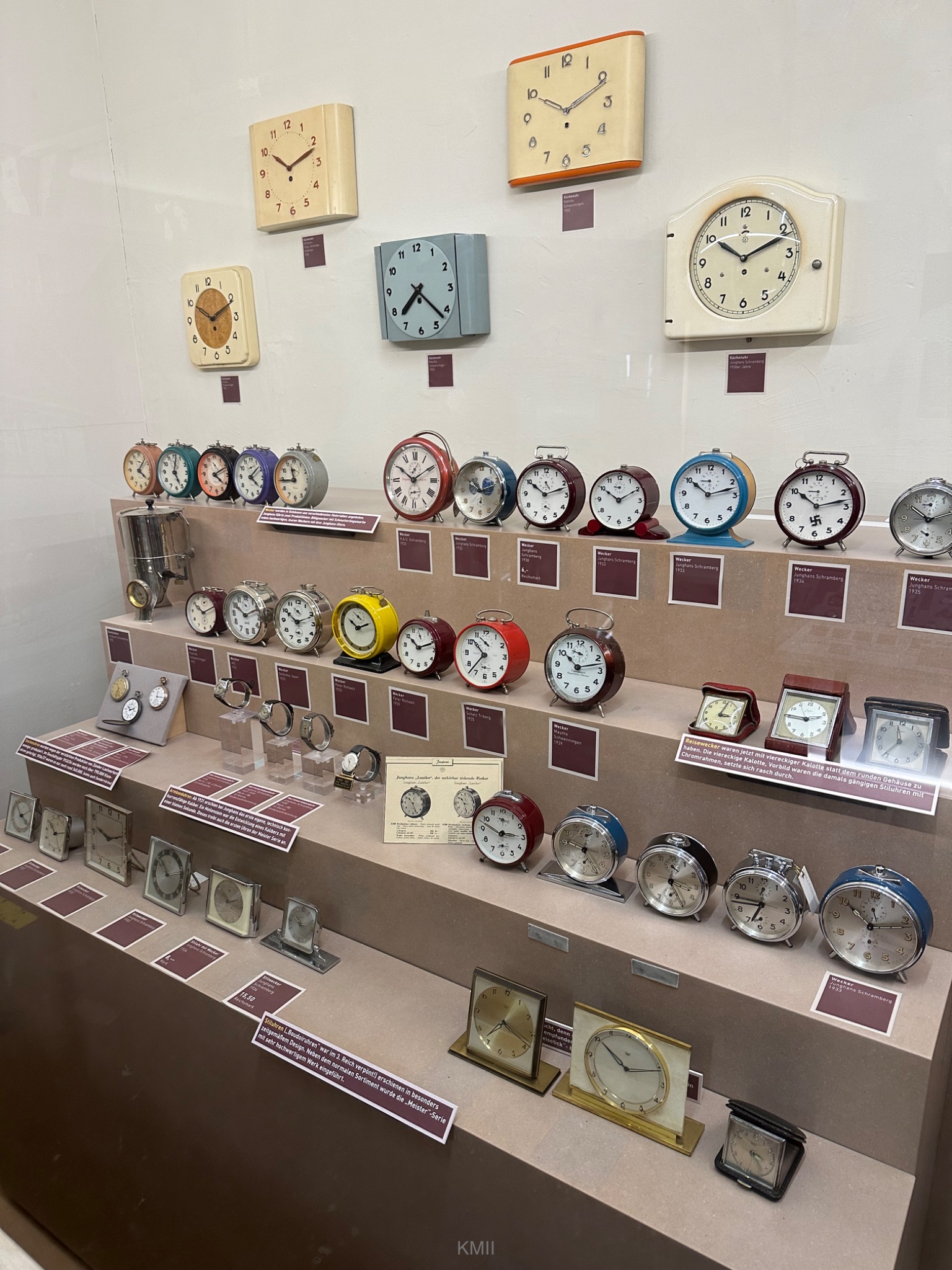
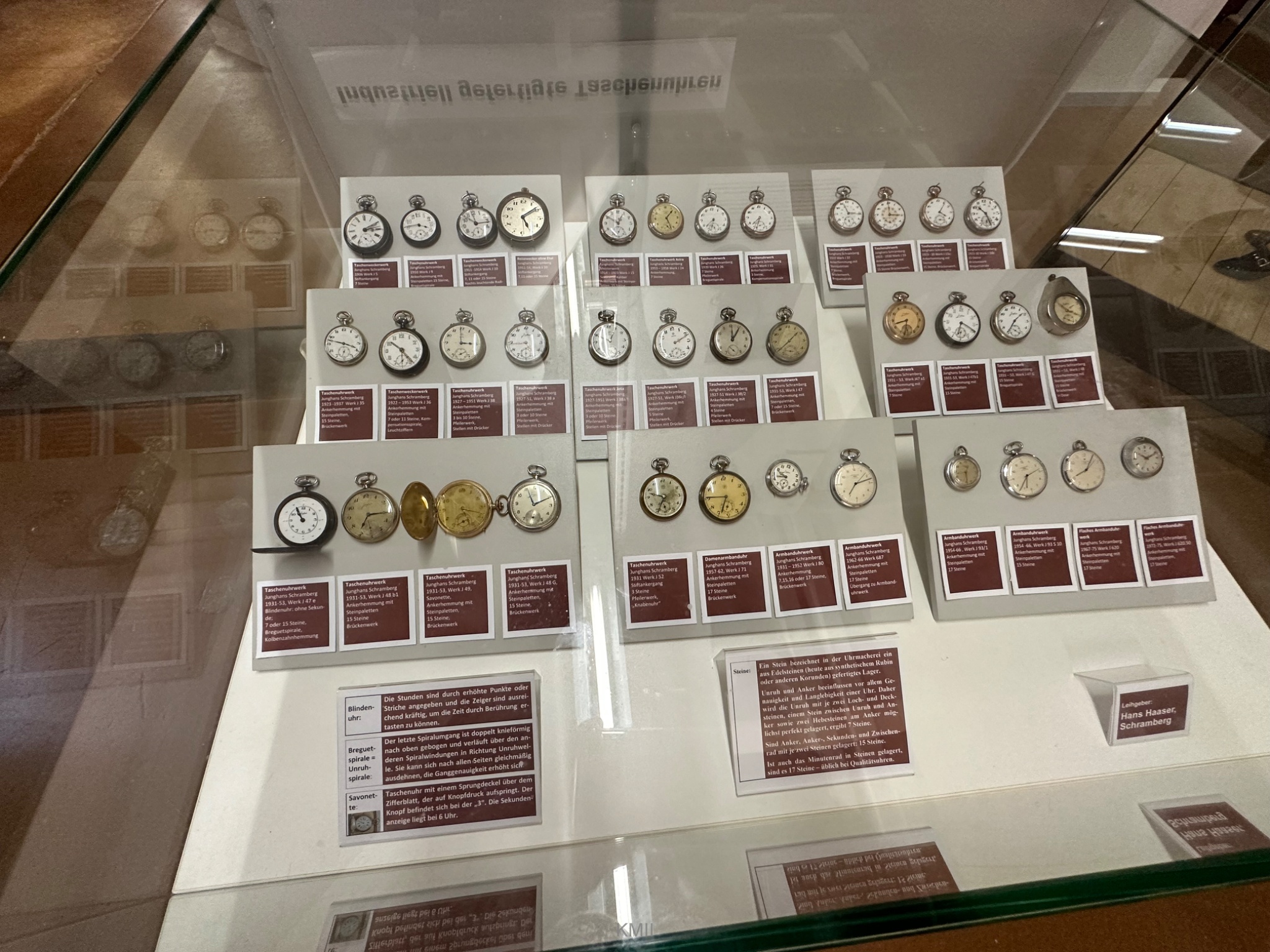
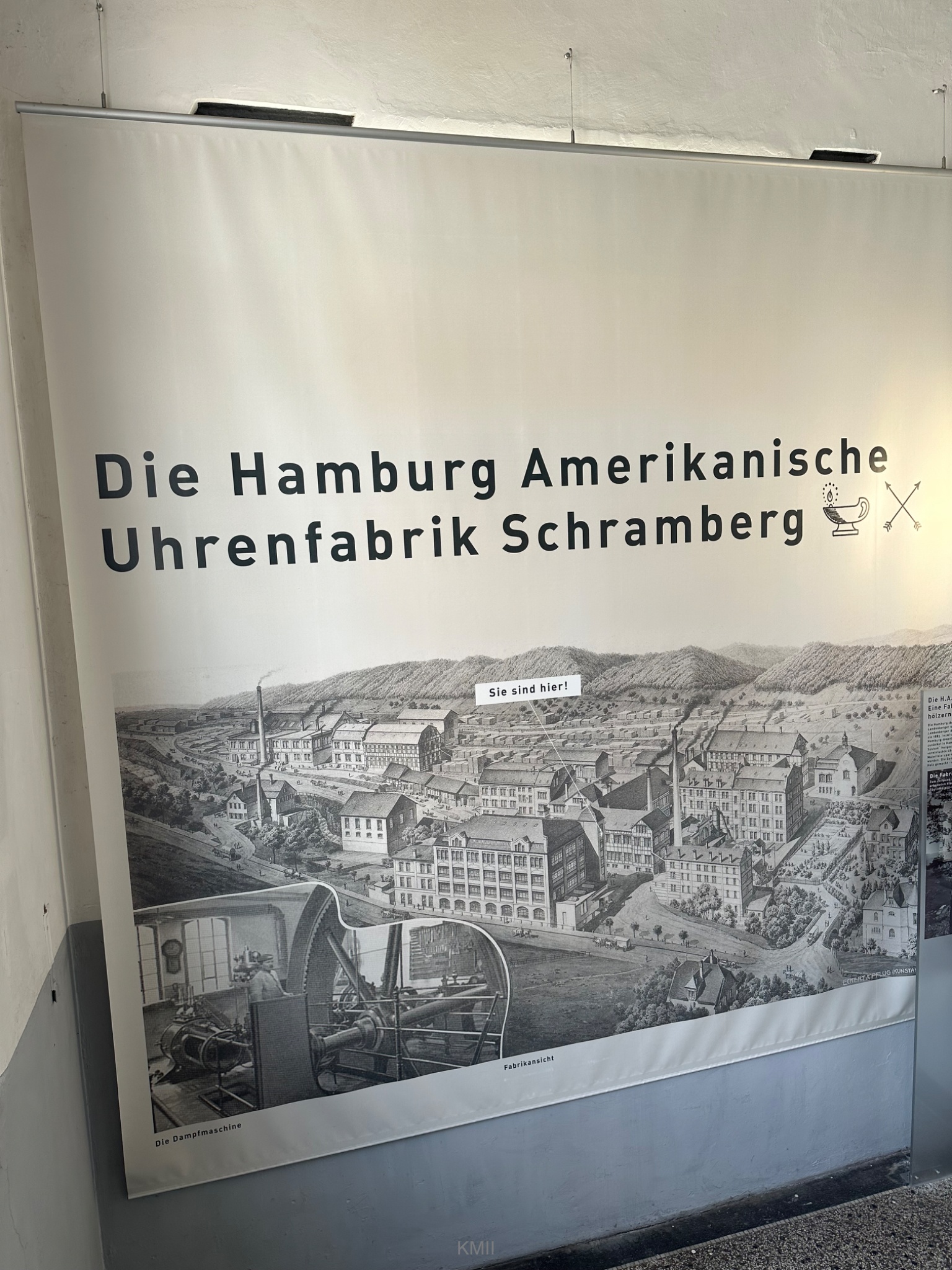
Obviously the Junghans brand is deeply embedded in the town…
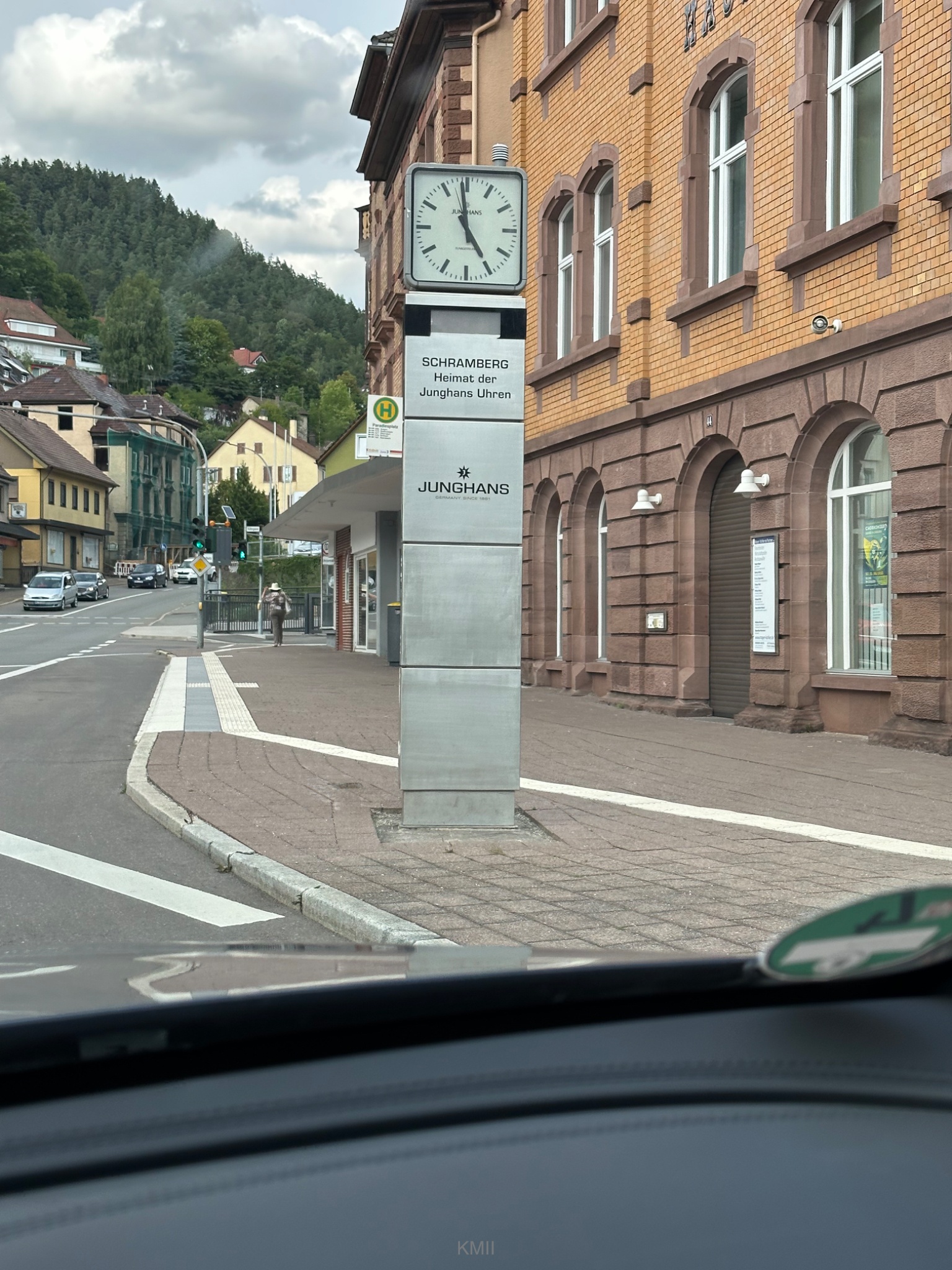
And the overall architecture of the town is a sight itself - in case whoever is accompanying you has less interest in watches.
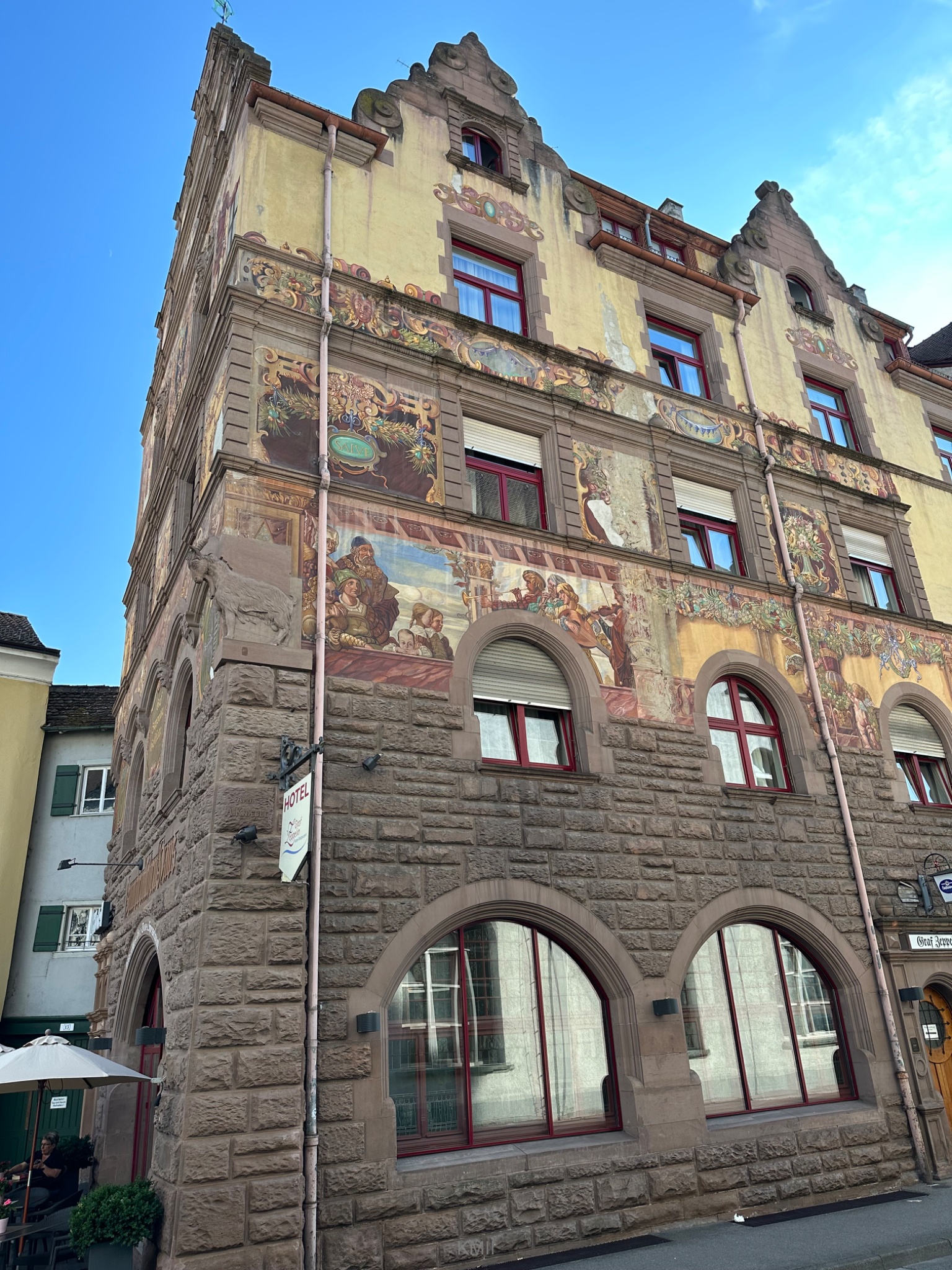
Hope you enjoyed this little museum presentation - if you want to look at a part of the watch industry history nowadays less commonly known about, it’s not that far from Stuttgart and I can highly recommend a look.
And if there is interest, I can put up some pictures of the cars and motorcycles in the museum, too 😊👍🏻
Junghans - the Uhren und Automuseum Schramberg ⏱️🇩🇪
Some weeks ago pkonos has presented his new Junghans timepiece and we discussed about the hometown of the brand and the museum landscape there. As mentioned in that thread there are two Junghans focused museums, the one in the manufacture proper and the U...
Great pictorial!
Thanks for sharing. You gotta love ads from the late 70s/early 80s, that Zeitwunder (Time Commander what a name!), no wonder everything feels boring nowadays
Back in the day…
When it was about progress, exploration and imagination, as opposed to rehashing the past 😉 Fully agree on the ads and names 👍🏻
Glad you enjoyed it 👍🏻
Here some cars. The focus is on the entry level mobility from the postwar era, with a lot of motorized wheelchairs catering to the post-WW2 war invalids. There’s many more - but the upload is being a bit temperamental at the moment 😉 ...

Those vehicles have so much character!
The MB and the Champion 250 for me! The three wheelers are a hoot!


Now I know where to look for inspiration when I get to that age:)))
Some are actually quite good looking!
At least interesting…
And go to show that there’s rarely something completely new under the sun 😁

What an Amazing Museum ❤️👍
Thank You for the fantastic tour, felt we were with you. The Mega 1 is a revelation, need to check it out in more detail. 1970s-80s Japan and Germany, at the top of their game. The Upside down Astro Quartz and the German Airforce Chronograph were my favor...
Glad you enjoyed the little virtual tour 😊👍🏻
The Mega 1 was indeed Mega back in the day 😁 Before the days when a different colored dial was considered innovation 😂

Wow thanks for the write up
I really enjoyed reading post like this. Appreciate your time to put this together 🙏🏻


Thank you 🙏, KMII, for remembering my request and for kindly putting together that pictorial! 👍😀
Wonderful, your photos have made me feel like I was there. I was interested by your references to the clock and watch industry in the Black Forest area, and was especially intrigued to see the early M ax Bill model and the Junghans Mega 1 which must've be...
Glad of it gave you a filler background / picture 😊👍🏻
And you enjoyed it. Also posted the cars in response to Larry’s wish above in case you are interested.


A tad different from your common, highly polished brand museums 😊
But quite a treat irrespective 😉 And can combine it with some fine driving roads in the vicinity, too 😁🏁

Thanks for the very enjoyable visit!
Some interesting and nice timepieces here and a nice slice of watchmaking history. Best, Emmanuel
Thanks so much 👍🏻🙏🏻🙏🏻🙏🏻
Glad you enjoyed the virtual tour (pictures were taken years ago unfortunately). The one large piece of Junghans history not featured (possibly in the other museum) is the Lufthansa Boeing 737 ‘Landshut’ hostage situation, where the pilot was almost kille...
I wasn't aware of this hijacking and didn't know that the Junghans logo had been misinterpreted...
Sad story, really. Like you, though, I like his sense of humour!
There was an article about it recently…
Will check if I can find the link somewhere 😉👍🏻