
Bruno.M1
4925

Zenith Bologna ...
I was doing a bit of research on the Zenith Bologna because I’ve always found that reference particularly special. I know the general history, but learning a little extra never hurts. So I ended up having a kind of discussion with ChatGPT… after entering some of my own thoughts and going back and forth, this is what came out as an explanation for why the Bologna series was created, along with why other brands did something unique for the Italian market.
What I find strange, though, is that Zenith has never really communicated about it. I can’t find anything in their catalogs or books. Manfred Rössler’s book mentions the series, but only briefly. I once sent an email to Zenith myself, but unfortunately, I never received any additional information about the Bologna series.
Why the Bologna Line Was Created
The Zenith Bologna, or Bolognese, models emerged in the late 1980s, during a period when Zenith sought to re-establish the El Primero as a flagship chronograph. While technically iconic, the movement needed commercial reinforcement. Italy played a key role, as demand for exclusive, artistically crafted gold watches was particularly strong, with a preference for small, limited editions that stood out from standard catalog offerings.
Collaboration with Andreoli Guglielmo
Zenith partnered with Bolognese master goldsmith Andreoli Guglielmo, known for his high-quality 18k gold cases. His craftsmanship combined with Zenith’s Swiss precision produced watches that were both technically excellent and visually striking. The cases were heavier and more luxurious than Zenith’s standard gold offerings, perfectly aligning with Italian tastes for bold, prestigious timepieces.
Focus on the Italian Market
The Bologna models were sold primarily through Italian jewellers and importers, with minimal international exposure. With a Swiss heart, the El Primero Calibre 400, encased in Italian-crafted gold, these watches became instantly recognized as special editions. Their semi-exclusive status made them highly desirable to local collectors and connoisseurs.
Ultra-Luxury Positioning
This project allowed Zenith to position the El Primero at the top end of their luxury range. Heavy 18k cases, small production runs, and artisan finishing by an external specialist created flagship pieces without taxing Zenith’s own production resources, which reduced cost and risk while enhancing prestige.
Marketing, Prestige, and Exclusivity
Zenith understood that rarity and unique collaborations greatly enhanced a watch’s appeal. The Bologna watches were seldom listed in official catalogues, carried a distinct Italian signature, and were produced in limited quantities. Their exclusivity, combined with artisanal involvement, emphasized the luxurious nature of the El Primero and increased desirability among collectors.
Cultural and Aesthetic Value
By working with Guglielmo, Zenith tapped into Italy’s rich tradition of high-end gold and jewelry craftsmanship. The watches featured rounder, softer case lines, richer gold finishing, and an unmistakable Italian elegance, contrasting with the more technical appearance of standard El Primeros. This cultural crossover added both artistic and commercial value.
Chronological Background
The El Primero was revived around 1980–1981 after near discontinuation in the 1970s. By 1984, Italy had become a major high-end market with strong demand for gold and exclusive models. Between 1987 and 1989, Zenith began collaborating with Guglielmo, producing the first “06-xxxx-400” references. The Bolognese series officially appeared between 1989 and 1994, mainly through local dealers, and gradually disappeared by the late 1990s, gaining rarity and mystique due to limited documentation.
Key References
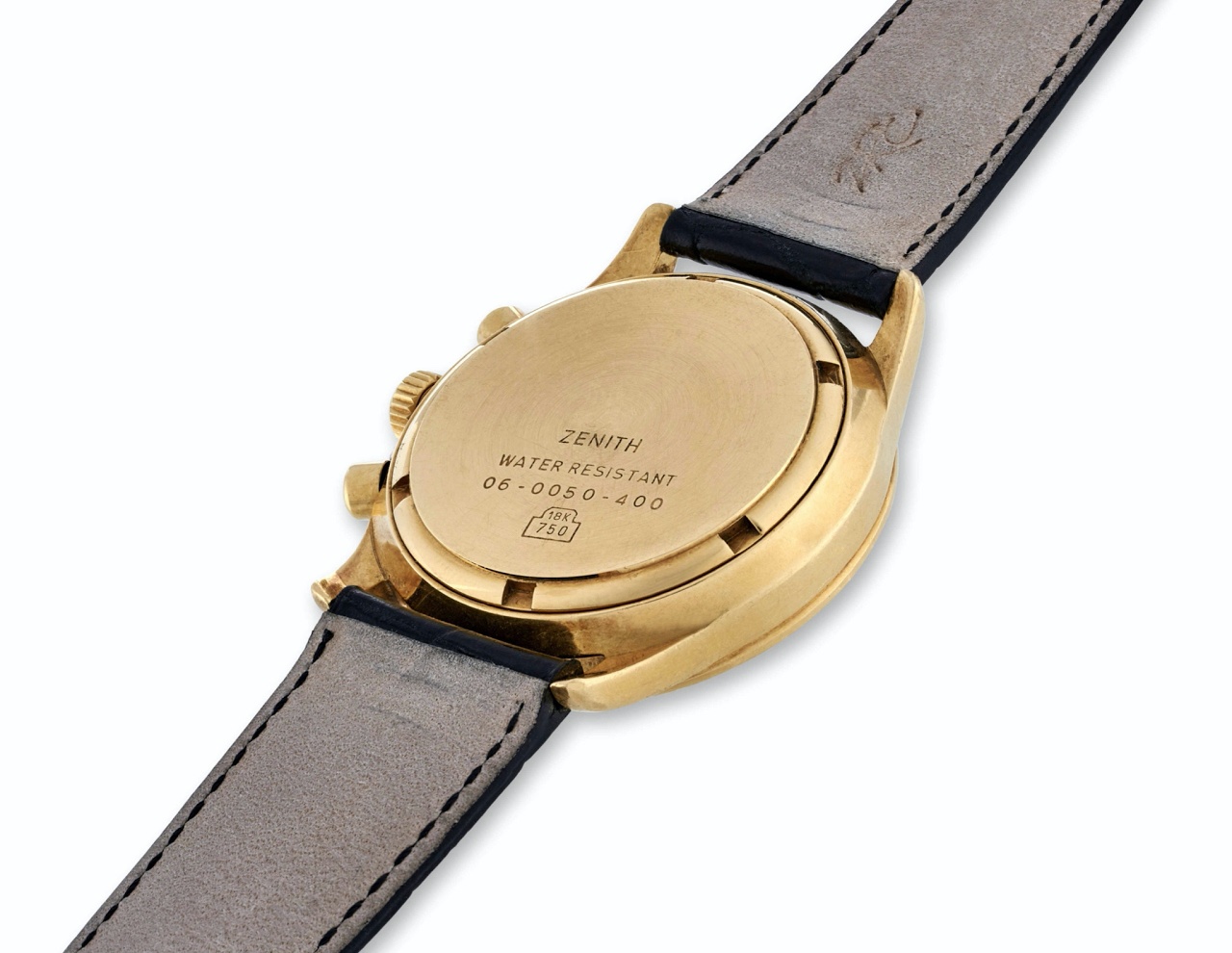
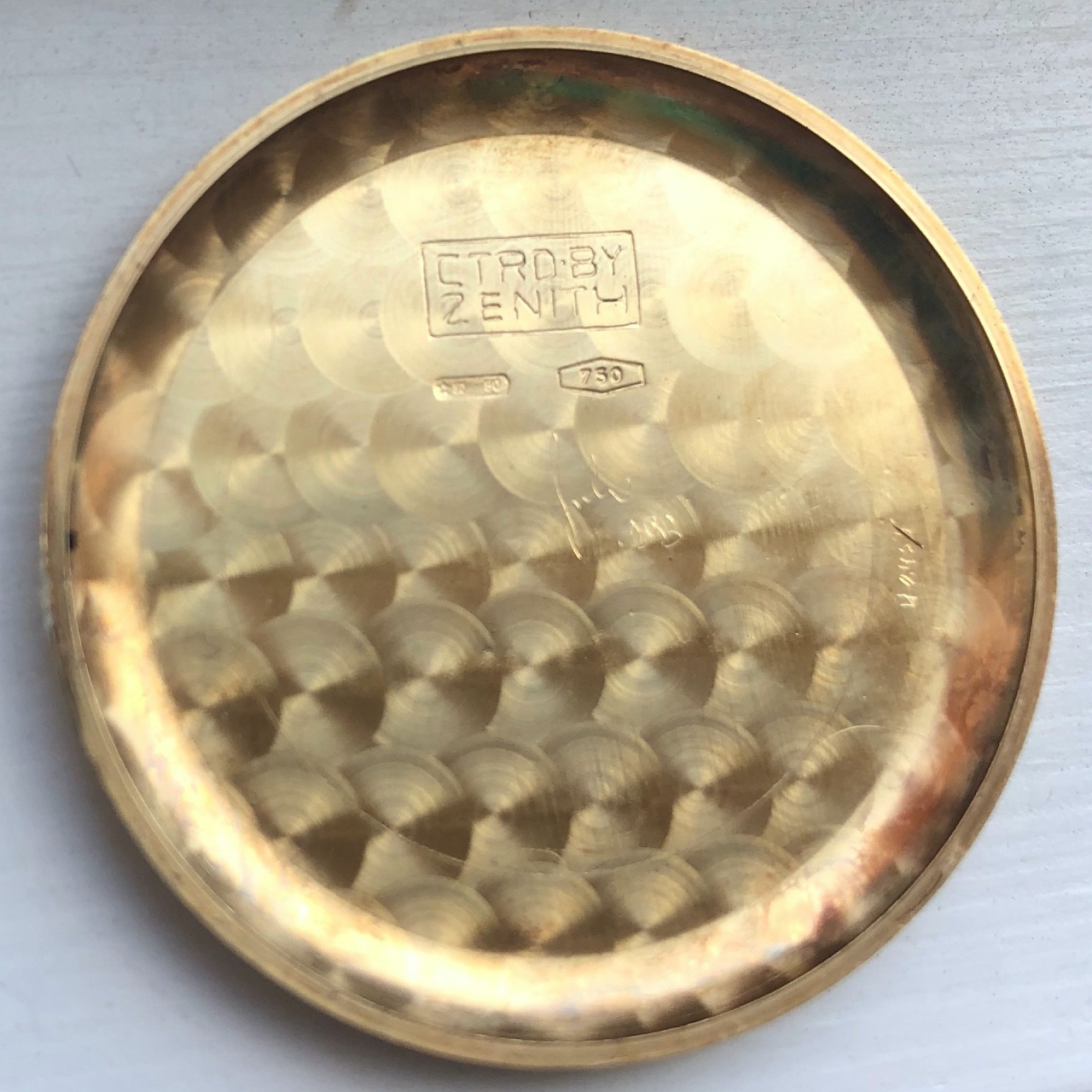
The 06-0250-400, produced around 1989 in approximately 200 pieces, features a heavy 18k yellow-gold case weighing about 42 grams of pure gold, housing the El Primero Calibre 400. Markings include “50 BO,” “750,” and “CTRD BY ZENITH,” with some examples fitted with Italian leather straps and gold buckles by Guglielmo. The 06-0210-400, produced from roughly 1989 to 1994, is more elegant, often with a silver dial, domed sapphire crystal, and Italian leather strap. It appeared in smaller batches and is the most commonly encountered Bologna model today. Rare variants exist with slightly different lugs or more decorative dials, often commissioned for individual Italian jewellers.
Comparison with Other Italy-Specific Zenith Models
Like many Swiss brands, Zenith produced other Italy-focused editions in small series and in collaboration with local artisans. The Bologna line is unique because the cases were entirely crafted by an external goldsmith, the cases are significantly heavier than typical Zenith gold watches, and they bear the distinct “50 BO” marking. They are true Swiss-Italian hybrids: Swiss movement paired with Italian case design and finishing.
Other Italian-Specific Editions by Swiss Brands
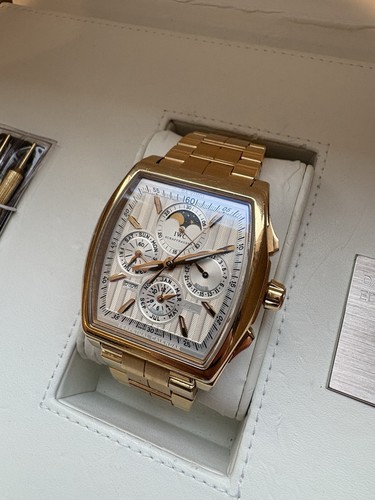
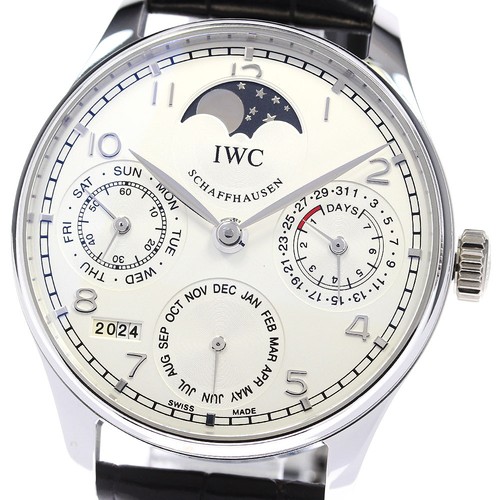
Zenith was not alone in creating special editions for the Italian market during this period. Omega produced the Speedmaster Professional “Italy 1997” for the 40th anniversary of the Speedmaster, limited to 500 pieces with a unique white dial and blued hands. In the 1990s, the Seamaster 300M saw small-batch Italian editions with slightly different dials for distributors and jewelers. Audemars Piguet offered Italy-specific Royal Oak models in the mid-1990s, including the 14790ST and certain Jubilee editions, often featuring unique dials for Italian retailers, reflecting the country’s strong influence on AP’s design choices. IWC produced Italian editions of the Novecento Perpetual Calendar and slim Portofino Calibre 3520 watches, crafted in runs of 50–200 pieces, responding to Italy’s preference for thin, elegant gold dress watches. Cartier created the Tank Louis “Pisa” editions and Santos Galbée boutique editions, with exclusive dial colors and limited runs sold only through Italian boutiques. Even Girard-Perregaux catered to Italy with special Ferrari chronographs, such as the F1-047, featuring unique dials and sold through Ferrari’s Italian dealership network. In all these cases, the Italian market drove production decisions, aesthetics, and exclusivity, just as it did for Zenith’s Bologna line.
Summary
The Zenith Bologna models were the result of a late-1980s collaboration with Andreoli Guglielmo, targeting an Italian market hungry for luxurious, artisanal gold watches. With heavy 18k cases, limited production, and a distinct Italian style, these El Primeros gained a unique identity outside Zenith’s standard collection. References 06-0250-400 and 06-0210-400 are the most recognized, alongside rarer mini-run variants. Their exclusivity, limited documentation, and combination of Swiss movement with Italian craftsmanship make them highly sought after by collectors. Like other Swiss brands of the era, Zenith recognized the value of creating Italy-specific editions, blending technical mastery with local artisan traditions to produce watches that were both culturally and commercially distinctive.
Available on the marketplace


Zenith Bologna ...

