Comments:


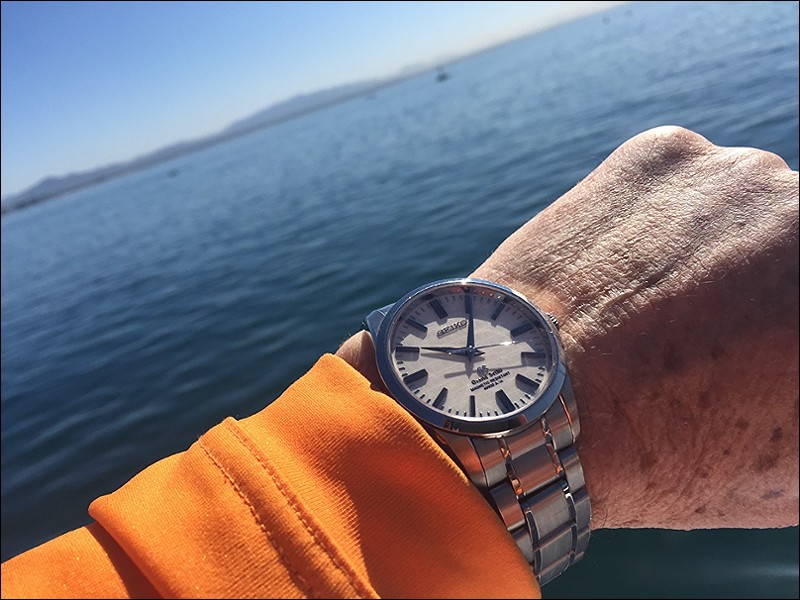
Just like a hairspring, only larger ... the central solenoid magnet
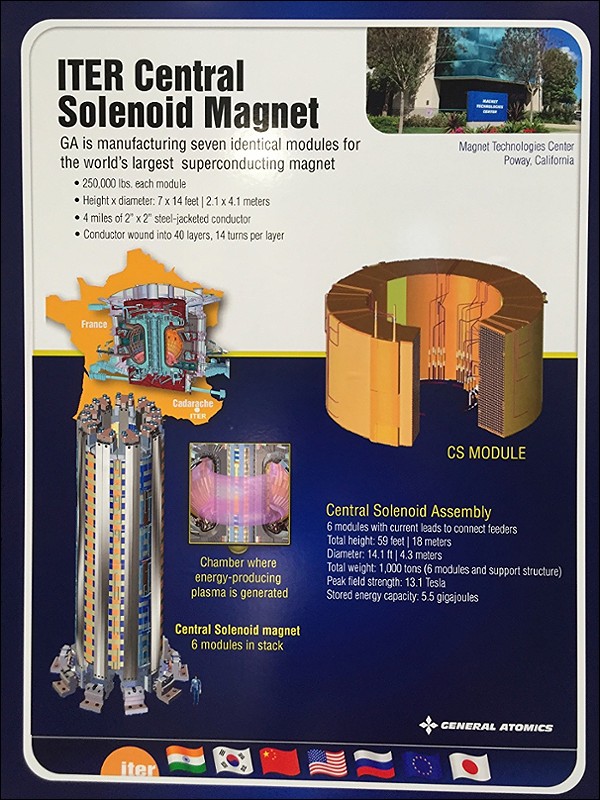
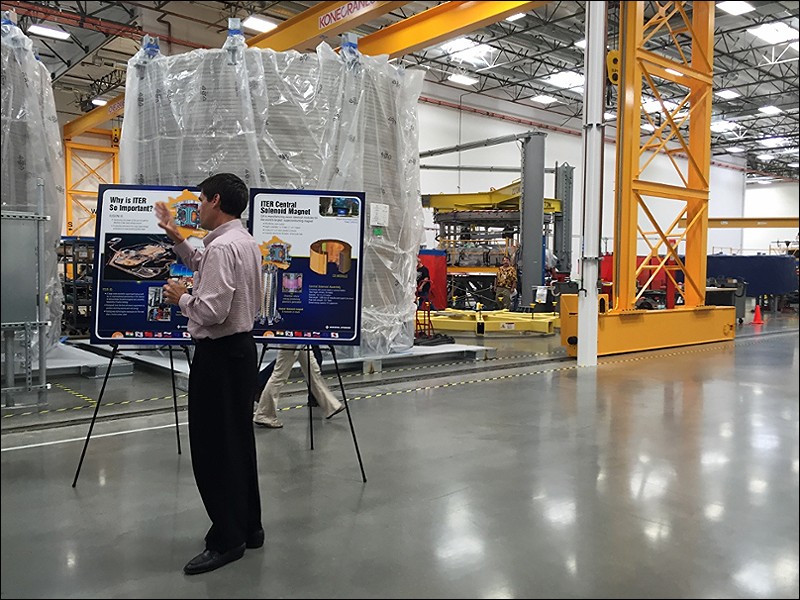
Yesterday the Mrs and I had an unprecedented opportunity to see the production line for the Central Solenoid Magnet. This project is creating the world's most powerful electromagnet - eventually to be major component of the ITER atomic fusion reactor, now under construction in the southeast corner of France.
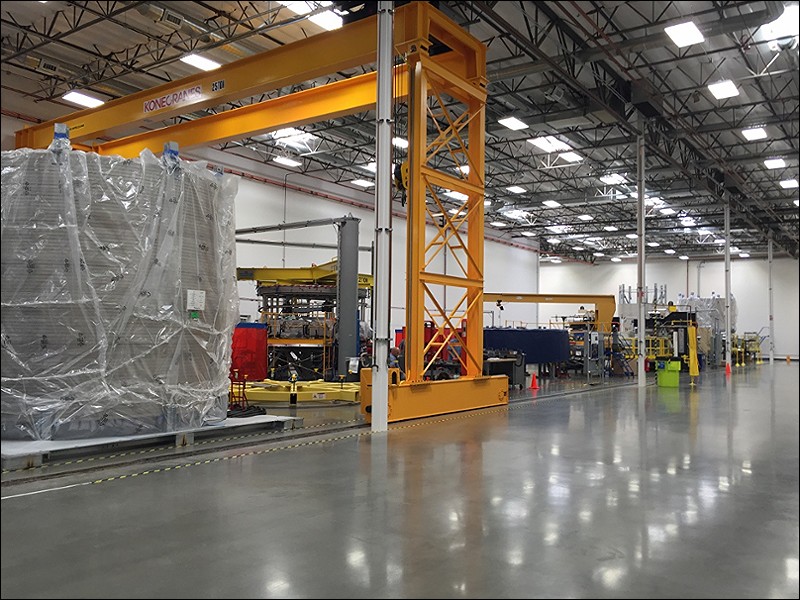
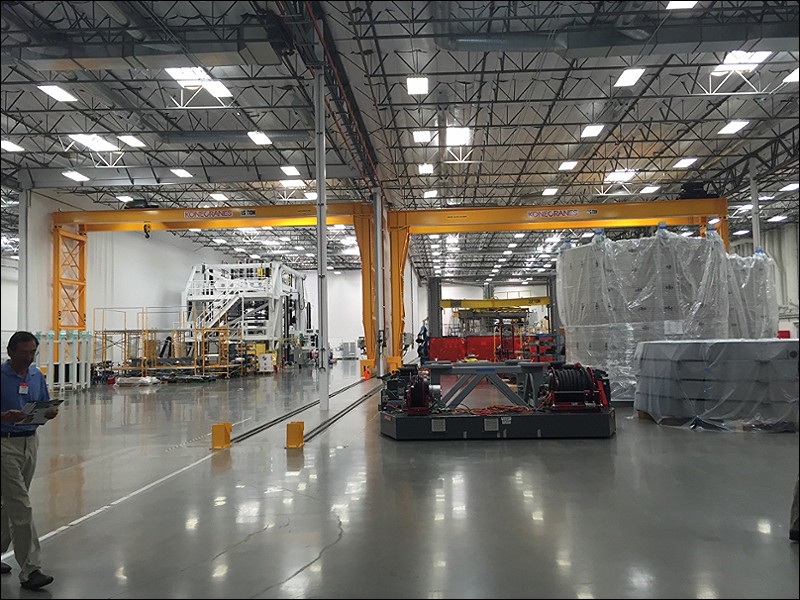
Here's what it looks like inside. It's clean. The floor is flat, polished concrete, and two feet thick! The grey stuff at the left is 1/2 mile of stainless steel tubing.
In essence, the project can be defined like this:
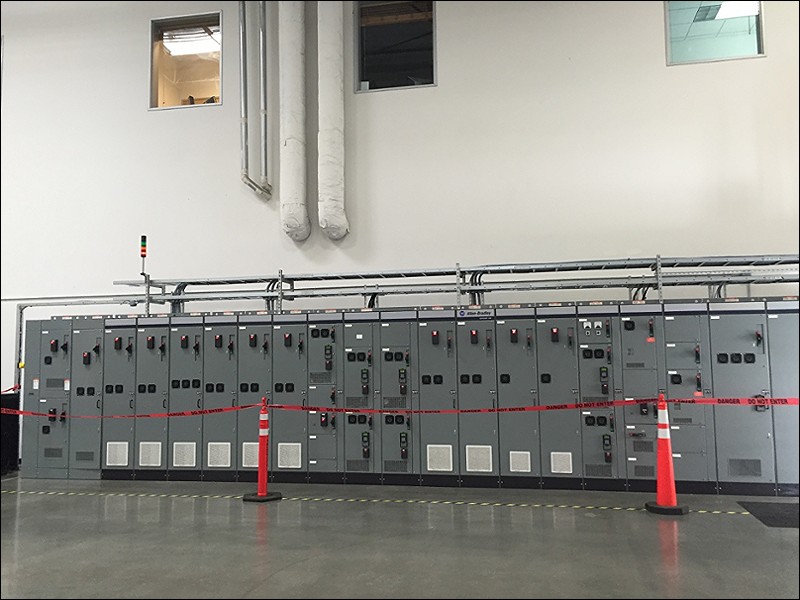
The circuit breakers for the electrical power used in the process. The engineer said "it's not very much" but it seems like a lot of breakers to me!
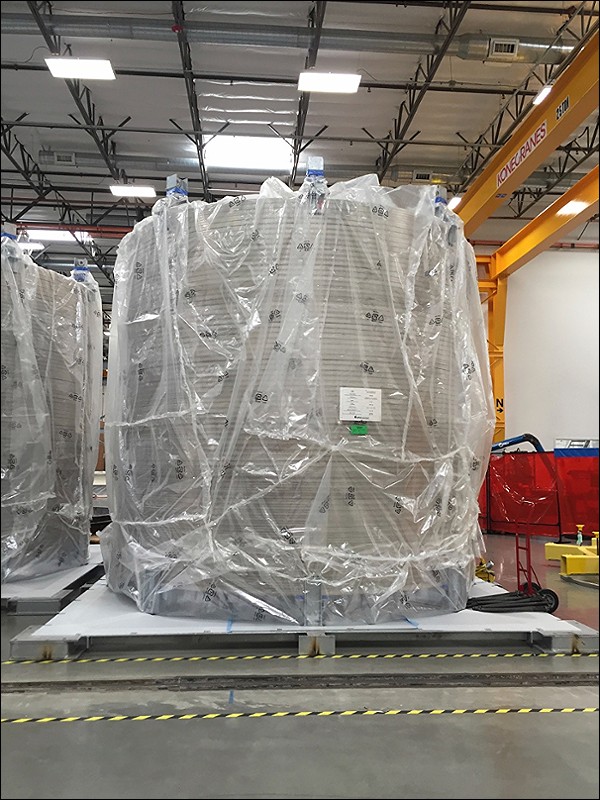
These coils of material come from Japan. Each stack of stainless tubing, wrapped in plastic, is worth about $35 million.
There are lots of these sitting around.
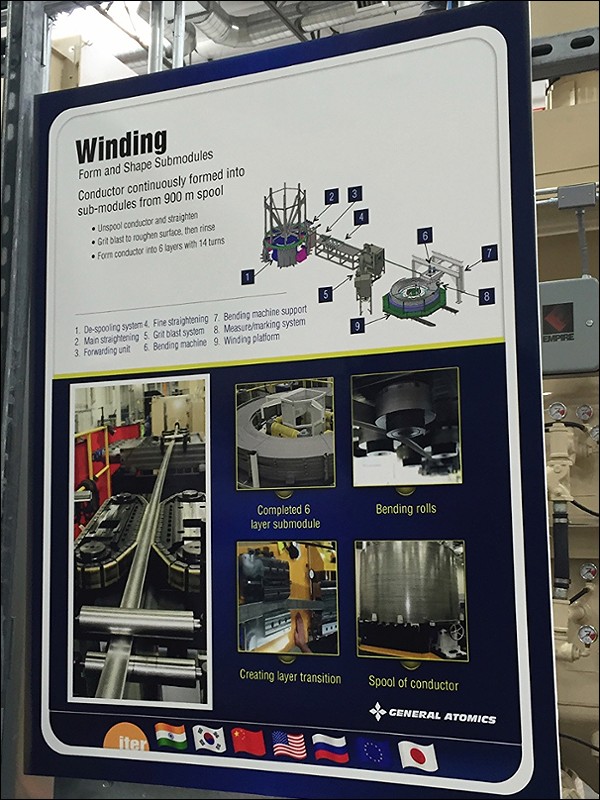
The coils are unwrapped, straightened, sandblasted, cleaned, and re-formed into a precisely-defined coil shape. Just like a hairspring. In this case, a hairspring with 1mm tolerance.

This message has been edited by cazalea on 2015-10-03 11:24:23 This message has been edited by cazalea on 2015-10-04 18:12:19
THE FUSION REACTOR THEORY
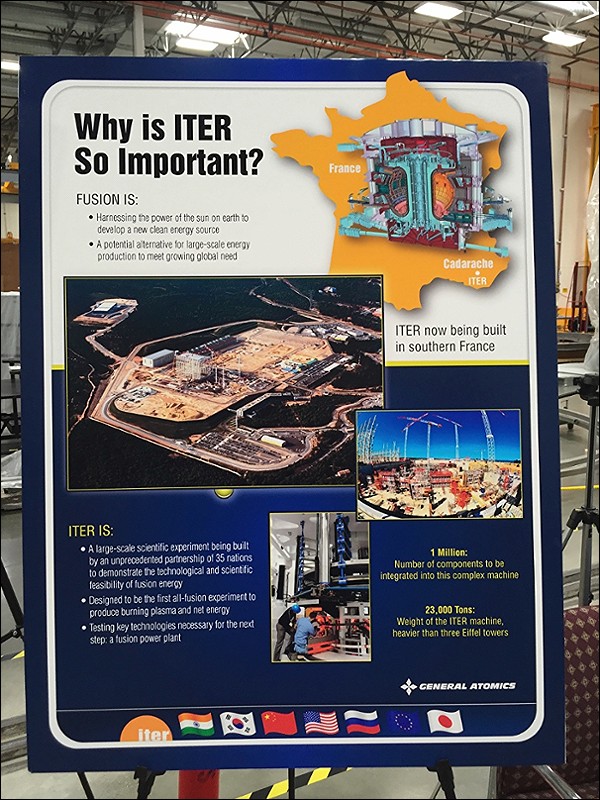
Fusion power (READ ABOUT IT) is the holy grail of the energy business. Instead of splitting atoms, which is called FISSION and can blow up the world, this approach involves jamming atoms together to form new elements - hence the name FUSION. No radioactivity, no dirty mess to clean up afterwards, and tons of power developed quickly. A win-win for everyone, right? The only problem is the difficulty of making it work.
A friend of ours started working at General Atomics almost 50 years ago, and they expected to have a working reactor at the end of the SEVENTIES. Here we are in 2015 and no one in the world has yet made a fusion reactor that produced more power than it consumed. Apparently a few million degrees (higher than the temperature at the center of the sun) is required to make this work, and generating and containing that temperature is a VERY difficult thing. The current candidate for the best containment vessel for such a reaction is the TOKAMAK container.
THE ITER PROJECT
The ITER project (an acronym whose original meaning is uncertain and irrelevant) is a cooperative venture by 35+ nations to build a fusion reactor. Each country is contributing (and paying for) components that take advantage of their particular expertise. At some point all of the 1 million pieces will have arrived and will be assembled. In project management terms, it's a PITA and perhaps exceeds the British-French collaboration to build Concorde by a factor of 1000!
At some time in the future, perhaps 2020 or so, this reactor will be fueled up, set in motion, and run for 10 minutes. That's right - it's a test unit that can't really run constantly to produce electricity. But leaving that aside, let's look at what the US of A is creating -- the central solenoid magnet.
THE CENTRAL SOLENOID MAGNET
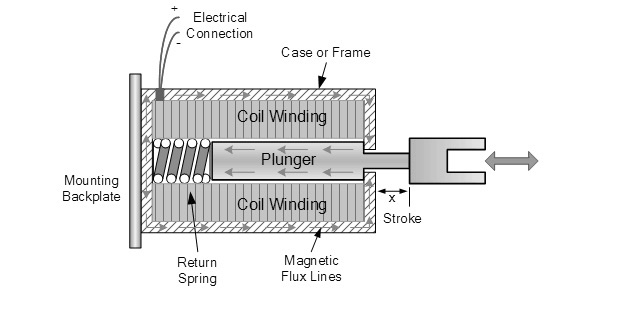
When electric current is passed through a conductor wound in a coiled shape, an electric field is generated. This is commonly called a solenoid, and the most familiar use might be to actuate your car's door locks. Press a button, current flows through a coil, a metal rod in the center moves, and Clunk, the doors are locked.
Why is this useful? Because not only can the coil move a little rod to lock a car door, the coil can produce a magnet field strong enough to contain anything, even millions of degrees of temperature and subsequent fusion reactions.
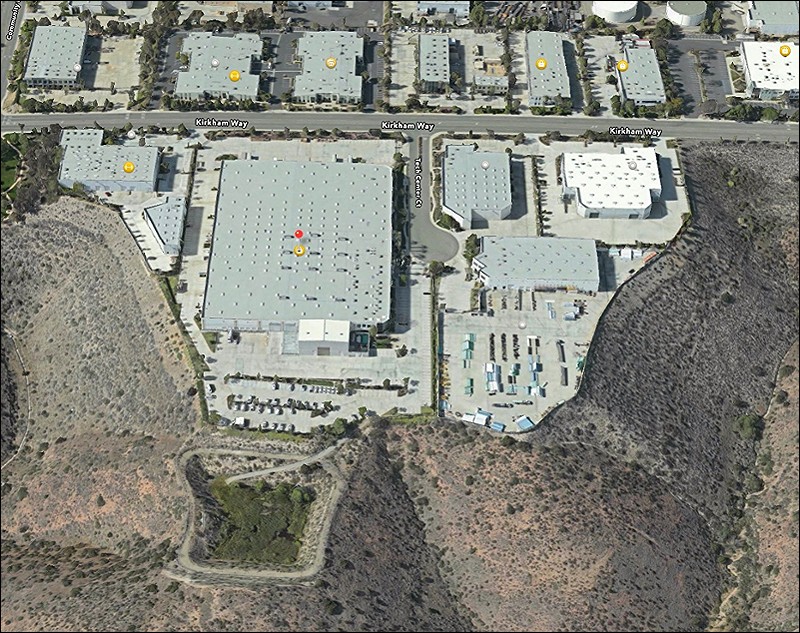
Today I will just describe the giant solenoid coil winding being built in a facility across the street from the office where I worked for 10 years creating mathematics textbooks for kids. Marked with the red dot in the photo below, this building used to be a warehouse filled with Halloween costumes. Now the business park is focused on research and technology companies, and this building is owned by General Atomics. (They are perhaps more notoriously known for Predator drones.) This particular facility is exclusively dedicated to building just seven electromagnets. That's right. Six working magnets and one spare.
Here's what it looks like inside. It's clean. The floor is flat, polished concrete, and two feet thick! The grey stuff at the left is 1/2 mile of stainless steel tubing.
In essence, the project can be defined like this:
- Receive some square-section stainless steel tubing from Japan
- Clean and condition the tubing, and then wrap it into a coiled shape
- Join seven of the coiled sections into a very carefully defined cylinder
- Fill the hollow core of the tubing with copper and other raw materials that "become" a superconductor when heated
- Bake the coiled tubing for a few weeks to create the superconductor
- Separate each link of the coil and wrap with insulation
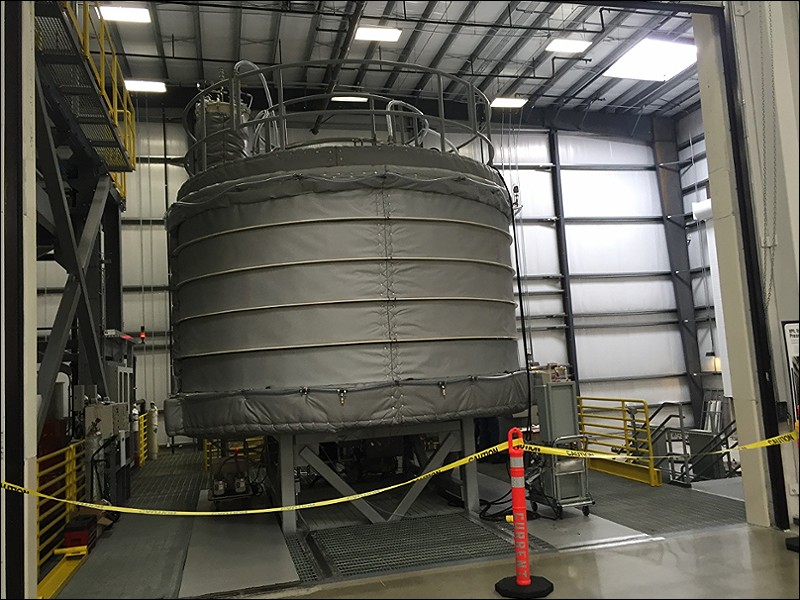
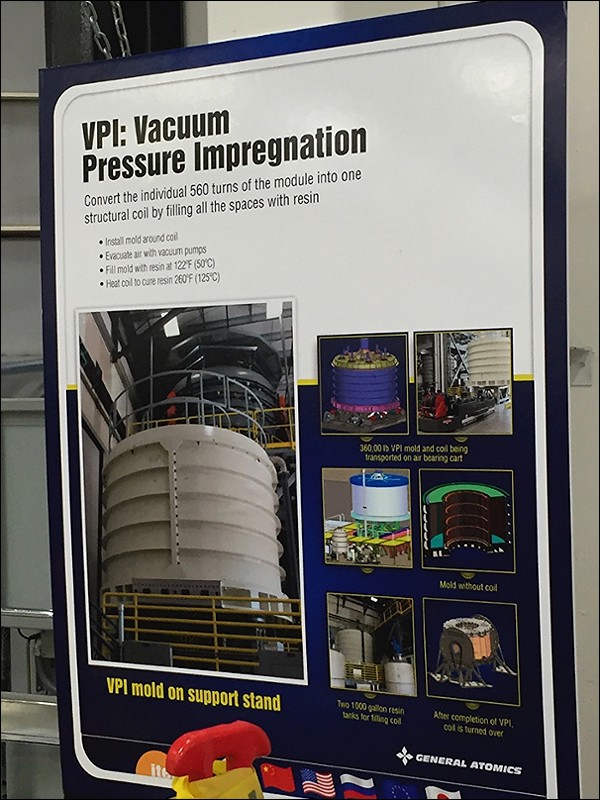
- Put the insulated coil in a vacuum container, and fill it with epoxy
- Test, wrap and ship coil to France
OK, in concept this isn't so difficult, and at some scale this would be a project you could do at home on your workbench. In fact it looks like a watch hairspring, only a bit larger. They start with 900 meters of 50mm square tubing and at the end the coil weighs about 120 tons. It must be dropped down carefully into a steel tower 20 meters high, with 15mm clearance on either side.
Do you have a couple minutes? Let's quickly walk through the facility.
The circuit breakers for the electrical power used in the process. The engineer said "it's not very much" but it seems like a lot of breakers to me!
These coils of material come from Japan. Each stack of stainless tubing, wrapped in plastic, is worth about $35 million.
There are lots of these sitting around.
The coils are unwrapped, straightened, sandblasted, cleaned, and re-formed into a precisely-defined coil shape. Just like a hairspring. In this case, a hairspring with 1mm tolerance.
Not good enough for a watch, but then this coil is a LOT LARGER.
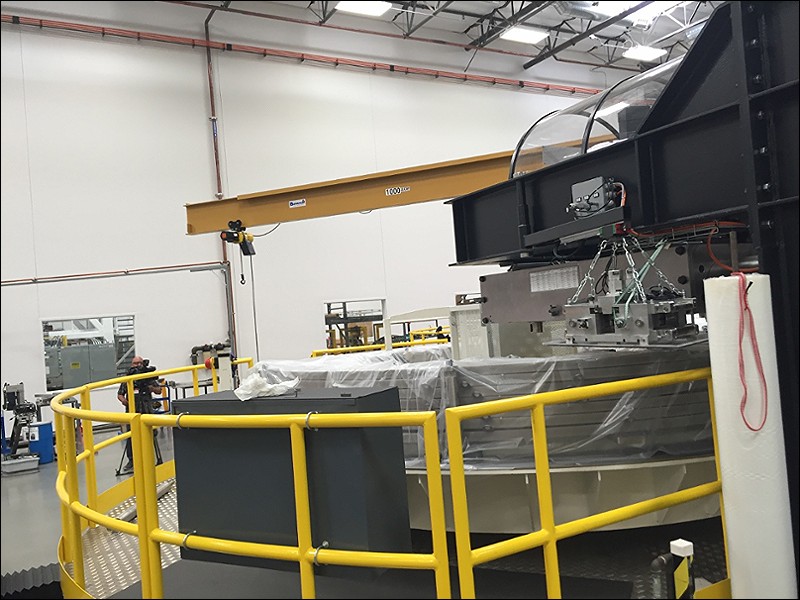
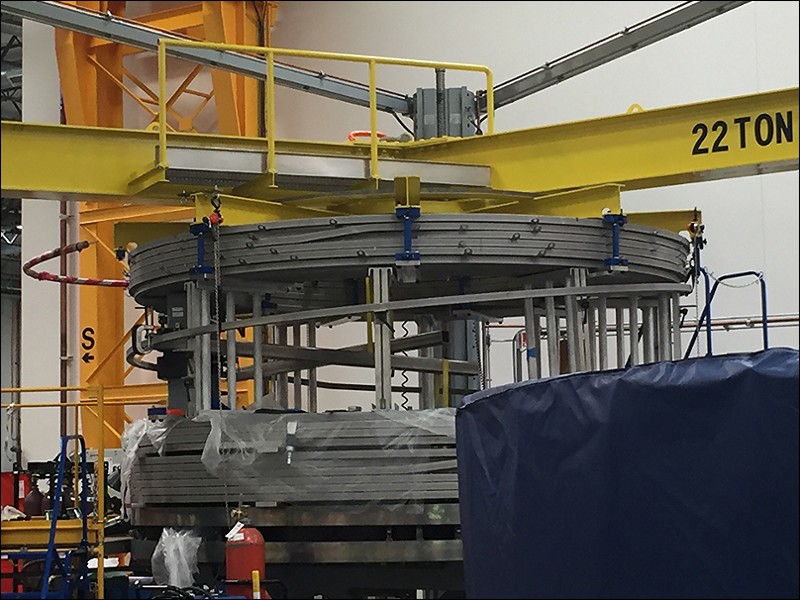
There are jogs in the material so it will lay flat as the layers are stacked up. Each segment of this material has 6 turns, and three of them are stacked up (ends welded together), then a coil with 4 turns is added, then three more coils with 6 turns, makes a total of 40 turns of tubing.
There are jogs in the material so it will lay flat as the layers are stacked up. Each segment of this material has 6 turns, and three of them are stacked up (ends welded together), then a coil with 4 turns is added, then three more coils with 6 turns, makes a total of 40 turns of tubing.
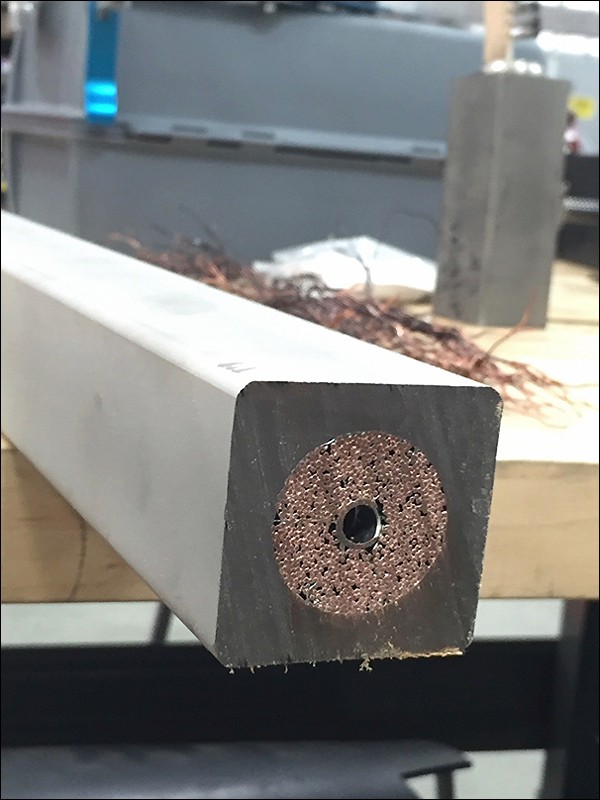
Here's a shot where they are starting to weld the top section to the ones below. The tricky bit is these sections are hollow, and only the outer "skin" of the tubing is welded. Inside the tubing is the copper wire, the superconductor raw material, and a tube through which liquid helium will eventually be flowing to keep things cool - VERY VERY COOL - at 4 degrees Kelvin. Just above absolute zero.
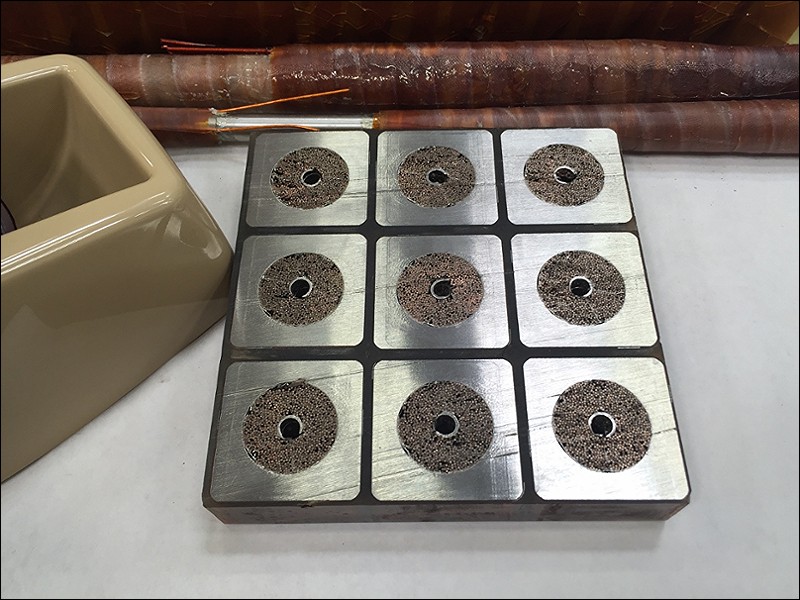
It's time for a closer look. Here's a sliced-off segment of the tubing with copper wire and the helium tube.
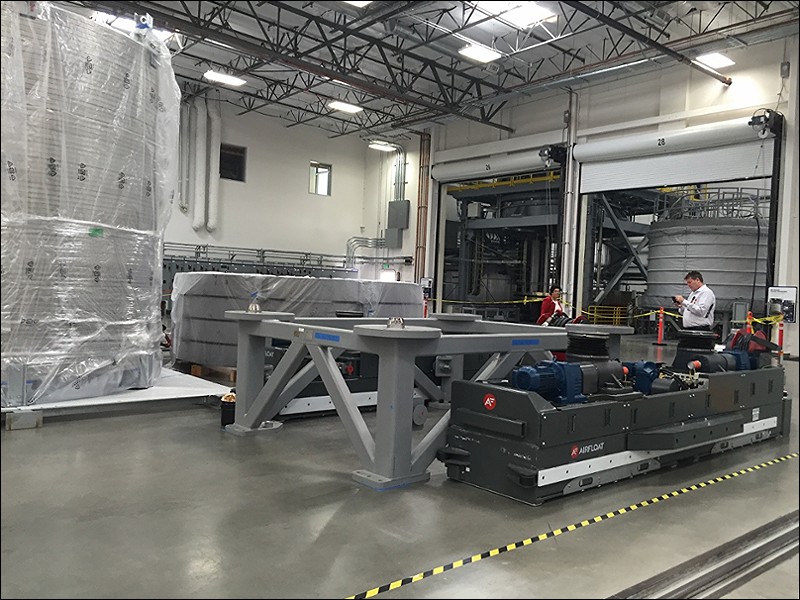
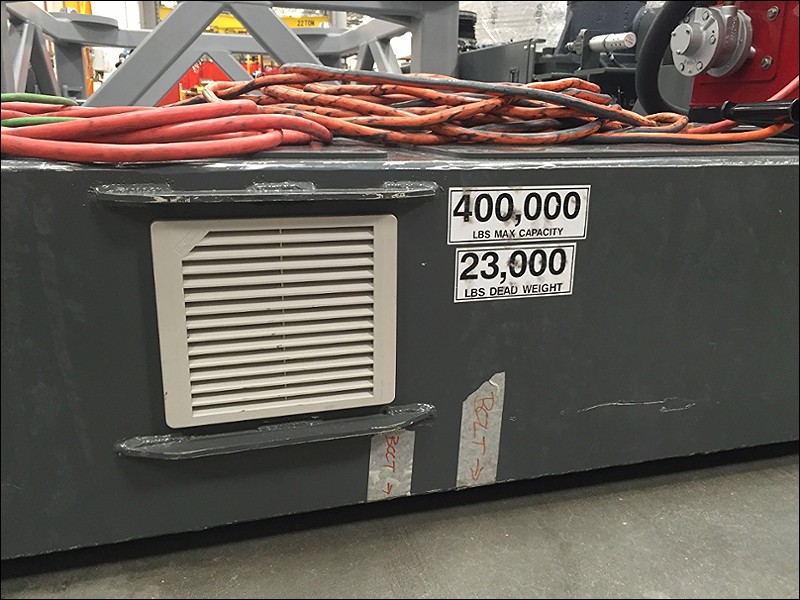
Compressed air leaks out around the edges and the whole thing floats on a cushion of air. NO, they wouldn't let me drive it around. We asked.
The conductor becomes a glass-like material as it cools. After everything cools down, the coil is transferred to the insulation station. It's the white apparatus on the left in this photo.
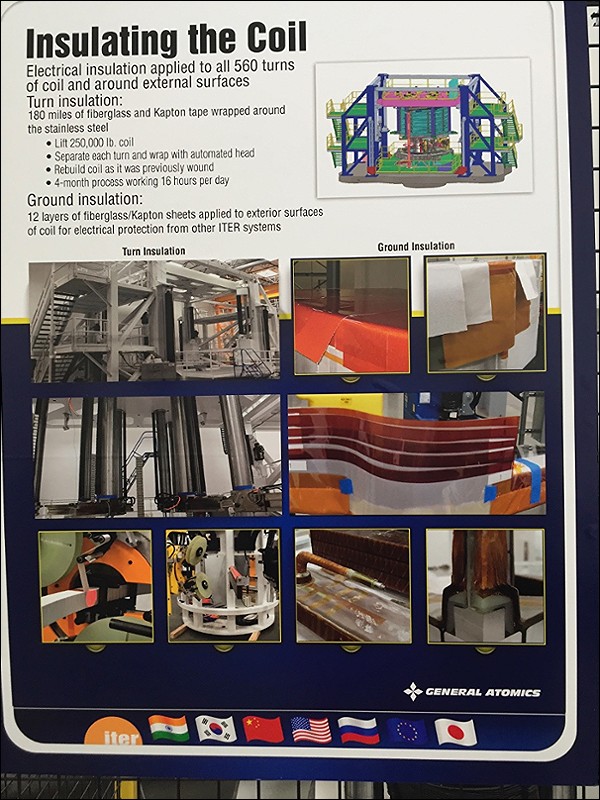
You might have been wondering how a solid stainless tube filled with superconducting material wouldn't just be a big electrical short circuit. It would be, if it were not insulated.
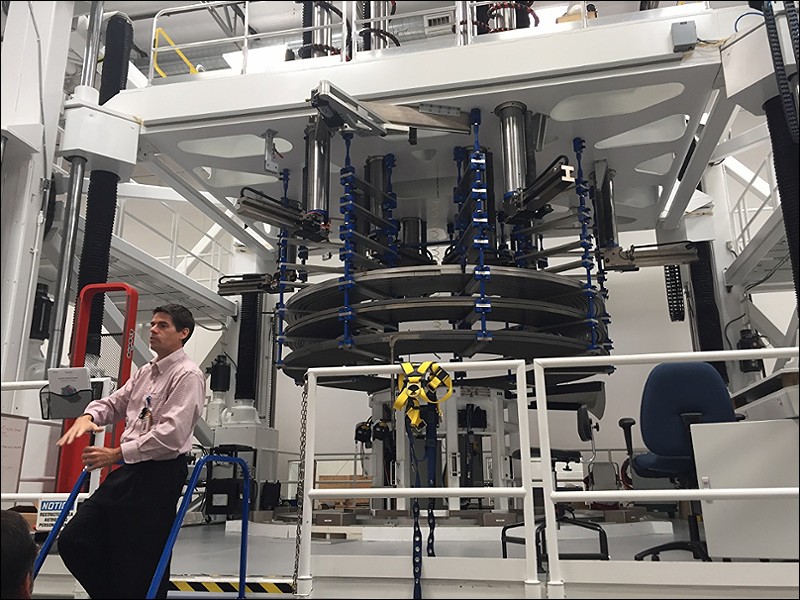
At the wrapping fixture, each turn is lifted slightly and a special machine goes in and wraps the metal with 3 separate wraps of insulating tape. Then the coils are set back down and gently pressed into place. This is a 6-turn section - remember each coil will consist of 40 turns.
Here's the process.
The cross-section of the final product will look like this:
At this point there's nothing to do but pull it out, check everything, and wrap then ship to France.
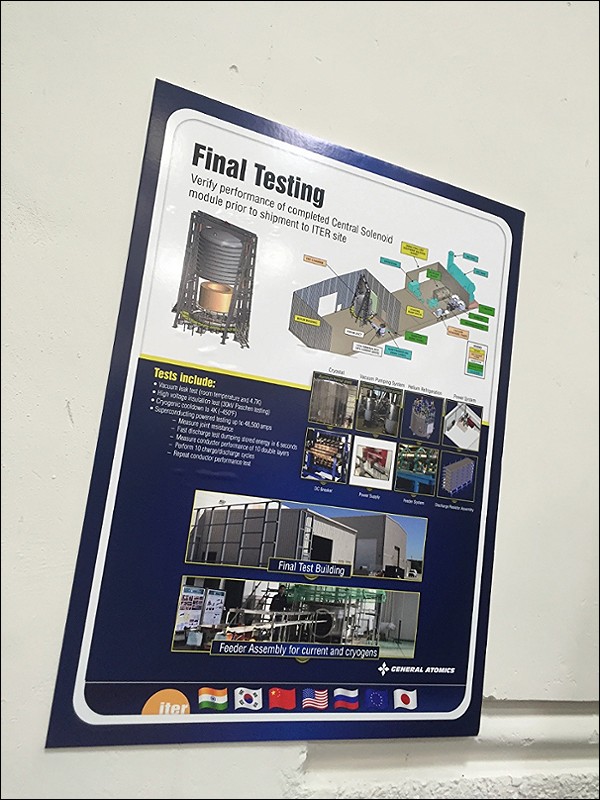
Then it's shipped to France, fingers crossed!
It's time for a closer look. Here's a sliced-off segment of the tubing with copper wire and the helium tube.
The floor of the giant solenoid factory is polished concrete so they can use the dark grey AIR FLOAT trolley (below) to move their coils around, because they are much heavier than the math books we sell from across the road.
Compressed air leaks out around the edges and the whole thing floats on a cushion of air. NO, they wouldn't let me drive it around. We asked.
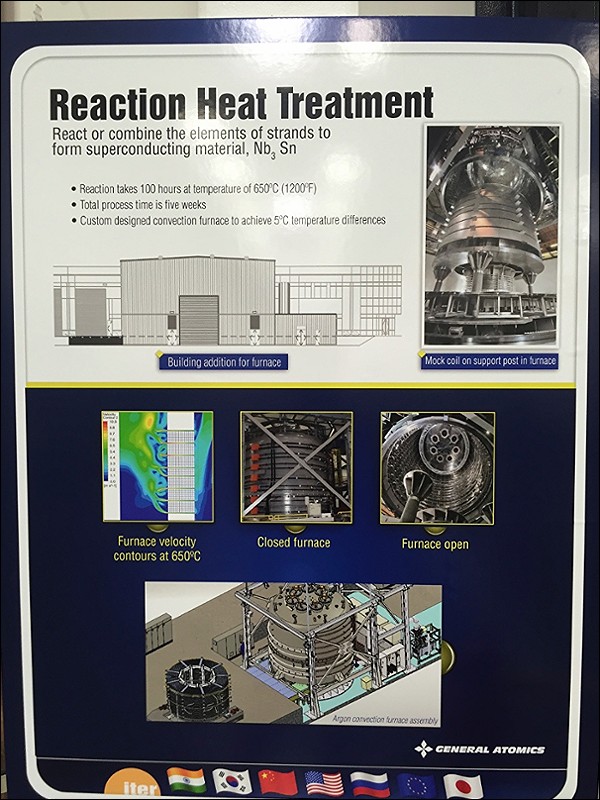
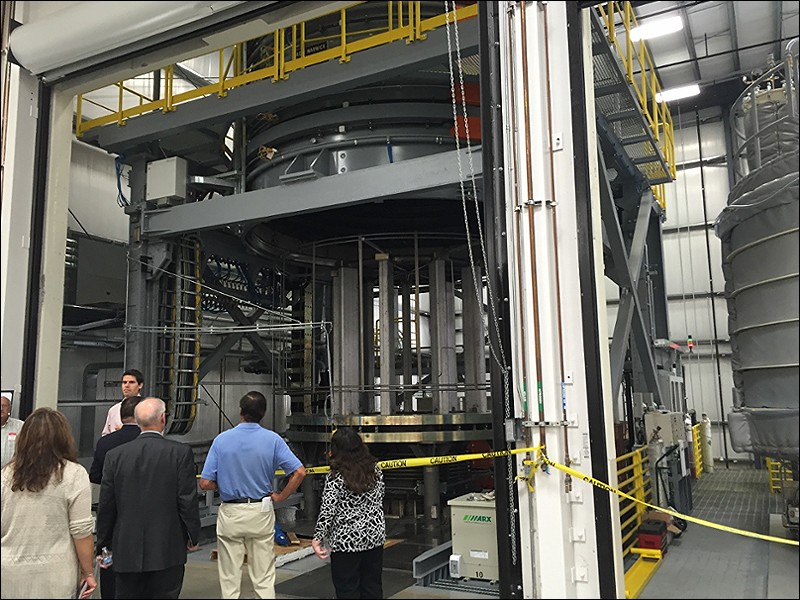
Once the coils are made, they are moved into the oven, where they are heated and held at a high temperature for a week or so, thus creating the superconductor.
Here's a look at the oven. They have back-up power supplies, computers, motors and everything because once the baking starts, it can't be stopped. And they don't want to lose one of these coils!
The conductor becomes a glass-like material as it cools. After everything cools down, the coil is transferred to the insulation station. It's the white apparatus on the left in this photo.
You might have been wondering how a solid stainless tube filled with superconducting material wouldn't just be a big electrical short circuit. It would be, if it were not insulated.
At the wrapping fixture, each turn is lifted slightly and a special machine goes in and wraps the metal with 3 separate wraps of insulating tape. Then the coils are set back down and gently pressed into place. This is a 6-turn section - remember each coil will consist of 40 turns.
Here's the process.
At this end you can see a vertical segment of this bottom coil - that's one end which gets connected to the electricity.
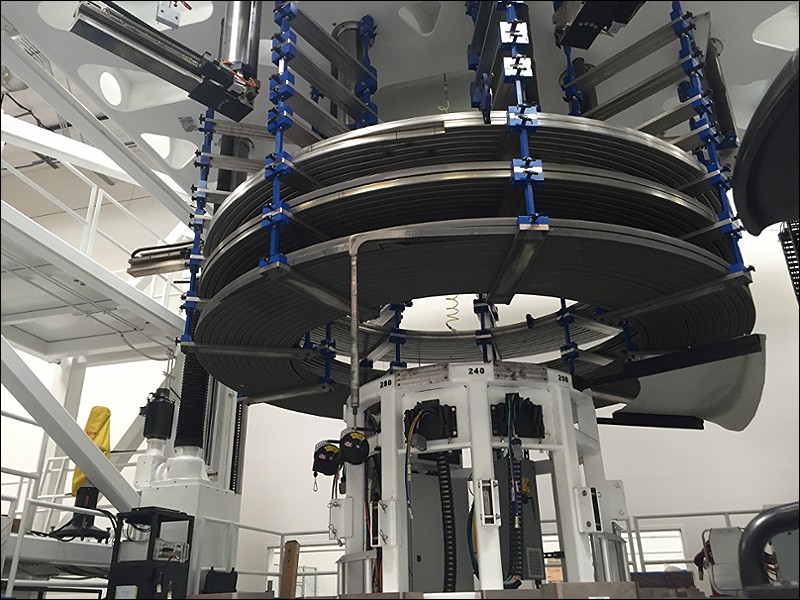
After each coil is insulated, 6 of them are stacked, the ends connected (welded) together, and the assembly goes into another container.
After each coil is insulated, 6 of them are stacked, the ends connected (welded) together, and the assembly goes into another container.
Here all the air is sucked out, and 1000 gallons of resin is added to fill all the spaces in the coil.
It's a giant vacuum-form bag.
The cross-section of the final product will look like this:
At this point there's nothing to do but pull it out, check everything, and wrap then ship to France.
But they have to test it first.
They start up their liquid helium generator, and chill the whole thing down to 4 degrees Kelvin (that's -270 C or -452 F). It takes a few weeks.
Then they plug their voltage transformer to it and pump 50,000 amps at 10 volts through the coil. That would be a good day to wear a milgauss watch to work... but I'm retired, so have no need to worry.
If nothing blows up, they dump the energy into a 10,000 kilogram stainless steel resistor - very quickly - in less than 6 seconds.
Then it's shipped to France, fingers crossed!
I hope you have enjoyed this tour through the General Atomics facility in our science-oriented business park.
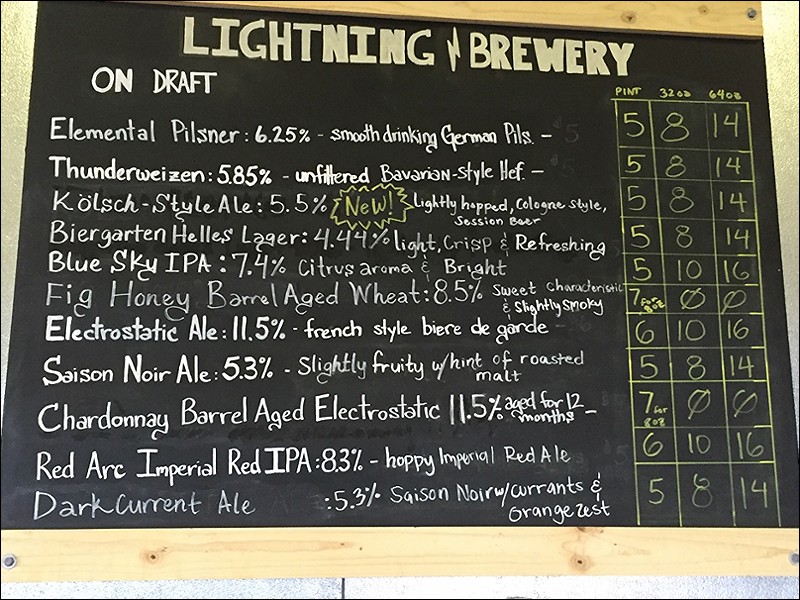
Afterwards we were exhausted, so we strolled across the street to another conveniently-located scientific research facility known as the Lightning Brewery, and refreshed ourselves.
This message has been edited by cazalea on 2015-10-03 11:24:23 This message has been edited by cazalea on 2015-10-04 18:12:19
I must admit i'm amazed ....
.. still trying to lift my jaw from my desk  .
.
.I vaguely remember something about this fusion thing but reading your post has really enlightened me.
BUT ... is it really going to work for only 10 minutes ?
Bim
That's what we said!
"Are you kidding? Ten minutes?"
Yep. They can refuel it and run it again though. But still ...

Yep. They can refuel it and run it again though. But still ...