Blue is the new Black
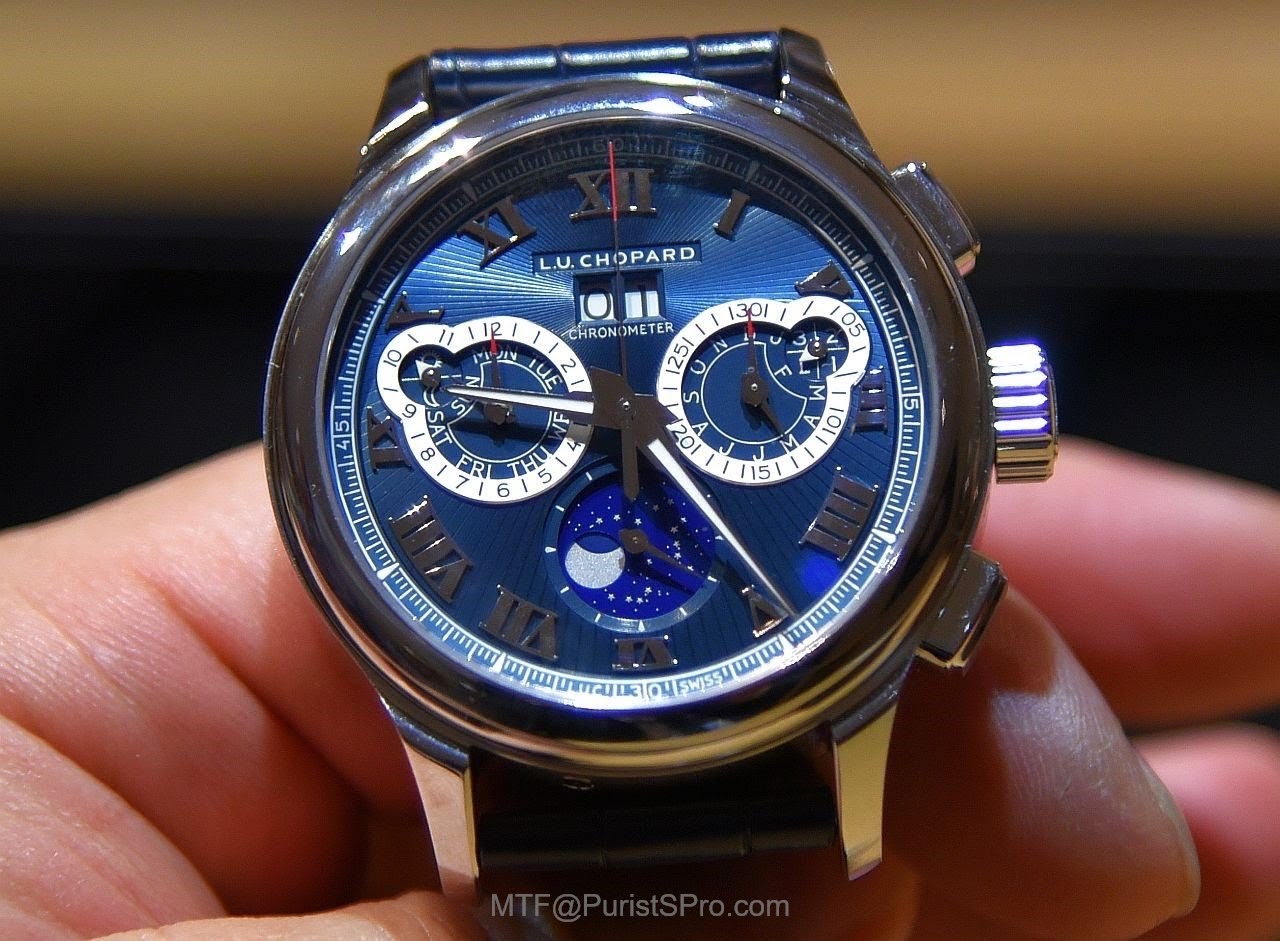
L.U.C Perpetual Chrono platinum
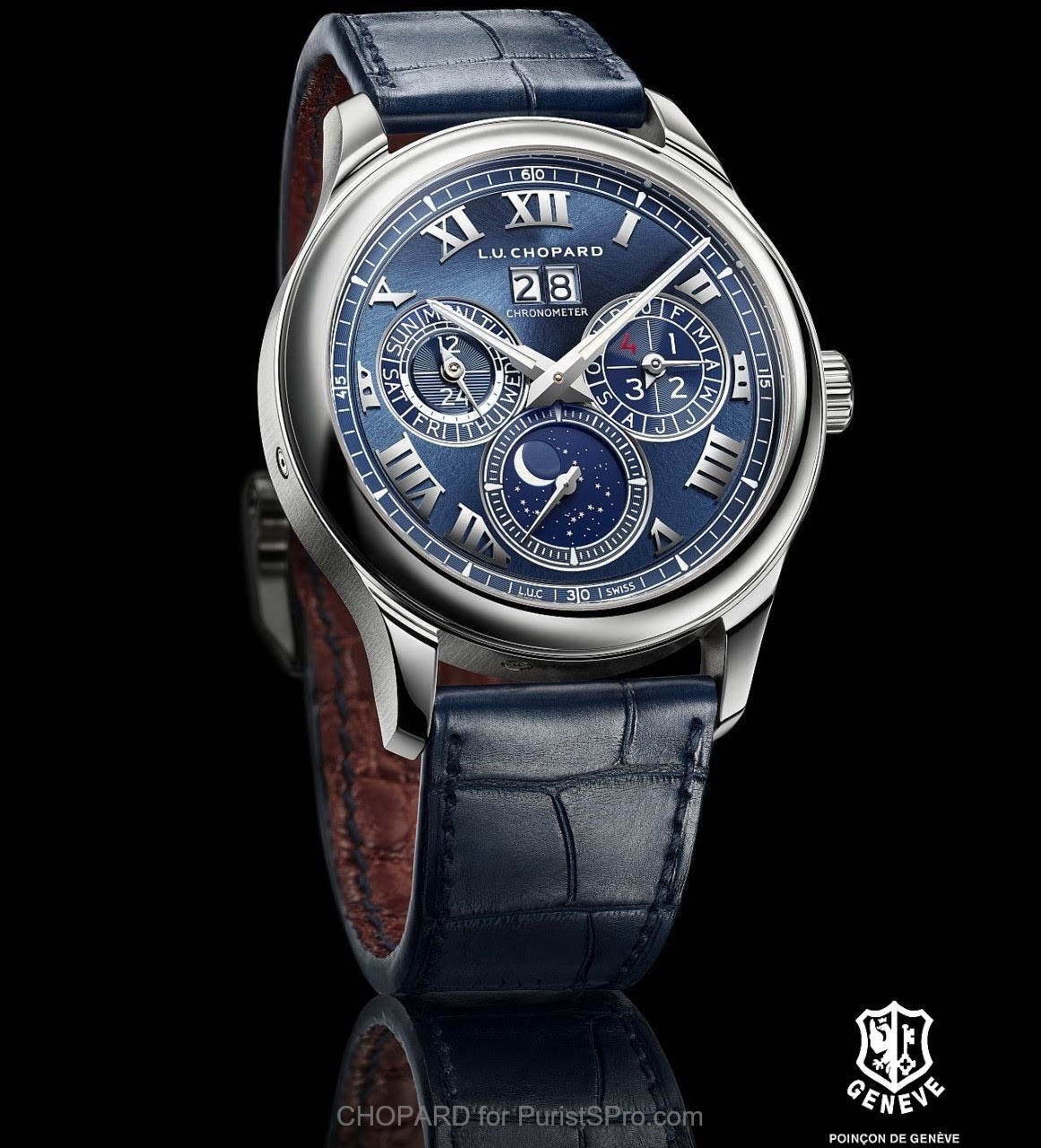
L.U.C Lunar One platinum
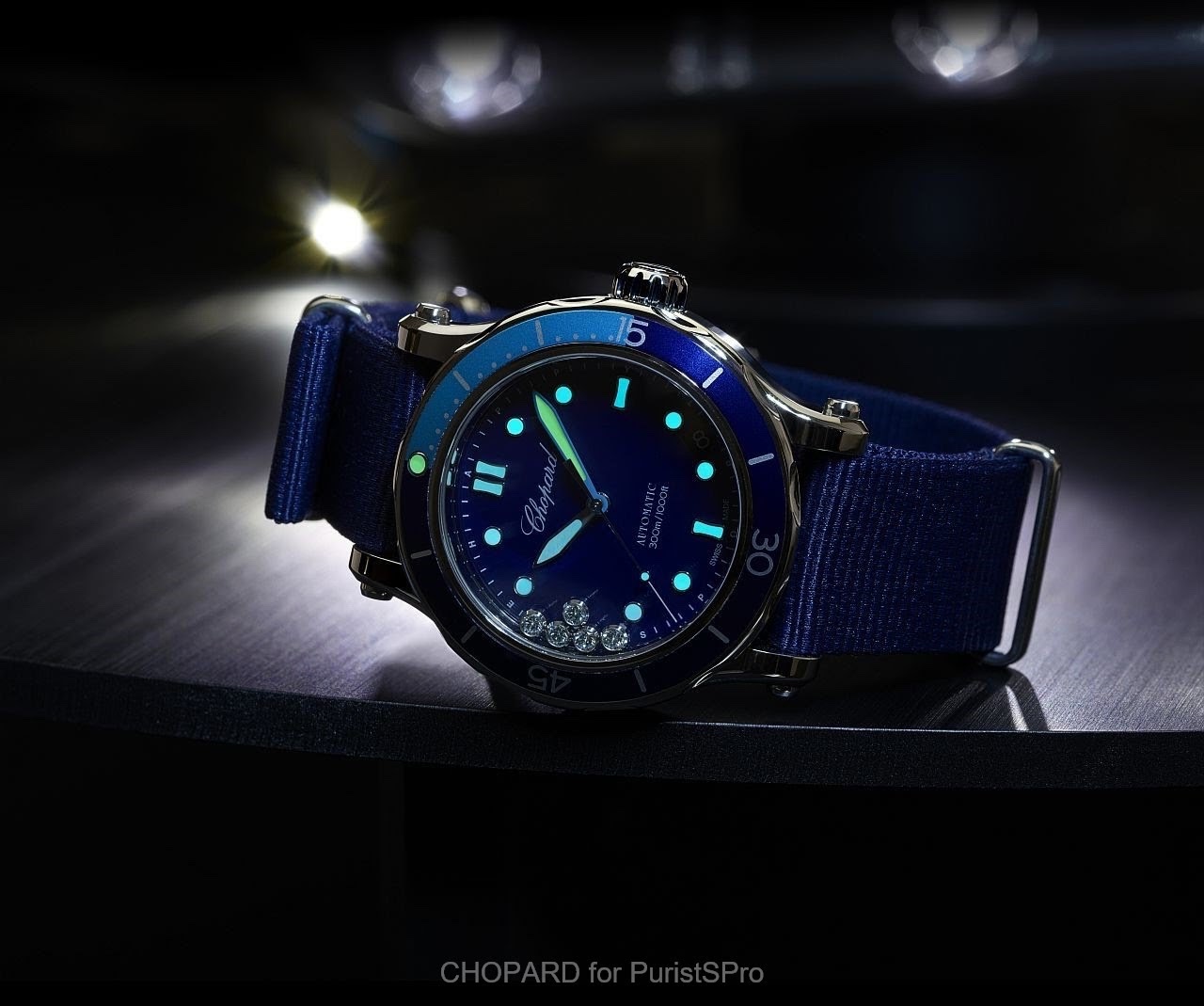
Chopard Happy Ocean
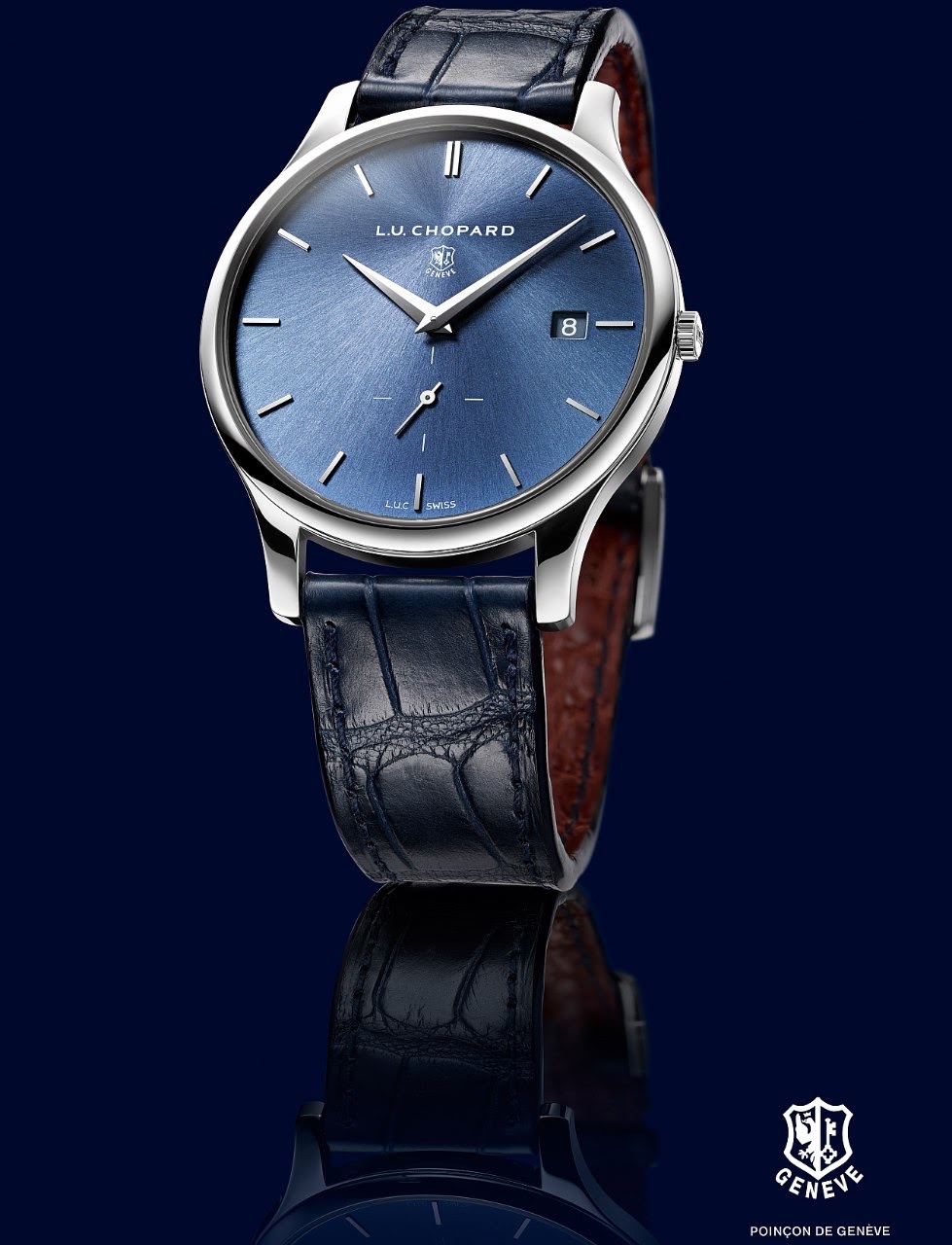
L.U.C XPS platinum


Very nice. For men with taste. The dial, case and movement, all is good in this watch.
Open Secret: L.U.C XP Blue Cashmere also appeals to Ladies with Taste
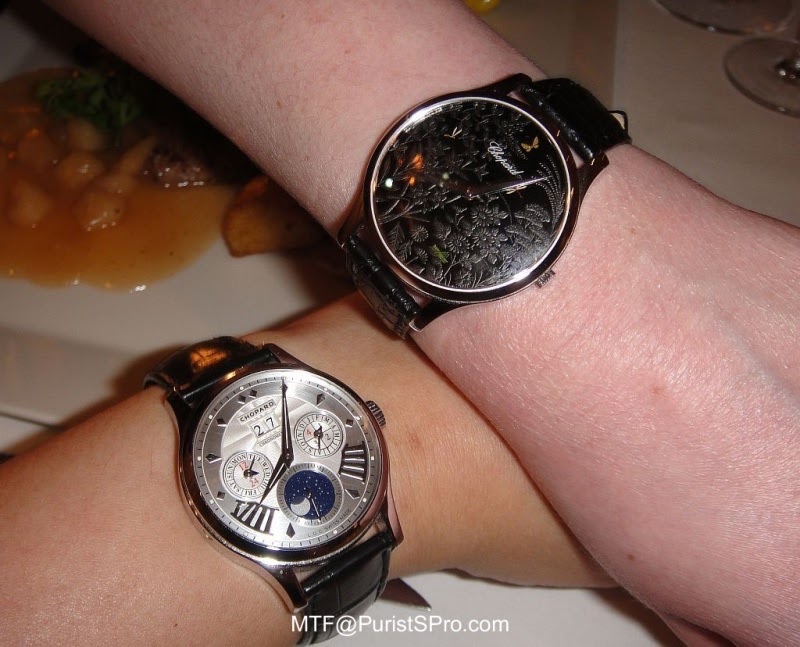
L.U.C Lunar One and XP Urushi Ultimate Universe
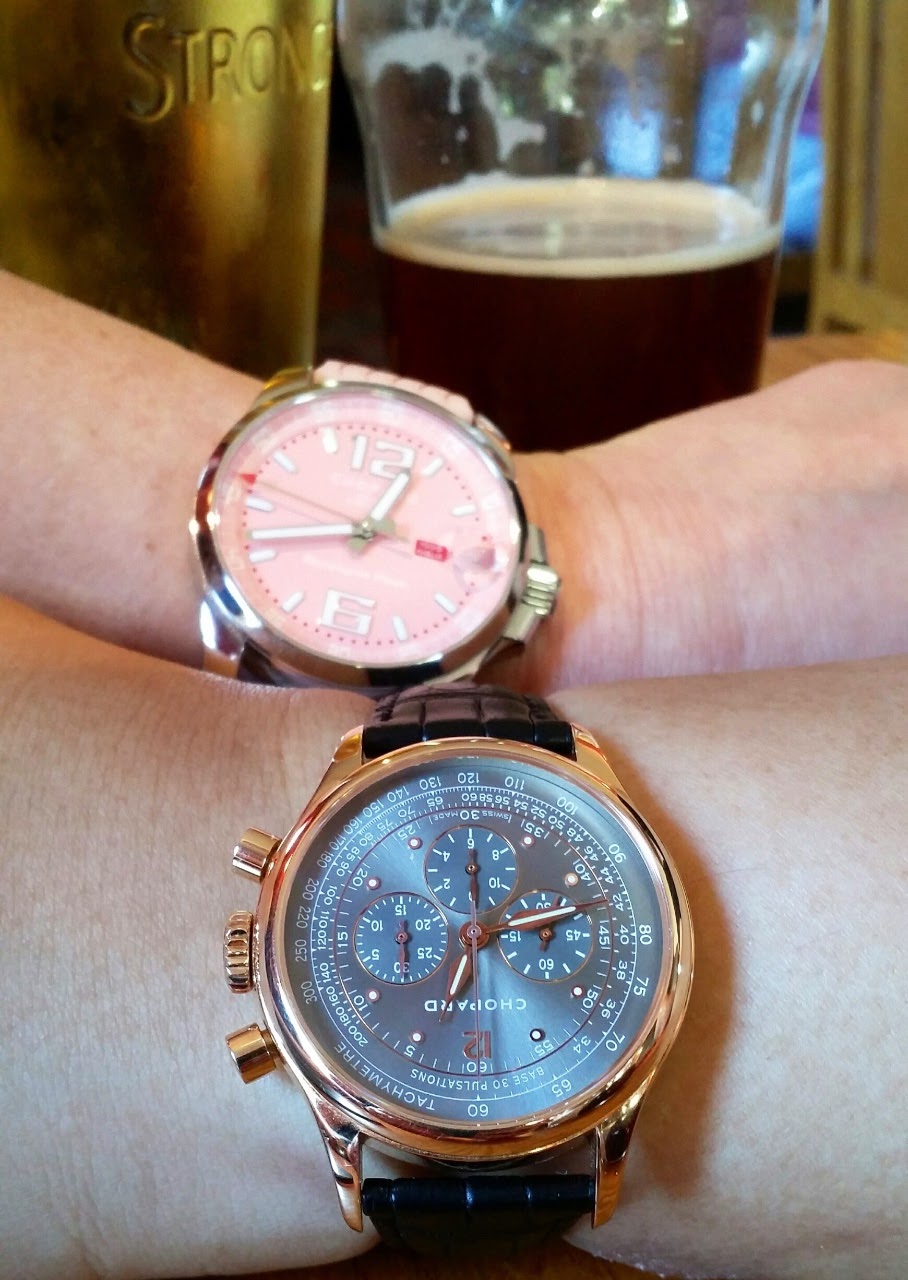
Mille Miglia GT XL Racing in Pink and L.U.C Vintage Chrono

He he... No date, nicely designed dial... And a" fair " price. Yes, I am convinced. [nt]

Really looking forward to seeing this one in the Boutique!


I'm not a big fan of the hands' shape. At the same time, they give originality to this dial. But no firm favourite from my side
Alkiro
I did not like them at first

Love the simplicity of that watch
How would you call those hands? They look like artillery or cannons.

CC
Specific for L.U.C, the hands are derived fron the original shapes

Another good looking LUC...
Stefan
That's what I was thinking and my jeans are ready
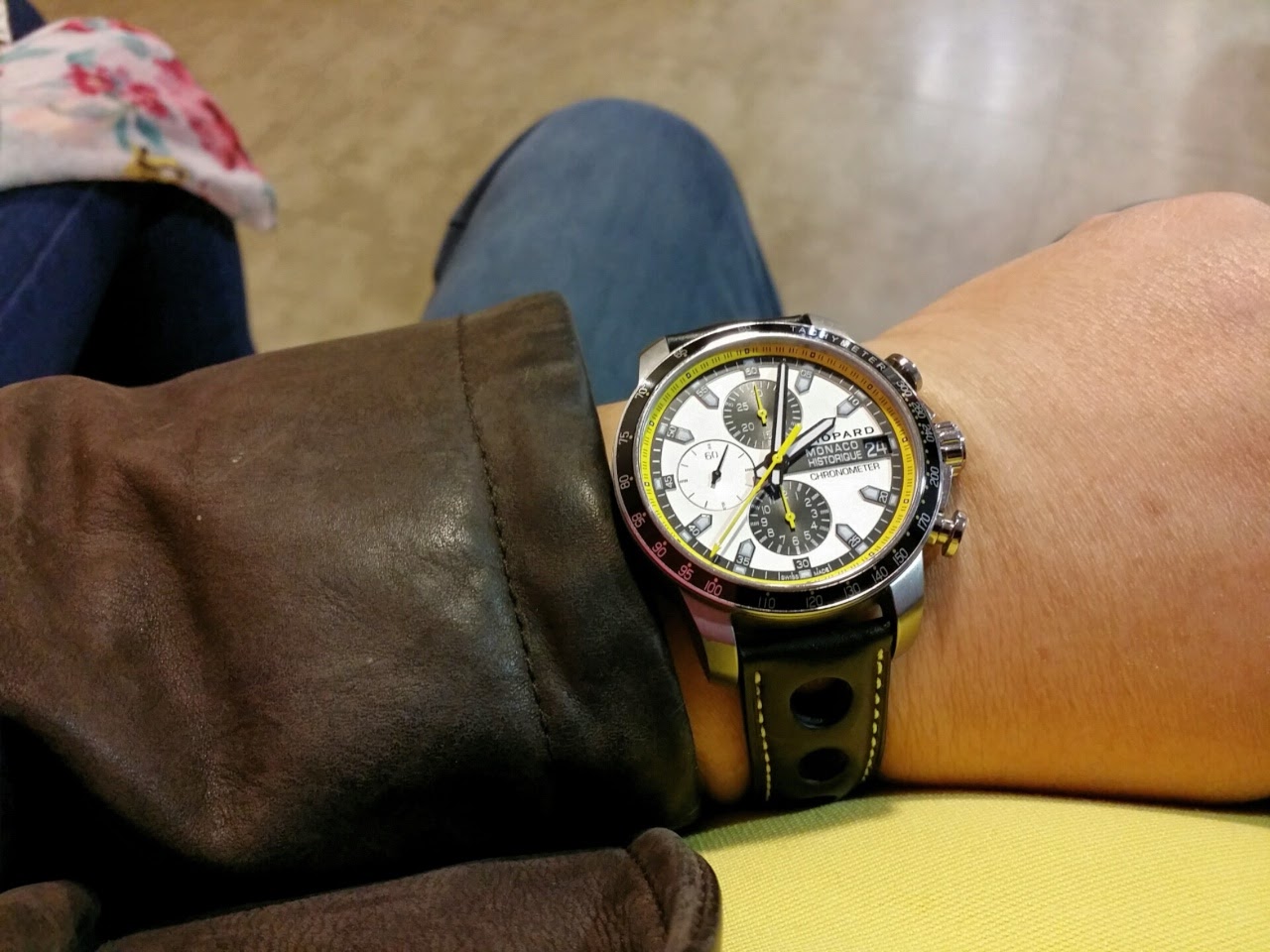
Blue jeans at the ready...

I have lots of respect for Chopard,
The only difference cannot be seen...
The new Calibre L.U.C 96.53-L is finished similarly to most of the "96" family on the back except for the tungsten rotor.
The main difference in finishing is an area not seen by any owner or observer, on the front of the movement that is covered by the dial; the straight satin brushing finish.
Even watchmakers may catch a glimpse every 5 years but probably they are too busy servicing the engine....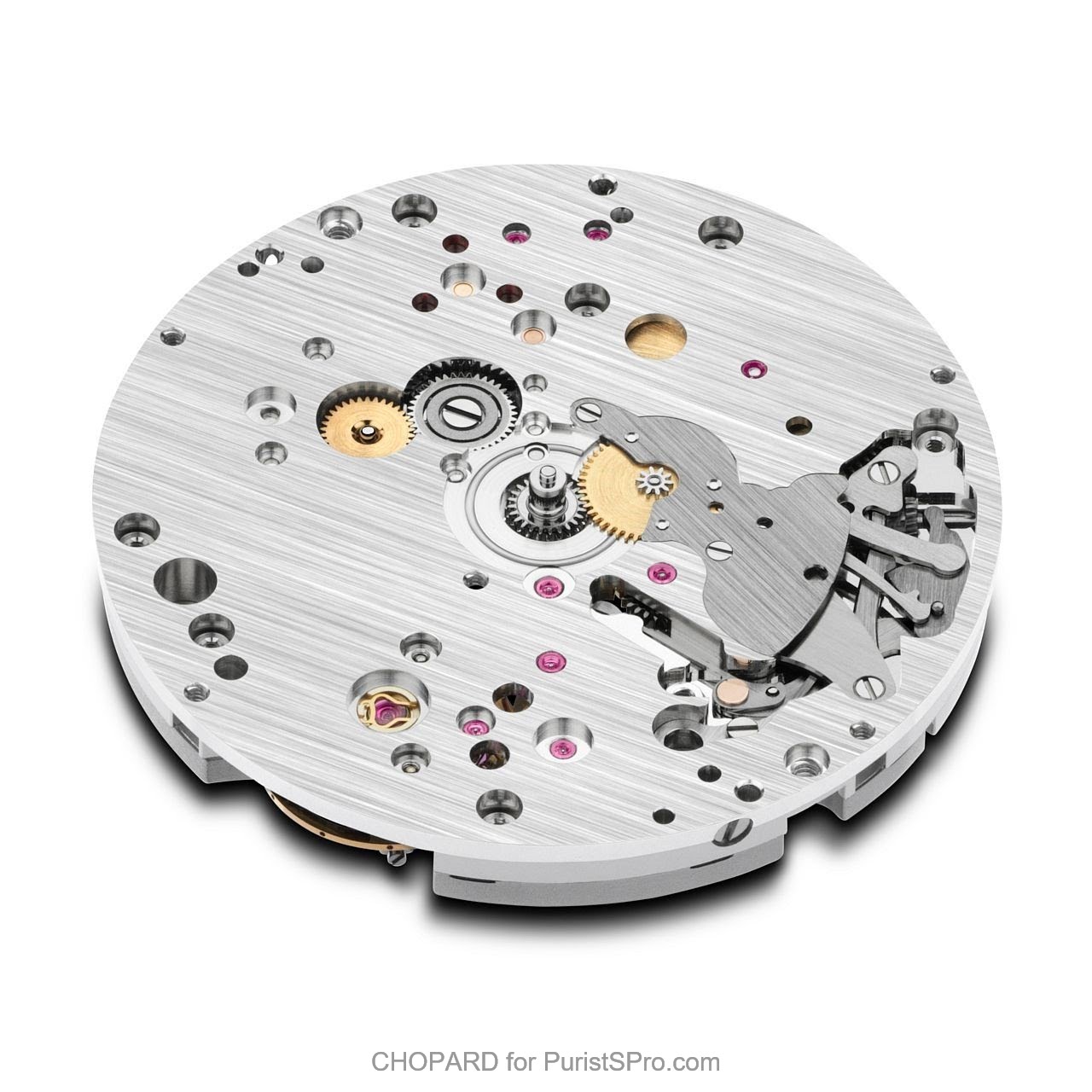
L.U.C 96.53-L
Chopard are very open about this for an affordable entry price point as evidenced by their provision of the movement image.
All of this is under the dial and never seen.
The higher priced versions have, frankly boring, circular brushings "perlage decoration".
Regards,
MTF

Now THIS is worth knowing more about
First of all, how refreshing for a manufacture to be forthcoming and honest about the levels of finishing in the different variants of their movements! Bravo.
I have no issue with a clean and simple finish on the dial side.
What would be most useful is a guide to the differences in finishing between the various cal 96.xx movements. Can you throw some light on this?
best
E.
As far as I know, the quality of finishing is the same across the L.U.C '96' family
There are differences in actual components e.g. Swan-Neck regulator at the top end (formerly known as L.U.C 1.96).
It is pretty obvious by cost, which models had different materials for the rotor:
1.96 and 3.96 had solid 950 Pt or 750 Au.
4.96 had Gold-capped Tungsten.
96.53 has solid Tungsten.
Hand Finishing
At the back, finishing is the same as the common components are polished made by the same people.
They do not sit and think to themselves, "This component will eventually go into a L.U.C 96.53-L so I will purposely polish a little LESS".
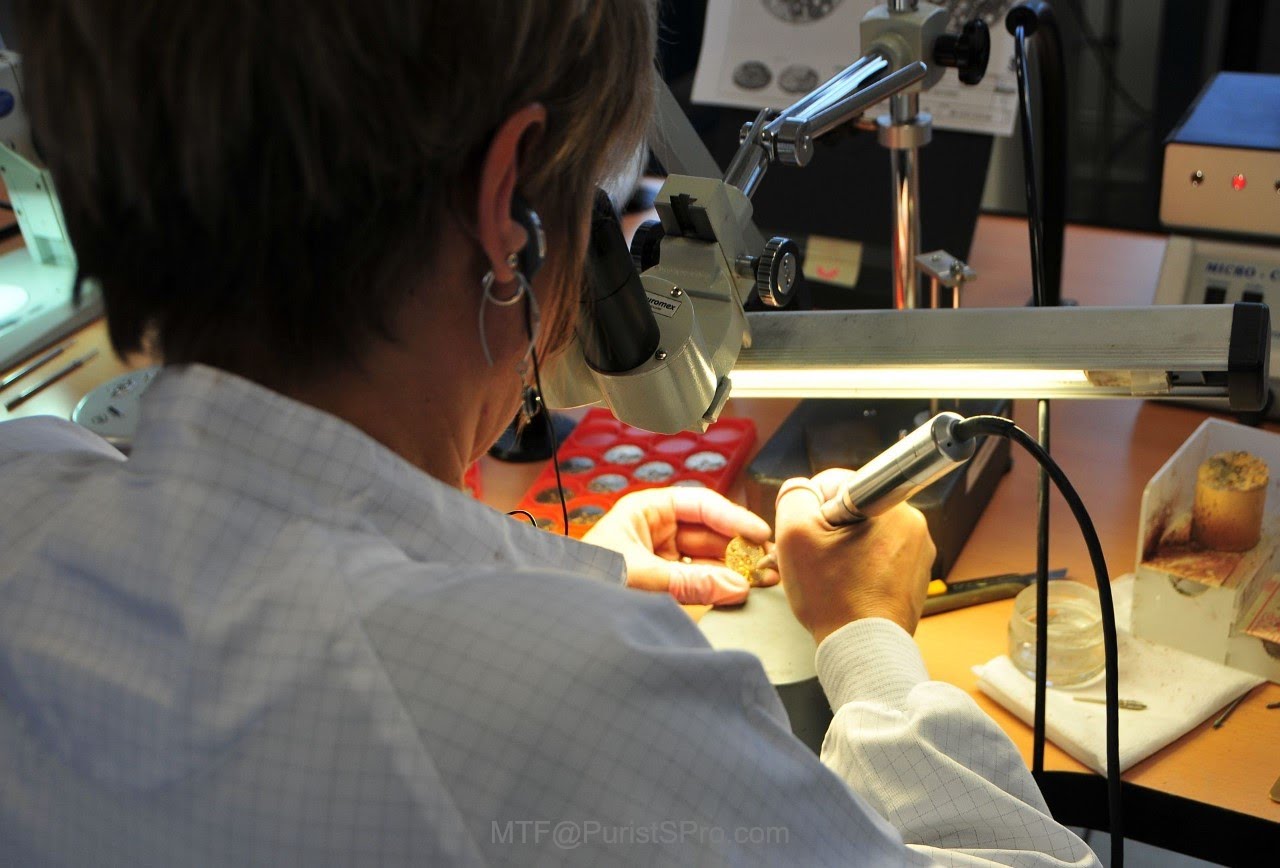
L.U.C hand finishing 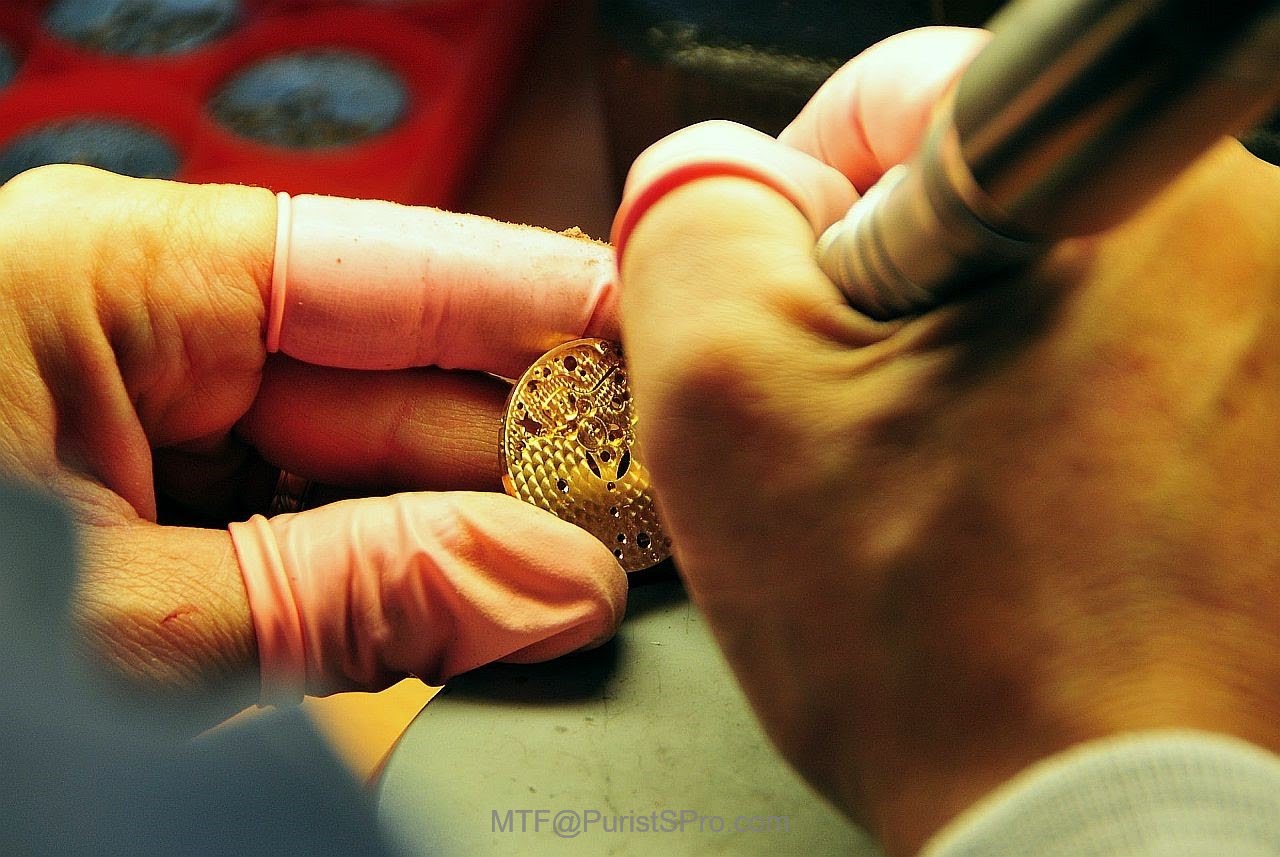
L.U.C hand finishing
Each piece is just a piece that is done until it is "correct" to each person's own standards. Almost every artisan has an equivalent quality control person whose job is to inspect and maintain standards.
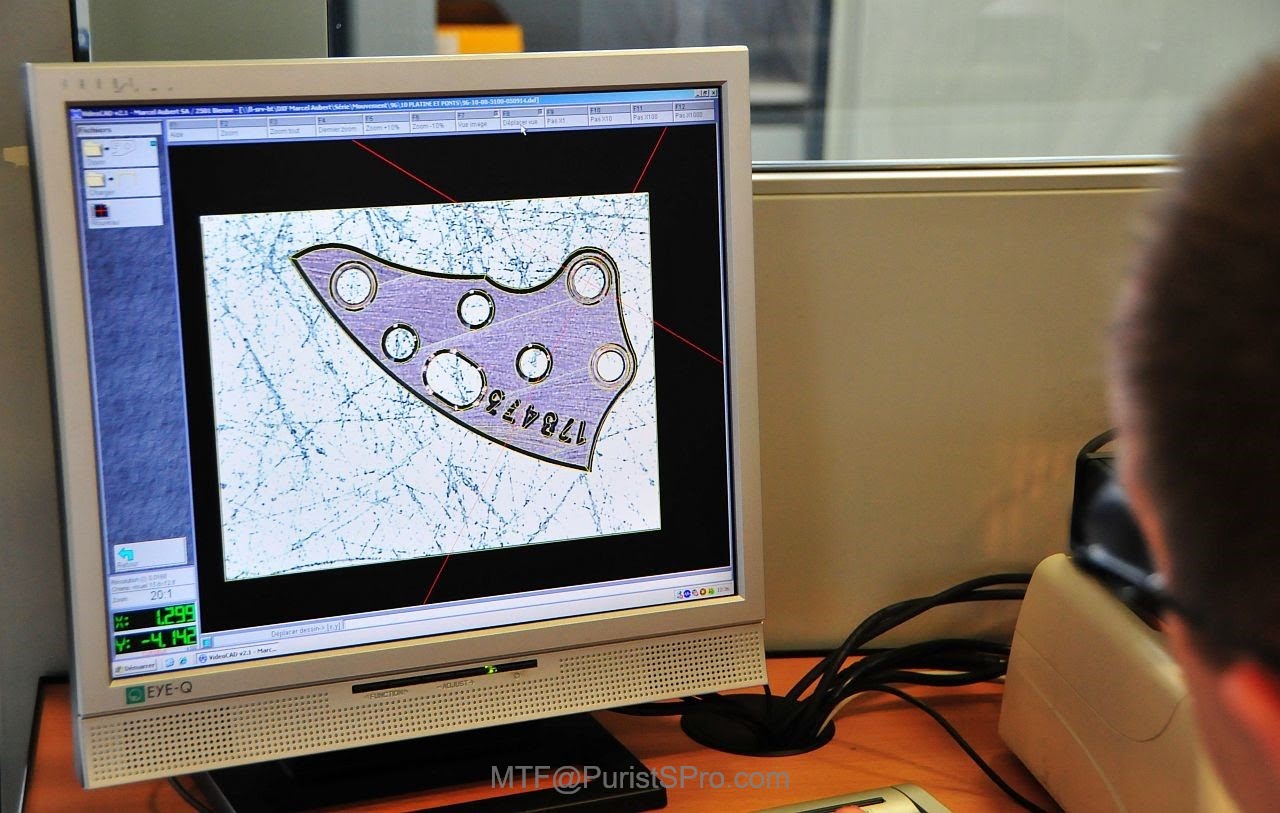
Quality Control
Some operations are better finished by machine (consistency) but human hand set-up e.g. Geneva Stripes.
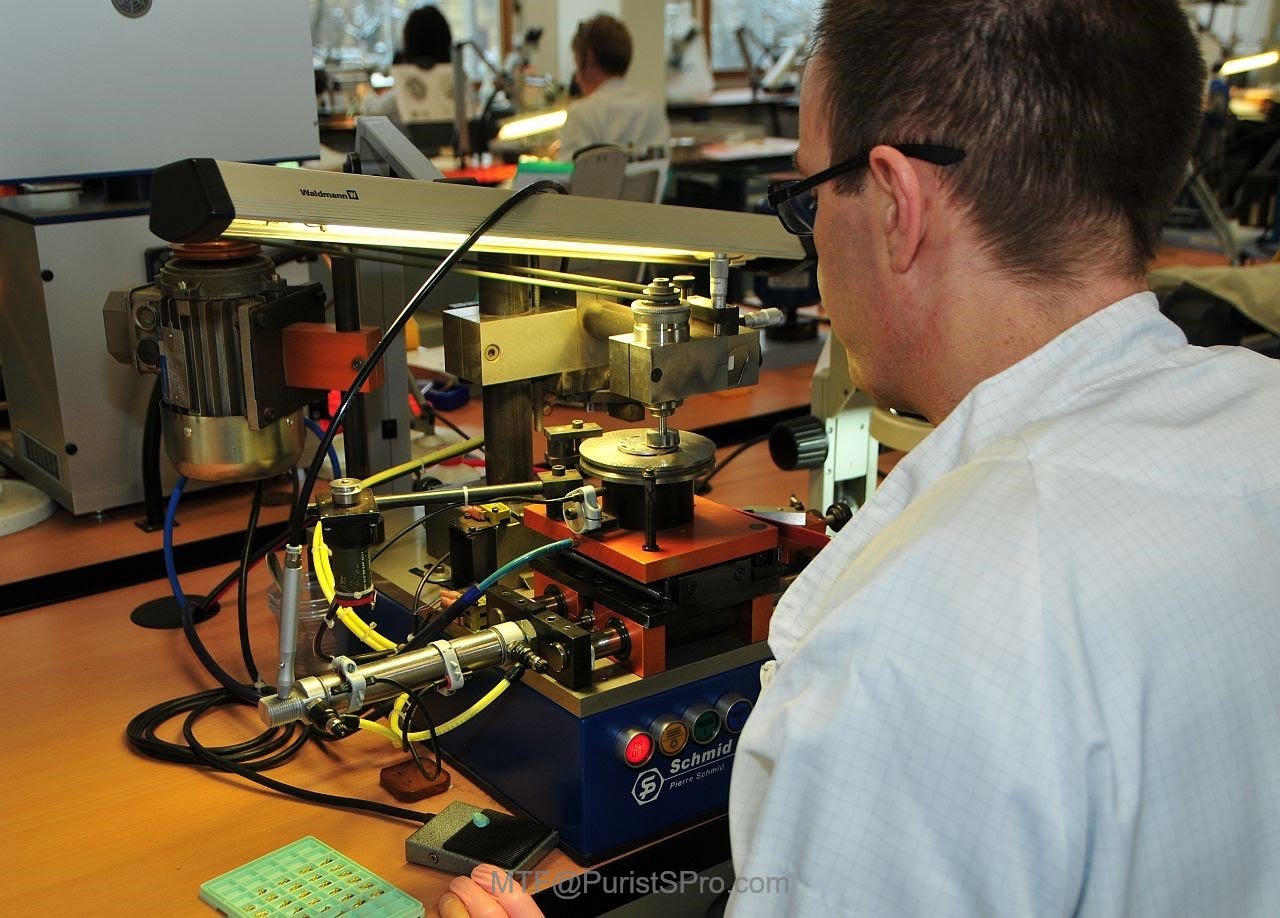
L.U.C Geneva Stripes
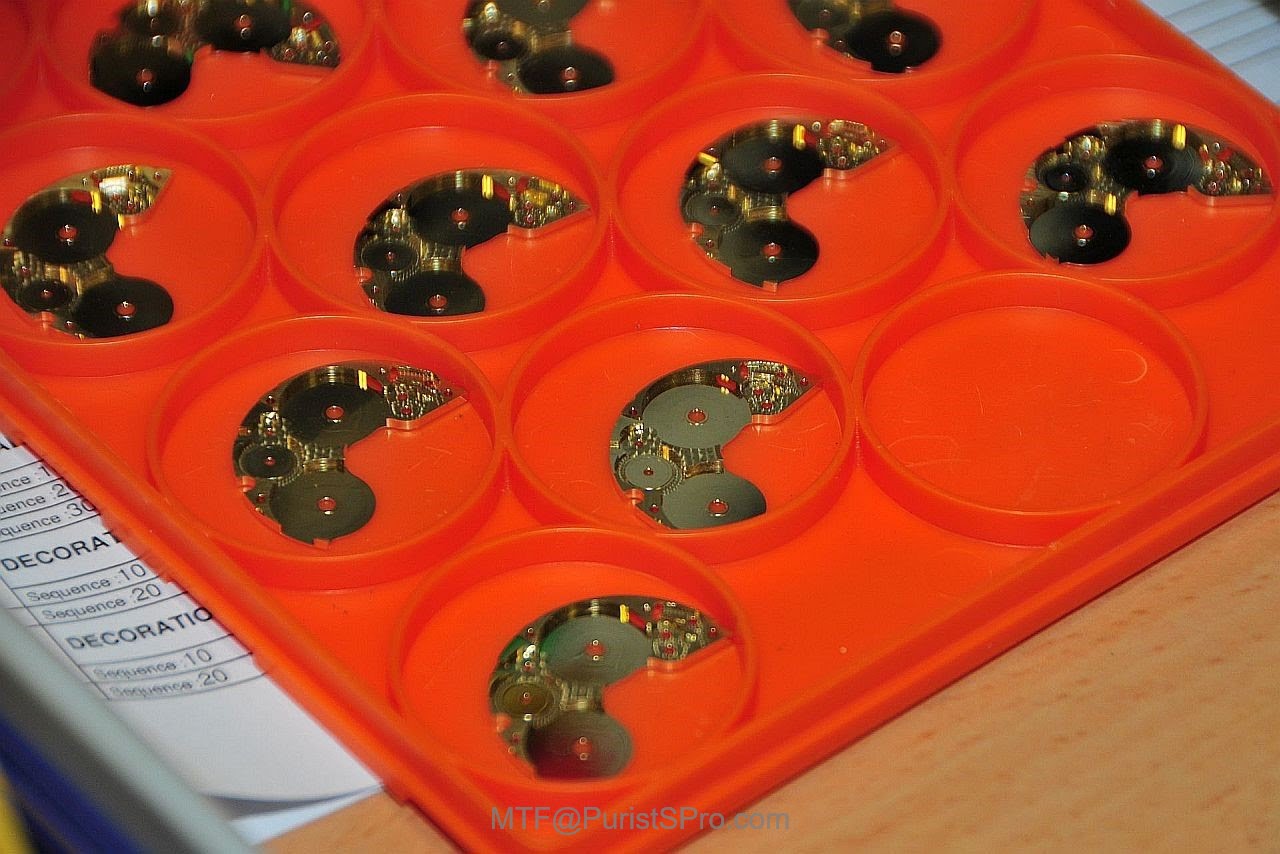
L.U.C hand finishing
The only difference is on the front of the movement where the entry level movements like the L.U.C 96.53-L has plain brushing rather than perlage.
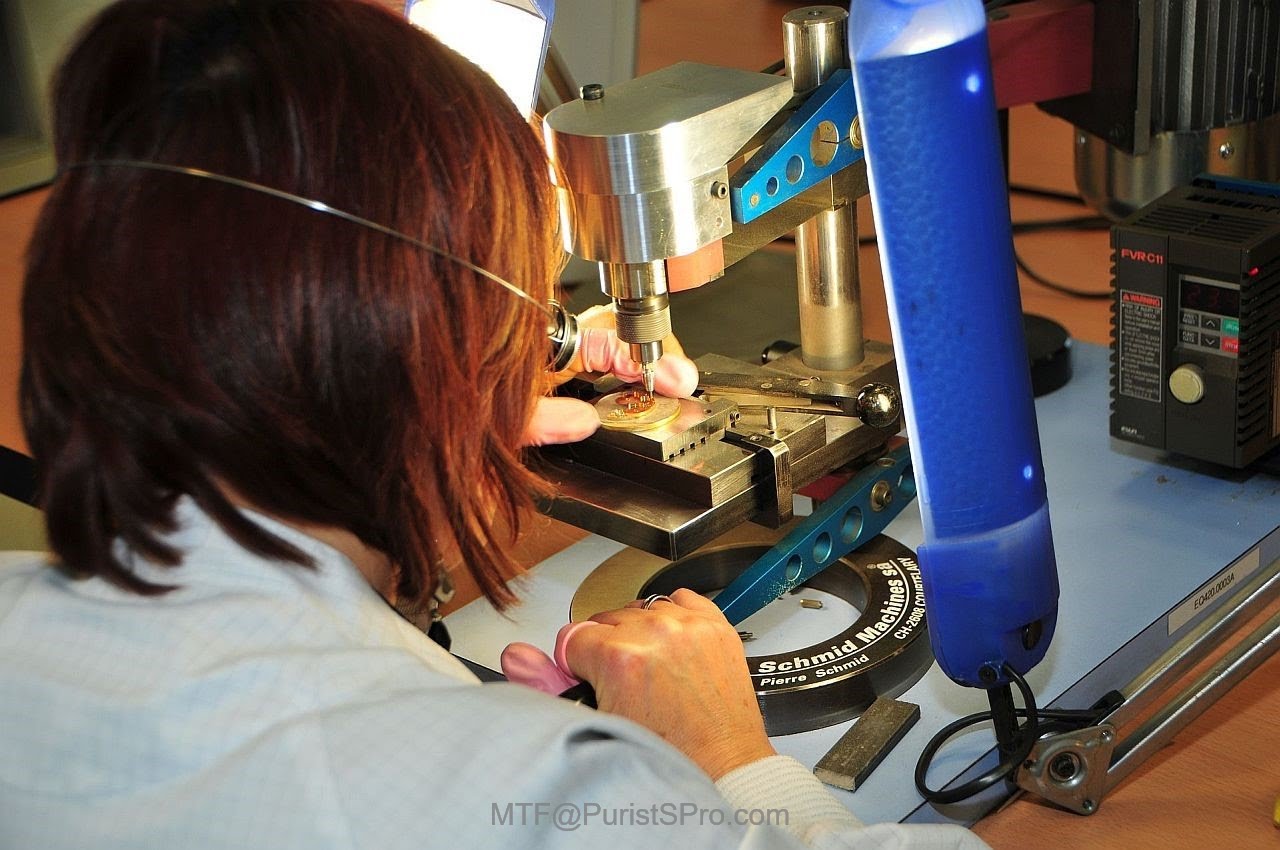
L.U.C hand finishing
The polishers follow a Work Map strictly, where different colour codes mark out the different finishing patterns but NOT the quality.
If a pattern has to be done, it is done to the same quality requirements for that pattern.
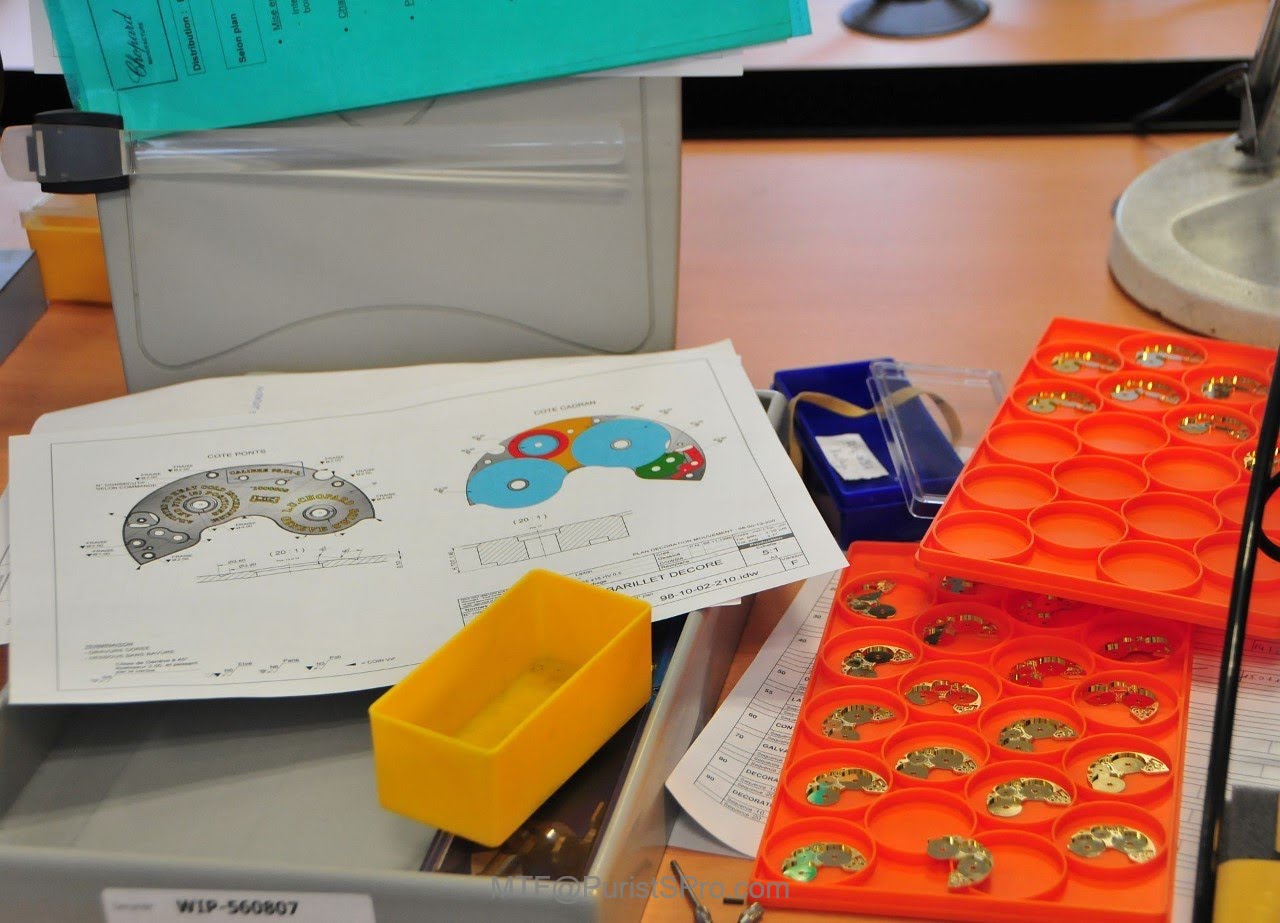
Finishing Map
I don't have the Finishing Map for the L.U.C 96.53-L but I guess for the dialside, it would not have the colour code for "perlage"
Actually, the L.U.C 96.53-L is the first time that I have seen no perlage.
In the past, I have questioned the cost effectiveness of perlage where nobody can see.
In ancient times, the perlage may have had some functional value when oils were not as sticky as today. The perlage encouraged oils to stay in places where they were needed.
Today, it's purely for show and if you can't see it...do you want to pay for it?
I people want, go for the higher price models.
Caveat
Be careful. Higher price alone may not mean higher specifications e.g. Swan-Neck regulator is not specified for the expensive Qualite Fleurier watches because it is too delicate to survive the QF tests.
Bottom Line:
There is no complicated specification league table.
All L.U.C '96' family have the same "quality" of finishing.
The differences are mostly quantitative:
The precious material for the rotor (clearly stamped with Hallmark" on each model.
The presence/absence of pretty components (Swan-neck regulator) clearly seen, if present.
The absence of perlage on the entry-level movements dialside e.g. 96.53-L.
Regards,
MTF
Thank you very much MTF for the detailed response
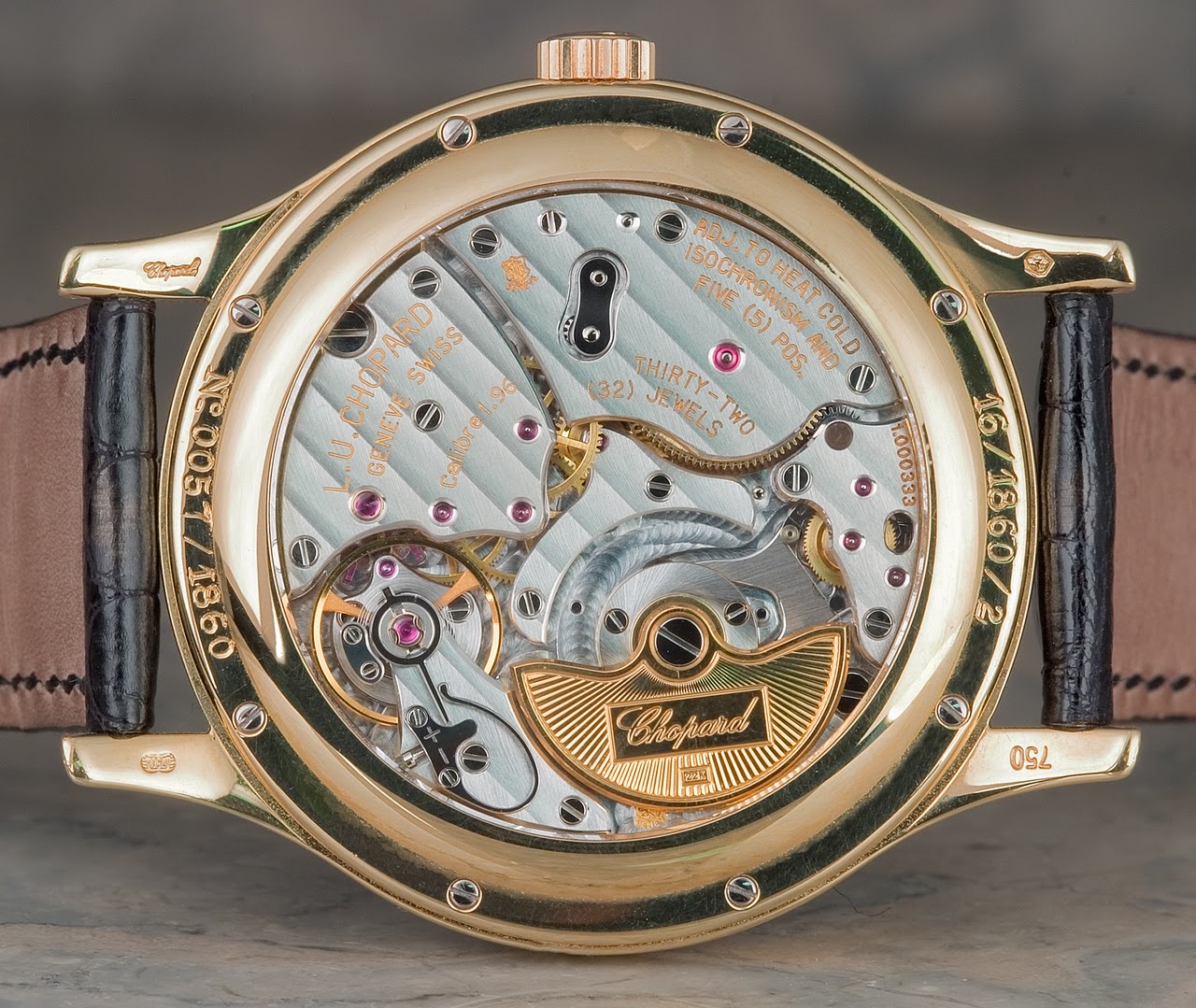
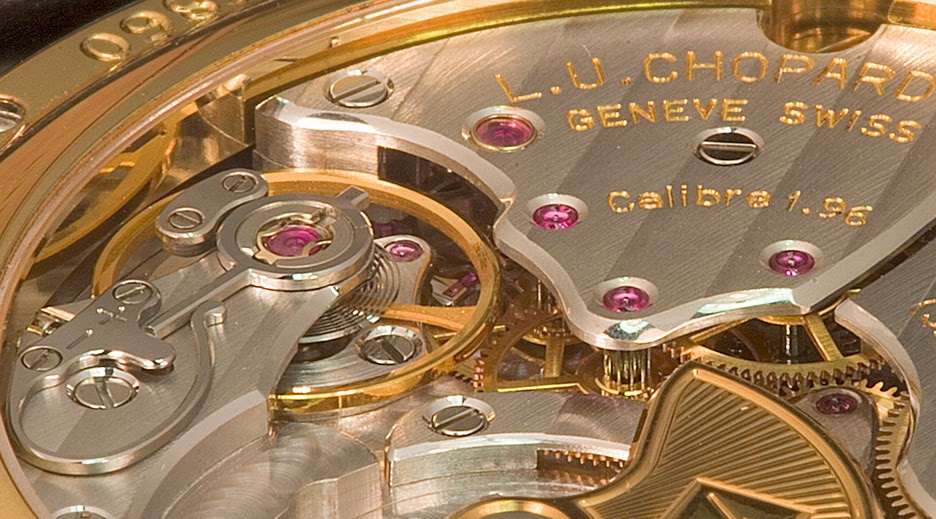
Precisely...
I also remember another recent steel XPS introduction - was it last year's? - that had a different level of finish, particularly in terms of anglage and polishing, than the version in gold.
Best
E.
Chopard Manufacture 20th Anniversary L.U.C 1860 XPS presented in 2016
Chopard Manufacture movements:
L.U.C 96.01-L for the 250-piece rose gold version
L.U.C 96.03-L for the unlimited steel version
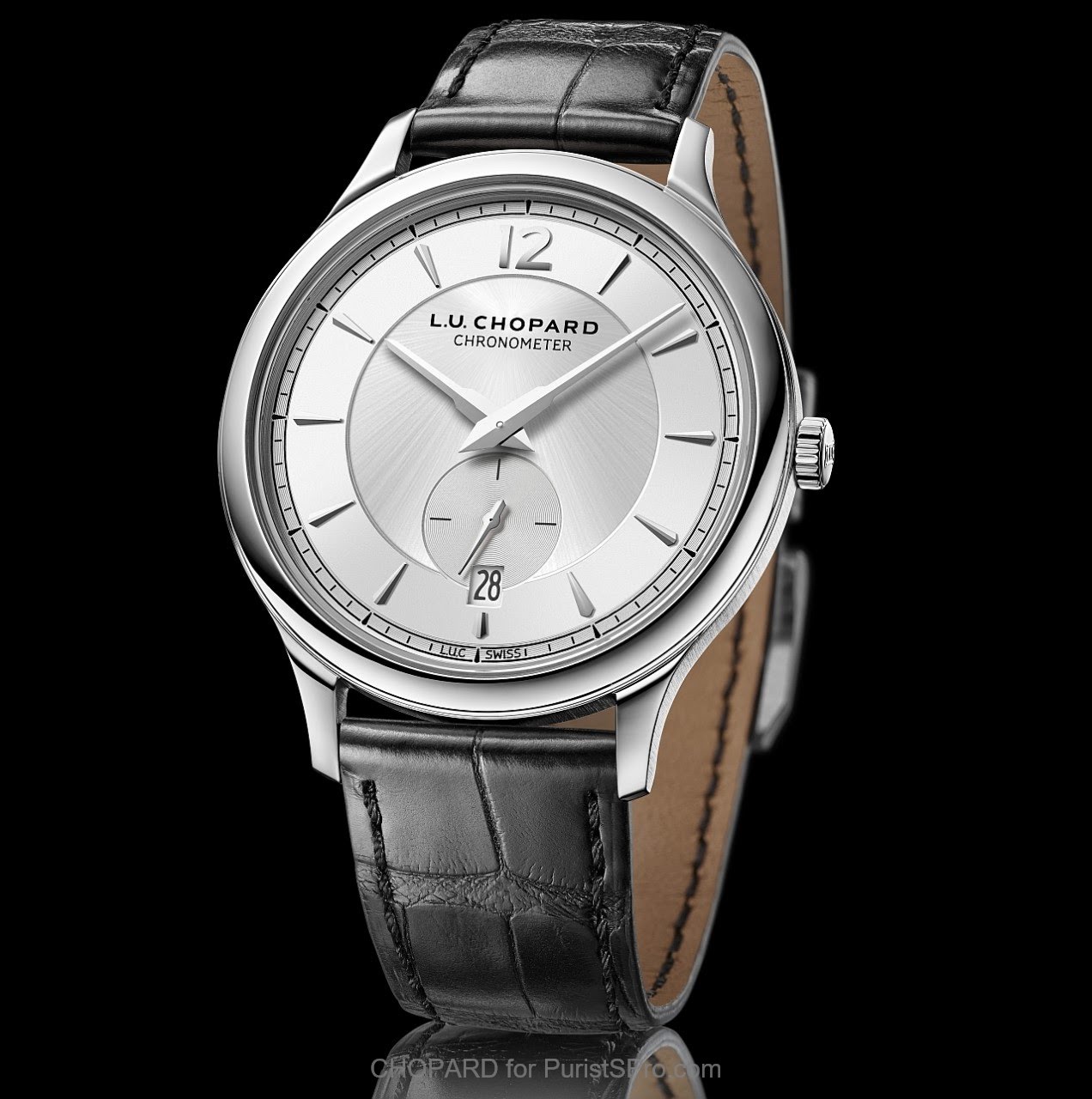
L.U.C 1860 XPS steel
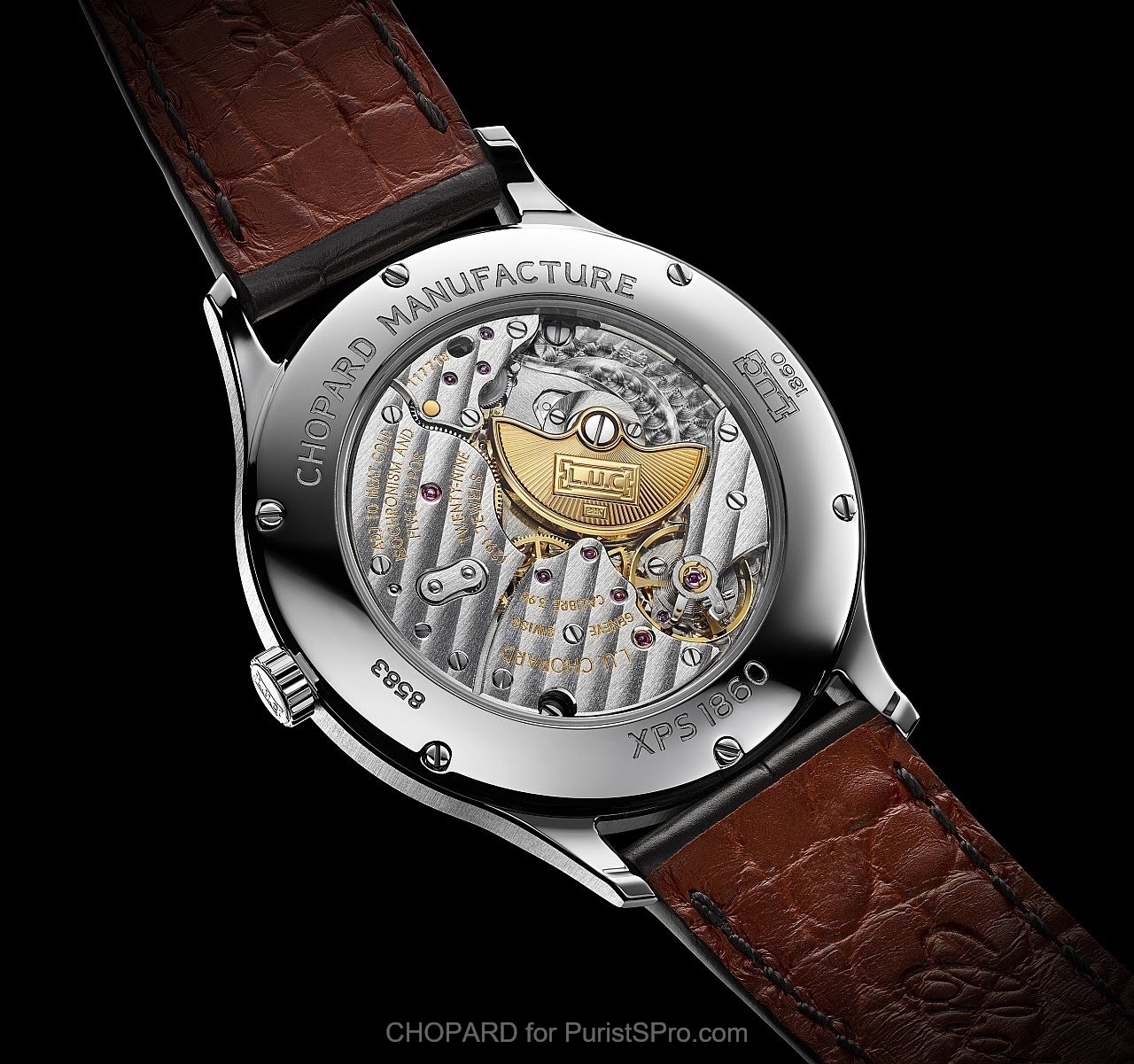
L.U.C 96.03-L movement

nice!

Wow wow wow !
That means you are amongst the trendy young gentlemen
Ahhh... you young whippersnappers...