Some of my favorite watches/movements are not in-house:
purchased movements, there are so many aspects regarding exclusivity, prestige, beauty and "fitness", as well as
the public relations/advertising side, stock, modified, decorated, renamed, unacknowledged...
As others have mentioned, the whole subject is largely a recent concern, apparently the result of the rise of
mechanical watches as almost exclusively luxury items, prominent display backs and high pricing. I love a watch with
a great in-house movement as much as the next fellow, but I must admit that there are times that a manufacturer
can justify in very certain terms that they have simply purchased the best available ebauche for the job, and
finished in their own unique and outstanding fashion.
A few examples:
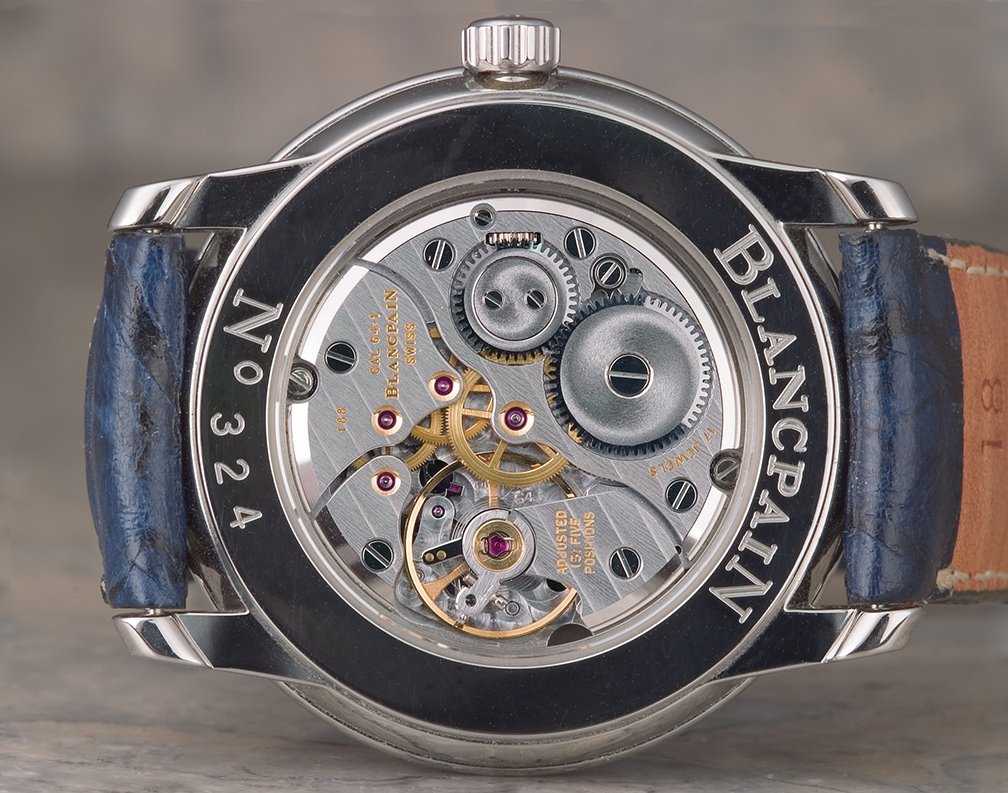
Blancpain chronometer Cal. 64-1. Uses one of the most common simple handwound movements ever, the Peseux
(Now ETA) 7001, but it doesn't Look any other examples!
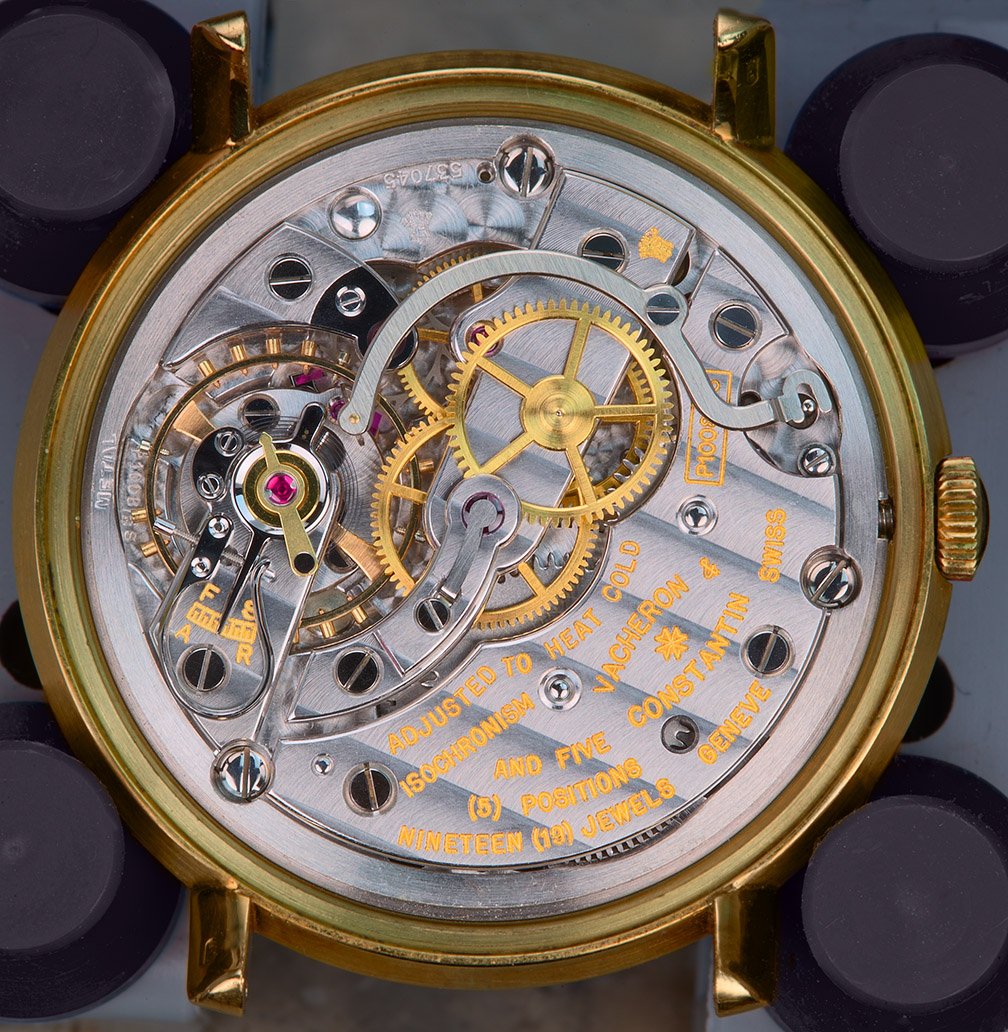
1960s Vacheron & Constantin Chronometre Royal Cal. P1008/BS. Built from a JLC 12.5 ligne ebauche, still one of
the most spectacularly-finished simple movements I have had the pleasure of examining!
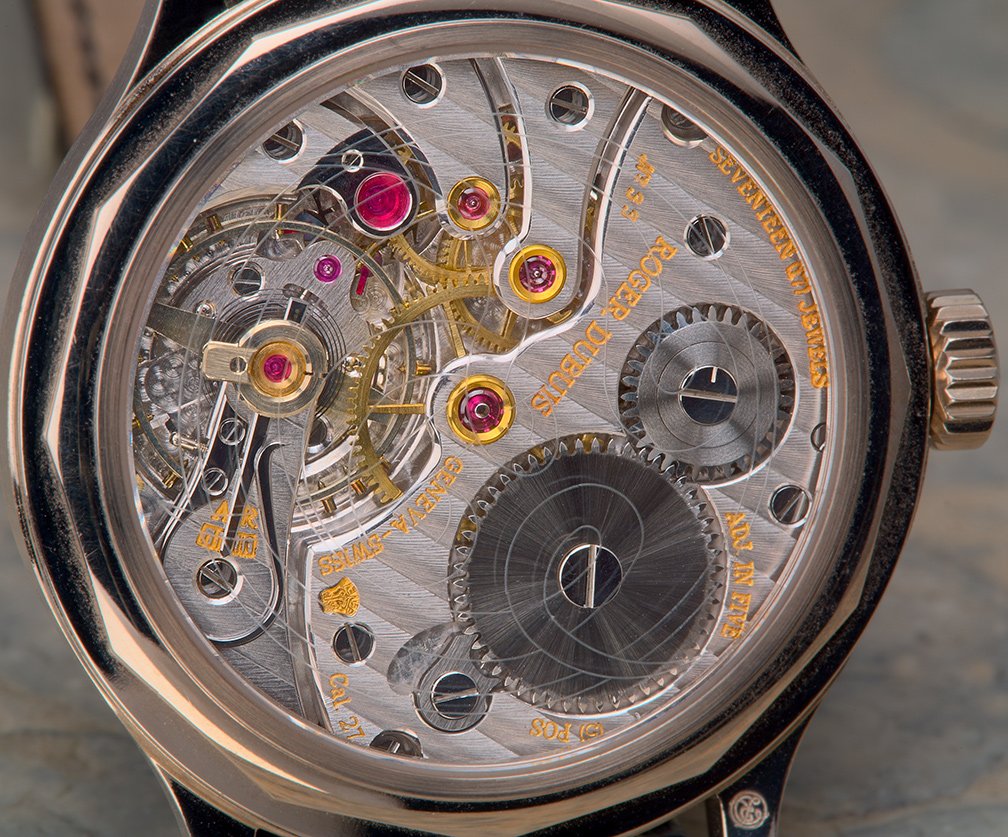
Roger Dubuis Condottieri Cal. RD27. Rebridged and refinished Cyma/Tavannes 15 ligne pocketwatch movement
circa 1940s, a fabulous effort!
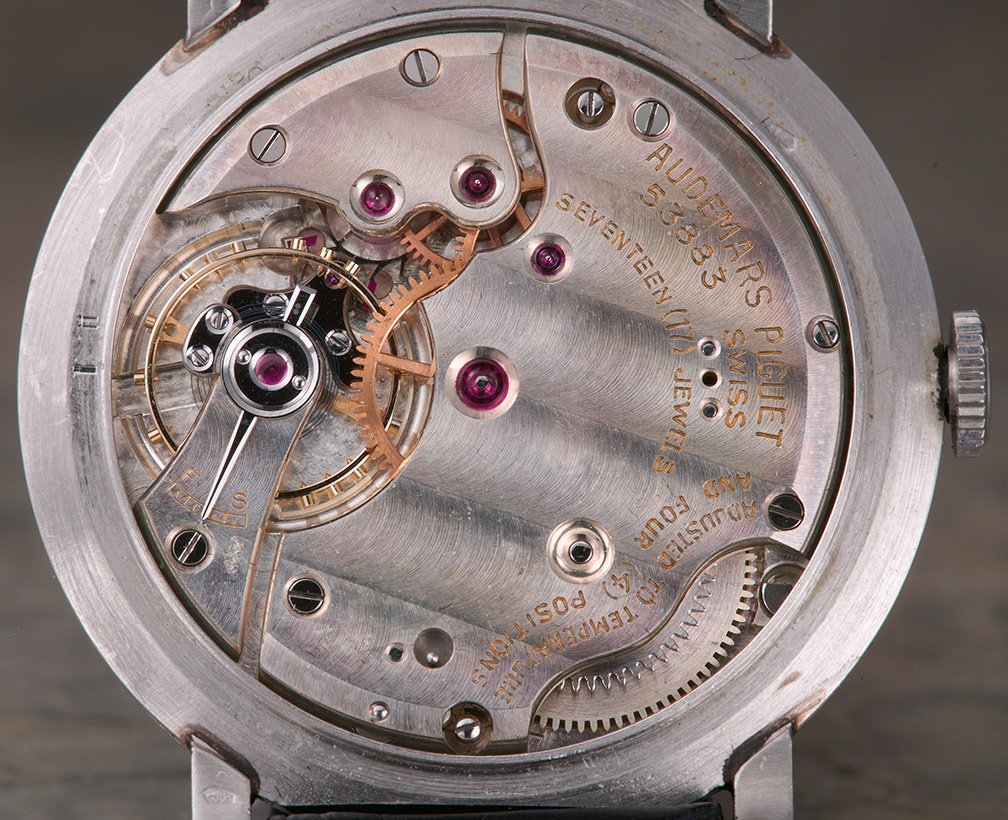
Audemars Piguet Cal. VZSS, circa 1948. Started life as an example of one of the most popular movements of the
era, Valjoux 13 ligne, used prominently as the base for chronographs and complicated calendars, AP has
presented a breathtaking, simple version:
Other examples...
Hi Steve,
The whole debate amuses me, and your examples are great. I've always particularly enjoyed the fact that Seiko and Rolex are probably the most vertically integrated of manufacturers (I love a good-old Seiko 5 being far more "in-house" than the vast majority of so-called in-house movements), but the best counter-example is Peseux ONLY making movements and so the 260 was only ever not-in-house.
Just my sad sense of humour, I guess 
nick
I'm certainly with you there as well, Nick,
movements, sourcing outside (as was so common) chronograph ebauches for example. Seiko as you point out
has always been pretty much exclusively their own designer, even for their $50 throwaways, not mentioning Grand
Seiko and Spring Drive...
I might note that as I understand the Peseux 7001 and Valjoux 13-ligne pretty much quality also as "ebauche-only",
their suppliers not being historically in the watch business (not counting ETA/Swatch, their late purchaser).
The Peseux 260 is now famous in fabulous Voutilainen format, although the original "factory" finish is perfectly fine
with me too!
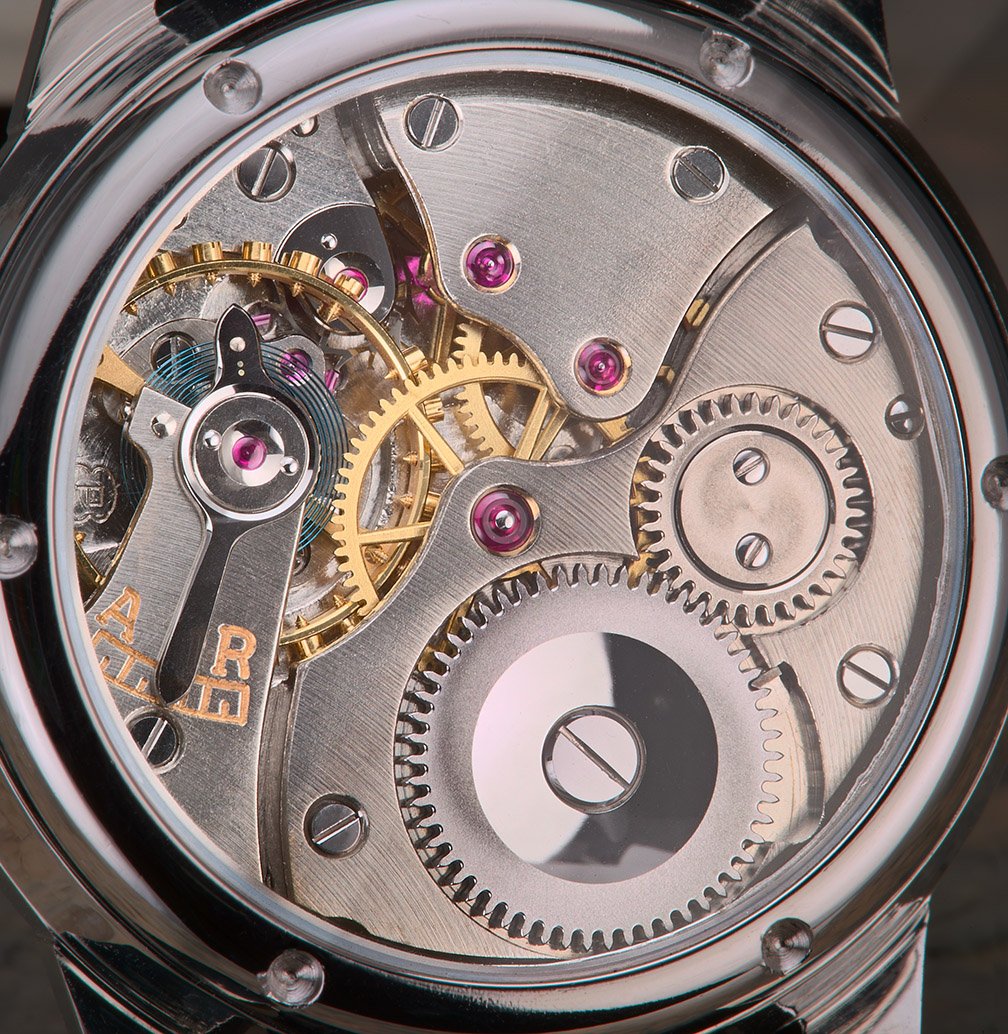

Beautiful pics, as always, and I agree 100%,
in that what is made of the ebauches, that's make a movement special or not.
I would suggest it's about as the same as with cars.
The best model of a car is the last one in the serie,
before the new model arrives.
The "old" model has been around for several years and been refined over time.
Of course it's the same with the fine old calibers, like Lemania, ETA, Peseux 7001 etc.
I'm glad that the "inhouse" discussion is mainly silent now,
since all watchmakers have been "forced" to make their own movements...
But you can't stop wonder why VC and PP used the same ebauches.
It couldn't have been because they were bad!
I'm pretty sure that we will see the day, when ebauches will come back again.
It must be better basic movements if you make 10.000 of them, than if only 100.
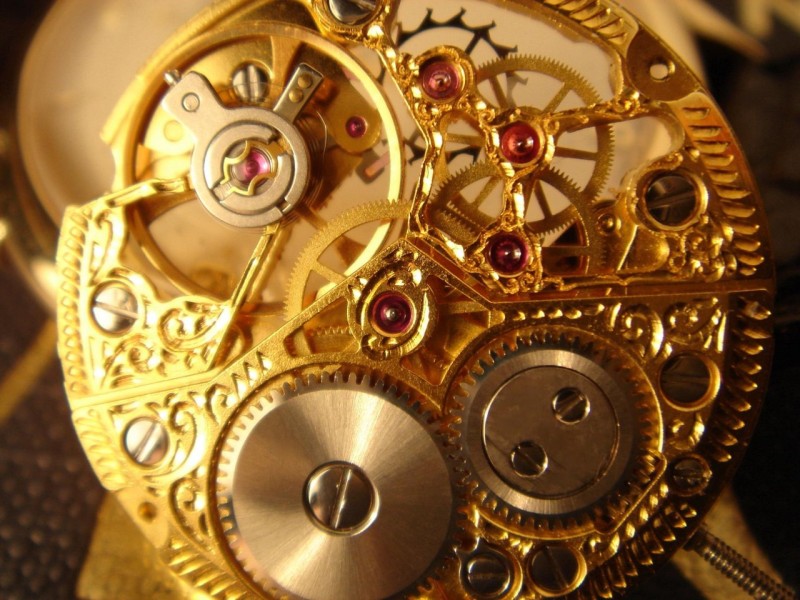
BTW, I have a raw new Peseux 7001, that I bought from Stowa some years ago.
Just don't know what to do with it
Doc
I Can Help You Out--
m

Steve, you are absolutely right on those movements.
They are beautiful and well finished. They out class many of the current in-house movements.
I find it interesting that 50-60 years ago, people were doing a much better job. Perhaps, everything was not so commercialised back then. May be, today, the brands emphasizes more on aesthetics rather than good finished movements as it is more time saving and more watches can be produced. That's why Dufour and Kari are the "rare breed".
Regards
Ling

How true
Excellent examples, Steve...
Regards,
Tony C.


I'll parre and riposte
-a