
ei8htohms
8555

tough questions
Hello Ason,
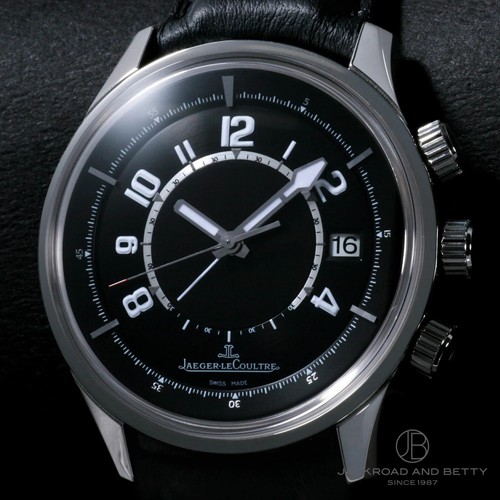
JLC does make their own movements. In fact, they've long been one of the premier makers of fine watch movements in Switzerland, for many decades supplying movements to Patek Philippe, Audemars Piguet and Vacheron Constantin, arguably the most well respected Swiss watch brands.
The allure of an in-house movement is related at least in part to the perceived exclusivity of buying something thoroughly crafted by the company with thier name on the dial rather than paying for something with "off the shelf" components. It's a largely emotional appeal frankly, but many watch enthusiasts also respect the brands' willingness to innovate and commitment to integrated manufacturing processes. It just seems more "honest" in some way and you feel you've acquired soemthing a little more "special".
JLC, Ulysse Nardin and Blancpain all manufacture movements, but JLC is the only company of the three to use in-house movements in their watches exclusively. Ulysse Nardin uses mostly modified ebauches from ETA (including the Marine Diver) and Lemania, with in-hosue movements featured in signature pieces like The Freak and the new 160. Blancpain primarily uses movements manufactured by sister company Frederic Piguet. Many of the movements are exclusive to Blancpain and the close relationship between BP and FP blurs the line between out-sourced and in-house somewhat. Blancpain did release their first in-house base movement this year: the 13RO. It's unclear to me what makes it in-house exactly if it is still manufactured by Piguet, but perhaps the BP specific development and exclusivity are all that's implied?
Value is a very subjective or at least difficult to substantiate quantity, but some folks do associate in-house movements with greater value, which is not to say that they are more valuable, if you see what I mean. None of those three brands performs exceptionally well in the secondary market, but very few brands really do. As such, if resale value is important to you, you should probably consider looking for a good condition pre-owned piece or at least trying to negotiate a good discount. Of course buying pre-owned has a host of risks associated with it as well if the provenance is not well established and/or the watch has functional or cosmetic issues. In all cases, some caution and careful thought/planning is well advised.
Blancpain (and Piguet) is owned by the Swatch Group, JLC is owned by the Richemont Group and Ulysse Nardin is independent. Being part of a large group can offer some benefits to the brands in terms of shared resources for distribution and marketing channels, shared R&D and even shared movements or at least movement development, all of which can translate to a cost savings which might even be passed along to the customer at times (don't bet on it as a rule of course, these brands are here to make money afterall). The downside is a perceived lack of exclusivity and cookie-cutter type service centers to some extent. If all the various brands from one group are serviced in one place (as they often are in the US at least), how many true experts in each brand will be working on the watches as opposed to more generalized techniicans that work on a wide variety of brands? There are arguments on both sides of that equation of course.
Like the concept of "in-house", buying from an independent manufacturer carries a largely emotional appeal. Brands like Ulysse Nardin arguably have greater freedom of development due to their independence, but perhaps their envelope pushing R&D has more to do with the personalities of the principals than anything else. Of course, JLC is always pushing the envelope as well, notably with pieces like the Gyrotourbillon, the Tryptique and even the much more affordable Amvox II.
_john
Available on the marketplace
in house movement question
tough questions

In house is often seen as a must, but is it?
Speaking of in-house movements.
beg to differ in part
Yes all movements are hand assembled at JLC
Yes you're right....

more tough questions