Denes_Papp
160

An elegant solution
We all know about chronograph transmission. Vertical vs. horizontal coupling.
In a traditional horizontally coupled chronograph the fourth wheel carries the chronograph driving wheel that drives a coupling wheel which then meshes/un meshes with the chronograph seconds wheel. The coupling wheel has a different gear profile than the driving wheel and the chronograph seconds wheel has twice as many teeth as the coupling wheel. All this is to facilitate the meshing of the gears when the chronograph is engaged. This gear "mismatch" has its drawback.
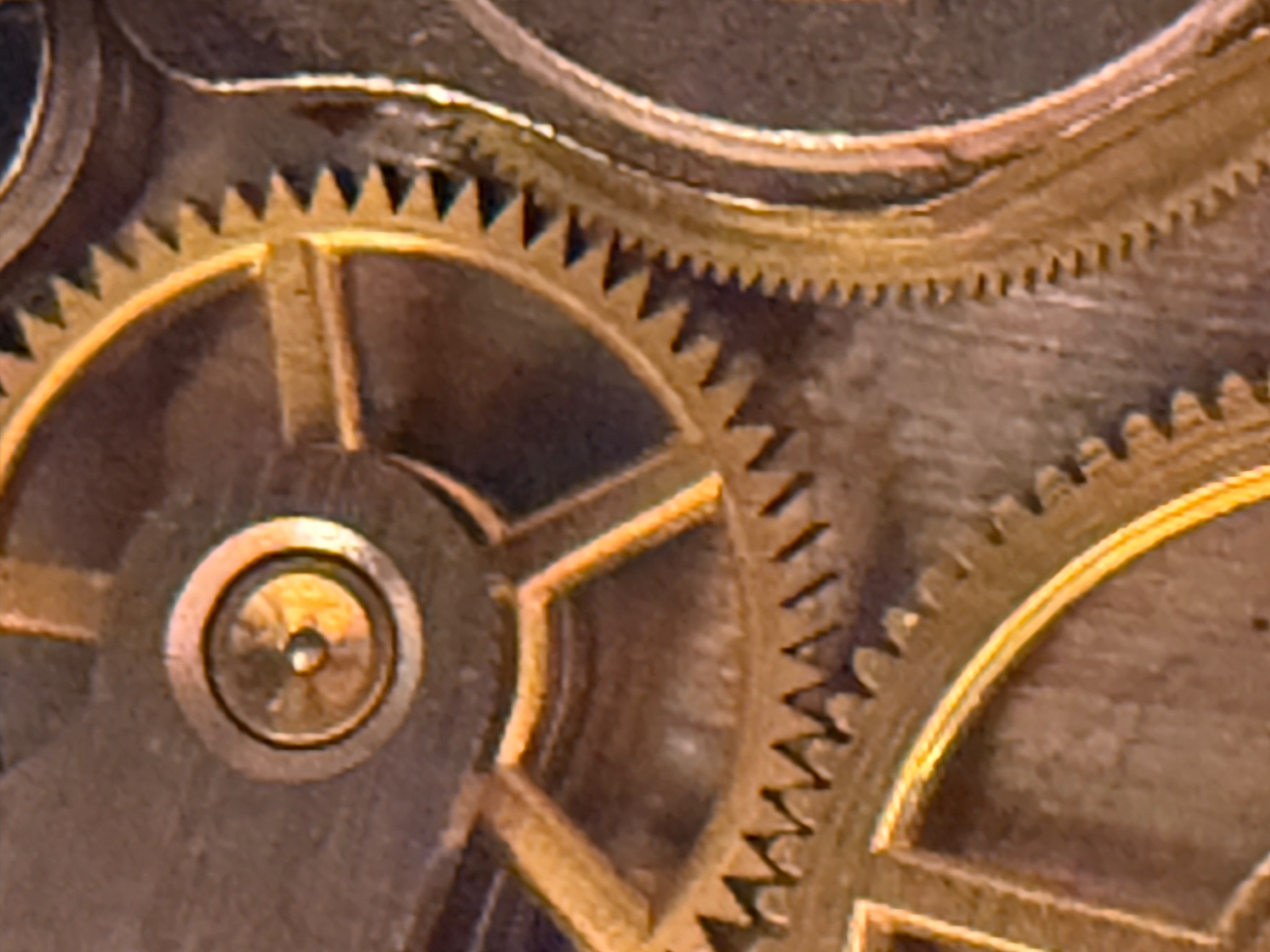
It is a known "disadvantage" of horizontally coupled chronos that on engaging the chronograph function the chronograph seconds hand can judder or jump a fifth of a second. This does not affect accuracy, just looks ungainly.
A few weeks ago I came across a report from the 2018 Breguet release of the new Marine collection, and a picture caught my curious eyes.
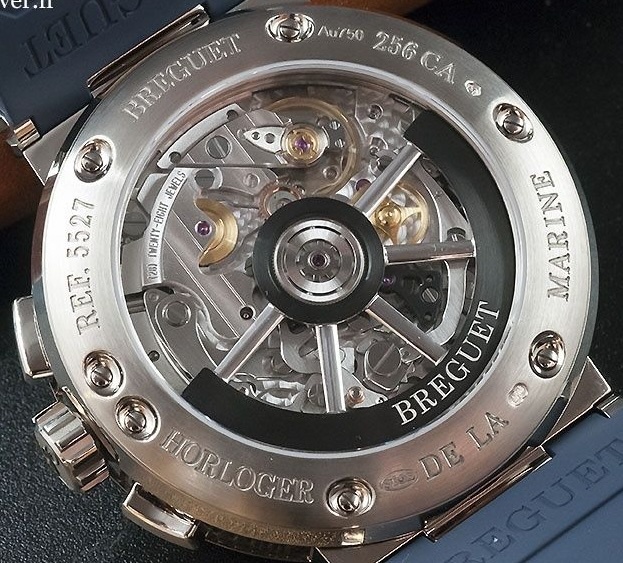
If you look closer you can see that the chronograph coupling wheel arrangement looks different.
On closer inspection this is what one can see:
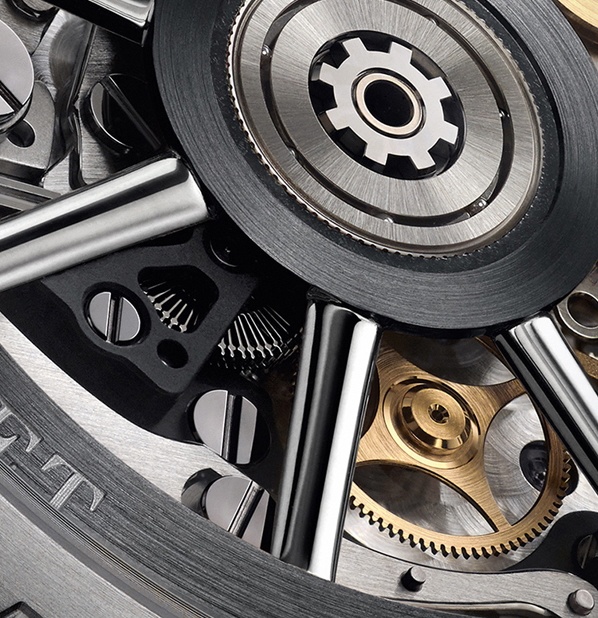
The coupling wheel has a radically different look.
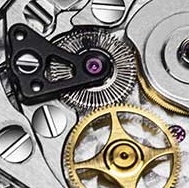
I could not find any reference from Breguet referring to this change. I enquired in two NYC Breguet boutiques and draw a blank at both places.
It took me several hours of net surfing, finally one of the AI search bots dug up a reference regarding Breguet using a LIGA process created coupling wheel. https://www.instagram.com/p/DBEABmPqOZ5/?hl=en&img_index=1
BTW LIGA in modern watch making is one of the most exiting topic in itself. https://watchesbysjx.com/2020/11/rolex-daytona-movement-4130-liga.html
The advantage of this coupling wheel is that each teeth is independently flexible and thus uppon chronograph engagement can eliminate the judder or jump of the chronograph seconds pointer.
Hublot uses a similiar wheel in their Unico movement.
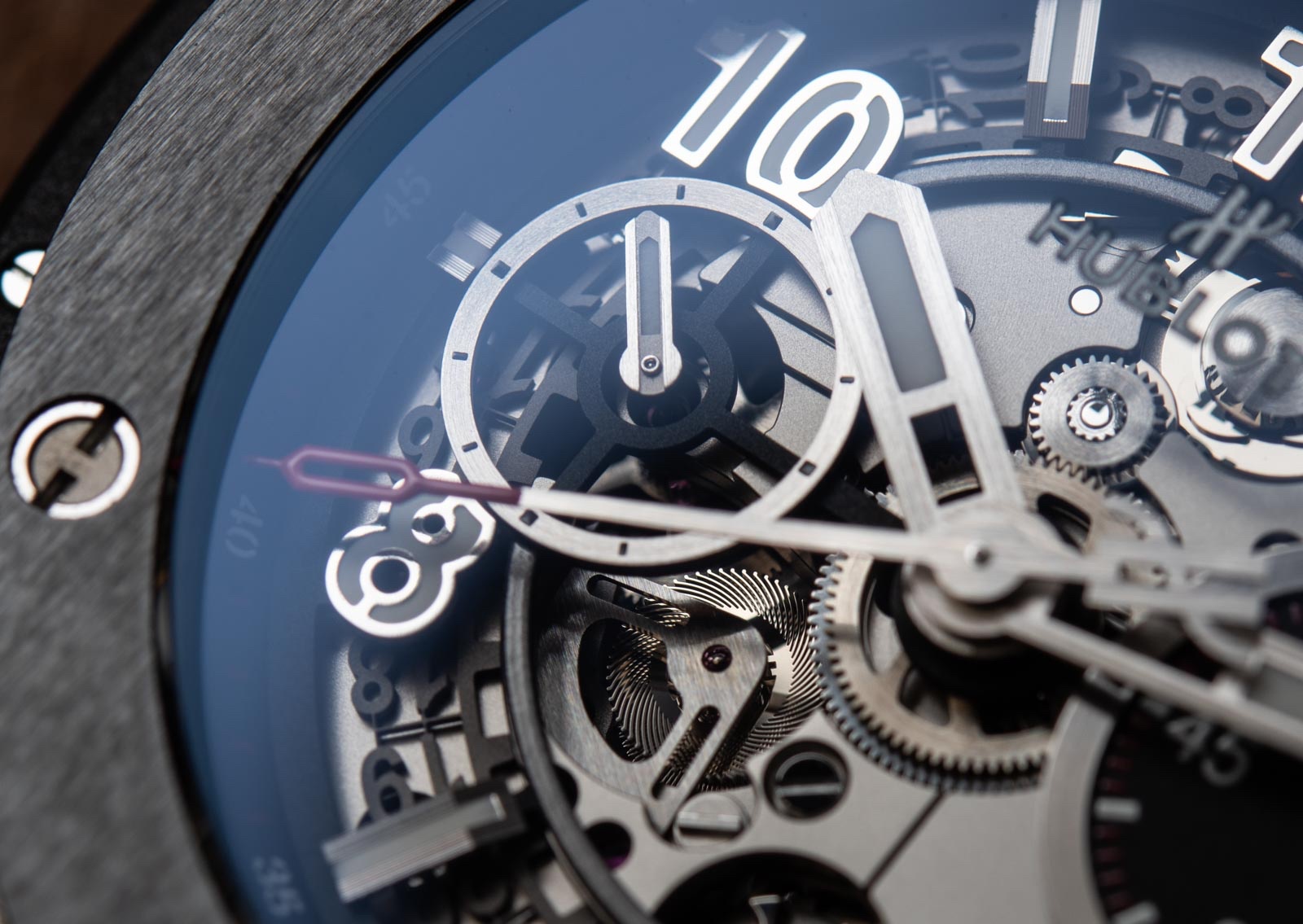
Further investigation of this is indicated.

Independents
Discover Pascal Coyon's Chronometre watch, an independent French watchmaker's tribute to 1900s horology with an affordable, highly finished movement based on Unitas.
95 replies60203 views

Review
Explore the Zenith Aéronef Type 20 (Ref. 95.2420.5011/21.C723), a 57.5mm aviator watch with the historic 5011K caliber. Discusses size, design, and movement.
13 replies1799 views

Vintage
Discover a rare collection featuring watches by Abraham-Louis Breguet, John Arnold, and Roger Smith. Experience the historical significance and craftsmanship of these horological treasures.
10 replies3445 views
An elegant solution
We all know about chronograph transmission. Vertical vs. horizontal coupling. In a traditional horizontally coupled chronograph the fourth wheel carries the chronograph driving wheel that drives a coupling wheel which then meshes/un meshes with the chrono...


