
hmmmcamu
810

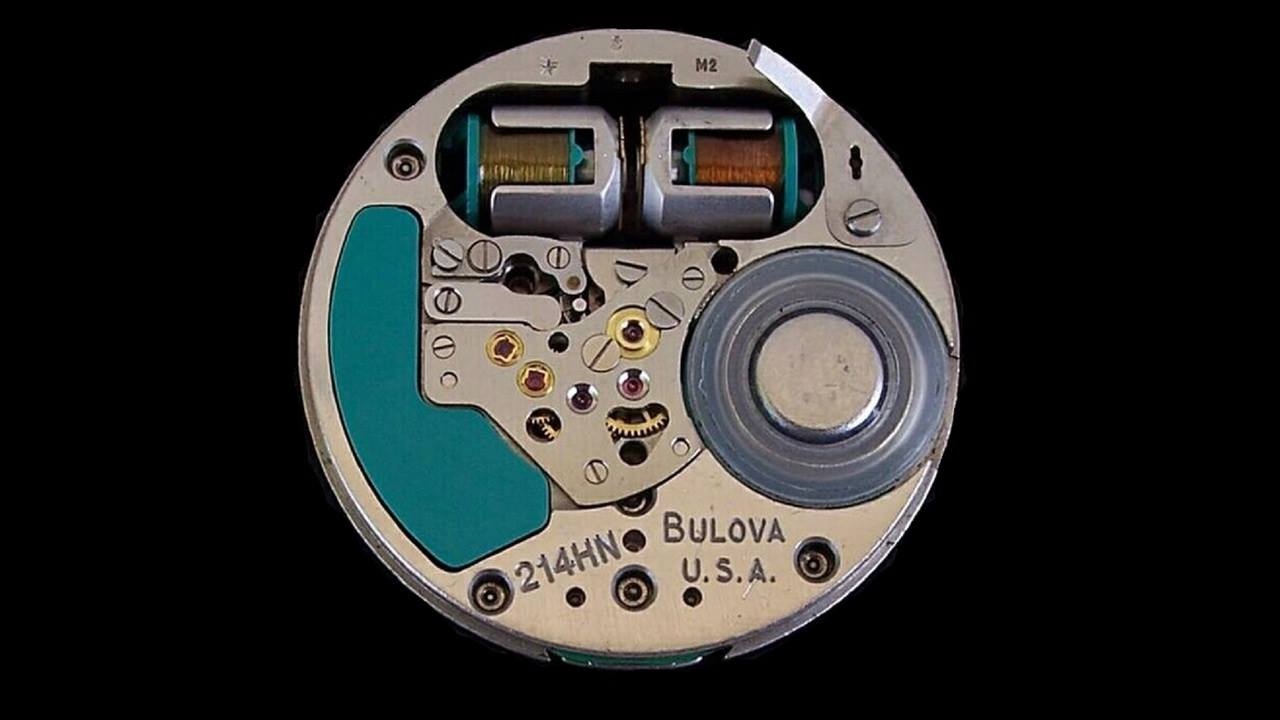
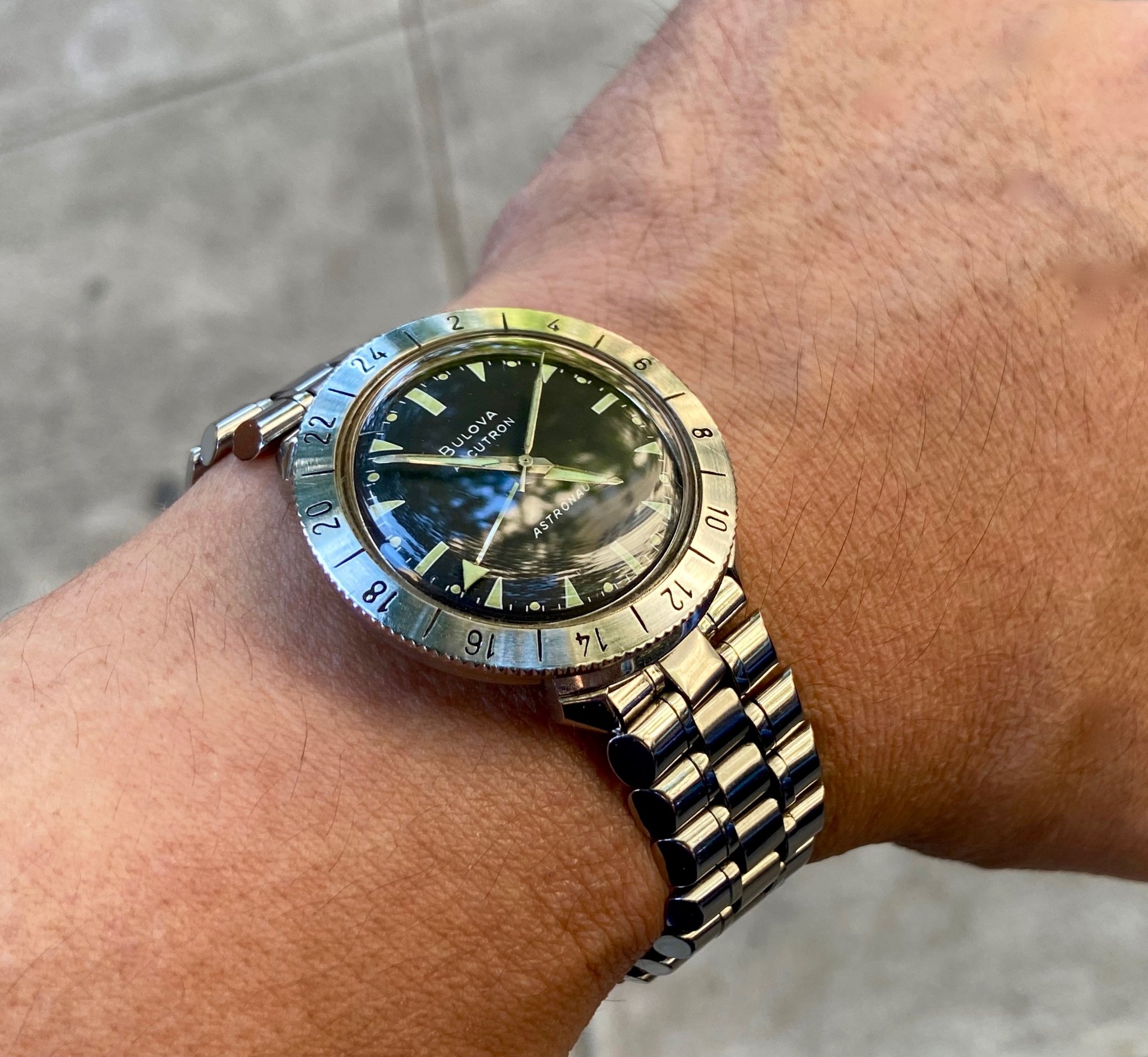
1966 BULOVA ACCUTRON ASTRONAUT GMT caliber 214HN CIA ISSUED WATCH

Mechanical watches suffered in high-speed flight: temperature swings warped movements , gaskets failed under pressure changes , and G-forces disrupted balance wheels . The Accutron’s tuning fork movement had no balance spring , eliminating the most vulnerable component. It used silicon transistors by 1966, which handled heat far better than germanium, and its 360 Hz vibration was immune to shock and vibration.
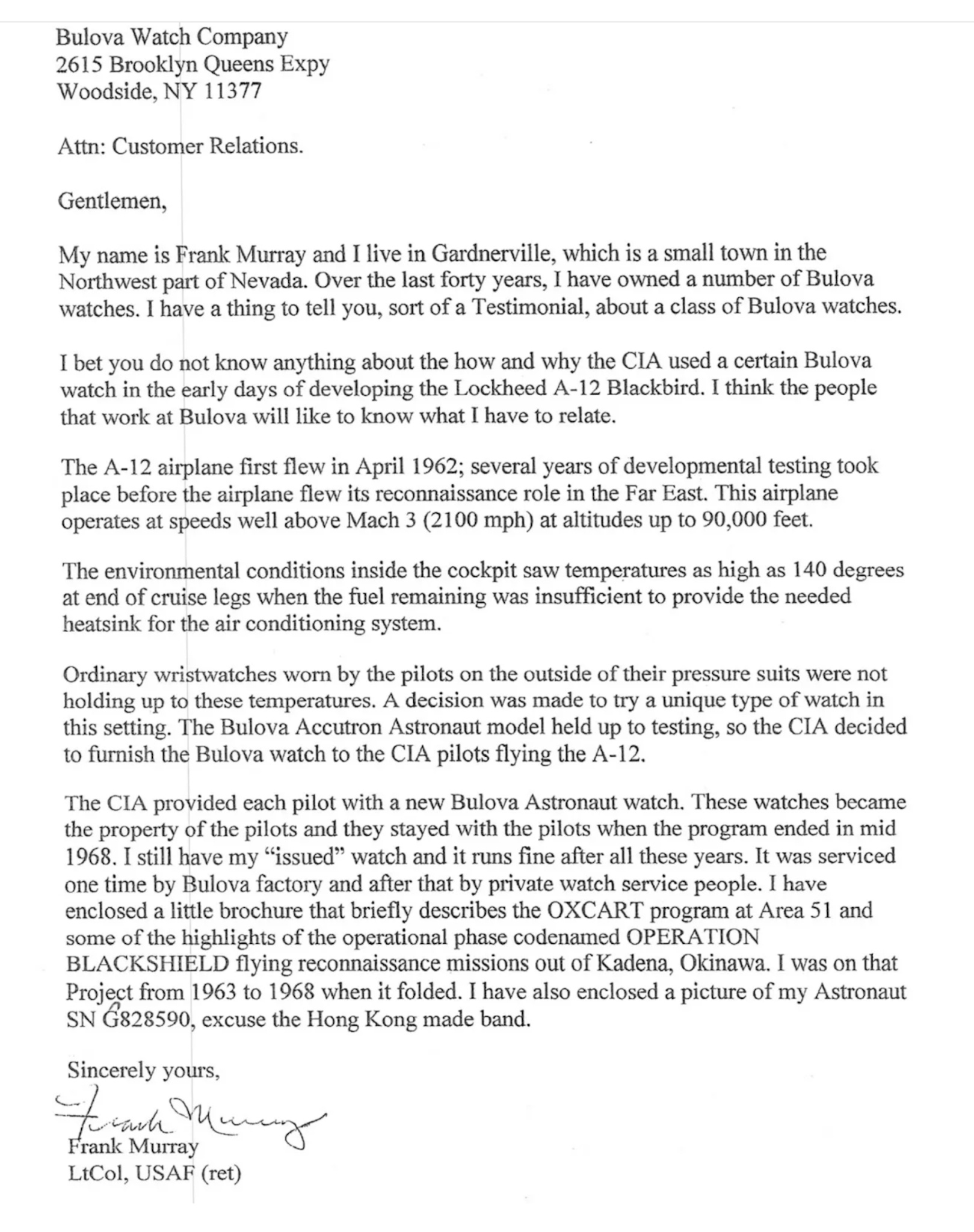
The CIA officially issued it to A-12 pilots. As Lt. Col. Frank Murray confirmed:
“The Bulova Accutron Astronaut model held up to testing, so the CIA decided to furnish the Bulova watch to the CIA pilots flying the A-12.”



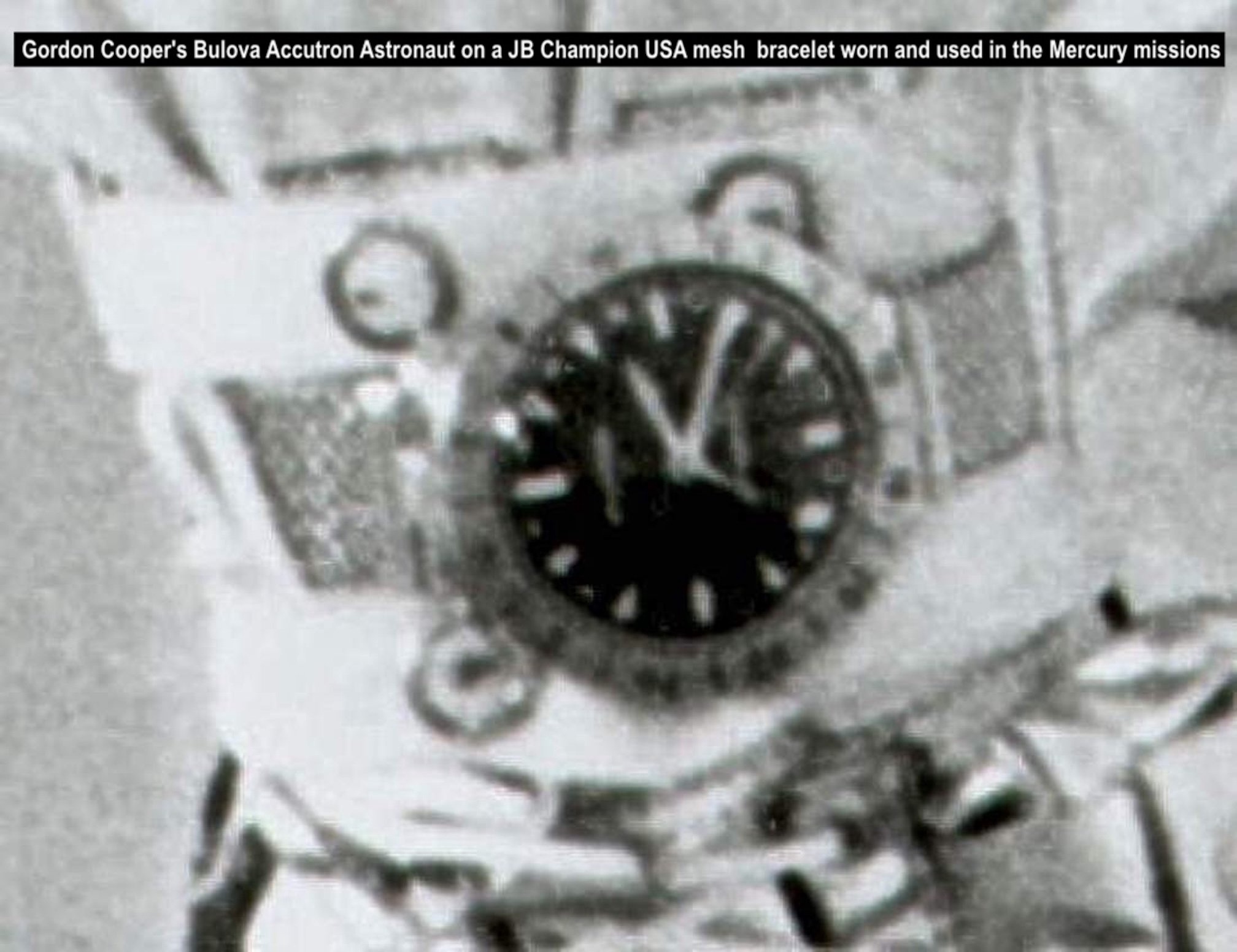
JB Champion USA was the OEM supplier of the tapered solid link "Bullet" bracelet for the Accutron Astronaut. The distinctive tapered ends were engineered to fit the watch’s case. This was not made by Forstner—Forstner had no role in bracelet manufacturing or supplying after 1963.


NASA also used JB Champion USA expandable mesh bracelets starting in 1964. After Jacoby Bender acquired Forstner in 1963, they discontinued the Komfit and developed the JB Champion with spring-loaded, variable-width end pieces (16–19 mm) a new engineering solution, NOT A REBRAND
The hook and loop (Velcro) strap, built to JSC-SPEC-M1 and Mil-F-21840C, replaced mesh for spacewalks. It allowed quick adjustment over suit sleeves and became standard for Gemini, Apollo, and Shuttle missions.
This was not marketing it was mission-critical selection, confirmed by pilot testimony, technical records, and NASA documentation.


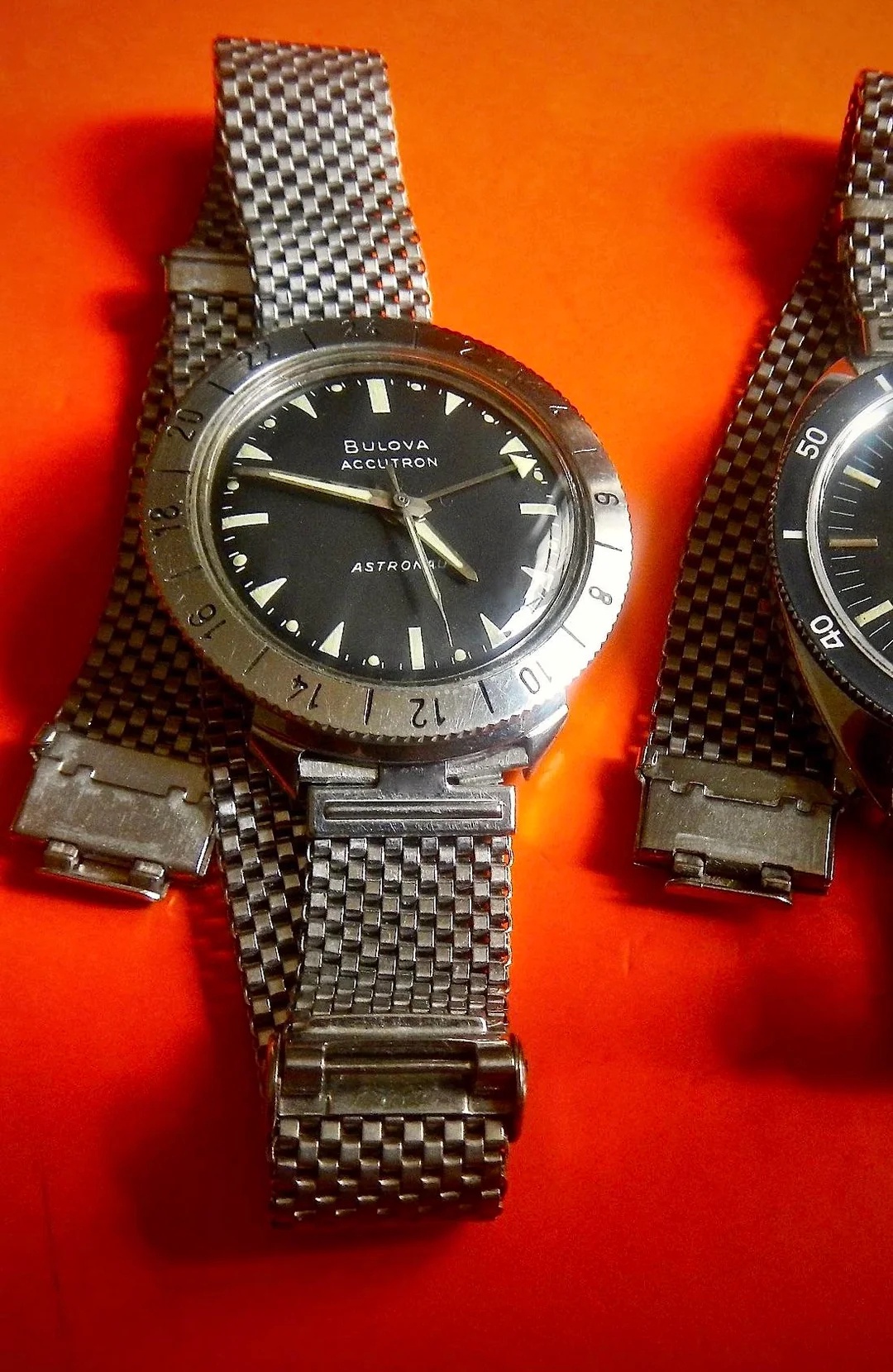




1966 BULOVA ACCUTRON ASTRONAUT GMT caliber 214HN CIA ISSUED WATCH

Here's one I saw recently...

