
seabas132
1348

The Turtle - A Brief Watch History
Good day all. Not sure if in the right forum, so please forgive me. The history nerd in me - although I prefer the term history aficionado - had the pleasure of seeing a more detailed report about Bushnell’s Turtle. The Turtle was the first submersible (submarine) used in combat. The Turtle was the invention of David Bushnell, who had studied underwater explosions at Yale College and created a means for underwater detonations, in 1775 after approval and funds by Gen. George Washington during the American Revolutionary War for independence. The idea was borne as a means to lift the British naval blockade. 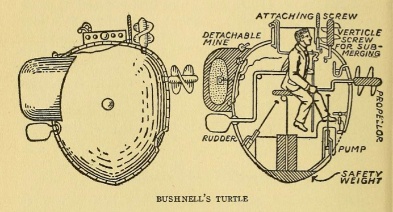
Drawing of the Turtle (Bushnell’s Turtle - From A History of Sea Power by William Oliver Stevens and Allen Westcott. Used through Public Domain.)
The Turtle was used to attach explosive charges to Royal Navy ships moored in harbors. While multiple attempts were made in New York Harbor, all failed and the Turtle was sunk aboard her transport ship in the fall of 1776. 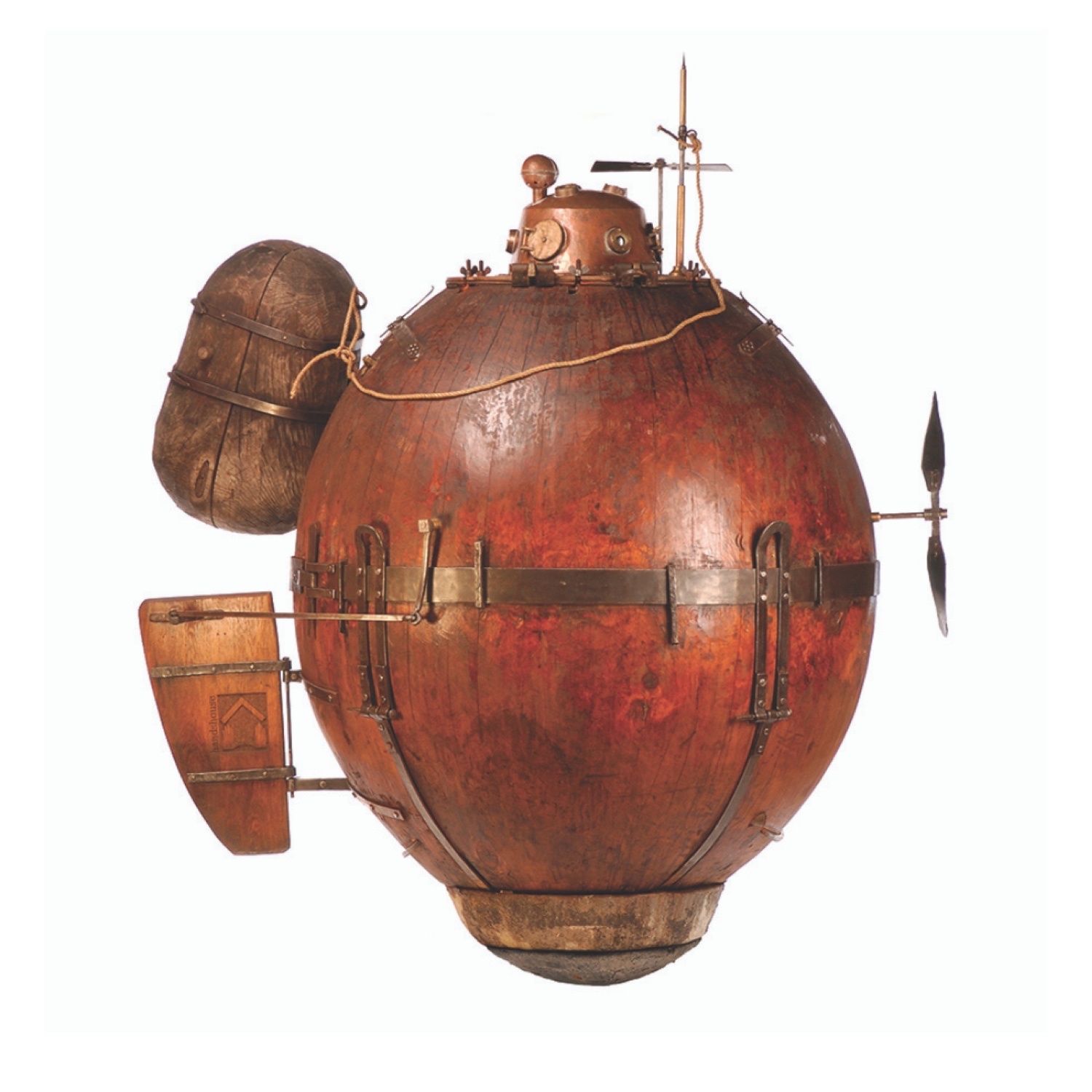
Replica of the Turtle. Credit: Photograph 2003 Cary Wolinsky. The David Bushnell Submarine Turtle 2003 Handshouse Studio, Inc.
Interestingly, the mechanical and brass elements of the submarine were built by a clockmaker- Isaac Doolittle - who had a shop blocks away from Yale. 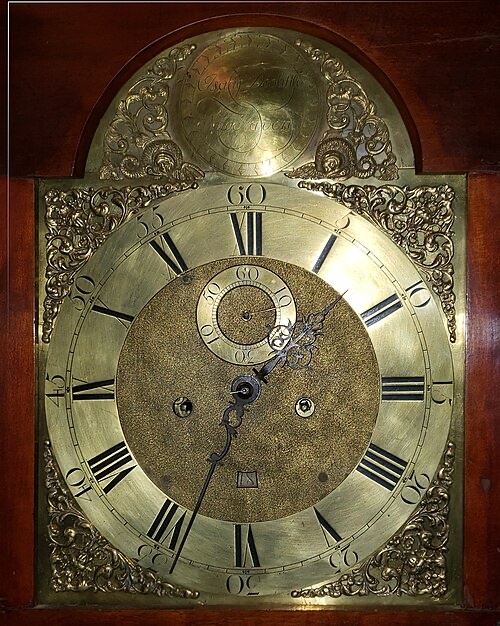
Isaac Doolittle brass hall clock face, c. 1770s
Moreover, Doolittle’s engineering expertise and knowledge of brass meant that he was likely the designer of many of the components - including the significant innovation - the first use of a propeller to move watercraft. The clockmaker did not stop there - he also helped create the first known mechanically detonated time bomb through the use of one of his clockwork timed detonators - crucial to the plan of attaching these timed bombs to the hills of the naval ships while giving the Turtle and its operator time to make an escape to a safe distance.
Finally, and to not make this even longer, was the use of Foxfire as LUME! What is Foxfire you say? It is a fungus that has natural bioluminescence properties: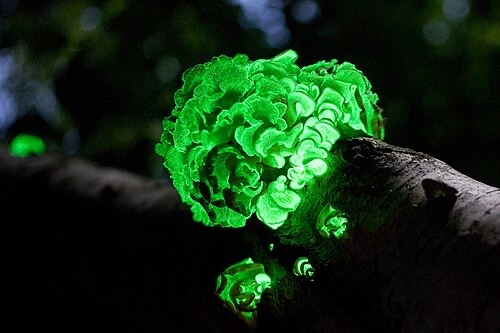
Panellus stipticus, Mt. Vernon, Wisconsin (long exposure). Known as Foxfire.
The Turtle, being submerged, meant that it would be incredibly dark once beneath the surface of the water. No lit fire lamps allowed as that would be a danger, Foxfire was then used to mark both the depth gauge and compass. The depth garage had graduated markers coated with Foxfire to denote each fathom of depth and the compass needle also coated with Foxfire to indicate direction in the dark. The below images show where the lume would have been applied. 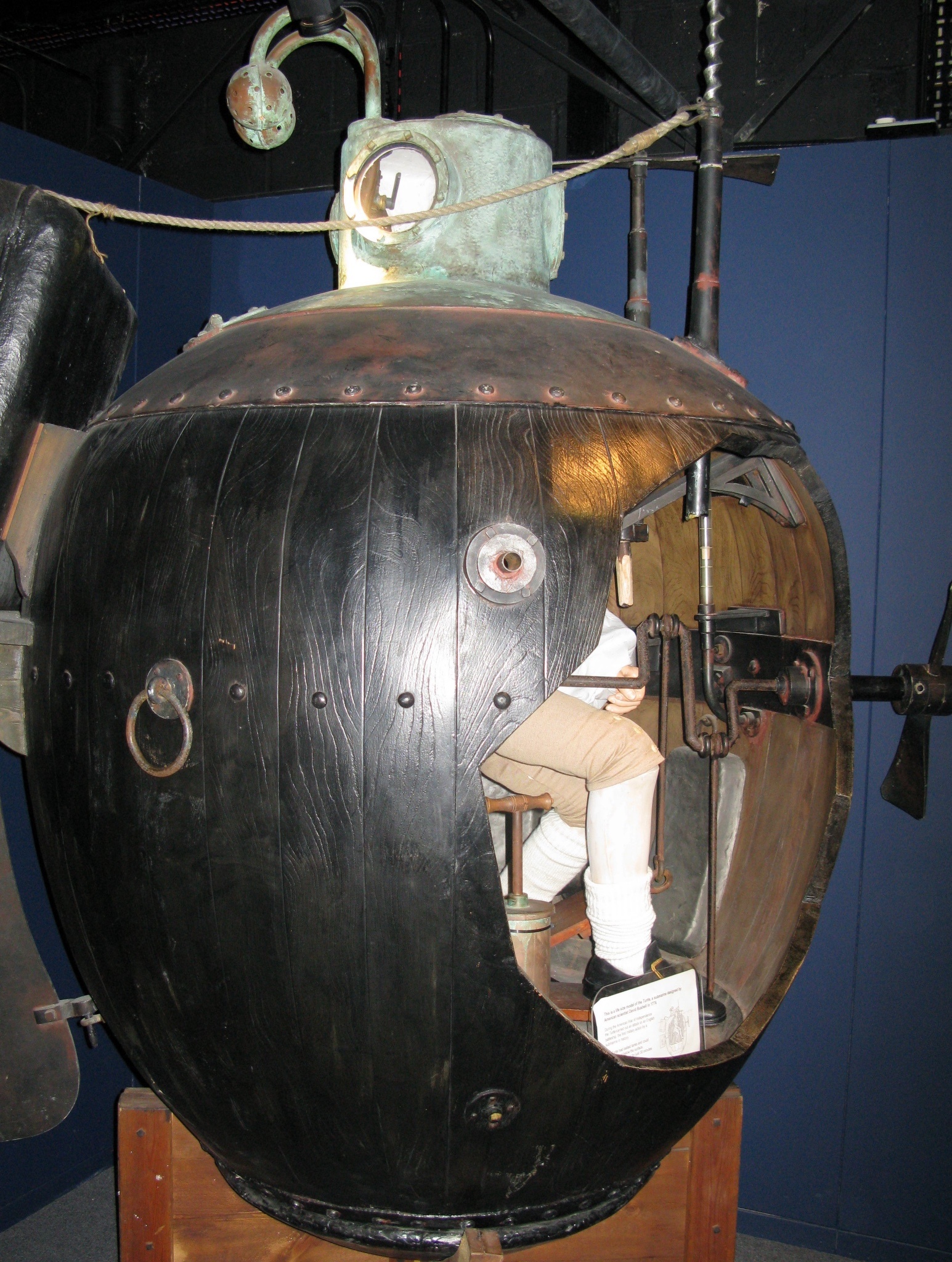
A cutaway full-sized replica of the Turtle on display at the Royal Navy Submarine Museum, Gosport, UK.
Close up detail of where Foxfire lume applied: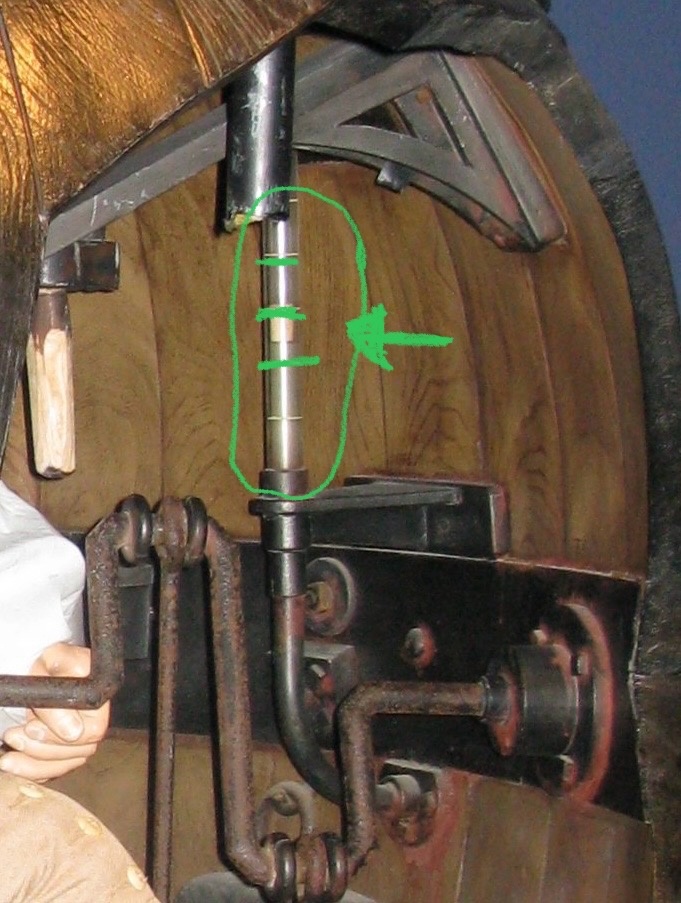
A fascinating, at least for me, history of how a watchmaker helped influence the American Revolution. This was an unknown lume history for me and I hope to explore and learn more about the history of lume. Thank you for reading and hope you enjoyed. - Sebastian

The Turtle - A Brief Watch History


Very cool and thank you for sharing this awesome report!

Great post 👏🏽👏🏽

Fascinating stuff.

Thanks for the fascinating history lesson 🙏🏻
