
SALMANPK
13013

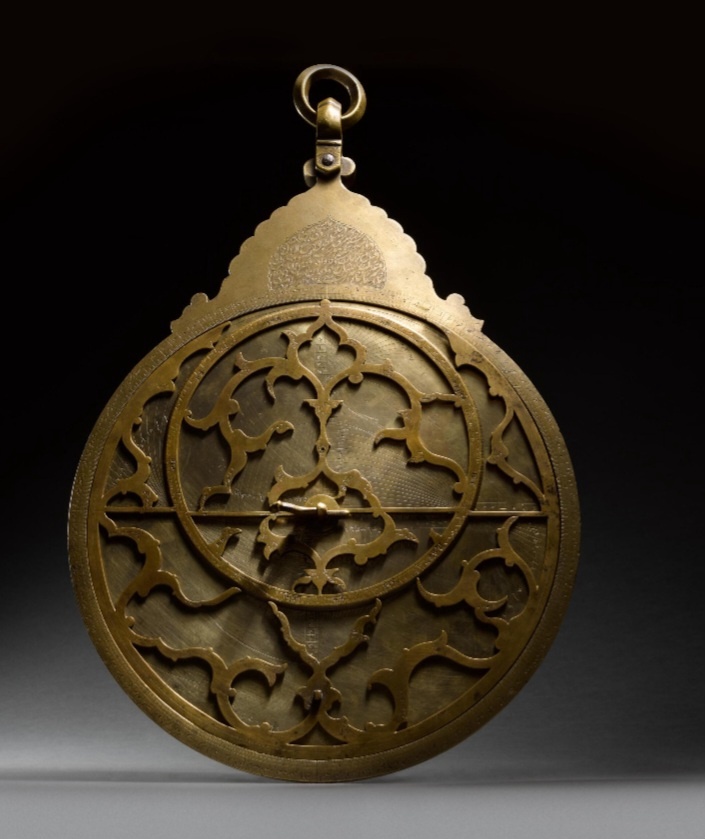
Mughal Era Brass Astrolabe from 1612 AD
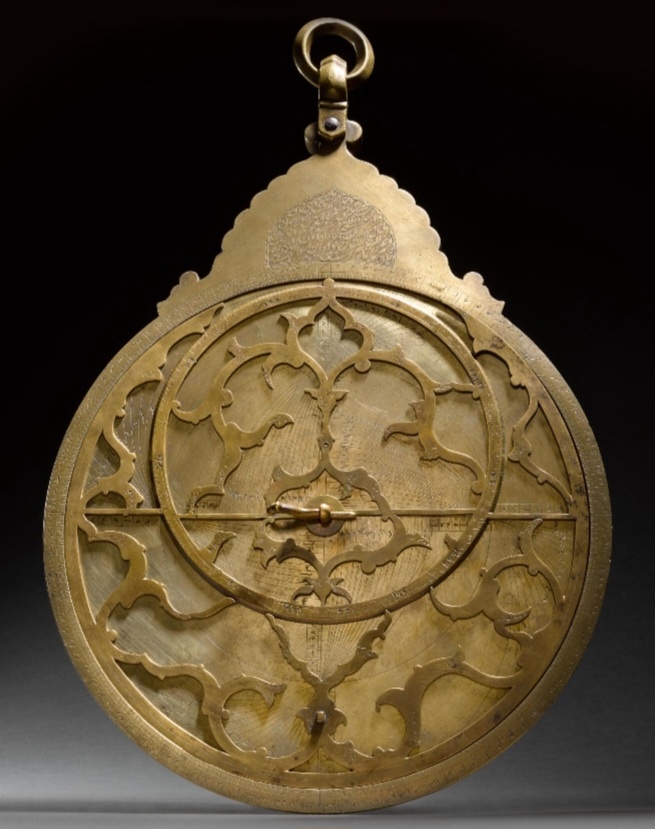
Made in Lahore in May 1612 during the Reign of Emperor Jahangir, the Fourth Emperor of the Mughal Dynasty who traced their origins to Tamerlane who's wife Saray Mulk Khanum was a direct descendant of Genghis Khan through the Chagatai Khanate.
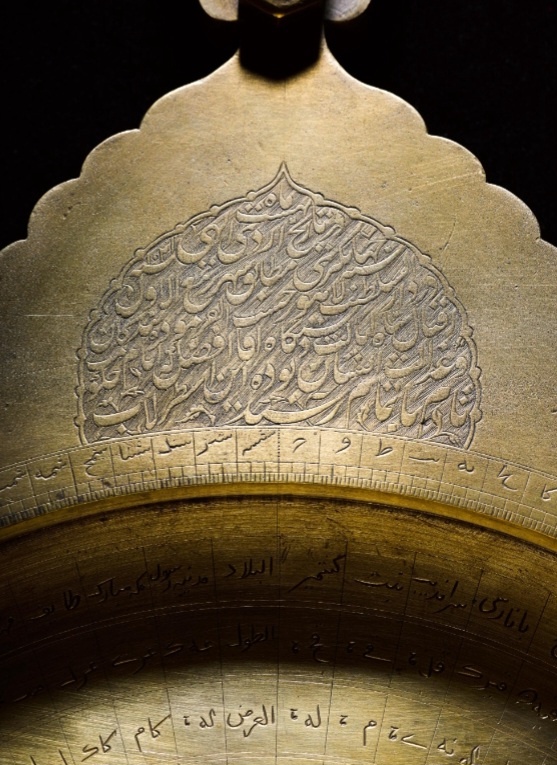
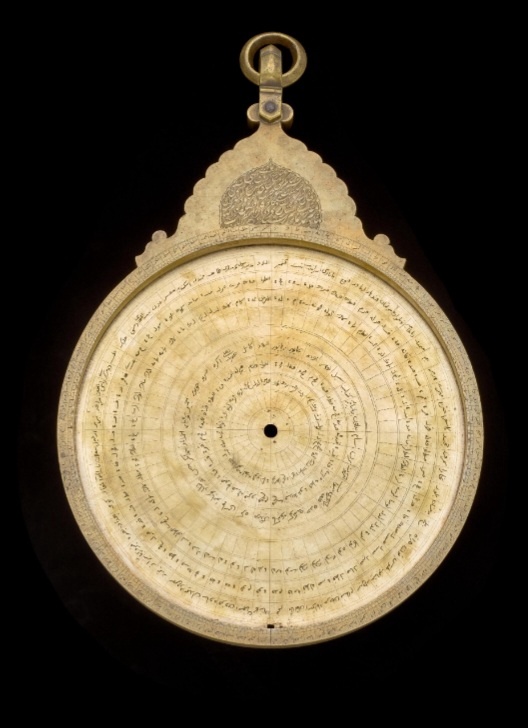
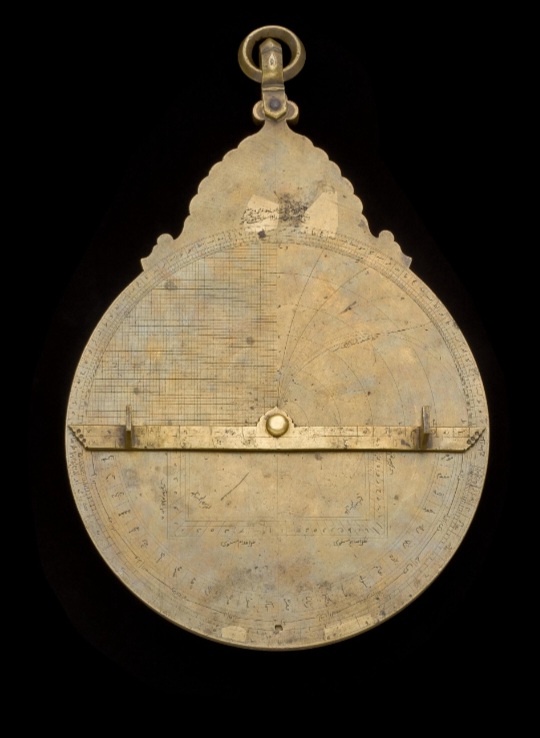
It was commissioned by Aqa Afzal, a nobleman who administered Lahore during this period.
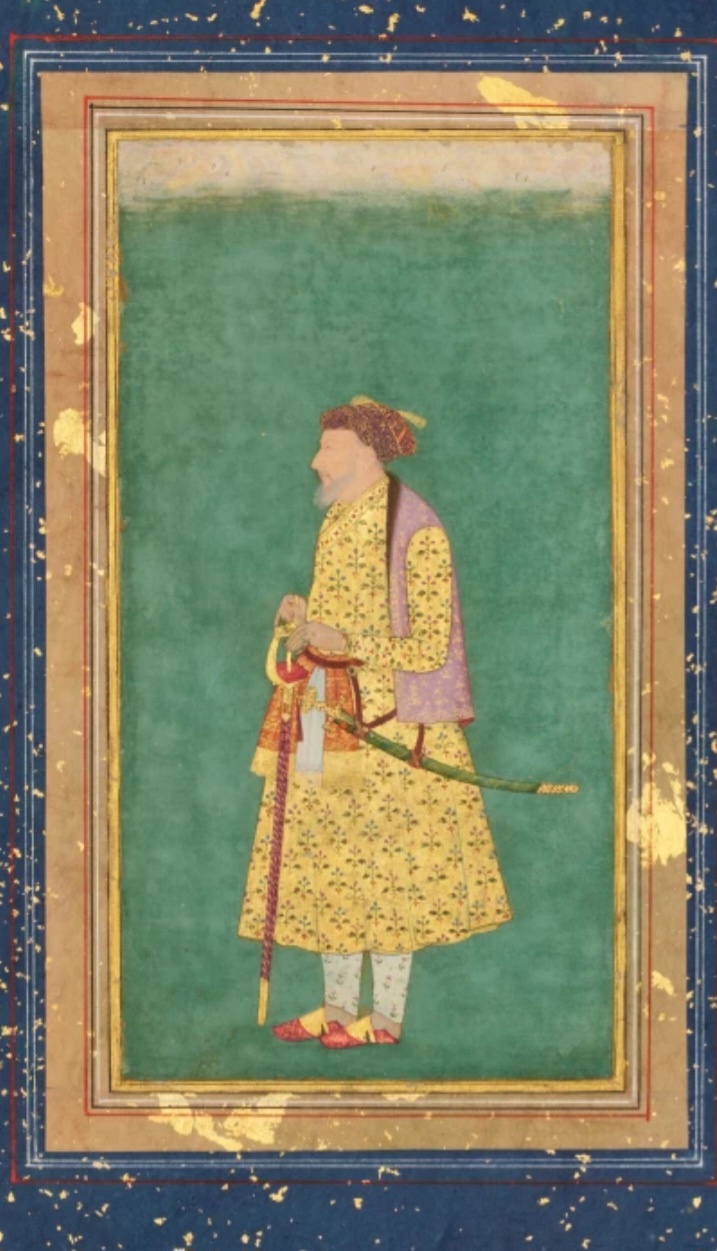
Aqa Afzal arrived into the Mughal courts from Isfahan and was quickly advanced on account of his knowledge and reputation of having good judgment. He held several important positions under Emperor Jahangir and his son Emperor Shah Jahan who would later commission the construction of the Taj Mahal in Agra.
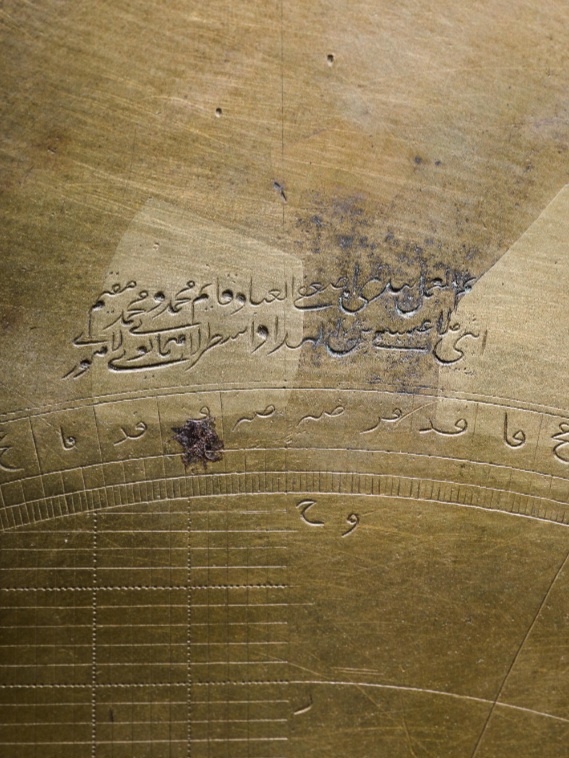
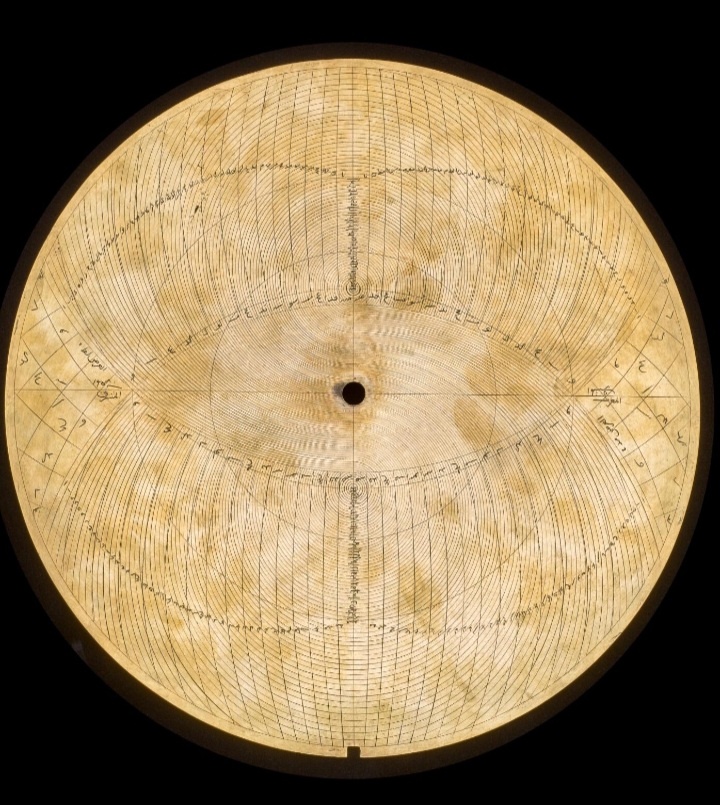
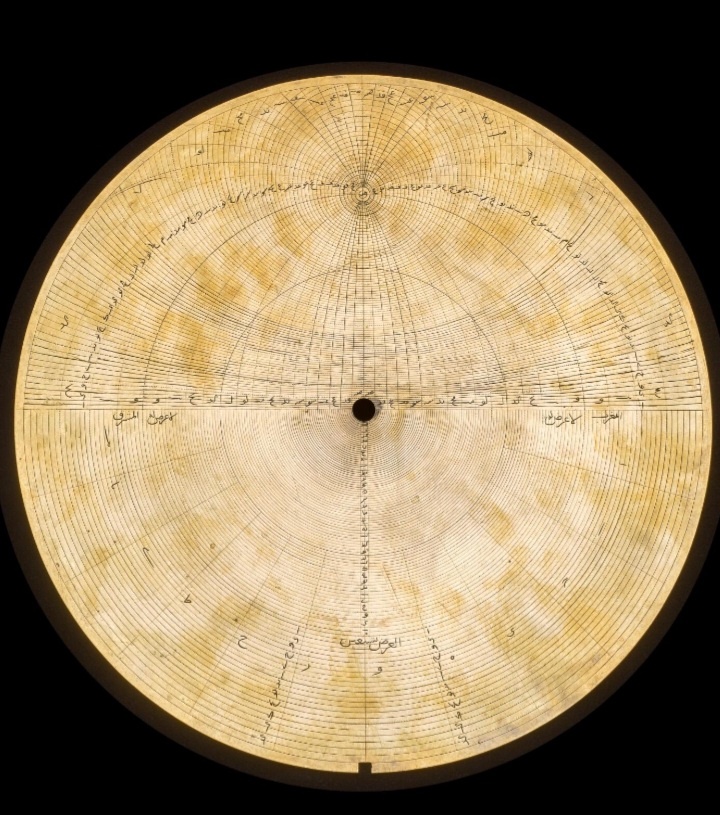
Lahore was a major centre of production of scientific instruments during the Mughal period. The Lahore School, with seven known members of the same family working over four generations, demonstrates how the required skill and knowledge for making such scientific and observation instruments was passed on from father to son. Its tradition continued to influence the design and manufacture of such instruments in India well into the 19th century.
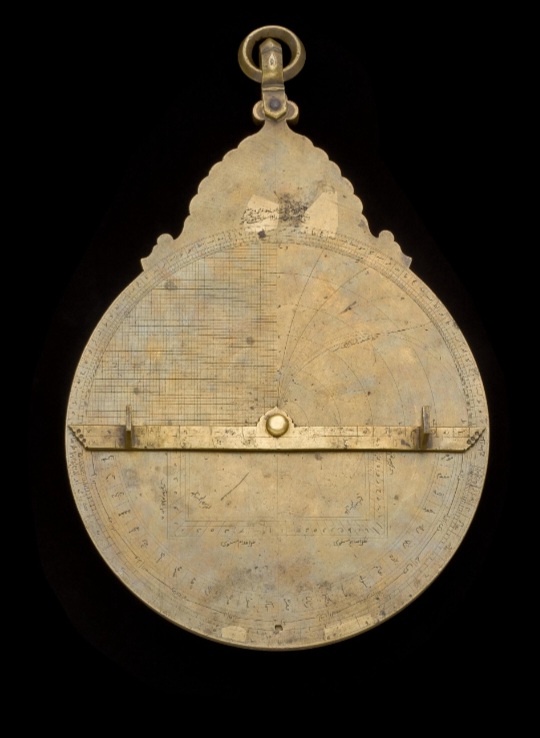
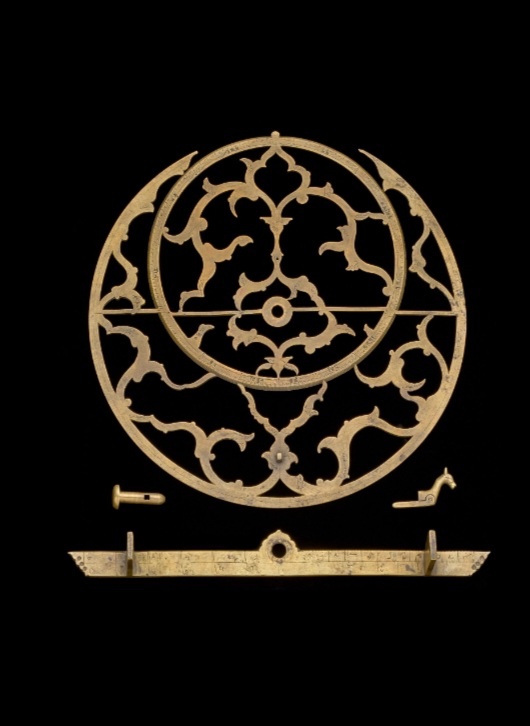
Brothers Qa'im Muhammad and Muhammad Muqim, collaborated in making this instrument. The interior of the instrument is engraved with a geographical index, the reverse engraved with a solar quadrant and shadow squares, the rete with arabesque star pointers for 38 stars inscribed with the Persian names of the stars and the Sanskrit names in devanagari, with 5 plates including the localities for Mecca, Bijapur, Ajmer, Kashmir, and Lahore. The device is 45.9cm in height with a diameter of 29.5cm with a weight of 8.2kg.
A Forefather of the Astronomical Complications we find in our timepieces today 😊.
If you want to see more posts on the Medieval Mughal Era and Lahore
www.watchprosite.com
/
www.watchprosite.com
/
www.watchprosite.com
/
www.watchprosite.com
/
www.watchprosite.com
/
Credit to Sothebys
www.sothebys.com
And
The BBC
www.bbc.com
Mughal Era Brass Astrolabe from 1612 AD


