
cazalea
[Seiko Moderator]
20958

Modern Hibiscusulture
I used this title because my post is following the one on machinery for farming... otherwise they have nothing in common.
On our walks in the past few months I began to notice the prevalence of HIBISCUS flowers. Not really having any plant knowledge (other than raising orchids for about a decade), I just took pictures and stashed them away. Now I have so many I'm beginning to take a liking to these beautiful semi-tropical flowering plants. They seem to be extraordinarily happy in San Diego but I saw plenty up in Washington too.
Here's a compact description I found on the web:
The Hibiscus plant grows about 6 feet tall, 6 feet wide, and has medium-sized, glossy green leaves with large tropical appearing flowers. The flowers occur towards the ends of the branches and have a strong, sweet fragrance. Hibiscus flowers may come in pink, red, white, orange, salmon, purple or yellow and have beautifully colored centers. All Hibiscus flowers are similar -- conspicuous and trumpet-shaped with five or more petals. The size varies from a 2-inch diameter blossom to 10 inches or more. The center of the Hibiscus flower has a long stamen that gives this bloom its striking appearance (hummingbirds love them).
Some Hibiscus flowers last only a day -- the reason why they've been called “Flowers-on-an hour”. They open in the morning and wilt late afternoon. However, the buds grow quickly and new Hibiscus flowers continue to open over a long period, usually from late spring to mid-autumn.
Some Hibiscus flowers last only a day -- the reason why they've been called “Flowers-on-an hour”. They open in the morning and wilt late afternoon. However, the buds grow quickly and new Hibiscus flowers continue to open over a long period, usually from late spring to mid-autumn.
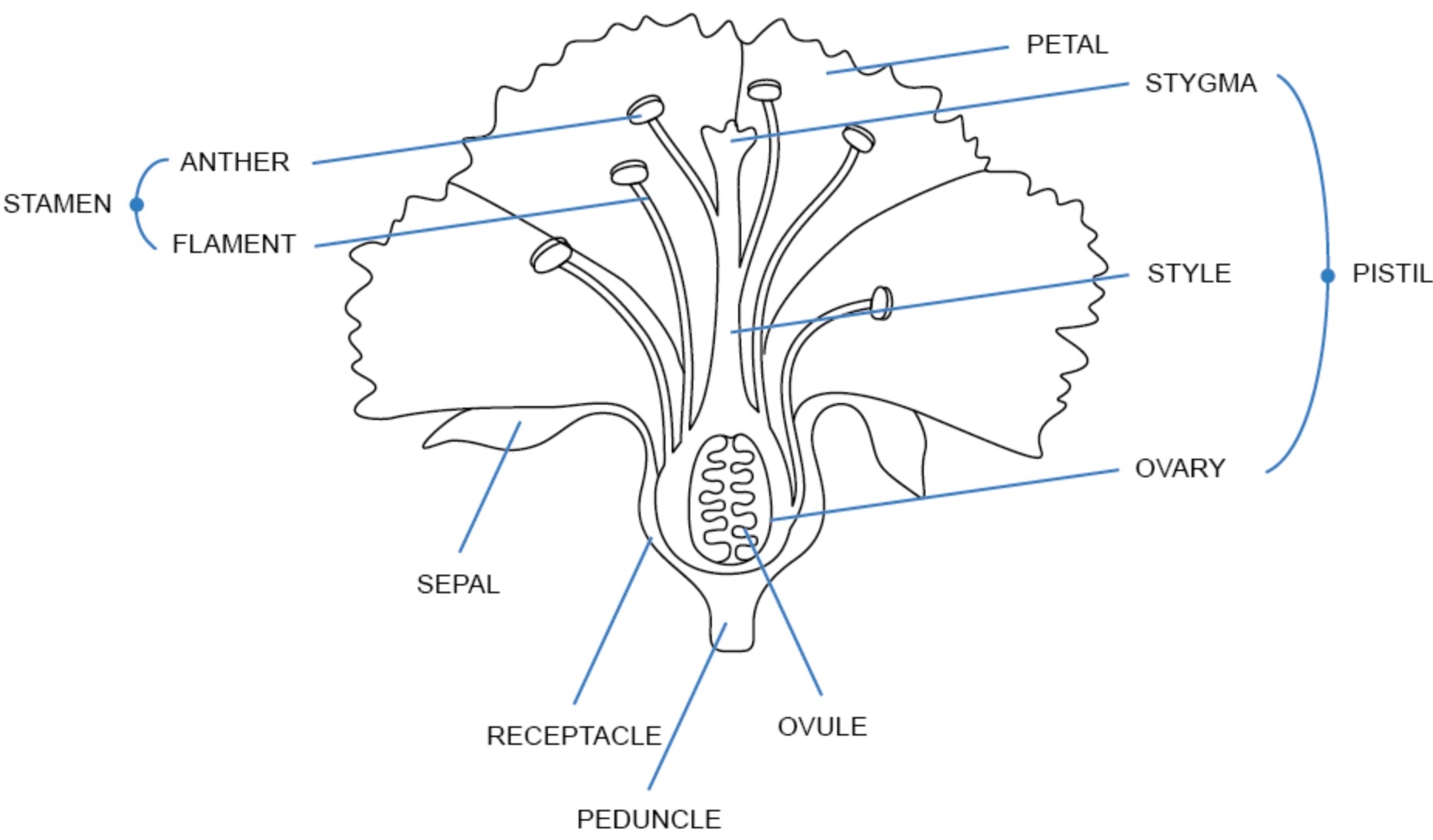
Parts of the Hibiscus:
- Corolla
- Calyx
- Female Organs (Pistil)
- Stygma
- Style
- Ovary
- Male Organs (Stamen)
- Anthers
- Filaments
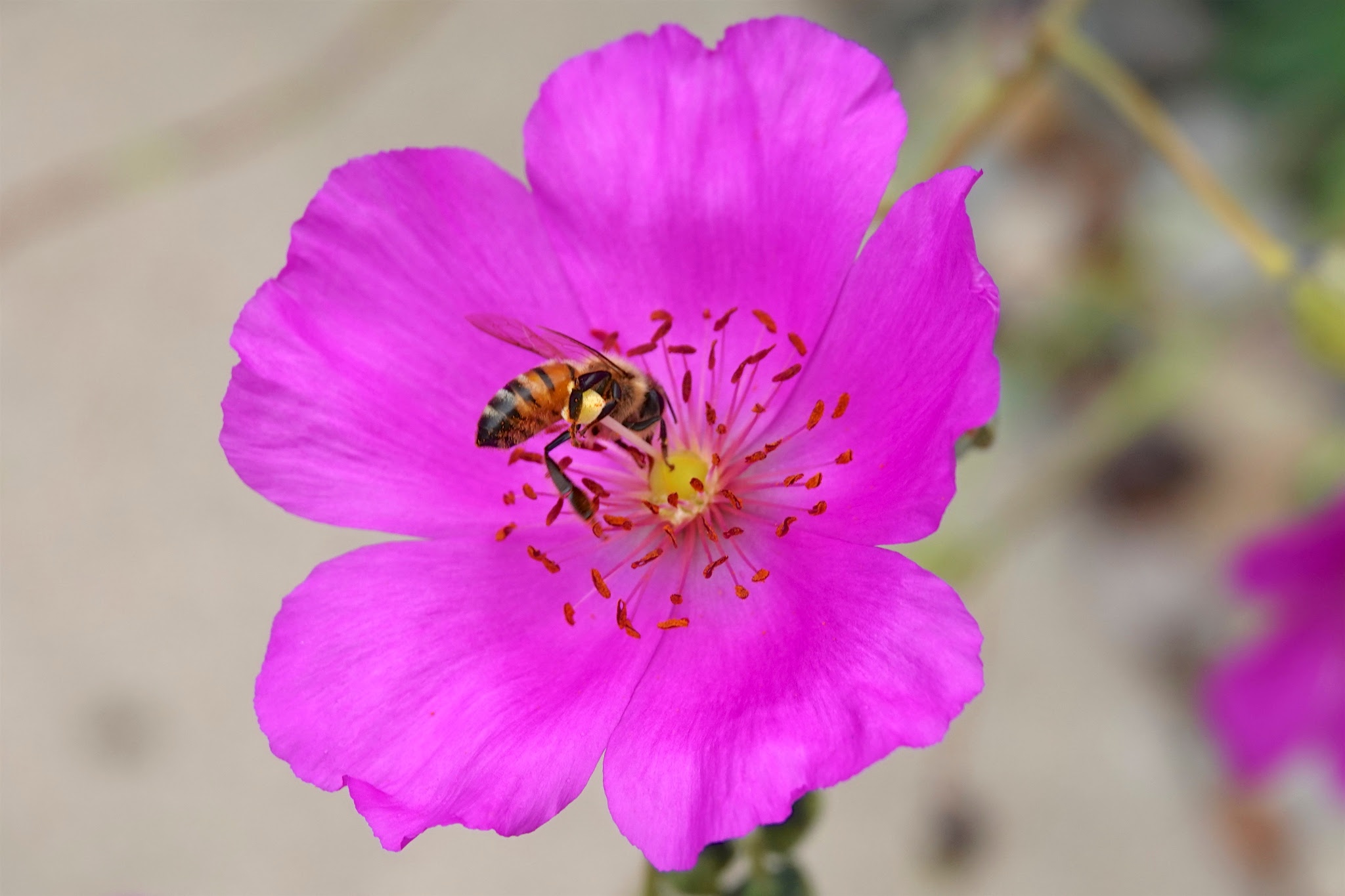
Pollinating action:
I'm not a biologist or a bee, so I can't identify the sexy bits of a hibiscus, but here's a diagram so you can figure it out for yourself.
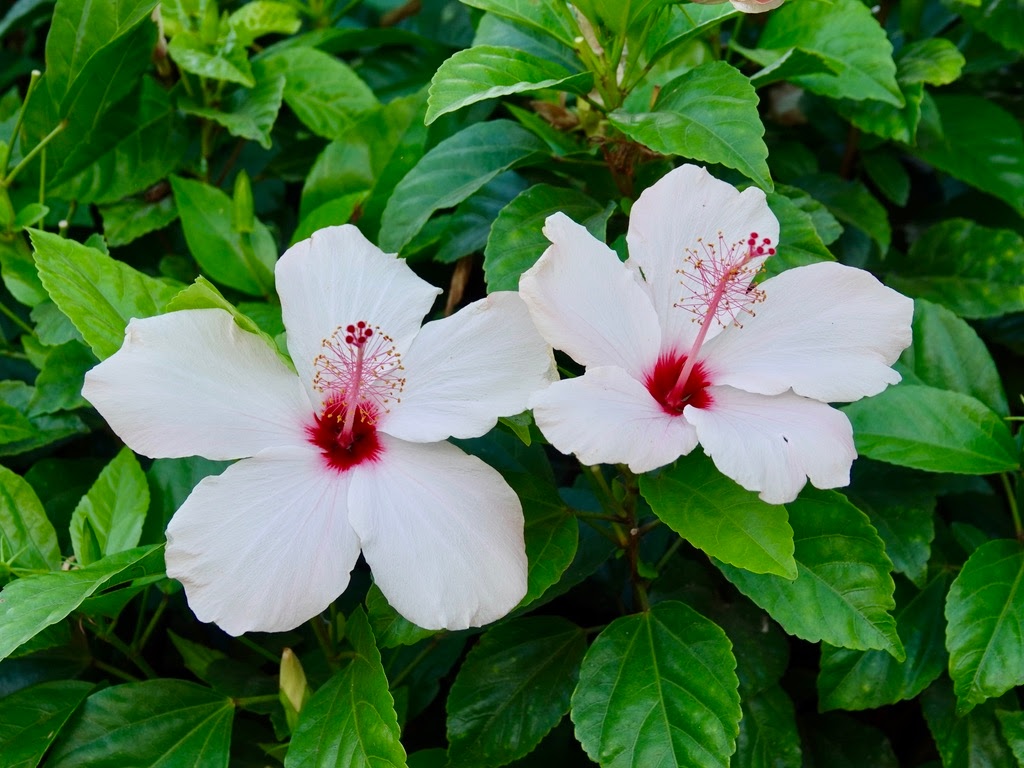
Here are some varieties I have seen, organized by color:
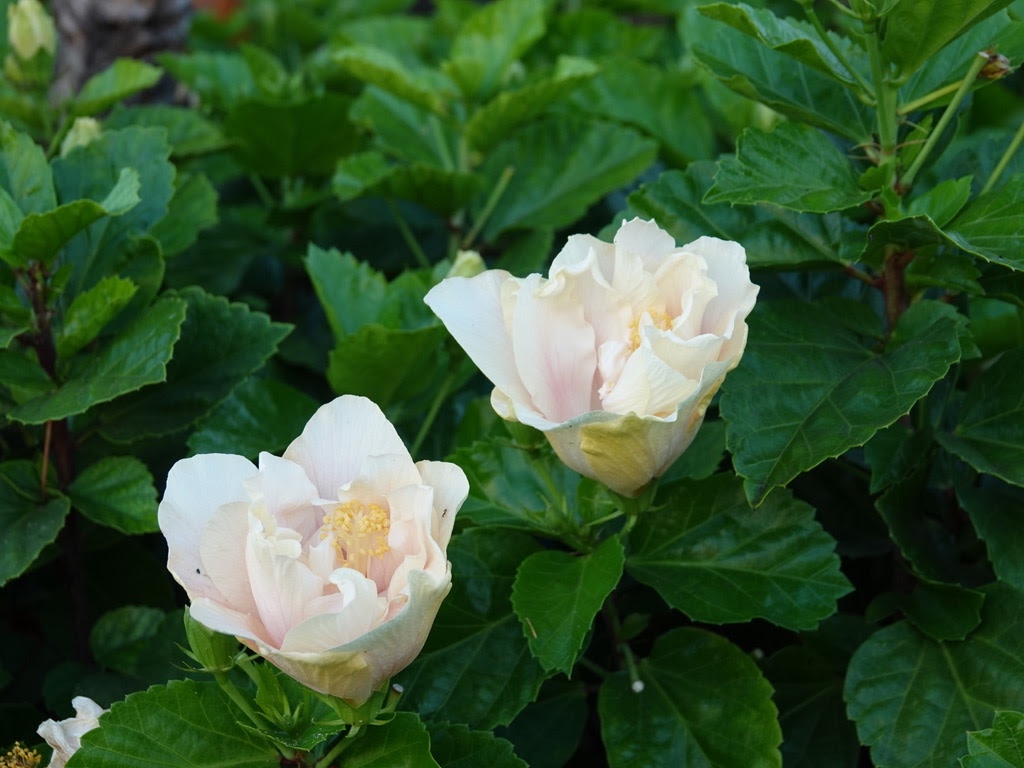
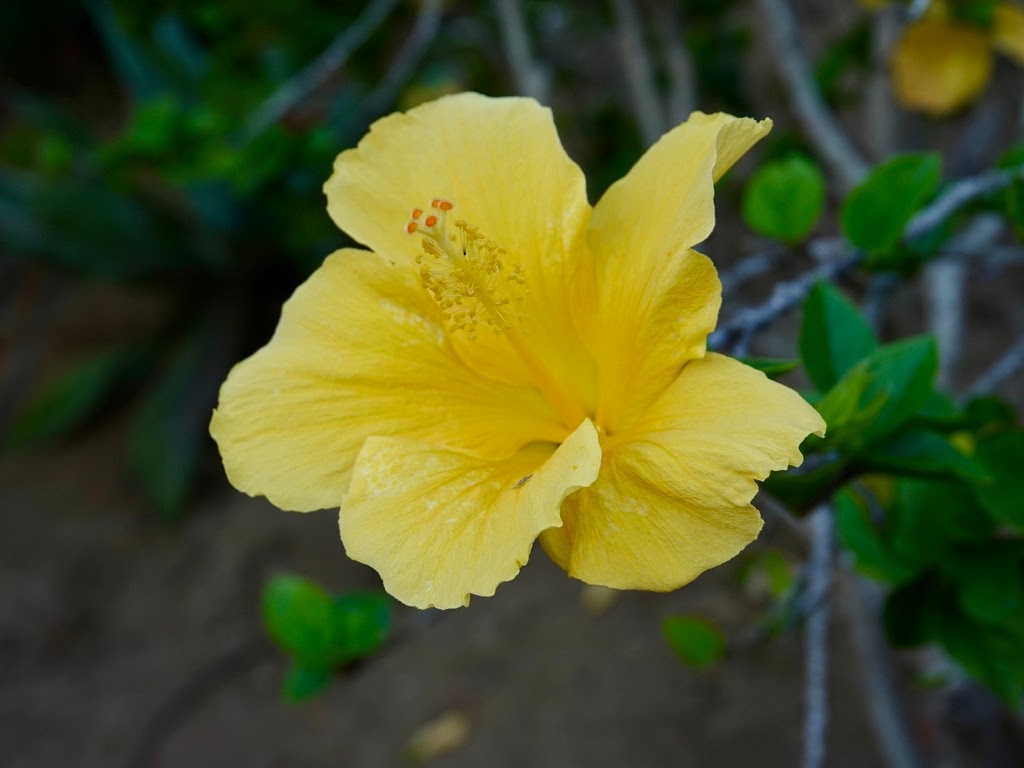
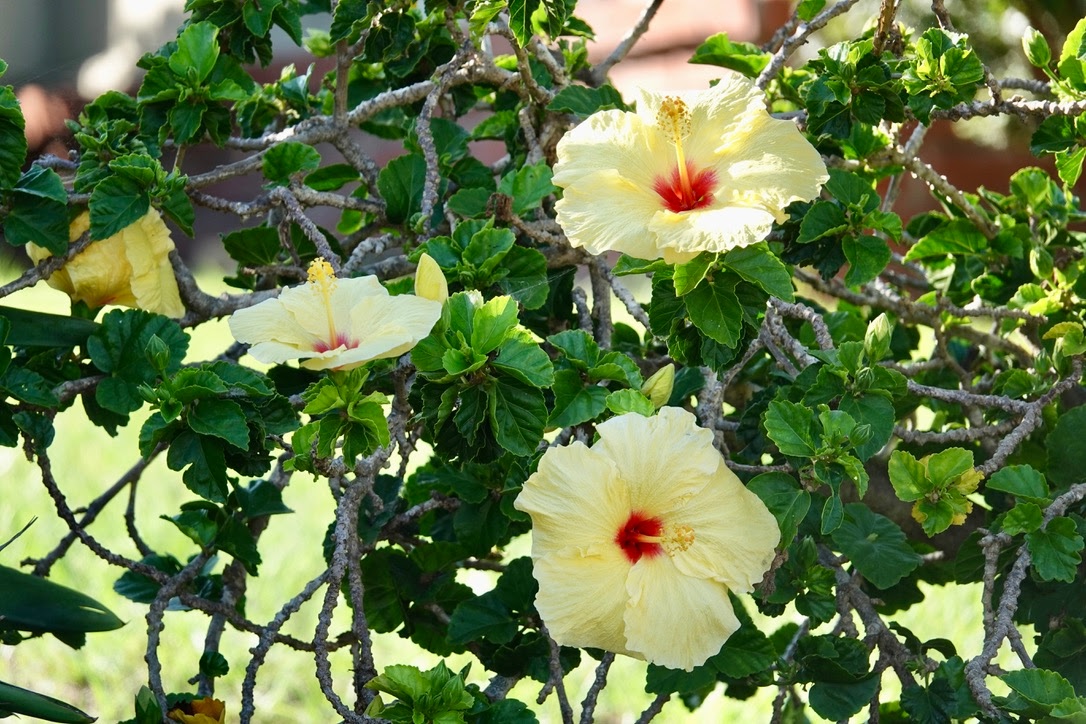
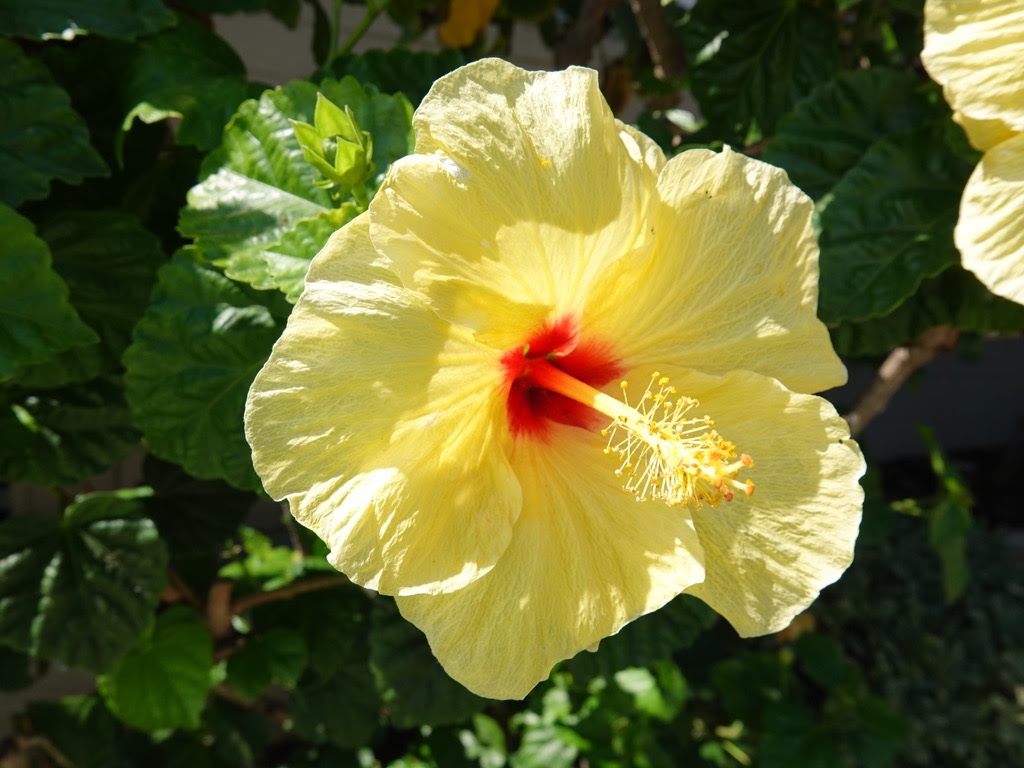
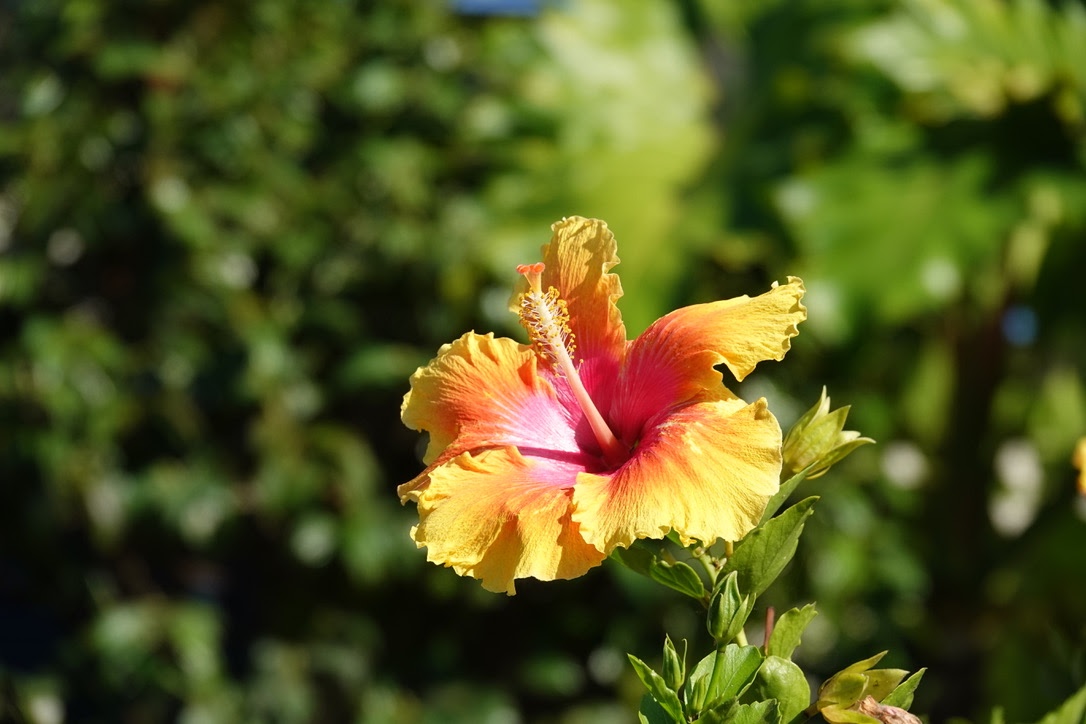
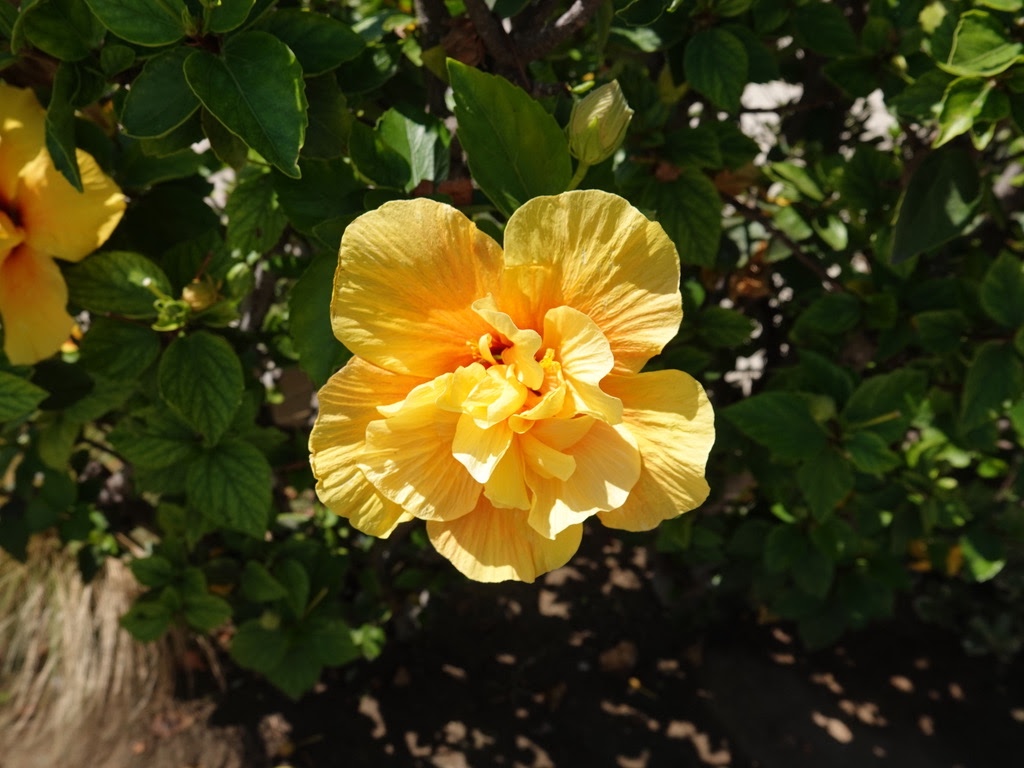
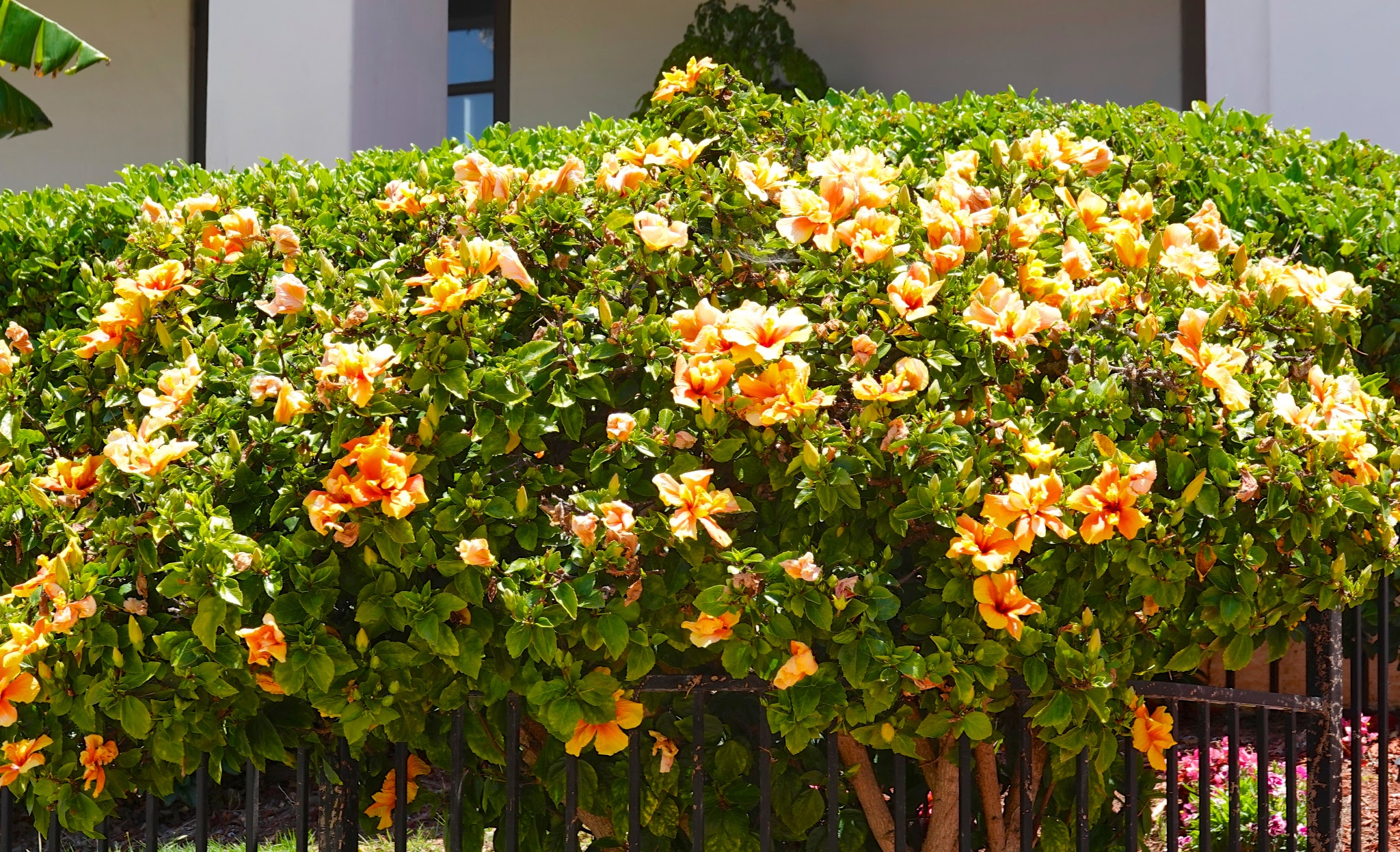
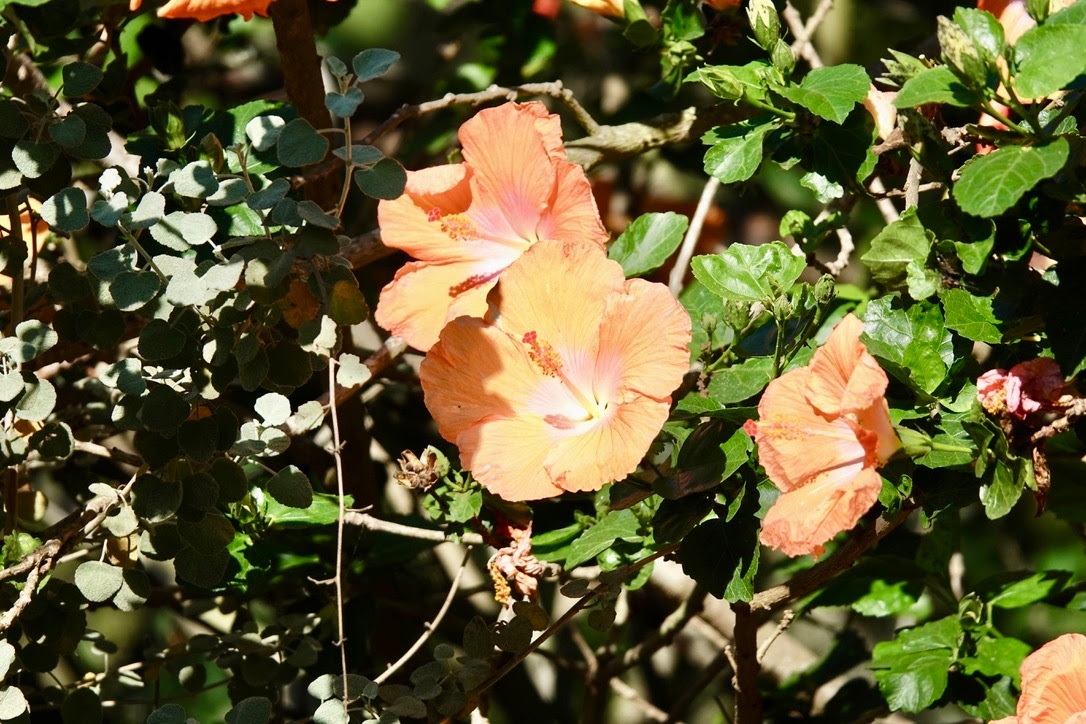
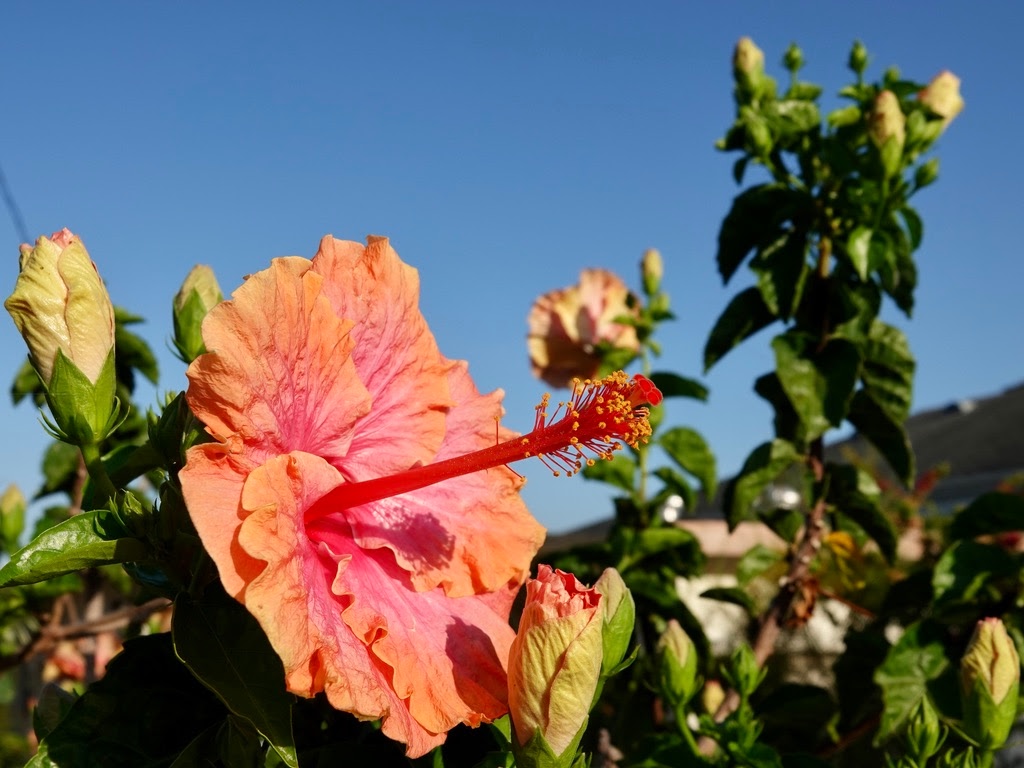
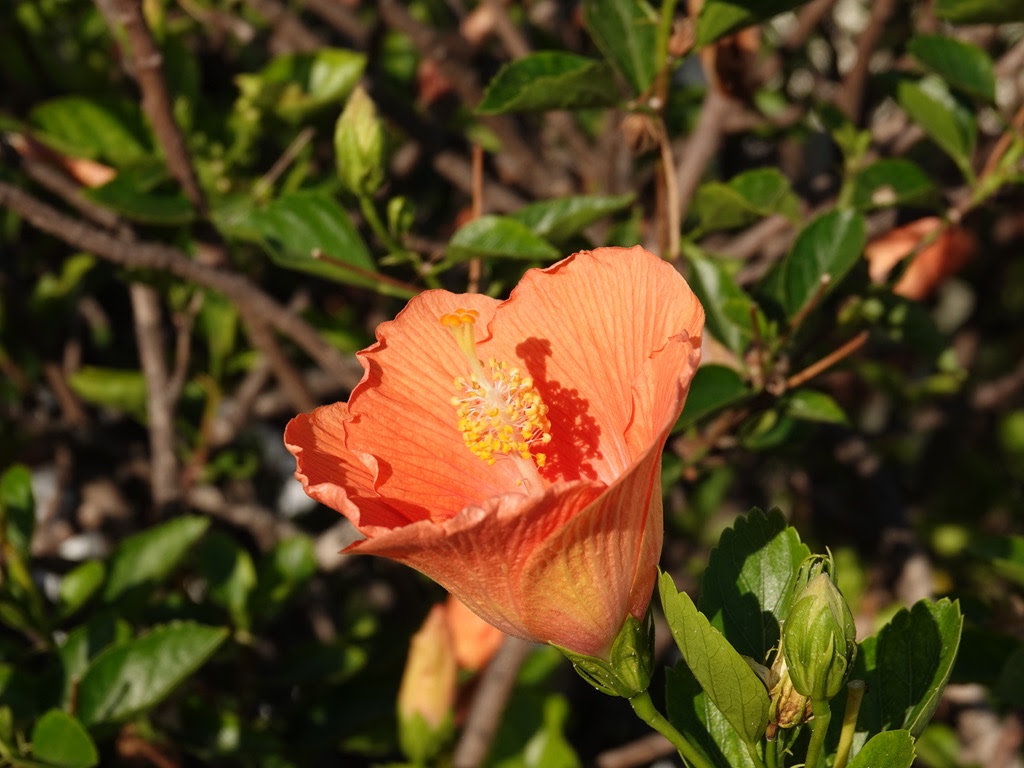
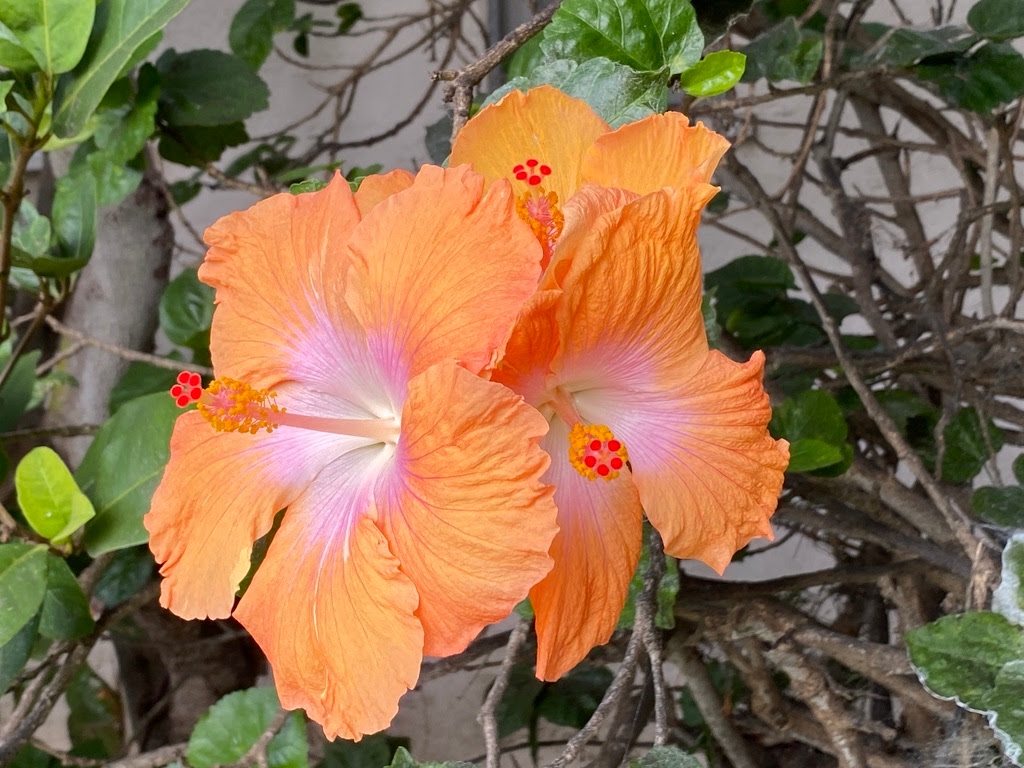
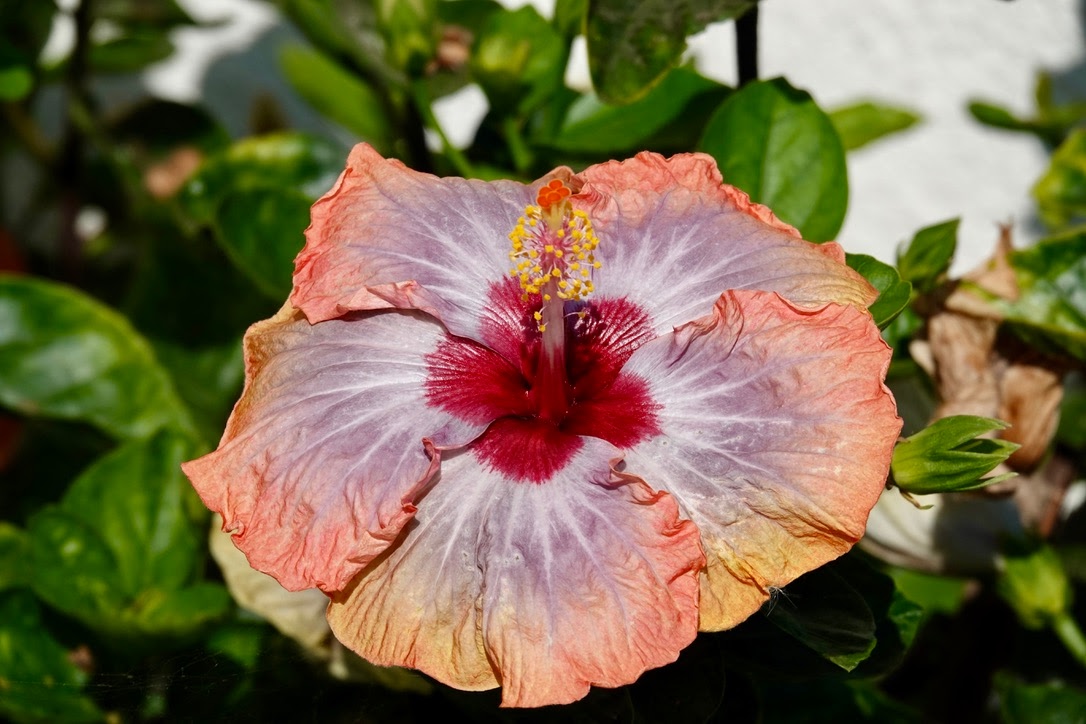
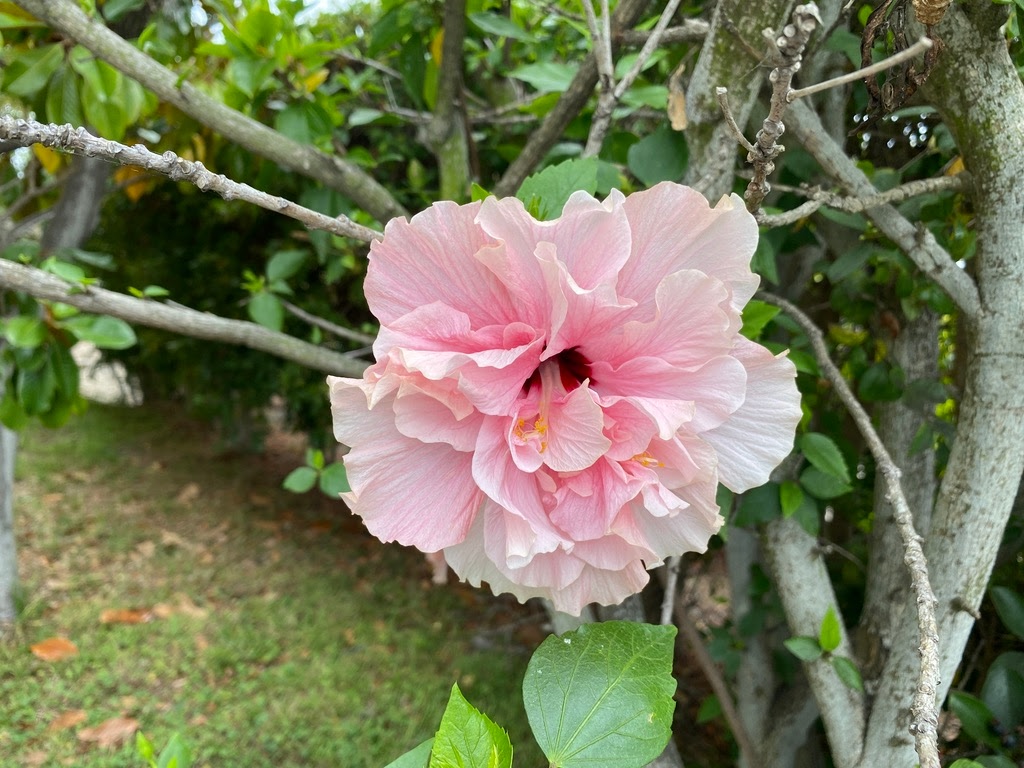
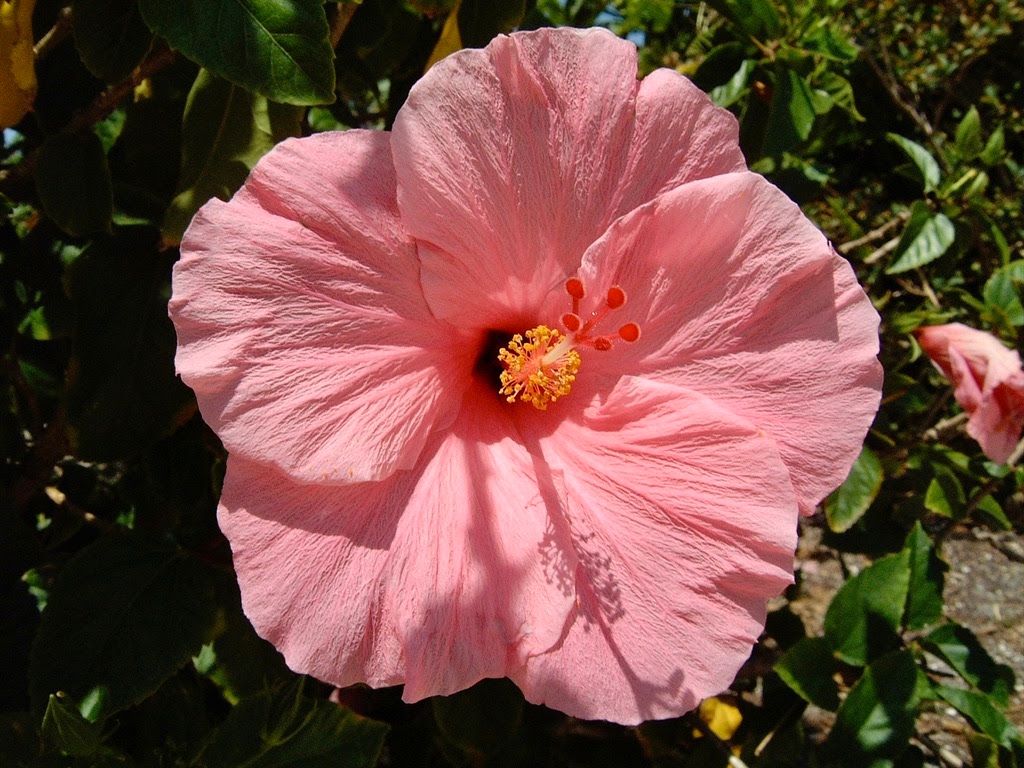
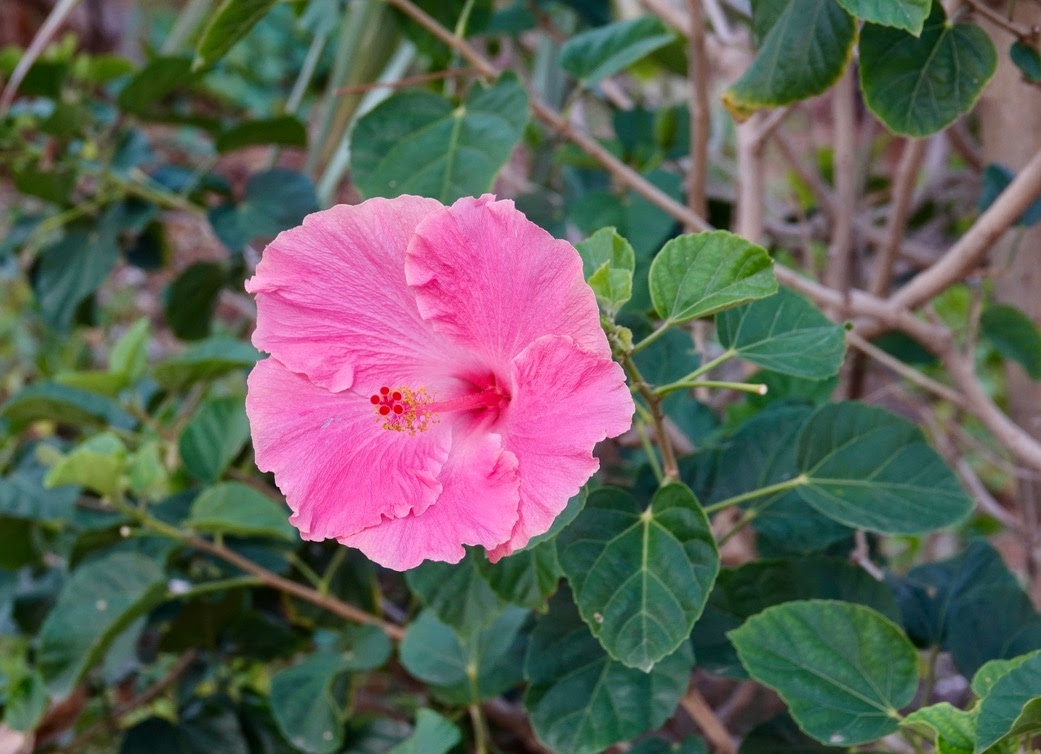
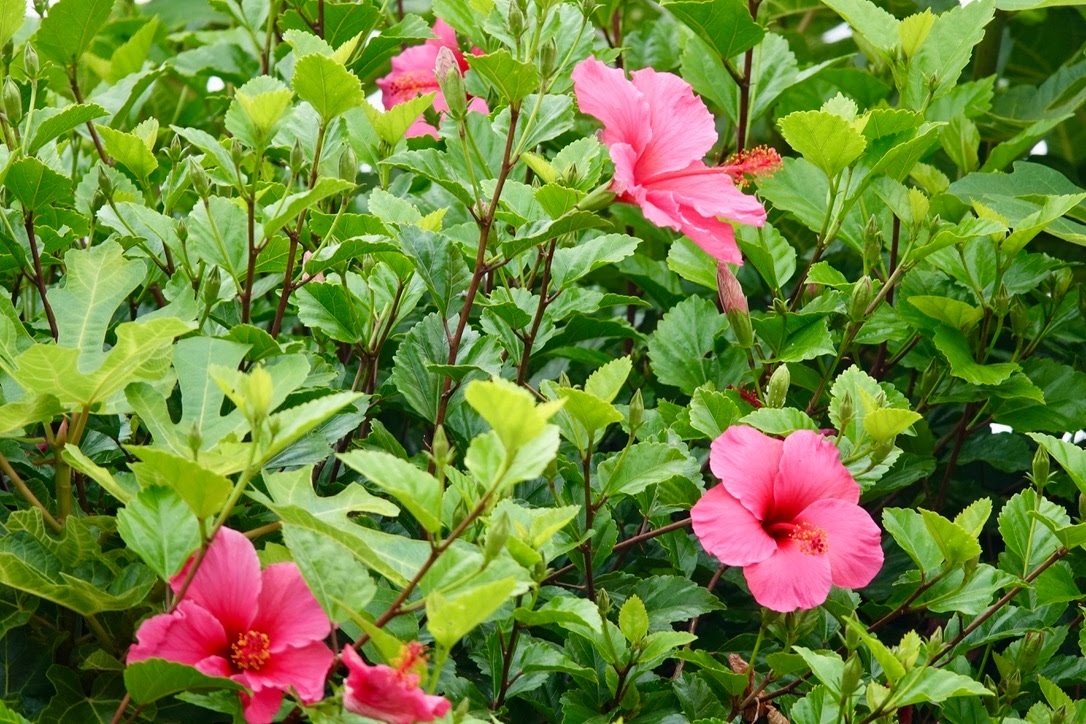
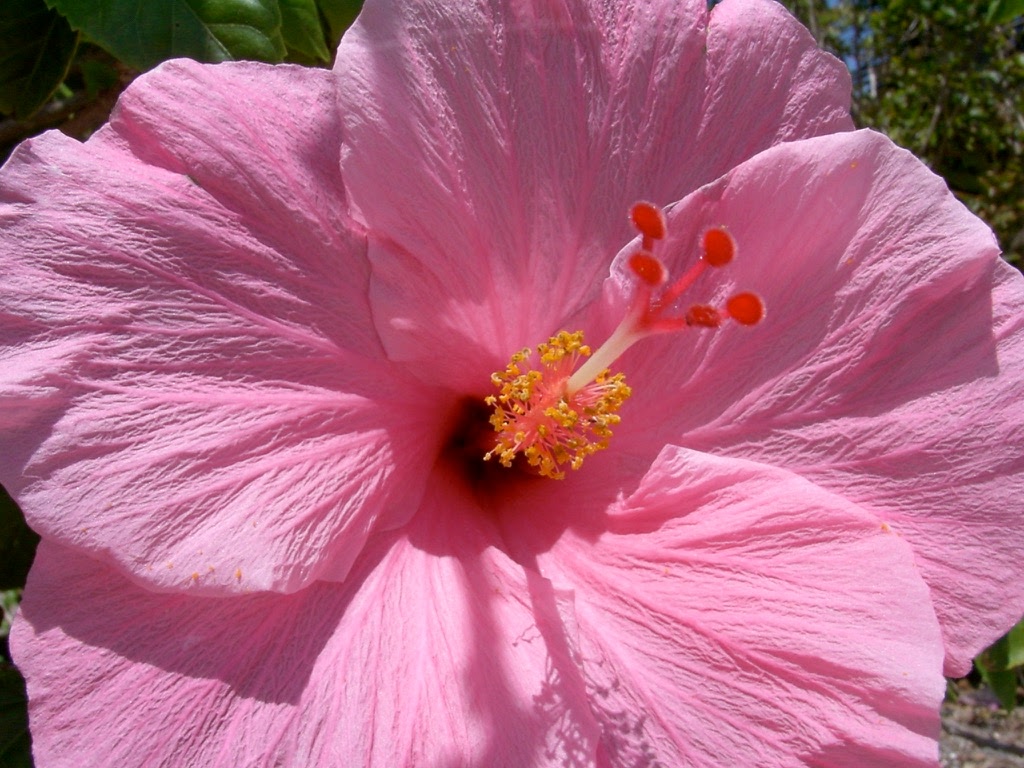
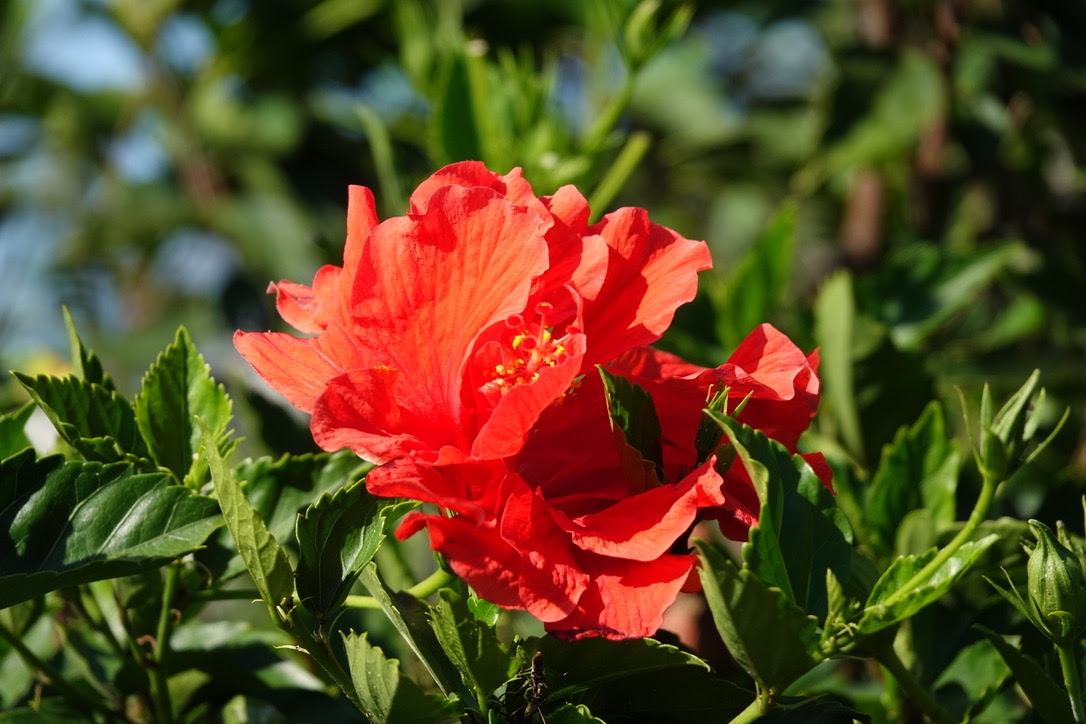
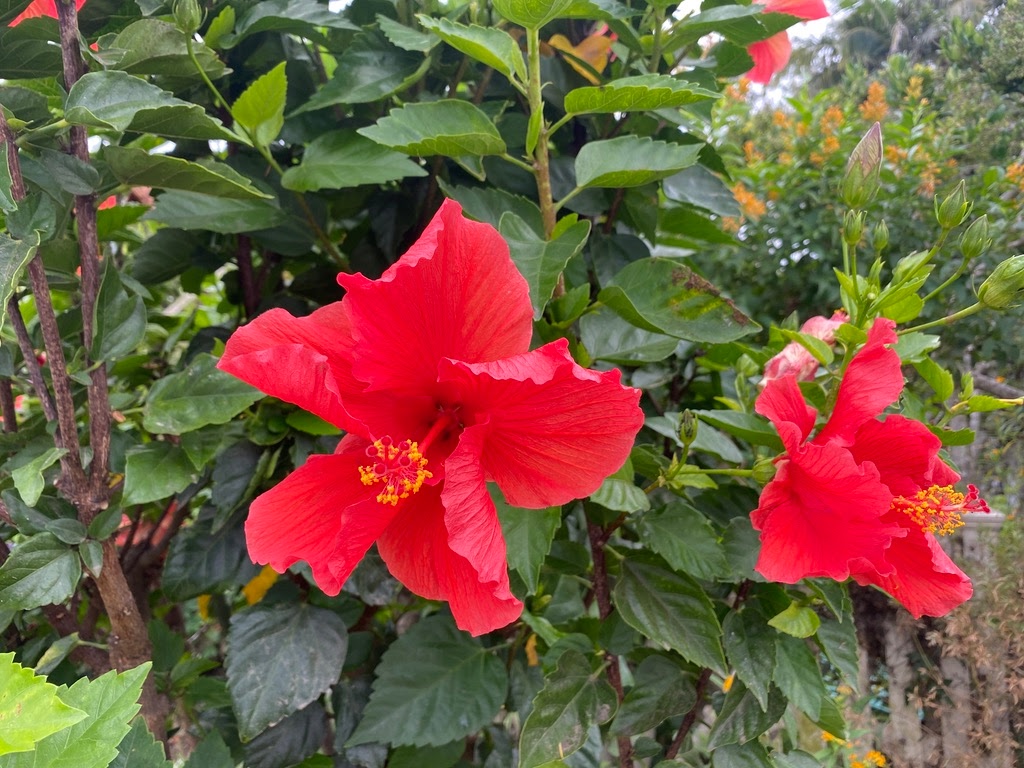
I suppose there are lovers of hibiscus are there are watch lovers here, able to describe many of the 300+ varieties, and knowledgeable of their peculiarities, regional differences, etc.
I'm not one of those. I just like how they look.
Cheers,
Cazalea
Modern Hibiscusulture
I used this title because my post is following the one on machinery for farming... otherwise they have nothing in common. On our walks in the past few months I began to notice the prevalence of HIBISCUS flowers. Not really having any plant knowledge (othe...

Beautiful flowers!
So many gorgeous colors to be found among them.... They were my maternal grandmother's favorite . Thanks for the informative musing and high-quality pictures! Cheers, Filip


They say the more you know the more you realize how much you don’t know
Well that’s what my high school calculus teacher said anyway. Thanks for the intro to horticulture… another area I haven’t expanded my mind to yet!

Thank you My friend
These are my favorite Hibiscus flowers , they grow in my garden I wanted to share this photo with you ...
Thank you for the nice photo
It’s a plant that is very happy in any Mediterranean climate, I think. Here’s one I just found, taken in Mexico at my friend’s house a few years ago: ...