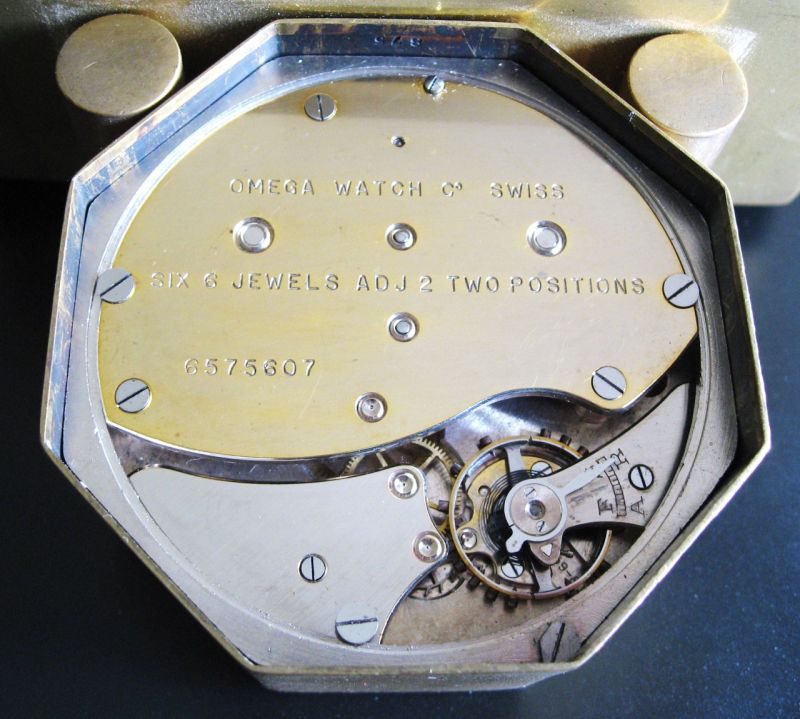
Blood brothers...?
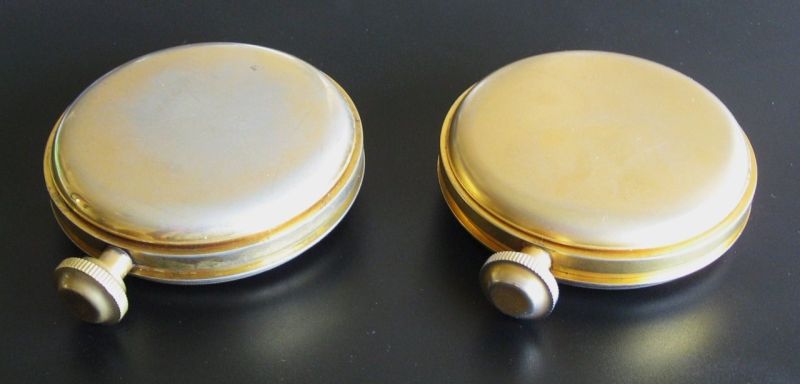
..brothers in arms? or just coincidence?
Ever since developing an interest in the double barrelled 59-8D caliber, I couldn't help noticing how completely different this movement looks from the other Omega calibers in the mid-Twenties. Sauf the balancewheel no rotating parts are visible; all innards fully covered up with one large platineplate and a smaller counterpart. Maybe the rare 60.8 observatory caliber (1926) shows one or two similar architectural lines, but only superficial and then with a dose of fantasy.
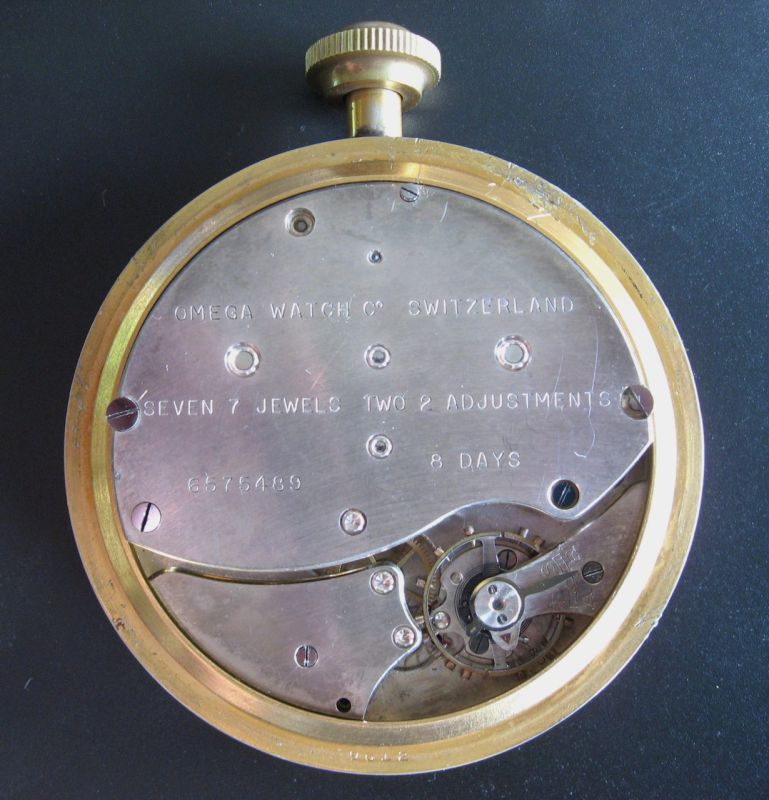
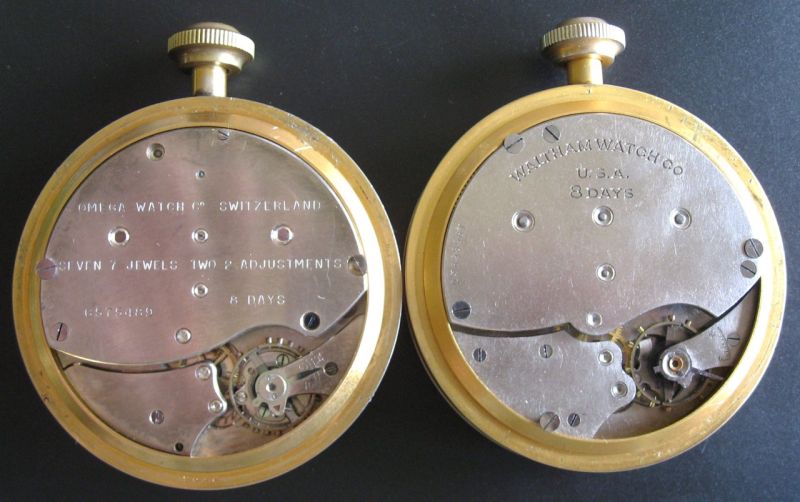
Later, when stumbling over photo's of a Waltham 8 days movement there came an instantaneous moment of Aha > "..Strange, I've seen this face before.." (Grace Jones).
Blimey, this cannot be a coincidence!
Questions at the museum in Bienne were answered with: "We do not know of any co-operation with Waltham" and "The 59-8D was fully developed by Omega".
The similarity however is astonishing.
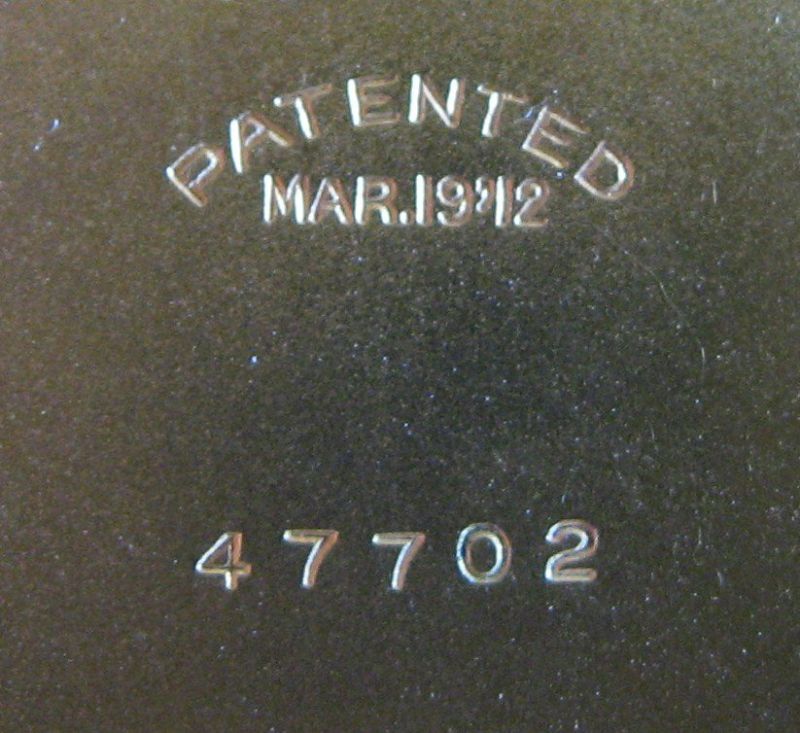
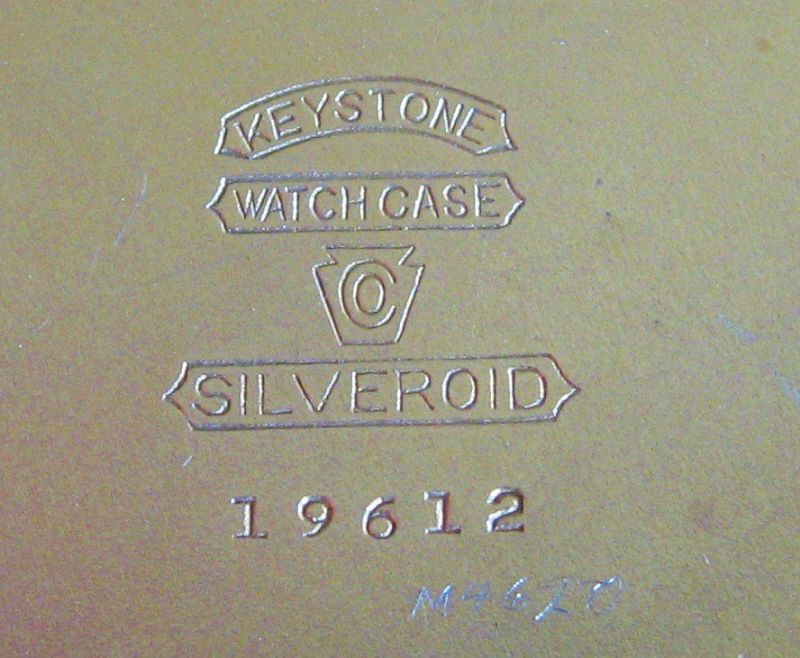
And it doesn't end there because, as you probably have already spotted, both cases of these wallet- or dashboardclocks are identical!
The Omega snap-on backcover is marked- "Keystone Watch Case Co -SILVEROID- 19612
The Waltham one says- "Patented MAR.19'12 47702
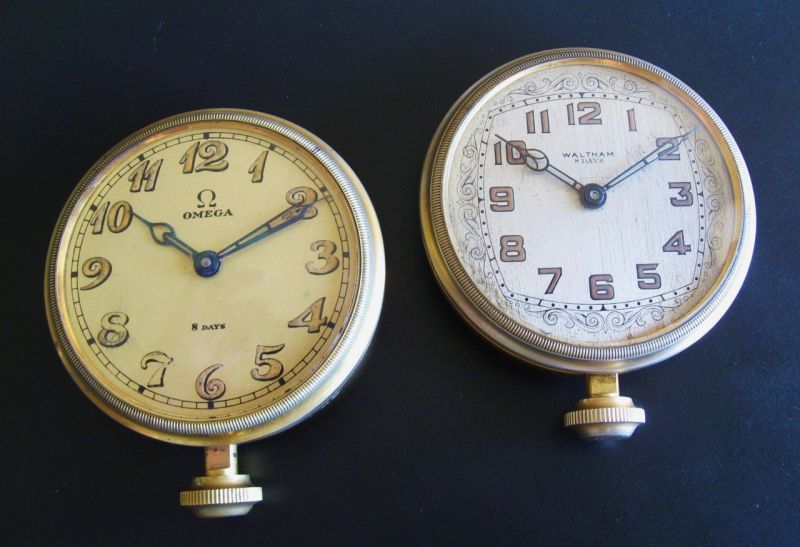
Although the Omega brand- and logoprinting on the dial does look a bit funny (heavy / fat) it appears to be original, with the name in contemporary italics and the 'railway' circle in the same style and color. It seems Omega exported only the bare movement which was consequently encased and bedialled in the USA (timepiece shown was acquired in NY and shows a rather early serial # for this type of movement.).
The Waltham dial is more embellished with a finer print (this one acquired in Germany, specifically for comparison purposes).
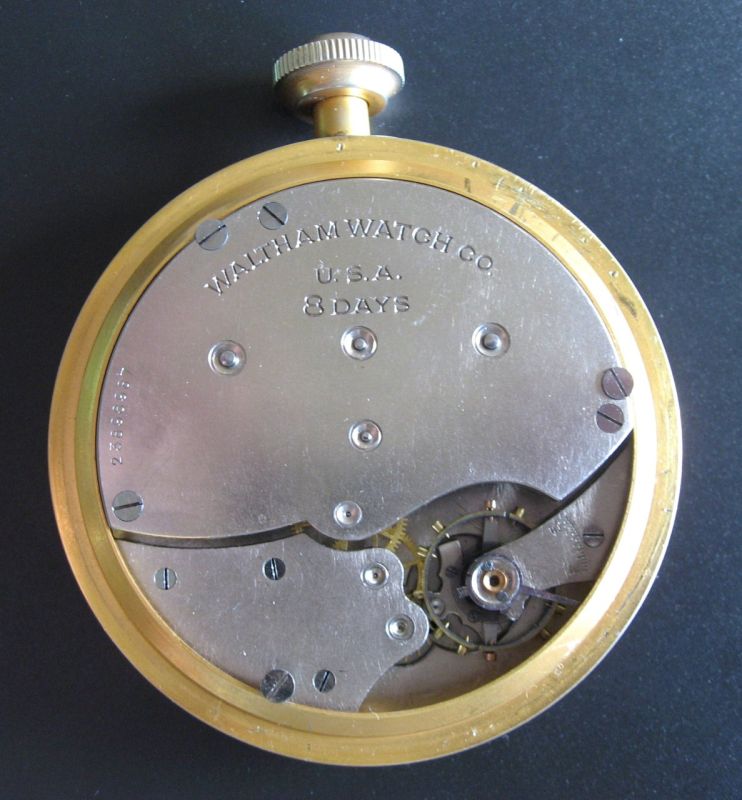
Back to the movements however:
both have identical dimensions with 59mm at the bottom plate, 56mm at the top plate, both balancewheels 15mm diameter. The bearings of the barrelhouses are both exactly 28mm apart and 9,5mm North of centre. Even the weight of the clocks is the same at approx. 180 gramme.
If the two companies did not co-operate then the question remains: ' who came first? '.
Was one company somehow active in industrial espionage or plainly copying the other?
We know the Omega 59-8D was developed in 1925 and introduced in 1926. Would be interesting to compare this with the introduction date of the Waltham.
Any thoughts out there?
best regards, Ben.
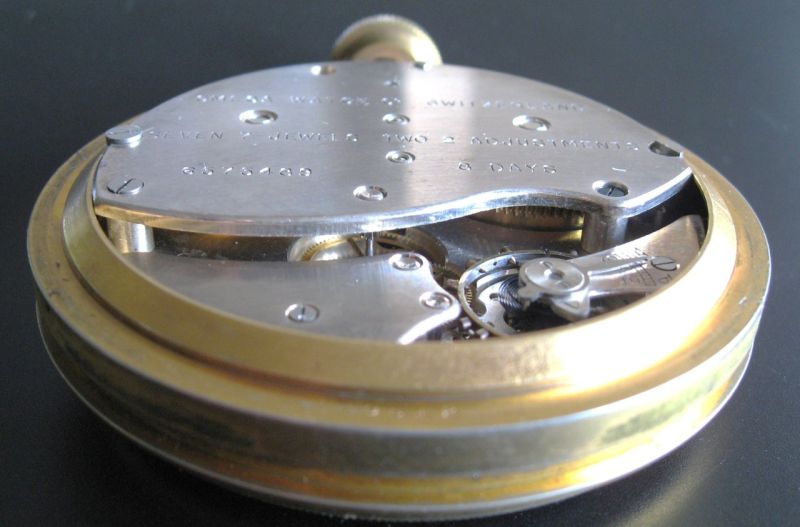
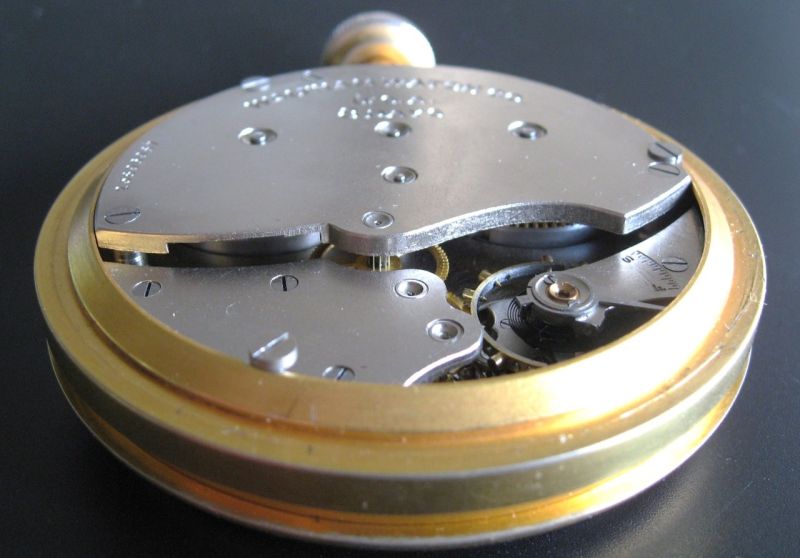

Well...
Very interesting post, Ben and some really insightful observations.
I don't know much about pocket watches, but I'm pretty certain that the Waltham 8-day movement came out before the 1926 date you mention for the Omega.
And yes, the movement architecture does look remarkably similar.
when using..
..the search machine on the subject "Walth. 8D" one comes across a number of different opinions, ranging from 1917 via 1925 to even later. It might very well be in the years between '20 and '25, who knows?
Thanks for your reaction!
A couple of sites..
on the net indicate the standard Waltham 8days was delivered with 9 jewels - in a number of movements however this was increased to 15 J. (deck watches).
With Omega' s 59-8D we see more or less the same: standard version 7 jewels; for higher demands on accuracy (dash-clocks) the 15 jewelled version (not considering the ' jumping second ' versions).
For reasons of economy a series with 6 jewels was manufactured as well. Funnily enough this movement was still marked as "adjusted two 2 positions".
* * *