
SALMANPK
14016

Peripheral Rotors
In this excellent thread there was a discussion about Peripheral Rotors
www.watchprosite.com
/
Before that Peripheral Rotors weren't really on my radar, I remember hearing about Vianny Halter's "Mystery Rotor" but since it was a Mystery I never delved into it.

Paul Gosteli was the first to get the patent for a Peripheral Rotor in 1957
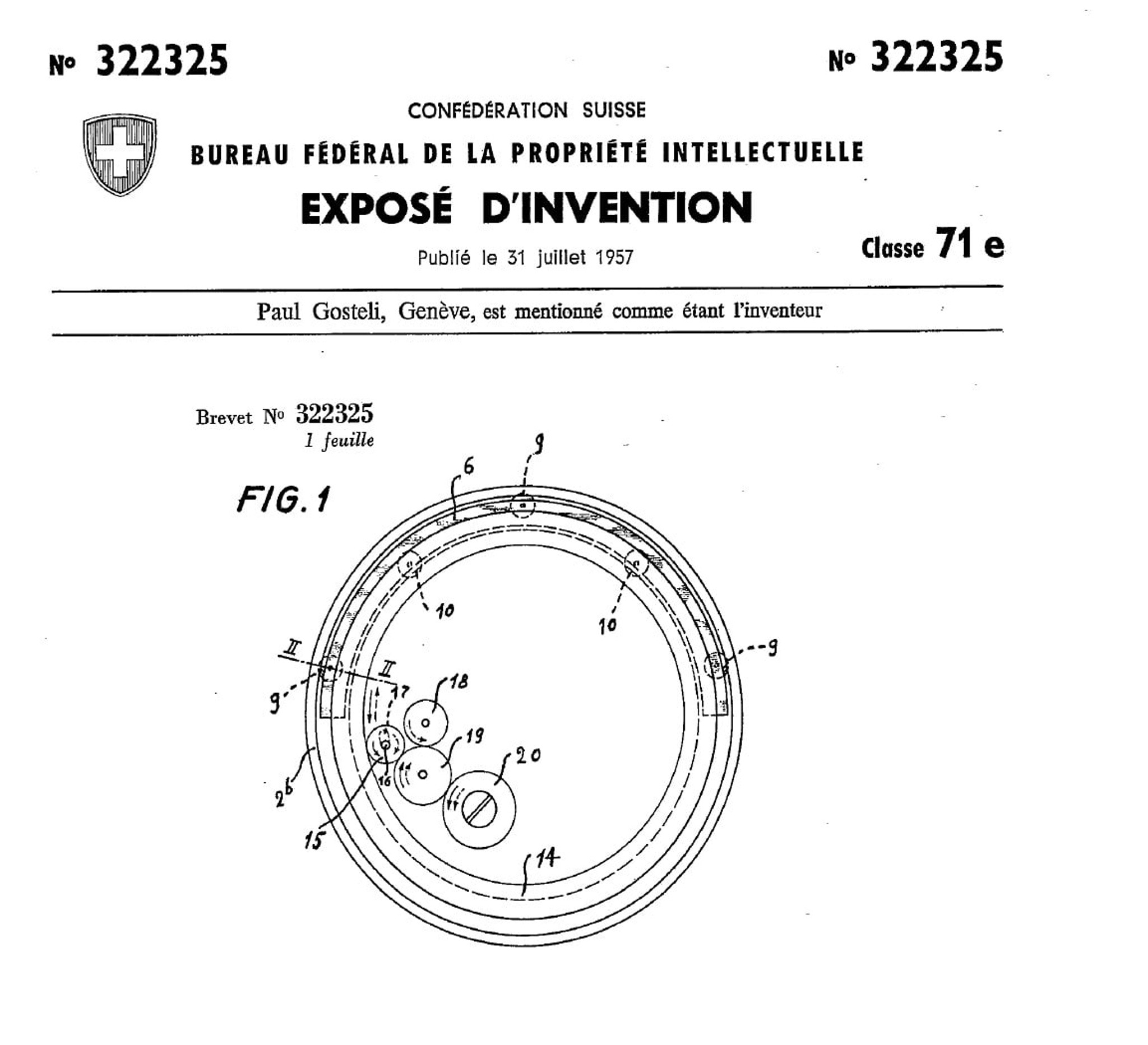
Source: Monochrome
A peripheral rotor winds the mainspring by utilizing a weighted ring that rotates around the outer edge of the movement, rather than on top of it. As the wearer moves their wrist, gravity drives this ring.
When the rotor spins, it turns a series of reduction gears (transmission system) that transmit energy to the ratchet wheel, which coils the mainspring within the barrel.
This design allows for a thinner watch profile and a clear, unobstructed view of the movement through a display caseback.
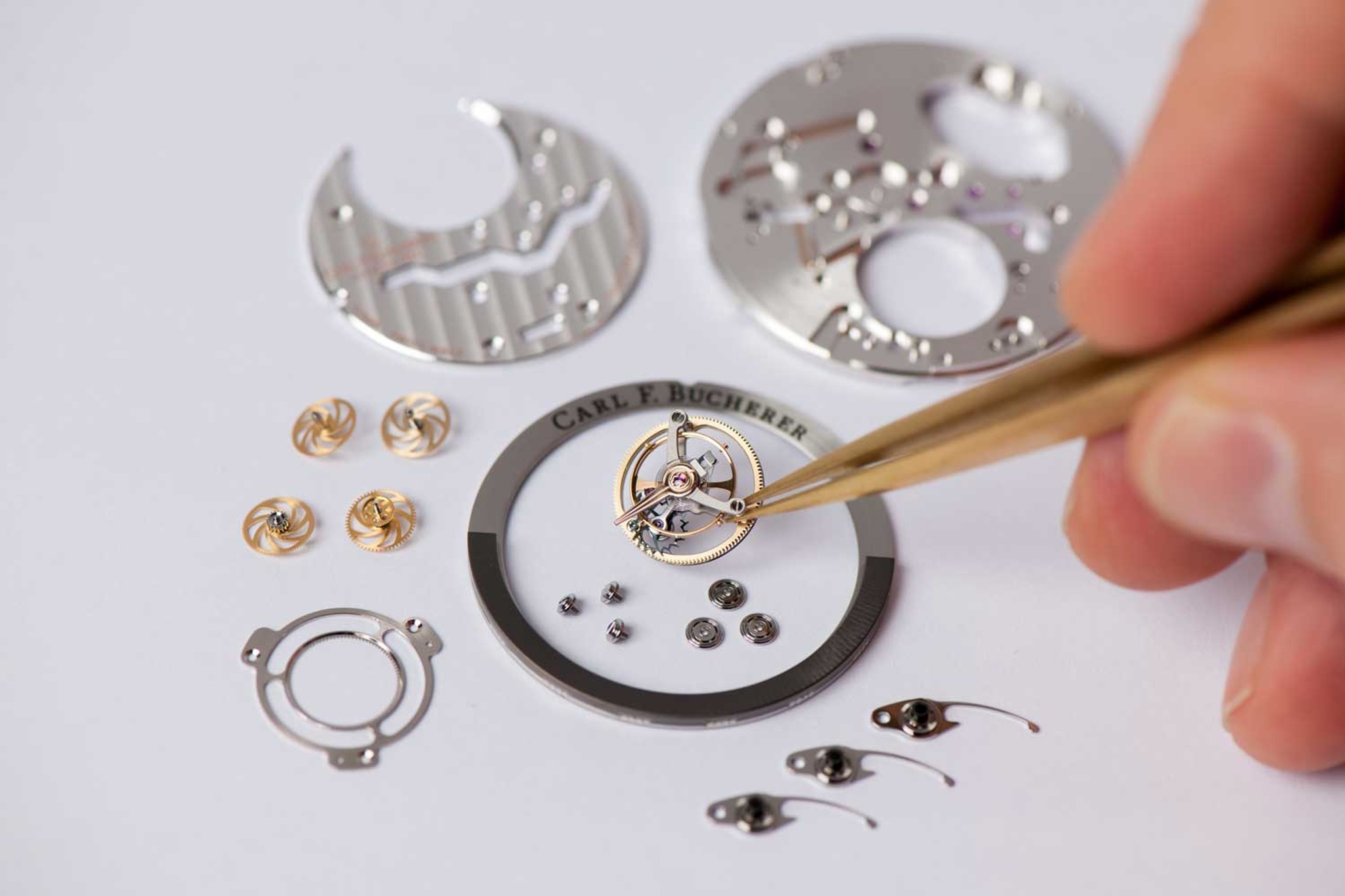
Source: Revolution
The Carl F. Bucherer CFB A1000 used a tungsten oscillator where the peripherally-mounted annular segment geared by diamond-like carbon (DLC) glides with ceramic ball bearings mounted on spring-retained rockers. It also has the Triple Dynamic Shock Absorption System protecting the rotor from impact.
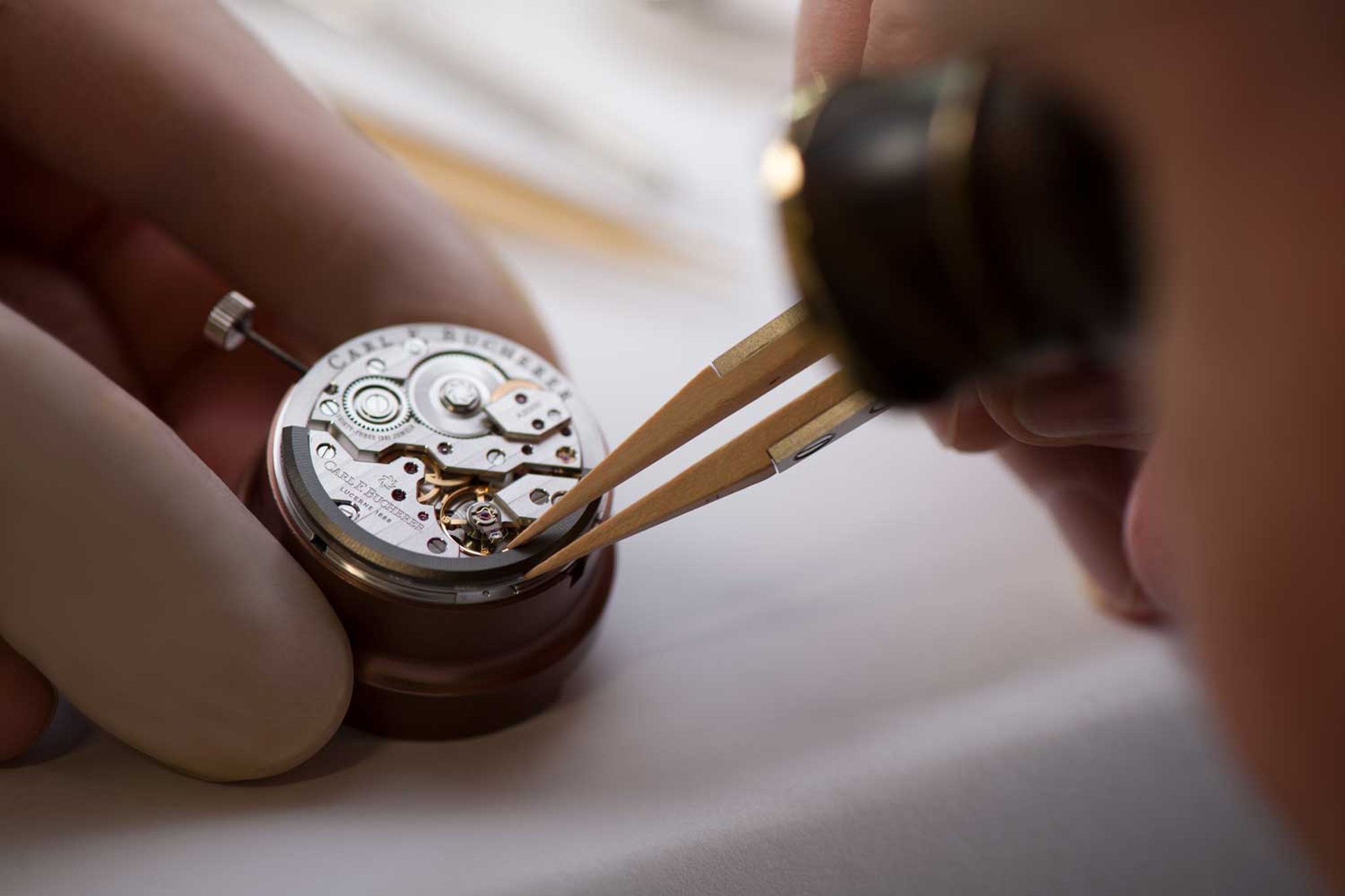
Source: Revolution
Other Examples of the Peripheral Rotor is the Patek Philippe Calibre 350 and I-350 released commercially in 1969 and 1979.
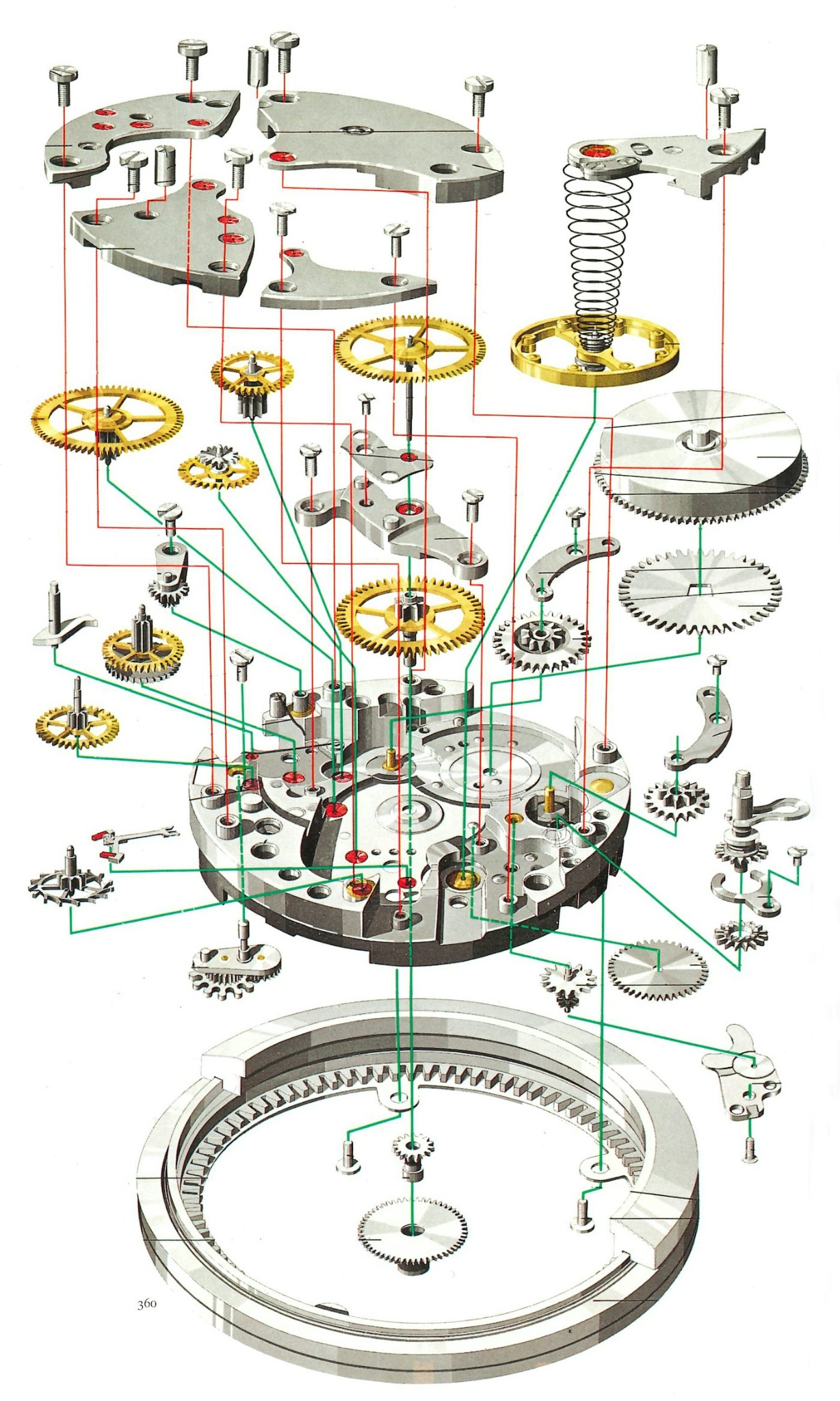
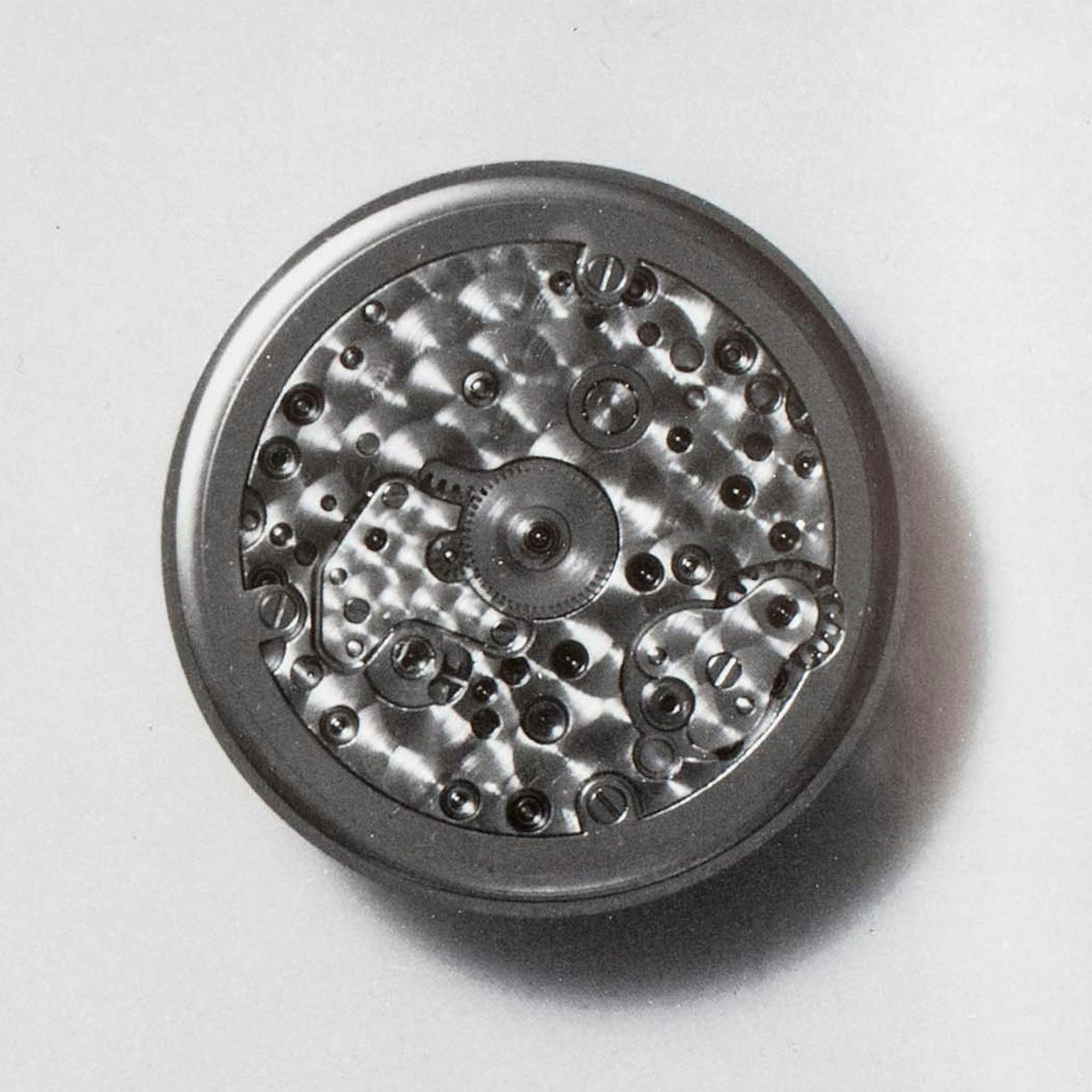
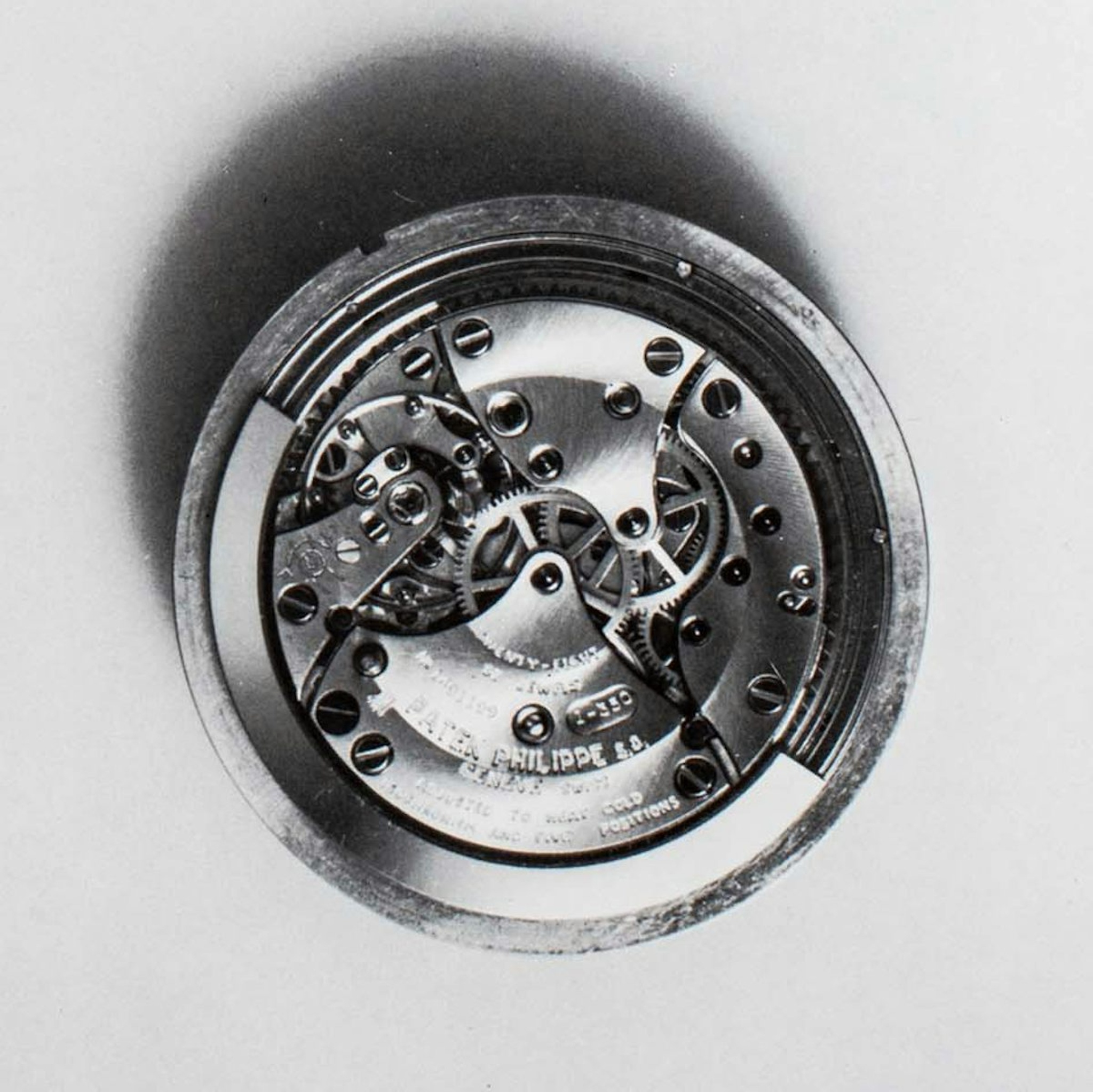
"Patek Philippe cal. I-350 from Patek Philippe Genève Wristwatches, Second Edition, © 1998 by Patek Philippe SA, Geneva, Switzerland" Source: Hodinkee
The give away is the rear mounted crown as on this 3580A
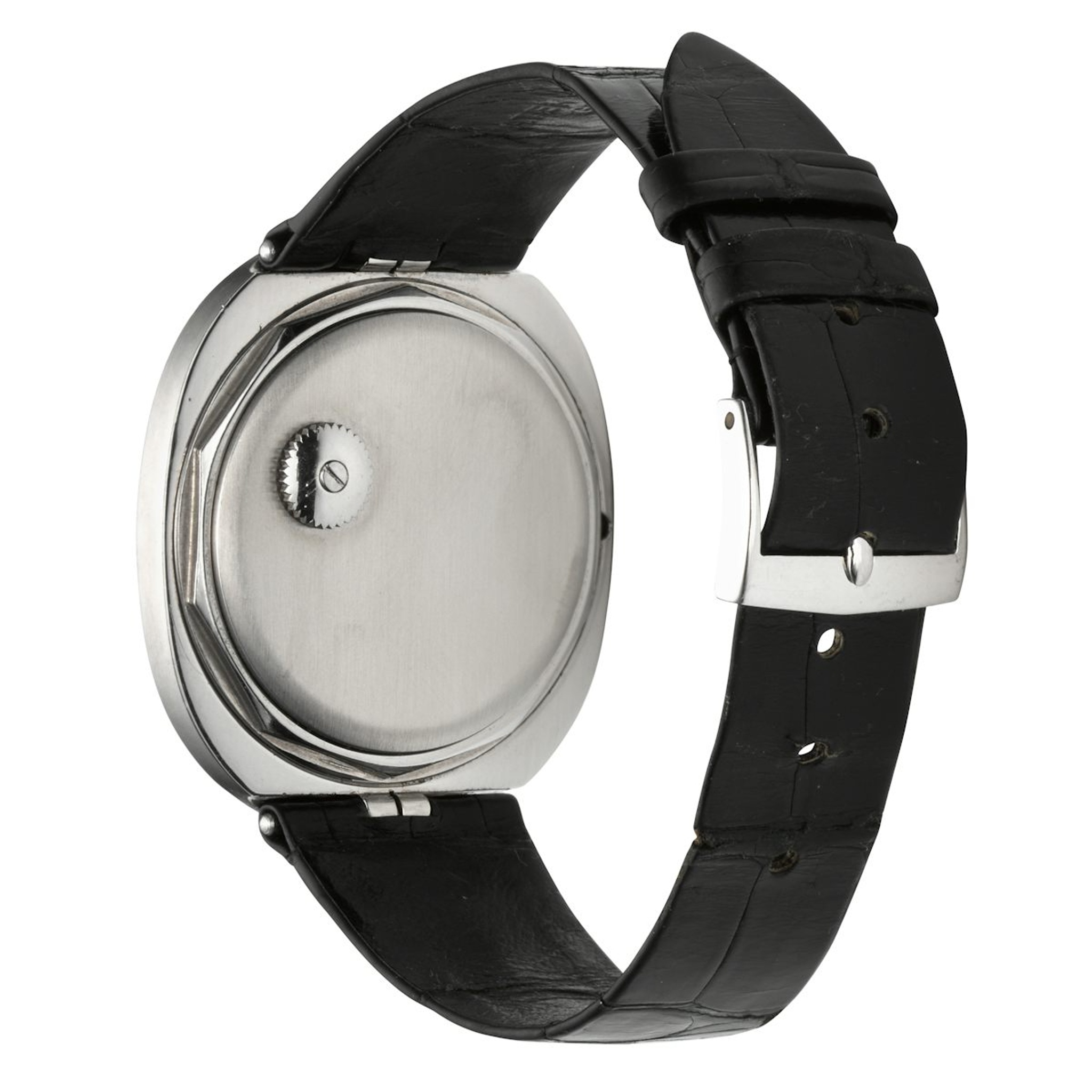
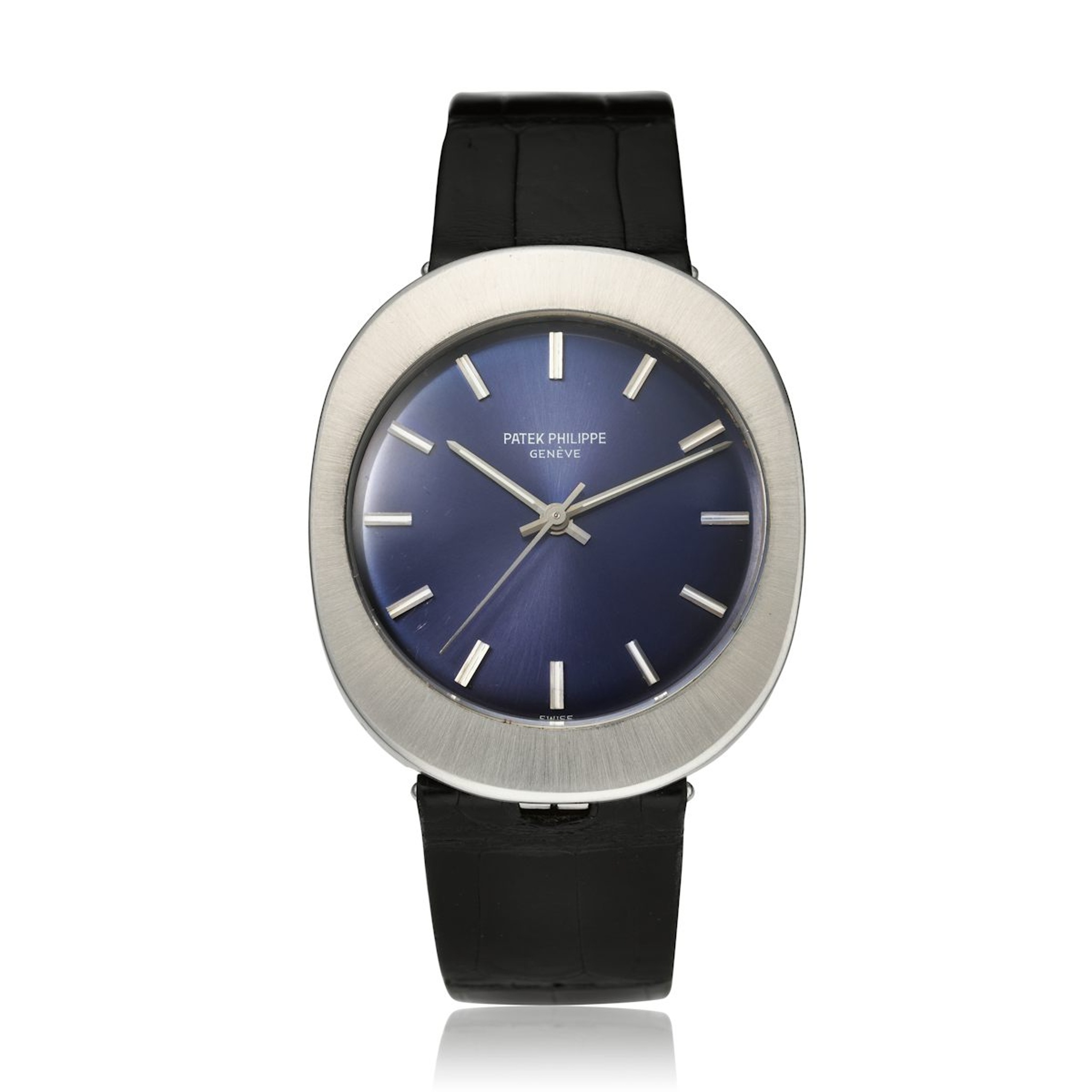
Source: Hodinkee
Audemars Piguet Calibre 2897
The Calibre 2897 first appeared in 2011 with a large platinum rotor that occupies 180 degrees, and makes full 360 degree rotations.
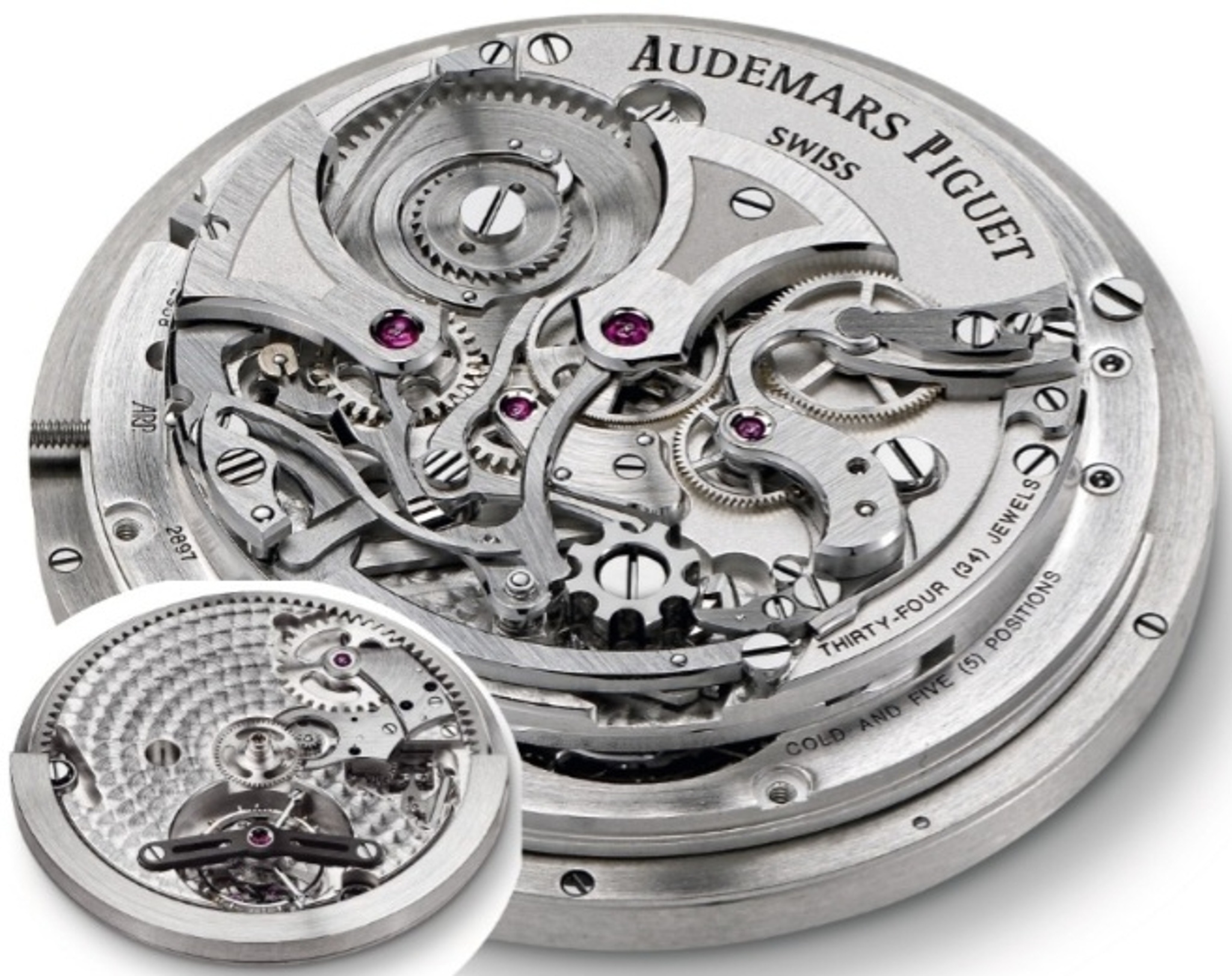
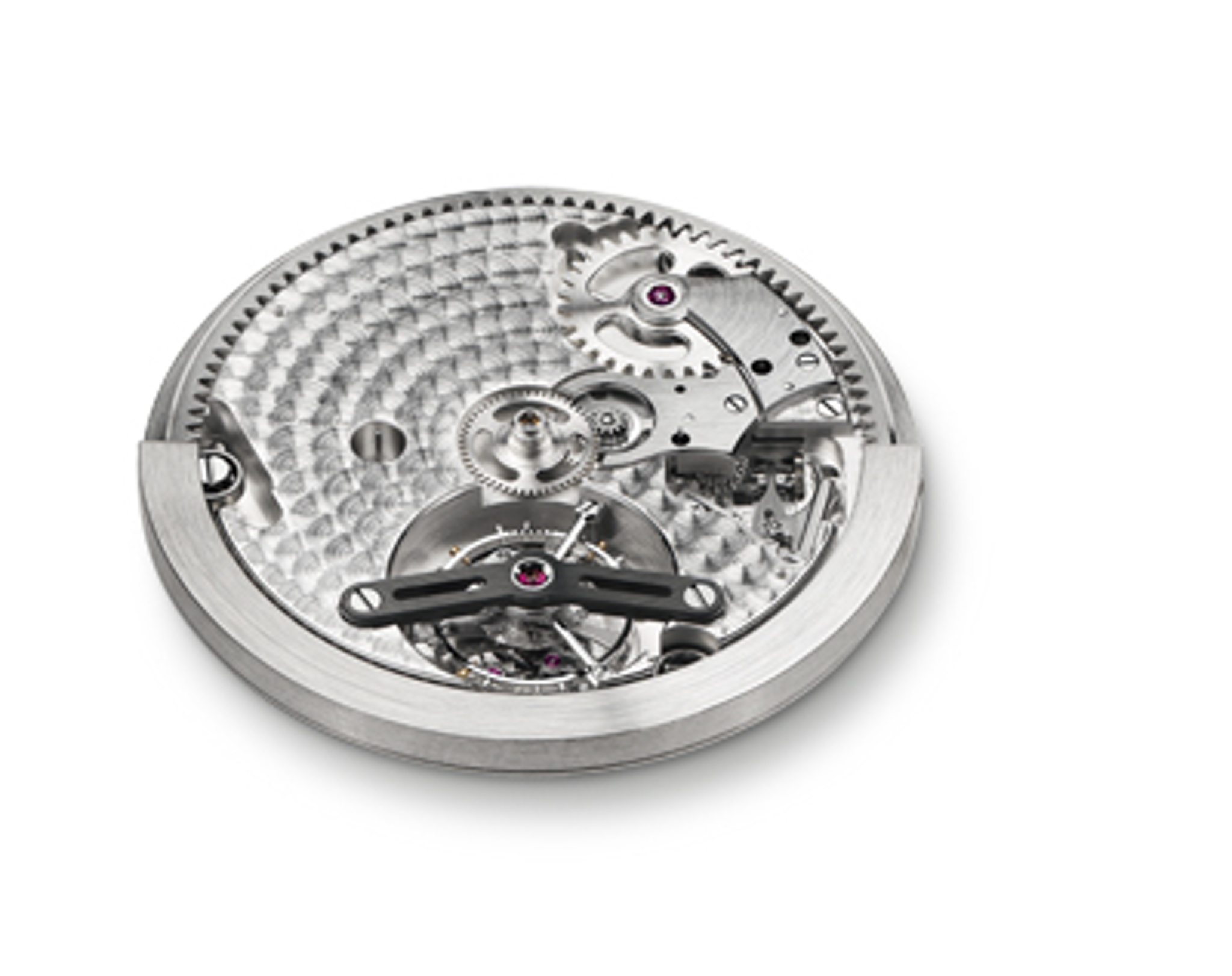
Source: ablogtowatch, worldtempus
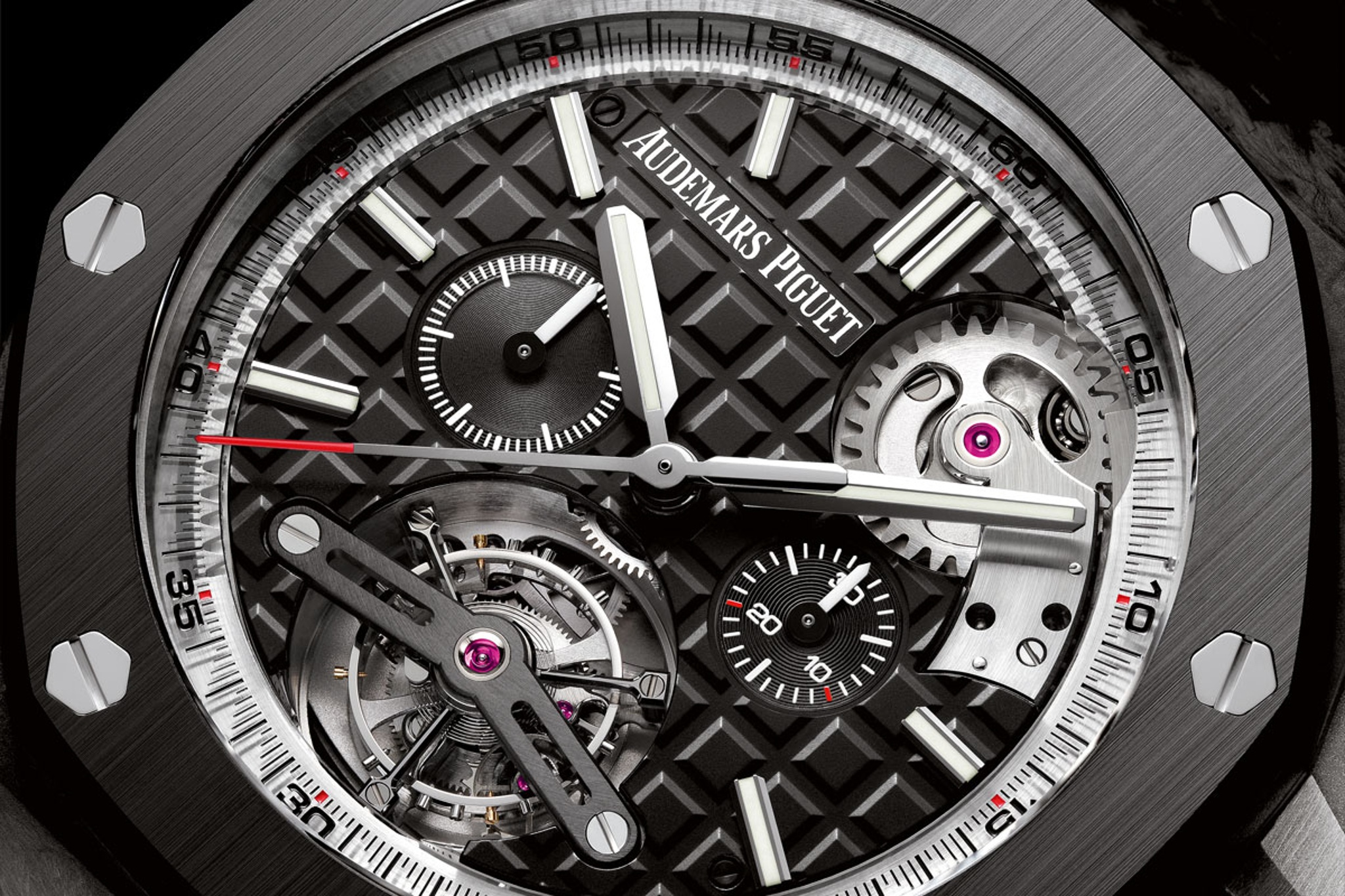
The Audemars Piguet Royal Oak Offshore Selfwinding Tourbillon released in 2014 below featured this movement with a sapphire “minuterie” where the peripheral rotor and its gear tooth are visible.
Source: Monochrome
At the 1 o’clock is a cock that hold the peripheral rotor’s coupling gear in place and both are visible through a large aperture in the dial.
Caliber DW 8014 by DeWitt
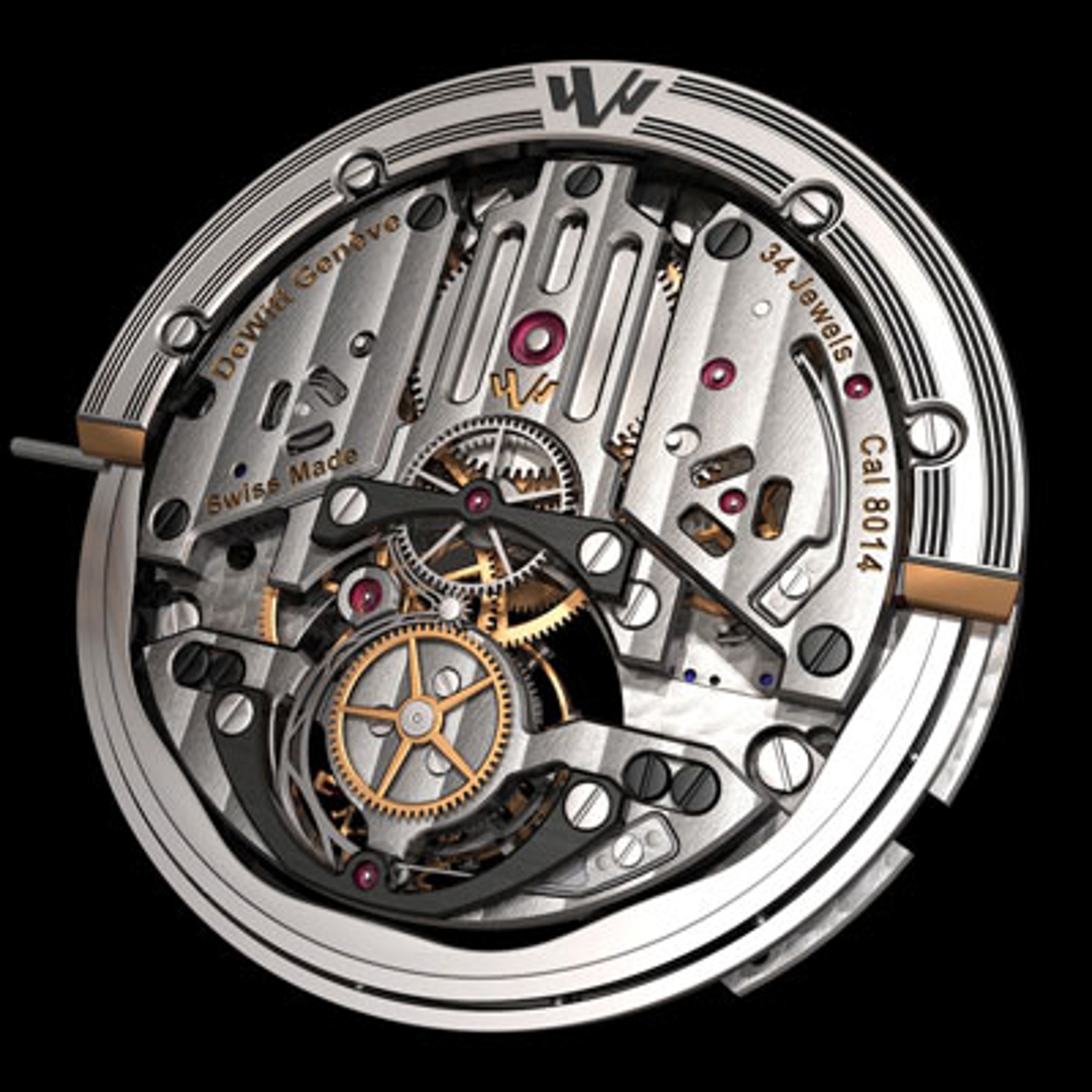
Source: Worldtempus
Caliber 9603 MC by Cartier
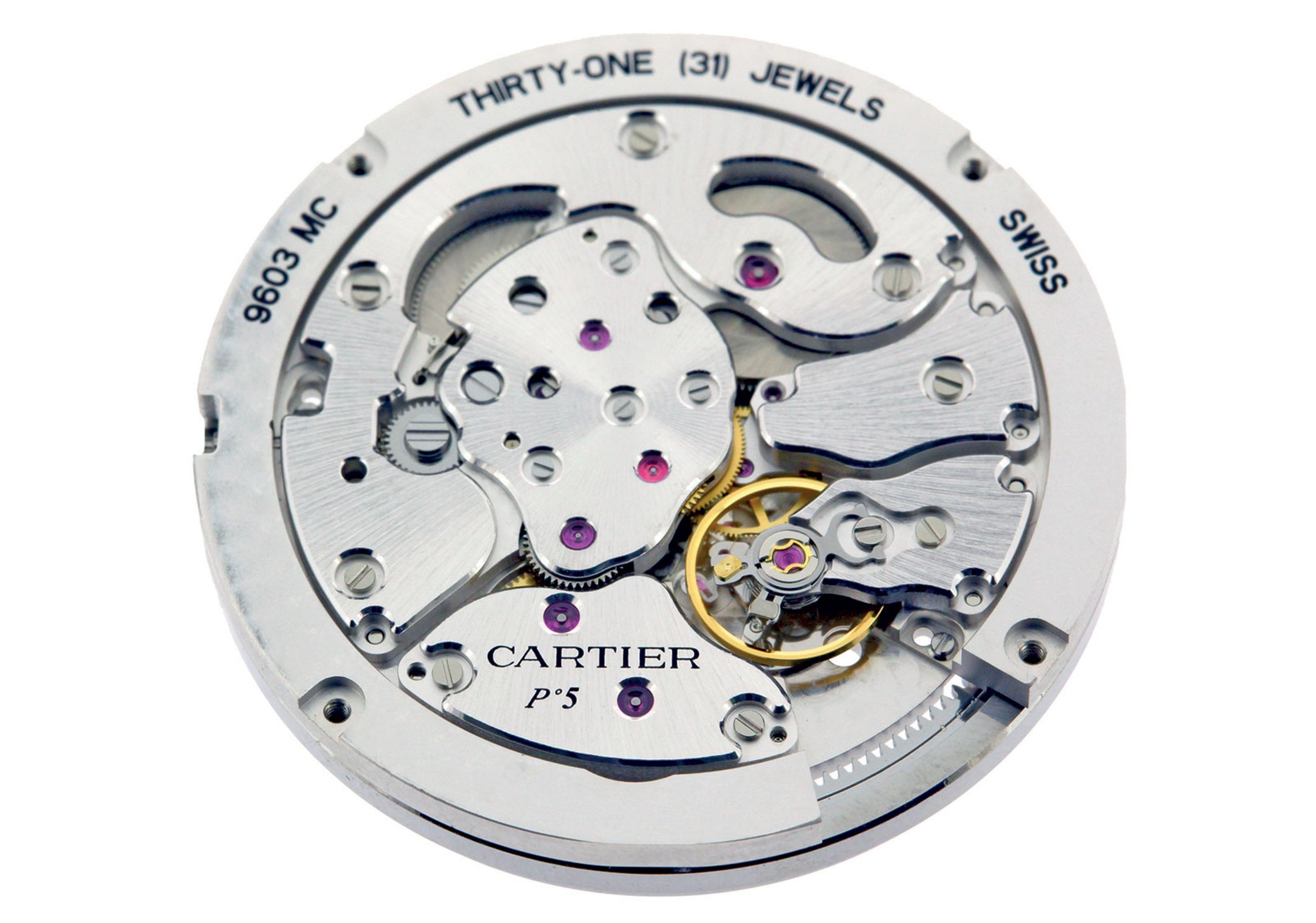
Source: SJX Watches
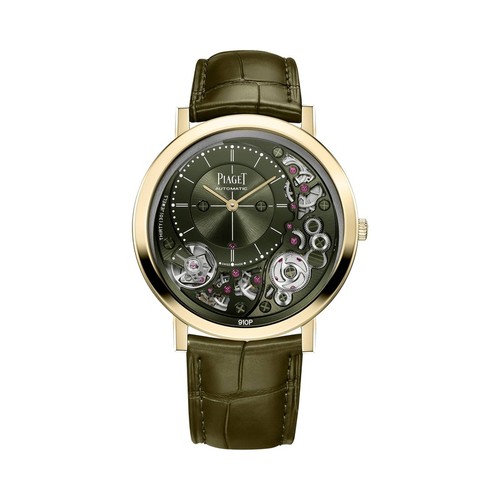
Piaget calibre 910P
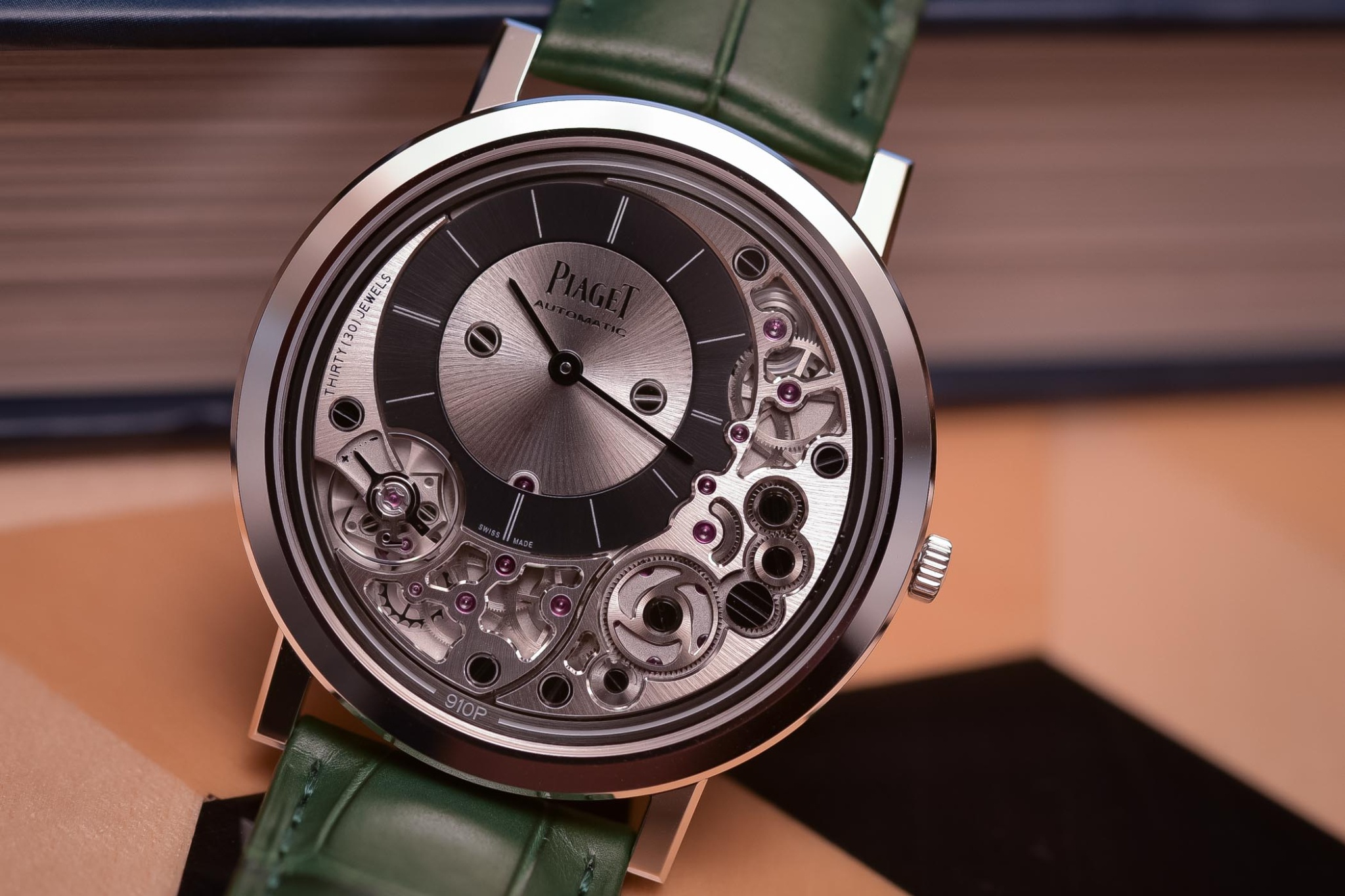
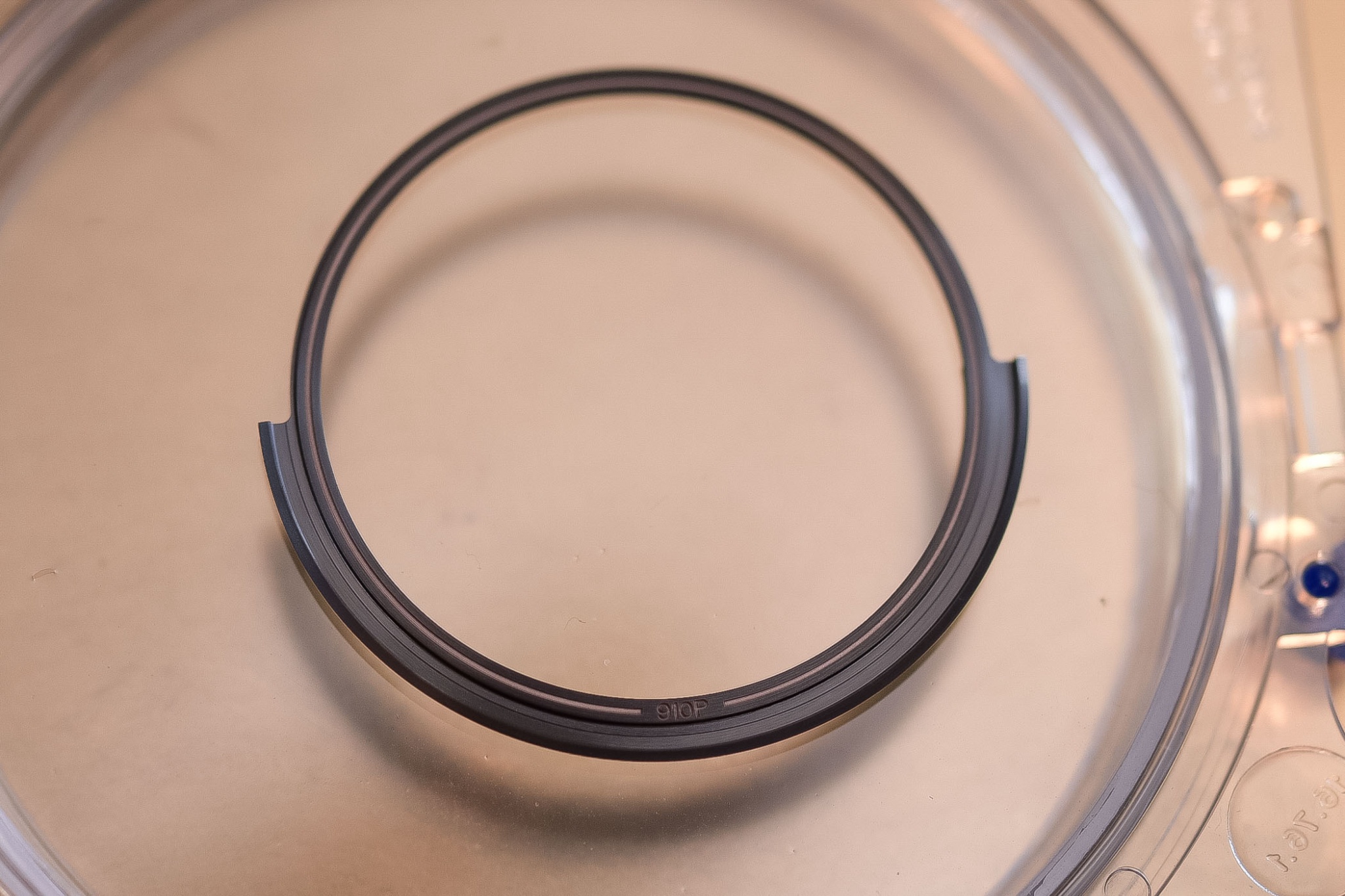
Source: Monochrome
Bulgari BVL 288
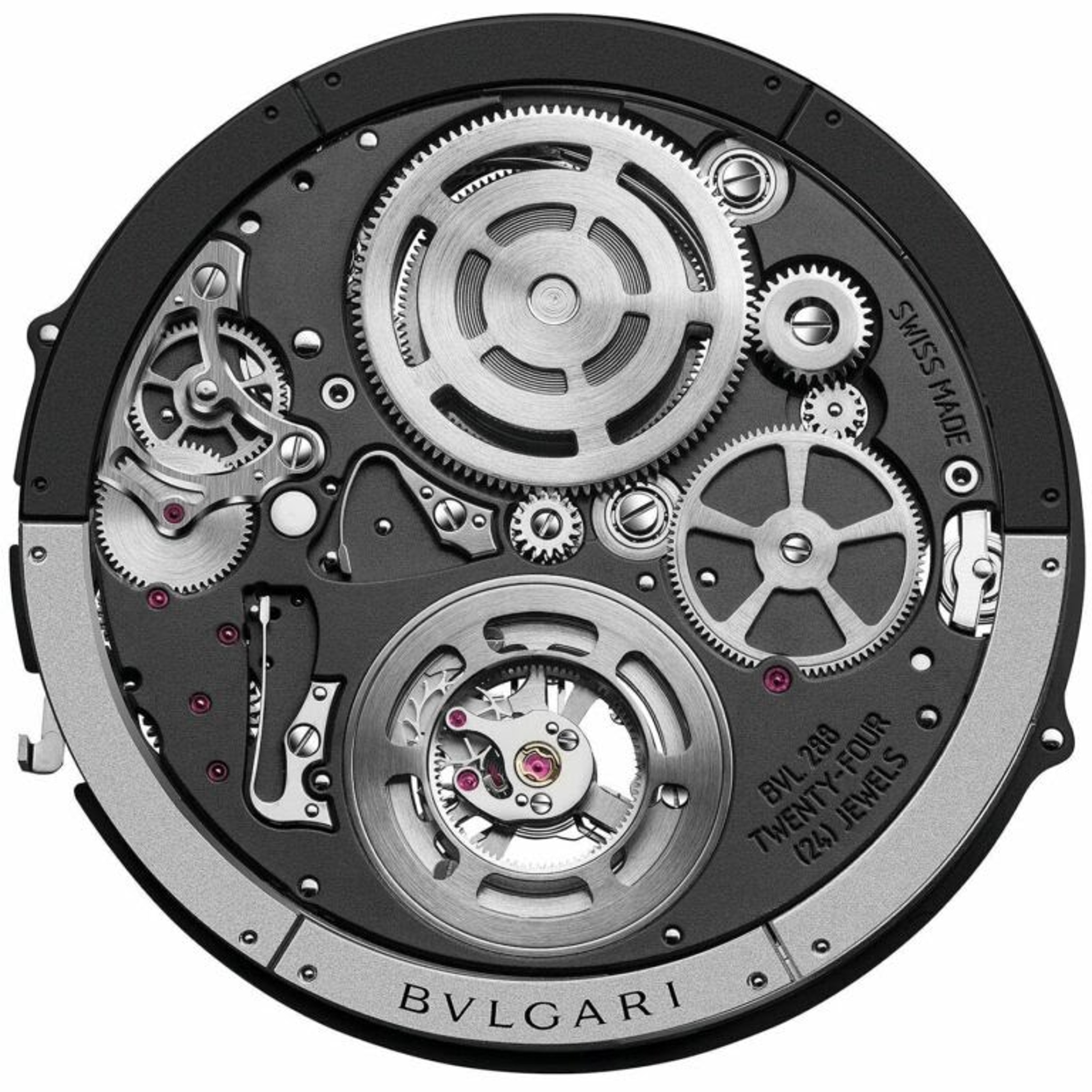
Source: Grail Watch Reference
Breguet Tourbillon Extra-Thin Automatic 5377
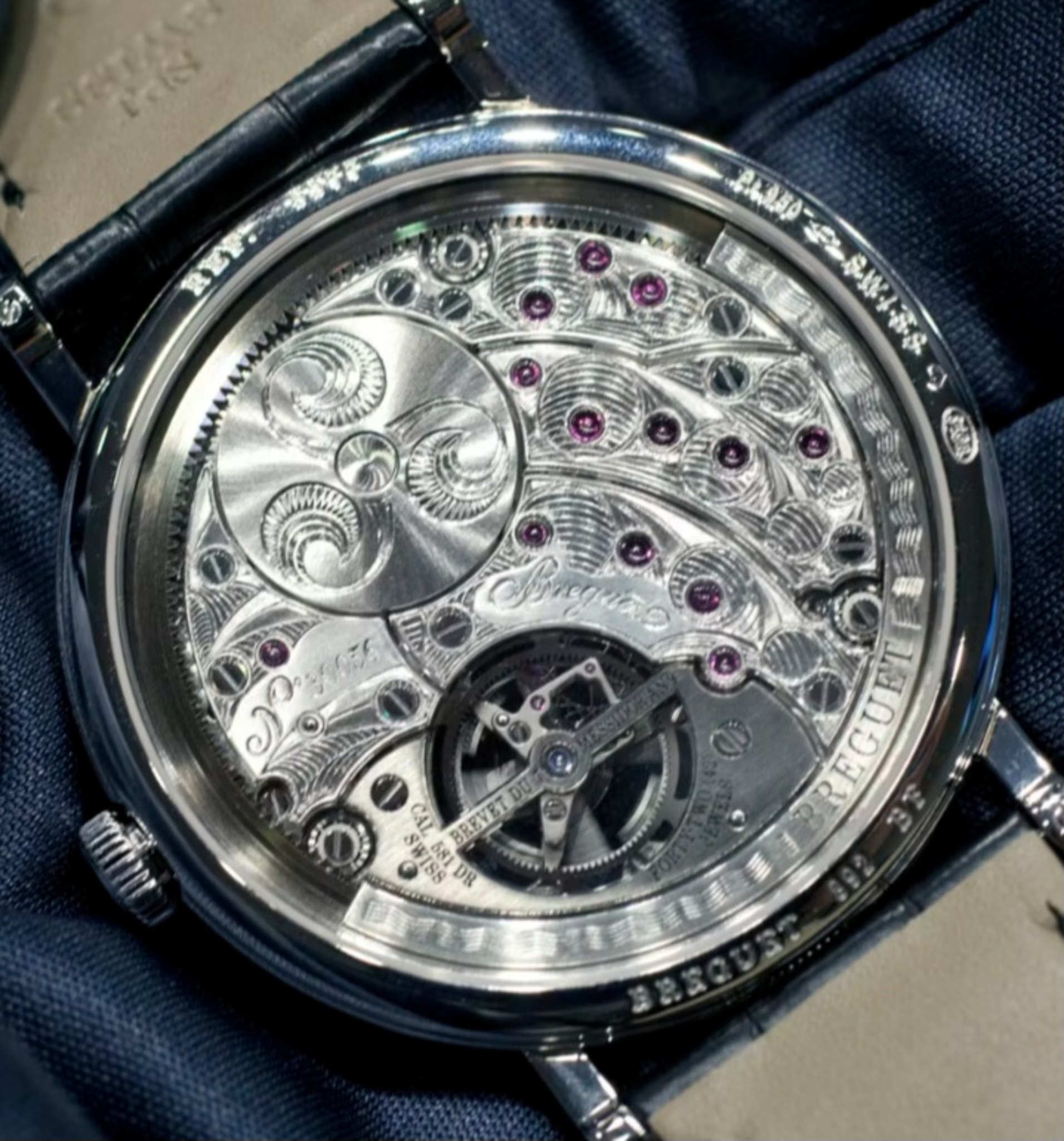
Source: Hodinkee
If you've made it to the end, thank you for reading and looking, this post was as much an education for me to learn more about Peripheral Rotors which I find is an extremely elegant technical solution.
This message has been edited by India Whiskey Charlie on 2026-01-31 23:43:57 This message has been edited by KMII on 2026-02-01 09:20:10
Available on the marketplace
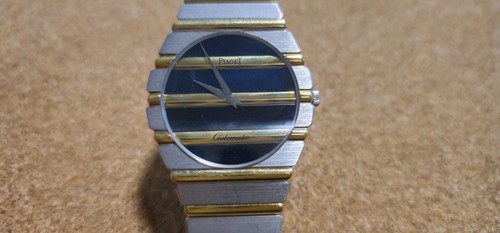
452 Piaget listings are live on the eBay market and 33 collector listings on the WatchProSite marketplace.


Peripheral Rotors


Fantastic post! Thanks very much! 👏🏻🤩🙏🏻

Thanks for the research.

Thanks for the thread, isn't Vianney Halter mystery rotor just a normal central rotor though?


What a wonderful post. Thank you for sharing your great work with us

Great stuff!

Another excellent post .

Fabulous post Salman 👏🏻👏🏻👏🏻

