Discussion
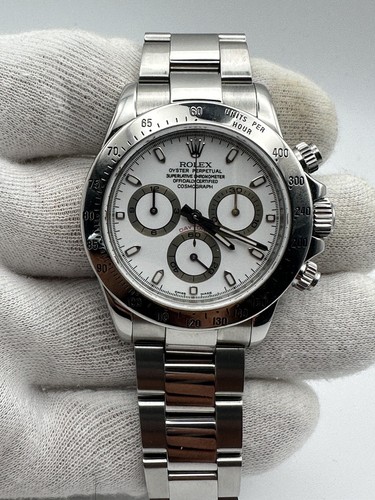
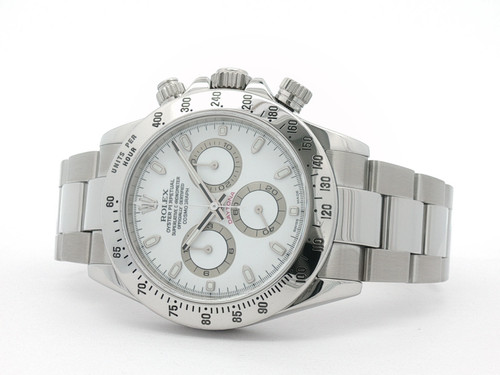
Besançon's original post sparks a compelling discussion on the aesthetic and practical merits of steel versus ceramic bezels on the Rolex Daytona. His preference for the steel bezel on his Rolex Daytona 116520 highlights a key debate among collectors regarding durability and design. This article delves into community insights, exploring why the choice of bezel material continues to be a significant factor for enthusiasts.


The Daytona reference 116520 represents a significant evolution within the Cosmograph Daytona line, being the first to feature Rolex's in-house developed chronograph movement. This reference marked a departure from previous models that utilized outsourced calibers, establishing a new benchmark for the brand's commitment to vertical integration and precision engineering in its sports watch offerings. It maintained the classic Daytona aesthetic while introducing subtle refinements.
The watch is presented in a 40mm Oystersteel case, featuring a fixed tachymeter bezel also crafted from Oystersteel. Powering the timepiece is the automatic Caliber 4130, a self-winding mechanical chronograph movement known for its robust construction and a substantial power reserve of 72 hours. A scratch-resistant sapphire crystal protects the dial, and the watch is water-resistant to a depth of 100 meters, ensuring durability and functionality.
Appealing to collectors interested in the technical advancements of Rolex, the 116520 is recognized for its role in the brand's history of movement development. It is available with either a white or black dial, both featuring contrasting sub-dials that enhance legibility and visual interest. The reference was produced for a considerable period, making it a recognizable and sought-after model for those appreciating the blend of traditional design with modern horological innovation.
Best, Emmanuel
This thread is active on the Rolex forum with 15 replies. Share your knowledge with fellow collectors.
Join the Discussion →