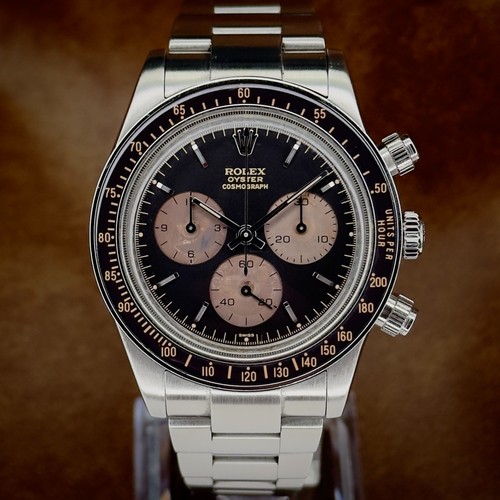
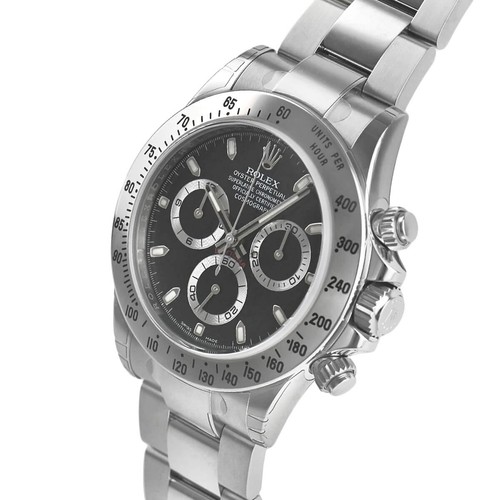
Reference Guide
Sid Lefaye meticulously details the evolution of the modern Rolex Daytona 116520, proposing a new 'Mark V' variant based on his 2014 acquisition. He outlines specific distinguishing features, including blue lume, fat hands, enlarged minute markers, rehaut engraving, Parachrom Bleu hairspring, and a flat '4' on the chronograph's '40' marker. This post serves as a valuable guide for collectors seeking to understand the subtle yet significant generational changes within the 116520 reference.


Mark I Daytona: all models from the introduction of the modern Daytona up to the introduction of the “fat hands” dial which happened mid-way through F serial production
Mark II Daytona: Fat hands models – the only distinguishing difference between a Mark I and Mark II.
Mark III Daytona: Models with the minute marker variation (absent are the enlarged 27 minute marker and 33 minute marker as is found on Mark I and II dials). As of this writing, I’m uncertain when the Mark III dial was introduced, though doing some photo research on eBayand Google photo revealed photos of several D series models with the Mark III dial. My guess/theory is that the Mark II dial only lasted from half way through the F series production, into half way through the D serial. Meaning, a Mark II Daytona may be the rarest example found in modern Daytona production.
Mark IV Daytona: Has the rehaut engraving and, presumably, the Parachrom Bleu hairspring.



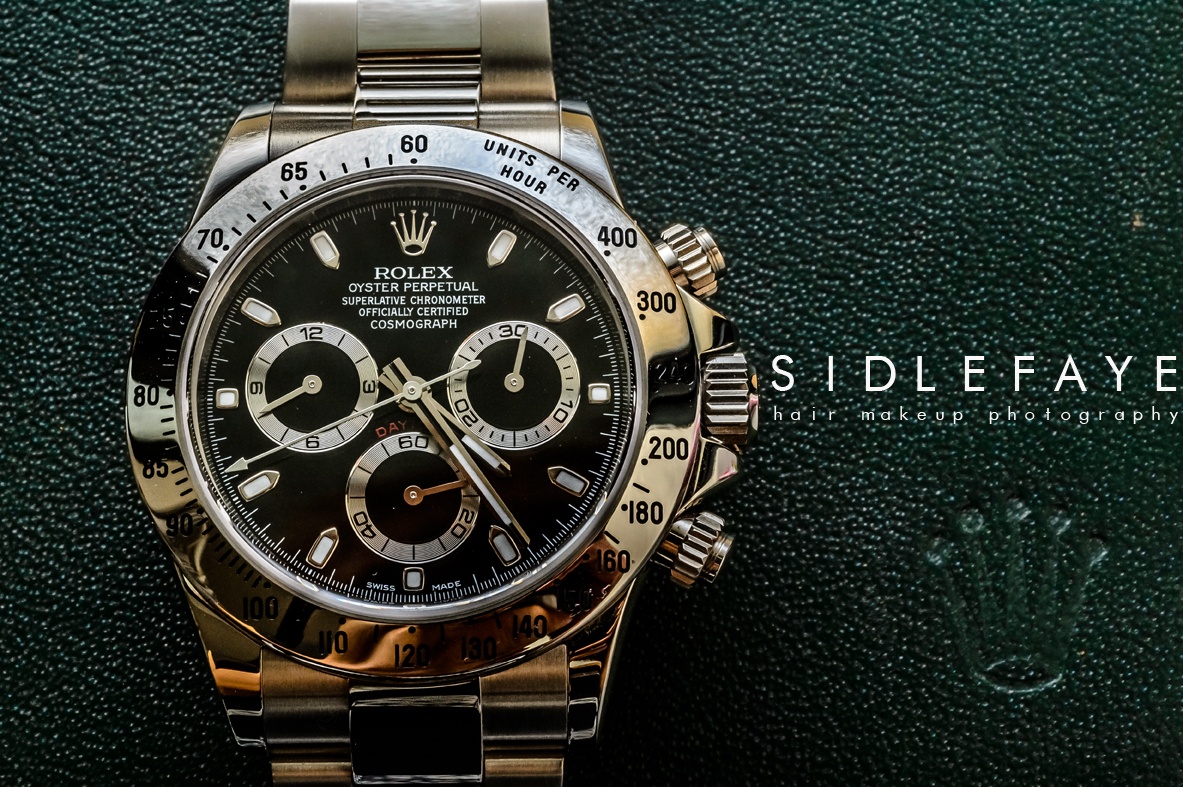
The Daytona reference 116520 represents a significant evolution within the Cosmograph Daytona line, being the first to feature Rolex's in-house developed chronograph movement. This reference marked a departure from previous models that utilized outsourced calibers, establishing a new benchmark for the brand's commitment to vertical integration and precision engineering in its sports watch offerings. It maintained the classic Daytona aesthetic while introducing subtle refinements.
The watch is presented in a 40mm Oystersteel case, featuring a fixed tachymeter bezel also crafted from Oystersteel. Powering the timepiece is the automatic Caliber 4130, a self-winding mechanical chronograph movement known for its robust construction and a substantial power reserve of 72 hours. A scratch-resistant sapphire crystal protects the dial, and the watch is water-resistant to a depth of 100 meters, ensuring durability and functionality.
Appealing to collectors interested in the technical advancements of Rolex, the 116520 is recognized for its role in the brand's history of movement development. It is available with either a white or black dial, both featuring contrasting sub-dials that enhance legibility and visual interest. The reference was produced for a considerable period, making it a recognizable and sought-after model for those appreciating the blend of traditional design with modern horological innovation.
btw, I have removed the external link from it.
Also the Mark III has bigger "squares" on the dial at 3, 6 & 9. Cheers
great info wesleyvs. also good to know something new. do u own one yourself?
i was wondering when is the blue lume of daytona 116520 started? pls share your thoughts and picture of your modern daytona. it would be great to understand the details of what we put on our wrist. thank you guys!!!
always assumed its greenish. My was purchased brand new last Xmas, not sure when the blue started though.
it made me want to look at the type of dial that my white dial 116520 has (type I've by the way). This is what makes collecting Rolexes so much fun! Thanks for posting!
This thread is active on the Rolex forum with 10 replies. Share your knowledge with fellow collectors.
Join the Discussion →