Press release from RGM
RGM’s Pennsylvania Series 801
“Baseball in Enamel”
(USA, Mount Joy, PA) October 2, 2014 –
While touring the National Watch and Clock Museum in Columbia, Pennsylvania, USA three or
four years ago, RGM Watch Company founder Roland G. Murphy became intrigued by a display
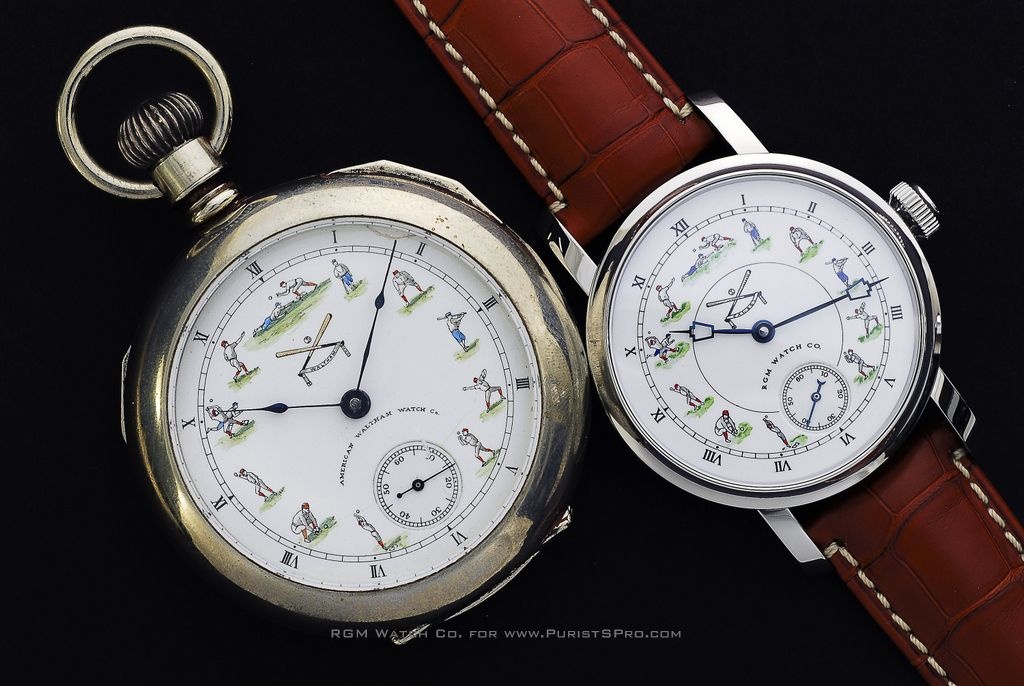
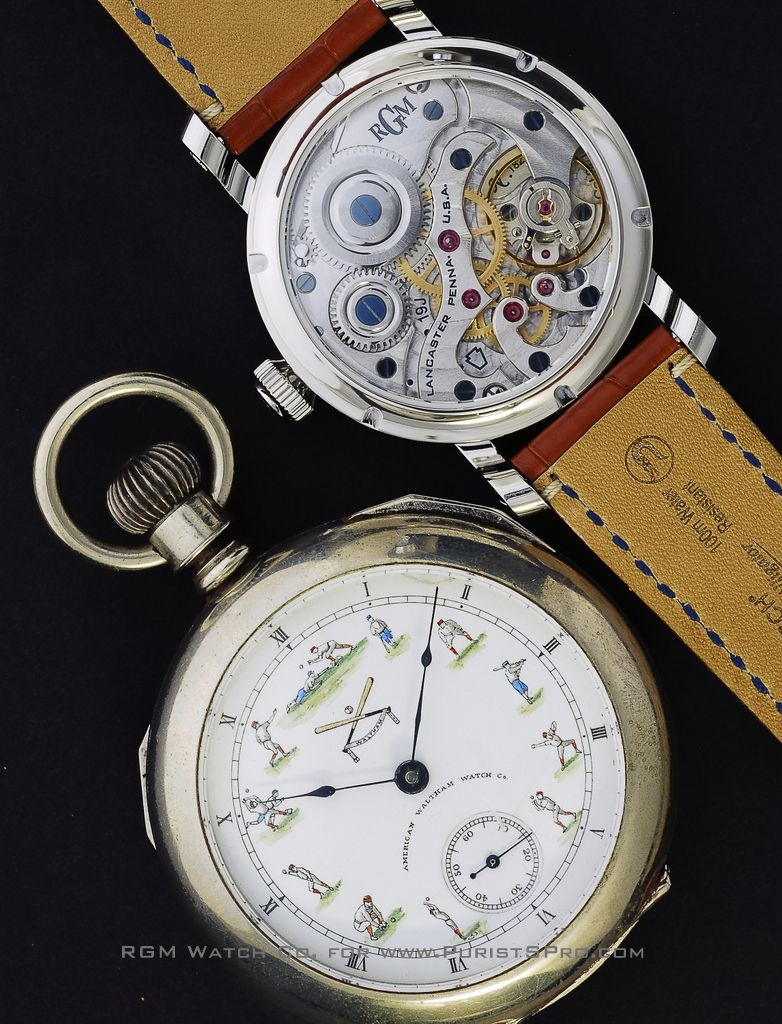
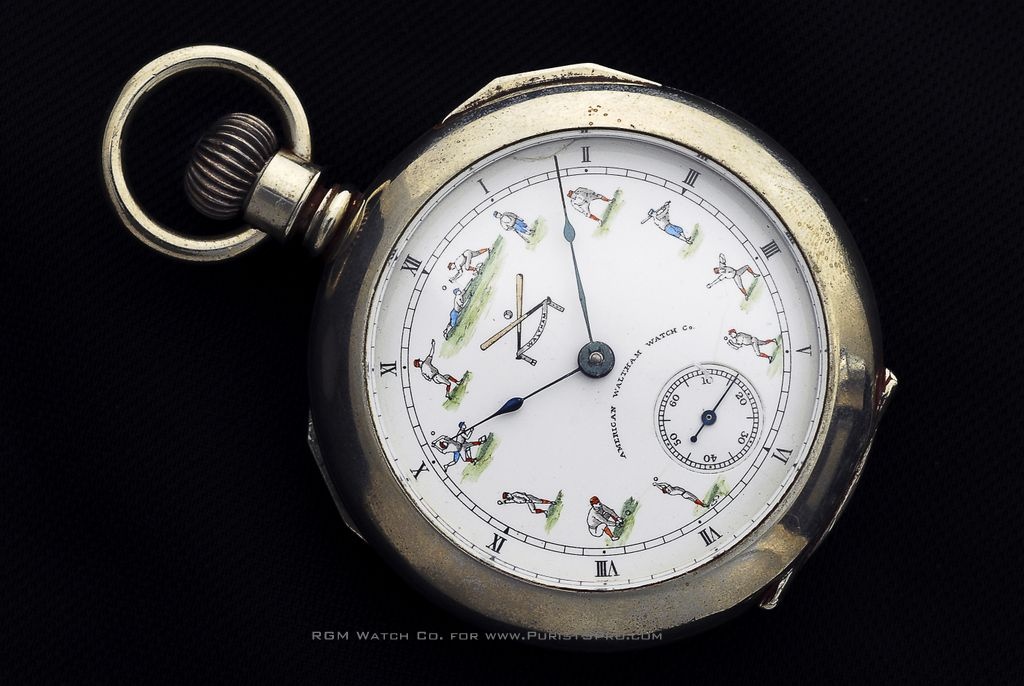
of watches with unique enamel dials. The collection included a rare 1892 American Waltham
Watch Co. pocket watch that housed a baseball-themed enamel dial. Murphy was captivated by a
watch that married American watchmaking history with America’s pastime, baseball. The idea
was born to make a modern watch inspired by this classic American theme.
The finely crafted pocket watch is extremely rare; only a handful have been seen. Even less is
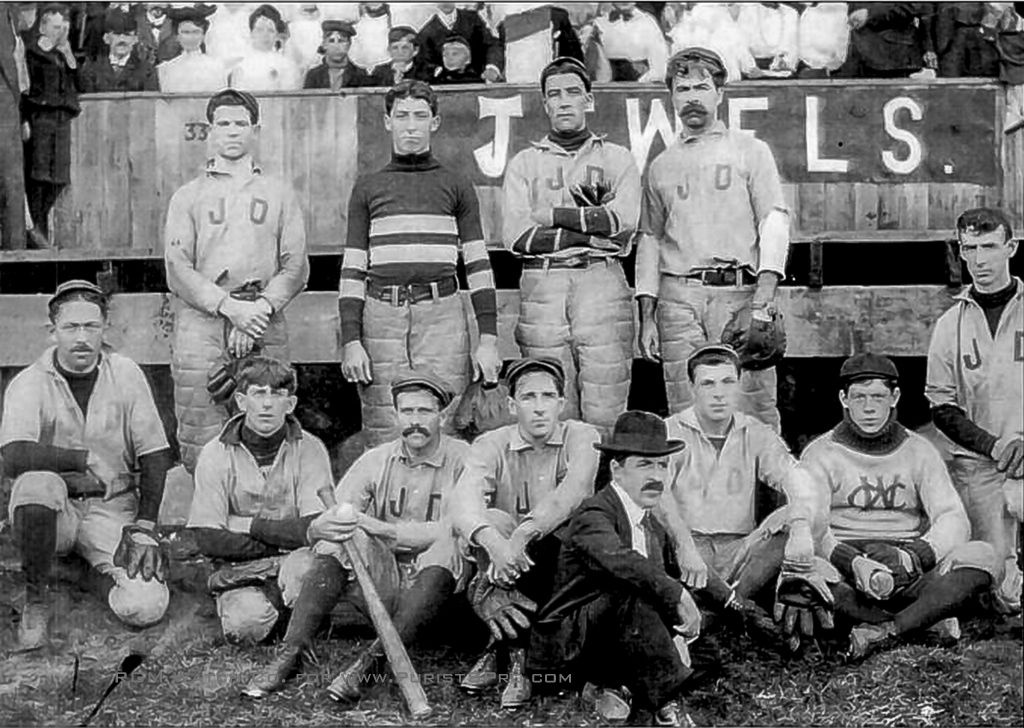
known about what prompted Waltham to produce a baseball-themed piece. The late-1800’s was
a heyday for America’s pastime; was it the popularity of the game that caused Waltham to create
this extraordinary timepiece? No one knows for sure. Conjecture is that these watches were made
for Waltham’s own baseball league, perhaps given to managers or players in recognition of
various achievements.
The next obstacle was finding an artisan who could create a high-quality Grand Feu (French for
“Great Fire”) enamel dial. There are only a handful of master enamellers worldwide. “If I
couldn’t do it right, I wasn’t going to do it,” recalls Murphy. The dial had to be made exactly the
same way the original was made. An enamel dial will not fade; it will look the same in 100
years as it does today. A three-year search located an enamel artist willing to take on the project.
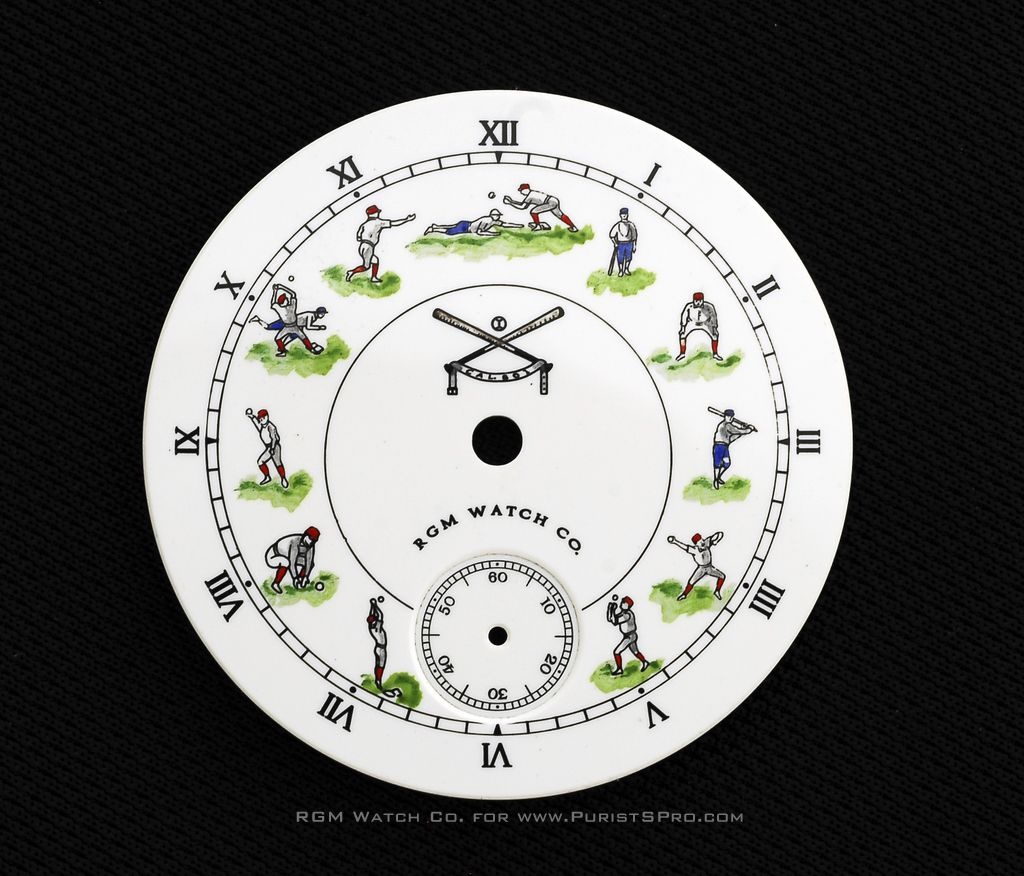
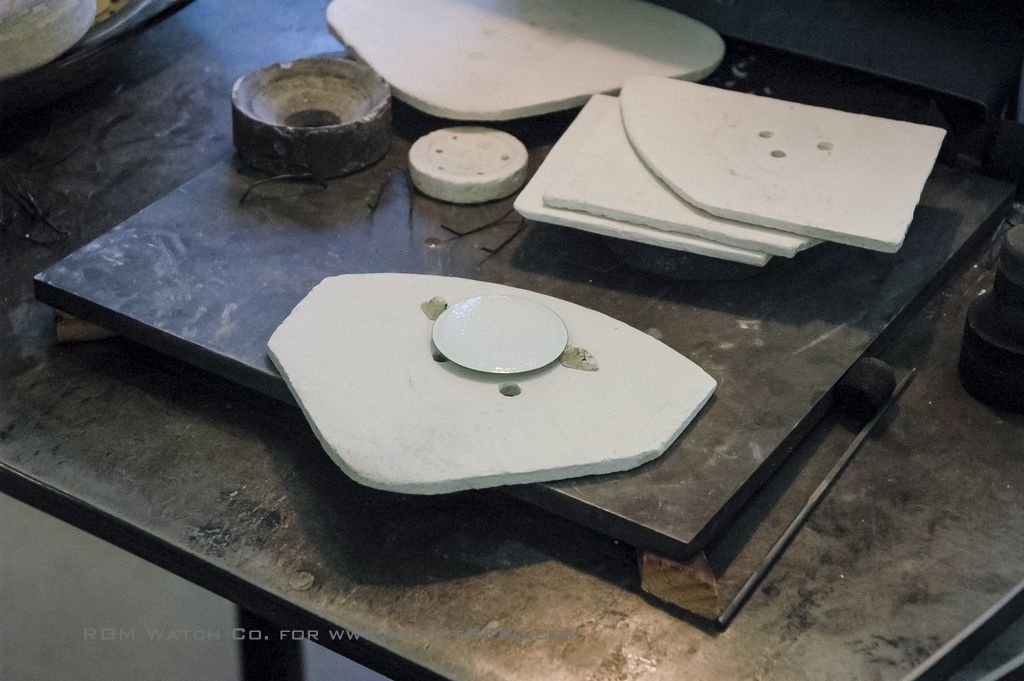
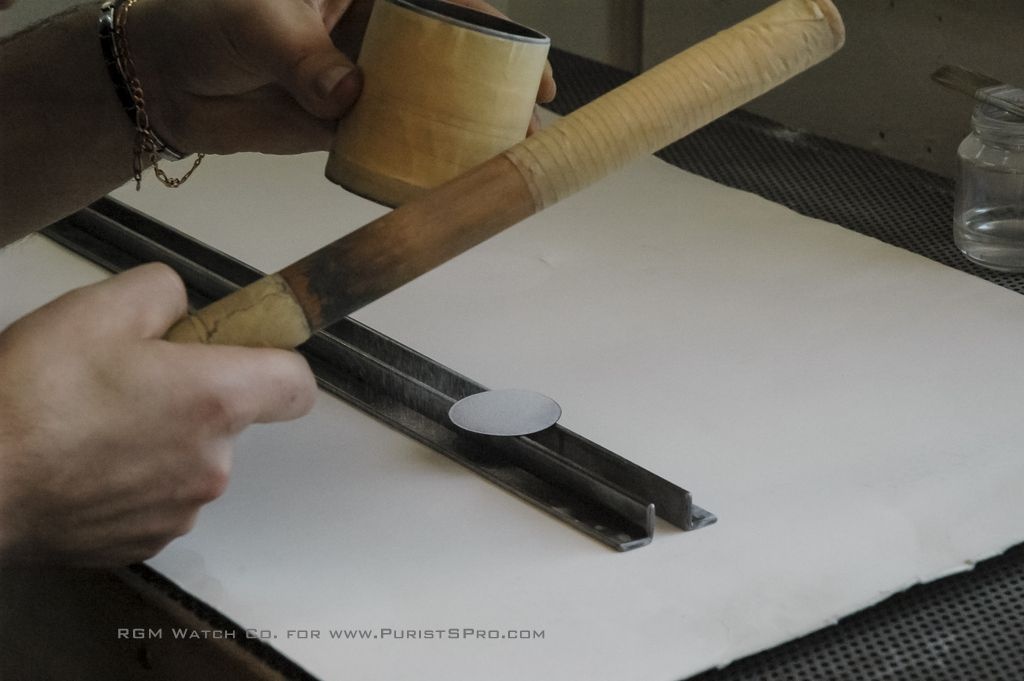
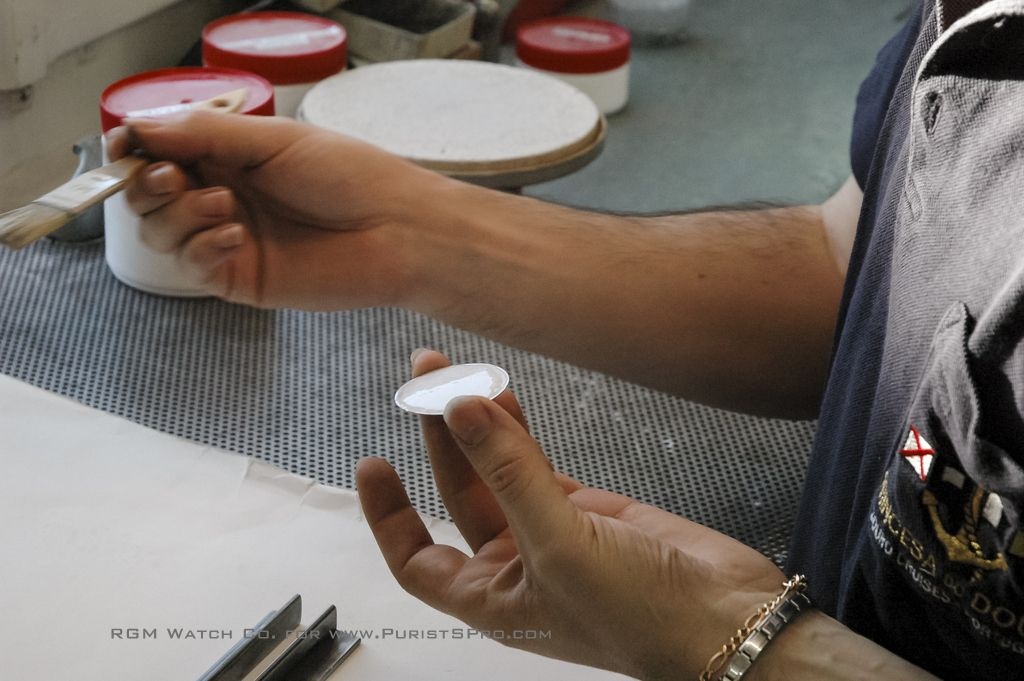
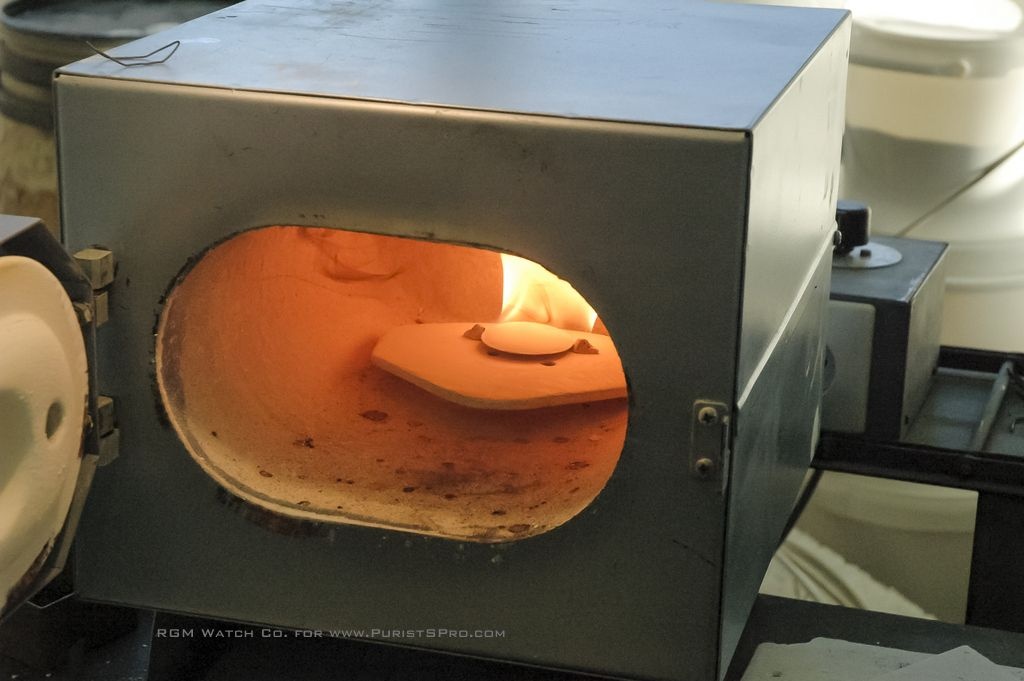
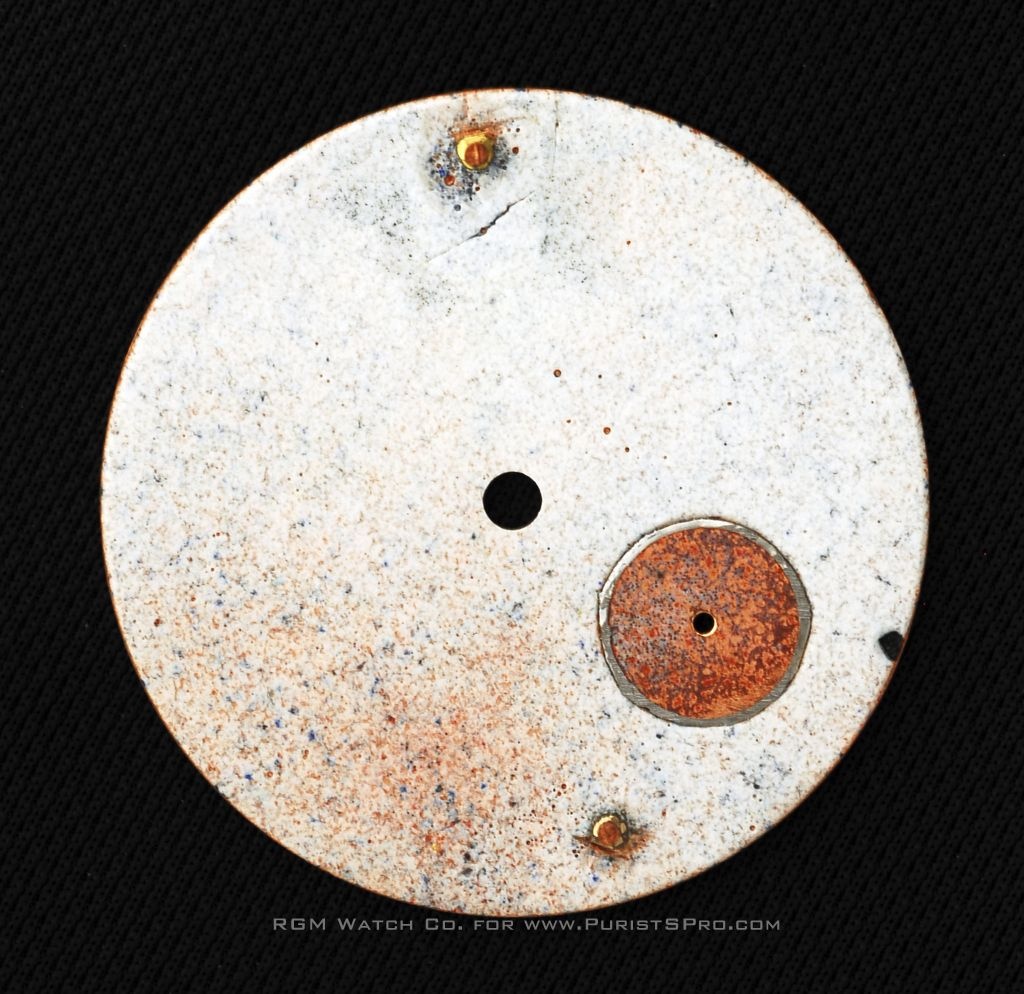
Creating an enamel watch dial is a high-risk art. Enameling is a technique in which colored
powdered glass is applied to a metal plate. The surface is then heated to a temperature high
enough to cause the powdered glass to melt and form a new surface. The Grand Feu technique
ups the stakes. It involves meticulously coating a watch dial with successive layers of enamel.
Once a layer is ready, the dial is heated at extremely high temperatures, ranging from 1472-
1652°F (800-900°C). The repeated baking of each individual layer ensures a uniquely crisp
aesthetic while permanently setting the enamel. Using high heat to create these beautiful dials
also poses a risk. Each time it is re-fired, the danger of cracking, melting, or burning increases.
The Roman numerals and baseball figures are also baked into the surface. With great risk comes
great reward: the appearance of a real glass enamel dial is unmistakable.
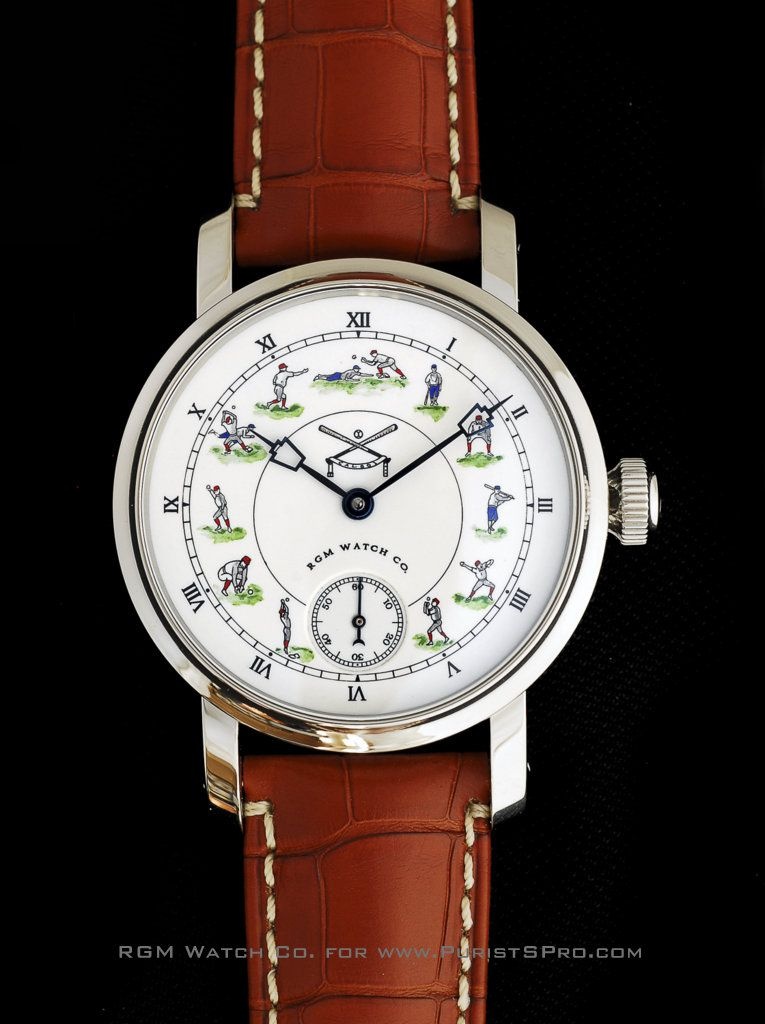
The watch in the museum’s collection from which Murphy drew his inspiration features a
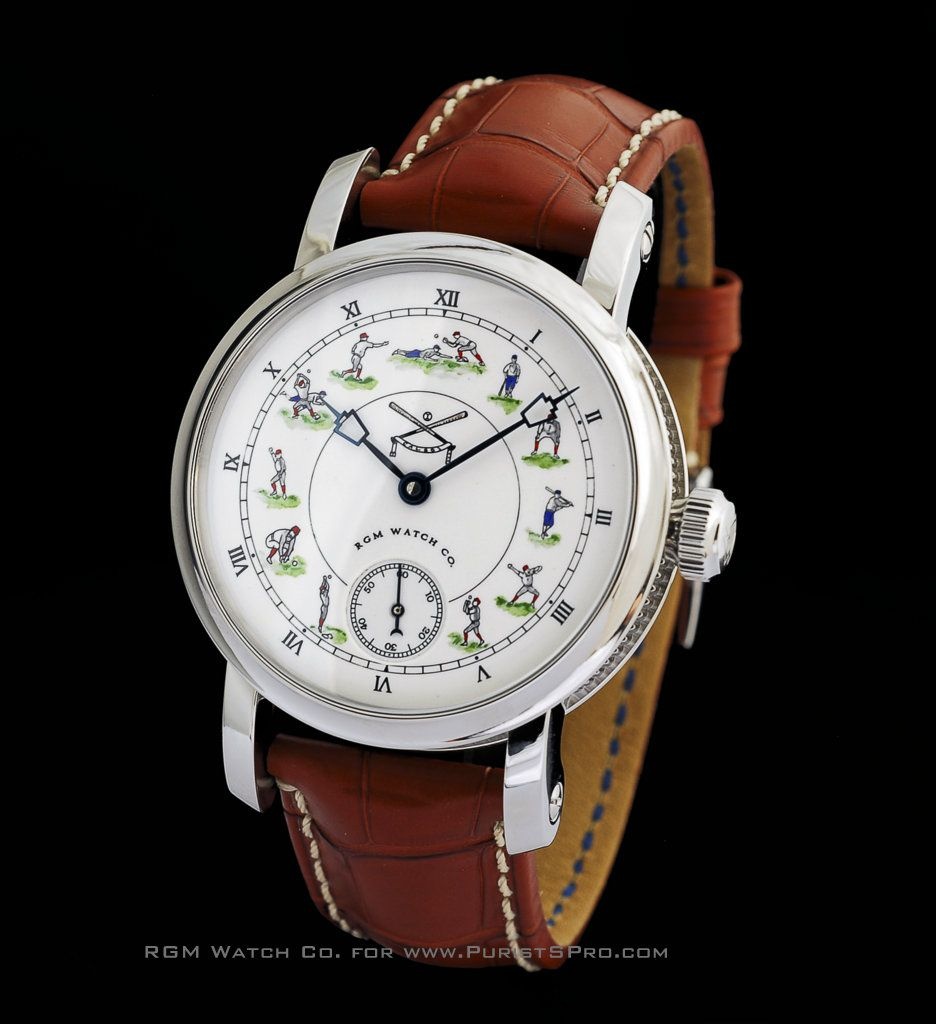
detailed color illustration of a baseball player positioned at each hour mark. Each individual
representation depicts a player in a variety of poses, including batting, throwing, catching,
sliding and fielding. A crossed baseball bat motif in the center displays a banner reading
“Waltham.” The company name, “American Waltham Watch Co.” is also lettered directly above
the sub-second dial. Wanting to pay homage to this work of art, the RGM dial is strikingly
similar. Because each known example of the Waltham watch had different hands, RGM chose
their blued steel Keystone hands as a nice complement to the white enamel of the dial.
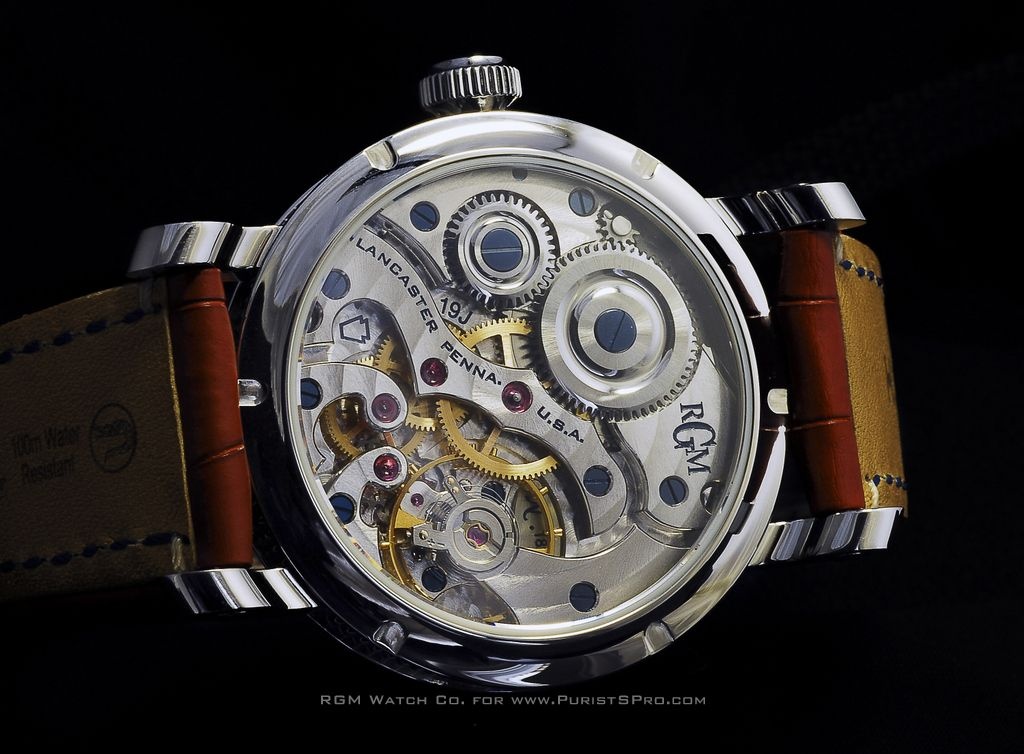
Under this extraordinary dial is RGM’s original in-house movement: Caliber 801. Also inspired
by America’s great watchmaking history, the 801 has classic bridge shapes, polished or blued
steel components and is entirely hand-finished and decorated. The movement can also be
customized.
The watch is housed in a polished stainless steel “Pennsylvania series” case. Like many of the
components of the Caliber 801, the case is also made in Lancaster County, Pennsylvania, USA.
The keystone winding crown completes the Pennsylvania theme.
RGM is again bringing America’s great watchmaking past forward, this time immortalizing
baseball America’s pastime in enamel. This truly unique piece will last for generations - like the
watch that inspired it.
The watch was unveiled next to the original pocket watch on September 27, 2014, at the National
Watch and Clock Associations’ museum in Columbia, Pennsylvania, USA.
Limited to 10 pieces.
 This message has been edited by DonCorson on 2014-10-03 13:50:36


