
Independents
AndrewD's post offers an exclusive tour of Paul Gerber's atelier, focusing on the Model 33, a watch introduced at Basel 2004. This article provides a detailed look at Gerber's unique escapement design, highlighting his innovative approach to watchmaking and the truly in-house nature of his independent manufacture. It serves as a valuable resource for understanding the technical intricacies and personal philosophy behind one of horology's respected independents.


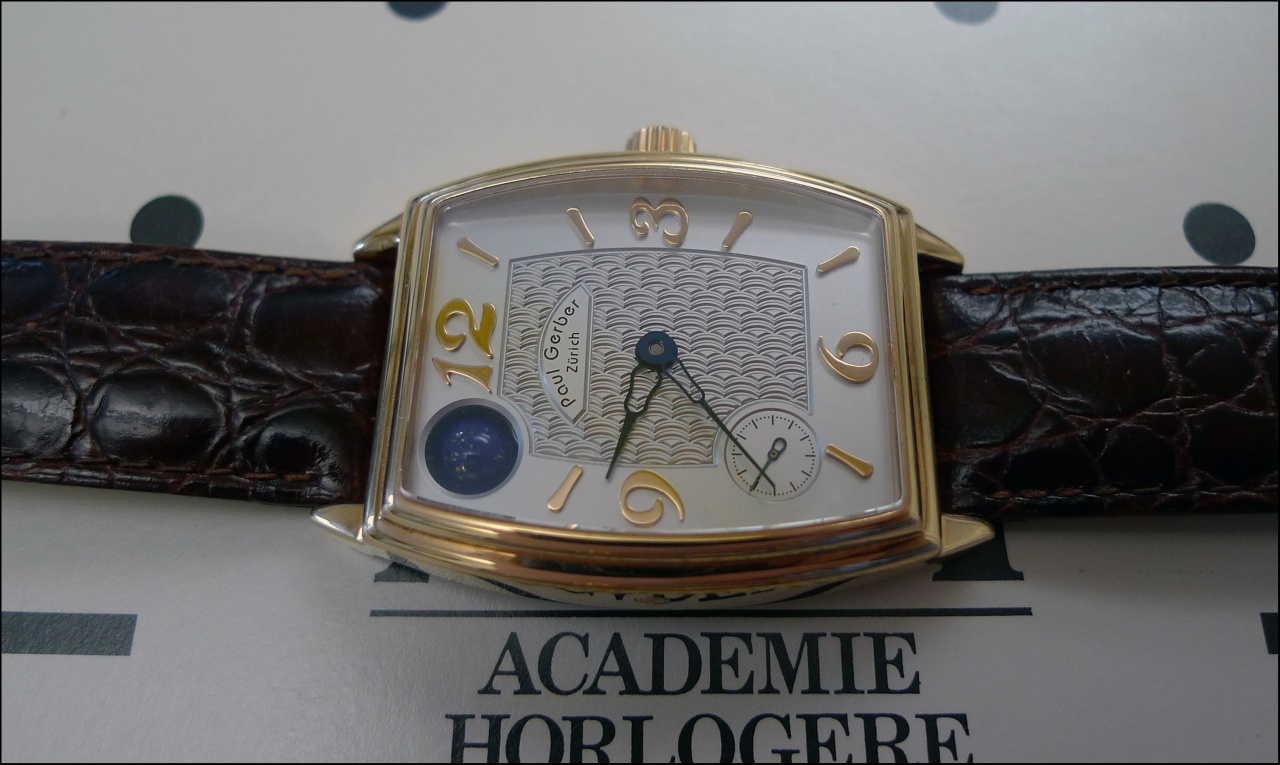
I was able to spend some time with Paul and Ruth Gerber in Zurich. Paul’s Atelier is like Aladdin’s cave and there was so much to see that I cannot compile it all into one post, so I will divide it into bite sized pieces based on specific watches. One of my favourite watches is the Model 33, introduced at the 2004 Basel fair, and this is a great place to start our tour.
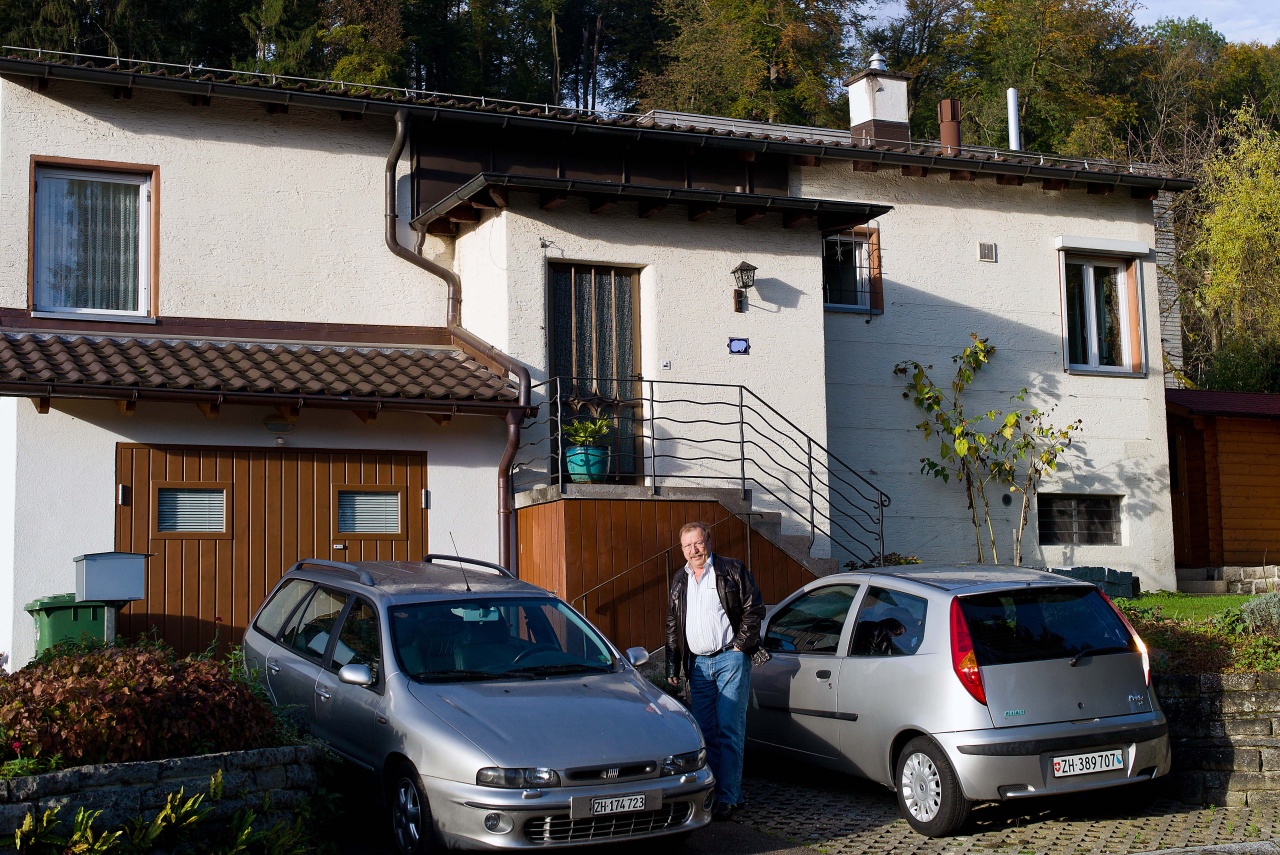
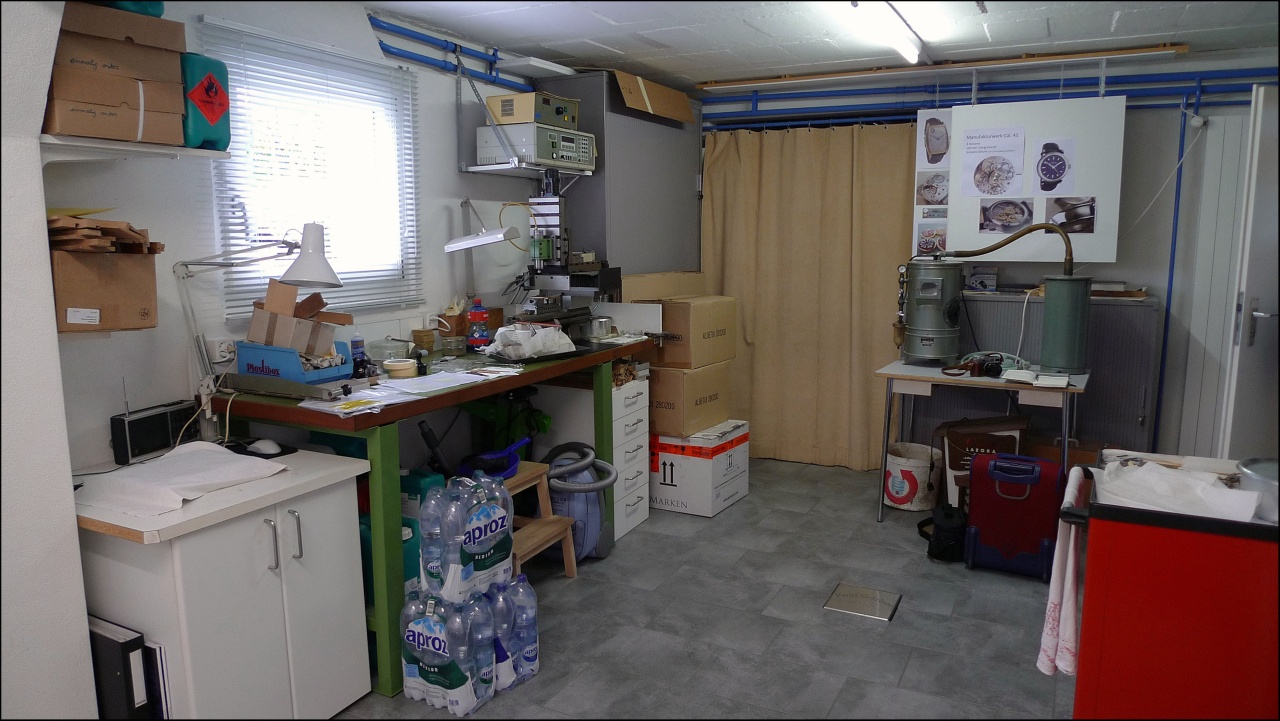
When I say that things are made in-house I really mean it because the Atelier is truly inside Paul’s house. In fact the cars are parked outside because the garage is full of machinery.
The Paul Gerber Escapement
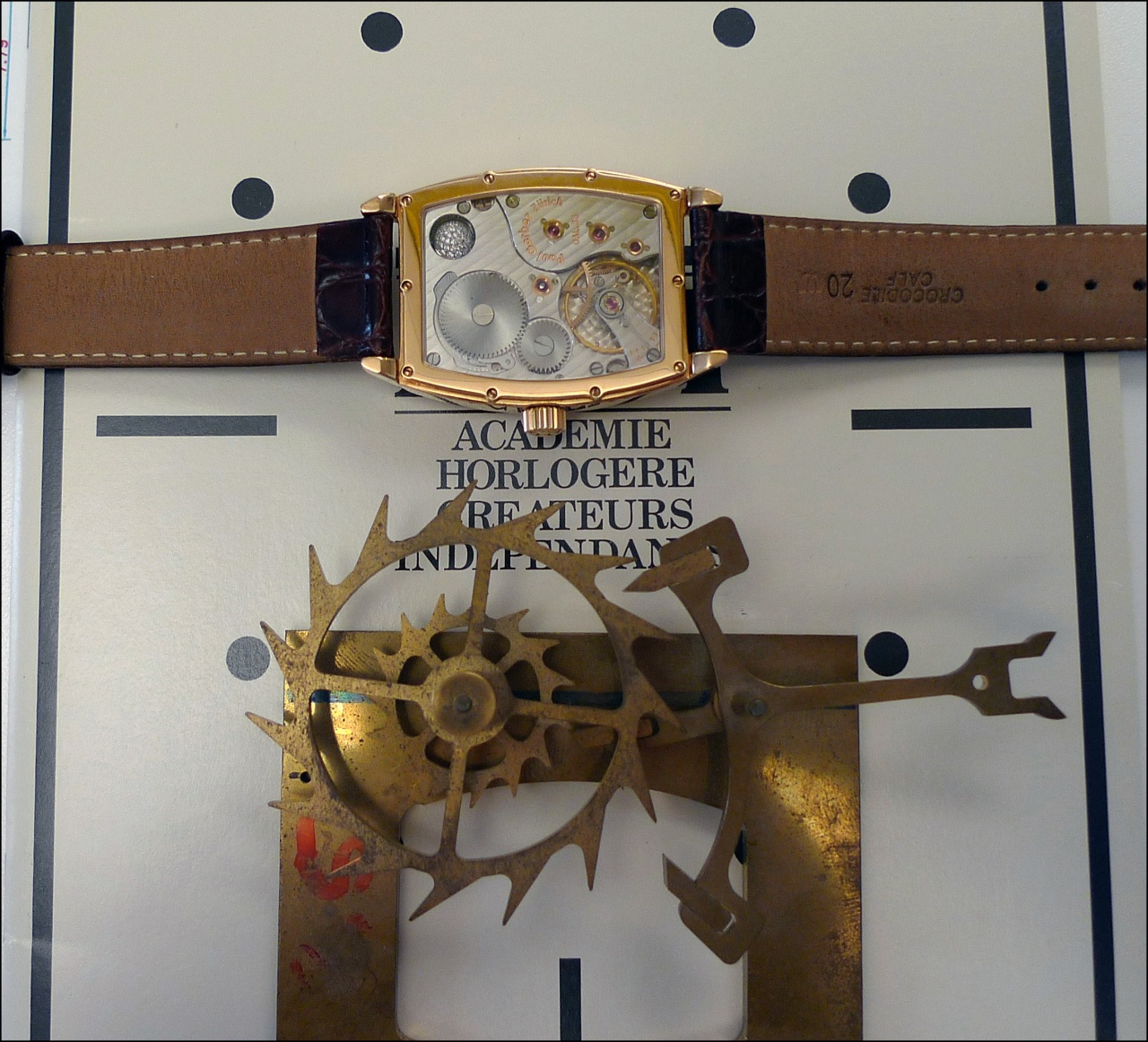
We get a little jaded with all the natural beat escapements in the market place, but Paul was one of the first to use this design. The Gerber escapement operates on the principle of unidirectional impulse with a large stationary wheel, a smaller impulse wheel and an anchor.
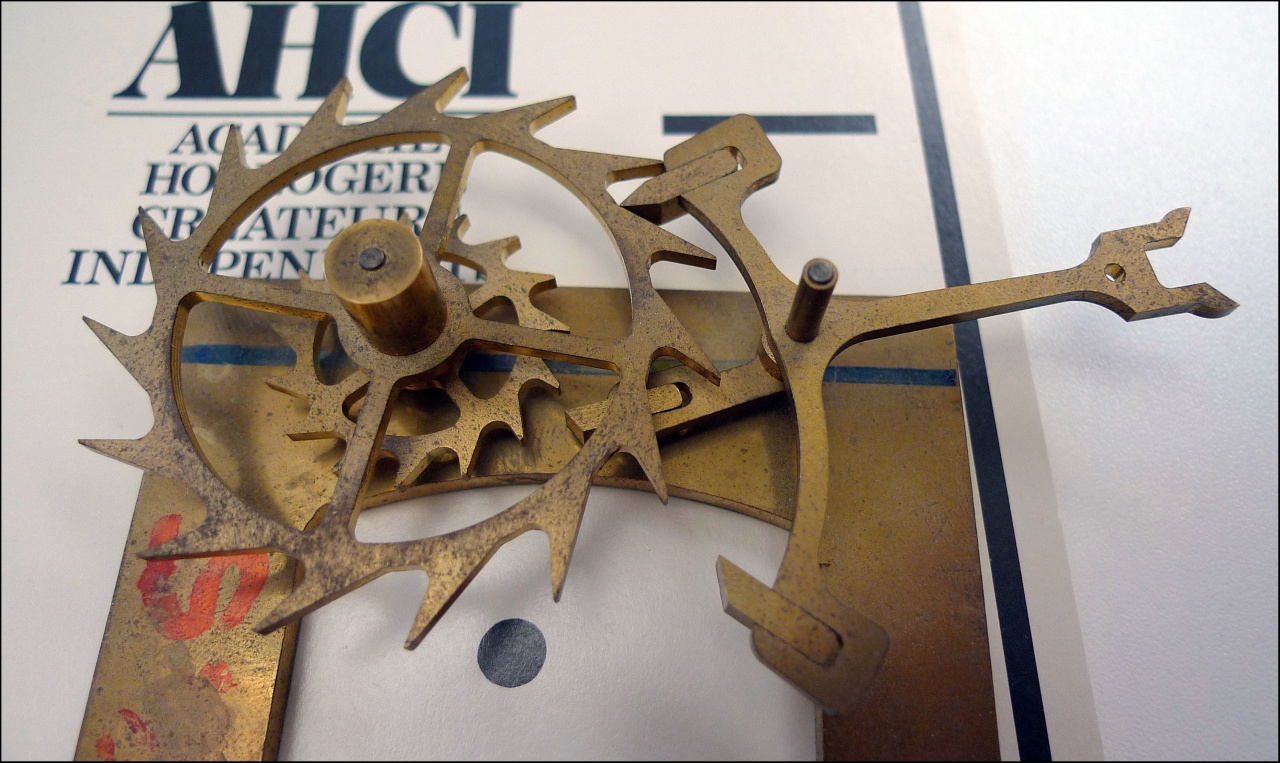
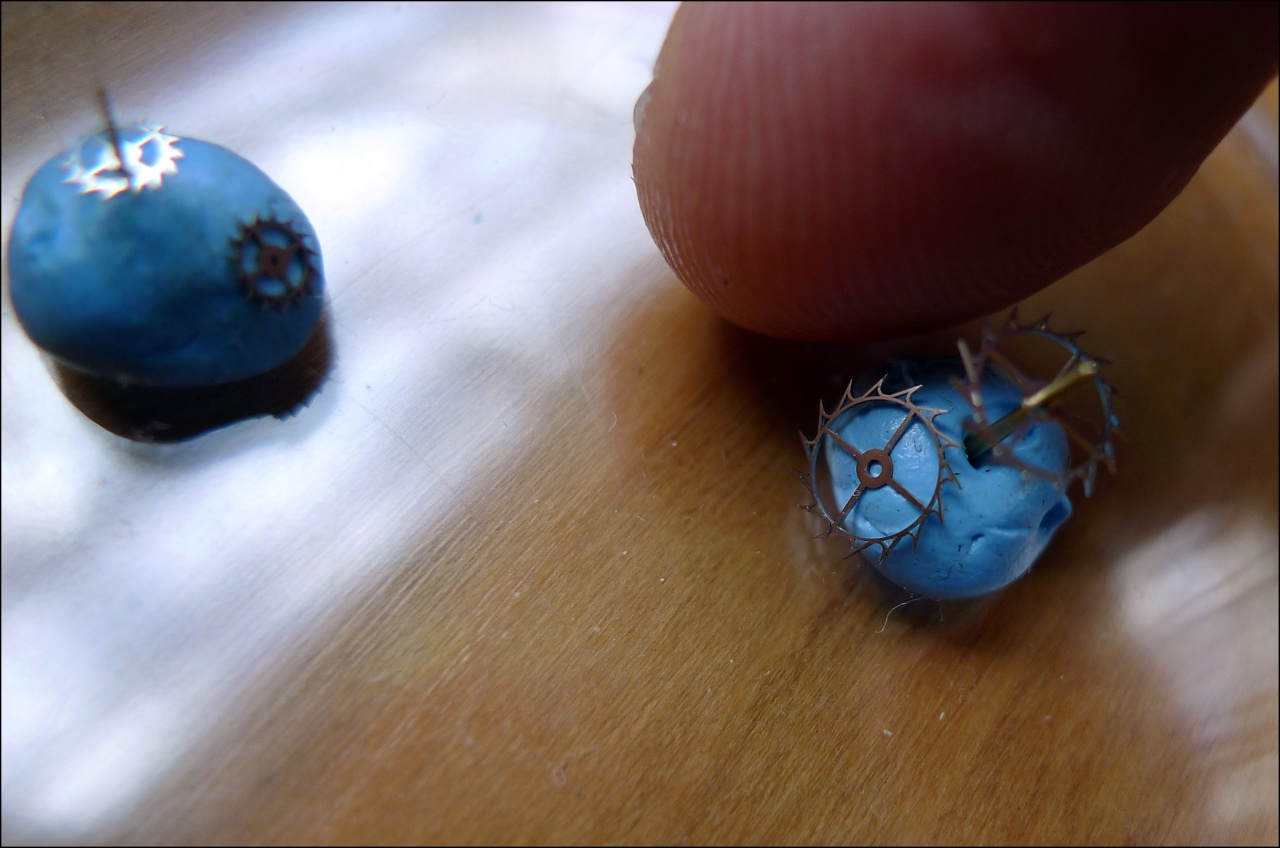
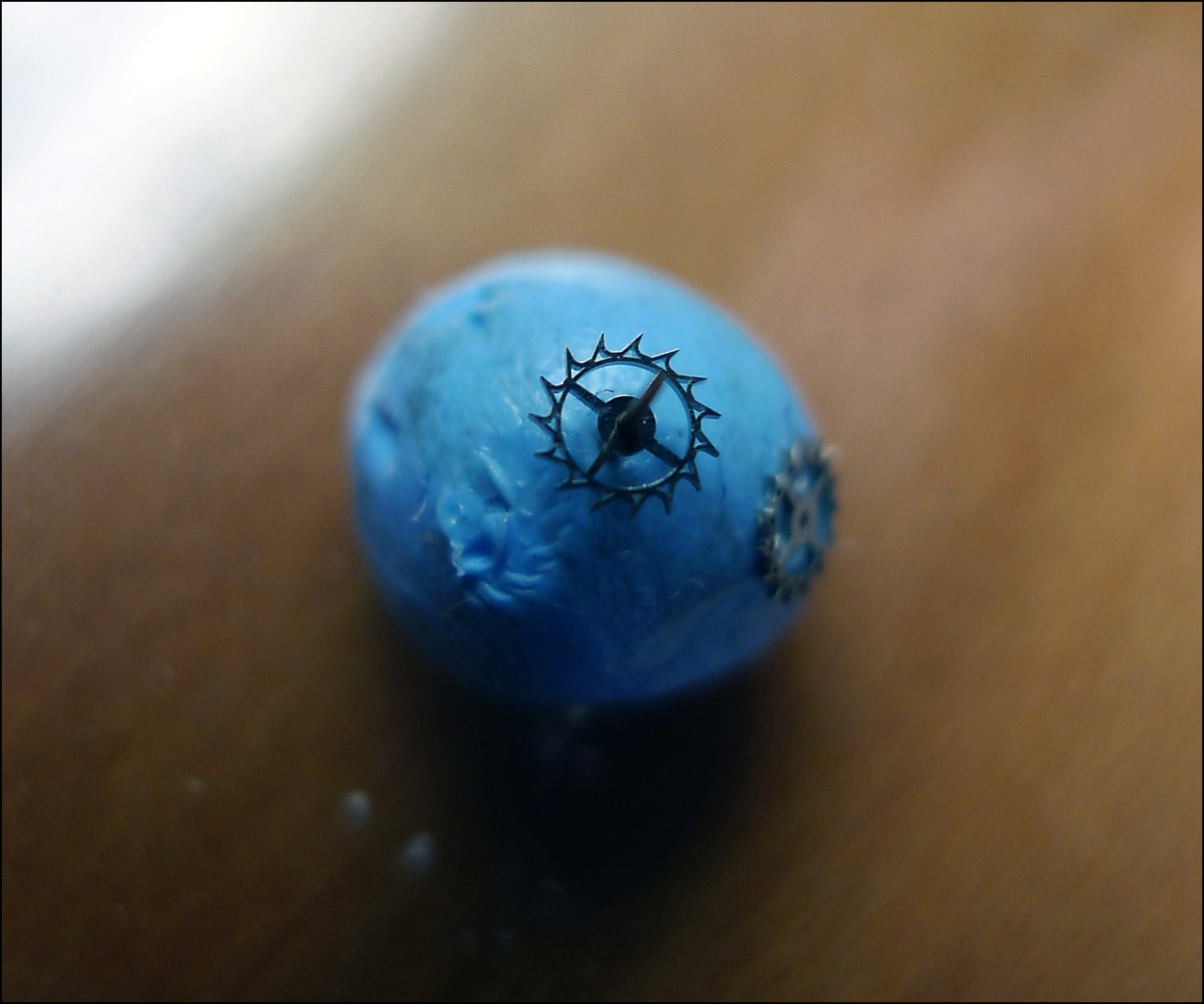
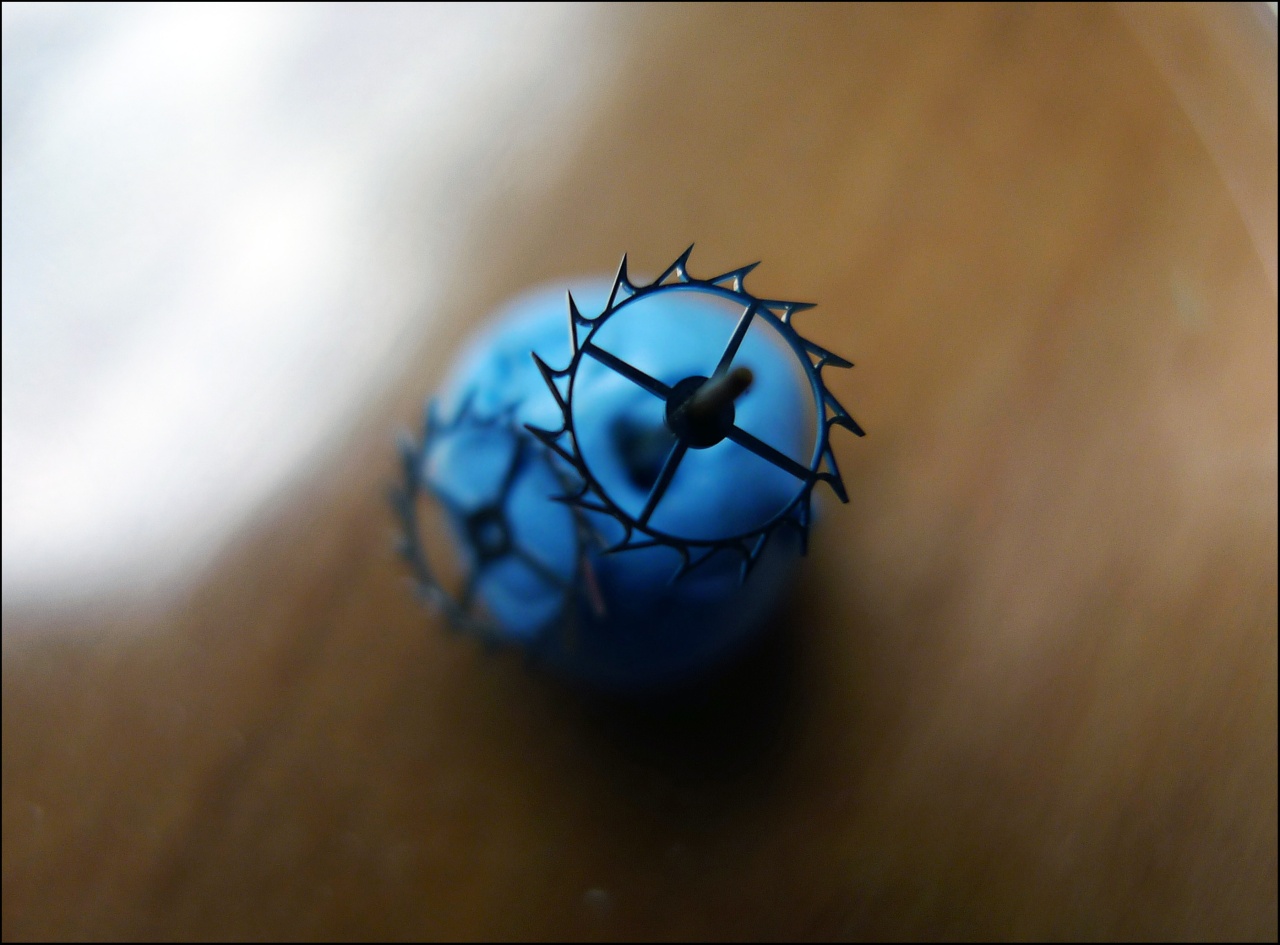
Paul describes how his escapement works: “The complete sequence of the escapement can be divided into entrance and exit positions. In the entrance position the pallet wheel rests because the entrance resting-ruby stops the resting wheel. The hairspring is tensed and drives the balance wheel to swing back. This causes the entrance resting-ruby to release from the resting wheel. The pallet wheel springs forward with a small jump, driven by the power of the mainspring, until the resting wheel is stopped by the exit resting-stone."
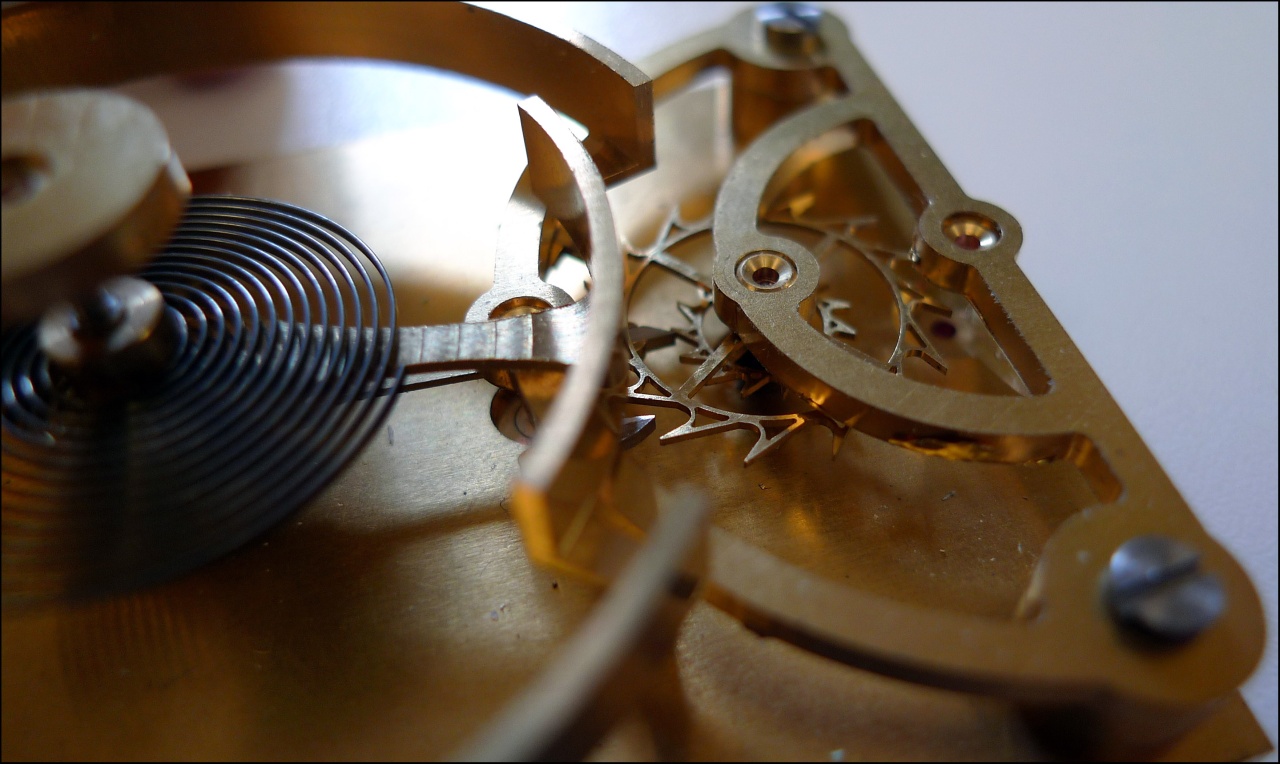
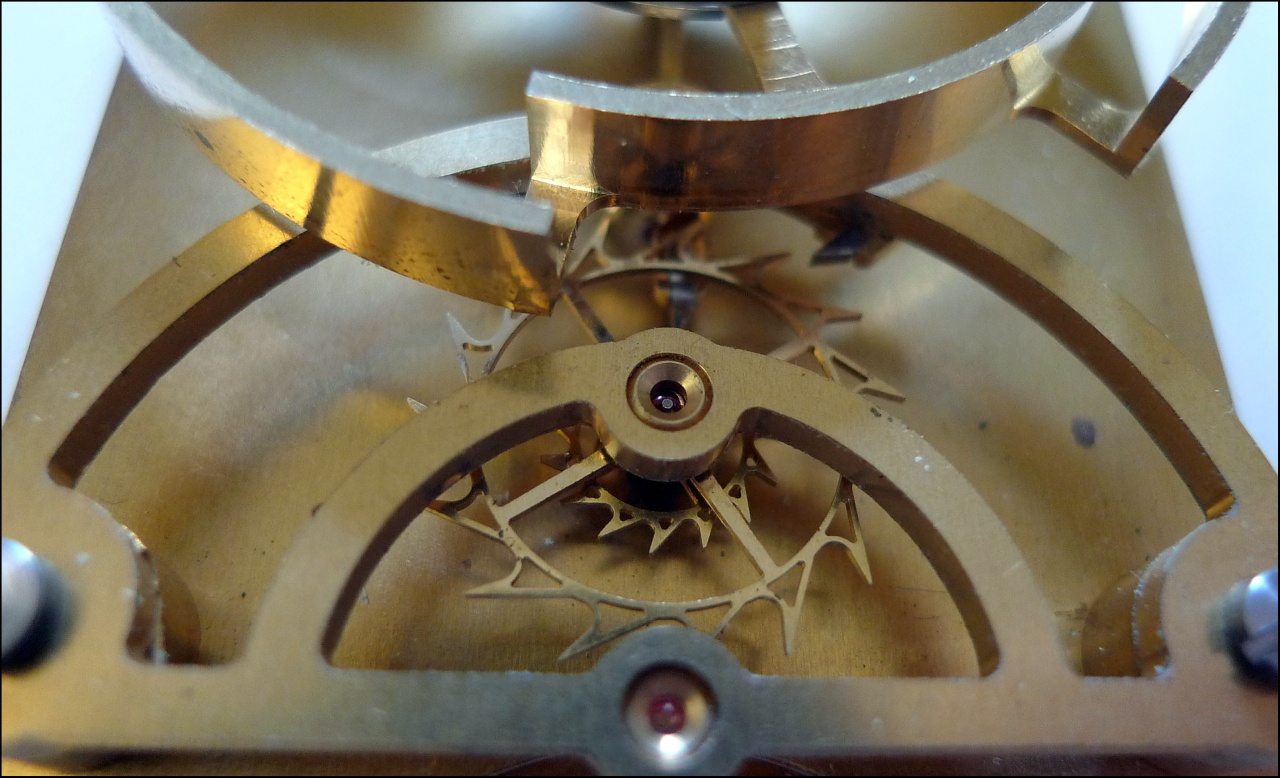
"Now the balance swings back again, and the exit resting-stone releases the resting wheel. Then the impulse wheel drives the impulse-stone, which in turn drives the pallet and the balance. This movement is manifest with a great jump of the seconds hand. The pallet turns until the entrance resting-stone blocks the pallet wheel again. From here, the whole sequence starts again: 10,800 times per hour, because the movement caries out 21,600 beats per hour.”
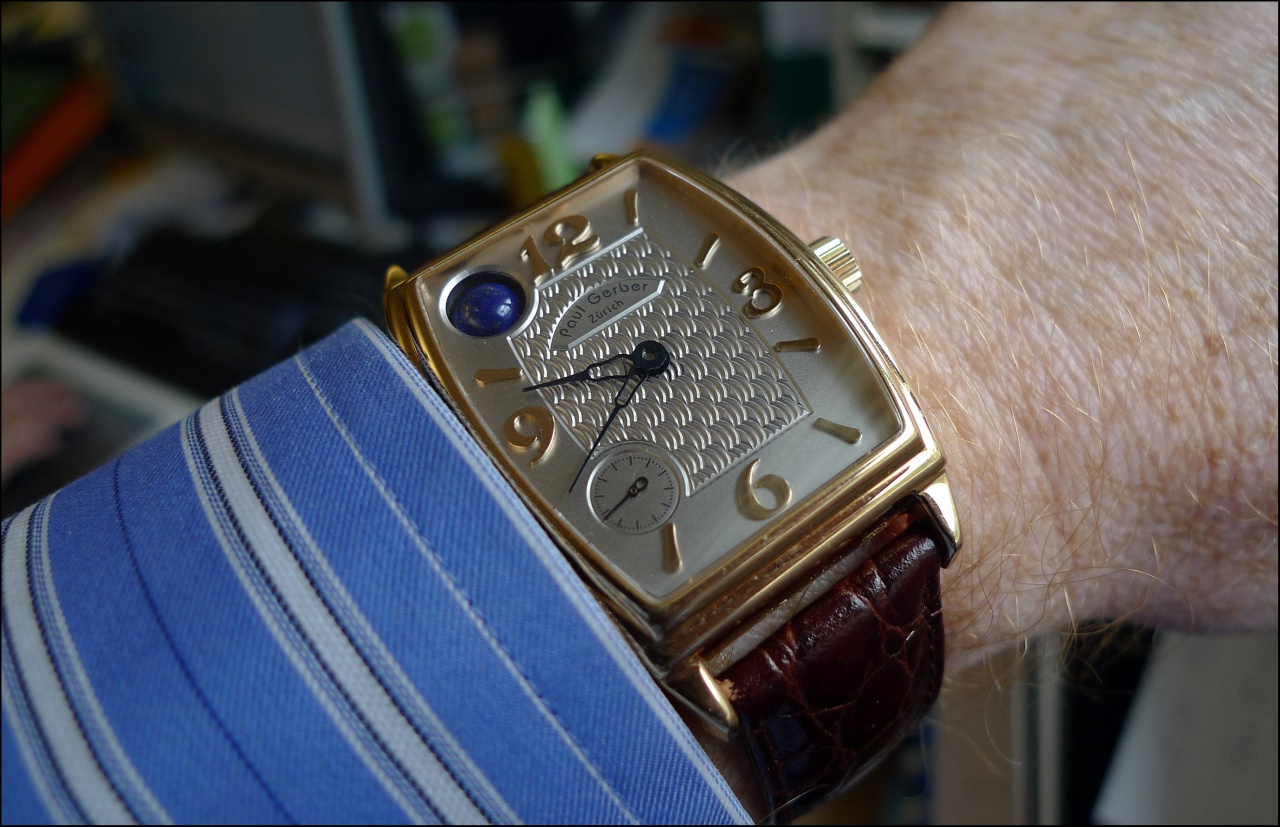
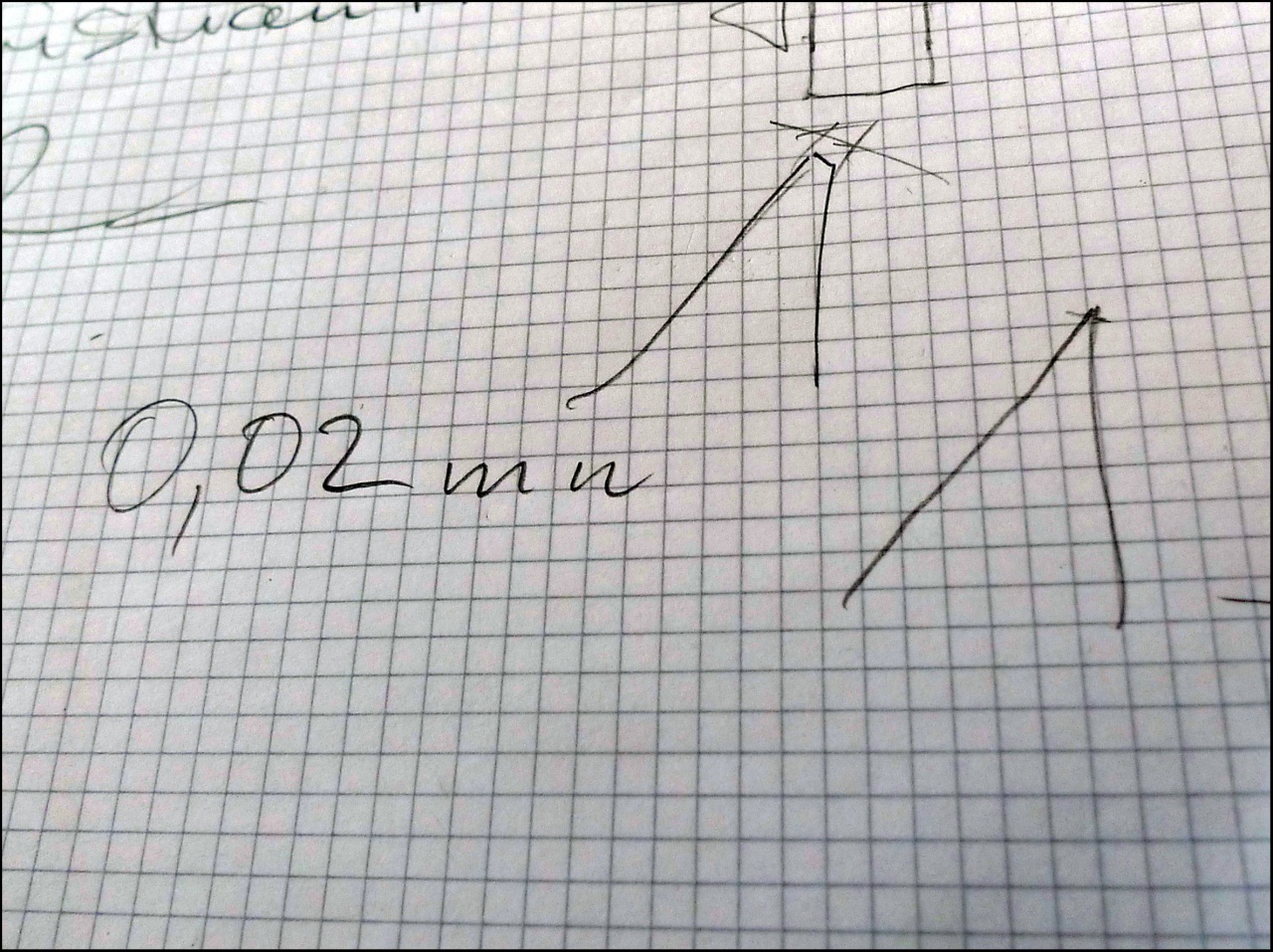
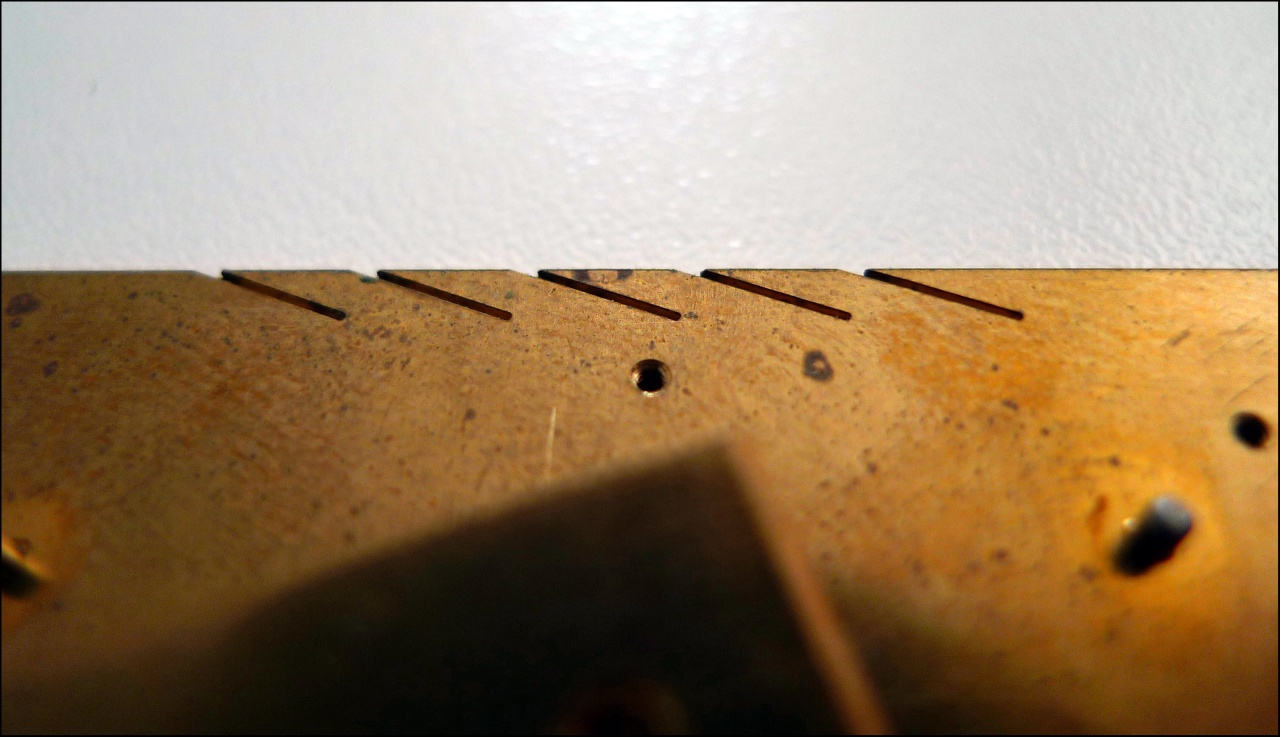
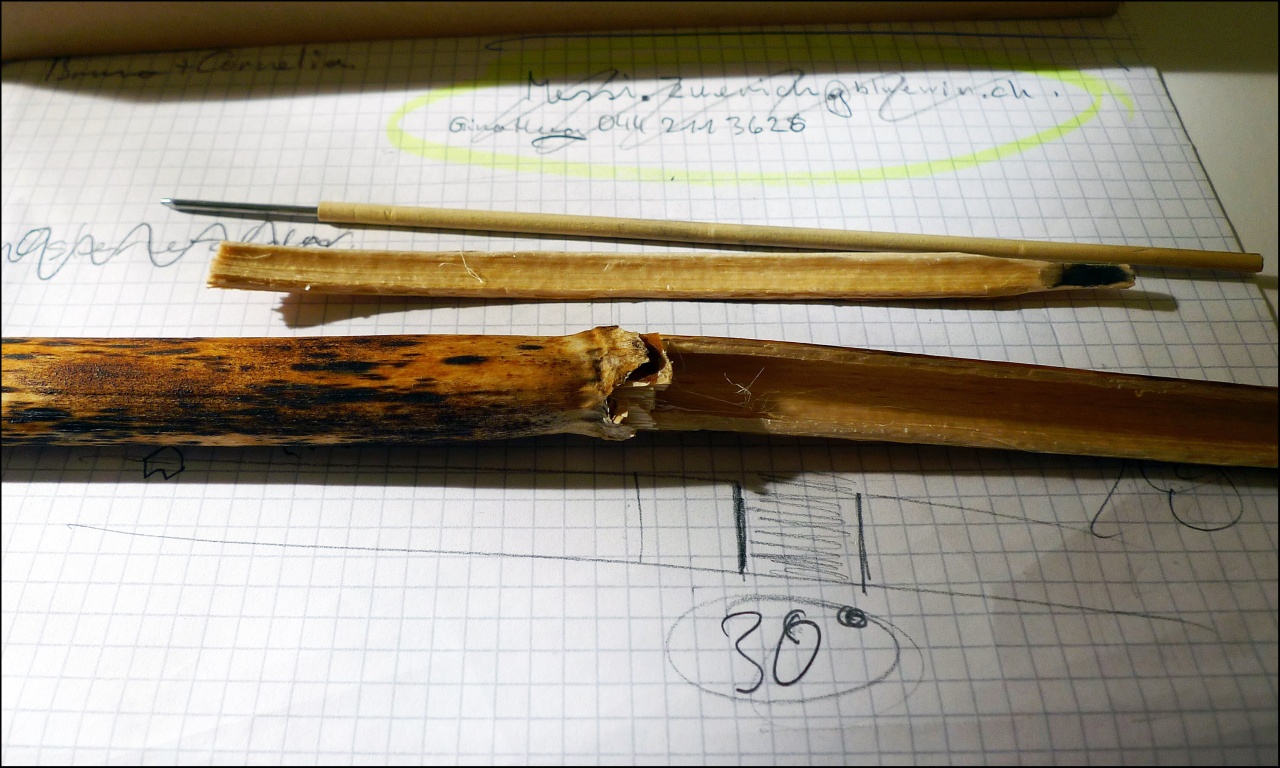
Paul cuts his own pallet rubies using a home-made jig to get the angles correct.
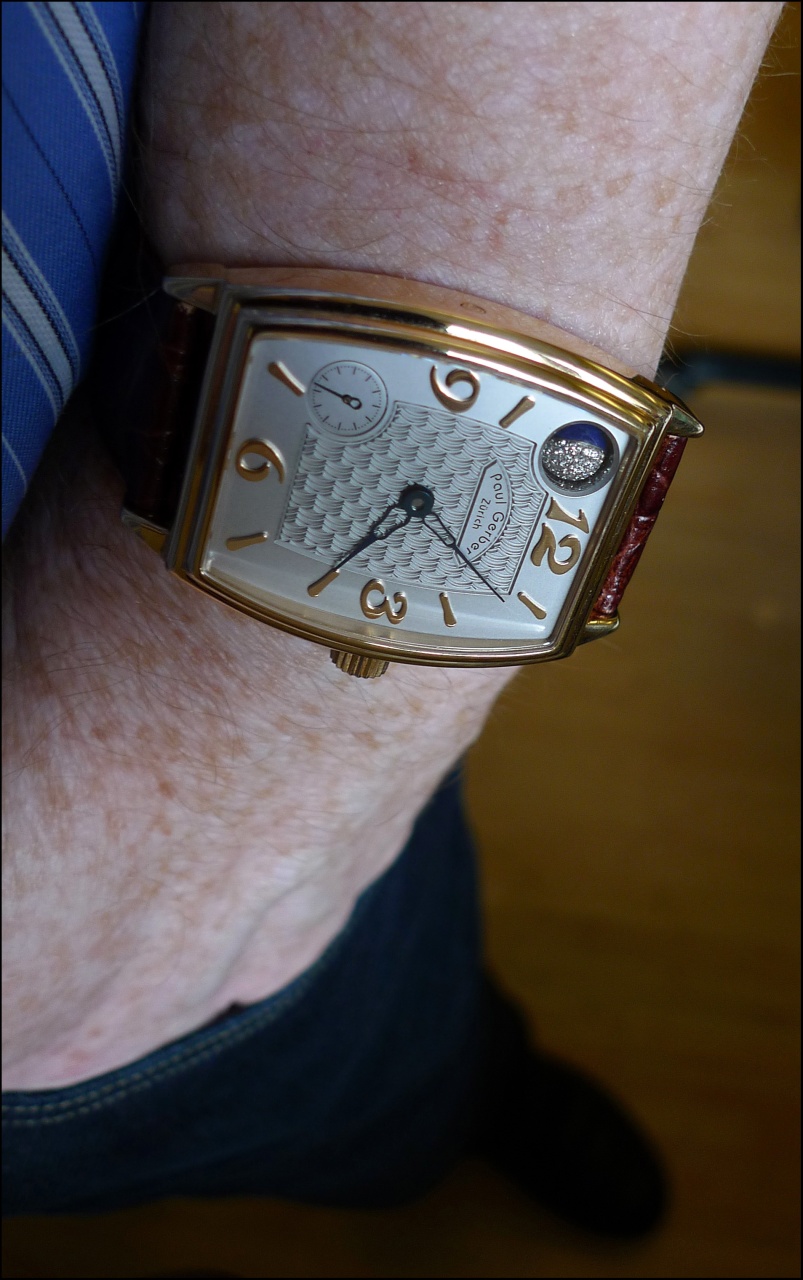
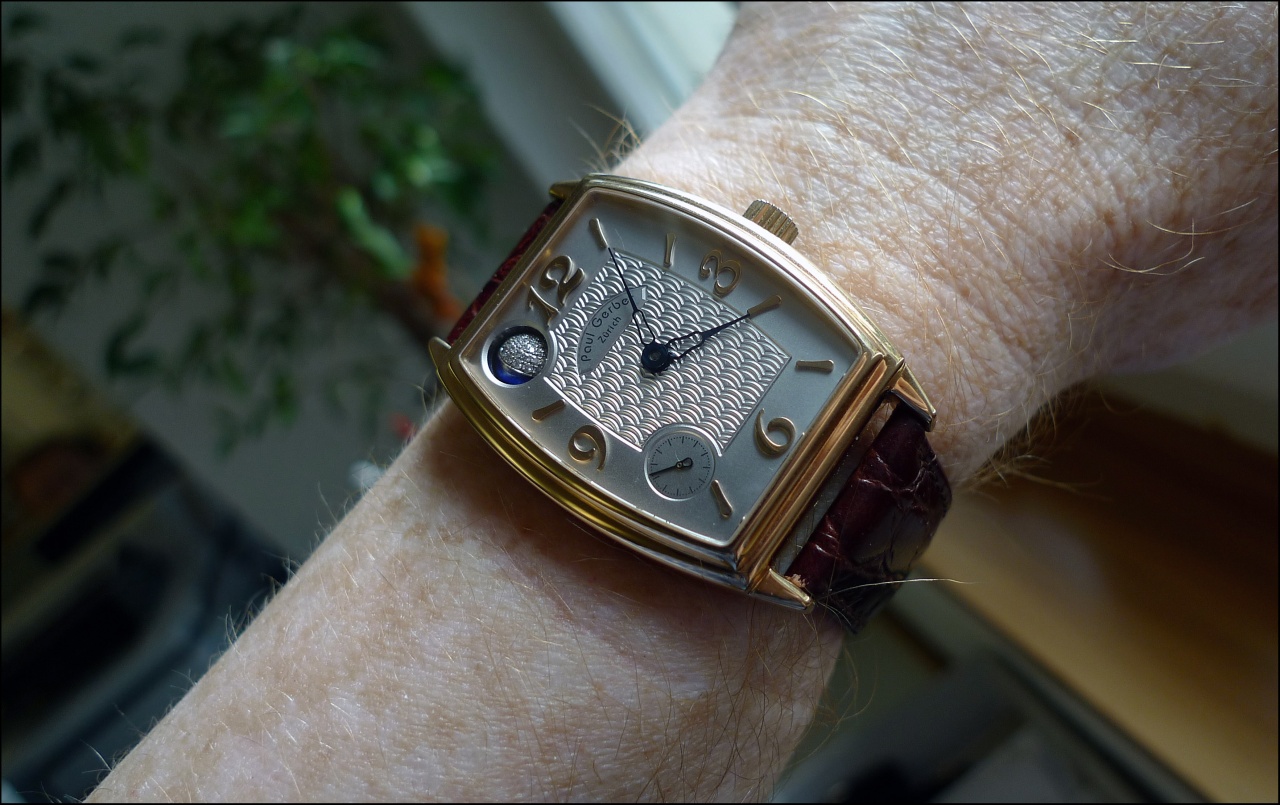
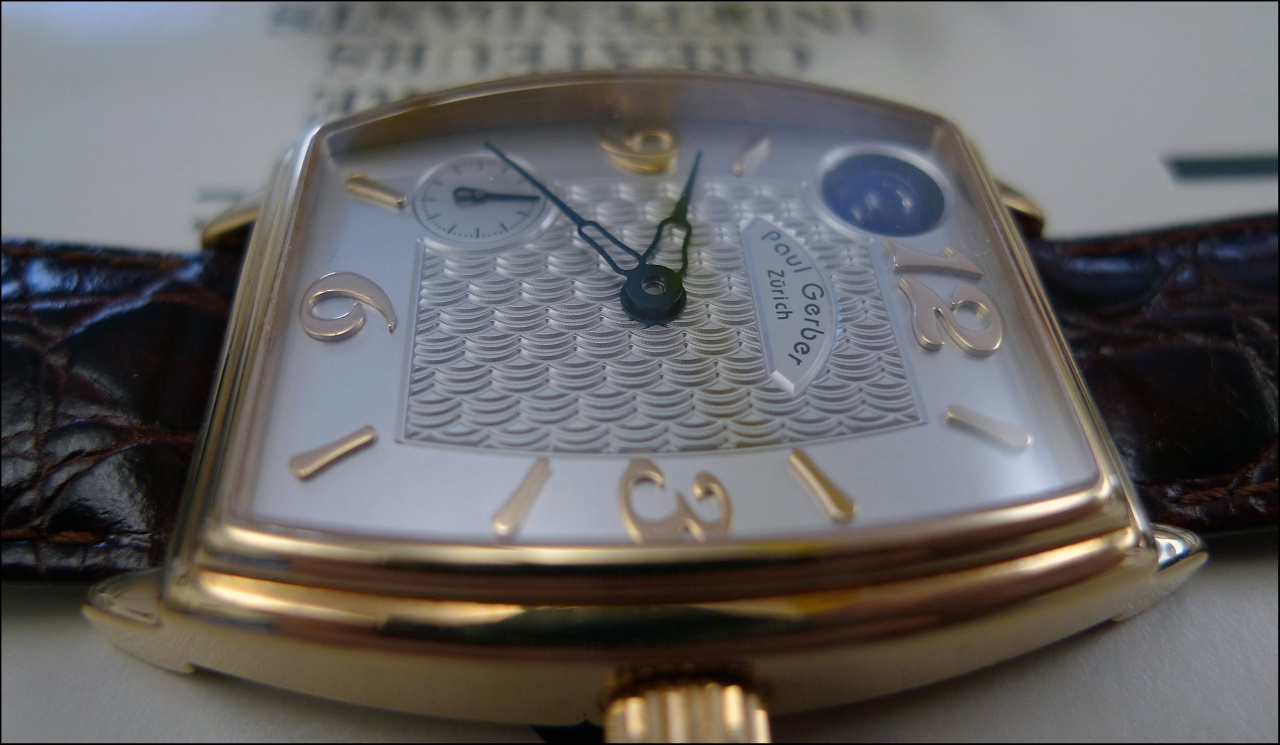
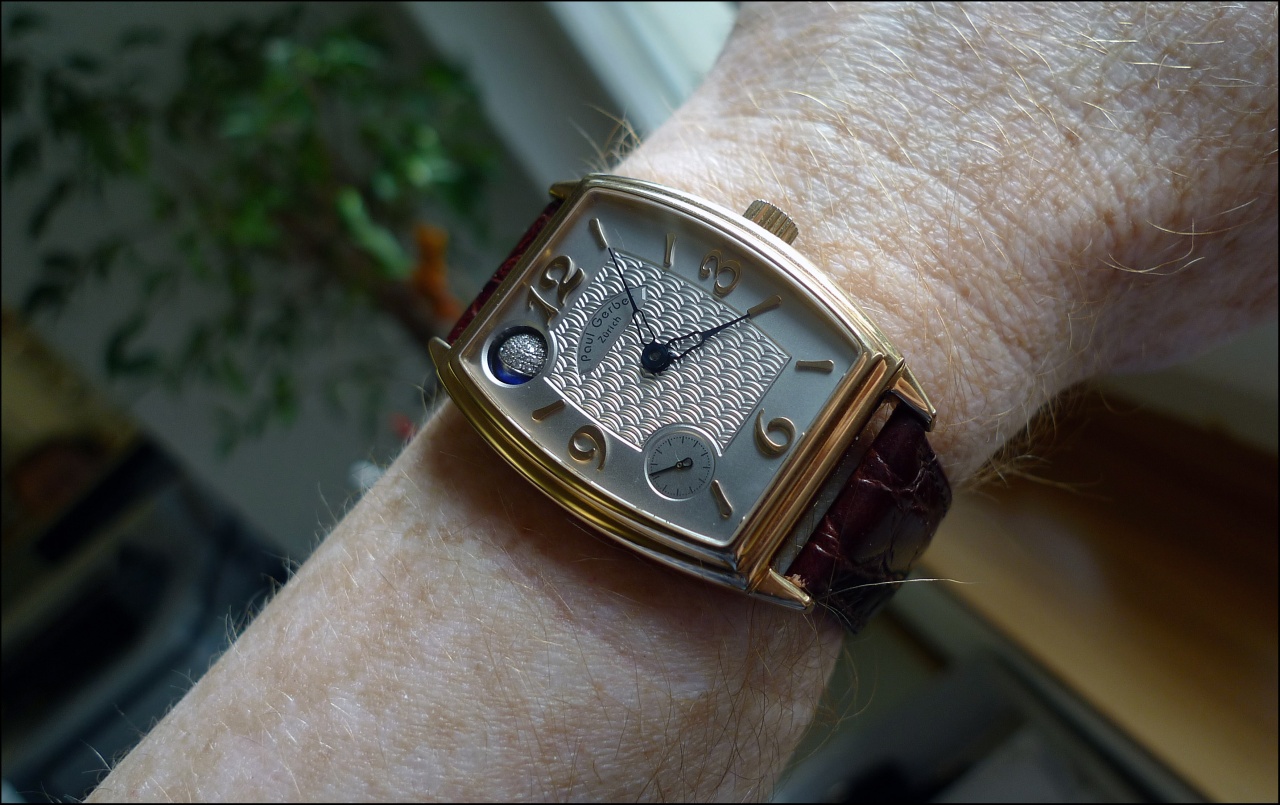
The tonneau-shaped case is available in RG, WG and Pt and measures 40mm x 34mm and is 10.5mm in thickness. It sits very comfortably on the wrist.
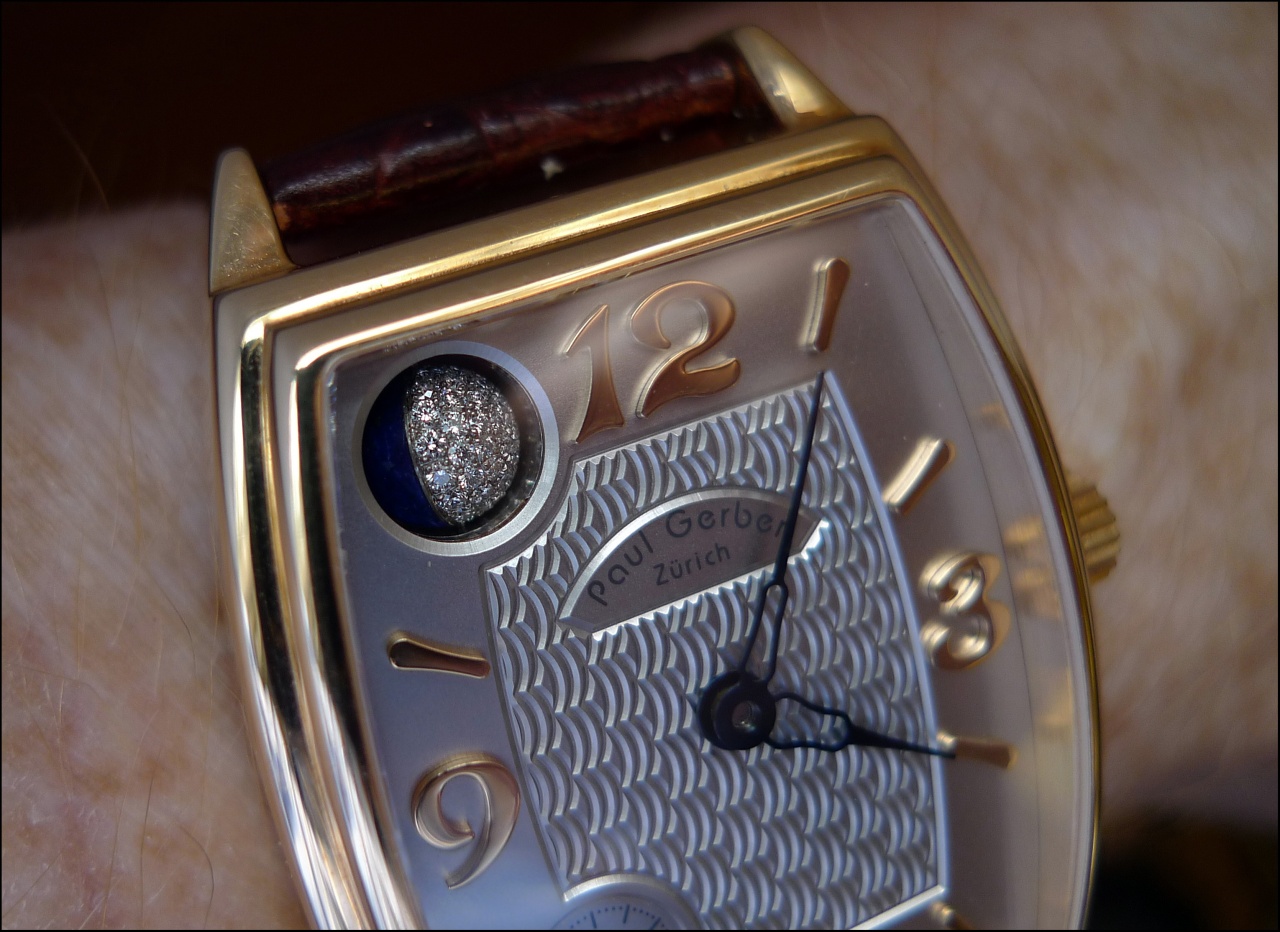
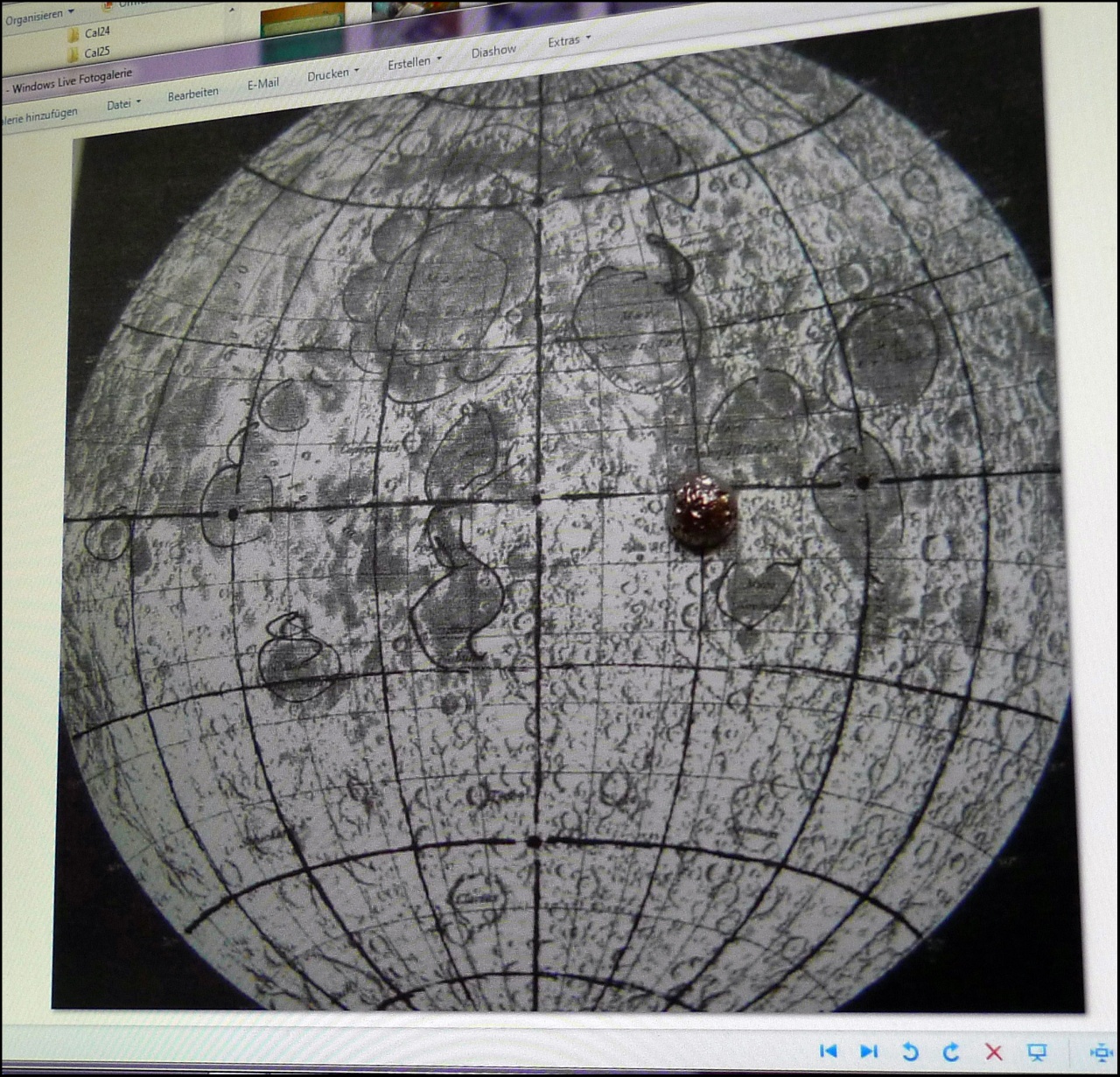
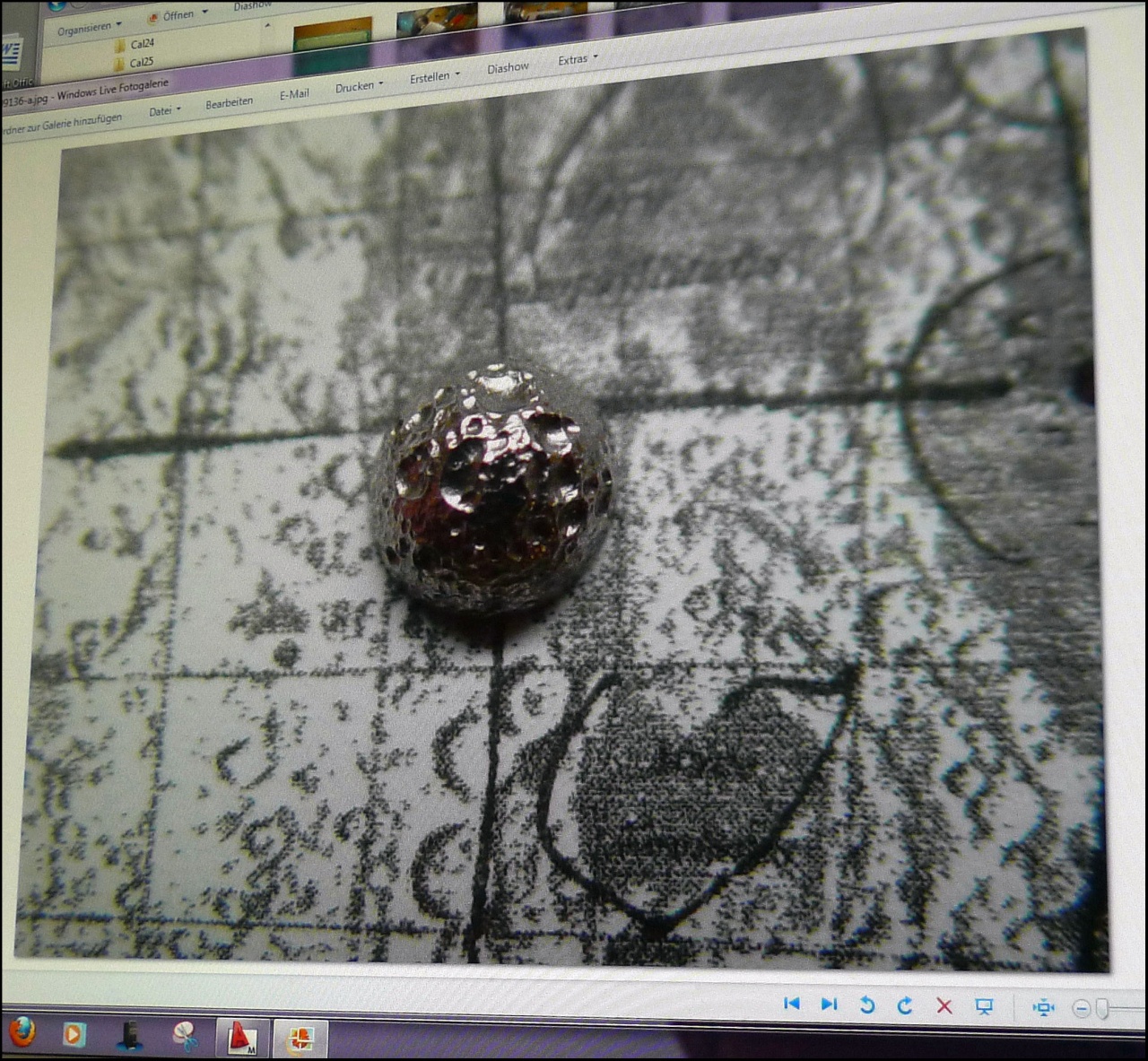
The 6mm diameter spherical moon has an accuracy of 1 day in 128 years. I is available with a photorealistic moon or ½ diamonds (there are 54 diamonds in all) and ½ lapis lazuli. The moon is visible from the rear as well as the front of the watch.
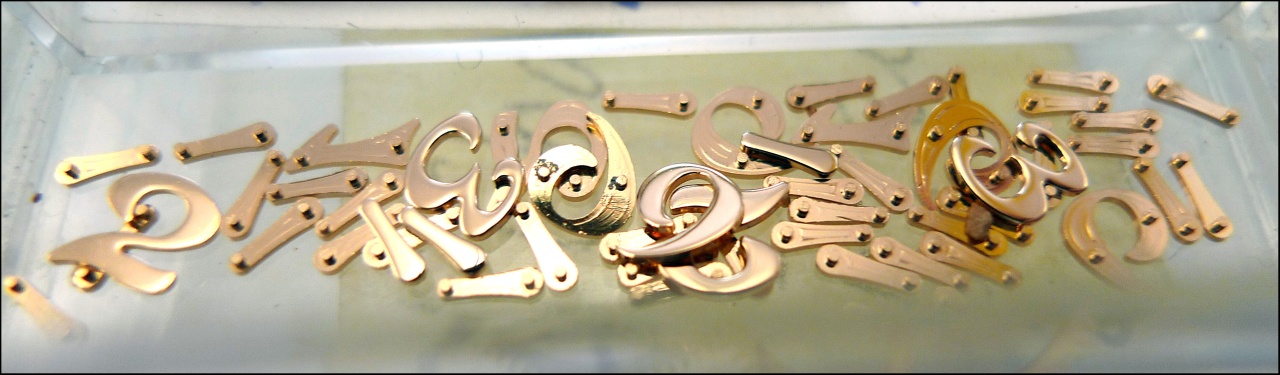
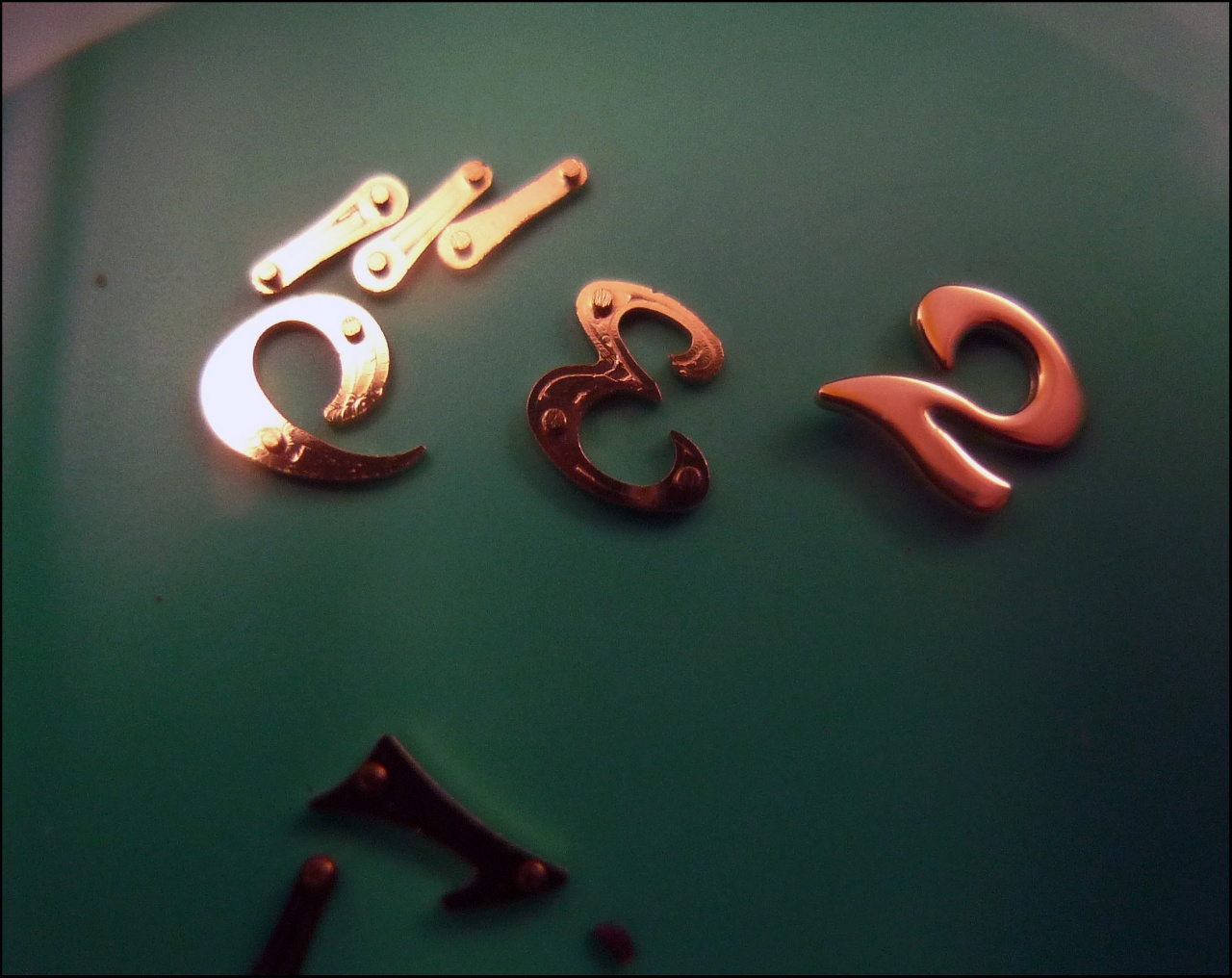
Applied numerals/indices in 18k RG ...
The Geneva stripes are applied at an angle of 33 degrees across the shaped movement and each of the gearwheel axes are intersected perfectly by one stripe. Nice touch, Paul.
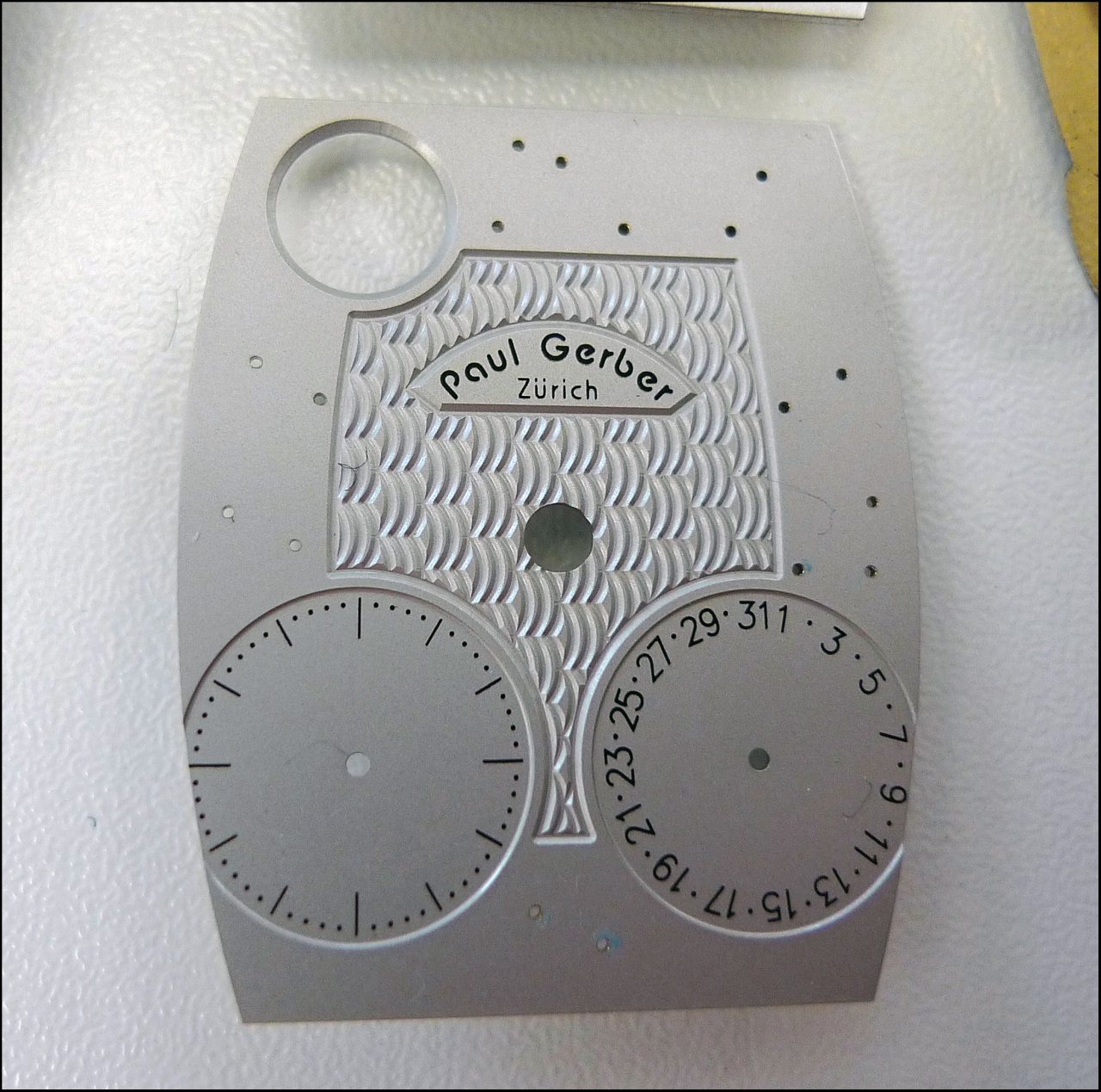
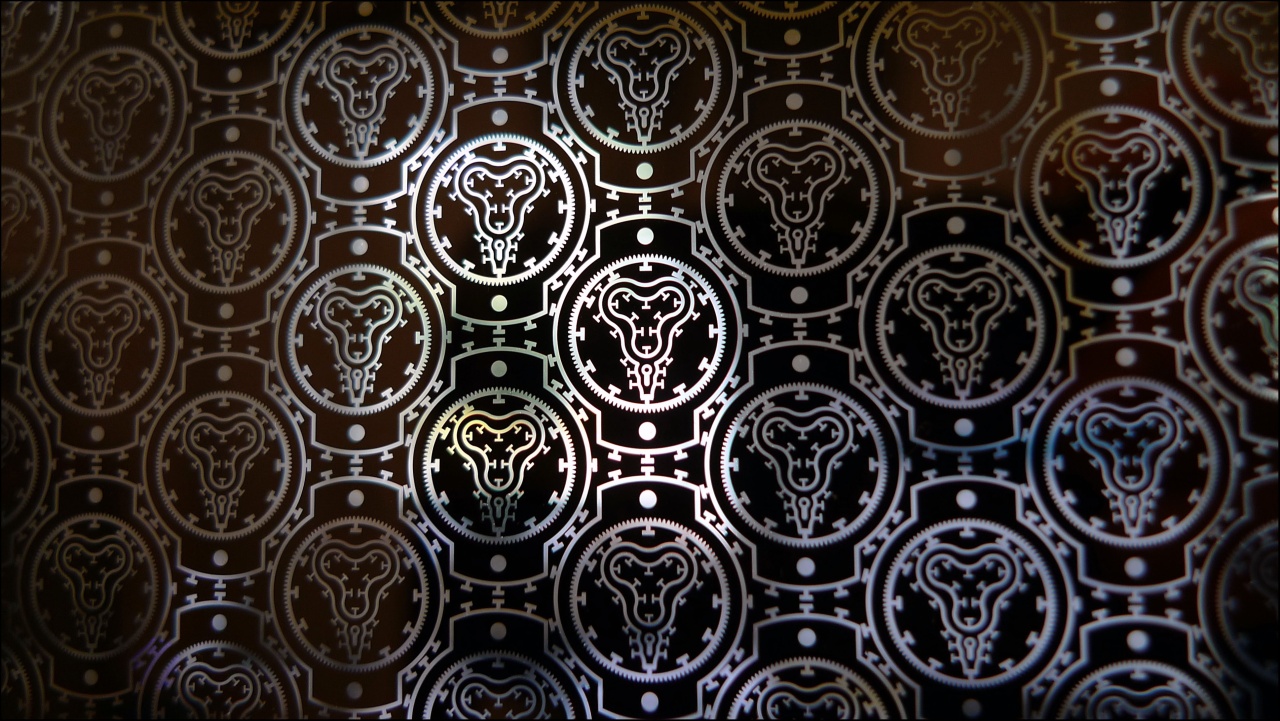
Hand guilloche wave patterned dial made from rhodinated brass is done completely in-house.
Gently domed sapphire crystal combined with a curved case back makes it very comfortable on the wrist.
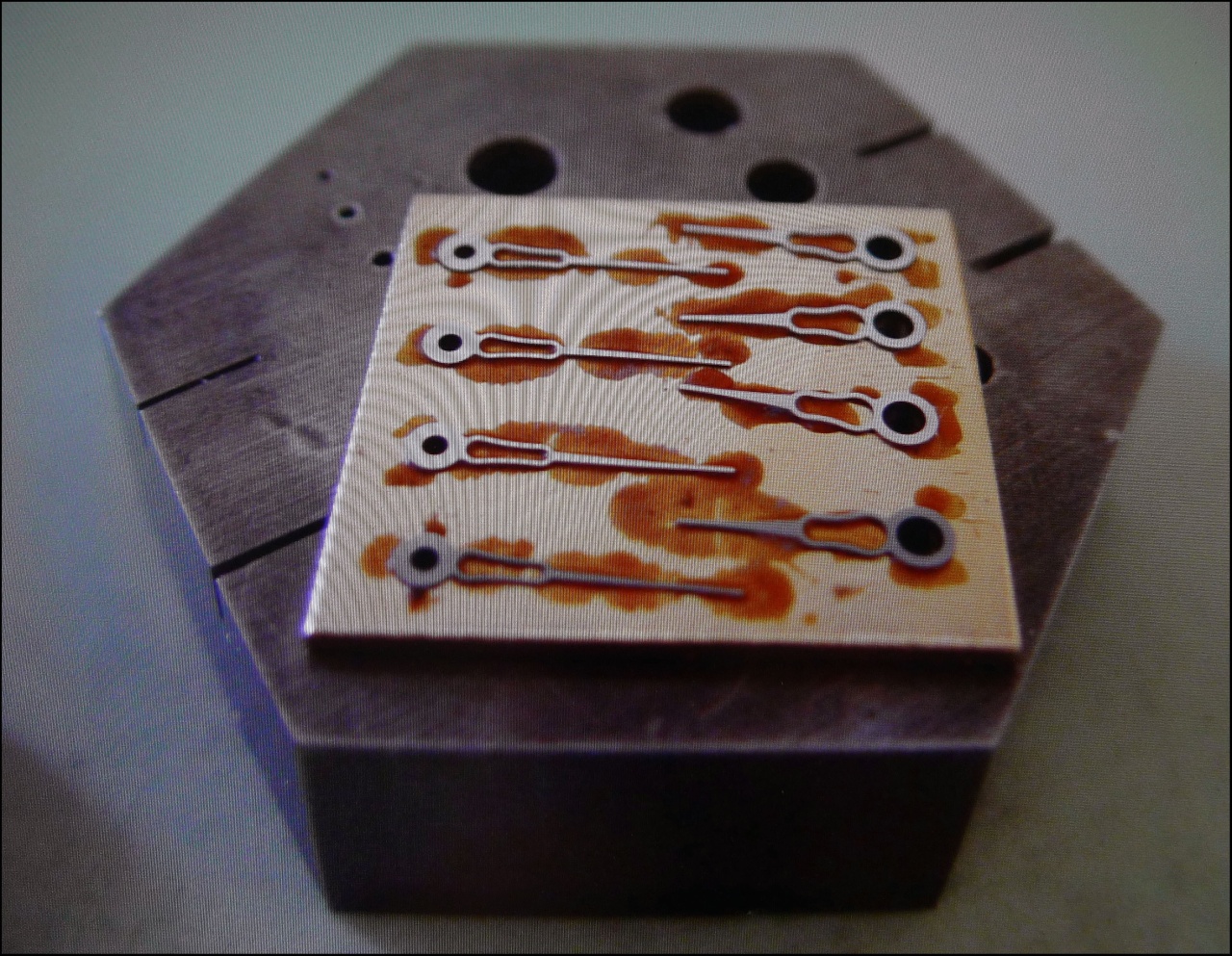
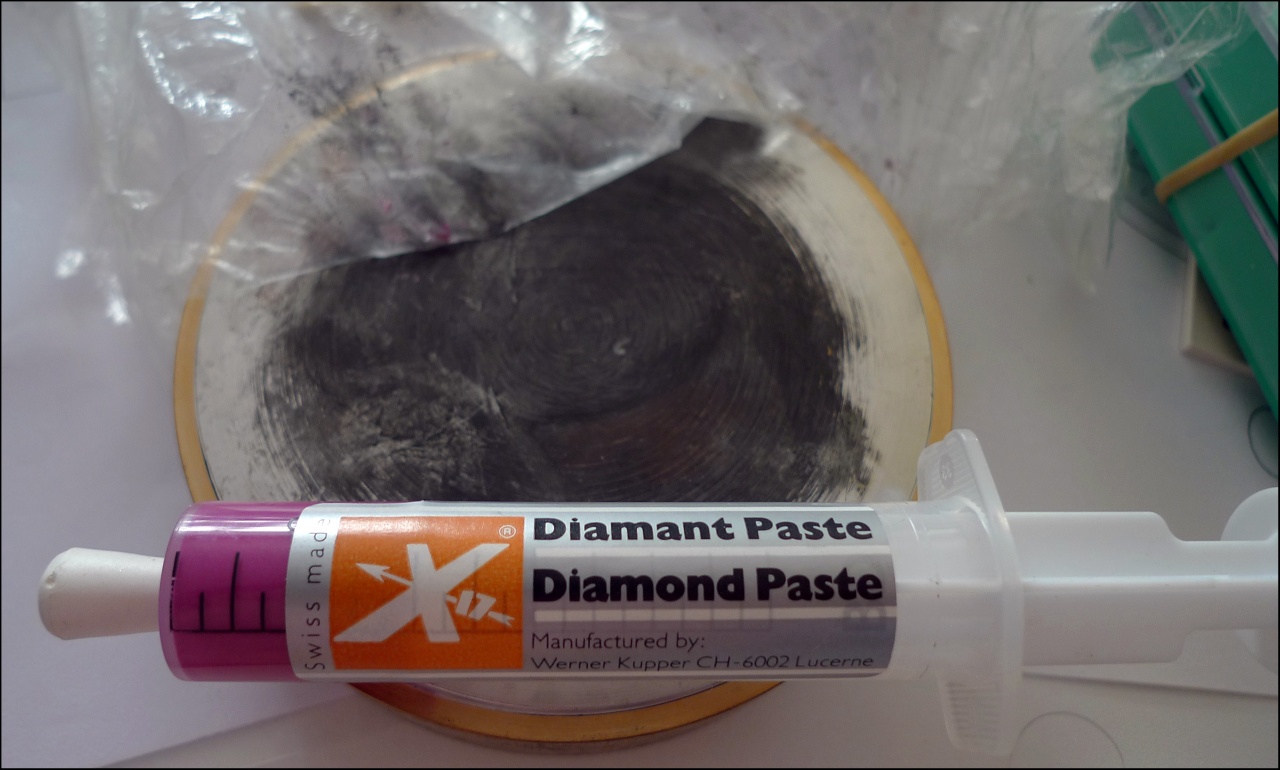
The hands are of Paul’s design and are made in-house from steel. Paul cuts and grinds them to shape and hardens and blues them to a beautiful finish. Mirror finishing is achieved by polishing with diamond paste.
Glucydur balance wheel with screws for regulation and a hairspring with a Breguet terminal curve.
All the gears are made in a specially hardened alloy of 18K rose gold as well and fitted into four jewels held in screwed gold-chatons.
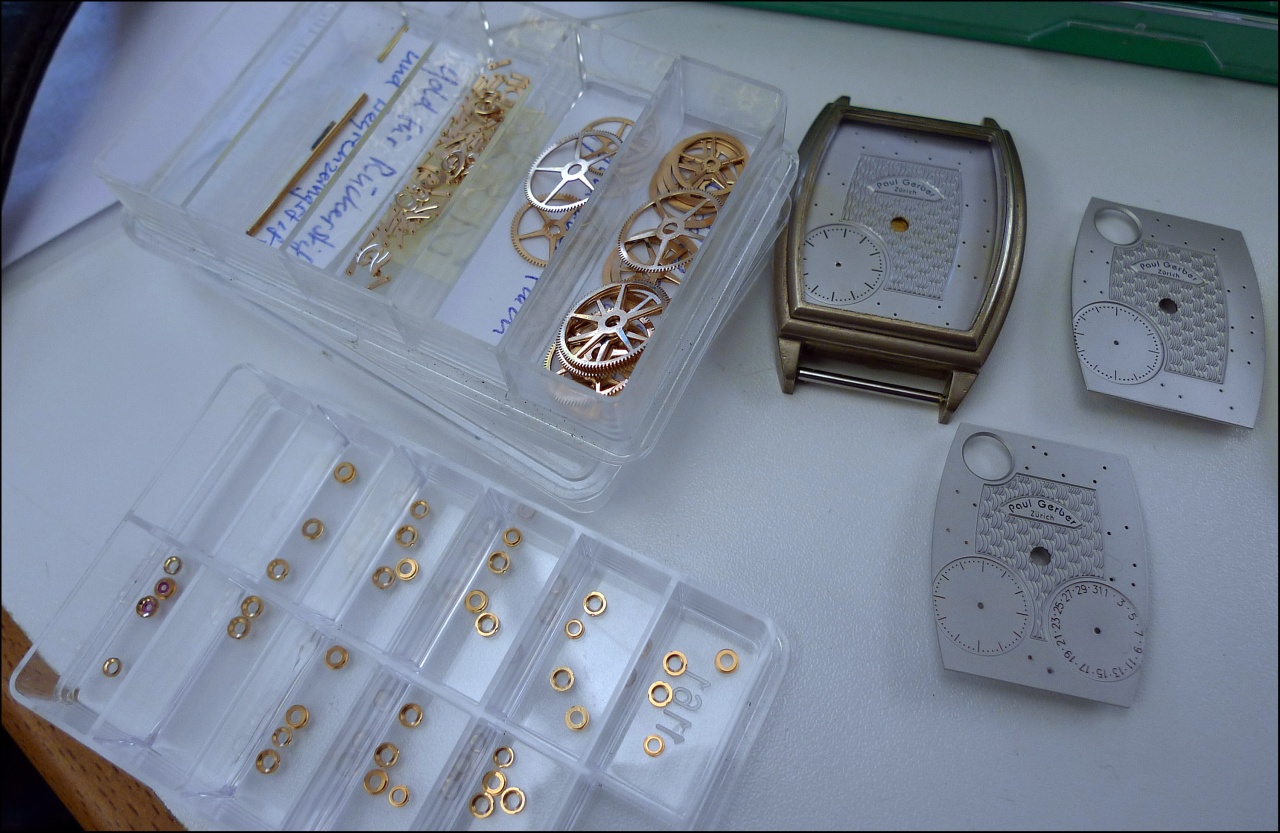
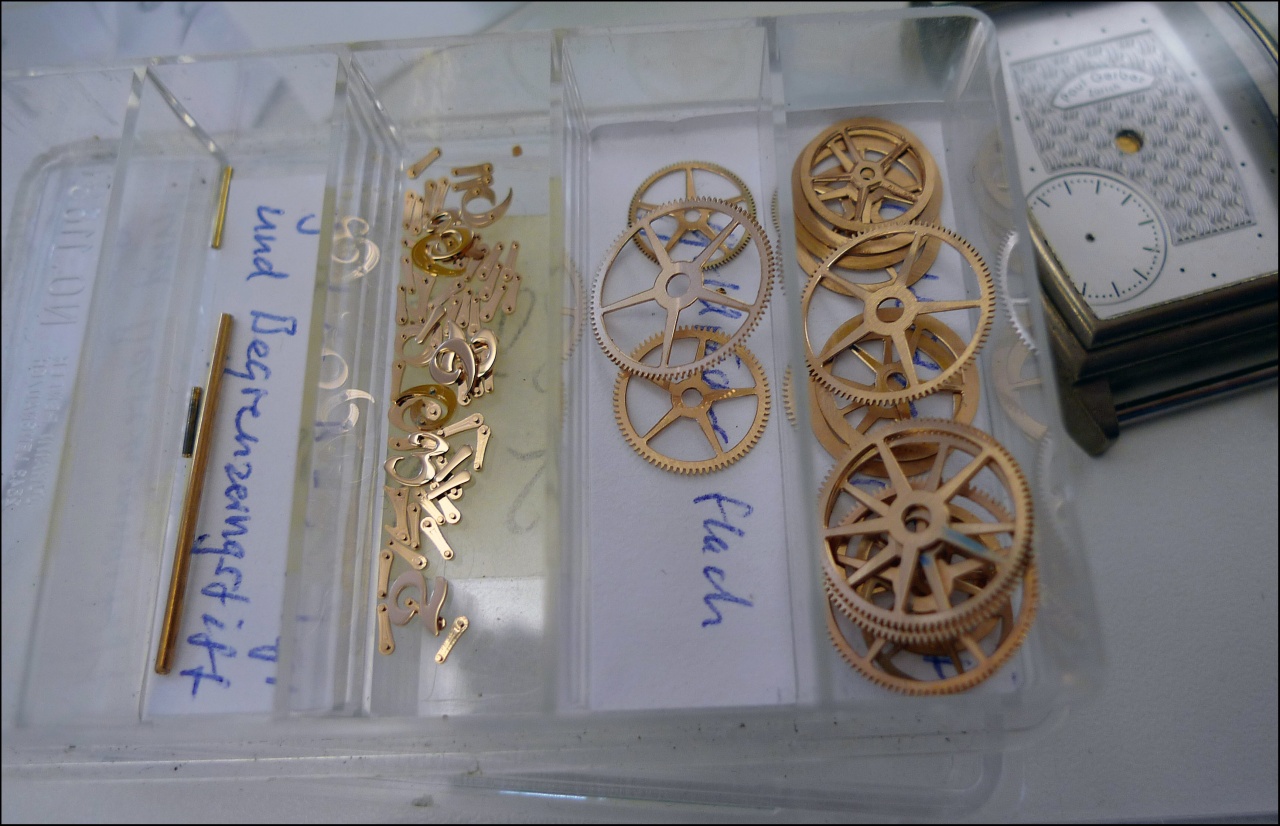
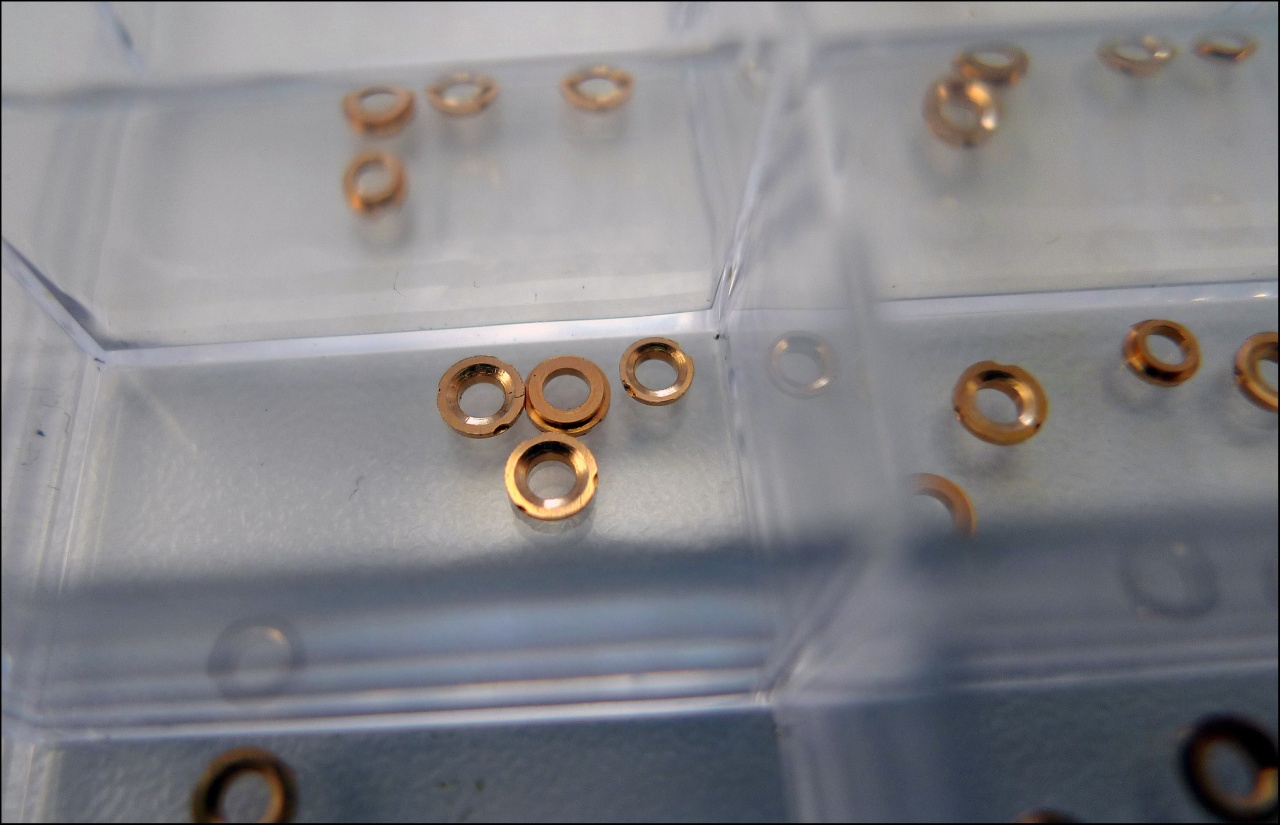
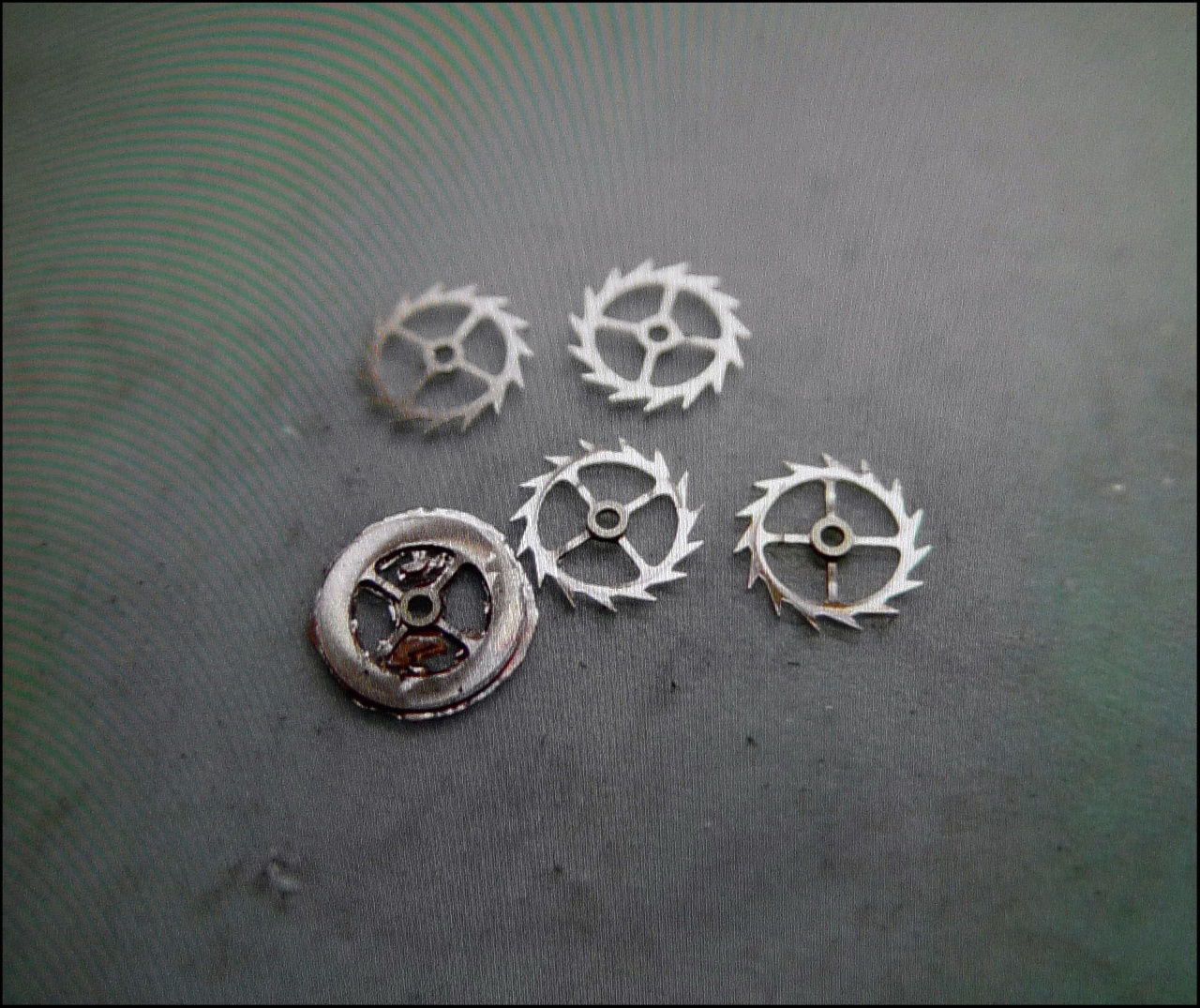
The pallet wheel itself is a beautifully skeletonised design and produced using LiGA. It requires a special lubricant but provides precision that this manufacturing technique brings.
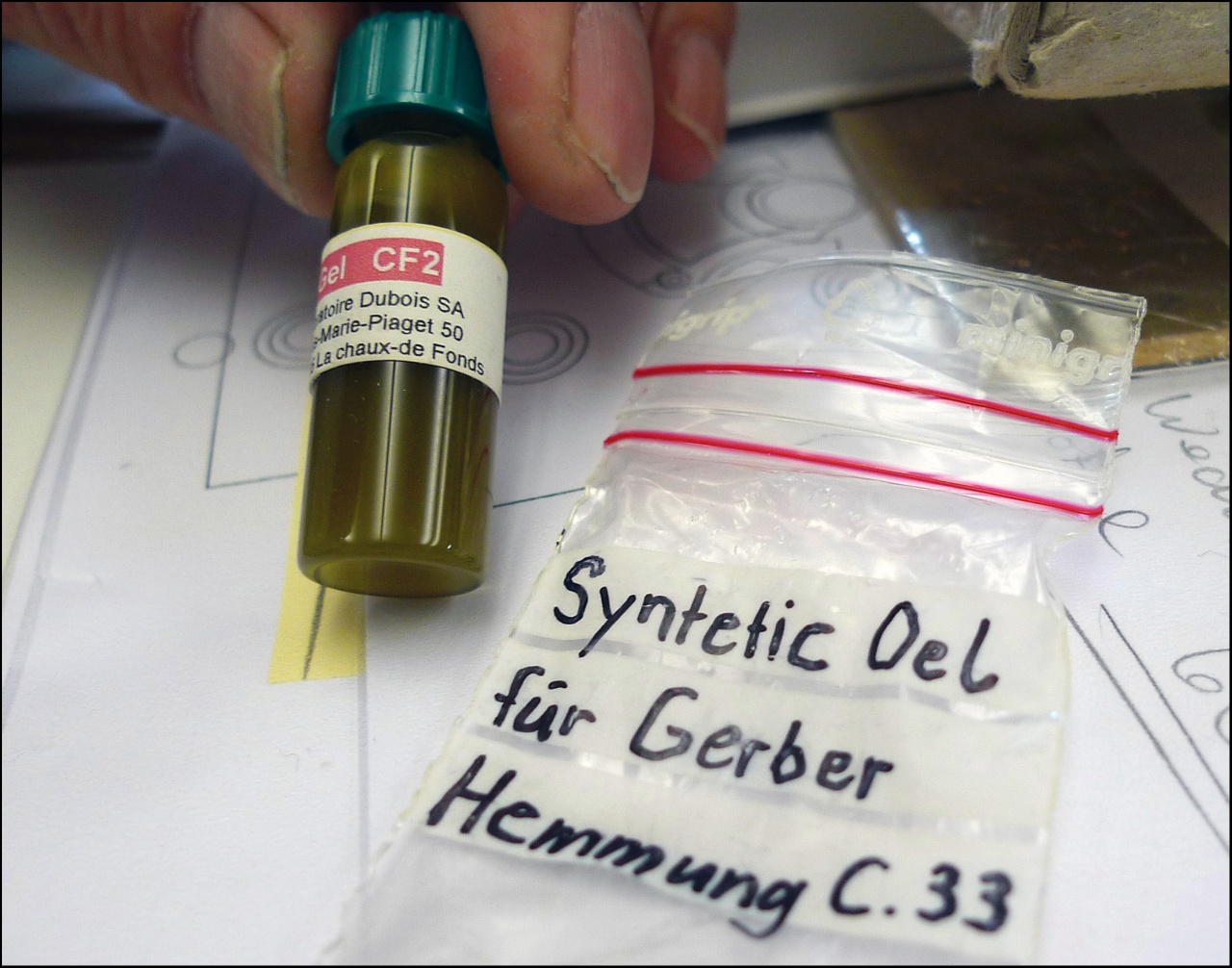
Paul produced the first escapement in house using traditional techniques, but production escapements use the LiGA produced components.
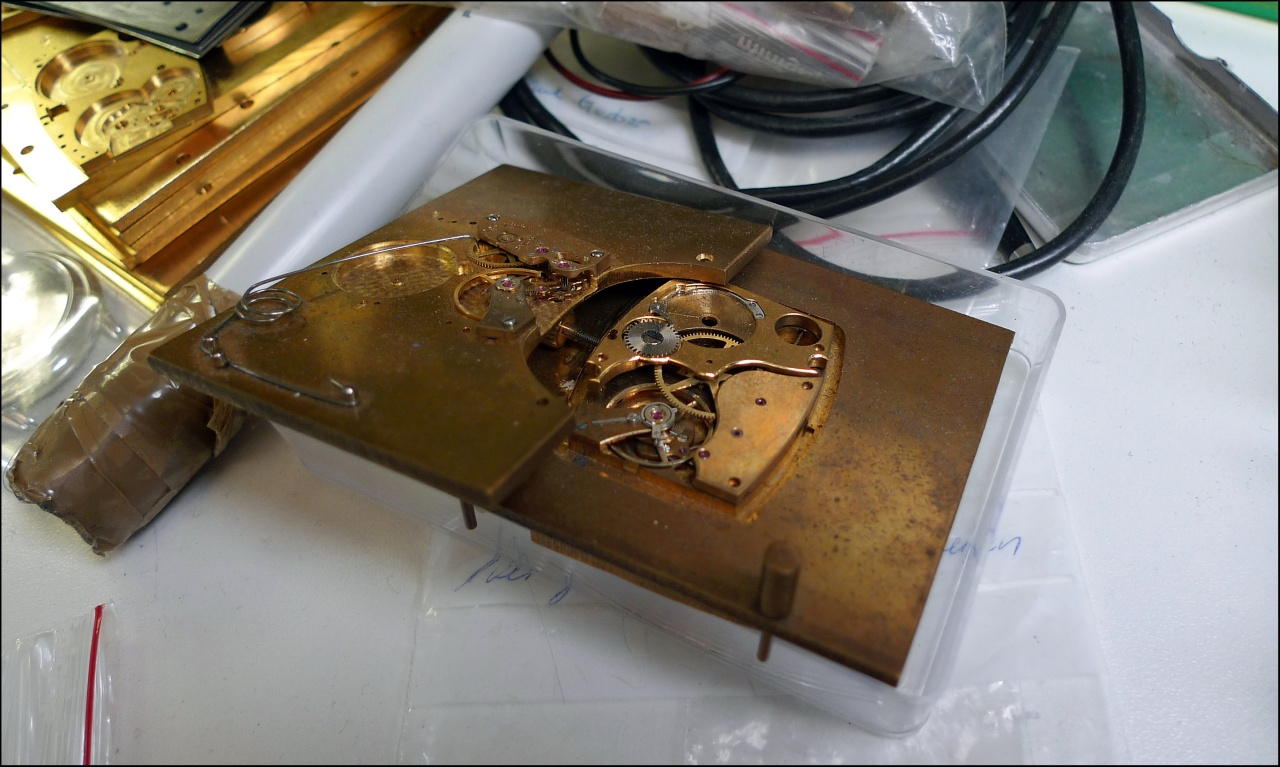
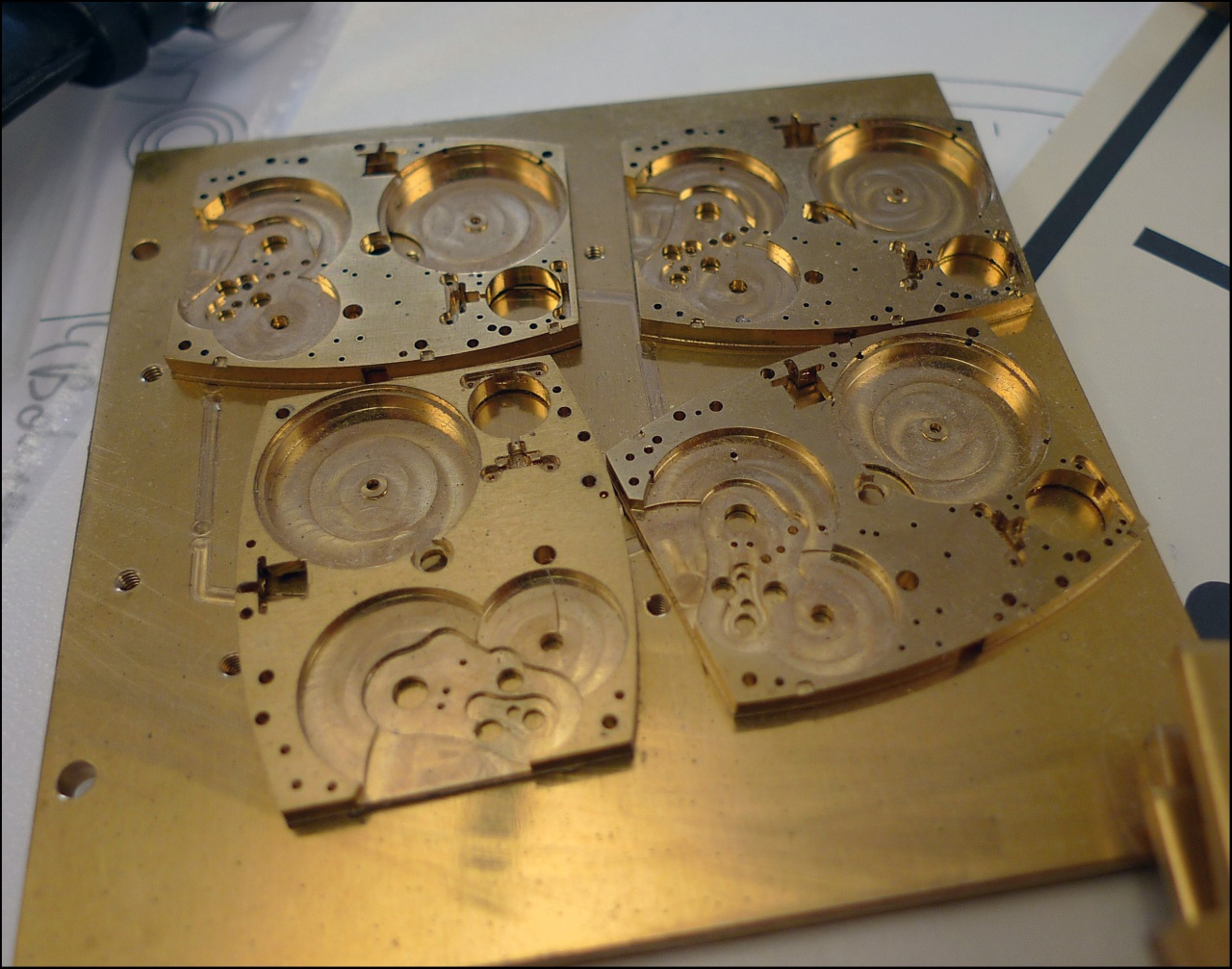
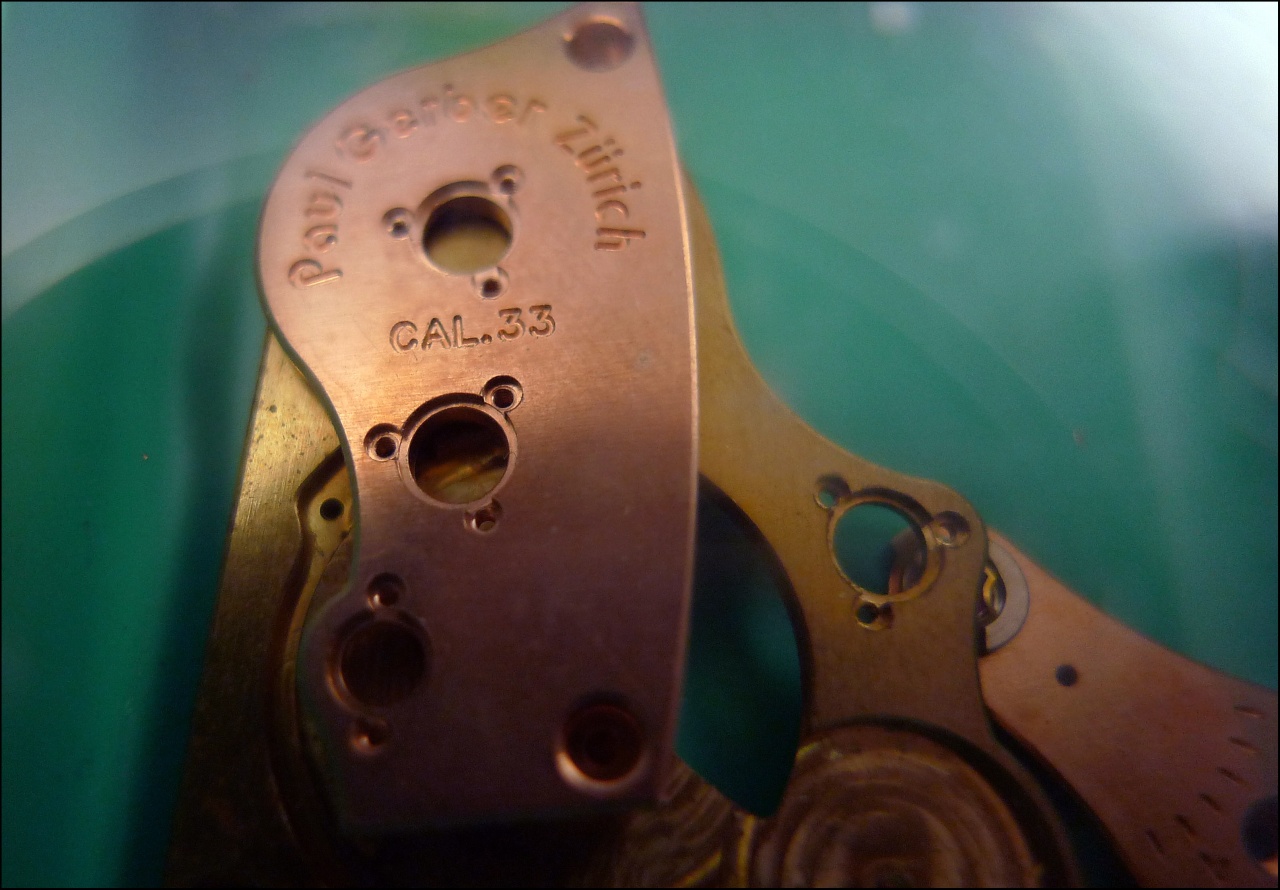
The hand wound movement has a power reserve of 36 hours. All the plates and bridges are milled in-house and finished using traditional birch wood.
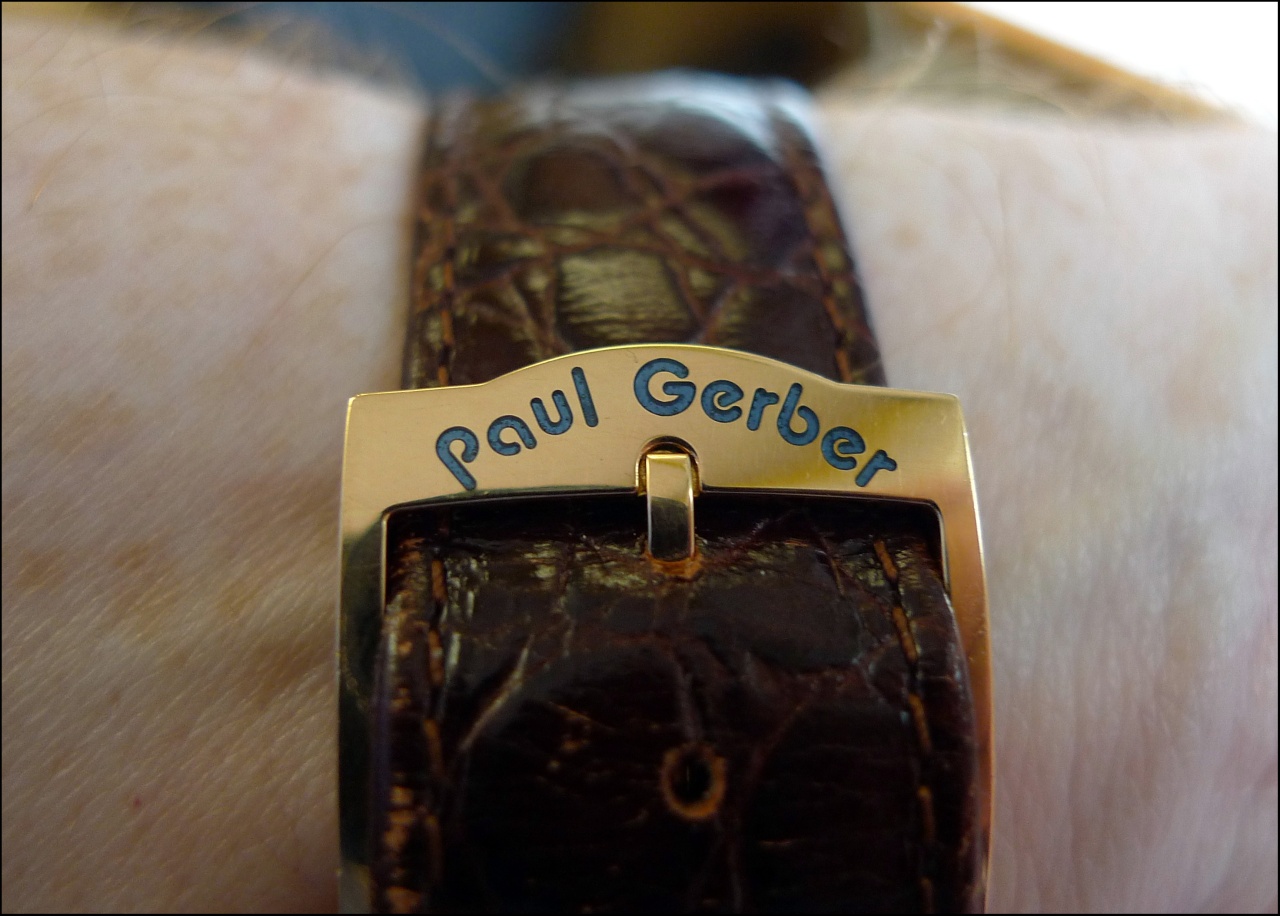
18K gold buckle with an engraved and then enamelled logo.
Paul also does a version with large seconds. I rather like the way the seconds disappears under the edge of the case. Paul can now combine the large seconds with the moonphase. In his original watch the subseconds display was the same size as the moonphase aperture.
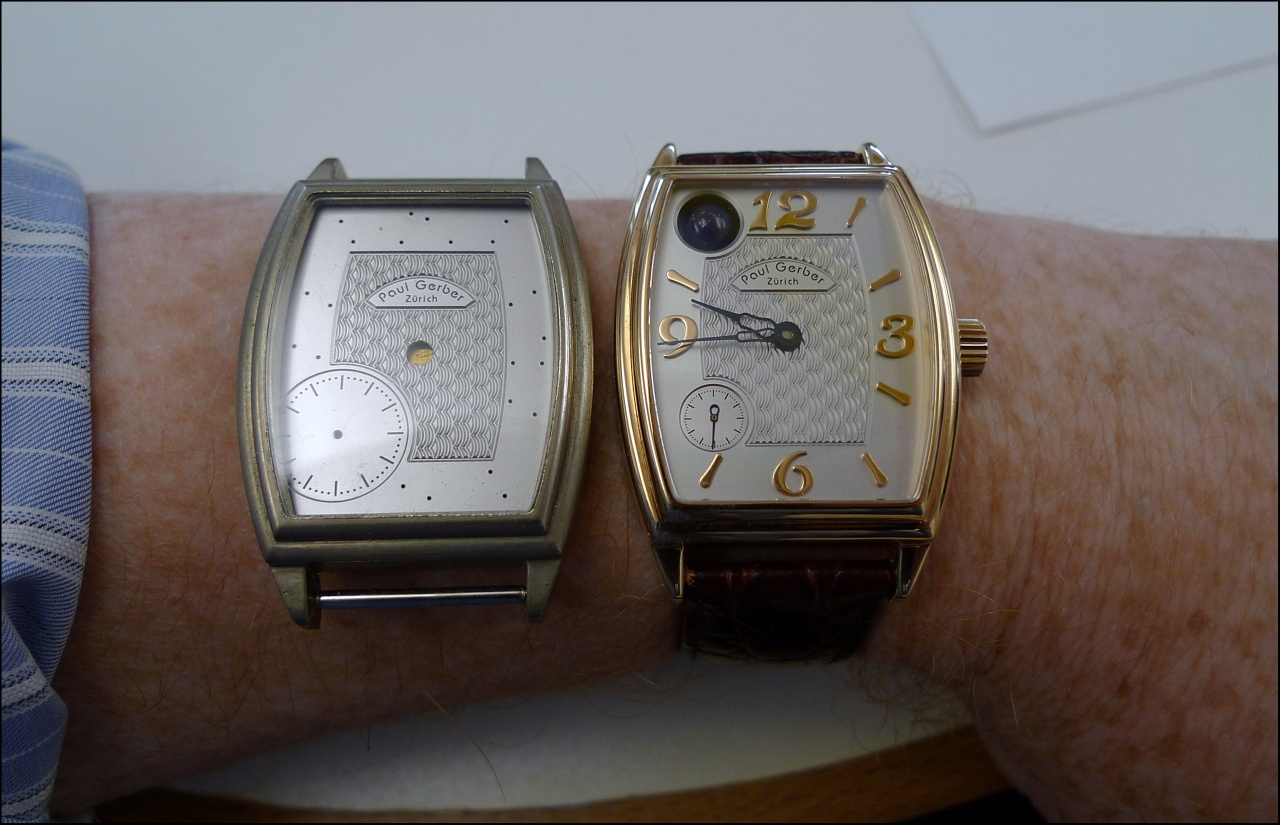
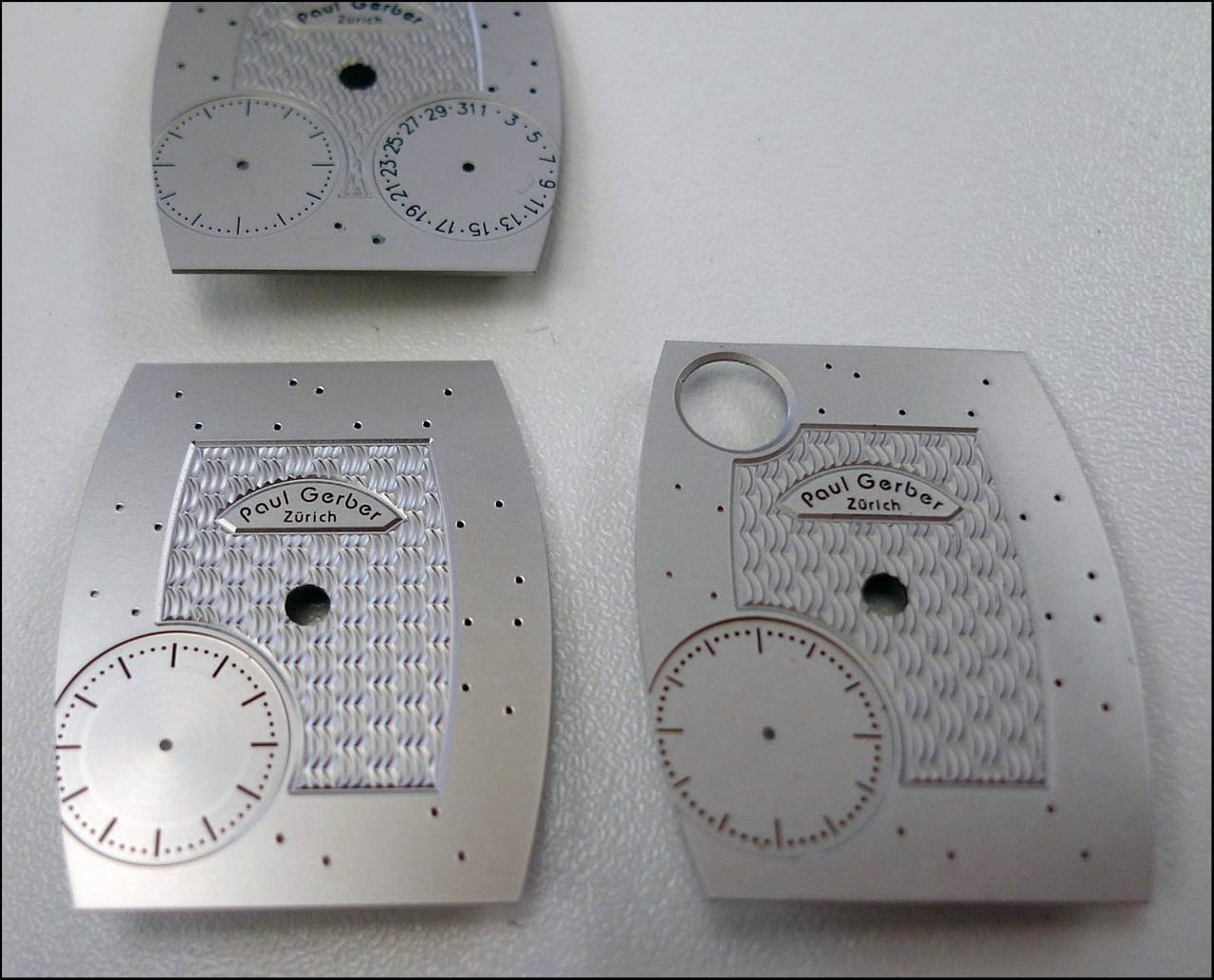
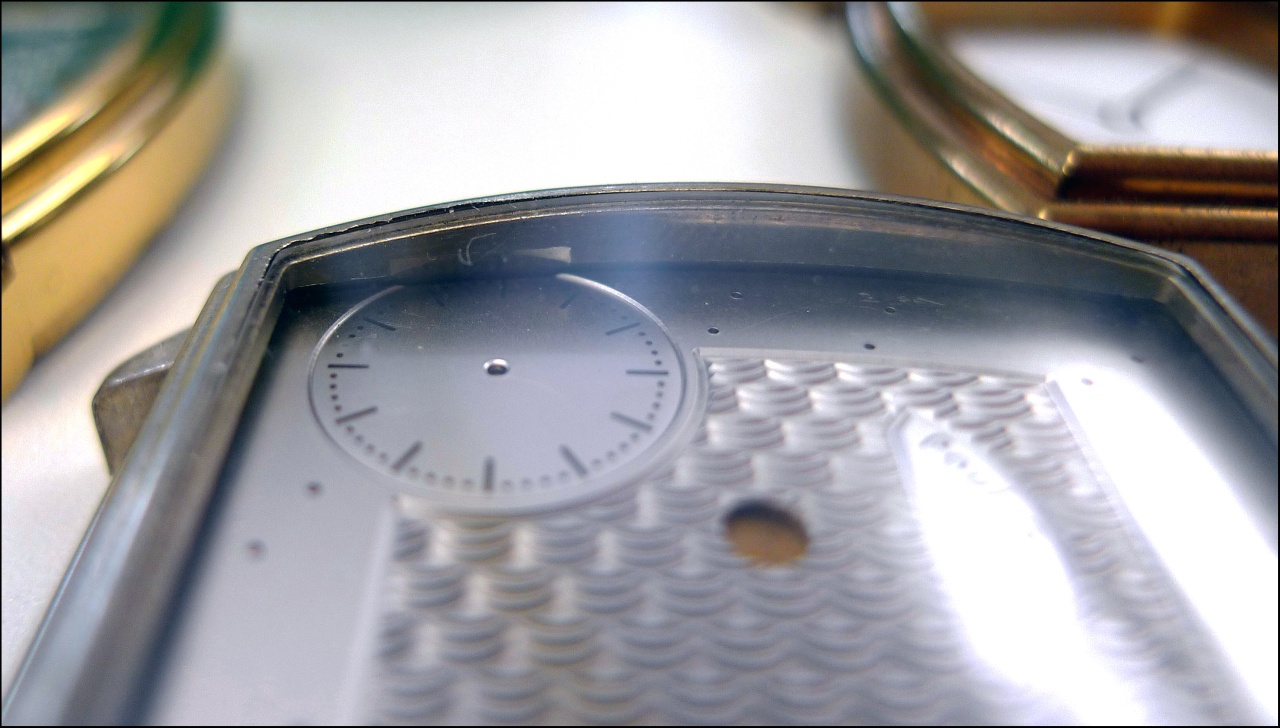
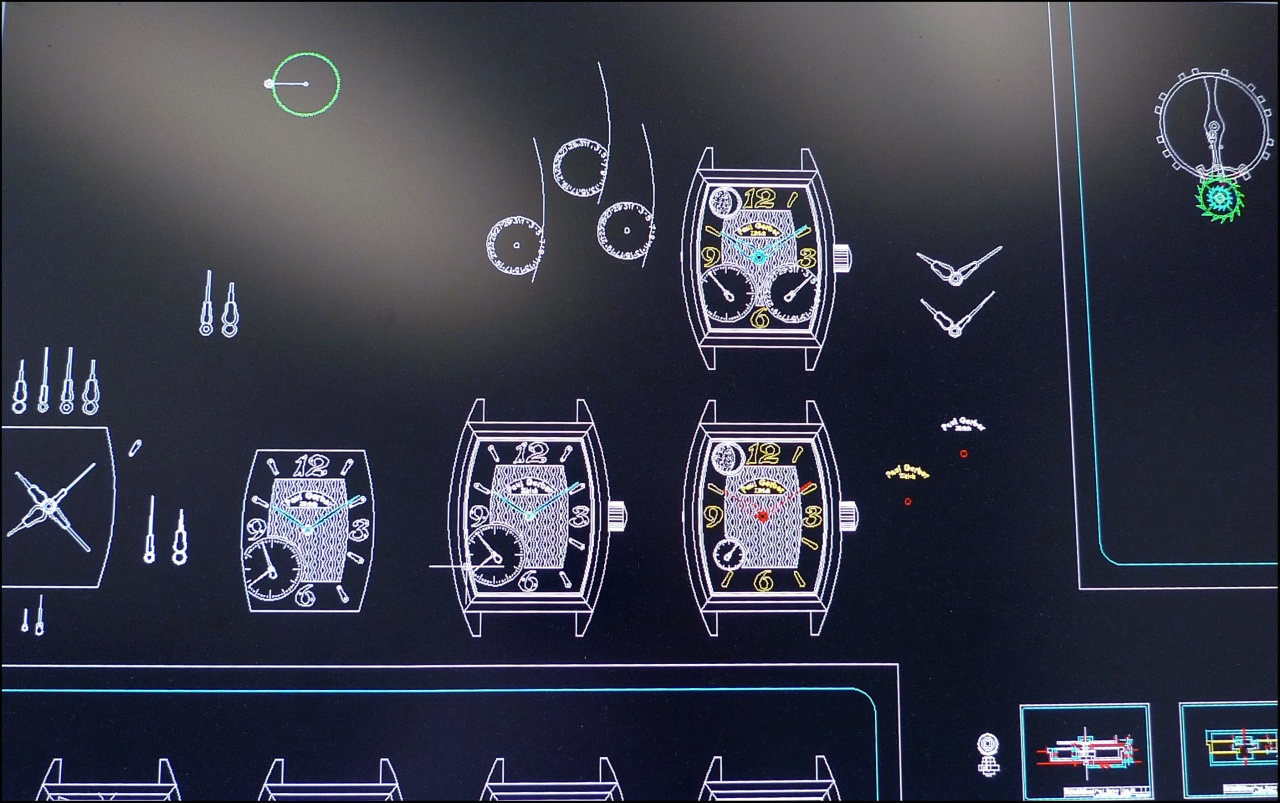
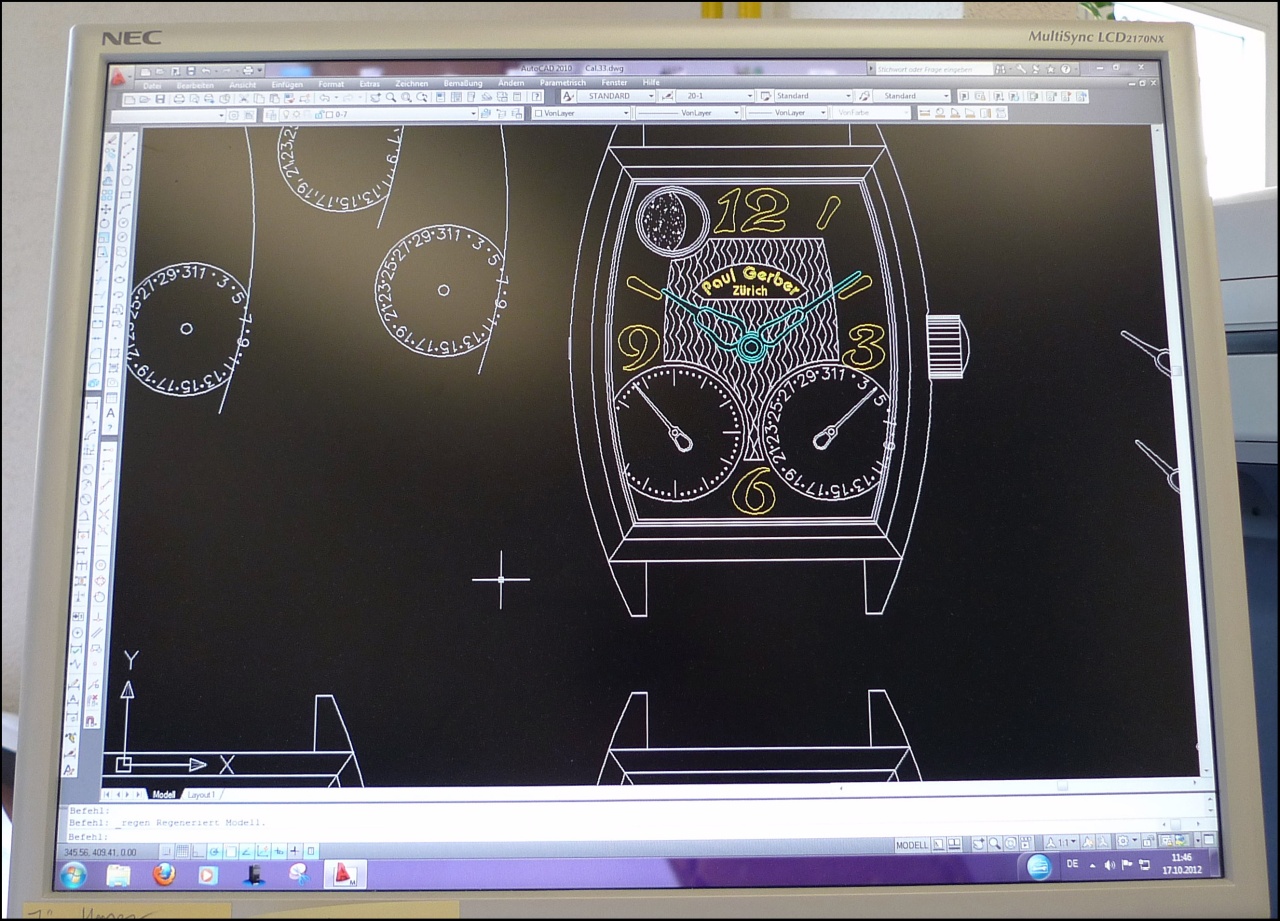
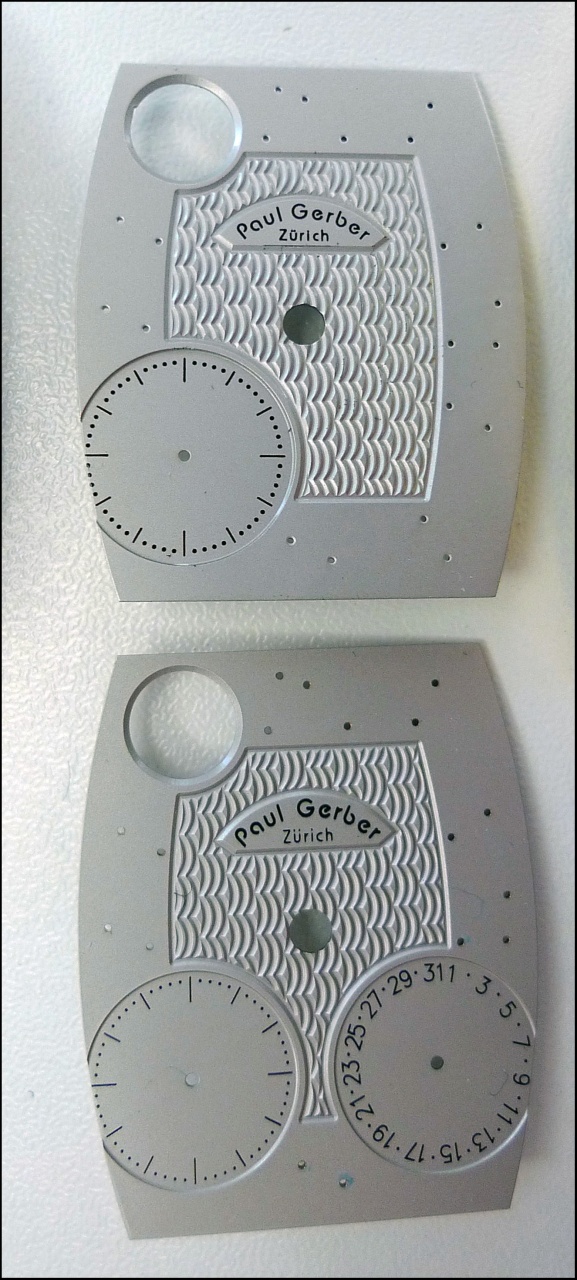
Paul is also working on a calendar display for the Model 33. The designs are firts created on computer using CAD programs with all the elements placed together until the design is perfect.
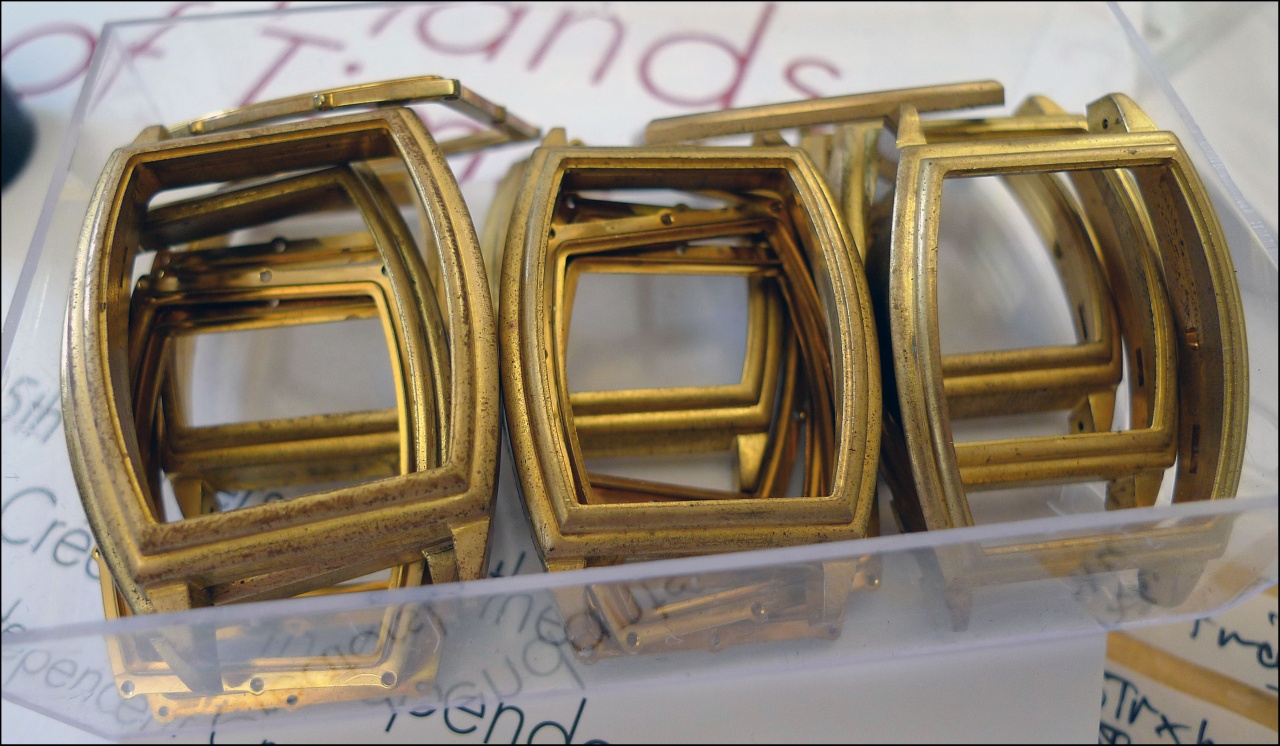
Then prototypes are produced in brass cases ...
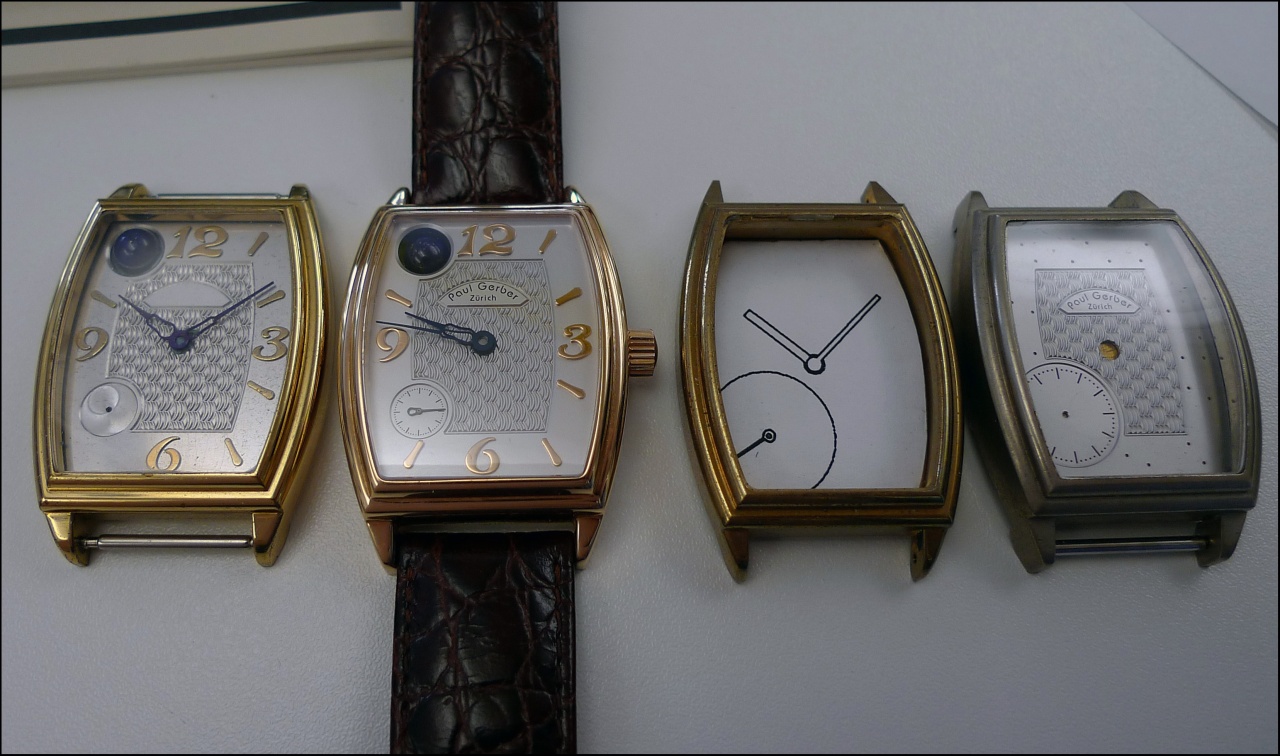
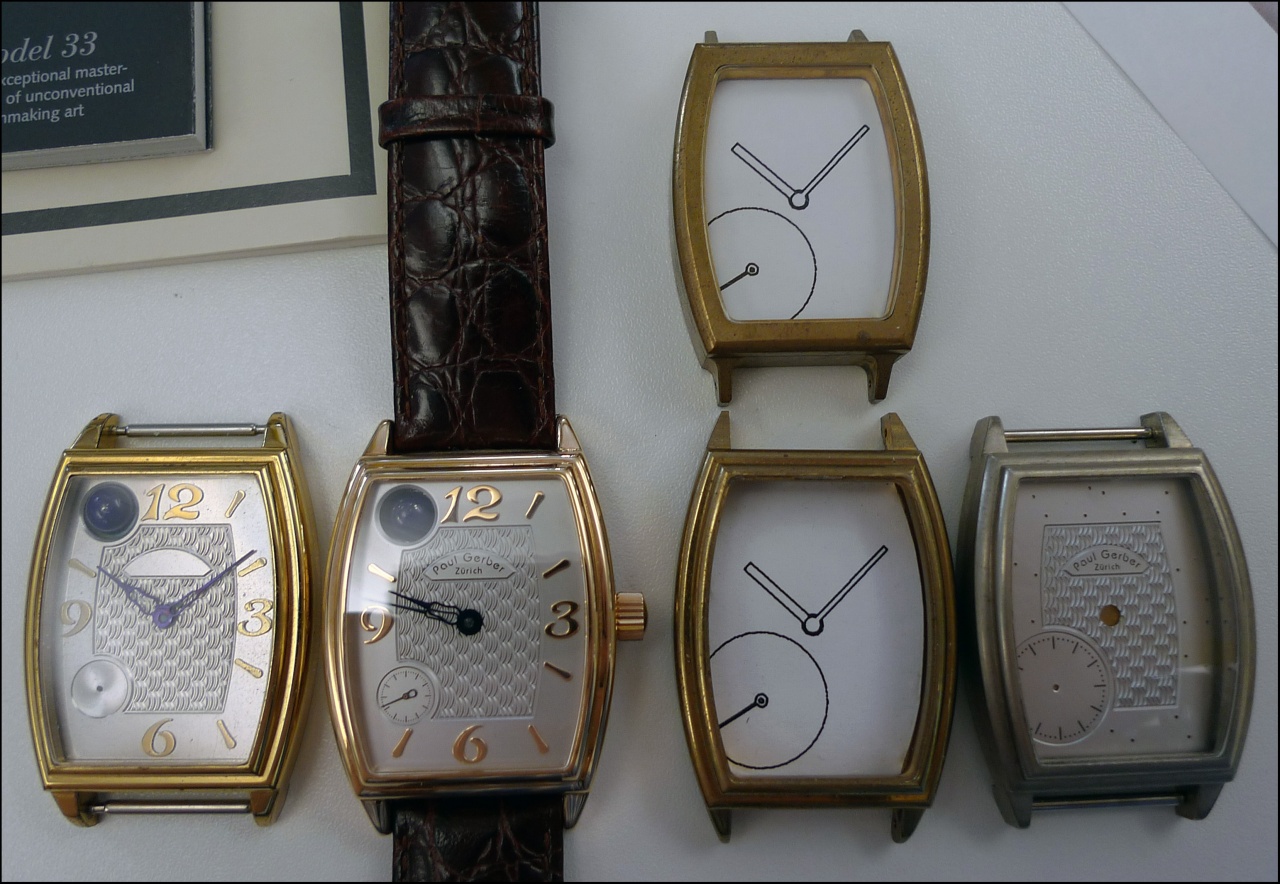
And finally dials are machined ...
Paul allowed me to wear his prototype Model 33 for the day, and I can tell you that it was hard to take off! I think you can see why.
Thank you for the wonderful pictures and instructive write up. A question, if you please. Since the balance only gets an impulse every other vibration, how is the escapement stabilised on the wrist? In 'Watchmaking' Goerge Daniels writes that such escapements are easily de-stabilised by shocks and that they are only suitable for static timekeepers. Once again, thank you for the post. Aditya
Hi Aditya, I passed your question on to Paul regarding the stability of his escapement design. His response was that his escapement has unilateral drive and is no more sensitive to shocks than the traditional Swiss lever escapement. Regards Andrew
I still cannot understand it though. I suppose I will have to study description of the escapement a bit more. Kind regards Aditya
with a certain carefully defined aesthetic appeal. However, as a personal owner, I have certain misgivings and afterthoughts. Perhaps I should send you a PM on these? Just give me a wink. I wish to see nothing on a Forum that would detract from Paul's undeniable accomplishments - especially with me doing the writing! Best Regards, Andrew, and thanks for the review! Amery
This thread is active on the Independents forum with 13 replies. Share your knowledge with fellow collectors.
Join the Discussion →