
Manufacture
Orangedial continues his captivating series with Part 3 of his dream visit to Audemars Piguet in Le Brassus, Switzerland. This installment focuses on the AP Museum, the High Complication Workshop, and the Atelier de Restauration, offering readers an intimate glimpse into the brand's heritage and craftsmanship. The author's personal connection to the Starwheel and his appreciation for Gerald Genta's Royal Oak shine through, making this a truly engaging report.


A Dream Visit to AP in Le Brassus, Switzerland - Part 1
A Dream Visit to AP in Le Brassus, Switzerland - Part 2
Day 2 - AP Museum, High Complication Workshop & Atelier de Restauration
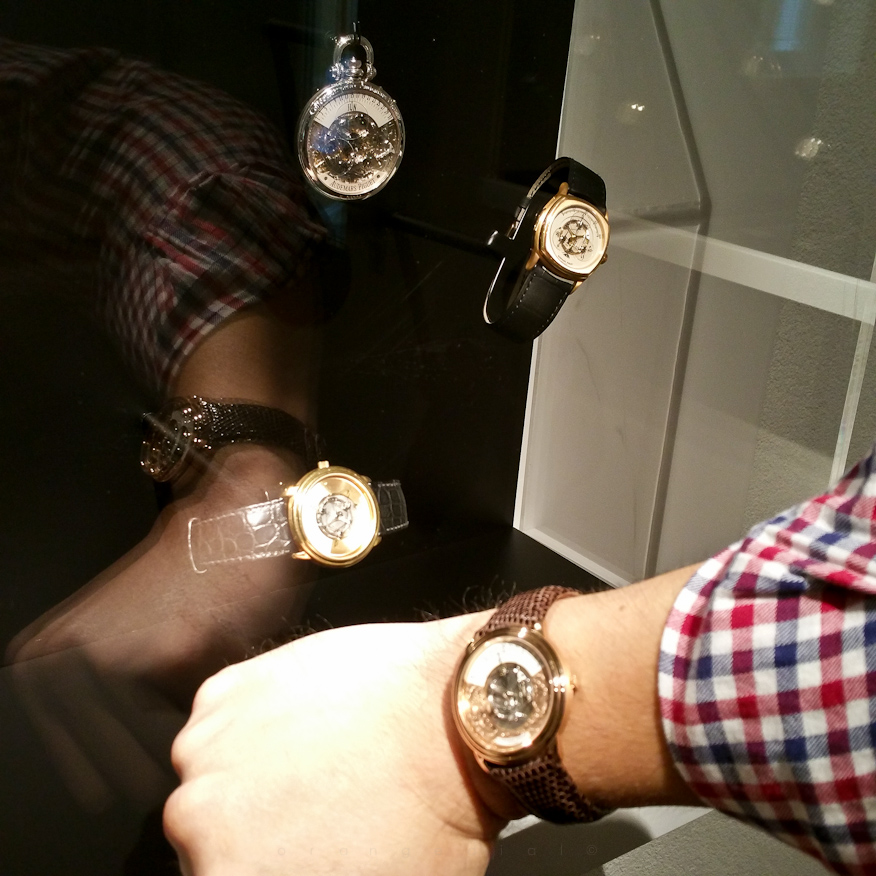
After the high complication workshop, we were led to another section of the museum where the very early creations by AP were showcased. Many pocket watches, early wrist watches and timepieces with multiple complications were on display. Although very fascinating, we were not allowed to take pictures here. Not until we bumped into the Starwheels! I was allowed to take a souvenir shot of my rose gold Starwheel posting side-by-side with some very interesting iterations of the same mechanism.
Clockwise from left: A yellow gold Starwheel with an engine-turned dial; A Starwheel pocket watch with skeletonised movement; A John Schaffer Starwheel with minute repeater; My rose gold Starwheel with Fleur-de-Lis hand-engraved dial
Next, the door to the treasure land for most of the AP enthusiasts…
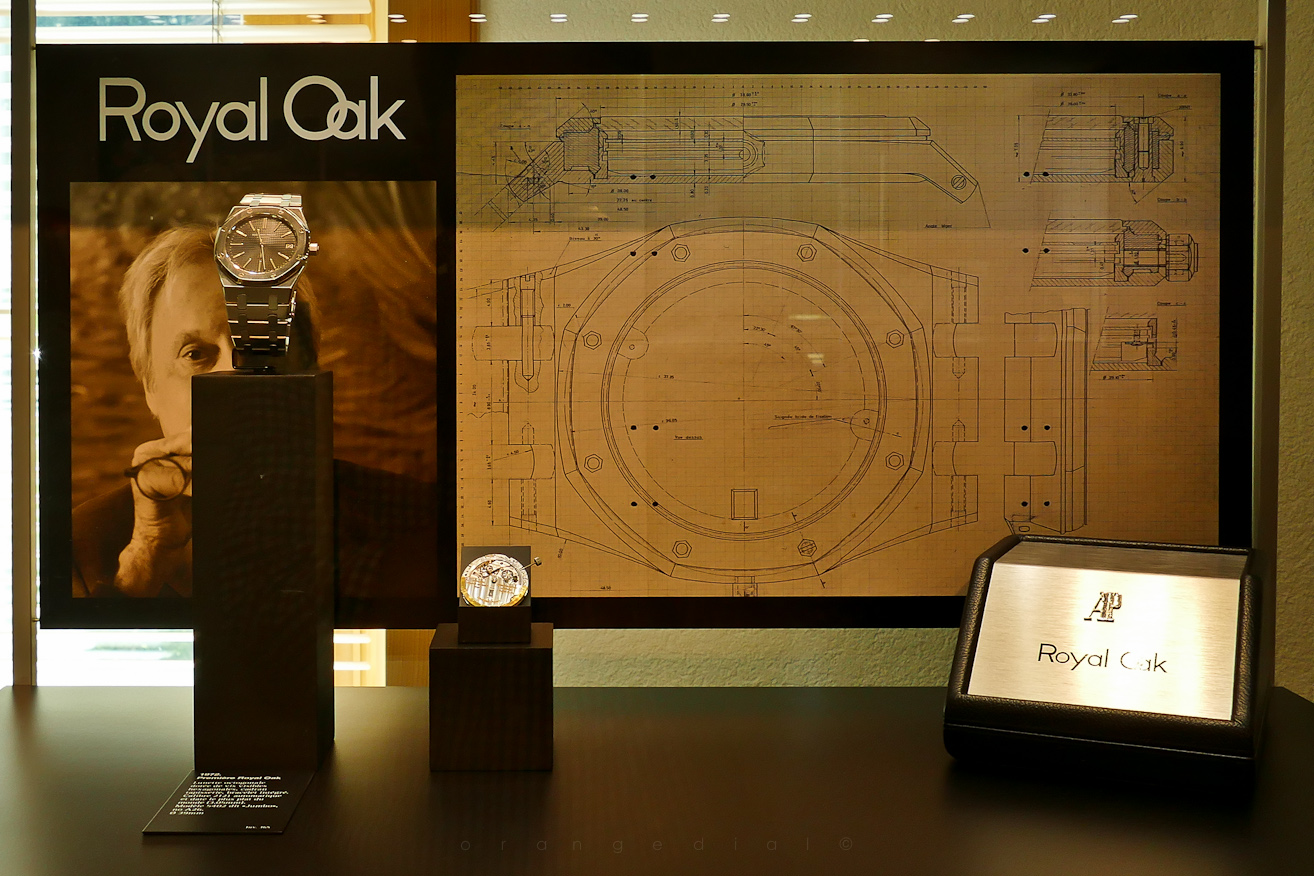
Respectfully, Mr Gerald Genta and his greatest creation, the Royal Oak ref.5402. Like a fairy tale, the iconic Royal Oak was born in a faithful night in 1972 at the stroke of Mr Genta’s magical pen. If not for his ingenuity, as well as AP’s audacity and foresight, we would not have so much fun in the world of horology today!
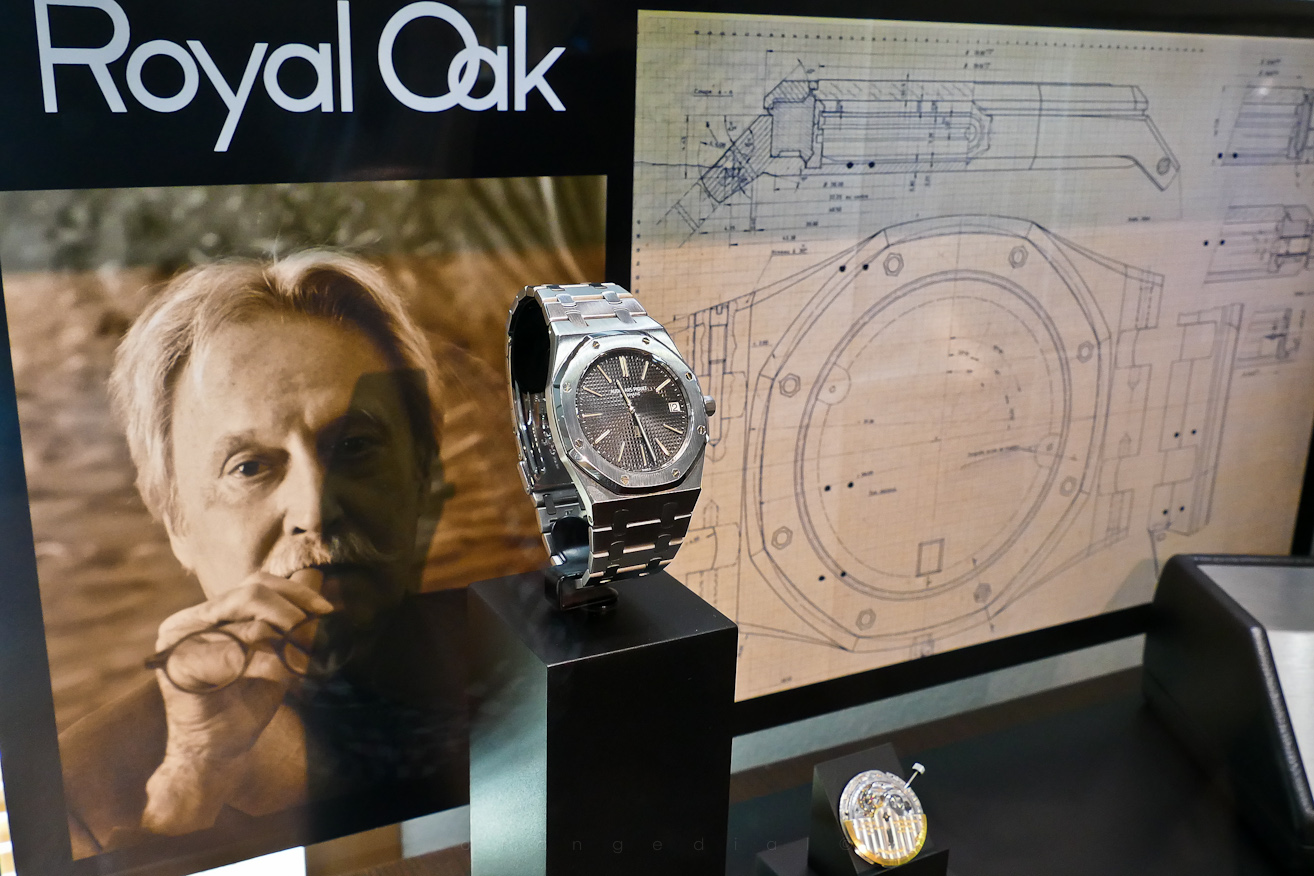
With its instant success, Royal Oak (RO) became famous quickly and AP began experimenting this versatile and iconic design with different sizes, materials, movements, complications, styles, etc… But no matter how it evolves, the octagonal bezel, hexagonal bezel screws, exposed rubber gasket, vertical brushed finishing, the unique integrated bracelet as well as the famous tapisserie dial remain as the most important and unchangeable elements in the Royal Oak.
Interestingly, this section was allowed for photography. Hence a few snapshots of the various Royal Oaks for your enjoyment! 
2-tone RO

A 33mm RO in platinum with a rare Lapis Lazuri dial

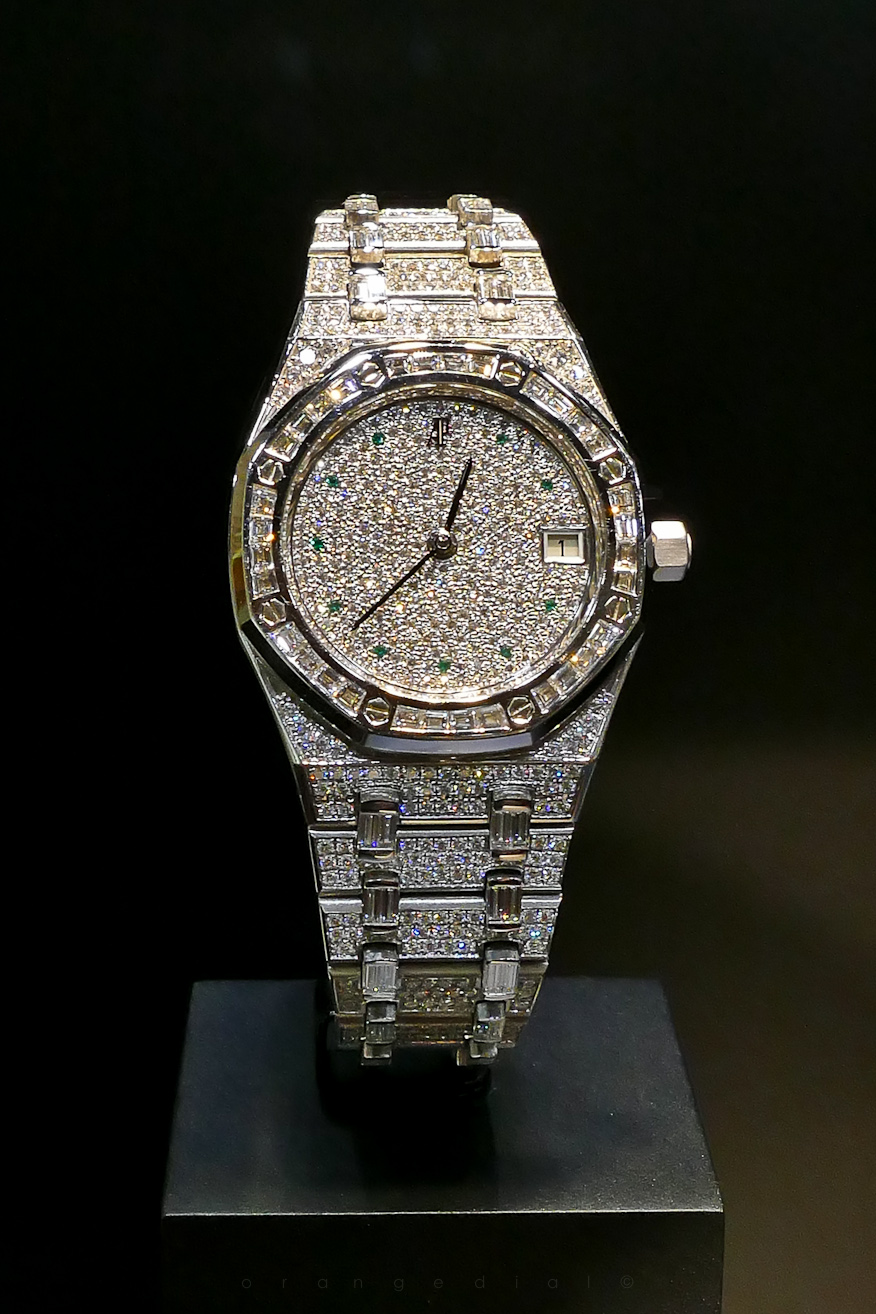
An ultra luxurious full diamond-paved RO… for the most flamboyant perhaps…
AP RO “Fondation” Skeleton dial… This one was capitating in metal, as with all other AP skeletonised watches, especially if you have a chance to see how these dials are skilfully and patiently hand-crafted

In 1993, the venerable Royal Oak was given a steroid treatment by the young Emmanuel Gueit and the Royal Oak Offshore was born! It was a monster watch at that time, and the very first ROO was nicknamed “The Beast”. ROO has not only pioneered and set a trend of big luxury sports watch, but also provided a platform for AP to display her strength and creativity in watchmaking with vast combinations of material, colour, design and movement complication. Today, ROO is the best selling product in the AP line-up.
The first… The Beast
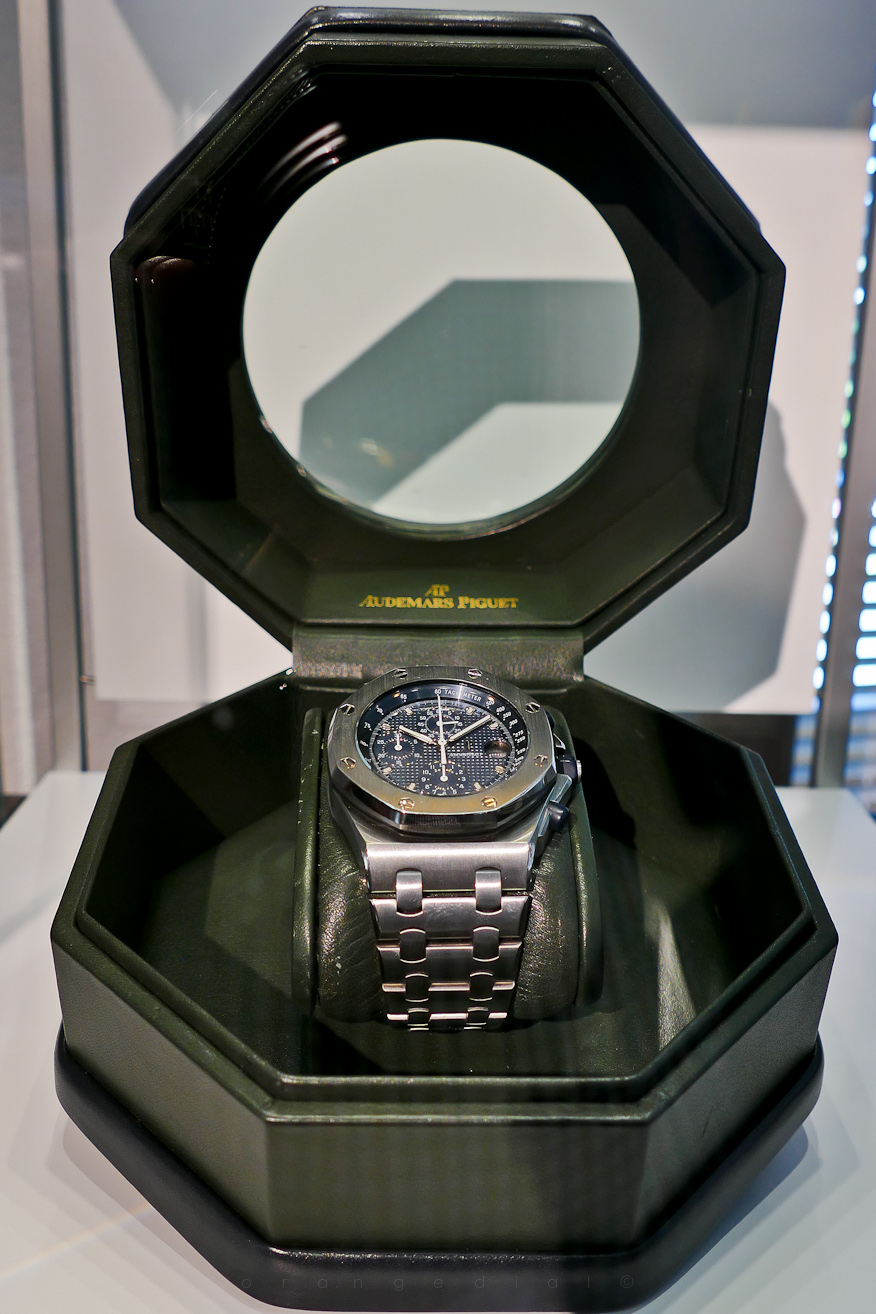
The first AP ROO Limited Edition… The “End of Day”

AP ROO Limited Edition “Survivor” (left) and “Rhone Fusterie” (right)

The rare AP ROO Limited Edition “Rubens Barrichello 3”

AP ROO Limited Edition “Grand Prix” (left) and the new AP ROO Self-winding Tourbillon Chronograph (right)

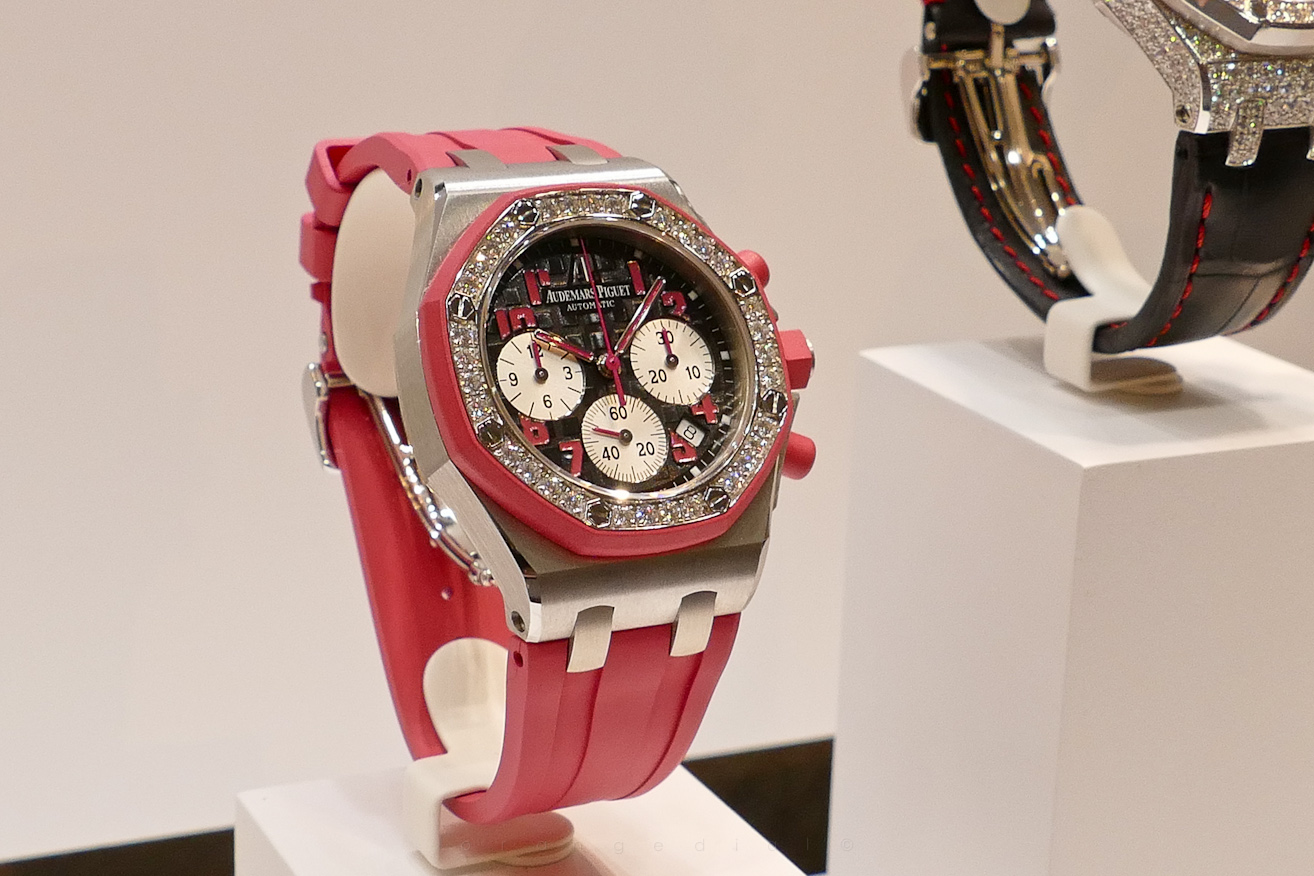
A unique pink Lady ROO with matching pink hour indices, rubber-clad crown and pushers as well as pink rubber strap!
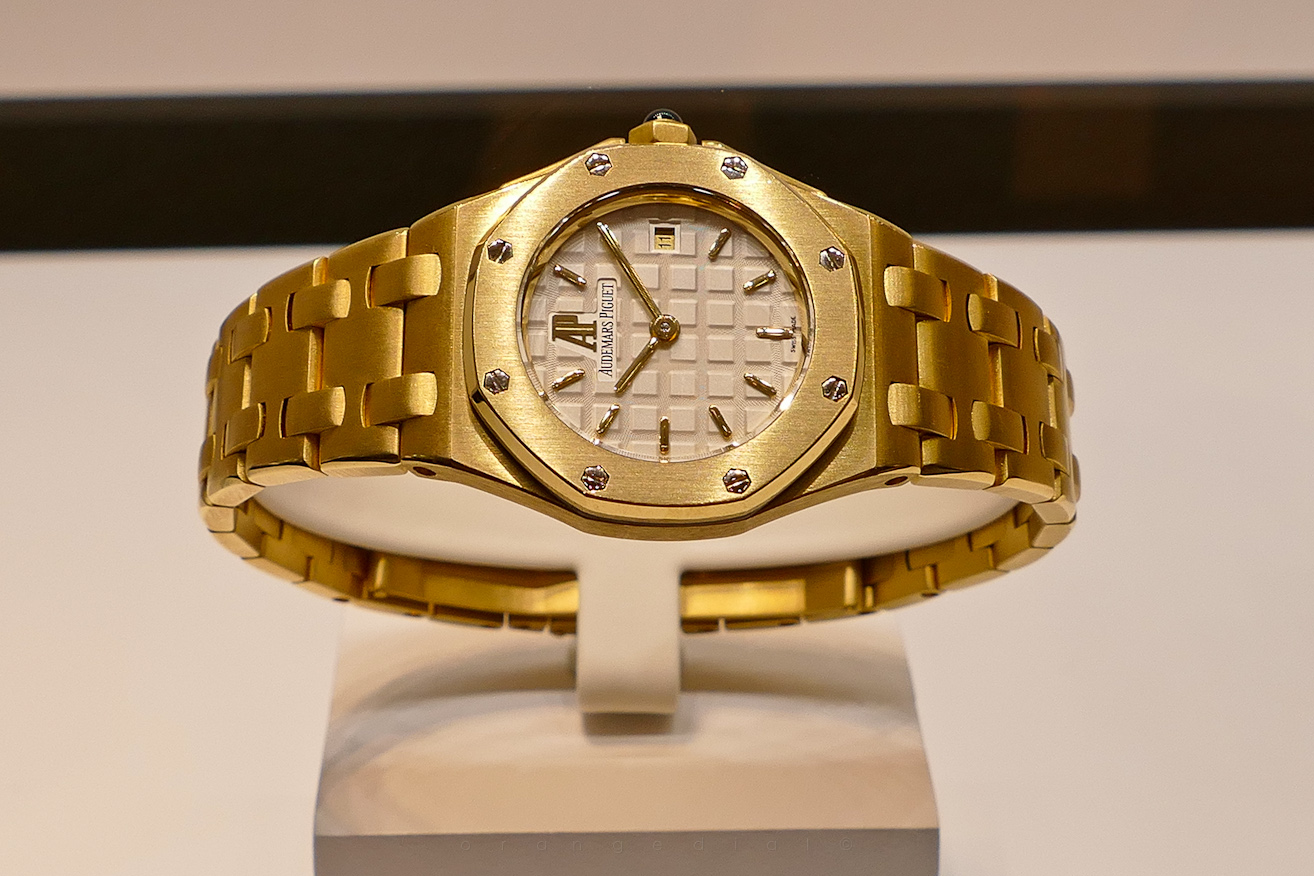
Lady ROO in YG…it could be heavy on a lady’s wrist… but who would care about the weight?
After visiting the Royal Oak Gallery, we arrived at the last stop of our morning visit - the “Atelier de Restauration”, or the Restoration Workshop. This is one of the most interesting workshop throughout the entire visit.
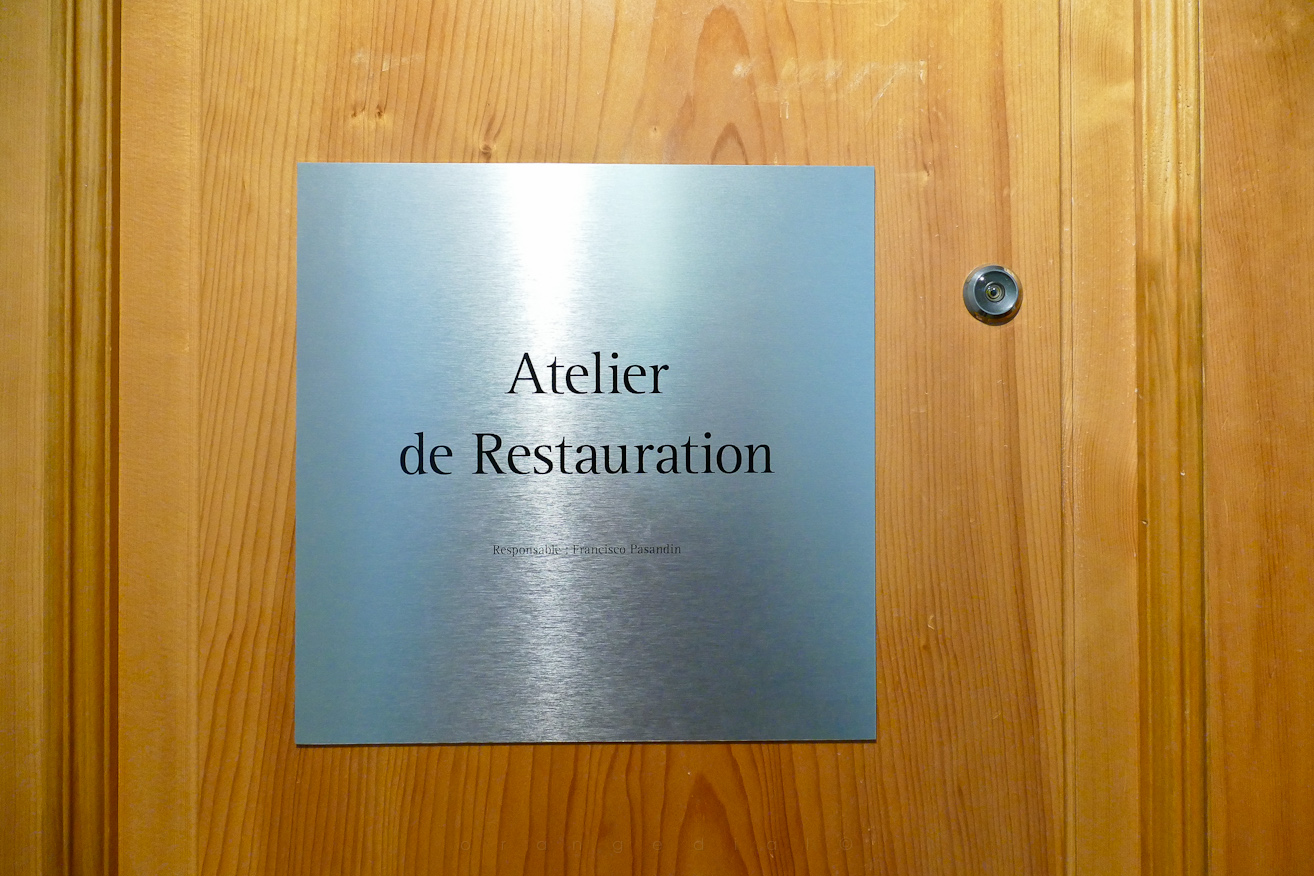
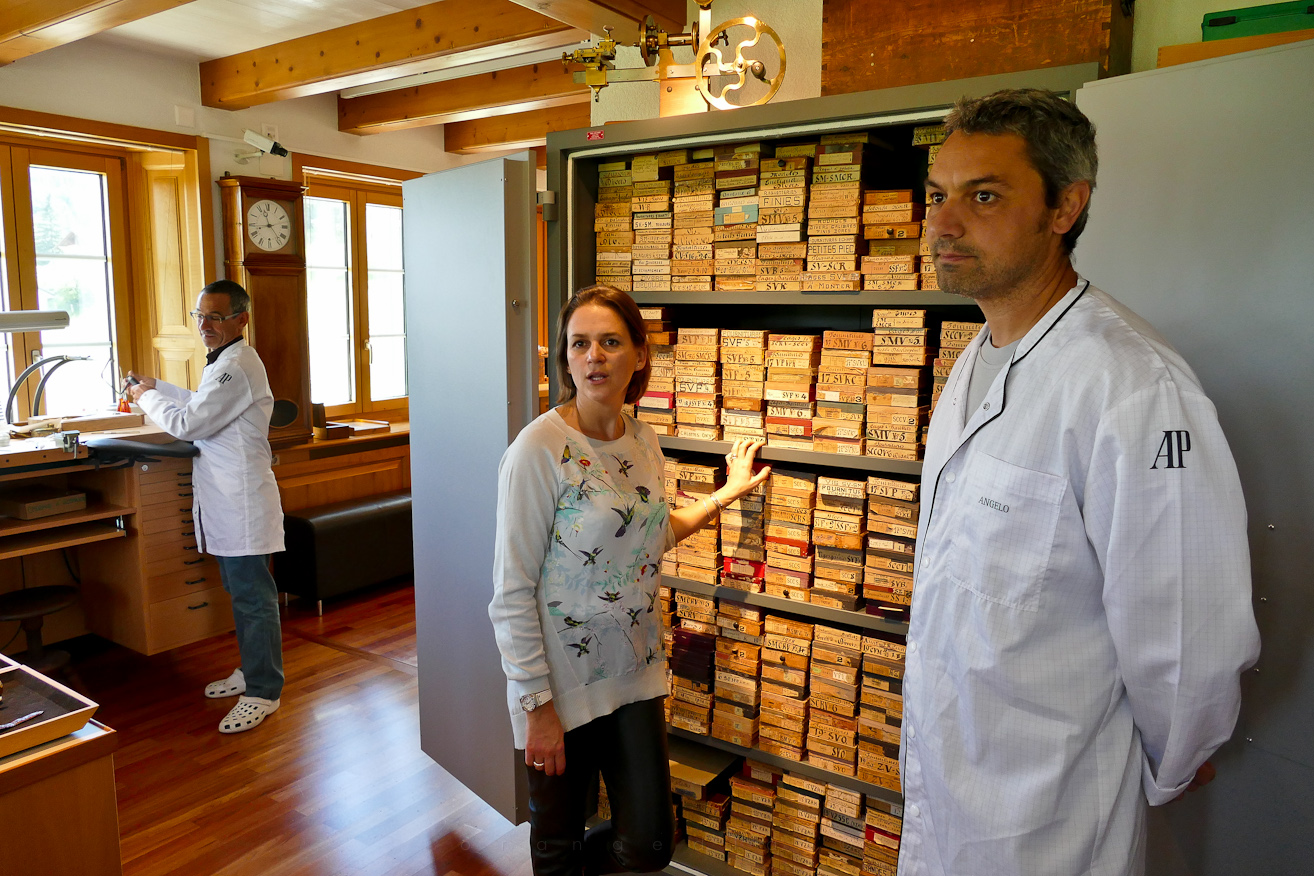
This workshop does not only restore AP watches, it is also often commissioned to restore high complication watches from the yesteryears. There are only 2 watchmakers qualified to be working here, Francisco (left) and Angelo (right). Both are extremely passionate and knowledgeable… Francisco, a jovial individual, is the master of the masters! Our tour guide Carolina (centre) was doing an introduction of this workshop…
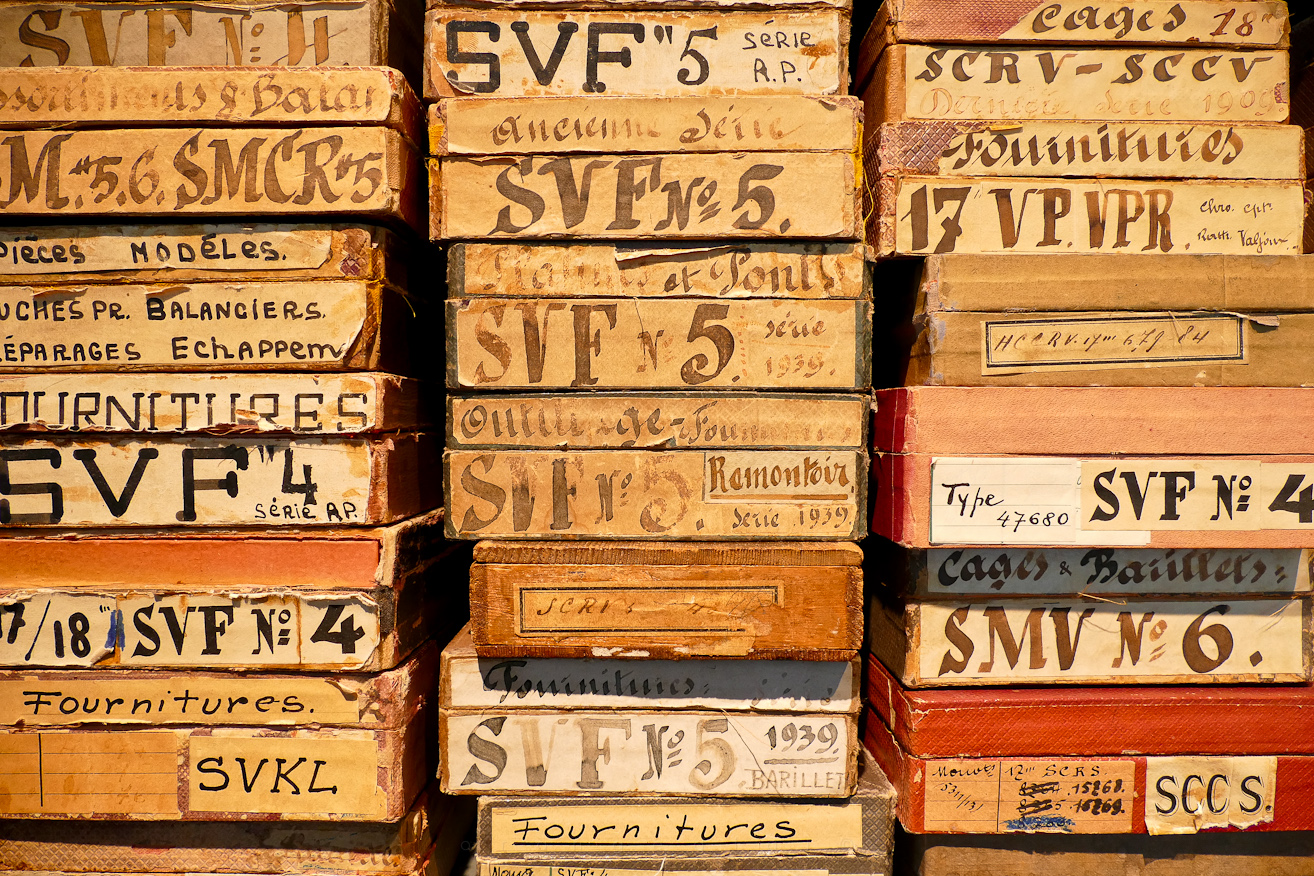
Treasure boxes kept in a gigantic vault… These boxes contain parts and info of the movement that have been restored over the years. Archiving is in progress…
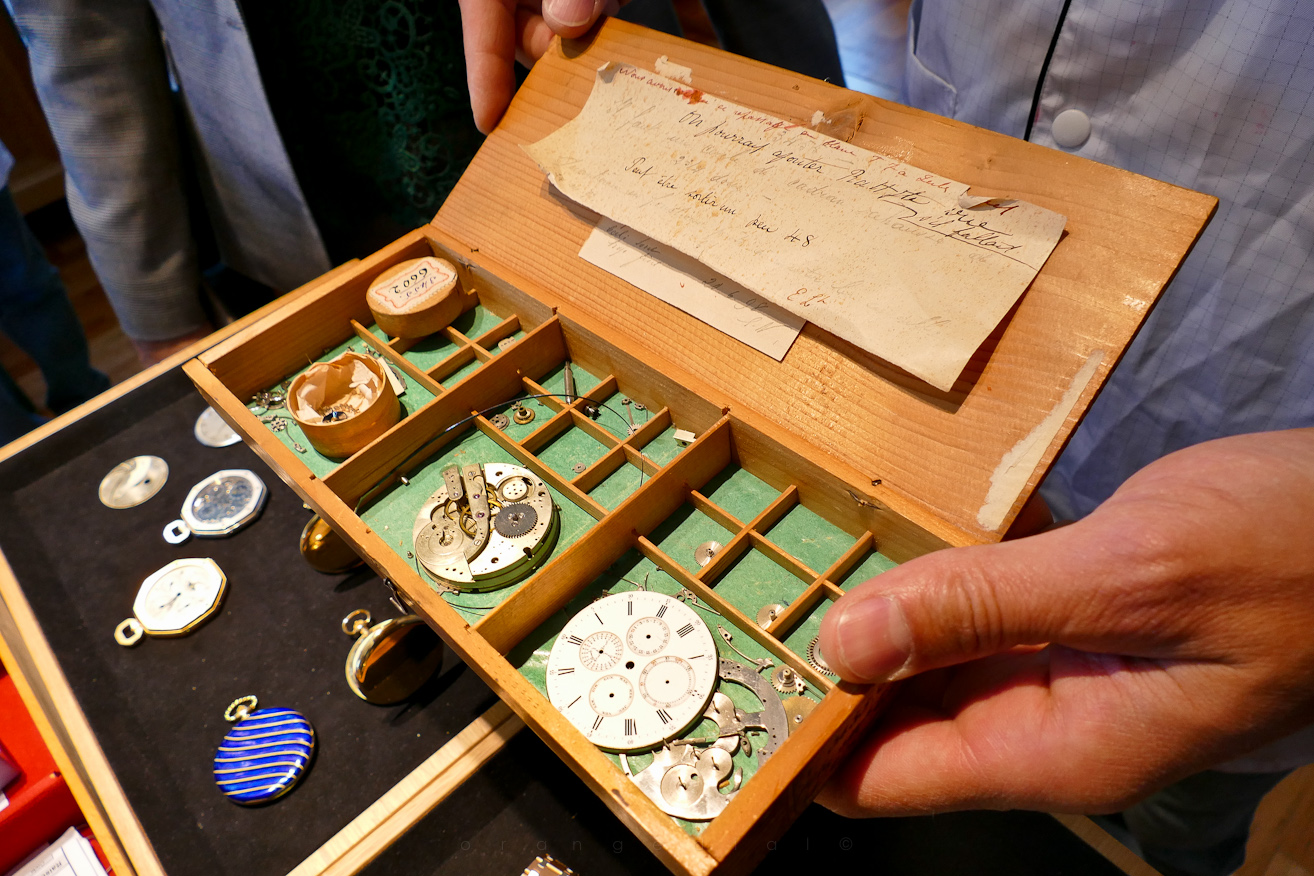
This box contains a never finished movement…
The passionate Angelo was explaining some details to the attentive Bindy. The workshop was well lit with natural light and the setting was close to the original workshop when Jules Louis Audemars and Edward Auguste Piguet were started creating their timepieces
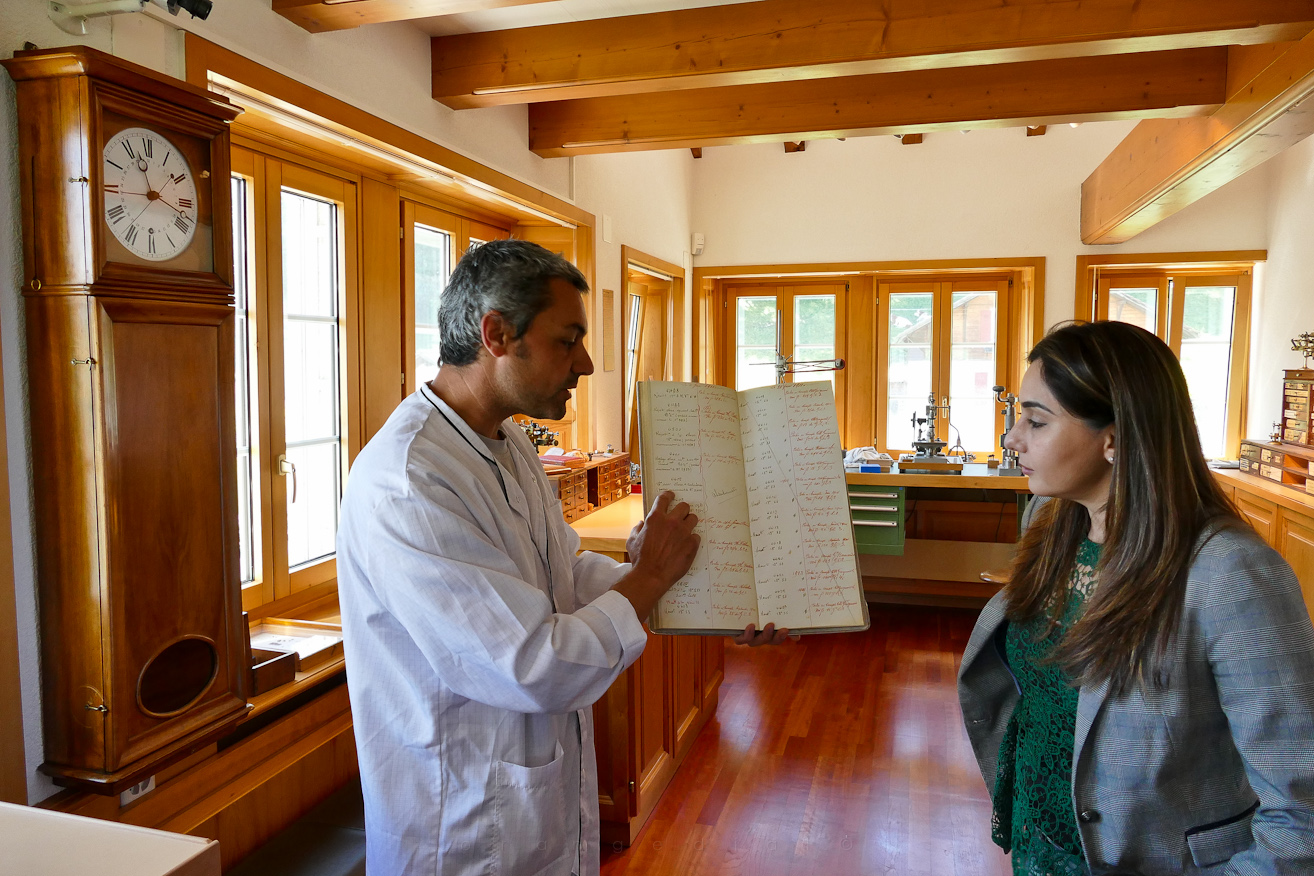
Some traditional machine for handcrafting movement parts
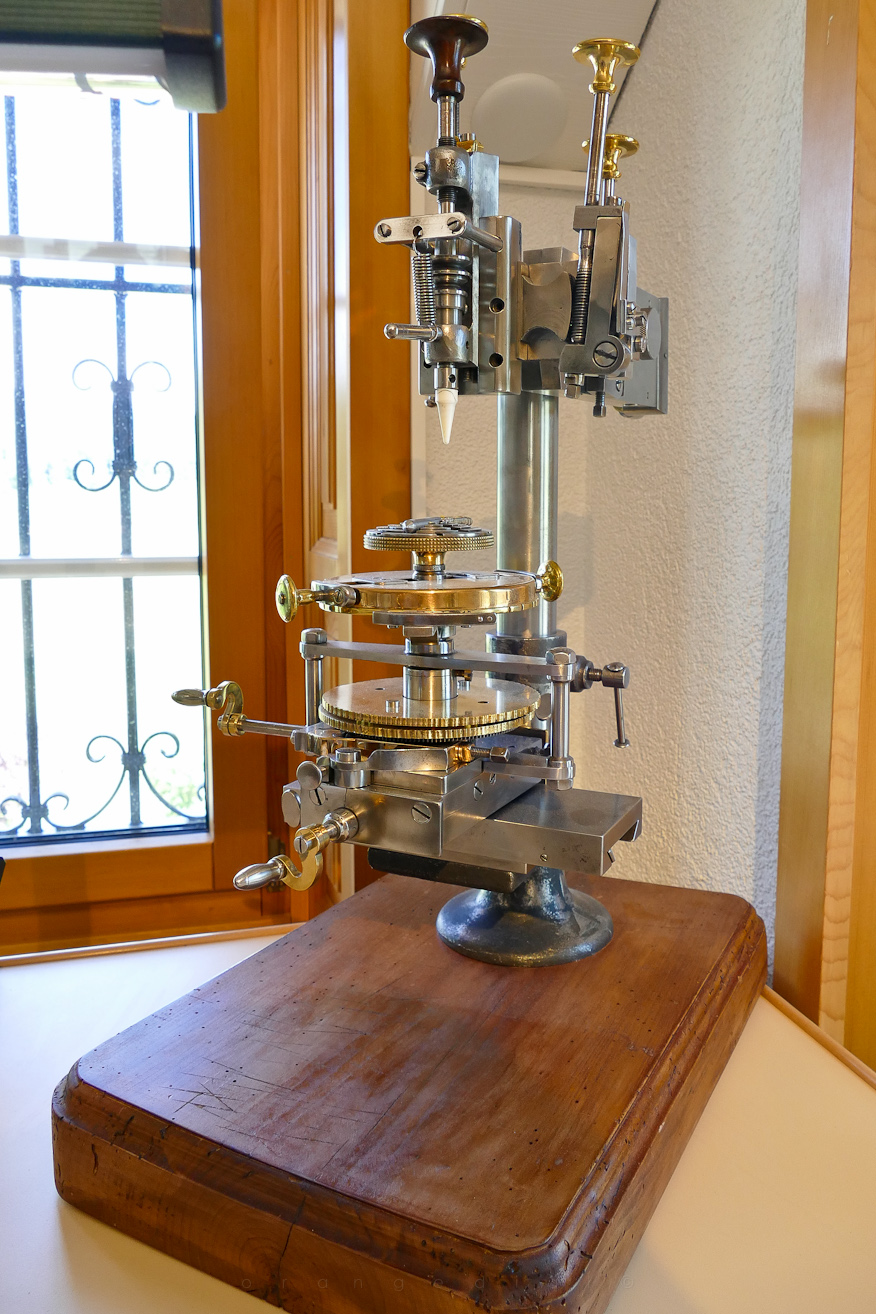
Another manual machine for fabricating parts only found in this workshop
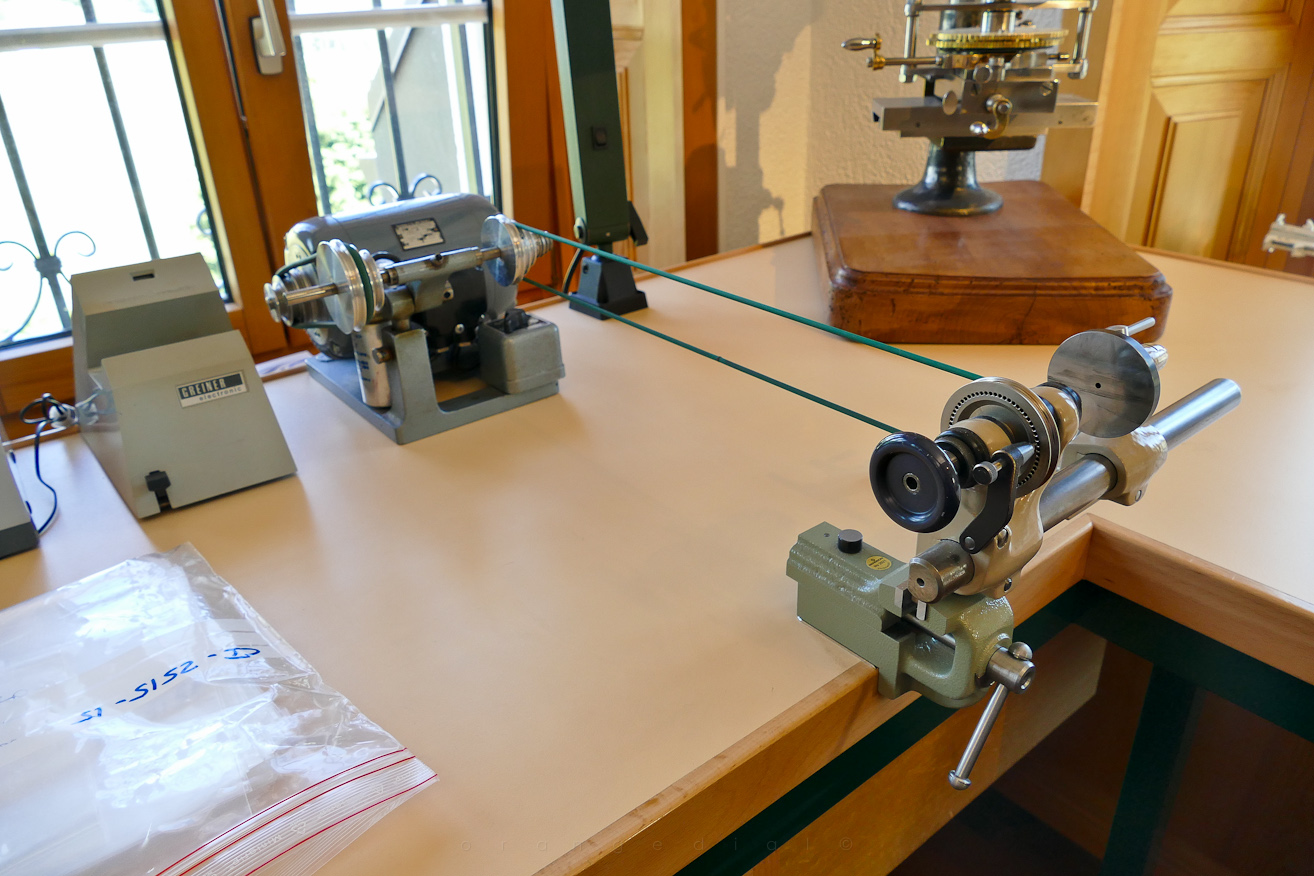
Master watchmakers’ desk…
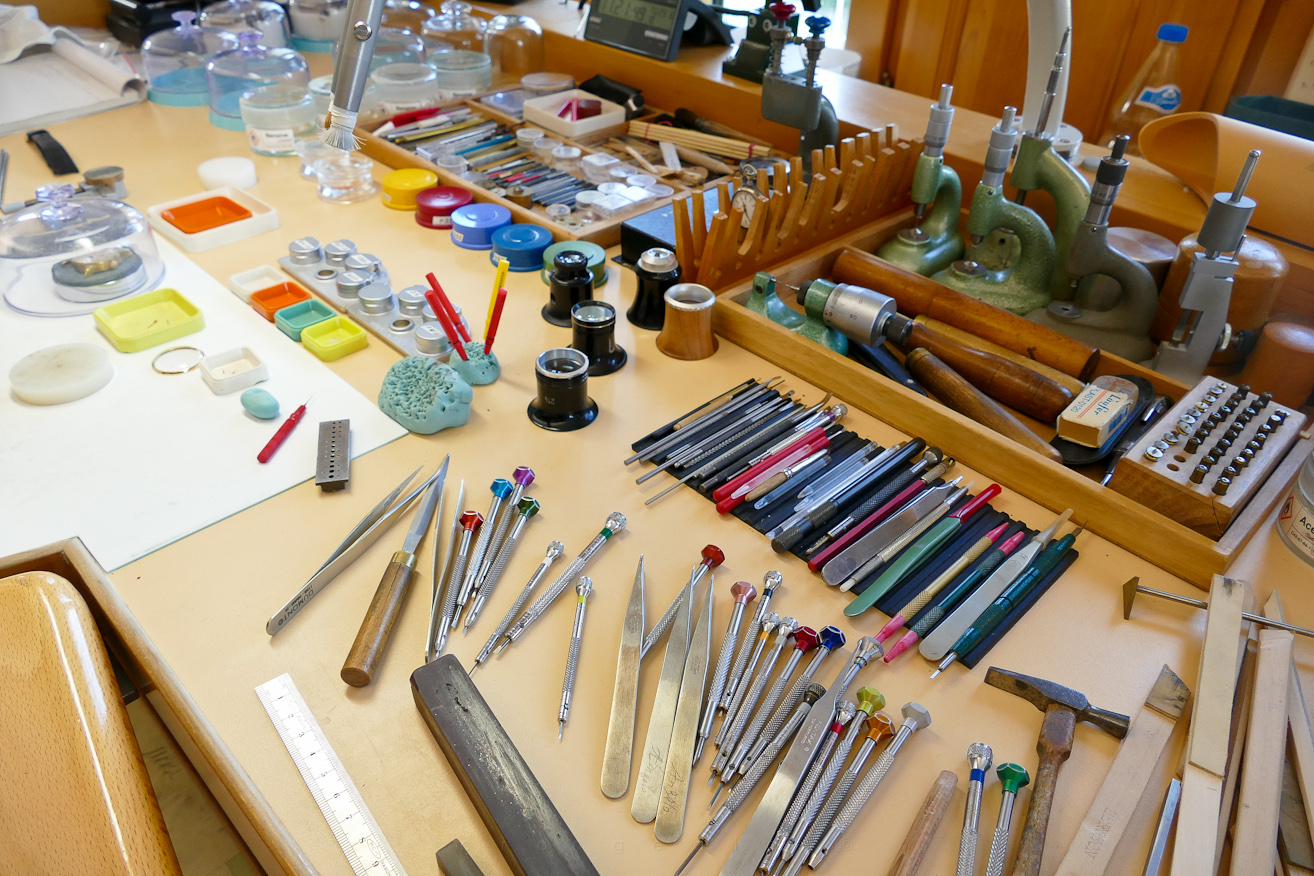
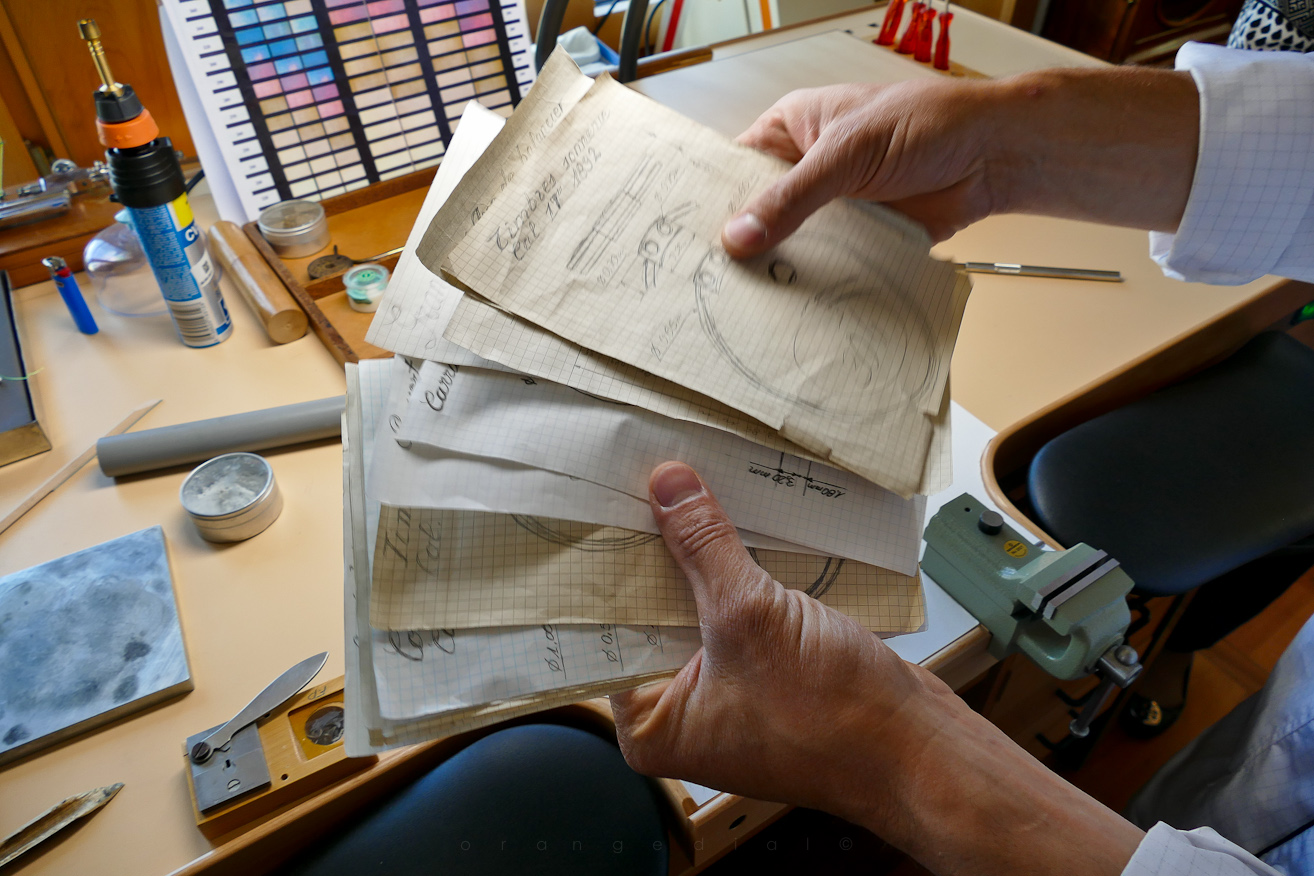
More often than not, parts in the vintage watch movements could be long obsolete so Francisco and Angelo would need to design and fabricate those parts. And the process starts from sketches…
Handcrafting a minute repeater gong… all ingredients, tools and recipe were ready
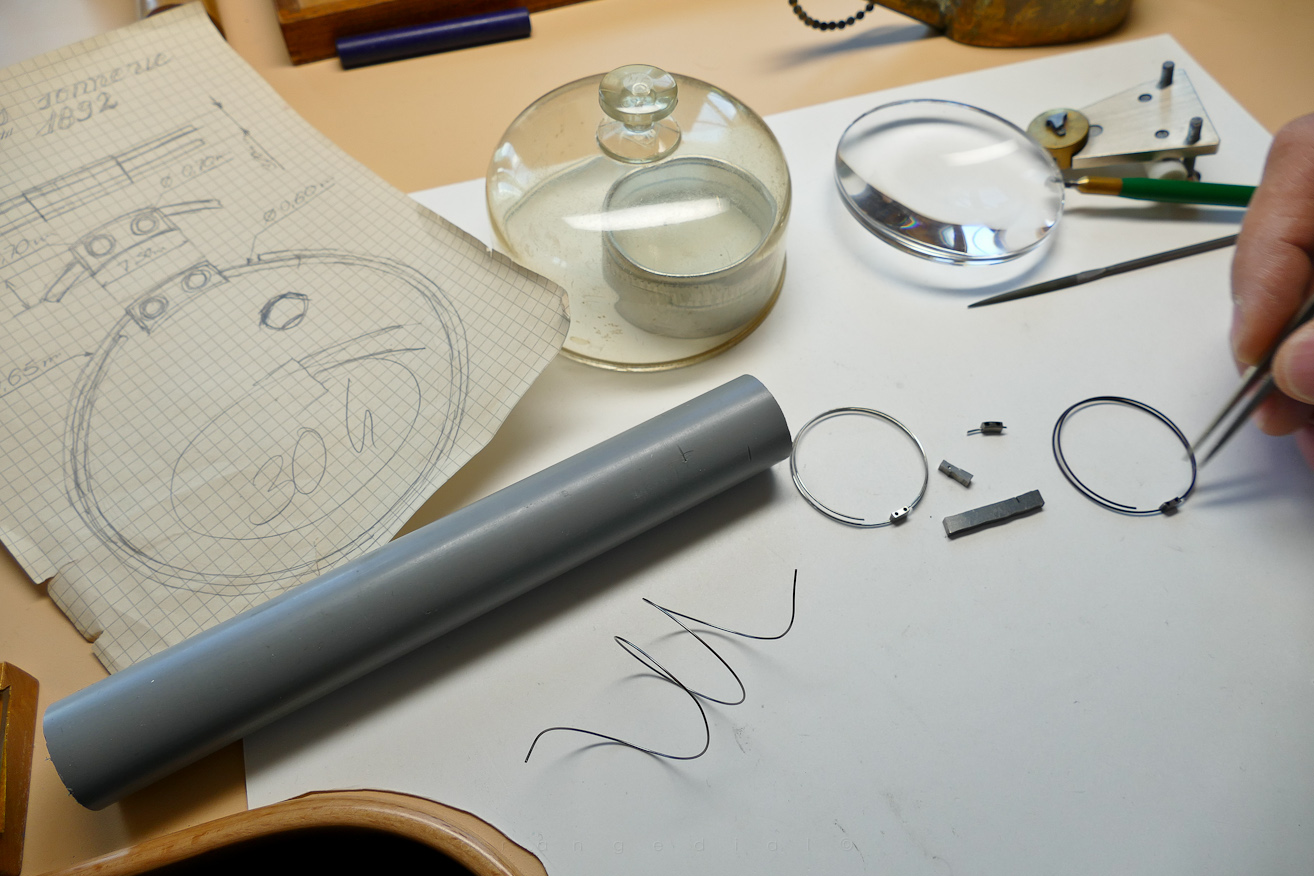
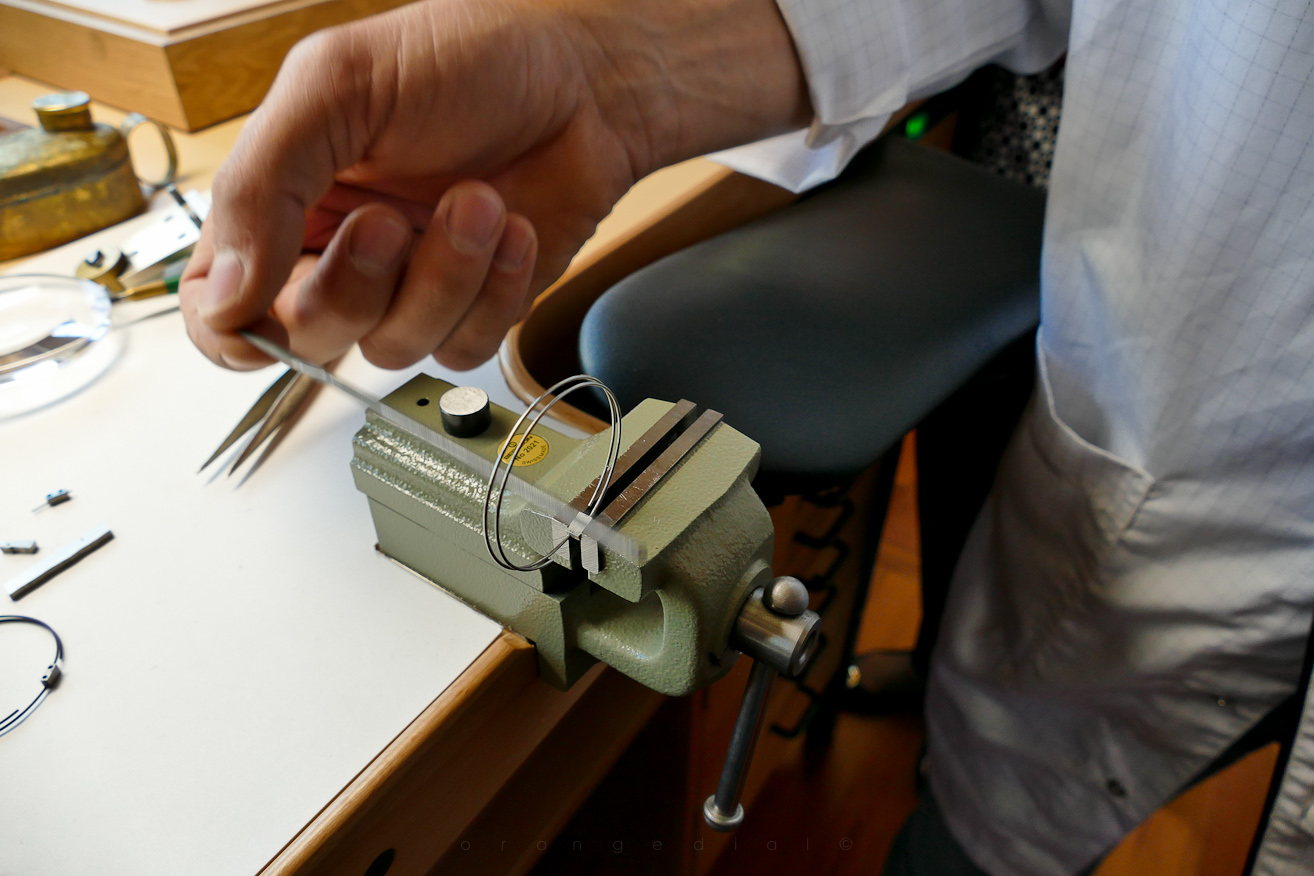
Testing the sound quality of the gong…
Sometimes, ultra tiny parts could also be designed and handcrafted, such as this balance wheel axis (on the left) for an ultra thin movement

For every timepiece restored, a report will be created to record all the details including pre- & post-restoration images, assessment records, schematic drawings, and all other restoration info.
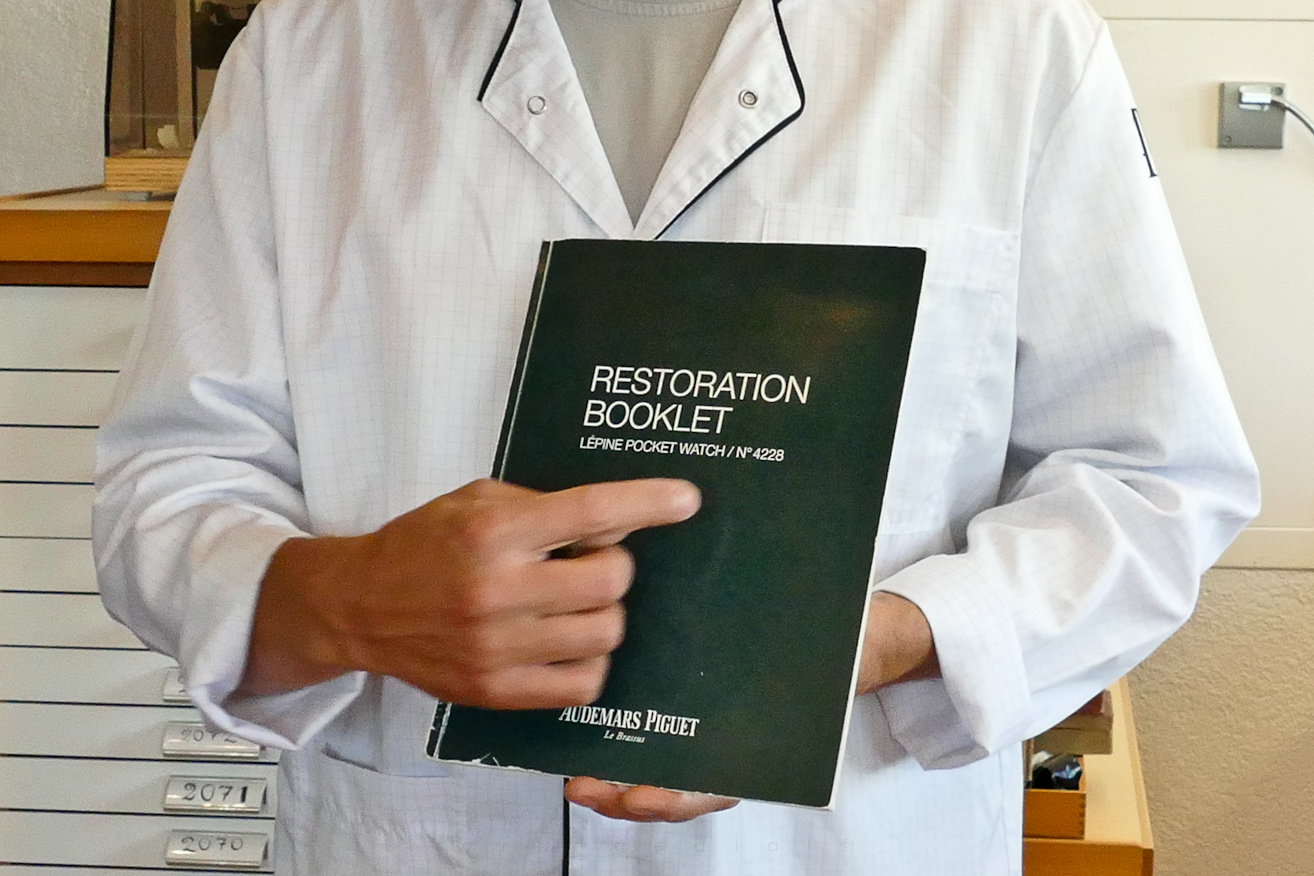
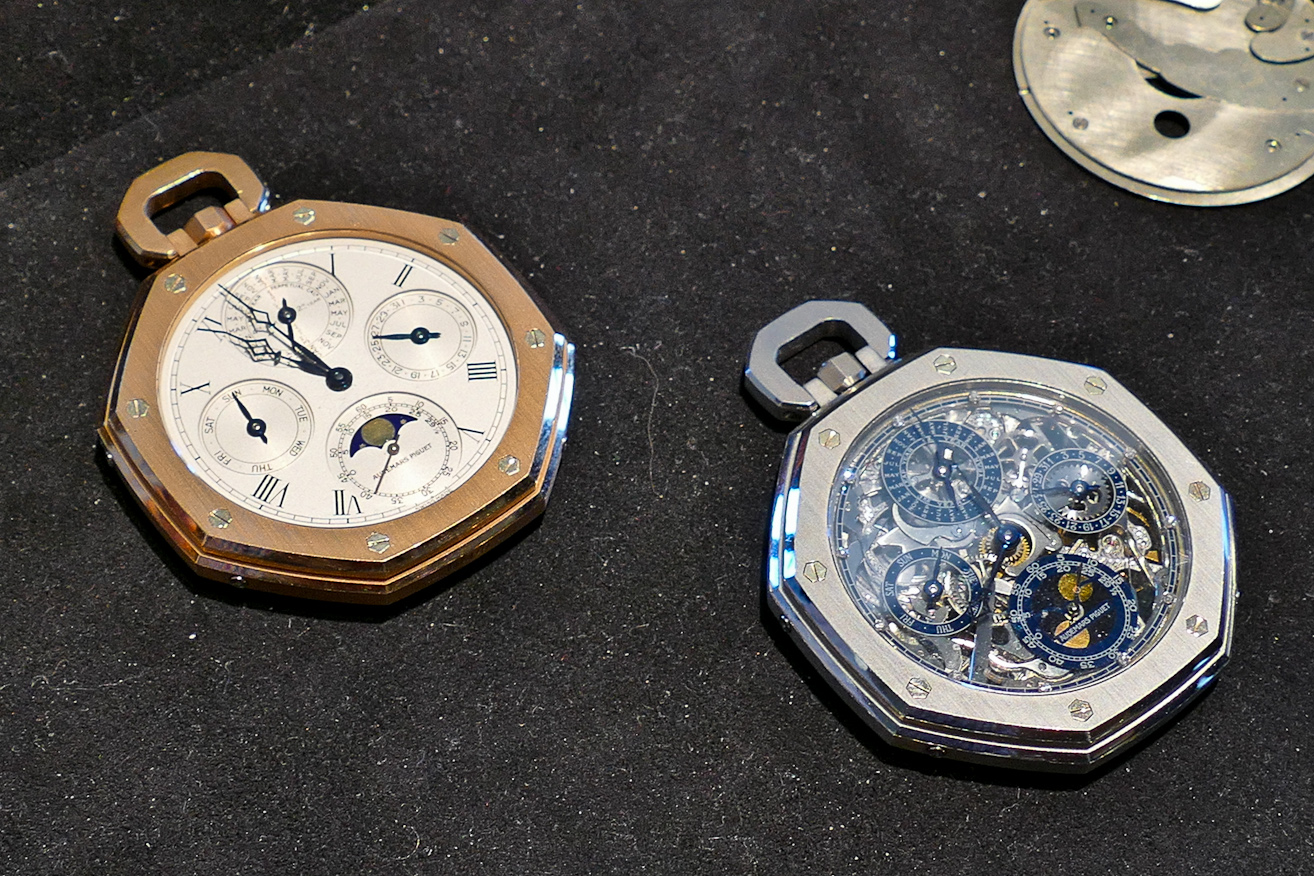
Some fascinating watches that the Restoration Workshop had helped to restore and maintain. Besides restoring watches, Francisco and Angelo are also taking care of all the historic timepieces displayed in the museum.
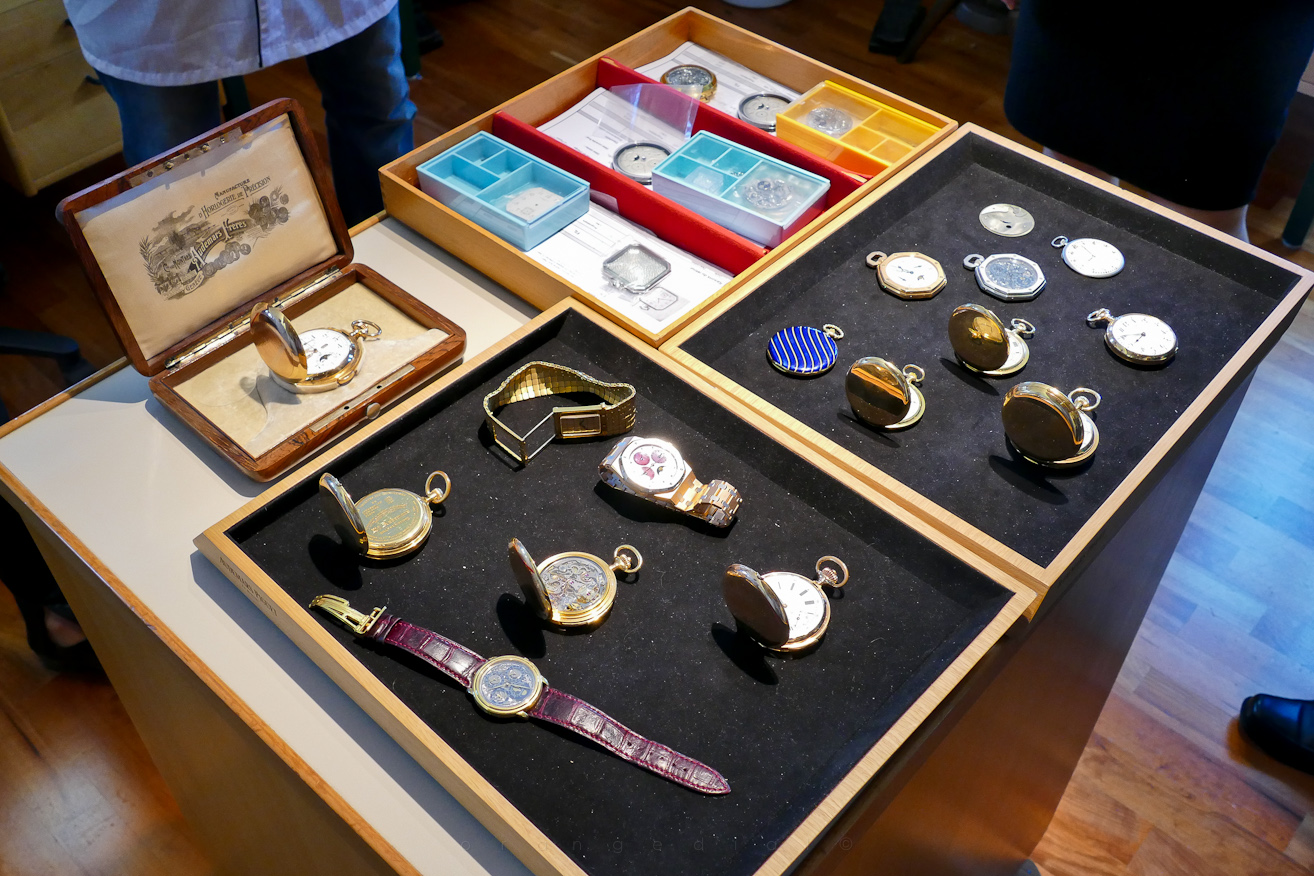
Normally, you only find such timepieces online or in books. I tell you… they are STUNNING in metal! We were not allowed to touch them for obvious reason…
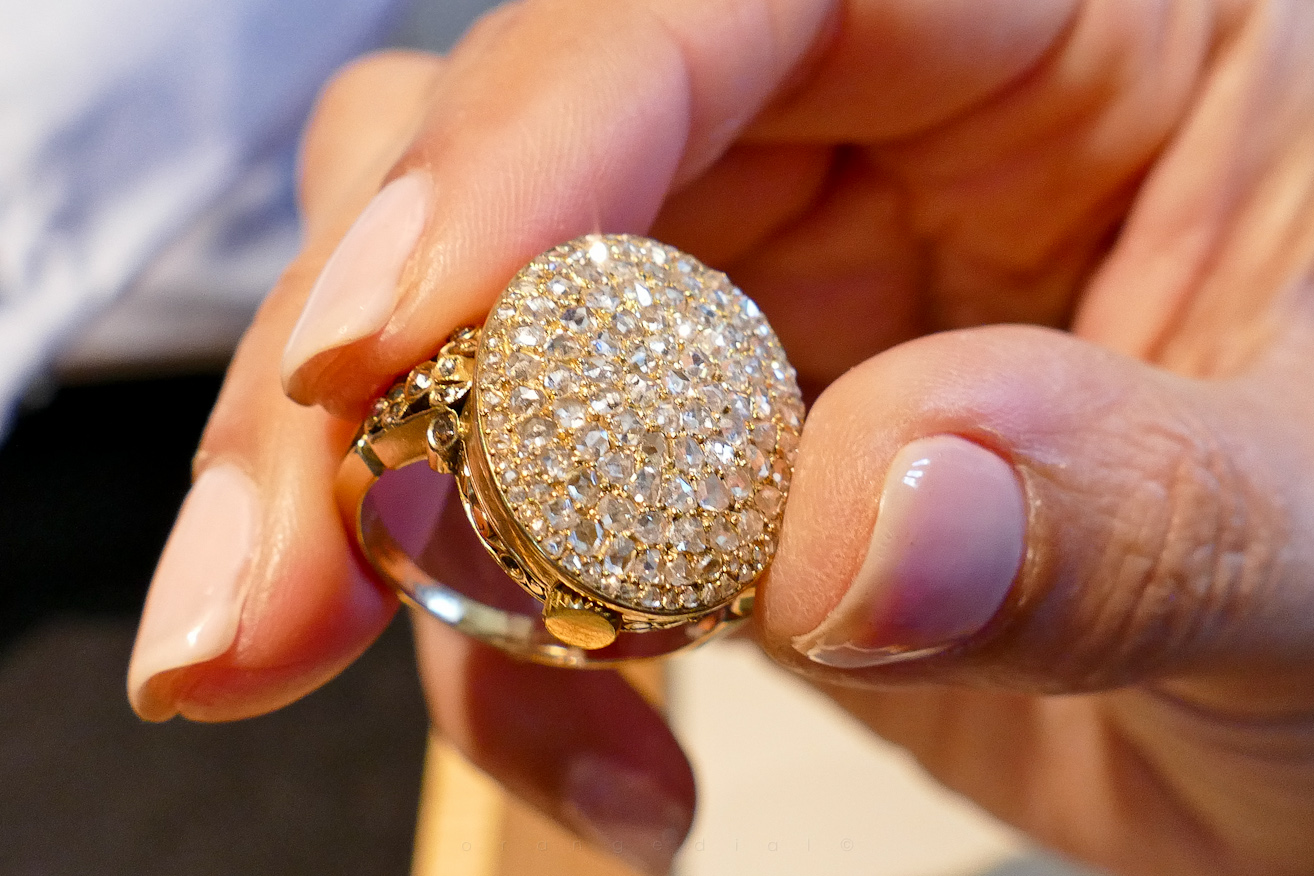
A stunning diamond ring… Wait… there’s a crown??
There’s a manual winding mechanical watch in that ring!! Incredible…
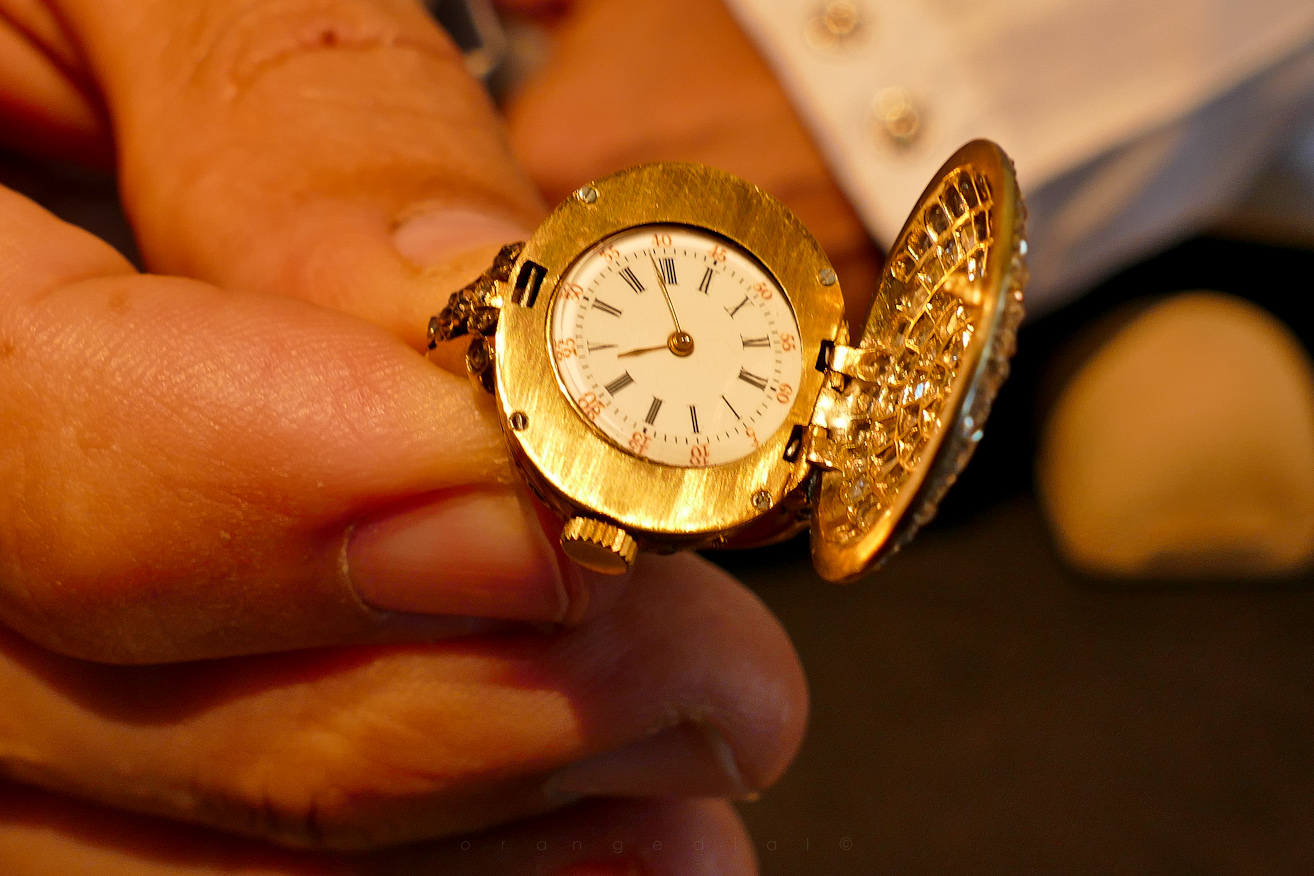
Our charming Master Francisco had kindly demonstrated the key function of the beautiful diamond ring watch… It was all a joke, but such a light-hearted moment

With a very joyous mood, we were back to the entrance of the AP museum ending the intense morning programme on the first day of our visit in Le Brassus. We always read about the AP history from books and catalogues, but nothing beats coming here to experience the history up-close and personal. It is amazing that, after 140 years, AP is still a family business and is growing stronger each day with the support of a closely-knitted and capable team.
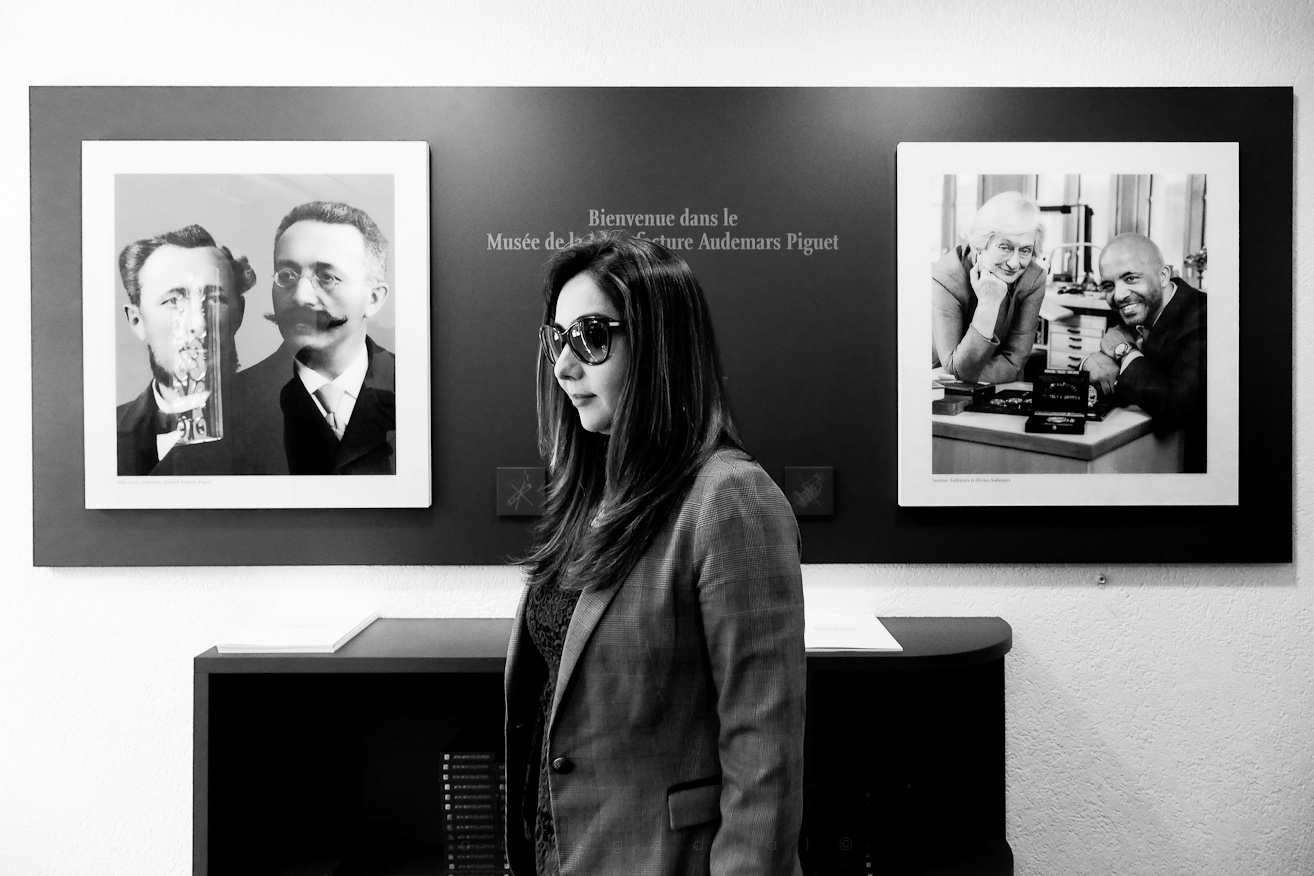
This visit to Le Brassus was not only about workshop visit… More programmes were coming up after lunch, which will be covered in the next instalment… stay-tuned
===End of Part 3===
This message has been edited by MTF on 2015-08-23 04:31:53The Audemars Piguet Royal Oak reference 15305 is a notable variant within the Royal Oak line, distinguished by its openworked dial and movement, offering a direct view into the intricate mechanics. This reference represents a more elaborate and technically complex interpretation of the standard Royal Oak, appealing to collectors who appreciate haute horlogerie and the art of skeletonization. It was produced in limited quantities, making it a less common sight compared to its solid-dial counterparts. The openworked design allows for an appreciation of the finishing and architecture of the movement, a hallmark of Audemars Piguet's craftsmanship.
The watch features a 39 mm case crafted from 18k yellow gold, maintaining the classic Royal Oak proportions. It houses the self-winding Caliber 3120, which is meticulously openworked and finished to expose its components. The movement provides a power reserve of 60 hours. A sapphire crystal protects the dial, and the watch is water-resistant to 50 meters, suitable for everyday wear. The fixed octagonal bezel, a signature element of the Royal Oak, is also in 18k yellow gold.
This reference appeals to collectors seeking a Royal Oak with an enhanced level of mechanical artistry and exclusivity. Its openworked nature sets it apart from more common Royal Oak models, positioning it as a piece that highlights Audemars Piguet's technical prowess in movement decoration and design. The 18k yellow gold construction further emphasizes its premium status. While not a double-signed piece as mentioned in the collector's post, the 15305 stands on its own as a significant openworked Royal Oak.
I observe a few other differences too. I'm glad you were allowed to take photos in the Royal Oak area. Keen eyes with catch the Grand Prix's bezel has the ceramic top, same as when I last saw it in 2013. I found it interesting that they made the change for the piece used on display. As you said Wayne, to see these things in person is so different than to read about them. A true Audemars Piguet fanatic can feel it inside as they walk through these areas. My hairs stand on end in that Restoration
Thanks for the great report. Waiting for the other parts :-)
Another great post orangedial. I really love that Royal Oak skeletonized perpetual calendar pocket watch. And really cool 1st pic of your starwheel and reflection with the other starwheels. Regards, ED-209
memories. Thank you so much and I look forward to the next installment. Best to all, Tim
Hi, Really art means can be explained by these again for this dream like series. Best, Bülent...
1,842 Audemars Piguet listings are live on the eBay market and 1477 collector listings on the WatchProSite marketplace.
This thread is active on the Audemars Piguet forum with 6 replies. Share your knowledge with fellow collectors.
Join the Discussion →


