
quattro
[Moderator]
20676

The “Turtles” collection
The “Turtles” collection is a series of Patek Philippe watches produced from 1954 to 1956 (?), which all feature:
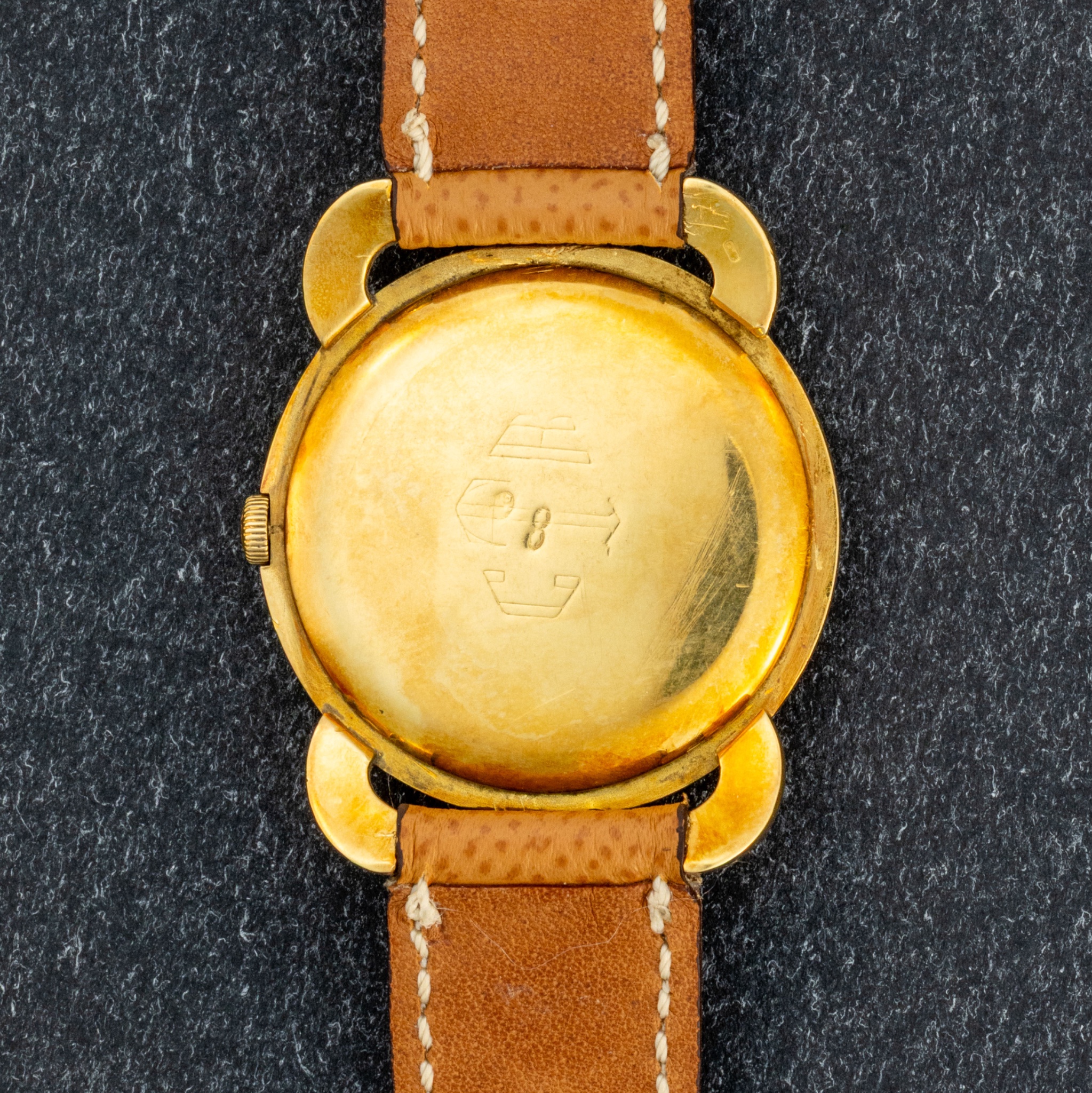
- A case made by François Markowski (Geneva master case-maker, key number 8).
- A dial made by Stern Frères.
- A 10-200 manual-winding caliber movement with 18 jewels.
My presentation and photographic overview of this collection owes a great deal to the previous presentations of this collection made by Marcus Siems (on goldammer.me) and Eric Tortella (on monacolegendauctions.com).
However, by clearly distinguishing 9 cases rather than proceeding by reference numbers (which are subject to debate), I have tried to correct the following points:
- not omitting case no. 9
- clearly differentiating case no. 5 from cases no. 4 and no. 6
- highlighting the confusion surrounding the referencing of certain models.
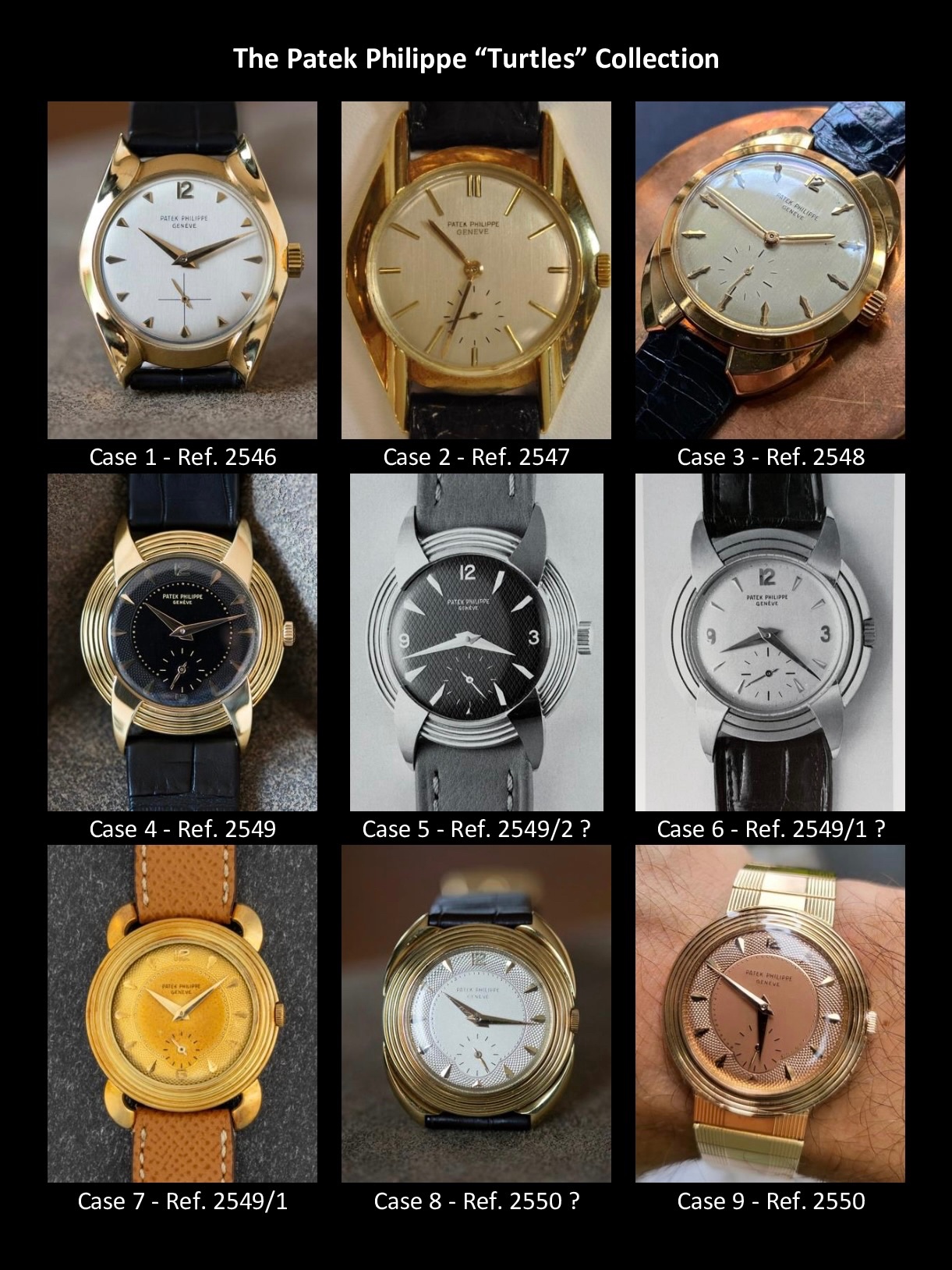
Let's have a look at each of them one by one.
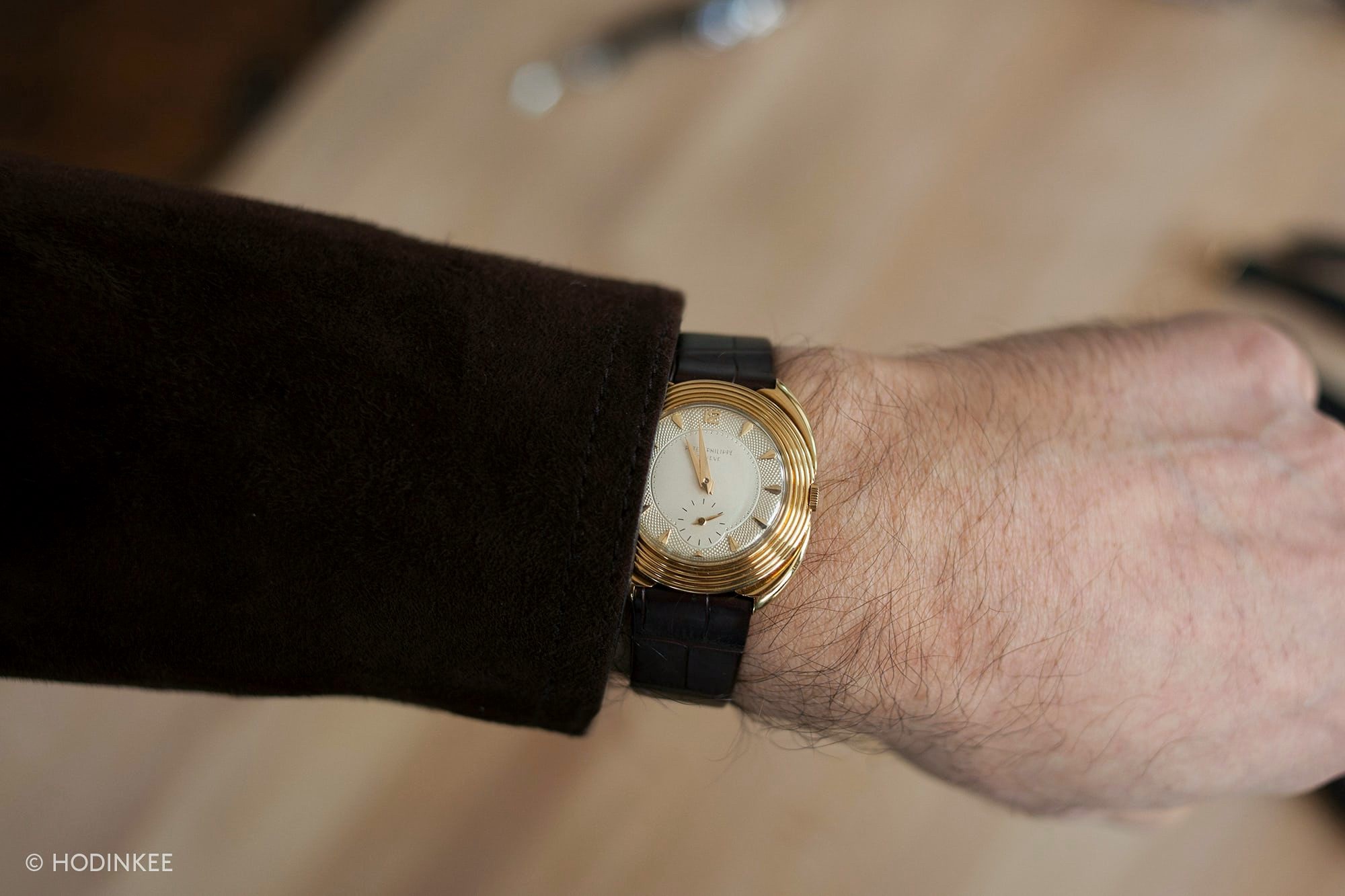
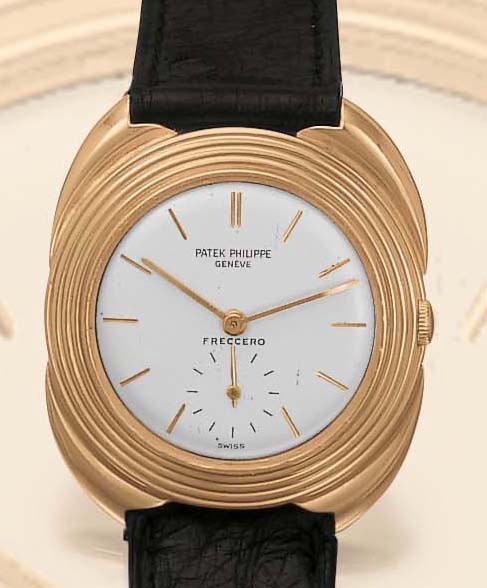
A/ CASE NO. 1 - REF. 2546
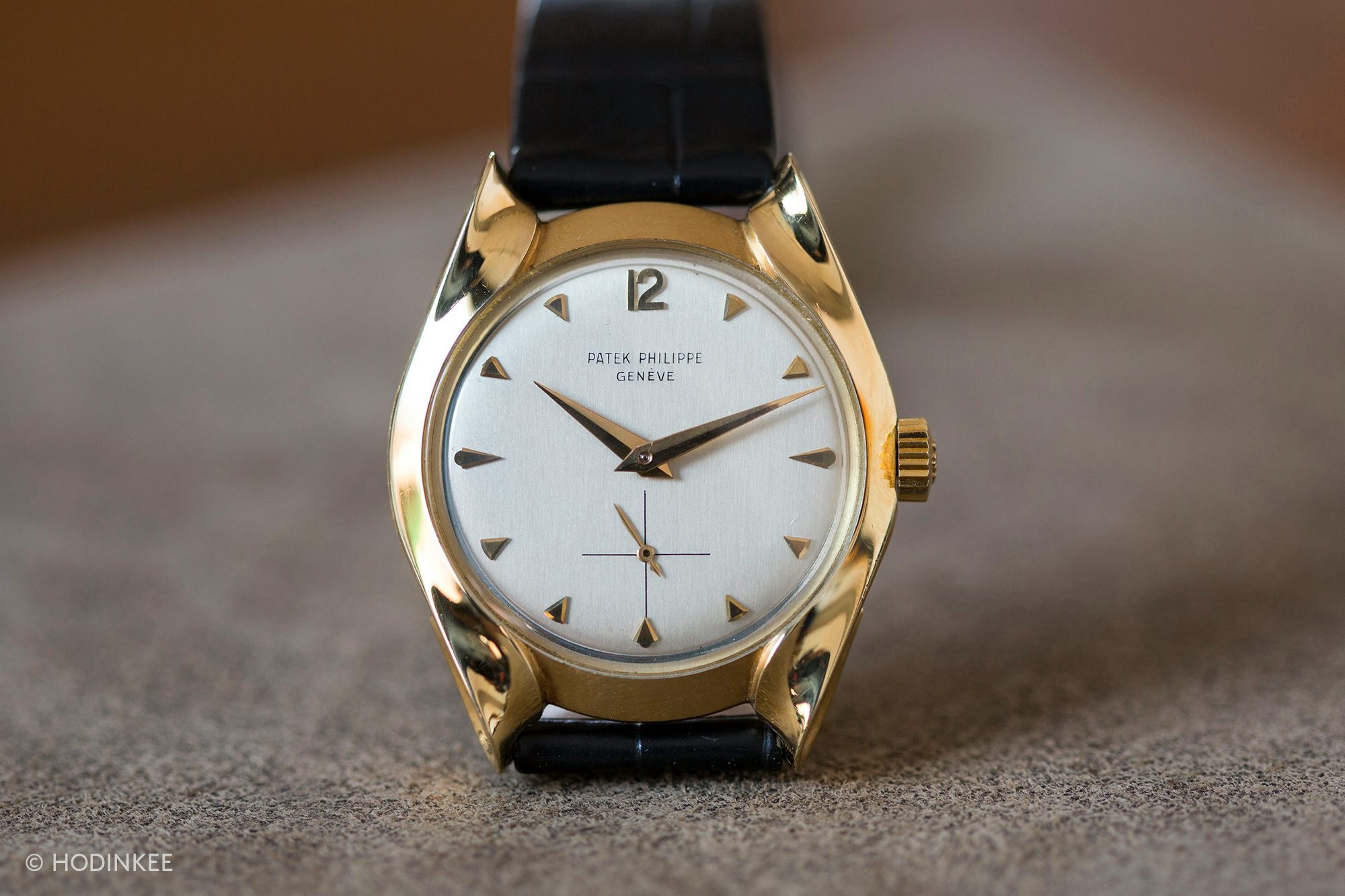
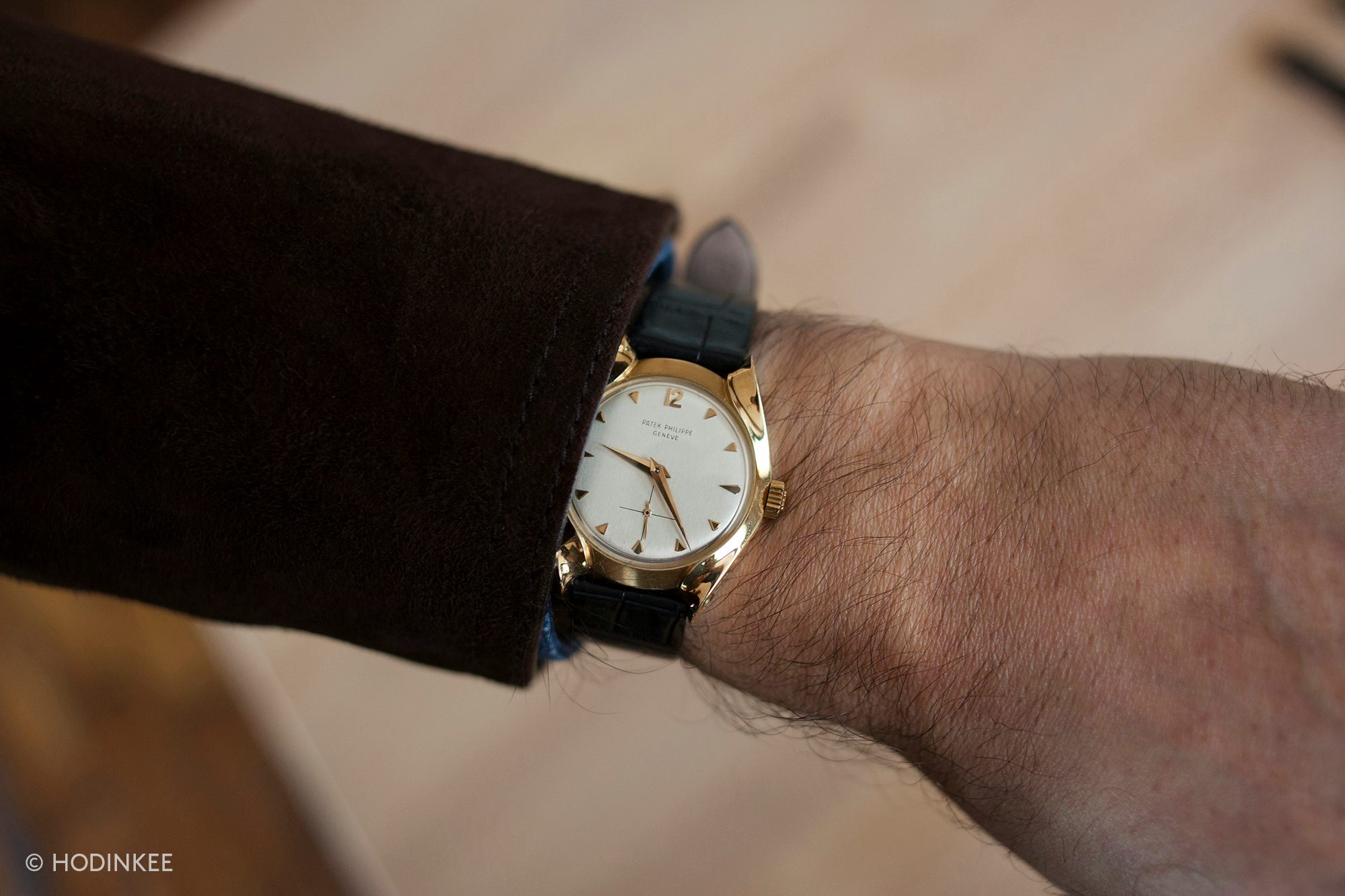
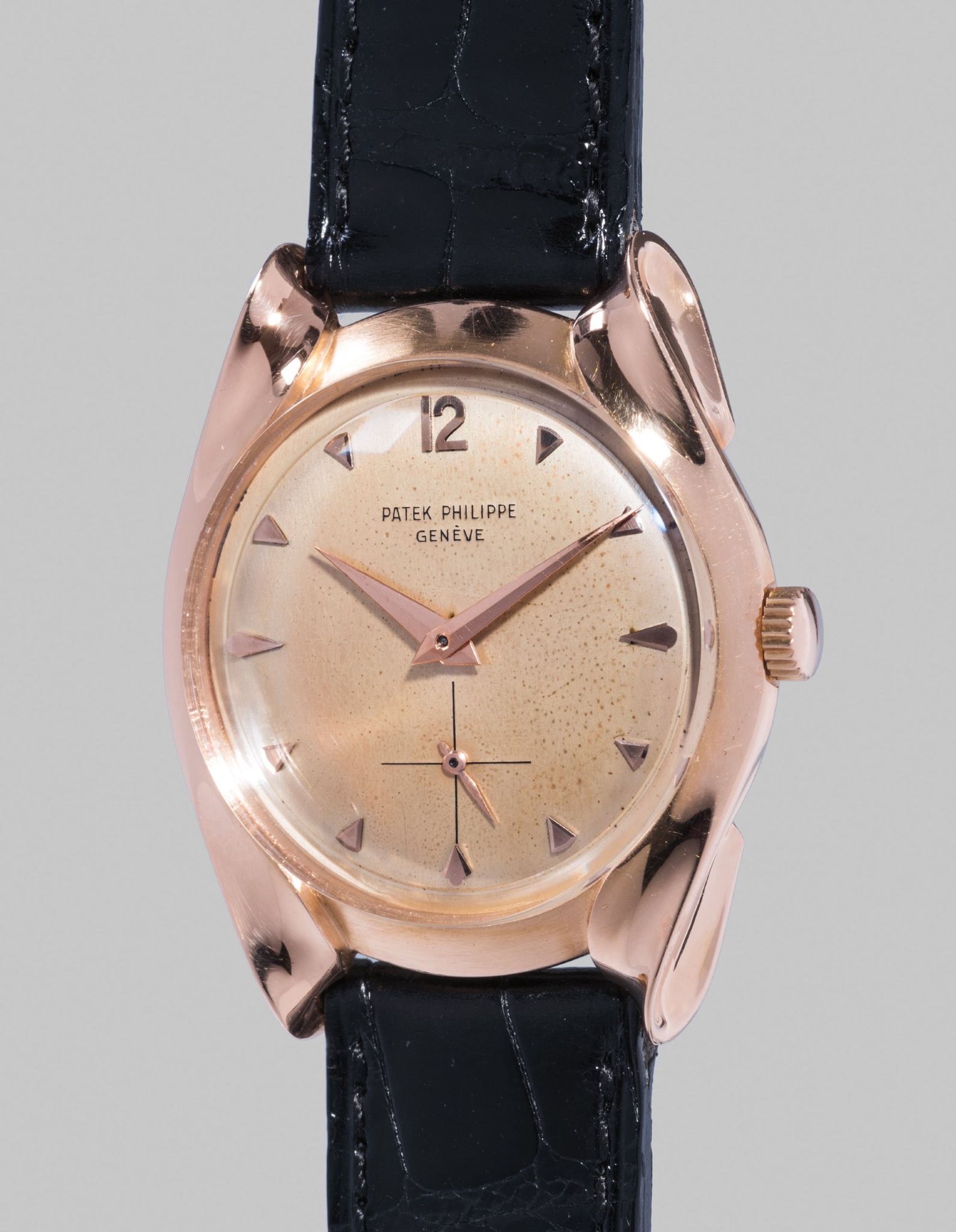
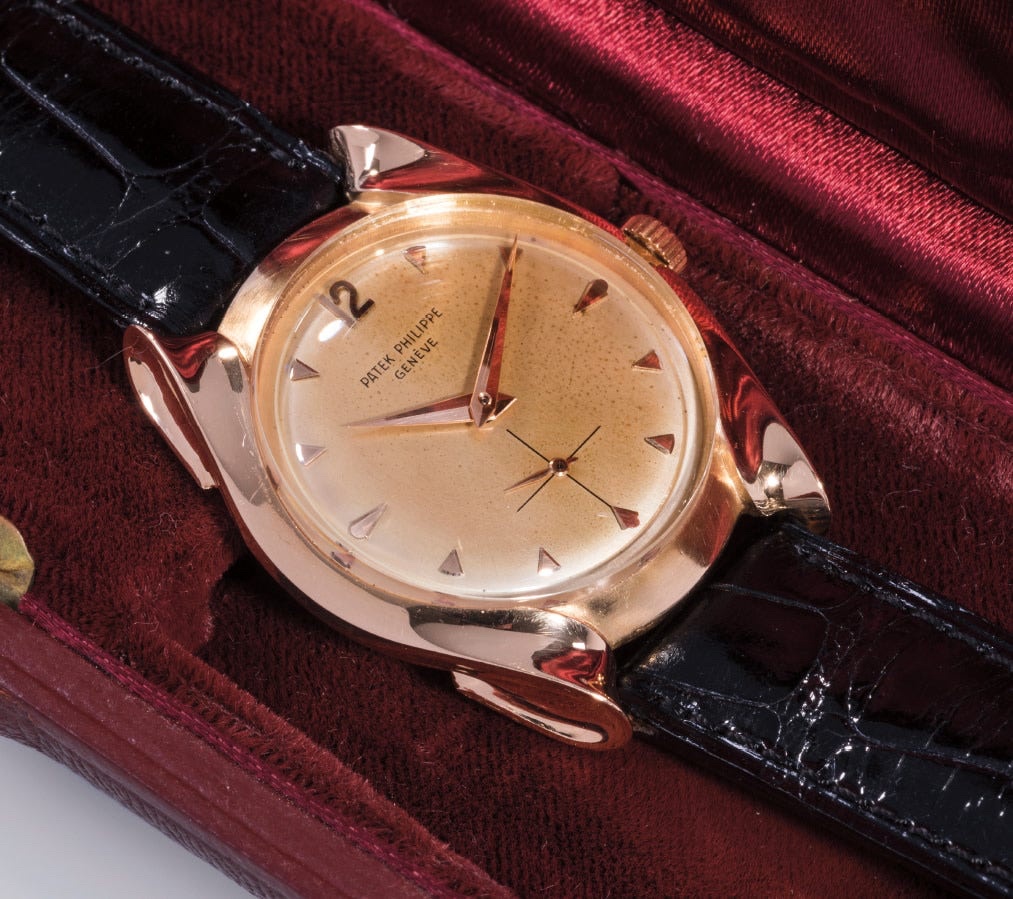
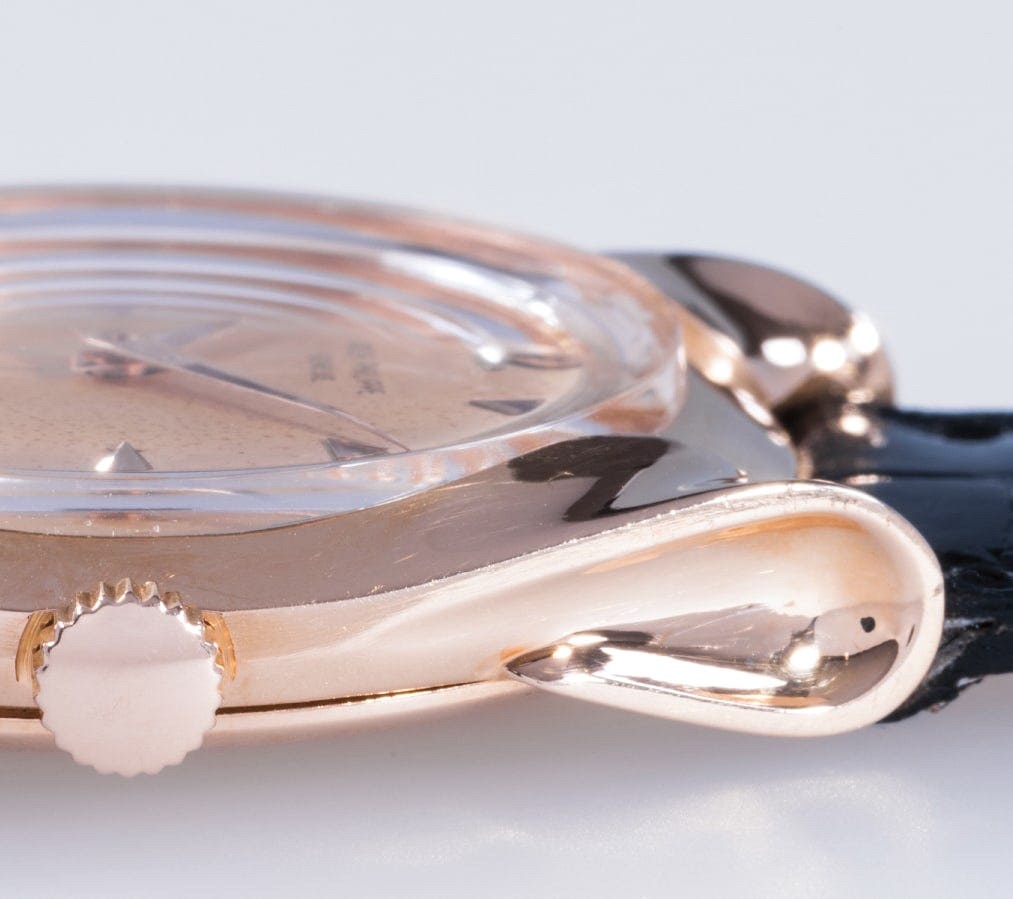
credit: Hodinkee courtesy of Roni Madhvani (1-2) & Phillips
B/ CASE NO. 2 - REF. 2547
The photos below are borrowed from richterlaw's post here on WPS in 2013.
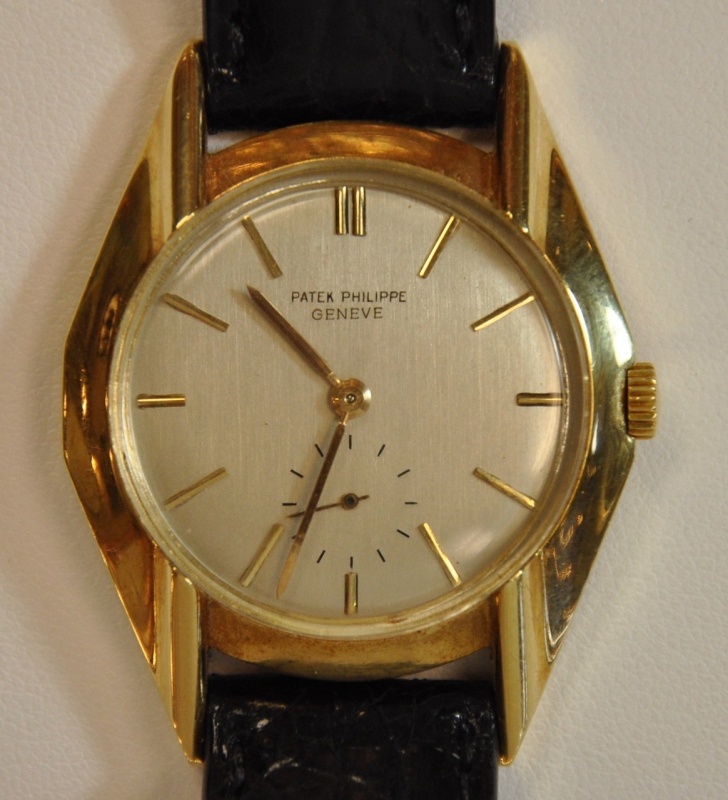
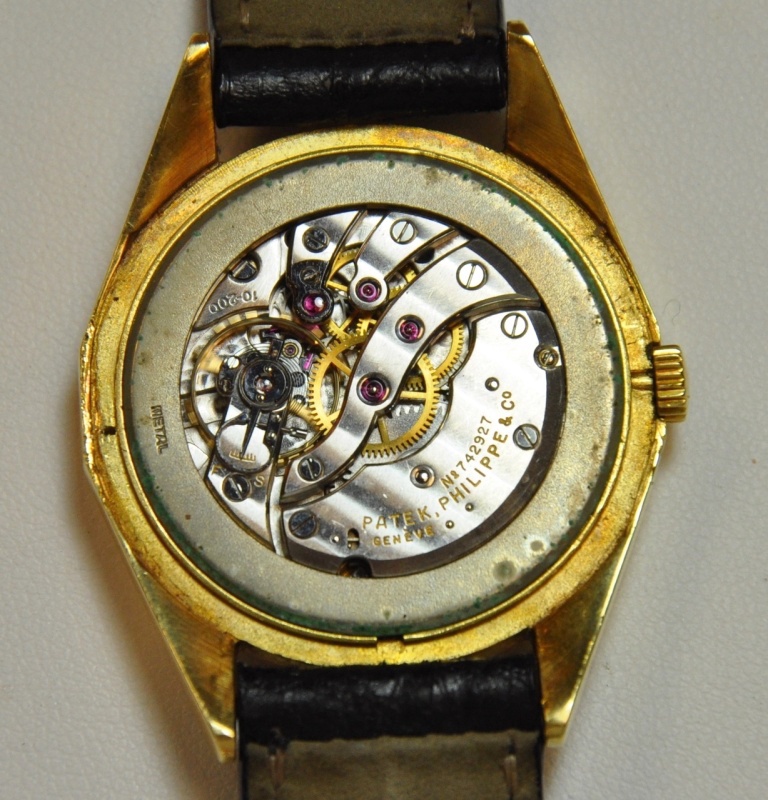
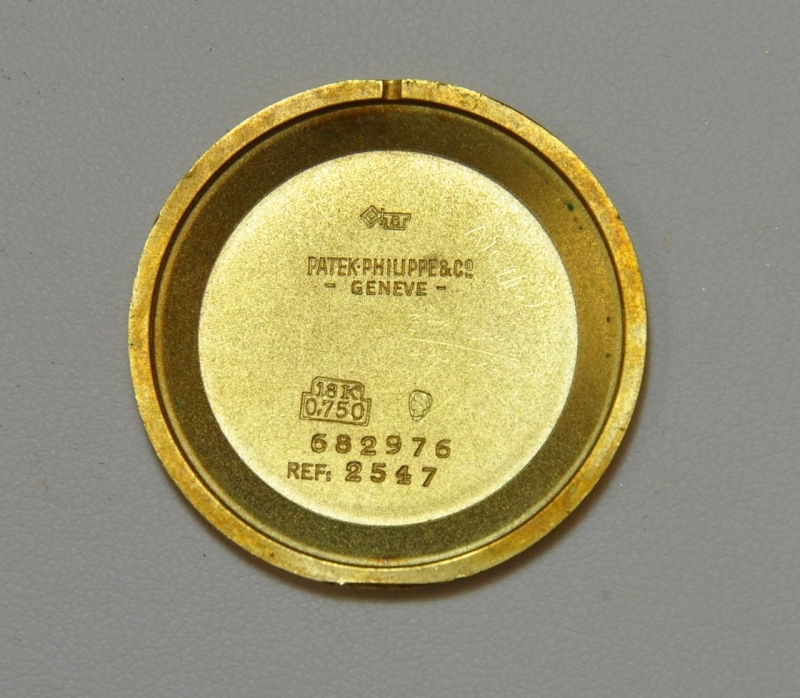
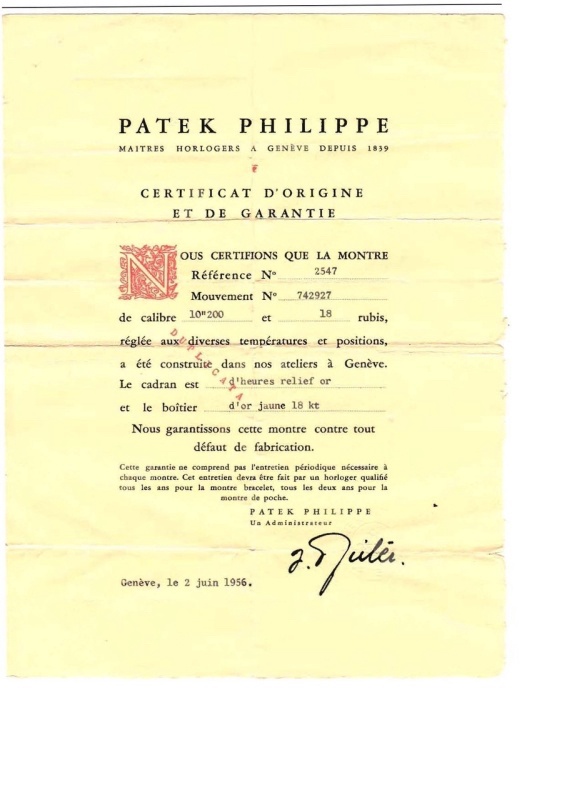
credit: richterlaw
This case, ref. 2547, is supposedly also photographed in Martin Huber and Alan Banbery's book, Patek Philippe Genève Wristwatches , on page 154 of the second edition (1998), but the photo shows a completely different model and is clearly an error.
credit: richterlaw
This case, ref. 2547, is supposedly also photographed in Martin Huber and Alan Banbery's book, Patek Philippe Genève Wristwatches , on page 154 of the second edition (1998), but the photo shows a completely different model and is clearly an error.
If any of you have the first edition from 1986, the photo, if correct, could look like this:
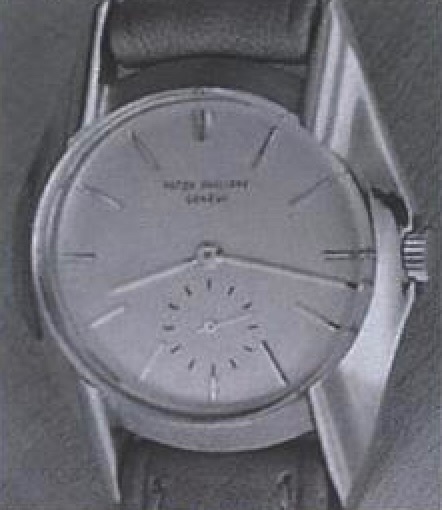
C/ CASE NO. 3 - REF. 2548
Round case with “overhanging” faceted lugs.The dial variations concern the hour markers.
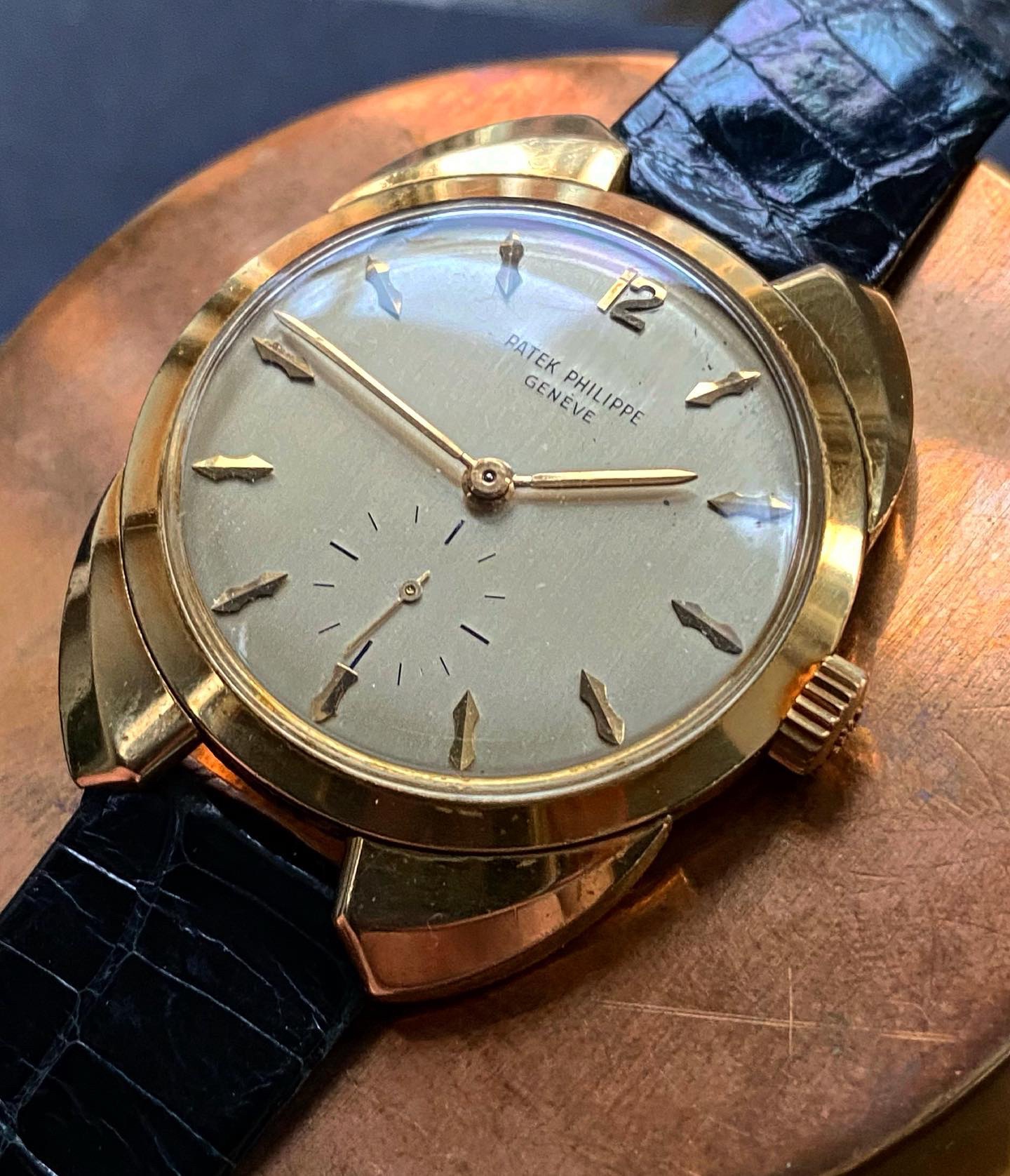
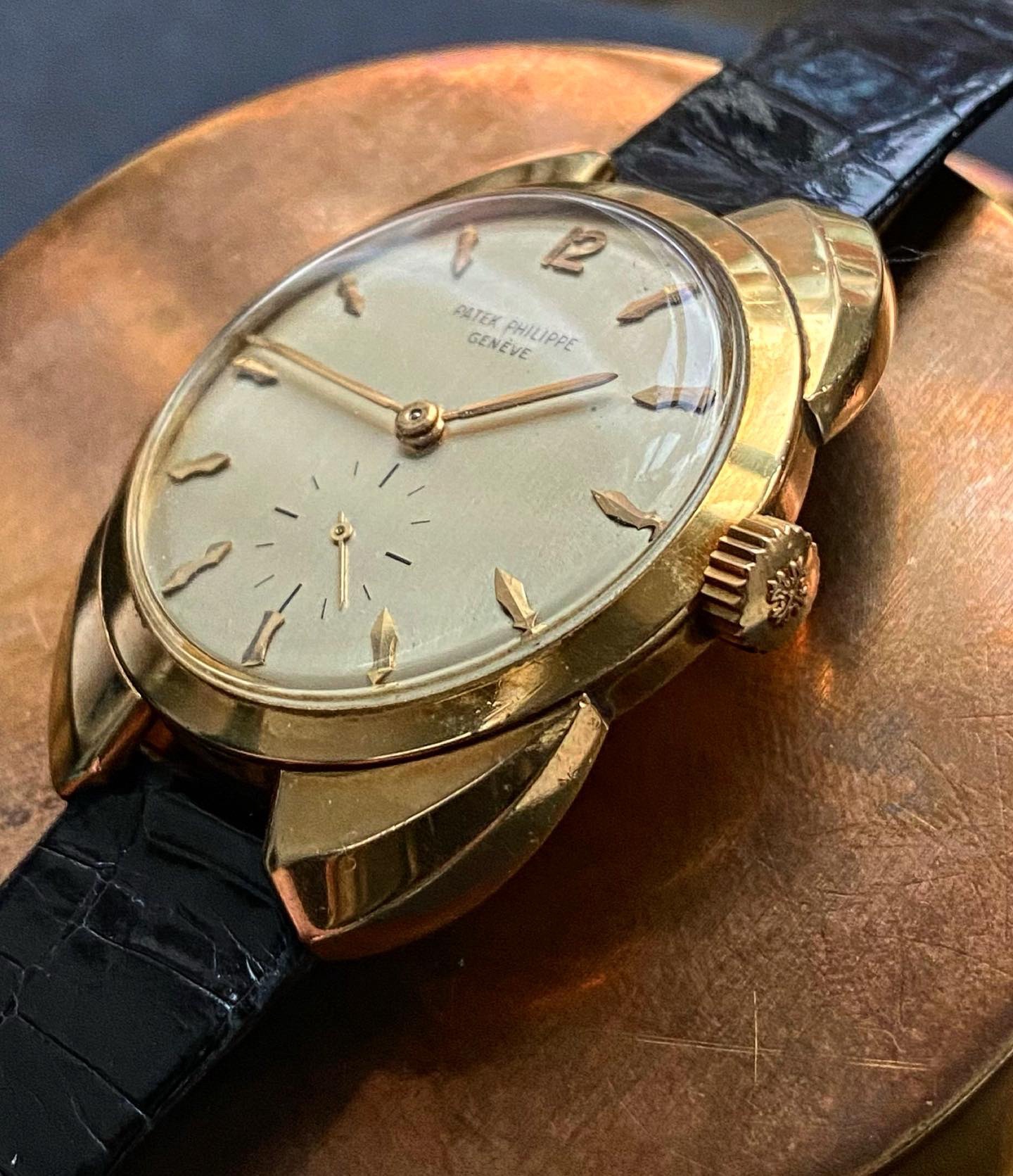
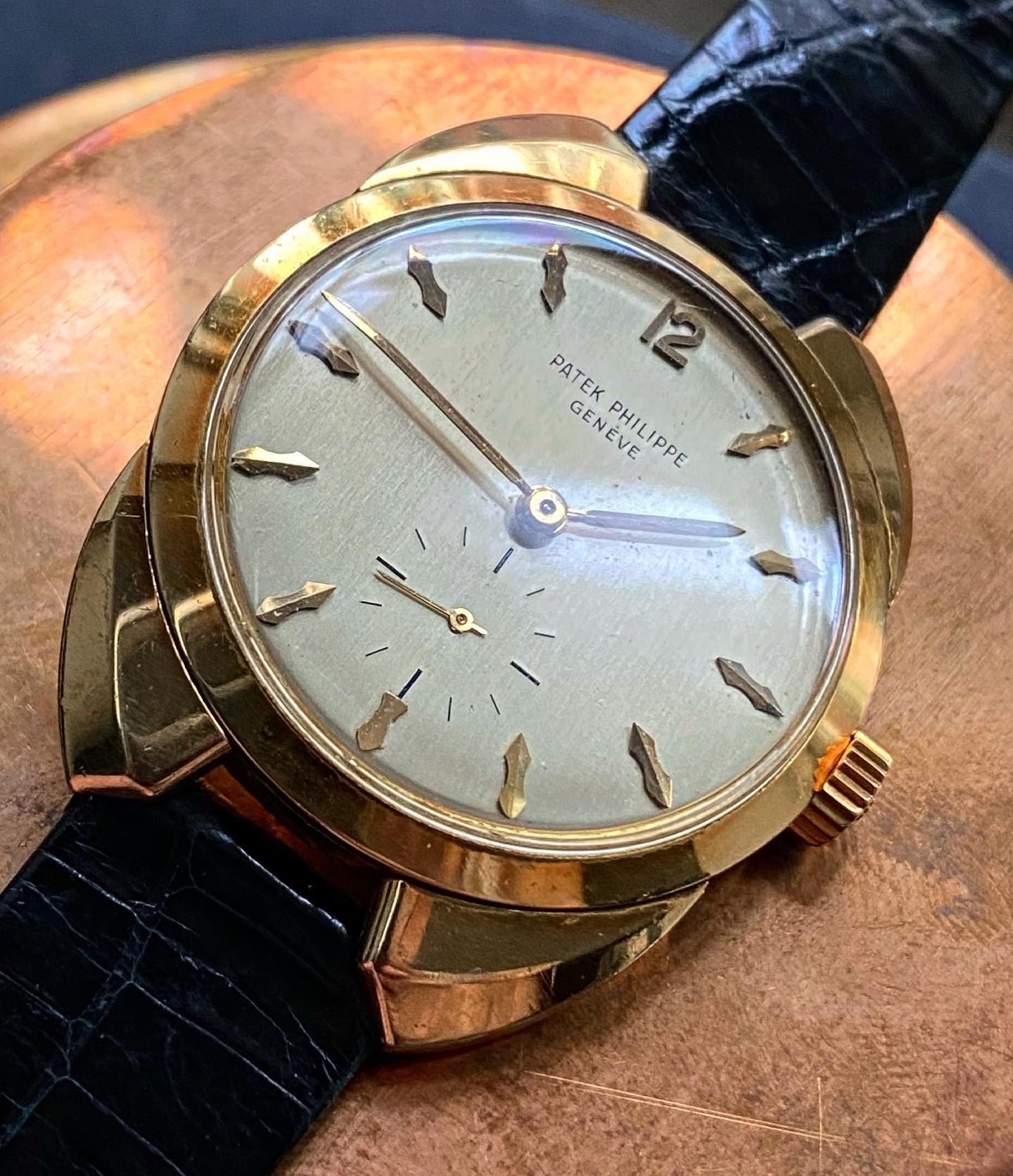
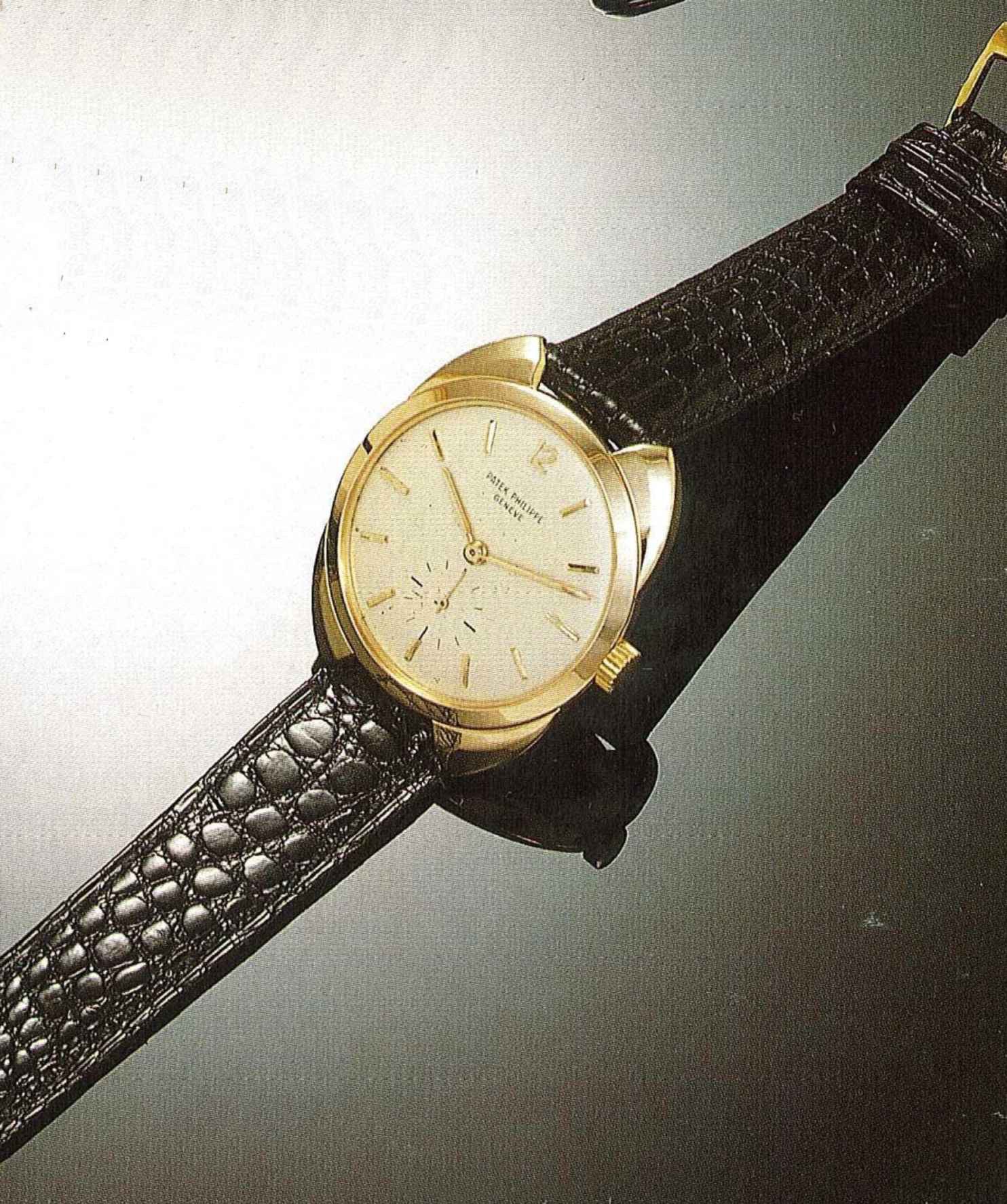
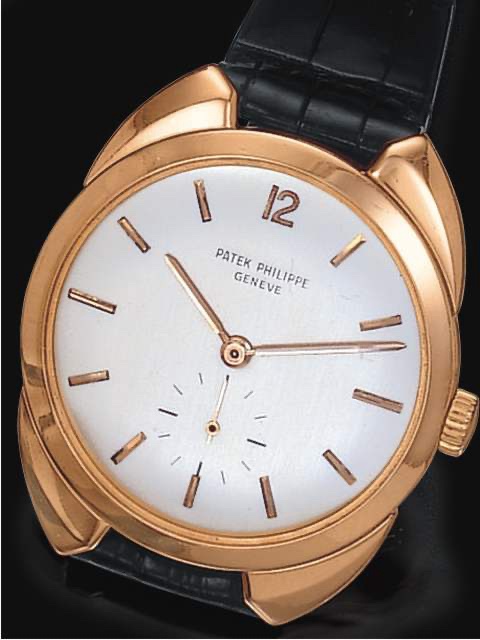
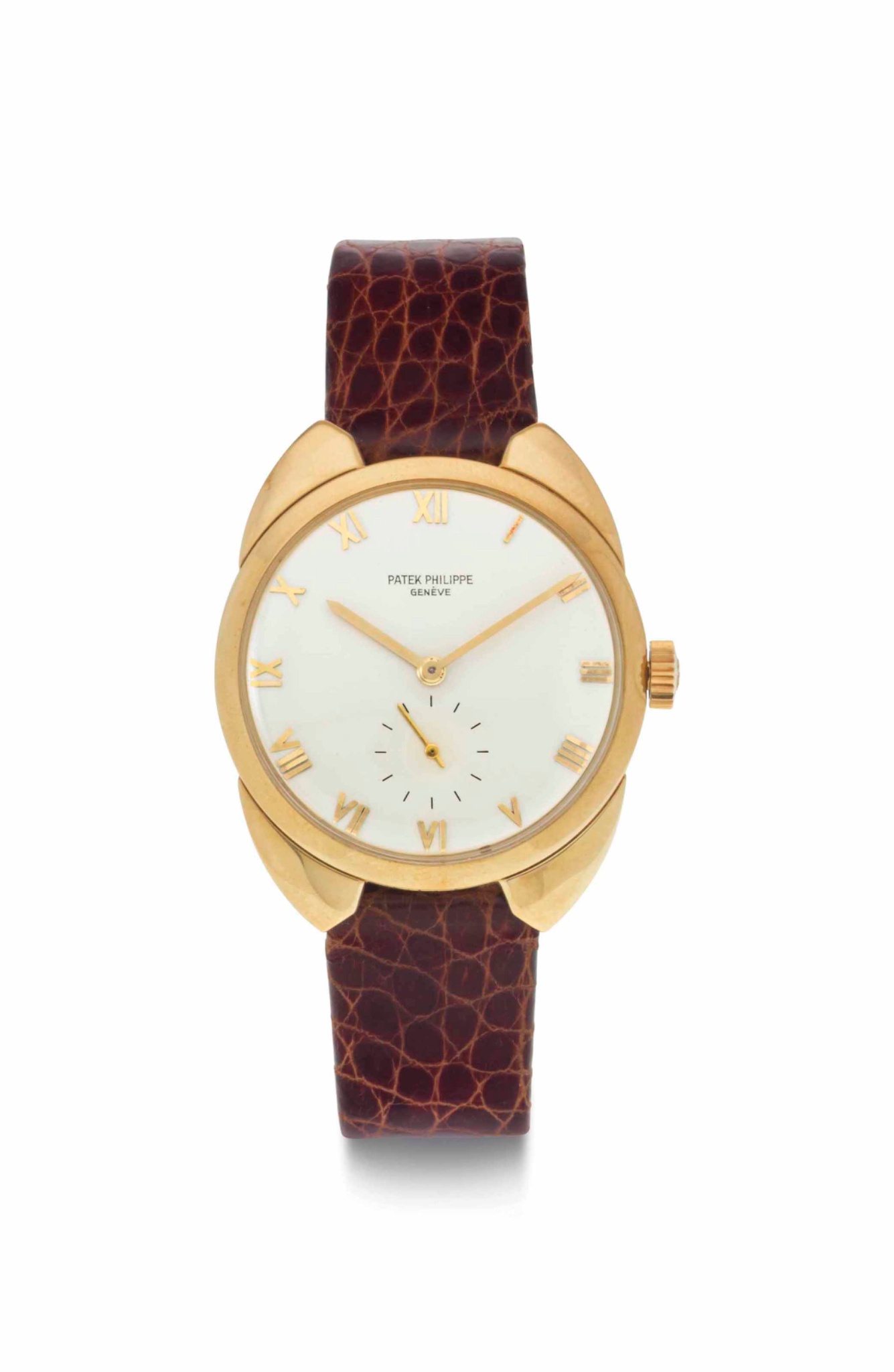
credit: Roni Madhvani (1-3), Antiquorum (4-5) & Christie's (6)
credit: Roni Madhvani (1-3), Antiquorum (4-5) & Christie's (6)
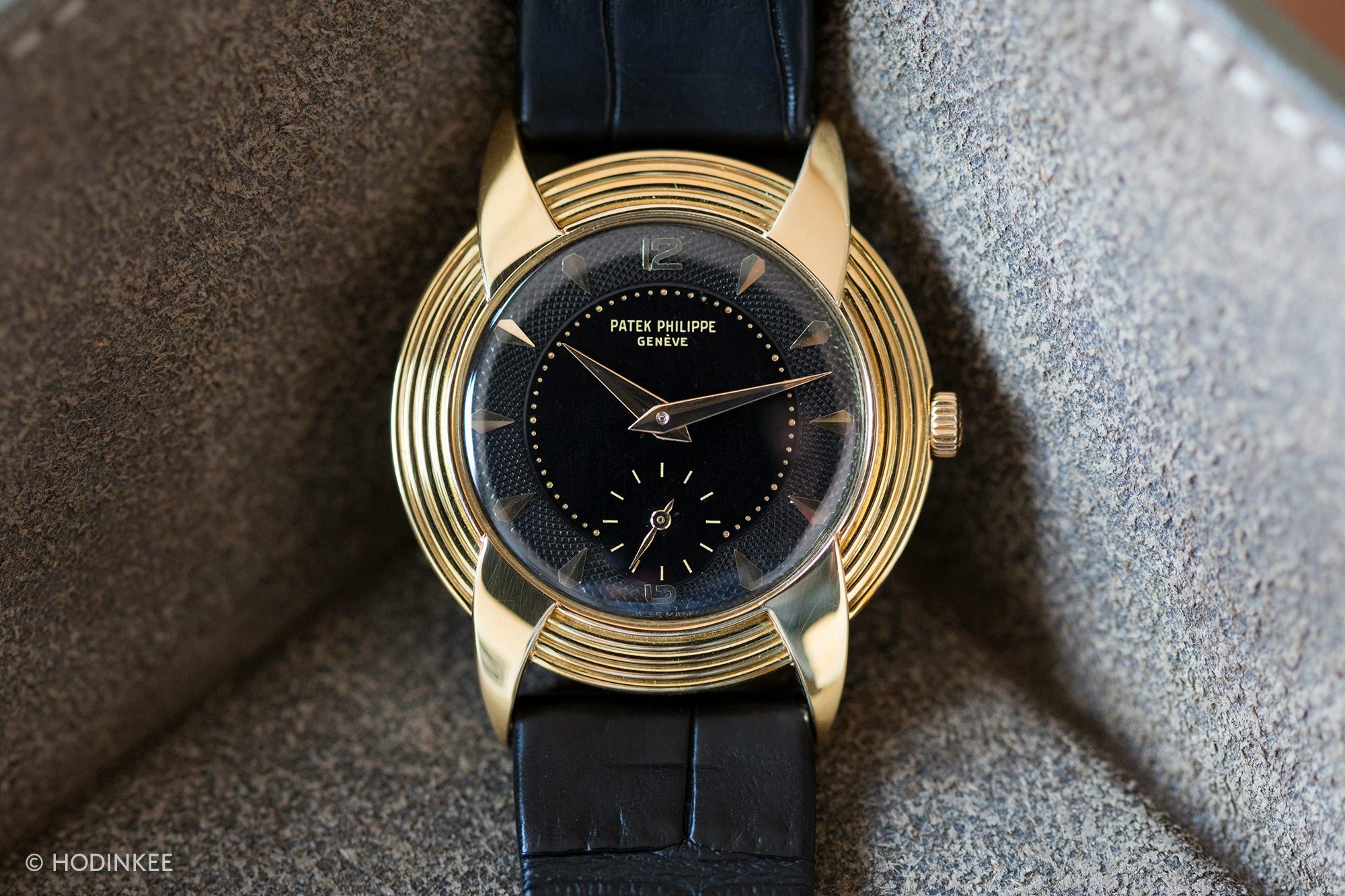
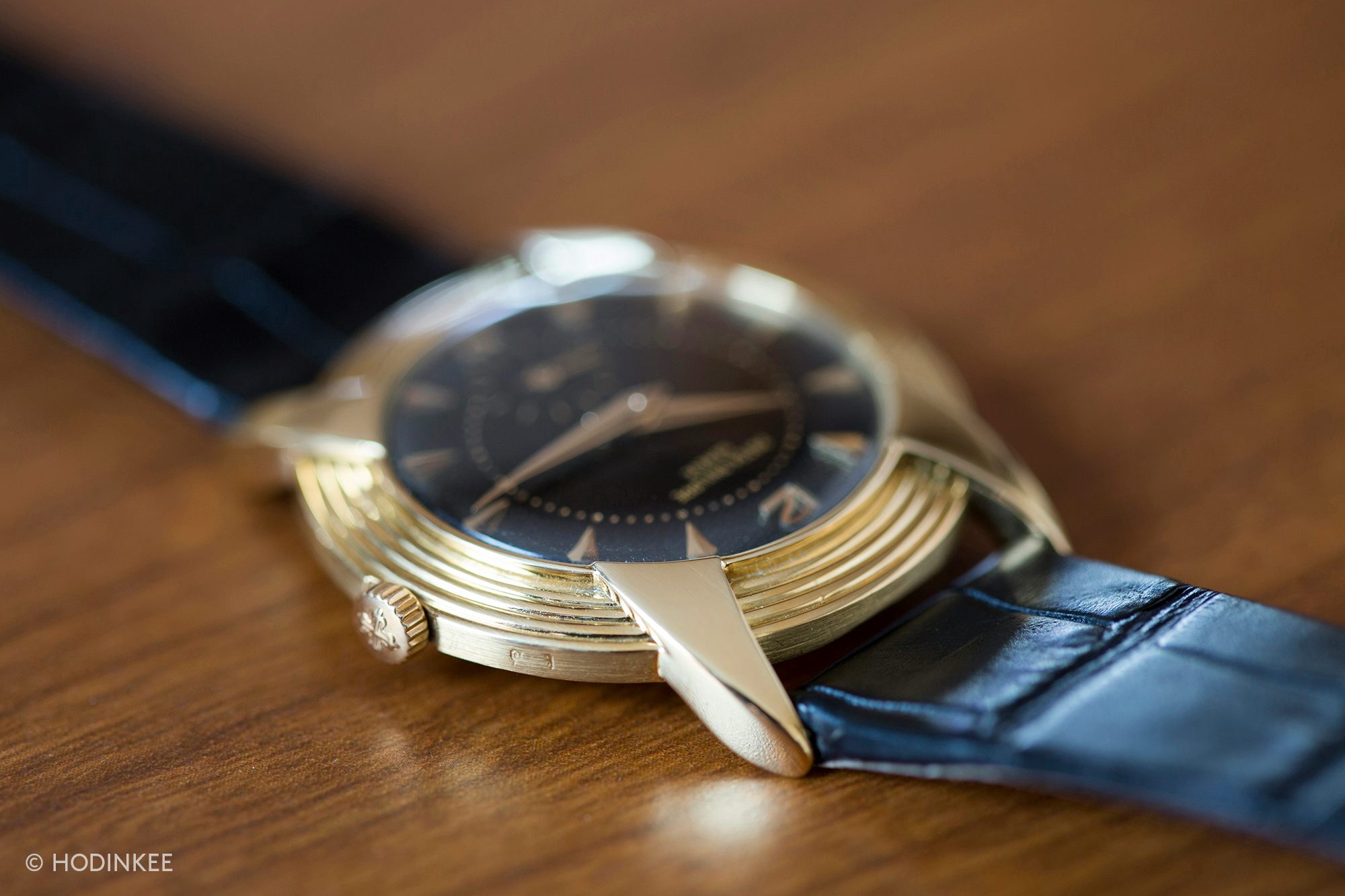
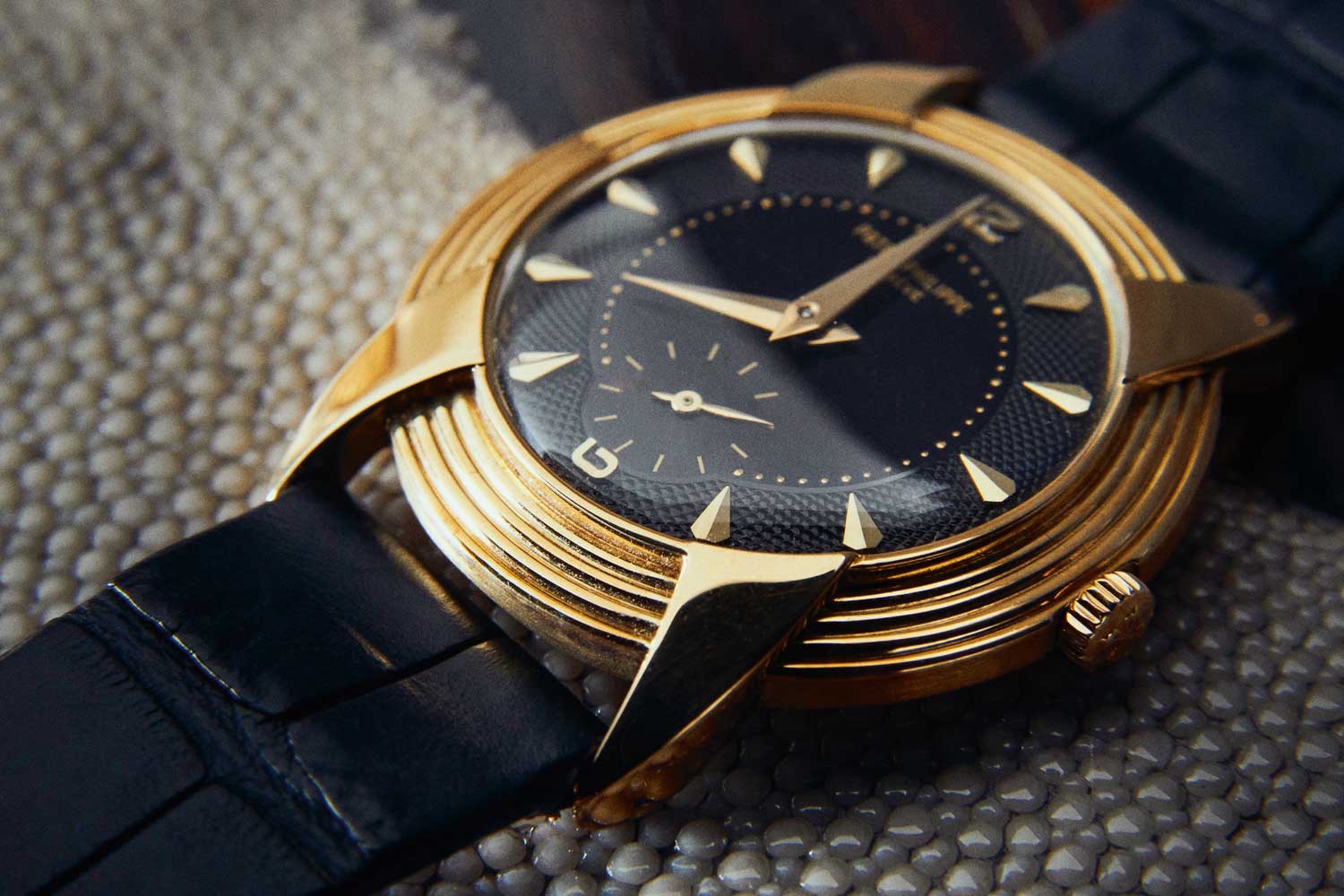
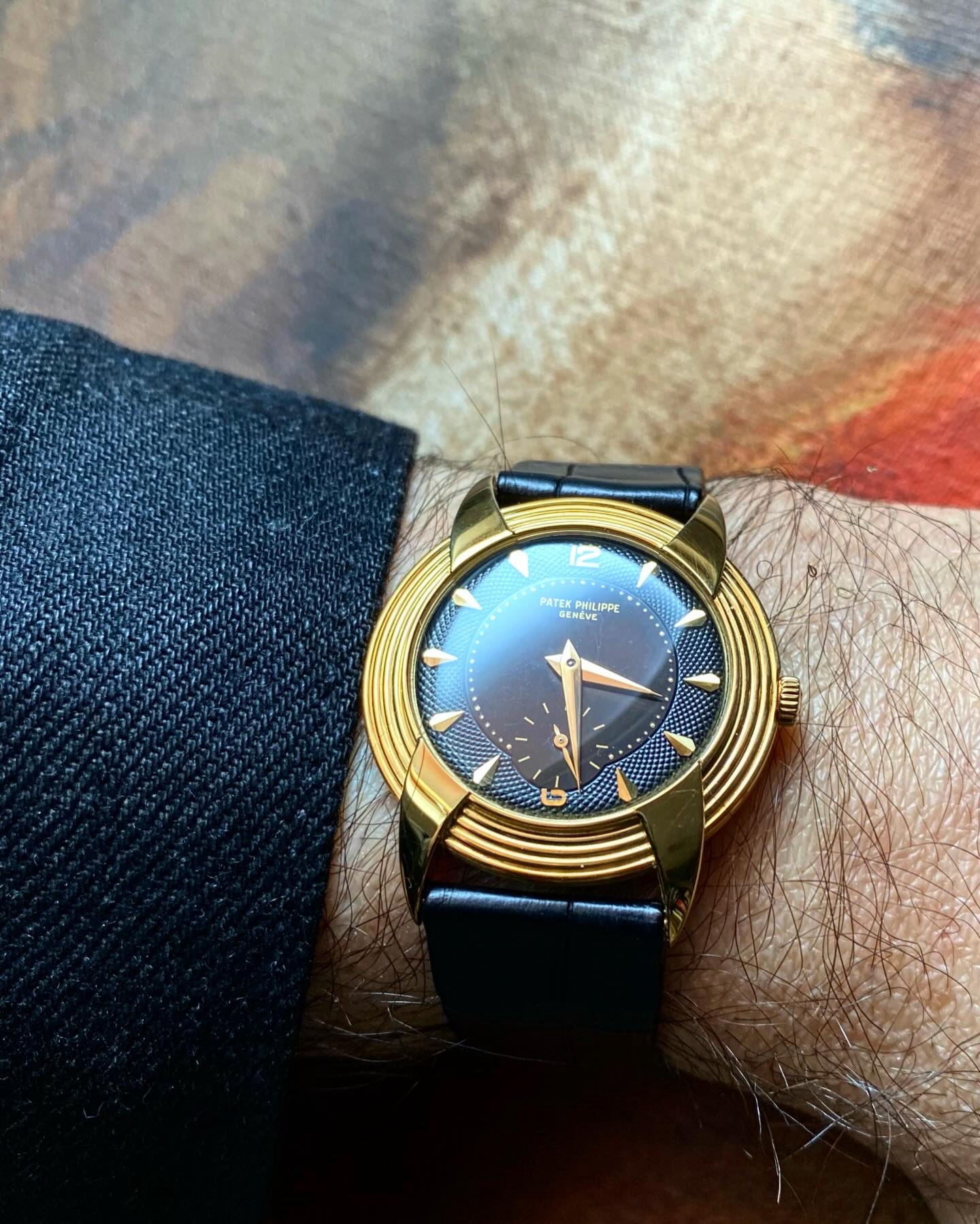
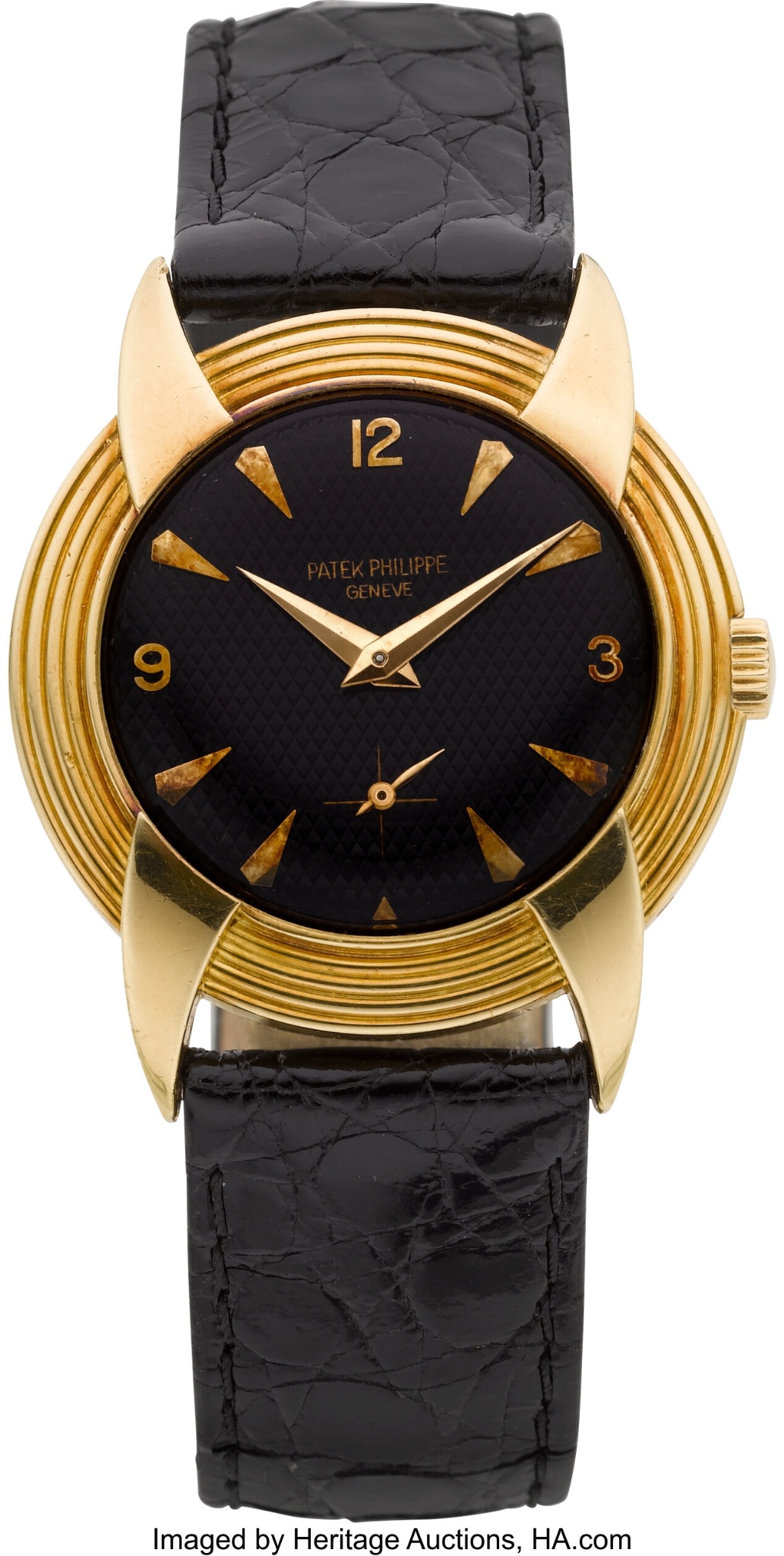
D/ CASE NO. 4 - REF. 2549
Dial variations concern color, numerals and pattern.
Black dials
Silver dials
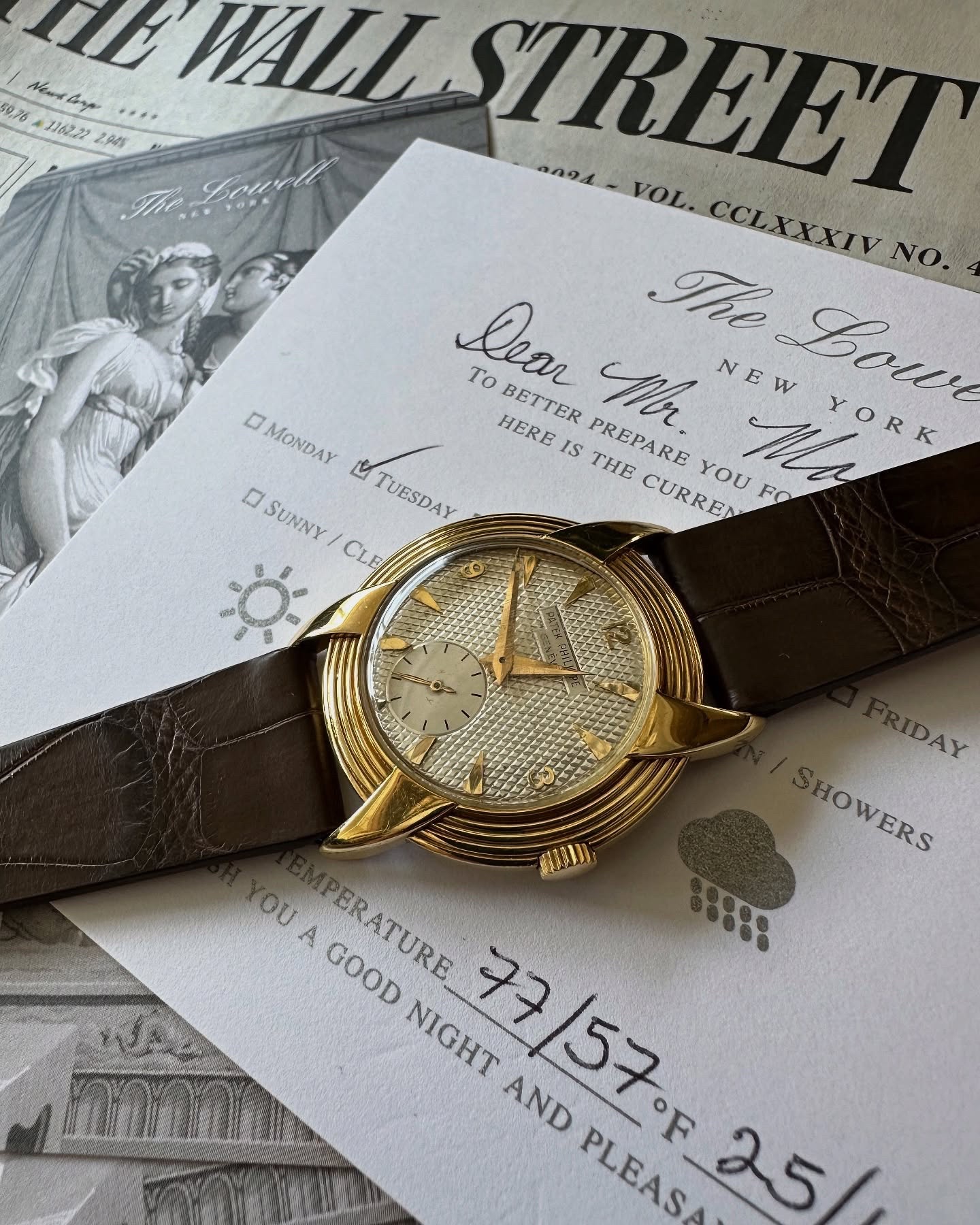
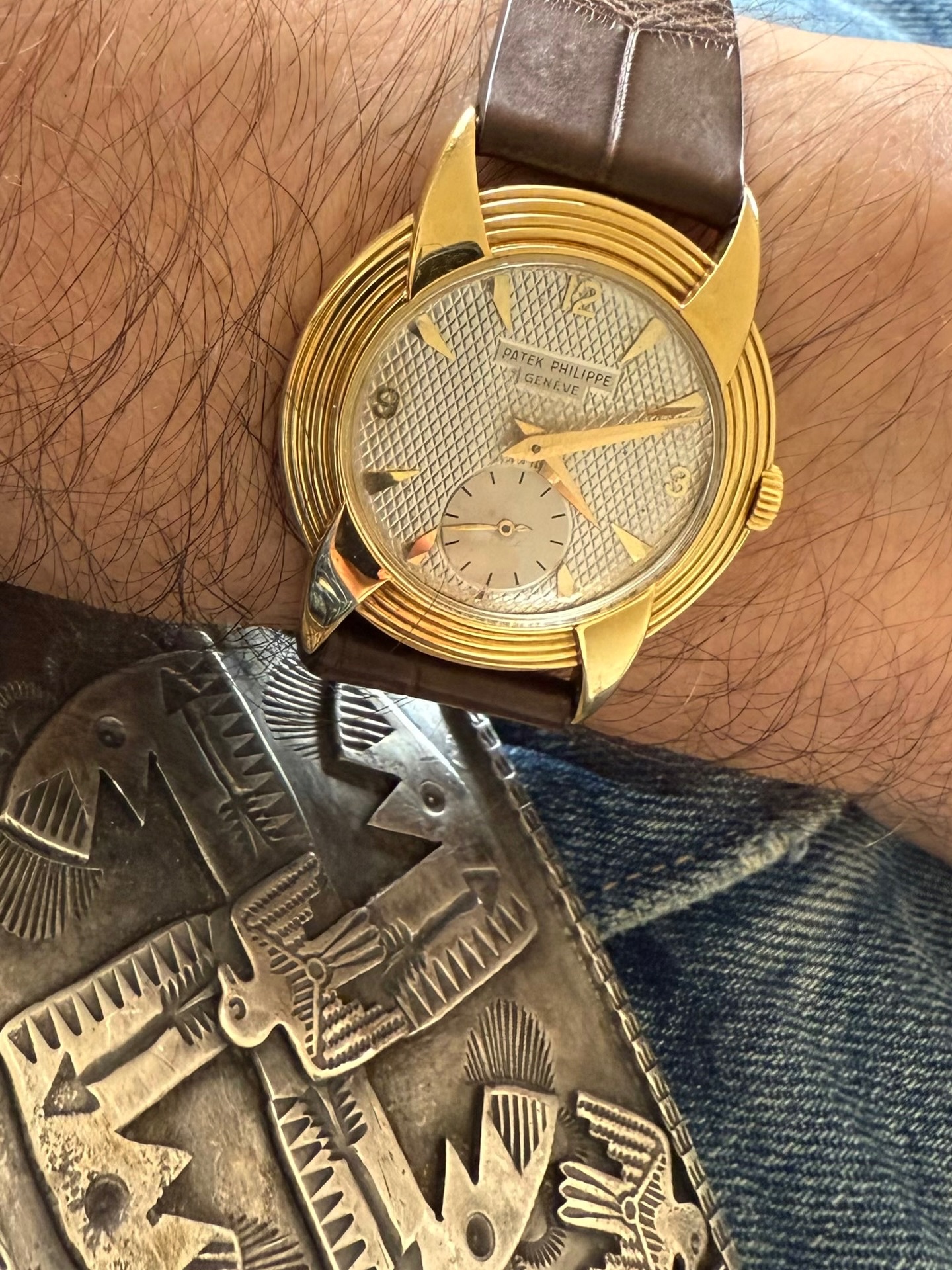
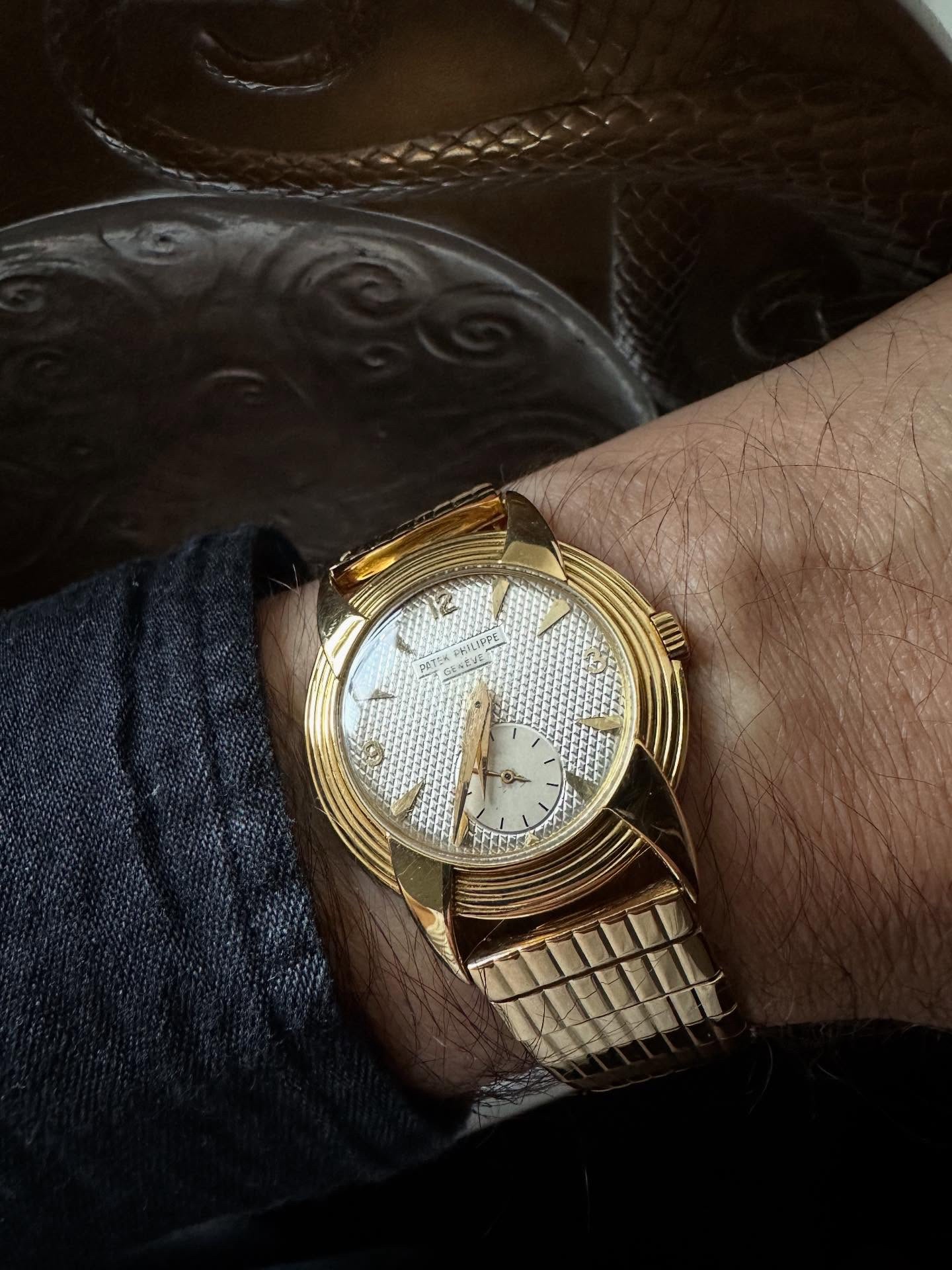
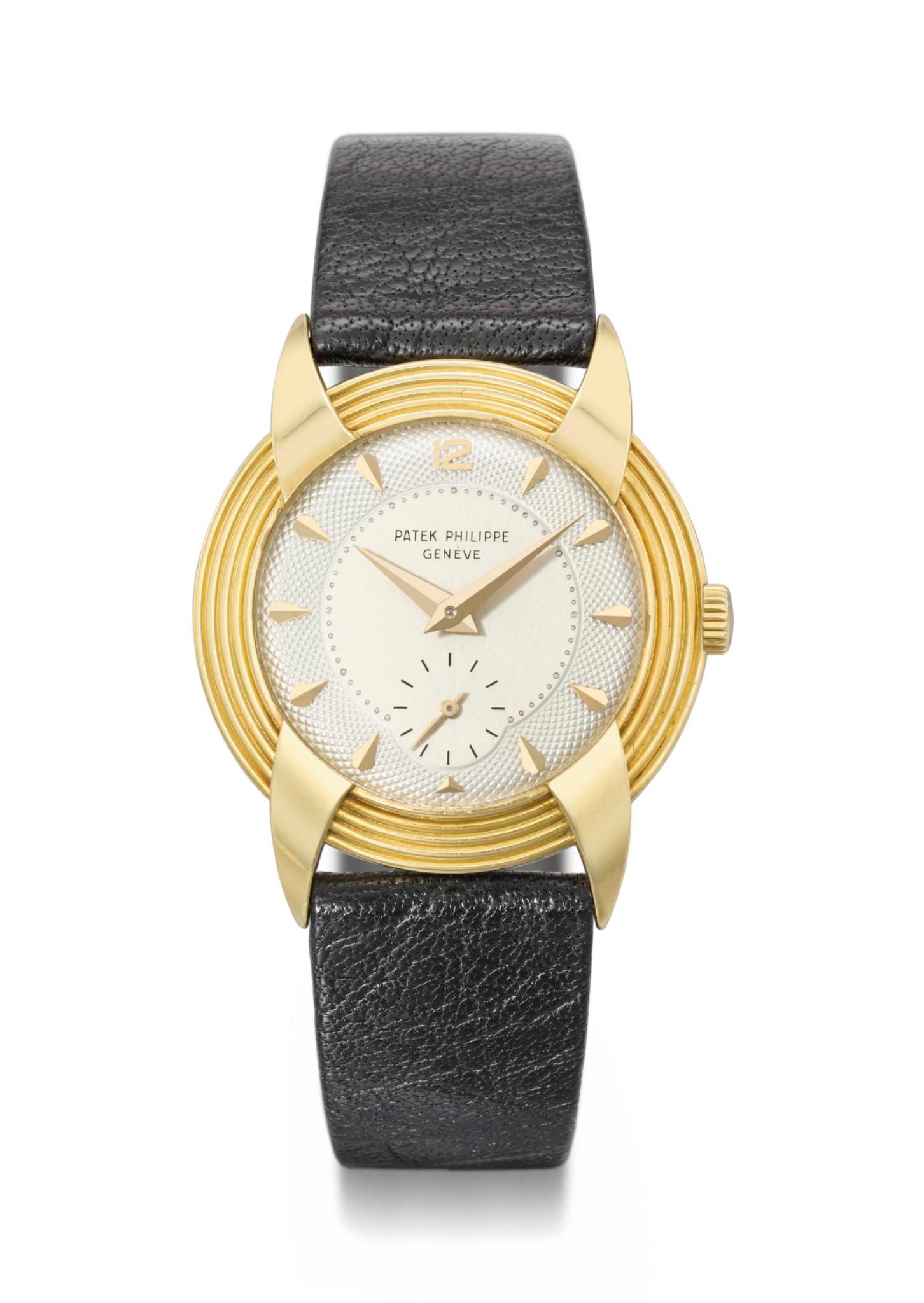
credit: Hodinkee (1-2) and Revolution (3) courtesy of Roni Madhvani (also photo 4 & 6-8), Heritage Auction (5) & Christie’s (9)
Black dials
Silver dials
credit: Hodinkee (1-2) and Revolution (3) courtesy of Roni Madhvani (also photo 4 & 6-8), Heritage Auction (5) & Christie’s (9)
E/ CASE NO. 5
The only photo I know of this model is on page 153 of the book by Martin Huber & Alan Banbery, Patek Philippe Genève Wristwatches , second edition (1988).
It is referenced as no. 2549/2, but not everyone seems to agree...
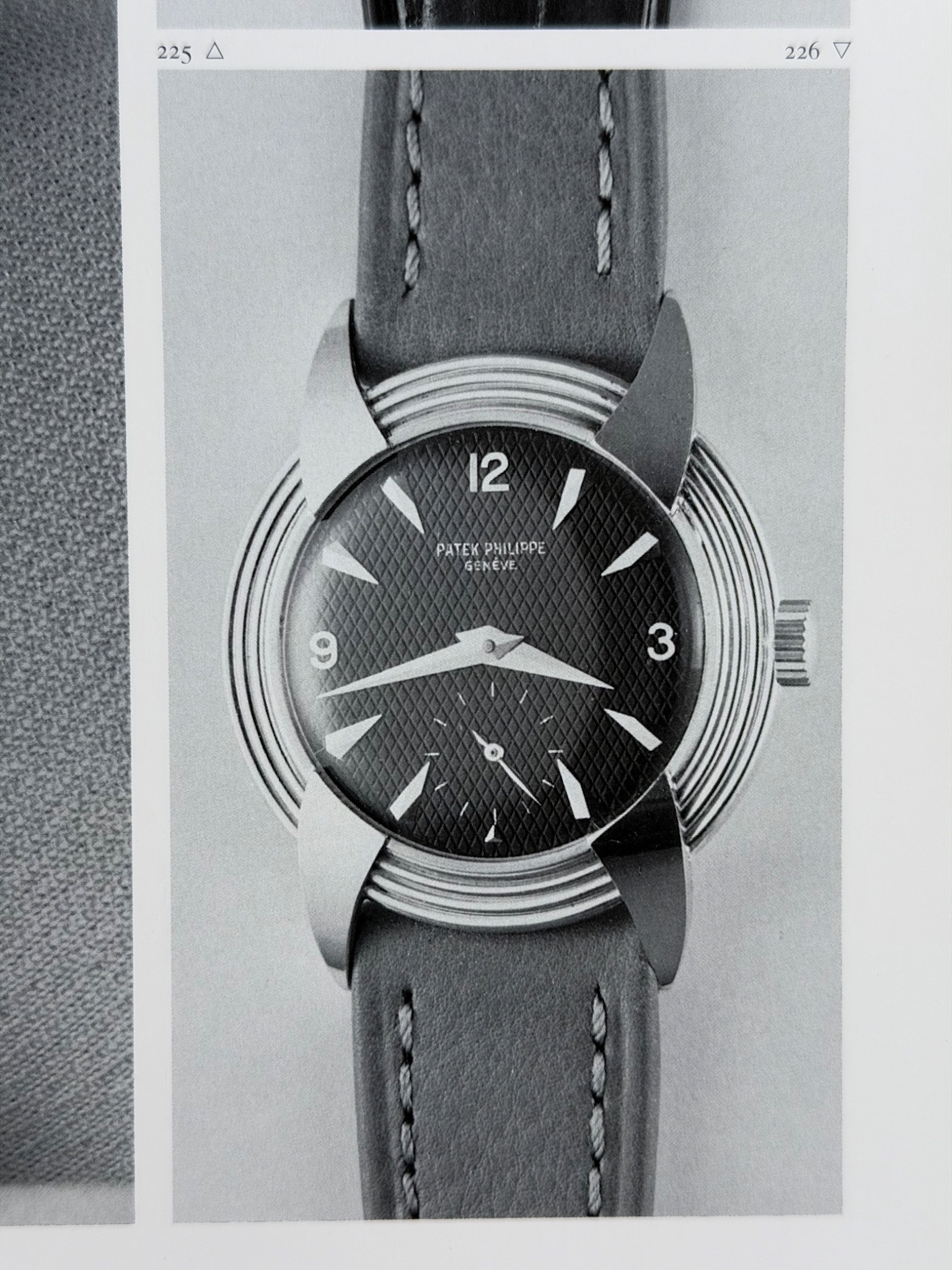
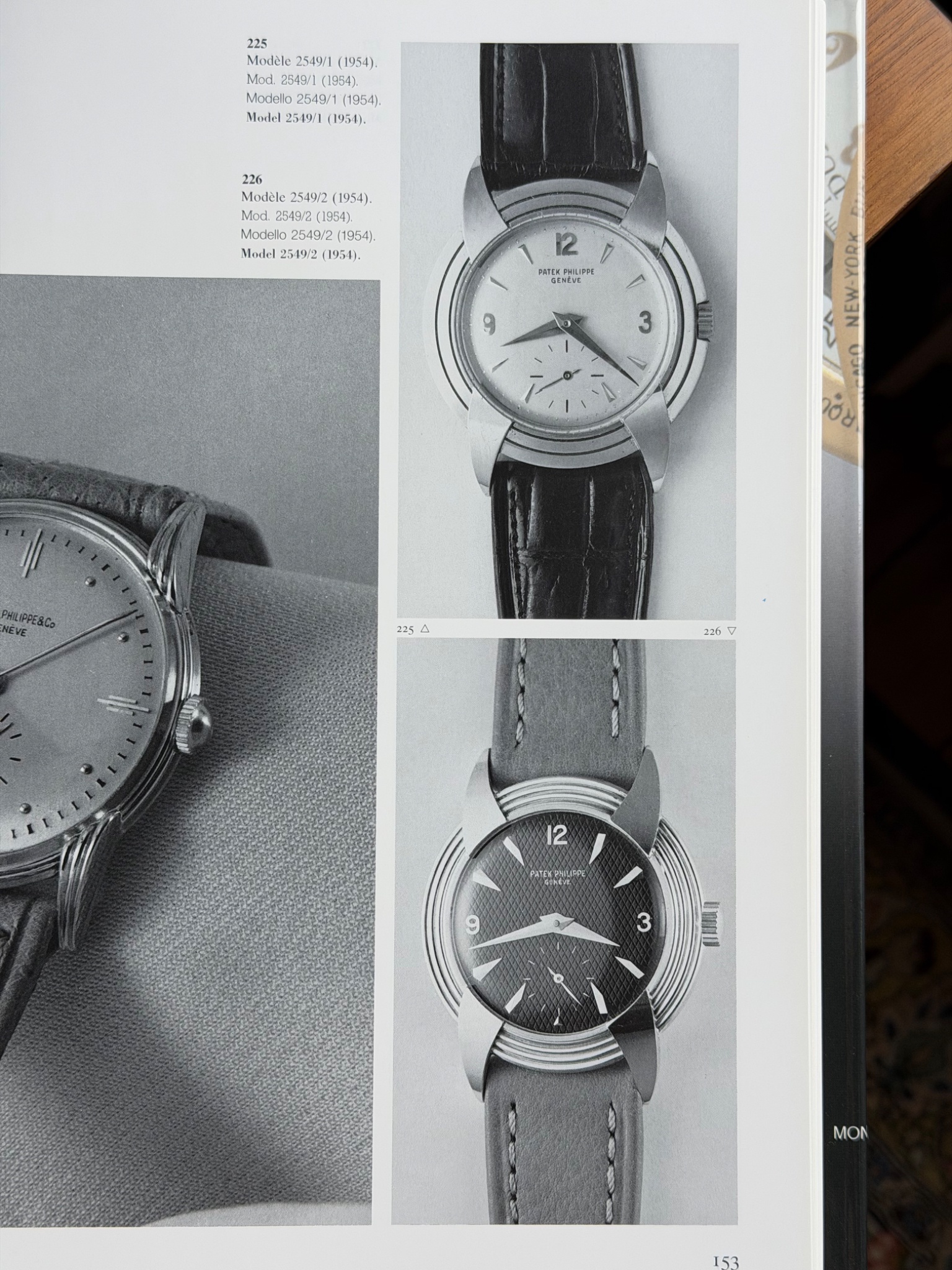
Personal photos of my copy
Personal photos of my copy
F/ CASE NO. 6
Round case with stepped bezel featuring only two flat grooves and “devil's horns” lugs.
The only photo I know of this model is on page 153 of the book by Martin Huber & Alan Banbery, Patek Philippe Genève Wristwatches , second edition (1988).
The only photo I know of this model is on page 153 of the book by Martin Huber & Alan Banbery, Patek Philippe Genève Wristwatches , second edition (1988).
It is referenced as no. 2549/1 (see photo of page 153 above), but this ref. number seems to correspond to the following case (see the caseback and extract from the archives of case no. 7 below)...
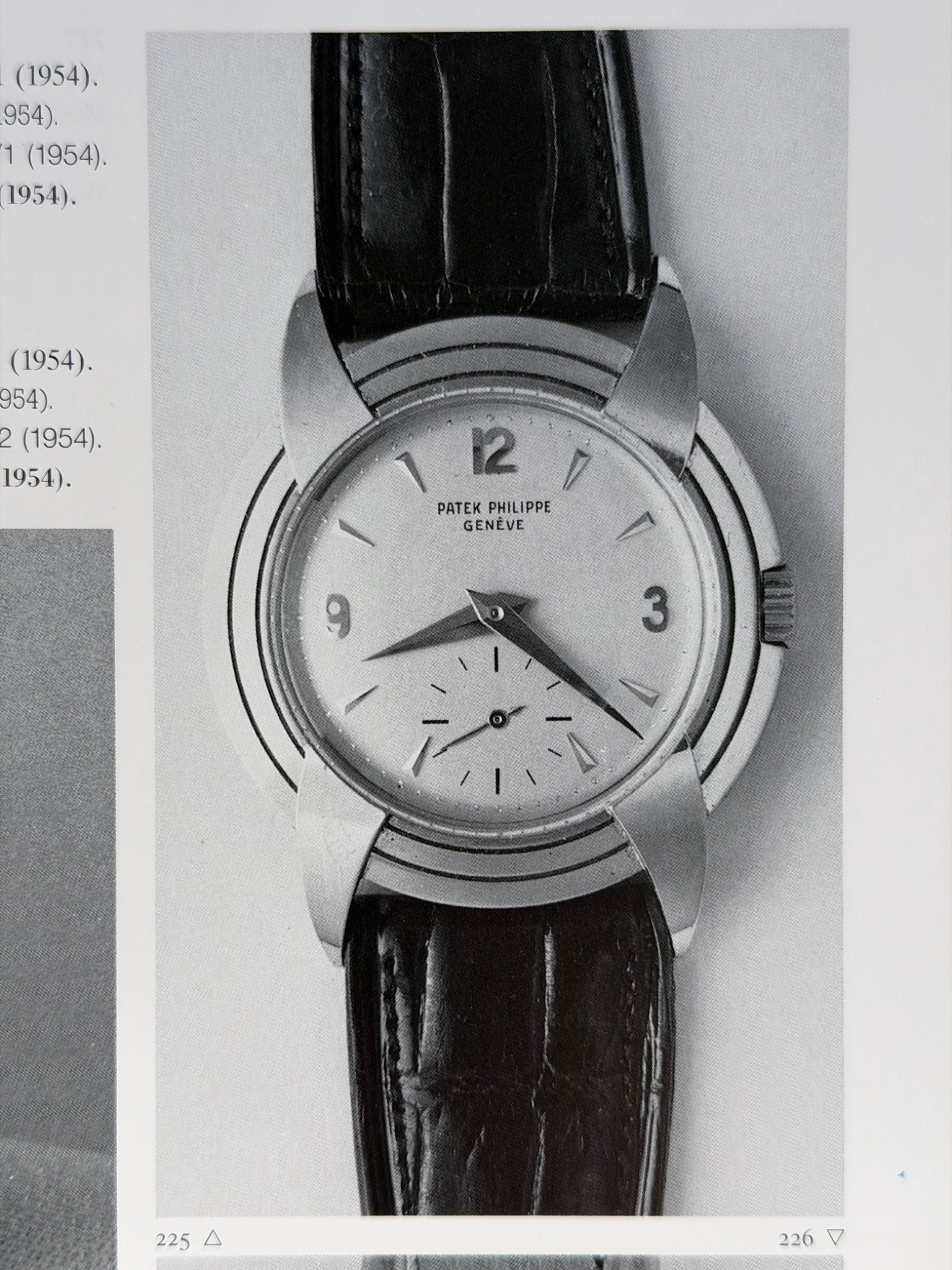
Personal photo of my copy
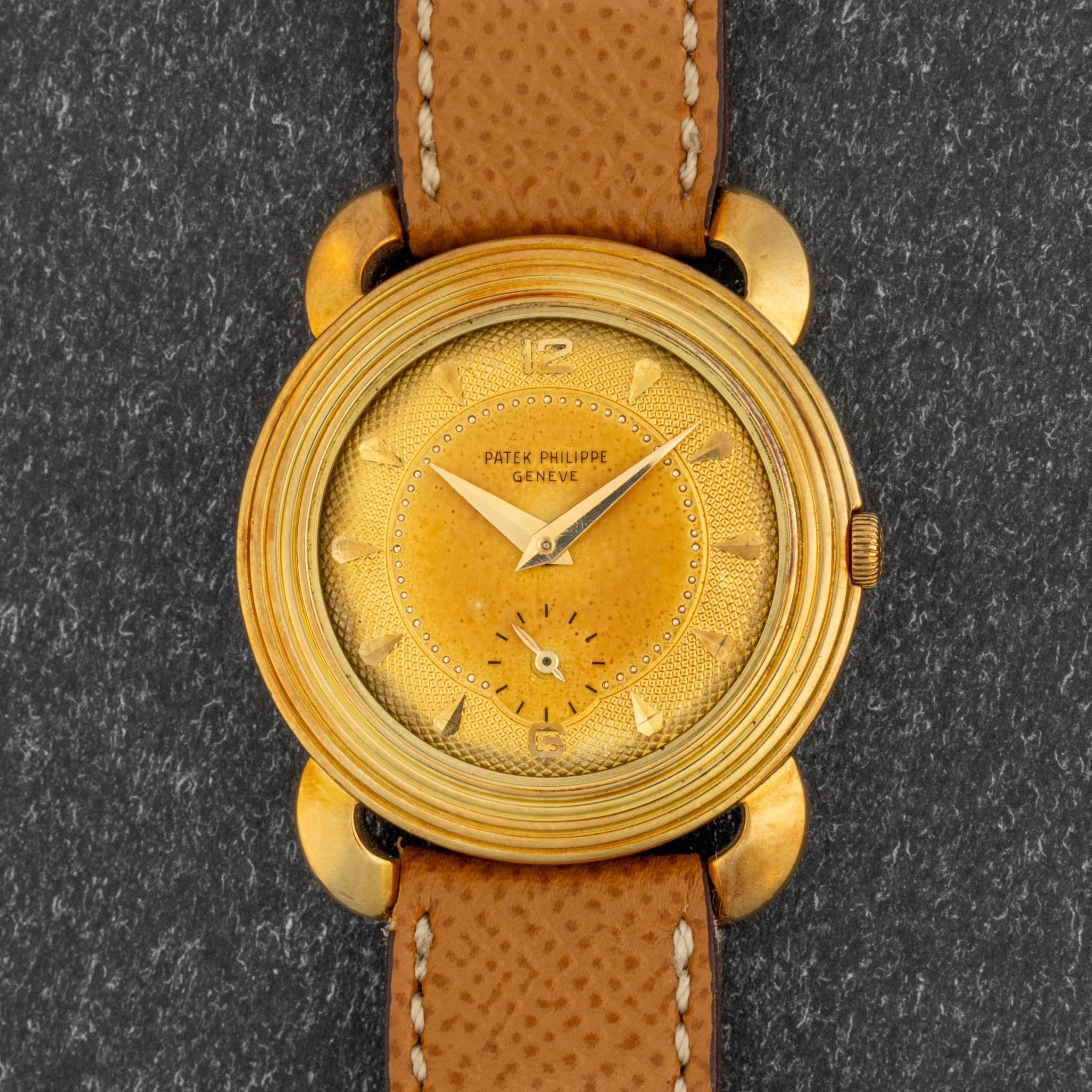
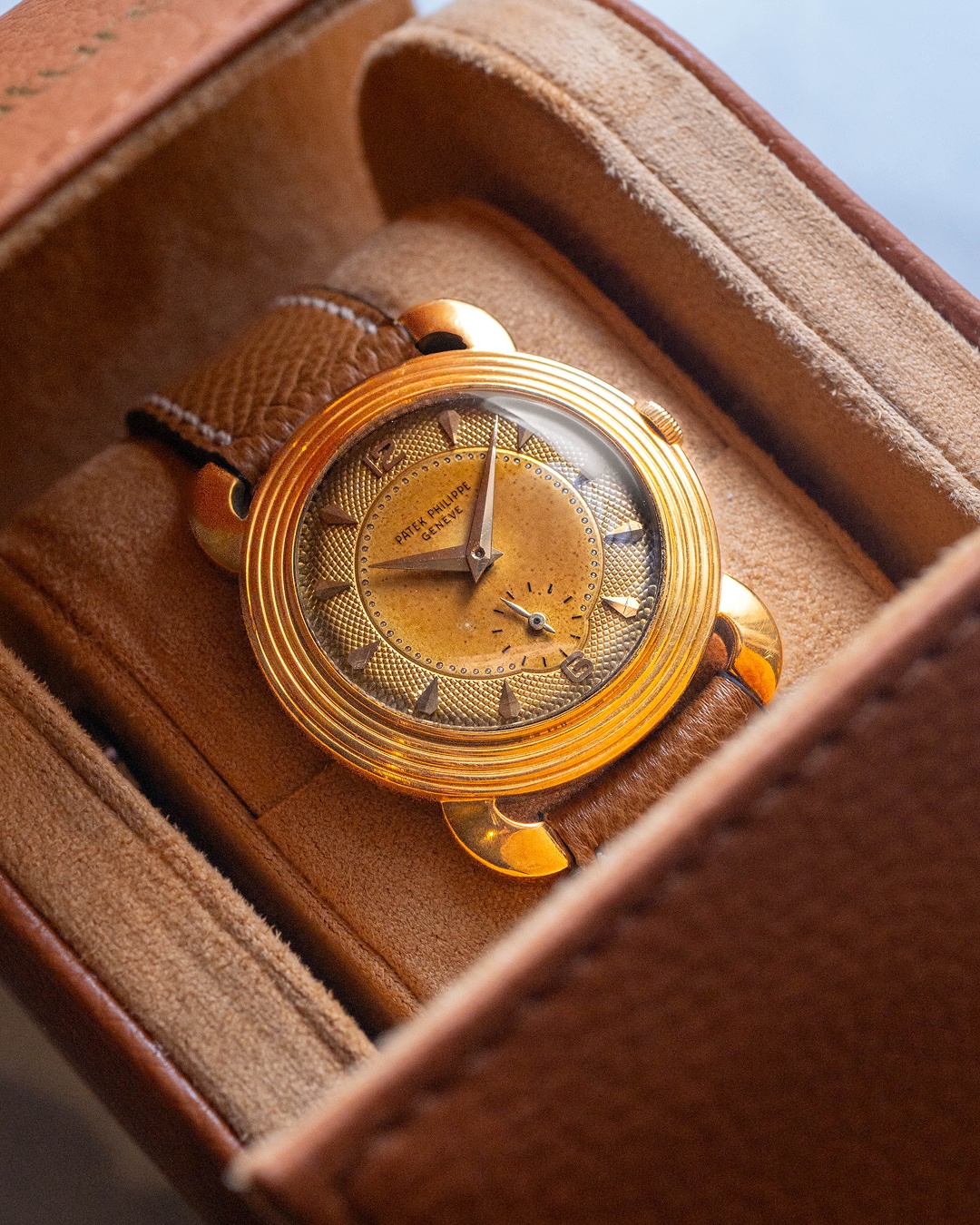
G/ CASE NO. 7 - REF. 2549/1
Dial variations concern numerals and texture.
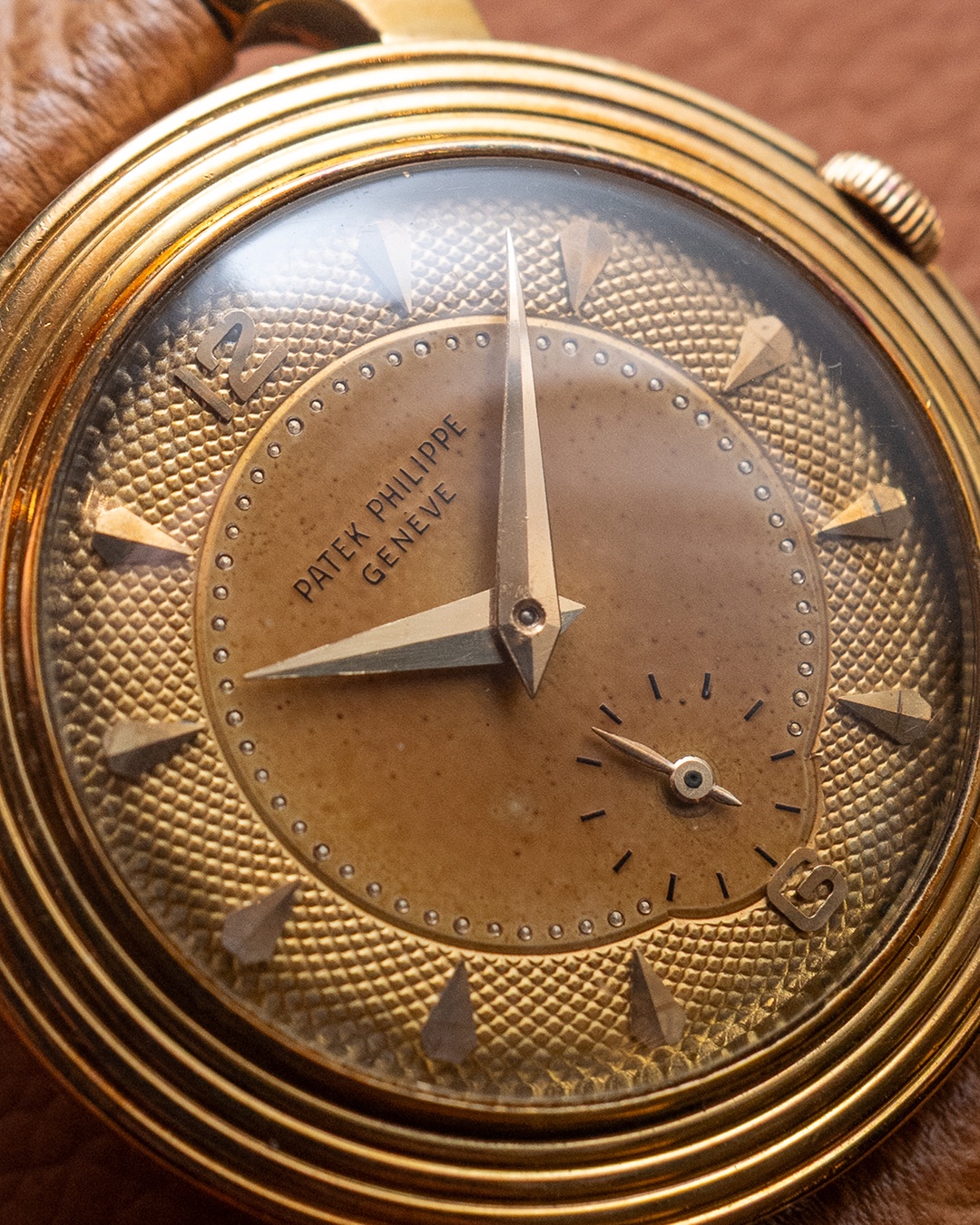
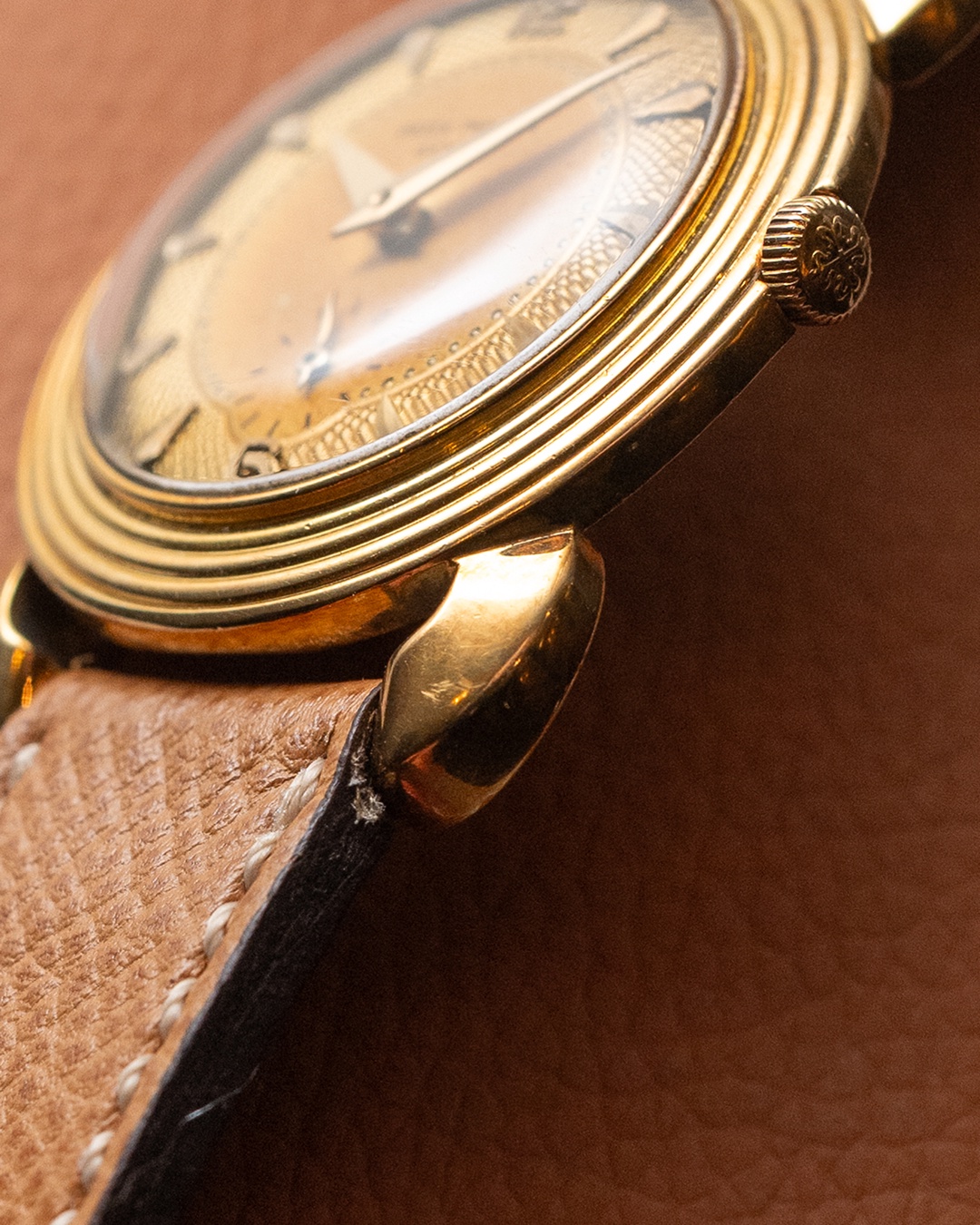
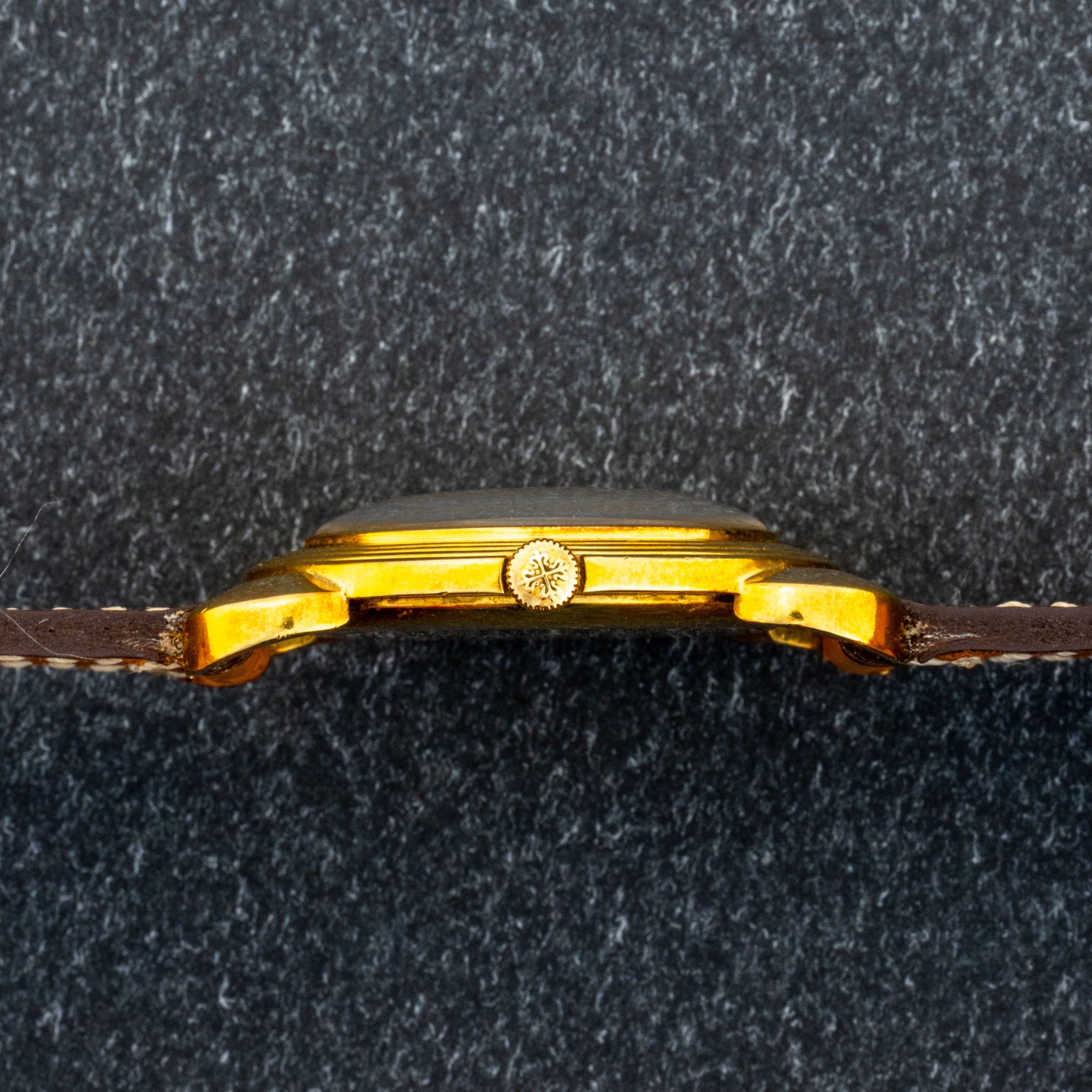
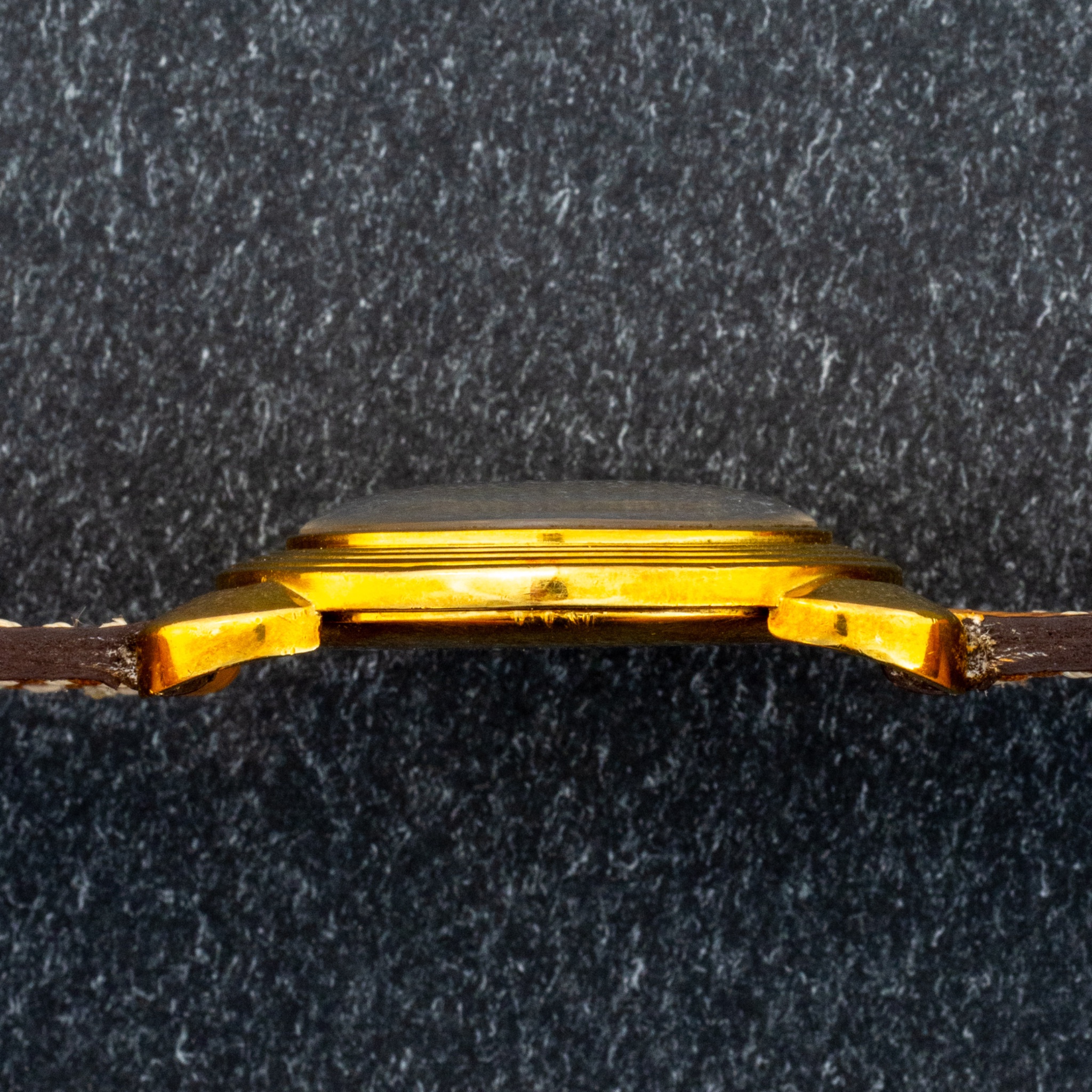
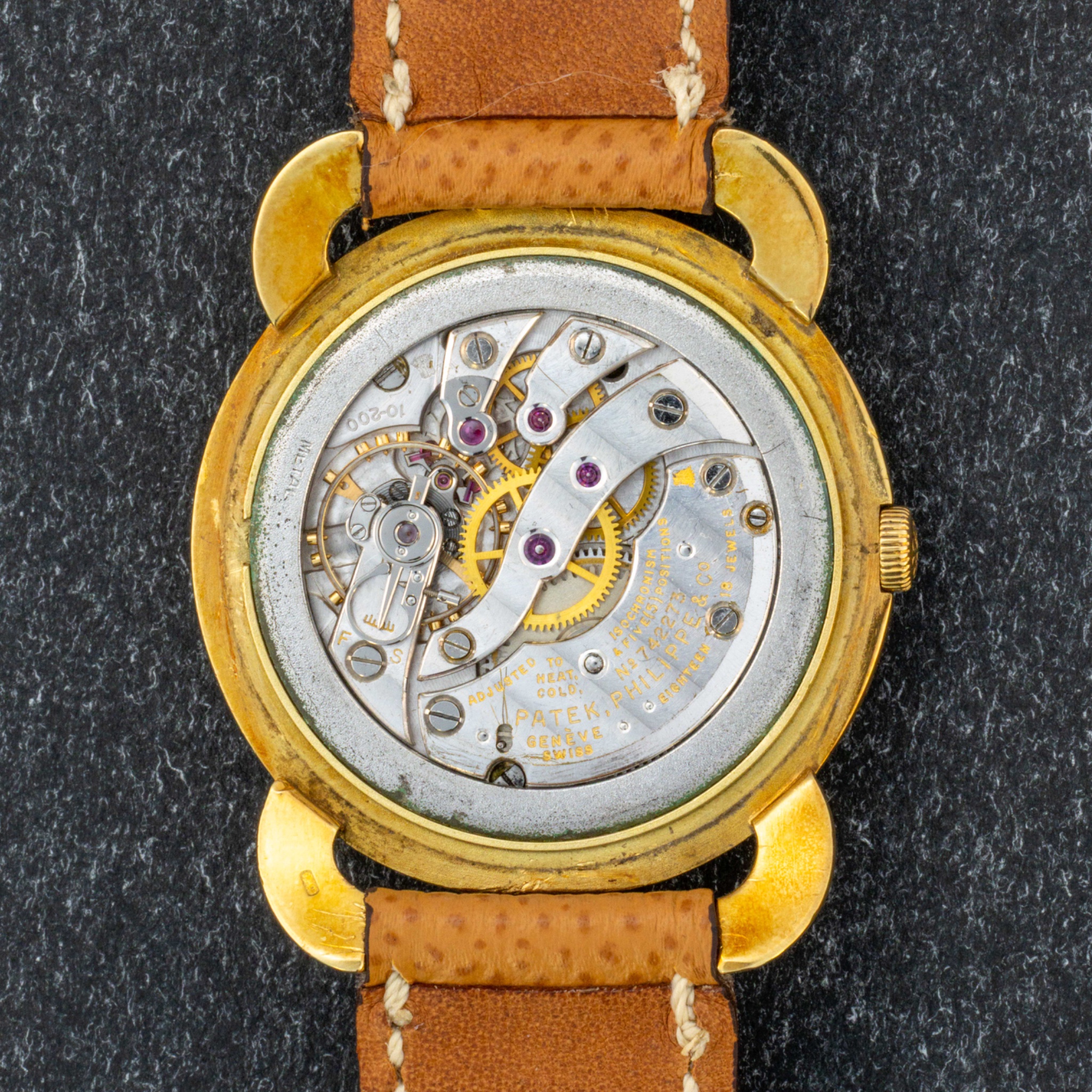
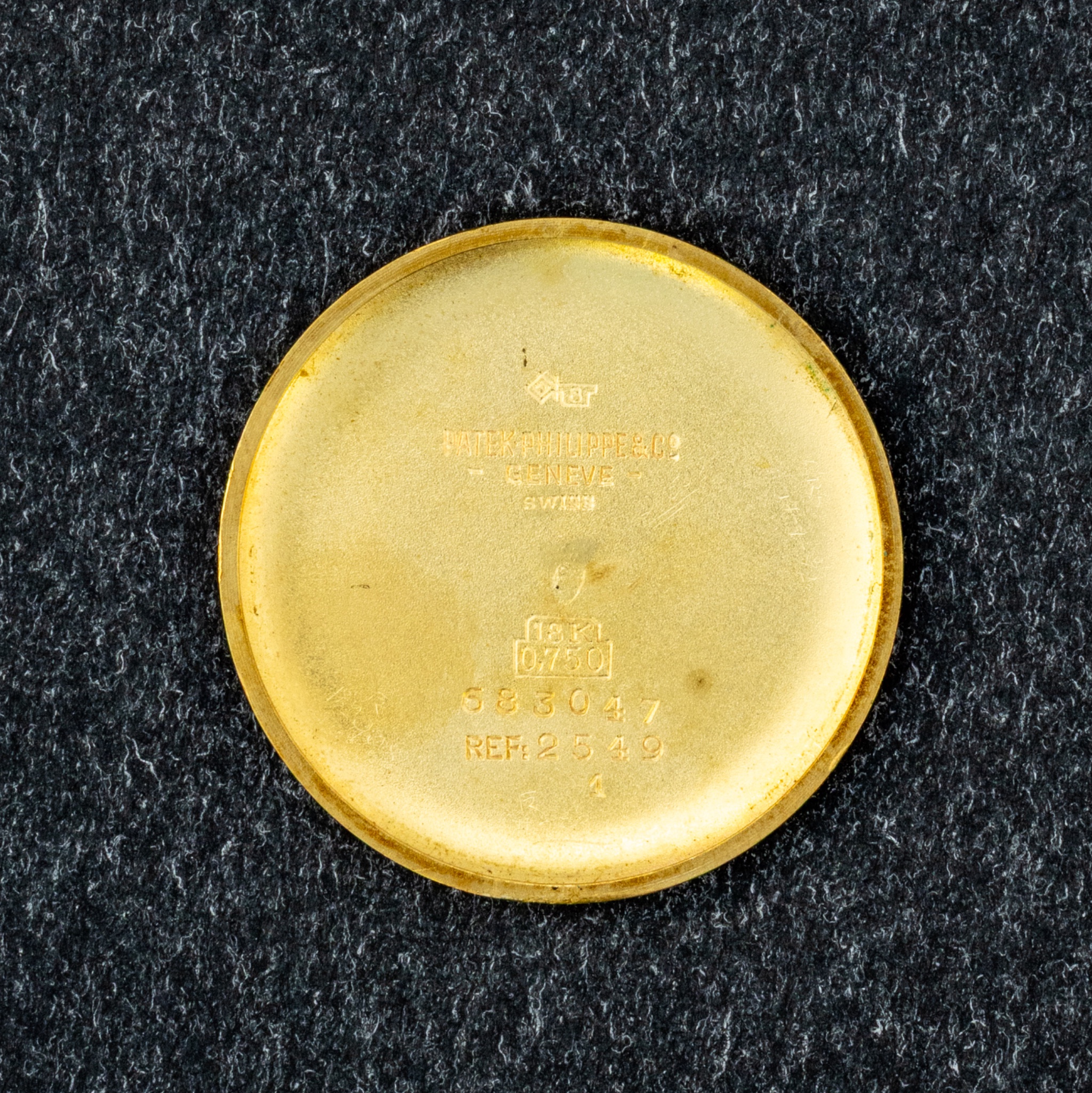
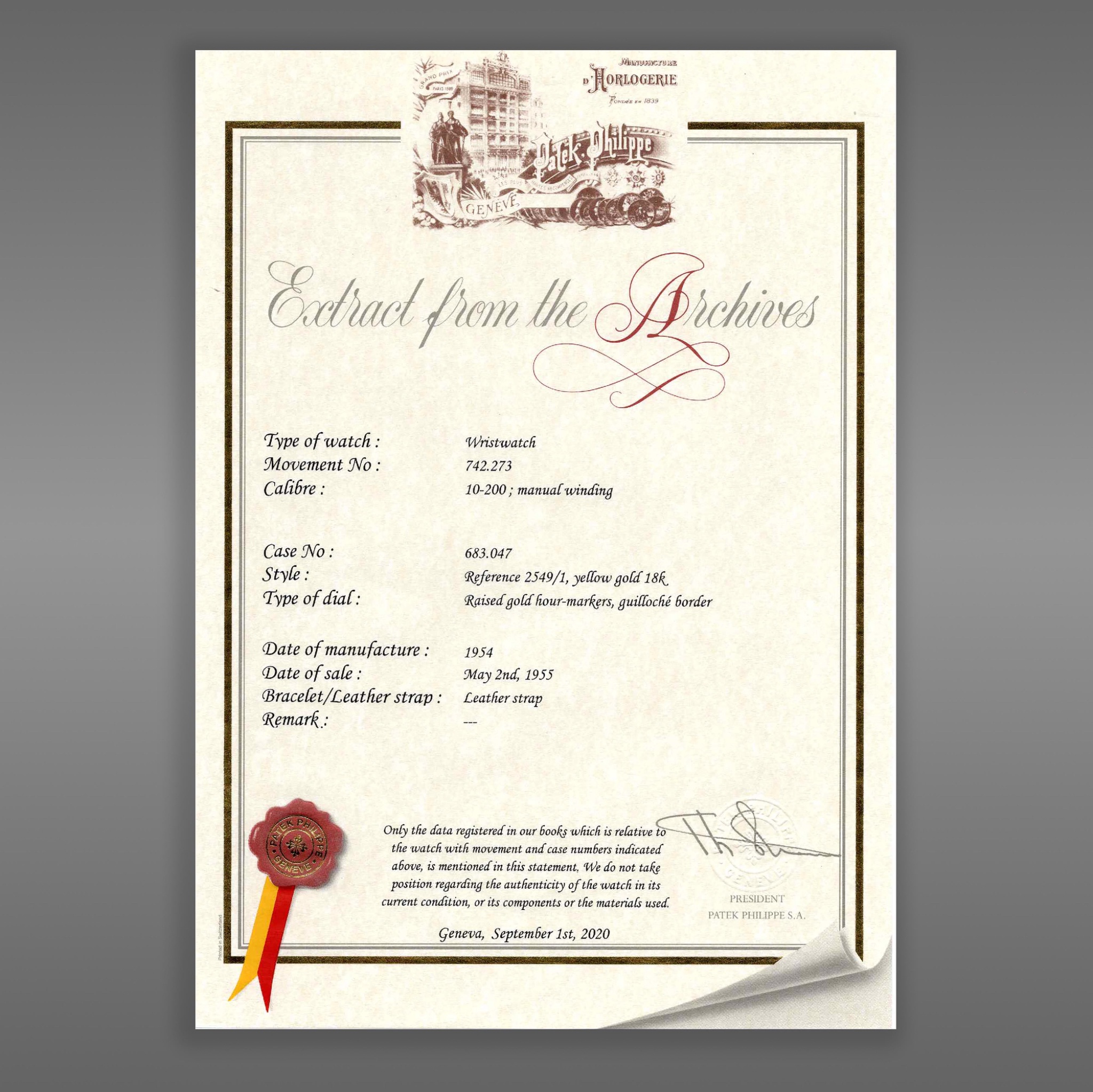
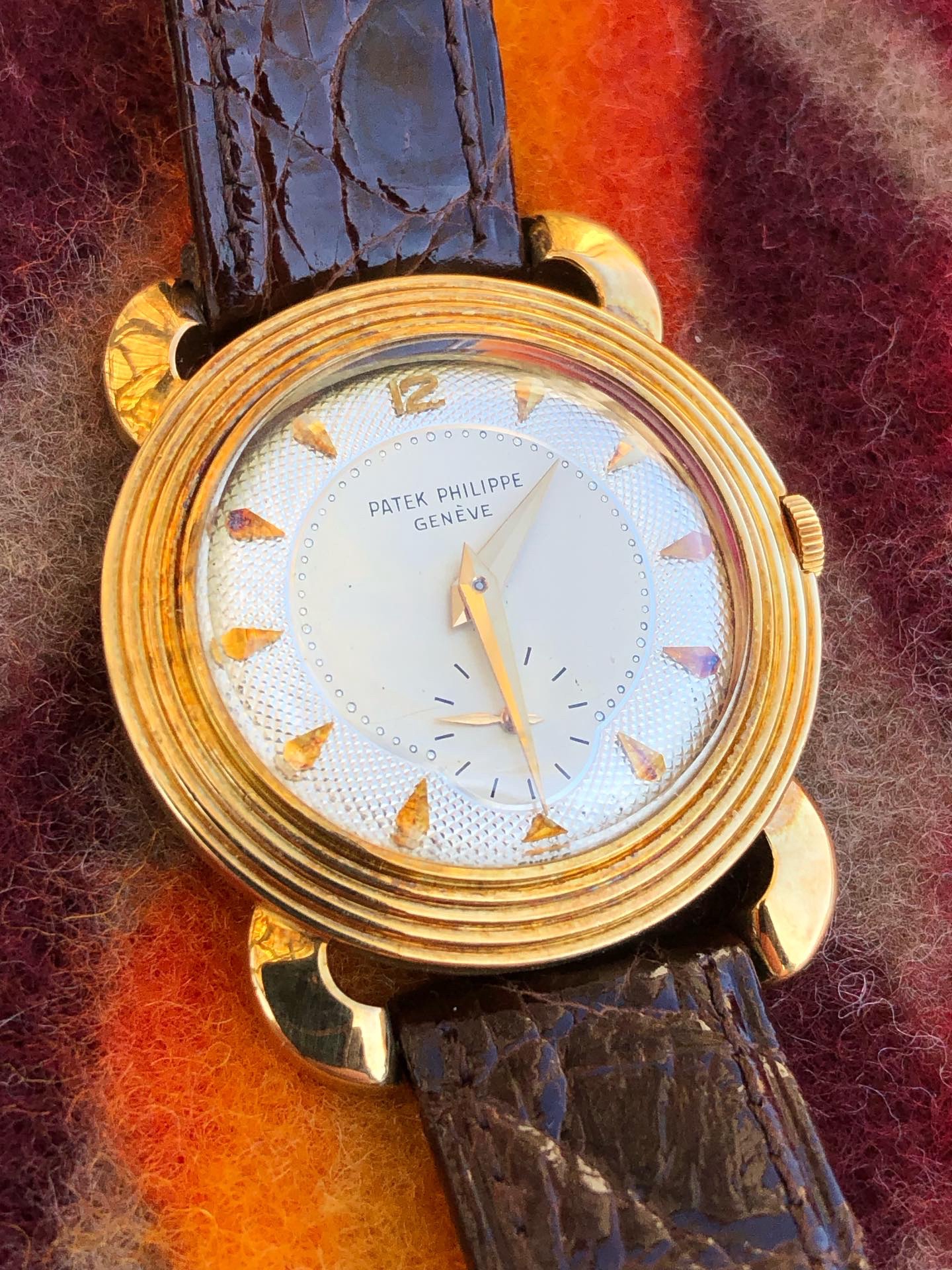
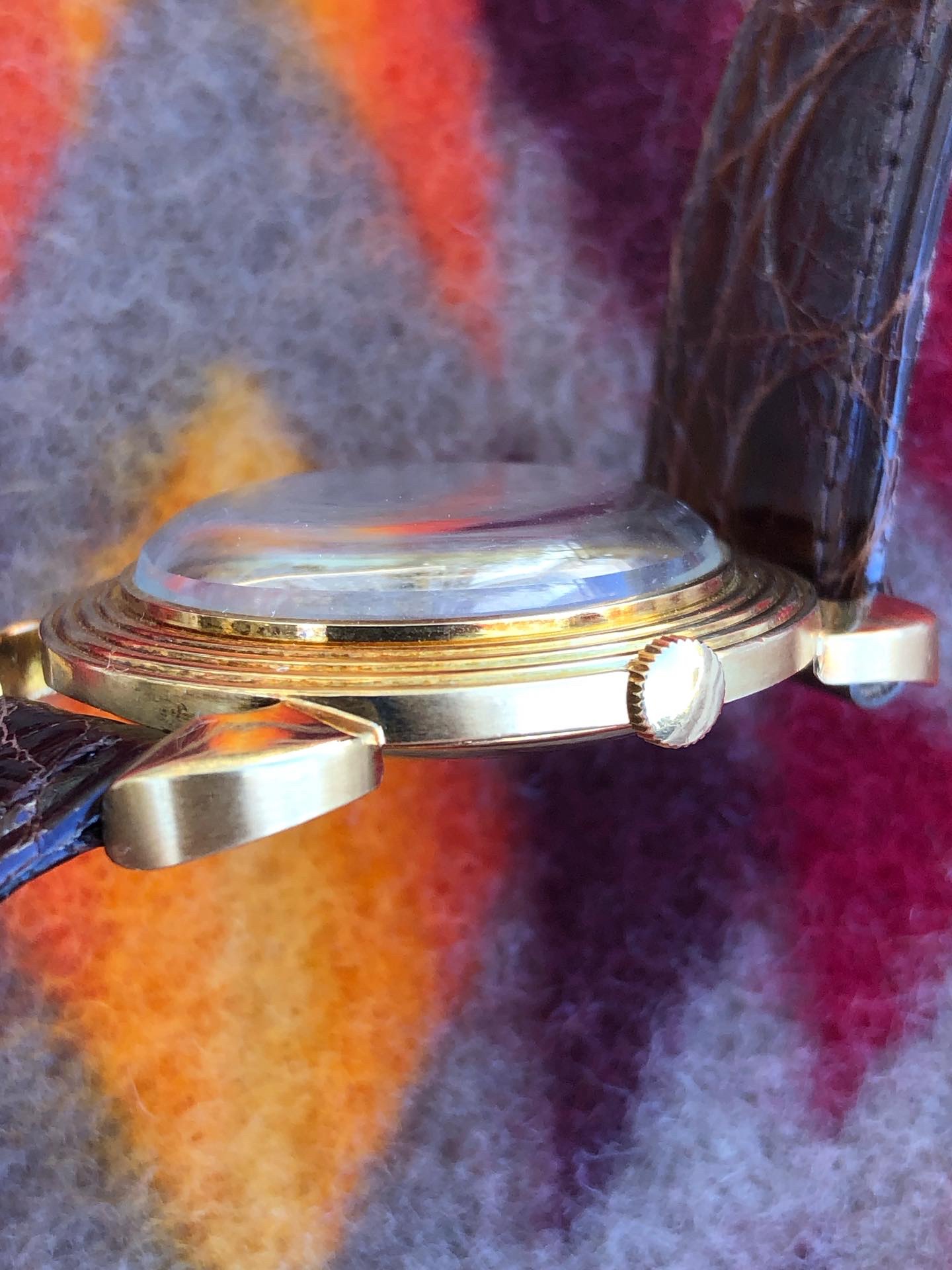
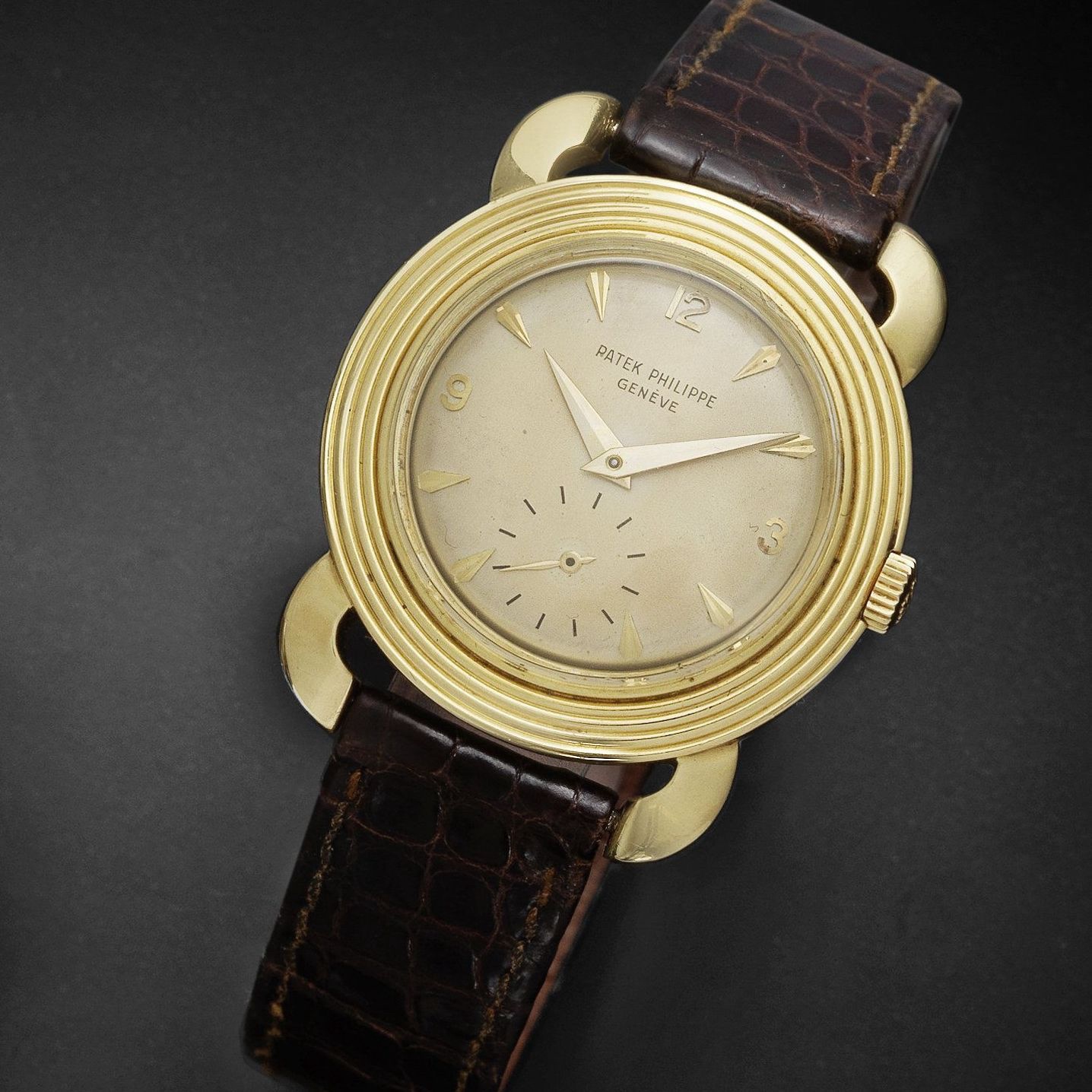
credit: Future Grail (1-10), @phxwatchnut (11-12) & Bonhams (13)
H/ CASE NO. 8
This model is generally referenced as no. 2550, but the same number is also used for the following case no. 9...
Dial variations concern numerals and texture.
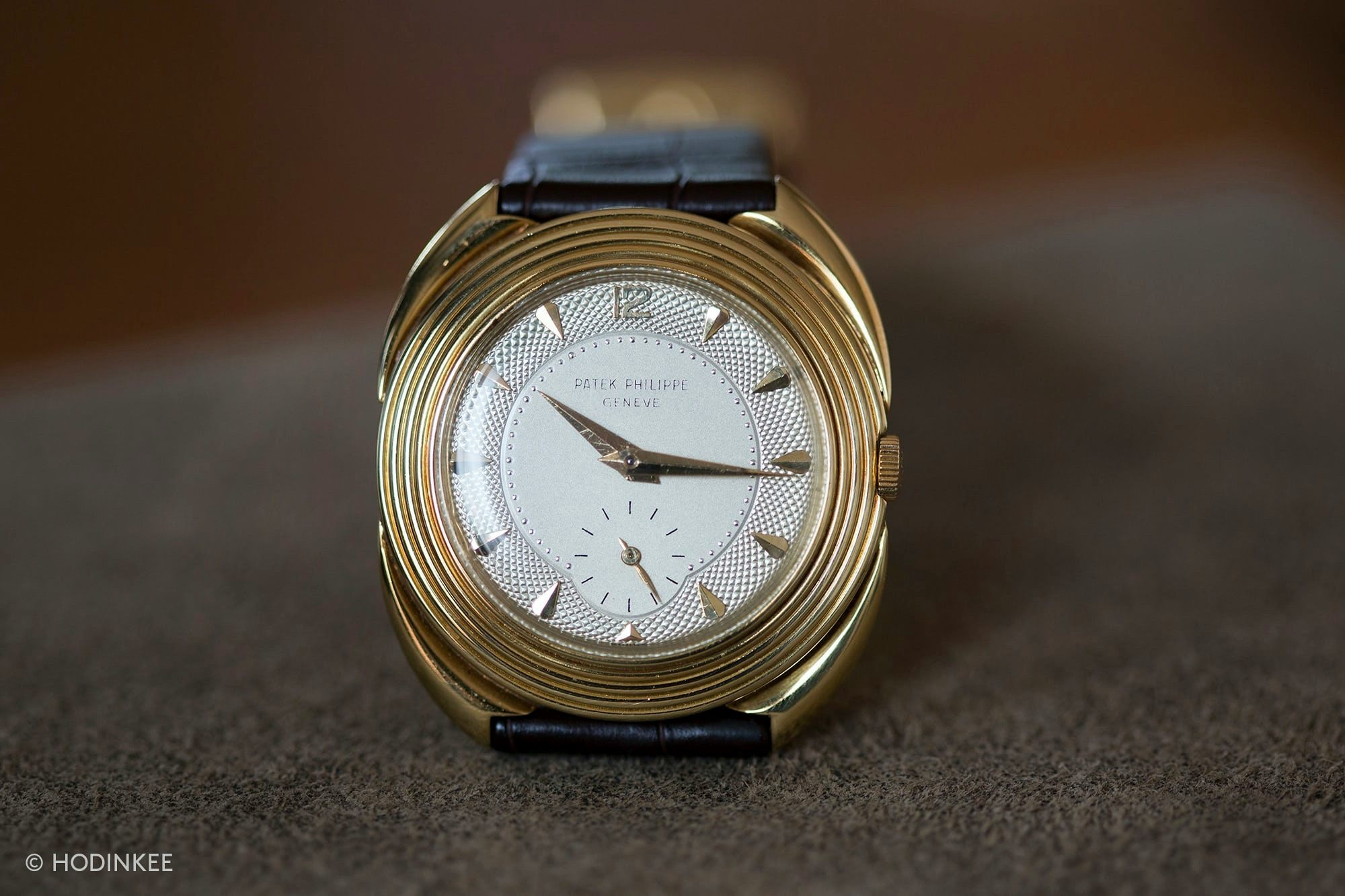
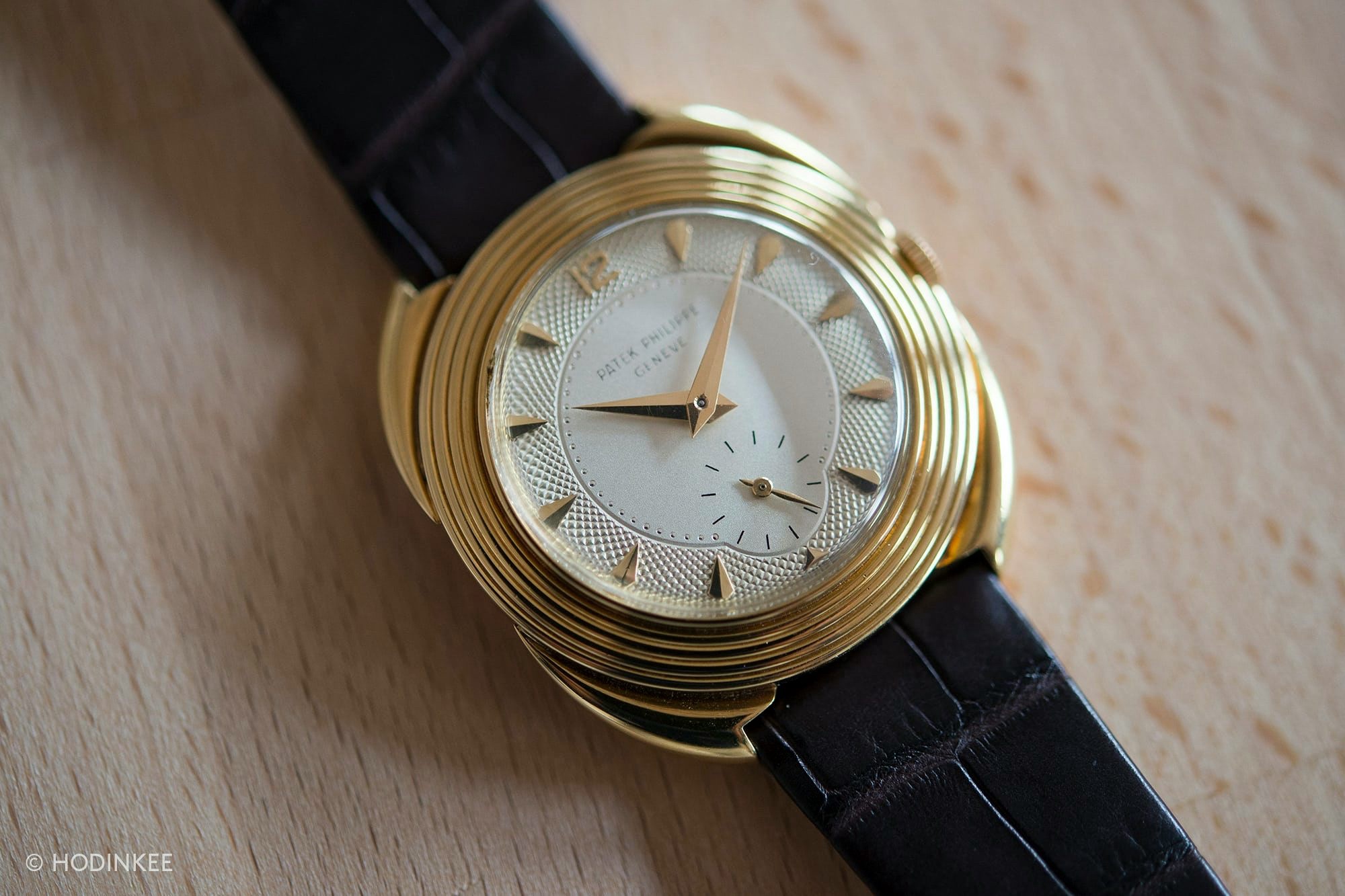
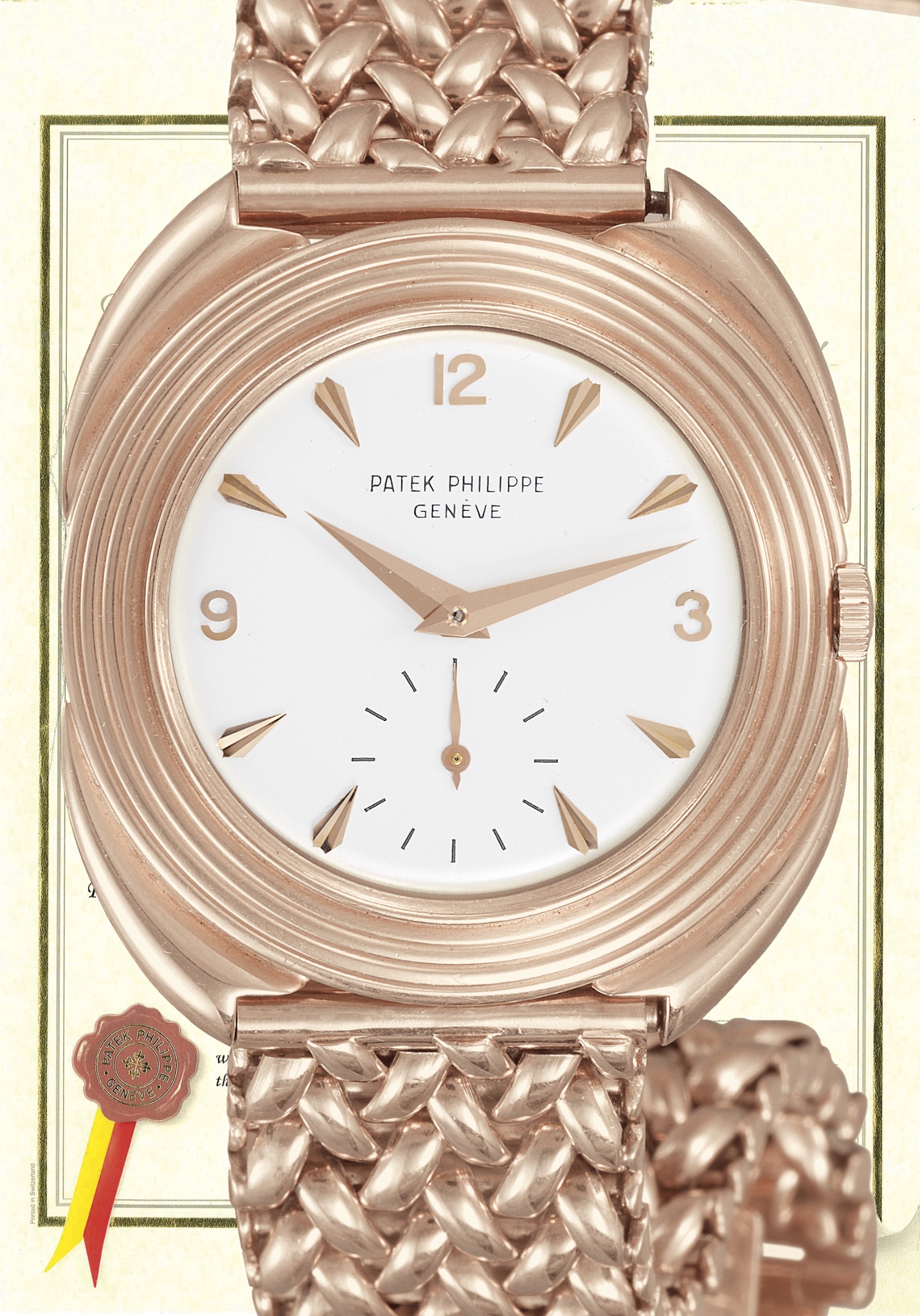
credit: Roni Madhvani (1-3) & Antiquorum
I/ CASE NO. 9
Antiquorum references it as no. 2549-1, but FutureGrail has evidence that it is no. 2550 (see photo of the caseback below)...
The first example is pink gold with a salmon dial; the second example is yellow gold with a gold dial.
Pink gold
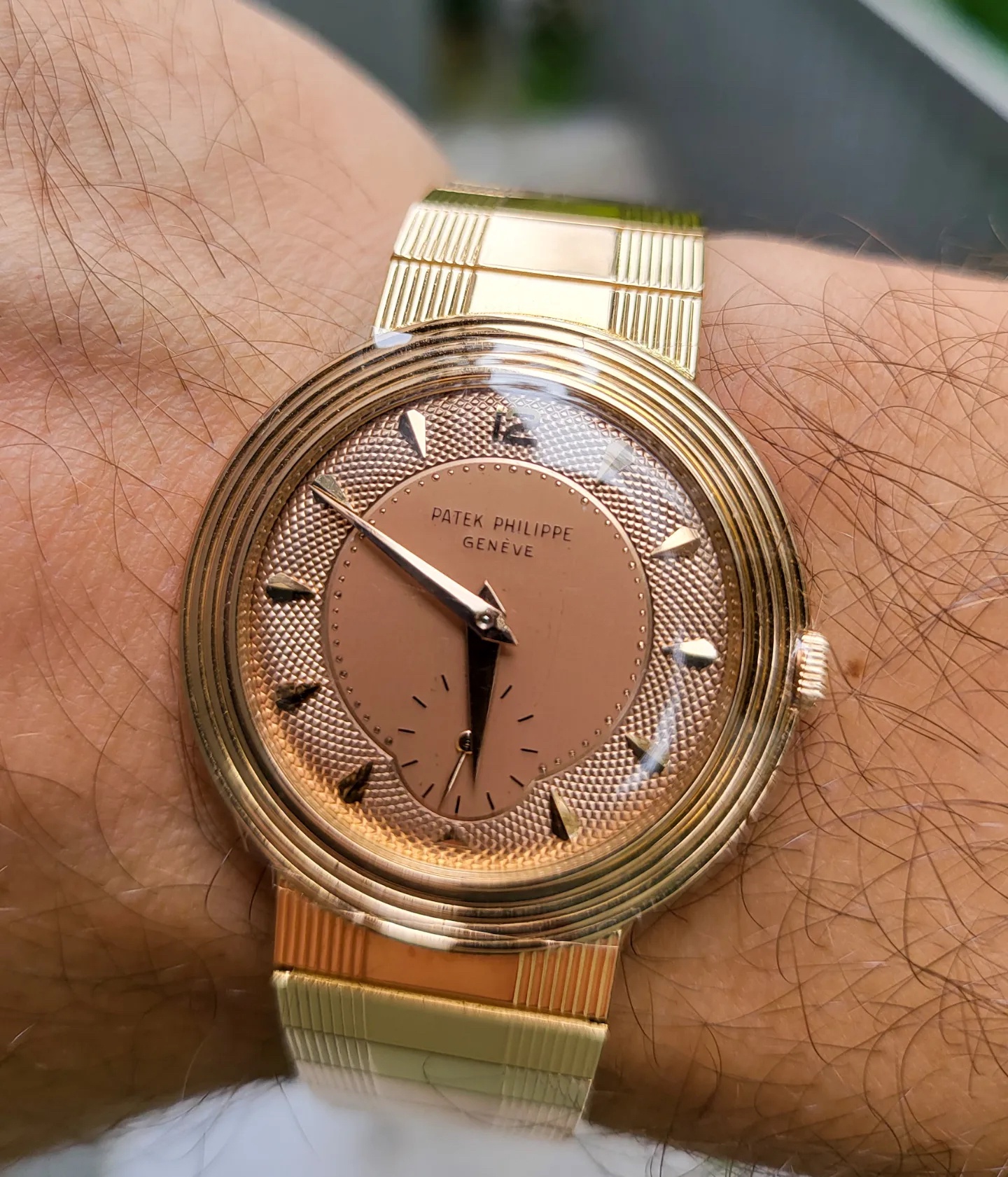
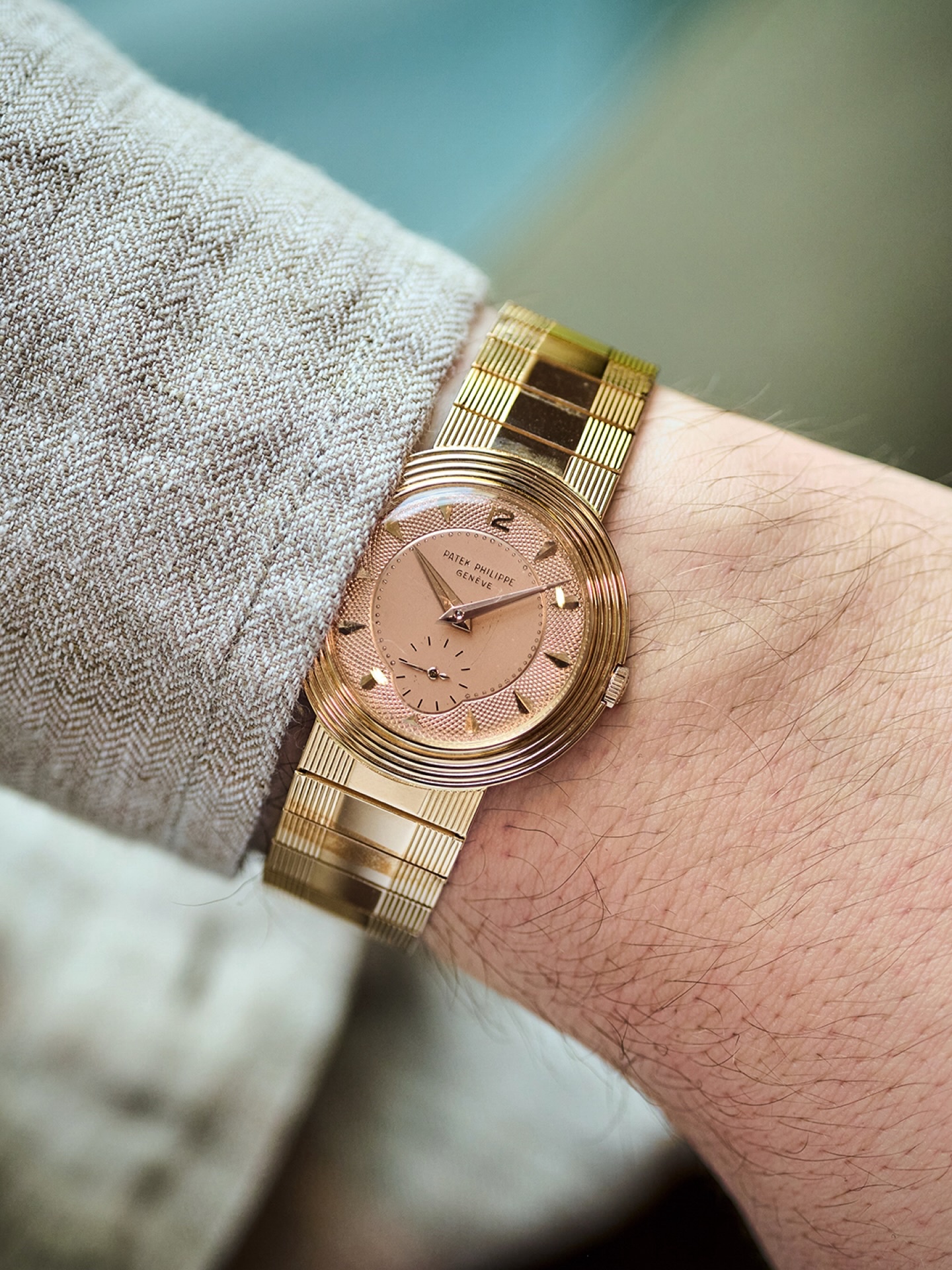
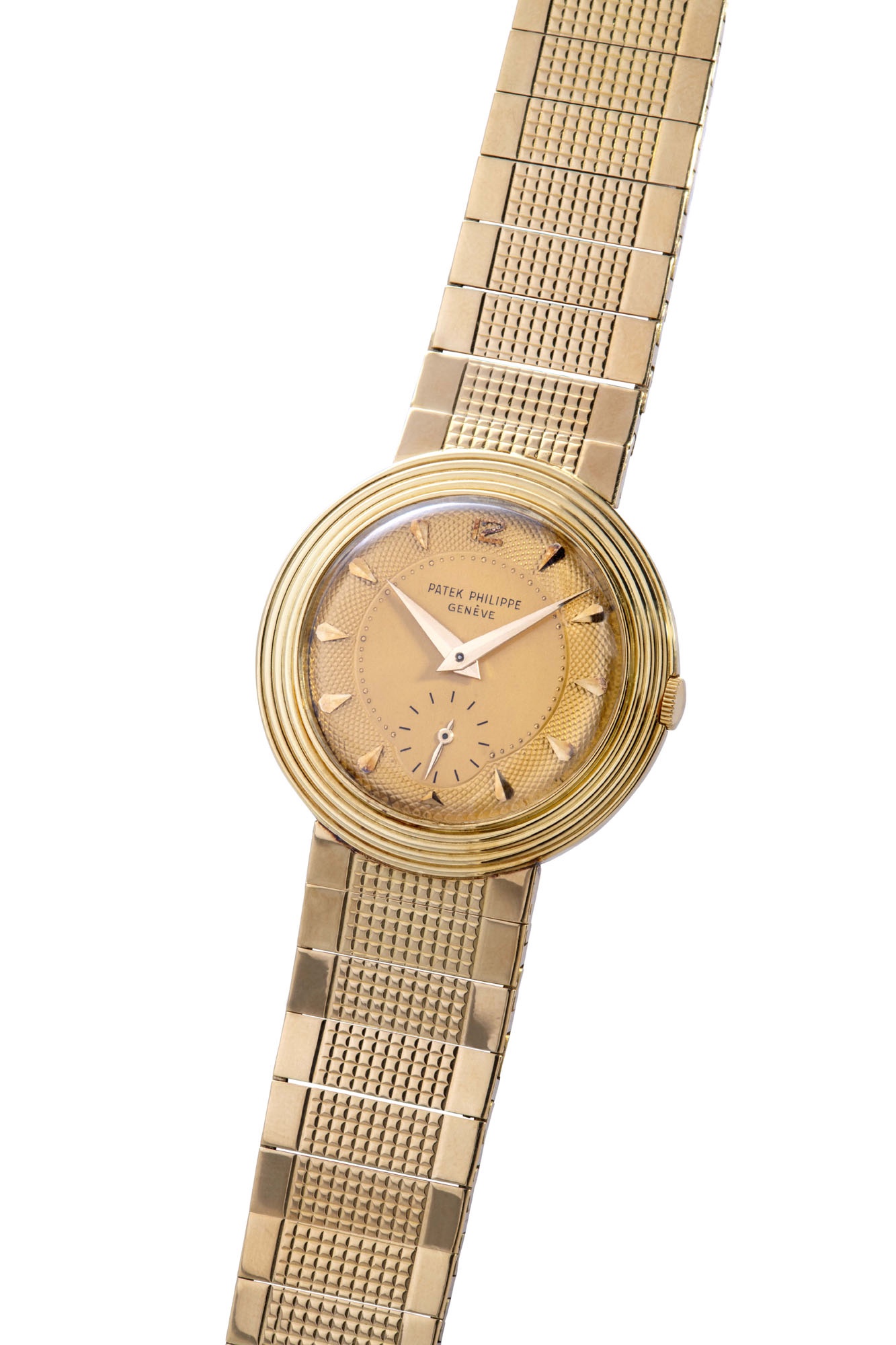
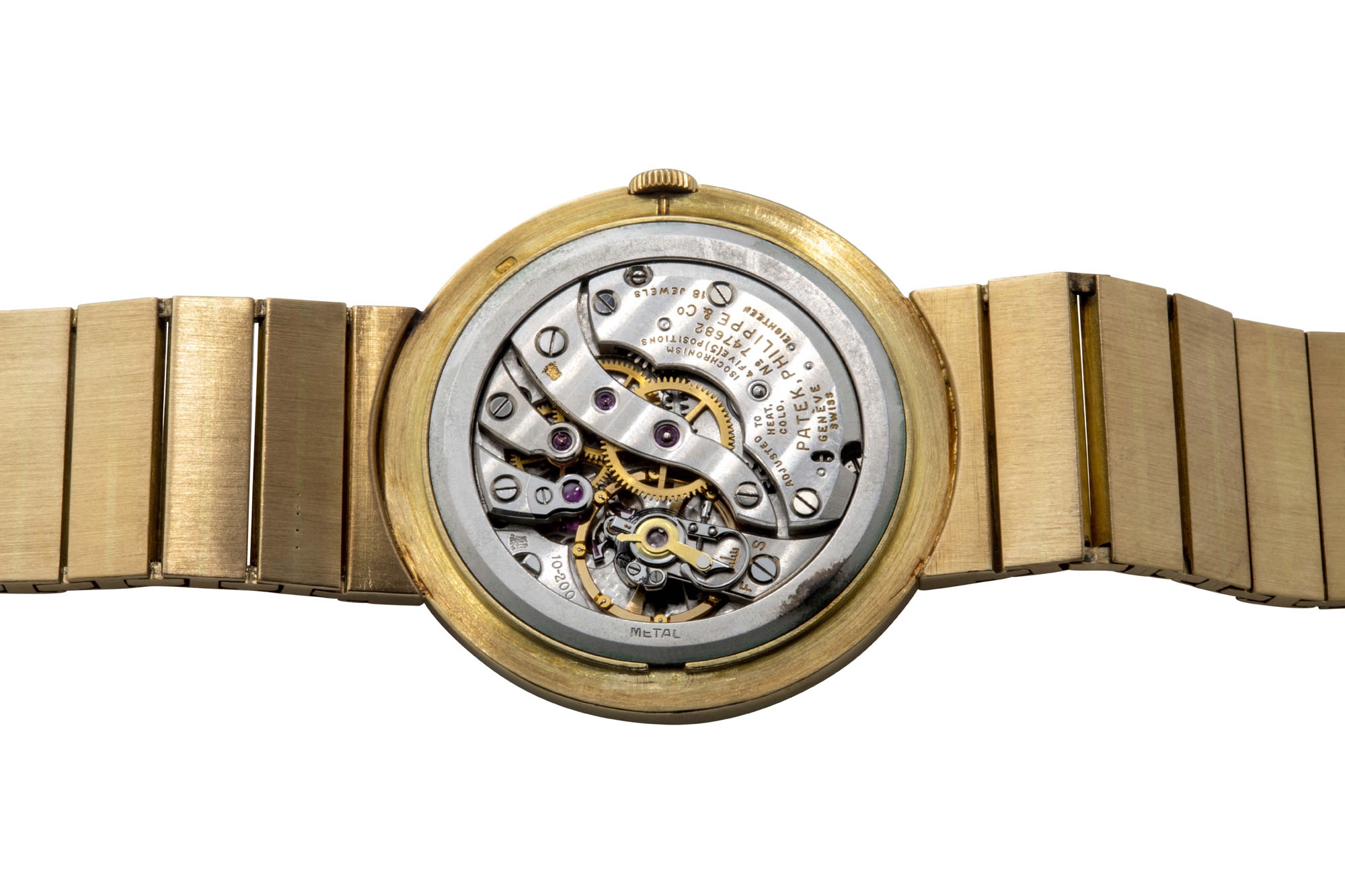
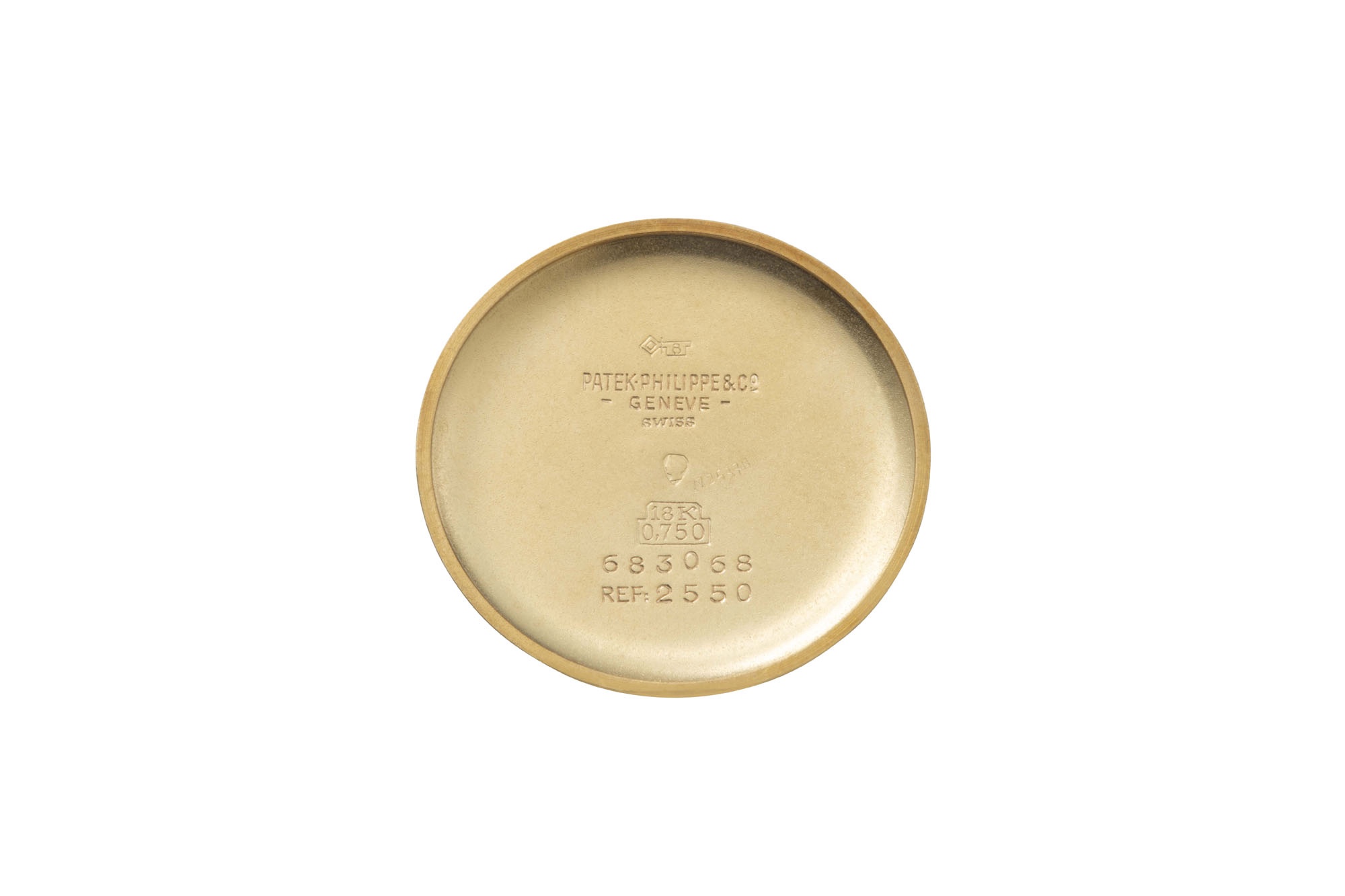
Side by side with a case no. 7 (ref. 2549/1)
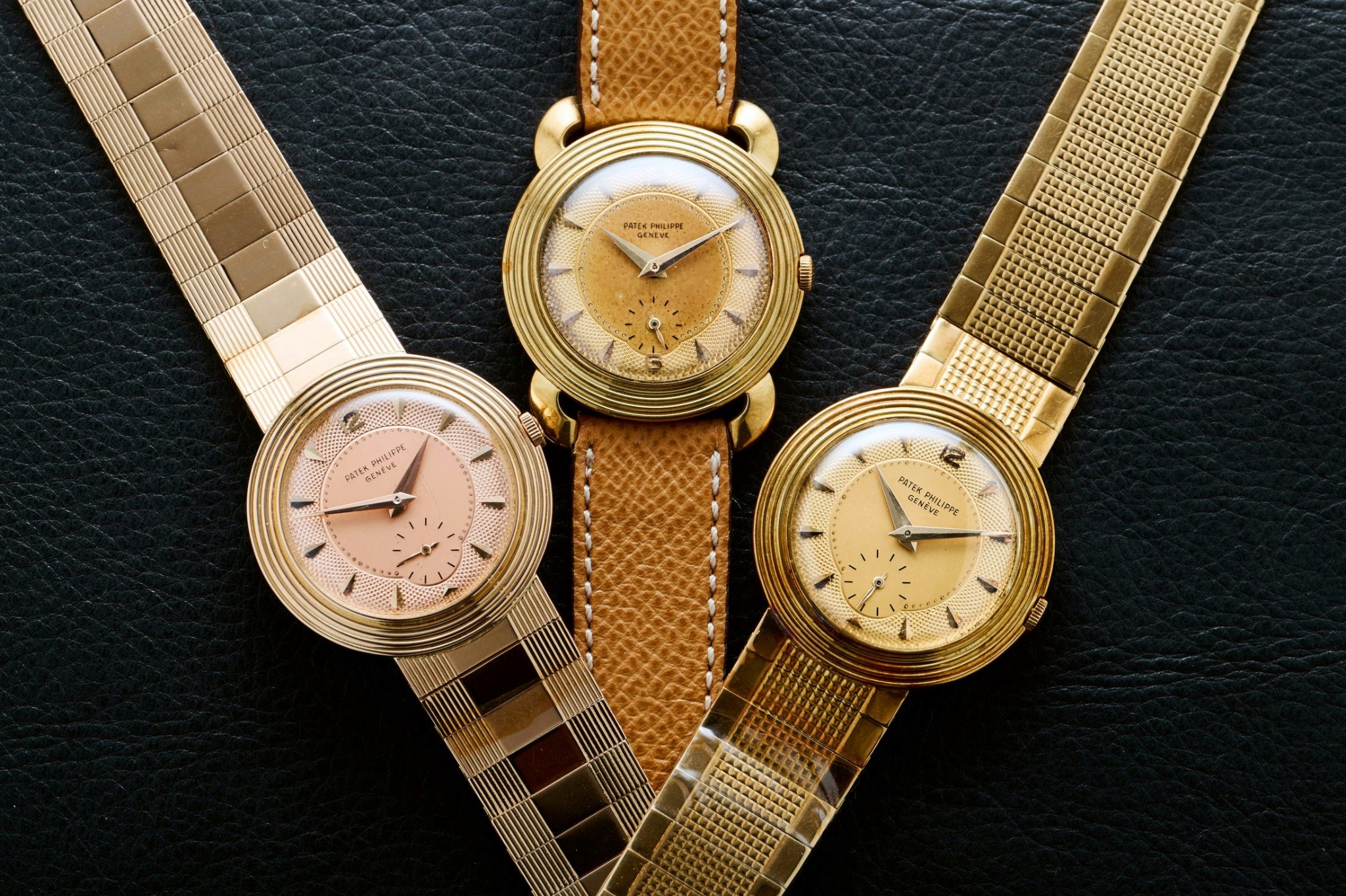
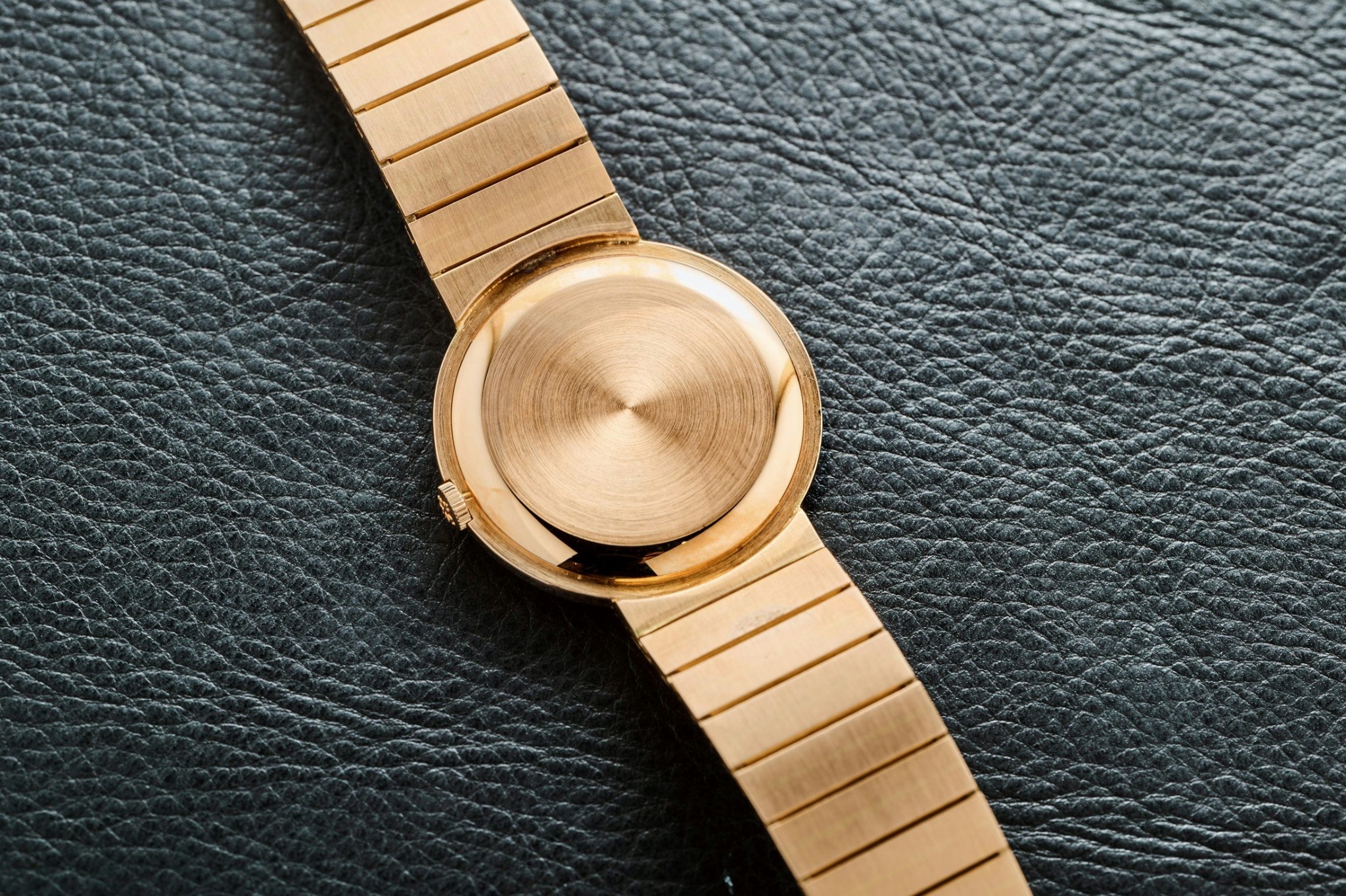
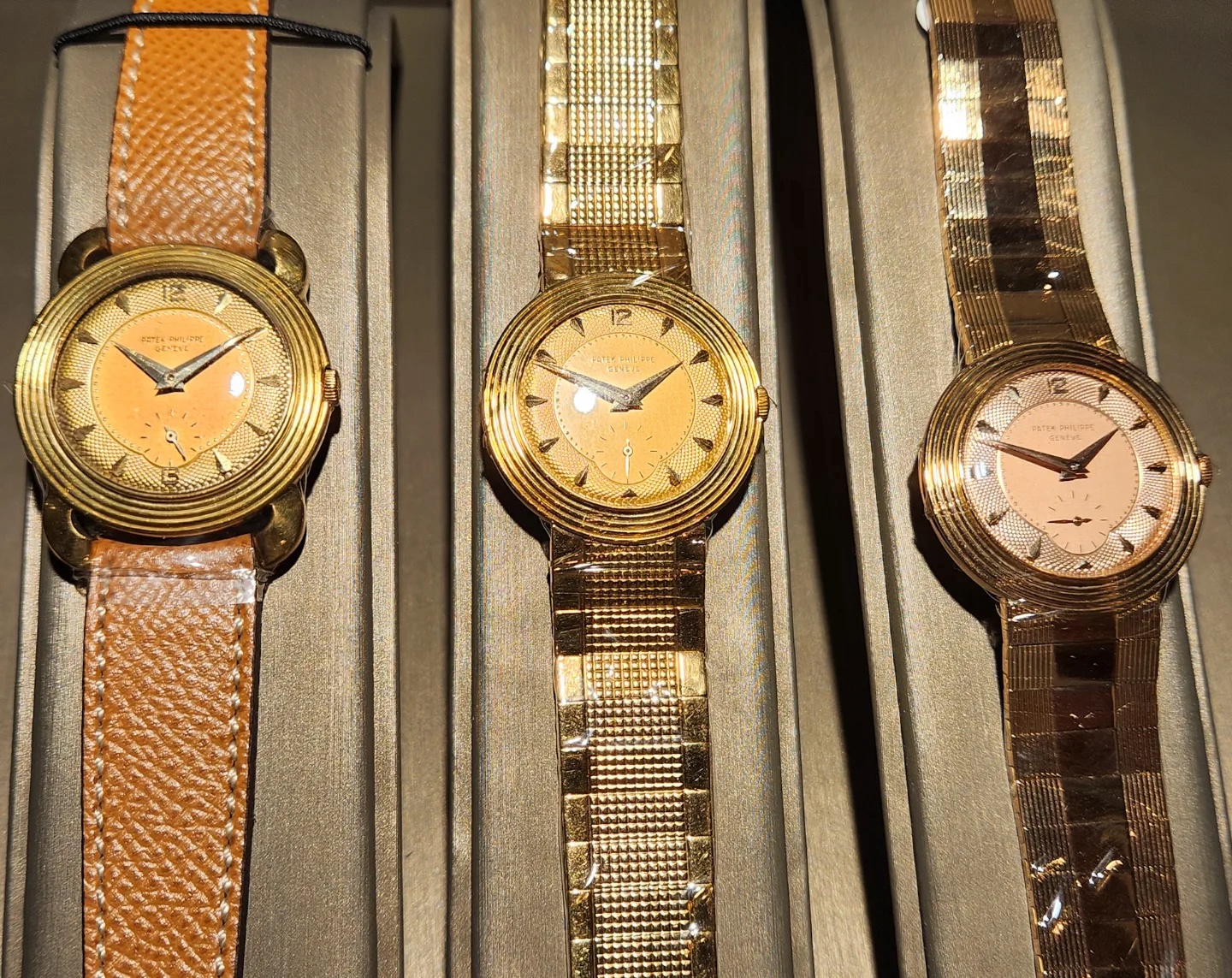
credit: @2tonevintageofficial (1 & 9), @markkauzlarich (2), FutureGrail (3-5) & Hodinkee courtesy of FutureGrail (7-8)
Pink gold
Yellow gold
Side by side with a case no. 7 (ref. 2549/1)
credit: @2tonevintageofficial (1 & 9), @markkauzlarich (2), FutureGrail (3-5) & Hodinkee courtesy of FutureGrail (7-8)
In conclusion, here are the summary tables previously proposed by Marcus Siems and Eric Tortella, which both:
- Omit case no. 9.
- Do not clearly distinguish case 5 (only three grooves on the bezel) from case 4 (four grooves) and case 6 (two flat grooves).
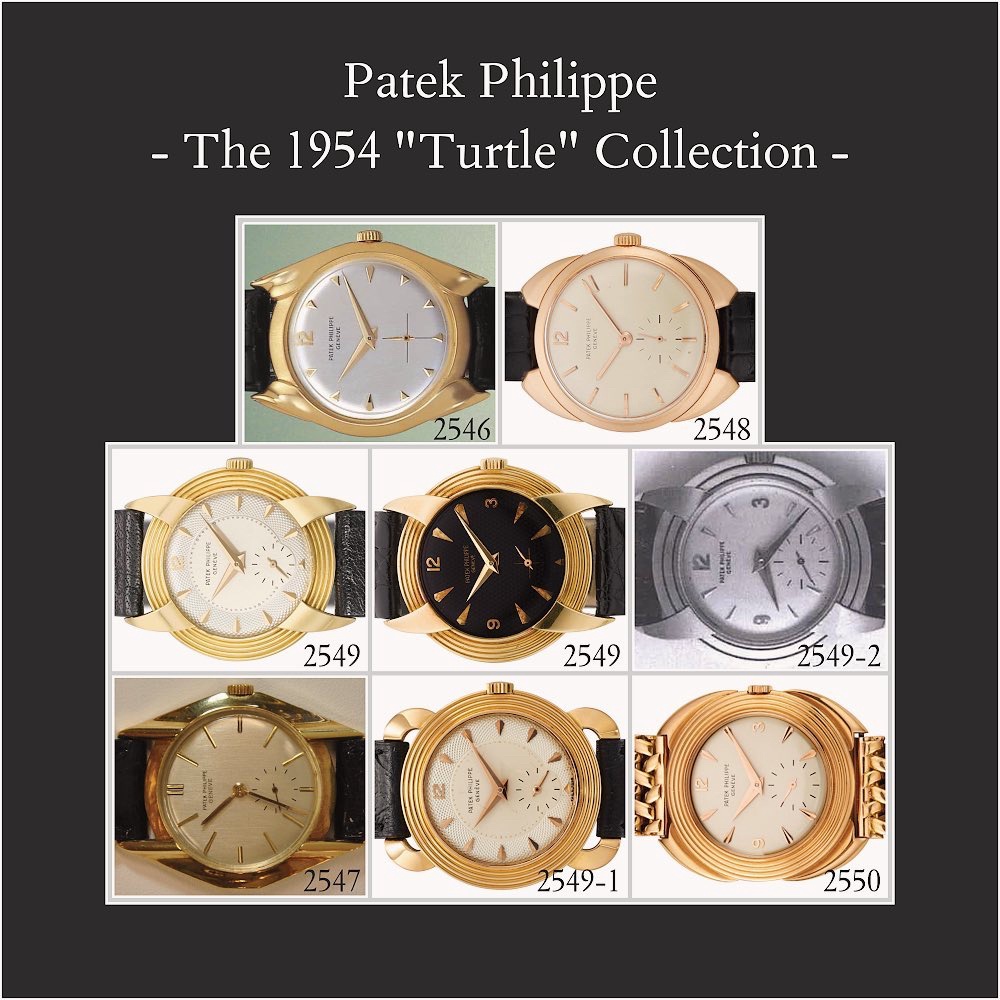
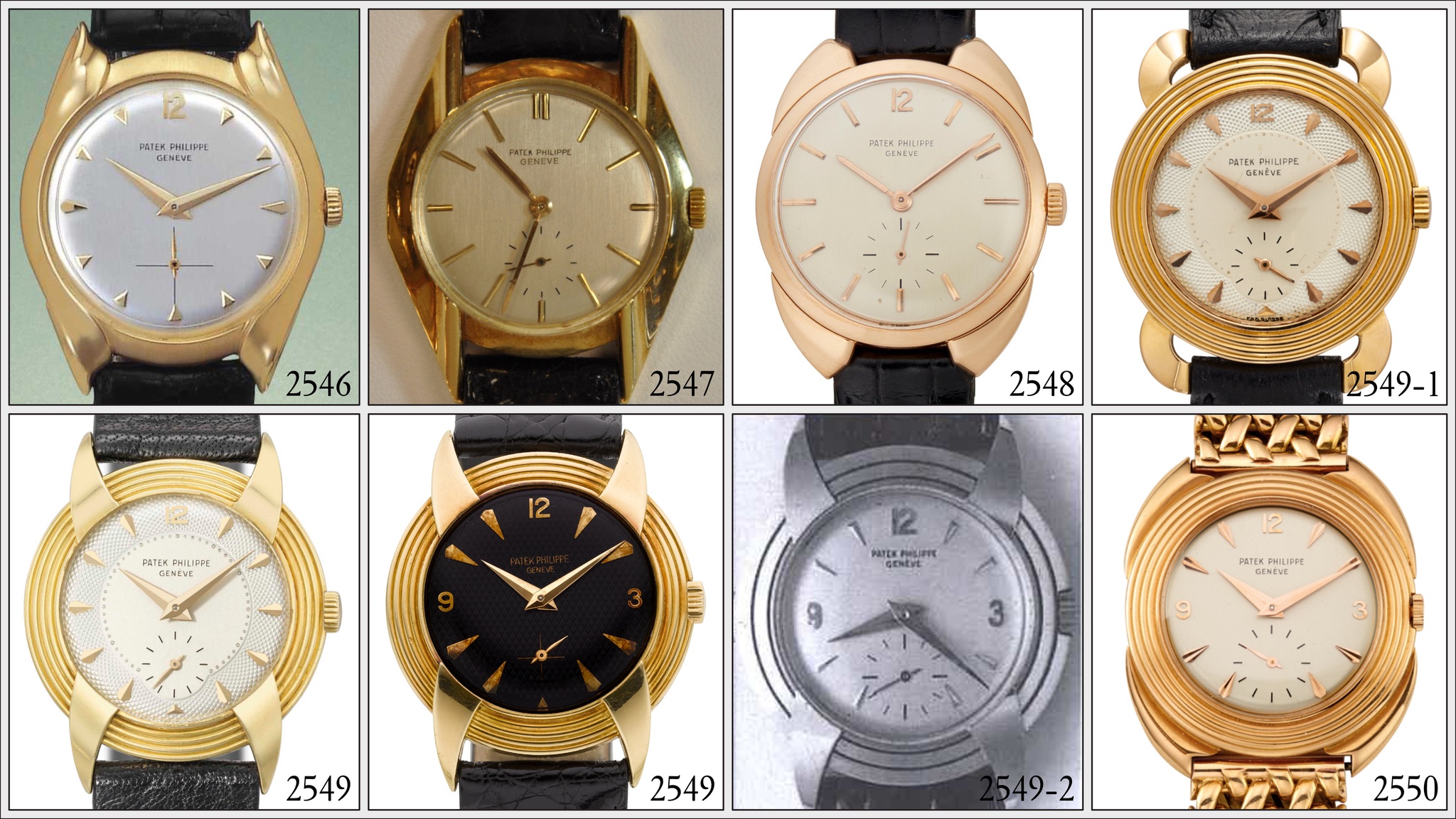
Eric Tortella
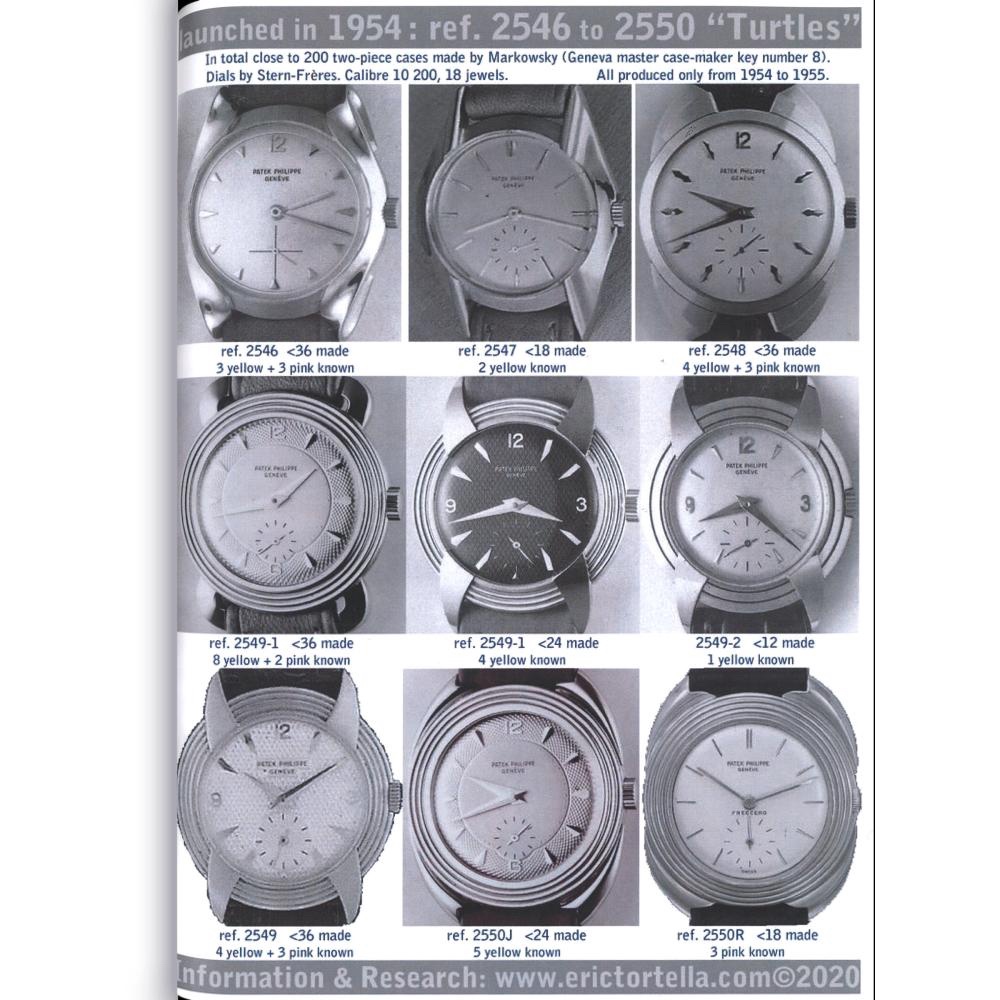
credit: Marcus Siems on Goldammer & Eric Tortella on invaluable.com
And here again is the alternative summary table that I propose and which I hope is a little more precise as far as collecting and differentiating all the cases is concerned...
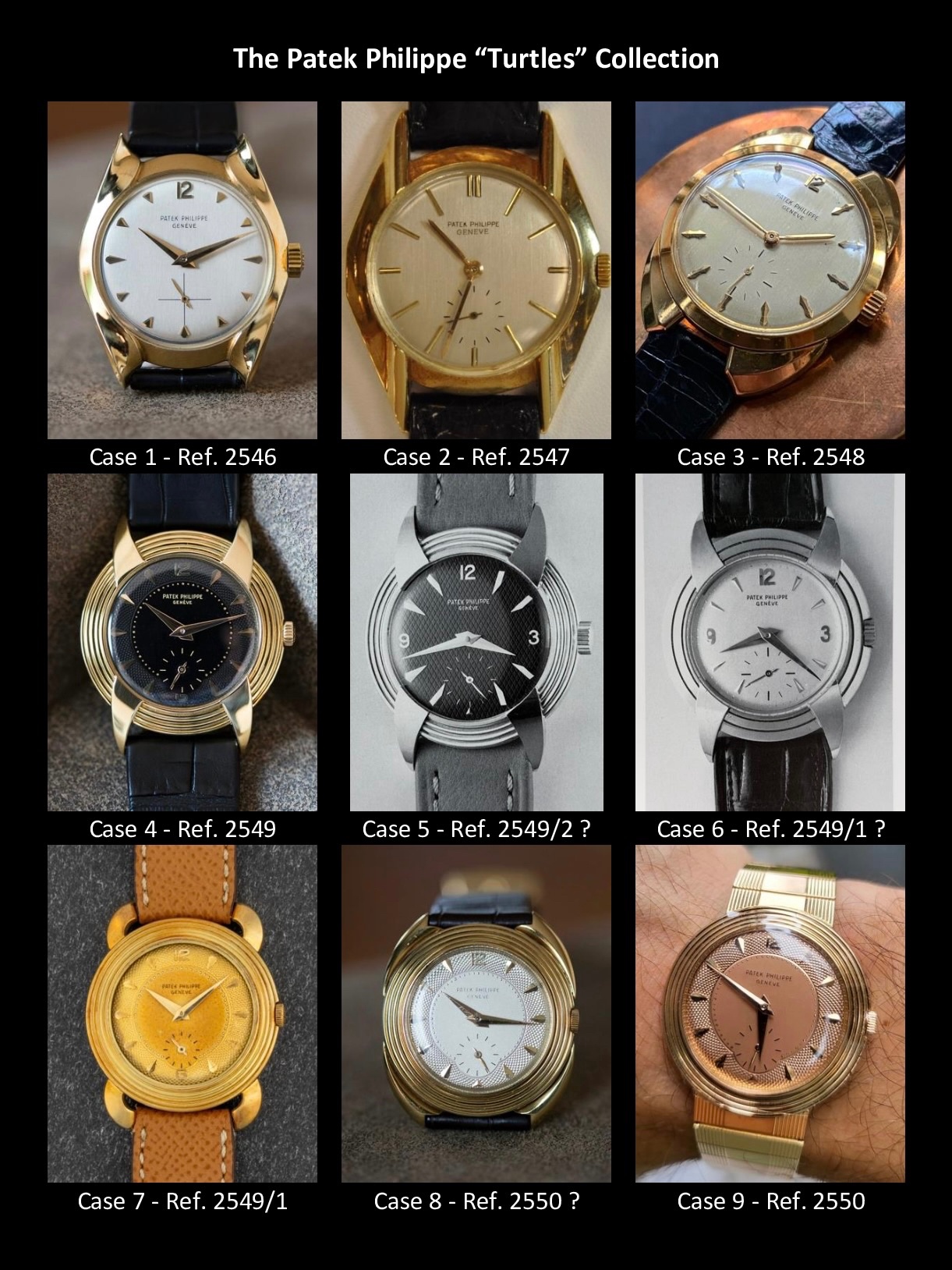
I hope you've enjoyed this presentation.
Feel free to share your feelings and reactions.
Thanks for reading.
Thanks for reading.
Best, Emmanuel

Vintage
Explore the Patek Philippe "Golden Era" of case design with collector Roni M, featuring vintage references like 2549/1 and 2546. Discover their unique aesthetics and value.
39 replies16409 views

Manufacture
Explore Patek Philippe Grand Exhibition NYC 2017 Part 1: Theater Room and Current Collection. See the 6006G Calatrava and 5168G Aquanaut.
5 replies1594939 views

Reference Guide
Explore the Patek Philippe 5070 chronograph: an in-depth review, historical context, and collector insights on its movement, design, and place in haute horlogerie.
247 replies226974 views

Complications
Explore Patek Philippe's 2011 minute repeater novelties, references 5216 and 7000, showcasing high complications and design details.
14 replies158947 views

Reference Guide
Mark in Paris recaps 2016 Patek Philippe articles and previews 2017 Aquanaut and Caliber 240 anniversaries. Essential guide for collectors.
30 replies149252 views

Collection
Explore the Patek Philippe Nautilus 5711/1A, dubbed the 'Rolls-Royce of toolwatches.' Discover why this iconic reference captivates collectors with its understated luxury and enduring design. A must-read for Nautilus enthusiasts.
74 replies107155 views
The “Turtles” collection
The “ Turtles ” collection is a series of Patek Philippe watches produced from 1954 to 1956 (?), which all feature : A case made by François Markowski (Geneva master case-maker, key number 8). A dial made by Stern Frères . A 10-200 manual-winding caliber ...


