
quattro
[Moderator]
20932

Patek Philippe - Independent dead seconds
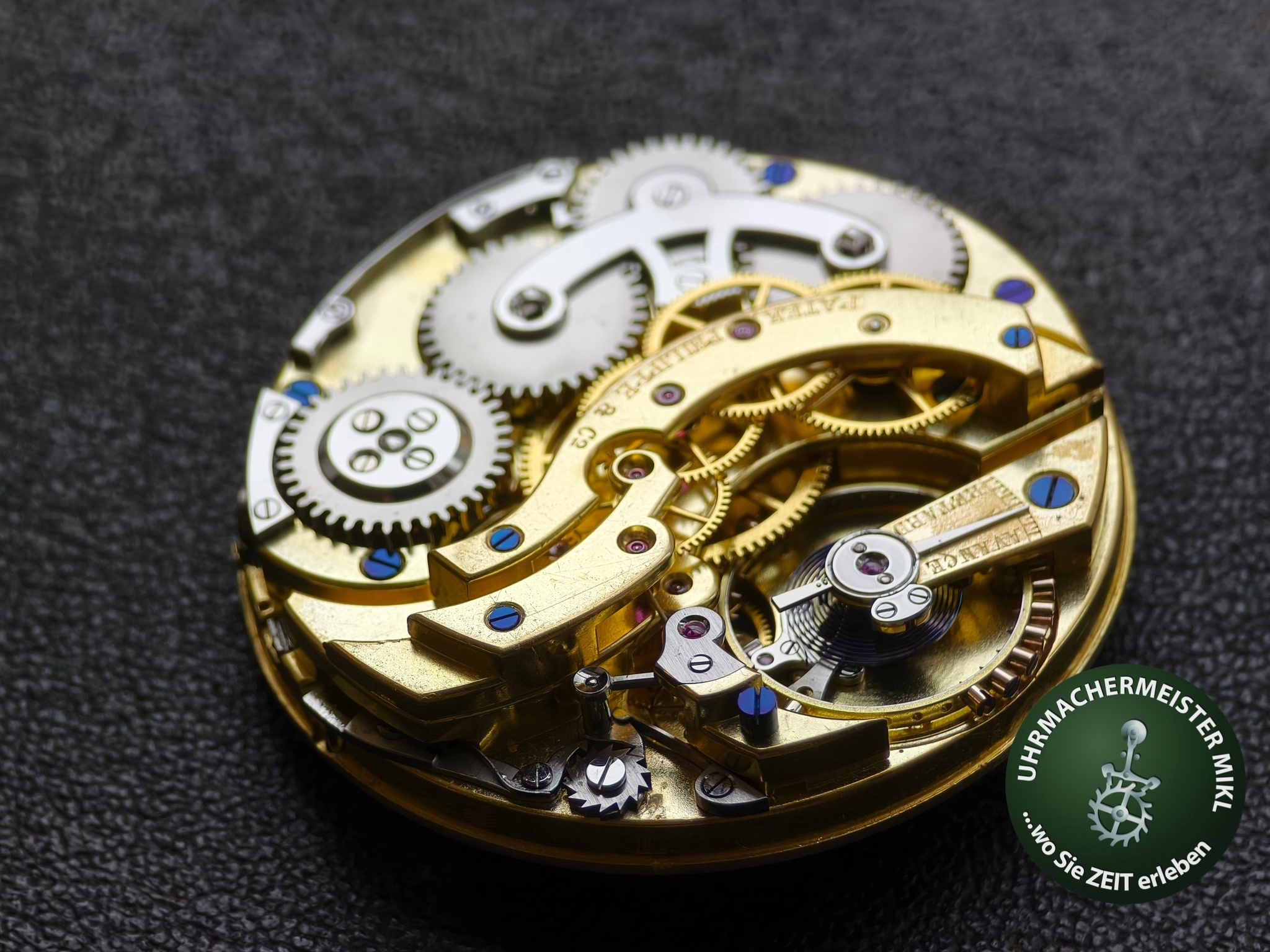
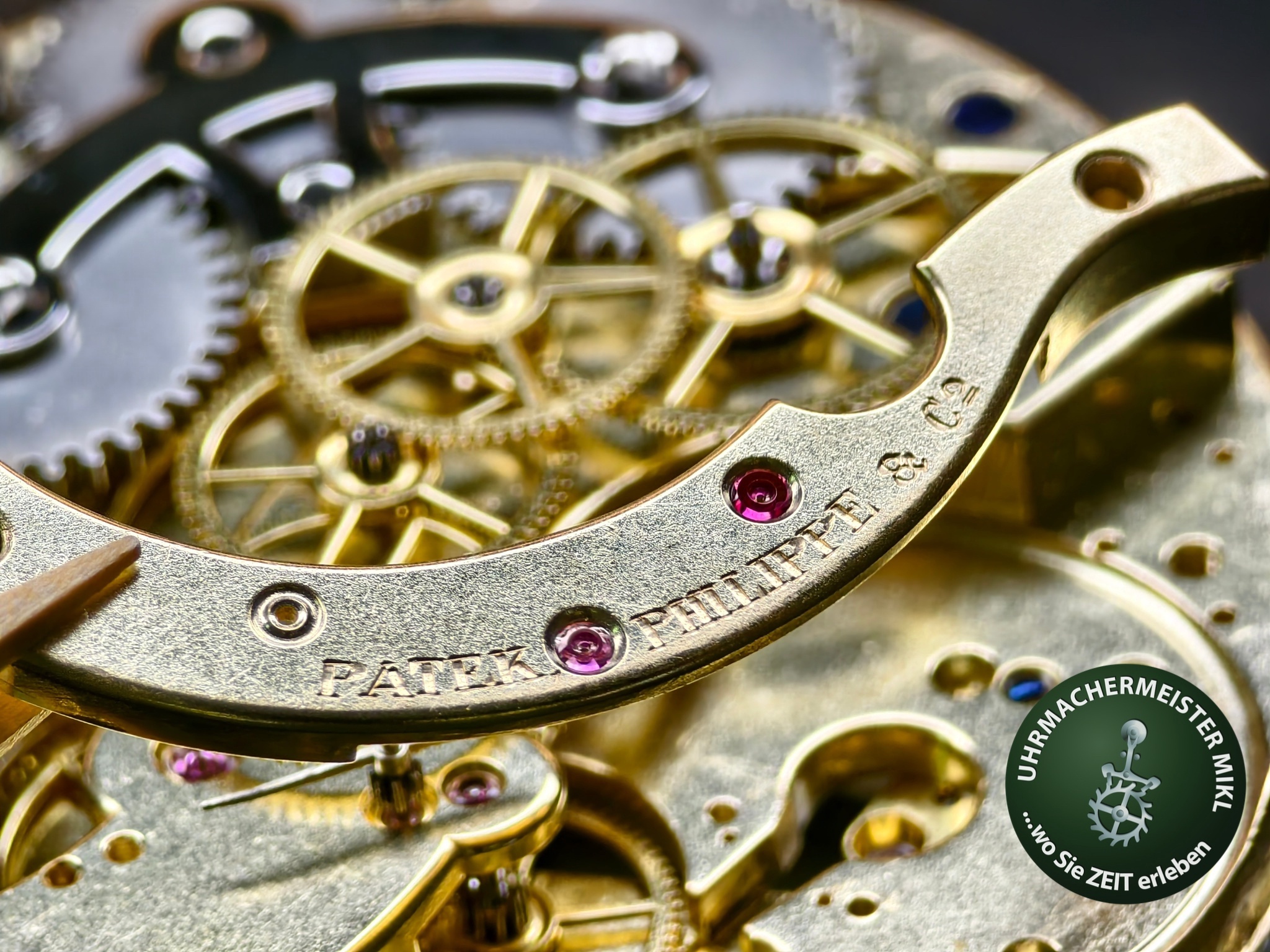
Around 1847, Jean-Adrien Philippe, co-founder of Patek Philippe, developed a movement with central independent dead seconds based on a Victorin Piguet & Cie ebauche.
The center independent dead seconds hand can be activated on demand via a pusher located on the band of the case (at 4 o'clock if the crown is at 3 o'clock or at 1 o'clock if the crown is at 12 o'clock).
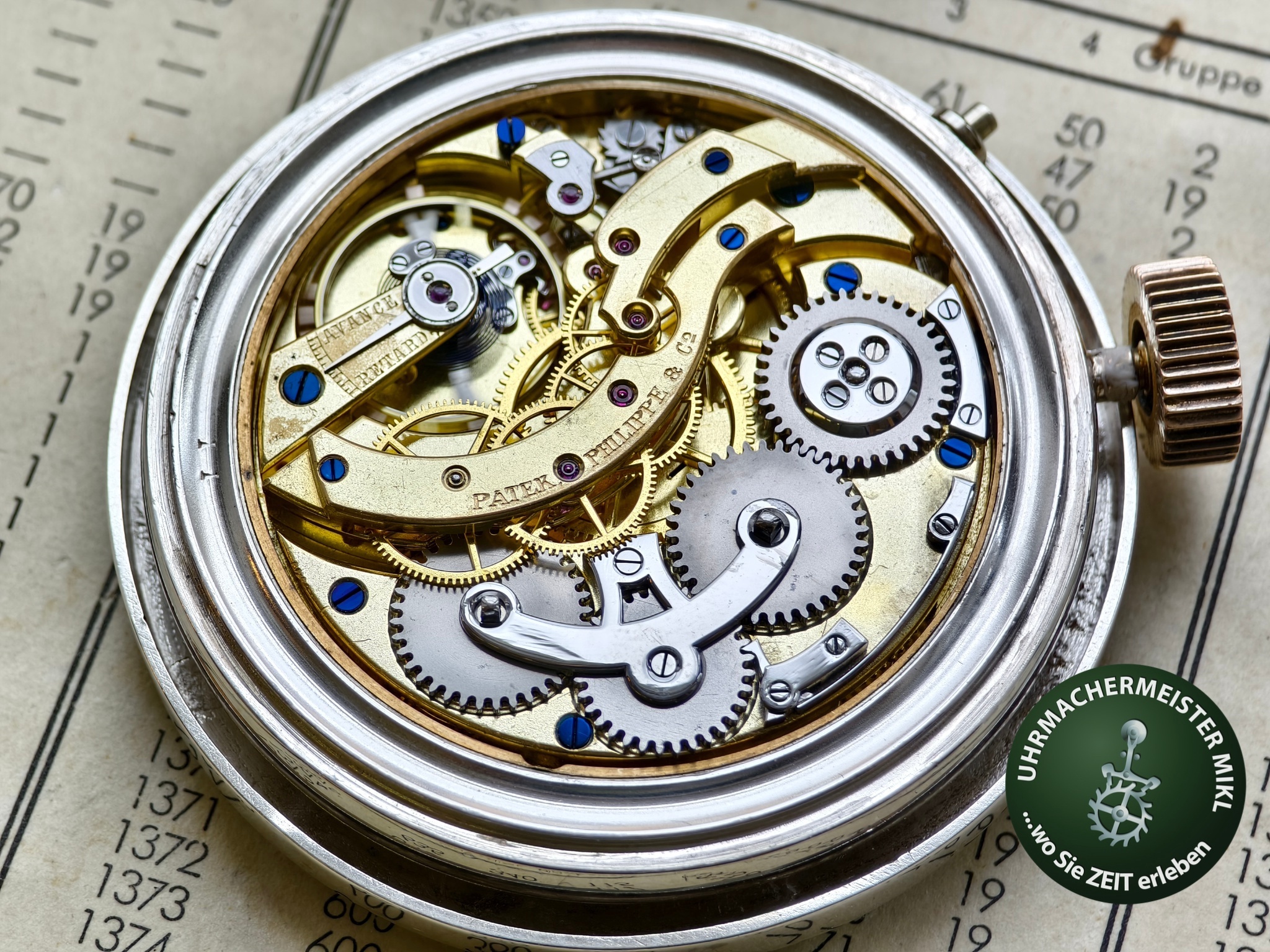
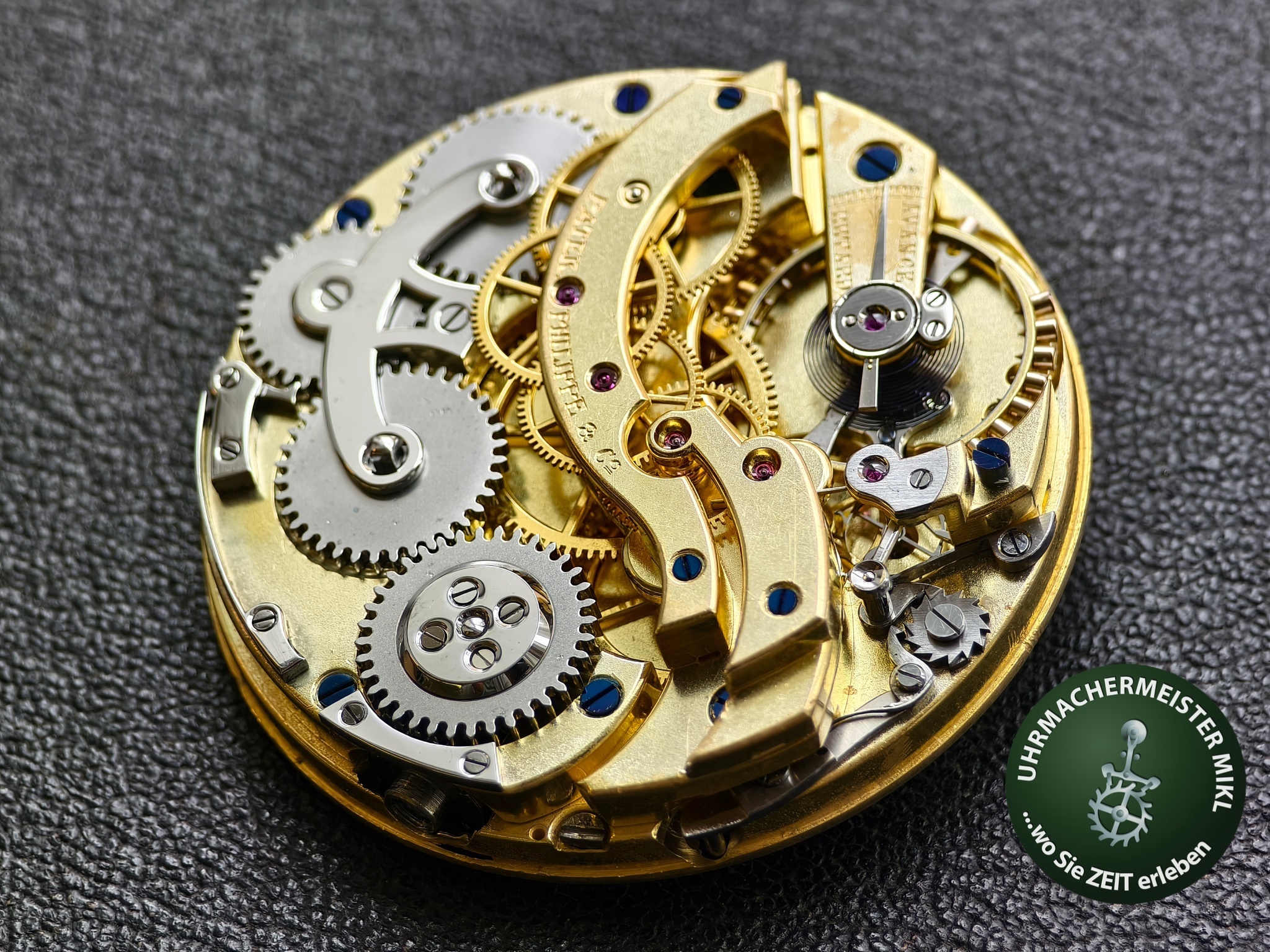
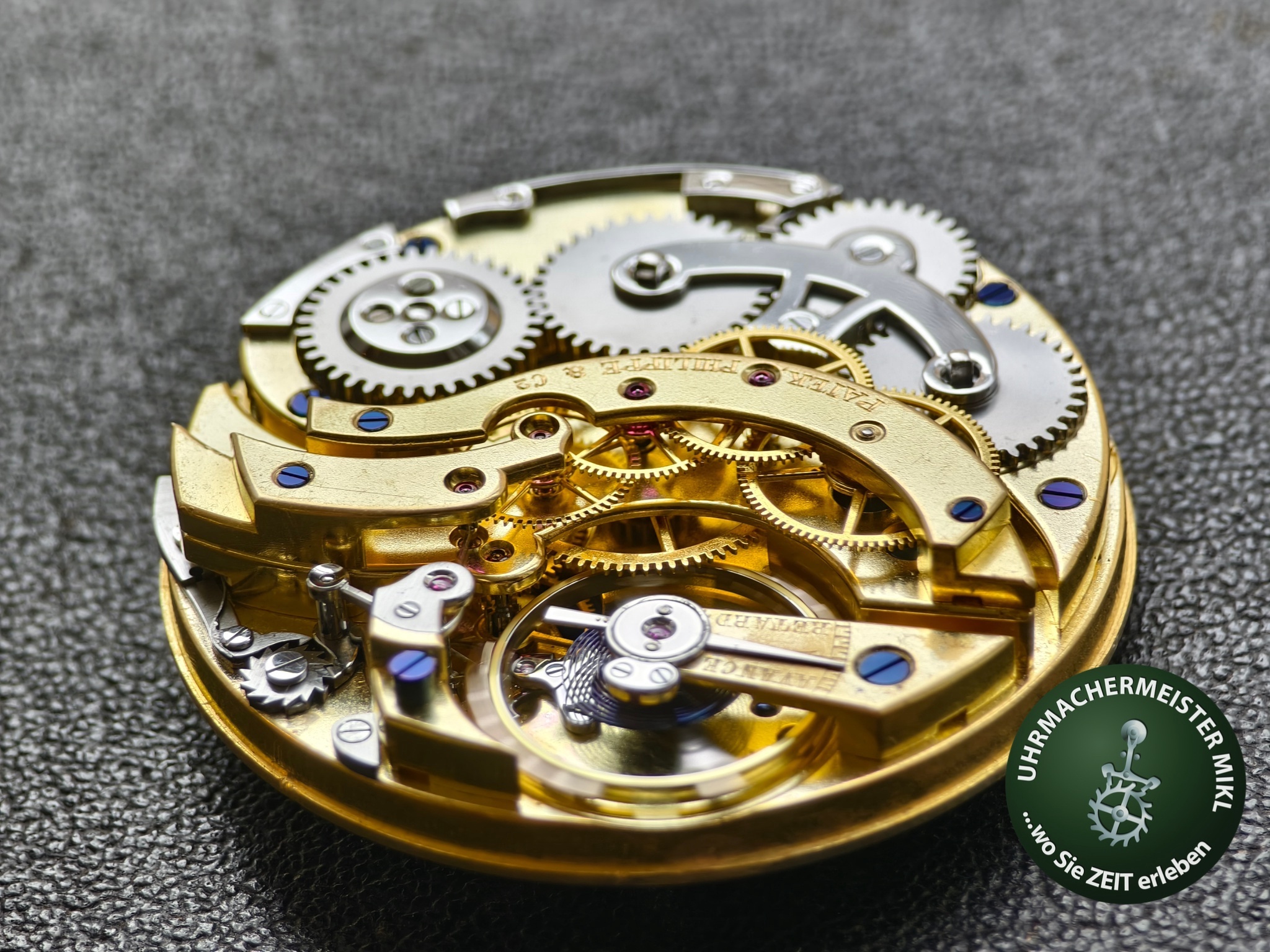
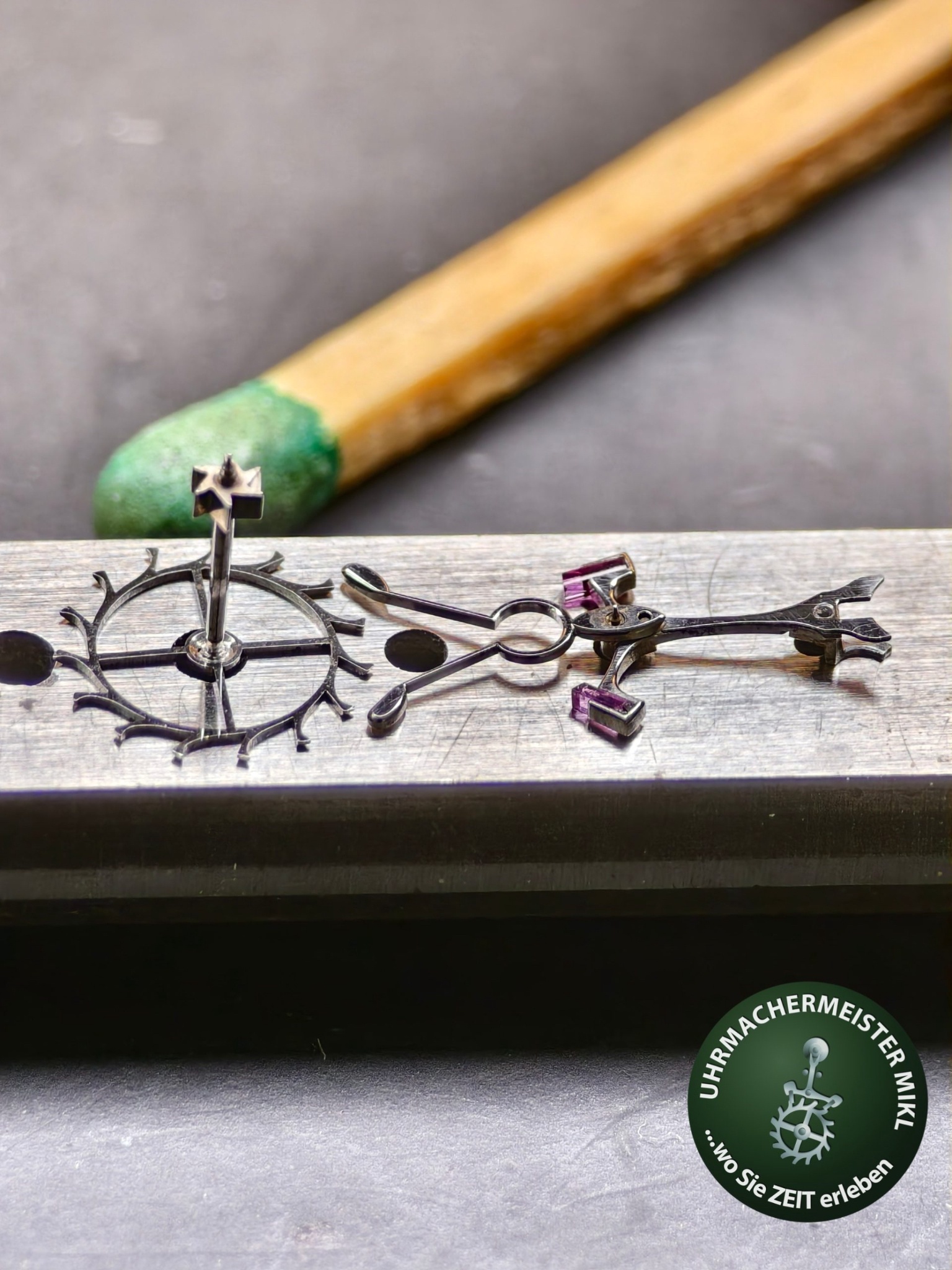
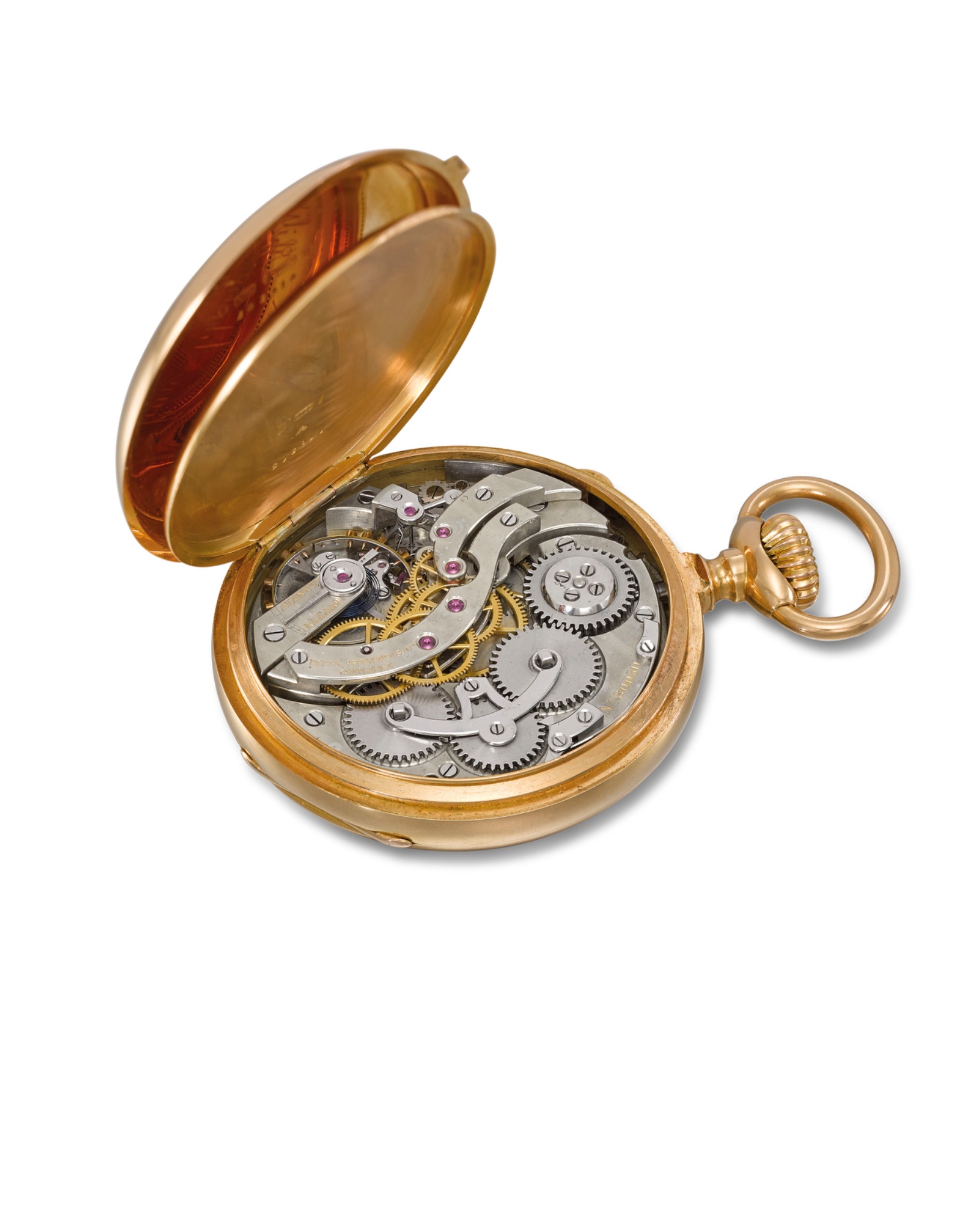
The movement features two barrels with simultaneous winding and two gear trains.
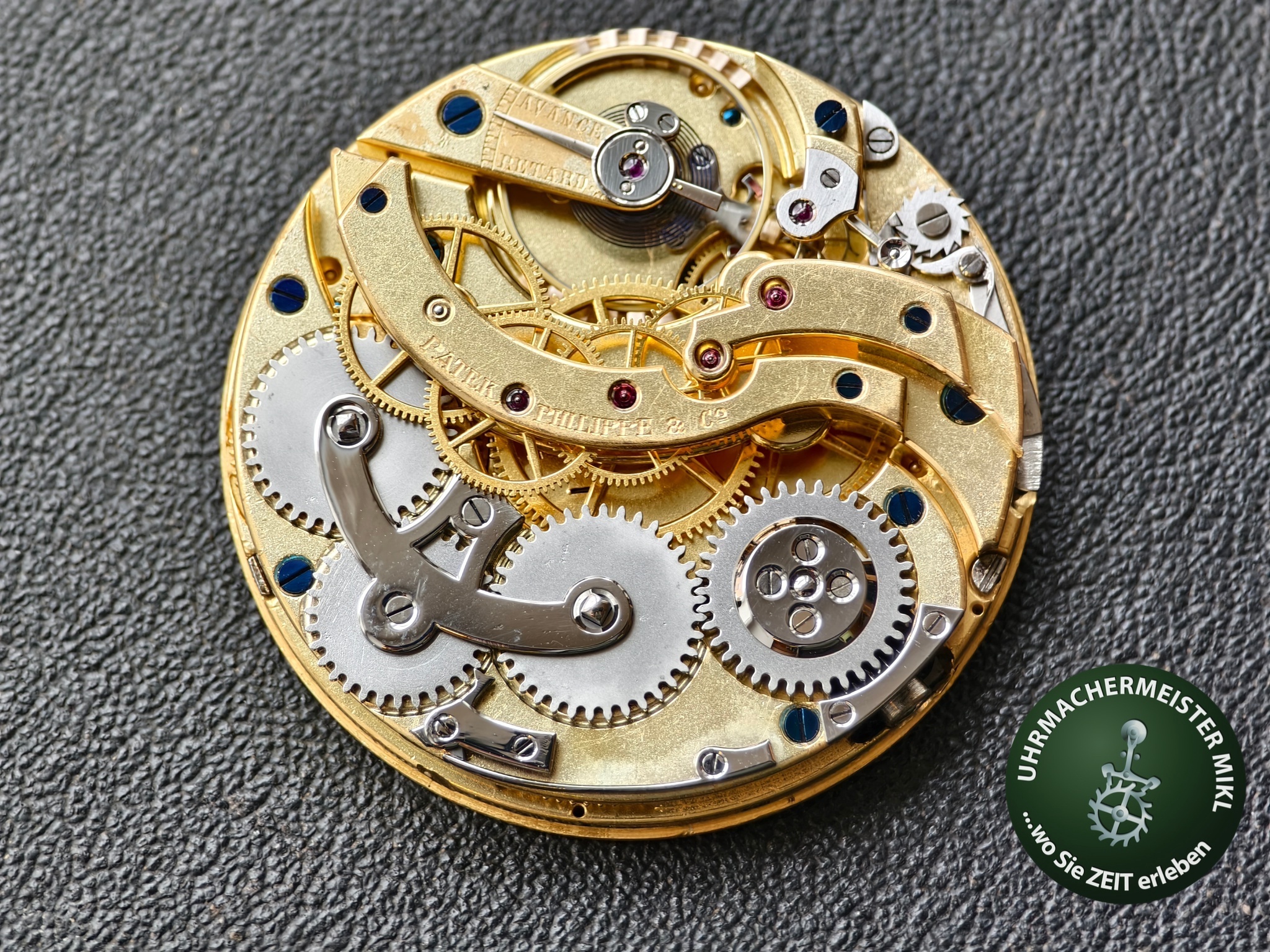
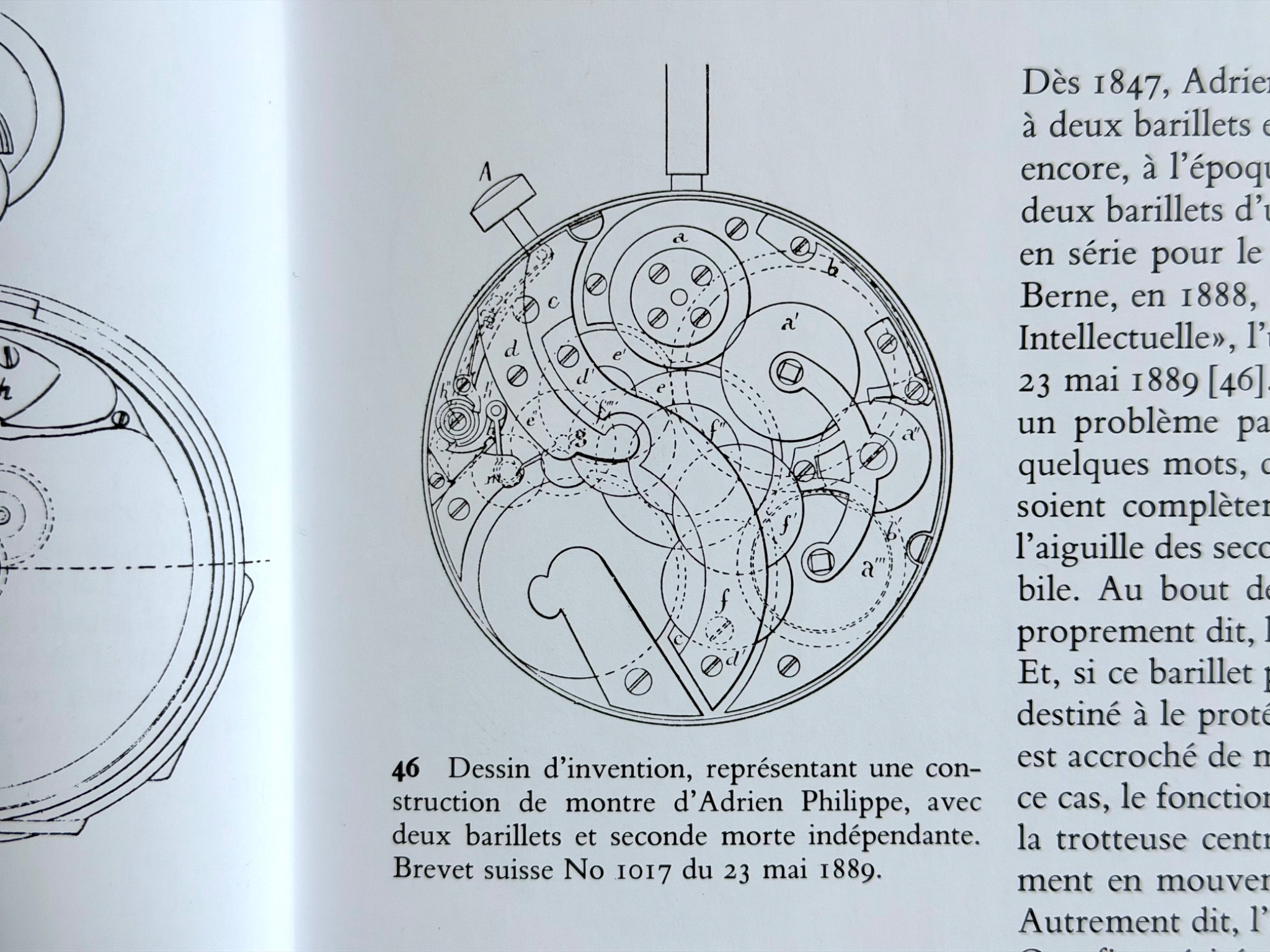
Following the establishment in Bern in 1888 of a Swiss patent office, the "Federal Office of Intellectual Property," this invention was protected there by patent no. 1017 of May 23, 1889.
The caption for the drawing below reads:
“Invention drawing, representing a watch design by Adrien Philippe, with two mainspring barrels and an independent deadbeat seconds hand. Swiss Patent No. 1017 of May 23, 1889.”
This invention is mentioned at the beginning of a chapter devoted to the “other inventions and patented constructions of Adrien Philippe”, that is to say the inventions different from the pendant winding system.
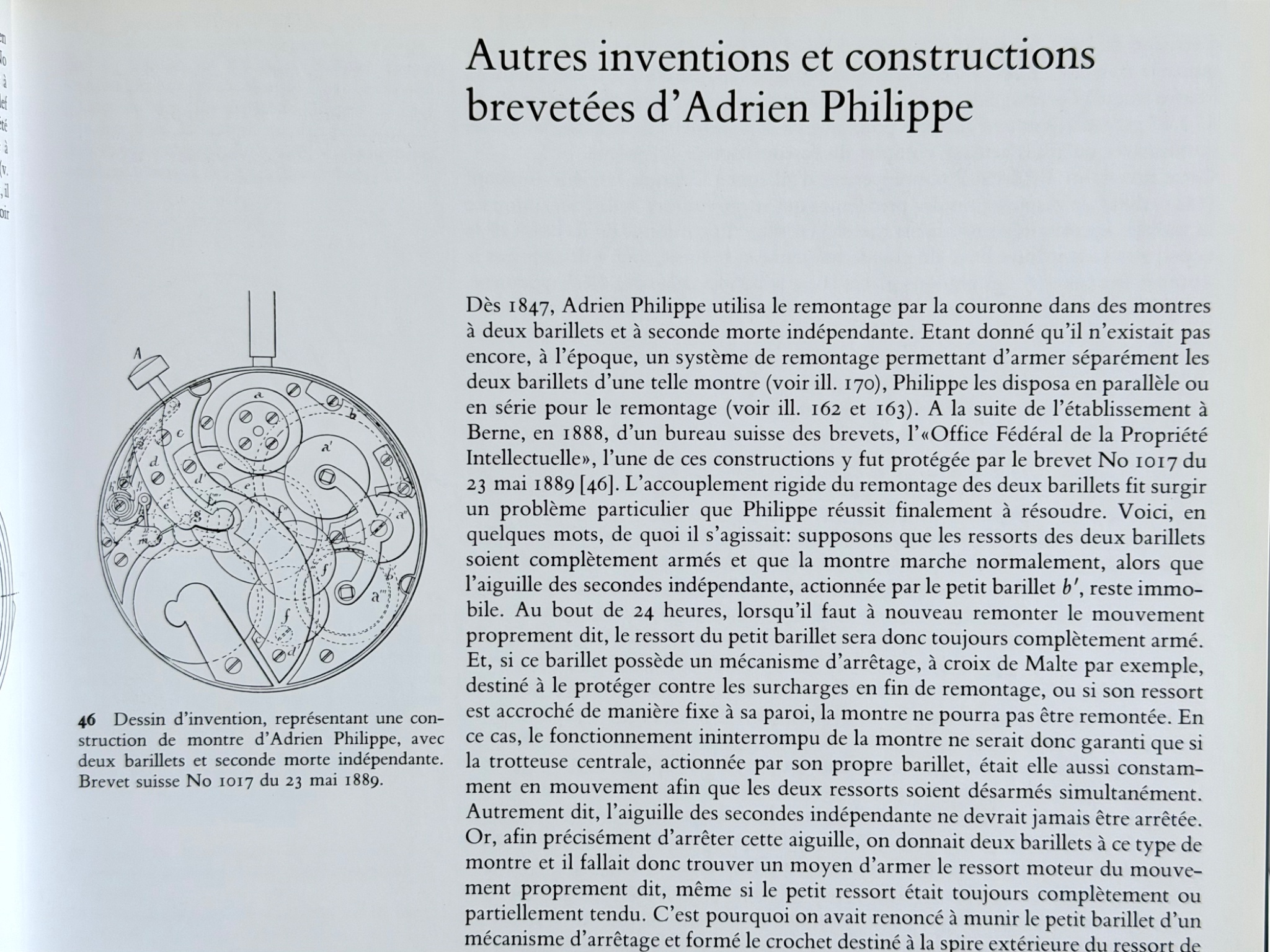
credit: Photos of my personal copy of the book by Martin Huber & Alan Banderry, Patek Philippe Genève (2nd edition, 1993), p. 53
Portrait of Jean Adrien Philippe (1815-1894)
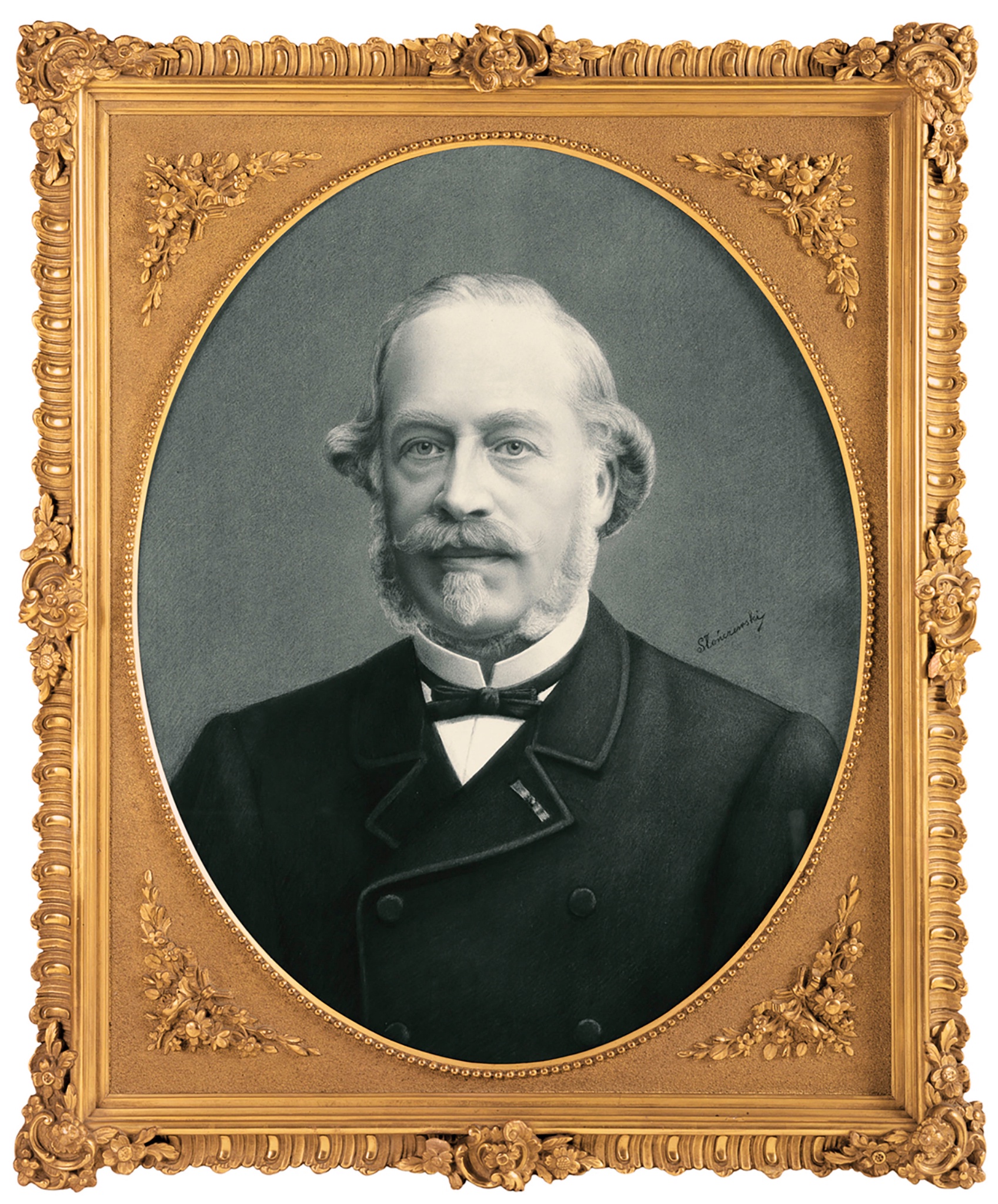
credit: Christie's
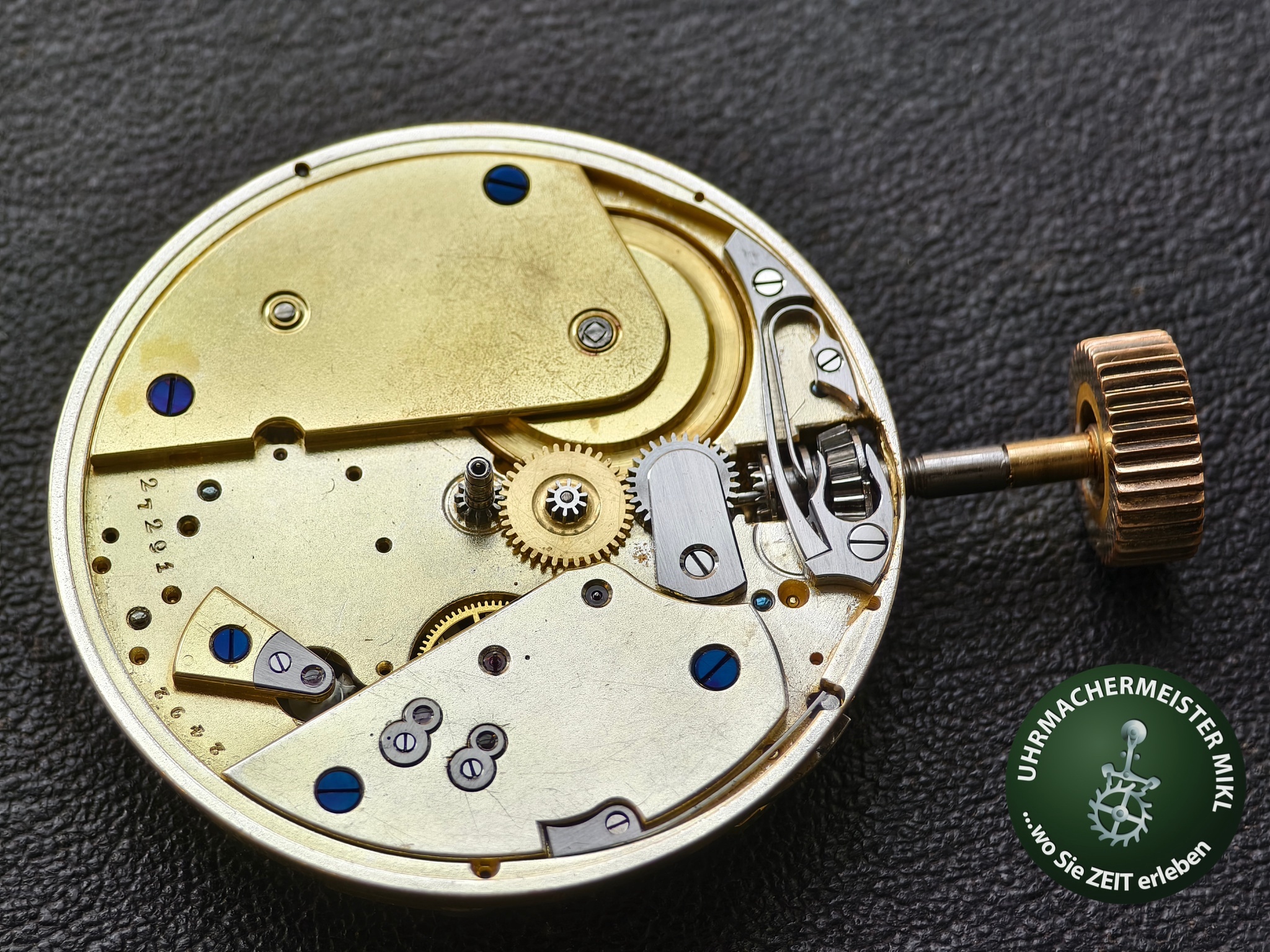
Here are some more photos of the movement presented by Uhrmachermeister Mikl
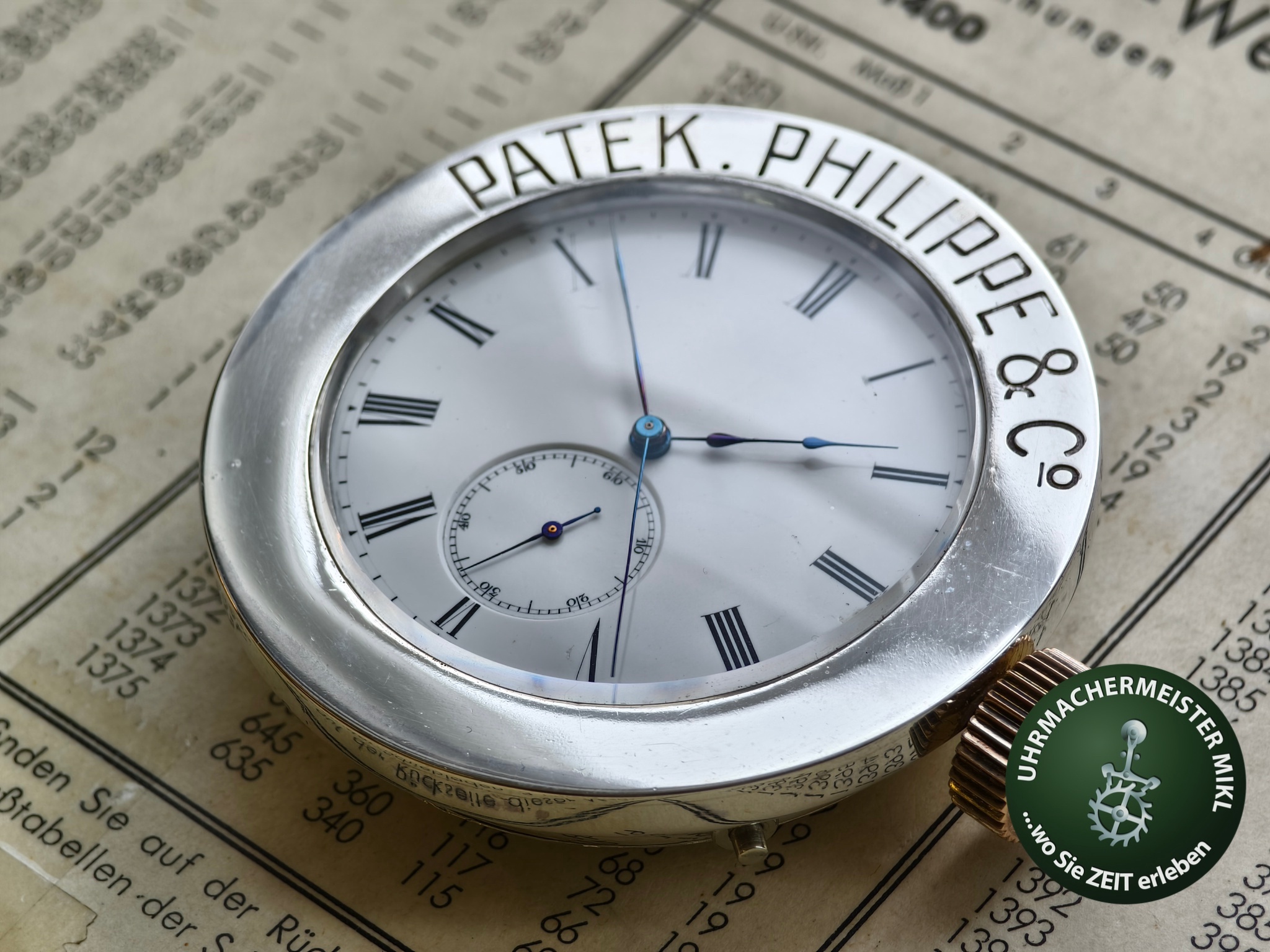
The movement is housed in a surprising “working case” (words of Antiquorum, by which the watch was sold).
And, of course, the center independent dead seconds hand is completely distinct from the non-independent small seconds.
Notice also that the dial is unsigned.
credit: Uhren-Mikl & Christie’s (portrait of Jean Adrien Philippe)
credit: Uhren-Mikl & Christie’s (portrait of Jean Adrien Philippe)
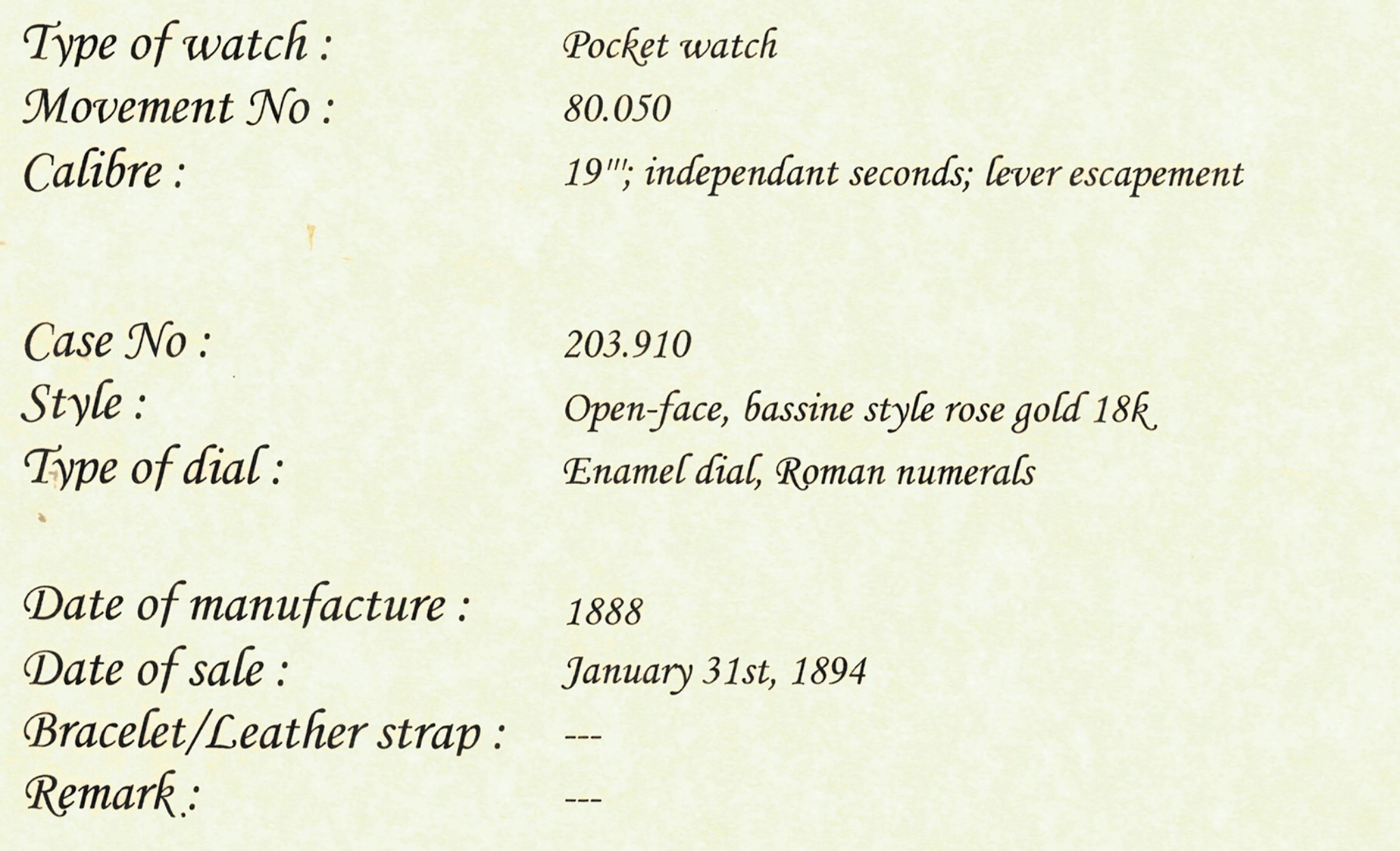
In the Patek Philippe Musuem, one can admire another example of independent dead seconds pocket watch, which is housed in a beautiful rose gold case.
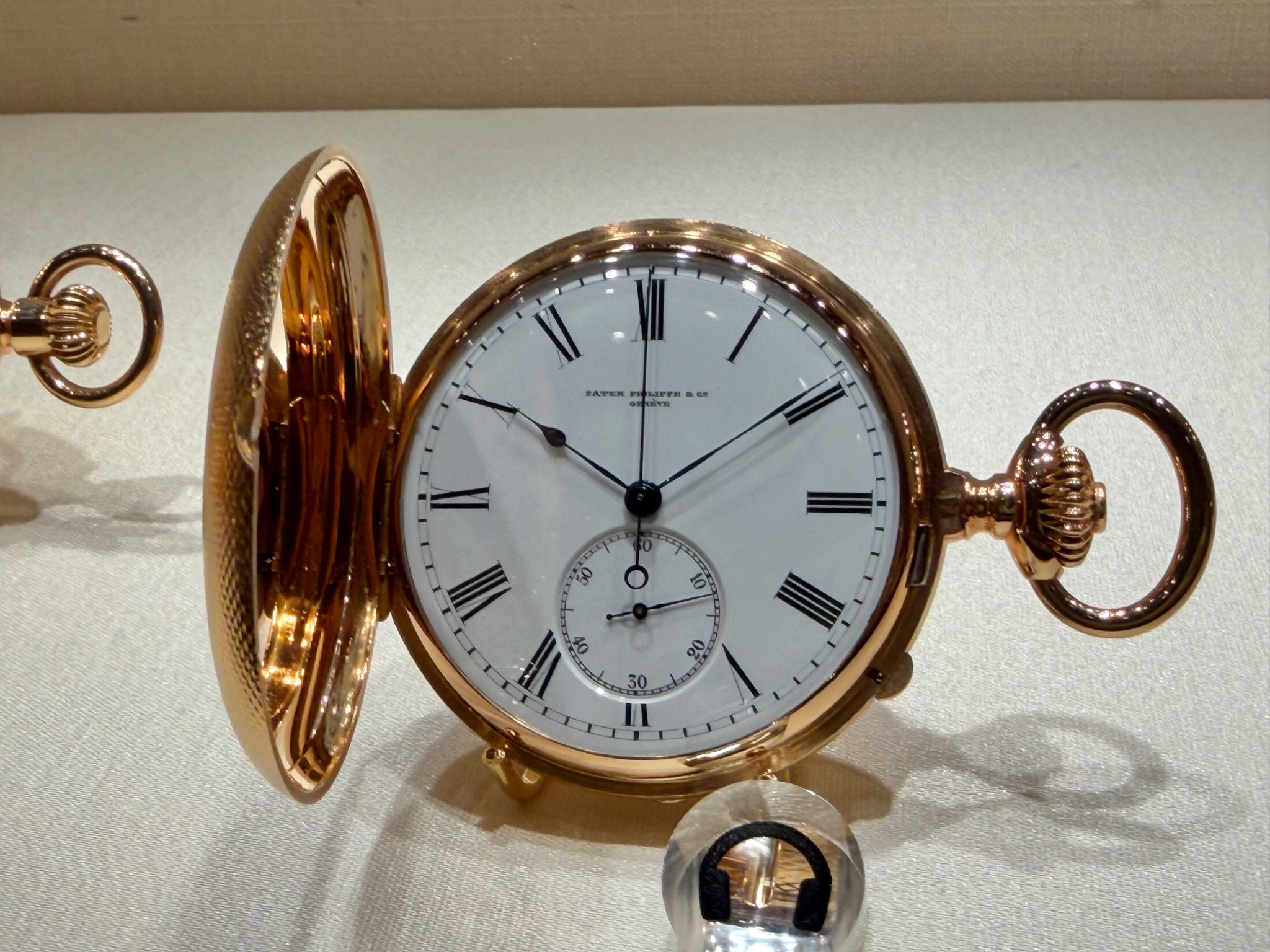
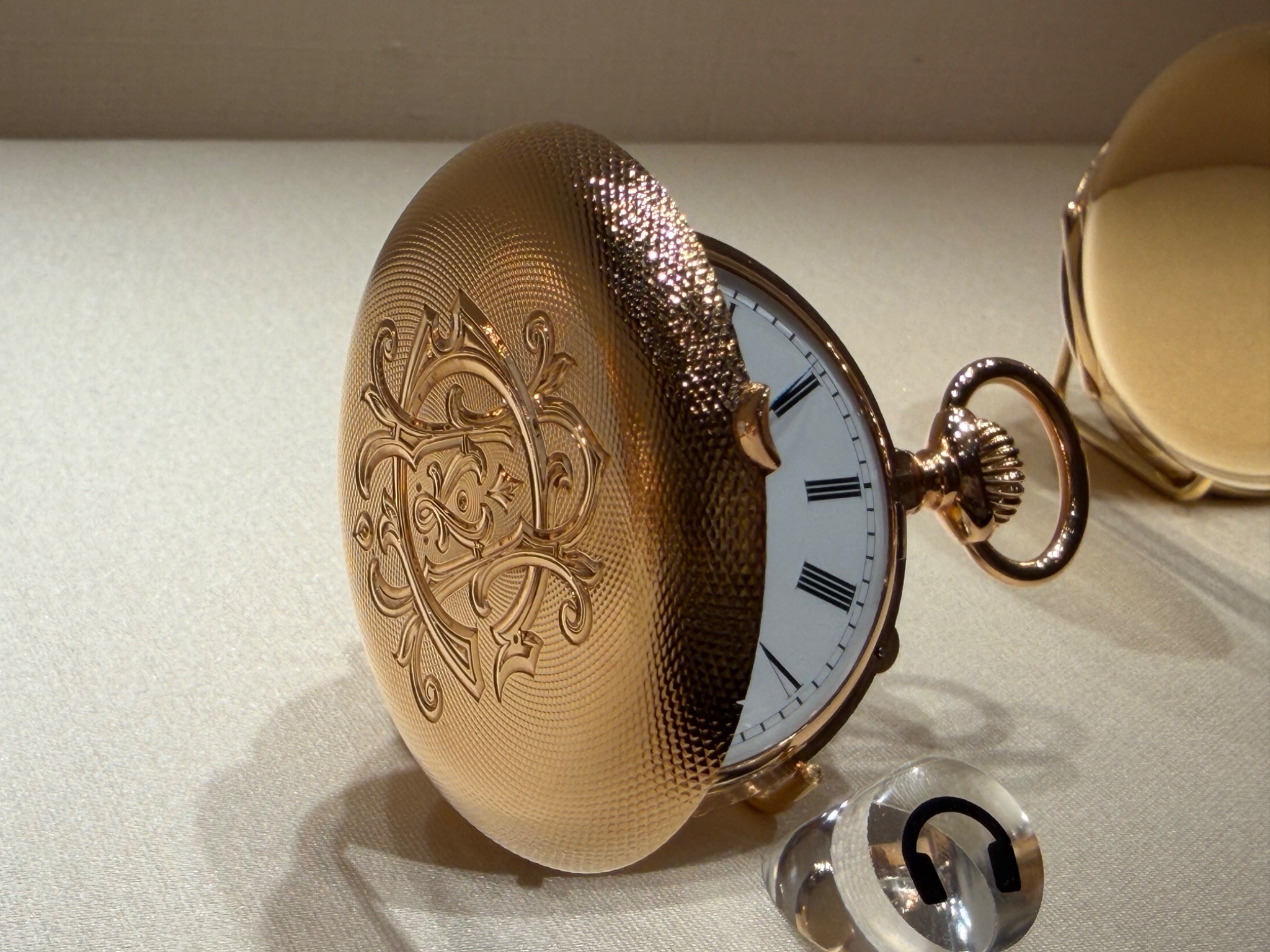
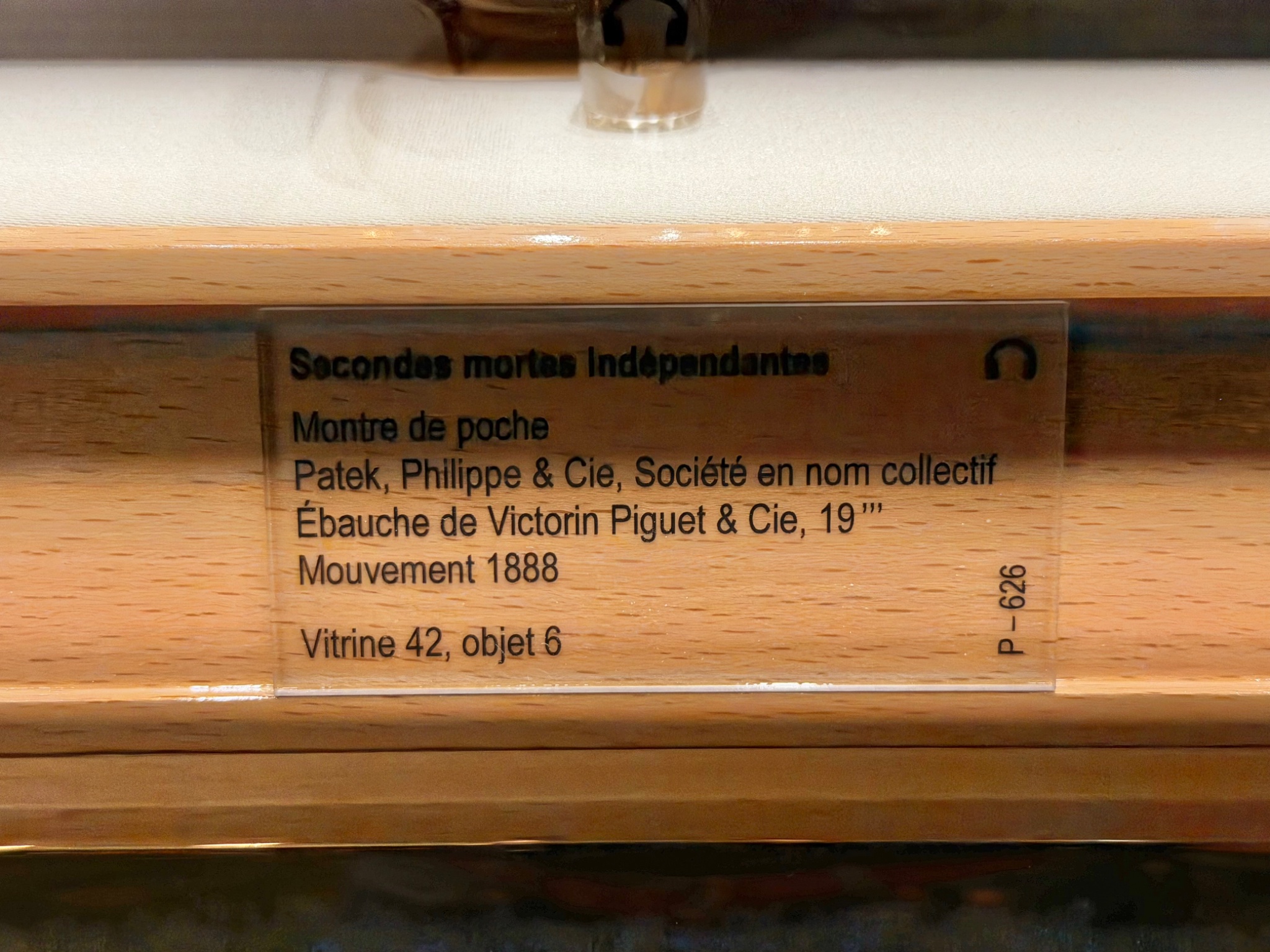
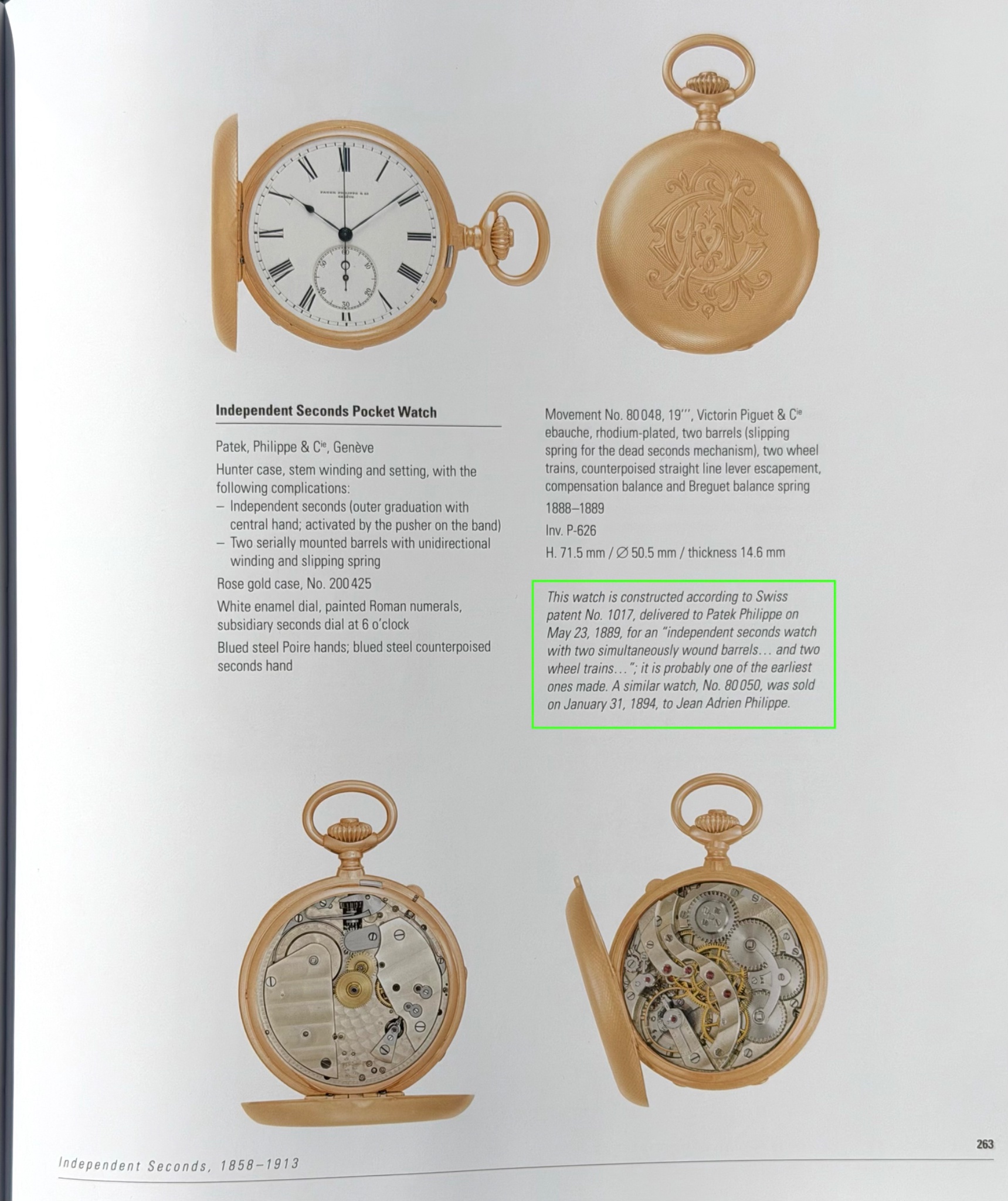
The watch is presented on page 263 of the Patek Philippe Museum Catalogue, Volume I.
The watch is presented on page 263 of the Patek Philippe Museum Catalogue, Volume I.
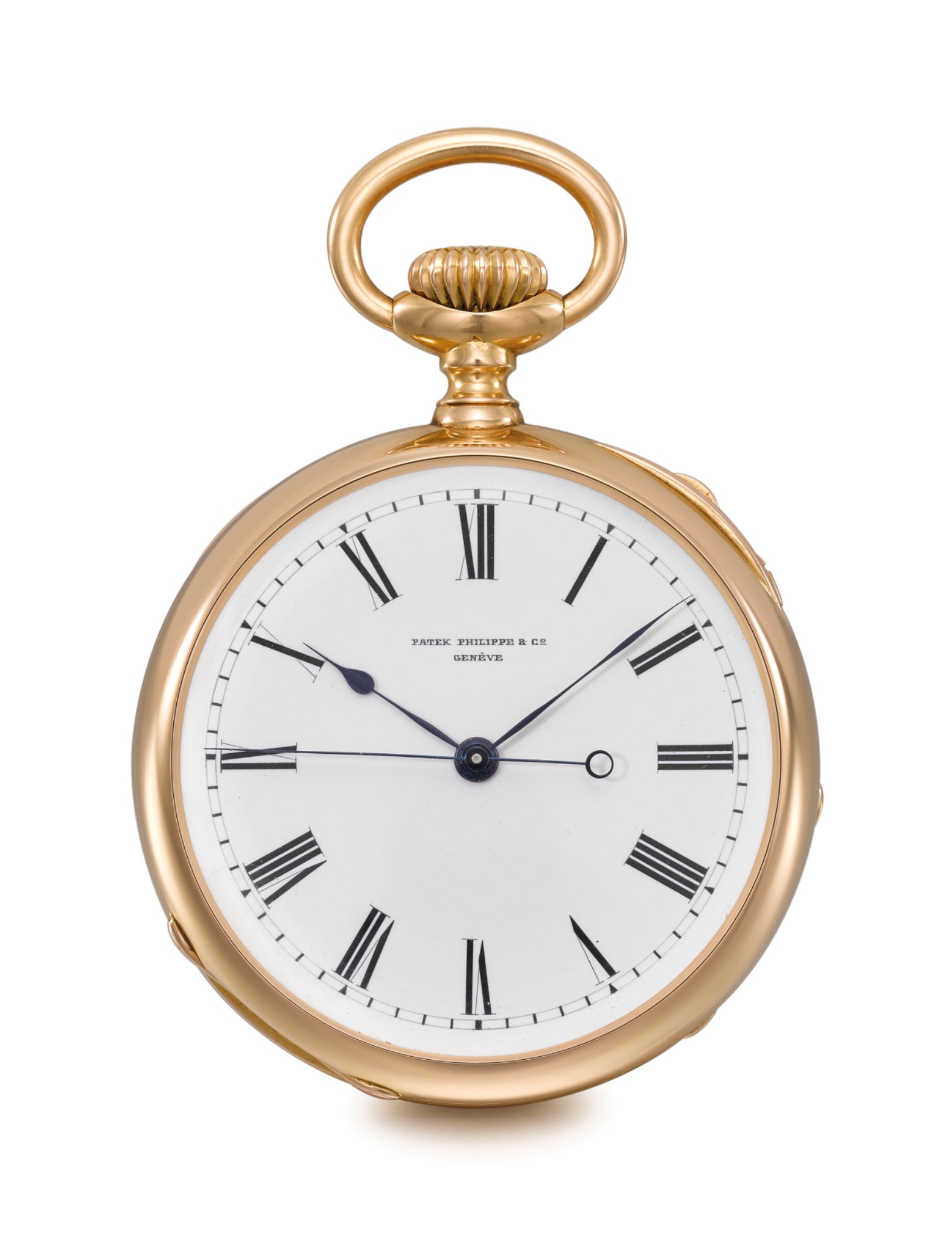
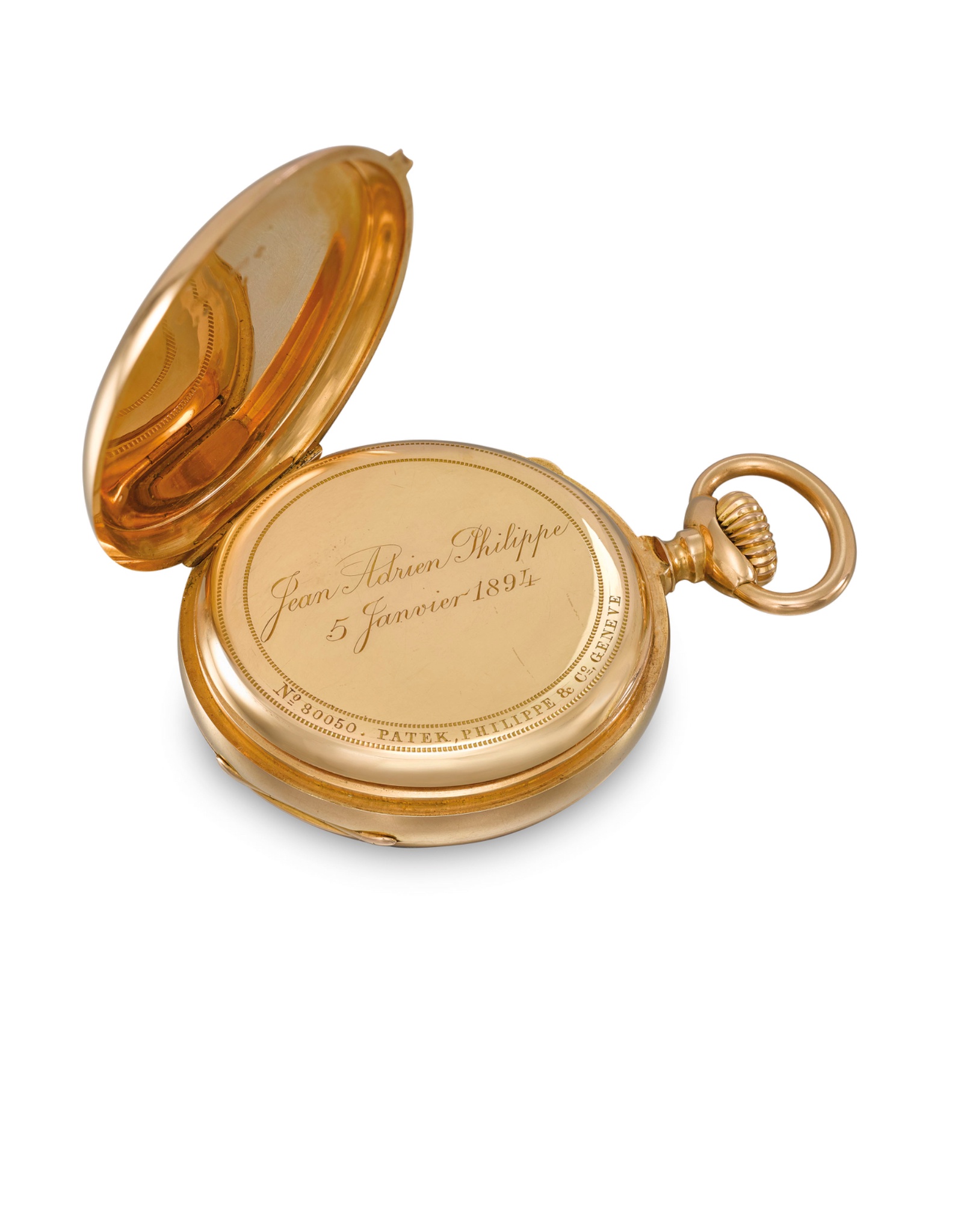
Notice that the catalogue mentions the existence of “a similar watch, No. 80050, [which] was sold on January 31, 1894, to Jean Adrien Philippe”...
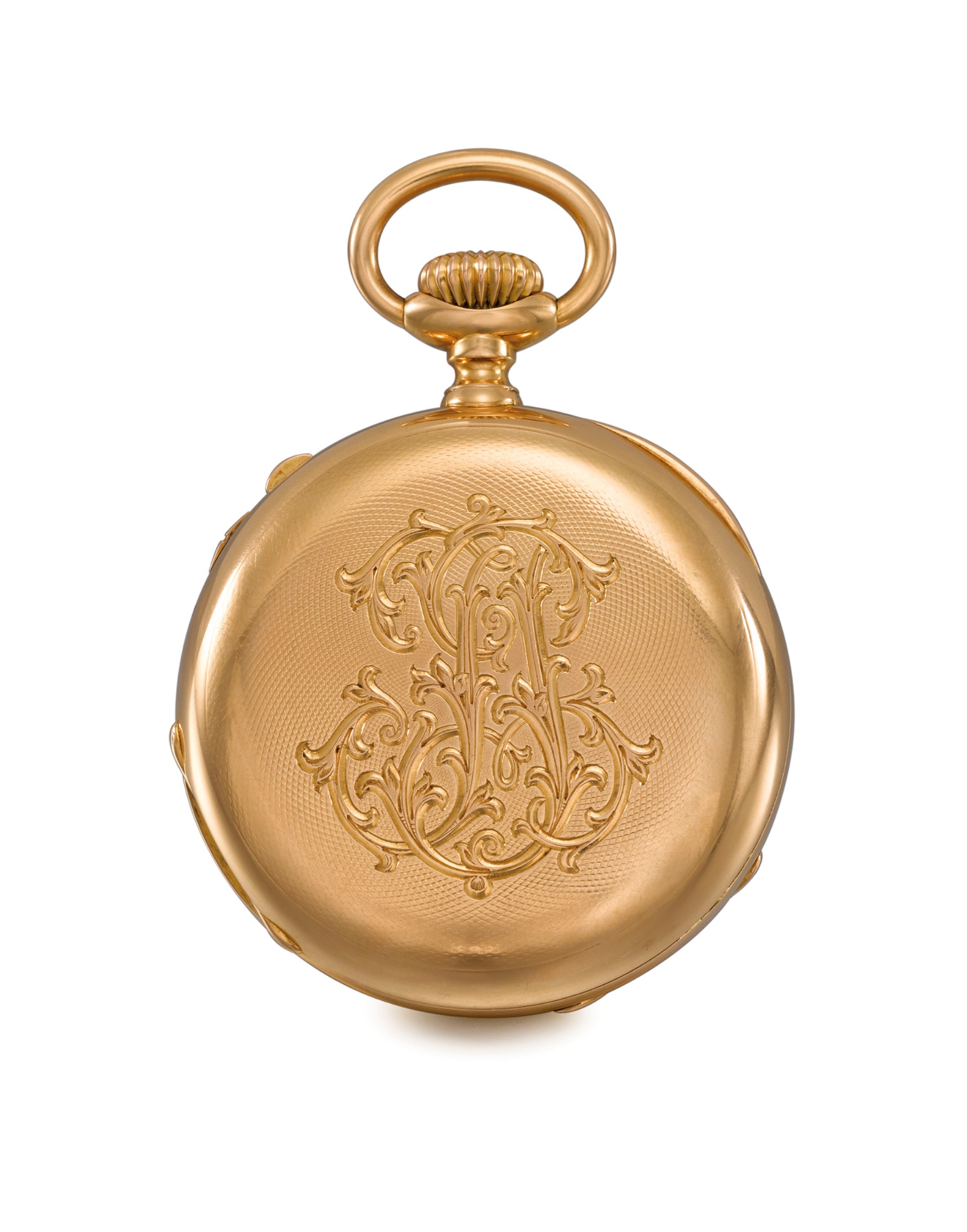
... and it happens that this particular watch no. 80'050 was sold by Christie's on May 13th, 2019.
... and it happens that this particular watch no. 80'050 was sold by Christie's on May 13th, 2019.
As stated in the Lot Essay:
“Jean-Adrien Philippe passed away on 5 January 1894.
It is therefore most likely that watch no. 80'050 has been formally purchased from the company by his son Joseph Émile Philippe on 31 January 1894.
Being his father’s watch, he had the date engraved on the cuvette and his monogram "JAP" to the case back, as a memorial to him.”
Notice that, contrarily to the previous examples, it doesn't feature a small seconds register.
credit: Christie’s
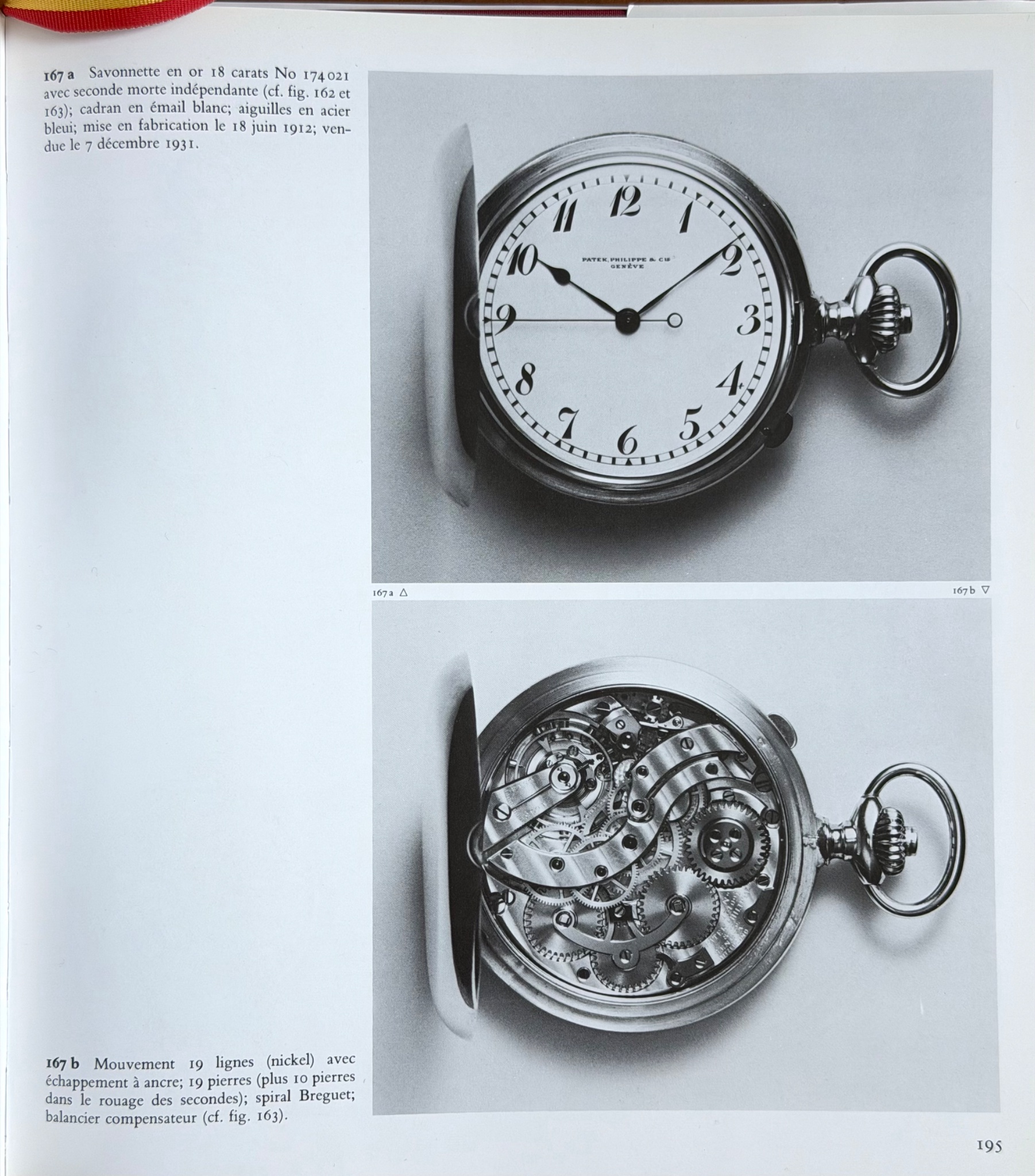
Another example, also without a small seconds register at 6 o'clock, is presented on page 195 of the book by Martin Huber & Alan Banderry, Patek Philippe Genève (2nd edition, 1993).
Notice that, contrarily to the previous examples, it doesn't feature a small seconds register.
credit: Christie’s
Another example, also without a small seconds register at 6 o'clock, is presented on page 195 of the book by Martin Huber & Alan Banderry, Patek Philippe Genève (2nd edition, 1993).
And another later example with a double signed working case (by Italian retailer Hausmann) was sold by Antiquorum on October 18th, 1997.
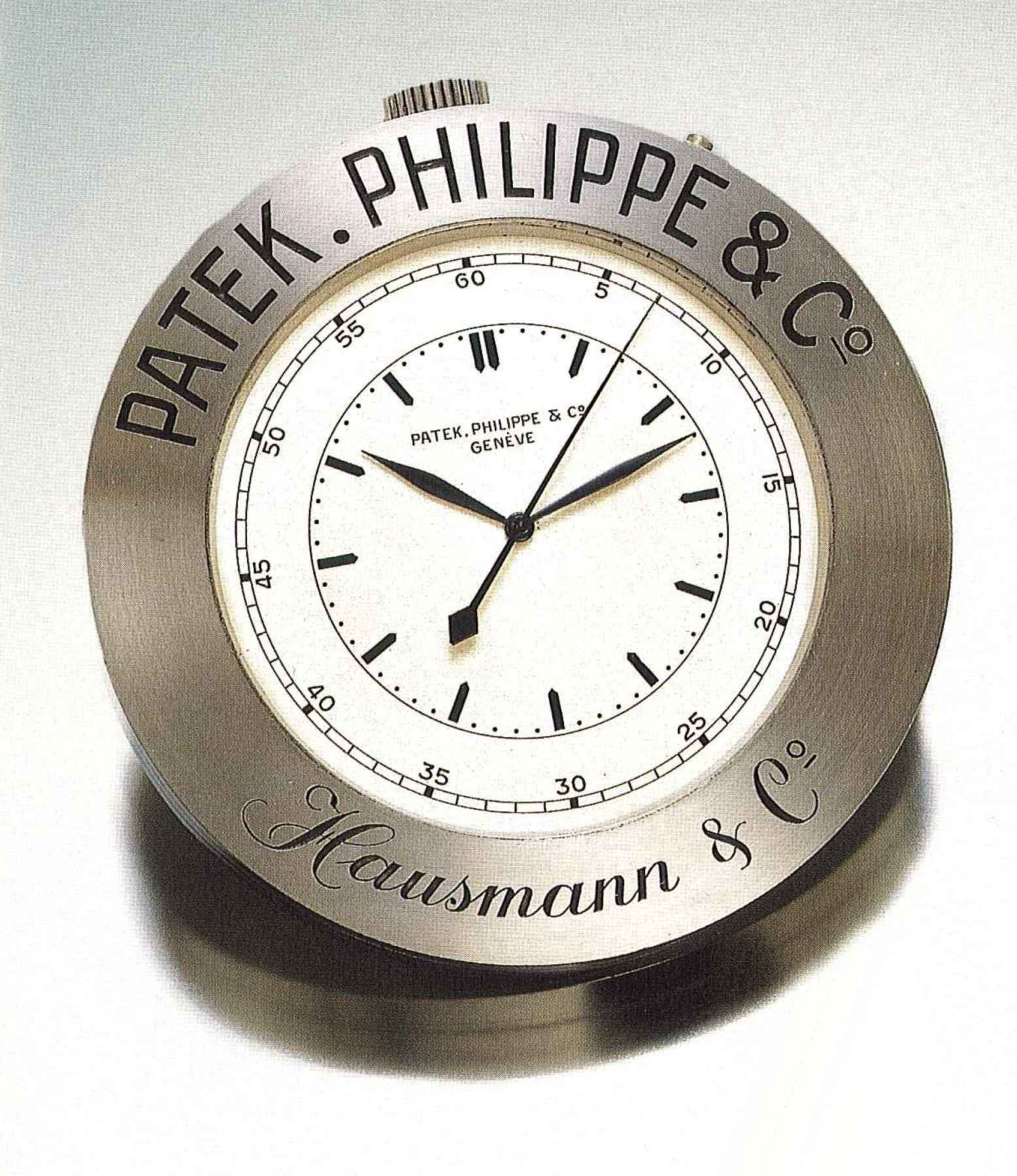
credit: Antiquorum
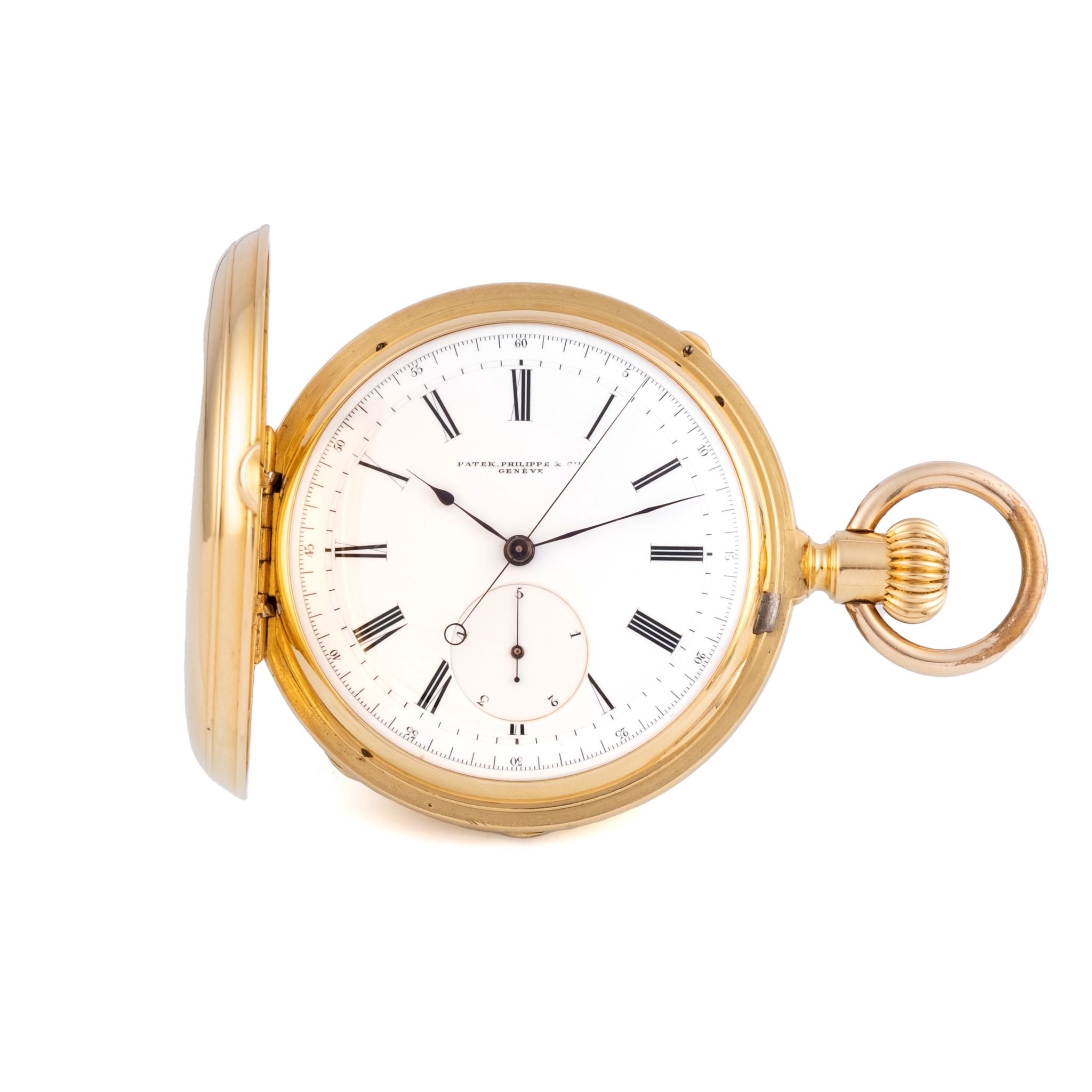
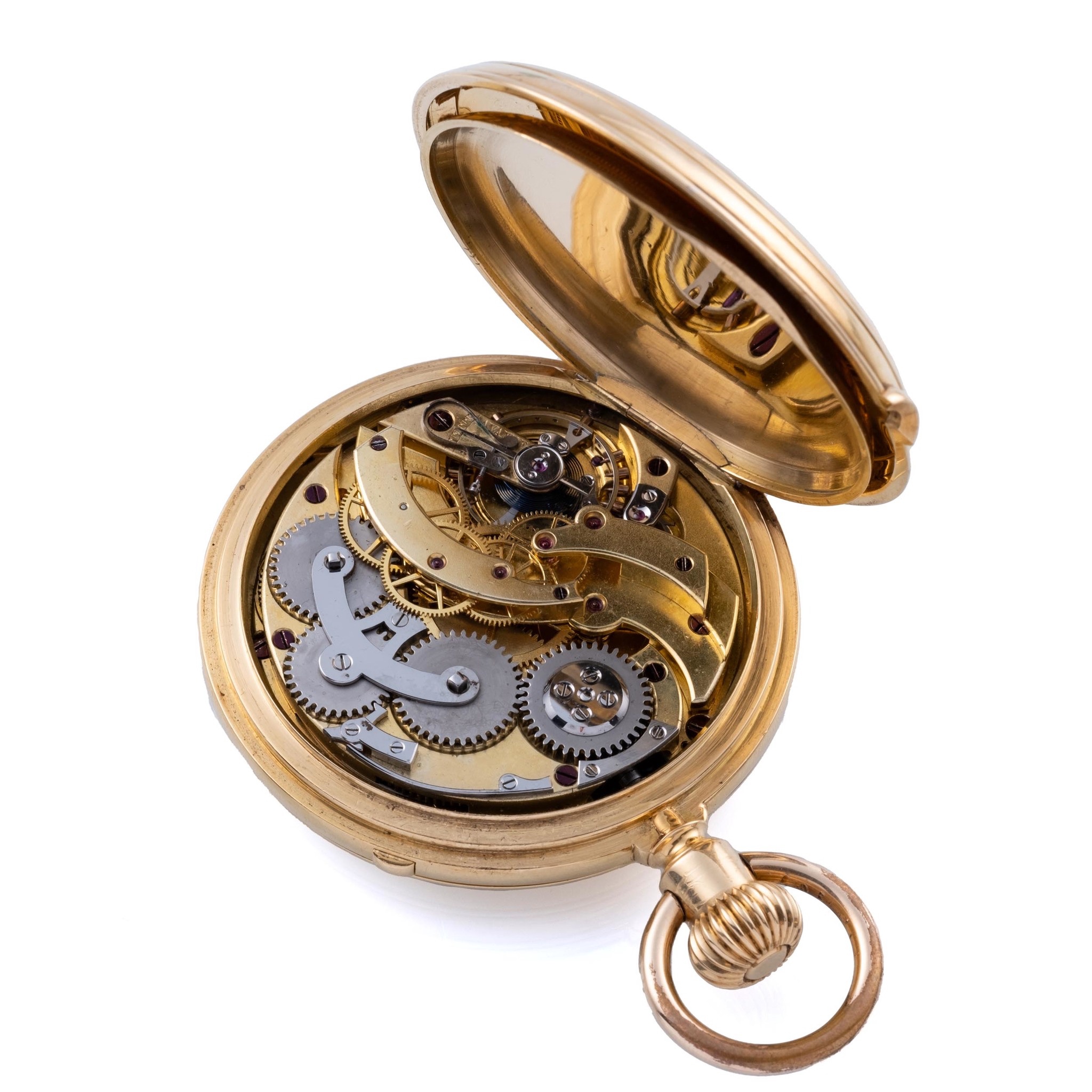
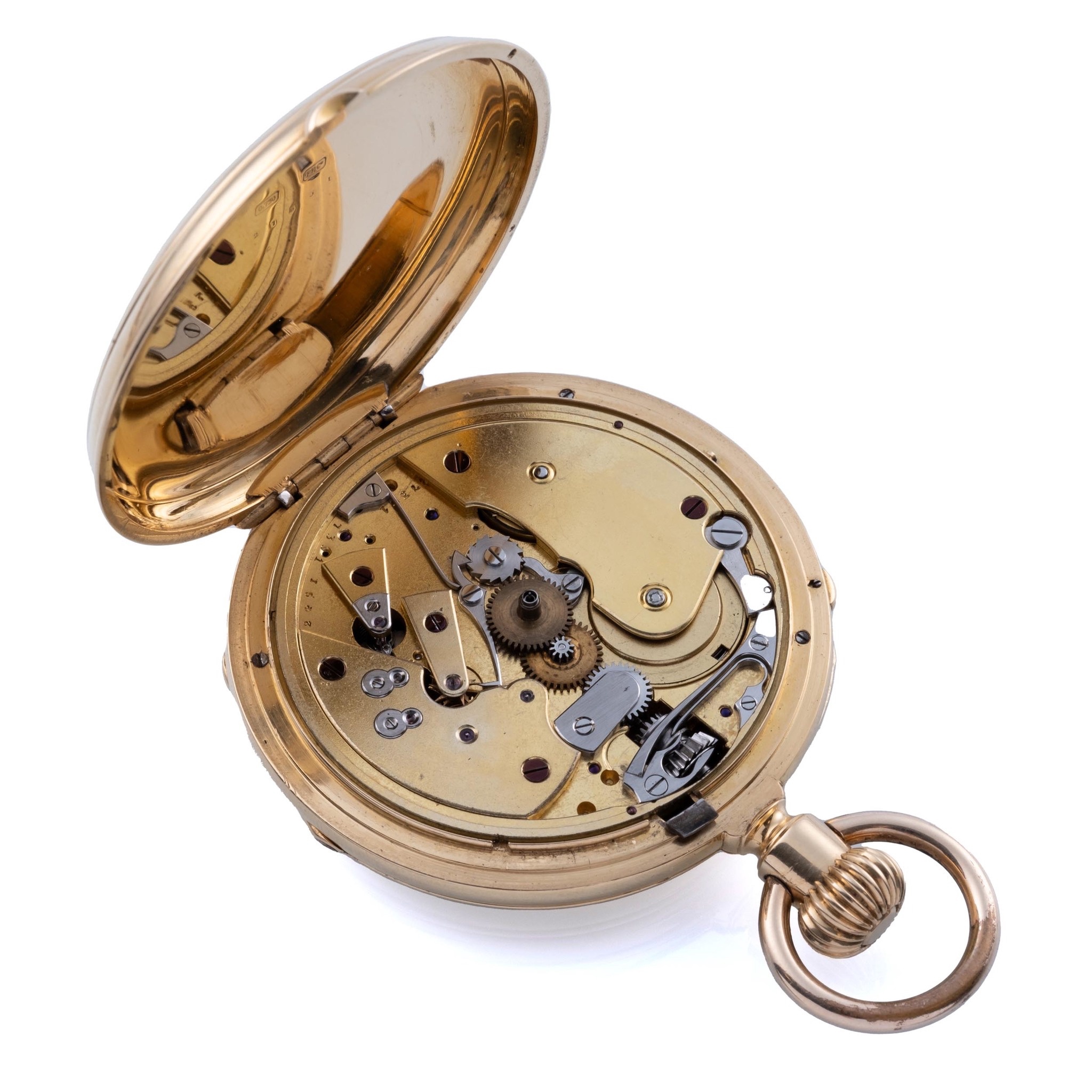
Lastly, one can also find examples featuring, in addition to the centre independent seconds hand, a sub register at 6 o'clock with a 1/5th second jumping-hand aka “diablotine”.
The example below was sold by FurtureGrail in November 2025, Session 1.
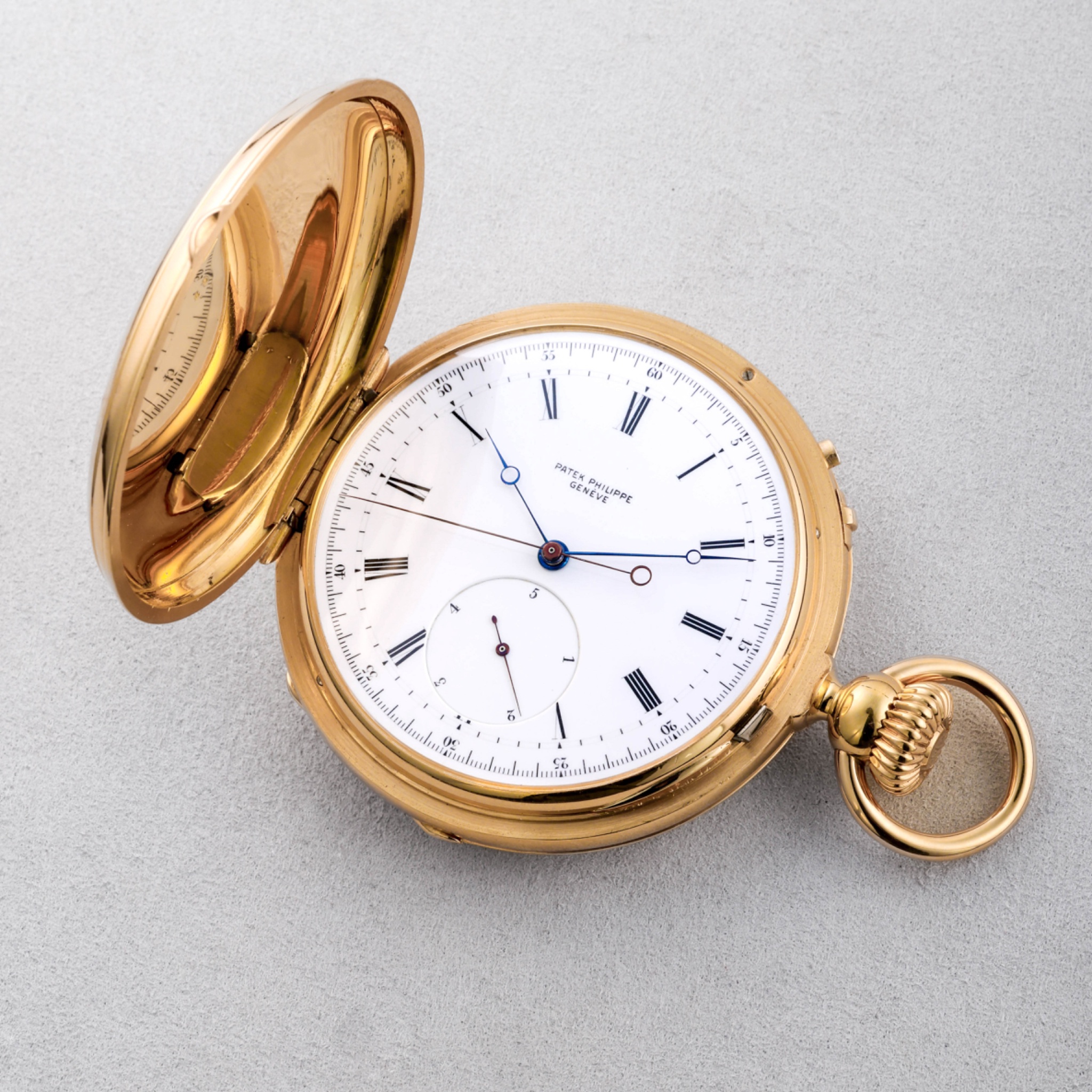
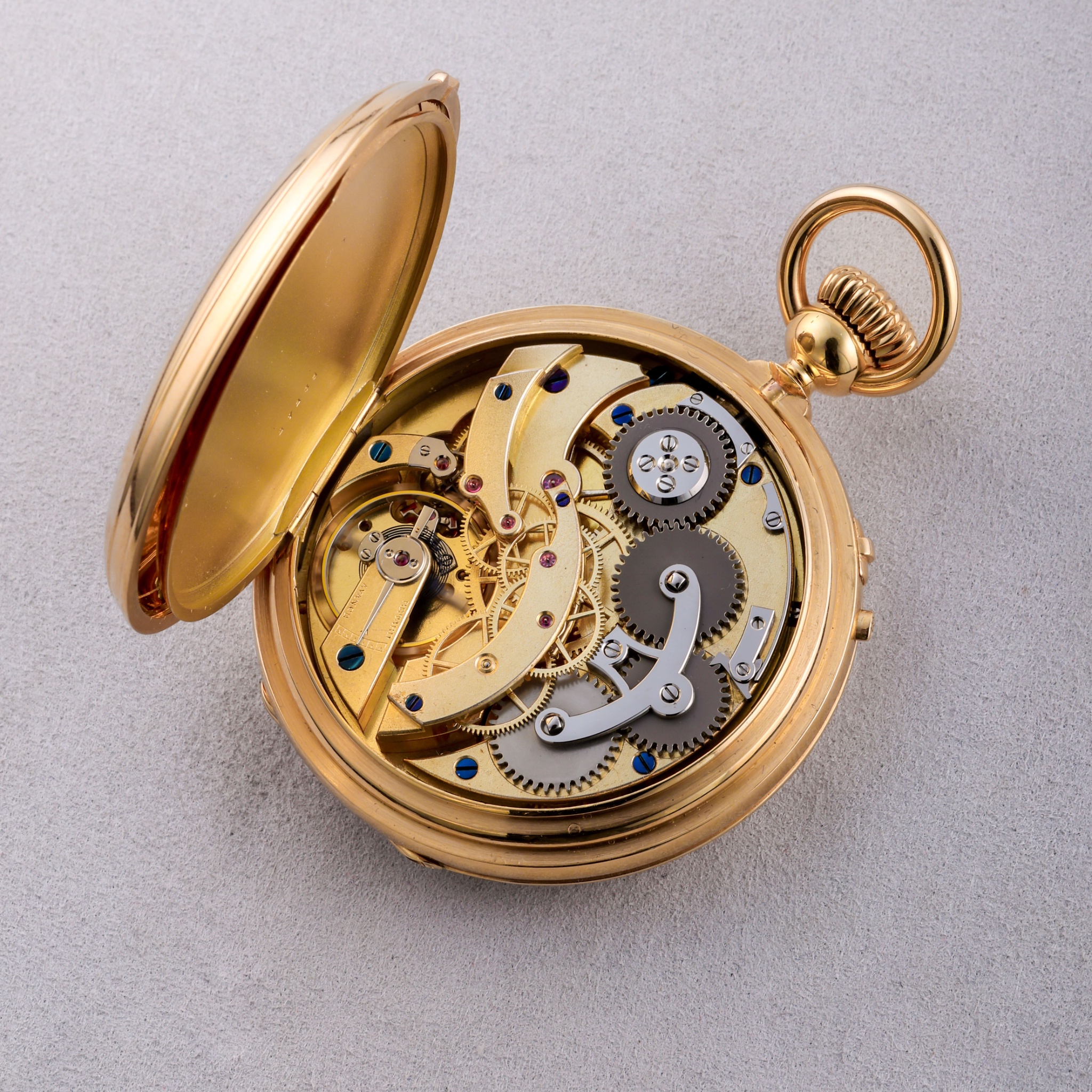
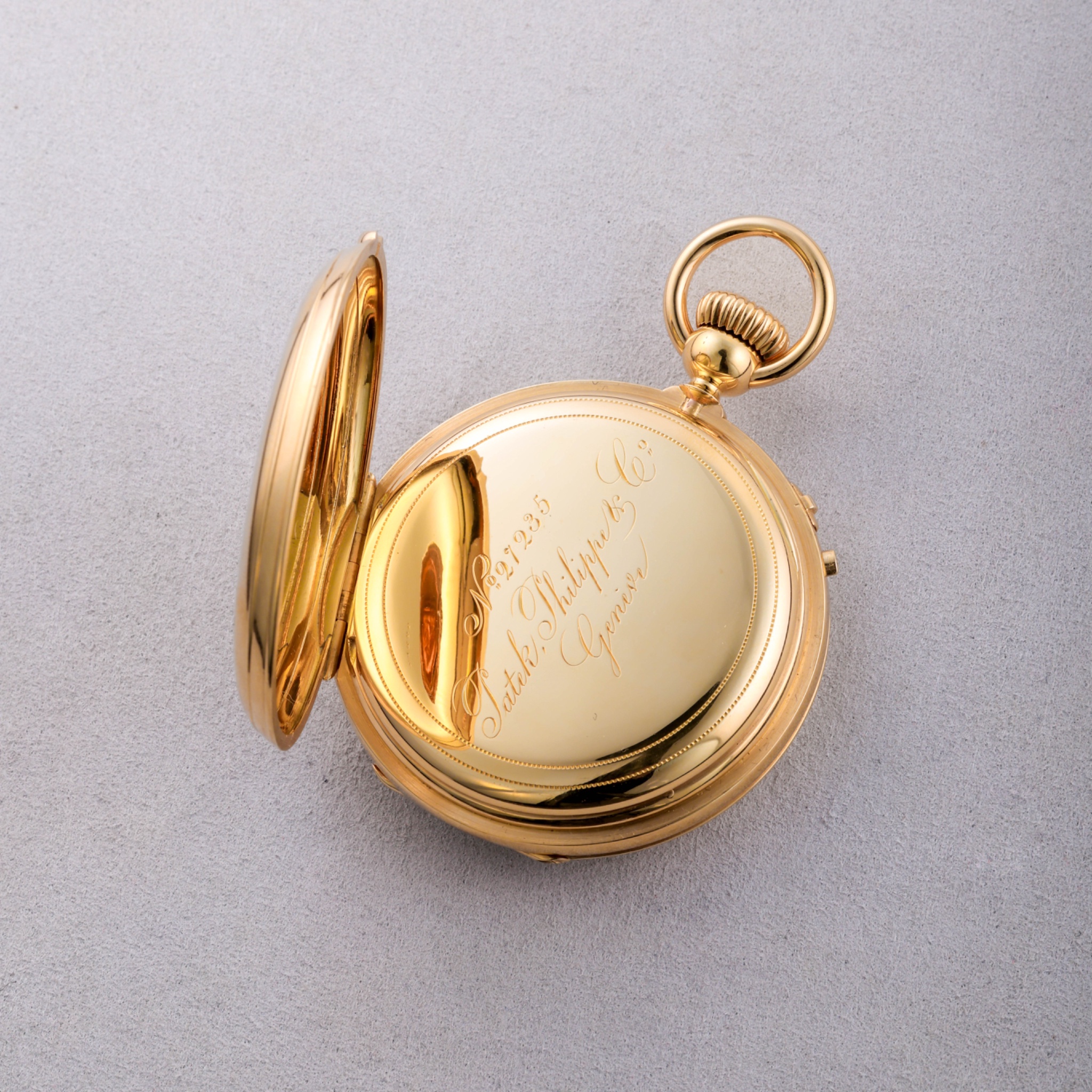
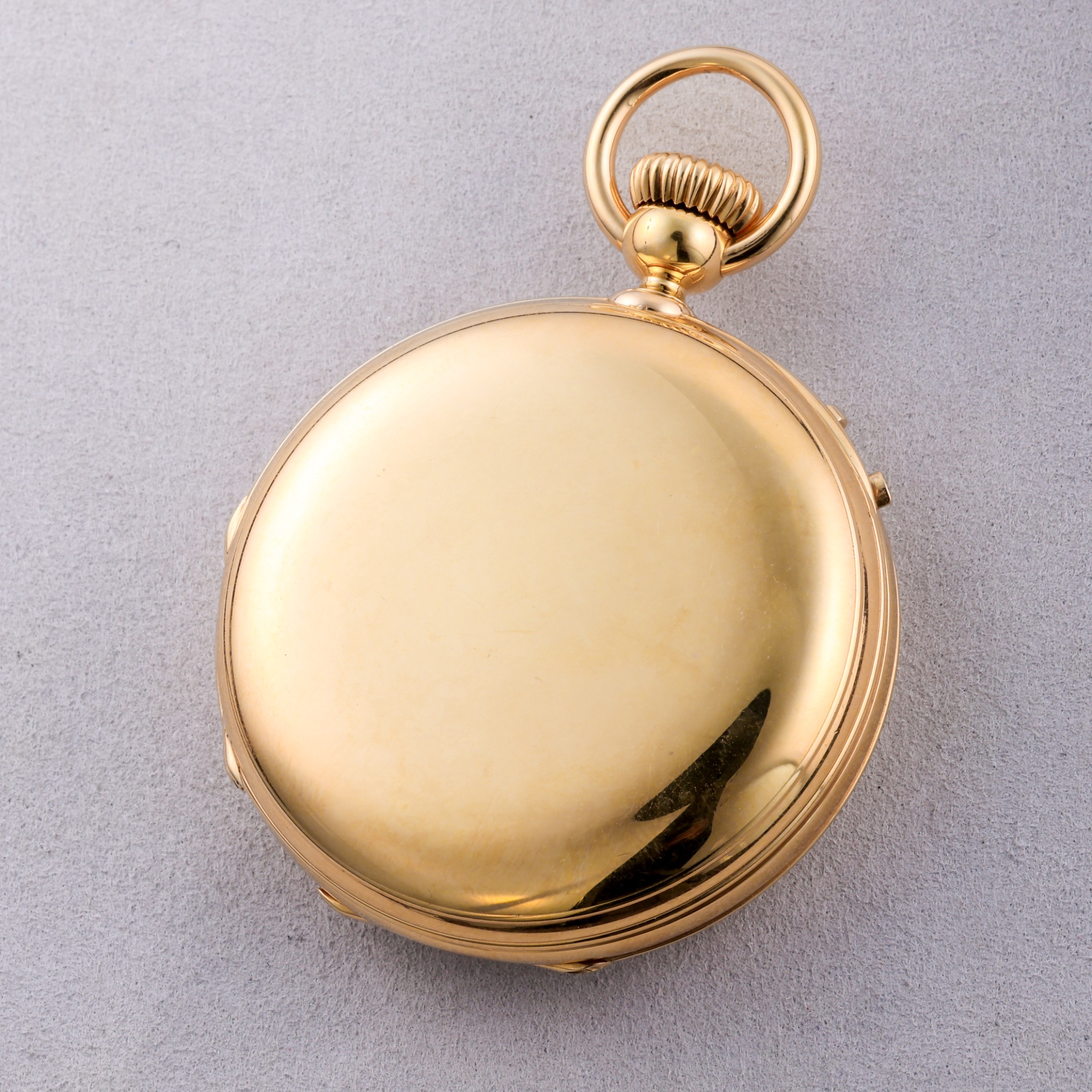
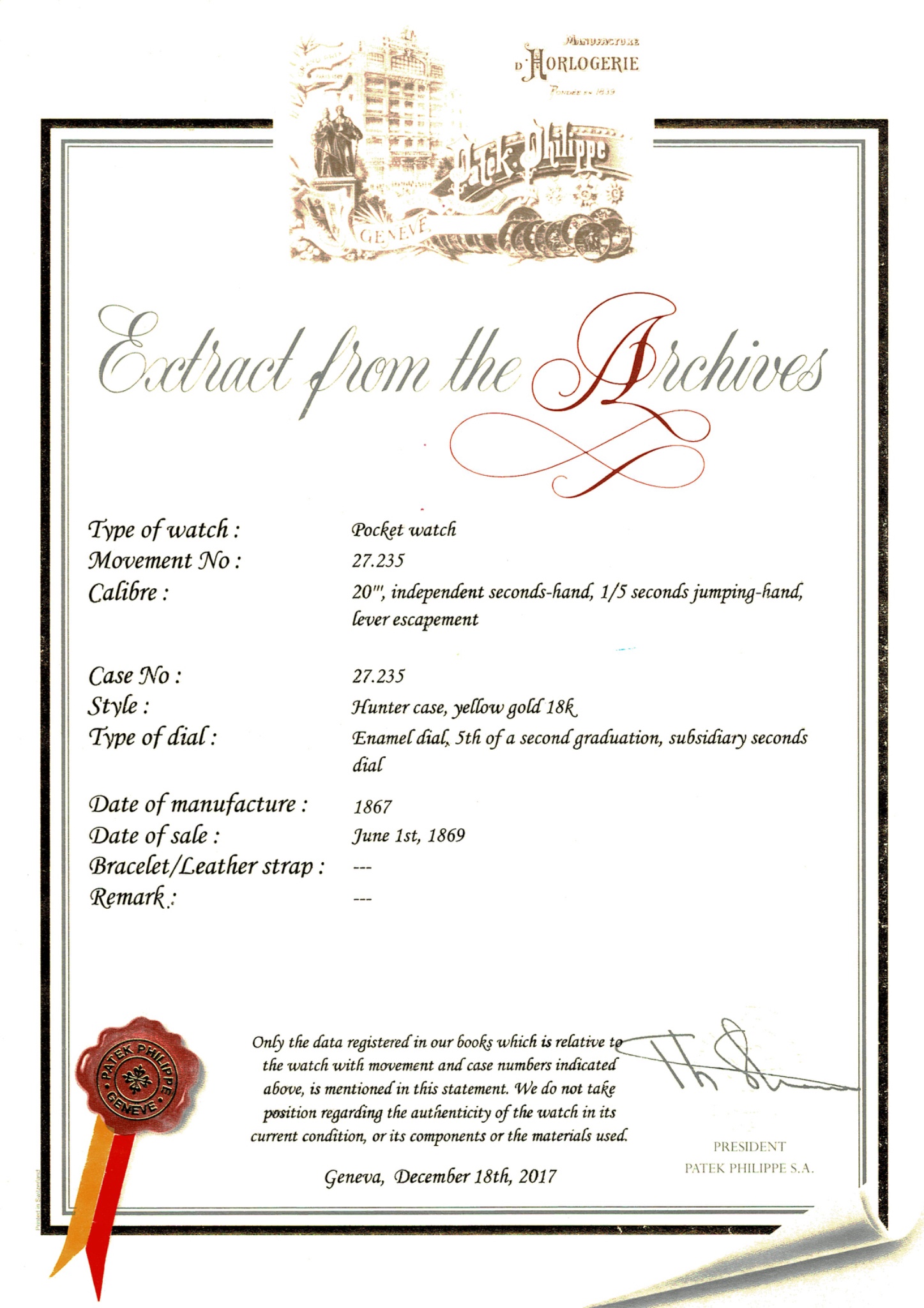
credit: FutureGrail
Below is a similar watch with movement no. 27.331 (the watch above is no. 27.235), sold by Antiquorum in November 2023.
credit: Antiquorum
credit: FutureGrail
Below is a similar watch with movement no. 27.331 (the watch above is no. 27.235), sold by Antiquorum in November 2023.
credit: Antiquorum
Just a fascinating page of watchmaking history...
Thanks for reading.
Best, Emmanuel
Patek Philippe - Independent dead seconds
Around 1847 , Jean-Adrien Philippe , co-founder of Patek Philippe, developed a movement with central independent dead seconds based on a Victorin Piguet & Cie ebauche . The center independent dead seconds hand can be activated on demand via a pusher locat...

Great report, quattro.
Such a cool complication...that yields beautiful movements. Lange's recent wrist entry for comparison... ...
Thank you, Bruckner.
Lange’s 1815 Homage to Walter Lange is definitely a great piece. I wish PP would make a wrist watch with such a complication. Best, Emmanuel


independent seconds watch was invented by JEAN MOSES POUZAIT in 1777 a Genevese watchmaker
1/5th second jumping-hand aka “diablotine”-also known as the FOUNDROYANTE-lightning seconds the HALF QUARTERS FOUDROYANTE on this split second chronograph from a book written by FRANCOIS LECOULTRE professor of geneva school of watchmaking independent beat...
Great information! Thank you so much.
As far as I've understood, the invention of Jean Adrien Philippe, which was patented in 1889, is that of an "independent seconds watch with two simultaneously wound barrels... and two wheel trains..."... Best, Emmanuel