


Decompression table on the dial?
Not the usual diver, for sure.
Best, Emmanuel


That is Very Cool, they exhibited at the Art of Horology, Beau-Rivage Hotel last month


A really nice diver... but makes it difficult to tell the time
It was in 1949 that Walter Gygax launched the Cornavin Watch in Geneva. The watches were very conventional in design—calendar watches, automatic watches, ladies’ watches—and the movements came from the Ebauches SA trust. How Cornavin came to develop a watch as complex and technical as a diving watch remains a mystery. Perhaps there was a connection with AMF, also based in Geneva, or with David Jayet, the inventor? In any case, the P.810 did not bring good fortune to Cornavin Watch, which went bankrupt in 1959 and subsequently changed hands several times. The Cornavin name would even be used later for Soviet-made watches.
American Machine & Foundry Co. was founded in New Jersey in 1900. It was an extremely diversified company, producing everything from cigarette-making machines and industrial baking equipment to bowling equipment. Its leisure products division was highly developed: pleasure boats, skis, tennis rackets, golf clubs, etc. AMF was also involved in underwater recreation and even owned Mares, the famous Italian diving equipment company, for a time.
In 1952, AMF opened offices in Geneva, Switzerland, with the creation of several companies, including Ammafoco, which became AMF Overseas Corp. in 1958. One of this company’s objectives was the acquisition of patents. And in the field of diving equipment, it found its man: the French diver David Jayet.
The Mediterranean was undoubtedly the testing ground for the pioneers of the diving watch. According to his early patents, David Jayet lived in Le Trayas, between Cannes and Fréjus. He must have been an excellent diver, but above all, he was a prolific inventor: between 1953 and 1955, he filed six patents in Switzerland for diving equipment, covering a wide range of items: watches, daggers, pressure gauges, breathing apparatus, waterproof cases for cameras, and fins!


In this rare document, published in 1955, Madame Jayet can be seen diving with at least three of her husband’s inventions: a camera, a watch, and a pressure gauge. It is quite possible that the dagger, fins, and breathing apparatus were also part of her equipment. David Jayet also lived in Switzerland. According to certain patents, he resided in Geix, near Yverdon-les-Bains: it makes sense for a diver to live near a large Swiss lake! At least 4 of David Jayet’s 6 patents were acquired and utilized by Ammafoco, and among these is the Cornavin watch.

With a few minor exceptions, the Cornavin P.810 conforms to the Jayet patent CH312741, filed on October 6, 1953.
– The dial
Jayet designed this watch as a tool to ensure diver safety. It therefore displays the decompression times that must be observed during deep dives. The dial is organized as follows: at the top, below 12 o’clock, there is a cartouche with four numbers, from top to bottom: 40, 35, 30, and 25. This indicates the diving depth, shown in meters, as indicated by the letter M and the word METERS. Each of these depth markings is associated with a concentric circle that is used in conjunction with the large central minute hand, which must be set to zero at the start of the dive. Thus, for a dive to a depth of 35 meters that lasted 50 minutes, the decompression time displayed on the 35-meter circle is 60 minutes. For a dive to 25 meters that also lasted 50 minutes, the decompression time is only 10 minutes.

Note that there are a few rare versions of the P.810 with a scale in feet rather than meters. In these cases, the “M” is replaced by “F” and ‘METRE’ by “FEET.”

Credit: Matthew Bayne
Given the prominence of the minute hand and the minute scale, Jayet eliminated the hour hand and the hour ring, replacing them with a simple aperture featuring a rotating disc. This is not a jumping hour mechanism, as found on some watches from the 1930s, but it had the advantage of avoiding any confusion with another hand while diving. The central seconds hand allowed the wearer to verify that the watch was functioning correctly.
Jayet’s patent describes an additional push-button for resetting the minute hand. This solution, which would certainly have required costly development, was not adopted by Cornavin, and the reset was therefore performed after unscrewing the winding crown.

Credit: Bulang & Sons
There are four luminous square hour markers, made with radium, at 12, 3, 6, and 9 o'clock. These luminous markers are rather small, but there is also a striking luminous ring encircling the entire dial, which ensures that the position of the luminous hand between the hour markers is perfectly visible in the dark. There is no indication of the radioactive material used: this would not become mandatory in Switzerland until the federal ordinance of May 1, 1963. Finally, there are two small circles on the dial on either side of the center, one for the Cornavin brand and the other for the AMF brand, with the word “PATENT” below. In place of the AMF logo, some models feature a drawing of an anchor and, below it, MOD. DEP (registered design). There was thus dual intellectual property protection, through both a patent and a design registration. The watch was intended to be used in combination with a depth gauge: no problem, as Jayet’s model was also marketed by AMF[5].
– the case

The case has dimensions that were highly unusual for the time: nearly 42 mm in diameter, excluding the crown. It is made of stainless steel with a screw-down case back, and when you open the case, you see an imposing ring encircling the movement, which is of standard size: 10.5 lignes, or 26 mm. The crown is also screw-down, sometimes mounted on a tube protruding several millimeters from the case.

Unfortunately, the inner case back bears no markings that would allow the manufacturer to be identified. On the outer case back, the AMF logo is centered, surrounded by the words “CORNAVIN GENEVE.” Around the edge are the standard inscriptions found on any fine Swiss watch: Waterproof; Antimagnetic, Incabloc, Swiss made, Patent, and Automatic. Finally, the P.810 designation is also engraved, accompanied by a number that could be the serial number. On the few remaining examples of this watch, this number is less than 500.
– The movement
The Cornavin P.810 is equipped with a Felsa caliber, a movement manufacturer integrated into Ebauches SA. Since Cornavin was not a Manufacture, it was required to source its movements from Ebauches SA due to the watchmaking regulations that had governed the Swiss watch industry since the 1930s.

The Felsa 810 caliber is derived from the famous Felsa Bydinator, the first automatic caliber with a rotor that winds in both directions, created in 1942. This 11.5-line (26 mm) caliber was produced in numerous versions: small seconds, large seconds, calendar, power reserve, etc. In the early 1950s, the Felsa Bydynator was modified, notably by adding a power reserve display via a window rather than a hand, and was renamed the Permutator. The two main versions of these calibers bore the references 699 and 760[6]. Caliber 810 is therefore likely a modification of the Permutator, hence the designation P.810. At the time of the watch’s launch in 1955, it bore the reference Cornavin F.P.810, which would support the identification as the Felsa Permutator 810.

The Felsa automatic movement family was renowned for its durability and reliability, making it a wise choice for a watch that simply could not afford to fail.
– Launch
The reason it is so difficult to find information about this watch today is that its presentation to the trade press in 1955 was covered by only two specialized magazines: the Revue Internationale d'Horlogerie in 1955, and The Swiss Watch in early 1956. The most widely read magazine at the time, the Journal Suisse d'Horlogerie, did not mention it. The photograph of the watch provided to the press in 1955 is identical to the watches that were produced: this means that it was likely not a prototype but rather a production model. It is doubtful, however, that this watch was very successful. It has a major flaw: the minute hand must be reset to zero before diving, which means it no longer shows the exact time, and it must be reset after diving. The ideal solution would have been to use a chronograph with a central minute counter, such as the Mido Multicenterchrono, which had been in existence since 1941. But in 1953, automatic chronographs—which are more reliable—had not yet been developed, and the water resistance of the chronograph pushers during diving was not guaranteed.
After the first three diving watches, it took a few years before other companies in Switzerland began to take an interest in this type of watch. It wasn’t until 1957 that Omega launched its Seamaster 300, still a manual-winding model, followed by several automatic models in 1958: the Enicar Sherpa Dive, the Zodiac Sea Wolf with a white dial[7], the ARSA Hydrabloc, and certain versions of the Zenith S.58. Before 1960, diving watches were also produced by Longines, Ardath (Denis Diver), and Precimax/Exactus (Aquamax). From 1960 onward, the diving watch became a must-have model for virtually all Swiss manufacturers, with the exception of the Geneva luxury watch industry.
Jayet's contribution to Swiss watchmaking continued for many years: the decompression time scale he proposed in 1953 was used by several manufacturers for their diving watches, notably Vulcain, Mido, and Fortis.
– On my wrist (Watch belong to a French collector : Jean-François aka Jeff33)


The French article is here : https://www.time2tell.com/fr/histoire-des-modeles/28-la-troisieme-montre-de-plongee-suisse-cornavin-p810.html
Written by a famous French collector (Joel Pynson)

great write up and shows a good knowledge of this model
Give Joel his due
I love this watch, and having done some research on it, this is the most comprehensive article out there.
Joel Pynson is a walking encyclopedia when it comes to Swiss watches, especially the history of watch manufacturers.
He’s also a passionate enthusiast who’s always ready to help.
In short, he’s a great guy.
I’ve learned a lot from reading his books and articles.
Best
Epic! I loved your Post, you are a Vast Resource of Knowledge, we would be so lucky if you did more of such posts, pretty please 😊🙏
I will try…
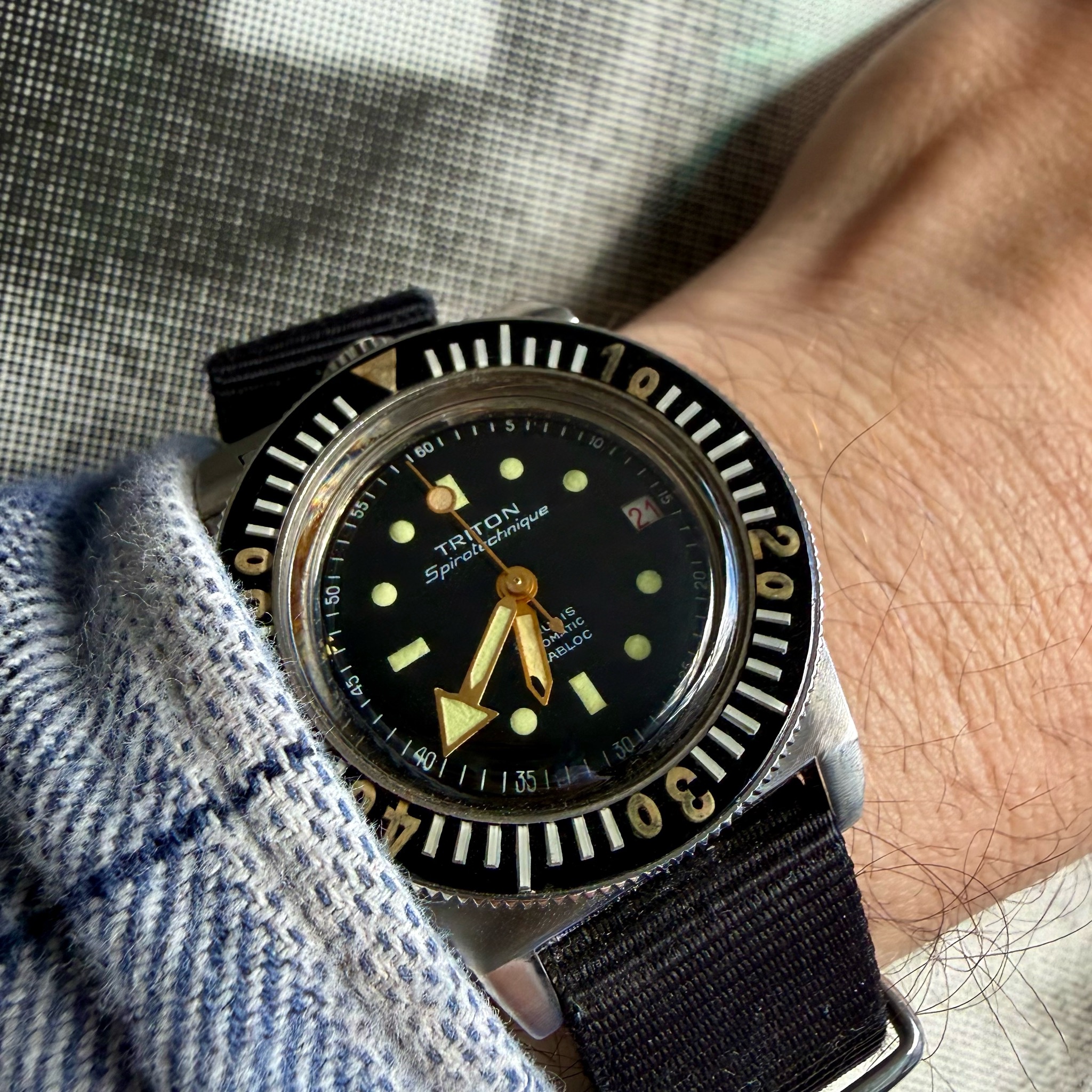
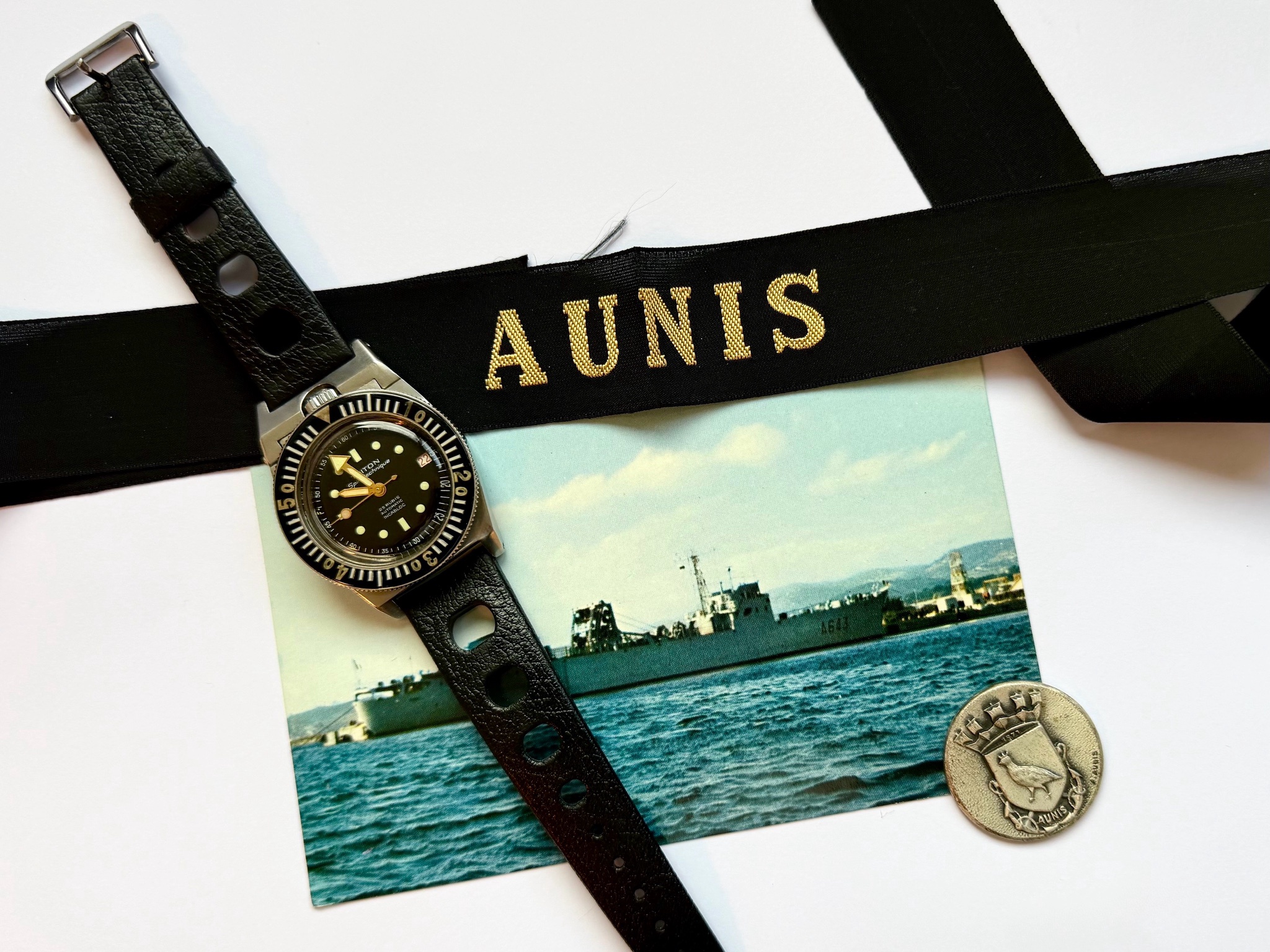
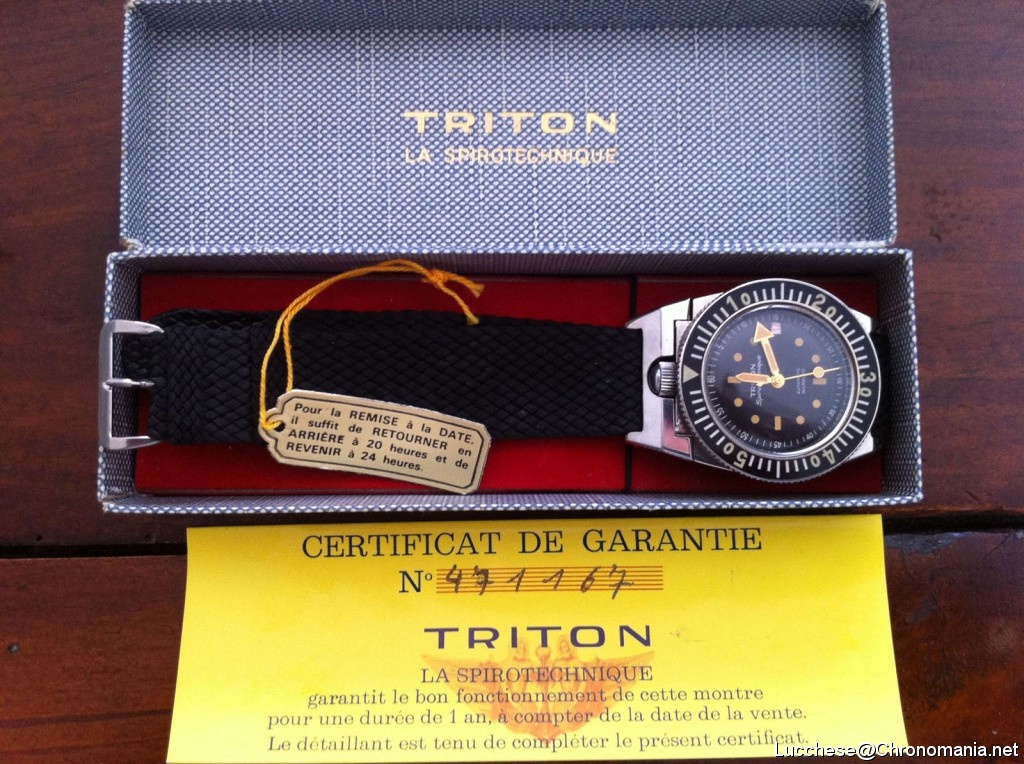
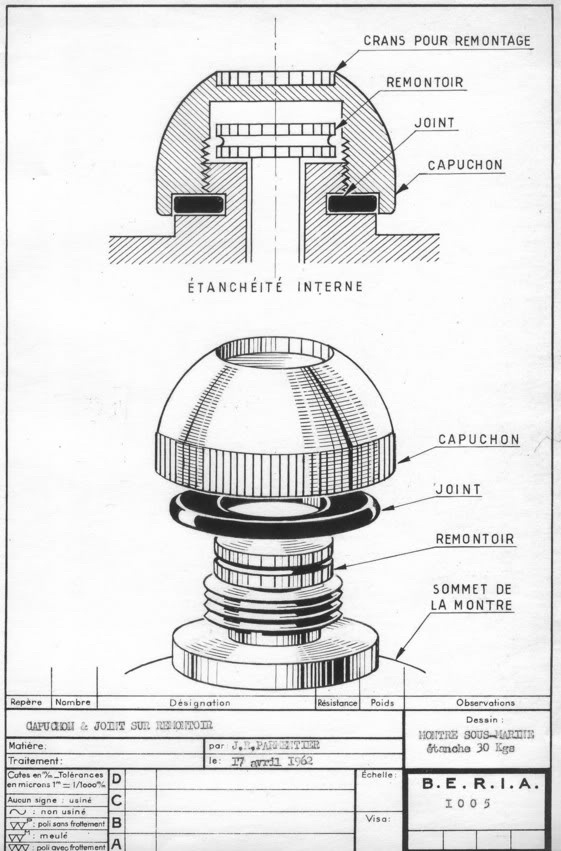
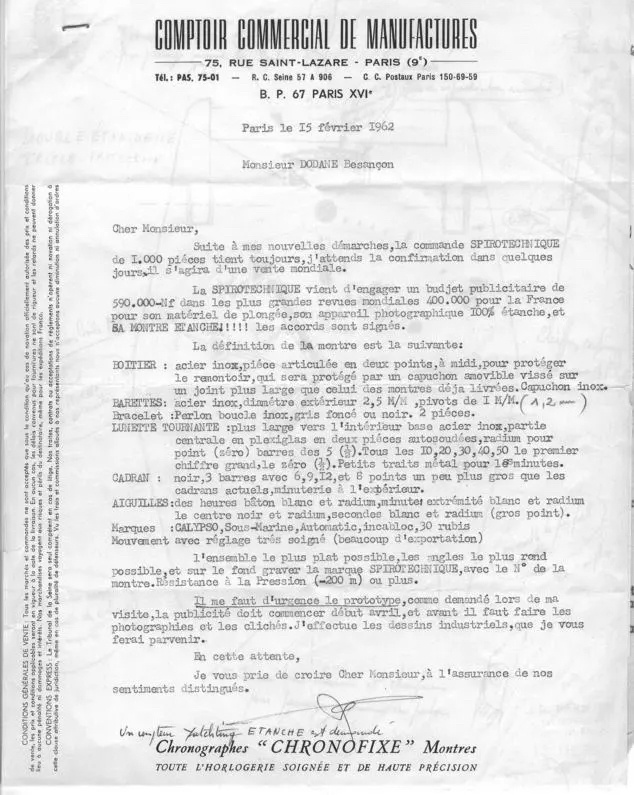
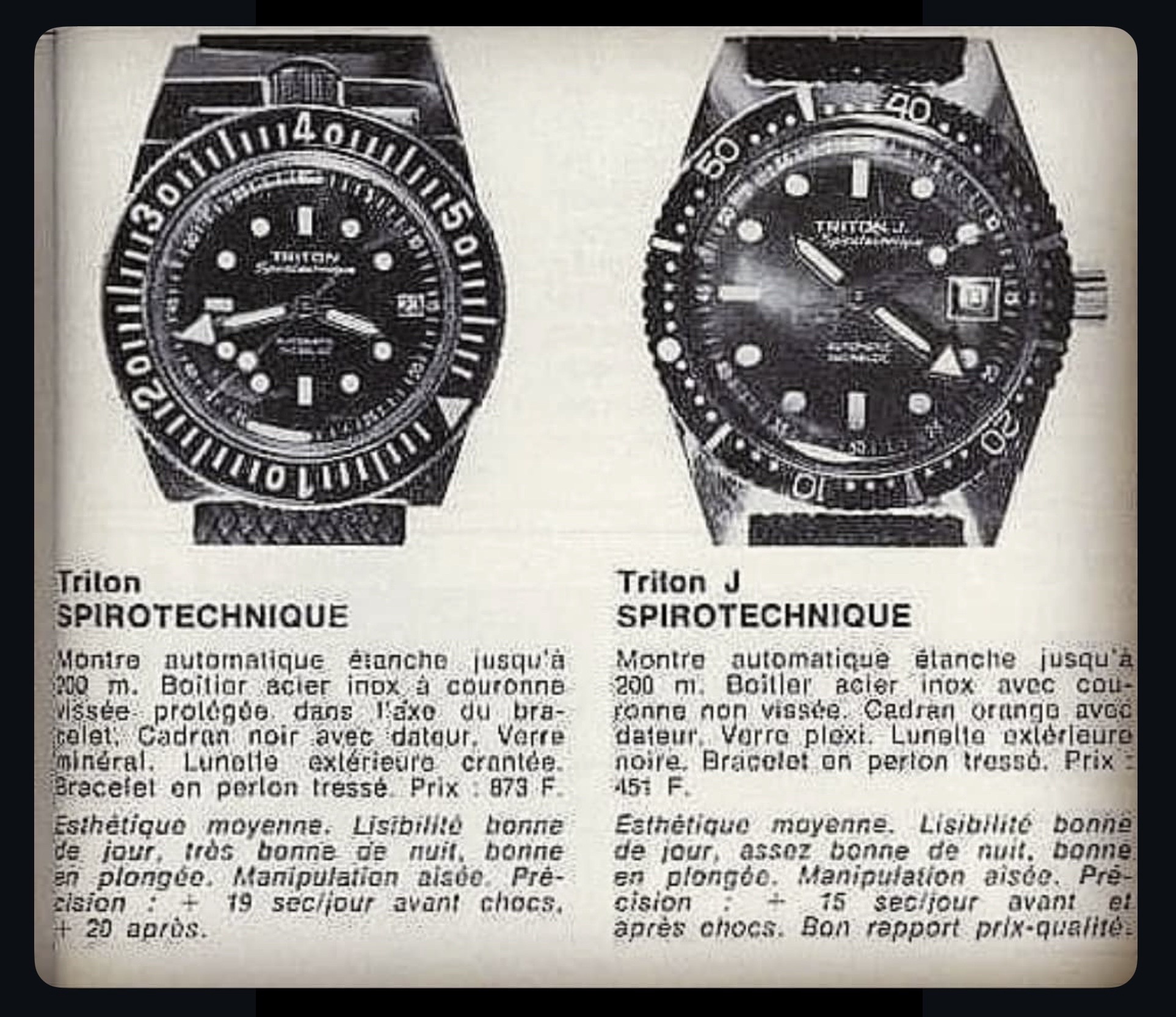
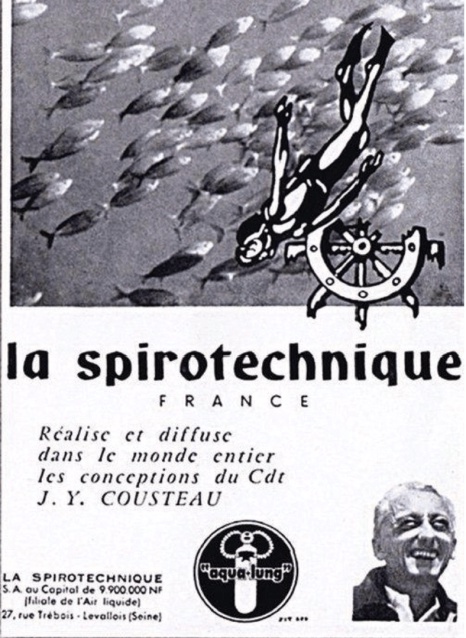
There might be some news regarding La Spirotechnique/Comptoir Commercial des Manufactures/Dodane Triton… A nice diver with a nice history (Created by Cousteau and Parmentier)… Also a strange watch in itself, especially when you consider the random characteristics of the production batches. And… a military watch (French Navy)….
Best
Excellent Topics to Pursue, Both made Important Watches and Innovations, look forward to them 😊🙏
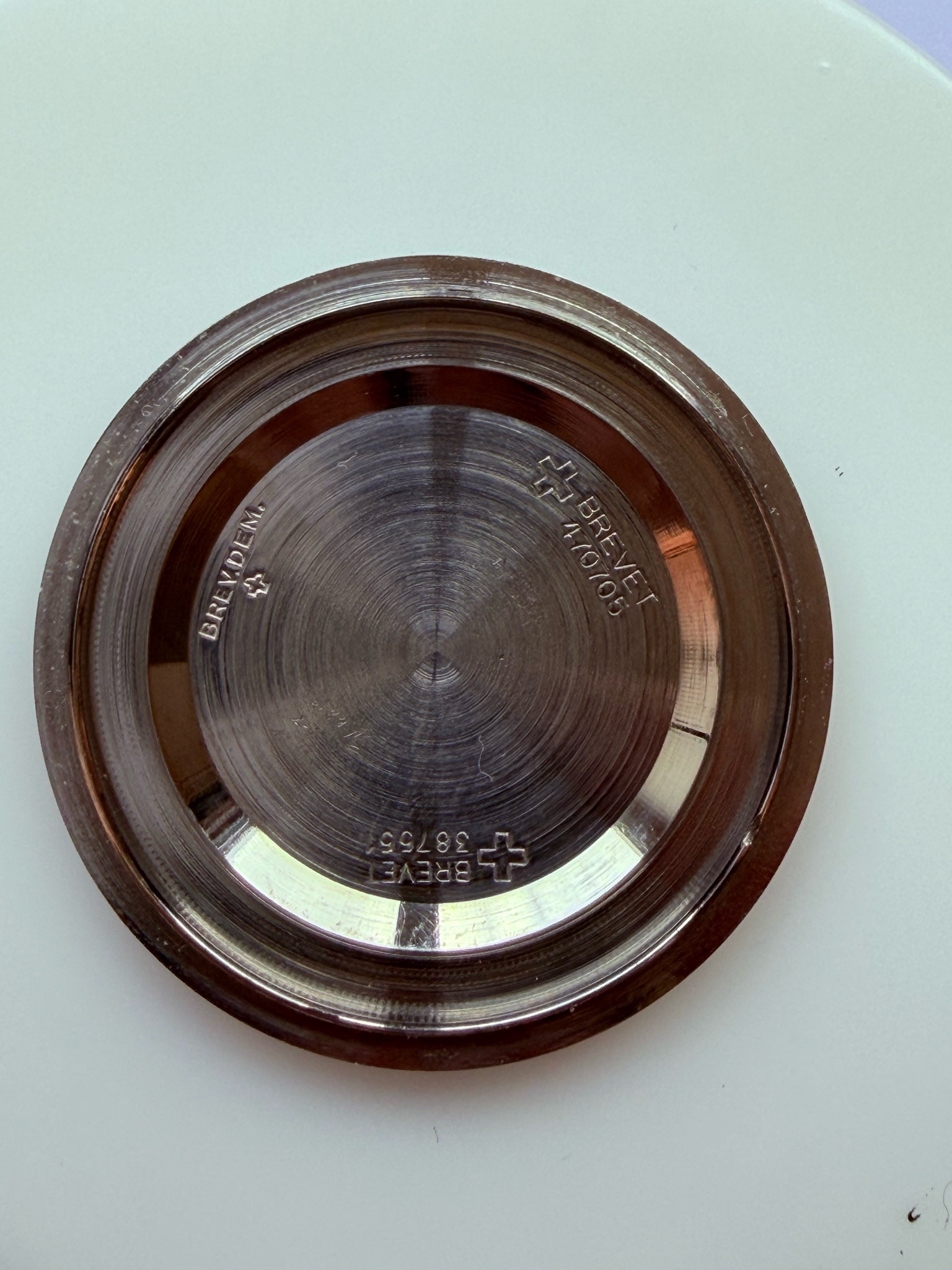
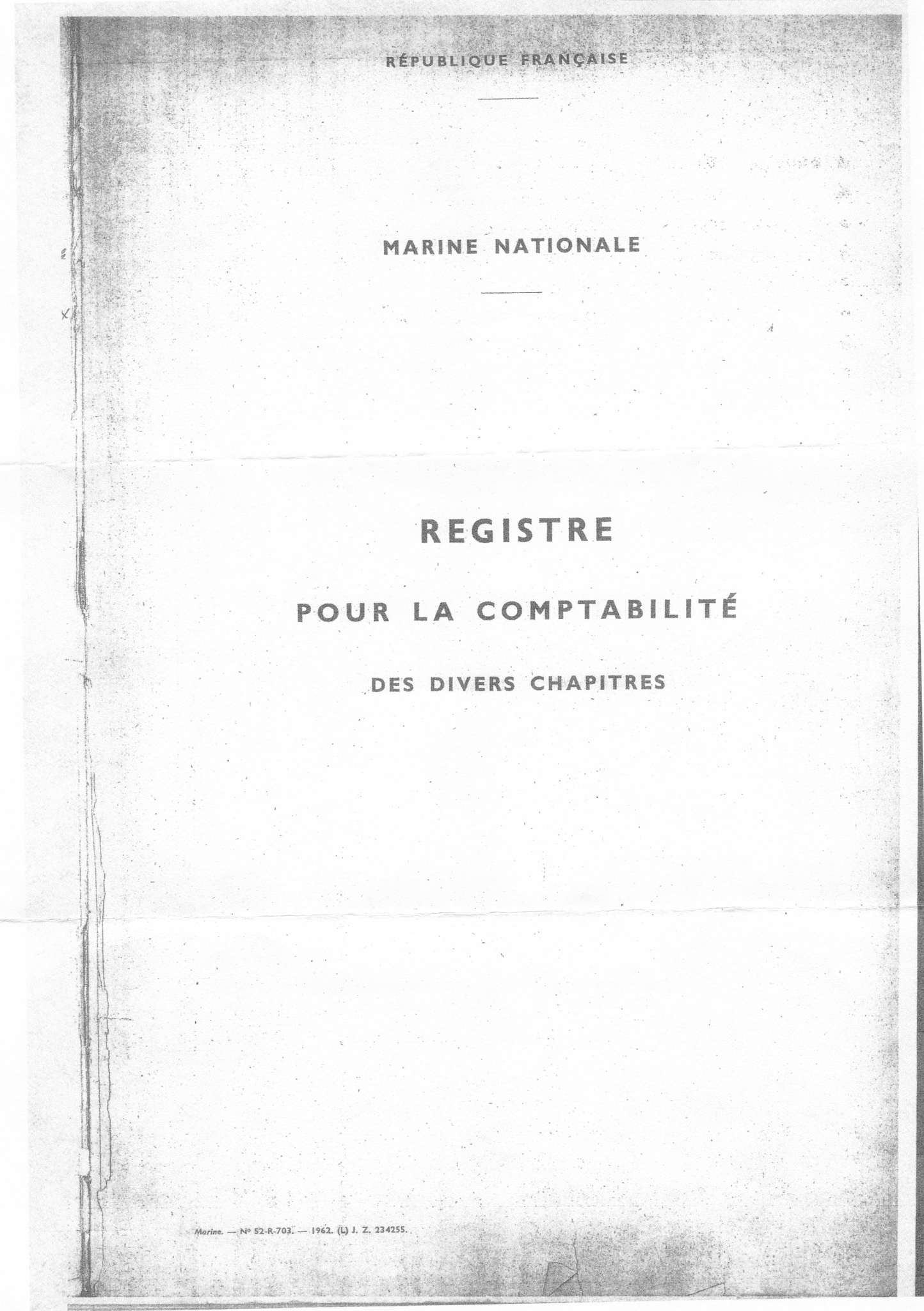
Some pict of the work in progress topics



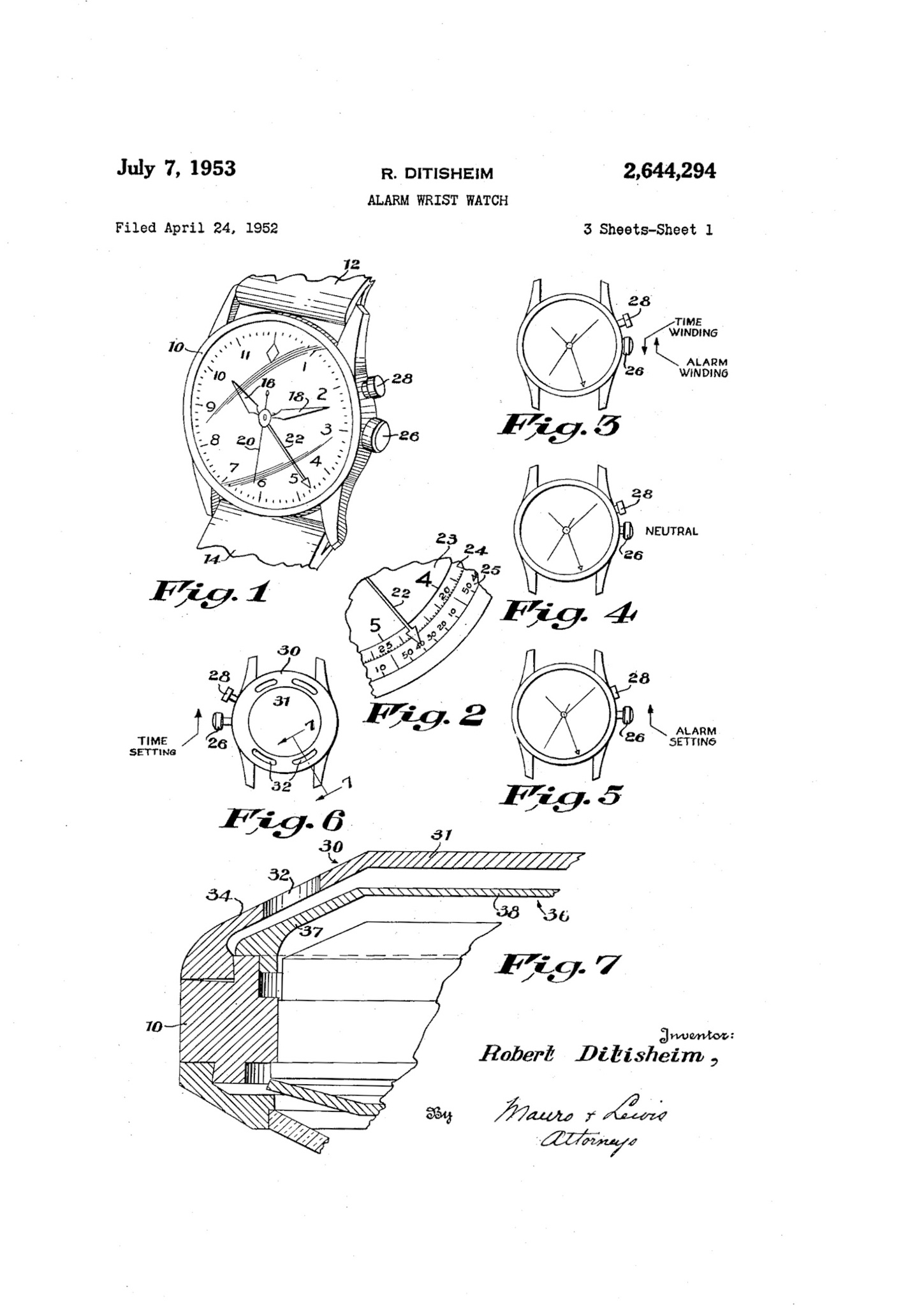
La Spirotechnique Triton :
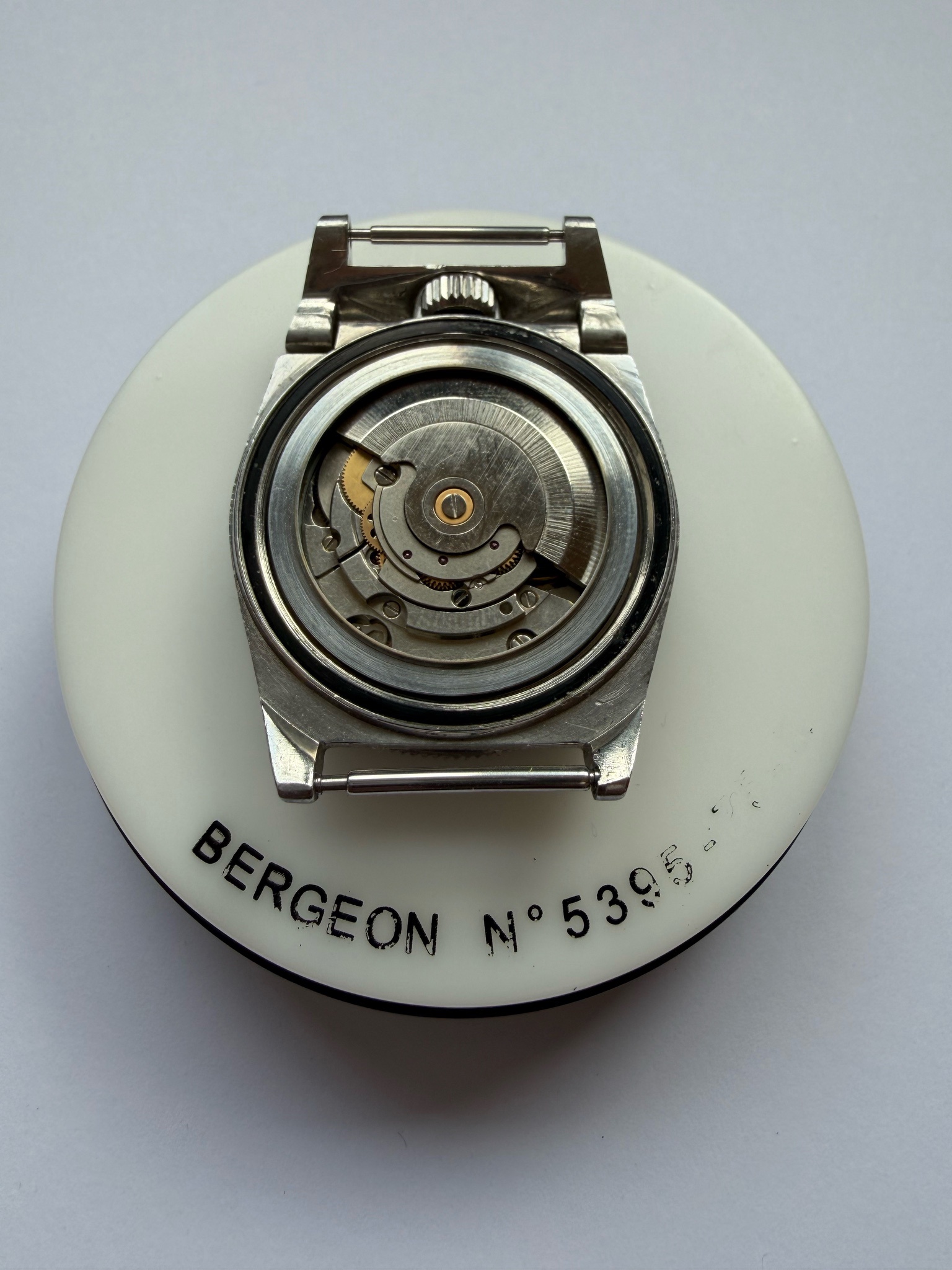
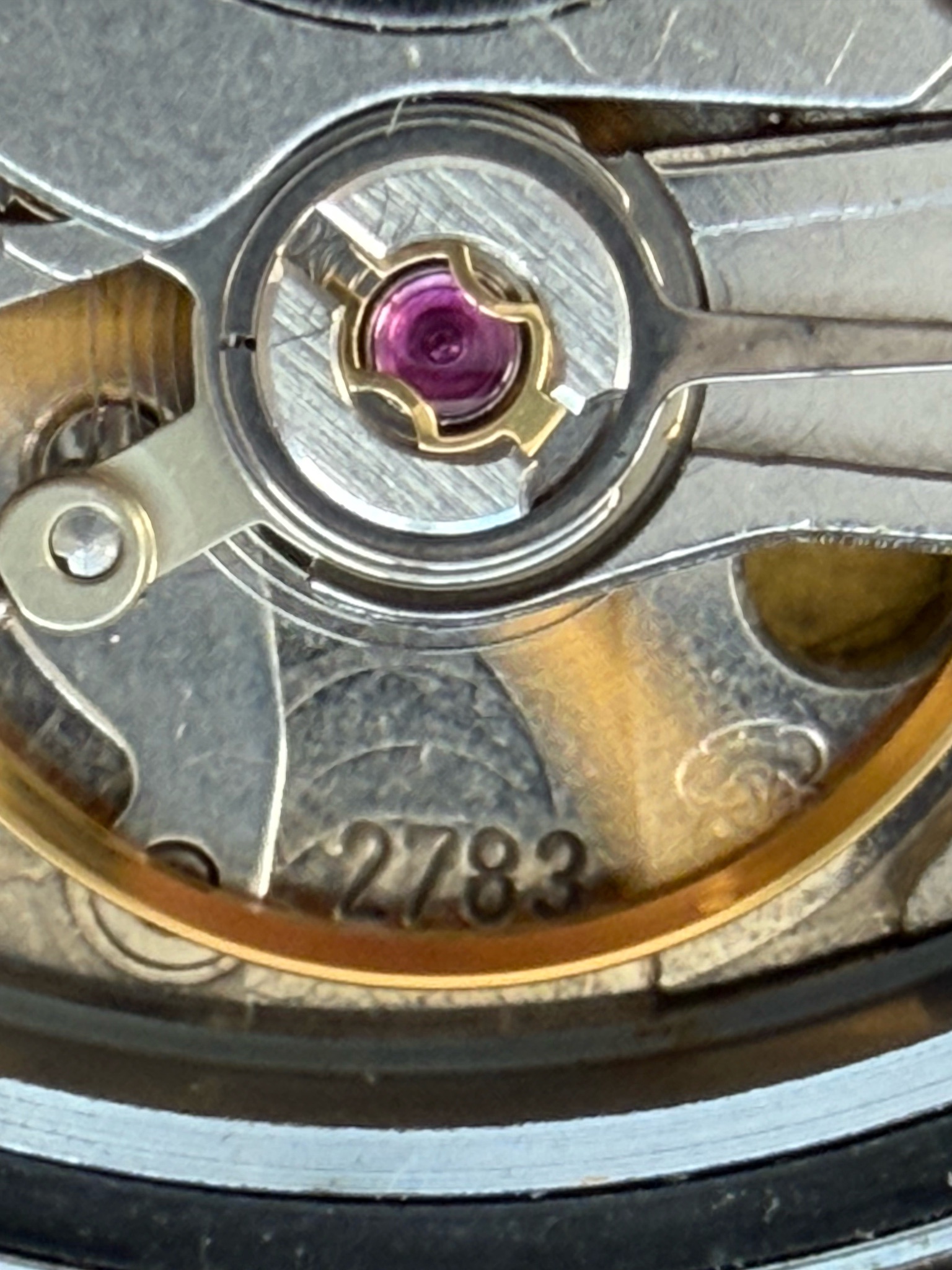
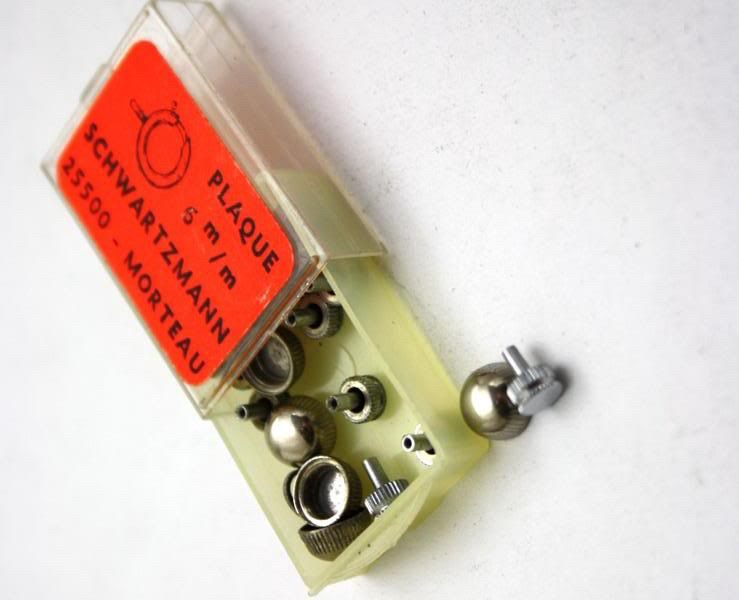
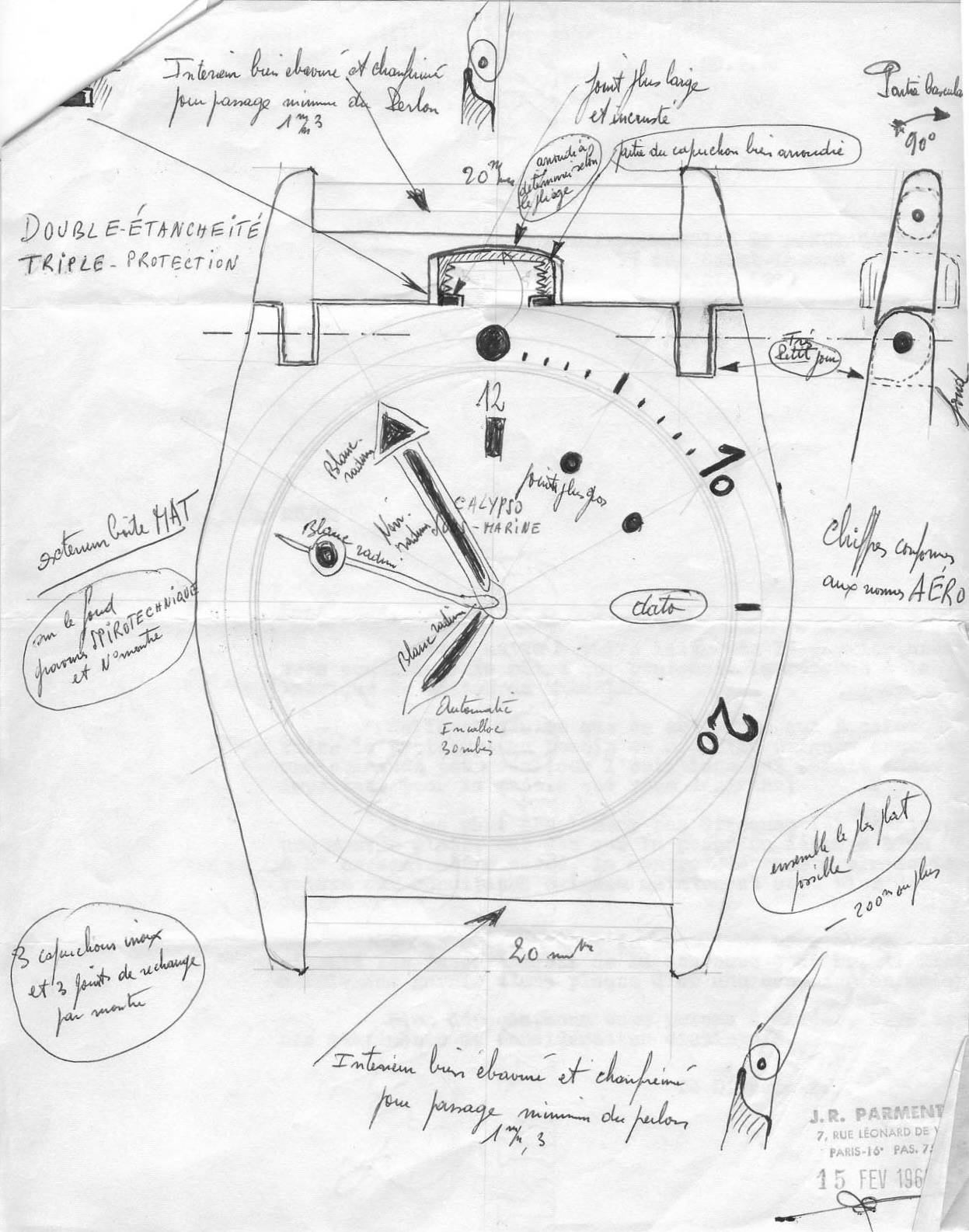
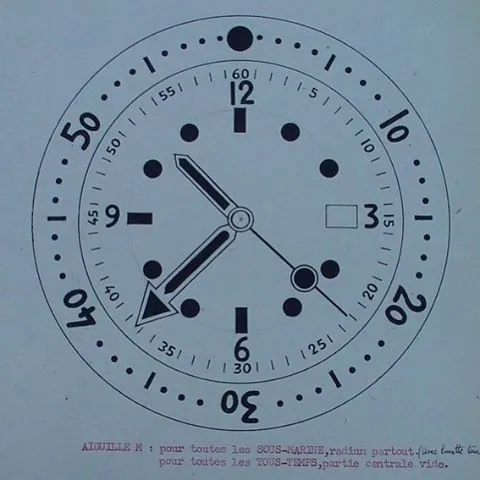

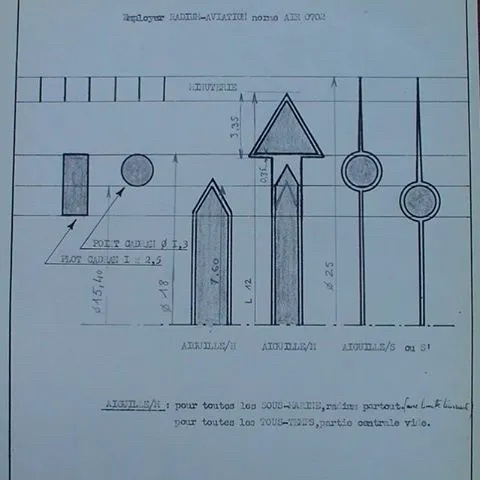

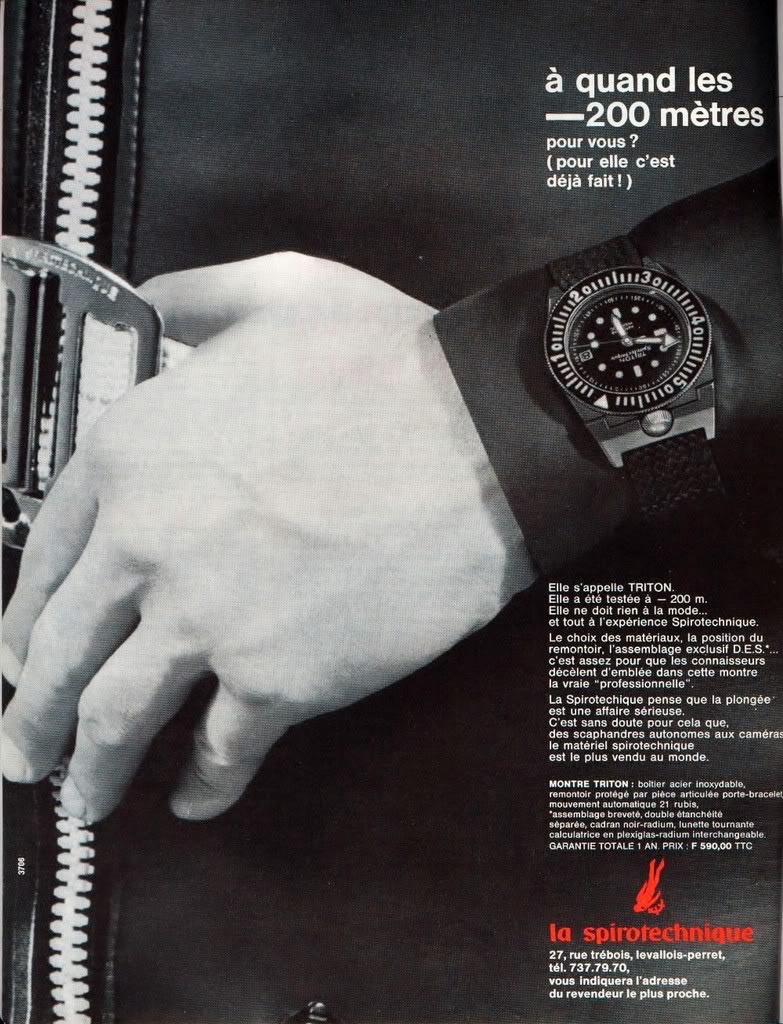
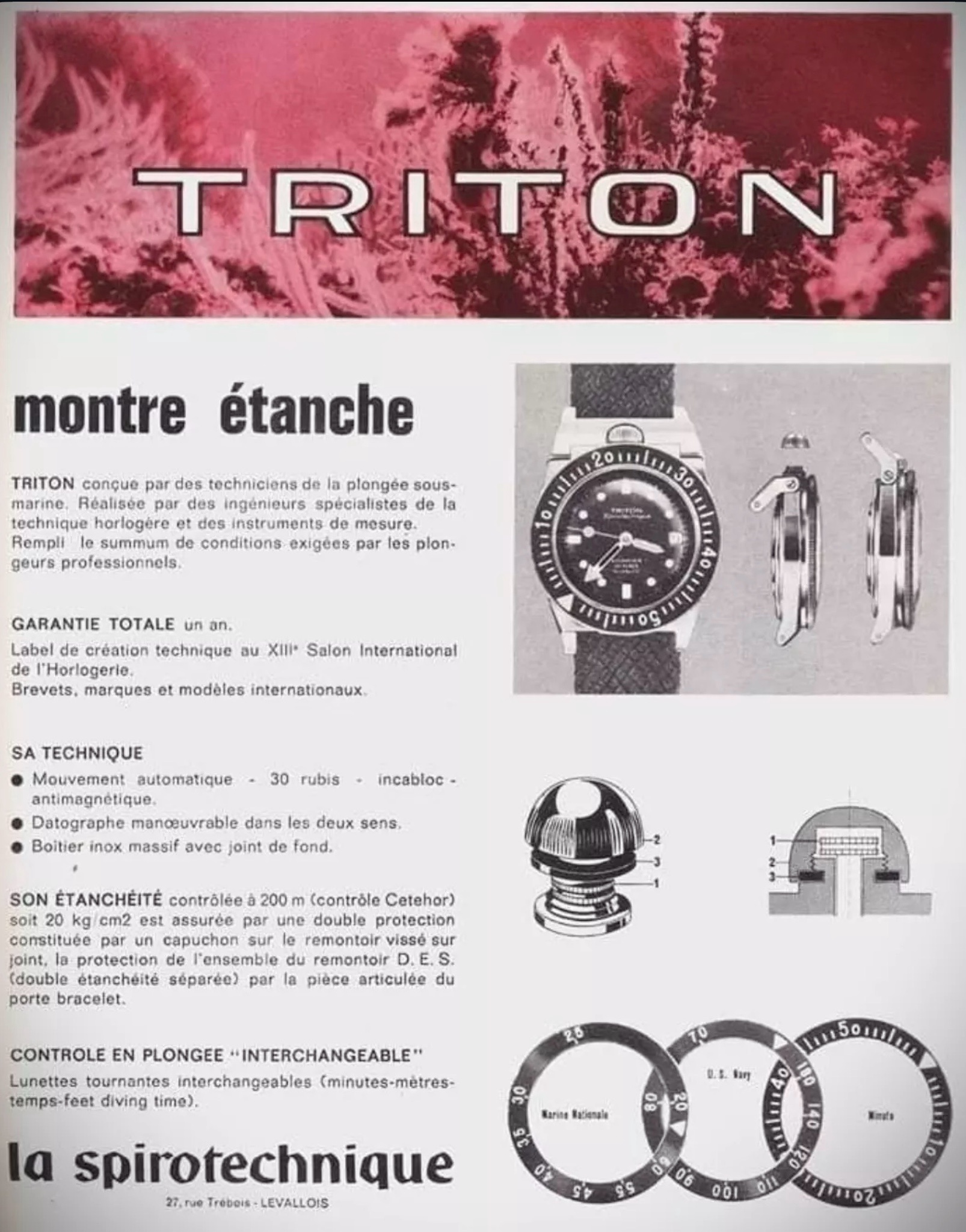
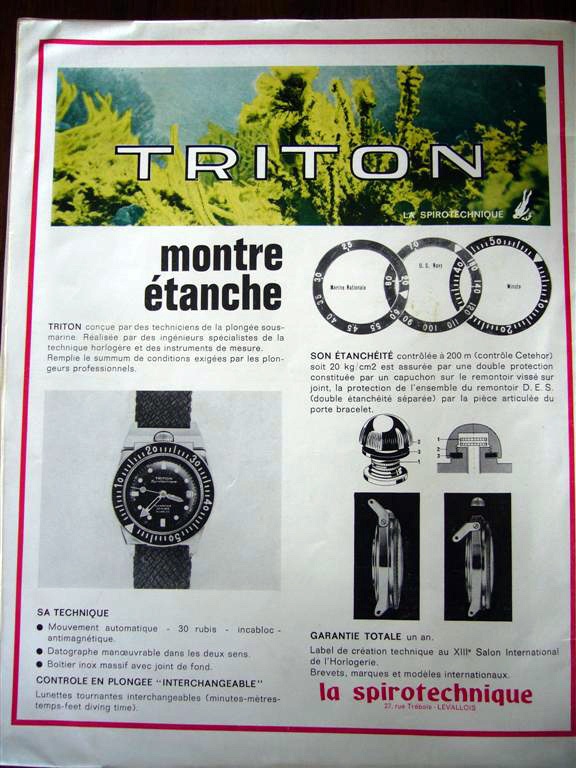
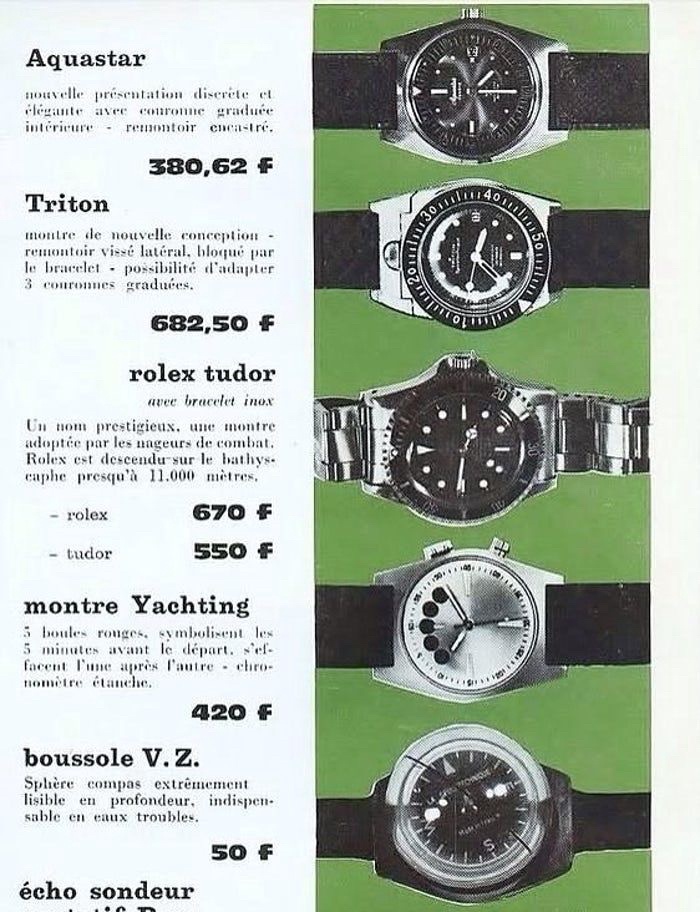
Best Ø