Montblanc Meisterstück Heritage Perpetual Calendar: On the Wrist Review
The Heritage Perpetual Calendar - hands-on with one of the first pre-production models, facts, personal impressions and lots of live pictures taken by me.
Introduction
A perpetual calendar is a grand complication and a dream of most watch collectors - eternal functionality is quite tempting. Also it is a must have as a brand serious about watchmaking; at least one has to be available in the collection today.
Historical sidenote : Patek Philippe is the pioneer when it comes to wristwatches with perpetual calendar. About twenty five years later Audemars Piguet joined (ca. 1950). 1962 Patek Philippe introduced the first wrist watch with PC and automatic movement. 1985 IWC surprised with the very innovative “Da Vinci” …
In general PC´s represent the art of watchmaking at the highest level and on top they offer a lot of (practical) functionality, not to speak about “romance” when it comes with a moon phase. The main feature of any PC is, until the 28th of February 2100 no change is needed to display the correct date - no matter if the year has 356 or 366 days. To fulfill the switching operations a complex mechanism is needed under the dial. There is more than one technical solution available, but quite often it is a module on top of the movement. The latter is also what we have here.
Information
Movement :
Type of movement Mechanical Calibre MB 29.15, with automatic winding, perpetual calendar and moon-phase display
Number of rubies 25
Power reserve Ca. 42 Std.
Balance Flat hoop
Hairspring Flat
Frequency 28,800 A/h (4 Hz)
Displays Hours, minutes, two hands to indicate the month and the leap-year cycle at “12 o’clock”, one hand to show the day of the week at “9 o’clock”, one hand to display the date at “3 o’clock”, the moon’s phases appear in a window at “6 o’clock”
Features :
Case 18 karat rose gold (5N); polished bezel, horizontally satin-finished middle piece
Dimensions Diameter=39 mm, height=10.24 mm
Water tightness to 3 bar
Crystal Scratch-resistant, cambered and antireflective sapphire crystal
Back 18 karat rose gold (5N) with inset pane of sapphire crystal
Crown 18 karat rose gold (5N), with Montblanc’s emblem in raised relief
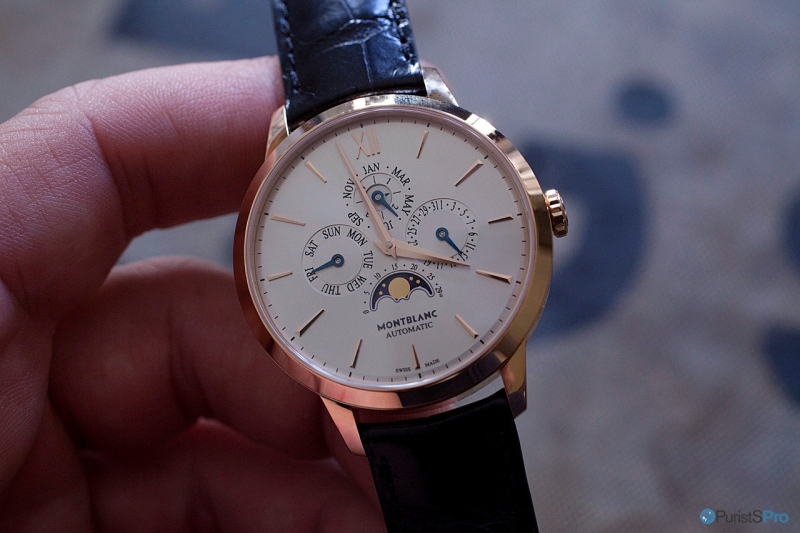
Dial Silvery white and slightly cambered dial with sunburst pattern, facetted hour indices and Roman numeral “XII” as gold-plated appliqués, gold-plated hour-hand and minute-hand in dauphine shape, perpetual calendar with small blued steel hands, moon’s phases appear in a window bordered by a scale for the moon’s age at “6 o’clock”
Wristband Black alligator-skin strap with large reptilian scales, pronged buckle made of 18 karat rose gold (5N)
Side note : it is also available in steel with rose gold details
Personal impressions
Aesthetics , history, movement and price
have to be right – nothing more, nothing less.
Let´s see if Montblanc managed to deliver something outstanding, based on the criteria above.
Aesthetics – timeless design is the first what comes to my mind. Time is shown by faceted hands in the classical dauphine shape, which sweep over cambered, silver-white dials that have been tastefully embellished with sunburst patterns. The hour circle combines polished faceted appliqués in three different lengths and an eye-catching applied Roman numeral “XII”. The classical shape of the elegant 39mm-diameter case is accentuated by various finishings on the surfaces, for example, horizontal satin finishing on the middle piece. The crown is adorned with Montblanc’s emblem in polished, raised relief against a matte sand-blasted background.
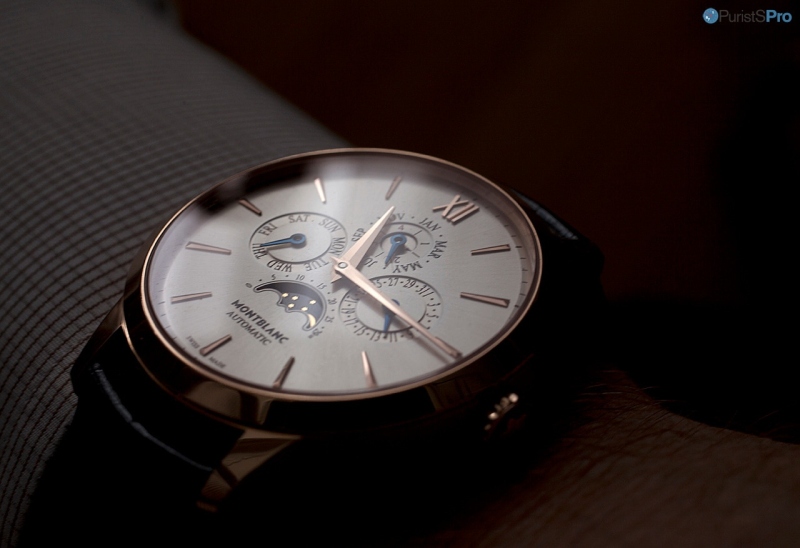
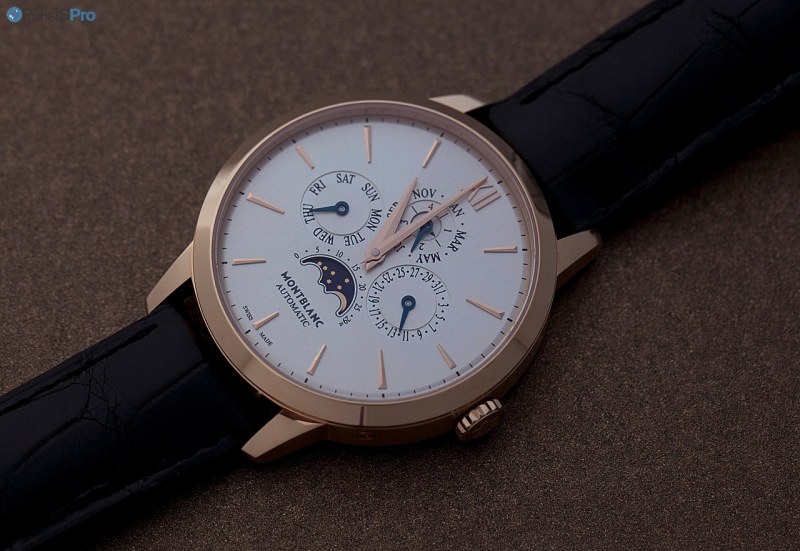
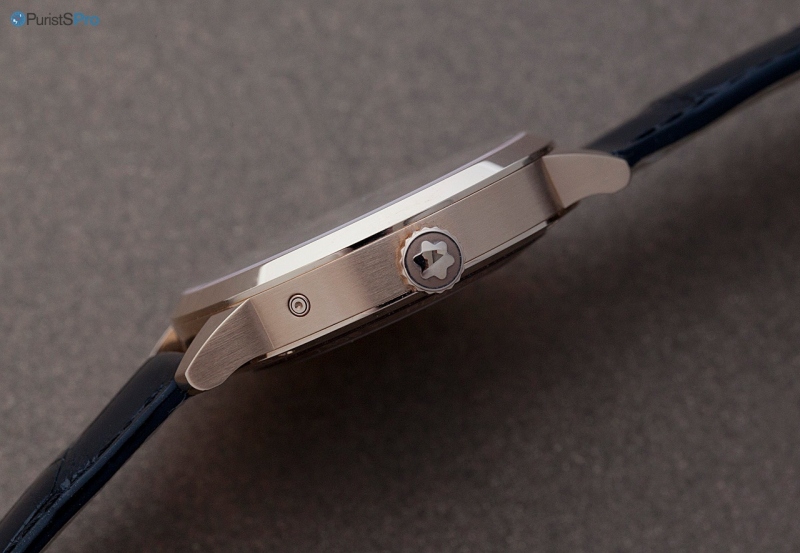
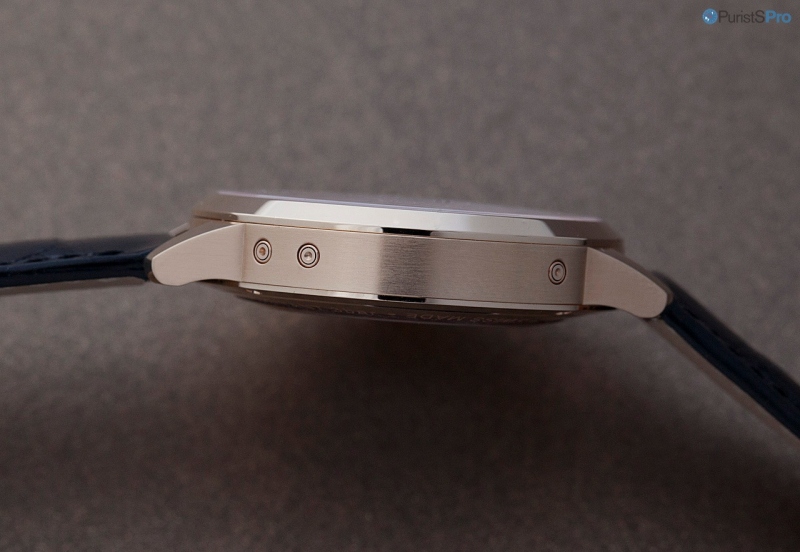
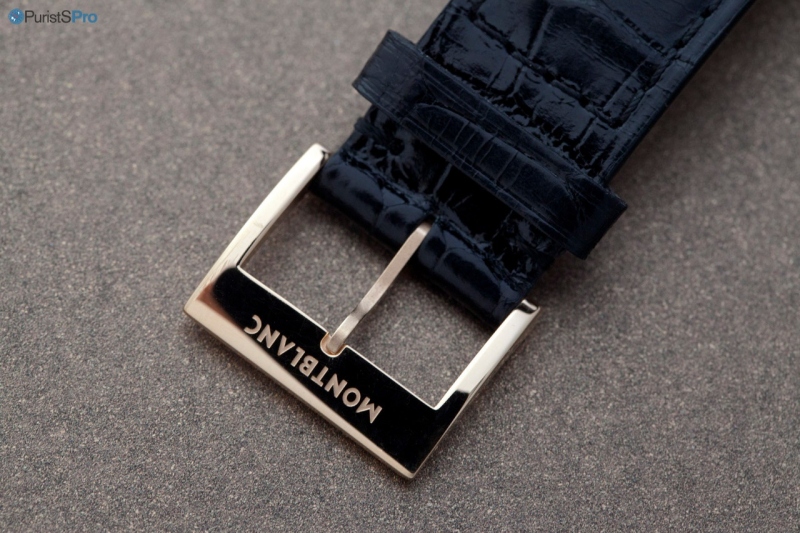
The displays of the Meisterstück Heritage Perpetual Calendar are harmoniously arranged on the dial: the date is shown at “3 o’clock”, the day of the week at “9 o’clock”, and the month at “12 o’clock”. On the inner scale of the month display, the leap-year cycle is shown by a blue triangle and a leap year is indicated by a red “4”. The moon’s phases are emulated in a window at “6 o’clock”; the moon’s age is indicated in days at this window’s upper edge.
To make it short, we have very traditional and well done watchmaking here.
History – the PC here is a member of the (new) Heritage Collection and it is called heritage for a good reason.
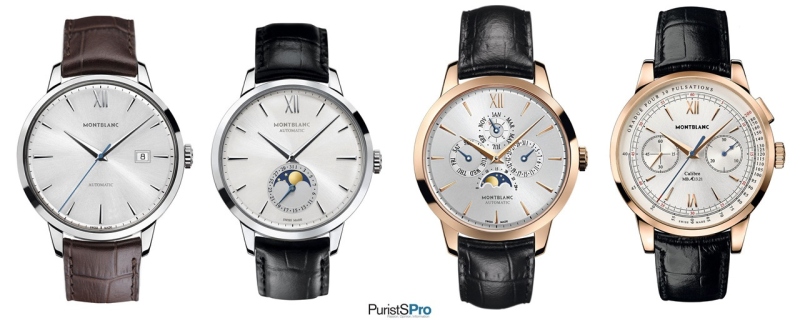
Montblanc has a lot of history when it comes to extraordinary craftsmanship, traditional techniques, high-quality materials, perfect aesthetics and outstanding functionality. Still they are not known for watches, at least not for that long. To “start” with strong products and the impressive knowledge base of Minerva in the back, is very promising to say the least.
Movement - the movement (MB 29.15) is a Sellita base (unique movement developed and reserved for Montblanc's use exclusively) with a Dubois Depraz module.
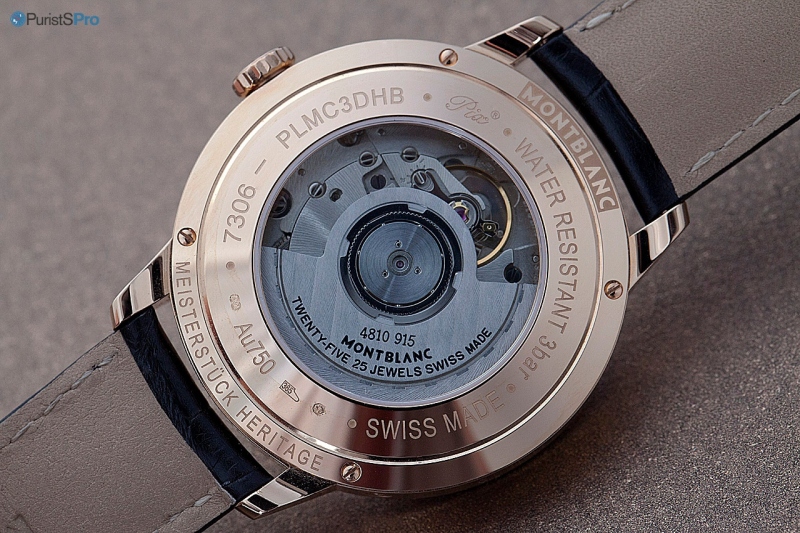
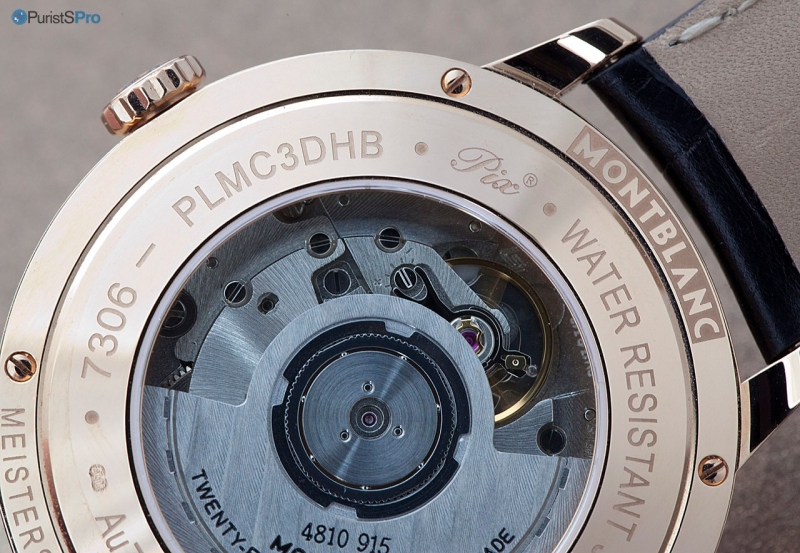

Each movement has to pass a 500 hour Quality Certification process at the manufacture in Le Locle.
(For more regarding the 500h QC process, please click here: montblanc.watchprosite.com )
(For more regarding the module for the perpetual calendar, please click here: montblanc.watchprosite.com )
A movement not in-house as a base and a module on top represents the classical Swiss watchmaking and only in the last few years that has changed - if at all. The module used you will find in much more expensive watches from very reputable houses as well, but with a very different price tag at the end. To adjust the calendar, pushers on the side of the case are a common solution for perpetuals and there is no surprise here.
Technically I have no doubts that you get something serious for the money and only the “ultimate” finishing is missing when you look at the backside of the watch.
Price – perpetuals are no bargains in general, but if you are looking for a new one that doesn´t break the bank there is no need to look further. I won´t give you figures here, but it is a challenge for the watch industry and not only in the steel version.
Live pictures
All I would like to say here is that I had the watch on my wrist, at several occasions and at very different locations. I tried to cover it appropriate for you. Hope you will like the pictures as much as I appreciated to take them.
Here we go, have a look and judge by your own:
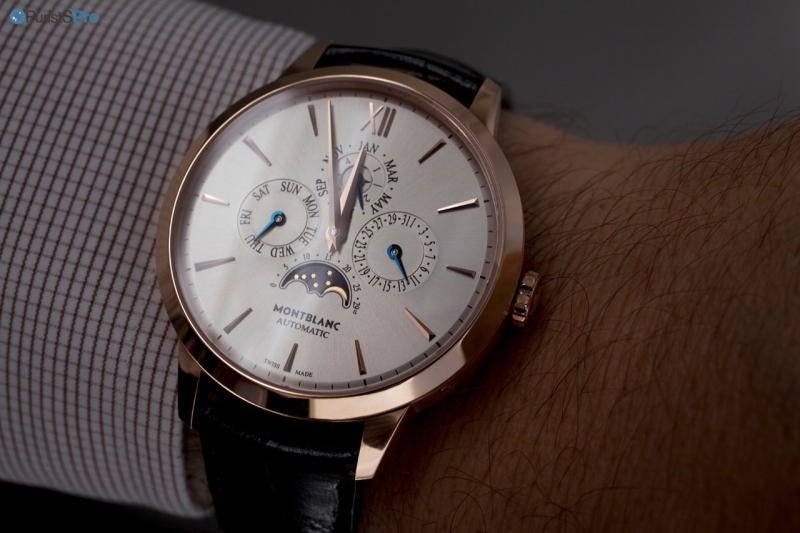
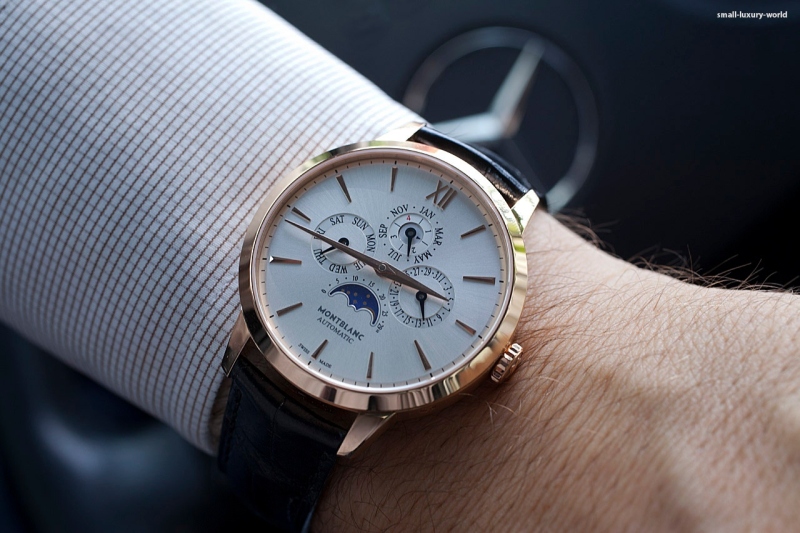
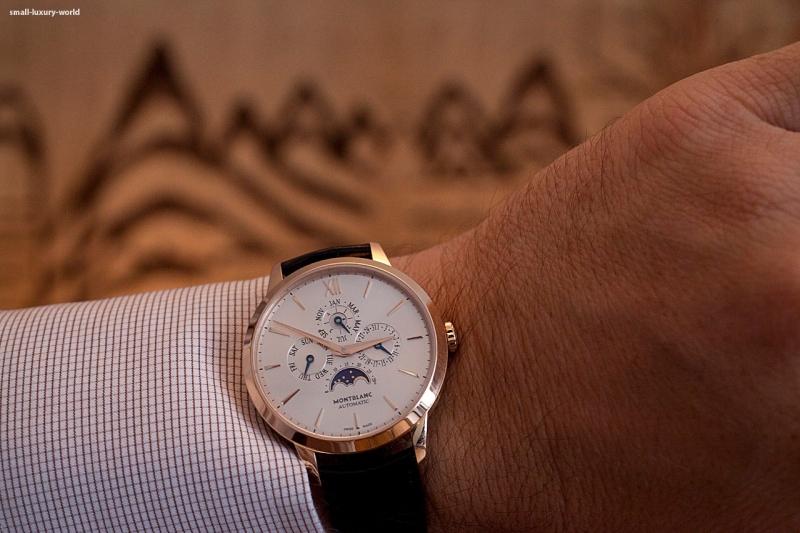
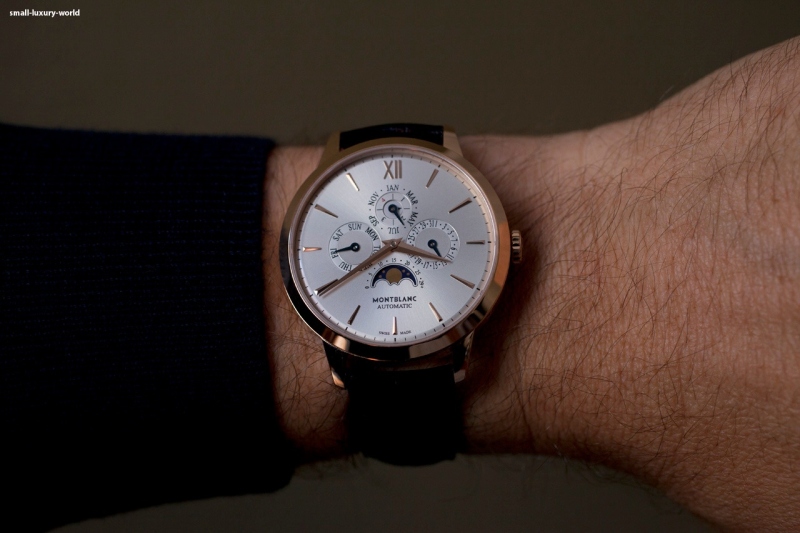
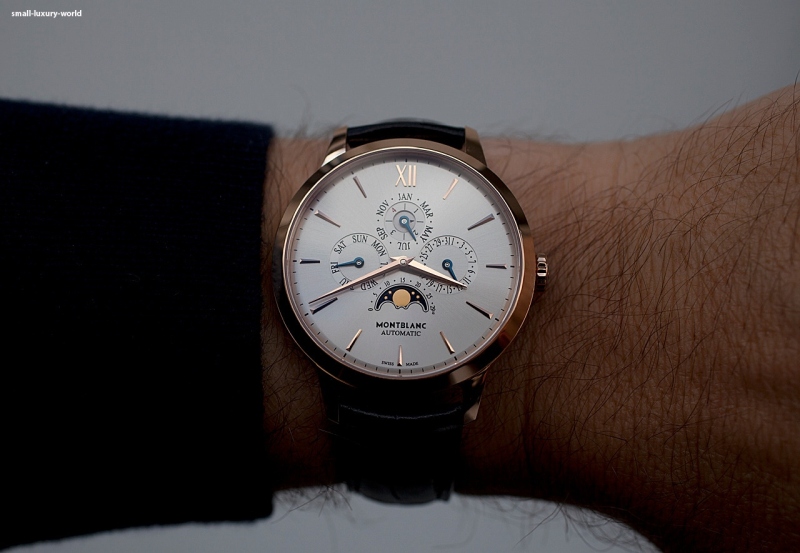
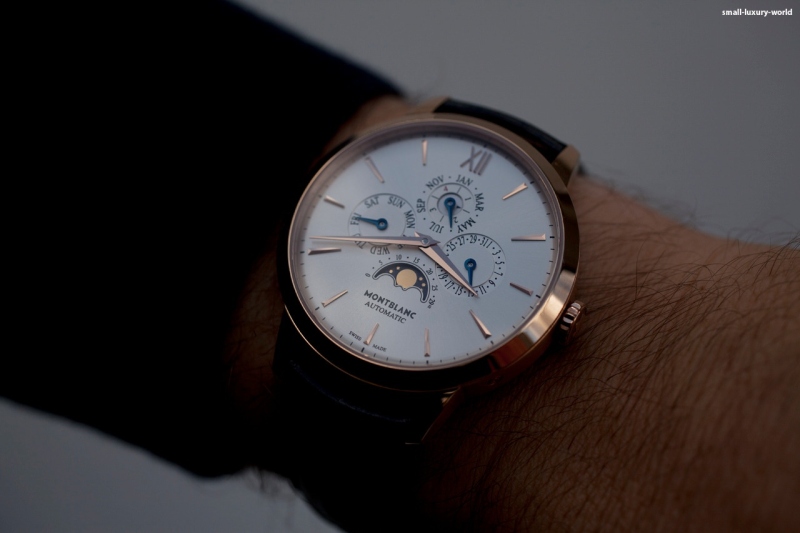
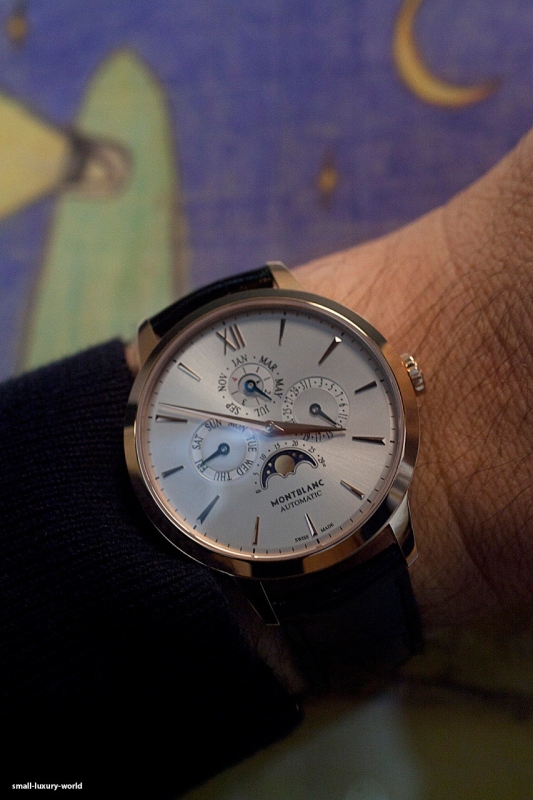
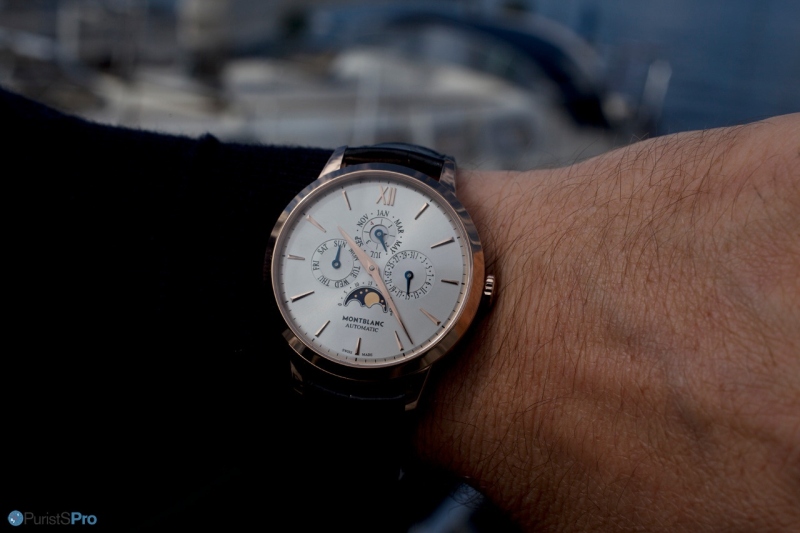
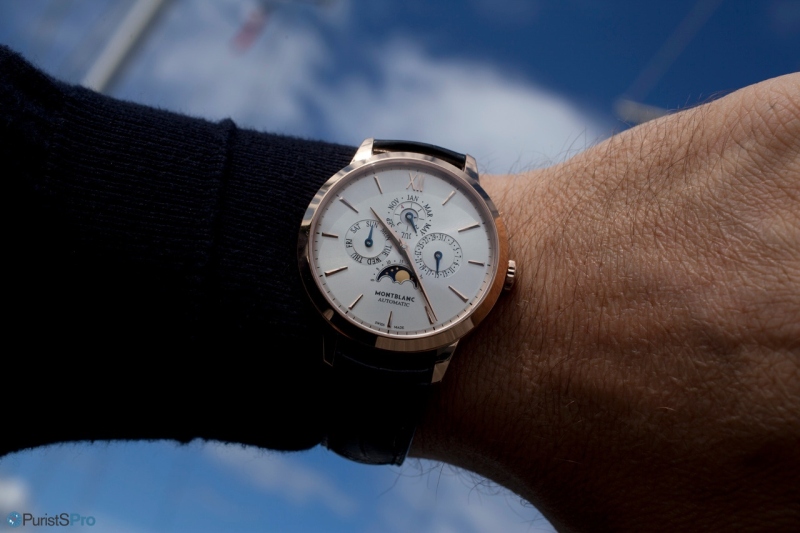
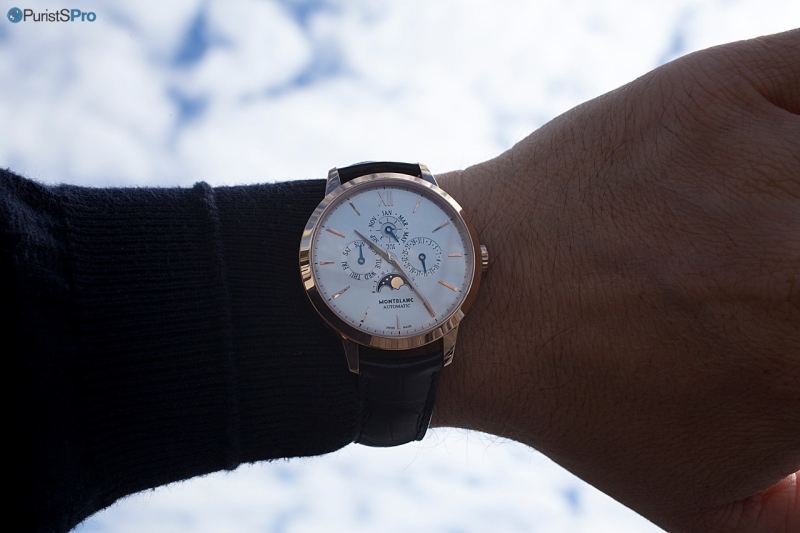
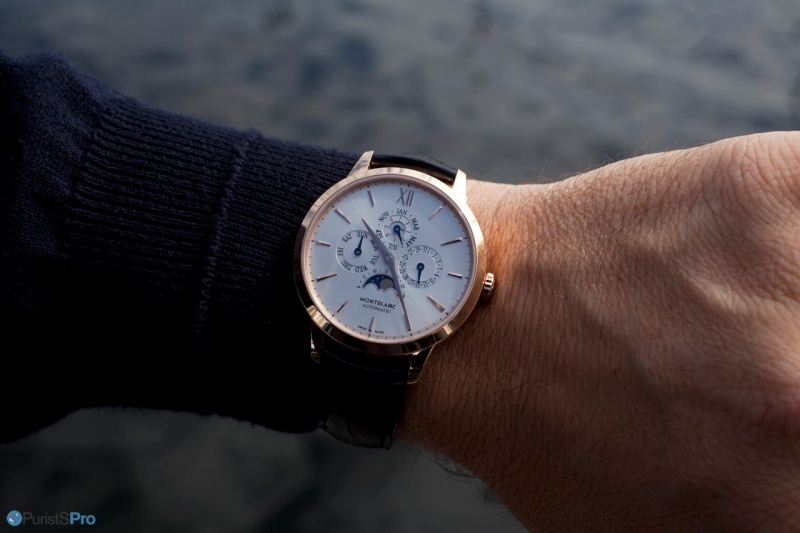
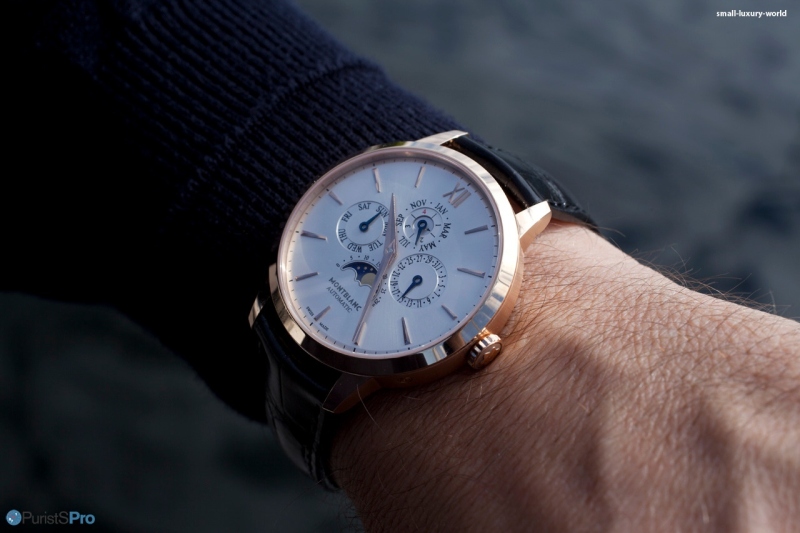
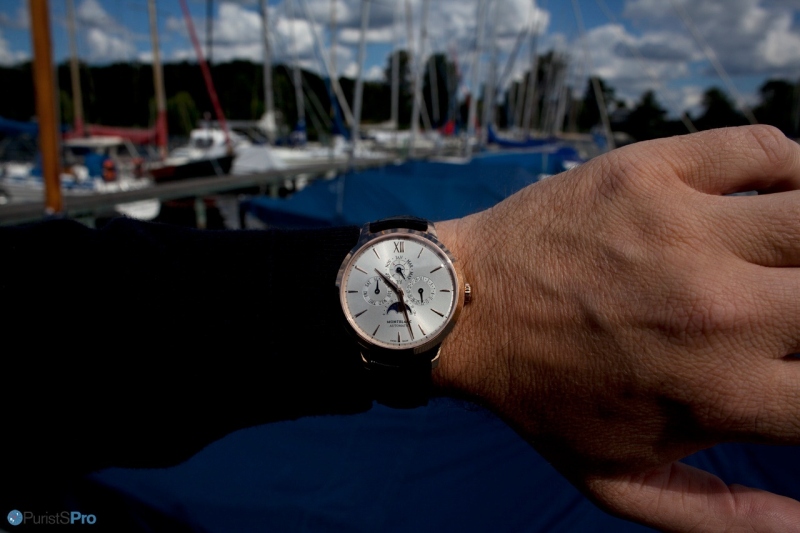
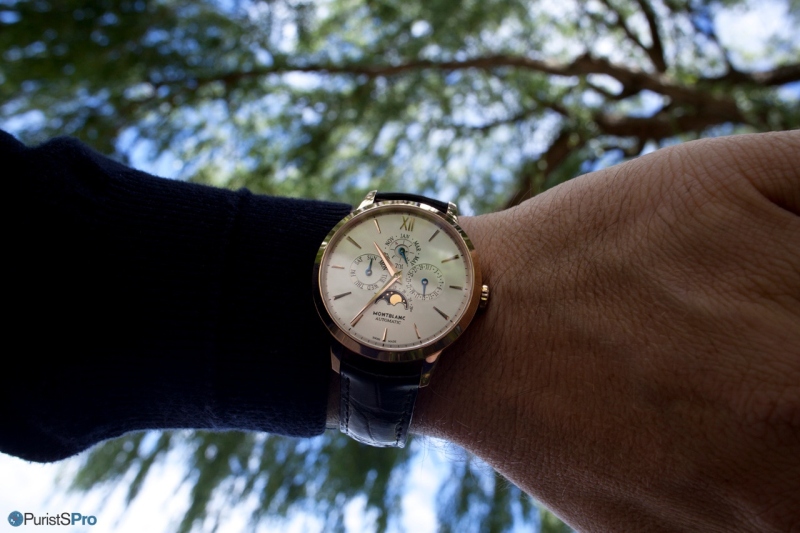
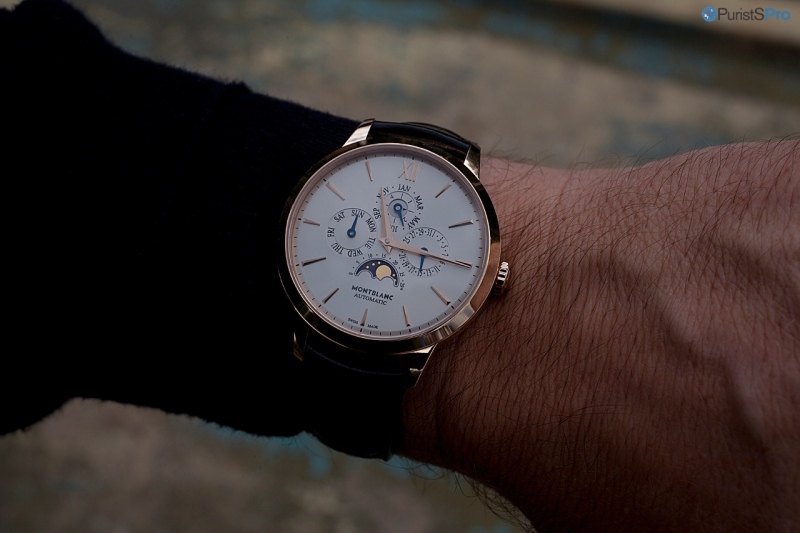
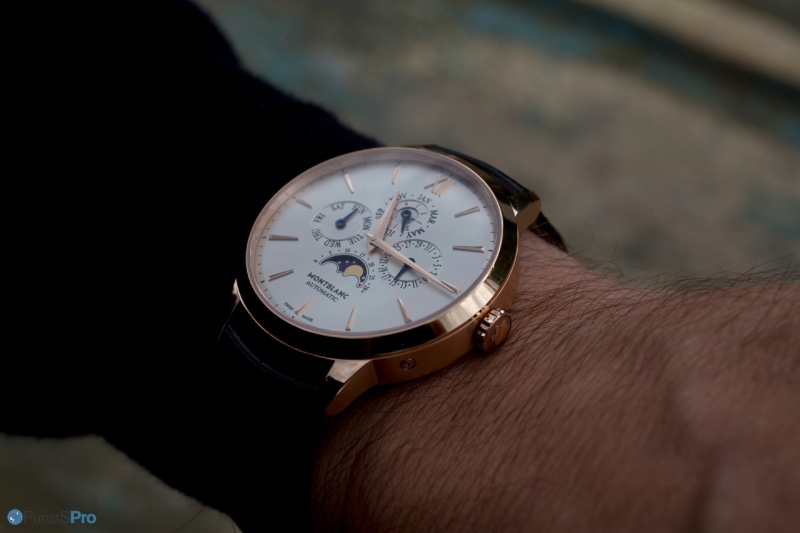
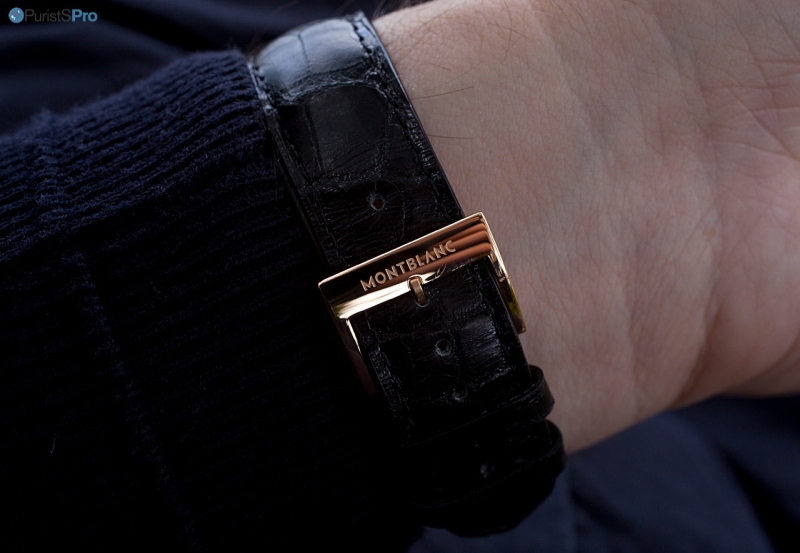
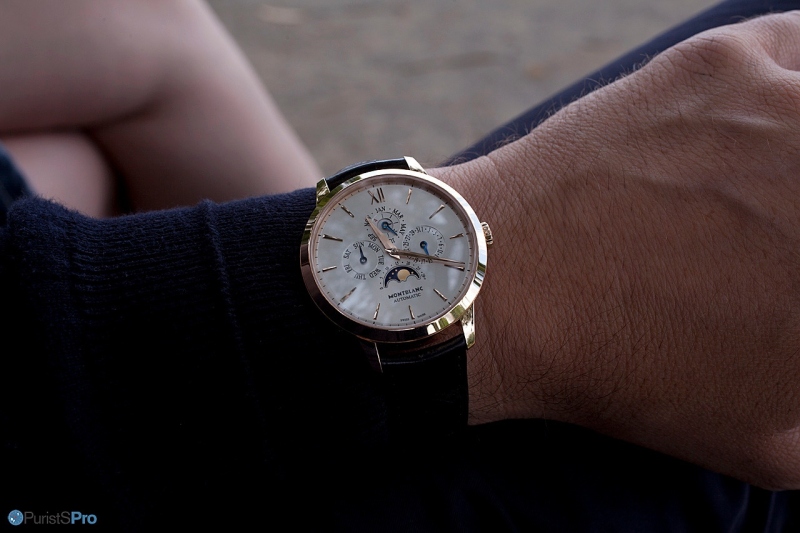
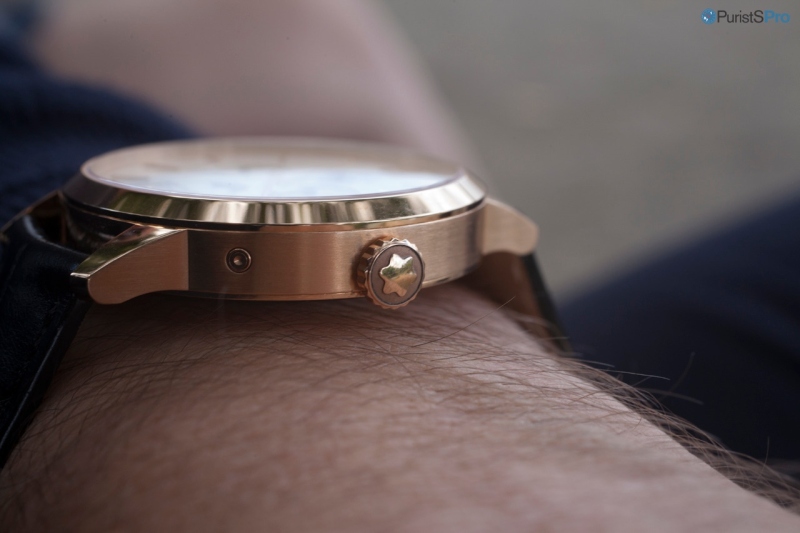
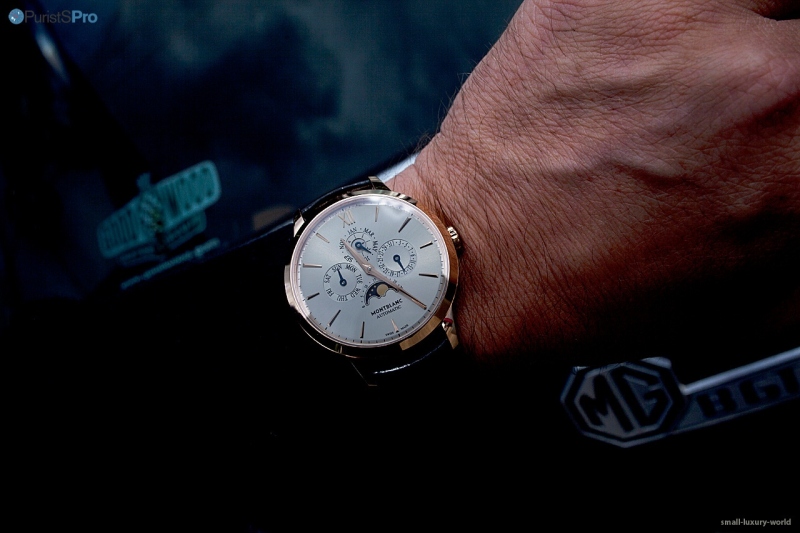
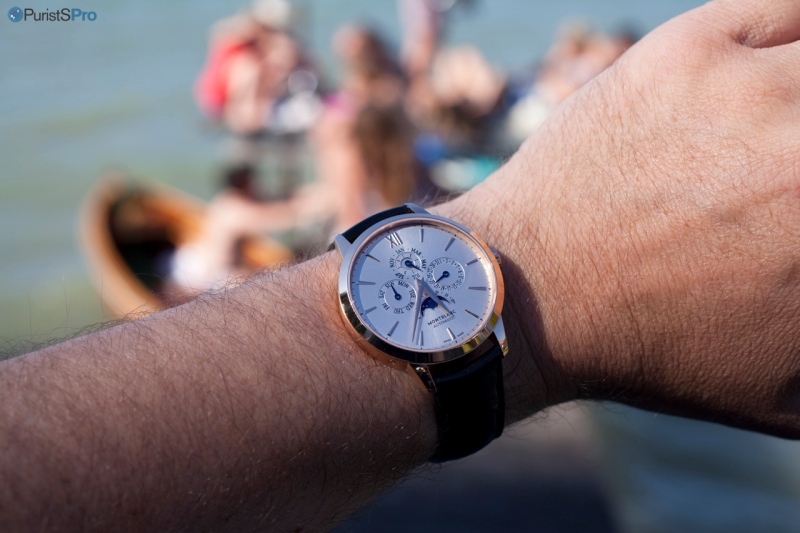
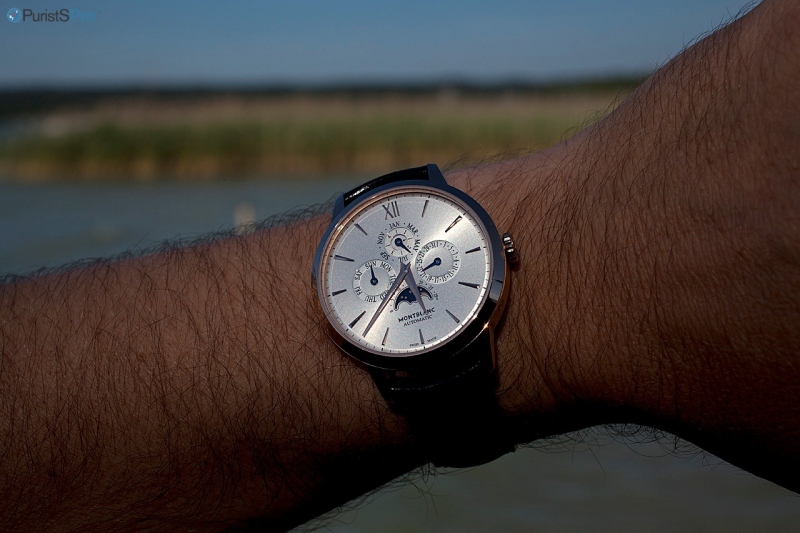
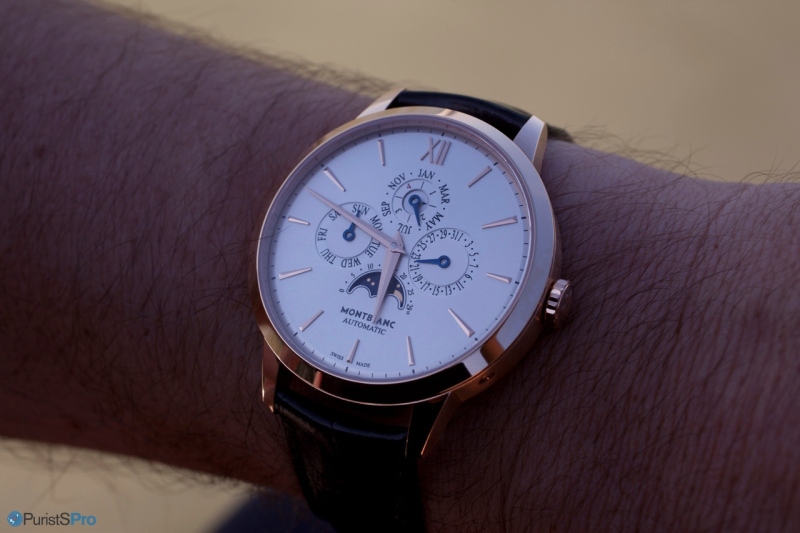
It was not only me who was tempted to look at it quite often (or even too often when driving a car or so …  ).
).
Yes, my wife was tempted as well. In general she has a weakness for watches with a classical chronograph indication and they have to be in white metal, but here something changed her mind. She loved the moon phase indication and the way it was shown. She found out that she has at least one ring that matches the rose gold case. At the end I had to take pictures, for her – believe it or not.
Let me share those pictures as well, if you don´t mind.
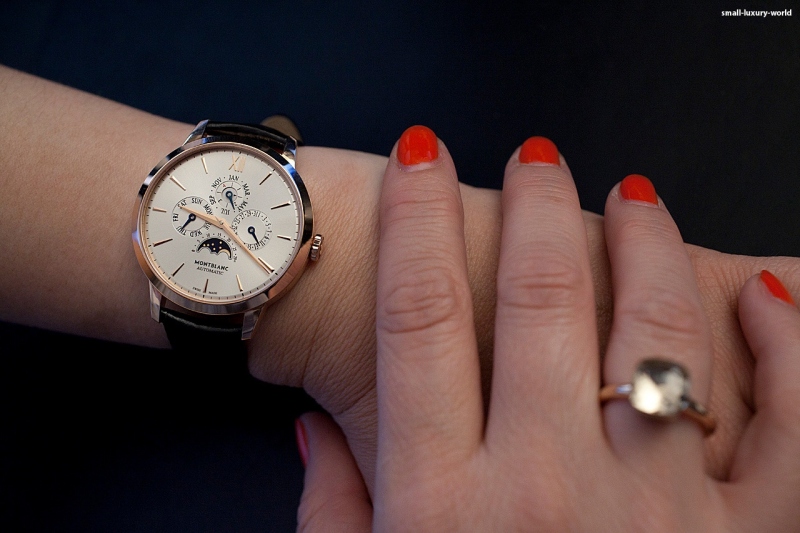
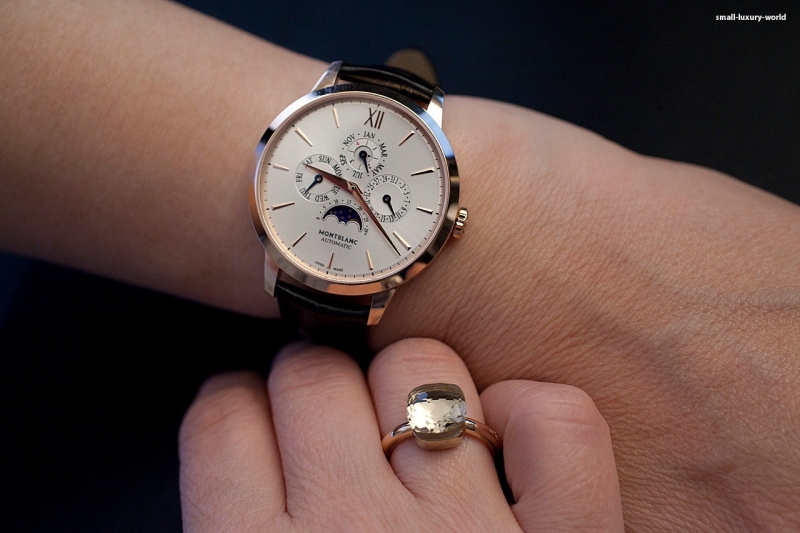
Once more it works just perfect, a watch for men on a female wrist. Sexy, isn´t it?!
Final Conclusion
After spending some time with the rose gold version, because of the kindness of the Montblanc team, I have to admit it was a real pleasure. Personally a perpetual calendar is not the most addictive complication in my books, but this one changed my mind somehow. Why? Simply because it was easy to handle (even the adjustment of the indications) and just so nice to look at - especially the moon phase indication in different light settings was a feast for the eyes. The details of the case and the dial are very well done and match with some of the best from the industry. The classical size is just perfect for my wrist and the weight was good as well – not too light, not too heavy. A watch that feels good on my wrist and makes me smile is more than welcome, even when it is not perfect in any case and not for everybody. Nonetheless - aesthetics, history, movement and price, when you look at all of them in detail it is hard to beat in the current market.
Be warned before you try one on your wrist, it is addictive and the fact that it is (relatively) affordable makes it even more dangerous …
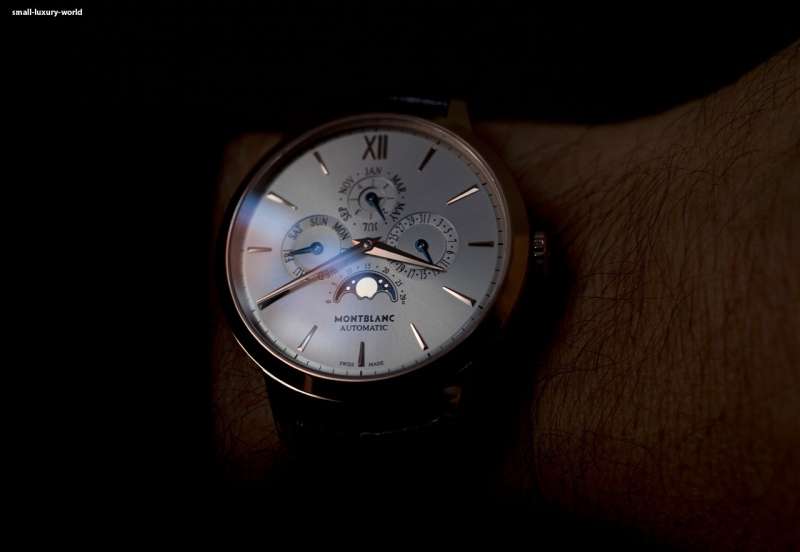
Thanks to the team from Montblanc!
Oliver
This message has been edited by small-luxury-world on 2014-08-24 11:55:14 This message has been edited by small-luxury-world on 2014-08-24 11:56:32 This message has been edited by small-luxury-world on 2014-08-24 11:57:25 This message has been edited by mkt33 on 2014-09-02 17:10:25

Thanks a lot for your detailed review.
Anyway, this watch offers great value for money. But is this quality what the clients look for in a context of a purchase led by passion? I don't know, I have a question mark here.
Fx

Funny, I had a great conversation with Olivier Lorian when he was at JLC about
Complications in general... It was in 2007, I think, during a superb week end at the Le Mans 24 Hours Race.
He told me, at my great surprise, that the most challenging complication to work on was not the Perpetual Calendar ( at this time, I thought it was a Tourbillon or a Minute Repeater ); but a.... Chronograph, which was really tough!
Now, he is with Jérôme Lambert, at Montblanc.
As for the Watch, I think it is a smart path from Montblanc, in terms of offer versus price.
Will it be enough to make us dream? That's the question.
For the average Watch consumer, it is a smart offer, because the price is very competitive.
For the Watch passionate guy, well, that's another story, because of the use of a common movement, not the choice of a modular construction as many ( most of them, by the way ) use this system.
The aesthetics, too, don't differenciate this one from the competitors, which are, in this case, AP / JLC / GP / Vacheron and so on....
The true competitor is JLC, in terms of price. With a plus, for the JLC, about the case, and a more interesting movement, born from the Mannesmann years, in collaboration between the Vallée de Joux Manufacture and IWC, when their destiny were somewhat linked.
What more does it offer, besides a super price?
What is the identity, here?
A Rieussec is for me much more interesting.
But once again, for the average consumer, it may be a very good choice!
Best,
Nicolas.

Yup +2, I think you hit the nail on the head with your comments
A serious attempt by MB to speak to the watch consumer, not necessarily to the watch passionate collector.
Perhaps we will see something from the Villeret line that will resonate with PuristS.
Cheers, Mike
"Will it be enough to make us dream?"
Regarding the chronograph complication and its difficulties, this is not new to me and one of the reasons why I love it that much - if everything meets my expectations.
Regarding JLC, I can only say that I just looked at a full calendar in rose gold recently and it was more expensive than the example shown here. It was a nice watch and nothing felt "wrong", but not for the money asked. To each his own details he asks for
Best,
Oliver
FX, thanks for your detailed reply. "Passion" is something ...
Best,
Oliver

nor fish nor flesh and the potatoes are missing in this dish
The best thing is the case and it will have a strong aura in rose gold in particular.
It is not the least expensive offering of a ppc in steal as there is a German brand offering it already, for a while actually, as you will know.
The watch shows that MB is not really ready for a ppc yet.
However: many will welcome a precious metal ppc in a nice case at that price point, I am sure.
So good luck MB and hopefully one day there will be an in-house ppc.
Best
Moritz
"hopefully one day there will be an in-house ppc"
Still it would be nice to see something more unique from a house like Montblanc, but I doubt it will be affordable like this one.
You mention another PC from a German brand that is affordable. The one I have in mind is by far more expensive, even when it is not that expensive compared to another German brand ;-) So what do you have in mind? Did I miss anything?
Best,
Oliver
It is not the module. It is the package
It is the whole package.
Modules, as you mentioned, are used everywhere.
The issue might be maybe me: I would chose a prestigious complication like a ppc from a prestigious brand.
I would have to pay much, much more of course but that is the package.
As you mentioned in a reply here already about people like us: we are pundits and very, very hard to please.
Even Pateks, Langes, VC ... are not perfect at times .
The German brand I had in mind offering an affordable ppc is Nivrel.
Whether it is still in their collection I am not sure as I did not want to buy it ... .
Best
Moritz
This one I didn´t even had on my radar ...
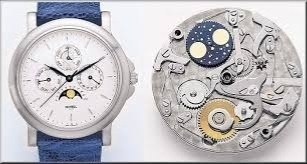
It is still in their "Heritage" collection and looks like this:
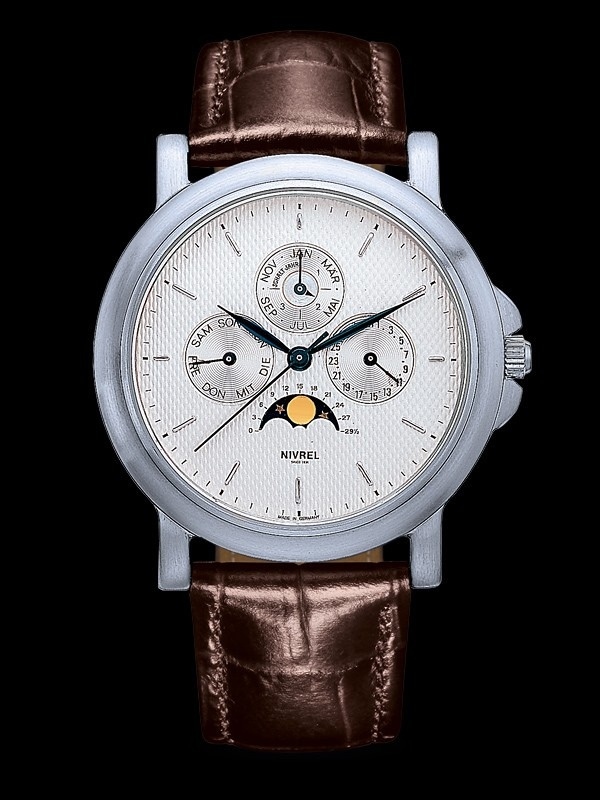
It is available only in steel and the price matches, diameter is 38mm (1mm less). Is it comparable? Well, it´s up to you.
Best,
Oliver
I told you: nothing for us
Thanks for the picture Oliver.
The MB is by far the better choice, in either metal.
Moritz

Thanks Oliver for that complete and thoughtful review
It looks great, perhaps even better, on your wife's wrist!
Cheers, Mike
Thanks a lot, Mike!
I agree, but that means I will have another problem or two ...
Best,
Oliver

Nice review, Oliver!

Thank-you for making this obvious point!
"the subdials are concentrated into the center a tad too much?"
Quite a lot prospects/customers don´t ask for "100% PLUS" and want something more affordable instead, if at all. Just for example the PP Ref. 5146 ("just" an annual calendar, I know) is a highly desired piece for many and to me something is missing - only a few milimeters are missing
Other perpetuals for comparision, only:
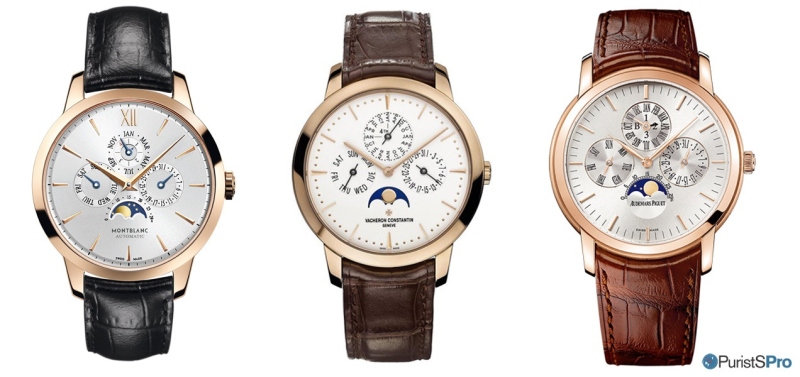
The second one has the same "perpetual layout" if we talk about dimensions and the third one is only a little bit "better" in that case. The premium you have to pay for "tiny details" is prohibitive for a lot of people, isn´t it? Just talking about dimensions here, nothing else.
Best,
Oliver
Good point, Oliver
"continue the discussion perhaps in January"
Cordially,
Oliver
You are right and make sense....
Since when is the Sellita SW300 reserved exclusively for MB?
You write :" movement (MB 29.15) is a Sellita base (unique movement developed and reserved for Montblanc's use exclusively)"
This would be really big news as this movement is used by almost the entire industry.... and is basically a clone of the ETA 2892-A2
Good question!
"The MB 29.15 is an unique movement developed and reserved for Montblanc's use exclusively."
Maybe I got something wrong, but I am sure Mike has more details on this. Mike?
Thanks for asking!
Oliver

Sorry I just saw this. To clarify, I believe what Mike meant was
Sorry for the late reply...didn't catch this until now
Hi Goldenlutin, Oliver...
The MB 29.15, as Robin has replied, is the name given to the movement which is the Sellita base + Perpetual calendar module TOGETHER .
And so the exclusivity to Montblanc is for this combination...not the SW 300 itself.
Surely this is nothing new in the watch world correct? A company using a common base tractor with a custom complication module and renaming it
Cheers, Mike
Mike, thanks for the clarification ...
Best,
Oliver
Well...
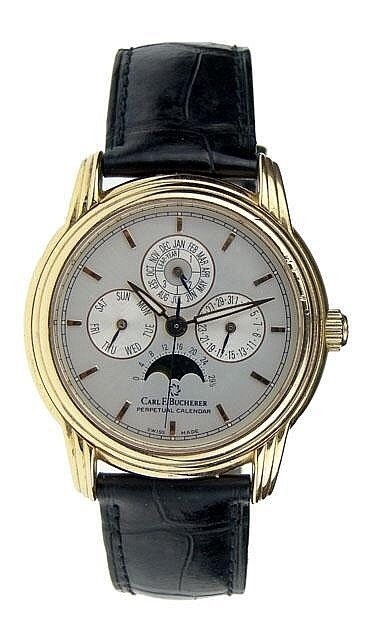
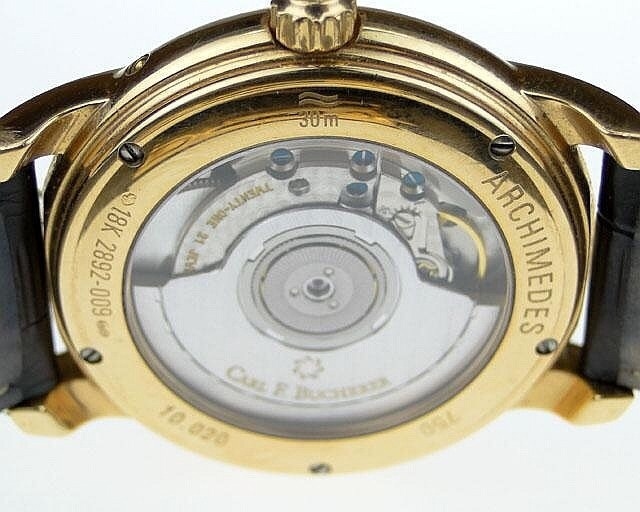
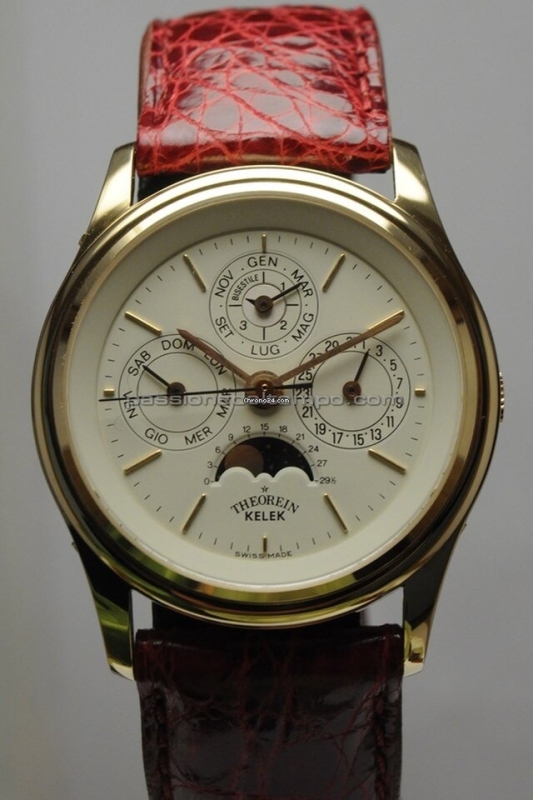
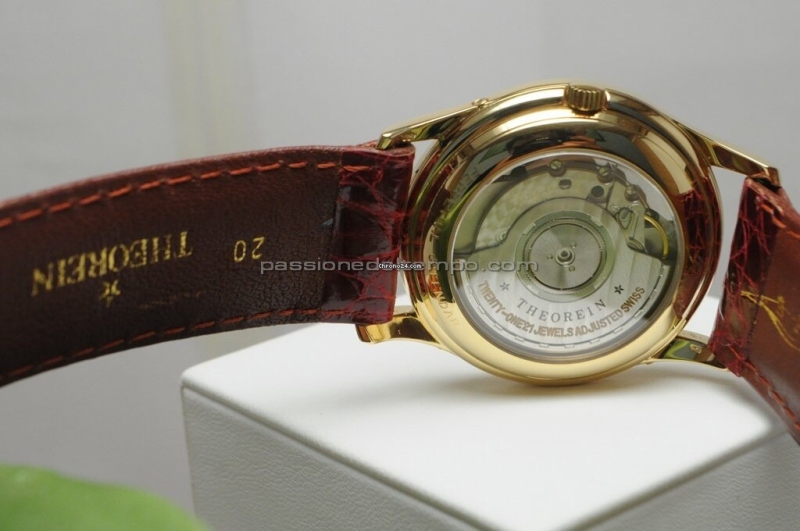
Well, the Dubois Depraz is the most commonly used perpetual calendar module in the industry. Therefor I don't see a custom module here. I also doubt that the combination of the SW300 (mass production) and this module will be exclusive to Montblanc as the module was conceived by Dubois Depraz to fit the ETA 2892-A2 or its clone, the SW300. The list of brands which used this combo (with ETA 2892) in the past is huge, like Bucherer, Movado, Kelek, Nivrel, Frederique Constant, etc.
Best,
Goldenlutin
Hi Goldenlutin, your statement is understandable but unless you have under the dial
pics then it is just an assumption on your part that the modules are all the same
But please share the photos if you have them and then we can compare and see if any changes were made.
I suspect ALL perpetual calendar modules are relatively similar BUT if a single minor change is made, then DD can claim that it is exclusive to MB. They can rightly also claim that it is a custom module for MB. Whether we, as consumers, are willing to accept this as fact (or "marketing gimmick" for some) is completely up to us.
I've shown you in the post that I made, that TickToc referred to, of what a previous DD perpetual calendar module looks like on an ETA base from a watch I personally owned and had serviced. It is obviously different that the one found on the current MB Heritage PC. Which one is better, which one is more serviceable? Any watchmaker will give you their differing opinions on this.
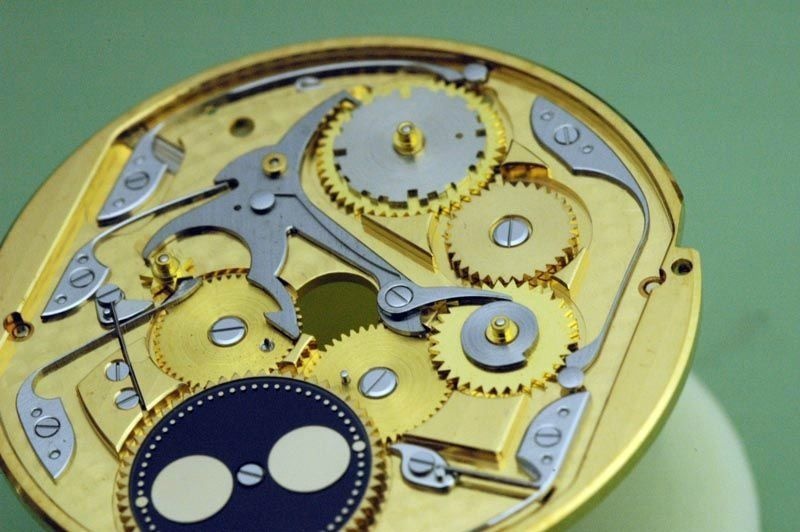
I'm sorry to be so blunt but your assertion "The list of brands which used this combo (with ETA 2892) in the past is huge, like Bucherer, Movado, Kelek, Nivrel, Frederique Constant" is not correct and quite honestly misleading to describe the MB Heritage PC.
If you don't like it...that's OK. If you don't think it is anything special...that's fine too. But if you want to make assertions and comparisons please provide some proof.
Warmest, Mike