
Moonshine Runner
14

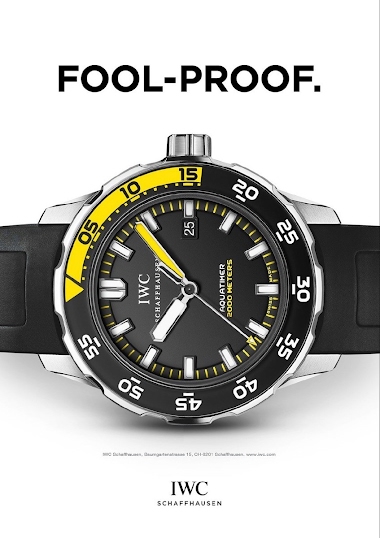
Anyone who wears an IWC has lost control of his life – IWC Aquatimer Automatic, reference 3290-02
Anyone who wears an IWC has lost control of his life.
The IWC Aquatimer Automatic:
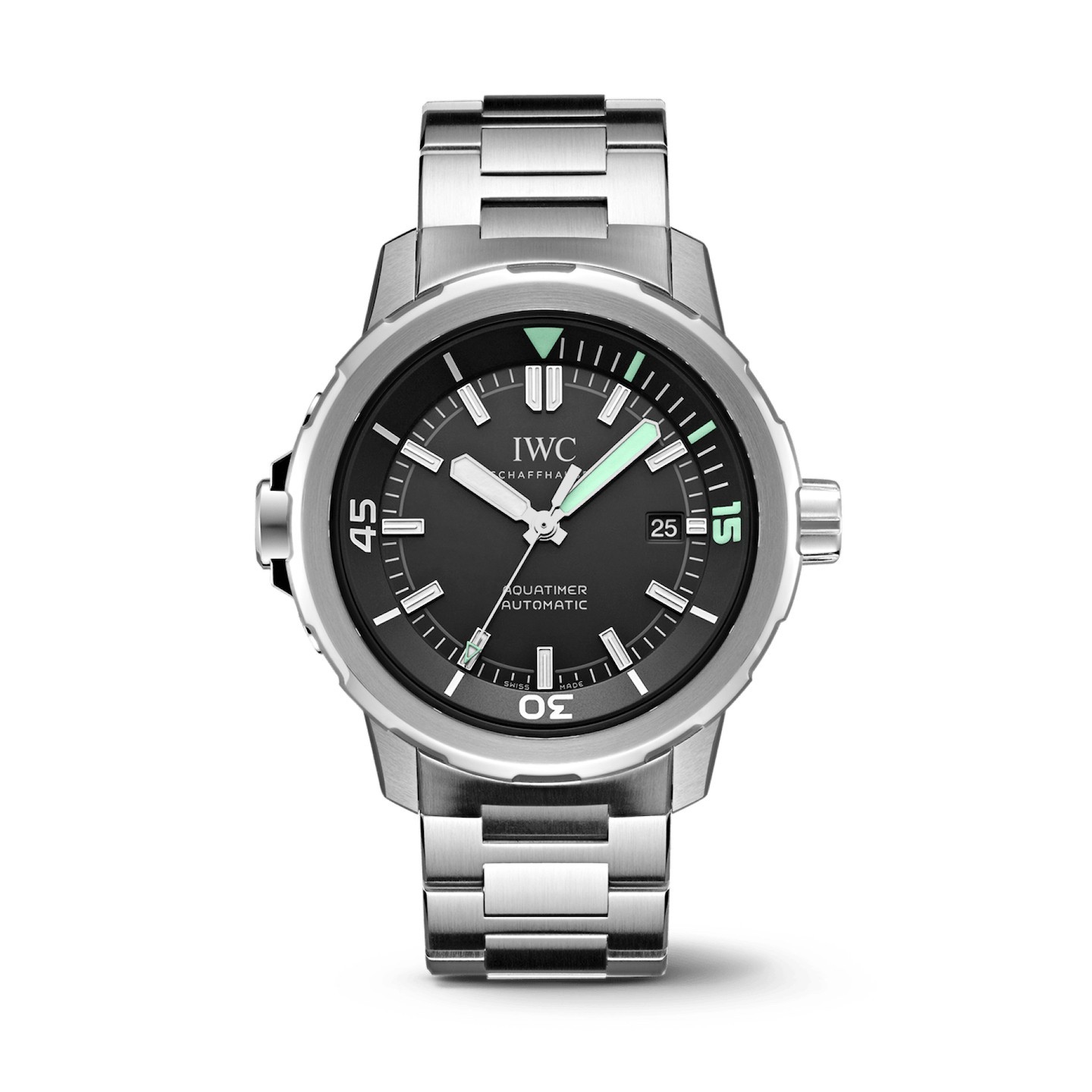
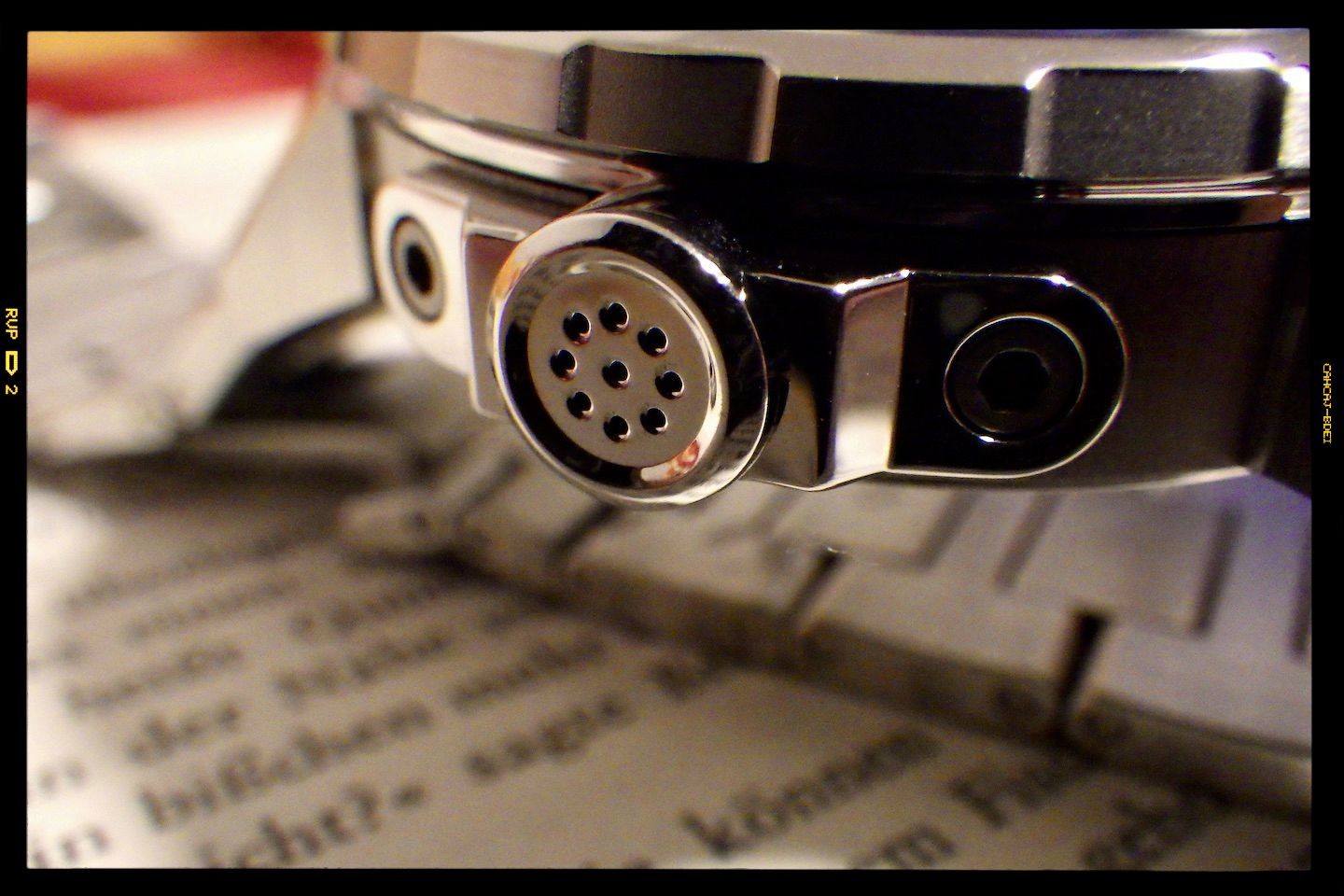
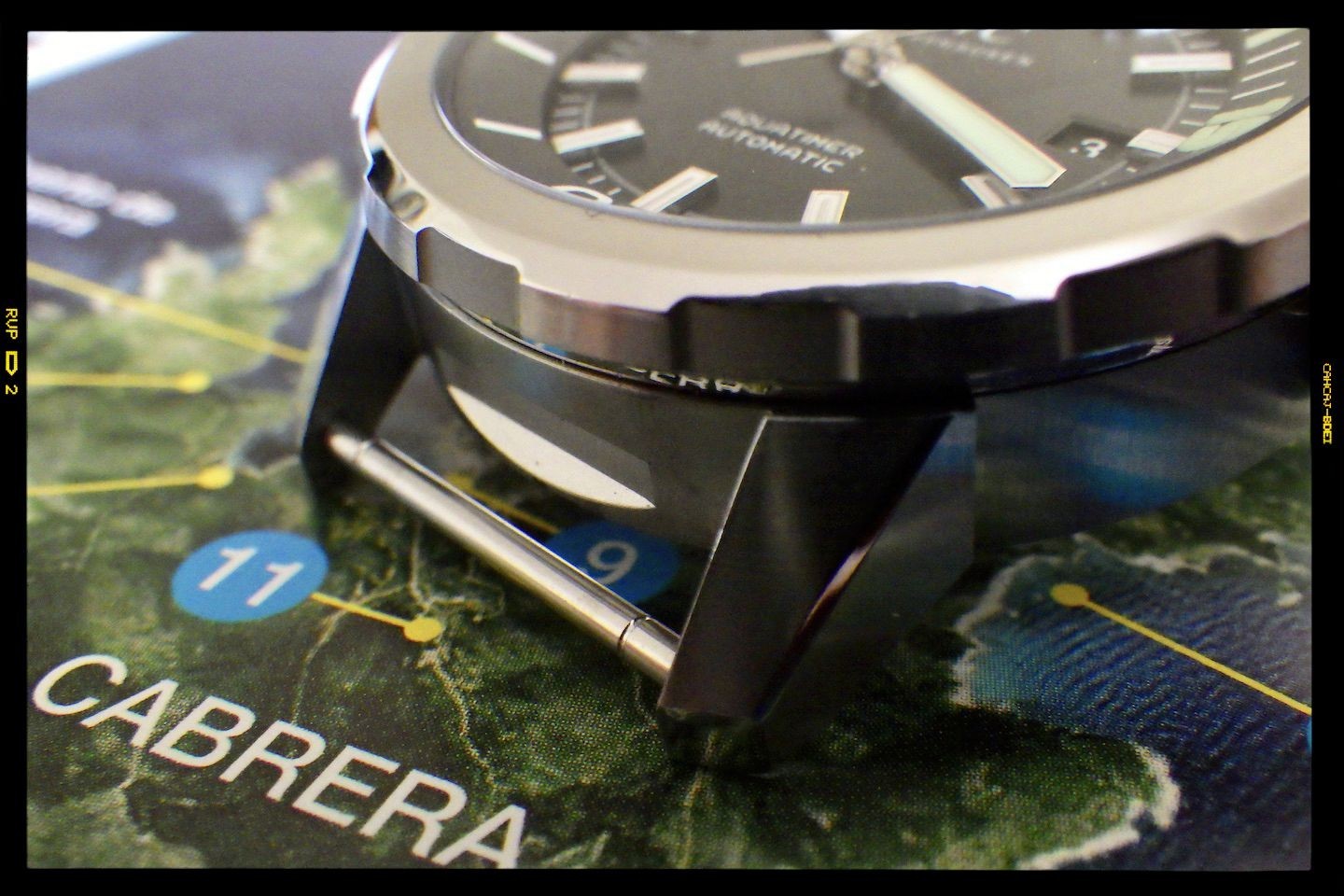
“What the heck have they been drinking?!” were my thoughts, or something similar, when I saw the latest reincarnation of the IWC Aquatimer in the display window at Wempe in Cologne in 2014 after a long period of watch abstinence - in the meantime, my interest had shifted toward four-wheeled American old-timers. In 1998, the Schaffhausen company had launched the Aquatimer GST, by far the most beautiful diver's watch in the world, and now Quasimodo is on display instead? Are the Swiss crazy? Was there a crack in the space-time continuum? Have I landed in a parallel world? They can't be serious about this misshapen thing! The big crown on the right side of the three is okay and a crown protector is overrated anyway, but what the hell is that clumsy bump on the left side of the case?
... and then those canyon shitters want a lot of money for this ugly thing!
But without me, this horrible thing will never disfigure my wrist…
Five years later:
After various experiments with watches from TAG Heuer, Oris, Longines, Sinn, Tudor, Omega and other brands, it's time to take the hobby and the “collection” into more serious channels. So why not check out the watches that I dreamed of when I first started my watch passion, but were way beyond my means at the time. The IWC Aquatimer GST was one of those dream watches, and in 2019, while the prices for the watch were already moving up significantly, you could still get it at reasonable prices if you were a little lucky - so bring it on!
While dealing with the Aquatimer and its history, I inevitably came across the 3290 again, which was strangely no longer so ugly and whose unusual and sophisticated technology made it even more attractive and so it was soon certain that the thing would eventually enrich my small collection.
But another three years would pass before the time finally came. Before that, I fulfilled two more old dreams with the Porsche Design by IWC Ocean 2000 and the Blancpain Fifty Fathoms Concept 2000 and also a few more exotic diving watches from Eterna, Clerc and Vulcain found their way to me and finally, a few days ago, the last reincarnation of the Aquatimer.
The watch:
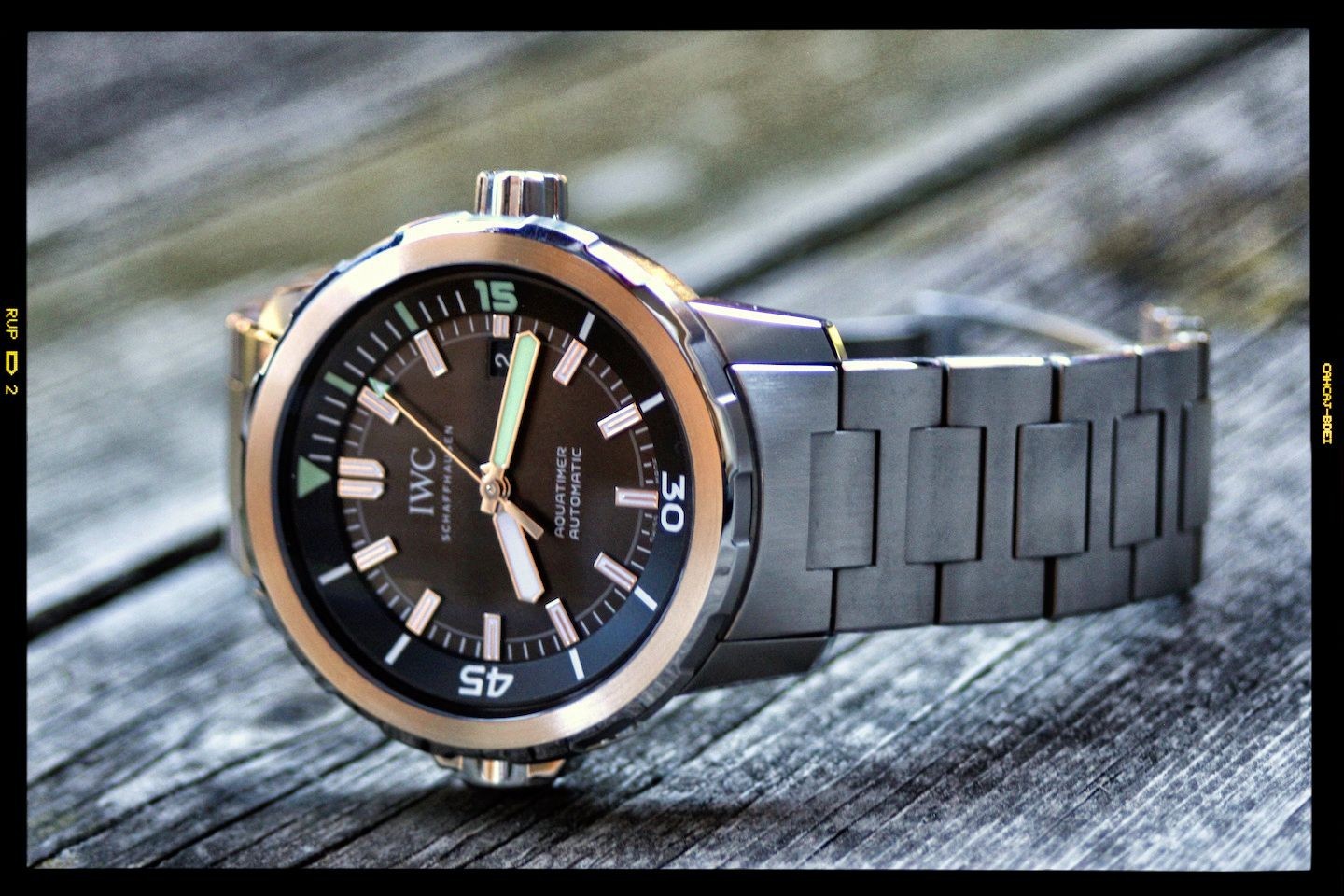
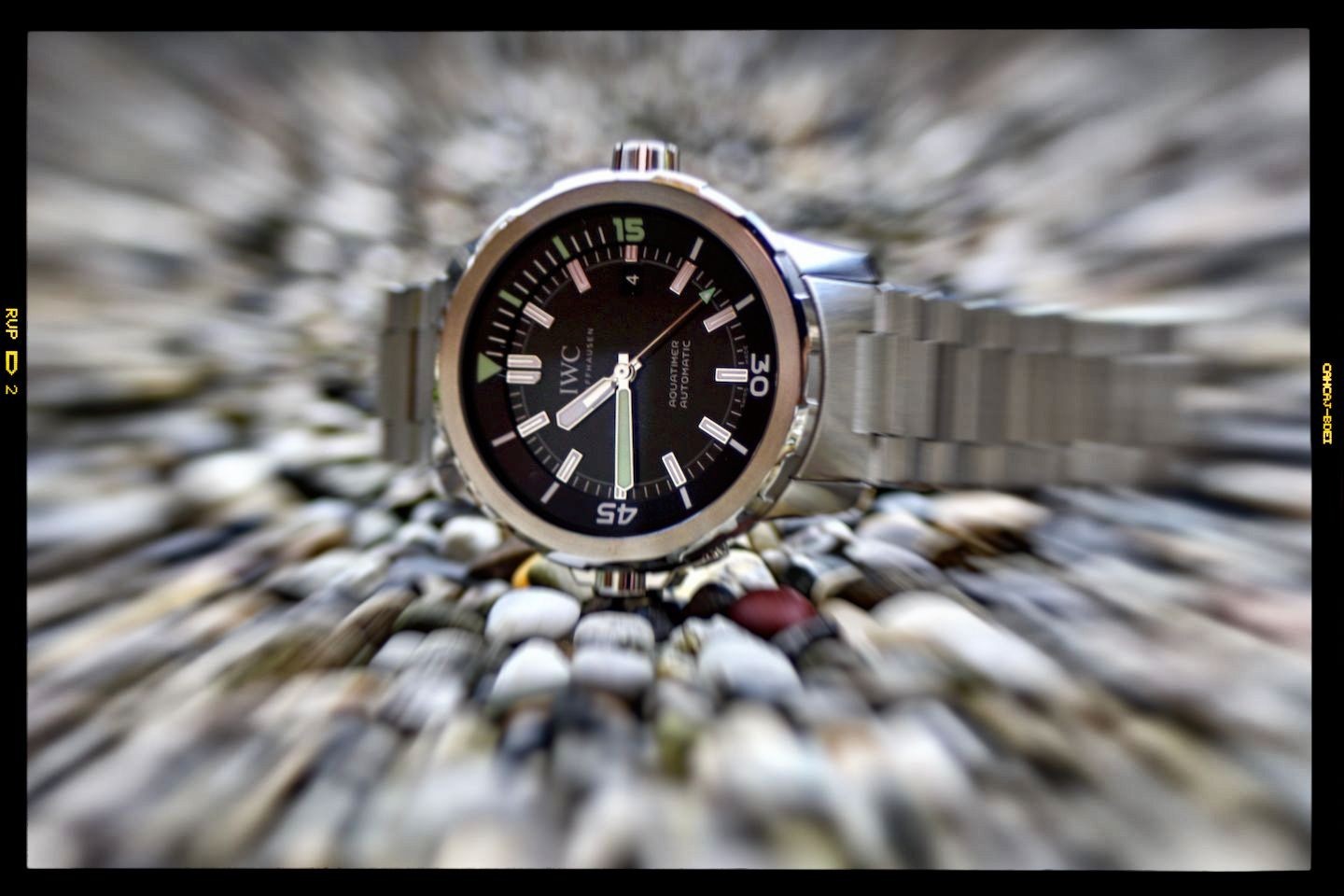
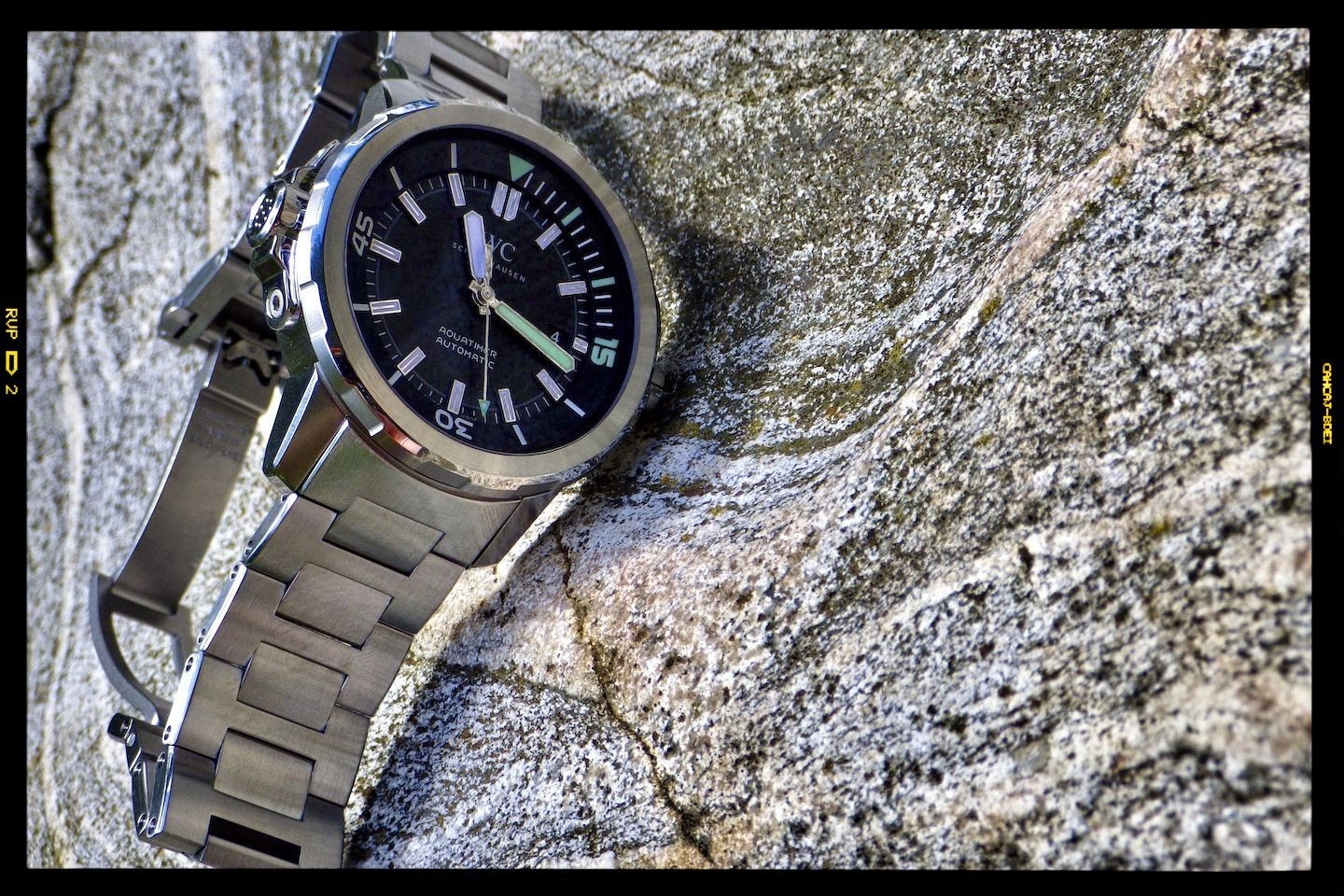
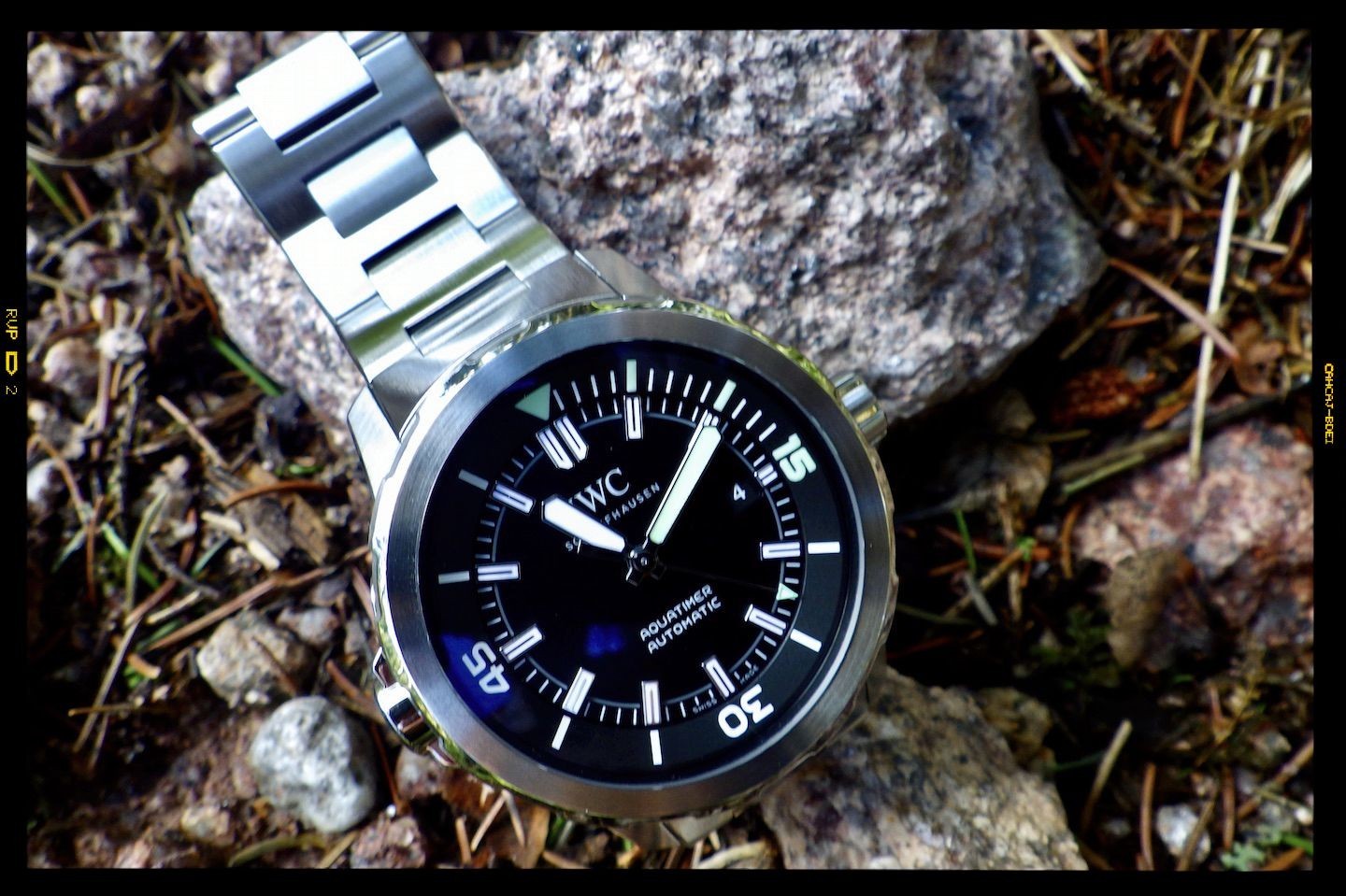
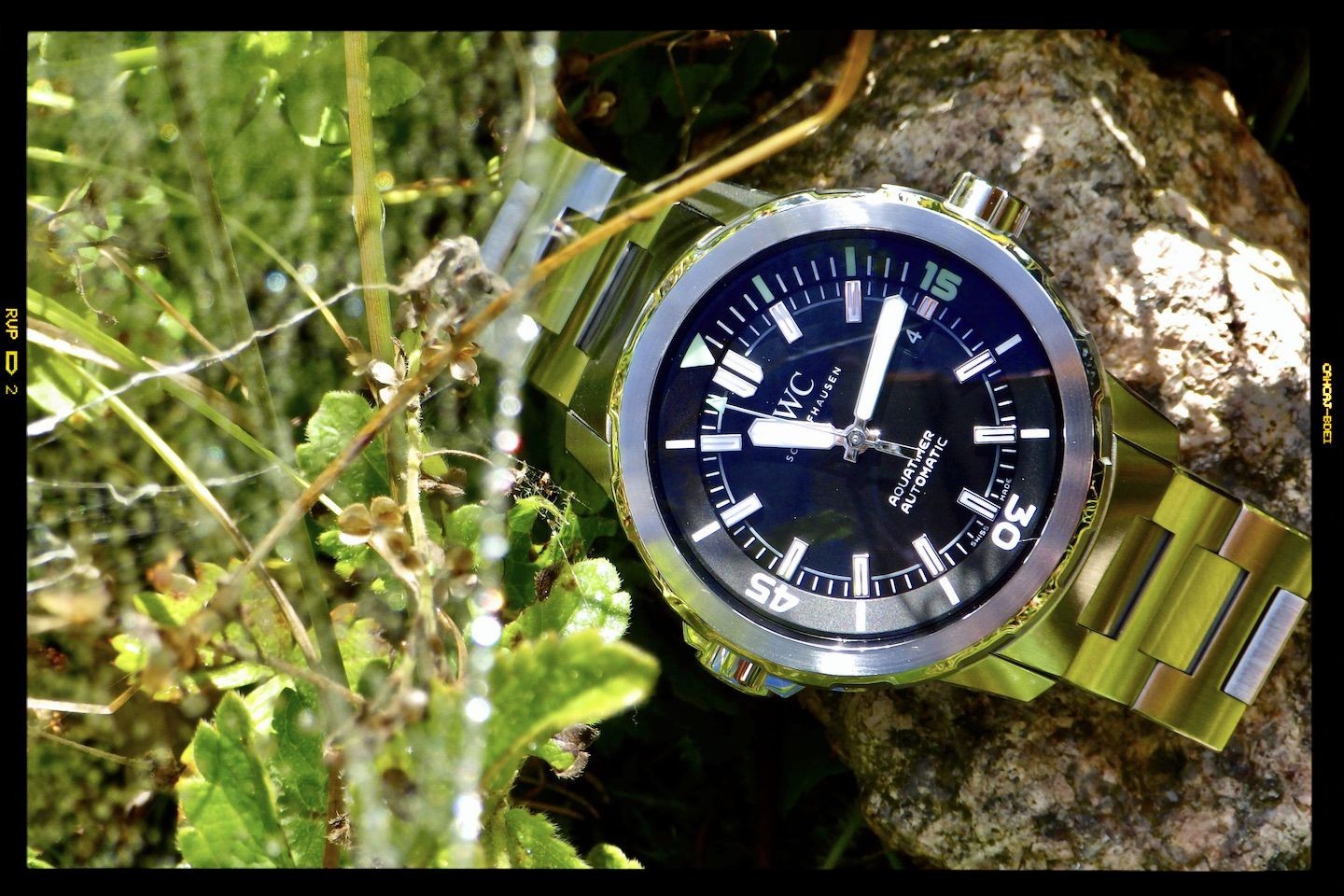
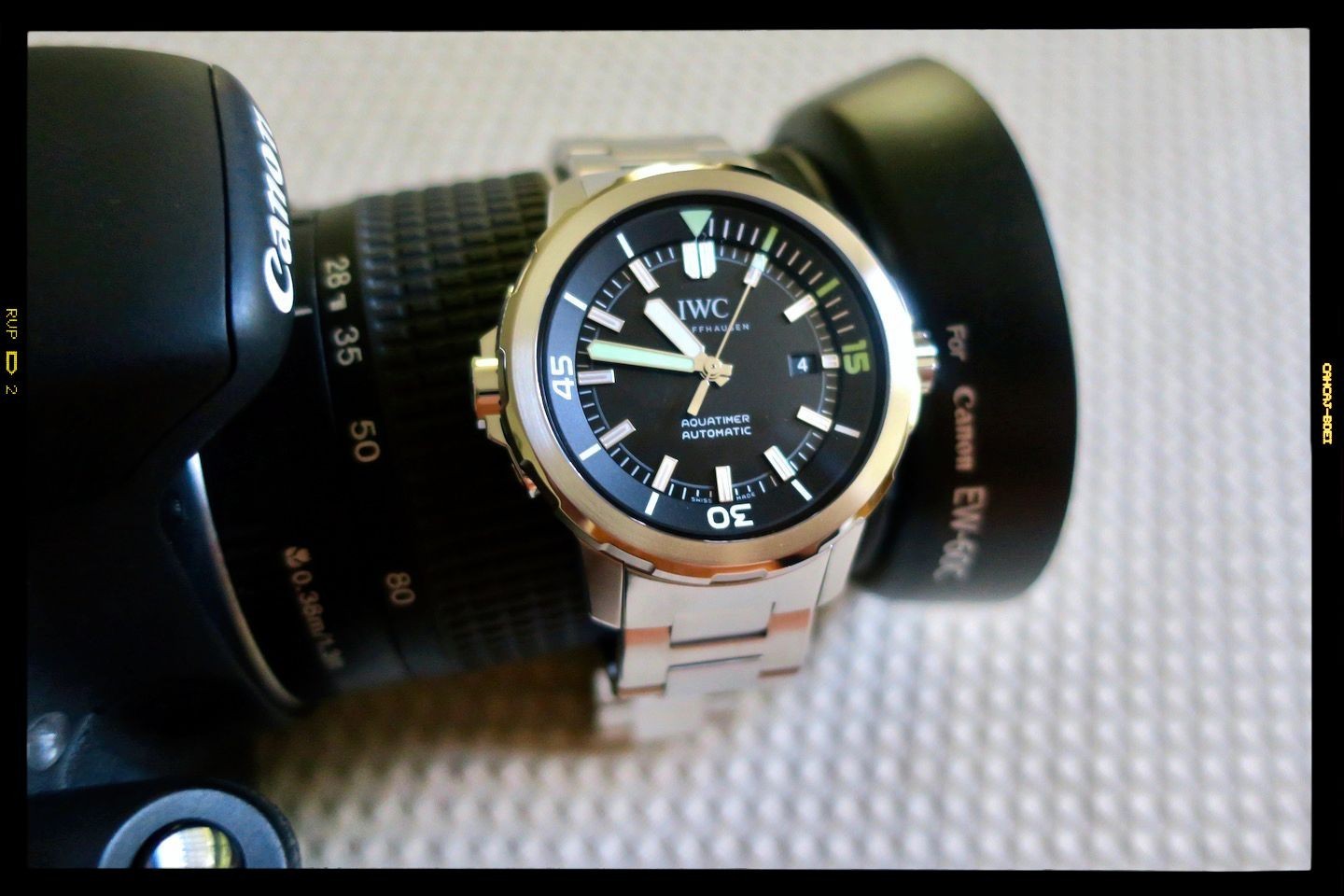
The IWC Aquatimer Automatic stands out from the crowd of luxury diving watches with its unusual and unique, yet polarizing styling. While Rolex and Omega continue the design they have known for decades with only moderate changes, Blancpain reaches into the “retro box” after the bold designs of the Trilogy and Concept 2000 and makes the Fifty Fathoms look like an enlarged version of the world's first modern diving watch from 1953.
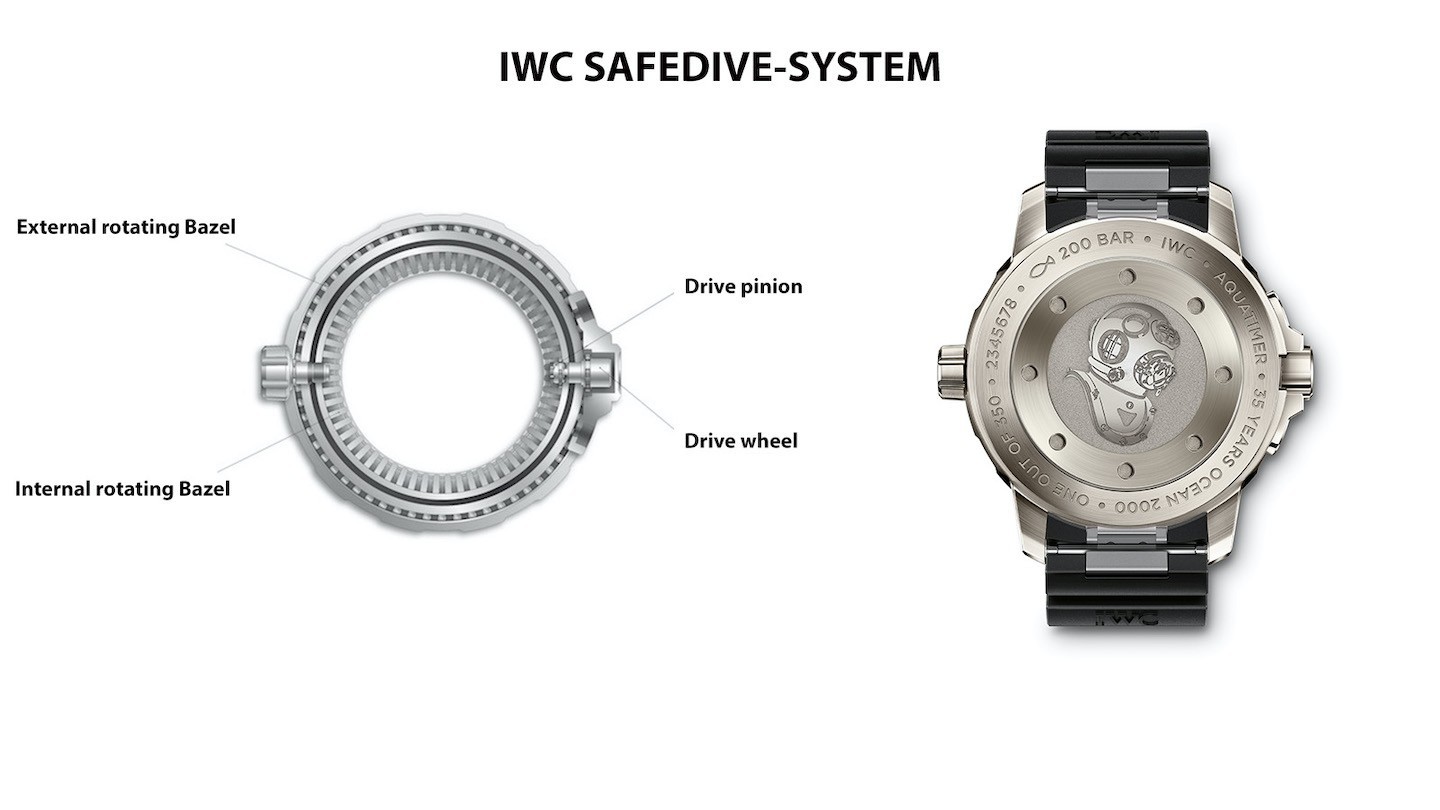
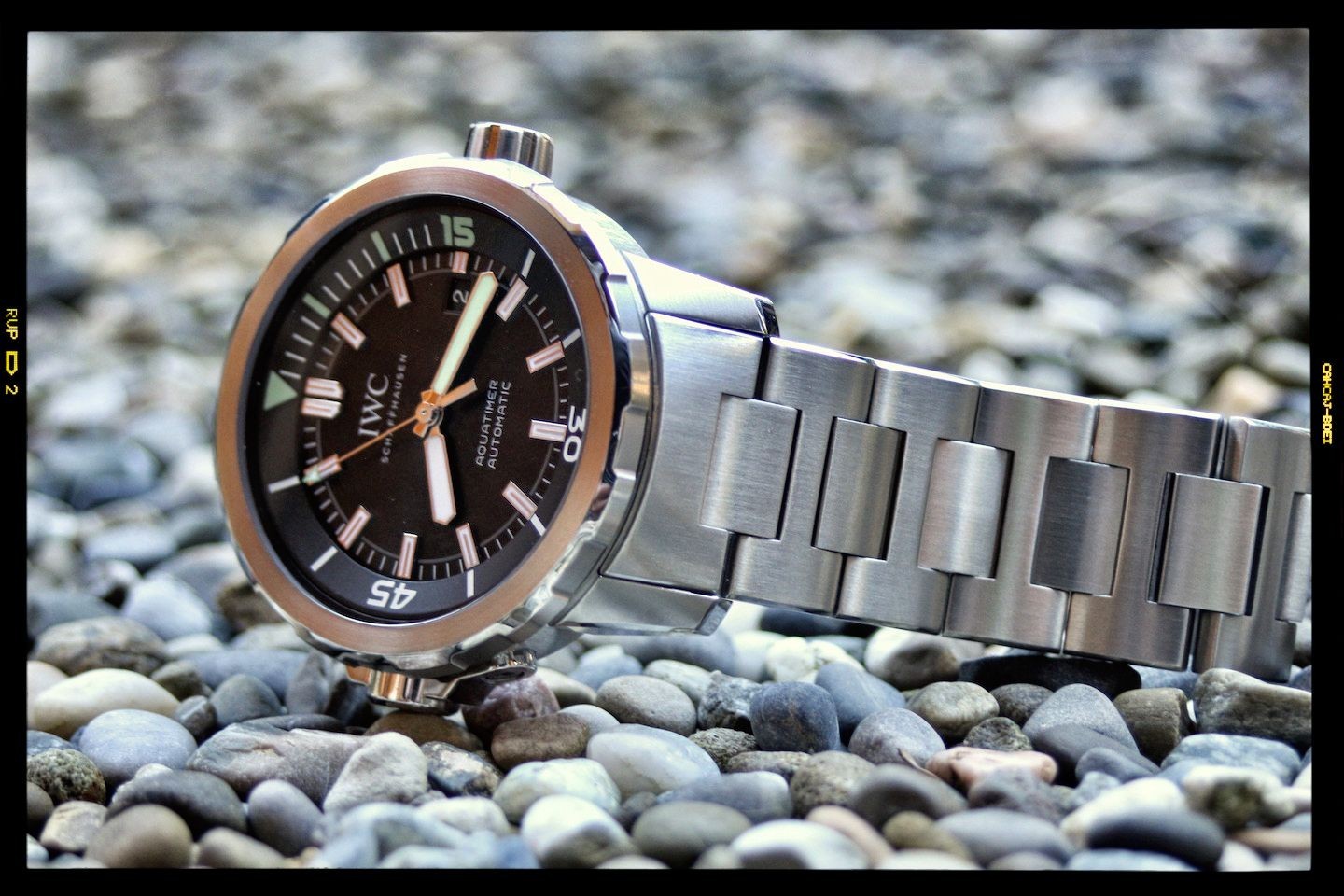
Schaffhausen is bolder. The design of the Aquatimer is once again radically different from that of its predecessors, and the system called “Safedive” of the internal dive time scale operated from the outside by a rotating bezel more than lives up to IWC's reputation as an engineering brand – for the first time, it is possible to rotate the dive time scale 360° without having to reach around. This is made possible by a kind of ratchet gear hidden beneath the “bump” in the case at 9:00 watch, which the uninitiated often mistake for a helium valve. The quick-change system for the bracelet – which, by the way, belongs to the absolute reference class in terms of quality and comfort – has also been further developed from the previous version and is unparalleled in this watch class.
The Safe Dive System:
The principle of a diving scale, which is located under the crystal and is thus optimally protected, that can be adjusted by means of an external rotating bezel was not new when the 3290 was launched in 2014. Twelve years before the Aquatimer came out, Eterna had already launched the KonTiki Sports Limited Edition, whose diving scale was under the crystal and could be adjusted by means of an external rotating ring.
However, Eterna had massive difficulties in making the watches, in which the bezel, the crystal and the internal diving scale formed a single unit, water-resistant.
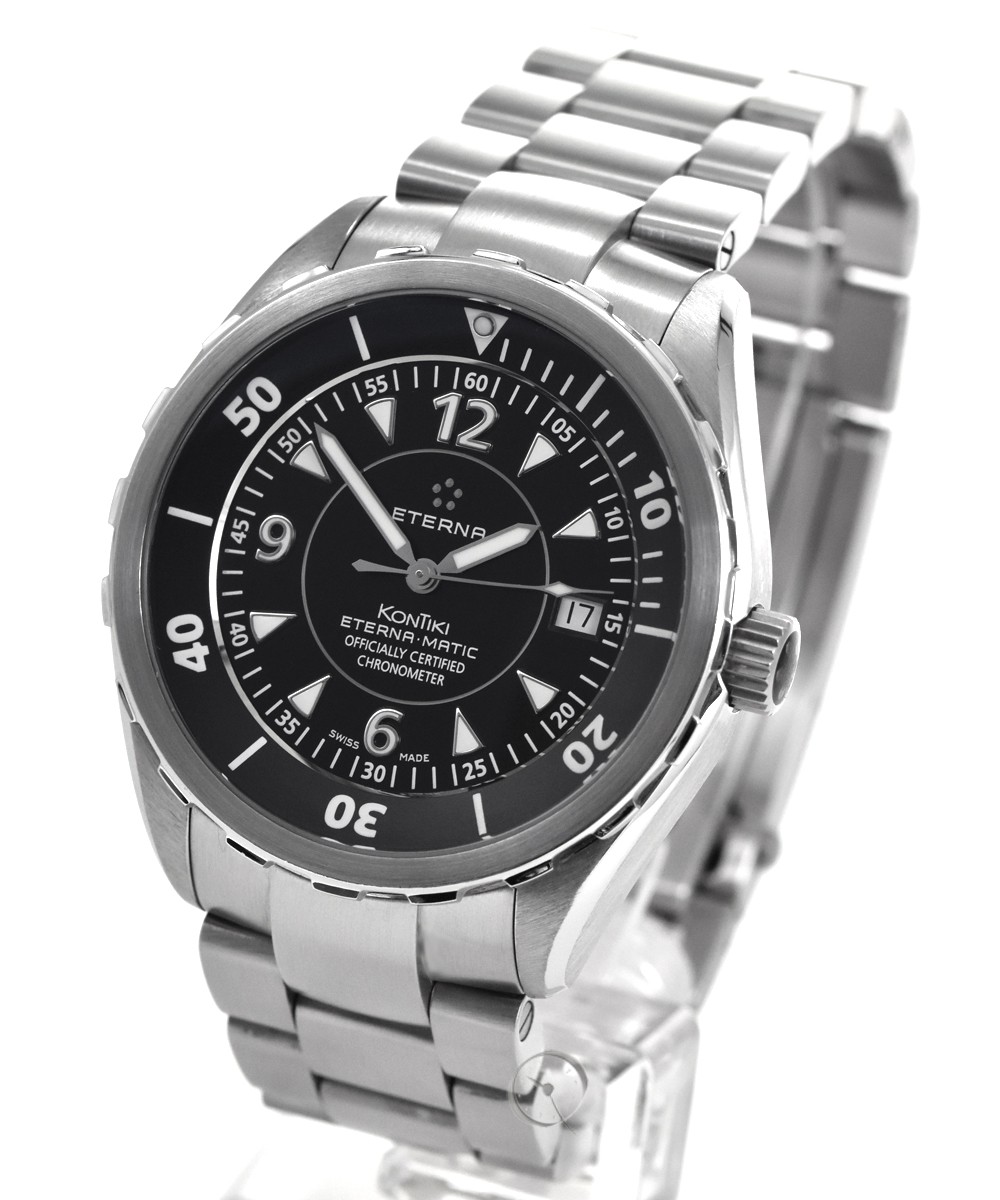
IWC took a different approach here: the rotating bezel, the crystal and the diving time scale are decoupled, and a gear is used that contains a friction clutch, which in turn allows the external rotating bezel to be rotated in both directions, while the internal scale is only rotated counterclockwise. In addition to the aforementioned advantage that the dive time can be set very quickly and without having to reach around, another advantage is that the glass of the watch does not rotate, making it easier to make and keep the watch waterproof.
Specifications:
Case:
Material: satin and polished stainless steel
Crystal: cambered sapphire crystal, anti-reflective coating on both sides
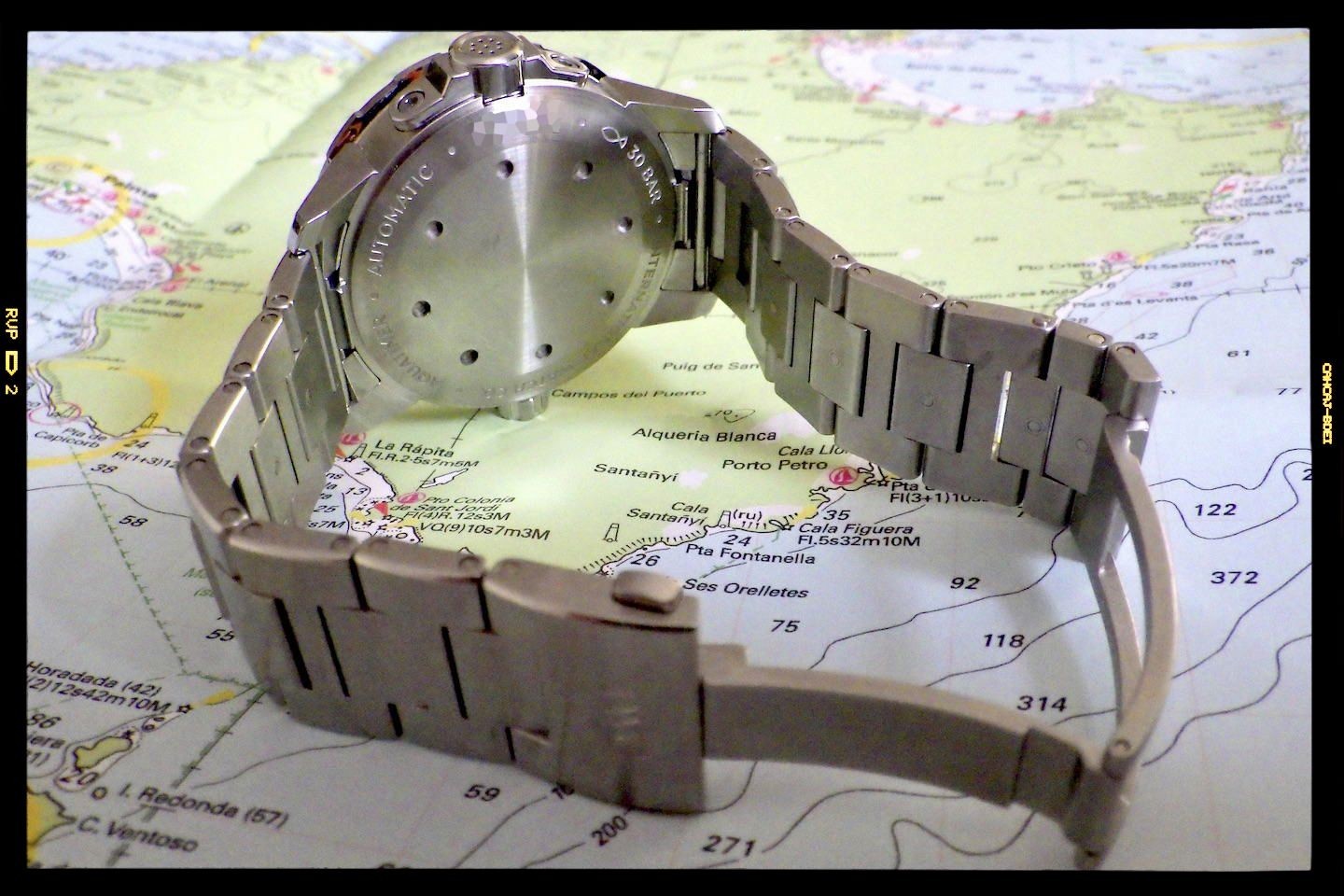
Case back: screwed and engraved case back
Dimensions: Case diameter: 42.00 mm, Bezel diameter: 44.00 mm, Height: 14.10 mm, Length (lug to lug): 52.00 mm
Lug width: 22.00 mm
Weight: approx. 210 g
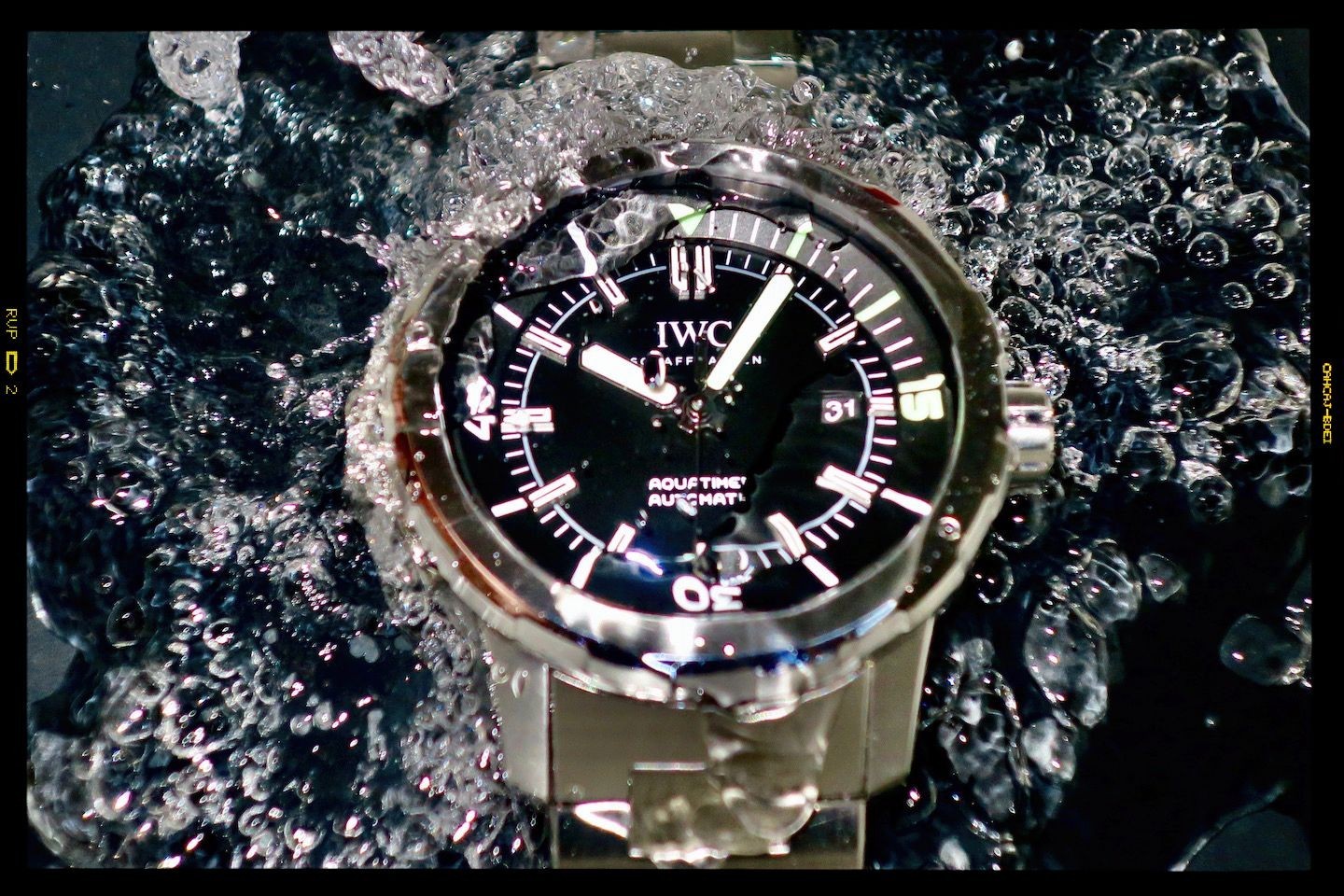
Water resistance: up to a pressure of 30 bar (300 m)
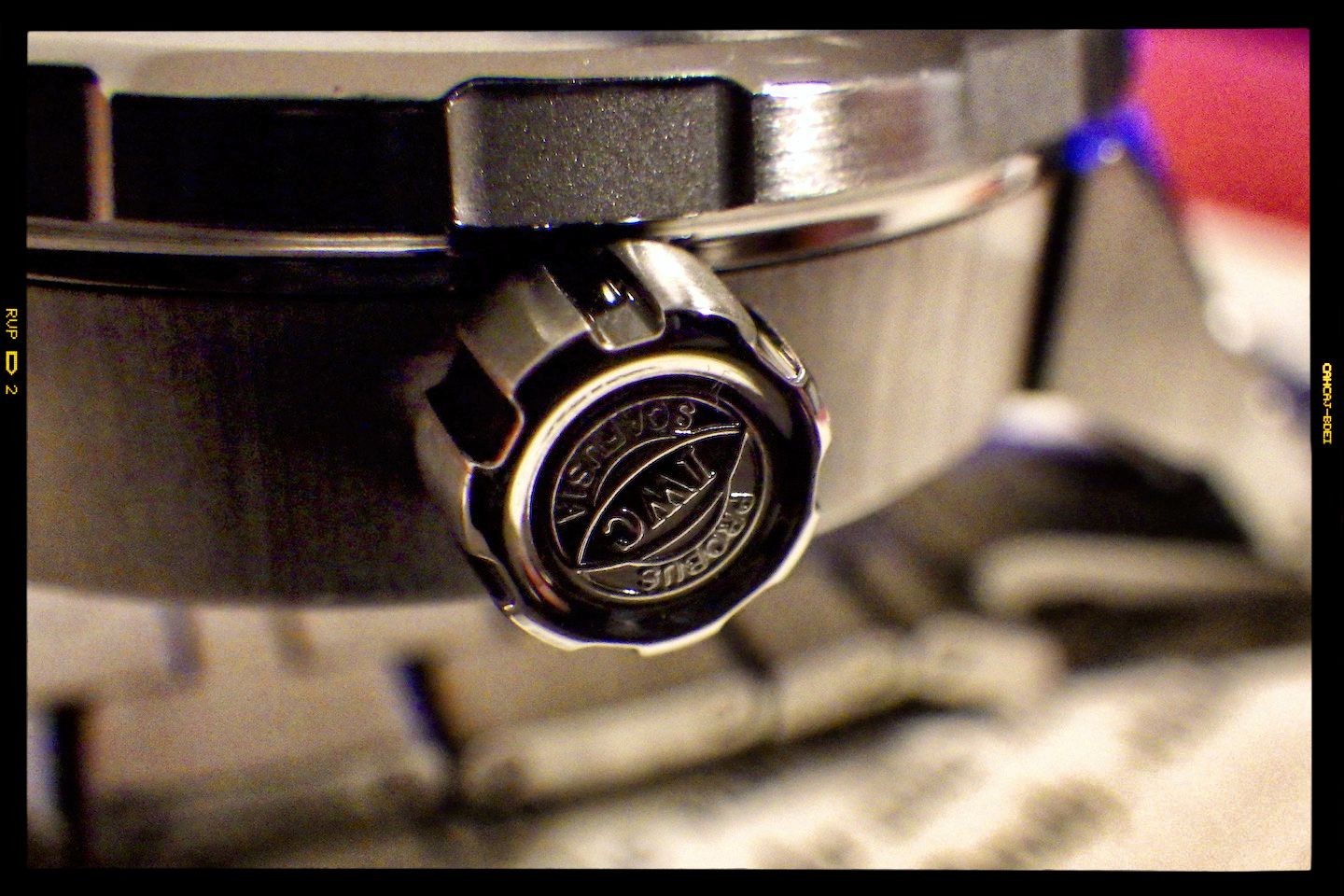
Features: external bi-directional rotating diving bezel with 60 clicks, which adjusts the diving time scale located under the glass only when turned counter-clockwise via a gear located in the case at 9 o'clock, crown signed with “Probus Scafusia” at 3 o'clock, internally screwed, 6.6 mm diameter, 3 seals, separate steel crown tube
Dial and Hands:
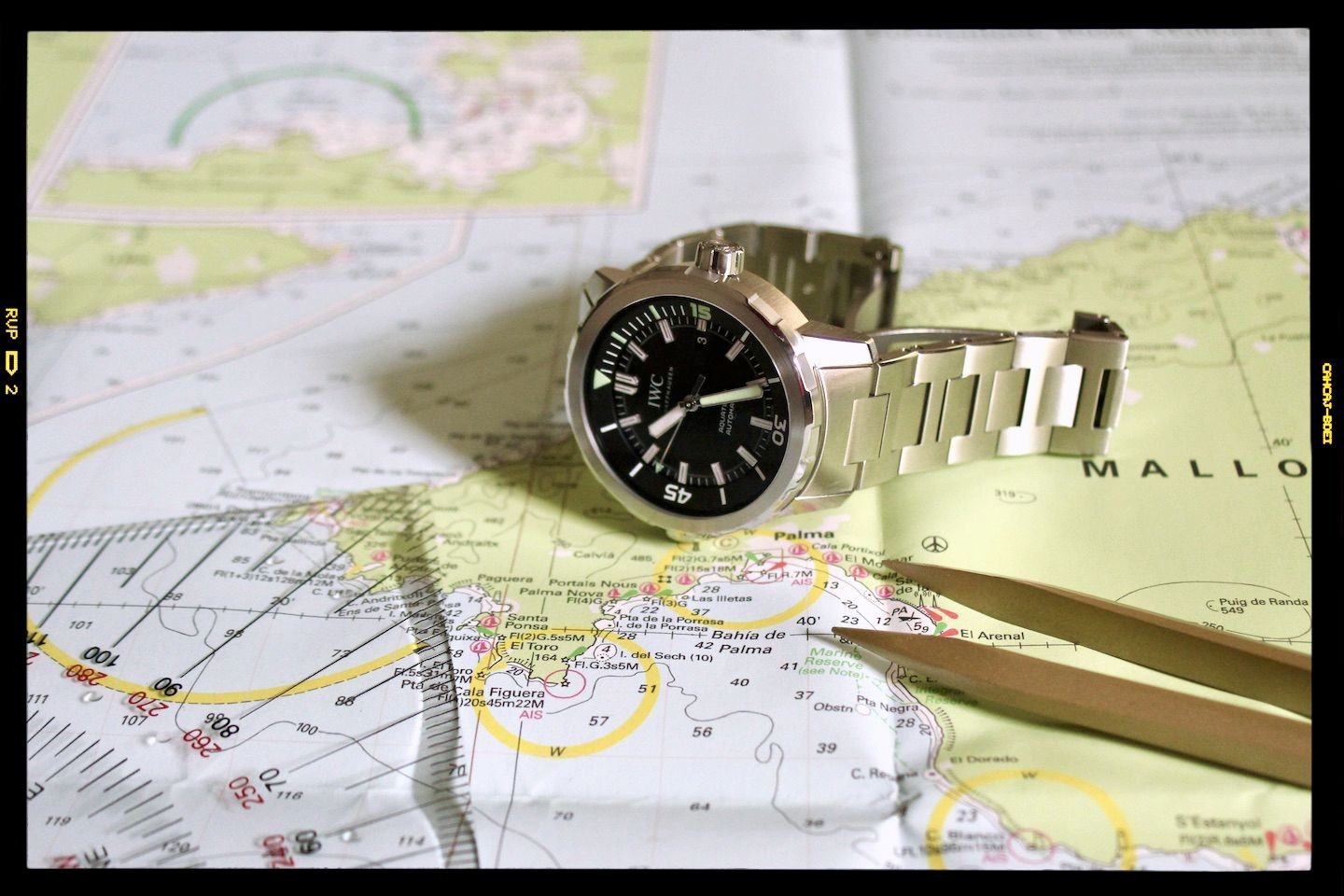
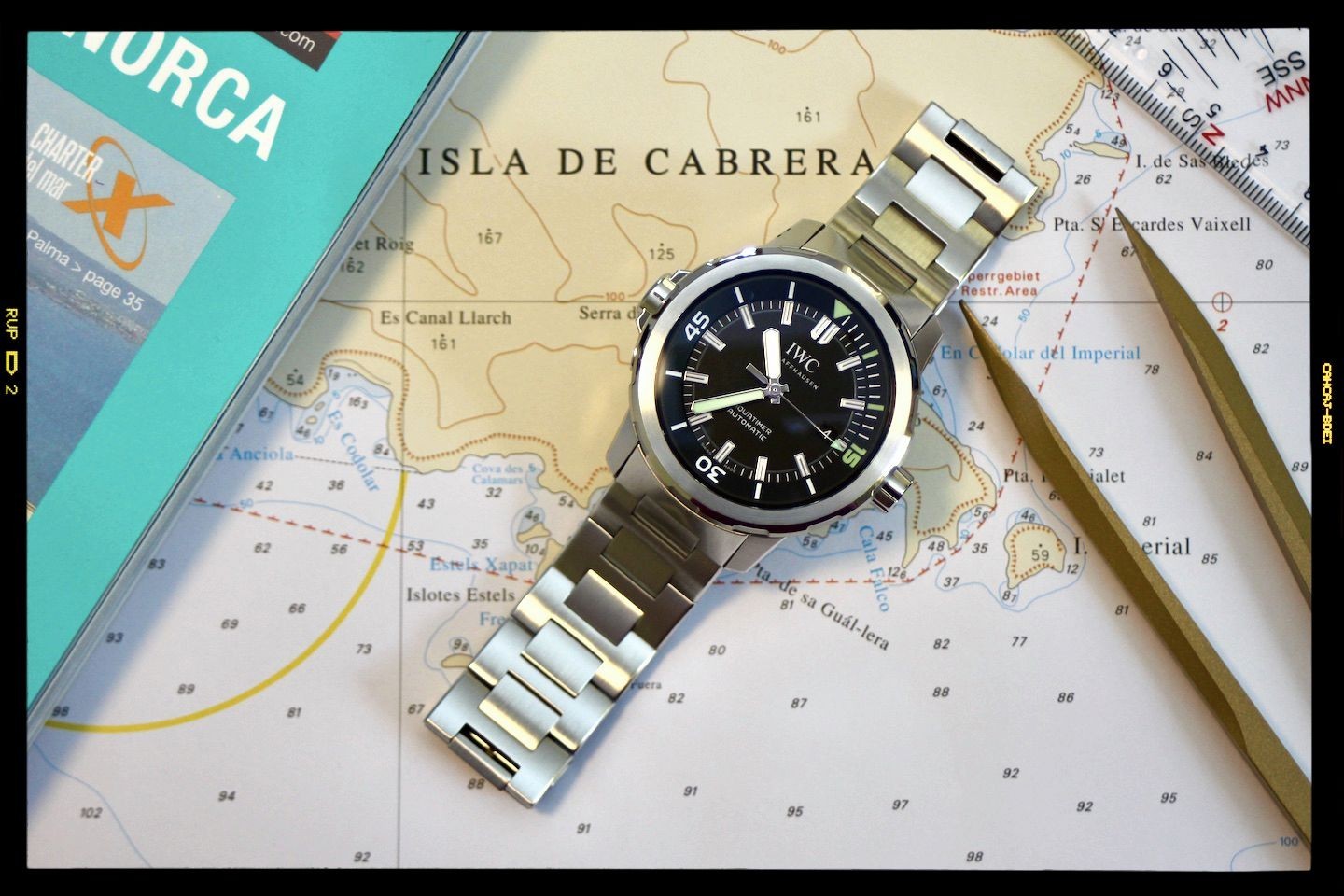
Color: matte black dial, rhodium plated and polished hands.
Hour scale: applied indices, rhodium plated and polished and covered with green and blue luminous Swiss Super-LumiNova®, printed minute track
Date display at 3 o'clock
Hands: rhodium-plated and polished hands, covered with green and blue luminous Swiss Super-LumiNova®.
Movement and functions:
Caliber: nickel-plated automatic caliber 30120 (based on ETA 2892-A2), 28,800 A/h, center second, date disc black with white lettering, 21 jewels, Glucydur balance, Nivarox hairspring, shock protected and antimagnetic, pearlized and decorated with Geneva stripes, 163 parts, tungsten rotor, stop-second, manual winding, date quickset
Power reserve: approx. 42 hours
Function: hours, minutes, seconds and date
Bracelet:
Material: satin stainless steel
Color: silver
Clasp: signed stainless steel safety folding clasp, button clasp, no diver extension
Special feature: proprietary IWC metal bracelet system with quick change system and safety button clasp, 22 mm wide throughout
List price (2016):
6.250,00 Euro
Conclusion:
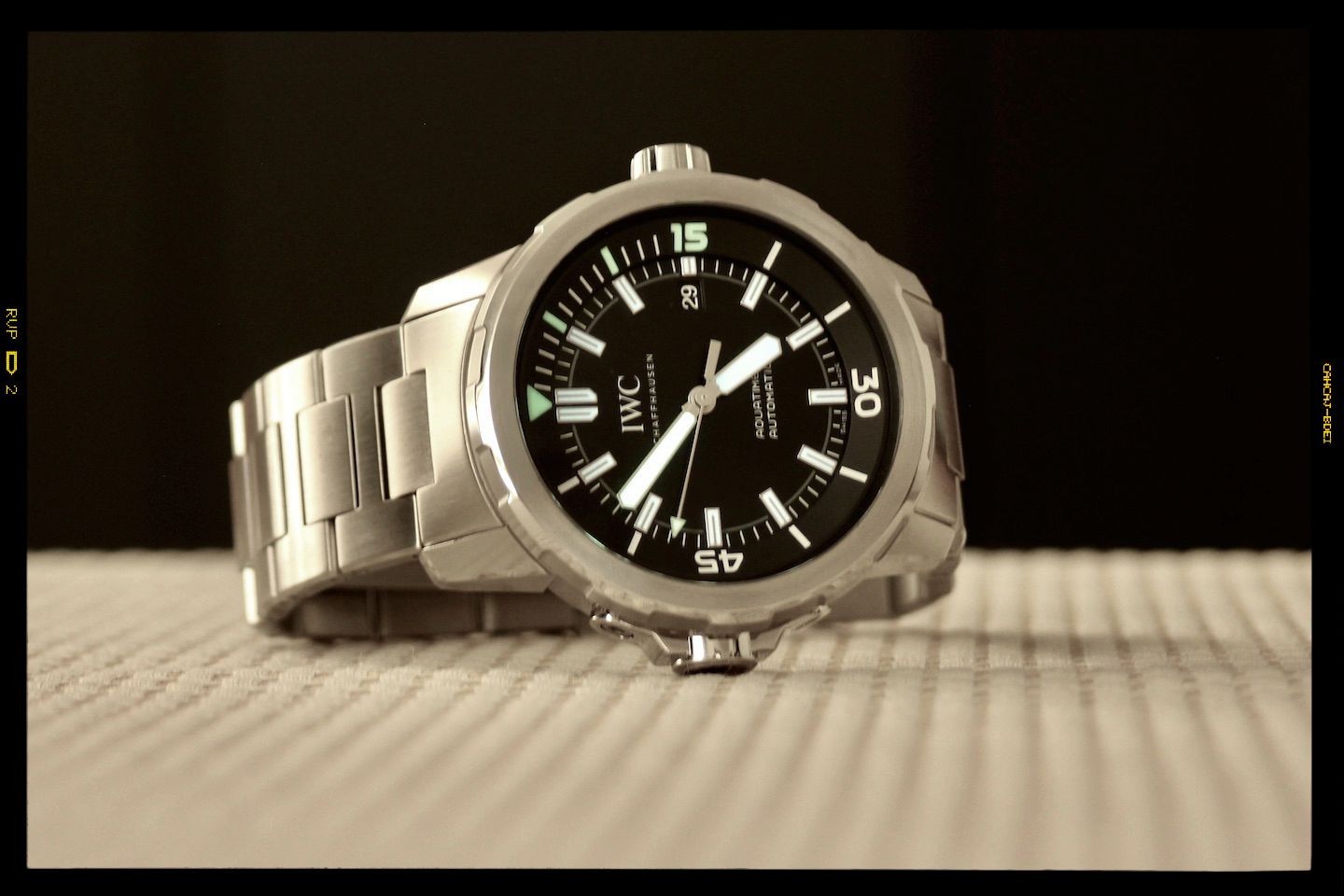
The IWC Aquatimer Automatic is an excellent watch and is unfairly ostracized in the forums and by YouTube and Instagram influencers.
The build quality of the watch and bracelet is beyond reproach, and the steel bracelet is, as already mentioned, reference class. The technical features such as the Safedive system of the bezel and the quick-change system of the strap are well thought-out and sensible, the omission of a crown protector is due to tradition and superfluous anyway due to the crown and tube construction, and the lack of fine adjustment on the clasp is forgivable. The eternal criticism of ETA or Sellita-based movements is unfounded, as the movements are mature and reliable and, since they are modified to IWC specifications, actually have little to do with the movements that ETA or Sellita supply to other vendors. Nevertheless, those who are bothered by this will find IWC Aquatimer with in-house movements in the reference 3288.
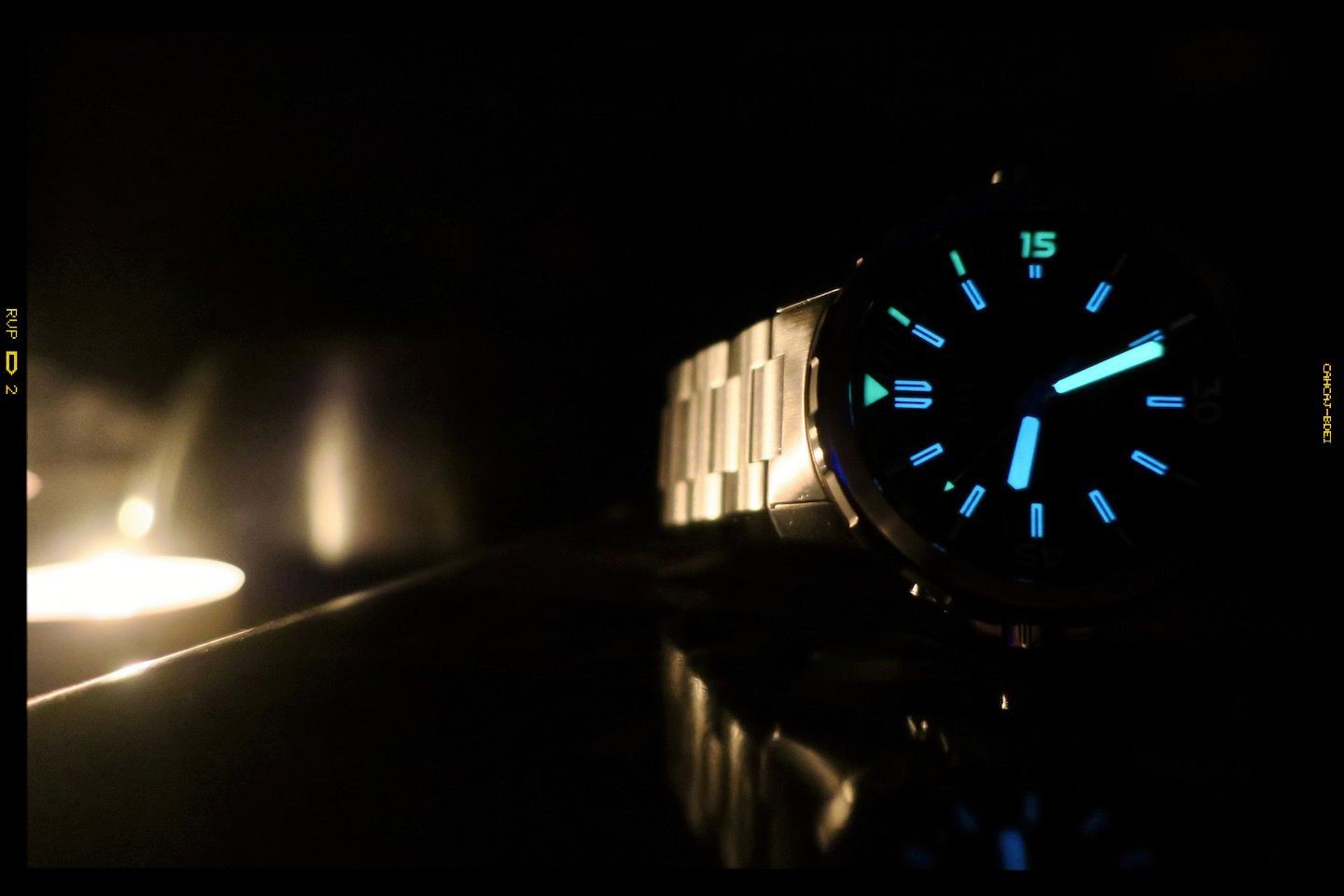
Also with this Aquatimer IWC lives up to its reputation as an innovative brand for engineers, everything about the watch is well thought out and functional. The bracelet, bezel, quick-change system and even the two colors of luminous material, which separate the indicators and hands that are important for diving (green) from those that are less important in the process (blue), have been sensibly developed. In addition, the IWC is also an all-rounder, because despite the very technical appearance compared to the watches of competitors, the Aquatimer also fits well with a suit when visiting the opera.
Post Scriptum:
To Eterna SA's credit, they were able to solve the water resistance problems of the KonTiki Sports Limited Edition, which was water resistant to 200 meters, and introduced the KonTiki Diver 1000M at Baselworld in 2005, with a diver's bezel that worked on the same principle, but was now pressure resistant to 100 bar (1000 m).
Source references:
International Watch Co. „Die Uhren von IWC 2016/17“ und „Historical Selection – Engineering Time Since 1868“ | IWC.com | Chronos „Meilensteine: IWC“ | Chronos Heft 5 / 2014
Image sources: Image 1 and 3: International Watch Co. | Image 2: Eterna SA | Image 4 to 20: own work



Anyone who wears an IWC has lost control of his life – IWC Aquatimer Automatic, reference 3290-02

Doubly agreed
Overall, the…
Fair enough, except that that family ISN'T complete!

