Zenith Caliber 707 Movement Overview
Complications

Zenith Caliber 707 Movement Overview

By SALMANPK · Mar 14, 2014 · 10 replies
SALMANPK
WPS member · Zenith forum
10 replies2073 views0 photos
f 𝕏 in 💬 ✉ 🔗

Neuchatel Observatory The Zenith 707 caliber nicknamed internally as the ÂťKartoffelÂť or potato because of its unique shape was designed in late 1961 early 1962 and built in 1963 exclusively for Observatory Competitions to replace the venerable Calibre 135. The 707 designation comes from the Observat
10 collectors discussing this on the WatchProSite forumJoin the Conversation →
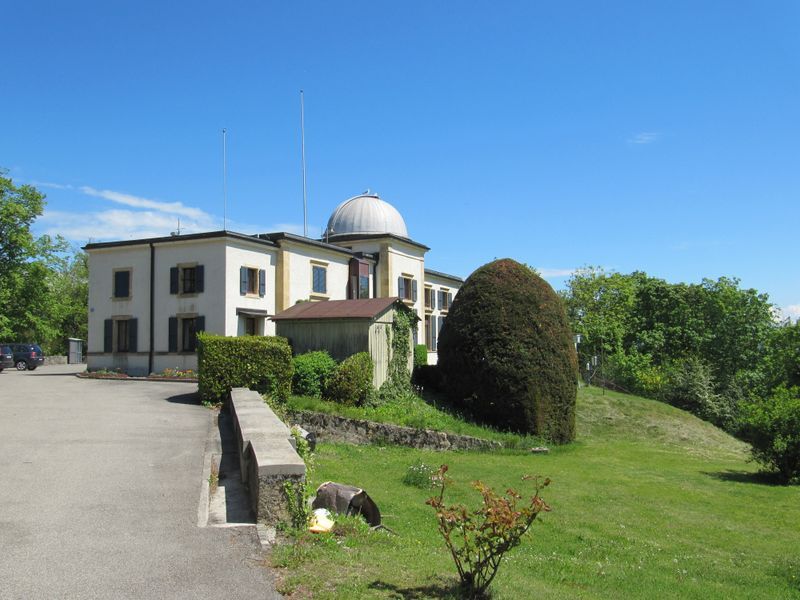
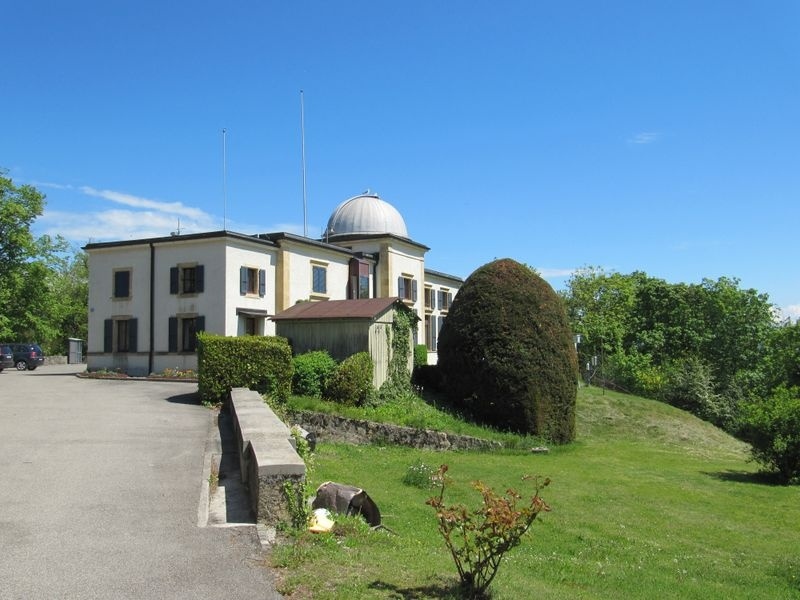
Neuchatel Observatory


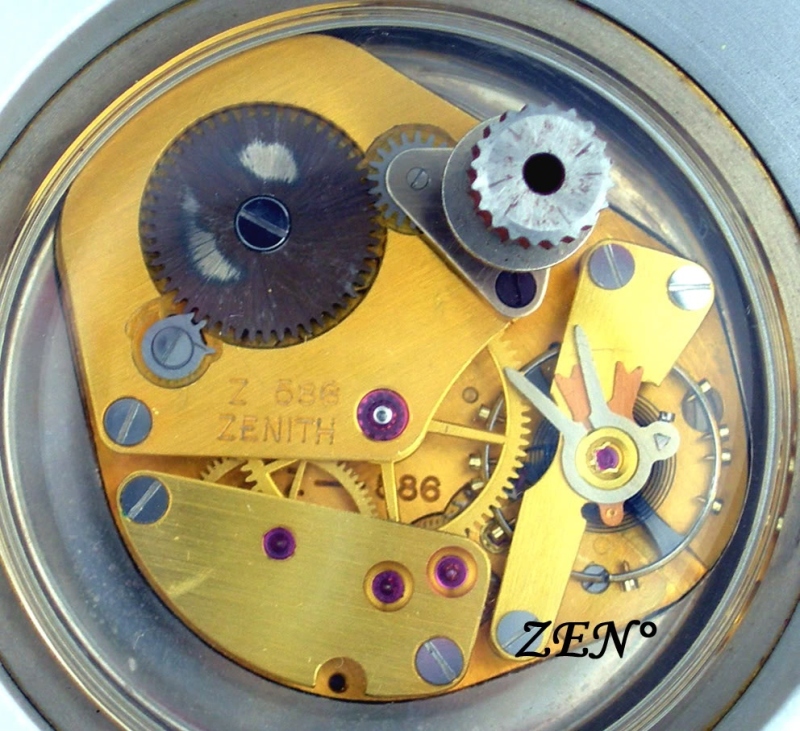
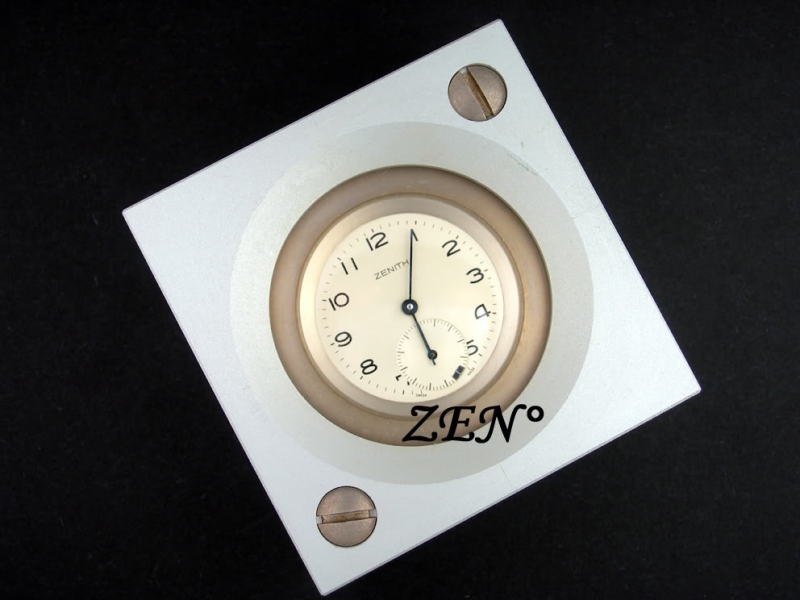
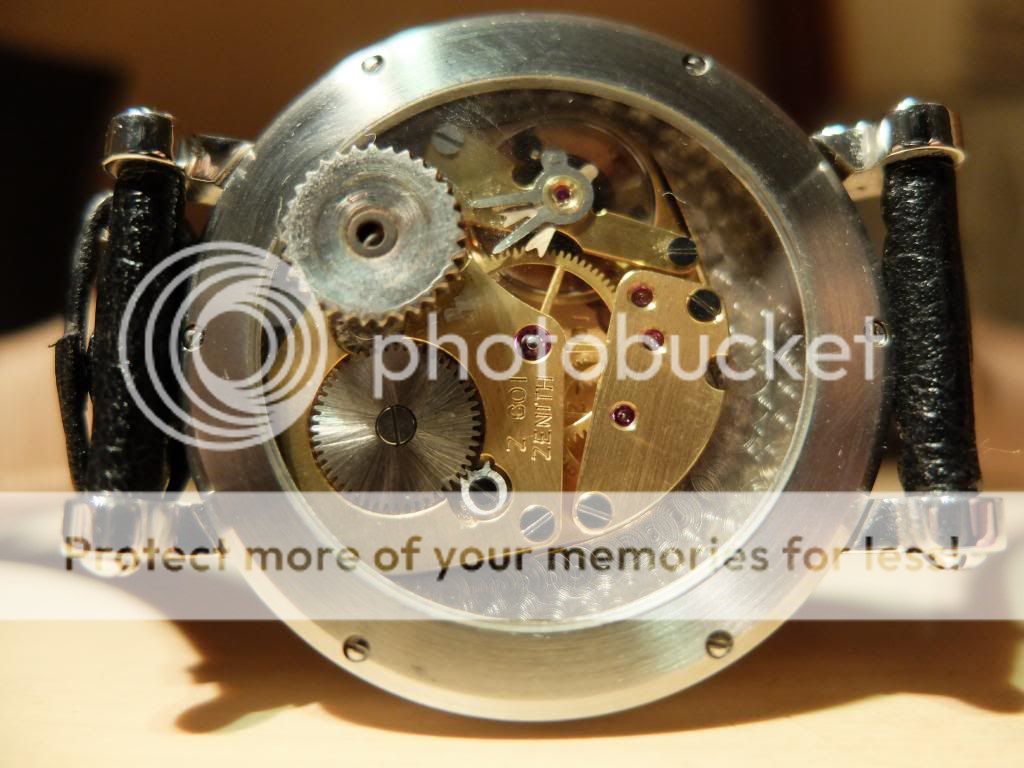
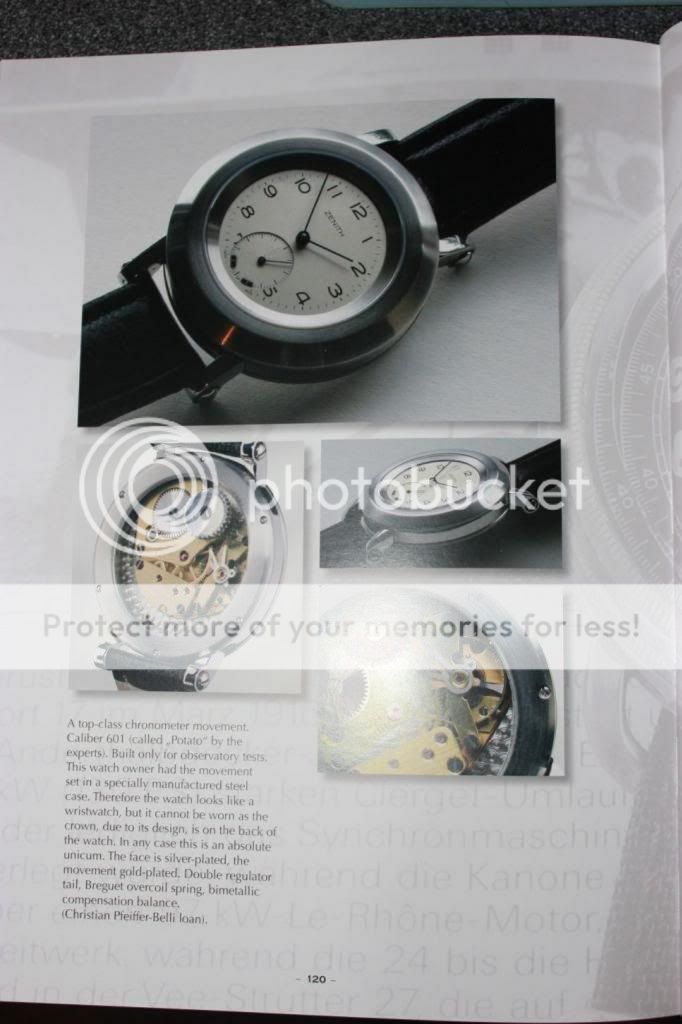
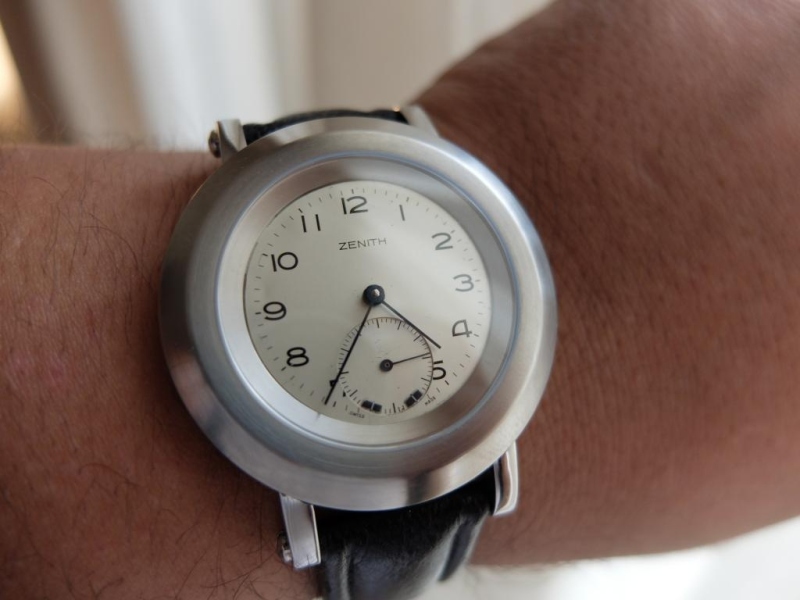
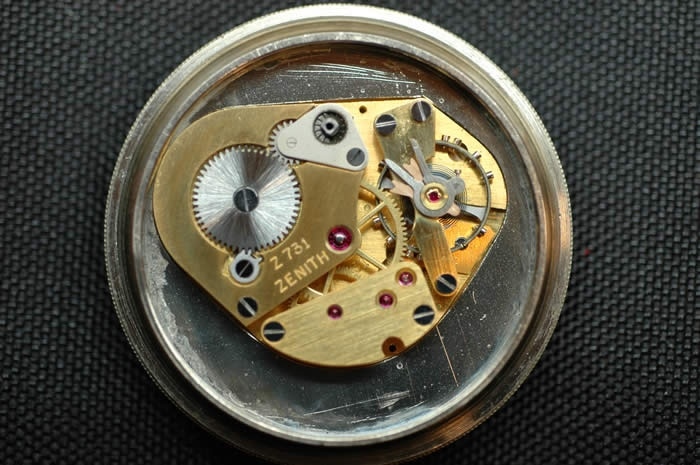
The Zenith 707 caliber nicknamed internally as the “Kartoffel” or potato because of its unique shape was designed in late 1961 early 1962 and built in 1963 exclusively for Observatory Competitions to replace the venerable Calibre 135. The 707 designation comes from the Observatory Competition requirements for wrist watch movements that they be less than 30mm in diameter or 707 square mm in total. It is interesting Zenith decided to call this calibre 707 when the actual area of the movement is 685 square mm.


The movement was the last one designed for the Observatory Competitions from 1963 to 1967 and was never commercially sold to the public. Think of it as a factory Formula 1 engine and therefore its construction and design is built purely for efficiency, competition and performance without any fuss. The development team was headed by Aurelius Mayor who was the Technical Director of Zenith at the time also consisted of Rene Gygax, Jean-Pierre Vuille, Paul Favre and Jean-Pierre Sunier. 


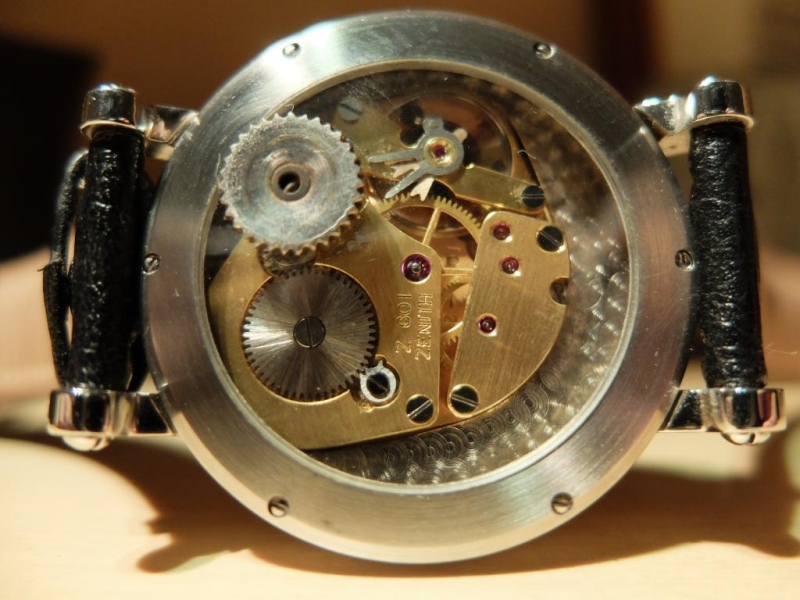
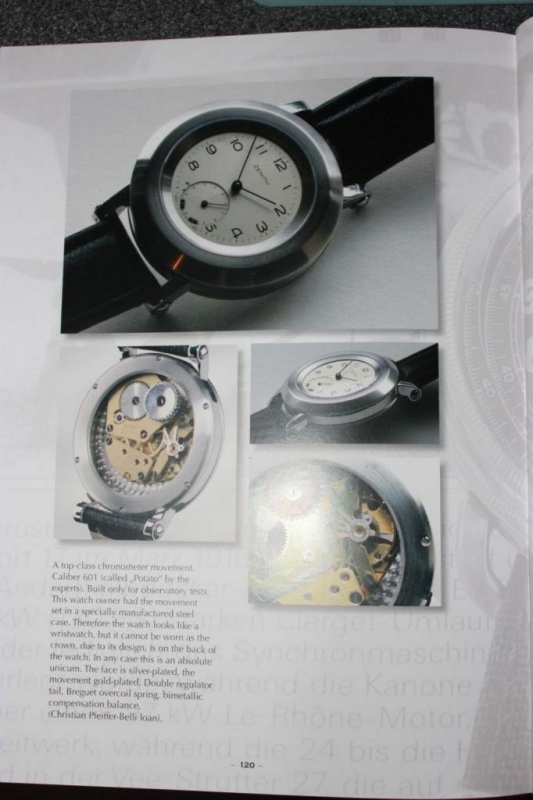
The winding and time-setting is done via a crown on the back and the movement has a power reserve of 36 hours running at a frequency of 28,800 bph. Each component has been designed to reduce friction and lubrication is optimized. The teeth of the wheels are tapered, all the pallet stones are of the best quality highly polished 21 rubies to reduce friction. The movement has a thickness of 5mm, a Guillaume balance wheel similar to the Caliber 135 measuring 13.8mm x 0.99mm, a lever escapement, a double anti shock Duofix system for the Balance Escapement and a Nivaflex balance spring wound 15 times with a thickness of 0.16mm and a length of 46mm.  The thin balance bridge is secured by 2 screws on one side and one screw on the other facilitates in the observations of the balance spring.


There is conflicting information on how many of these movements were made, some sources quote 250 and others 200. Regardless only 127 were entered into the Neuchatel Observatory competitions for wrist watches.

At the 1964 Neuchatel Observatory competitions No. 558 adjusted by Pierre Gygax came first, No. 521 adjusted by Jean-Pierre Vuille came in third, No. 527 adjusted by Jean-Pierre Sunier came in ninth and No. 515 also adjusted by Jean-Pierre Vuille came in tenth. Therefore out of the top 10 watches of the year 4 were Zenith Caliber 707 movements.

At the 1965 Neuchatel Observatory competitions movement No. 601 of the Zenith Caliber 707 adjusted by Rene Gygax would come in first and also again in 1966. 


Also highly recommend reading KIH's post on Grand Seiko's attempts to conquer the mechanical wristwatch trials against the Swiss

general.watchprosite.com


S

Credits and Thank You: Zen from Forumamontres, Manfred Rossler and his book on Zenith, Bruno.M1, RDL, Hartmut Richter, Heffels, relojes-especiales, Google Images

This message has been edited by SALMANQ8 on 2014-03-14 11:42:18

About the Fiat Ref. 1966

The 1966 Ford Mustang represents a significant year for the model, building on the initial success of its introduction. This reference is part of the first generation, which established the Mustang as a distinct category of American automobile. It continued to offer a range of body styles and engine options, allowing for considerable personalization and appealing to a broad market segment. The 1966 model year saw refinements rather than radical changes, solidifying its design language and market position.

The vehicle's construction typically featured a steel unibody chassis. Various engine configurations were available, including inline-six and V8 options, paired with manual or automatic transmissions. Specific dimensions varied slightly depending on the body style, such as coupe, convertible, or fastback. The interior offered a functional layout, with instrumentation focused on driver information.

This reference holds interest for collectors due to its place in the early history of the Mustang and its enduring popularity. The availability of different engine and trim levels means that specific examples can vary widely in their features and performance. It remains a recognizable and sought-after classic, often celebrated at automotive events worldwide.

Specifications

Caliber
B18
Case
Steel
Diameter
40.5mm
Dial
Black
Water Resist.
100m
Crystal
Glass
Advertisement
The Discussion
SP
Spellbound
Mar 14, 2014

Congratulations on finding one of these rare movements. A collectors item for sure despite its odd shape. Built purely for accuracy. Fascinating stuff. Dean

SE
secretlife
Mar 14, 2014

For a highly fascinating read!

SA
SALMANPK
May 29, 2014

Appreciate your kind words :-) S

ZT
ztirual
Jun 1, 2014

The response of Zenith to the cal. 360. A splendid pedigree, a significant piece of horological history. What the movement lacks in aesthetics it more than compensate on the technical side. Do you happen to know how many were produced?

SA
SALMANPK
Jun 1, 2014

There is conflicting information on how many of these movements were made, some sources quote 250 and others 200. Regardless only 127 were entered into the Neuchatel Observatory competitions for wrist watches. How many have survived? not many, many were disassembled, broken up, melted down, used for parts, this is the only one which can be worn. S

SA
SALMANPK
Oct 25, 2022

I wrote in my post " At the 1965 Neuchatel Observatory competitions movement No. 601 of the Zenith Caliber 707 adjusted by Rene Gygax would come in first and also again in 1966. " the above statement is wrong and I wish to correct it, the movement Z-601 was entered in the 1965 Neuchatel Observatory trials, adjusted by Rene Gygax and achieved a Premier Grading with a N-Score of 5.58 and ranked 109 and was also entered in the following years trials of 1966, adjusted by Rene Gygax and achieved an N

Advertisement

Continue the conversation

This thread is active on the Zenith forum with 10 replies. Share your knowledge with fellow collectors.

Join the Discussion →