
Manufacture
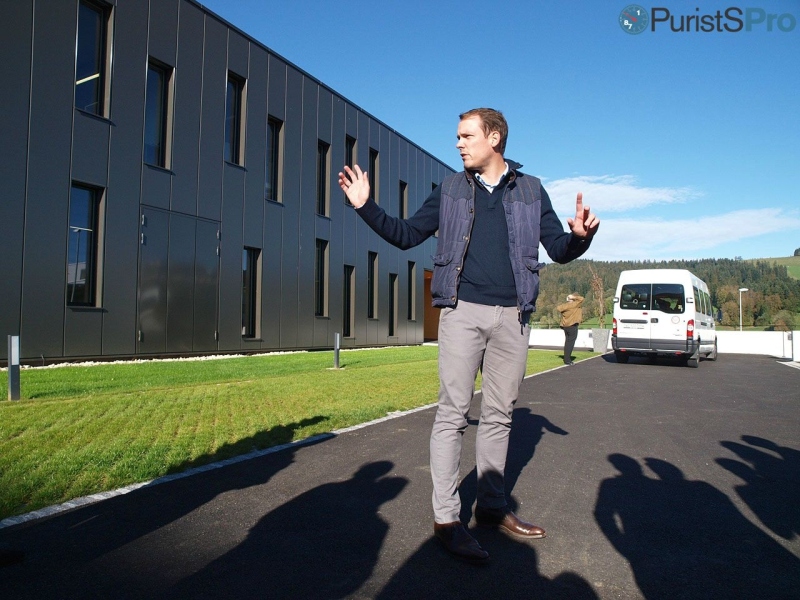
Ornatus-Mundi's report details a PuristS on Tour (PoT) visit to Fehr & Cie S.A., a crucial dial manufacturer in La Chaux-de-Fonds. This article offers a rare glimpse into the often-overlooked artistry and technical precision behind watch dial production, a component frequently underestimated by collectors. The post emphasizes the historical significance of the region and the intricate processes involved in creating these vital watch parts.



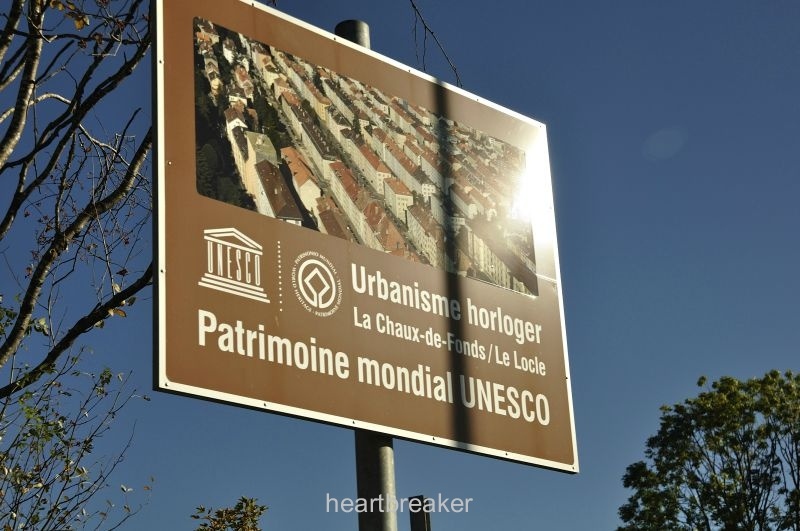
"La Chaux-de-Fonds / Le Locle, Watchmaking Town PlanningThe site of La Chaux-de-Fonds / Le Locle watchmaking town-planning consists of two towns situated close to one another in a remote environment in the Swiss Jura mountains, on land ill-suited to farming. Their planning and buildings reflect watchmakers’ need of rational organization. Planned in the early 19th century, after extensive fires, the towns owed their existence to this single industry. Their layout along an open-ended scheme of parallel strips on which residential housing and workshops are intermingled reflects the needs of the local watchmaking culture that dates to the 17th century and is still alive today. The site presents outstanding examples of mono-industrial manufacturing-towns which are well preserved and still active. The urban planning of both towns has accommodated the transition from the artisanal production of a cottage industry to the more concentrated factory production of the late 19th and 20th centuries. The town of La Chaux-de-Fonds was described by Karl Marx as a “huge factory-town” in Das Kapital where he analyzed the division of labour in the watchmaking industry of the Jura."


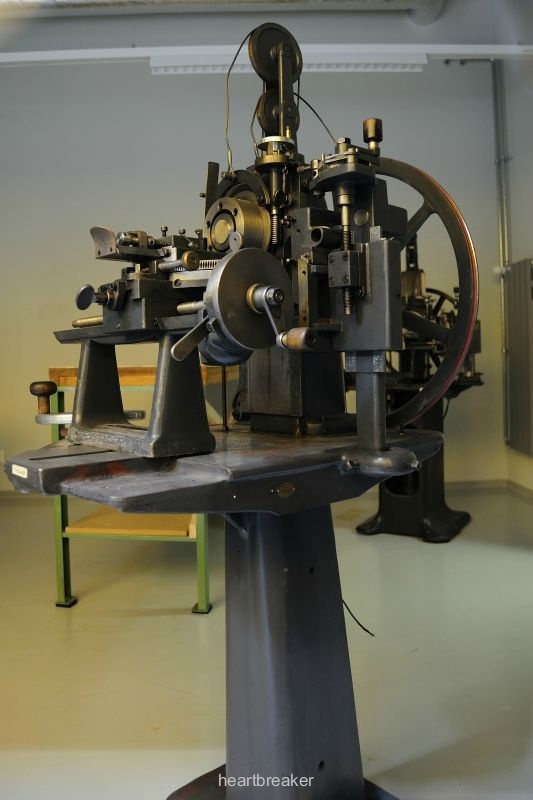
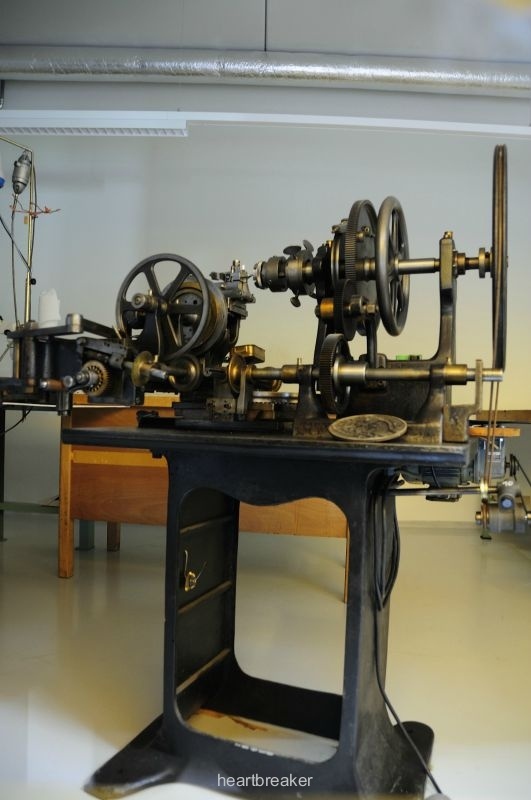
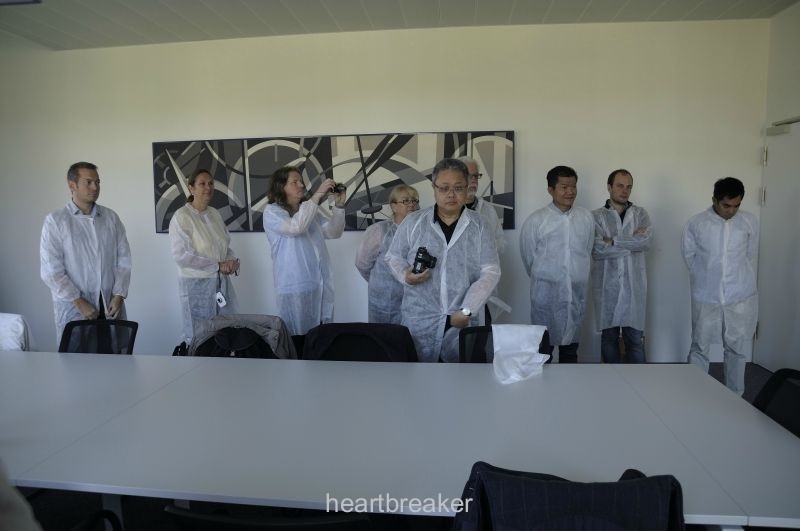
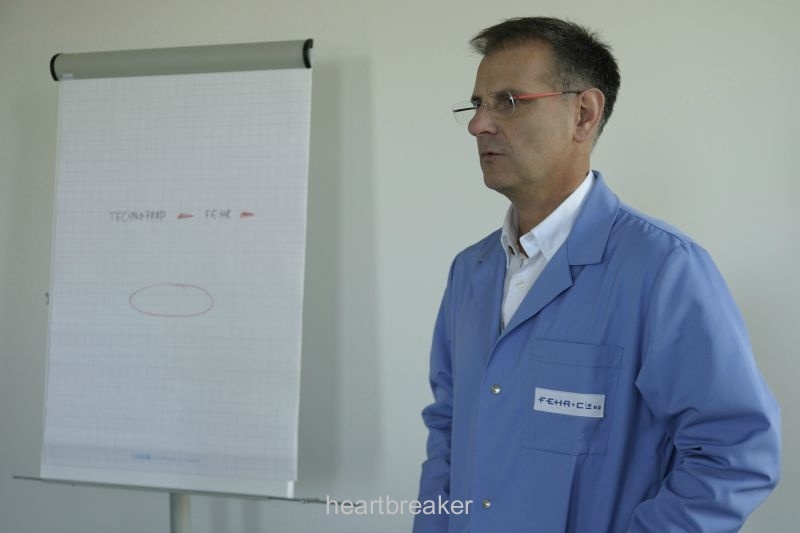
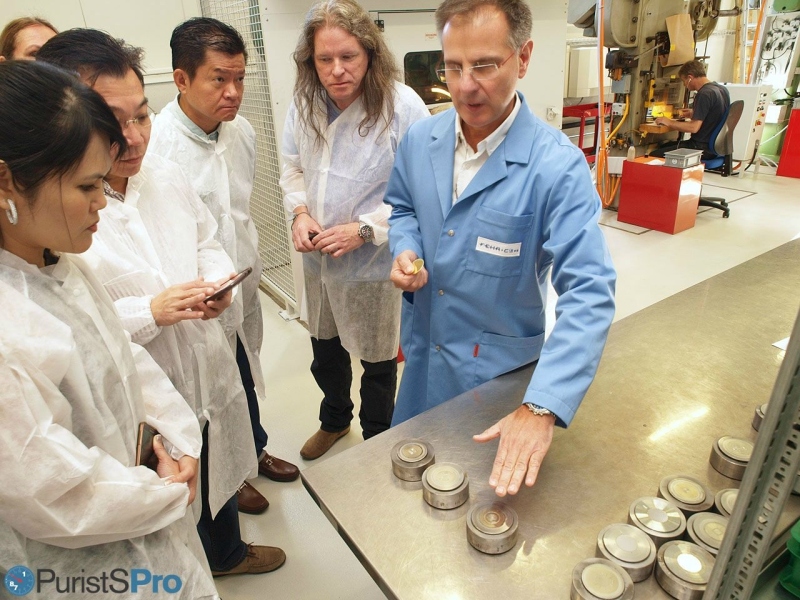
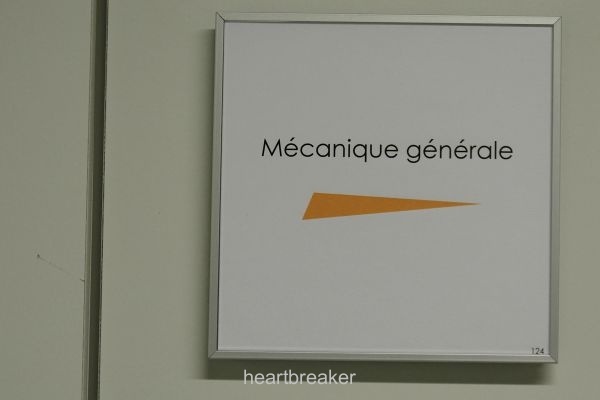
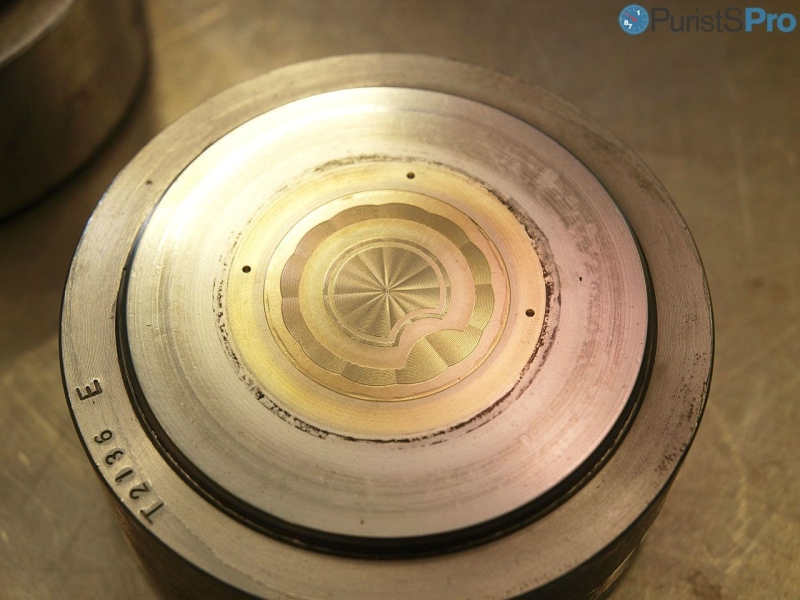
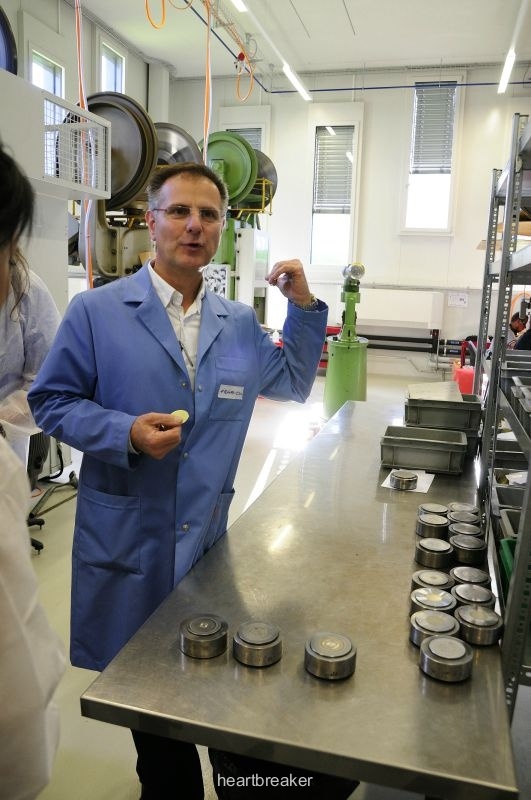
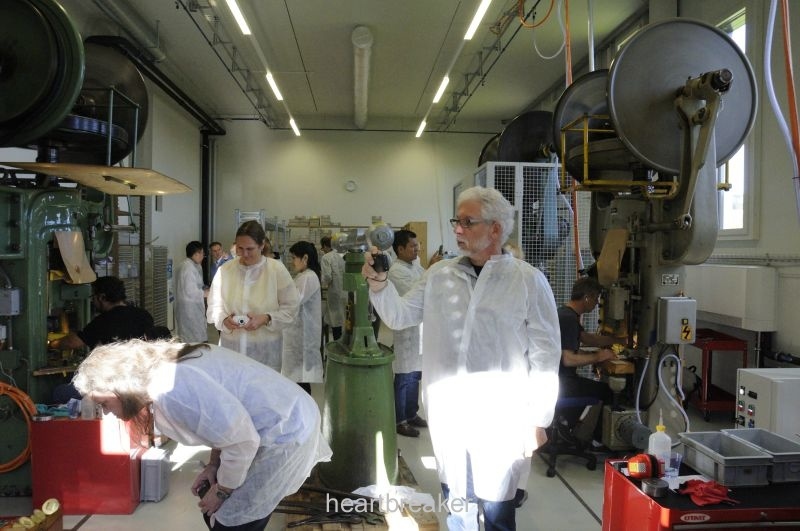
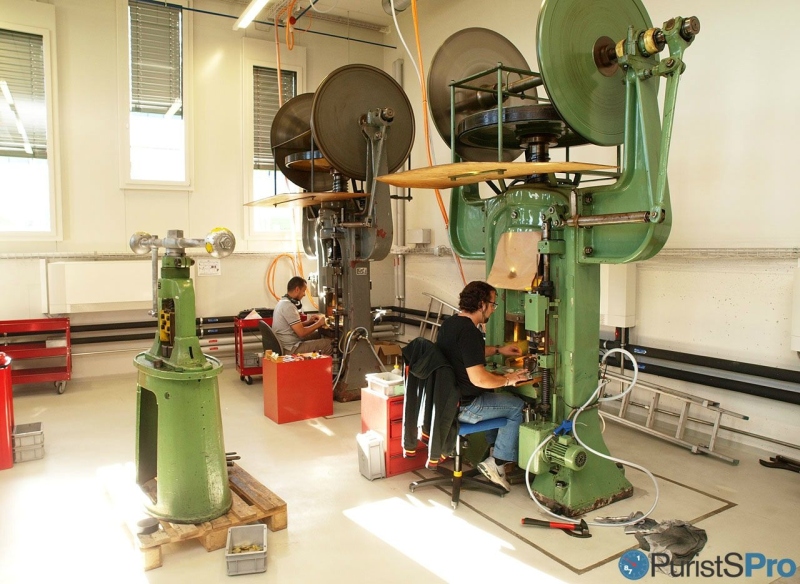
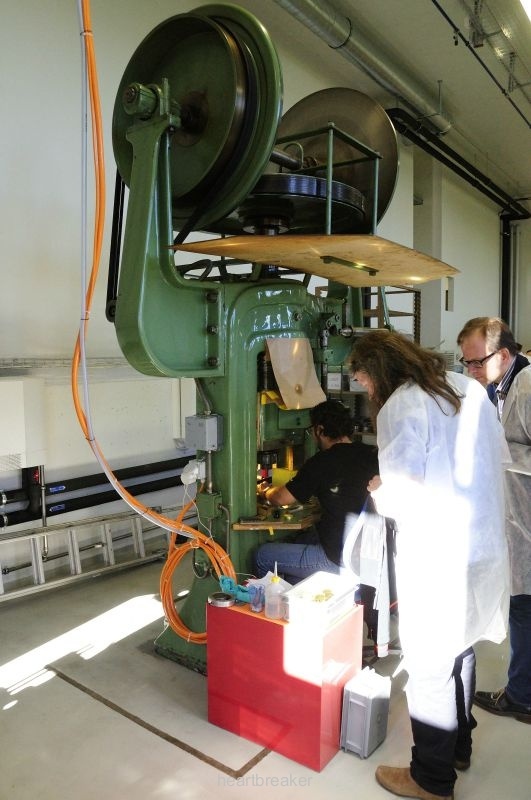
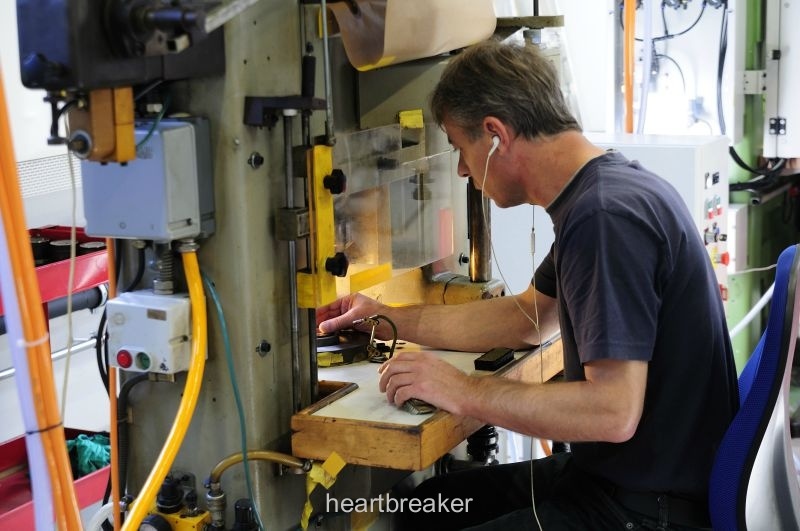
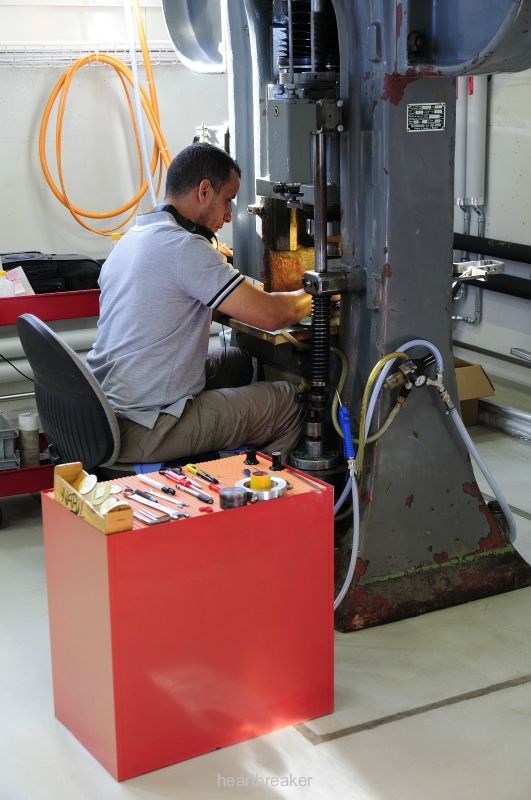
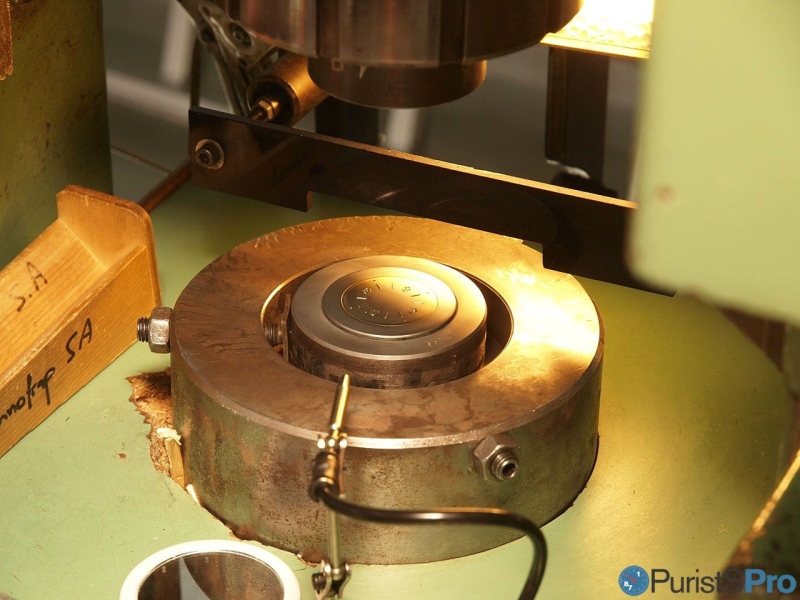
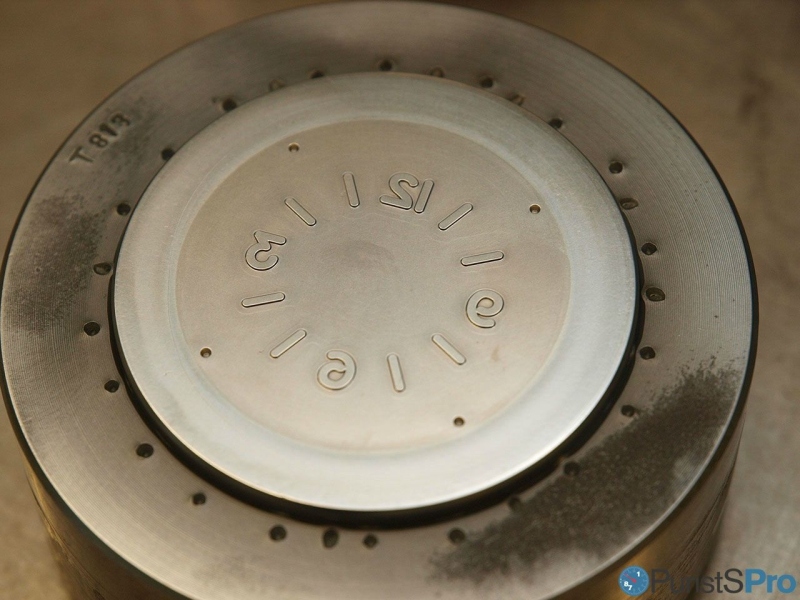
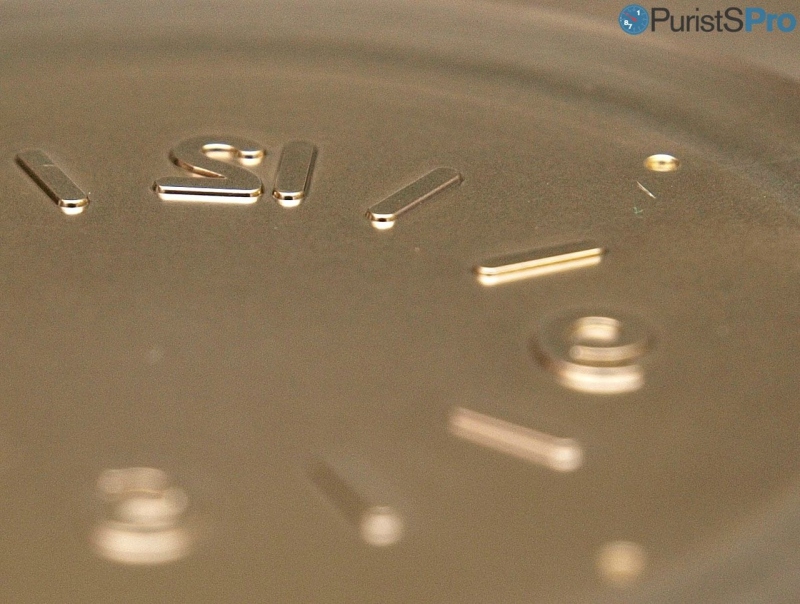
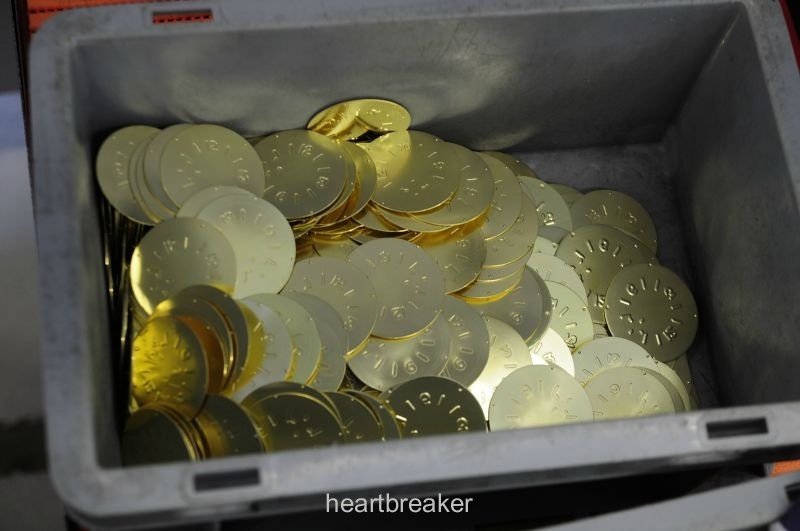
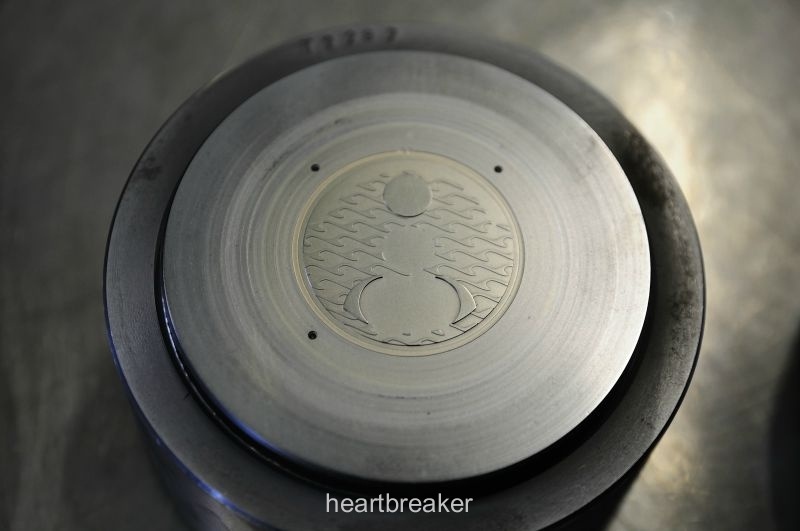
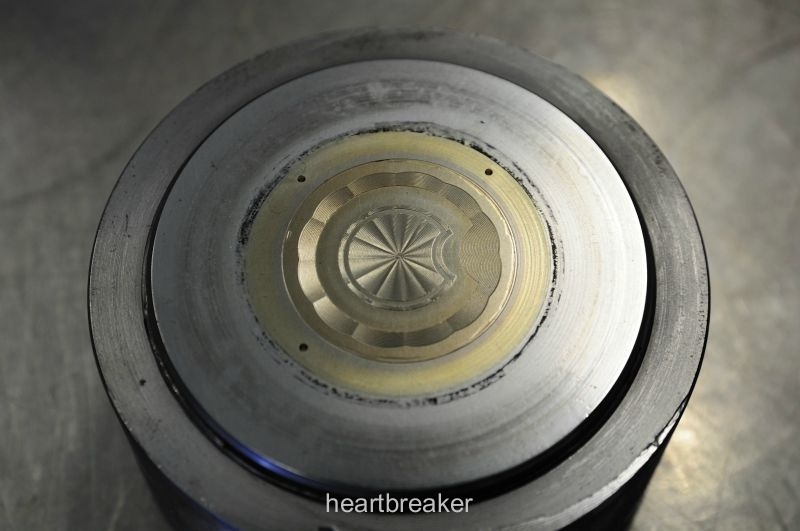
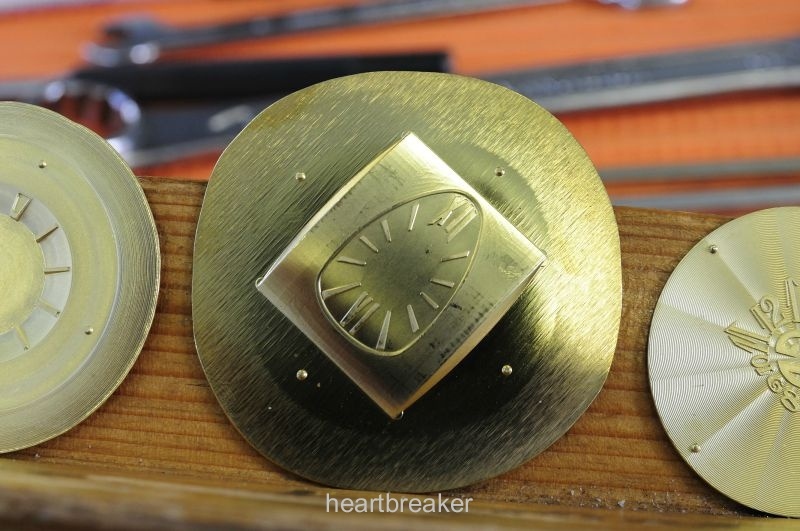
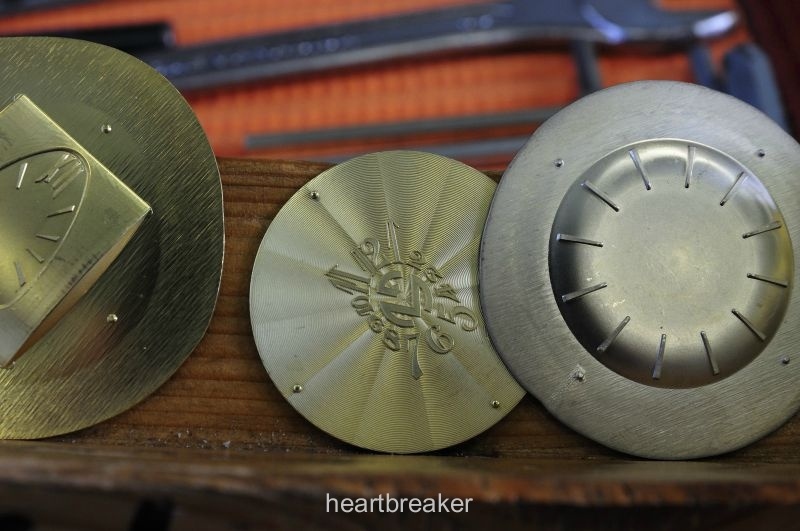
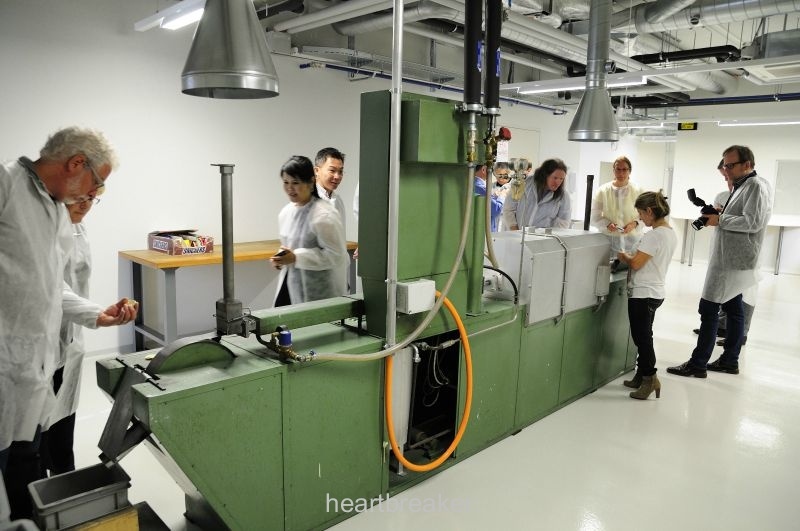
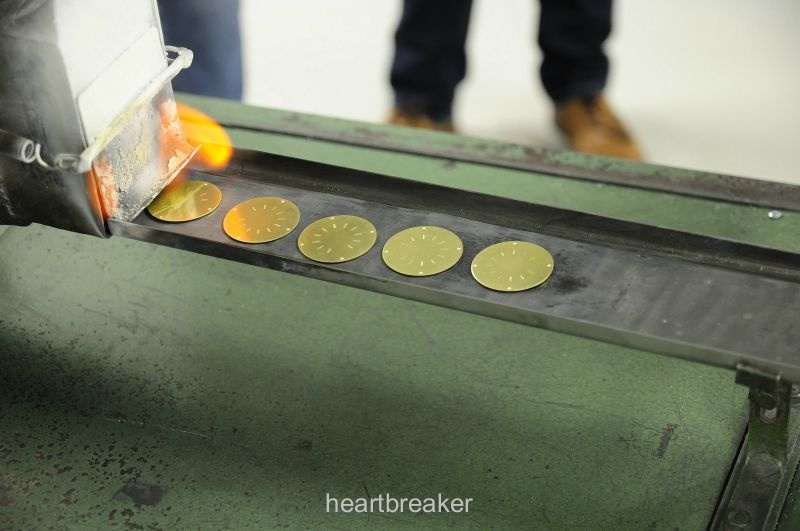
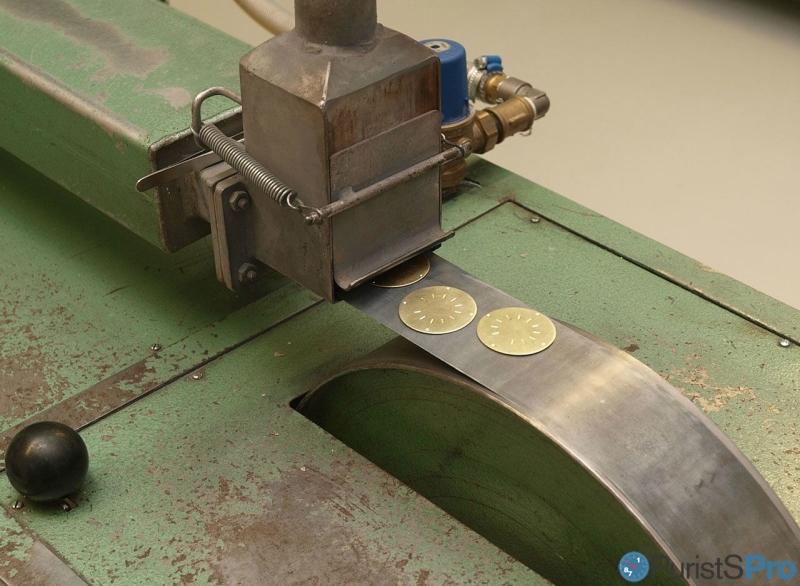
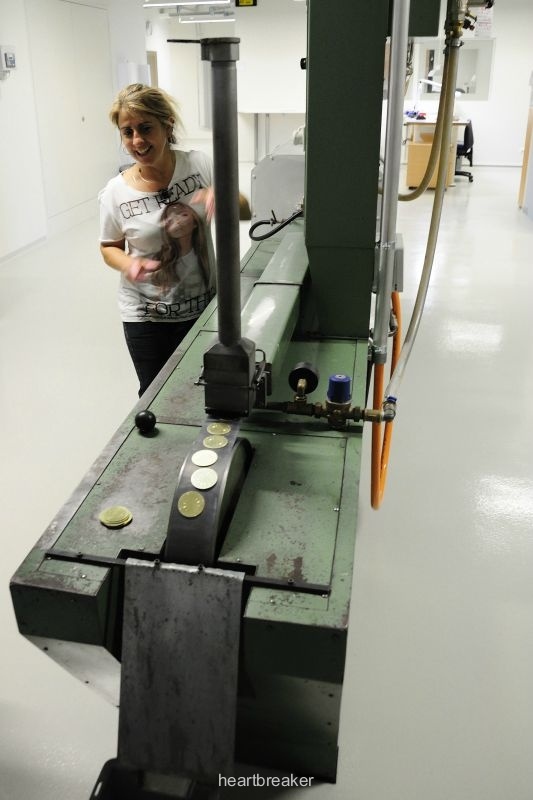
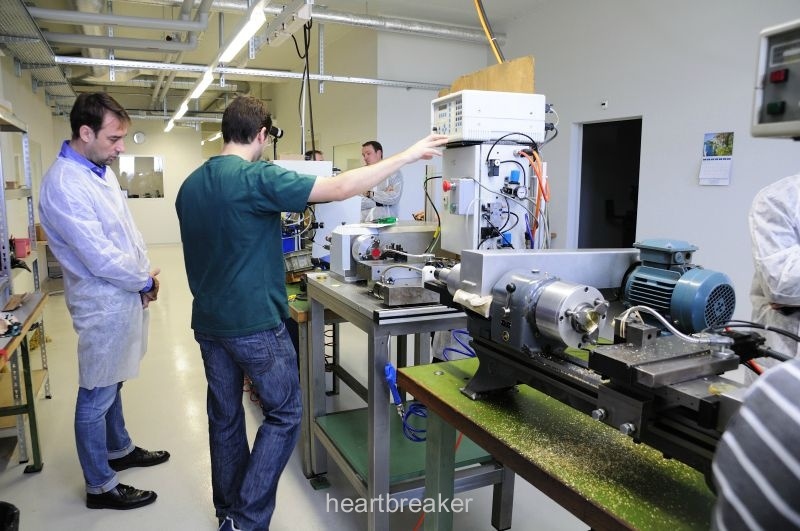
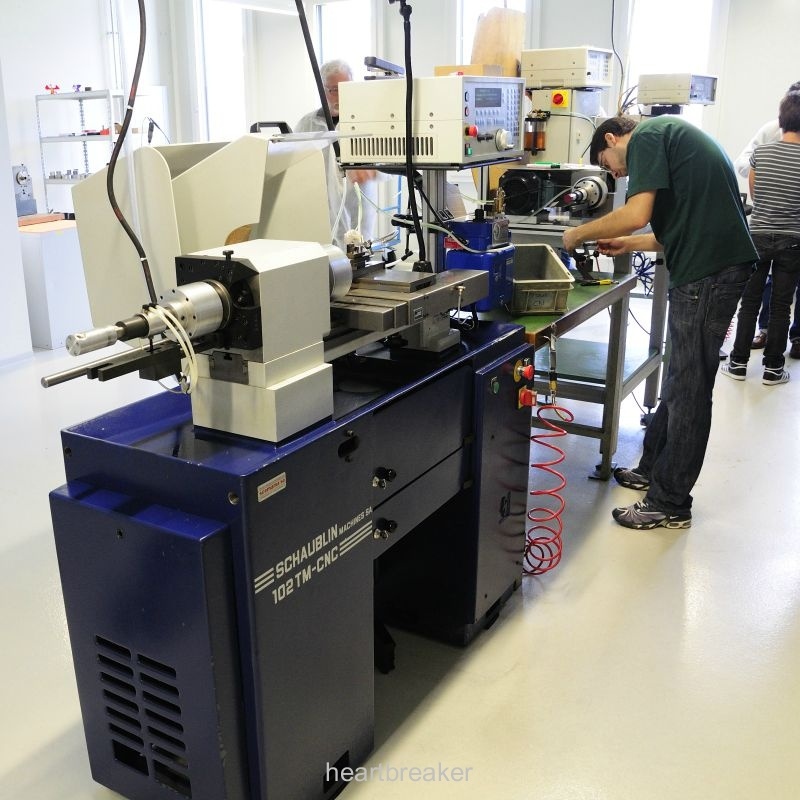
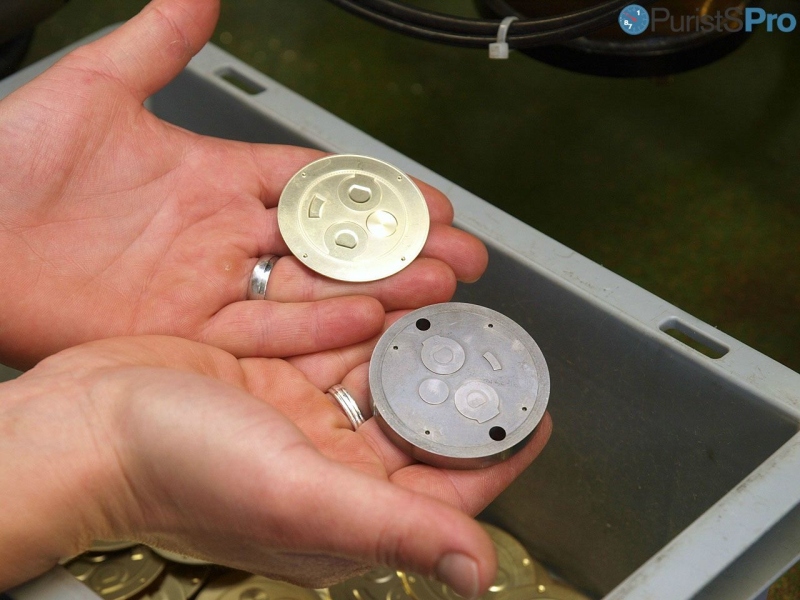
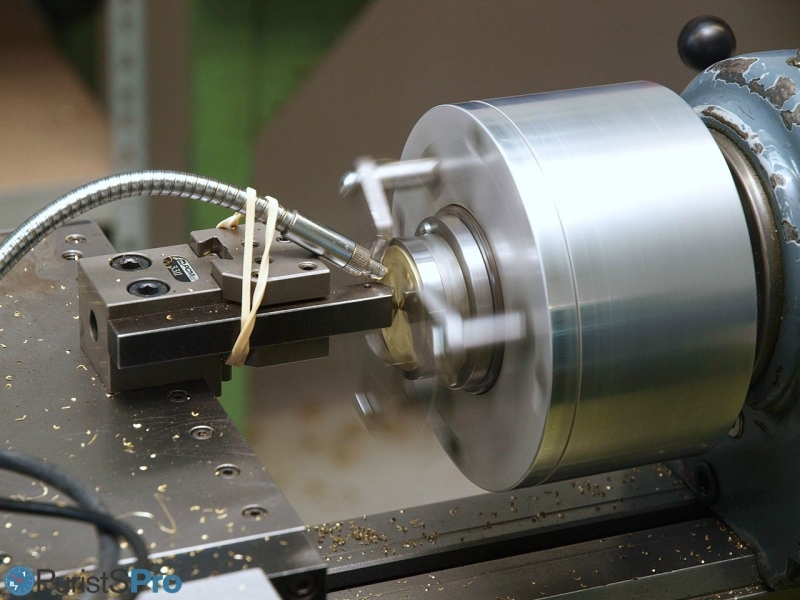
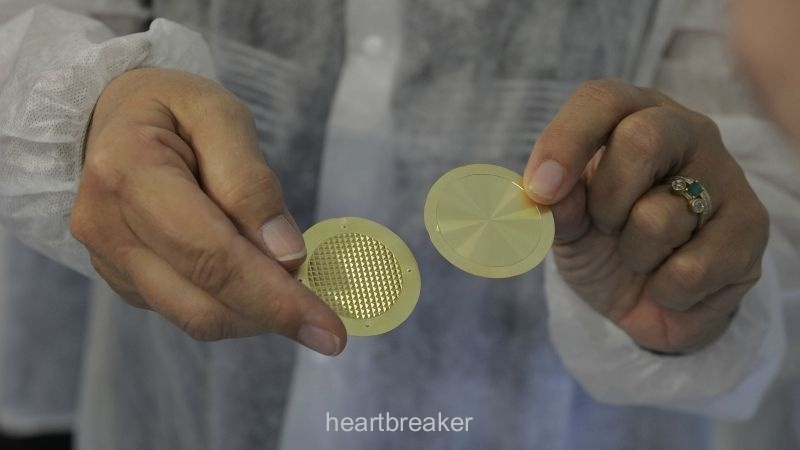
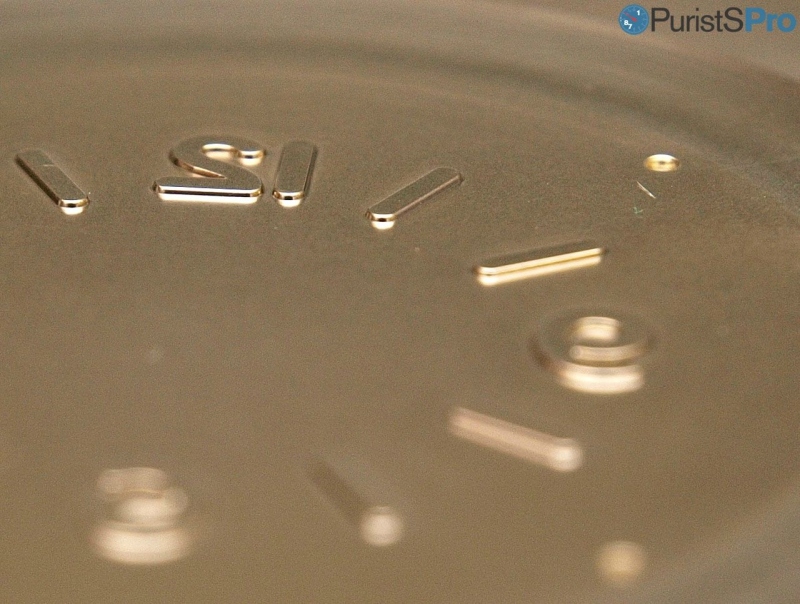
After the "Mécanique Générale" department, we would like to invite you to follow us through two breathtaking departments: "Guillochage" and "Polissage" . Here is probably what watch enthusiasts cherish most – hand-made dials created using traditional techniques. I must confess that, when I've noticed the "Guillochage" plate, I've asked myself: "Hey, Elio, are you really about to see with your eyes a guillochage machine, aka rose engine?" Well, not only we've seen them… … but we have seen them in
are quite often underestimated. Too often we talk about complications , but talk about complicated movements only. To visit a dial factory/workshop is something very special and quite often it feels like to be in the kitchen of a witch, because of the "magic" all around. To make it short: Next time I would LOVE to join you all, when you have the pleasure to visit that kind of places again. It is too late now, but still I can appreciate your reports and for sure I will keep them on my computer. T
Dials, like case or hands, are often judged only after their aesthetic qualities, everything beyond that is not appreciated. From our own discussions, Oliver, we two learned a lot about the subtle details which make a dial (case, hand, strap...) outstanding from the rest, or fall beyond a desirable level. The question is why? In this context, visiting the production facilities is highly educating in respect to learning the production techniques and their implications, finally helping us to bette
Thank you Oliver for your words, that add a lot to the discussion. Room after room and department after department, I've had exactly the same feeling you’ve described. Yes, almost all of the manual work is a bit repetitive, but the output is new every day, so the operators must always face different styles with different approaches and specific manufacturing. Or – staying with your metaphor – with different “recipes” J Of course, it's not a luna-park, it's a hard workplace, but I think that work
Did they let you keep any unfinished stamped dials as souvenirs to keep? :) Cheers, Anthony
This thread is active on the Zenith forum with 16 replies. Share your knowledge with fellow collectors.
Join the Discussion →