New Release
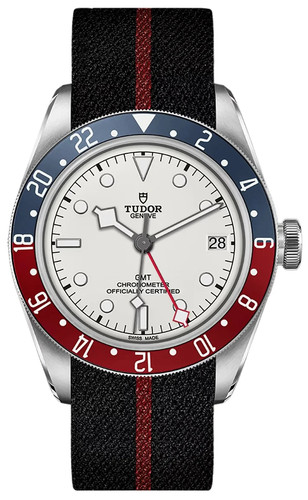
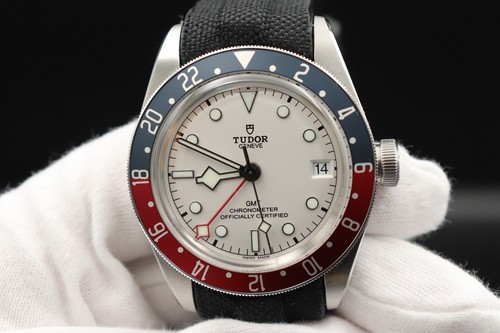
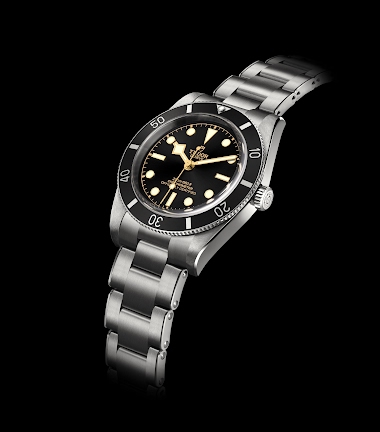
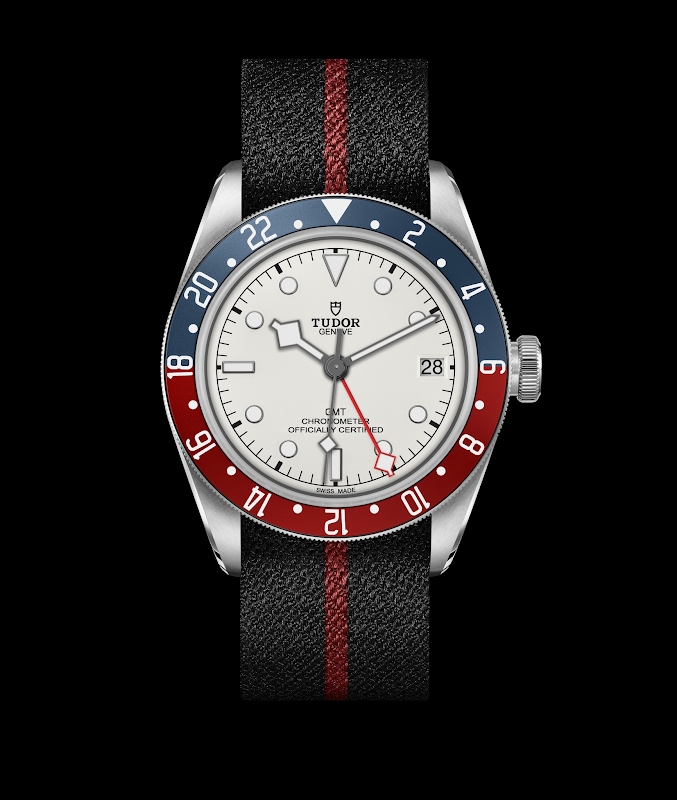
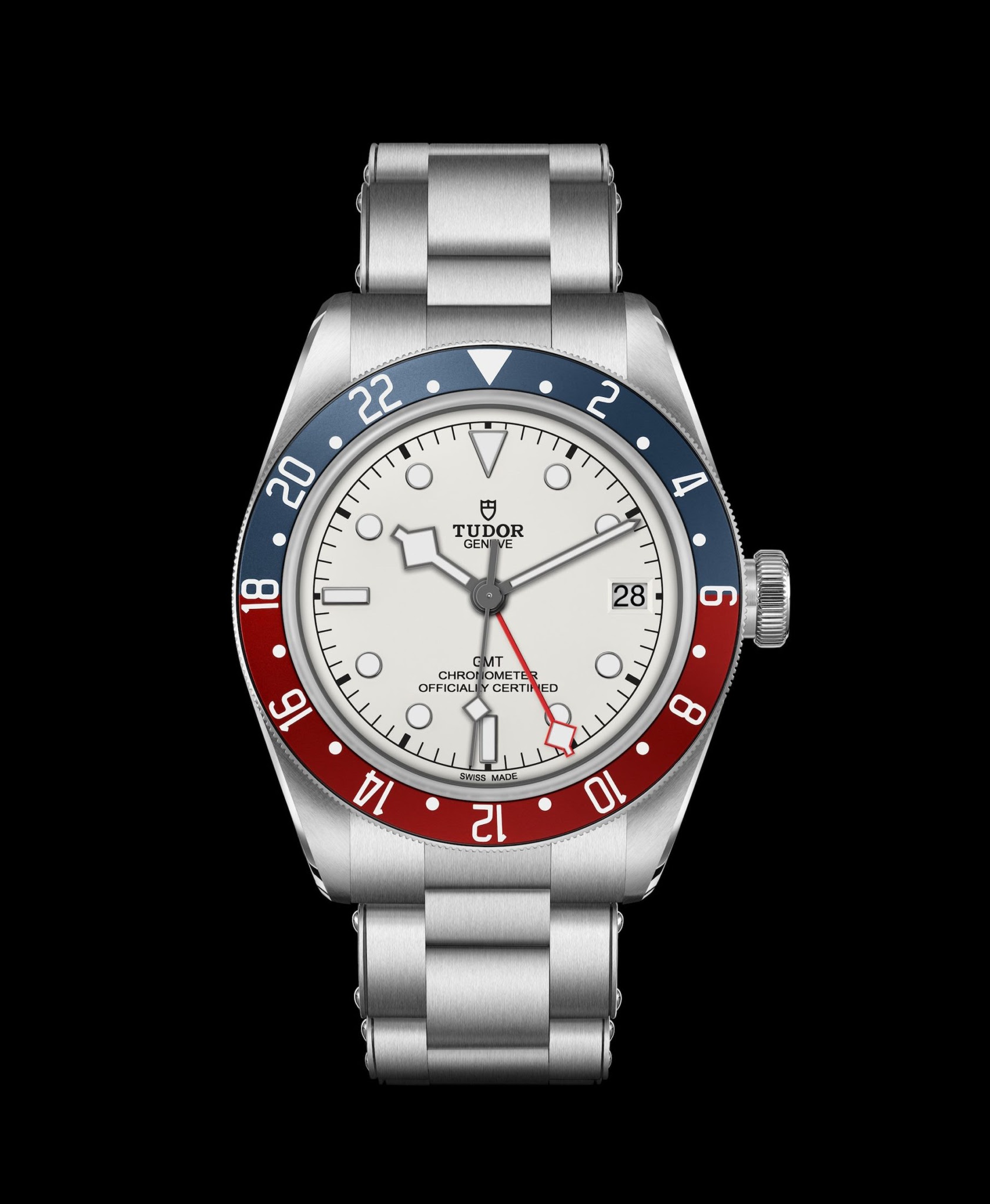
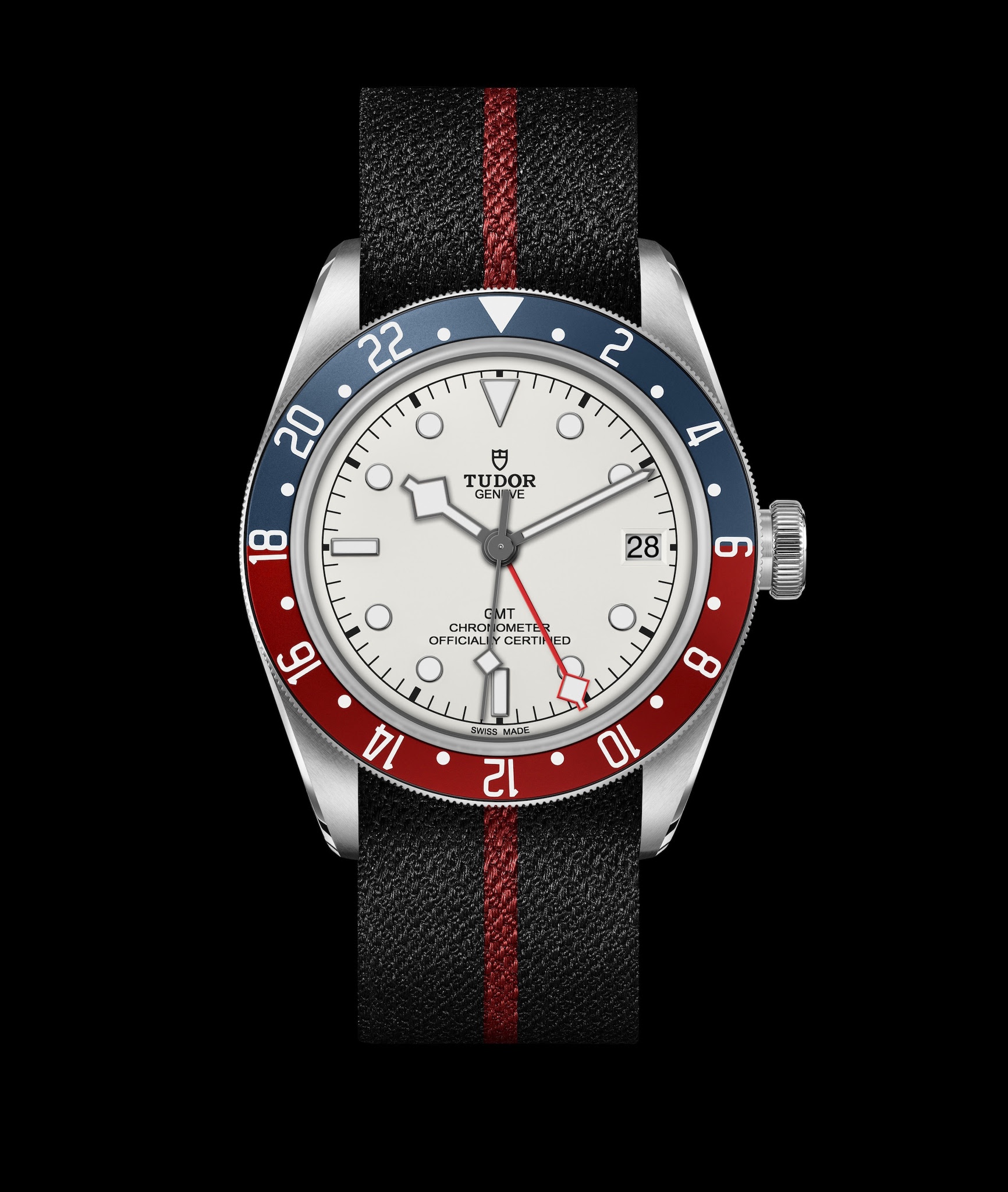
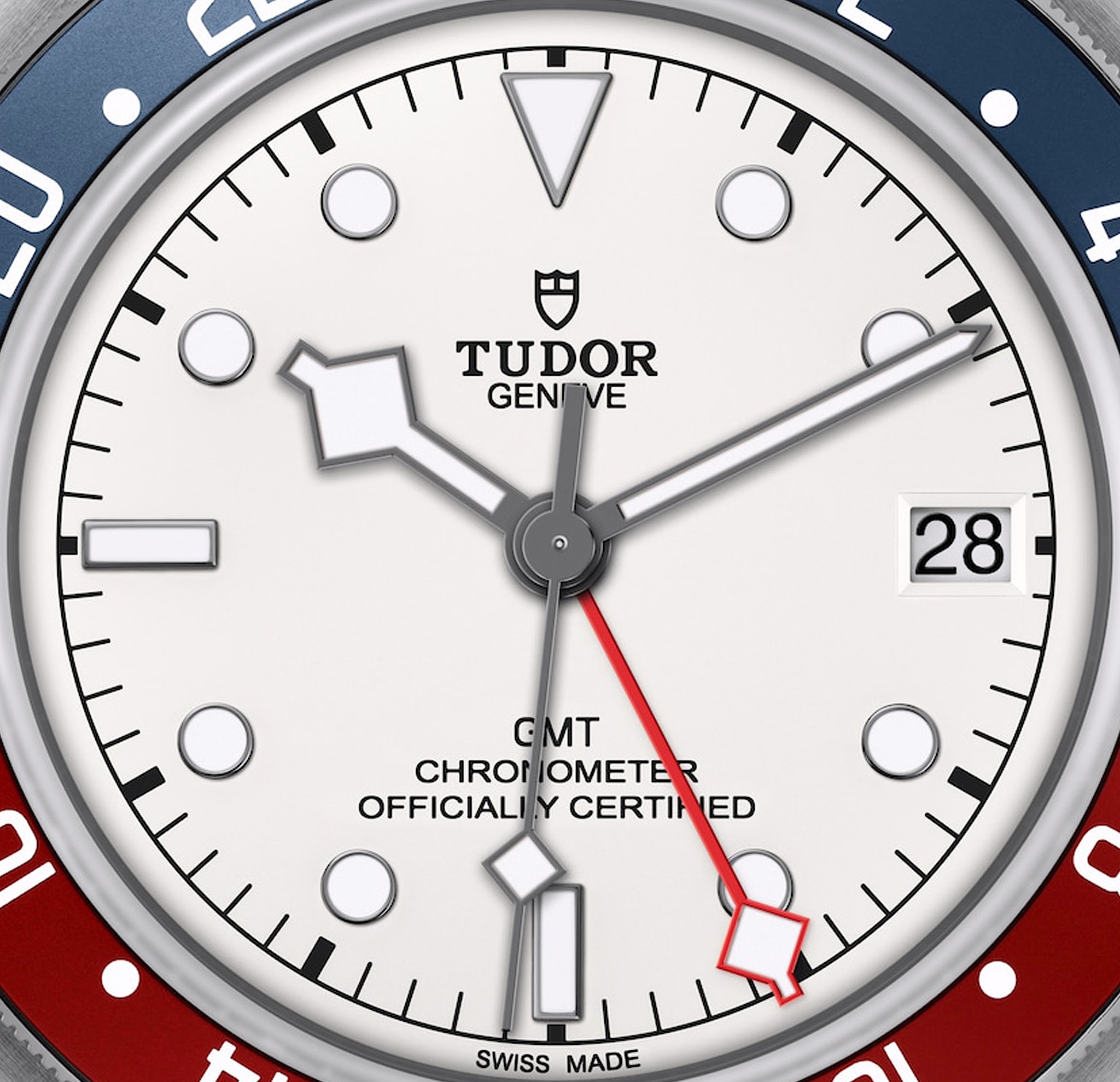
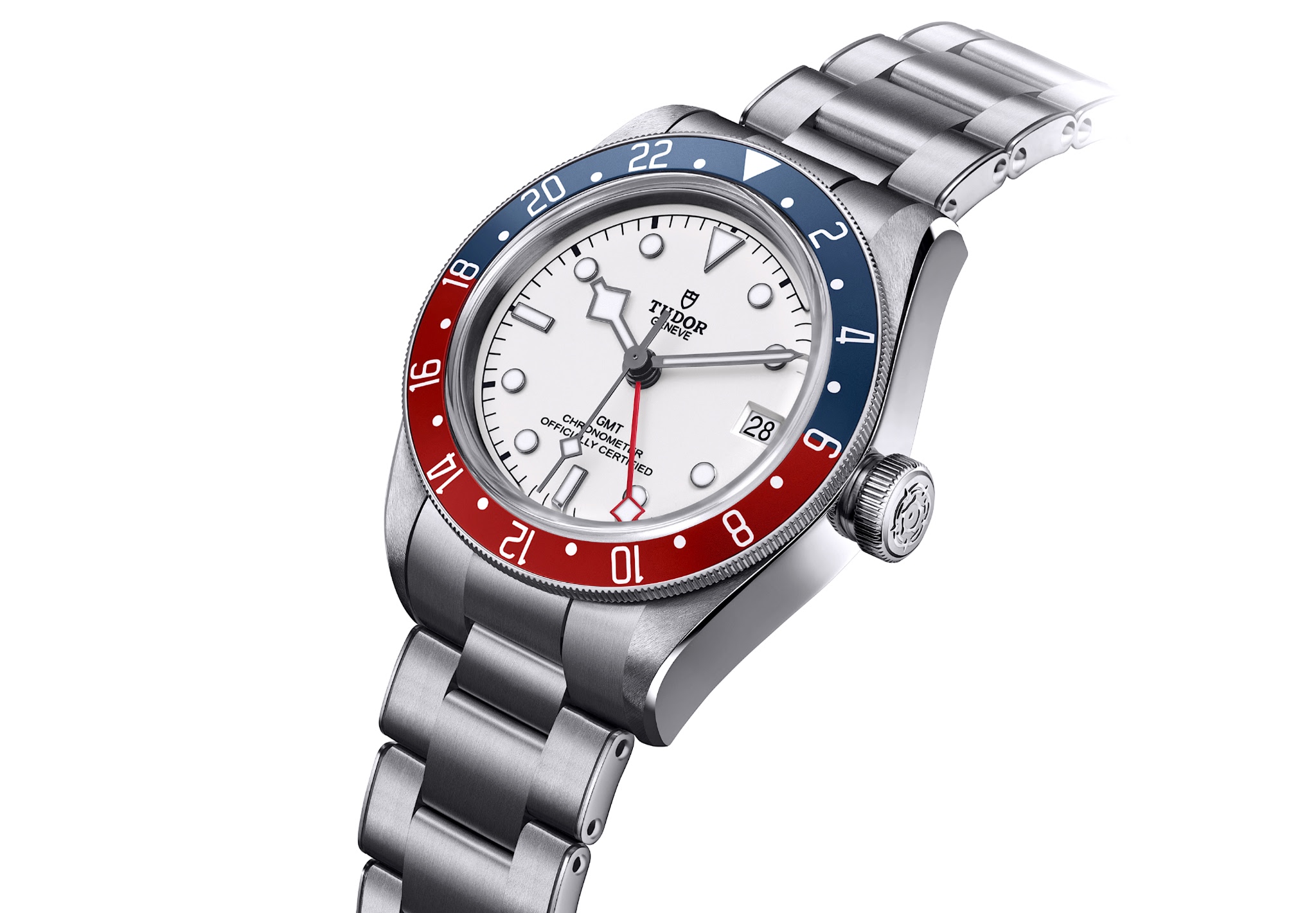
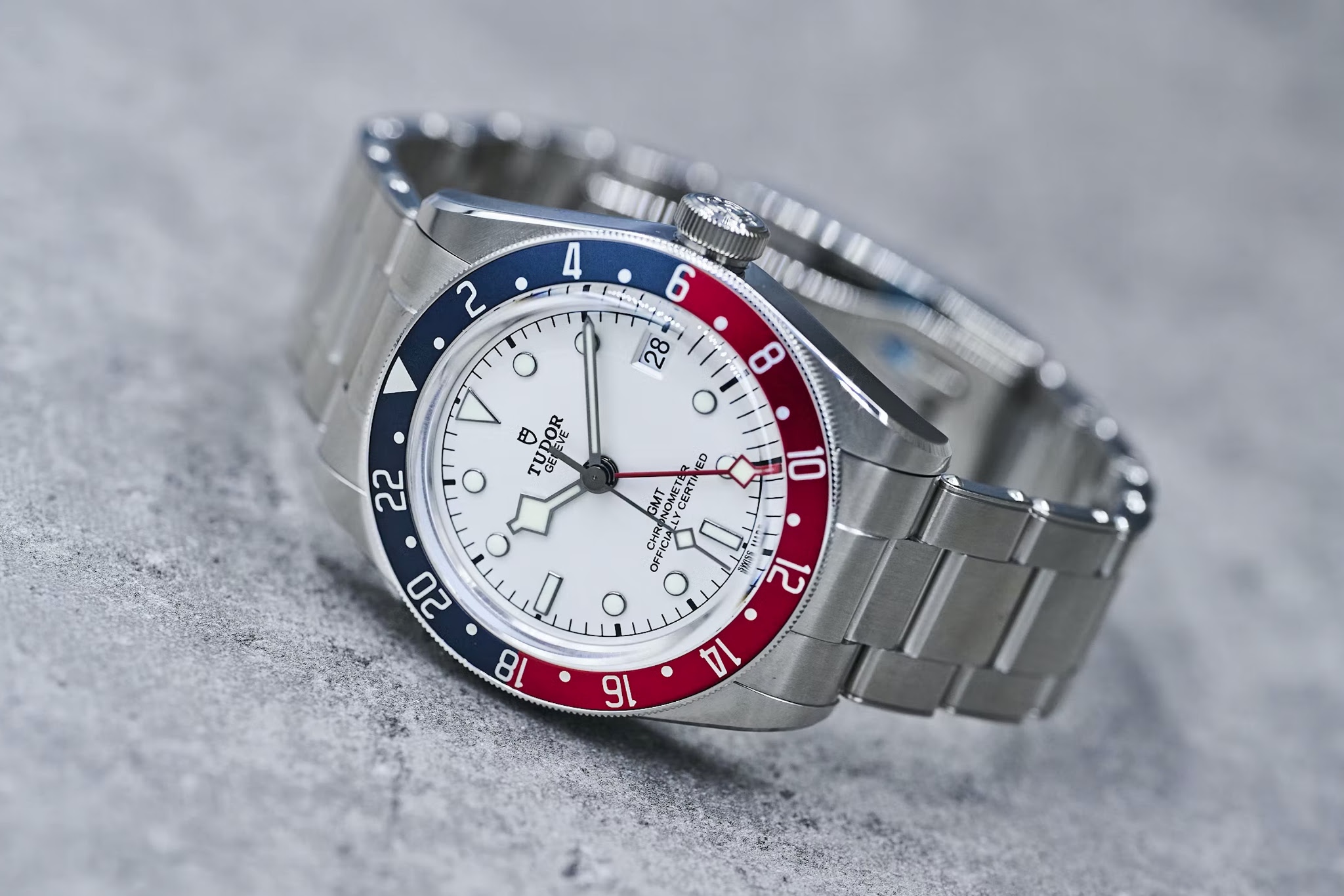
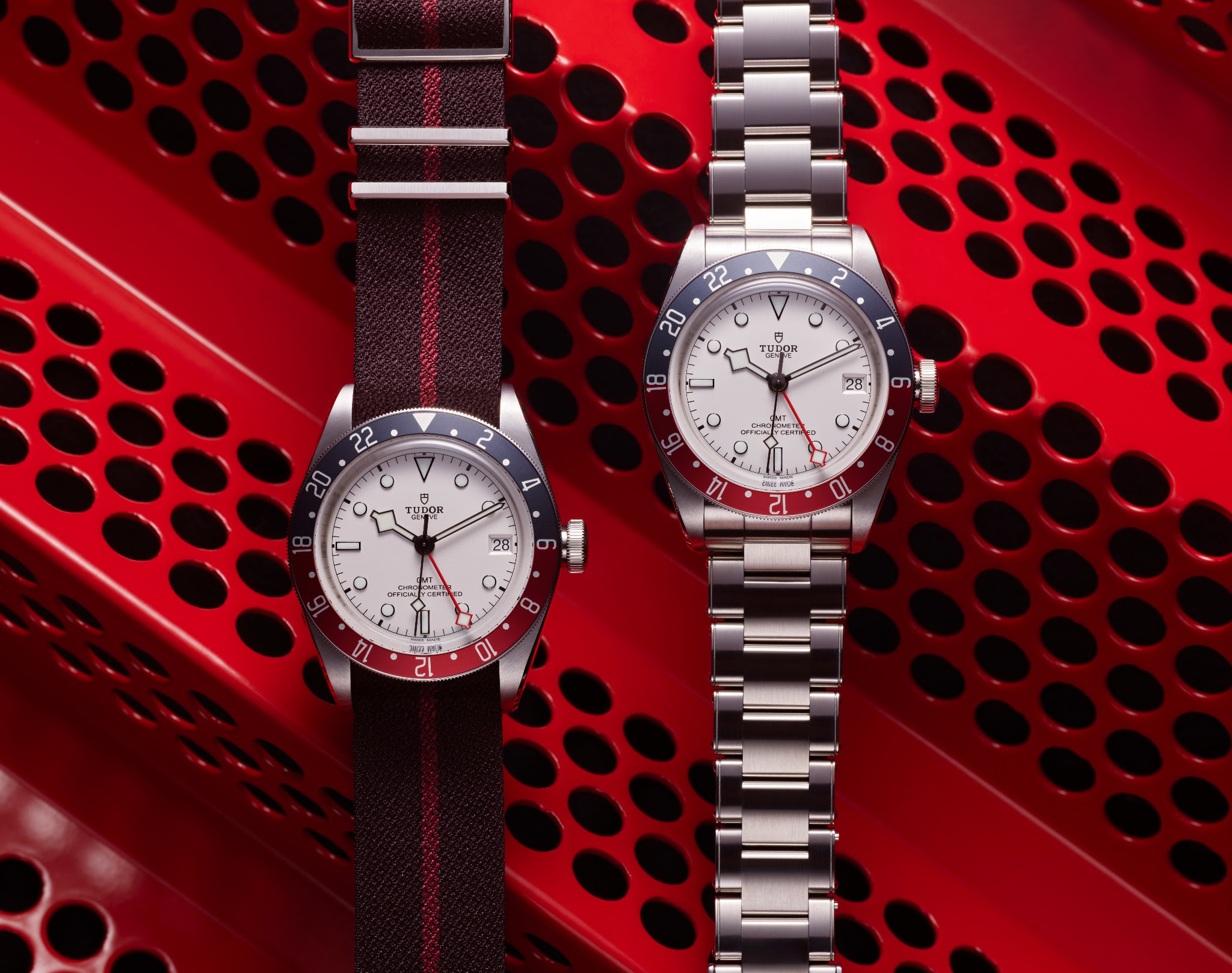
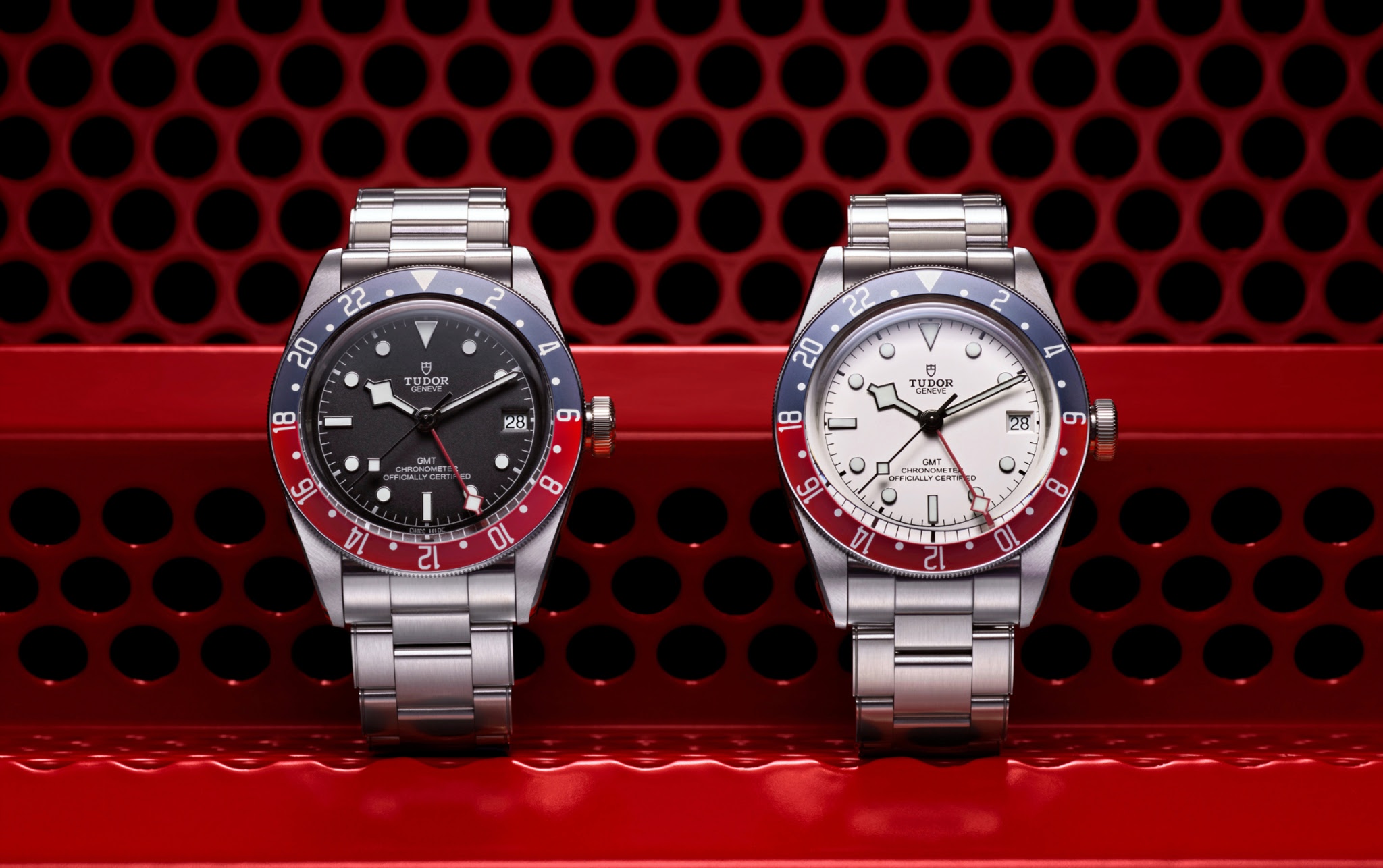
Amanico's exploration of the Tudor Black Bay GMT Master Opaline Dial offers a compelling look at how Tudor respectfully draws from Rolex's heritage while forging its own path. His analysis highlights the controversial yet historically significant Rolex GMT-Master 6542 white dial as a key inspiration, underscoring Tudor's daring approach in modern watchmaking. This piece is essential for understanding Tudor's strategic design choices and their impact on the contemporary luxury watch market.




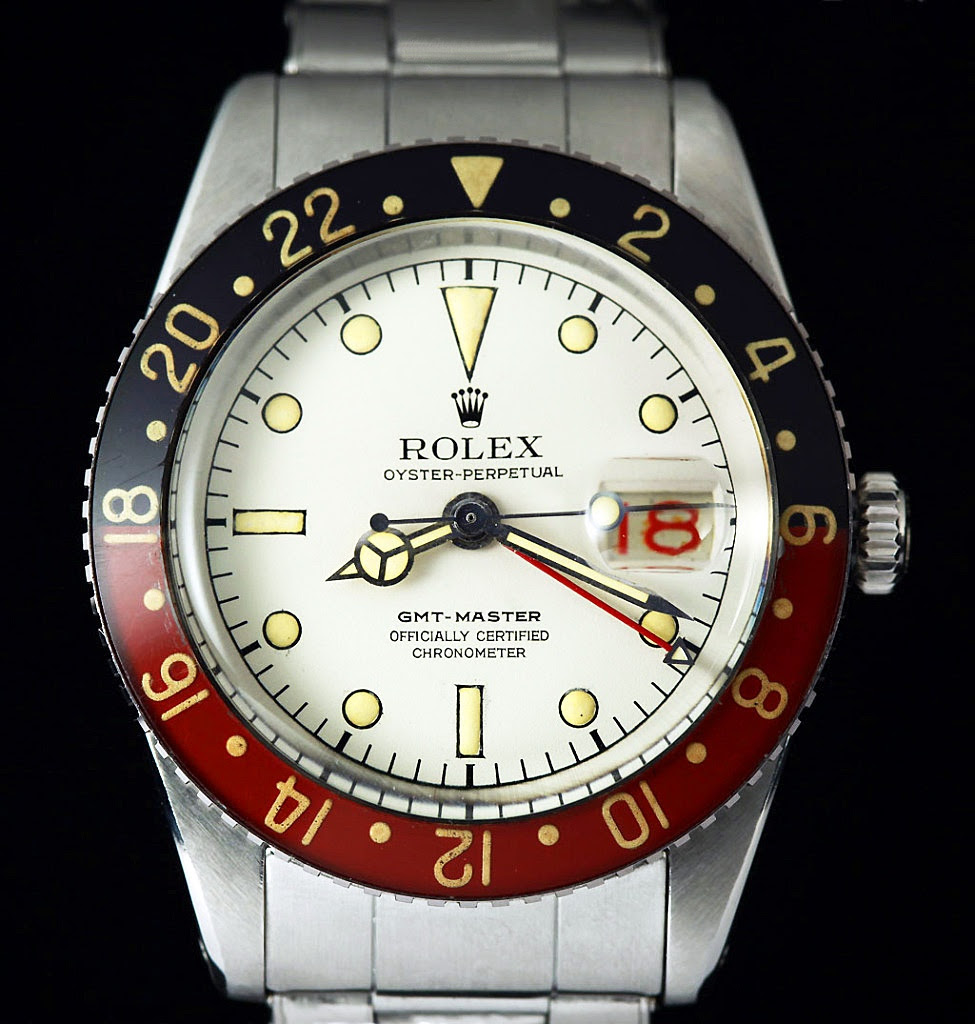
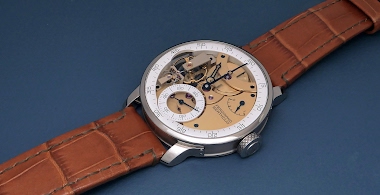
The GMT Master reference 6542 was introduced in 1955 as a specialized tool watch for pilots. It is notable for its dual time zone complication, achieved through a rotating 24-hour bezel and an independently adjustable 24-hour hand. This reference marks the initial iteration of the GMT Master line, establishing the core functionality and aesthetic that would define subsequent models. Its development addressed the need for a watch capable of displaying multiple time zones simultaneously, a requirement that emerged with the advent of intercontinental air travel.
The 6542 features a 38mm stainless steel case, housing the automatic caliber 1036. This movement provides a power reserve of approximately 42 hours. The watch is fitted with an acrylic crystal and offers a water resistance of 50 meters. Early examples of the 6542 are distinguished by a Bakelite bezel insert, which was later replaced by an aluminum insert due to durability concerns. The dial is typically black, often featuring gilt printing on early examples.
This reference holds significance for collectors as the foundational model of the GMT Master series. Its distinct characteristics, particularly the early Bakelite bezels and specific dial configurations, are key points of interest. The 6542 represents the original design intent for a pilot's GMT watch, making it a reference point for understanding the evolution of the model line. Variants exist with different bezel materials and dial details, contributing to its collectibility.
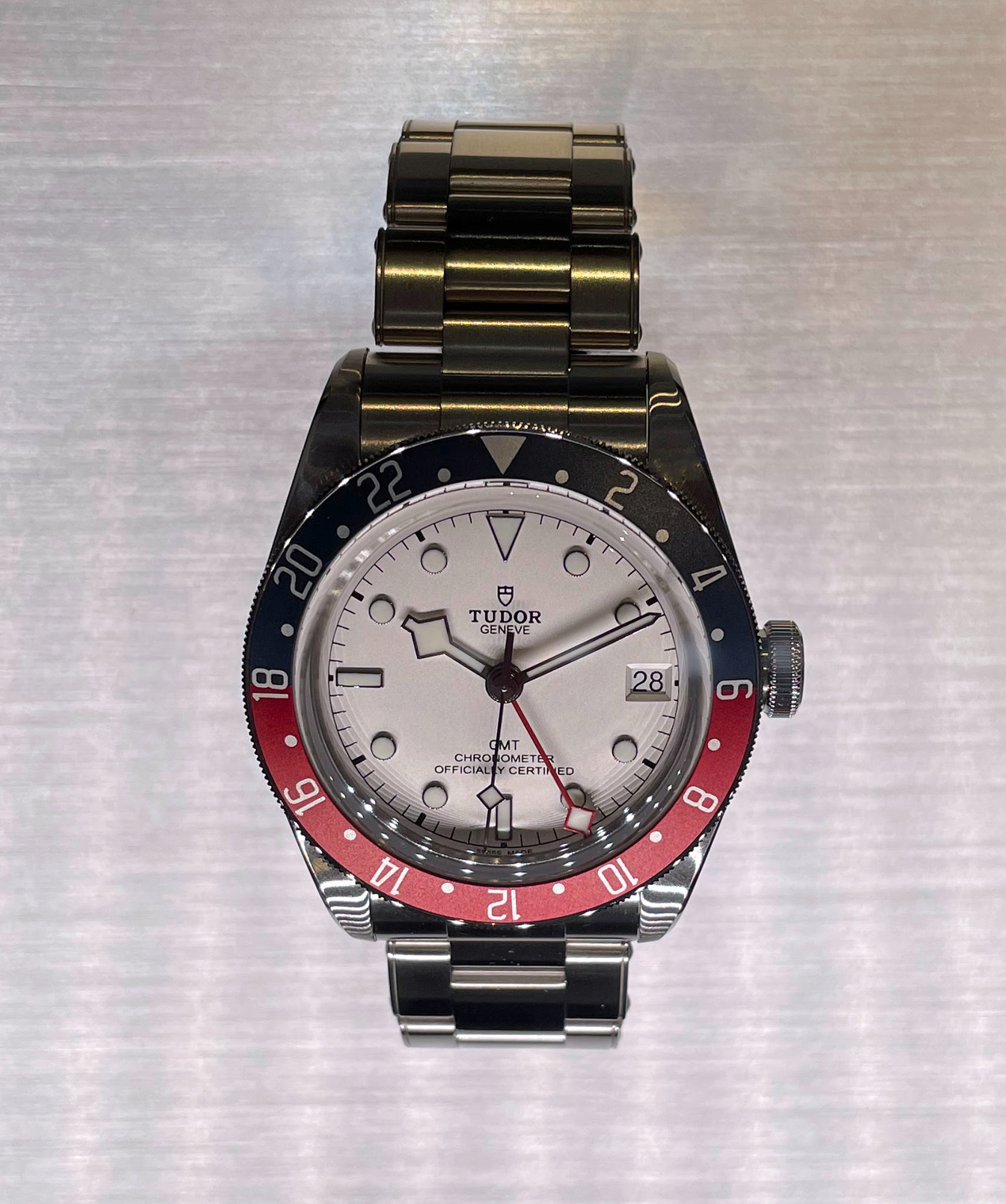
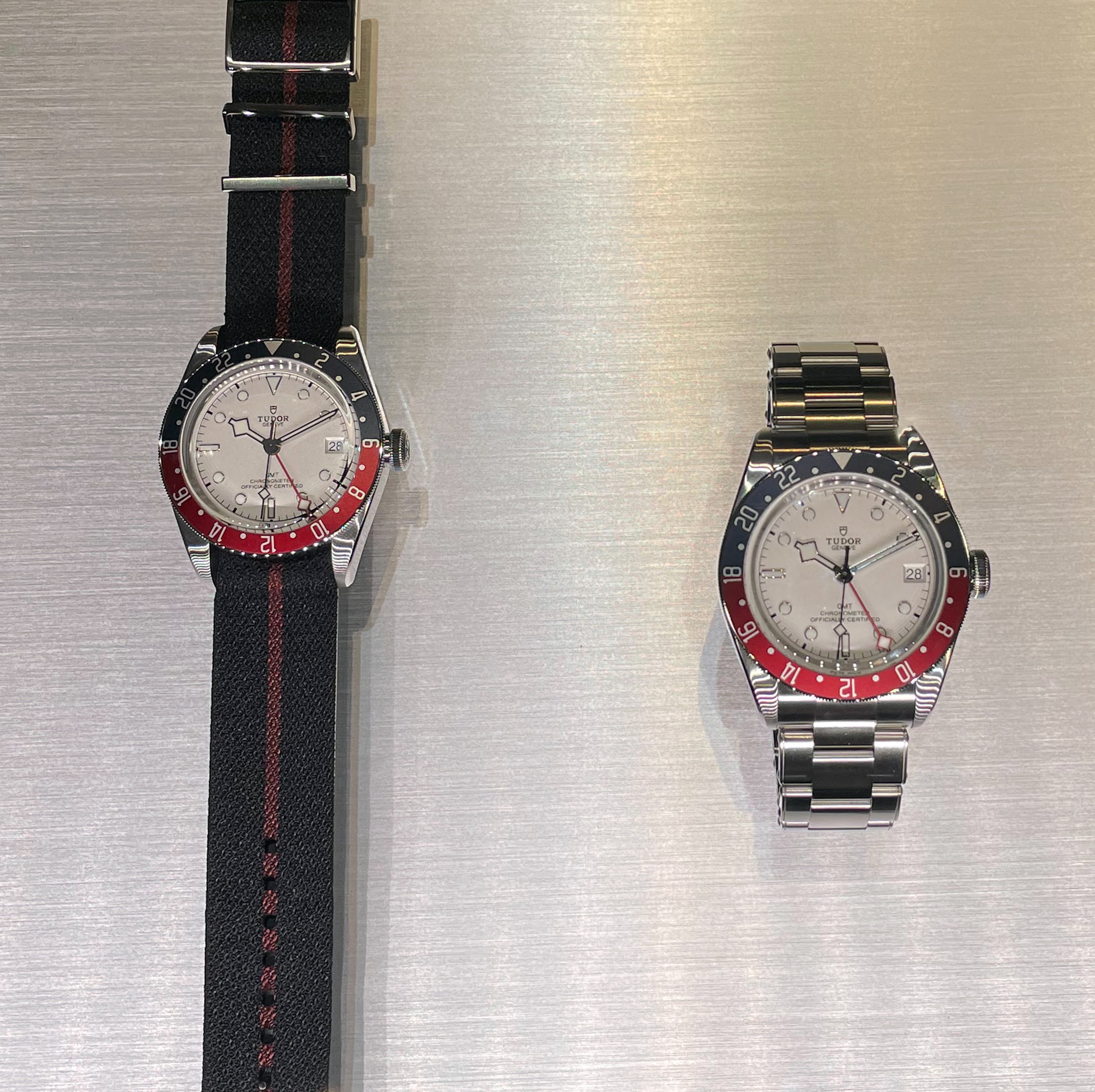
And i’m not a pepsi gmt guy! But it just works with the opaline dial, not as clinical as the white lacquer dial on the exp2.. a good replacement to my recently departed polar 16570 if and when.
I also find the white dial Tudor GMT more attractive and interesting than the black dial one. As this combo is less commonly seen, comparing with the usual Role GMT (except the meteorite or super rare white dial). My only hesitation will be the slightly larger and thick 41mm case, as well as the ? sticky date change issue of this MT caliber. Cheers, Henry
It is just a shame about the thickness.
This thread is active on the Rolex forum with 30 replies. Share your knowledge with fellow collectors.
Join the Discussion →