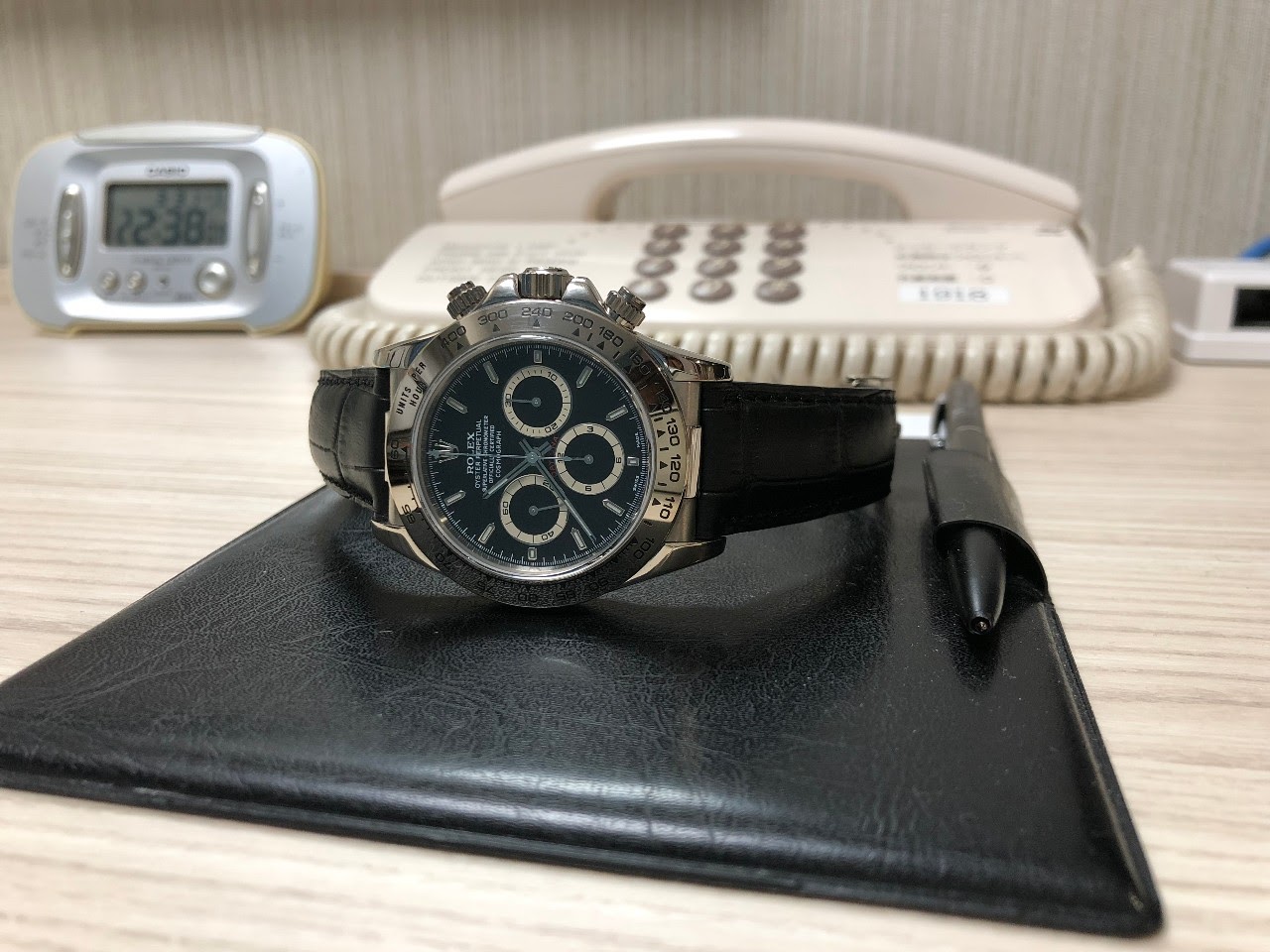
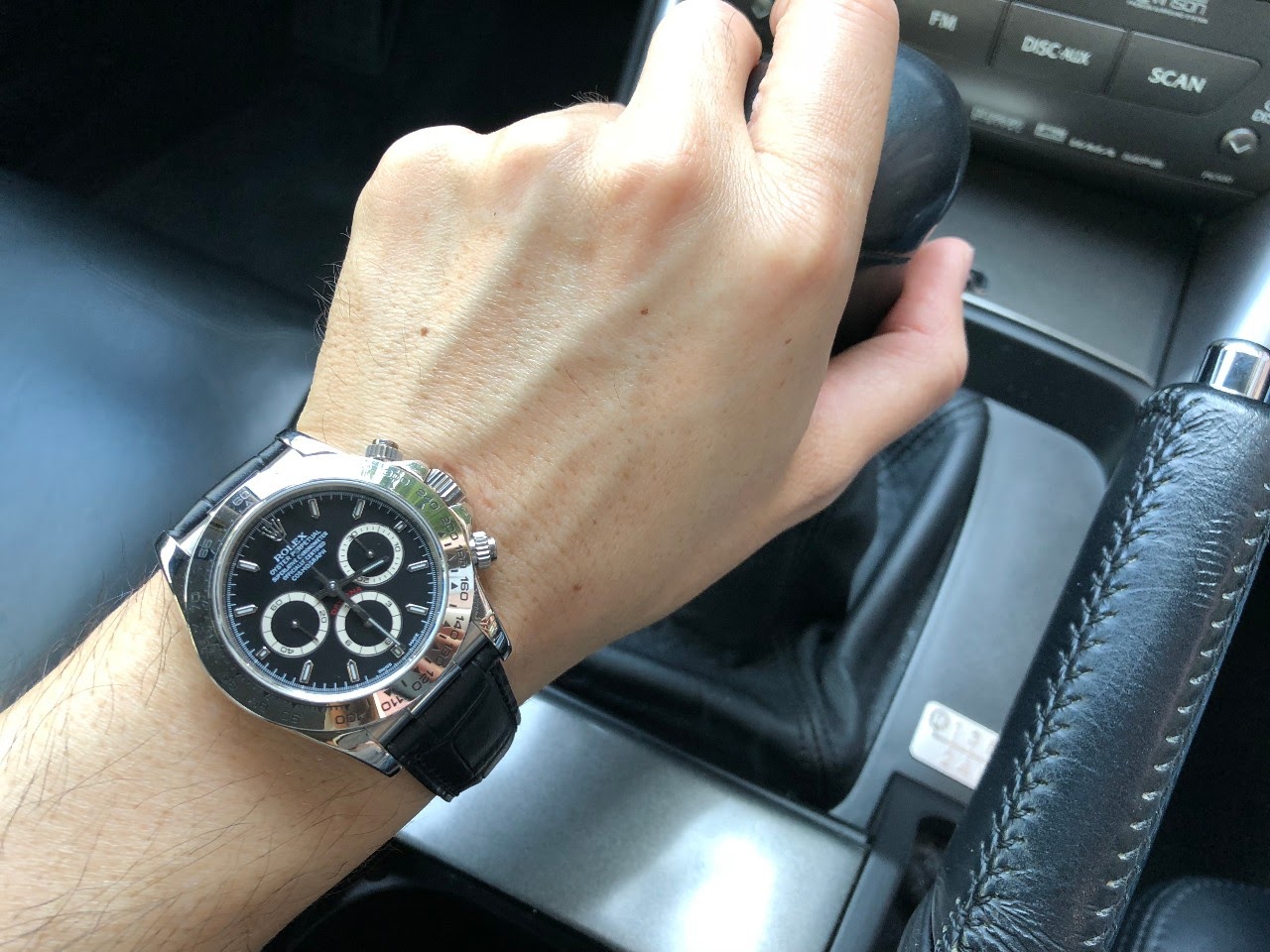
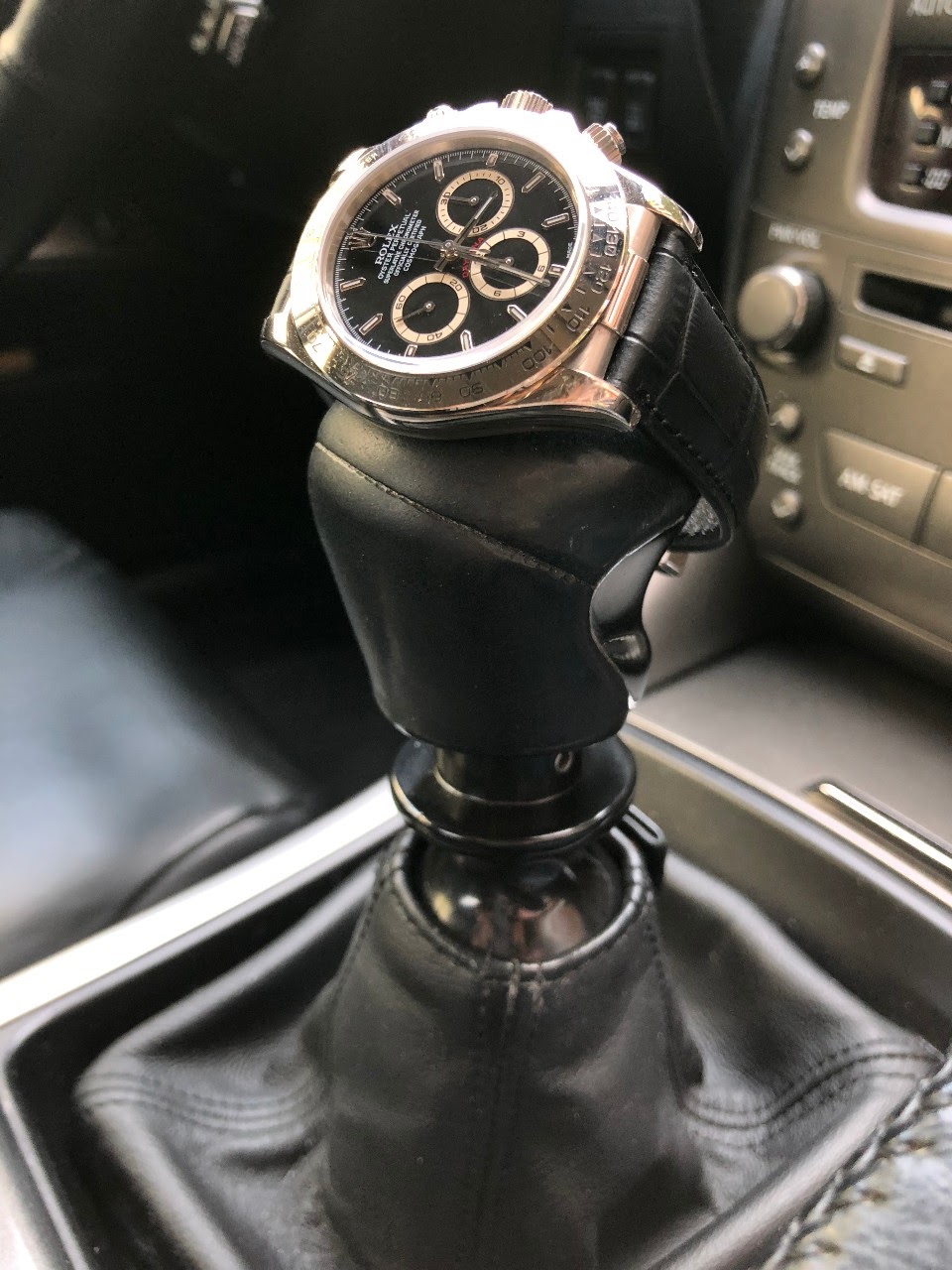
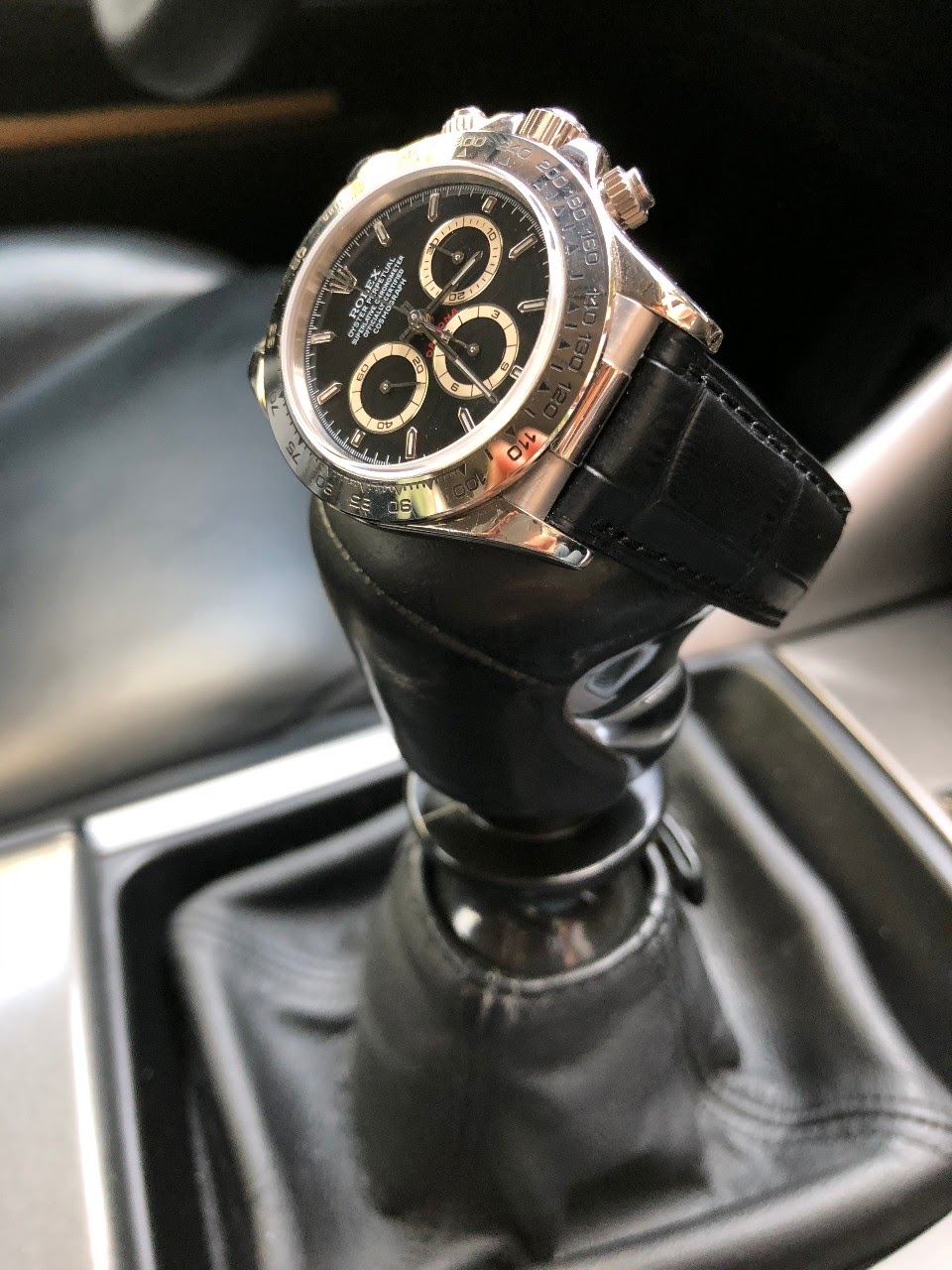
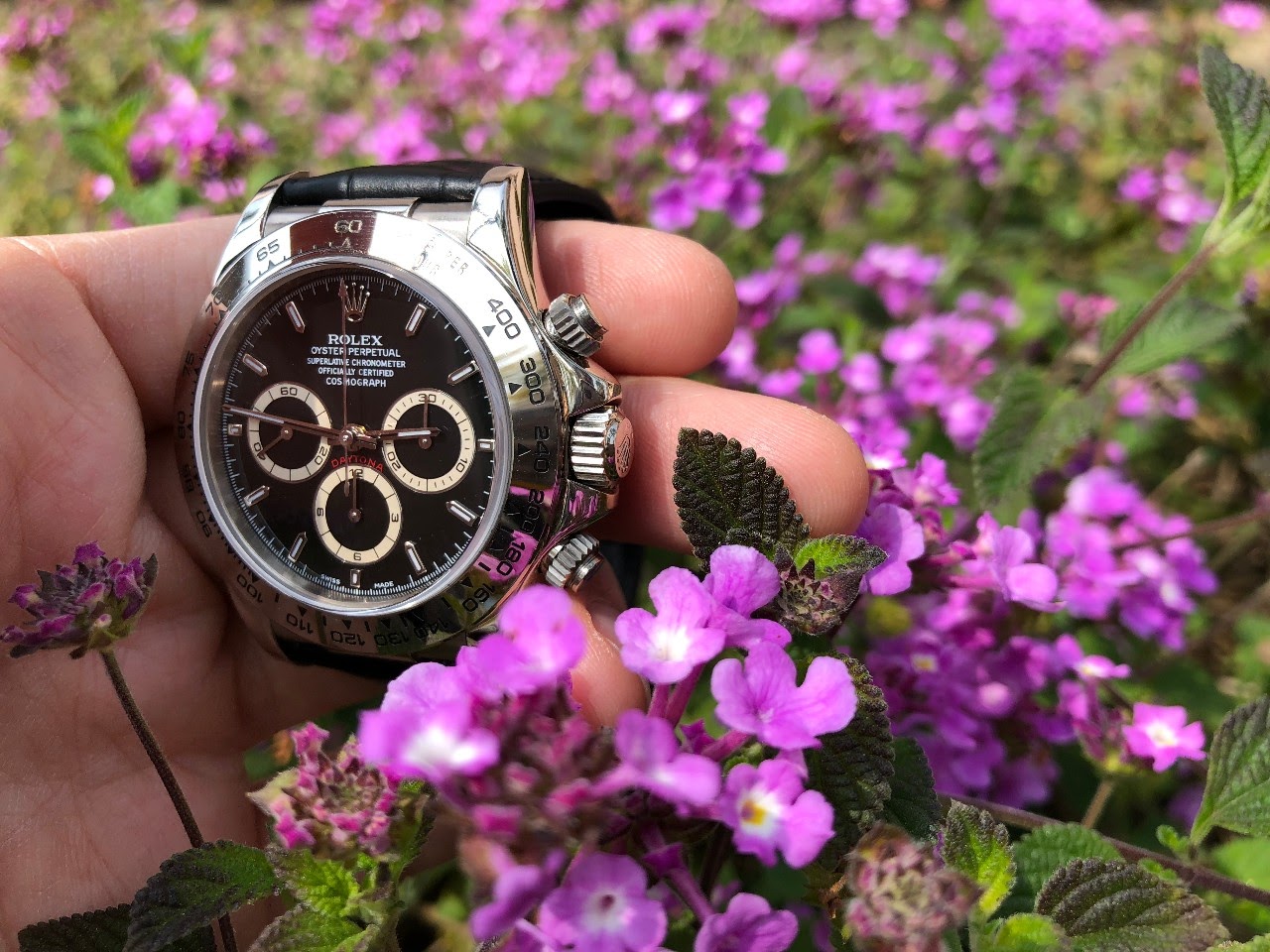
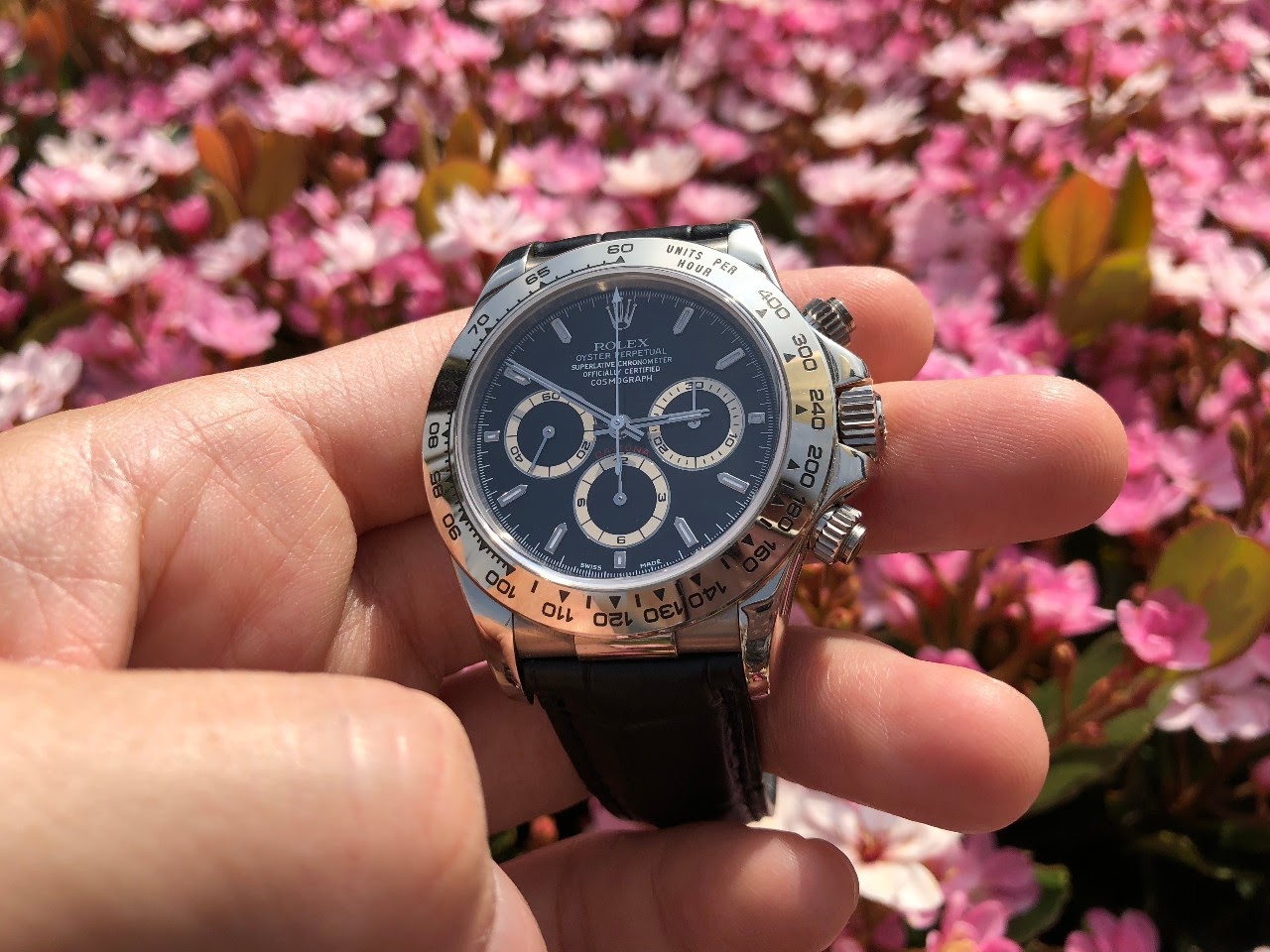
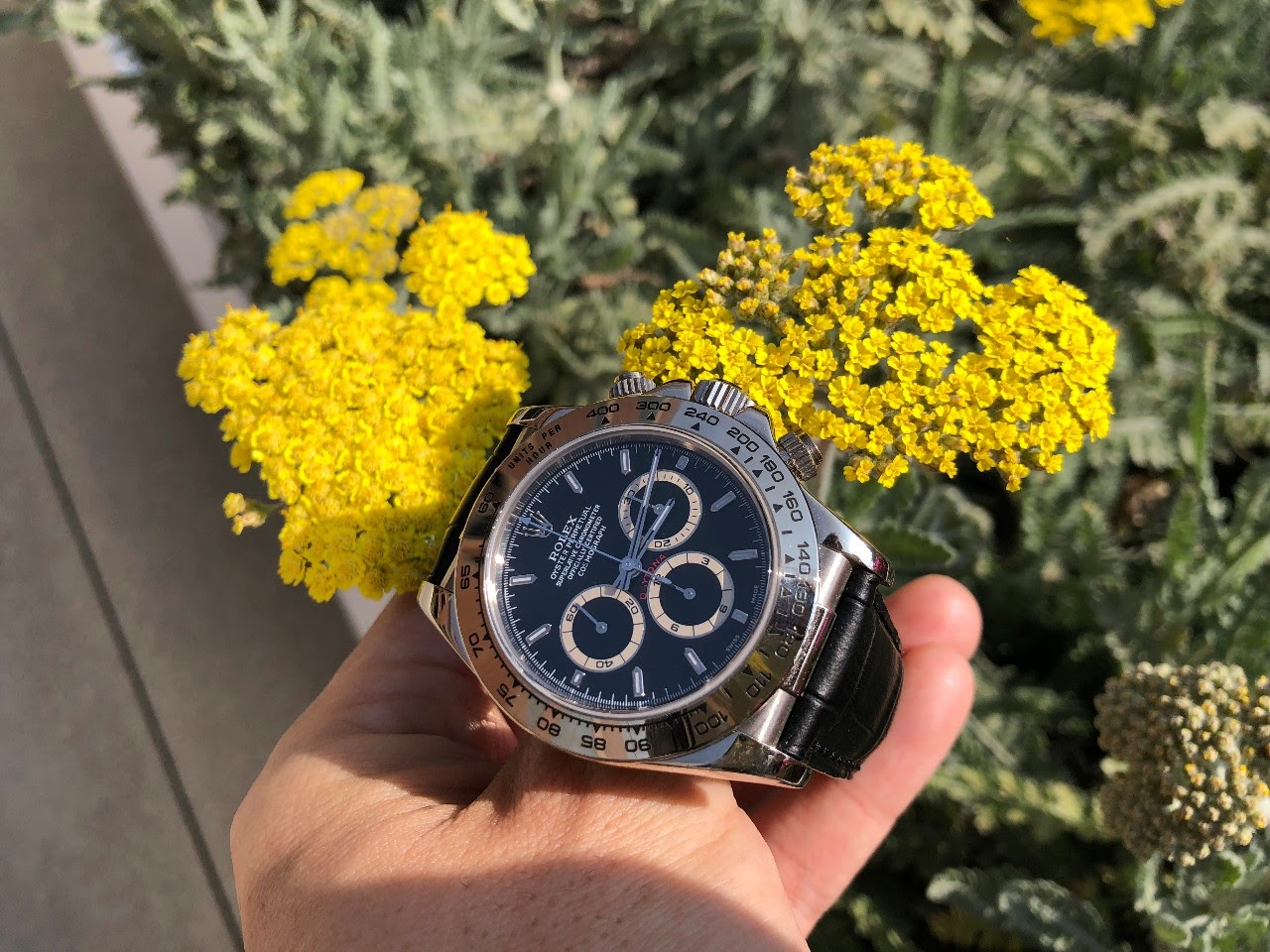
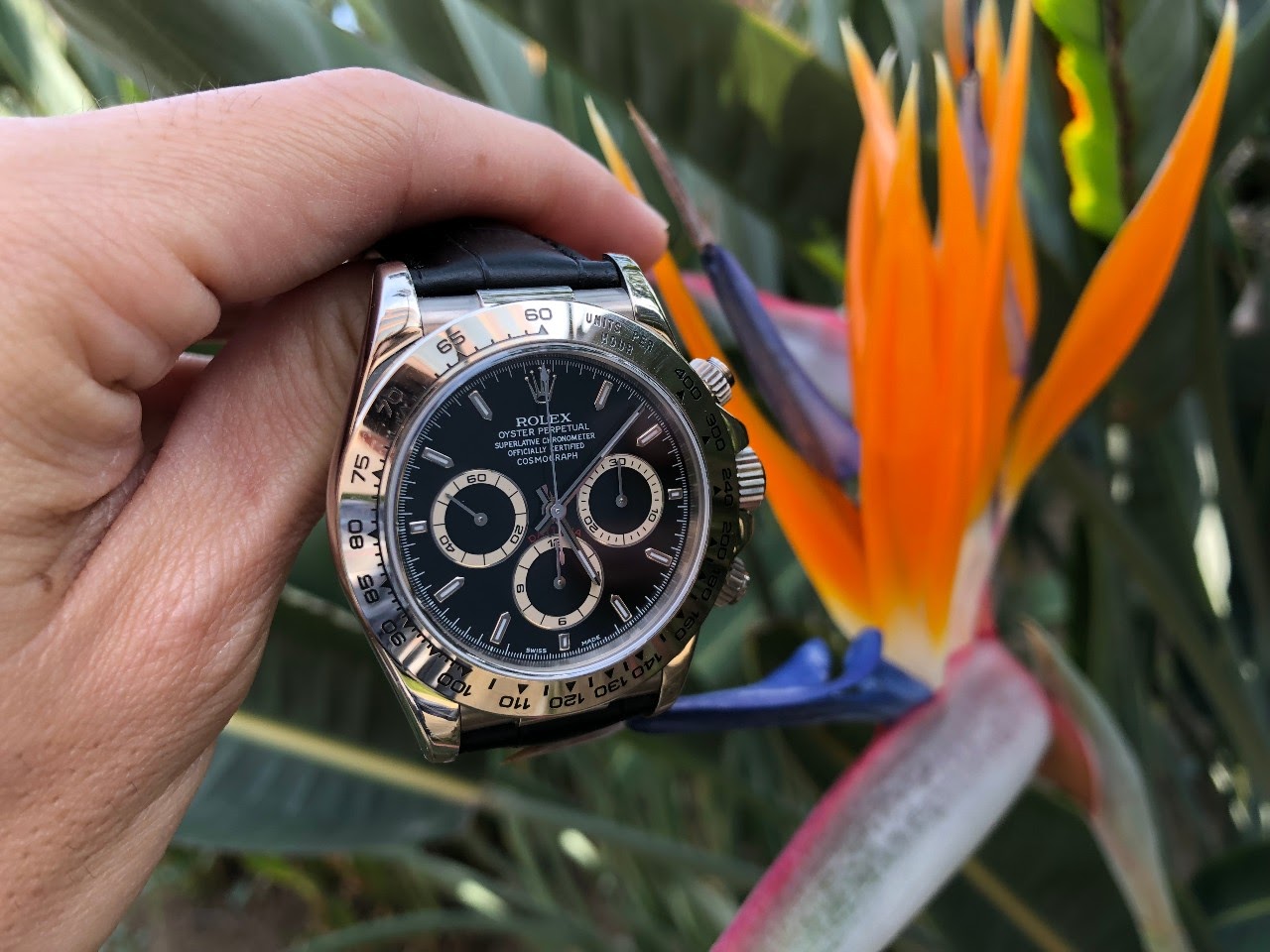
Rolex Daytona 16519: The Ultimate Grail Daytona?
Reference Guide

Rolex Daytona 16519: The Ultimate Grail Daytona?

By Signo · Apr 4, 2018 · 21 replies
Signo
WPS member · Rolex forum
21 replies13097 views59 photos
f 𝕏 in 💬 🔗

Signo presents a compelling argument for the Rolex Daytona ref. 16519 as the ultimate 'grail' Daytona, challenging conventional views on vintage and modern references. His detailed analysis focuses on aesthetic, material, and movement characteristics, aiming to spark a thoughtful debate among collectors about what truly defines a desirable timepiece.

Before I begin, I want to say that the following is my opinion and mine only. Please feel free to disagree, and I have no doubt that many of you will.

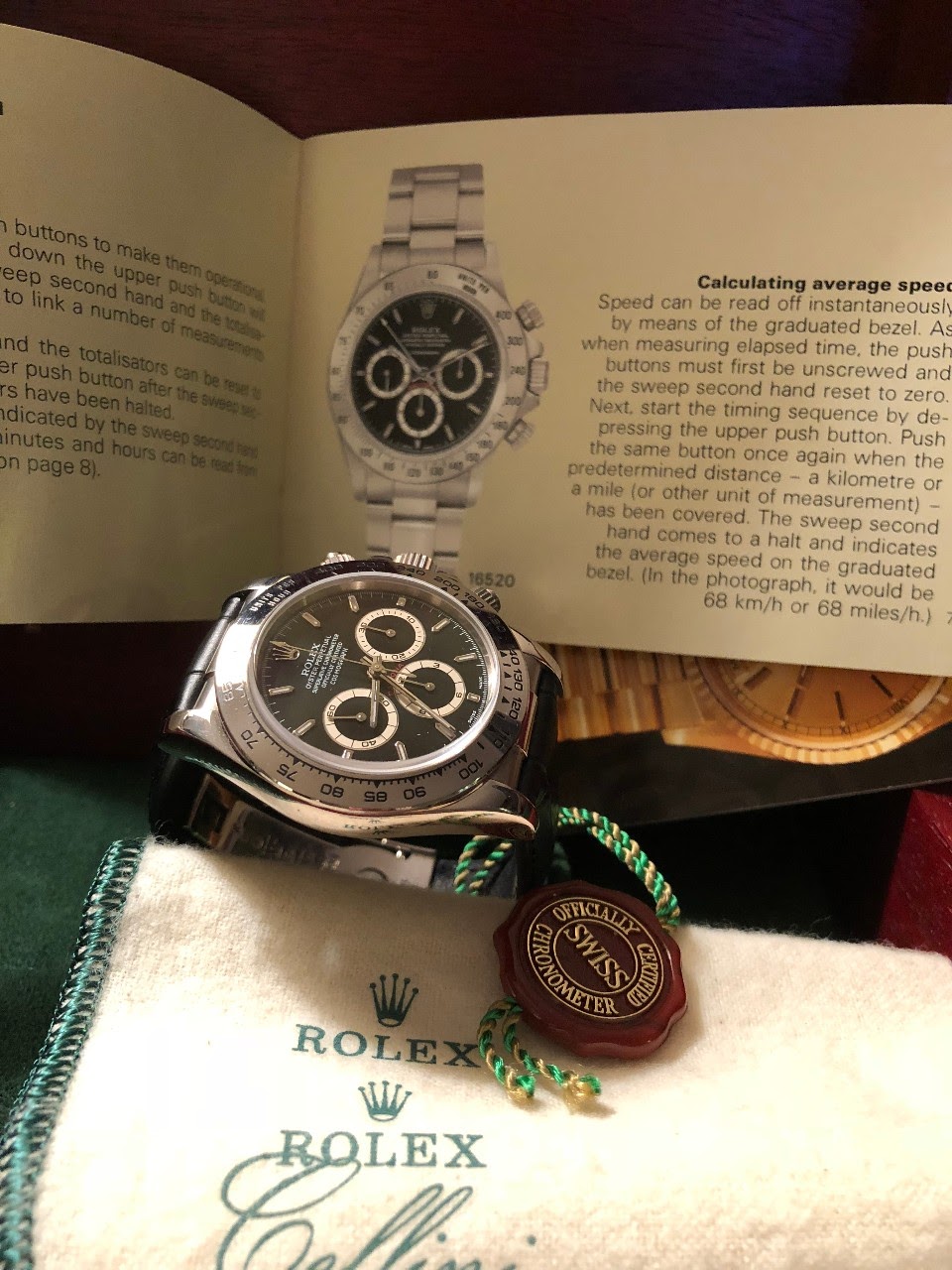
First, I view all Daytona models before 1989 (ie. pre-16520) as more functional watches, neither aesthetically beautiful nor status symbols. This all changed in 1989 with the release of the ref. 16520; for the first time the Daytona (at least the SS version) was in high demand, for the simple reason that it simply looked stunning to the eyes. The design of the 16520 combined elements of the vintage era with those of the modern and is to many the bridge between the past and the present, offering the best of both worlds.

To me, one of the criteria for being a "grail" is, it has to stand on its own as aesthetically beautiful, not just because it is rare or was worn by a celebrity. Which is why I've ruled out all pre-1989 models as contenders (I know I know, the hate mails are being generated right about now). So the real question for me is, what makes the 16519 better than the 16520 and all subsequent Daytona models up to the present? The following are several factors to consider:

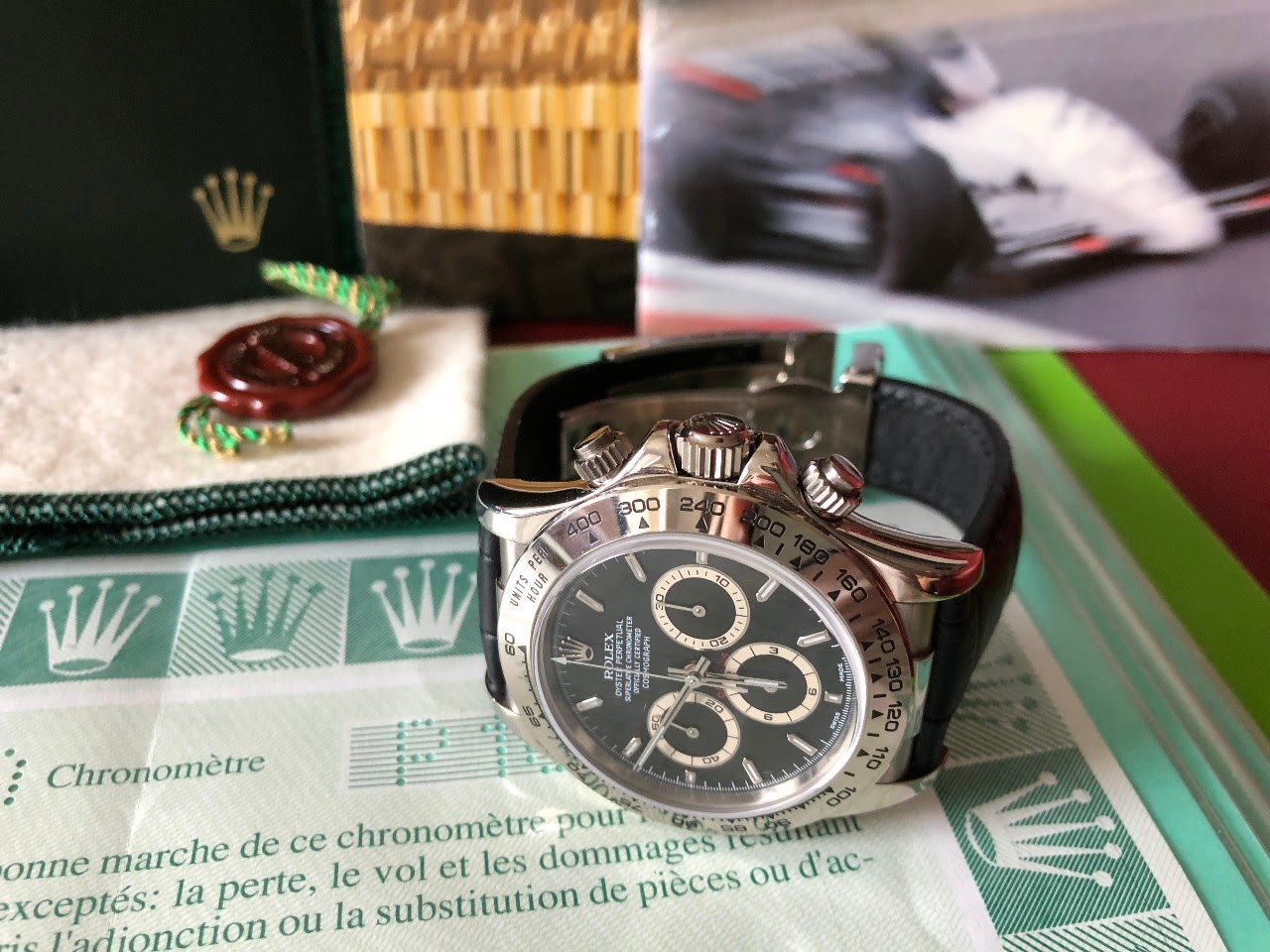
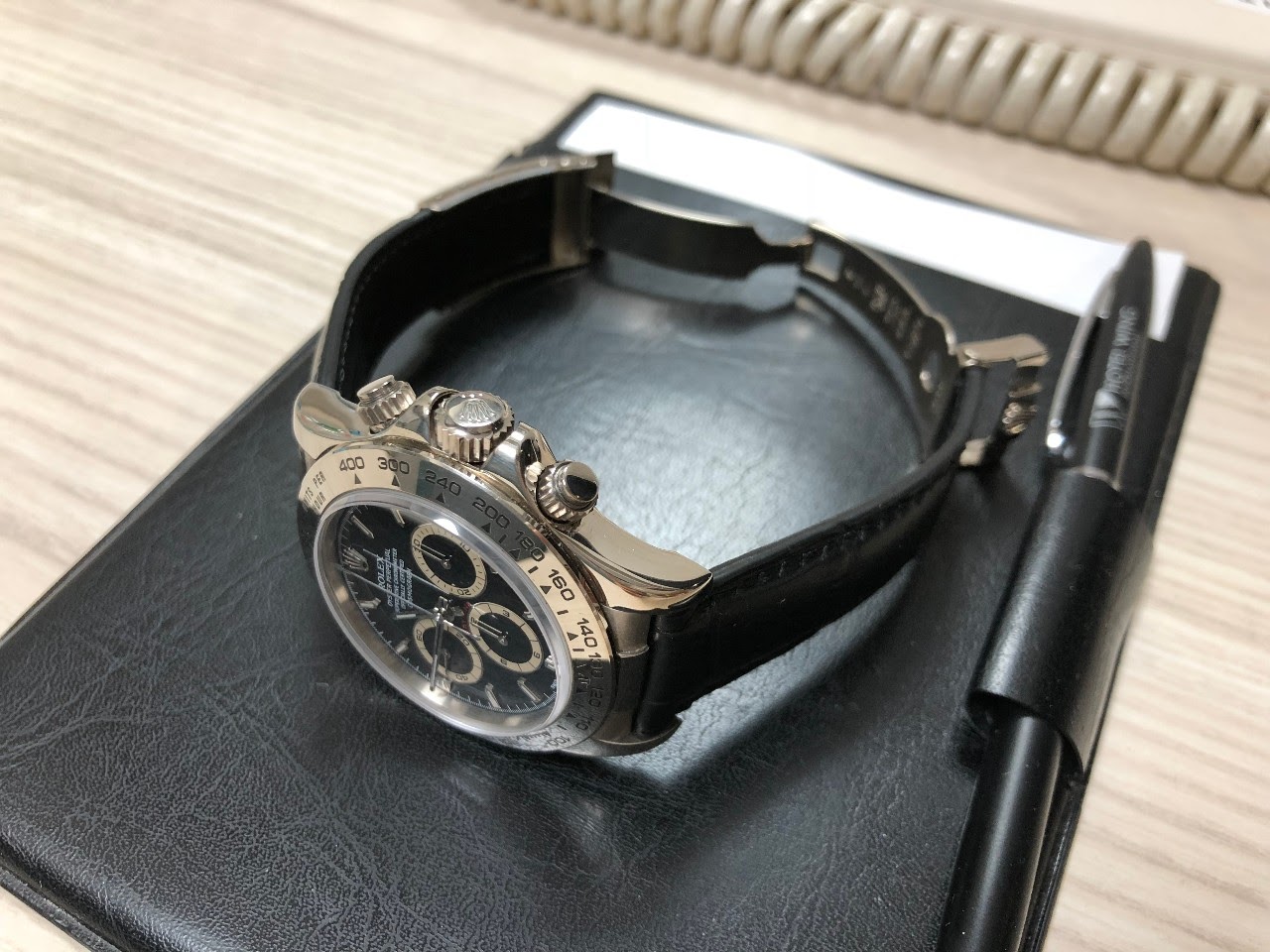
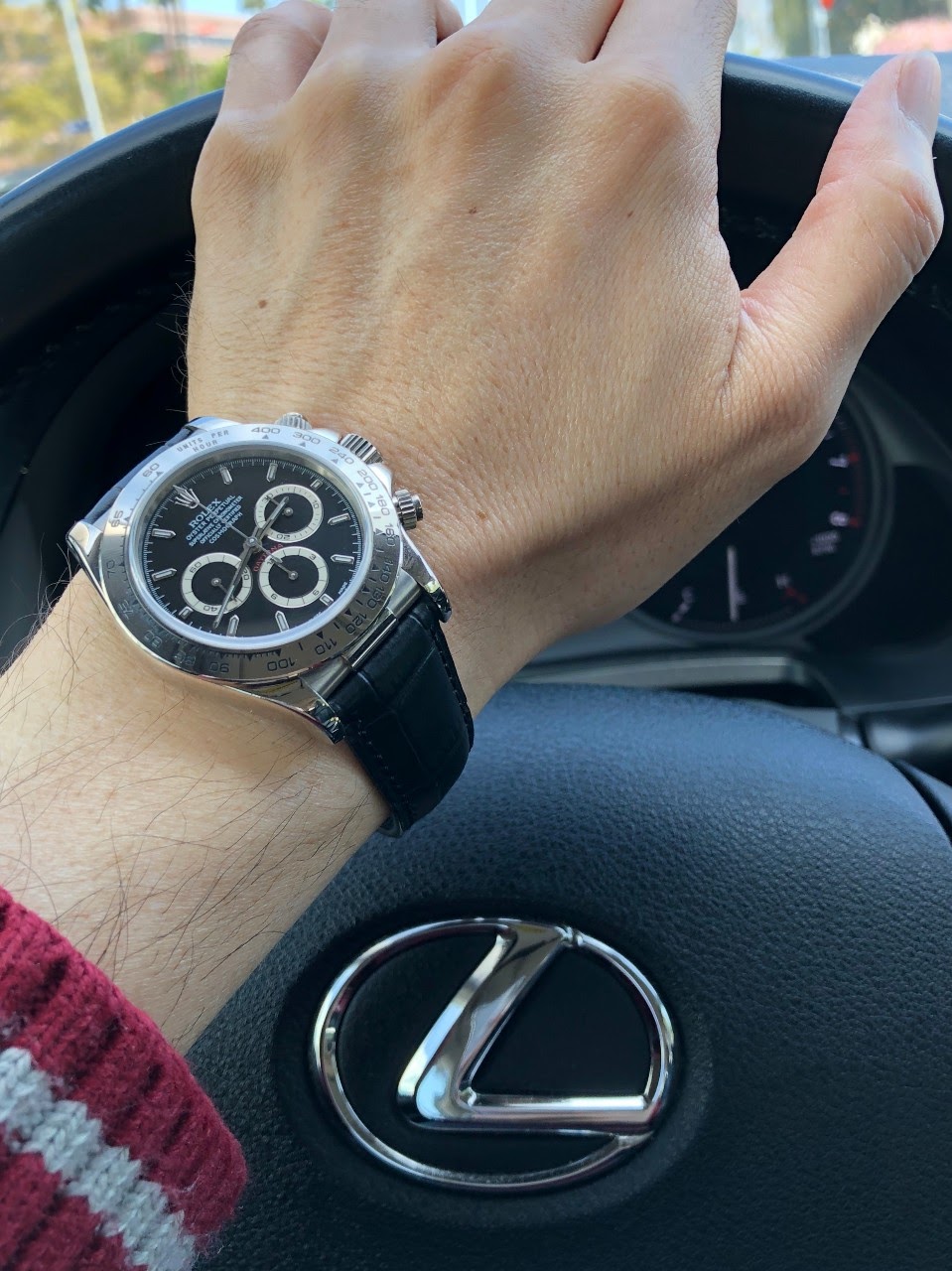
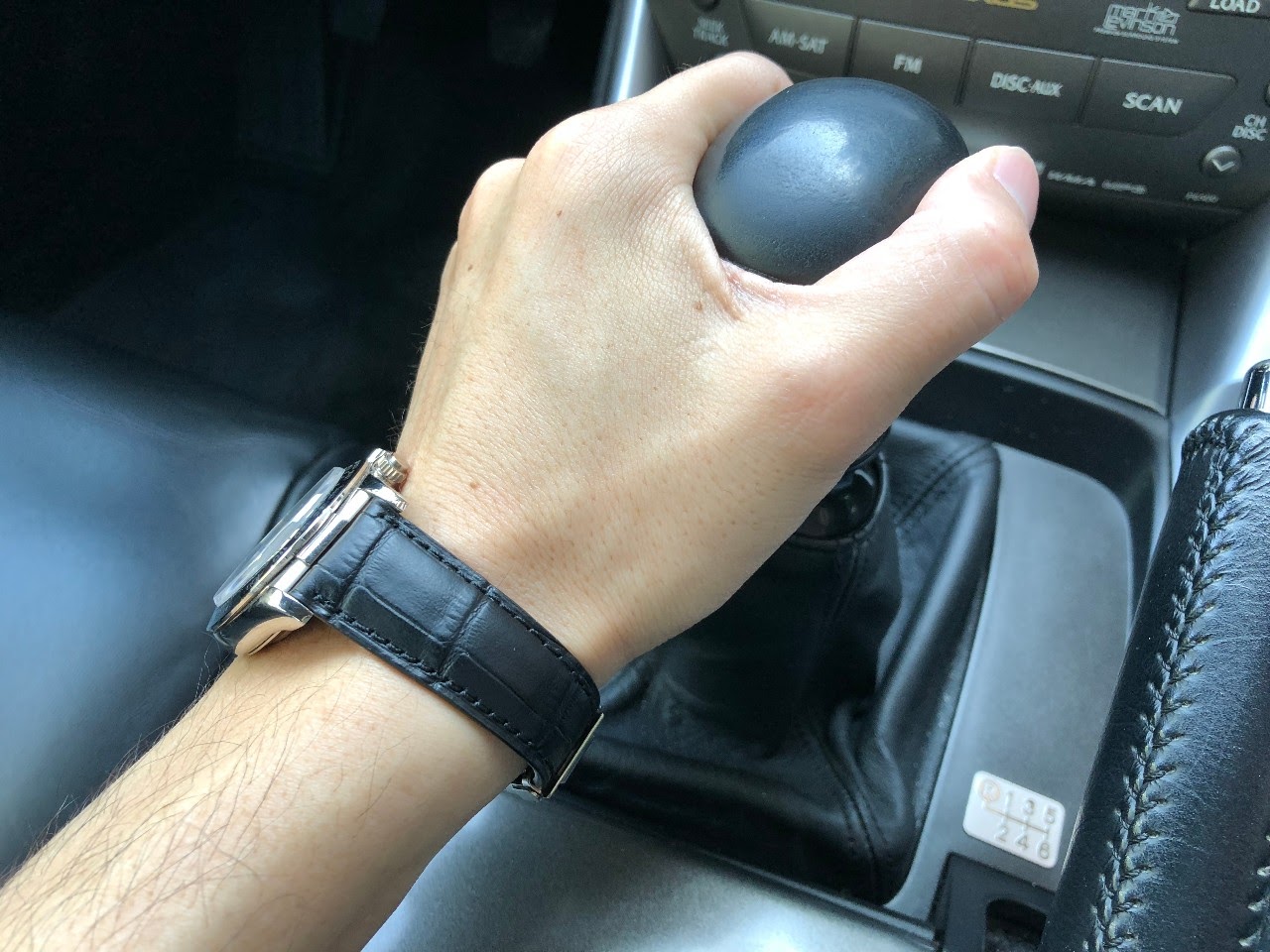
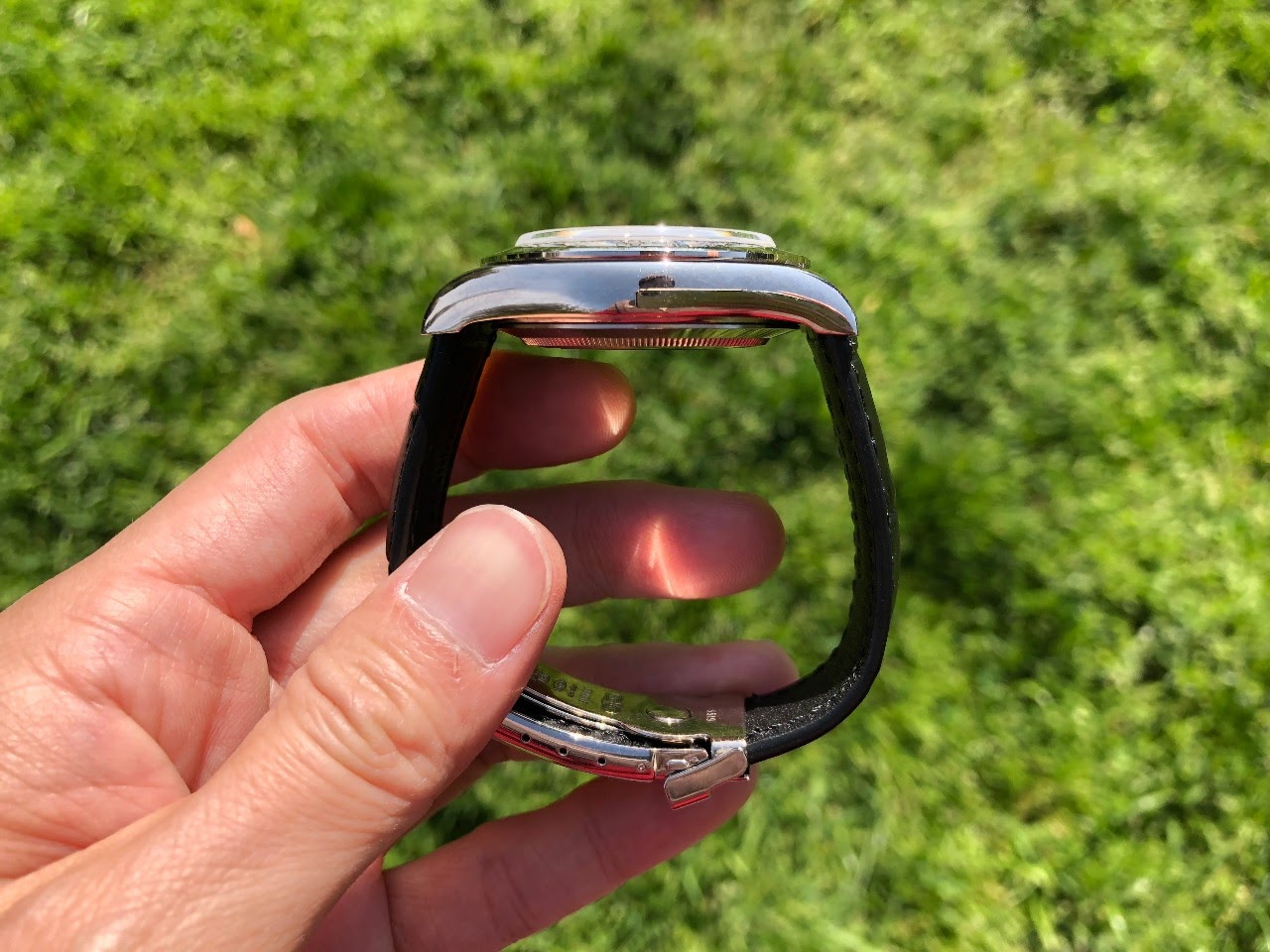
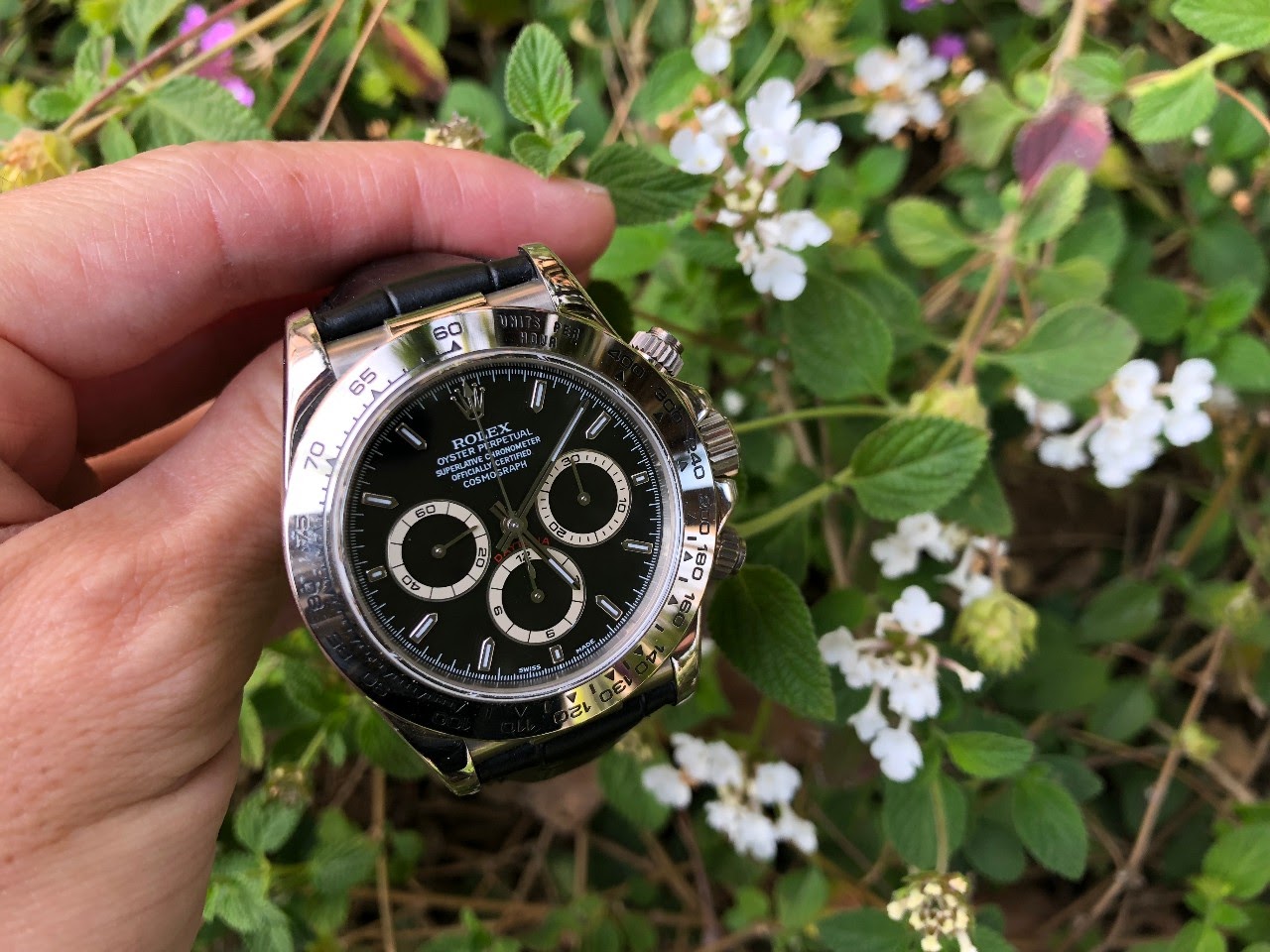
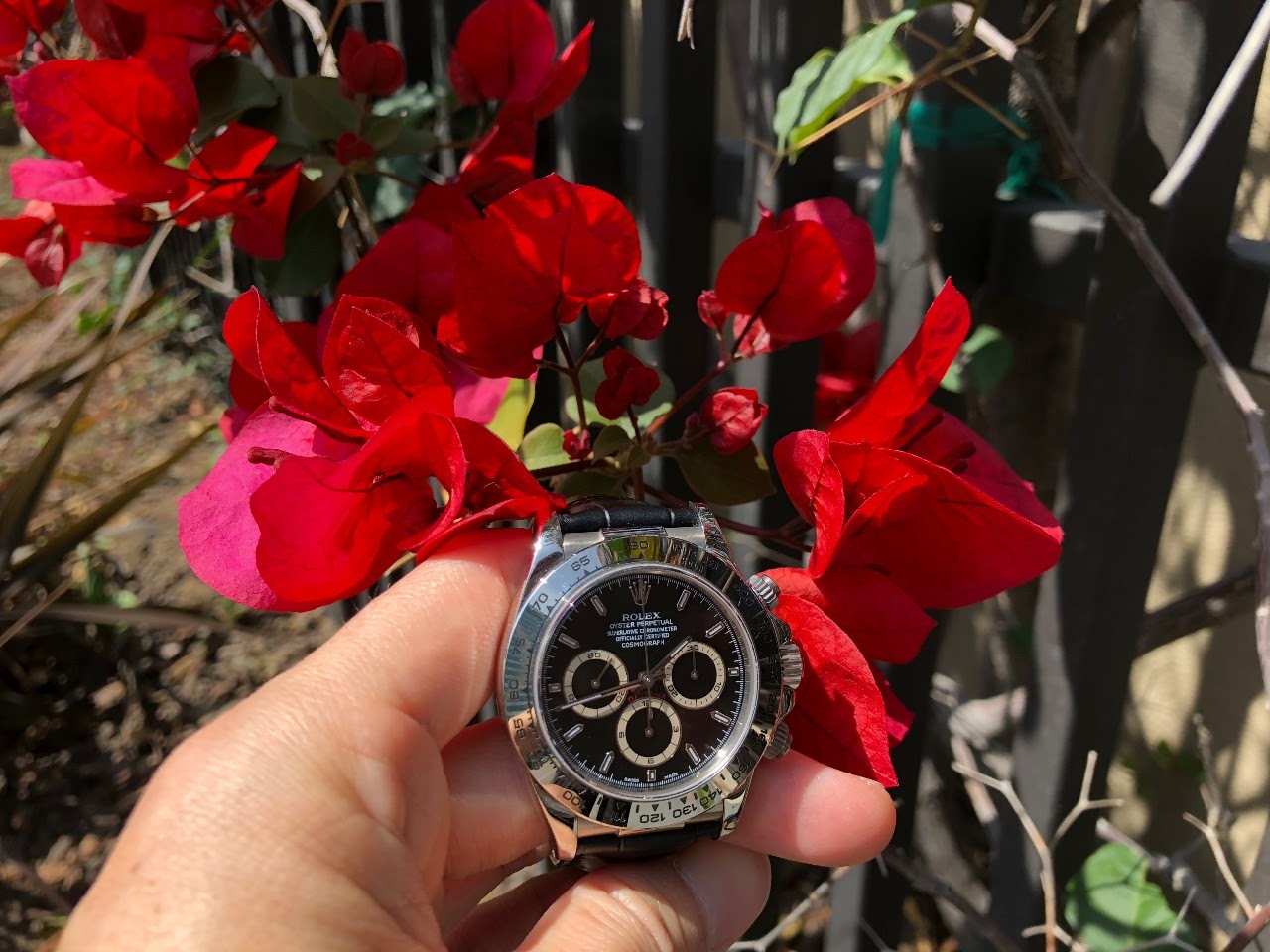
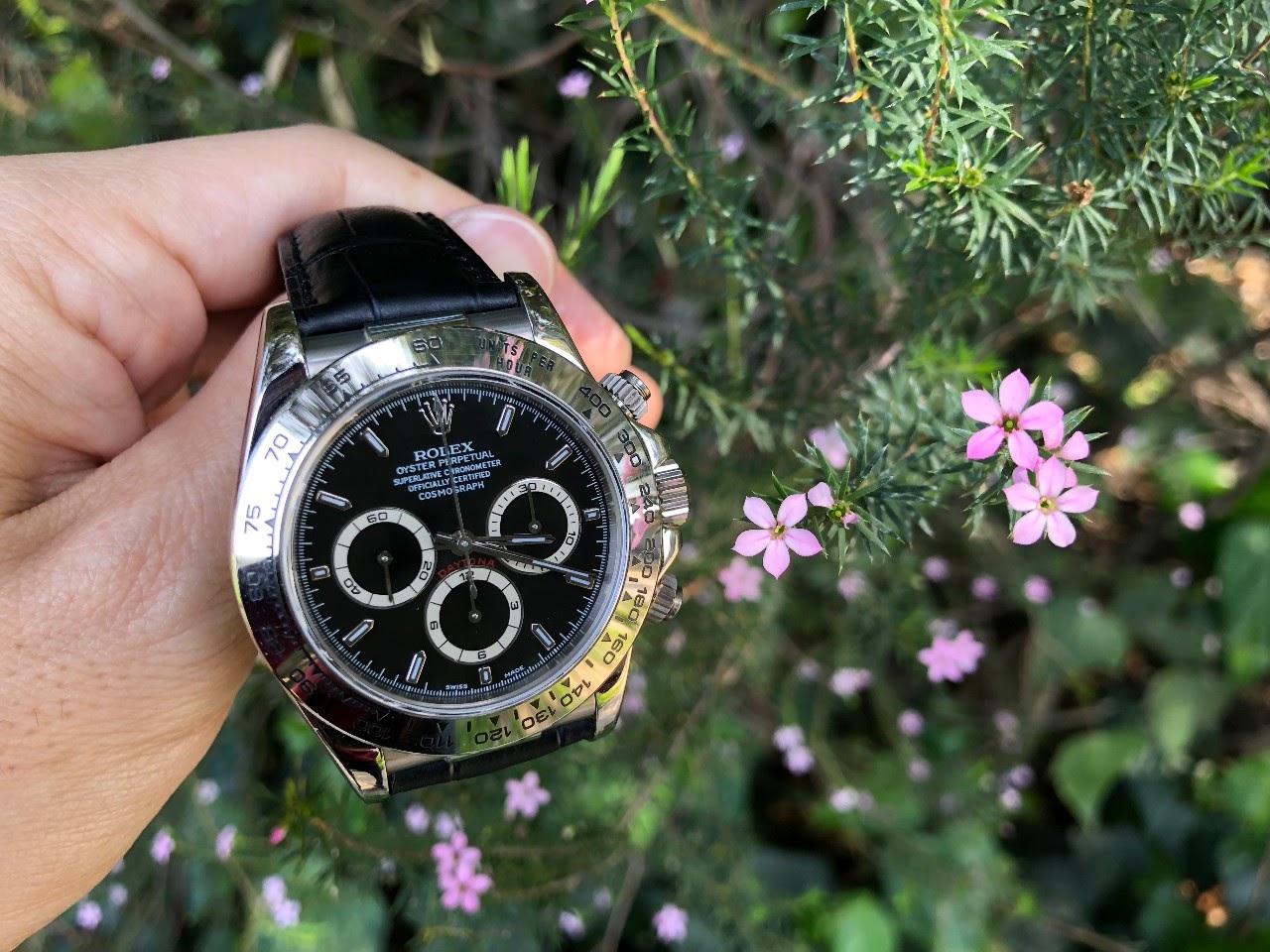
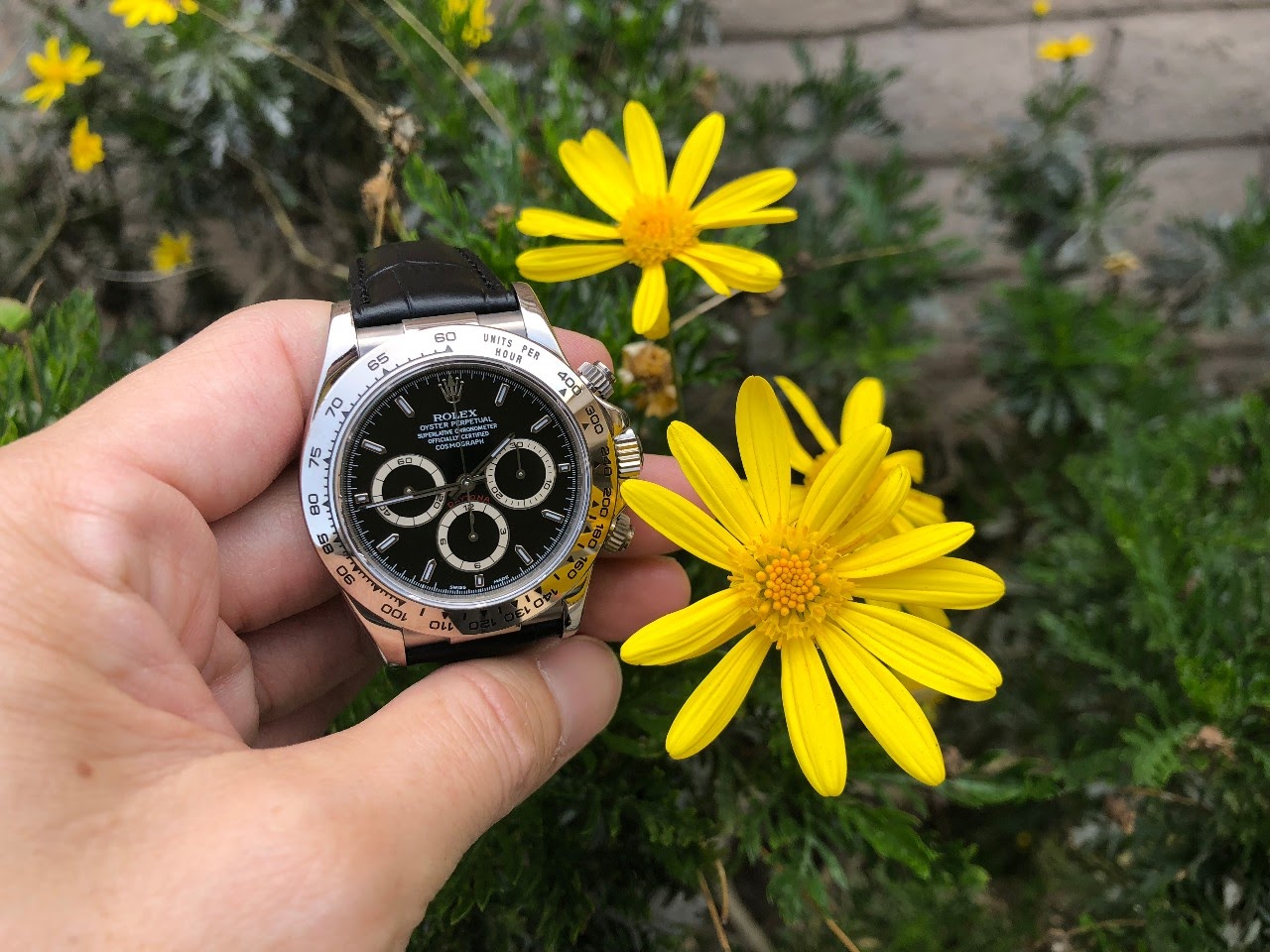
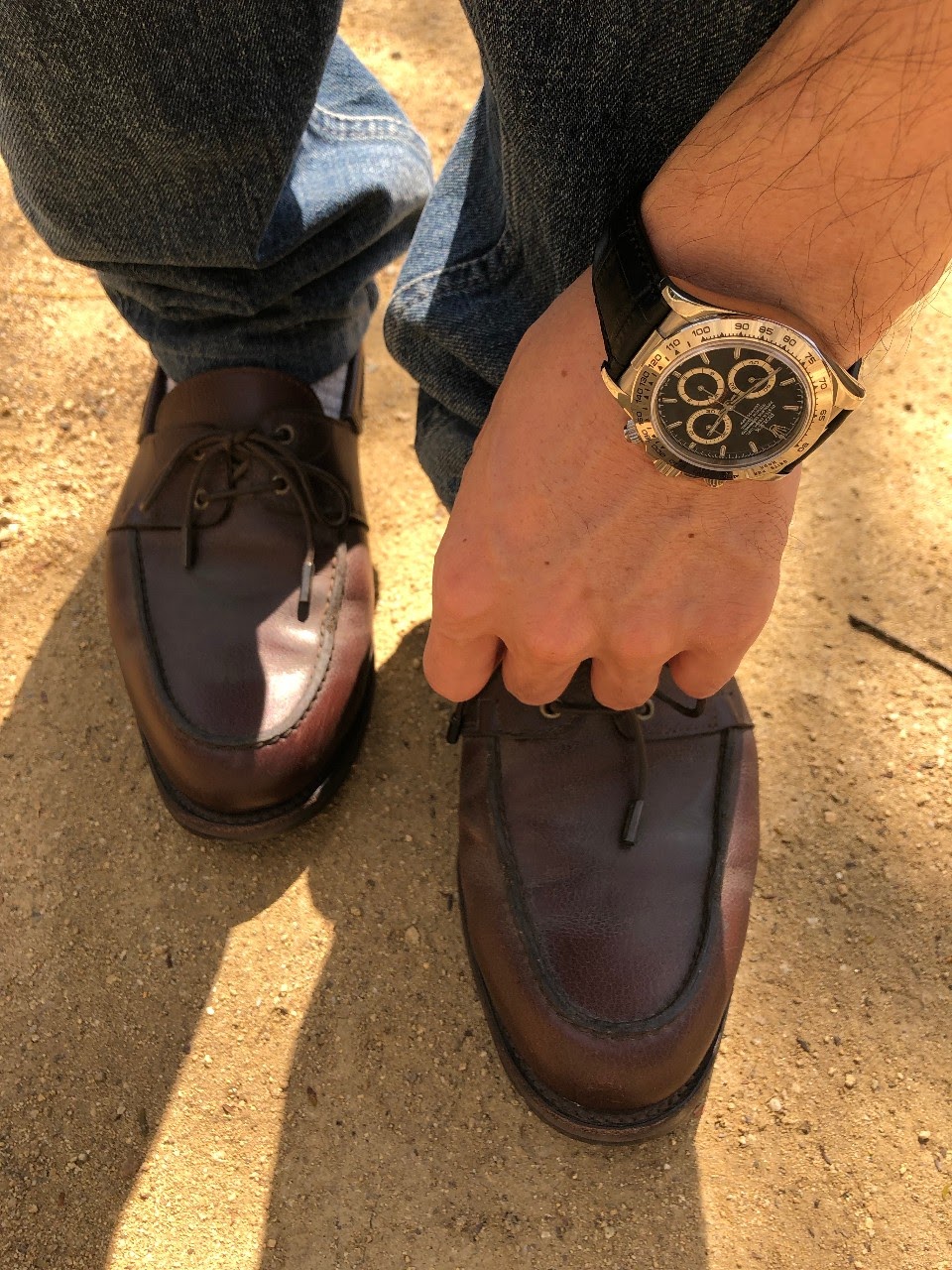
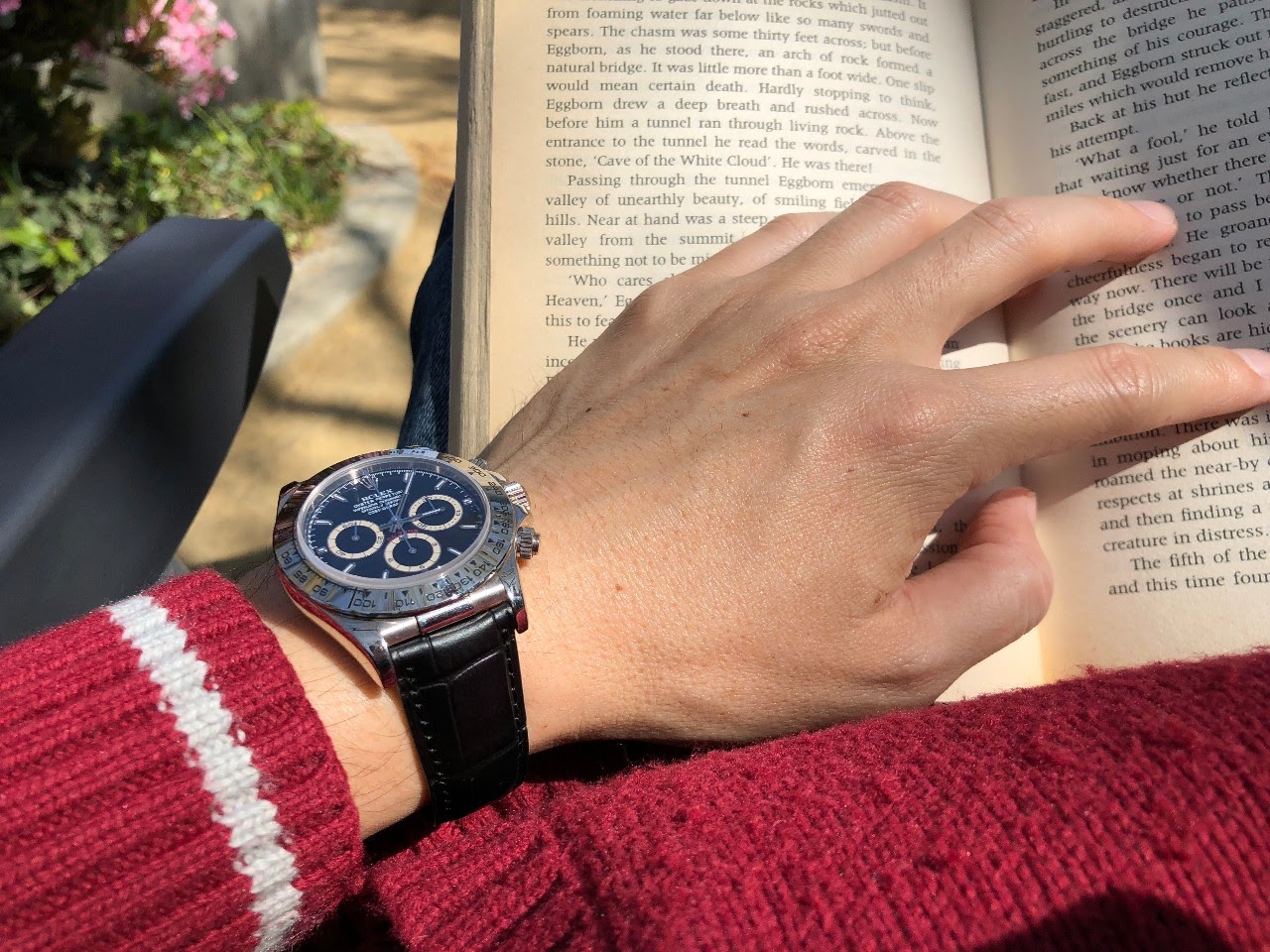
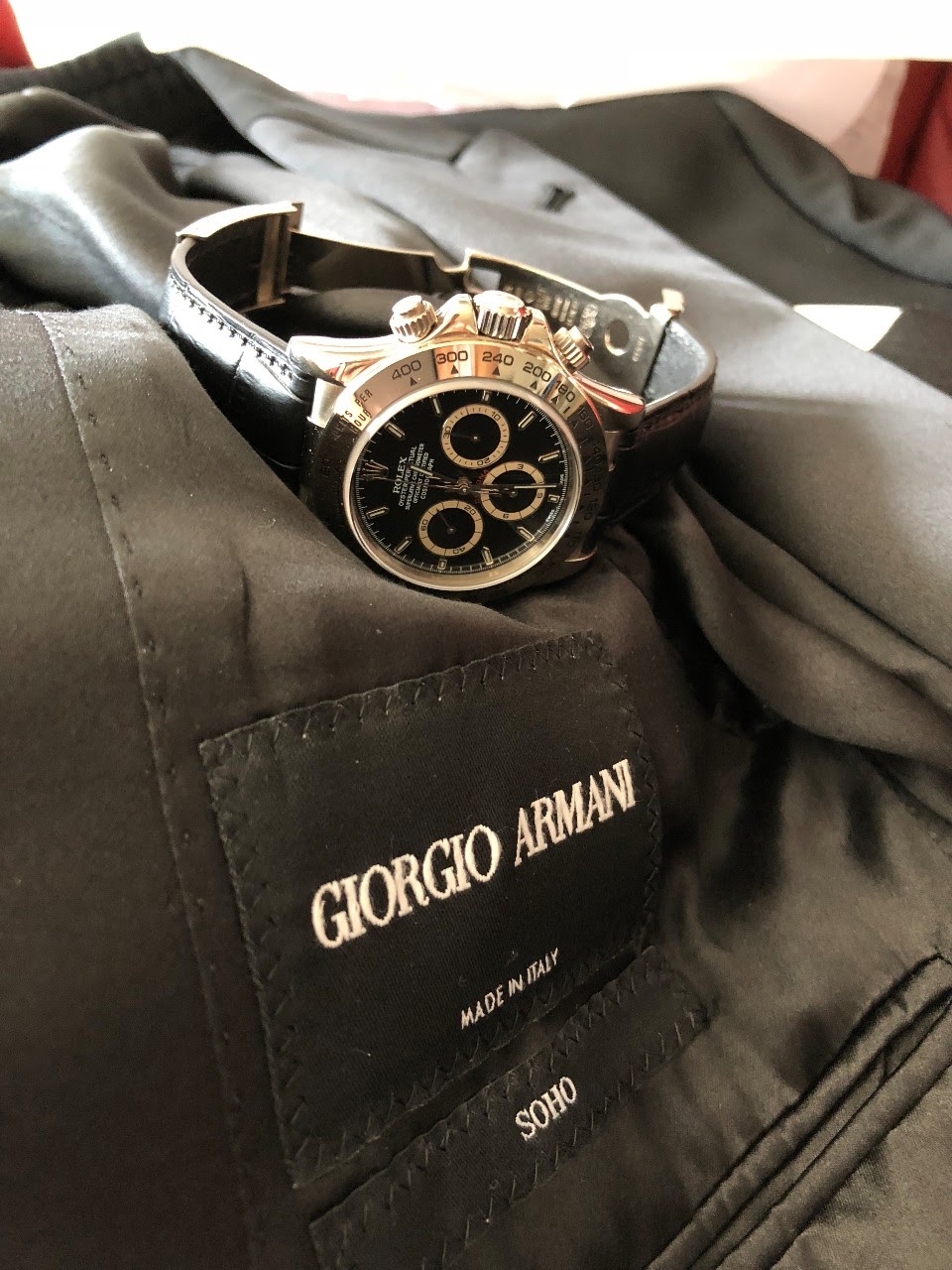
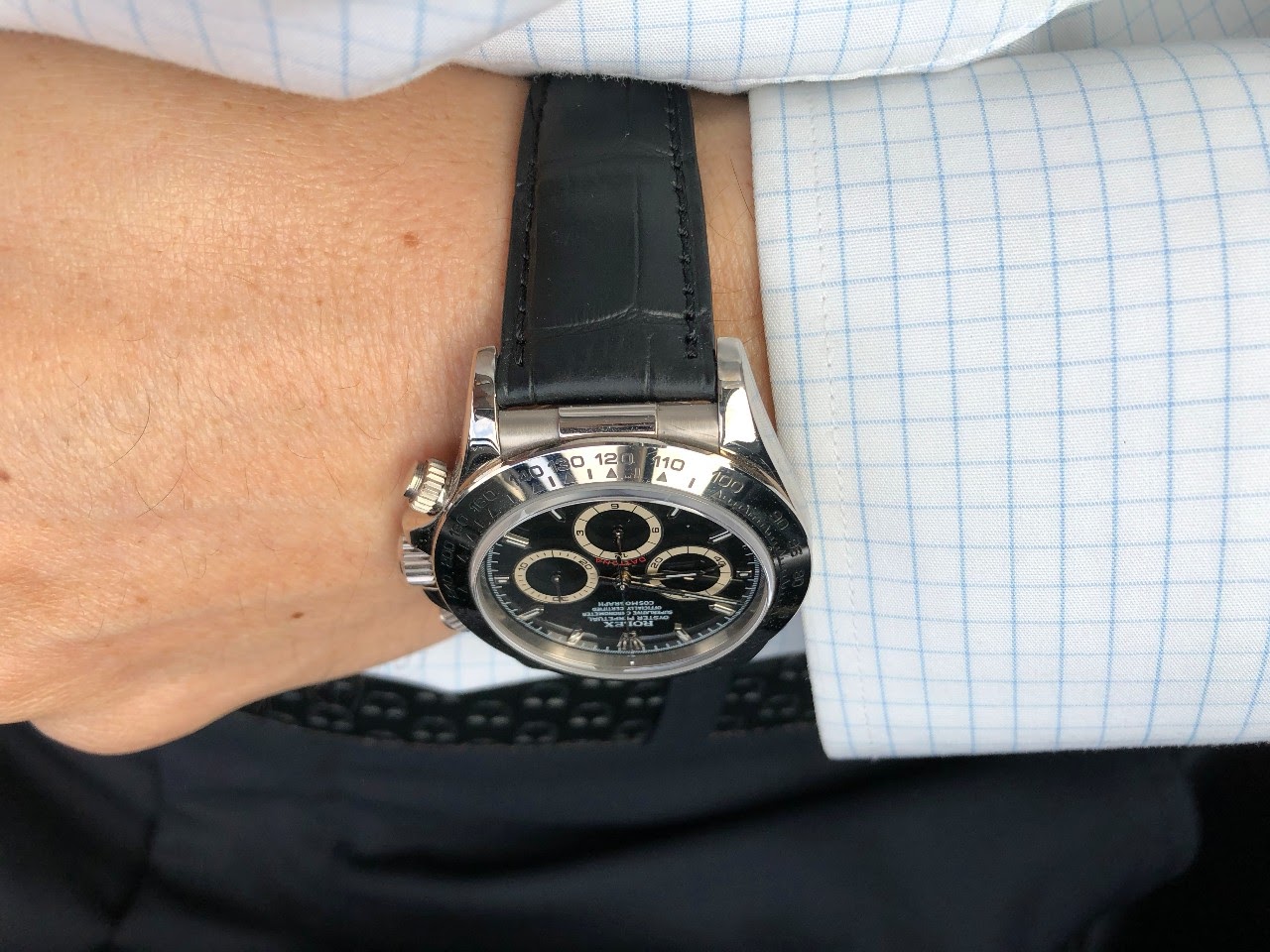
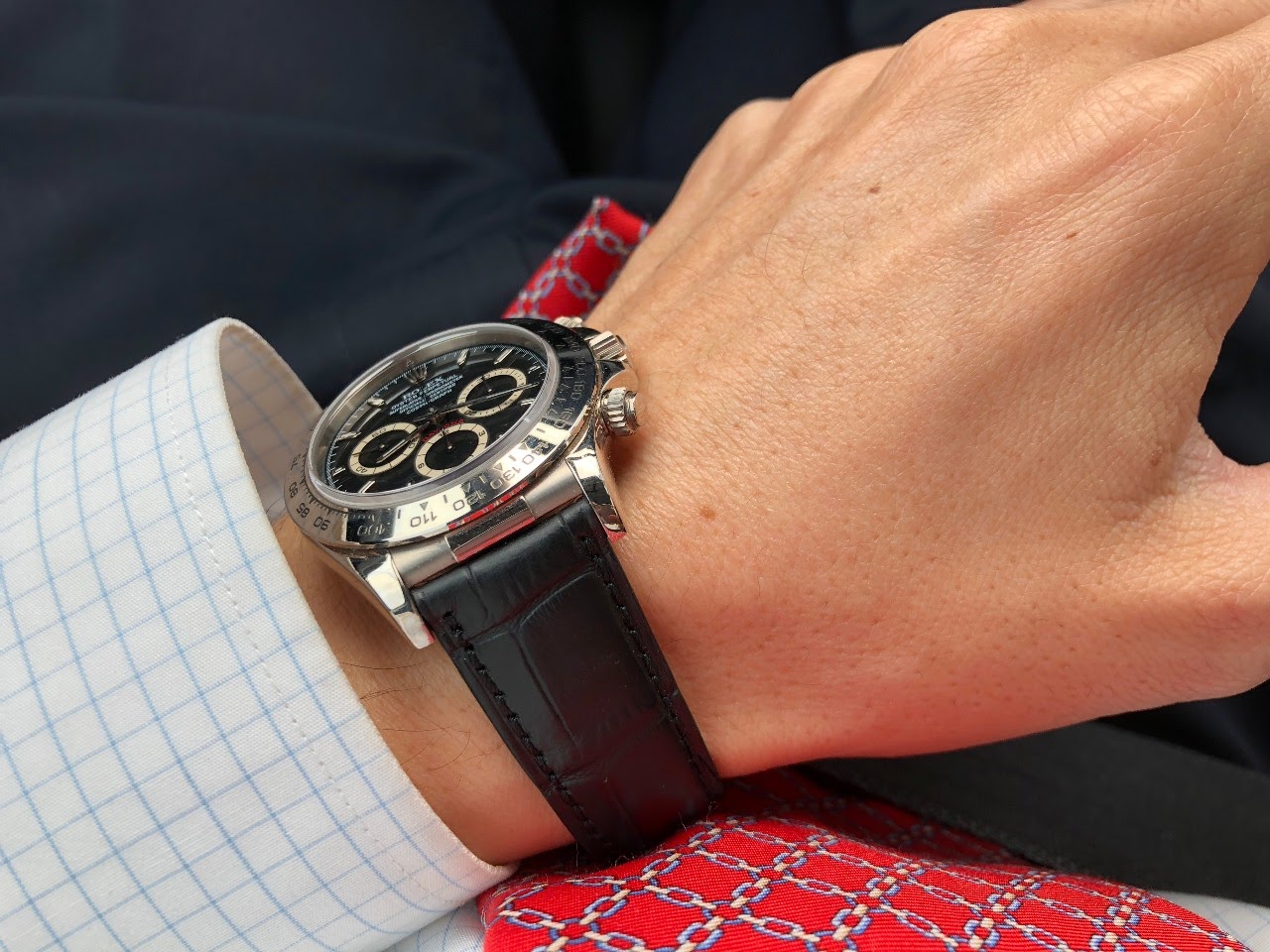
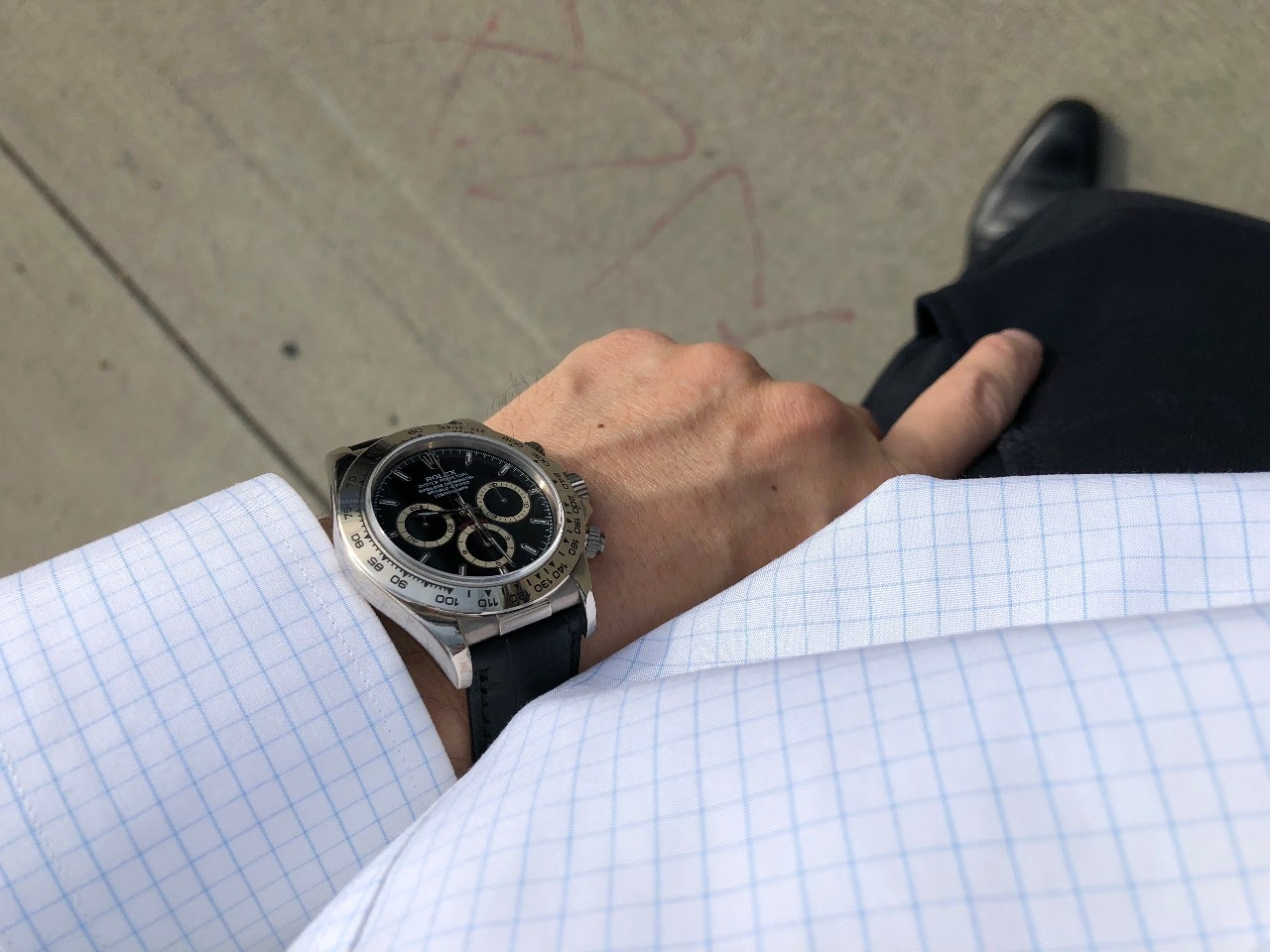
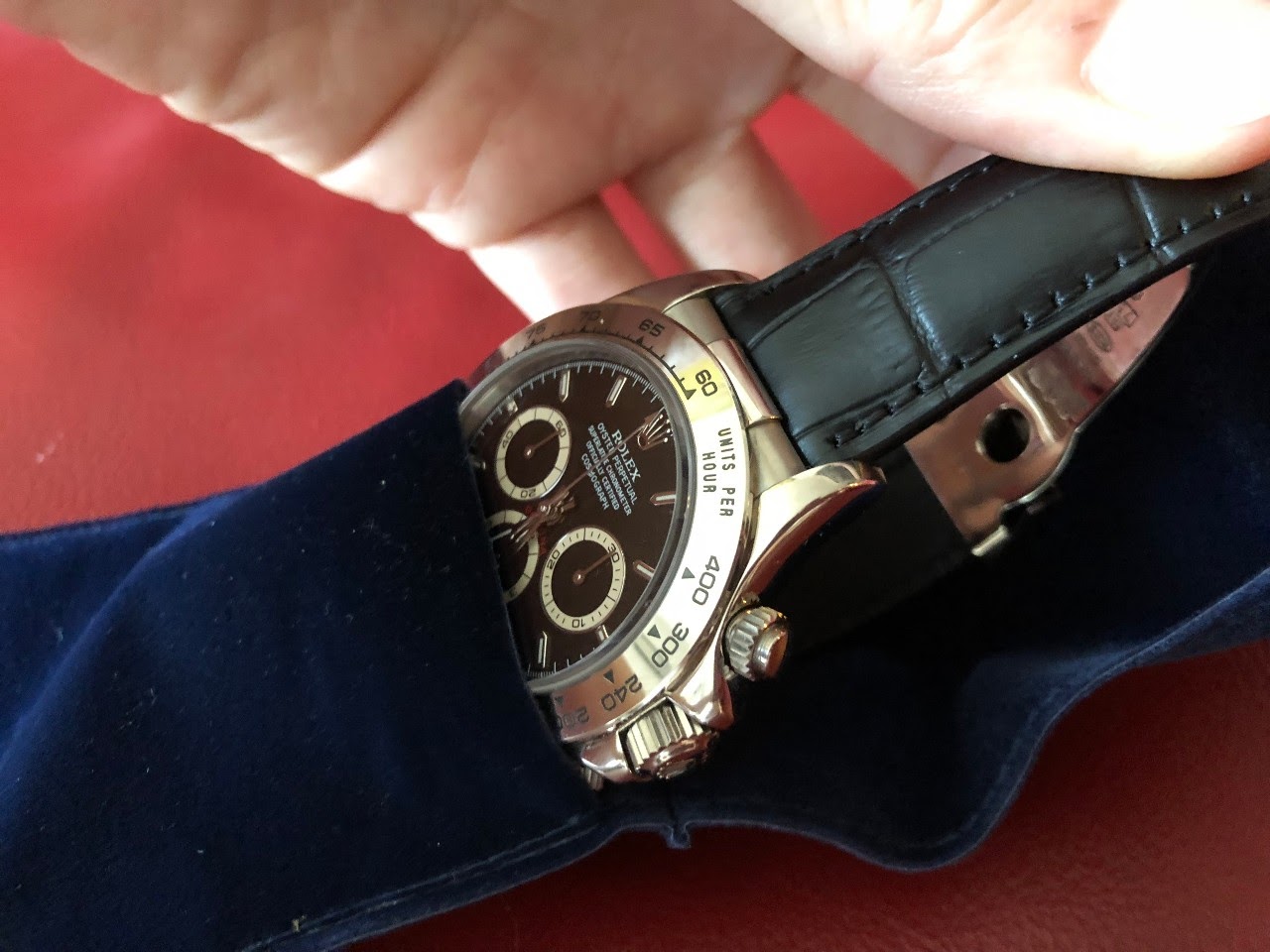
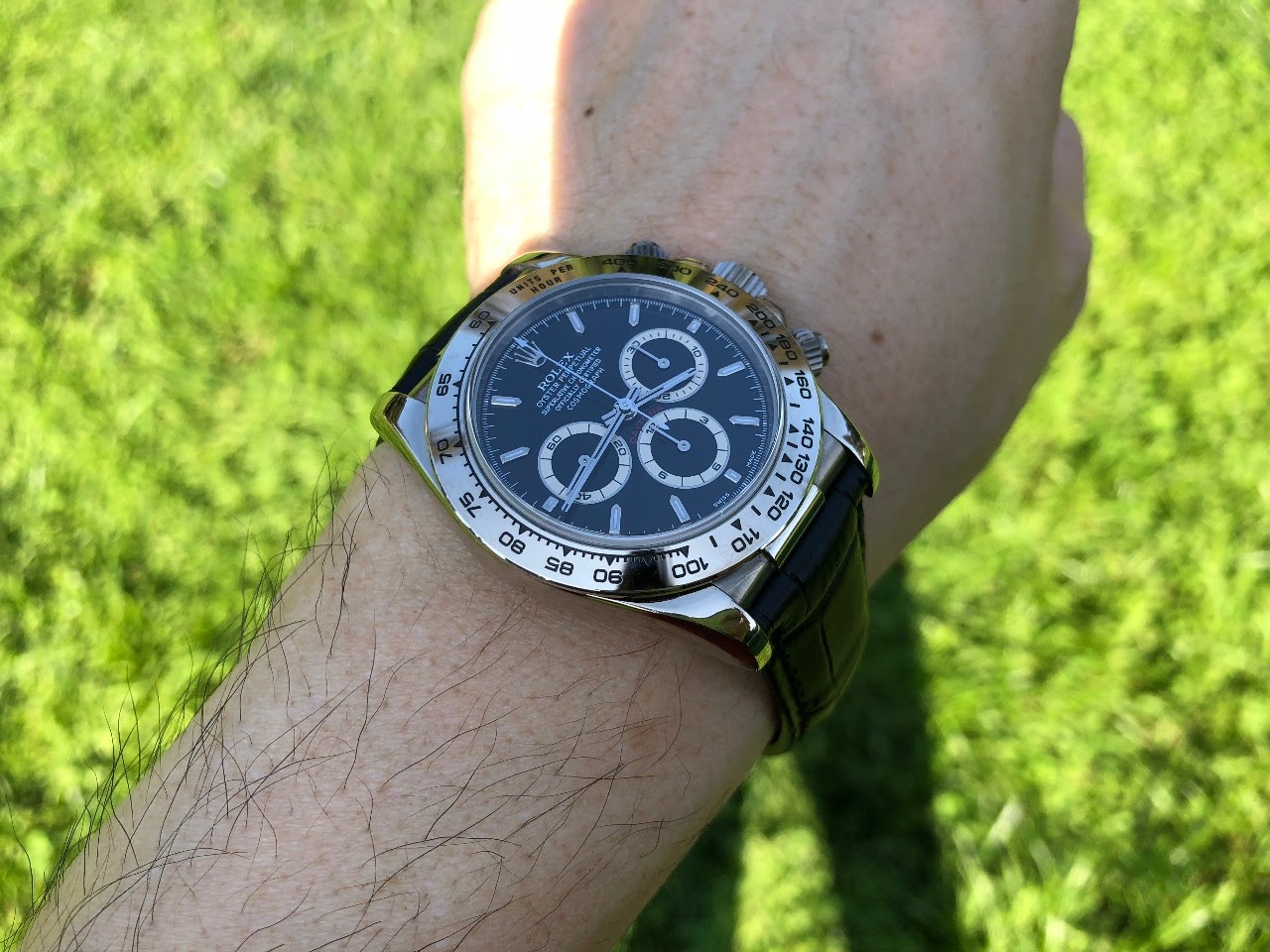
1) The 16519 was only available with a strap, and this takes away one major problem faced by many Daytona owners: the bracelet / end-links becoming loose. When this happens, not only does it look bad, loose end-links will scratch against the case, and the bracelet will (when it loosens to a certain point) eventually scratch the lugs as well. For those who try to avoid this dilemma by fitting their bracelet Daytona with a strap, an aesthetic flaw quickly emerges: the space that appears between the lugs (a flaw that is non-existent in strap Daytona models like the 16519). 

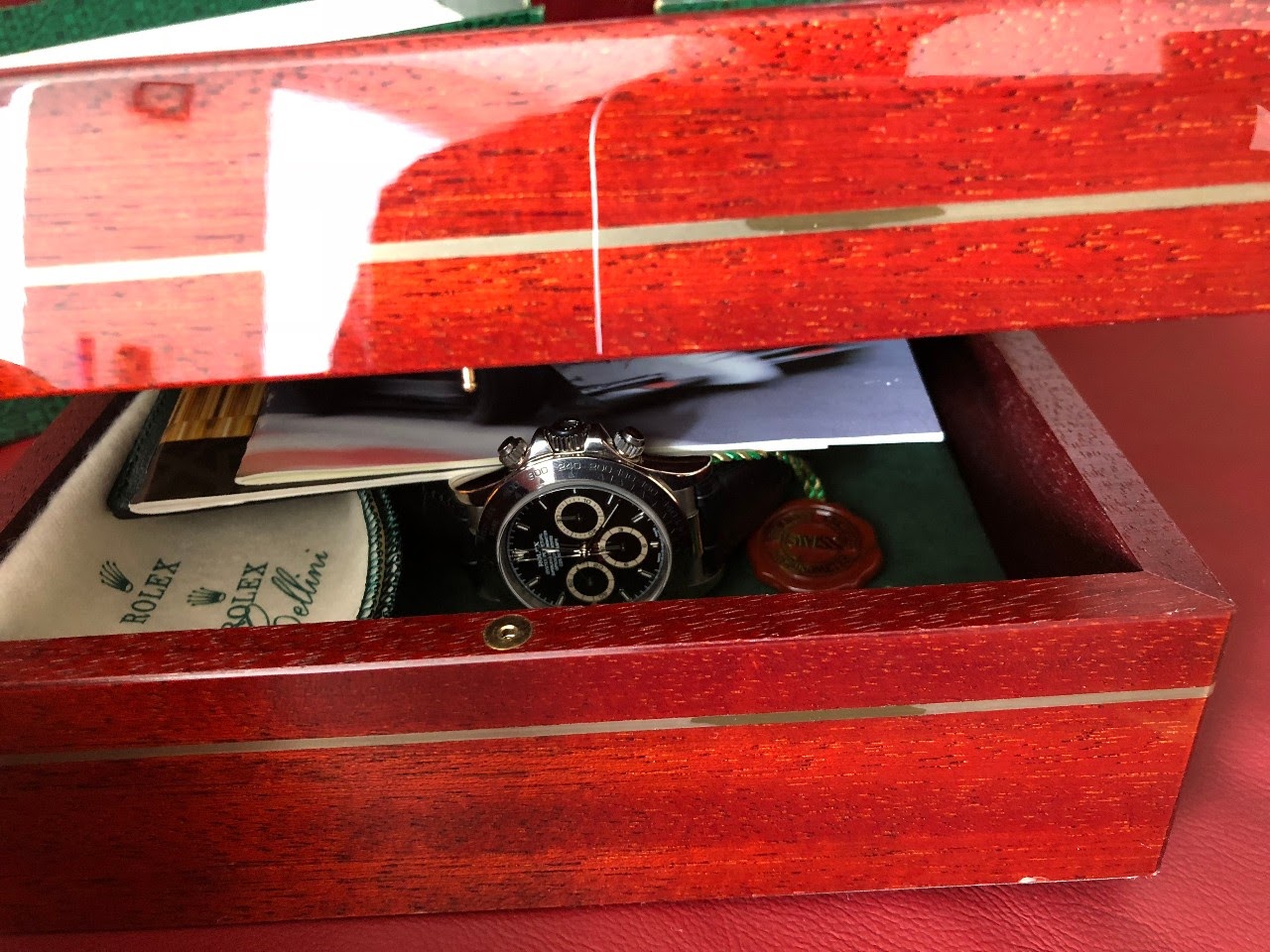
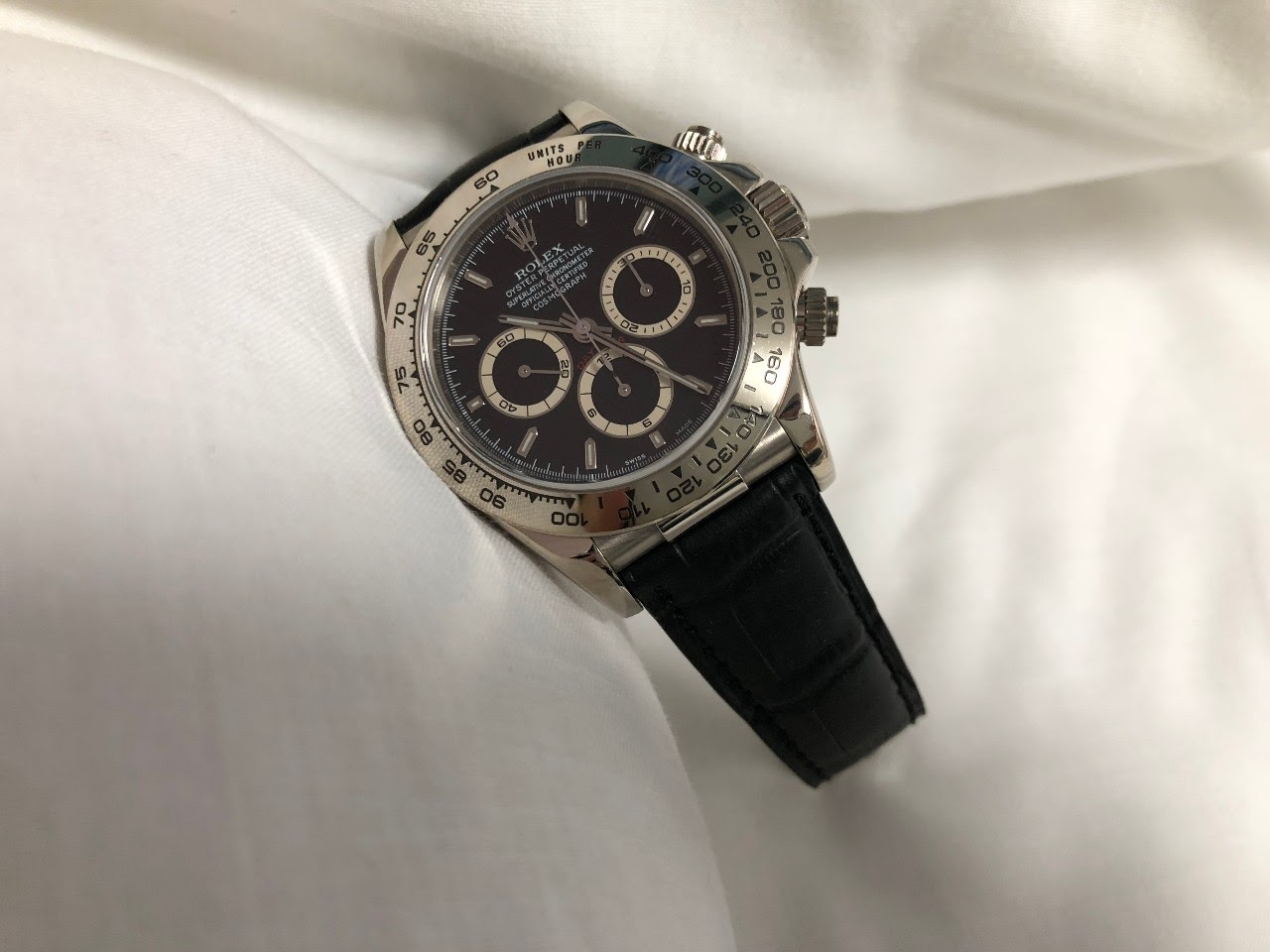
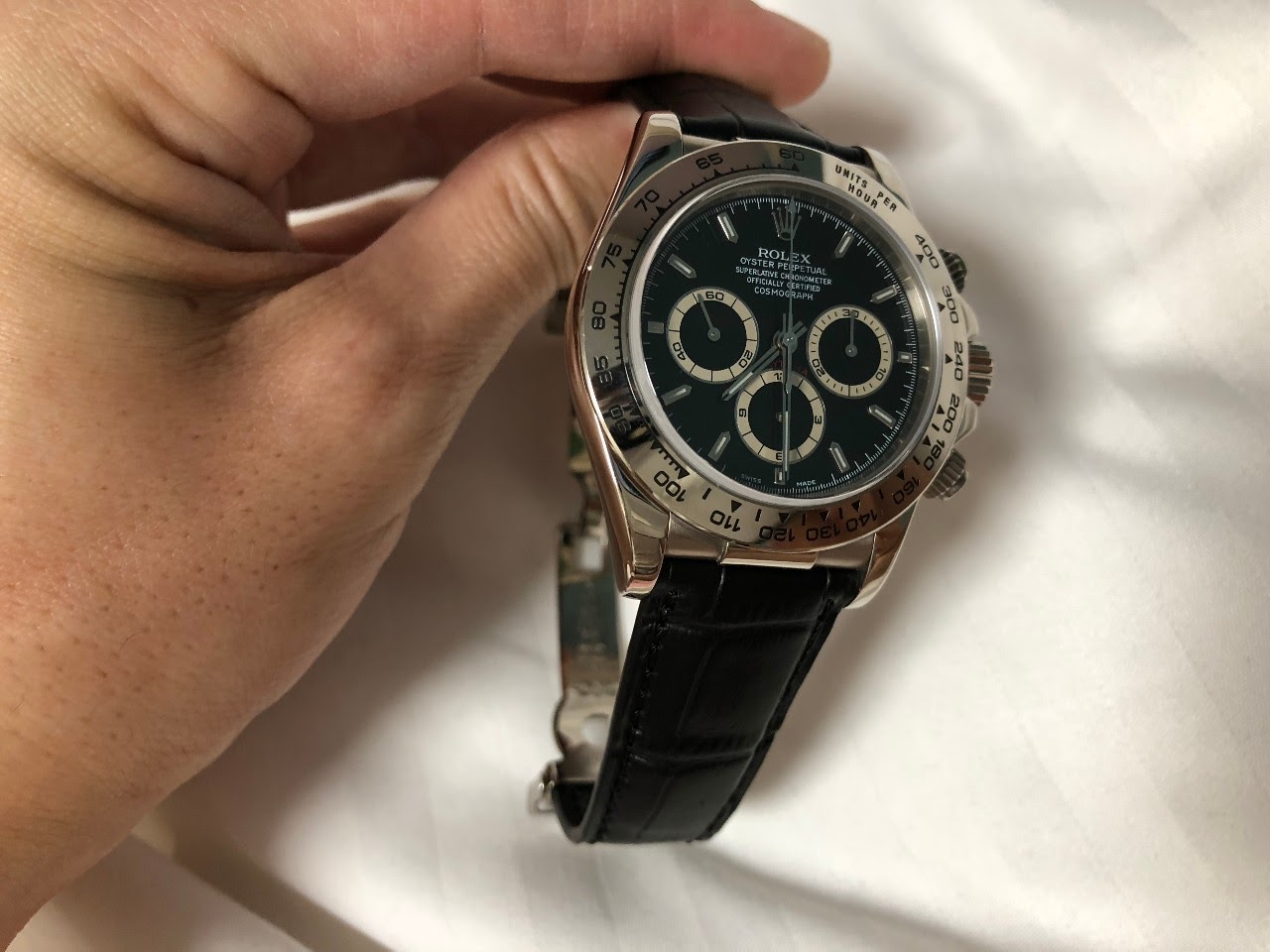
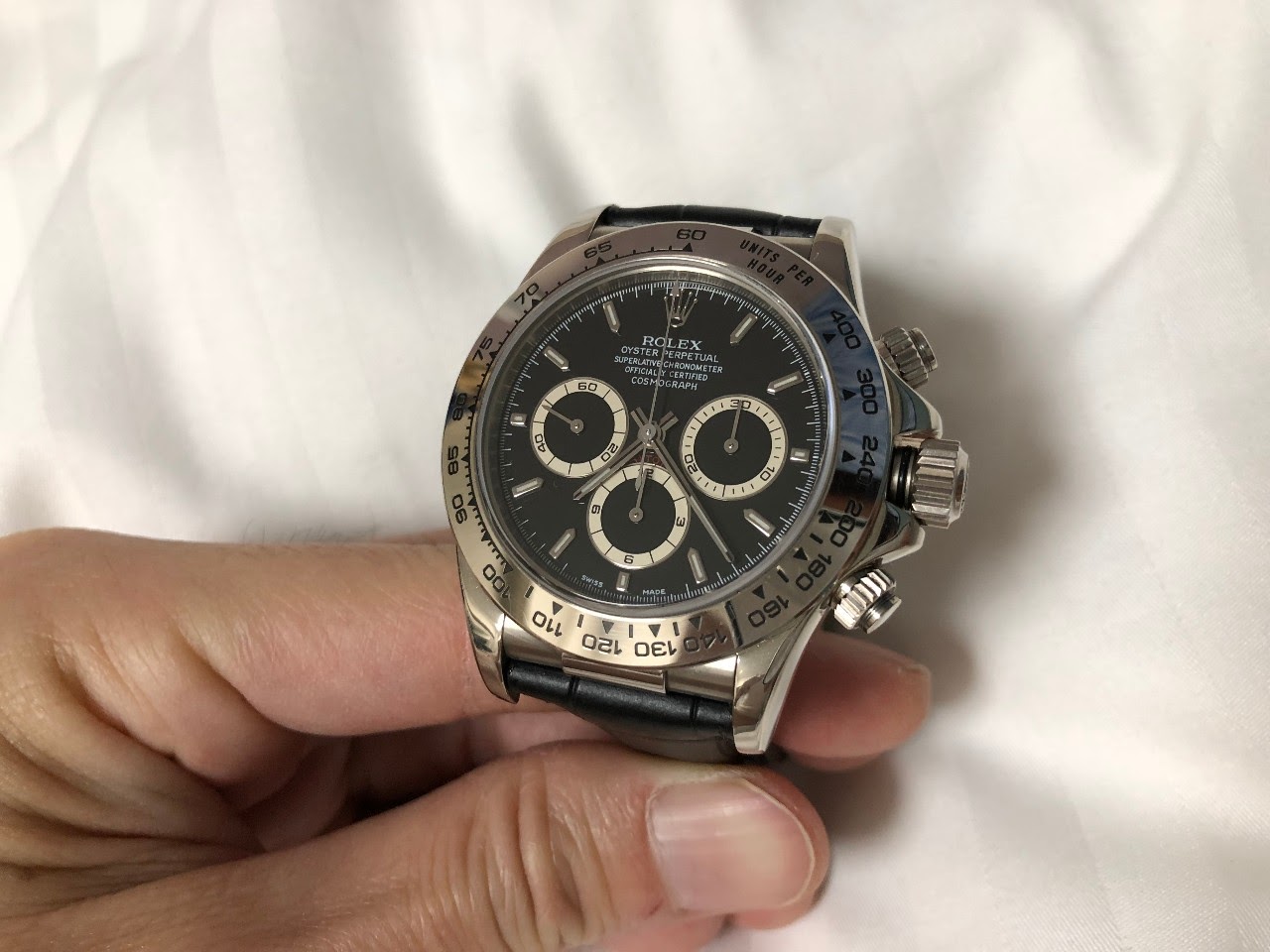
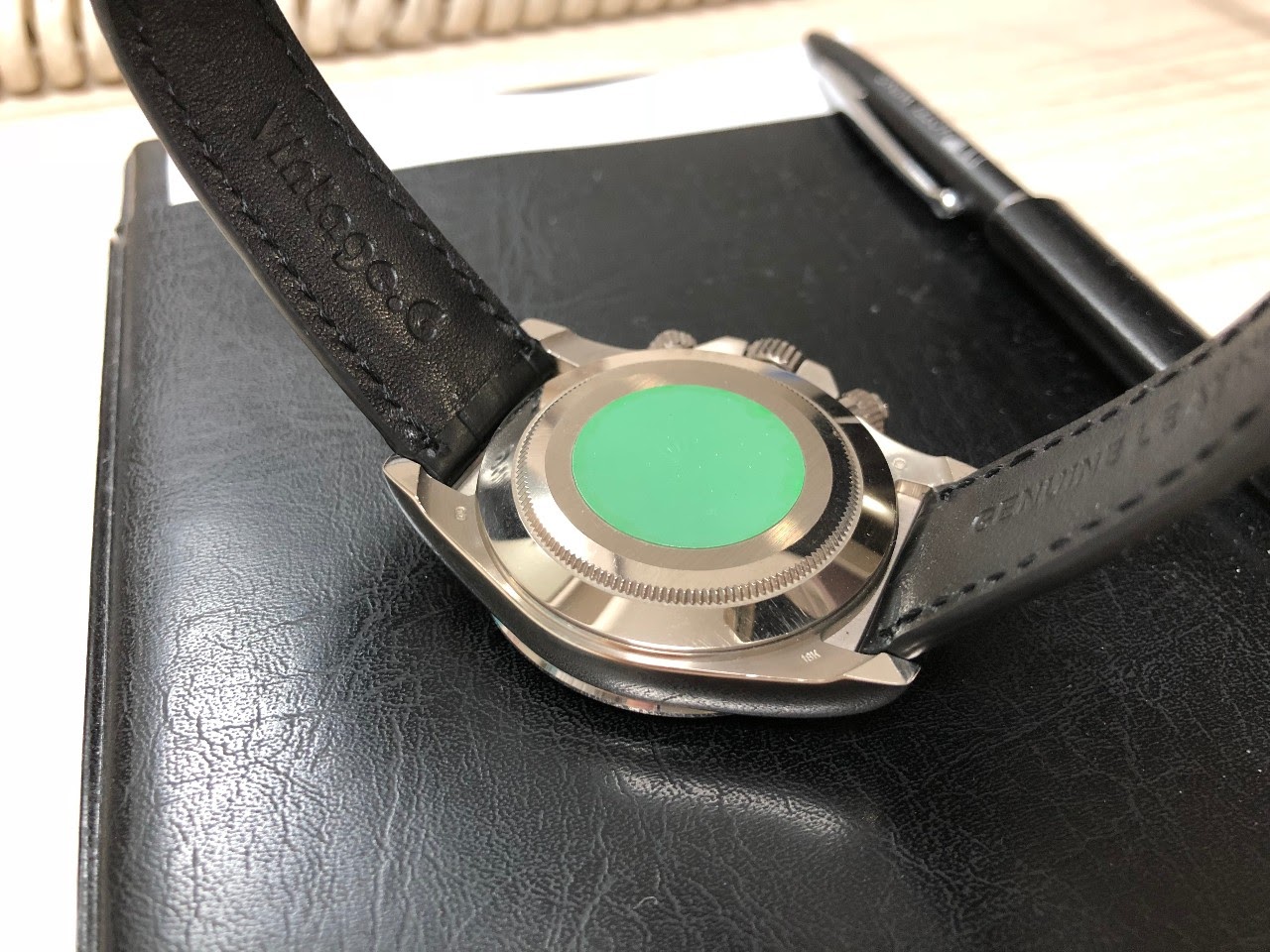
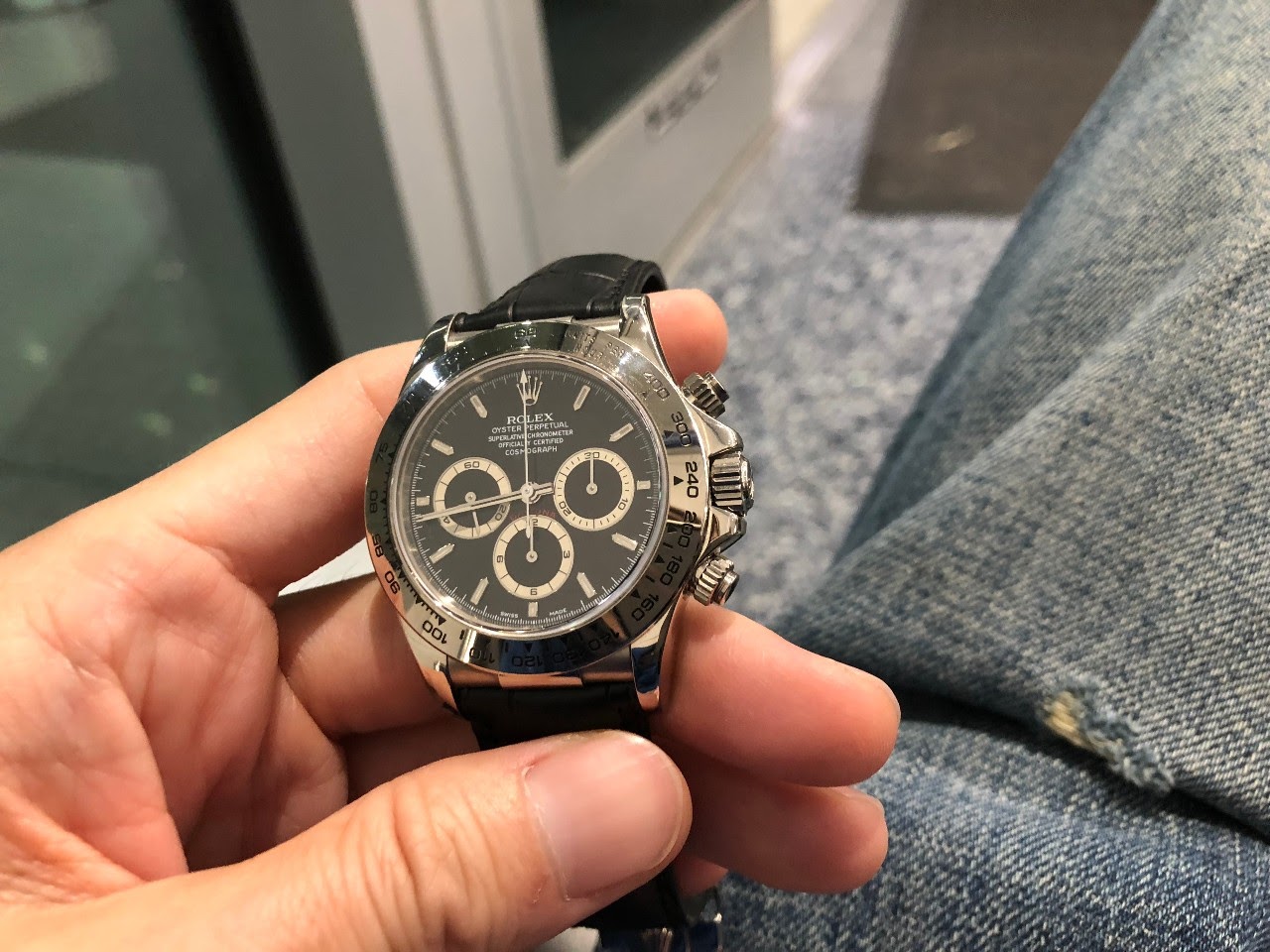
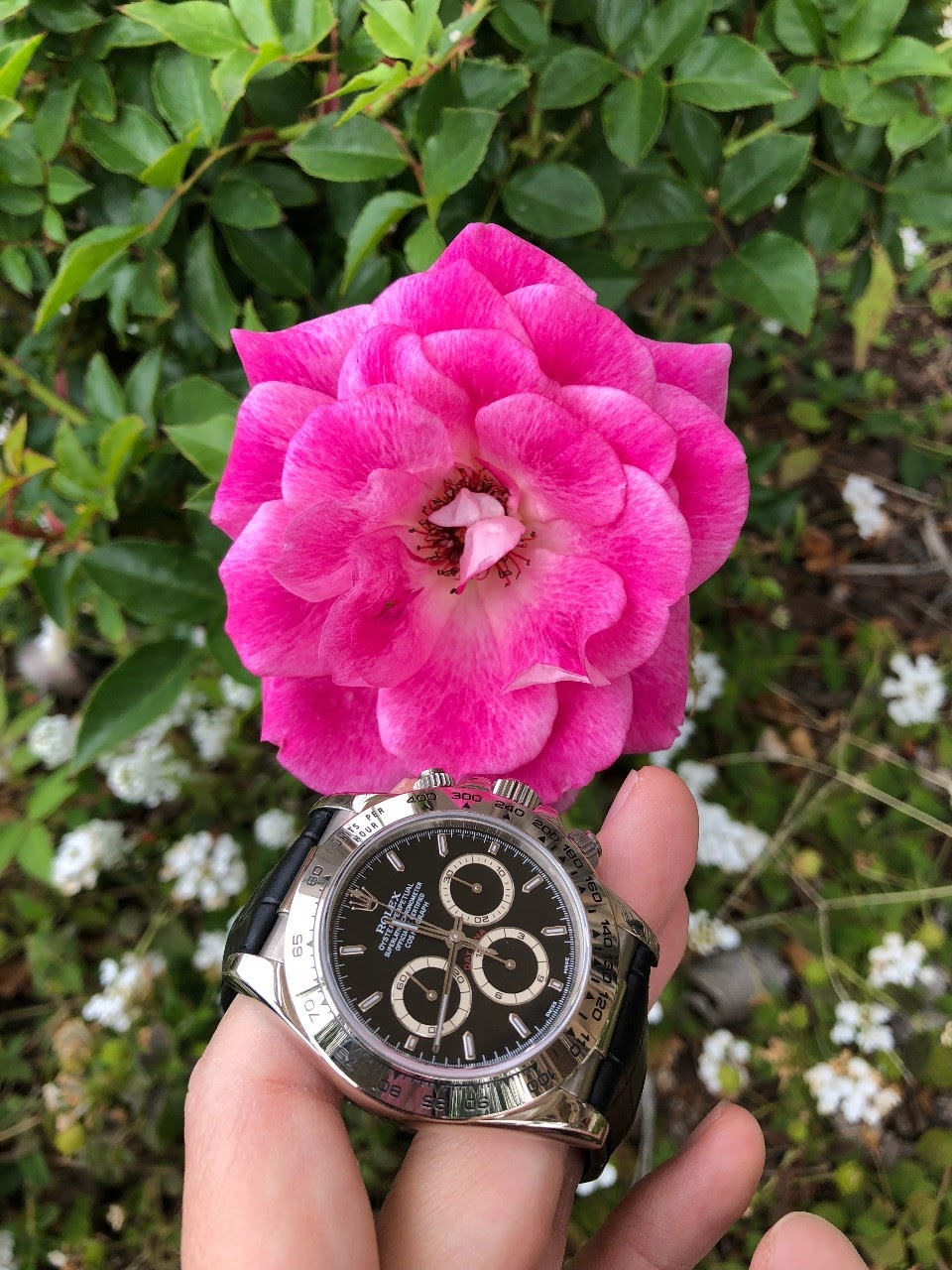
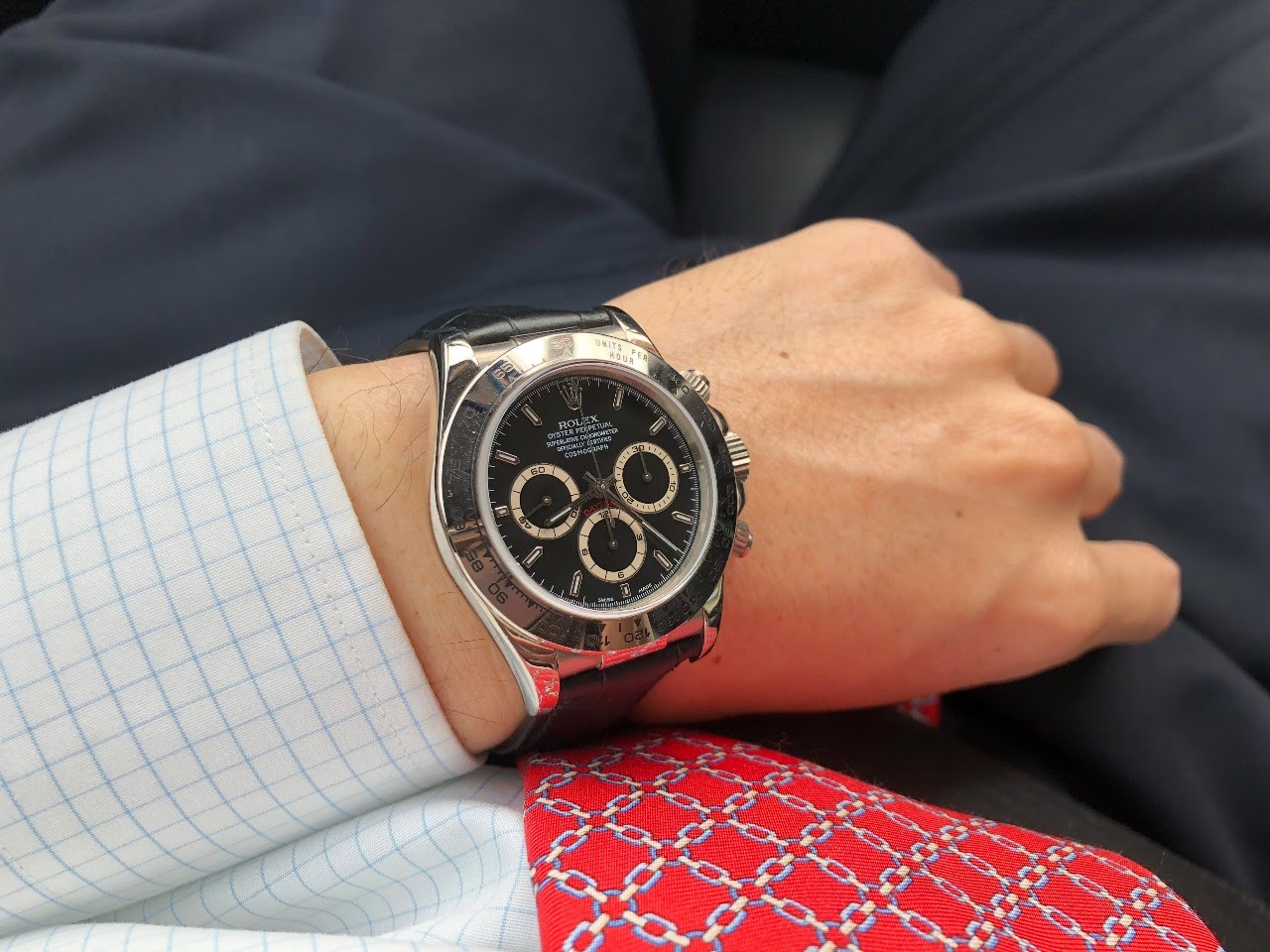
2) This 16519 is in white gold, but looks no different than steel. The heftier feel of precious metal is, in my opinion, an advantage over the lighter SS.

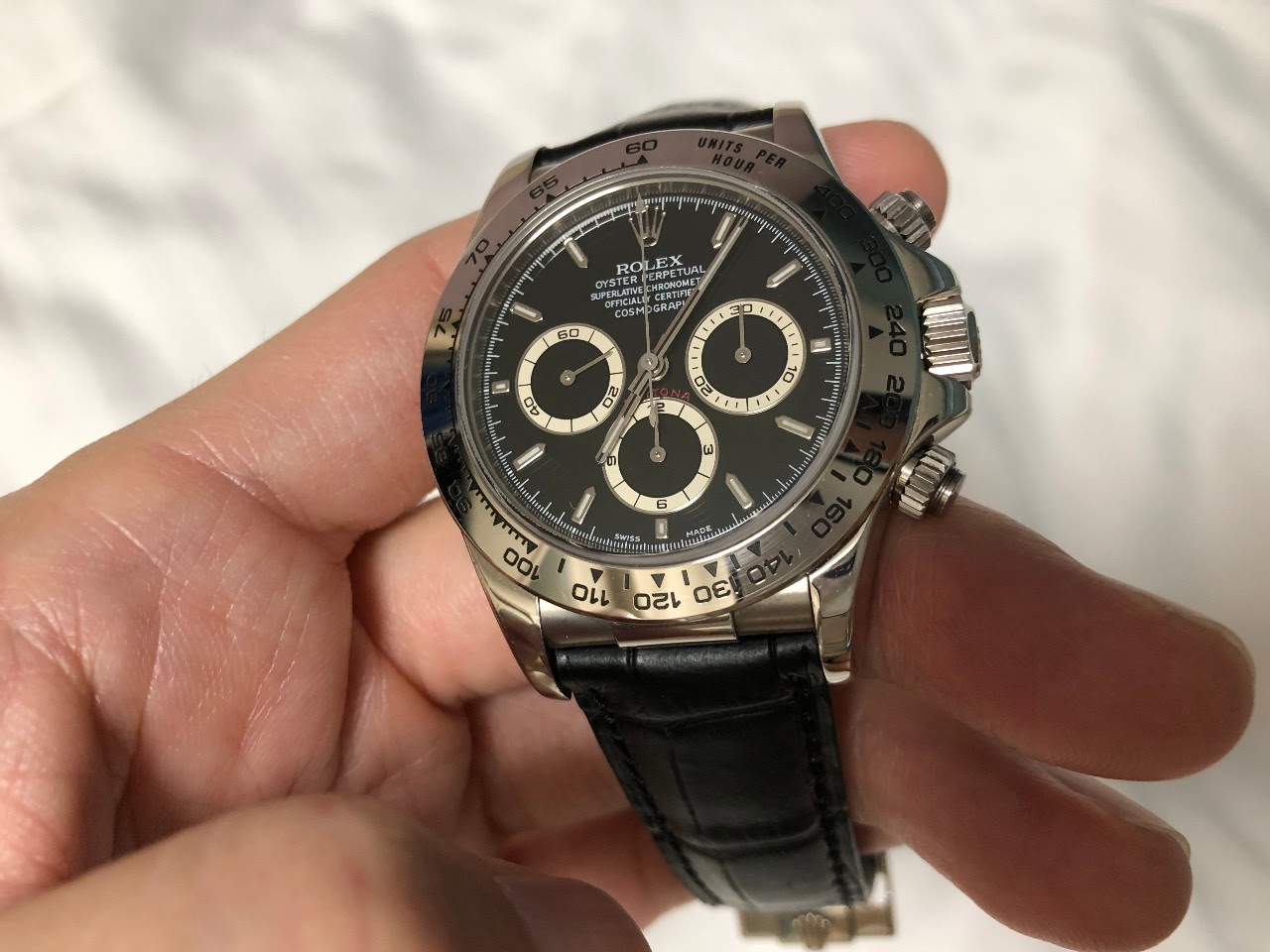
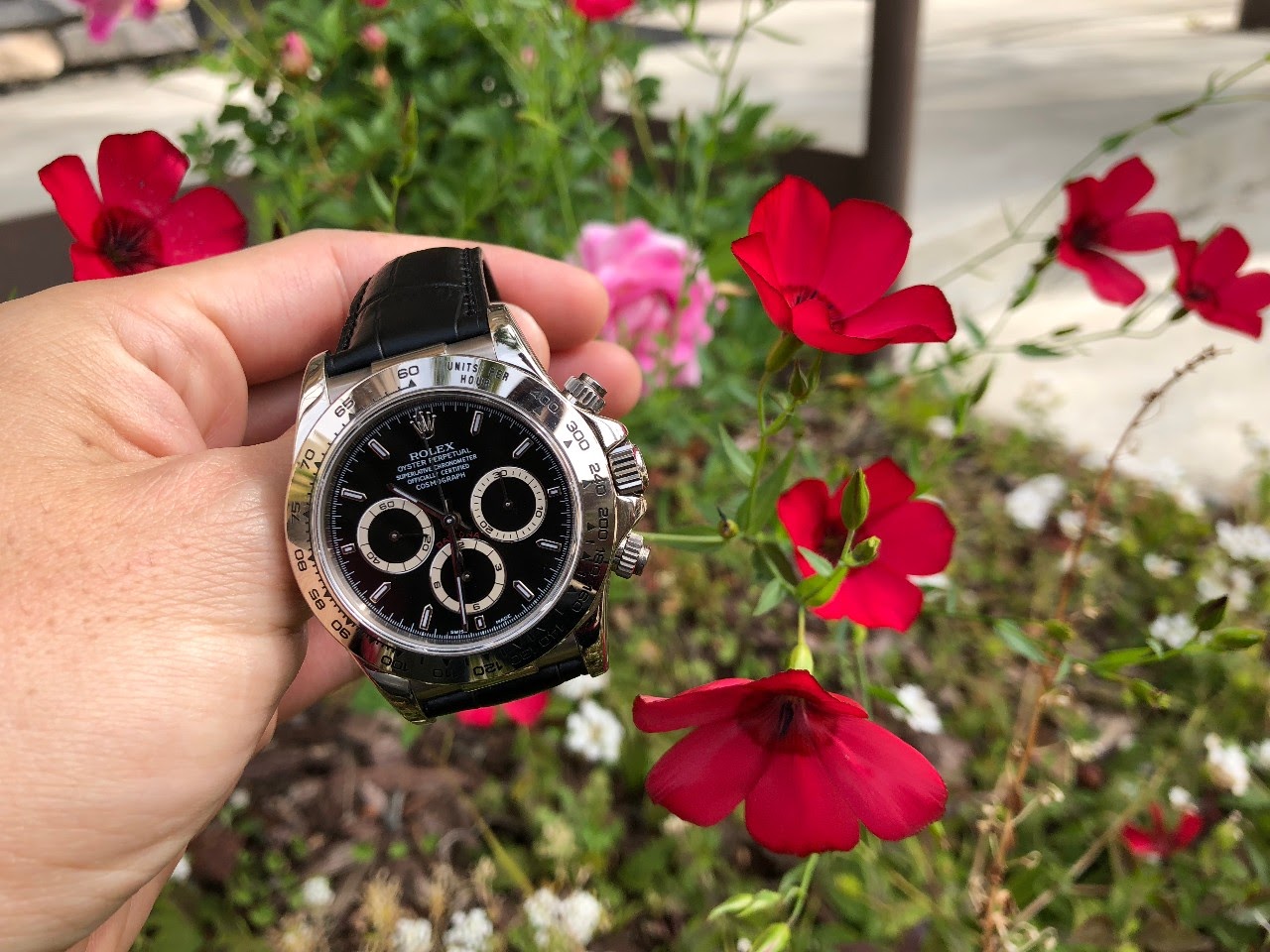
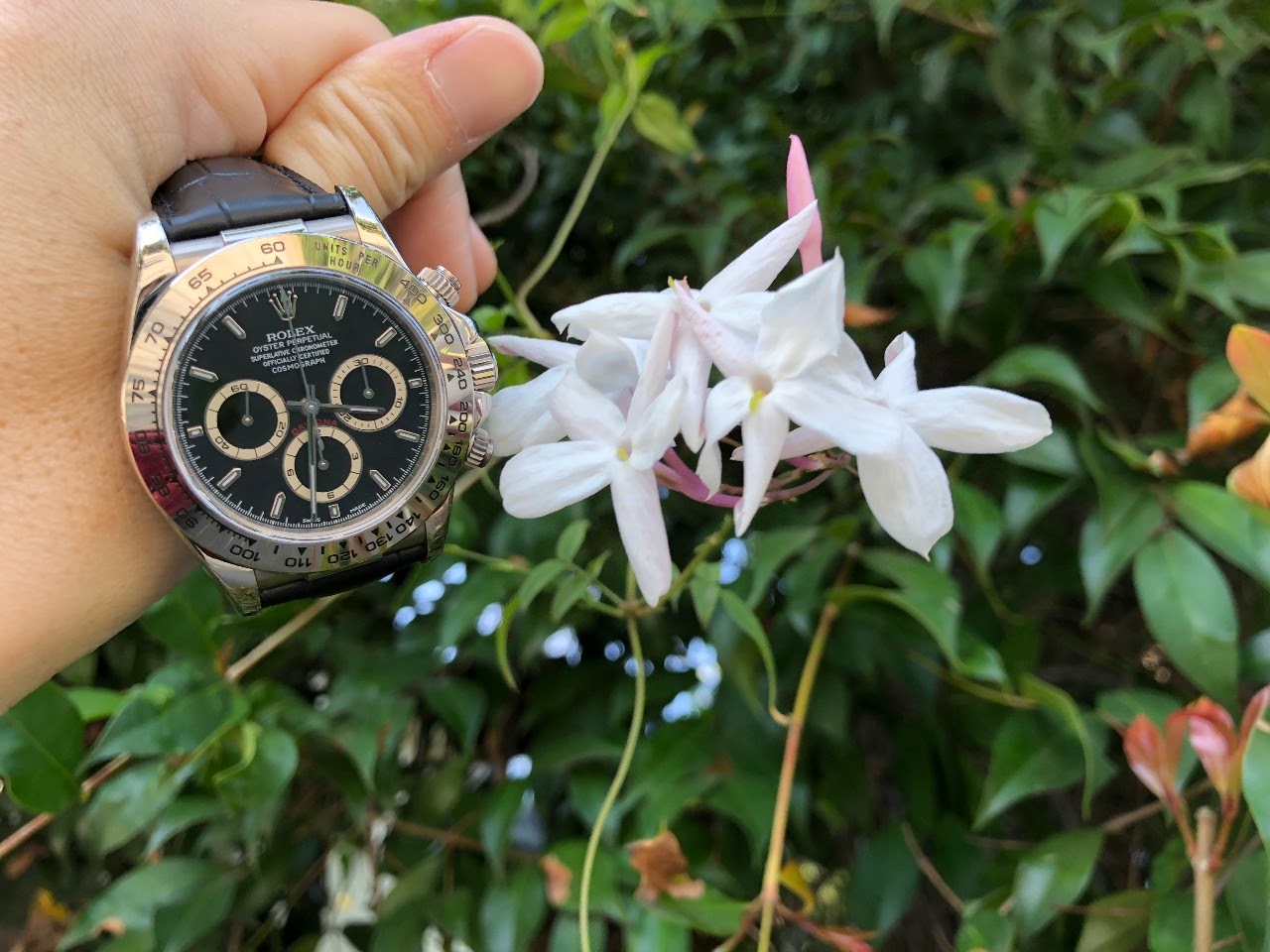
3) The 16519, especially in this dial configuration, is far more rare than the 16520, 116520, and 116500LN (and probably more rare than most vintage Paul Newman variations). The fact that this is a "P" serial (with luminova dial) is cherry on top of a grail sundae. 

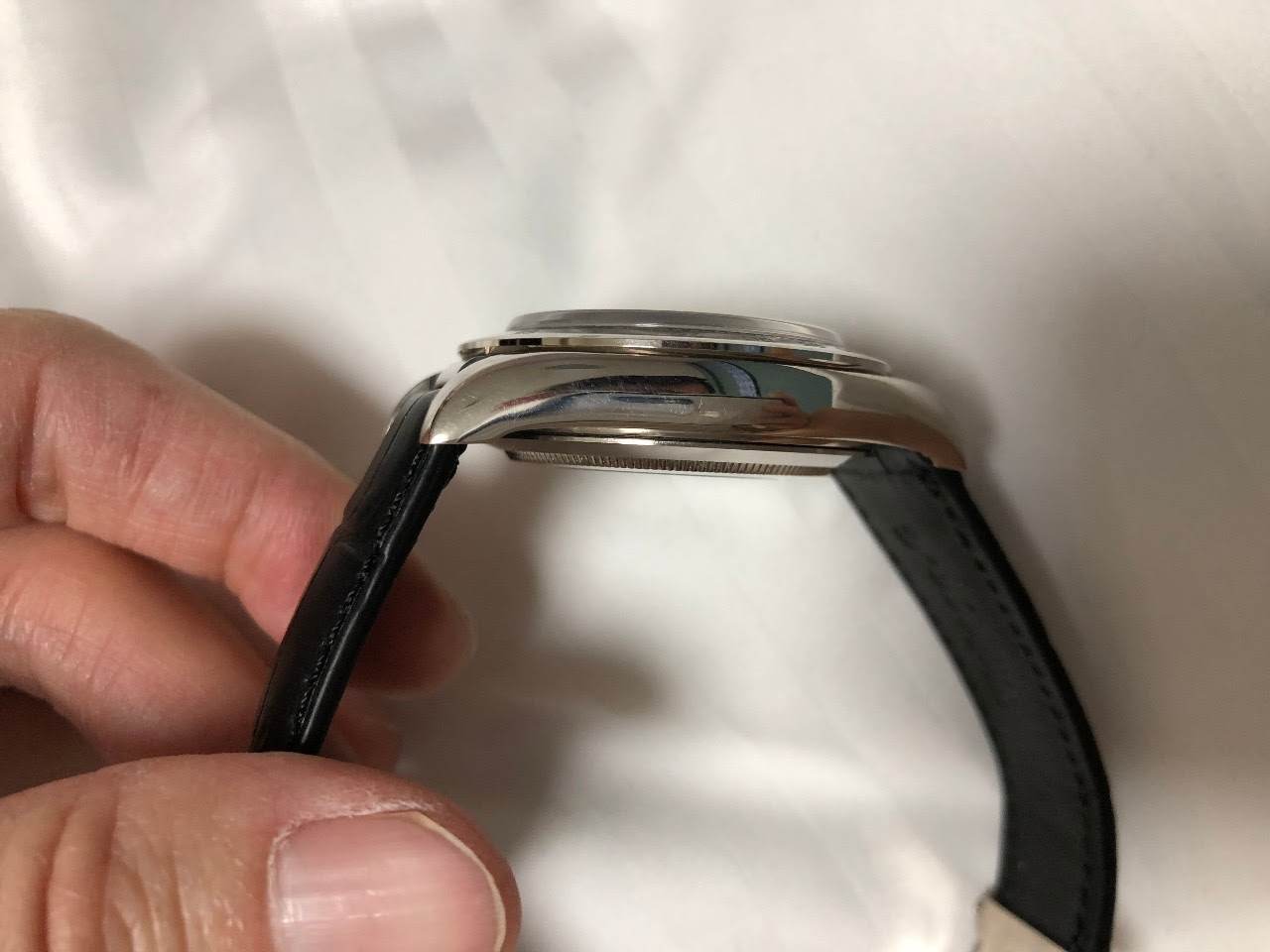
4) The 16519 has the shiny and rounder lugs of the 116520 / 116500LN. However, I feel that the lugs of all modern Daytona's are a tad bit short. The 16519 takes care of this problem because its lugs, although shiny and rounded (and modern-looking), are longer like those of the 16520, but without the sharp edges. Another example of the 16519 combining the best of the past and the present. 

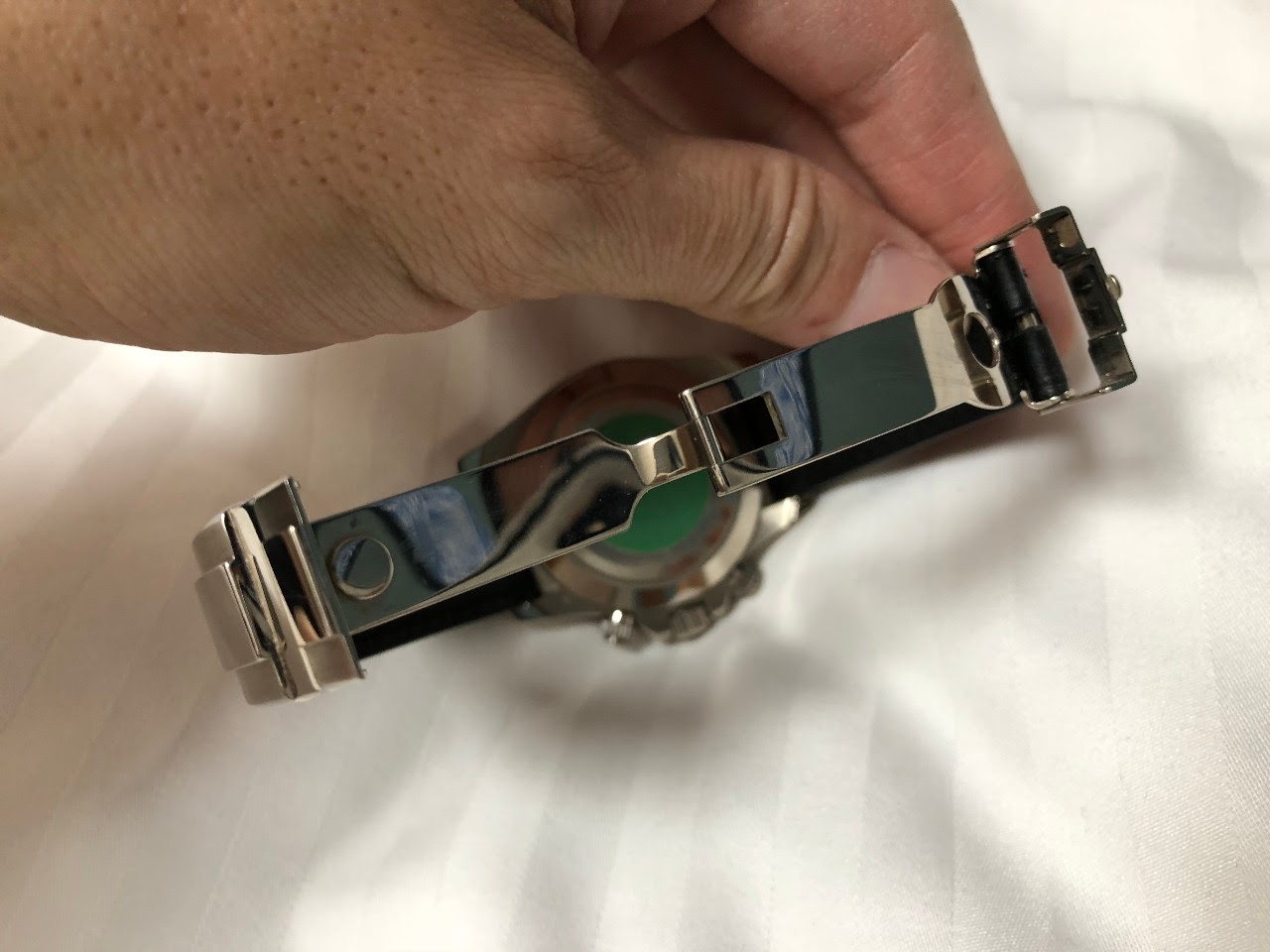
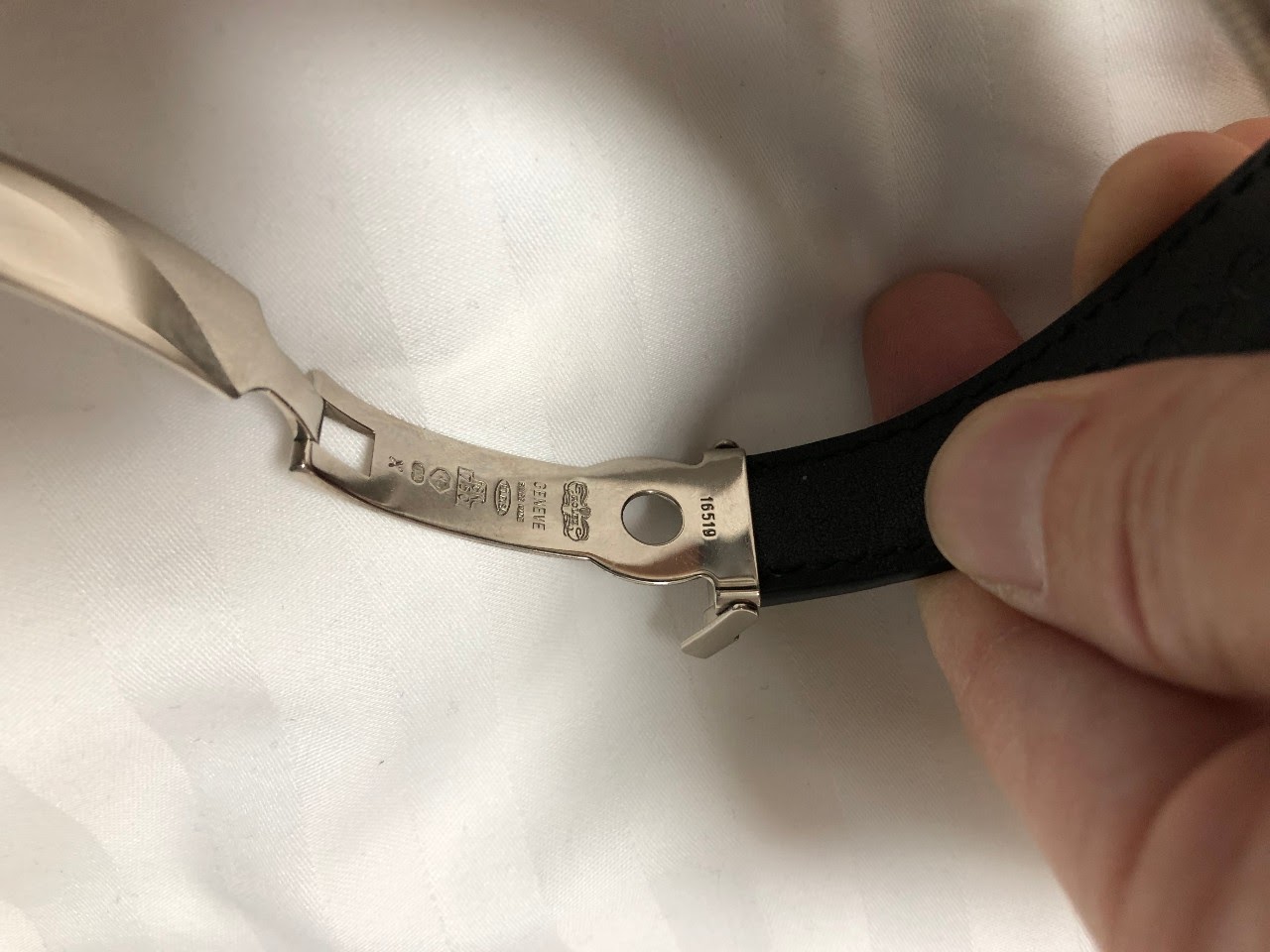
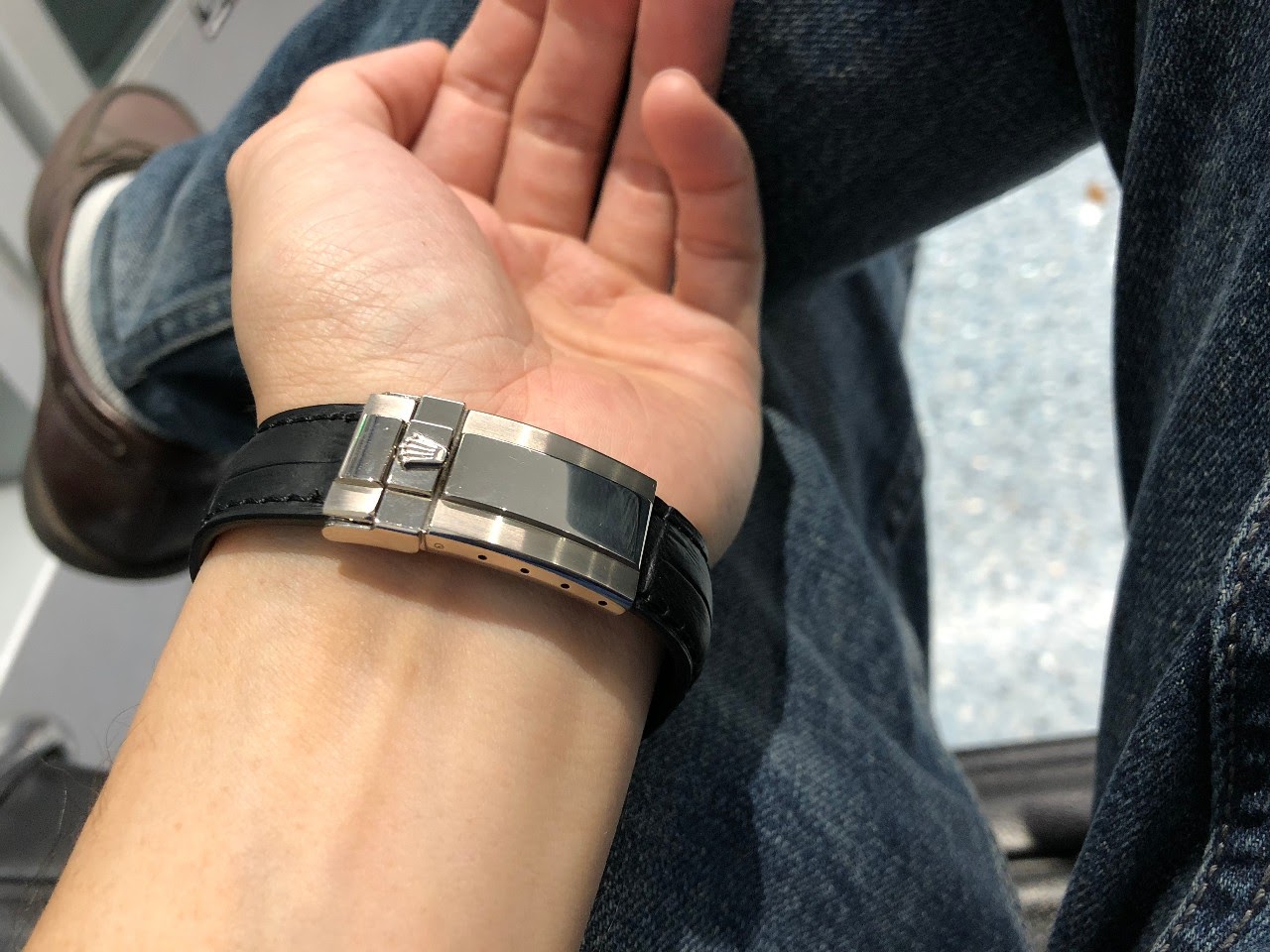
5) The 16519 basically has a modern clasp design that is sturdier. While not an advantage over current Daytona's, it is certainly better than the thin, light, and stamped clasp of the 16520 and anything prior. 

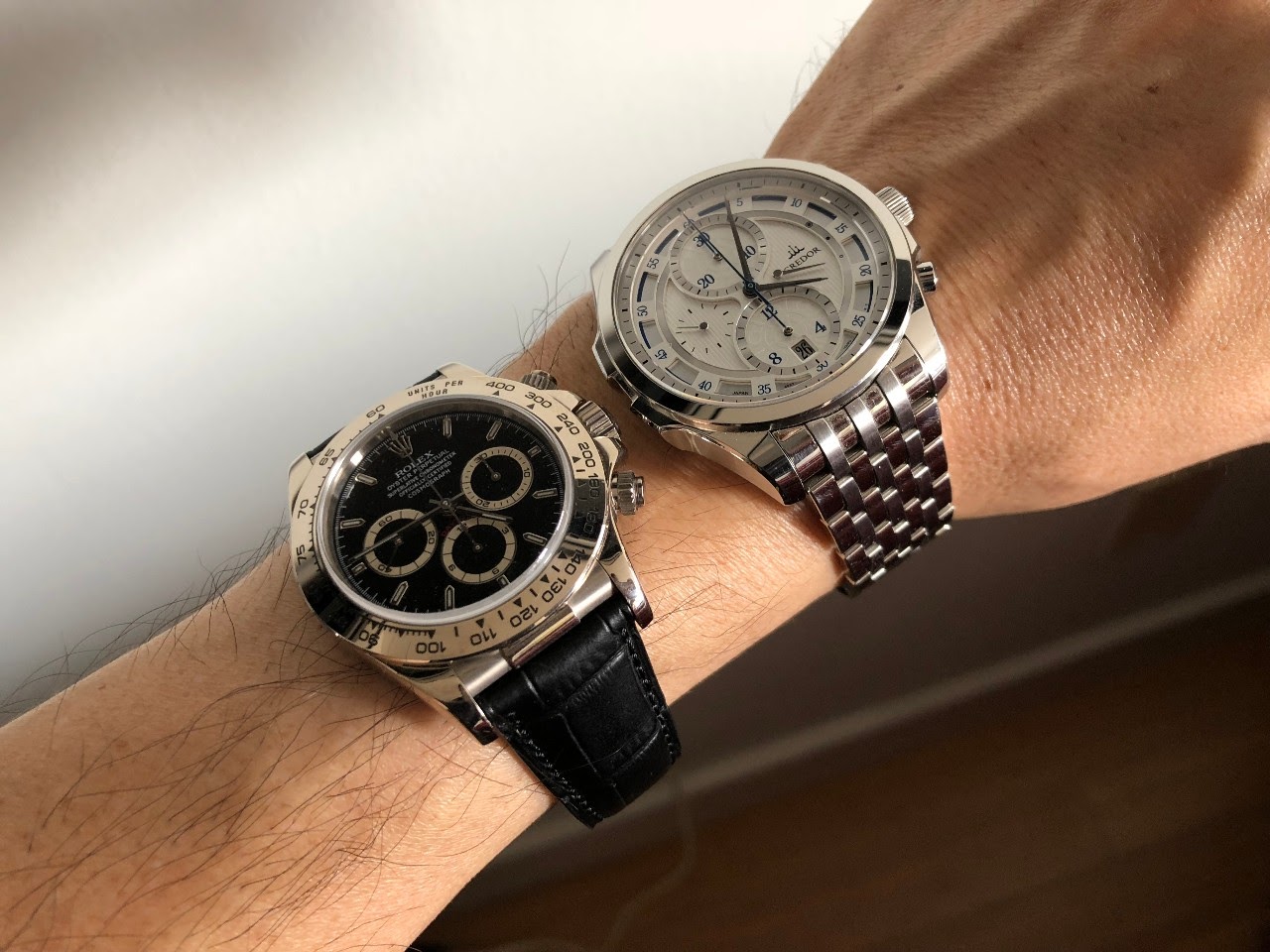
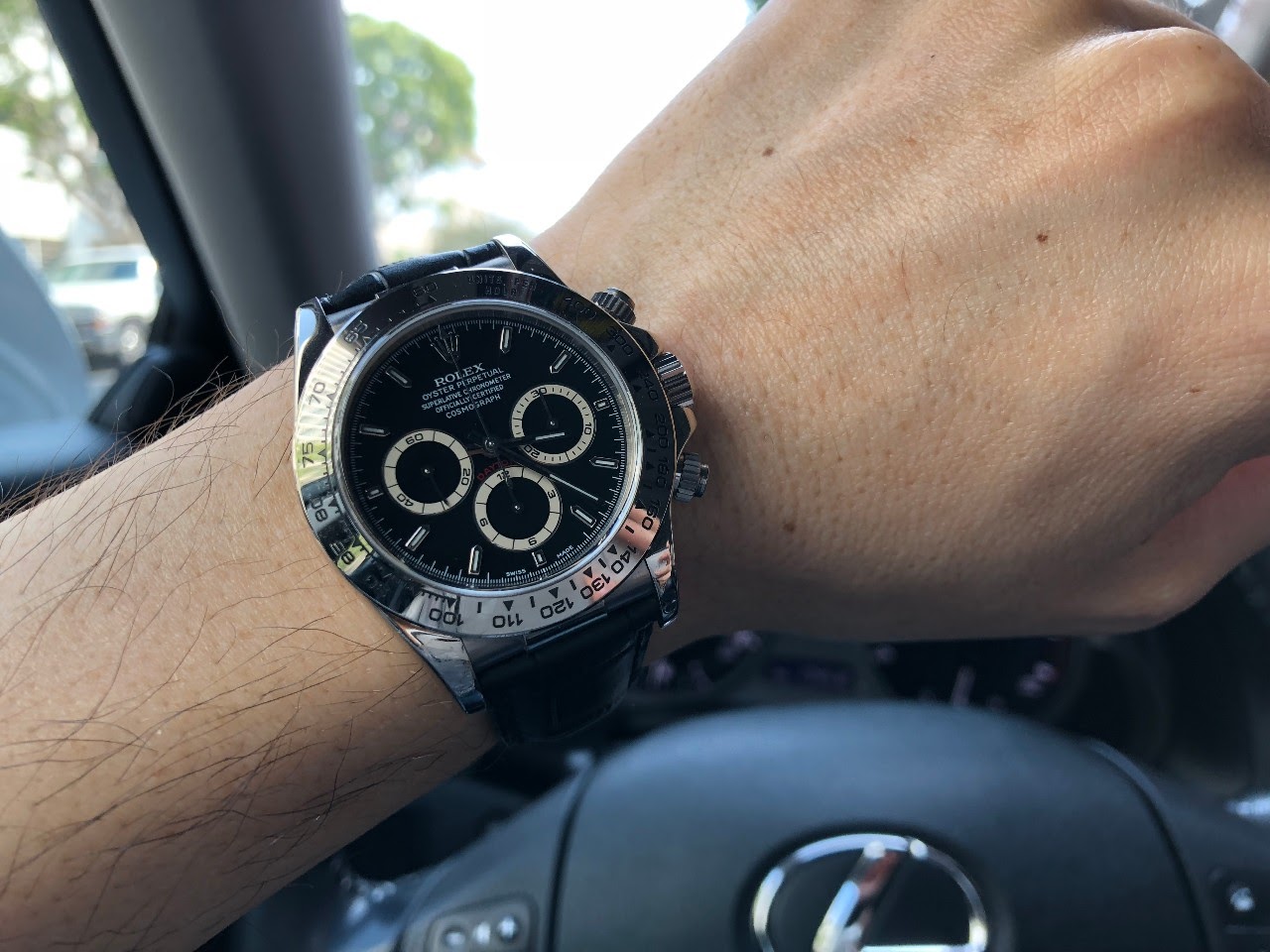
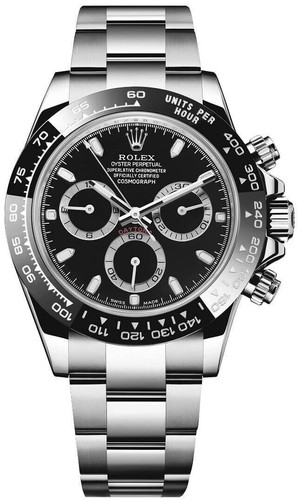
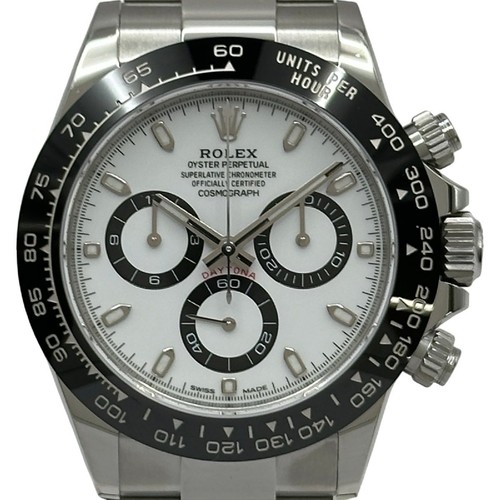
6) I feel (as many do) that the subdials on the 116520 / 116500LN sit too high on the dial. They are clearly more centered on the 16520 / 16519. It may be a simple matter of preference or, some might say, geometry. This pretty much takes out of contention any modern Daytona up to the present, including but not limited to the 116519, 116519LN, 116515LN...etc.

7) Like the 16520, the 16519 is powered by a column wheel horizontal clutch movement highly modified from the Zenith El Primero, or what Rolex terms the Cal. 4030. Why is this an advantage over the 116520 / 116500LN? Again, it has to do with connecting the past with the present. We are slowly approaching a time in the world of watch collecting when having an outside movement may sometimes increase collector appeal. Like the Pateks with the Lemania base, or the the Paul Newman with the Valjoux movement, the 16519 (and 16520) has gradually entered the WE'LL NEVER SEE THAT AGAIN dominion so cherished by collectors. This brings me to a final thought and a recent quote by Aurel Bacs: "Vintage watches bring us back to times that we miss...times when things maybe weren't perfect...but done with love."


About the Rolex Ref. 16520

The Rolex Cellini reference 16520 is a notable example of the brand's dress watch offerings, distinct from its more robust sport models. This particular reference represents a period where Rolex explored more refined and understated designs, catering to a clientele seeking a timepiece suitable for formal occasions. It stands as a testament to Rolex's versatility in watchmaking, showcasing a different facet of their design philosophy compared to their Oyster Perpetual line.

This reference features a case crafted from stainless steel, measuring 40mm in diameter. It is equipped with an automatic movement, specifically the Caliber 4030, which is based on the Zenith El Primero. The movement provides a power reserve of approximately 50 hours. A sapphire crystal protects the dial, and the watch is rated for a water resistance of 100 meters. The fixed tachymeter bezel is a characteristic feature.

For collectors, the reference 16520 appeals to those interested in the evolution of Rolex's dress watch designs and their use of external base movements. Its production run from 1988 to 2000 places it within a specific era of Rolex manufacturing. The black dial and Oyster bracelet contribute to its overall aesthetic, making it a recognizable piece within the Cellini collection.

Specifications

Caliber
Cal. 4030 (Zenith El Primero based)
Case
stainless steel
Diameter
40mm
Dial
black
Water Resist.
100m
Crystal
Sapphire

Key Points from the Discussion

Advertisement
The Discussion
AM
amanico
Apr 4, 2018

And we'll also agree on our common preference for the 16520 over the Dayto 62xx... The Daytona fans will kill us for that, but hey, let's stay strong. Now, 16520 or 16519? I still have a preference for the 16520. I do hear you on the bracelet concern, which is very true. But the charm of the steel is something. Which doesn't mean the 16519 doesn't have charm! Best, Nicolas

WA
Walter2
Apr 5, 2018

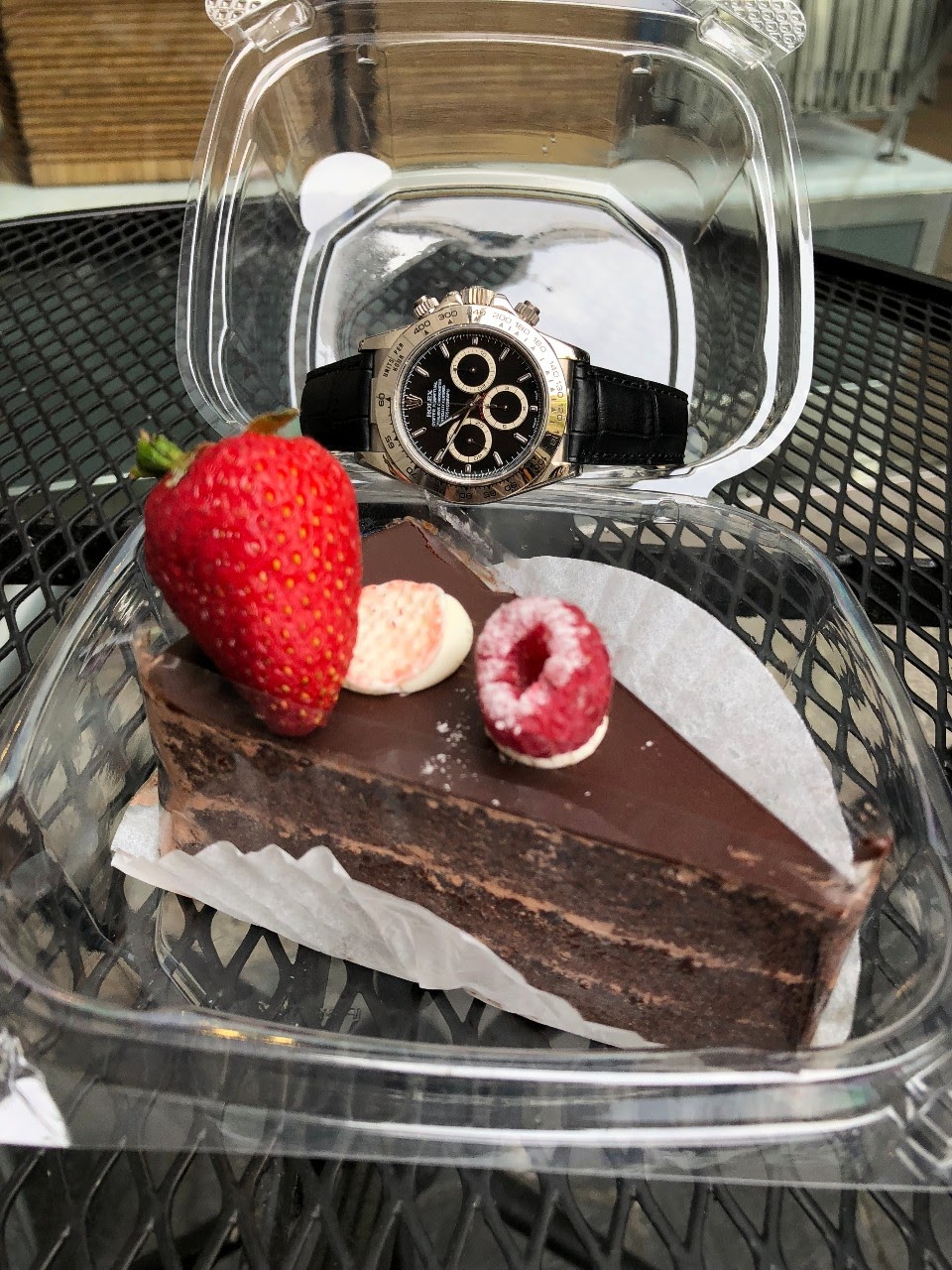
I also like the choclate cake! Best

BA
Baron - Mr Red
Apr 5, 2018

.....it is a cool watch and you make a good case for a "grail" status. However, I think the thing about the word "grail" is that actually such a thing doesn't exist. We all have specific watches that feel like they are grails but then, once we attain the grail it no longer becomes a grail. A bit like Schrodinger's cat paradox. Once a target is reached, its status changes. Once upon a time I thought that a Daytona PN was a grail. Once I owned one, I realised it wasn's a grail. So, in the context

MT
MTF
Apr 5, 2018

Signo, You made compelling and detailed arguments for your choice. I didn't even know a non bracelet original model existed. That makes sense and looks good too. As an aside, the workers at Zenith Manufacture also remember those days well. When I visited the factory a few years ago, they were still using the Rolex branded movement trays to transport El Primero movements between departments because the trays still did that job well! Regards MTF

JO
john c
Apr 5, 2018

..what's not to love. Great photos. Best, John.
JA
Jay (Eire)
Apr 5, 2018

A clearly well thought out and articulated arguement. While I too am in the camp of the Zenith Daytona, I own a 16520, for me your case for 16519 falls down in one major area. The strap. To me, Subs, GMTs and Daytonas must be on a bracelet. The bracelet is integral to the look, feel and function (in terms of everyday usage) of these watches.

Advertisement

Continue the conversation

This thread is active on the Rolex forum with 21 replies. Share your knowledge with fellow collectors.

Join the Discussion →