Bill's comprehensive guide to defining 'Vintage Rolex' remains a cornerstone for collectors, offering clear criteria that transcend mere age. His framework, focusing on specific design and material characteristics, provides invaluable clarity in a segment often muddled by subjective interpretations. This article distills Bill's original insights and the community's nuanced discussions, helping both new and seasoned enthusiasts navigate the intricate world of collectible Rolex timepieces.
We all know vintage simply means old but what defines true Rolex vintage in a comprehensive and universal way. This report will attempt to give you a thorough explanation of how to recognize Vintage Rolex.
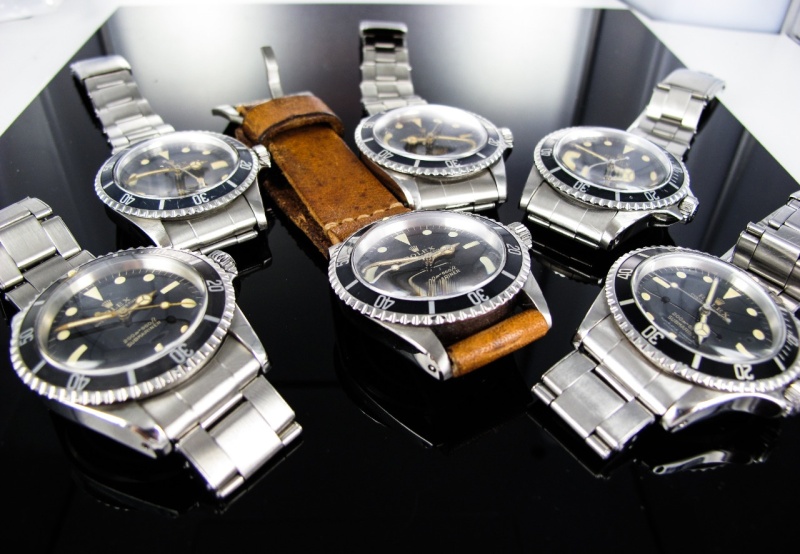
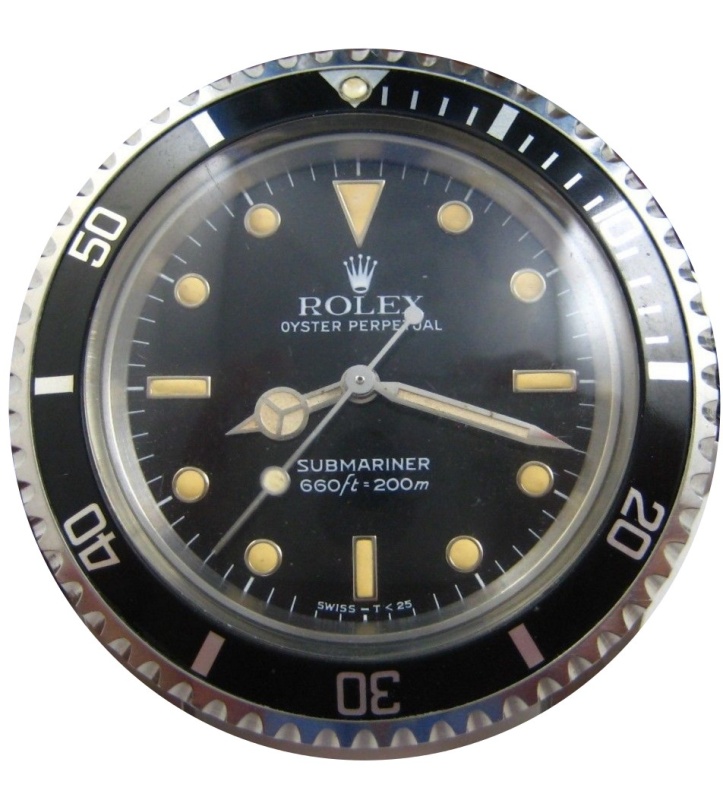
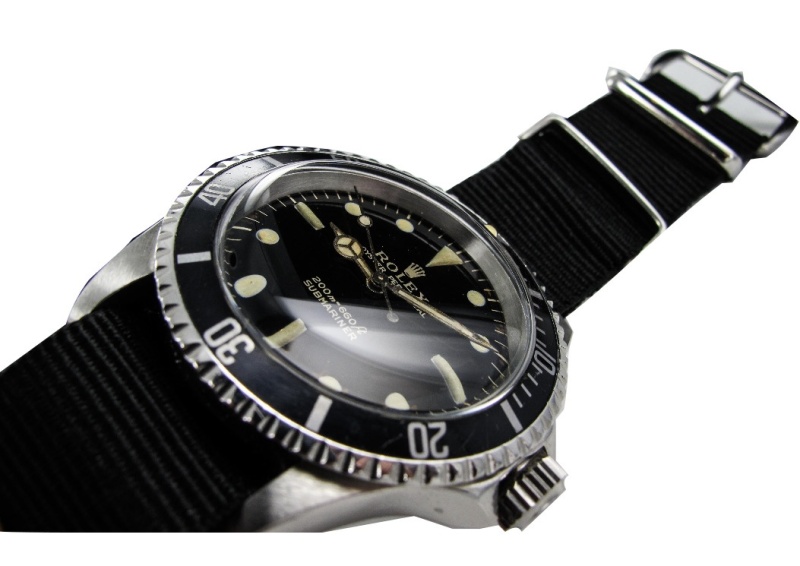
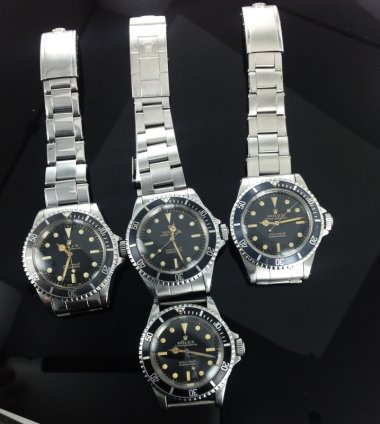
Rolex Submariner Gilt circa 1963 - 1966
What are the hard set rules that define vintage Rolex and how to apply them? It can be summed up by applying any one of the following three criteria and cover 90% of the Rolex Vintage category:
(a) Plexi-glass (plastic) crystal
(b) Four digit model number (e.g. 1675, 5513, etc.)
(c)Tritium painted index markers
You could stop reading here and be armed with enough knowledge to make you almost an expert on the definition of what encompasses Vintage Rolex. But if you want a little more depth please read on.
You hear things like it should be older than 25 years to qualify or defined by decade 60’s , 70’s etc. but this is not an absolute but more of a moving target with time elapsed. However, Vintage Rolex is not a rolling window in time because current modern watches in 20 years will not be vintage Rolex based on the criteria explored herein. Furthermore, this is not the case or the spirit of what we are looking to define with true vintage Rolex. If this is the case we do not need to use the word vintage anymore to classify this era of Rolex but it is a recognized period especially with collectors. In some respect we are defining a category of Rolex as being “Vintage” but in a more “collectable” dimension. I am careful here also not to lump vintage, collectable, rare and desirable into one group because that is in itself is a subject for discussion. I can't speak for other watch brands, cars or other collectibles for that matter but with Rolex there a number of very clear markers and a few subject to interpretation. Well let's call it a general consensus among the Rolex collecting community.
There are several basic criteria / qualifications. First it must be old or at least really old. Just a little misplaced humor to get everyone to relax it is just “Rolex”.
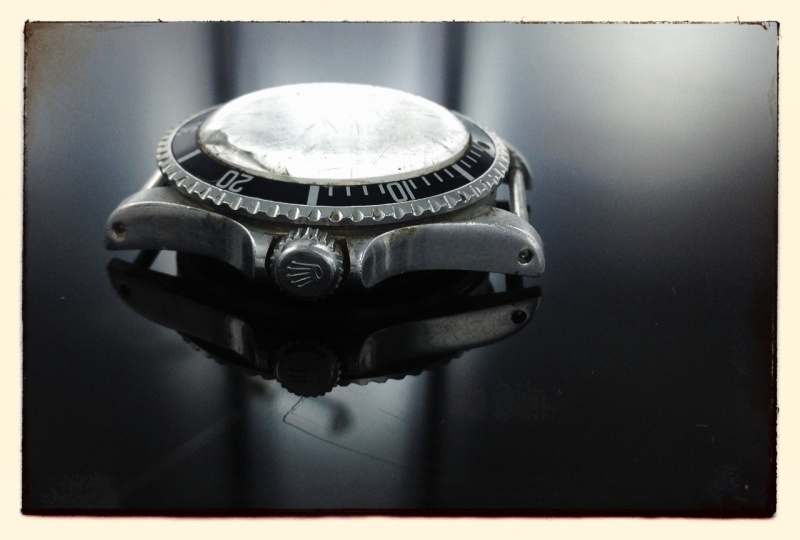
Old Plexi-glass Crystal
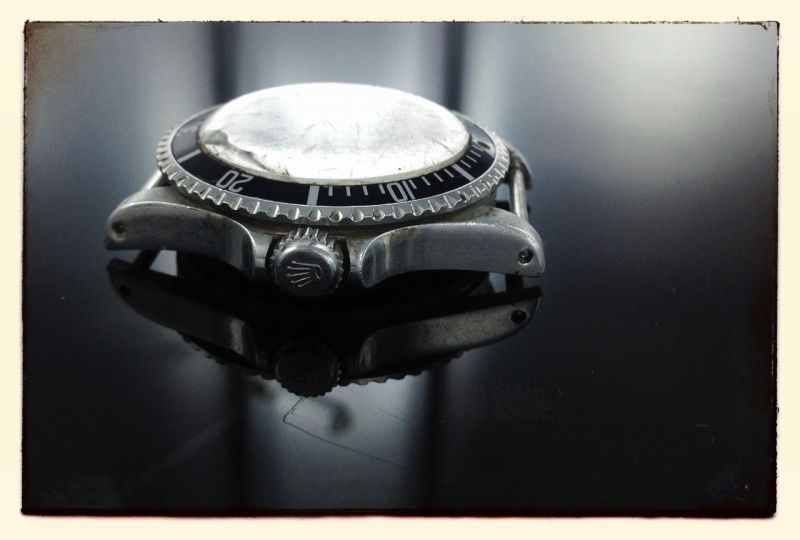
The crystal - Plexiglass (plastic) crystal
The first and most commonly accepted definition among Purists and collectors is the plexi-glass (plastic) crystal. This sounds a little odd but there is a clear delineation for Rolex when the moved from plexi to sapphire crystal. However, the plexi offers a clear marker across all models both visually and tactile. The crystals came in various shapes and sizes but for the hardcore sports watch the Tropic "Superdome" exemplified the racy feel of the sports watches from Rolex. So the simple rule if its plexi it's sexy or if you like it’s "Vintage". Again this simple rule covers a vast number of vintage Rolex with little disagreement among all Rolex collectors.
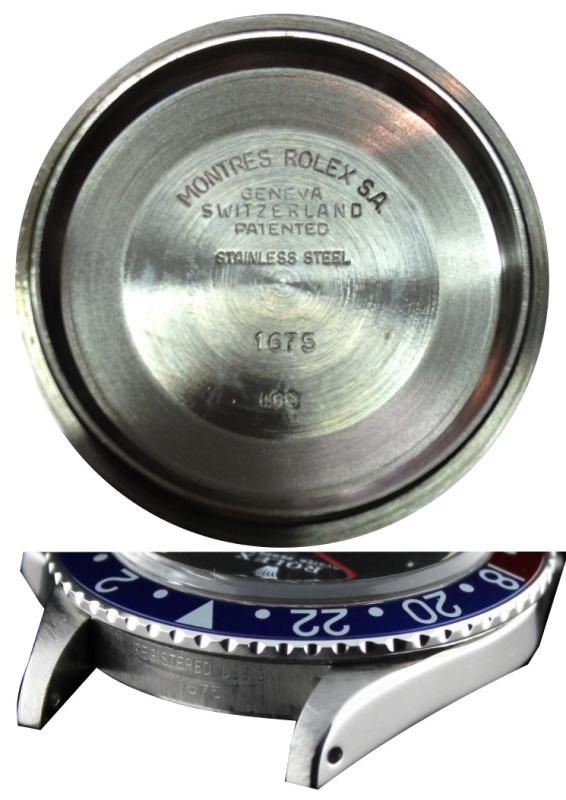
Rolex four digit Model Numbers
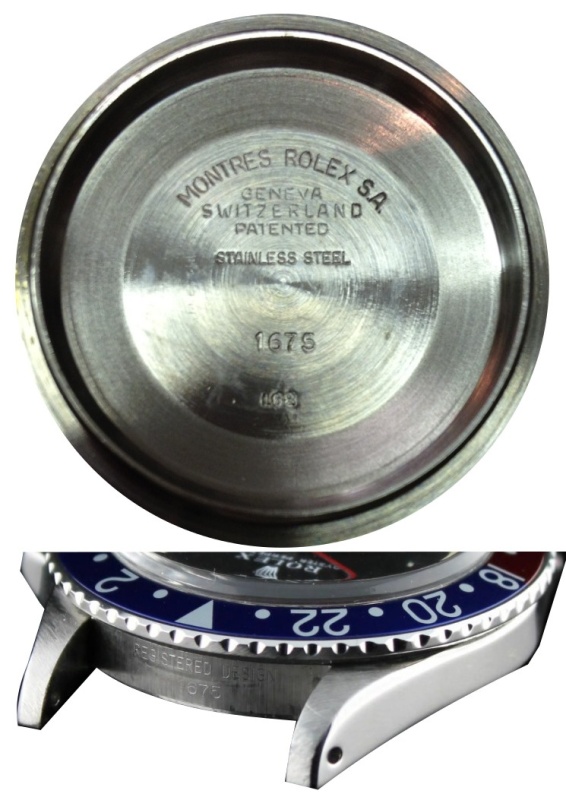
Four digit Model reference number
This method to identify Rolex is pretty foolproof. This covers so many models that are undisputed vintage Rolex like the Submariner with 6xxx, 55xx, 1680 or 1665 model or the GMT 6542 or 1675, Milgauss 1019 and the list goes on. The beauty here is that there is not really any dispute against four digits reference model numbers qualify as Vintage Rolex. The argument can simply be made that there are more models to include with five digit reference model numbers like the 16750 or 16800 but let’s focus first on those we can absolutely count in this segment of Vintage Rolex.
Daytona (Cosmograph): 6265, 6264, 6263, 6262, 6241, 6240, 6239
Explorer: 6610, 6350, 6298, 6150, 6098, 5504, 1038, 1016
Explorer II: 1655
Turn-O-Graph (Thunderbird): 6309, 1625
GMT-Master: 6542, 1675
Milgauss: 6451, 1019
Sea-Dweller: 1665
Submariner: 6538, 6536, 6205, 6204, 6200, 5517, 5514, 5513, 5512, 5508
Submariner Date: 1680
Others models include AirKing, Date, Datjust basically all models with four digit model numbers
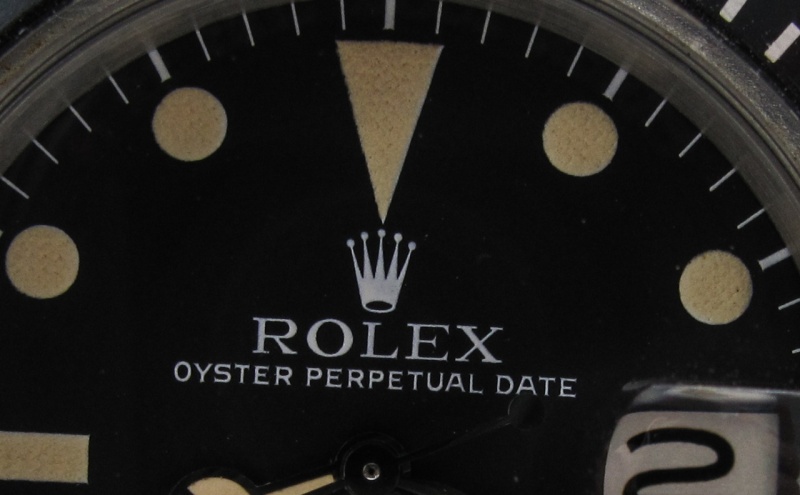
Matt Dial painted Index markers - Tritium
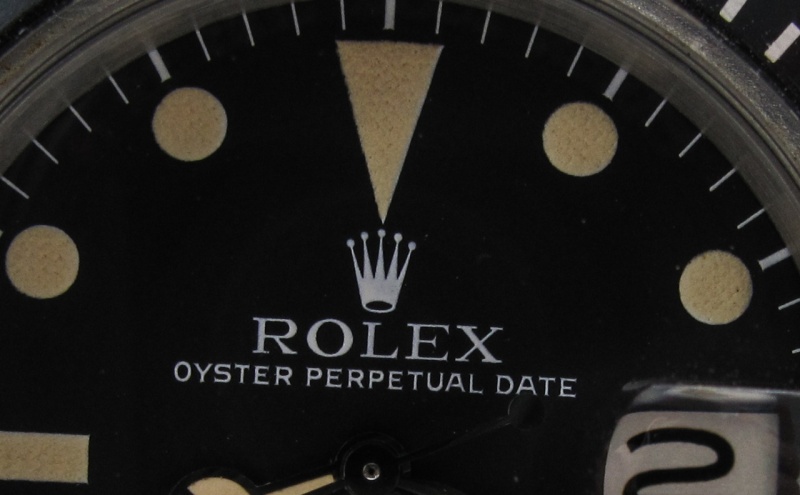
Painted index markers - Radium and Tritium
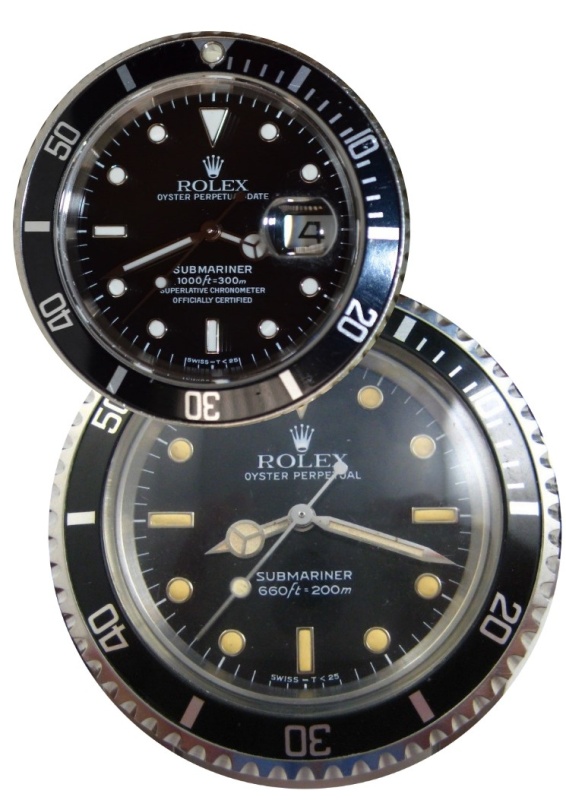
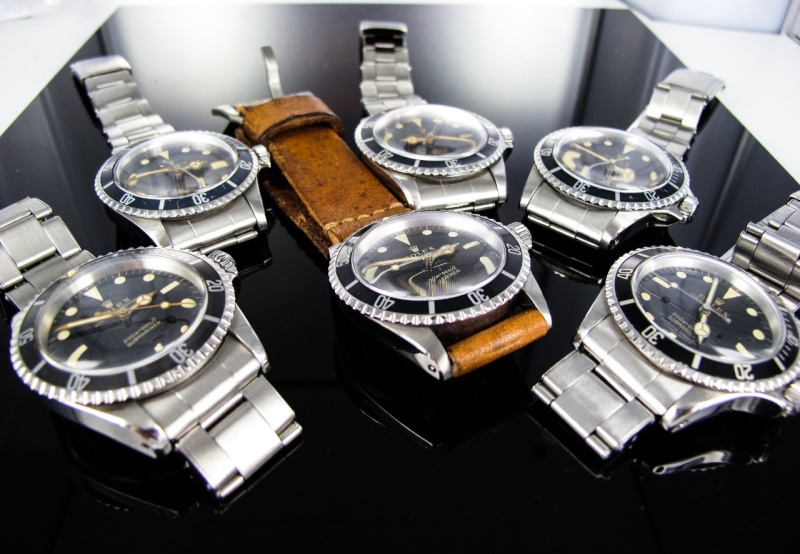
The index markers painted in Radium and Tritium defines a very clear era for Rolex. Glossy dials from the 50’s and 60’s and matt dials up to the early 1980’s from the period in question had applied index markers. Radium obviously was discontinued by the late 1950’s. I feel here also there is a consensus among collectors with regards to early glossy dials ending in about 1965 to 1966 across the range. This was followed by the matt dials with painted index markers starting from around 1966 through about 1983.
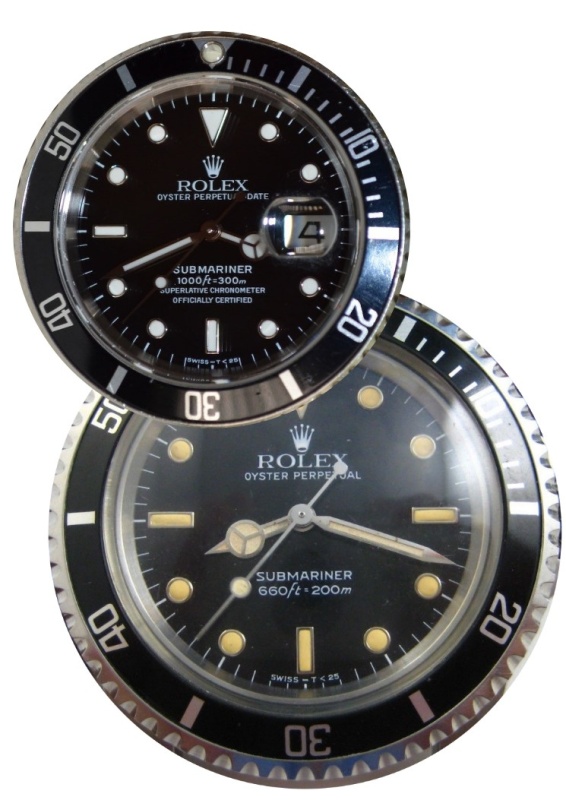
Luminova vs Tritium - White vs yellow patina
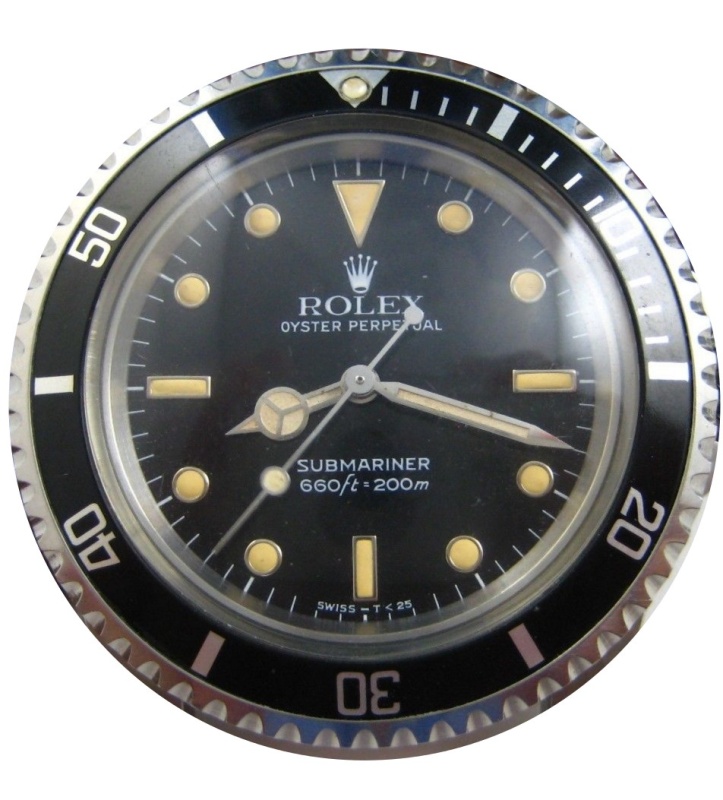
Tritium Patina
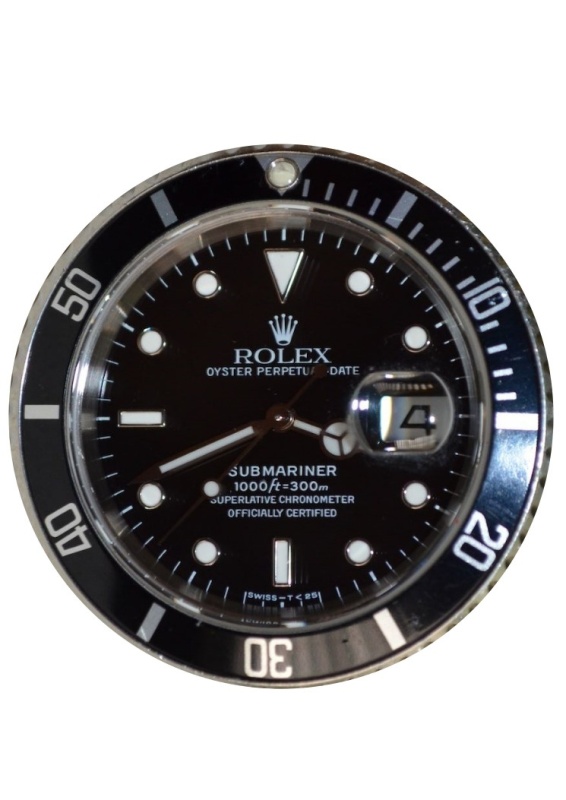
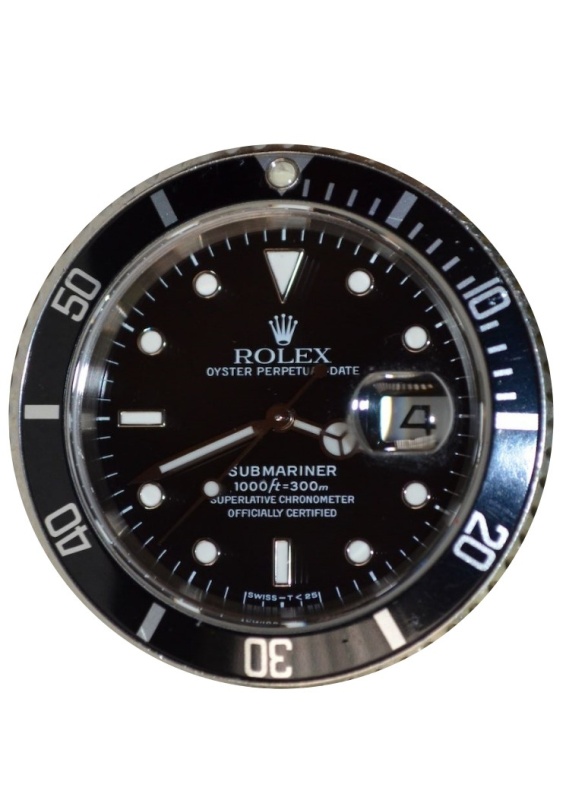
White Luminova
It was around 1983 time frames that Rolex started to use what is referred to as circled index markers to be more precise WG surround markers. They appear only on glossy dials and a gold metal surround appears around each index marker. This is really a defining moment with Rolex as they tried to move upmarket and away from the "Tool Watch" to more of a luxury watch to expand the appeal. A more refined look and air of sophistication exemplified this new era for Rolex. So up to this period i.e. around the mid 1980’s with the change to WG circled index markers there is also broad consensus that pre circled index models are “Vintage”. Very few will disagree that a tritium matt dial would not qualify as vintage. What can happen, though, is that a service dial and hands go into a period correct vintage watch but they would be of the replacement/ service kind i.e. “Luminova” which is the current luminous material used in watches.
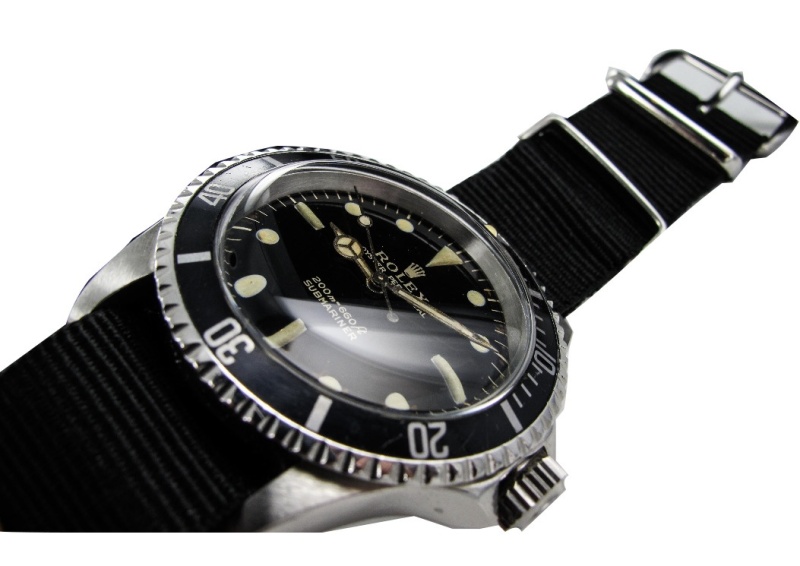
Rolex Lume Plots Tritium
Are these still vintage, yes, but defined as having service dials. All painted index dials have either a “swiss” , “swiss – T < 25” or some combination of “T - swiss –T”. What they will not have is “swiss made” which appears on the latter luminova dials. These markers where used as a visual que on the dial as the the use of less than 25 millicuries of Tritium (let’s not get too technical just for illustration). It has been found that some later swiss T < 25 marked service dials are infact Luminova and not Tritium and this can be seen by the fact that they are white versus having a yellow patina.
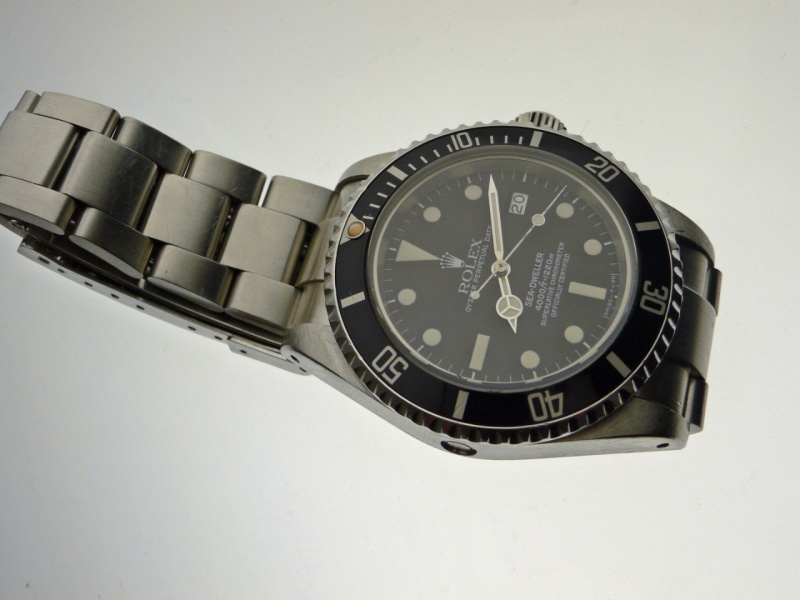
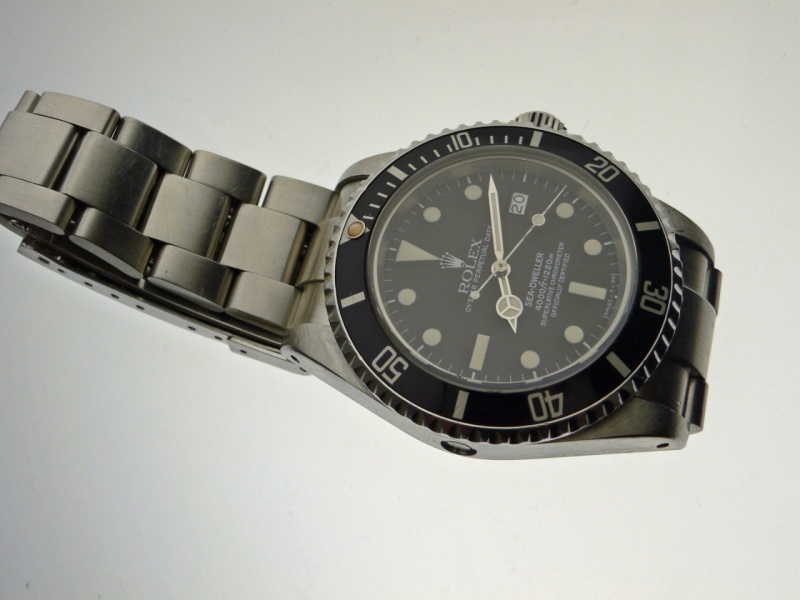
Rolex Sea Dweller Matt Dial Sapphire Crystal - Pure vintage
Transitional Model – 16750, 16660, 16800
Post 1983 Glossy dials and WG Surrounds with Tritium – Plexi-glass / Sapphire
There is a little gray area as always with Rolex to where one can qualify circled index markers with tritium applied rather than luminova as pure vintage. The tritium obviously has a way of offering a lovely patina over time versus the more white and stable luminova. This window starting around 1983 captures some very distinct models such as the Rolex GMT 16750. The particularity of the 16750 is that is has Tritium glossy dial with WG surrounds with a Plexi-glass crystal hitting two criteria to be vintage. The Rolex Sea Dweller 16660 started as a matt dial with a sapphire crystal but evolved to a Tritium WG circled index markers sapphire crystal. It really is all about the patina in this case not really a point of contention with tritium under sapphire glass. At this point we are still in the general mindset that sapphire crystals with matt or glossy WG circled index markers in tritium still easily qualify as “Vintage”.
Subject to inclusion – Some more so than others.
Daytona (Cosmograph):
Explorer II: 16570, 16550
GMT-Master: 16758, 16753, 16750, 16700
GMT-Master II: 16760, 16718, 16710, 16170
Sea-Dweller: 16660 (absolutely), 16600 (maybe)
Submariner: 14060 ????? (The jury is out – may be in after this report)
Submariner Date: 168000,16808, 16803, 16800
Another parameter which one can add is that generally all the models discussed above have seven digit serial numbers ending in 9999999 which is approximately 1987 depending on whose table you look at. Remember however a 1987 watch could have been sold one or two years later so we talking production dates not date of sale.
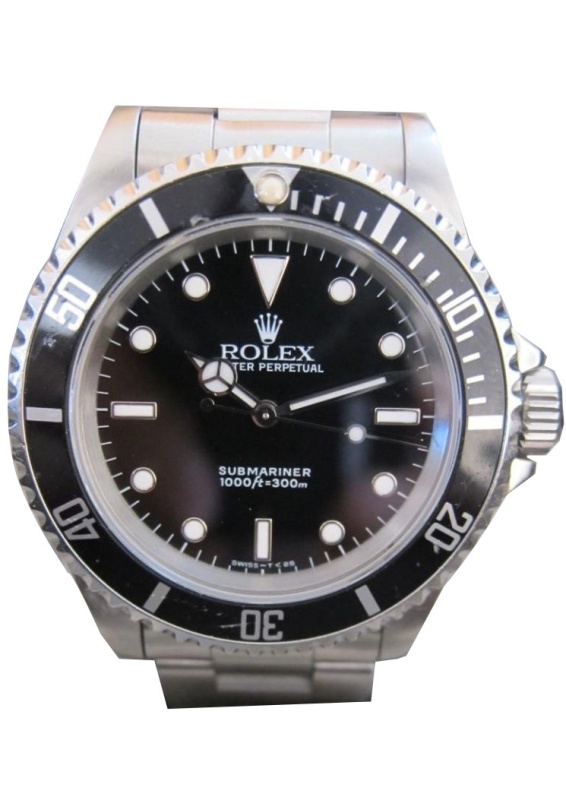
Rolex Model 14060 circa 1991-1993
A model worth discussing is the Rolex Submariner 14060. It was introduced around 1989 until around 1999 when it was replaced with the 14060M which may even still be in the lineup. It seems like this one falls outside the Purists view of Vintage Rolex, however, I don’t have enough experience with this model to pigeon hole it in or out. I have seen them marked with swiss – T<25 which would lead one to believe it was WG surrounds with tritium. Whether the marking is cosmetic or real and do not know but they later had “swiss made” which was luminova for sure. So can we open the window to include this model or others is not really of any major significance because if feel that more conclusive interpretations up to and including the transitional model encompass the spirit of Vintage Rolex not so much in a commercial way (is vintage worth more? – a separate discussion). The Rolex “Tool watch” we have grown to love that can take years of abuse and still run like the workhorse it was intended to be exemplifies the vintage spirit.
Some of the catch all that get mentioned outside the basic Plexi – Crystal and Matt dial, but I feel are not as clear, is the concepts of 20 to 25 years old but this really is a moving target not a window. The others include discontinued models which can work but are also a bit of a moving target. While each can stand on their obvious merits it requires more interpretation where here we are defining and era of vintage Rolex rather than a style. The idea here is to define a universal “Rolex Collectable Vintage” segment that can be easily defined and less subject to interpretation. Again we are not mentioning rarity or desirability and just because it fits the “Rolex Vintage” segments it does not make it desirable as market forces decide that and tastes change over time.
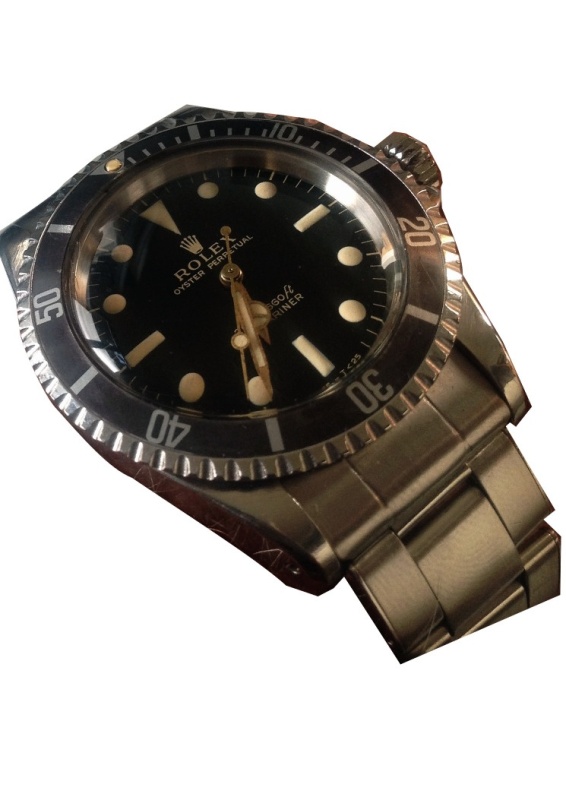
Rolex 5513 Gilt 1965
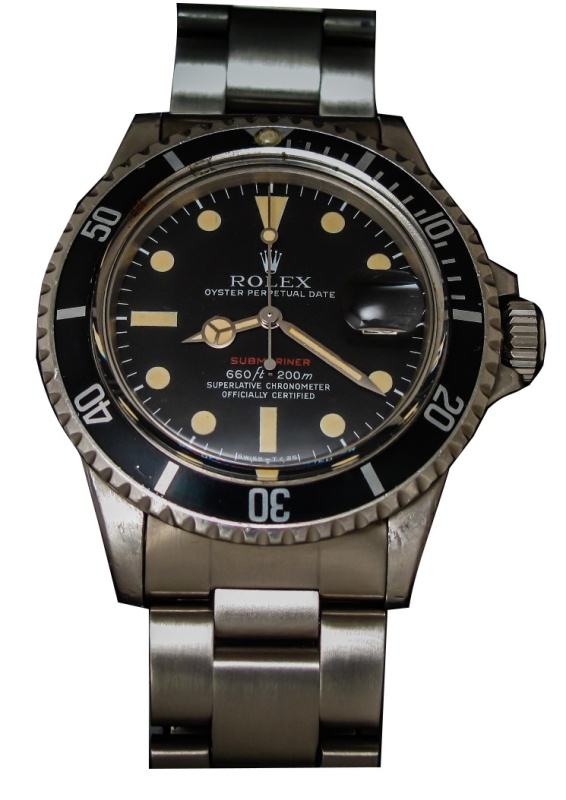
Rolex 1680 Red Submariner 1971
As always, the disclaimer, we are dealing with Rolex and there are many ways to interpret things. However the basic rules above do cover the largest majority of what includes “Collectable / Vintage Rolex” without too much deviation within the Rolex collecting community. Also no watches were within this study. Again just remember to relax and enjoy this crazy hobby and passion that is Rolex.
I look forward to hearing your feedback.
Bill
About the Rolex Submariner Ref. 6204
The Rolex Submariner reference 6204 represents the inaugural reference in the Submariner series, produced during 1953-1954. This reference established the foundational specifications for the model line with its 37mm stainless steel case and rotating unidirectional aluminum bezel configuration.
The watch features a stainless steel case measuring 37mm in diameter, fitted with an acrylic crystal and black dial. Water resistance is rated to 100 meters. The automatic A.260 caliber provides 42 hours of power reserve. The watch is paired with an Oyster bracelet.
Reference 6204 appeals to collectors focused on early Submariner production, particularly those seeking the original case proportions and movement specification. The brief two-year production window and position as the series opener distinguishes this reference within Submariner collecting circles. The 37mm case size and A.260 caliber represent the baseline technical specifications that defined this initial offering.
Specifications
- Caliber
- A.260
- Case
- Stainless steel
- Diameter
- 37 mm
- Dial
- Black
- Water Resist.
- 100m/330ft
- Crystal
- Acrylic
About the Rolex Ref. 6098
The Rolex reference 6098, often recognized as a "Pre-Explorer" model, represents an important transitional period in Rolex's history, bridging the gap between earlier Oyster Perpetual models and the formalized Explorer line. This reference is notable for its robust Oyster case and often features a distinctive dial layout that hints at the instrument watches that would follow. It is a key reference for collectors interested in the evolution of Rolex's tool watch aesthetic and its early ventures into watches designed for exploration and challenging environments.
This reference typically features a stainless steel Oyster case, known for its screw-down crown and case back, providing enhanced water resistance for its era. The movement powering the 6098 is generally an automatic caliber, reflecting Rolex's commitment to self-winding technology. The crystal is commonly a domed or bubble plexiglass, characteristic of watches from this period, contributing to its vintage appeal and profile. The case dimensions are in line with mid-century men's watches, offering a balanced presence on the wrist.
For collectors, the 6098 is significant due to its association with early mountaineering expeditions, even if not officially branded as an Explorer. Its dial variations, which can include radium luminous material and specific numeral configurations, are a point of interest, as are the various hand styles. The reference appeals to those who appreciate the foundational elements of Rolex's professional watch development and seek pieces that predate the more widely recognized and mass-produced models, offering a glimpse into the brand's formative years in the sports watch segment.
Specifications
- Caliber
- A296
- Case
- Stainless steel
- Diameter
- 36mm
- Dial
- White
- Crystal
- Plexiglass
About the Rolex Ref. 6150
The Rolex Reference 6150 is an early example of a sports watch from the brand, predating the formal introduction of the Submariner name on the dial. It is often referred to by collectors as a "Pre-Submariner" or "Explorer-style" model due to its aesthetic characteristics, which share elements with both the nascent Submariner line and the Explorer series. This reference represents a transitional period in Rolex's development of robust tool watches, combining features that would later become hallmarks of distinct model families. Its design emphasizes legibility and durability, reflecting the practical demands of its intended users. This reference is distinguished by its lack of depth rating on the dial, a characteristic of very early dive-capable watches.
The case of the Reference 6150 is crafted from stainless steel, typically measuring around 36mm in diameter. It houses an automatic movement, consistent with Rolex's commitment to self-winding mechanisms during this era. The crystal protecting the dial is made of Plexiglas, a common material for watches of this period, chosen for its shatter-resistant properties. The movement provides a reliable power reserve, ensuring consistent timekeeping. The watch was designed to offer a degree of water resistance suitable for its intended utility, though specific depth ratings were not yet a prominent feature on the dial for this particular reference.
For collectors, the Reference 6150 holds significance as a precursor to some of Rolex's most iconic sports watches. Its blend of design elements from both the Explorer and Submariner lines makes it a compelling piece for those interested in the evolution of Rolex's professional series. Variants may exist in dial configurations, particularly concerning the luminous material and text. Its appeal lies in its historical position and its representation of Rolex's early efforts in producing purpose-built wristwatches, offering a glimpse into the brand's foundational approach to tool watch design before the full standardization of its sports model lines.
Specifications
- Caliber
- A296
- Case
- Stainless steel
- Diameter
- 36mm
- Dial
- Black
- Water Resist.
- 50m
- Crystal
- Plexiglass
About the Rolex Submariner Ref. 6200
Rolex Submariner Reference 6200
The Rolex Submariner reference 6200 represents an early iteration within the Submariner No Date series. Produced during 1954-1955, this reference features a 37mm case size and incorporates the essential diving watch elements of a rotating unidirectional bezel and 200-meter water resistance. The black dial configuration provides the foundational aesthetic that would characterize the series.
The 37mm stainless steel case houses the automatic caliber A.260 movement, offering a 42-hour power reserve. An acrylic crystal protects the black dial, while the rotating unidirectional bezel provides the timing functionality. The watch is completed with a steel bracelet, maintaining material consistency throughout the construction.
This reference appeals to collectors focused on early Submariner iterations and those interested in the technical specifications of 1950s Rolex production. The brief production window of 1954-1955 and the specific caliber A.260 movement distinguish this reference within the broader Submariner catalog. The 37mm case size and acrylic crystal reflect the manufacturing standards of the mid-1950s period.
Specifications
- Caliber
- A.260
- Case
- Stainless steel
- Diameter
- 37 mm
- Dial
- Black
- Water Resist.
- 200m
- Crystal
- Acrylic
About the Rolex Ref. 5517
The Rolex Submariner reference 5517 is a rare and specialized variant of the Submariner line, distinguished by its unique dial and bezel configurations. This reference was not a standard production model available to the general public, setting it apart from other Submariner references of its era. Its specific characteristics cater to a particular collecting niche interested in purpose-built timepieces. The 5517 is often associated with a very limited distribution, contributing to its scarcity and distinct identity within the broader Submariner family. It represents a specific chapter in the development of Rolex's professional tool watches.
This reference typically features a stainless steel case, consistent with the robust construction of the Submariner series. The movement is an automatic mechanical caliber, designed for reliability and accuracy. The crystal is made of Plexiglas, a common material for Rolex watches from this period, providing durability and a classic aesthetic. The case dimensions are characteristic of vintage Submariners, offering a balanced presence on the wrist. The watch was engineered for water resistance, a fundamental attribute of the Submariner model.
For collectors, the 5517 holds significant appeal due to its extreme rarity and specific design elements, which differentiate it from more common Submariner references like the 5513. Its limited availability and specialized nature make it a highly sought-after piece for those focusing on unique and historically significant Rolex variants. The distinct dial markings and bezel insert are key identifiers for this reference, making it a focal point for advanced collectors seeking to complete comprehensive Submariner collections. Its place in the lineage of Rolex tool watches is defined by its specific, non-commercial origins.
Specifications
- Caliber
- 1520
- Case
- Stainless Steel
- Diameter
- 40mm
- Dial
- Black
- Water Resist.
- 200m
- Crystal
- Plexiglas