Vintage
DrStrong's in-depth review of the Rolex Paul Newman Daytona, specifically reference 6239, offers a comprehensive look at one of horology's most iconic timepieces. This article delves into the origins of the 'Paul Newman' dial, its unique characteristics, and the historical context that elevated it to legendary status. It provides valuable insights for both seasoned collectors and new enthusiasts seeking to understand this highly coveted vintage Rolex.


The Cosmograph Daytona is one of the most iconic Rolex sportswatch and it is particularly collectable in the Paul Newman configuration.
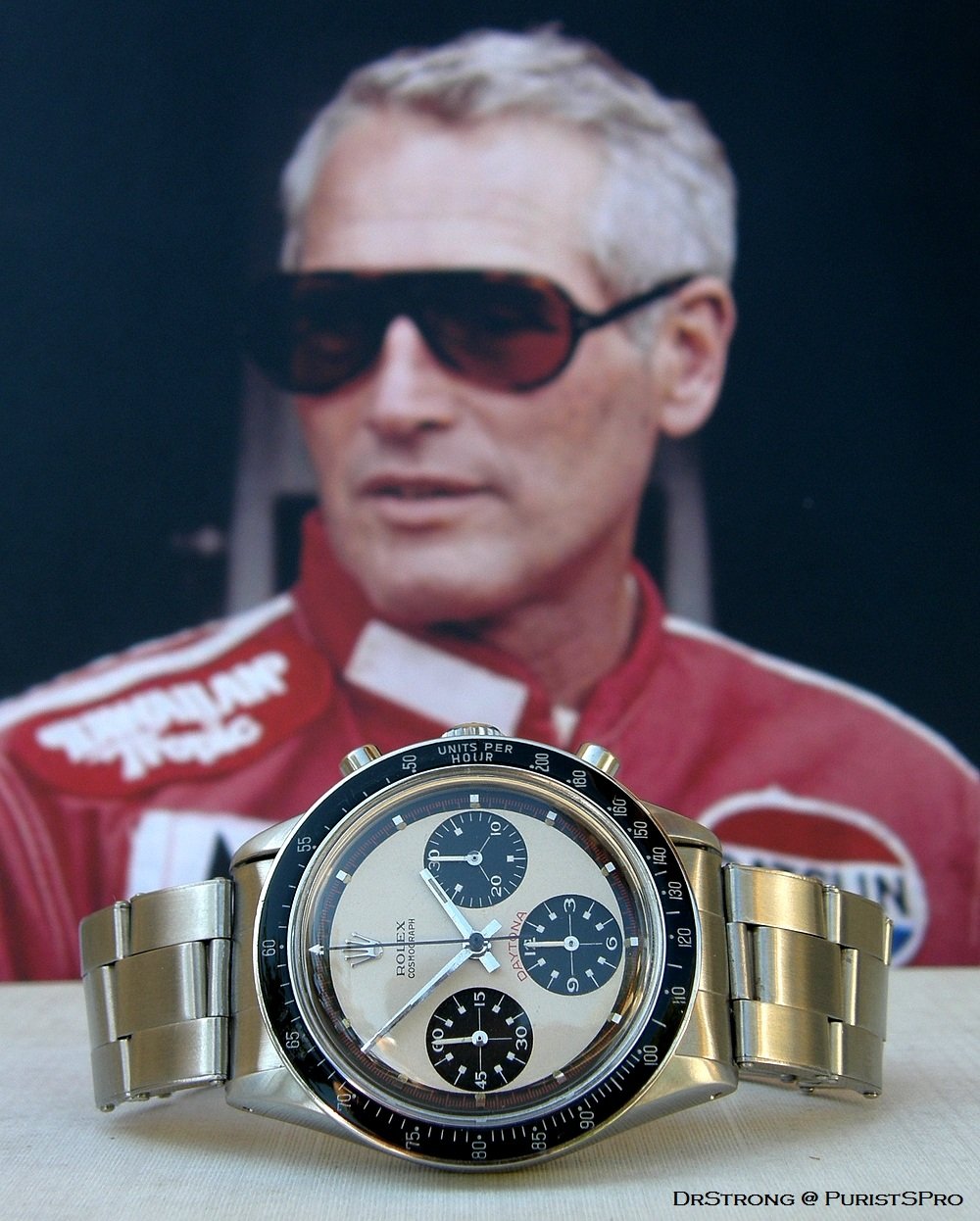
The Paul Newman dial – also called exotic dial by some collectors - was originally destined for the American market, which explains the inscription Daytona on nearly all examples with pump pushers and on every available reference of the time. It must be pointed out that his dial is considered by Rolex as a regular production dial and does not have any official name. Of course this dial got his nickname from the actor who has been offered a while dial Cosmograph by his wife when he started his career as a professional driver in 1972 and has been wearing it continuously during ten years.
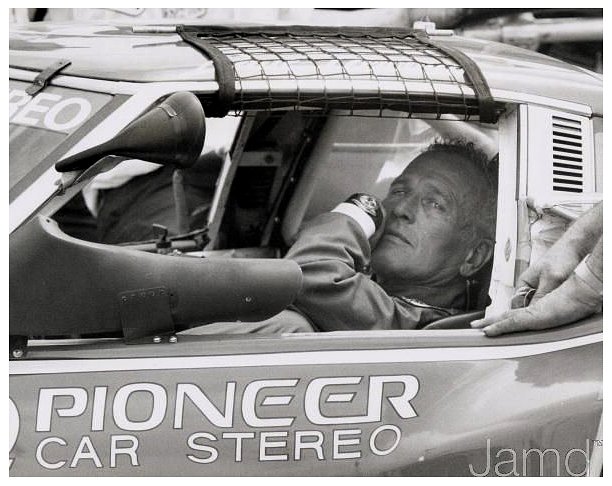
Paul Newman on the Riverside track in 1981
The watch presented here is a ref. 6239 manufactured in 1969 and which is in spectacular condition.
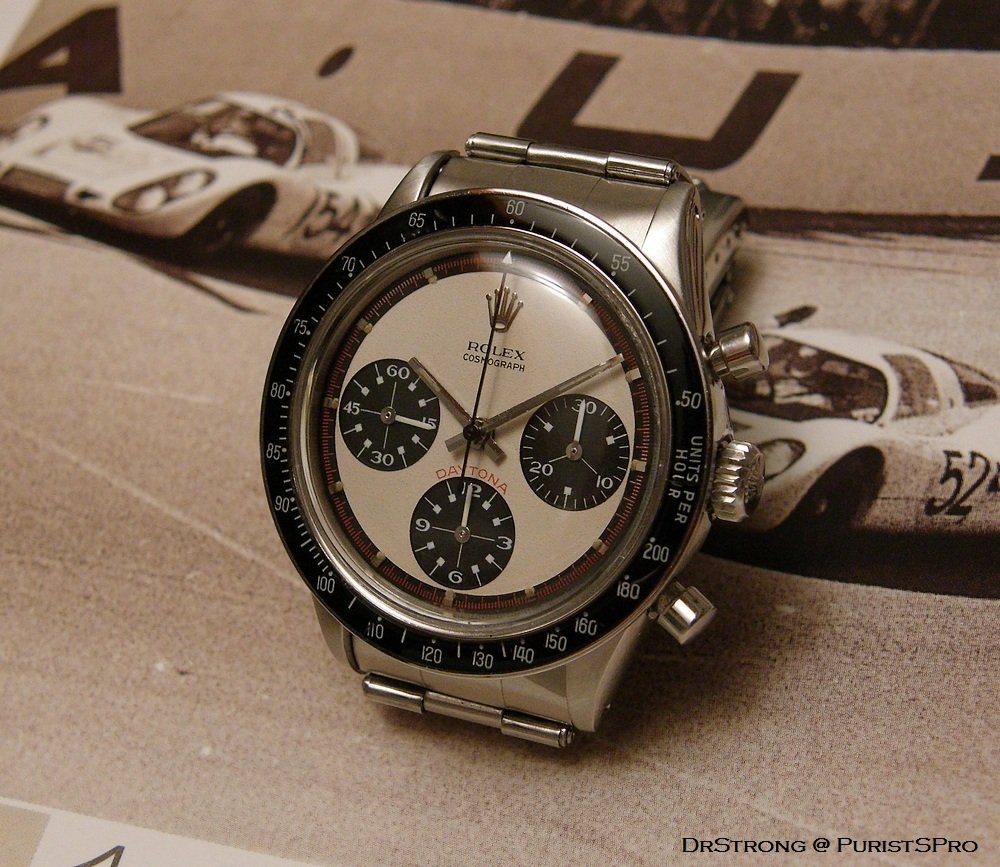
Daytona Paul Newman ref. 6239
The Case
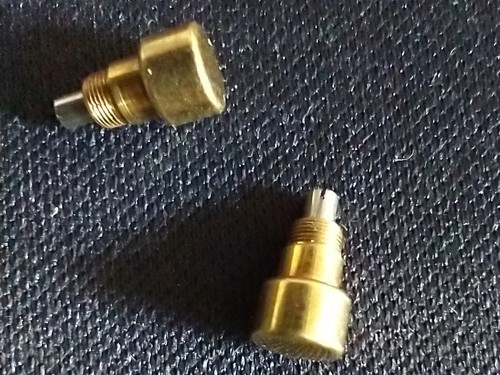
It has all the usual features of the early Cosmograph: 36mm round Oyster case with 6mm twinlock winding crown, pump pushers ref. 24-p3 and tropic 21 dome plexi.
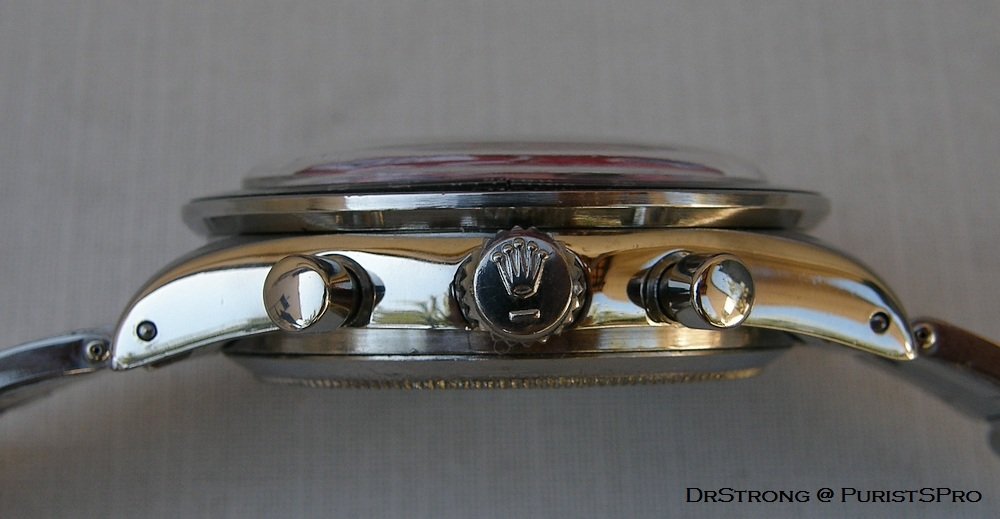
As for all the post-1966 Cosmographs, the case is slightly asymmetric for an easier winding
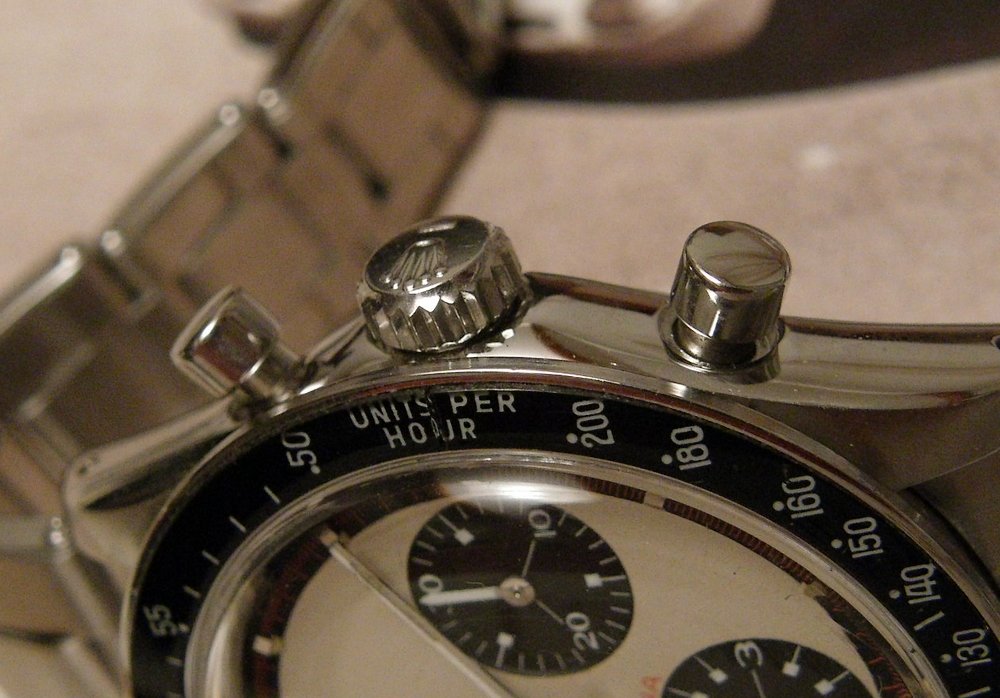
The asymmetric Cosmograph case
It is quite common for these vintage Cosmographs to have non matching casebacks, i.e. engraved with a reference different from the middle case reference. The caseback of my watch has the most unusual reference 6242, that does not correspond to any known Rolex watch: this number was allegedly registered by Rolex in the late 1960’s for a new Cosmograph, but for some reasons this watch was never produced.
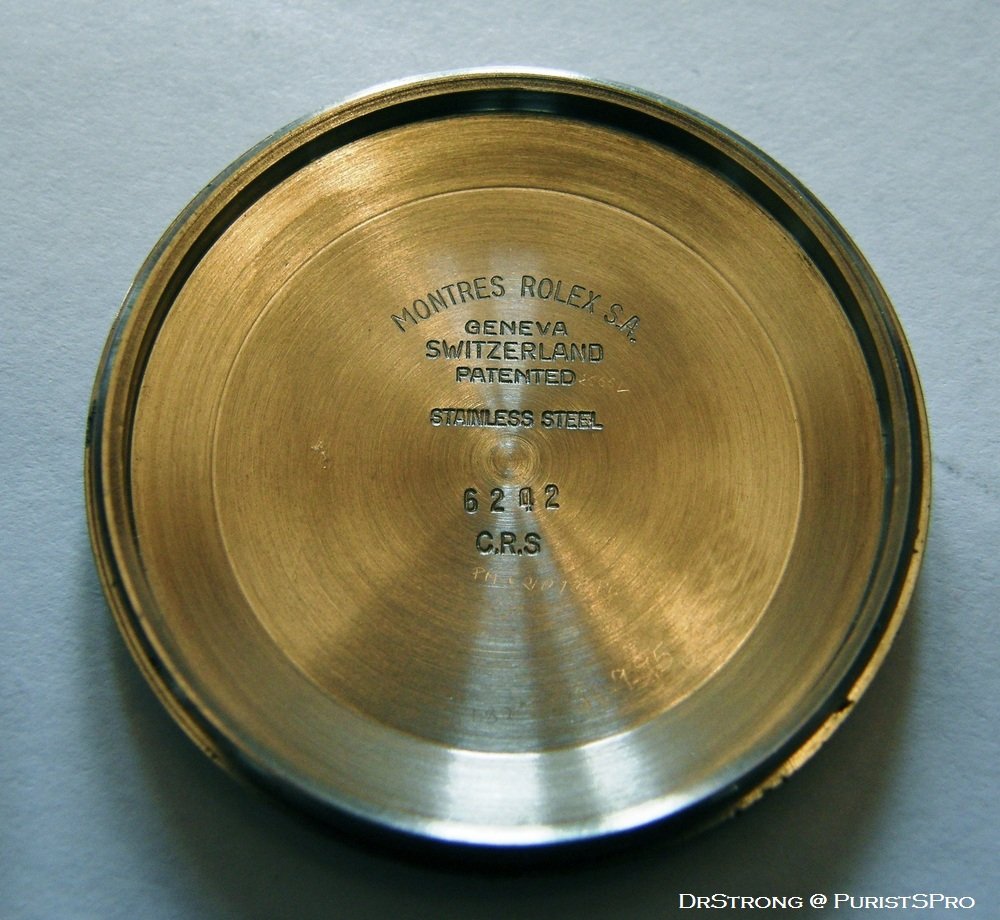
The elusive 6242 caseback
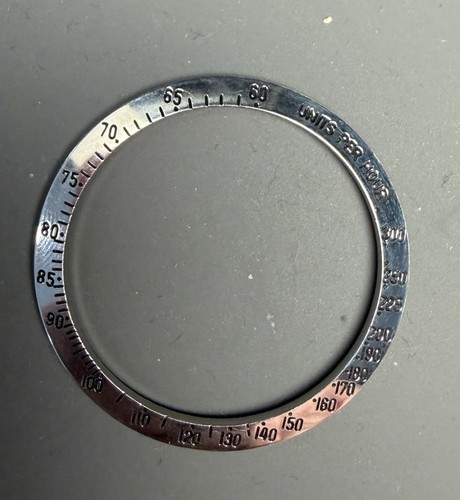
The steel bezel for speed measurement with graduations of up to 200 units per hour was used since the mid 1960’s. The acrylic bezel was introduced only for ref. 6241, but lots of collectors fit such a bezel on a ref. 6239 for aesthetical reasons ;-)
The Movement
The movement is Cal. 722-1 (based on the Valjoux 72) that was introduced by Rolex in 1967 as an improvement of the previous cal. 72B and 722.
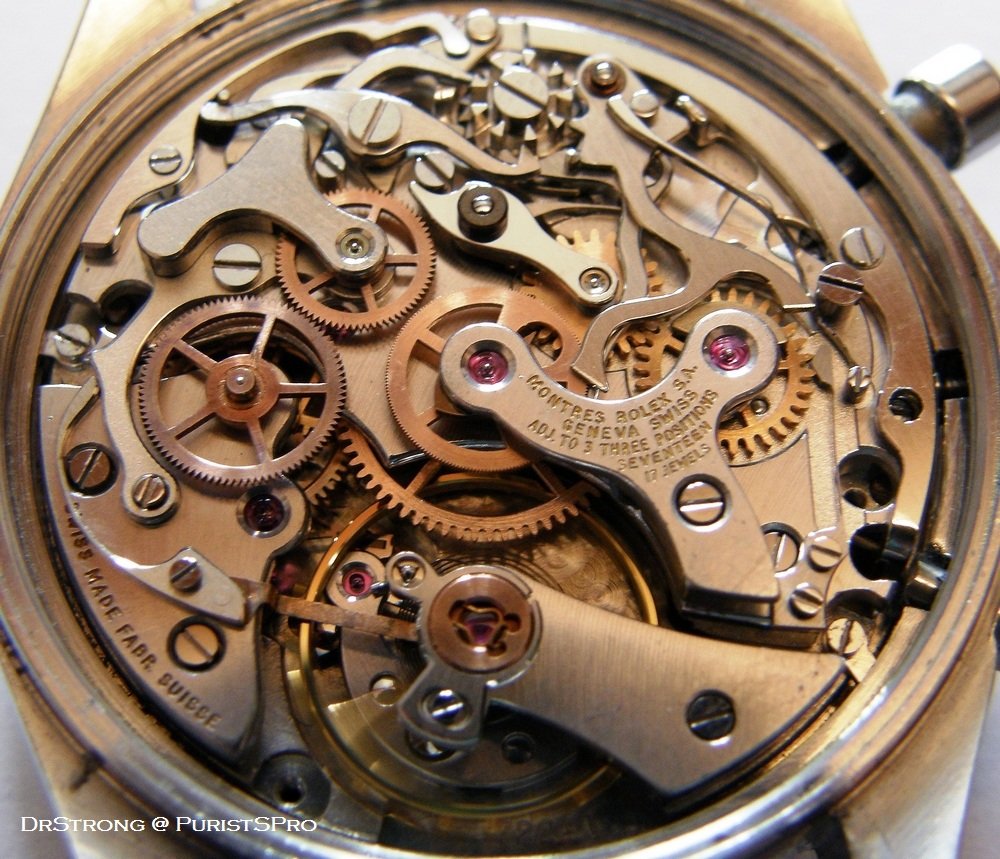
Rolex cal. 722-1
The Dial
The three color Paul Newman dial is characterized by a sportier look than the regular production version, an enhanced three dimensional aspect and specific patterns and fonts for the subdials numbers. Here are close ups of some specific features of this dial:
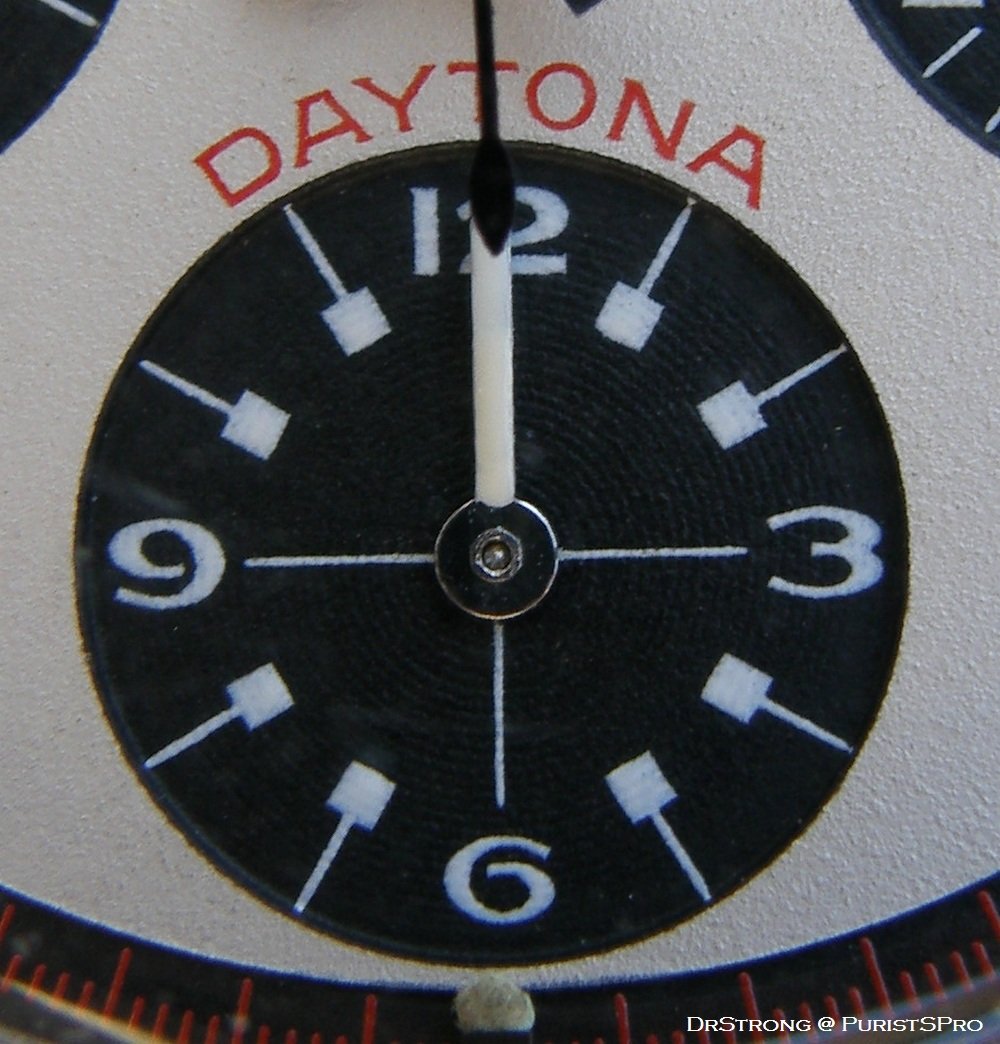
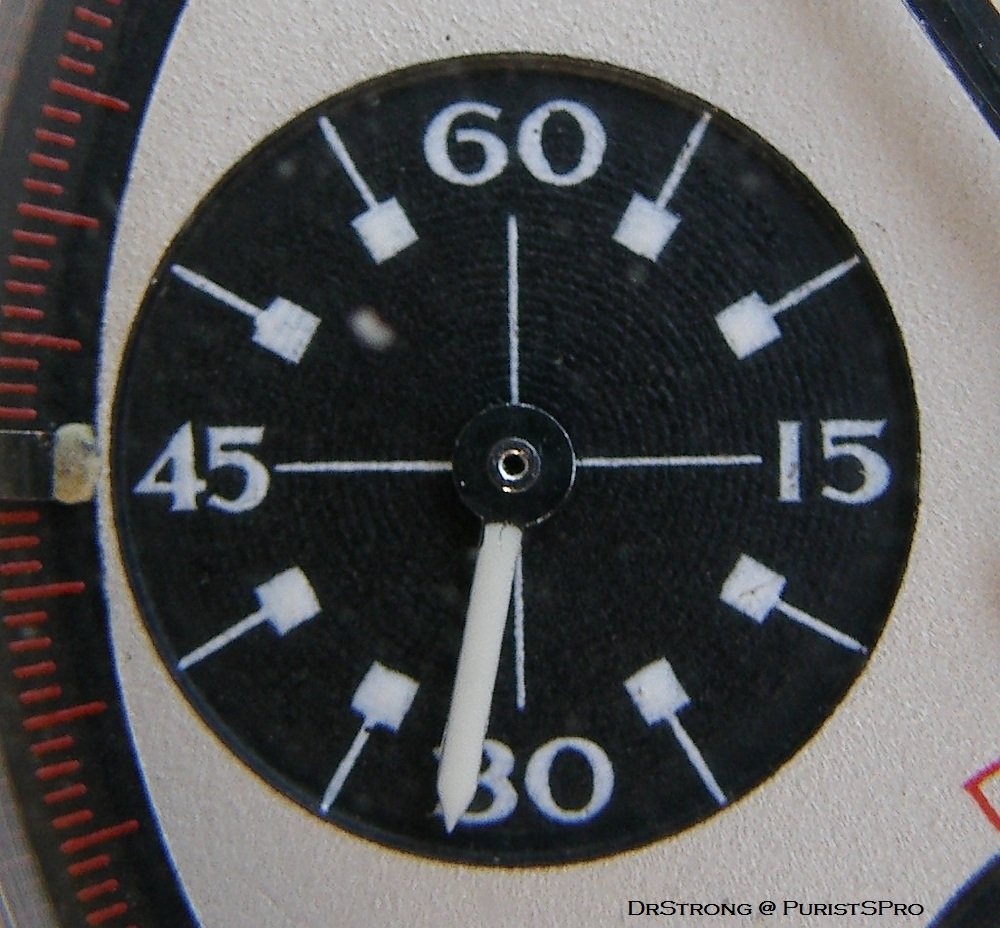
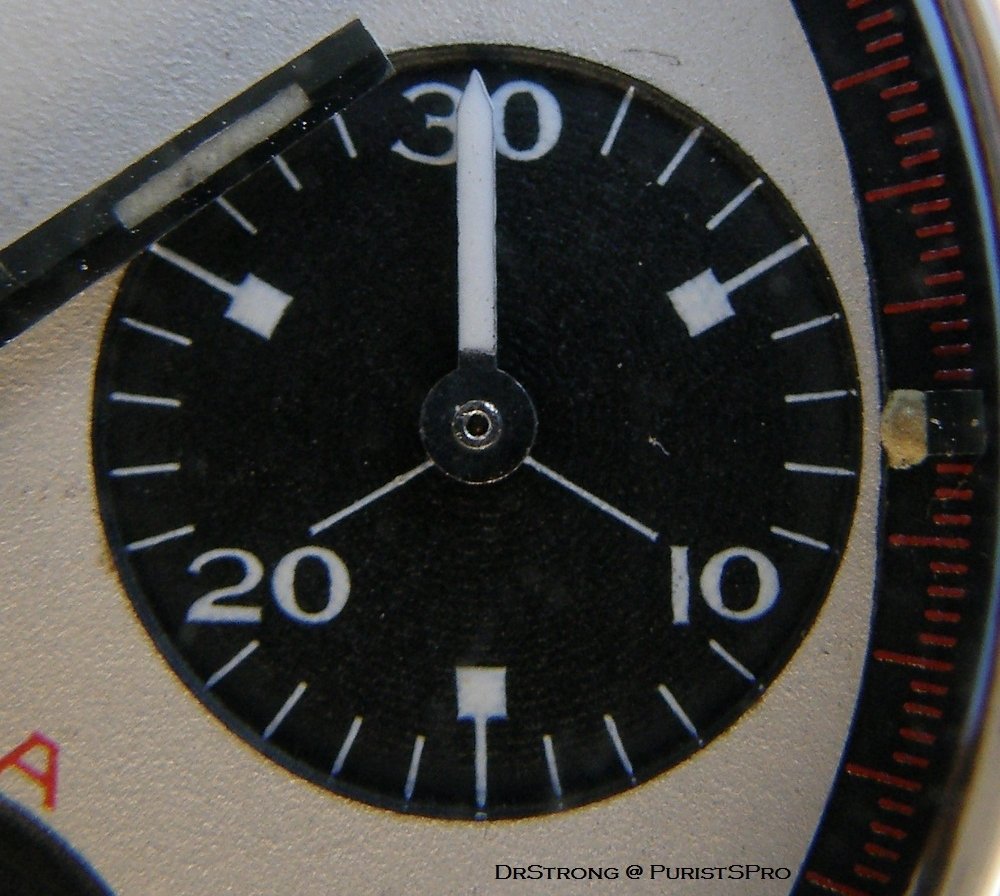
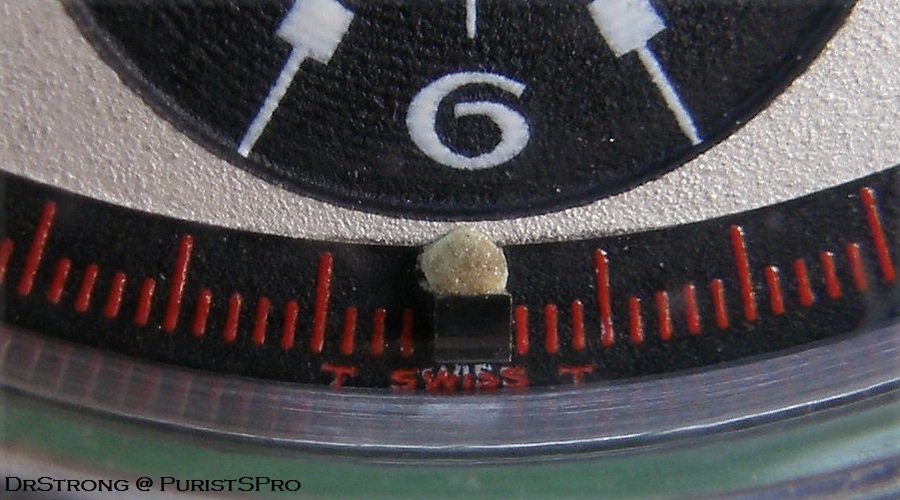
Close ups of the Paul Newman dial
Bracelet
The bracelet is a standard late 1960's 19mm Oyster bracelet with riveted links:
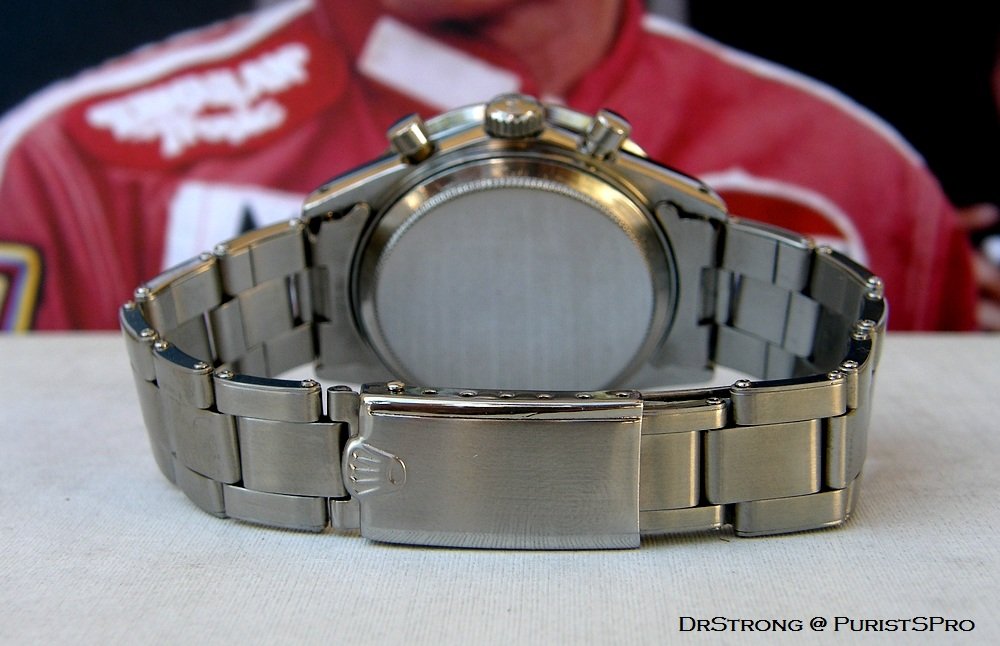
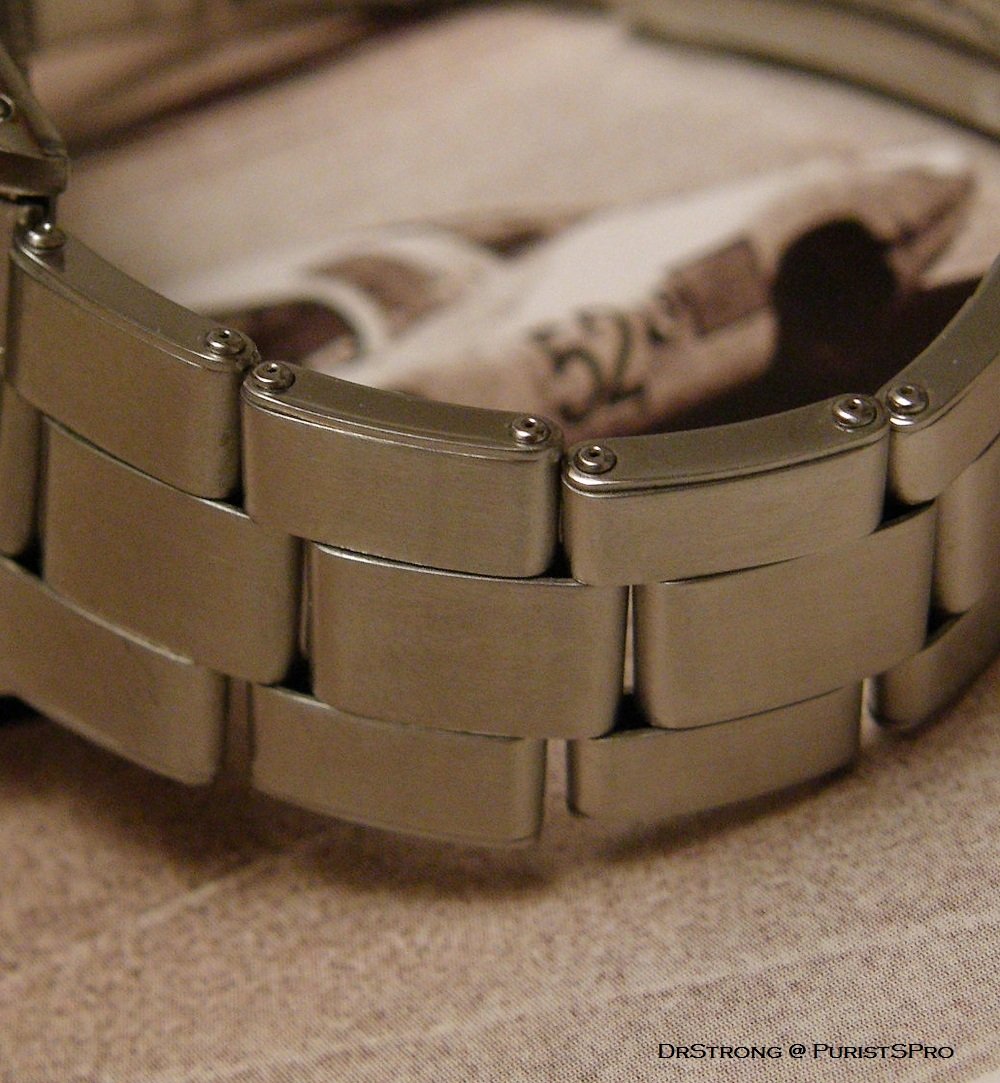
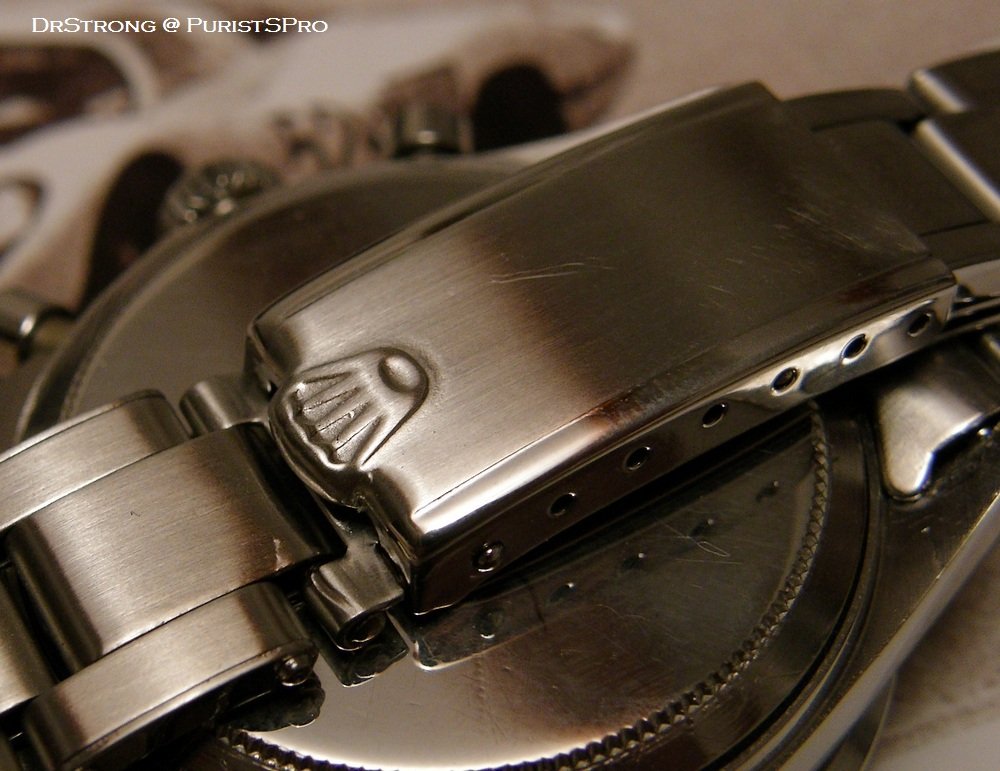
The riveted bracelet
The Set
Back in the early 1970’s the Cosmograph was sold with a box, a folded sheet describing the features of the watch (this document was green or orange depending on the country) and a little guarantee booklet.
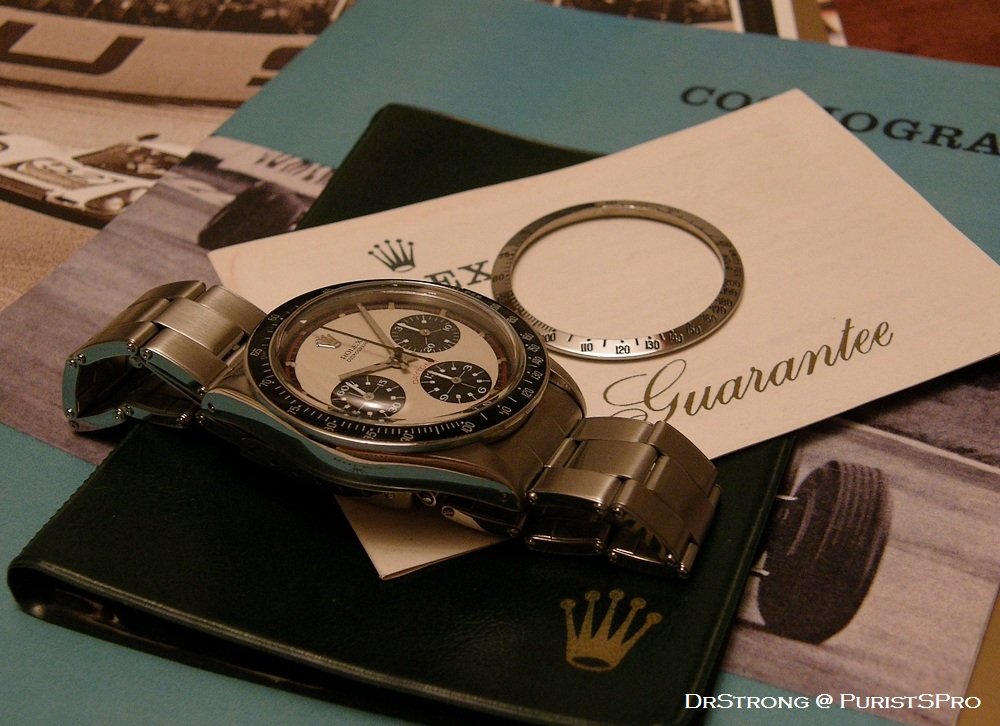
A typical early 1970’s Cosmograph set
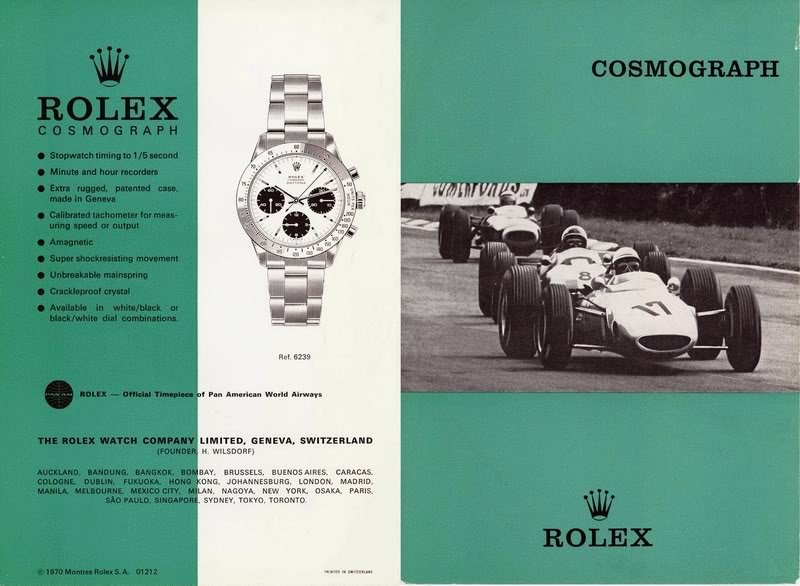
Finally, here’s a 1960’s Rolex ad with several exotic dials illustrated:
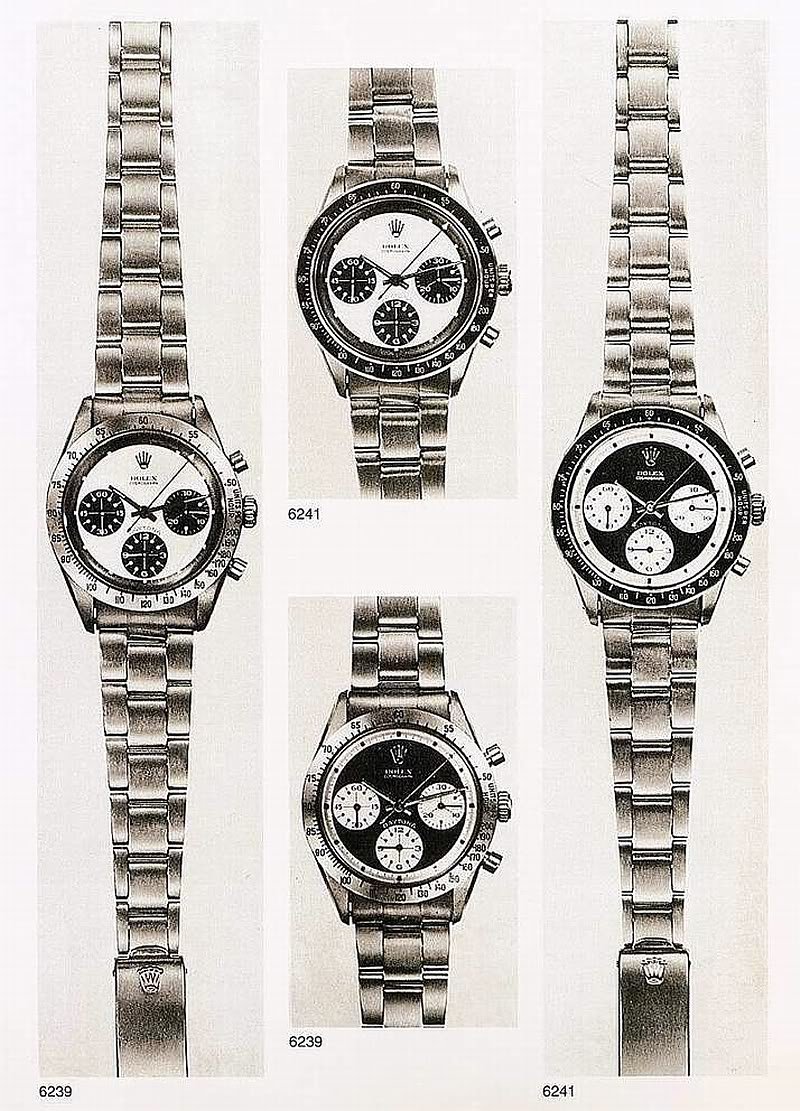
1960’s Rolex ad
The evolution of the early Rolex Cosmograph is detailed here:
While the different types of exotic dials are described here:
This message has been edited by DrStrong on 2010-08-10 23:52:28 This message has been edited by DrStrong on 2010-08-18 00:03:16
The Rolex 6239 represents a black dial variant within this reference, produced from 1963 to 1969. This reference occupies a specific position in Rolex's chronograph offerings of the period, distinguished by its black dial configuration and manual winding operation.
The watch features a 37mm stainless steel case fitted with a fixed tachymeter bezel and acrylic crystal. Water resistance is rated to 50 meters. The manual winding movement utilizes the Valjoux 72 caliber, providing a 45-hour power reserve. The timepiece is completed with a leather strap.
This reference appeals to collectors focused on vintage Rolex chronographs from the 1960s production era. The black dial variant offers an alternative to other dial configurations within the 6239 reference range. The manual winding Valjoux 72 movement and 37mm case size reflect the technical specifications typical of this production period.
Hello DrStrong! What a wonderful review and pics, truly an iconic sports watch! -MW
Thanks !
Recently I have acquired a fascination with vintage Rolex though not acquired any vintage Rolex, yet. - SJX
No message body
Awesome article. And thank you for posting it. I guess there are a number of things that make the PN dial so appealing. First, the 1960s and 1970s was a time when Daytonas were not especially valued by watch enthusiasts, so not a popular watch. And then, very few of the Daytonas had the exotic dial requested....so it is a rare and unpopular watch in its time. However, as time has progressed, the appeal of the watch has risen. A bit like a Van Gogh! I have to say that while i am a fan of all the
exactly
This thread is active on the Rolex forum with 45 replies. Share your knowledge with fellow collectors.
Join the Discussion →