Vintage
KMII's exploration of the Minerva Caliber 13-20 from the original Frey era offers a compelling look at a foundational movement. This article delves into why this particular era, characterized by its elegant sizing and movement architecture, continues to captivate collectors, even without the later finishing embellishments. KMII's post serves as a valuable reference for understanding the historical significance and enduring appeal of these Minerva timepieces.

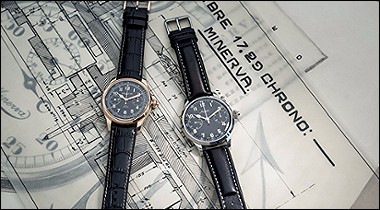
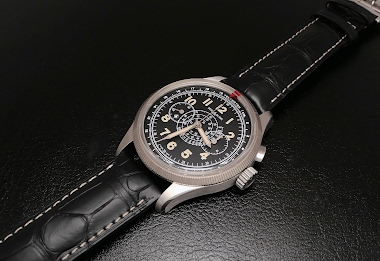
The Minerva Cal. 13-20 represents an early iteration from the original Frey era, characterized by its foundational movement architecture. This reference predates later finishing enhancements, offering a direct representation of Minerva's watchmaking during a specific period. It is presented in a case designed for balanced proportions, reflecting the aesthetic preferences of its time. The model is distinguished by its focus on the core mechanical aspects without the decorative embellishments found in subsequent releases. This approach highlights the inherent quality of the movement and the design principles of the era. Its understated presentation allows the technical merits to be the primary focus for collectors.
This Minerva reference features a manual winding movement, specifically the Caliber 13-20. The case material is stainless steel, and it houses a movement known for its robust construction. The watch is fitted with a sapphire crystal, providing clarity and scratch resistance. The design emphasizes a clear and legible dial, consistent with the functional requirements of a precision timepiece. The movement operates at a frequency that ensures reliable timekeeping, and its power reserve is typical for a manual-wound caliber of this type. The case dimensions contribute to its wearability, making it suitable for various wrist sizes.
For collectors, the Cal. 13-20 from the Frey era holds significance as it showcases Minerva's commitment to movement development before the brand's later stylistic evolutions. Its appeal lies in its authenticity as a product of its specific manufacturing period, offering insight into the brand's heritage. The absence of later decorative elements makes it a reference point for understanding the brand's technical foundations. It is sought after by those who appreciate the historical context and the unadorned mechanical integrity of early Minerva timepieces. This reference provides a clear example of the brand's early design philosophy.
Was very happy when I found one. Now I feel I have the Frey Minerva bases covered for a start and if luck favors me, I’d like to add a Gnutti era chronograph at some point, too 🤞🏻
They were spectacular value some six, seven years ago 🤷🏻♂️
A quick look had them at a 50% premium over the later, Montblanc branded Villeret movement ones - which I find is not realistic for me 🤷🏻♂️
This thread is active on the Montblanc forum with 29 replies. Share your knowledge with fellow collectors.
Join the Discussion →