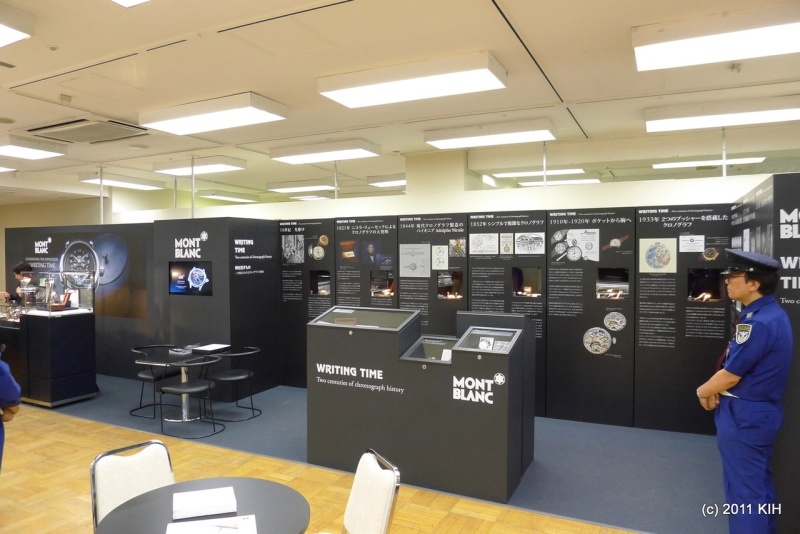
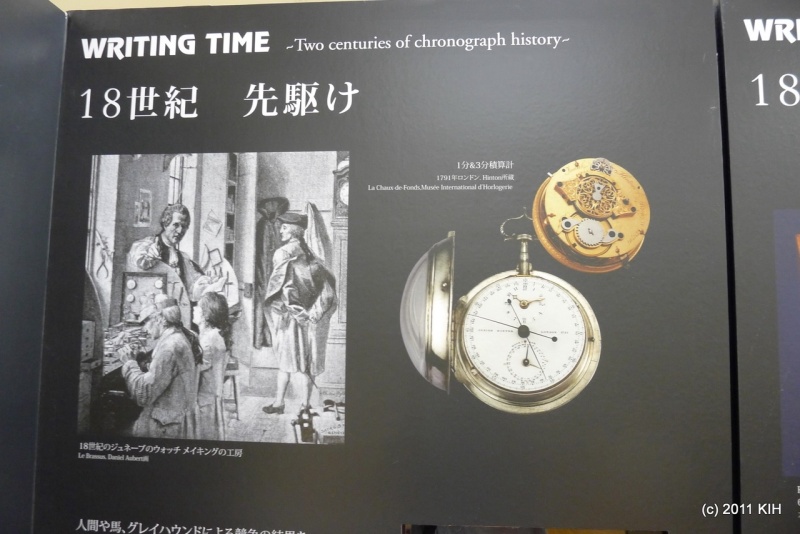
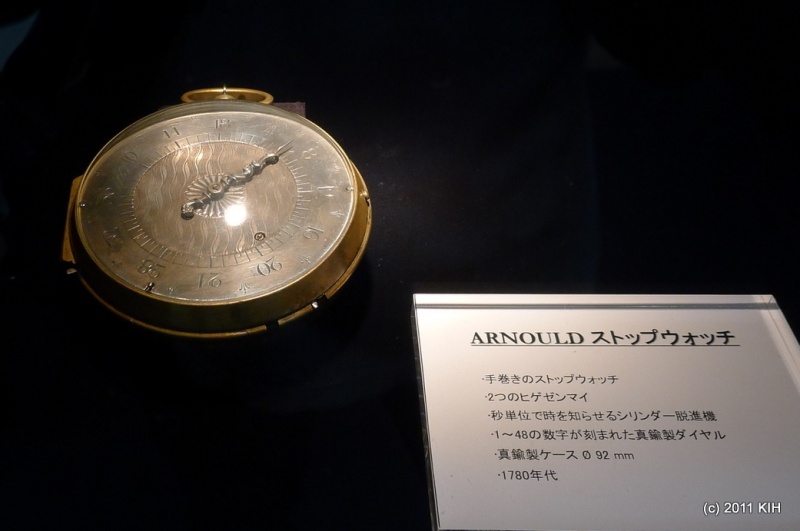
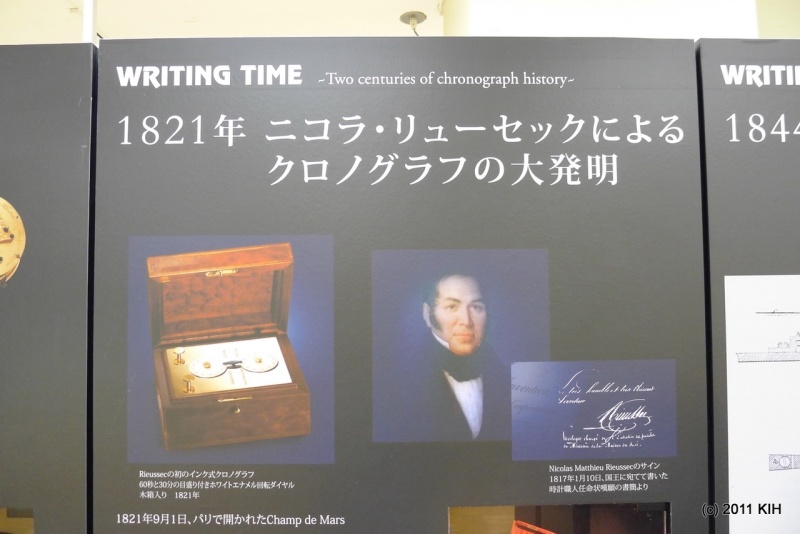
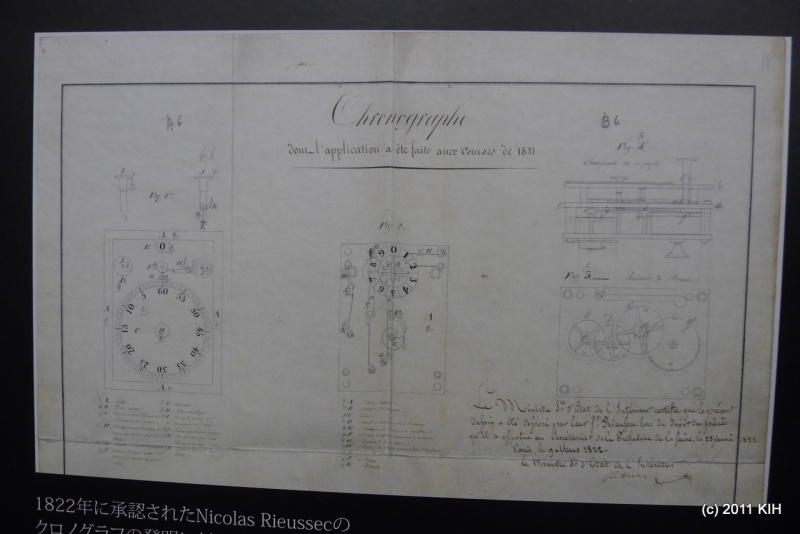
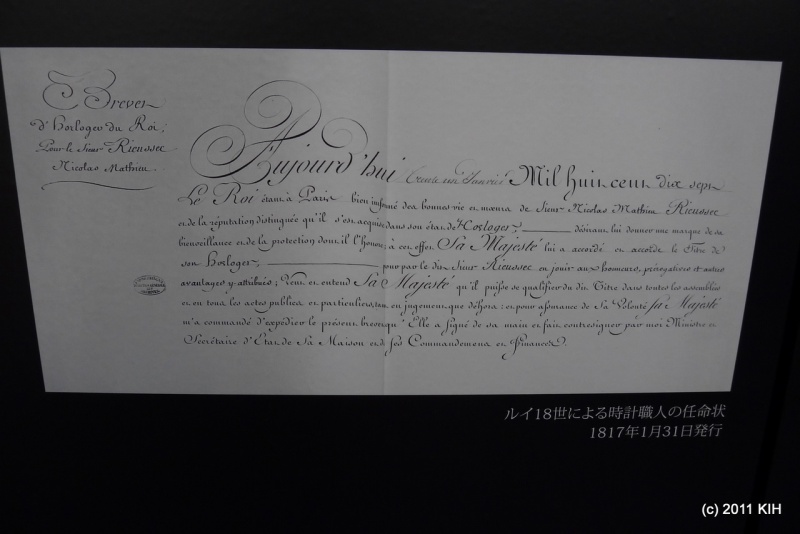
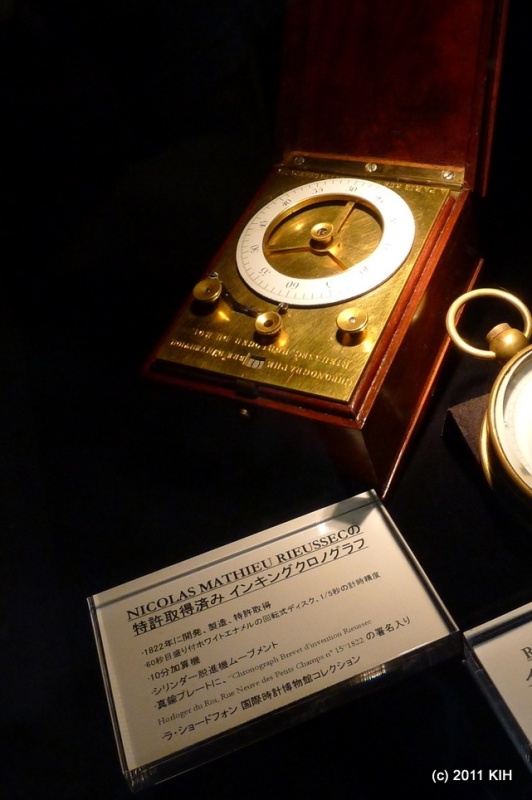
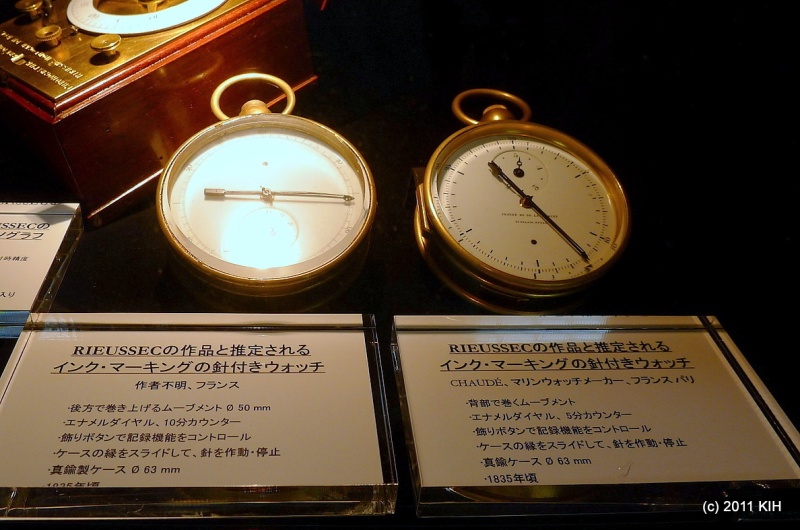
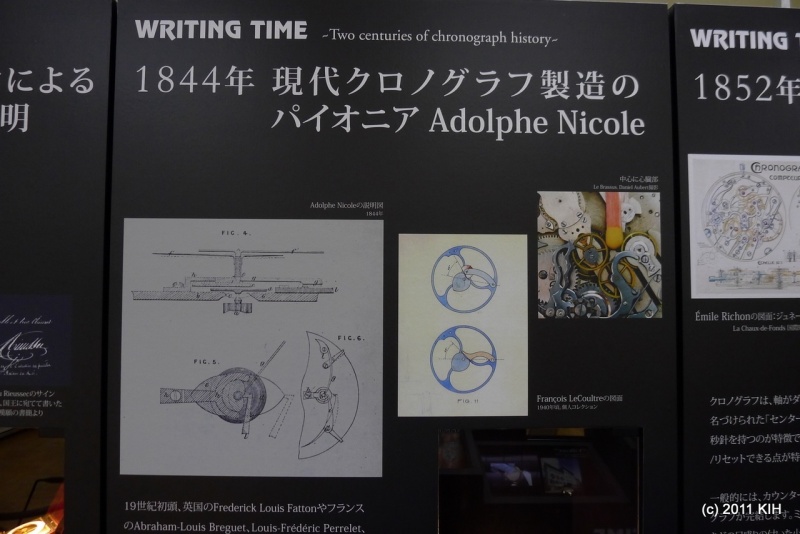
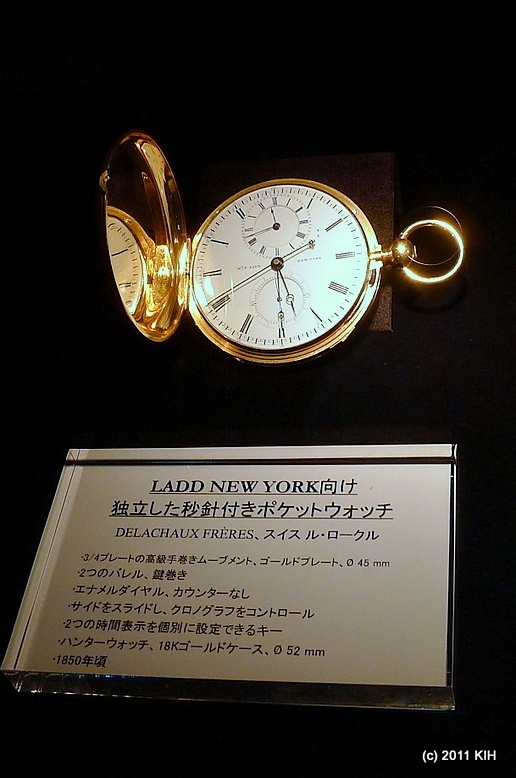
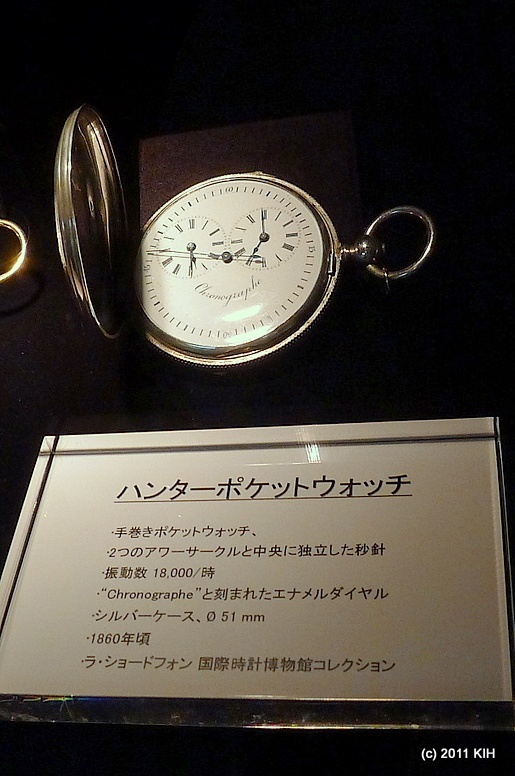
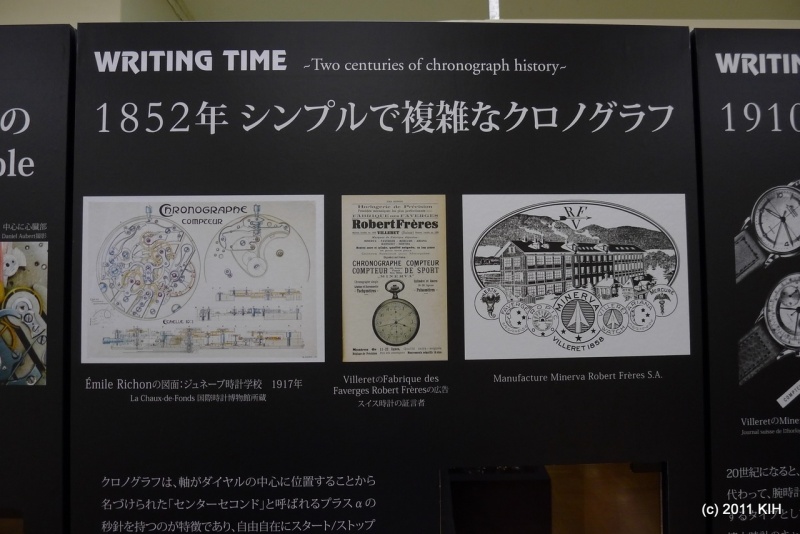
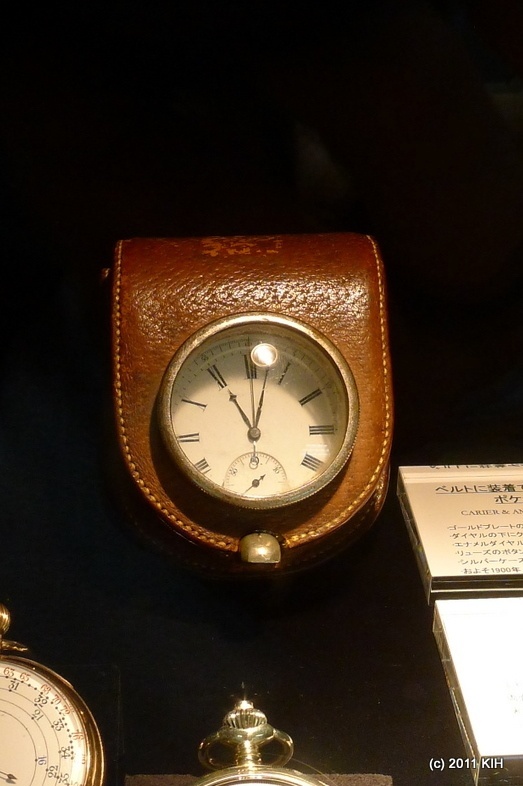
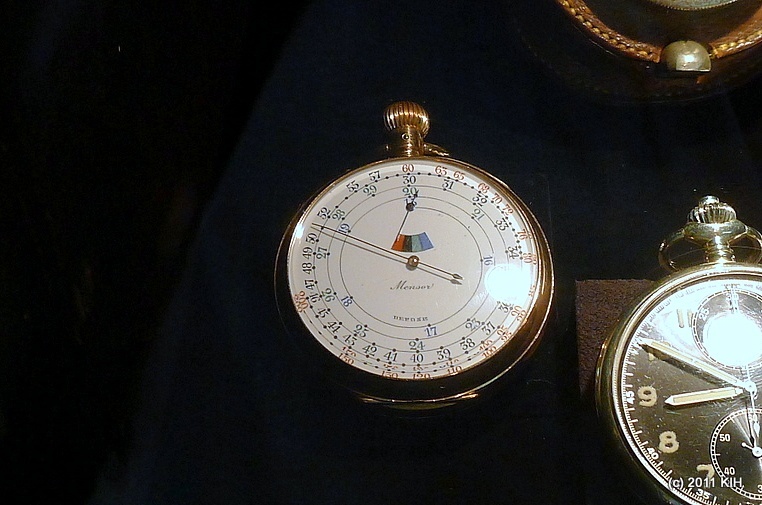
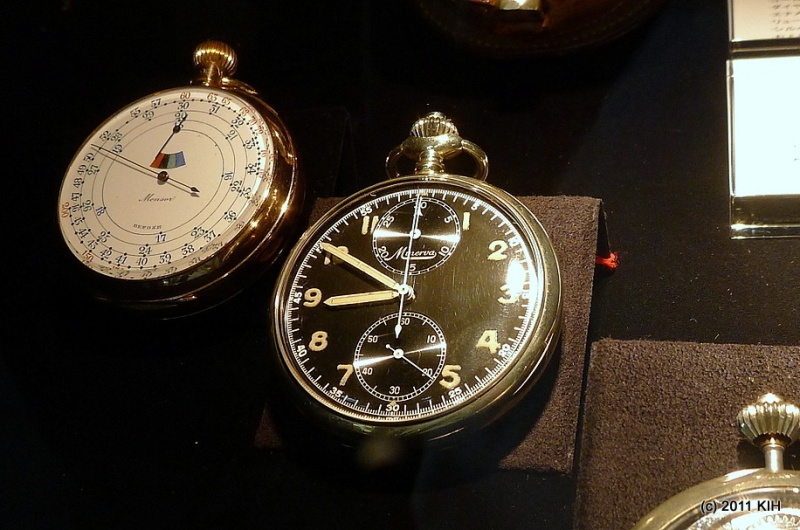
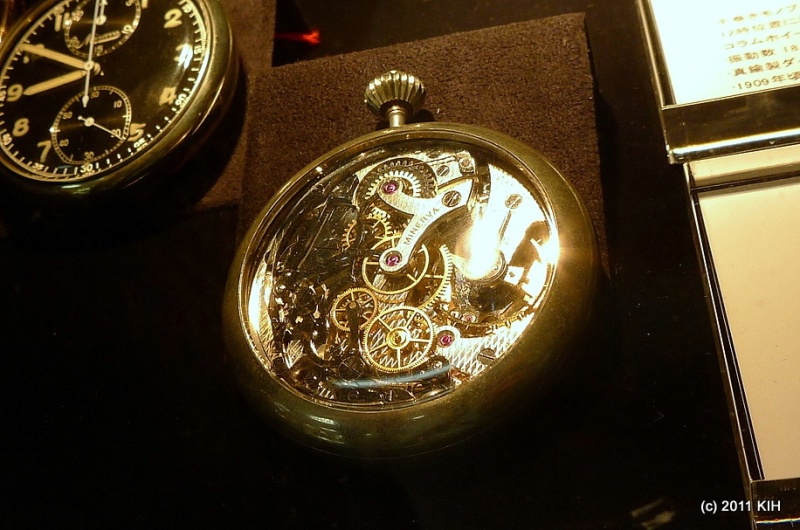
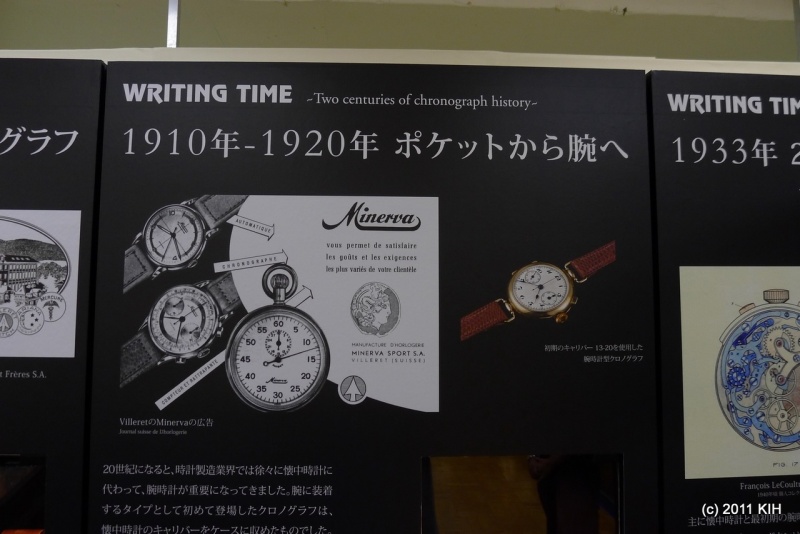
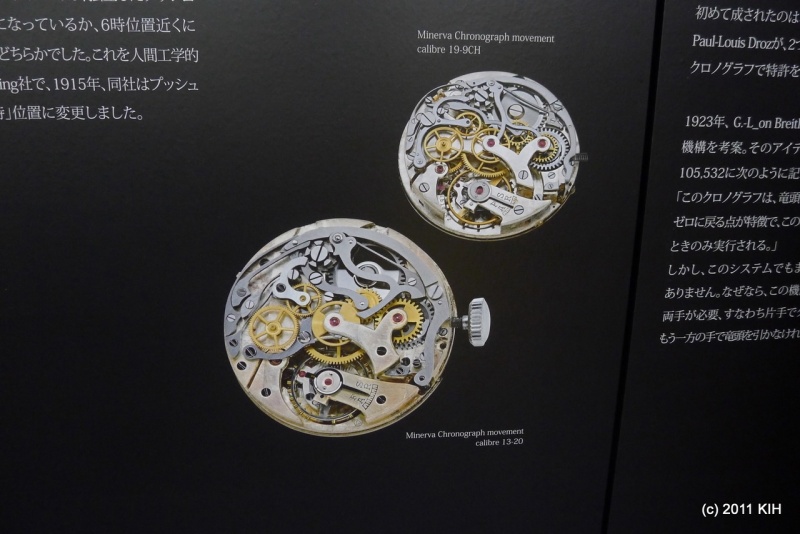
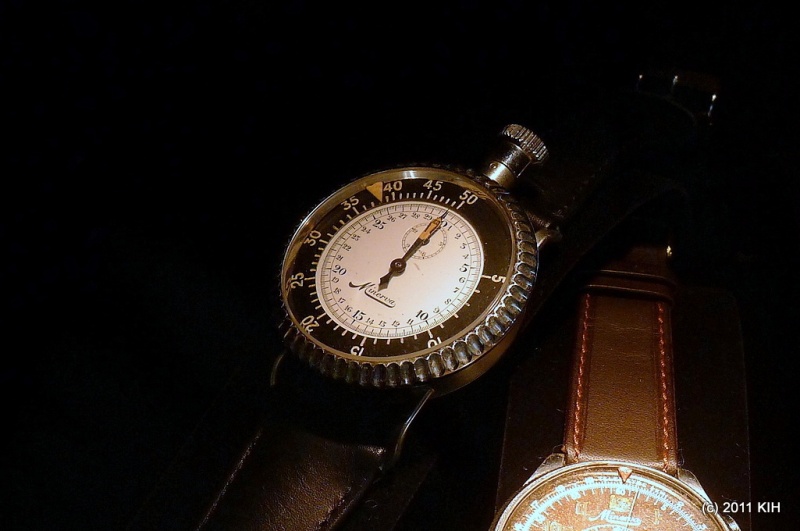
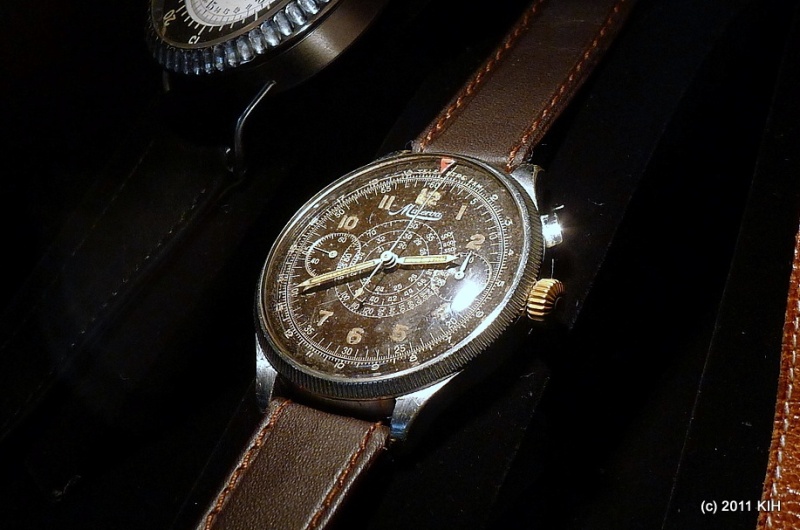
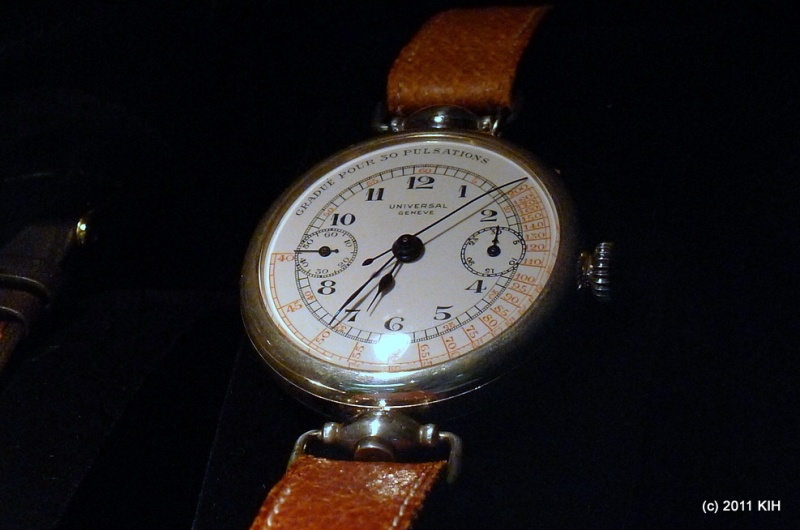
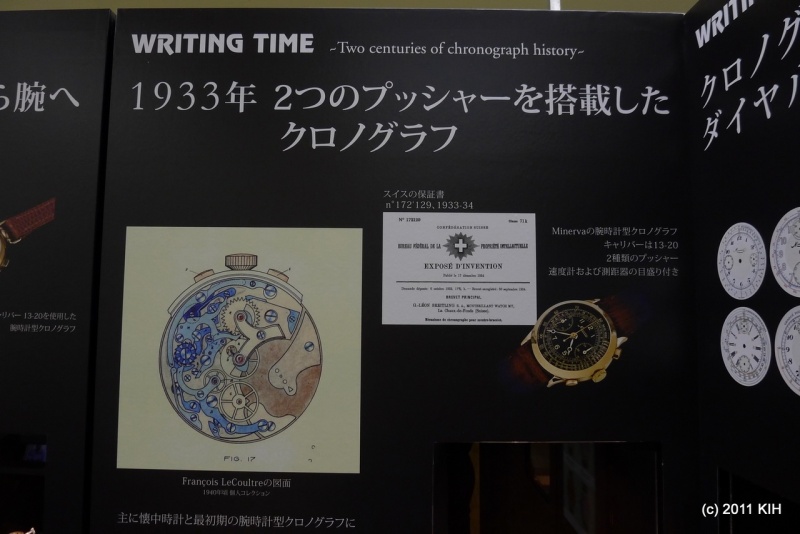
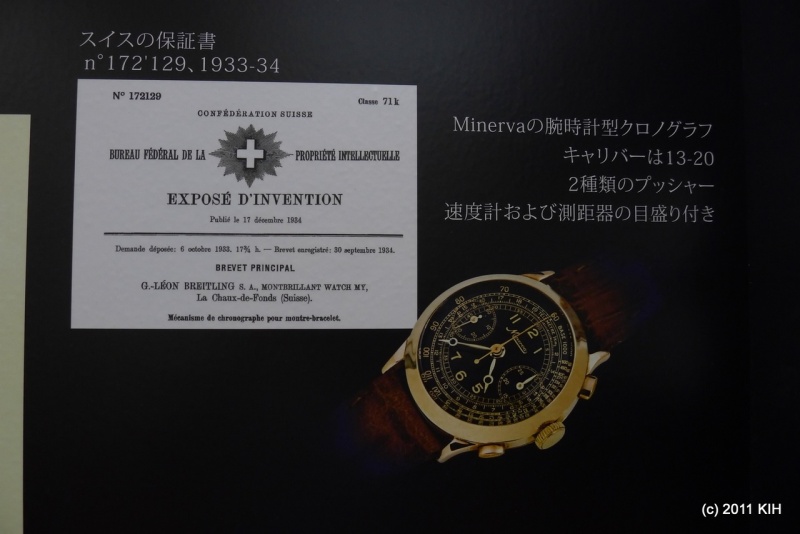
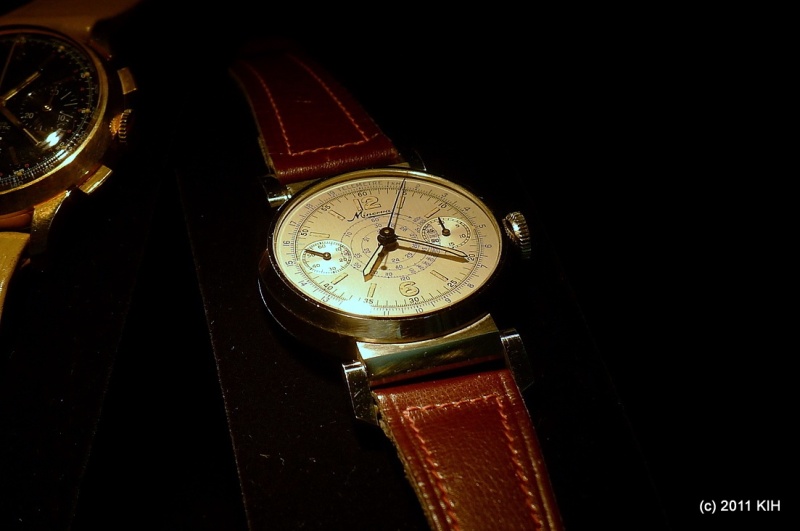
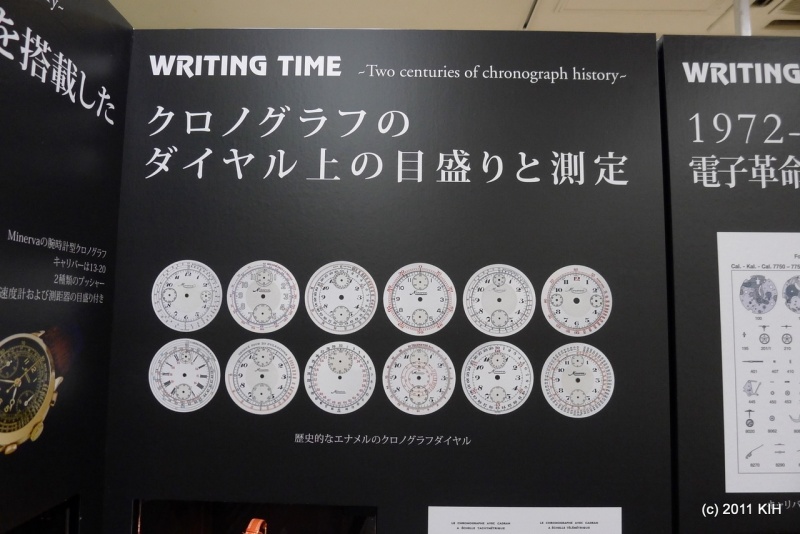
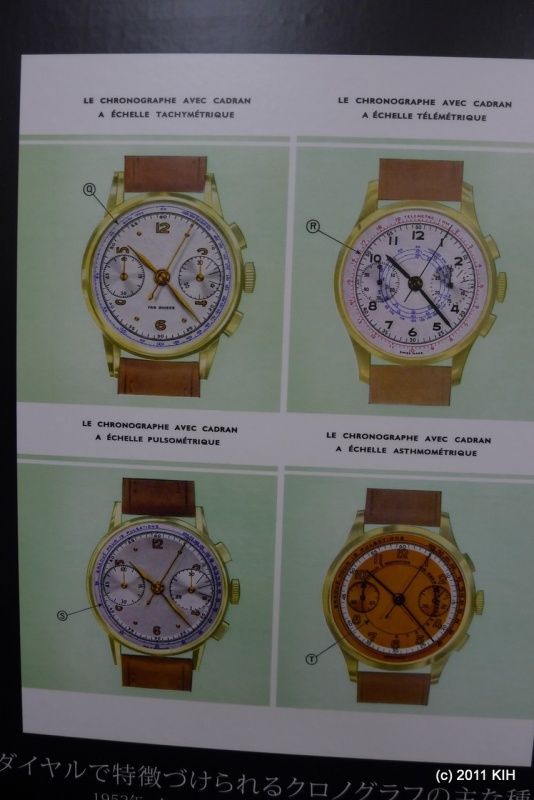
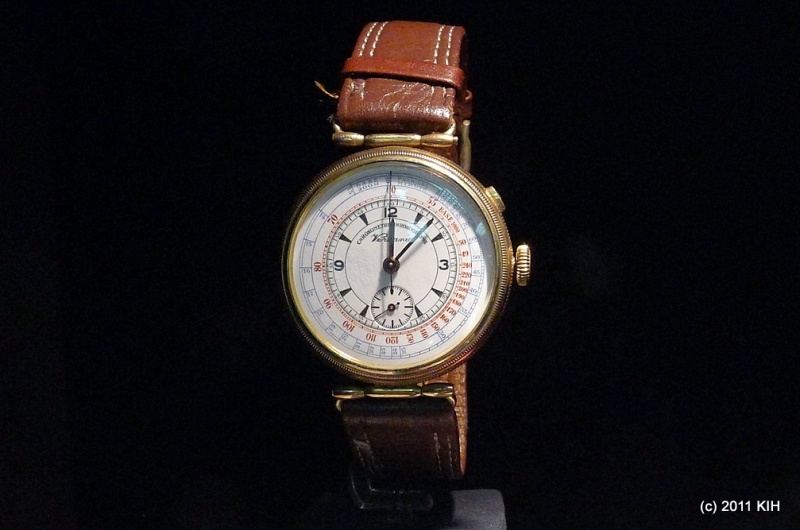
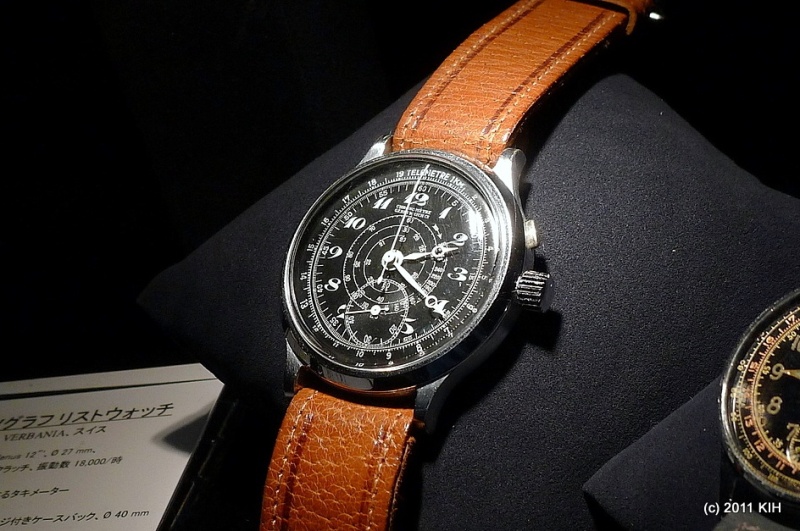
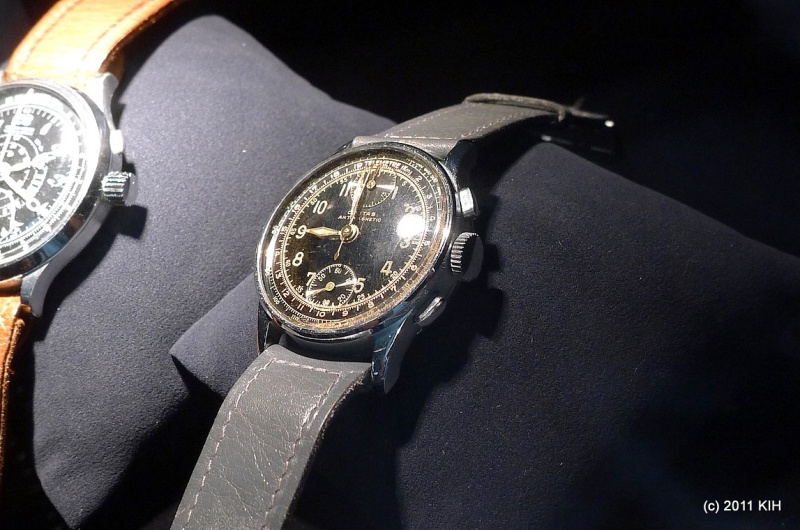
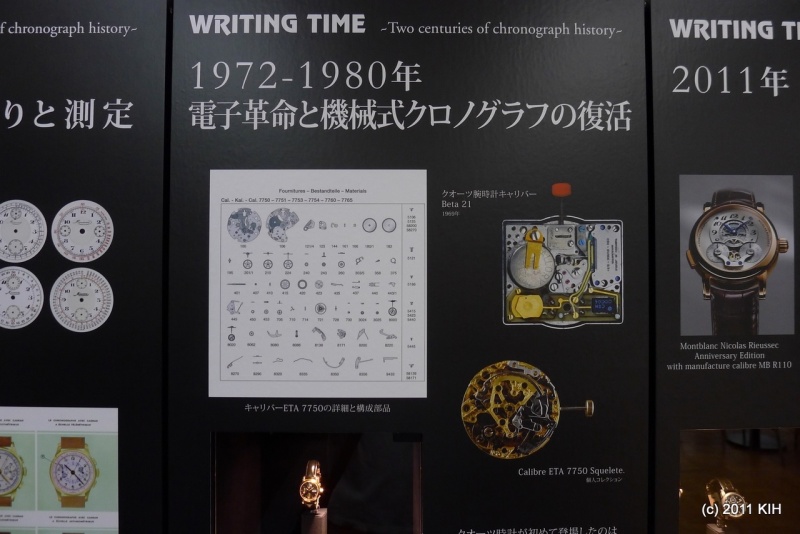
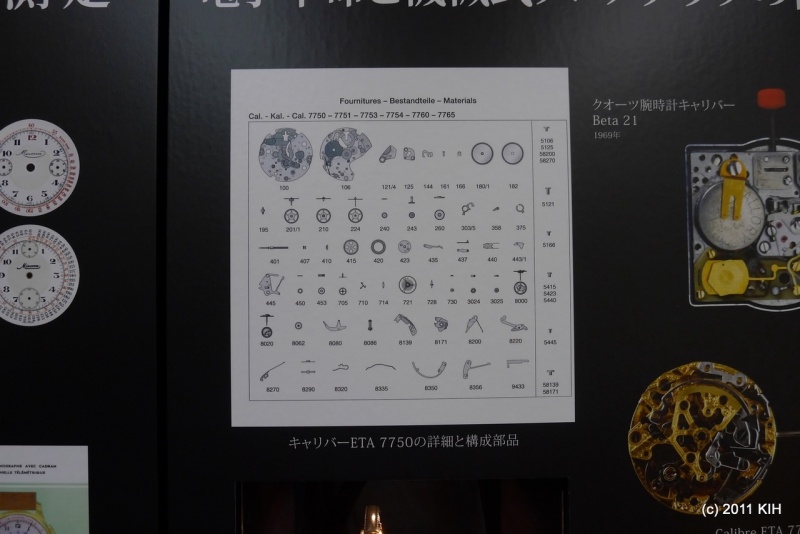
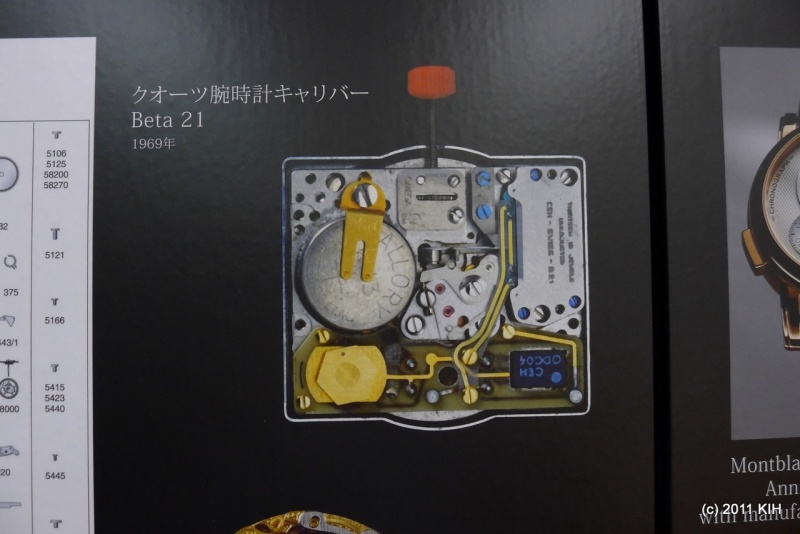
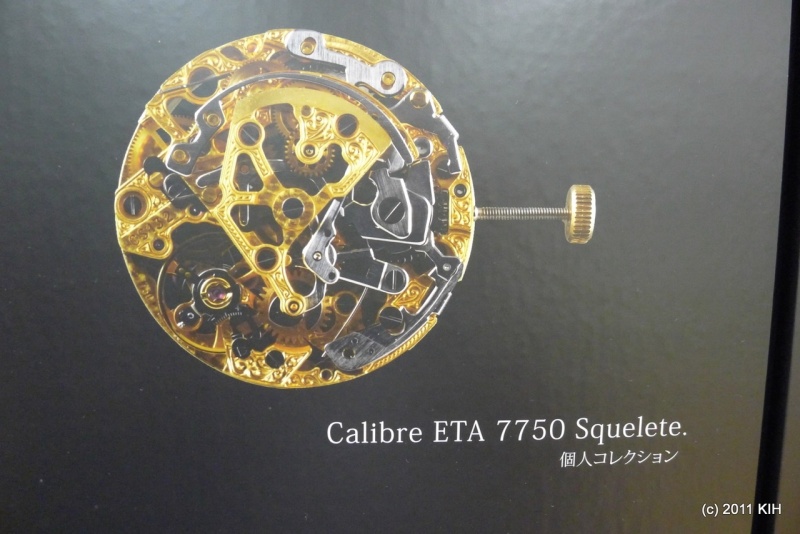
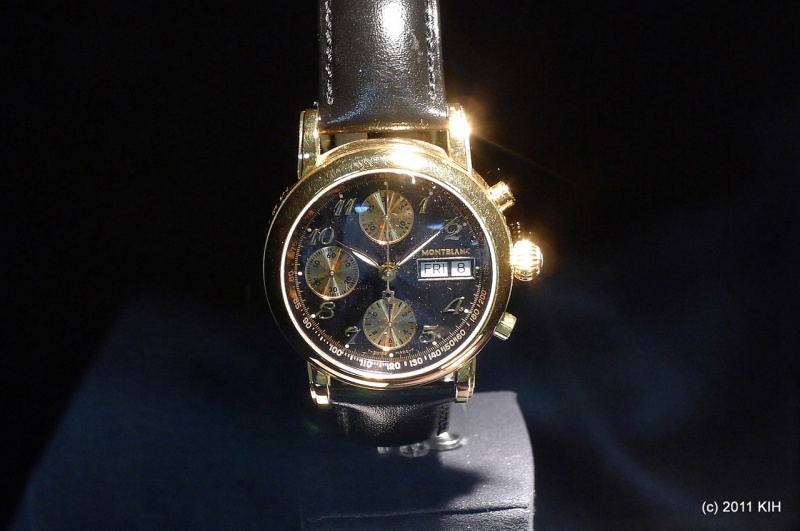
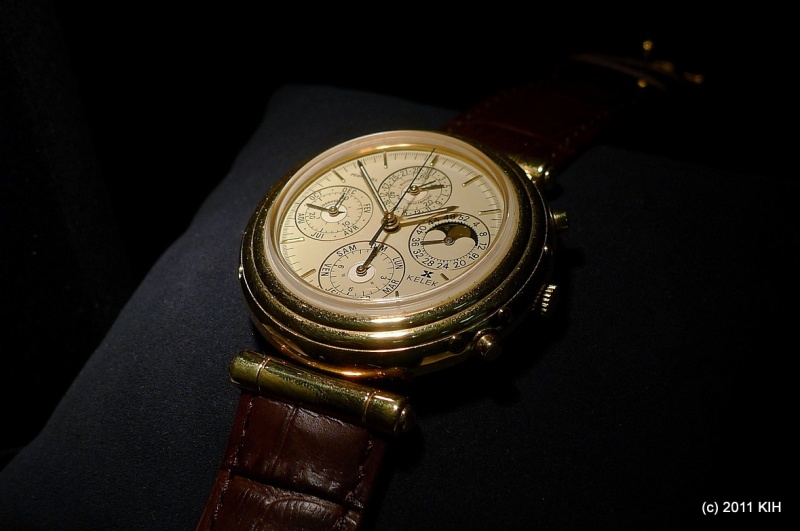
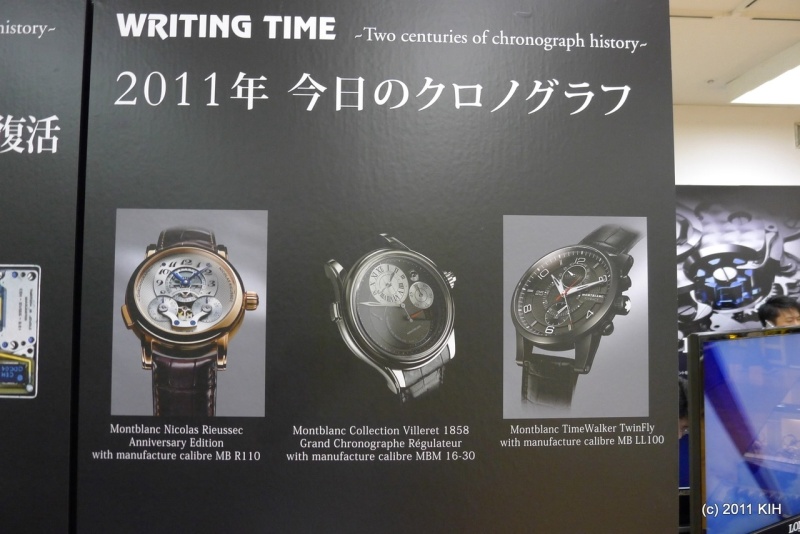
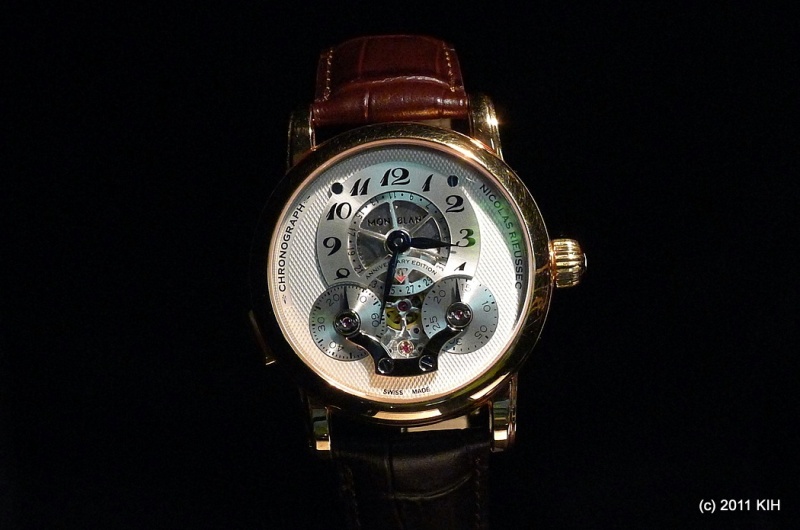
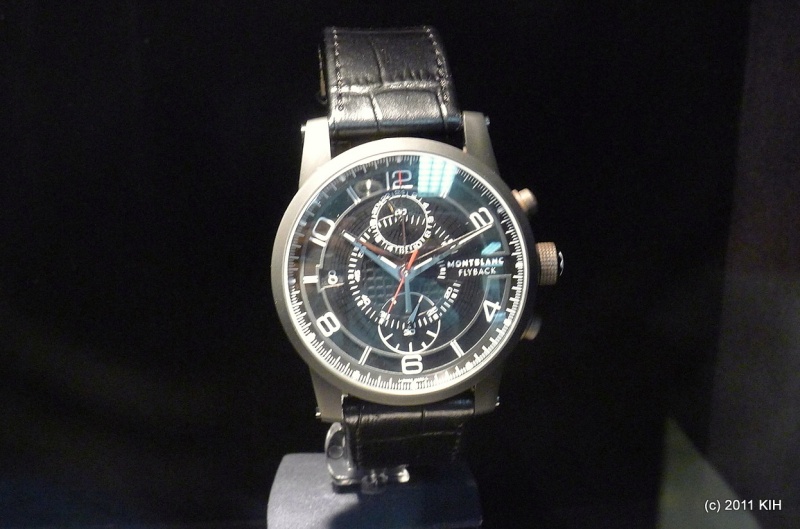
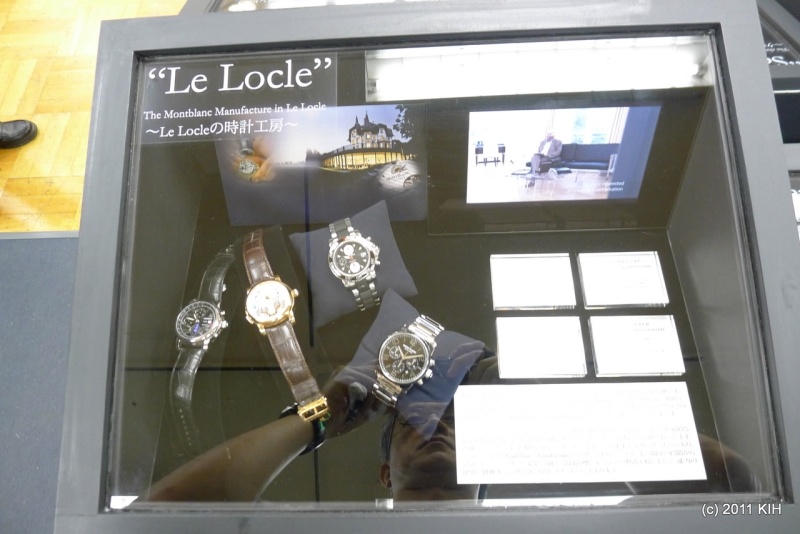
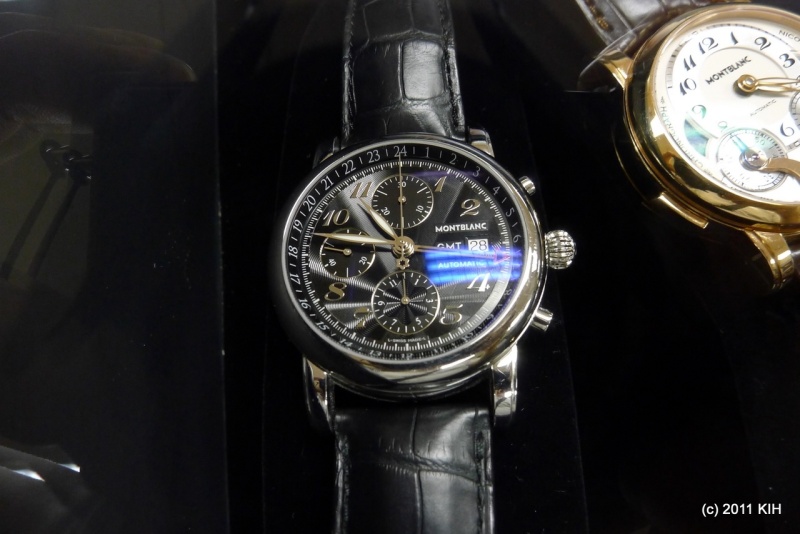
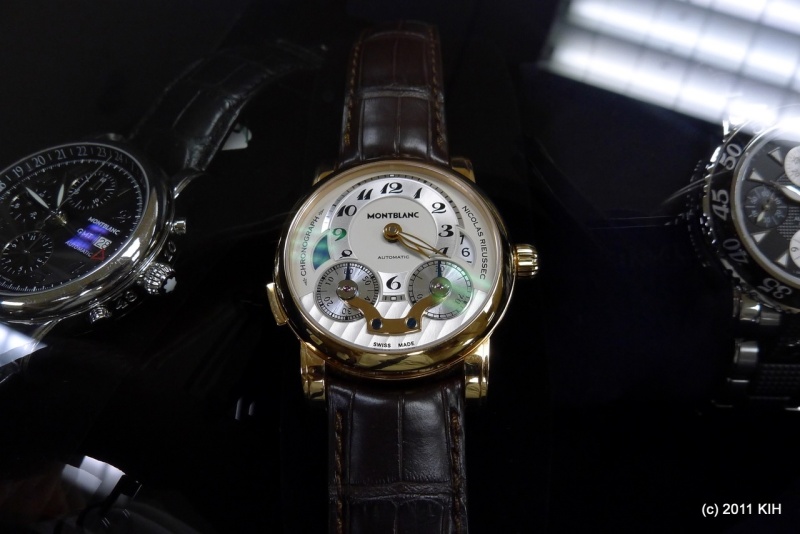
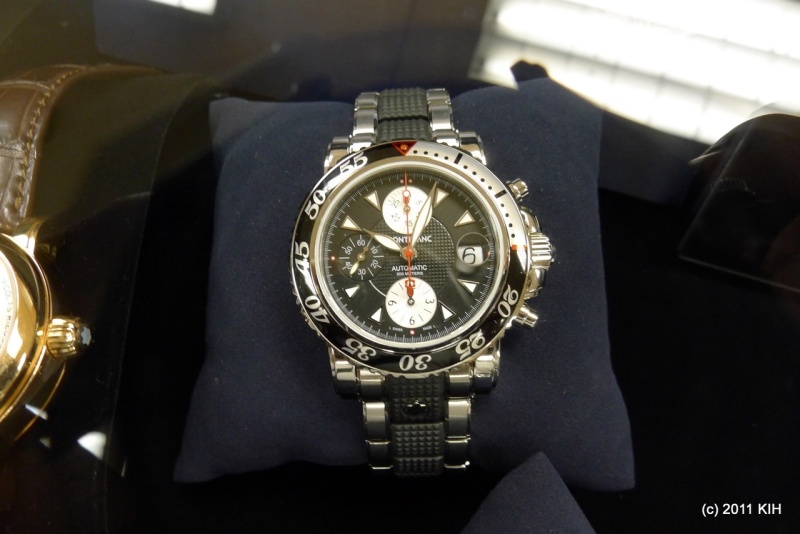
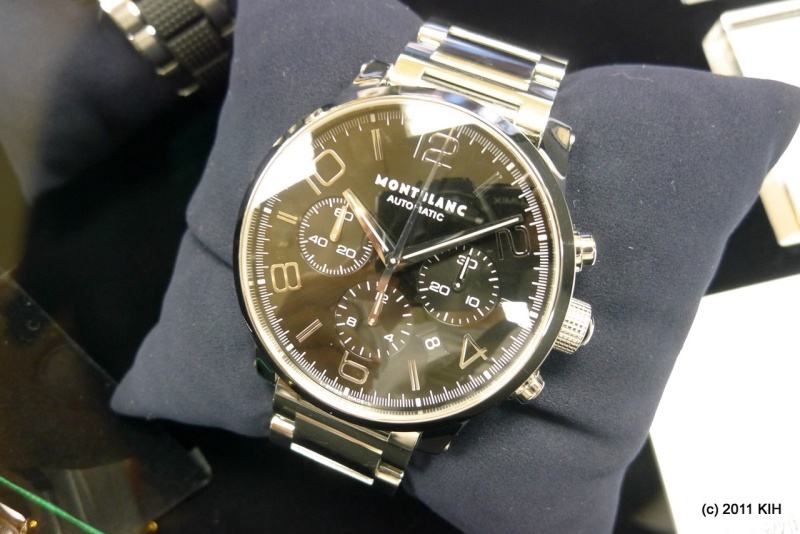
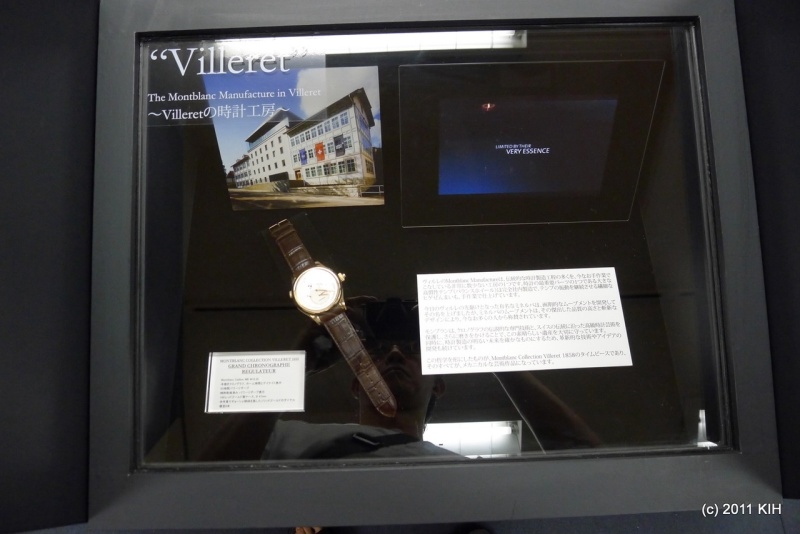
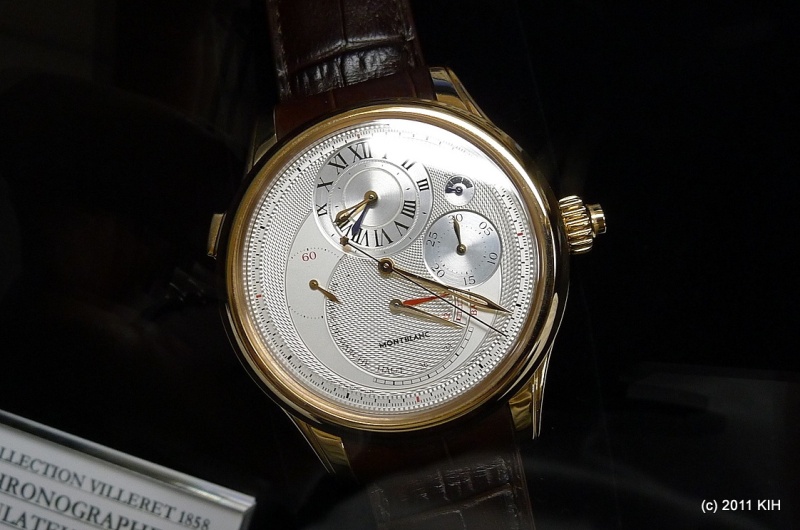
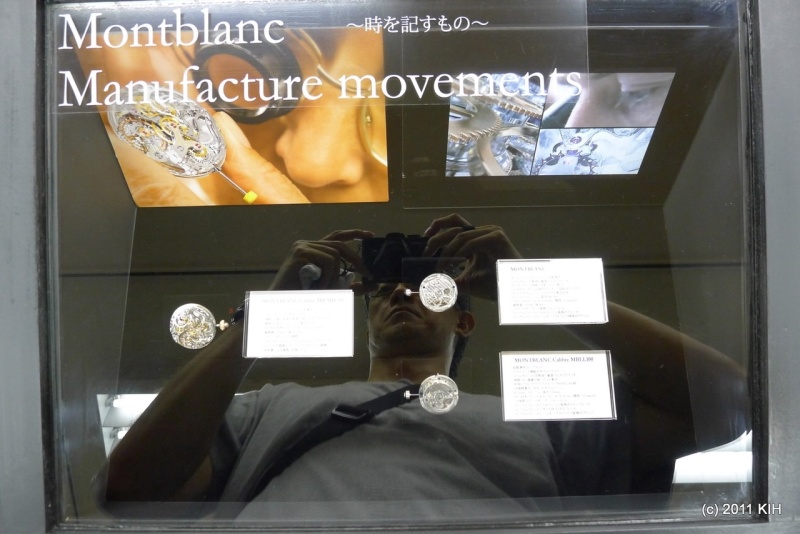
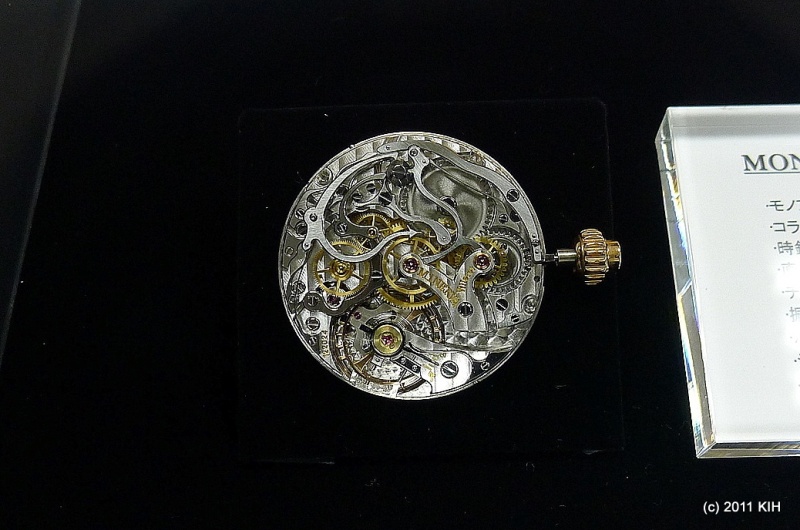
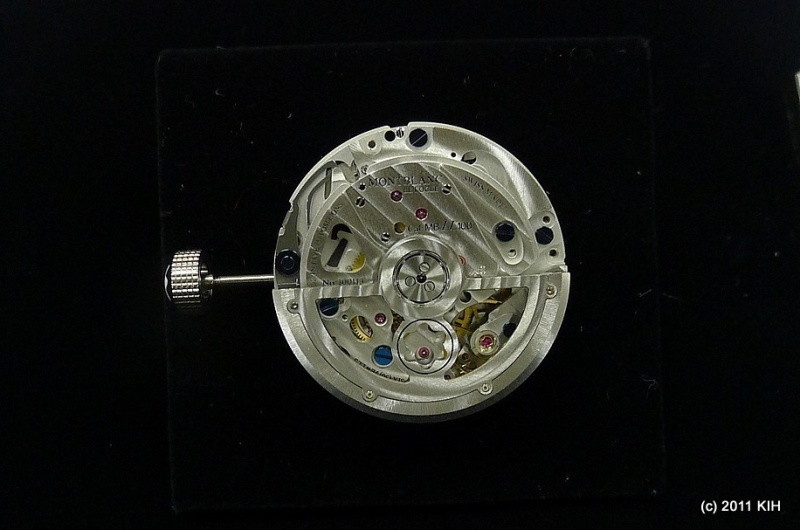
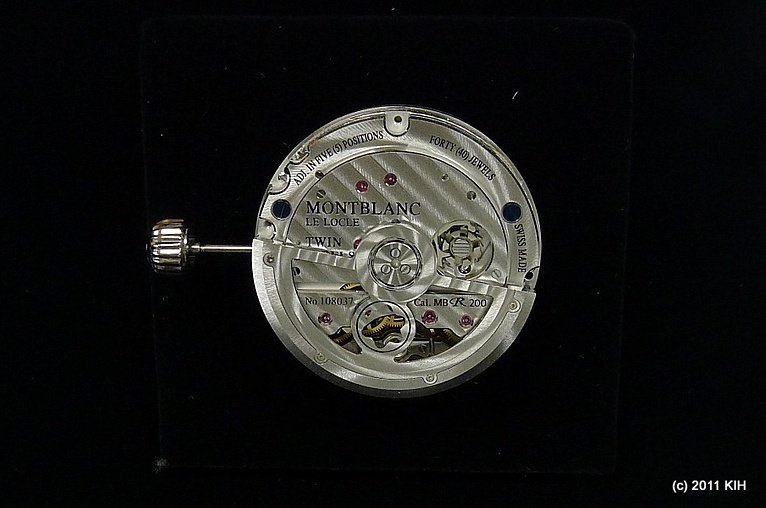
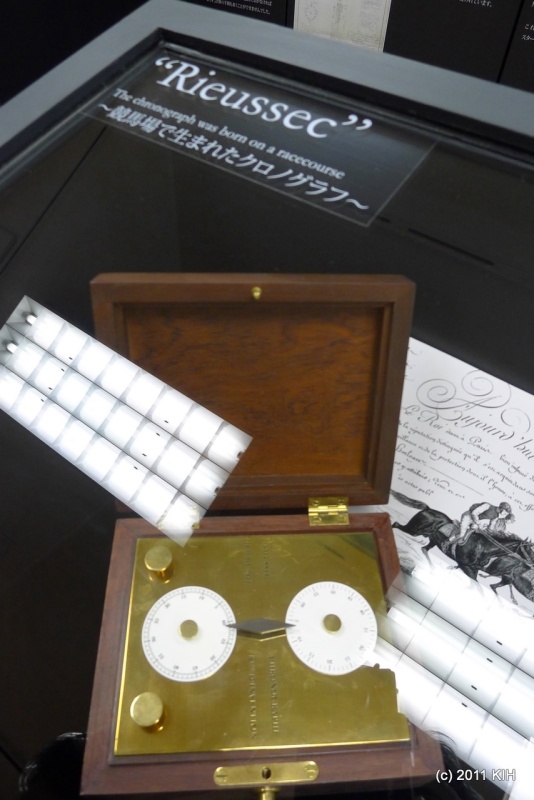
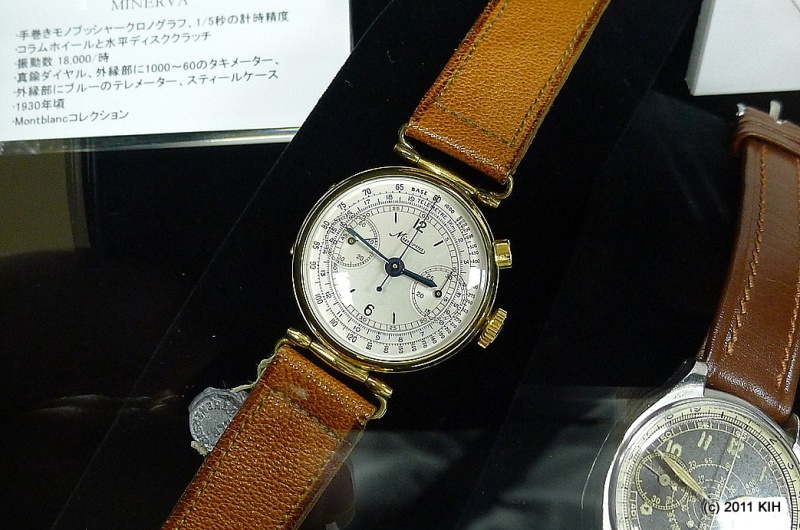
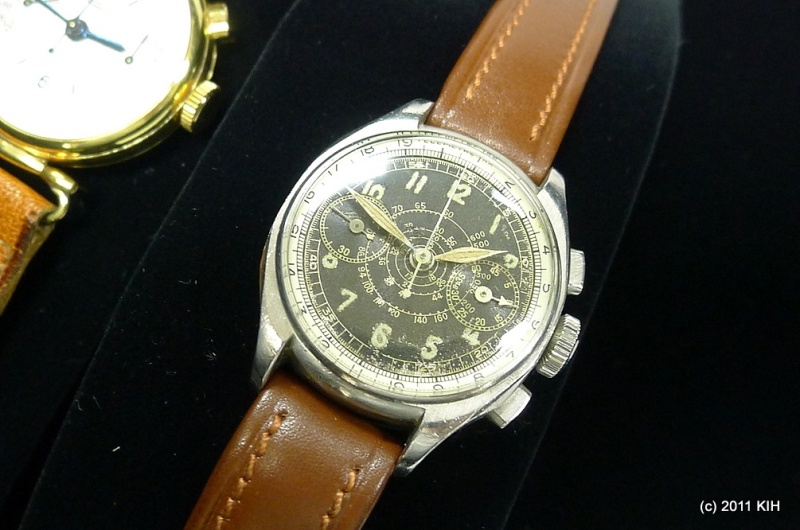
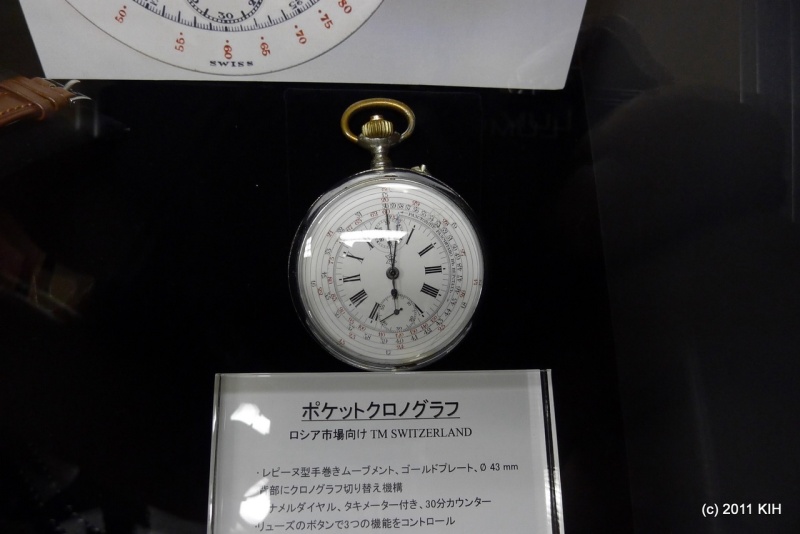
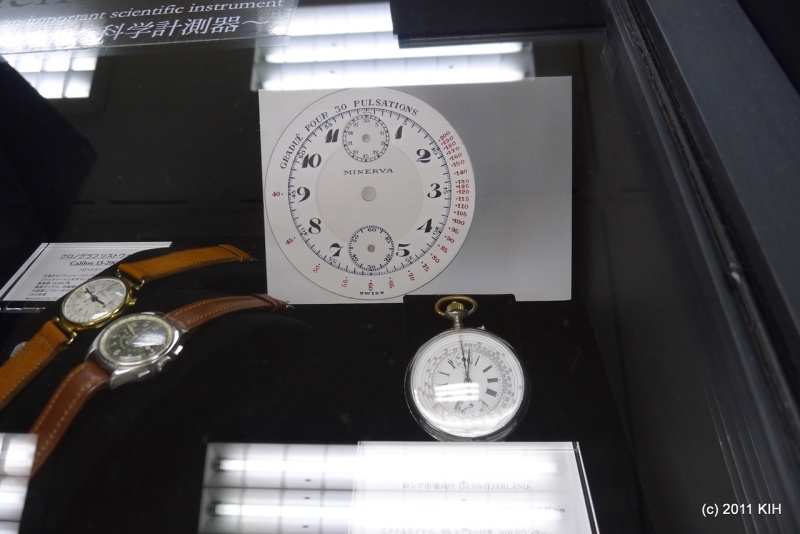
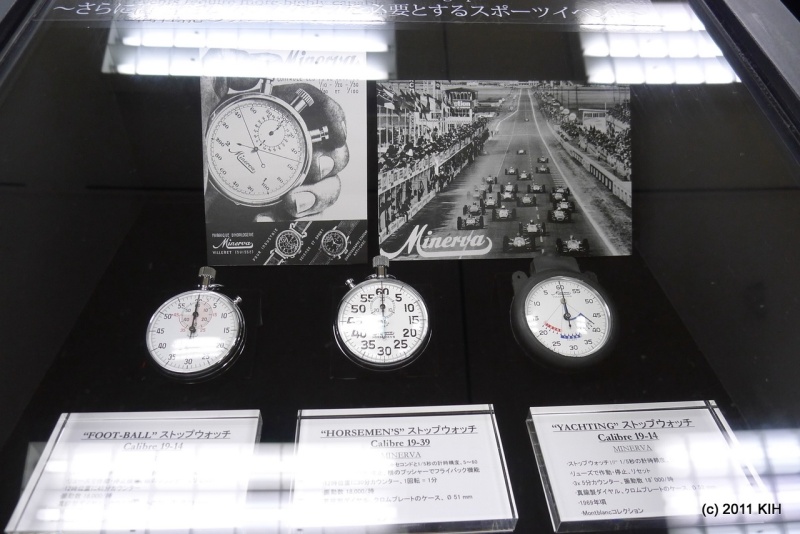
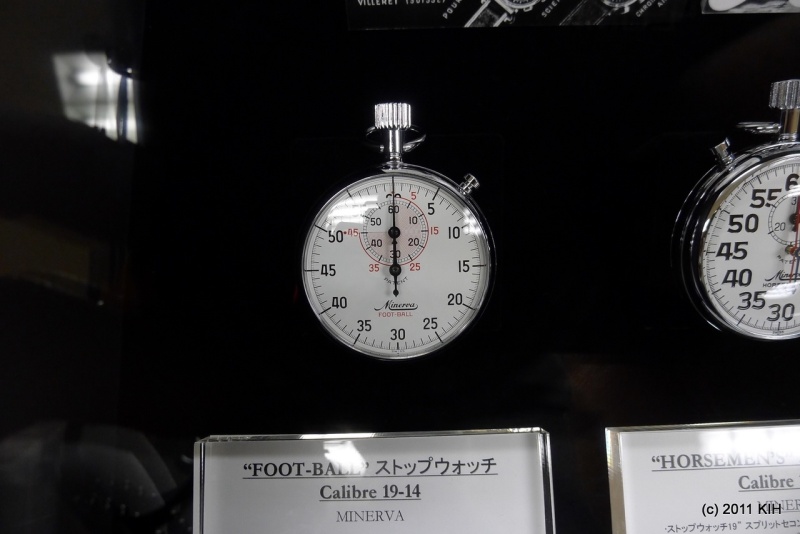
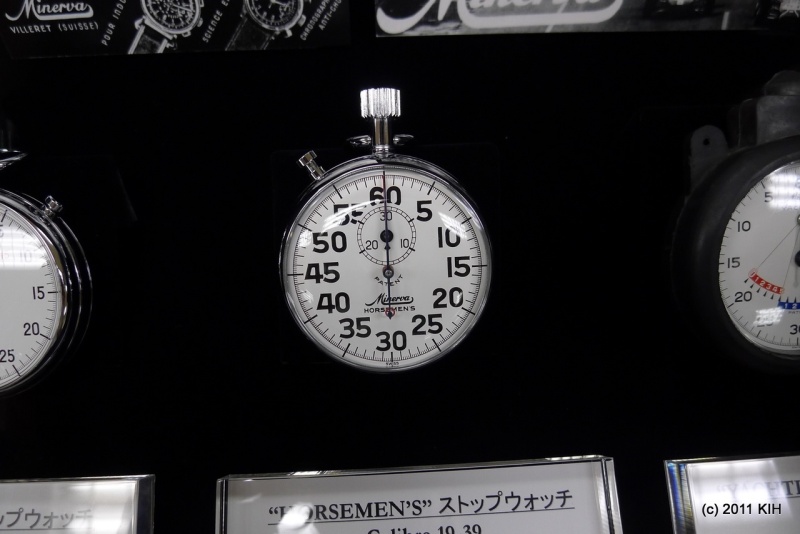
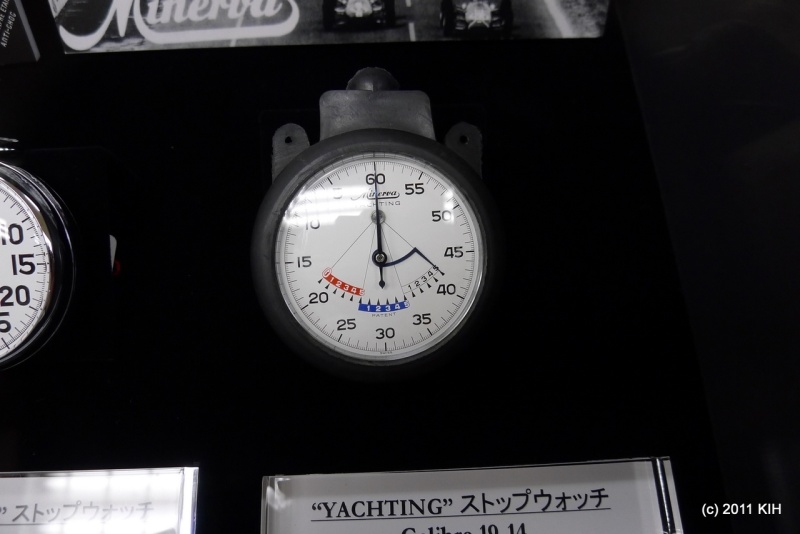
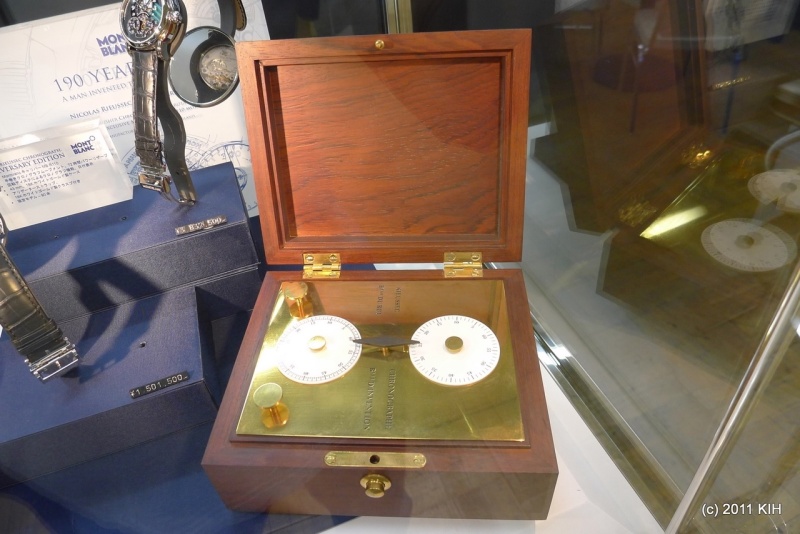
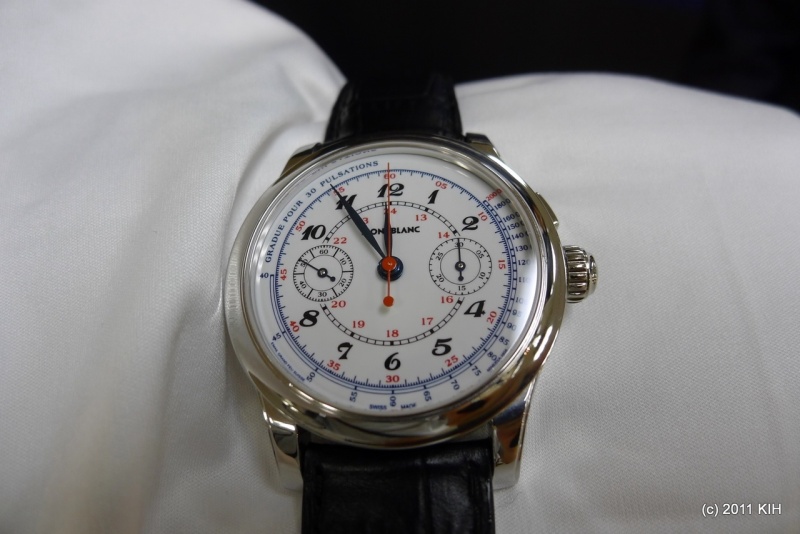
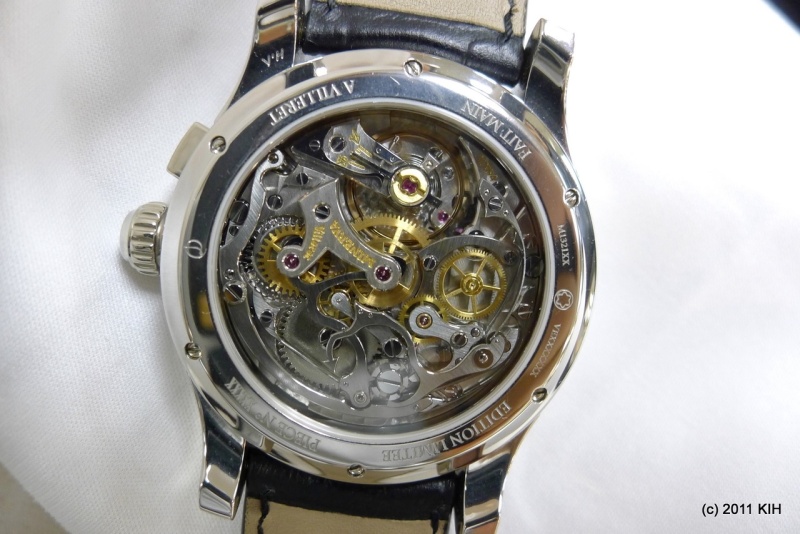
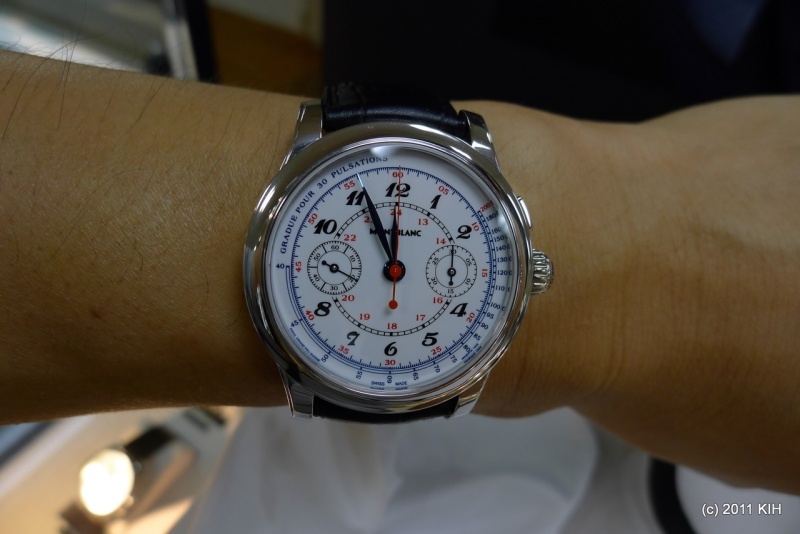
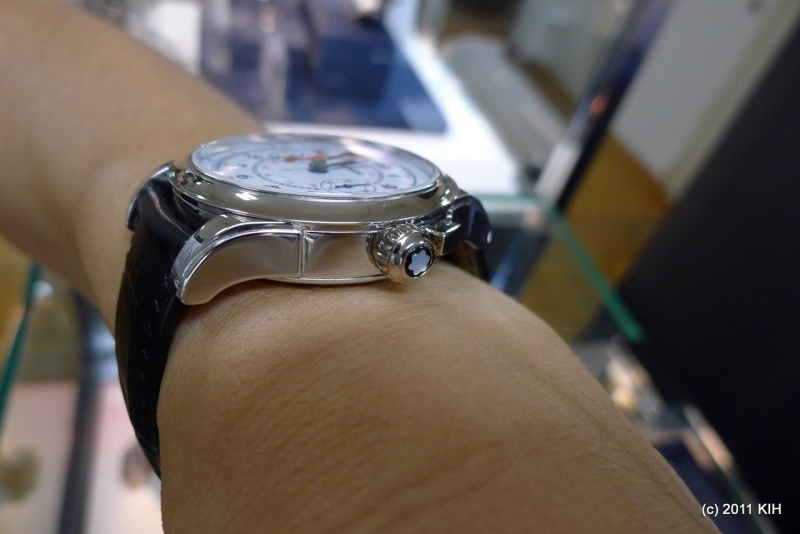
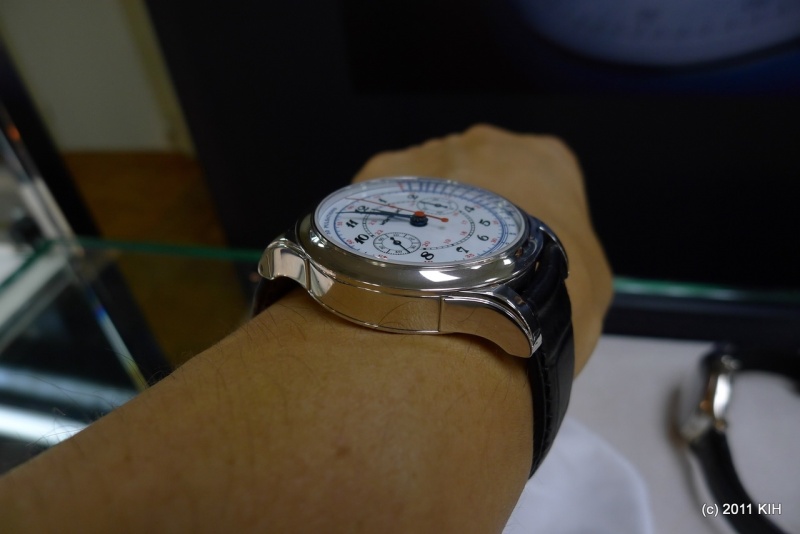
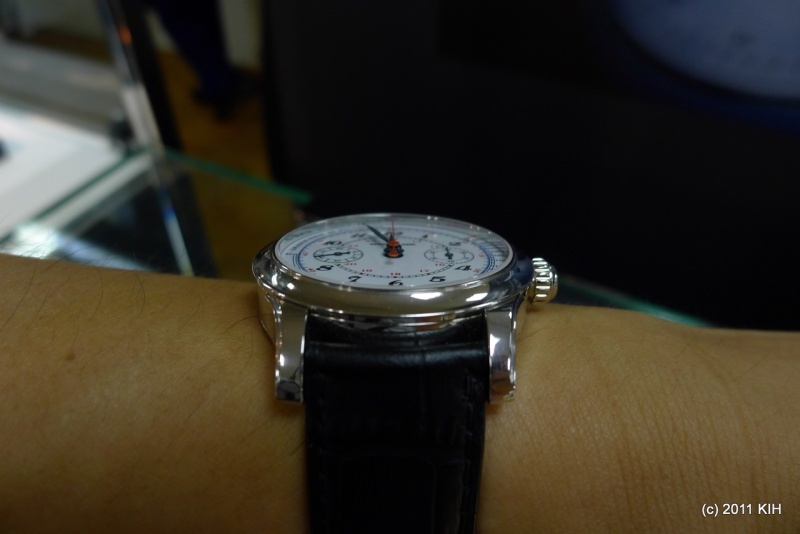
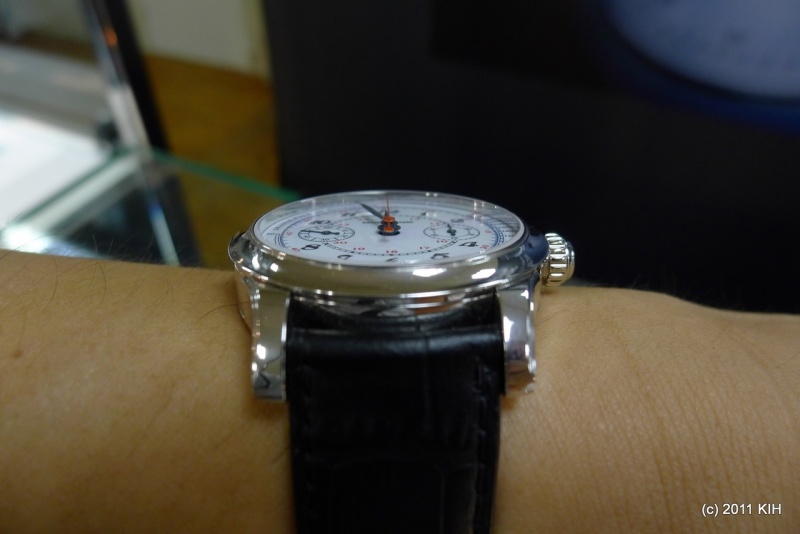
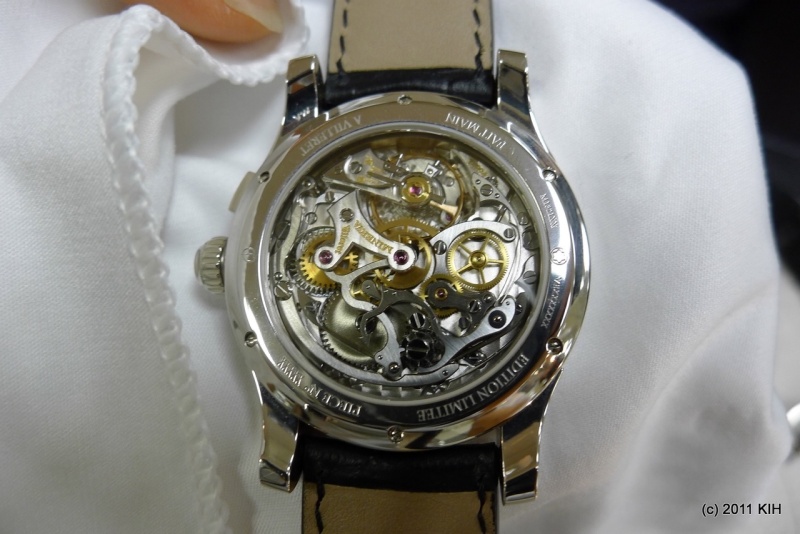
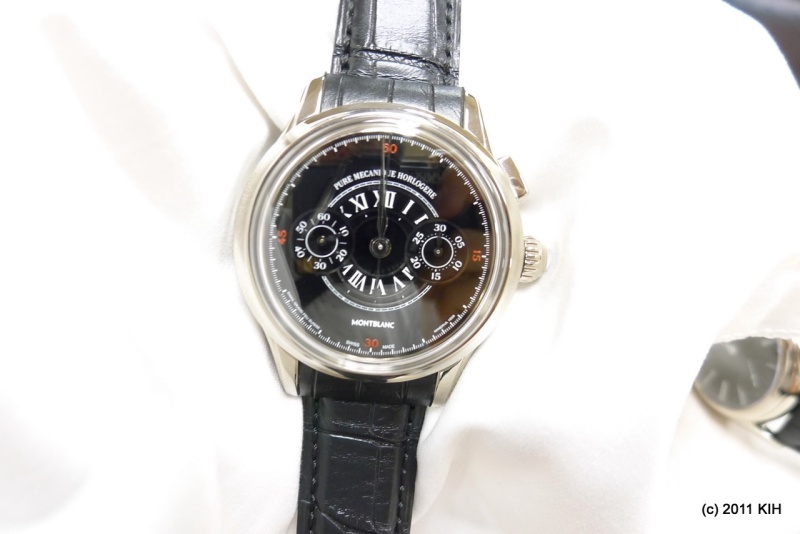
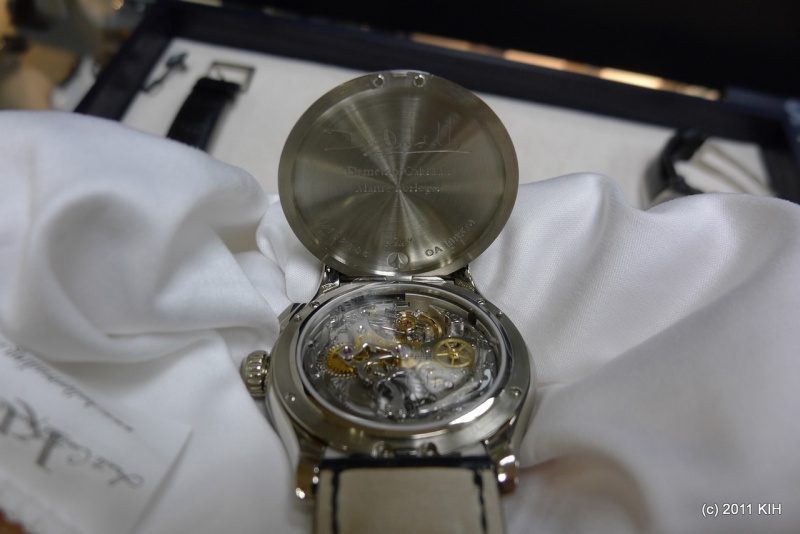
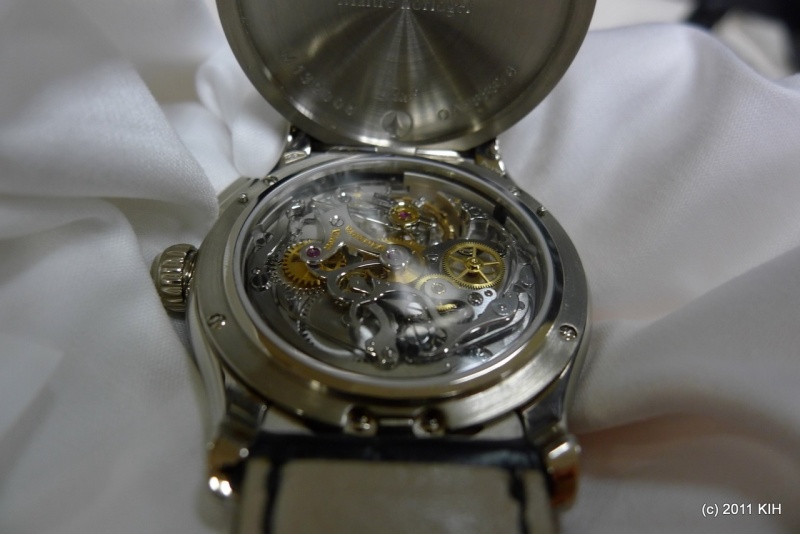
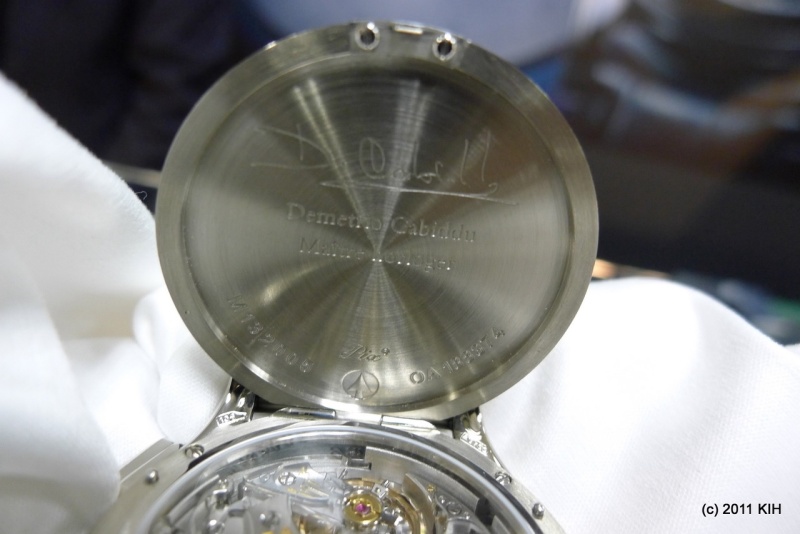
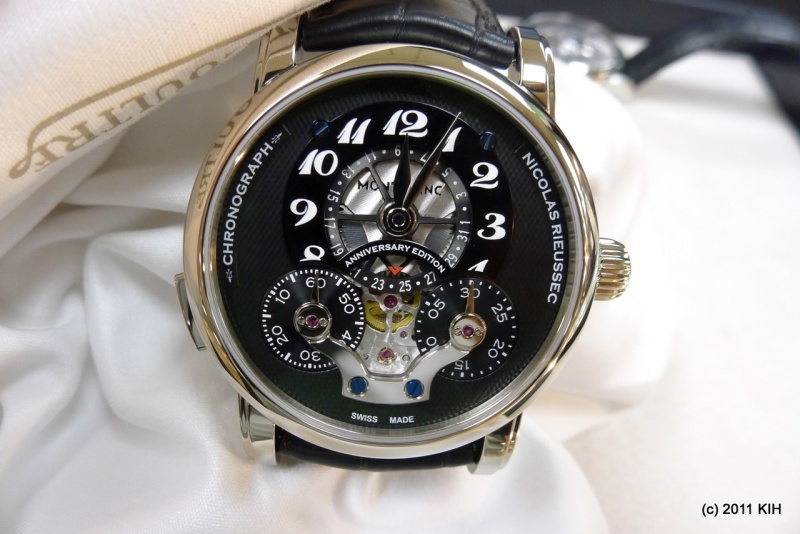
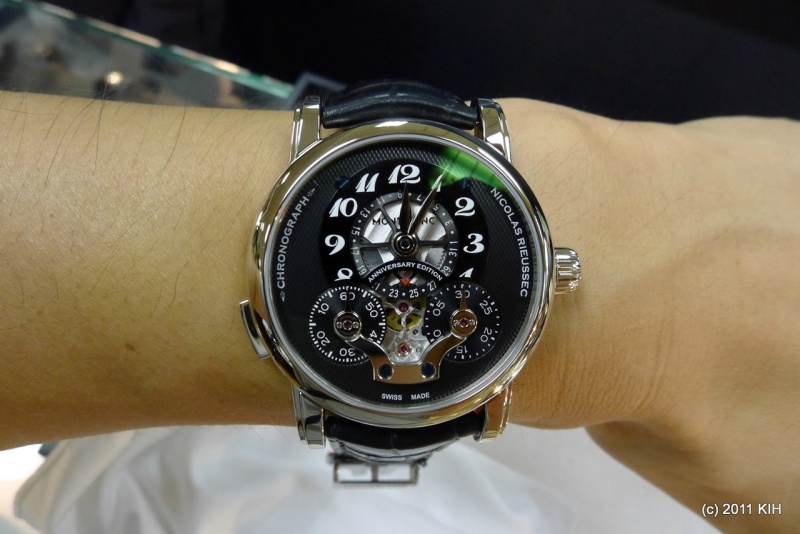
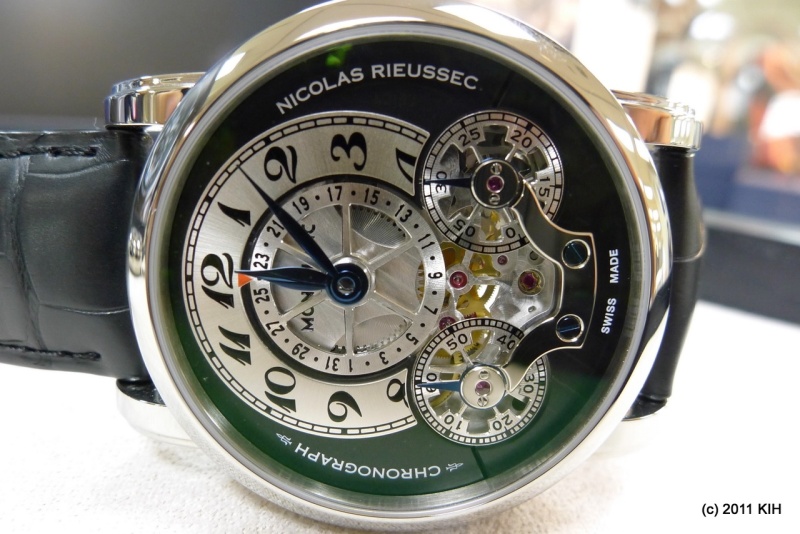
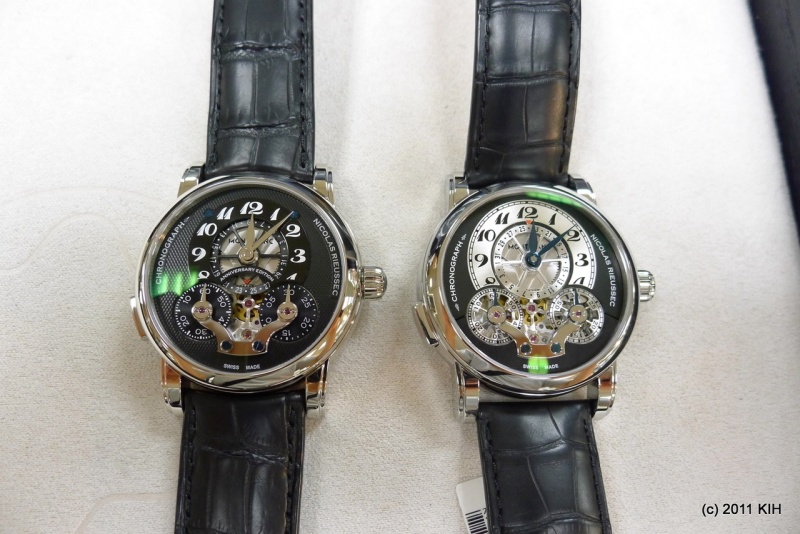
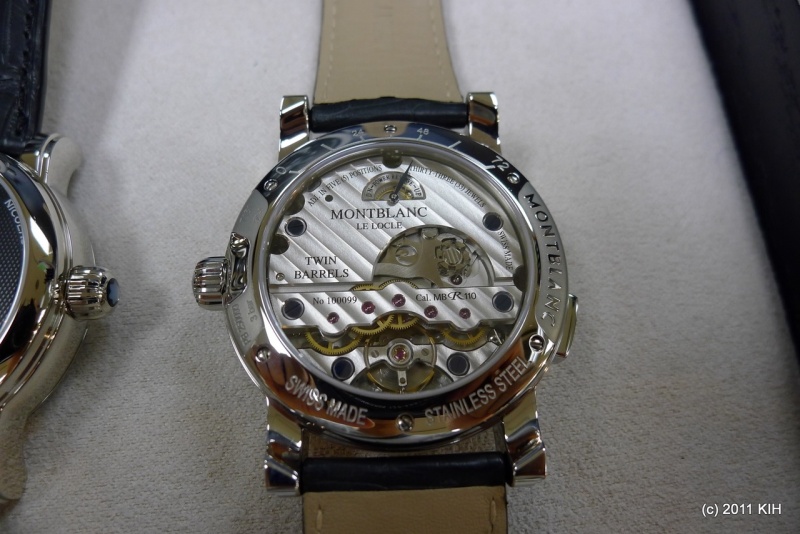
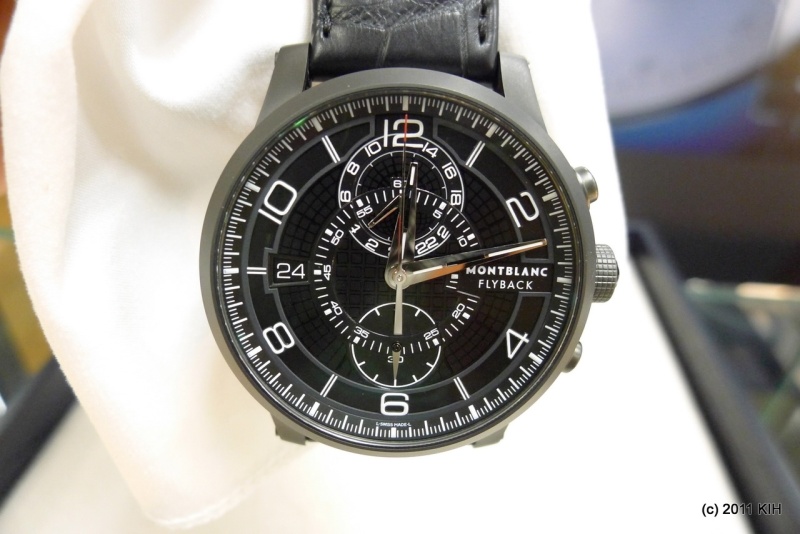
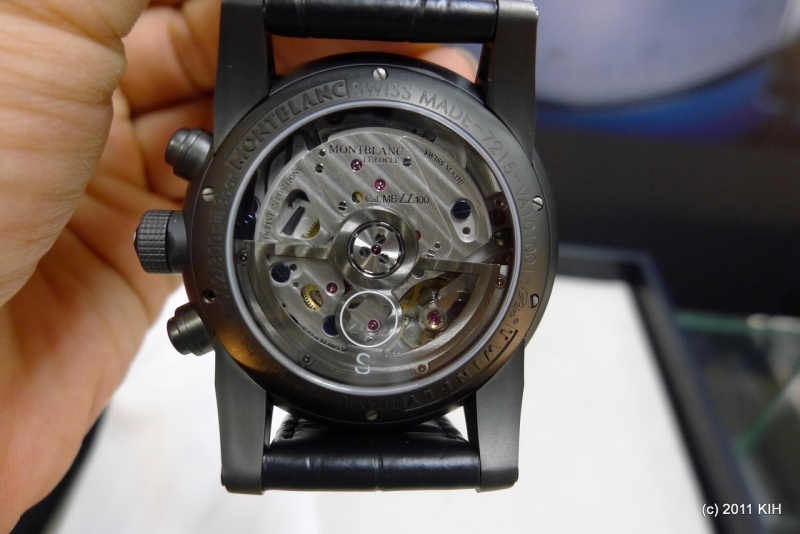
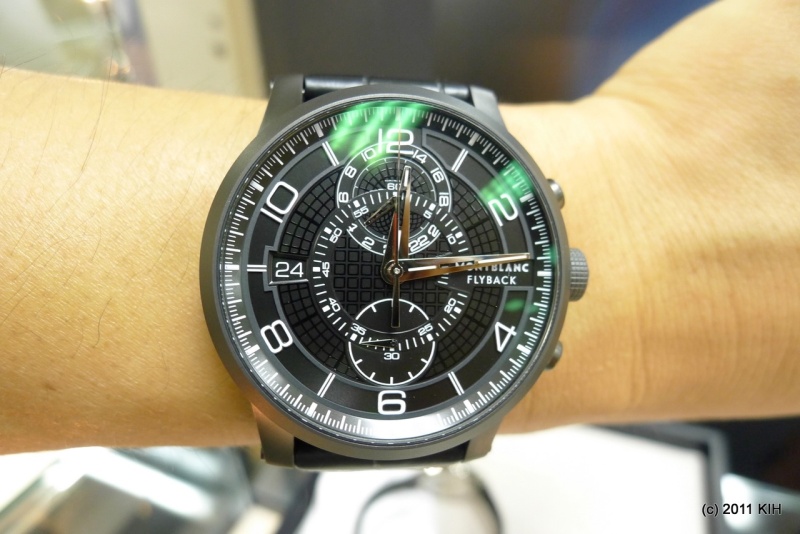
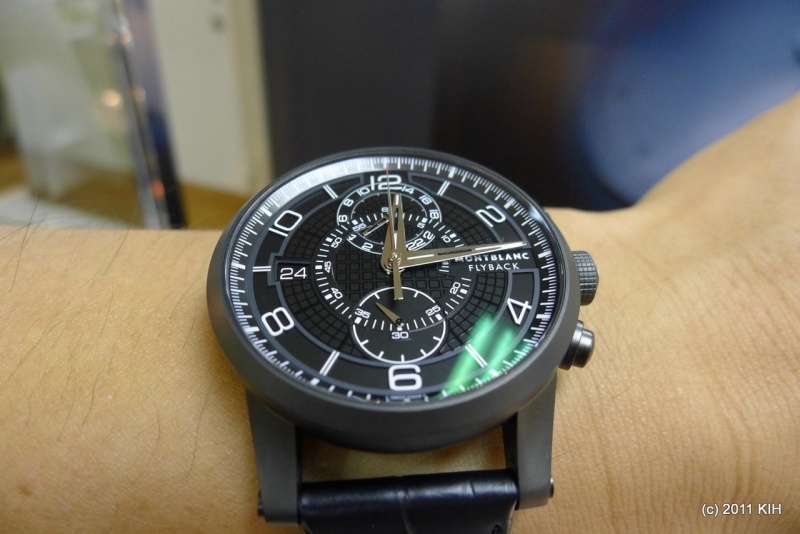
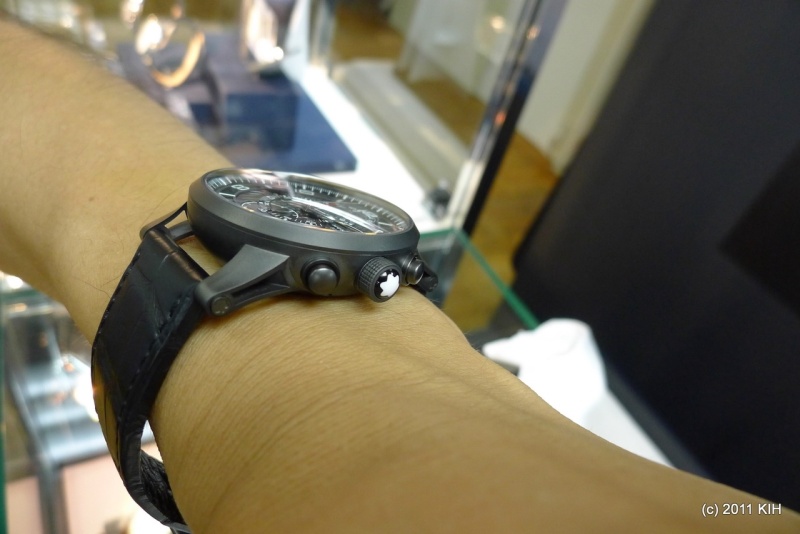
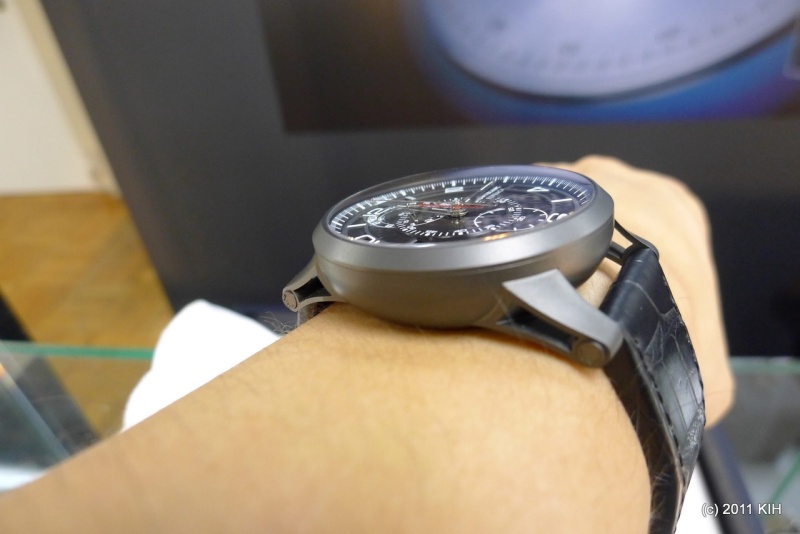
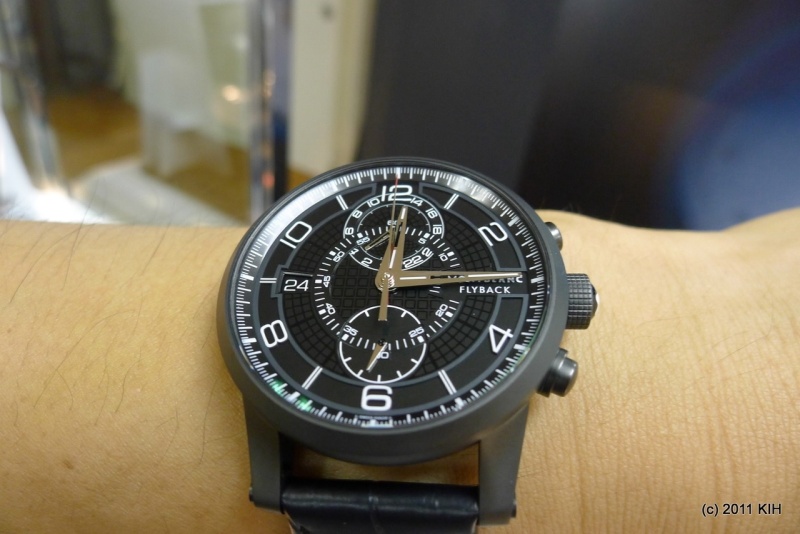
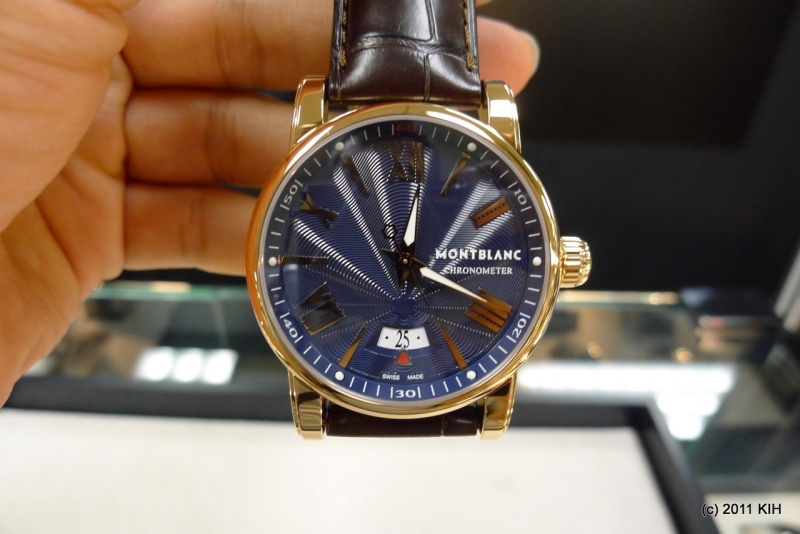
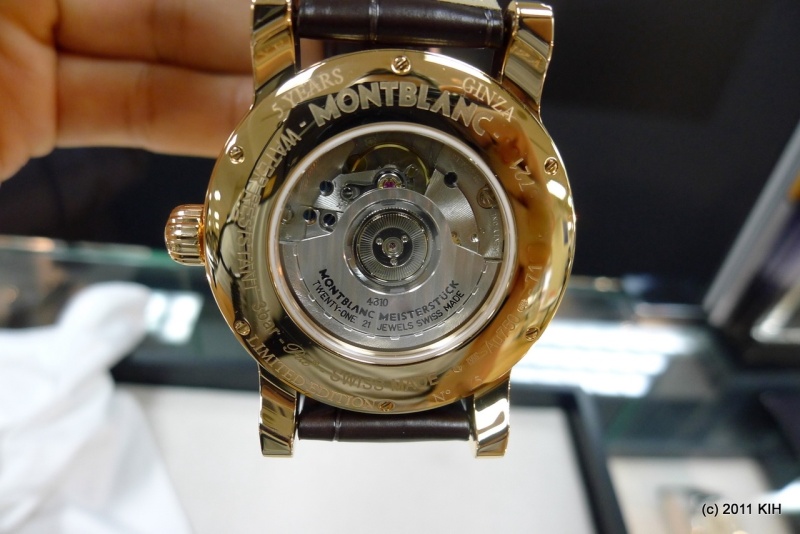
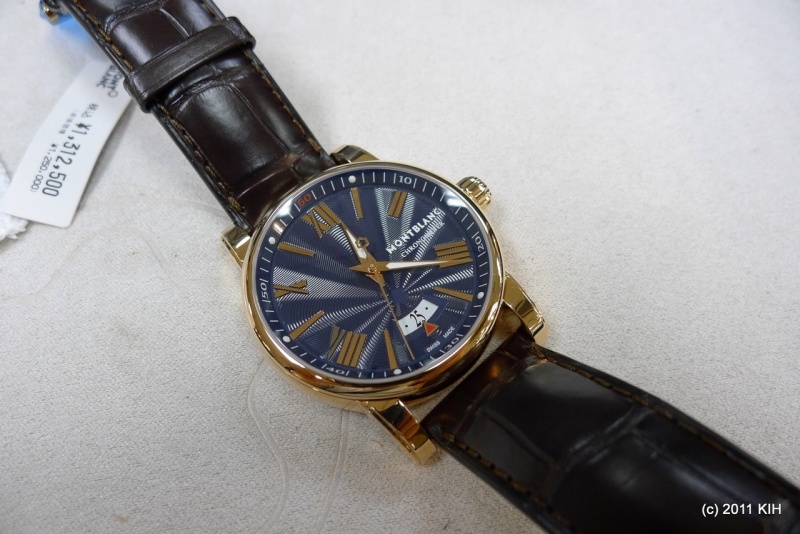
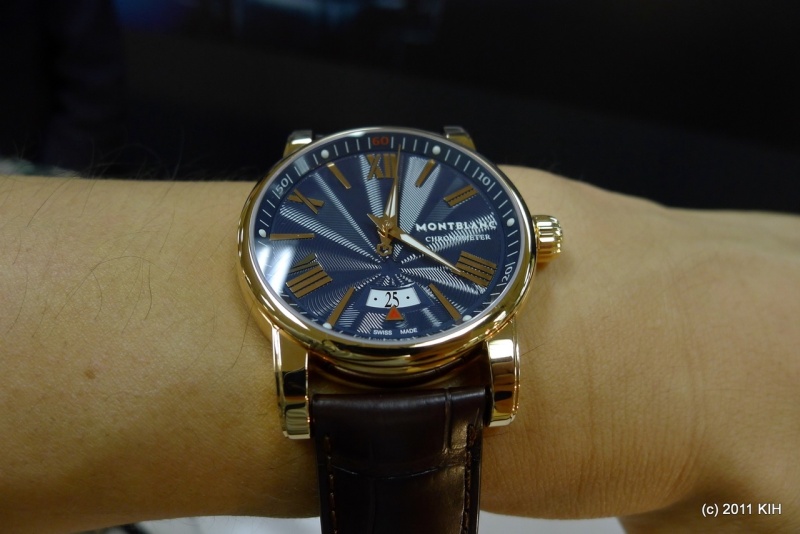
KIH's "Ecrire Le Temps" exhibition report from Tokyo offers an exclusive look into Montblanc's historical journey through chronography. This detailed photo essay, presented during the annual World Watch Fair at Mitsukoshi, provides invaluable insights into the evolution of time-writing instruments, from 18th-century stopwatches to modern chronographs.
About the Montblanc 1858 Collection Ref. 1858
The Rolex Bubble Back, reference 1858, represents an early example of Rolex's self-winding waterproof wristwatches. This reference is part of the broader Bubble Back family, characterized by its distinctive domed case back designed to accommodate the thicker automatic movement of the era. It showcases Rolex's foundational efforts in developing robust and reliable automatic timepieces for everyday wear, laying groundwork for future Oyster Perpetual models.
This particular reference features an 18k white gold case, measuring 38mm in diameter. It is fitted with a sapphire crystal, protecting a silver dial. The watch is powered by an automatic movement, specifically the Boucheron 1858 caliber, offering a power reserve of 42 hours. The fixed bezel and leather strap complete the watch's classic presentation.
For collectors, the reference 1858 holds interest as an early and relatively rare iteration within the Bubble Back series, especially in white gold. Its larger case size for the period also makes it appealing to modern tastes. The presence of a date complication adds to its functionality, distinguishing it from simpler time-only Bubble Back models and highlighting Rolex's early integration of practical features.
Specifications
- Caliber
- Boucheron 1858
- Case
- 18k white gold
- Diameter
- 38mm
- Dial
- Silver
- Crystal
- Sapphire
About the Montblanc Ref. 1858Collection
The Montblanc 1858 Split Second Chronograph is a limited edition offering within the 1858 collection, distinguished by its complex split-second chronograph complication. This particular reference, limited to 100 pieces, features a unique burgundy dial, setting it apart from other models in the series and appealing to collectors seeking a more exclusive and visually distinct timepiece with advanced horological functions.
The watch is housed in a stainless steel case measuring 44mm in diameter and 15.2mm in thickness. It is fitted with a fixed 18k white gold fluted bezel. The dark burgundy dial, finished with a sunray pattern, complements the case materials. Protecting the dial is a sapphire crystal. The timepiece is powered by the hand-wound MB 16.31 calibre, which measures 38.4 x 8.13 mm, and offers a power reserve suitable for its intricate mechanical functions.
This reference appeals to collectors interested in high-complication chronographs and Montblanc's Minerva heritage. Its limited production run and specific dial color make it a notable variant within the 1858 collection, offering a blend of historical design cues and modern watchmaking. The large dimensions reflect its pocket watch-inspired movement architecture, a characteristic often appreciated by enthusiasts of traditional horology.
Specifications
- Caliber
- MB 16.31
- Case
- Stainless steel
- Diameter
- 44mm
- Dial
- Burgundy
- Water Resist.
- 100m
- Crystal
- Sapphire
About the Montblanc Star 4810 Collection Ref. Star4810Automatic
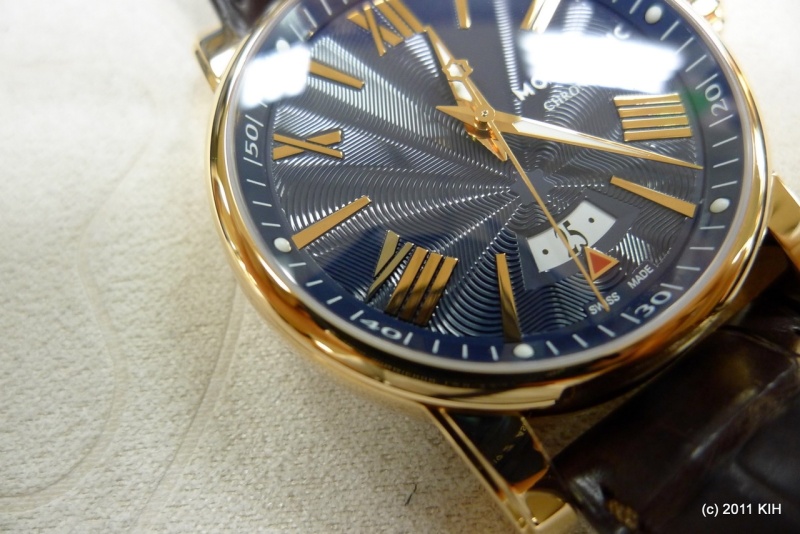
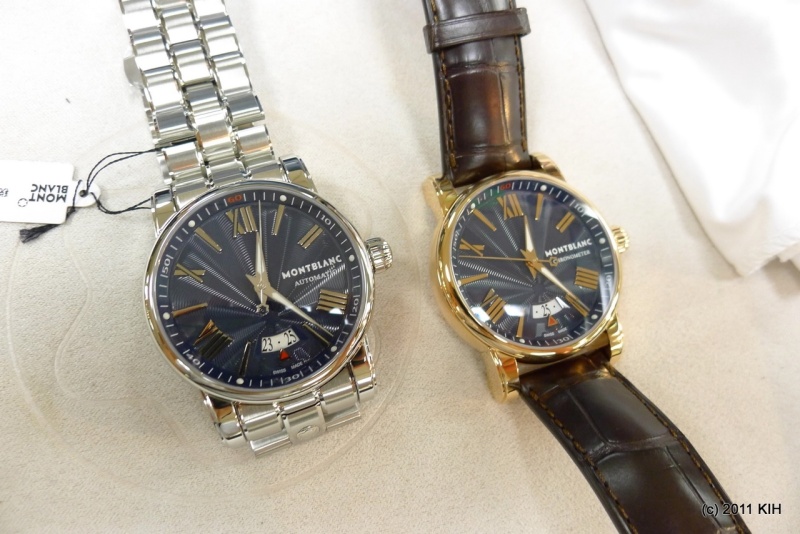
The Montblanc Star 4810 Automatic is part of a collection that debuted in 2006 to commemorate the brand's 100th anniversary. This line was re-launched in 2016 for Montblanc's 110th anniversary, building upon the original design and commercial success. The 4810 collection, named after the height of Mont Blanc, represents a significant offering within the brand's watchmaking portfolio, emphasizing classic design principles and mechanical watchmaking.
This reference features a stainless steel case, typically measuring 42mm in diameter. It is equipped with an automatic movement, visible through a sapphire crystal case back, and protected by a domed sapphire crystal with anti-reflective coating on the dial side. The movement provides a power reserve of approximately 38 hours, ensuring reliable timekeeping.
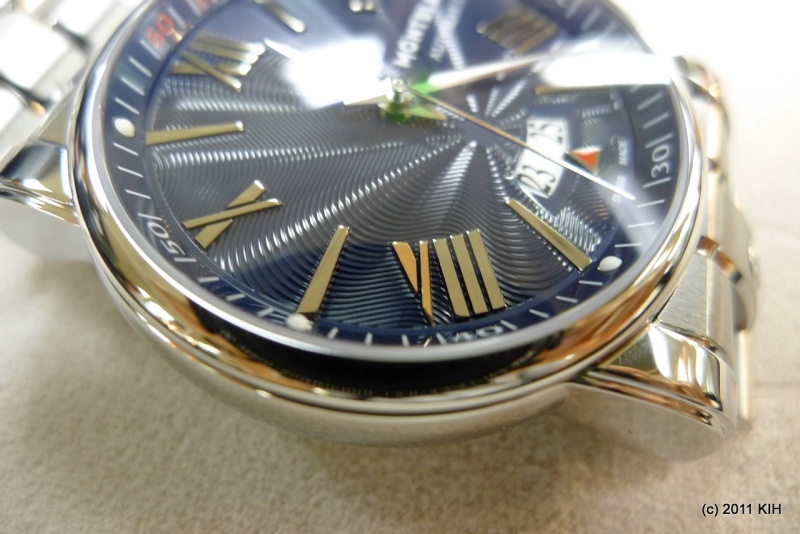
The Star 4810 Automatic appeals to collectors seeking a well-finished, accessible mechanical timepiece from Montblanc. It serves as a foundational piece in the brand's contemporary watch collections, often featuring a silver-white dial with an exploding star guilloché pattern and rhodium-plated hands and numerals. The design maintains a balance between traditional watch aesthetics and Montblanc's distinct brand identity.
Specifications
- Caliber
- MB 24.17
- Case
- Stainless Steel
- Diameter
- 42 mm
- Dial
- Silver-white
- Water Resist.
- 5 bar (50 meters)
- Crystal
- Sapphire
About the Montblanc Ref. Star4810Collection
The Montblanc Star 4810 Automatic is a three-hand timepiece with an analog date display, positioned as an accessible offering within Montblanc's Star collection. It represents the brand's efforts in horology following the acquisition of Minerva, balancing design presentation with a competitive price point.
The watch features a 41.5mm stainless steel case, water-resistant to 30 meters. It is powered by a COSC-certified ETA 2892-A2 automatic caliber, modified to Montblanc's specifications. The movement operates at 28,800 vibrations per hour and offers a power reserve of approximately 42 hours. The large rotor obscures much of the movement, which exhibits machine finishing and chemically blued screws.
For collectors, the Star 4810 Automatic offers a glimpse into Montblanc's strategic development in watchmaking during the late 2000s. Its use of a robust, chronometer-certified ETA movement, combined with distinctive design elements like the guilloché dial and large crown, reflects the brand's approach to expanding its horological presence.
Specifications
- Caliber
- ETA 2892-A2
- Case
- Stainless Steel
- Diameter
- 41.5mm
- Dial
- Silver
- Water Resist.
- 30m
- Crystal
- Sapphire