Chopard L.U.C Manufacture Fleurier Tour
Manufacture

Chopard L.U.C Manufacture Fleurier Tour

By AndrewD · May 25, 2013 · 15 replies
AndrewD
WPS member · Chopard forum
15 replies5719 views71 photos
f 𝕏 in 💬 🔗

AndrewD offers an insightful tour of the Chopard L.U.C Manufacture in Fleurier, providing a detailed look into the brand's commitment to high watchmaking. This report highlights the meticulous craftsmanship and dedication of the staff, showcasing Chopard's journey in producing quality in-house movements and finely finished timepieces.


I had the privilege of visiting the Chopard Manufacture in Fleurier and I would like to share my experiences and observations with you. Over the last few years several Chopard watches have caught my eye and I was aware of the company’s long history in watchmaking and the resurrection of high watchmaking by Karl-Friedrich Scheufele. But I didn't expect to see the dedication of staff at all levels to the production of high quality pieces.


What I was most impressed with on my visit was not only the focus on quality handmade in-house watches, but also the production of an in-house movement for use in their entry-level men’s and ladies watches. [Click Here]


Chopard LUC have come such a long way in a relatively short period of time, but each step has been carefully planned and I get the impression that everyone is excited to be part of a Manufacture that is striving to produce high quality products. The inspiration of the Scheufele family and the desire to preserve the history of watchmaking and to give something back to the Swiss watchmaking industry is wonderful to see.
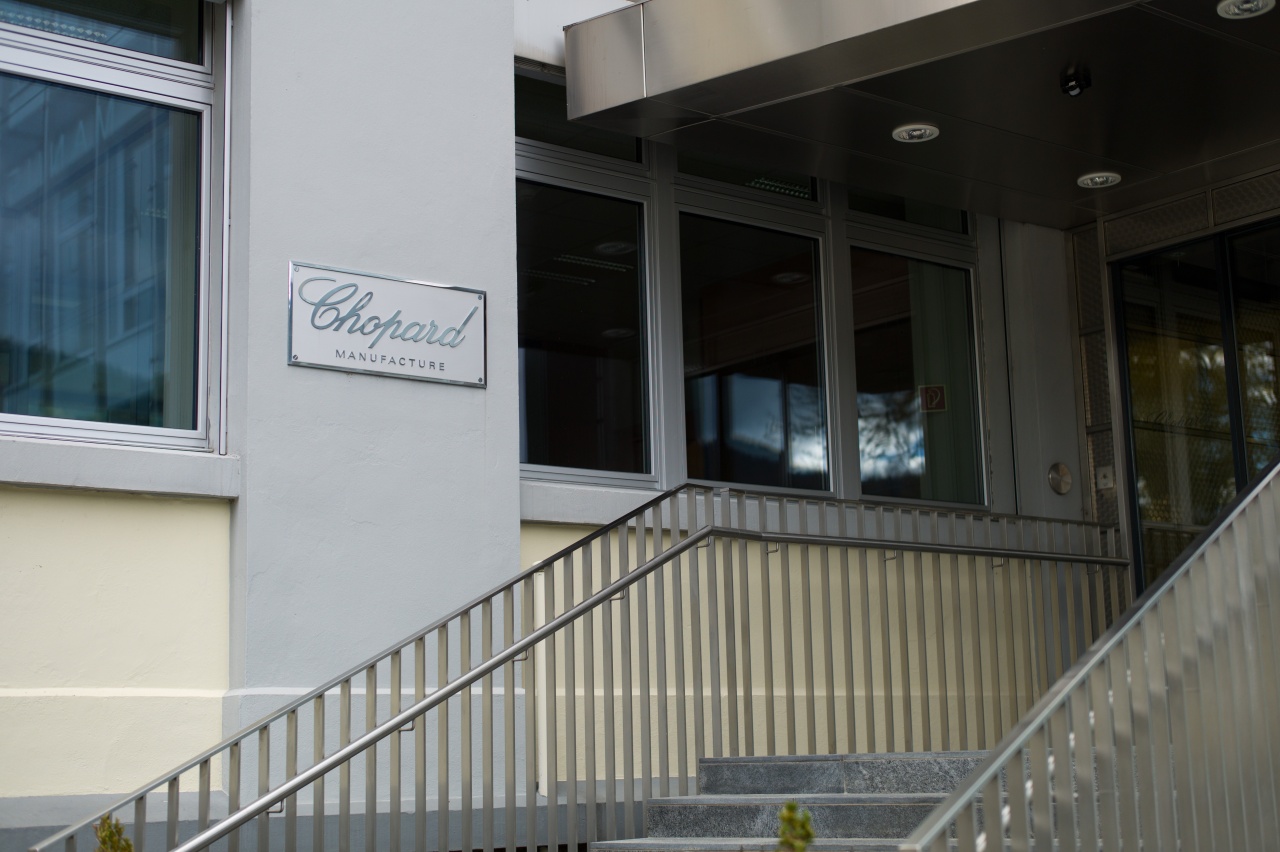


Currently around 5000 watches are produced per year at the LUC facility in Fleurier. To put that into perspective, approximately 50,000 watches (including ladies quartz models) are produced by Chopard annually. There are approximately 150 staff working at the LUC facility.


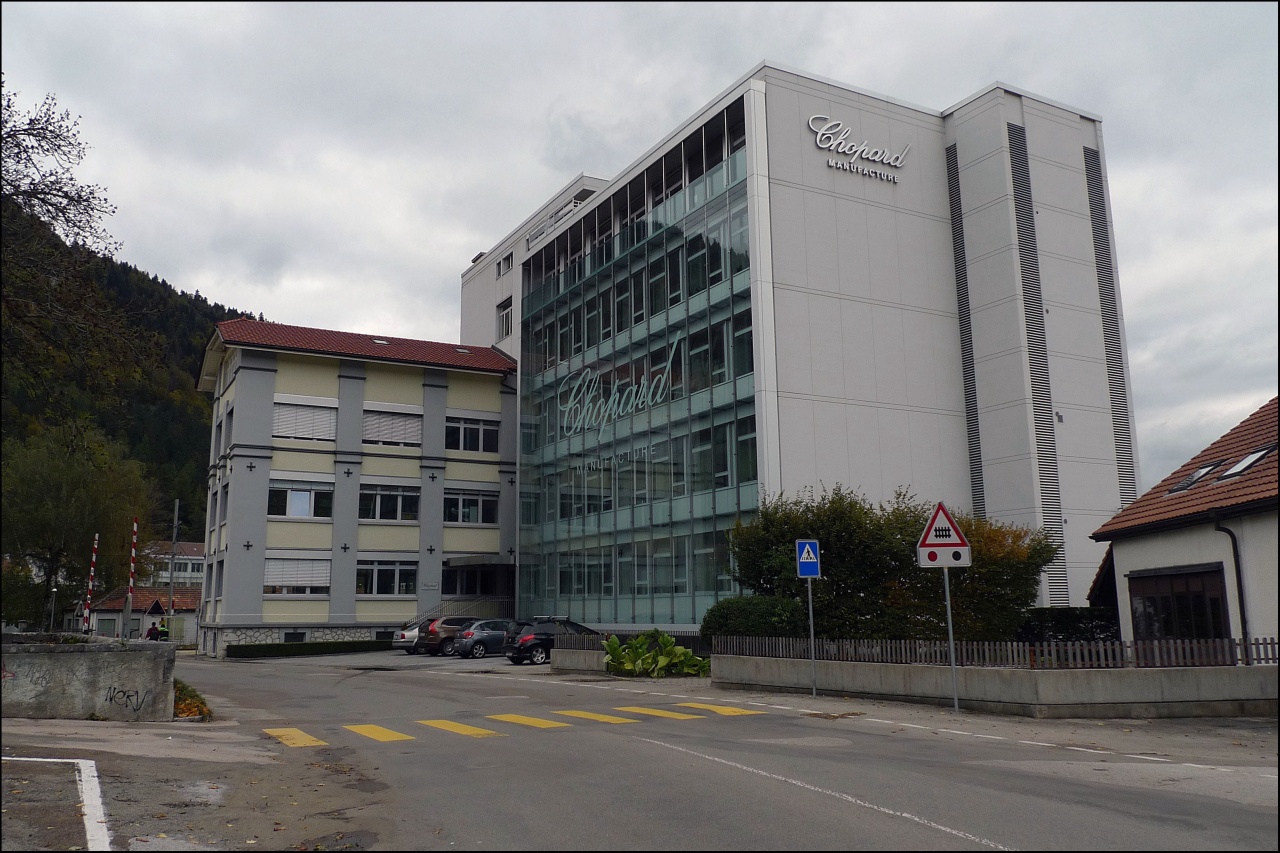
Chopard started renting a couple of rooms from the Swatch group (ETA) and now owns and occupies the entire building.
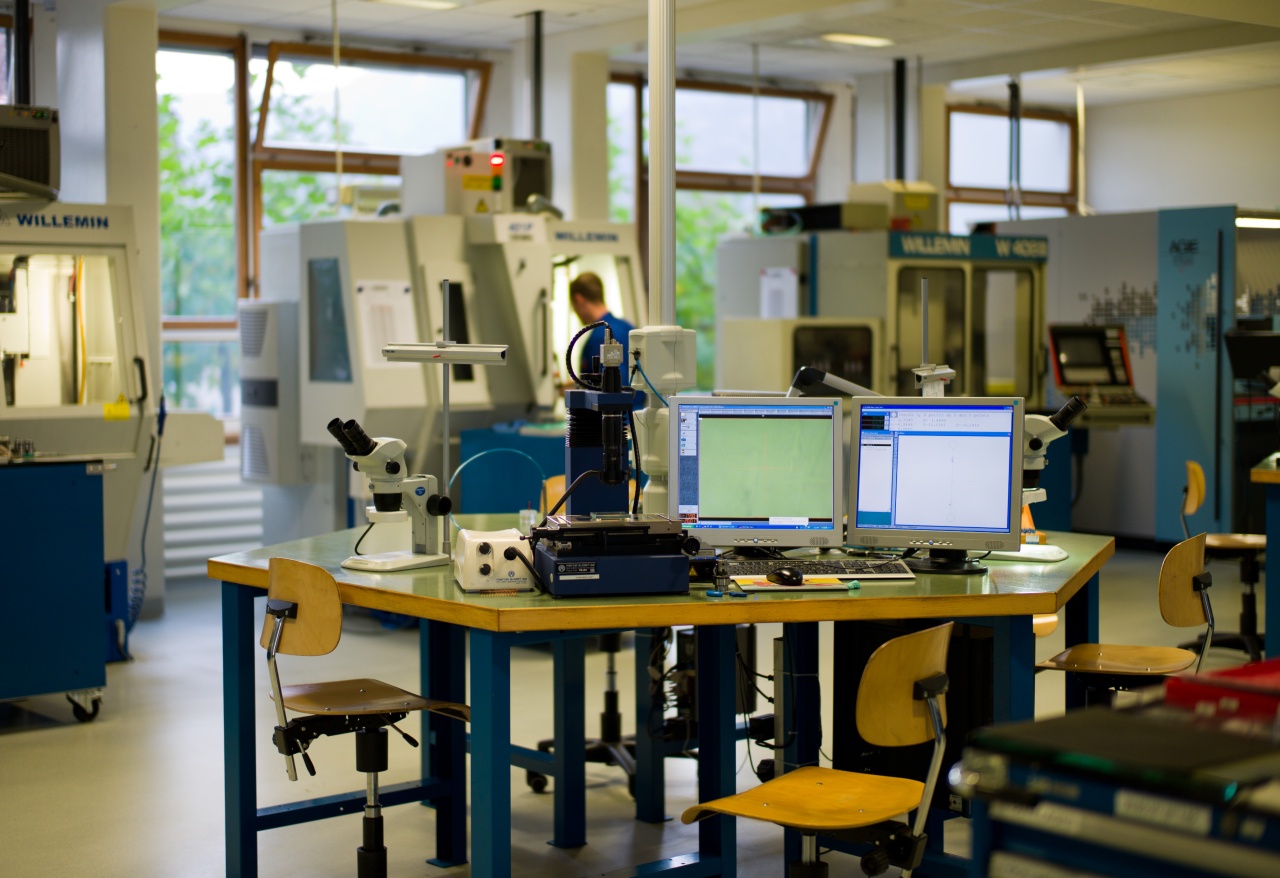


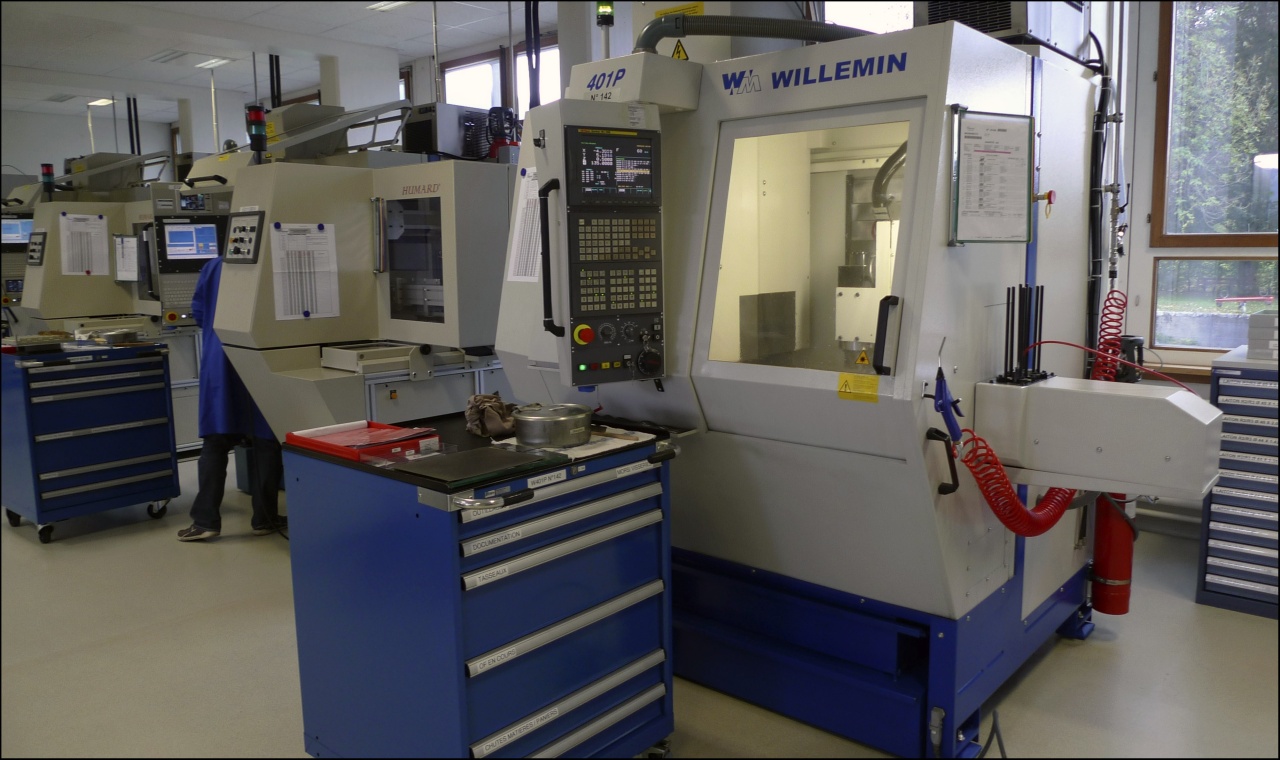
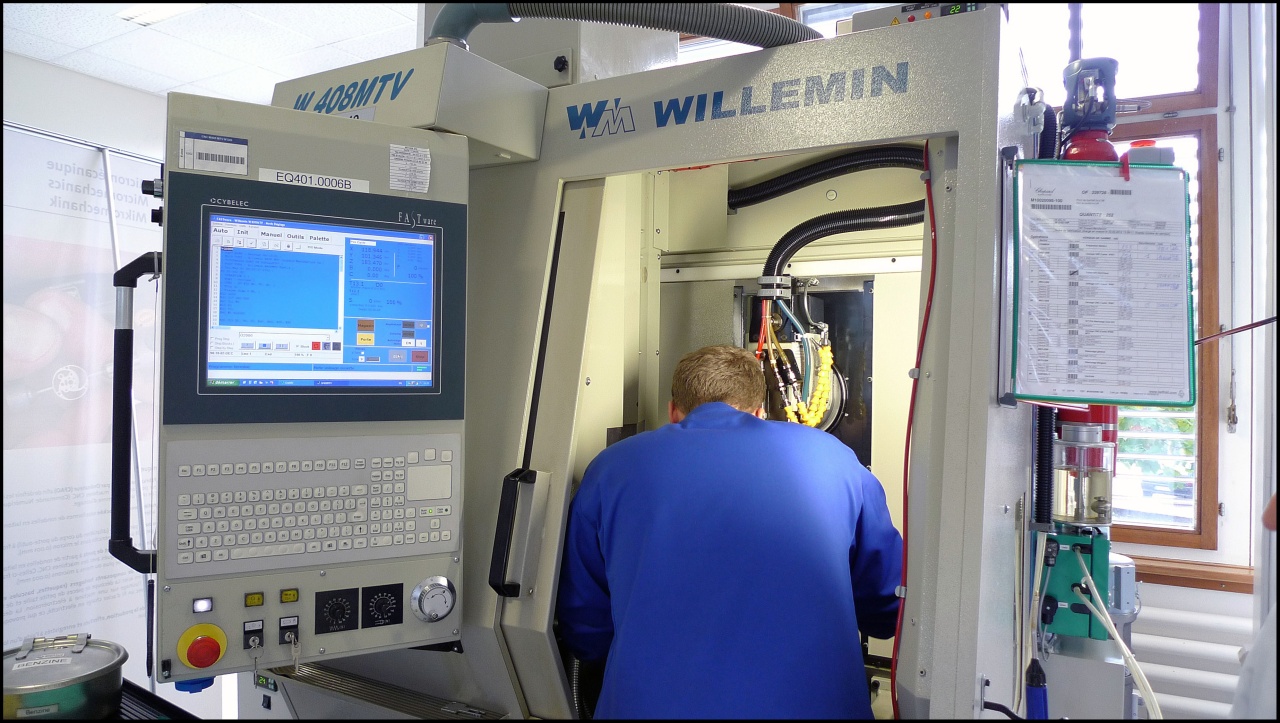
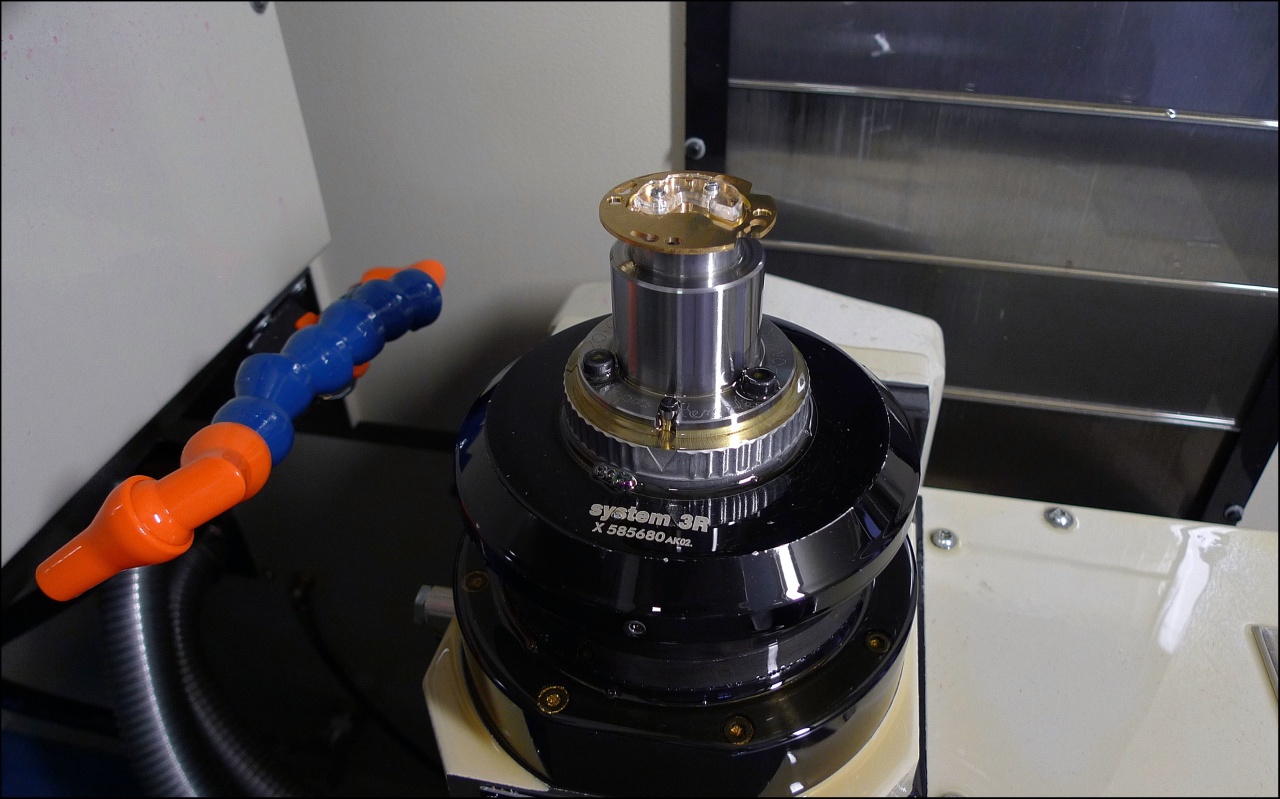
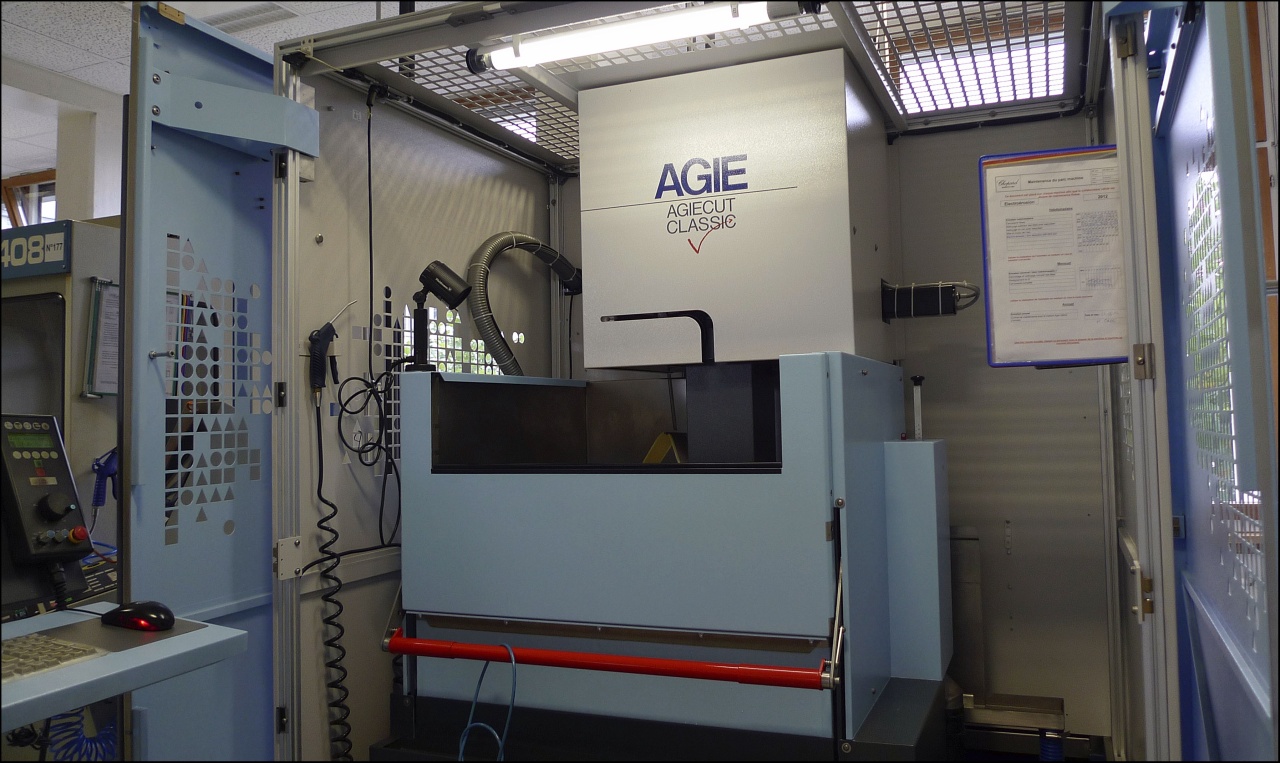
Computer numerical control (CNC) machines are loaded with individual blanks and parts are cut one at a time with high degrees of tolerance. There is still a considerable amount of hand finishing performed at this early stage under microscopes to remove burs and to check tolerances before the parts go for further decoration and fine finishing.

The range of parts produced ...
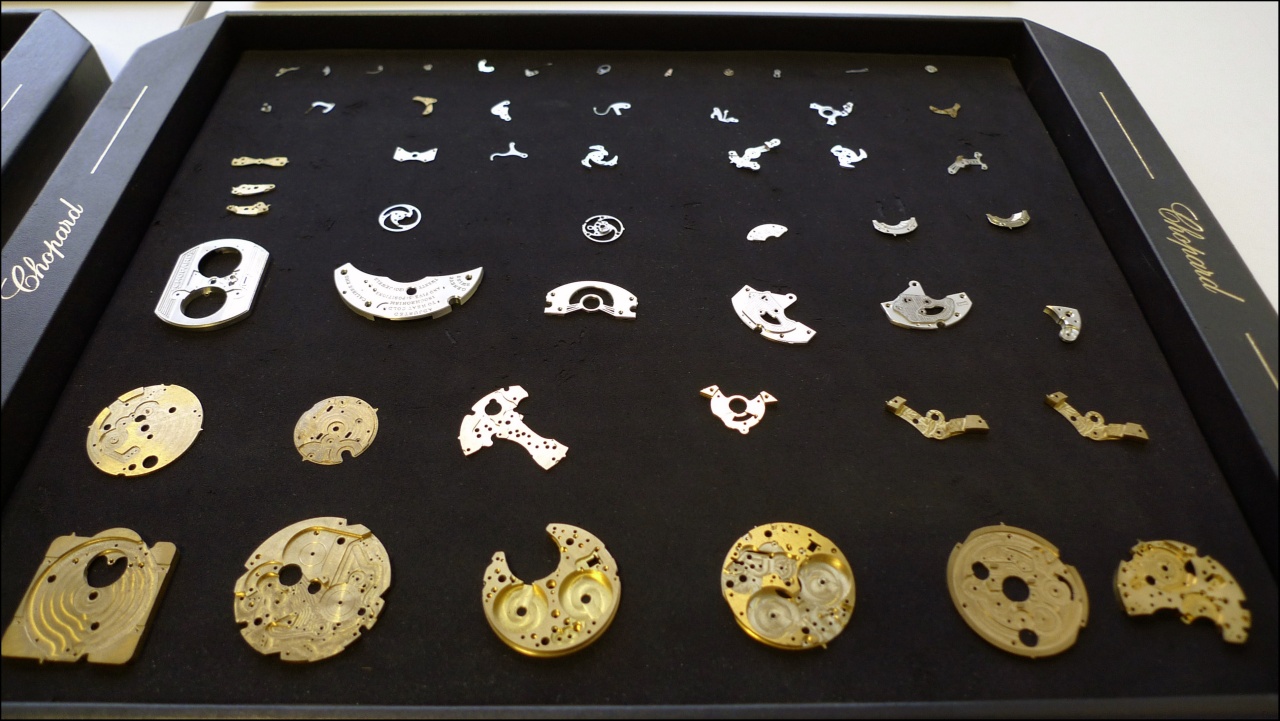


The 'raw' parts off the CNC machines ...


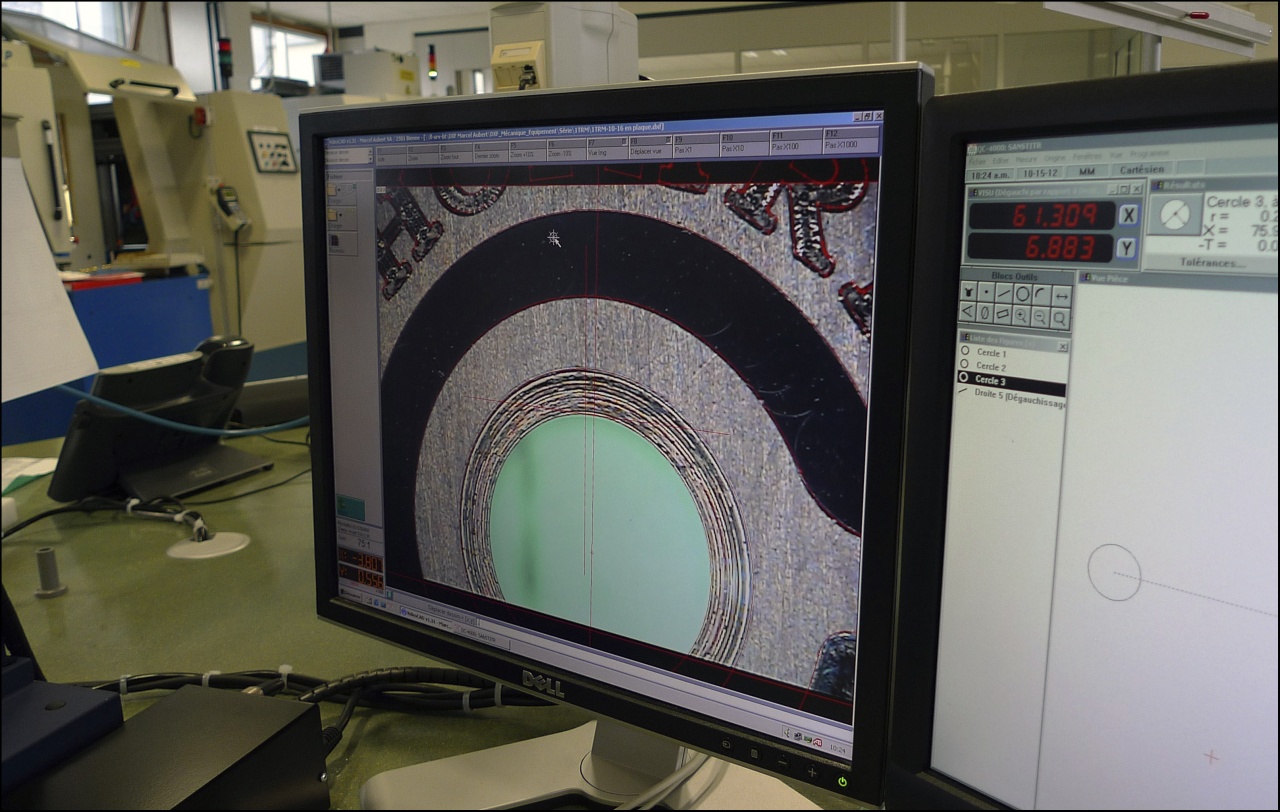
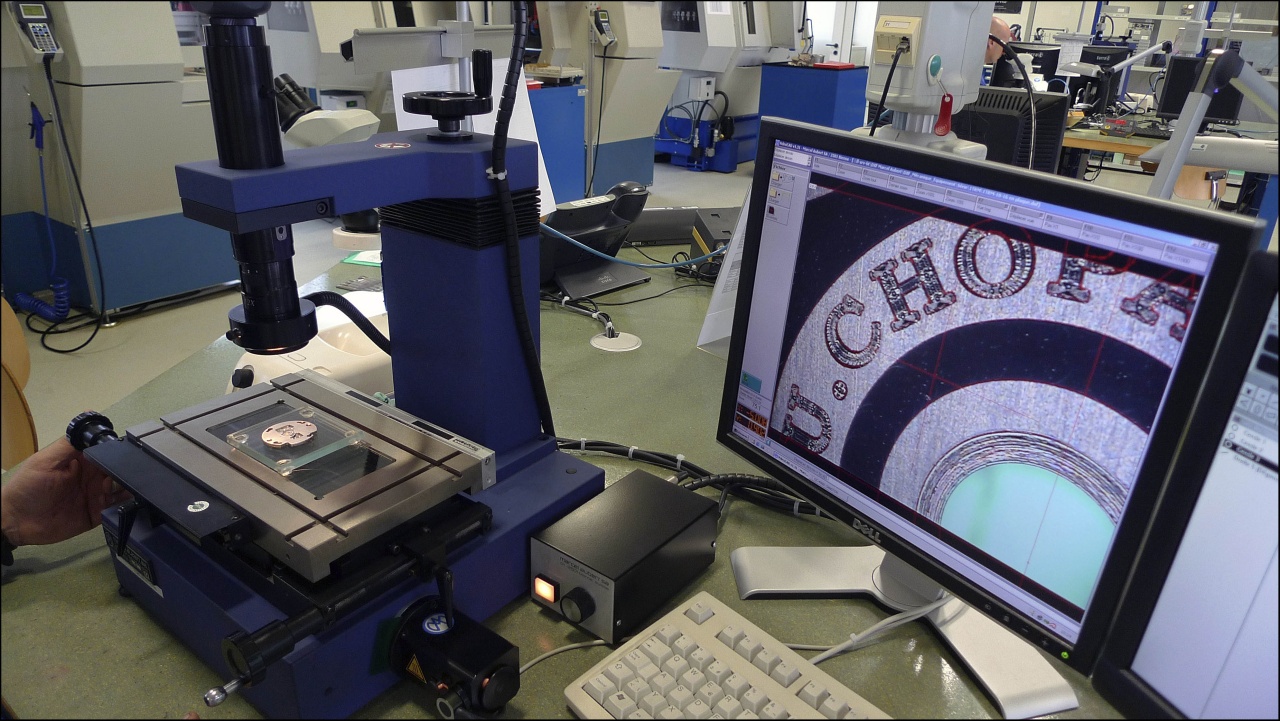
... undergo careful inspection for accuracy against the 'blueprints'.


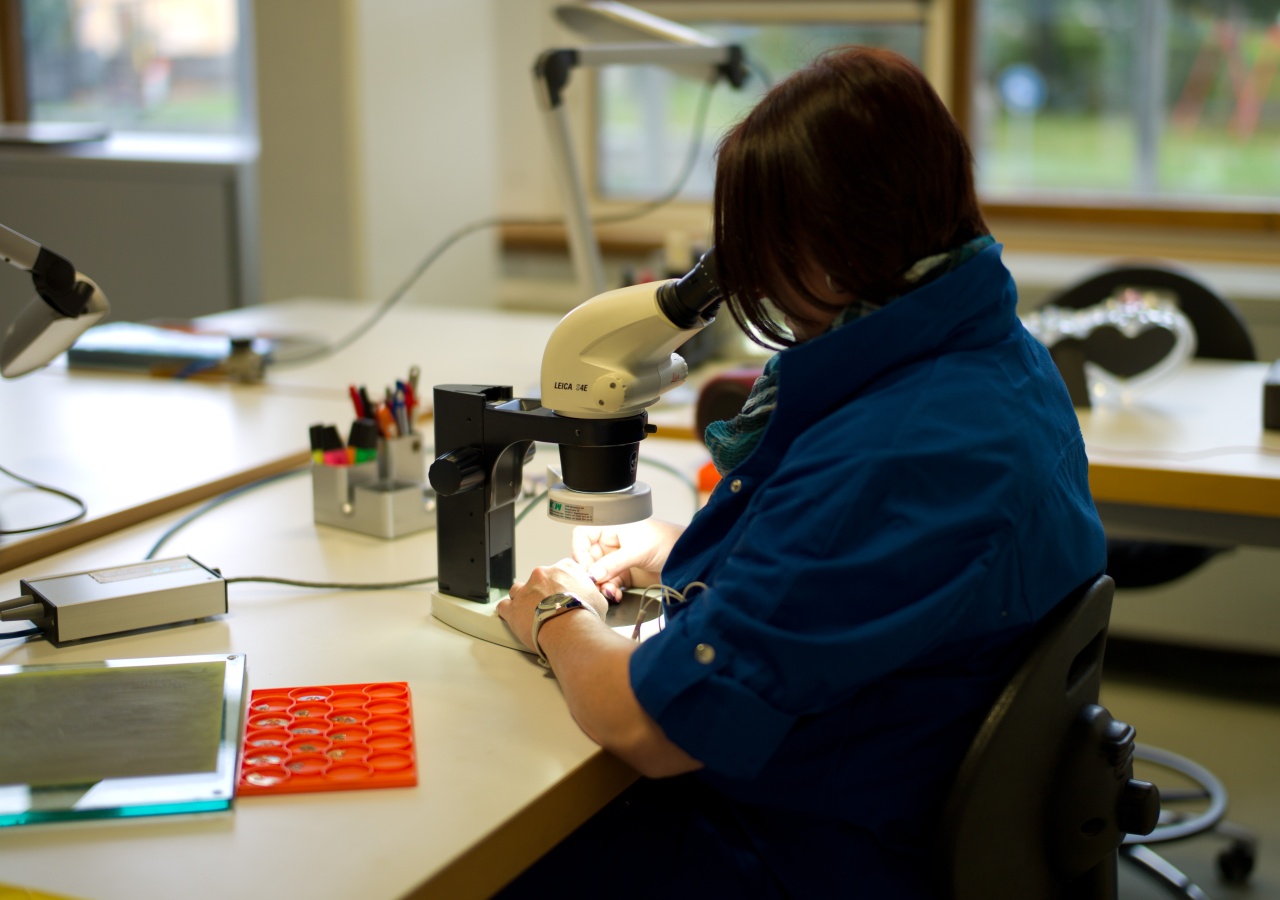
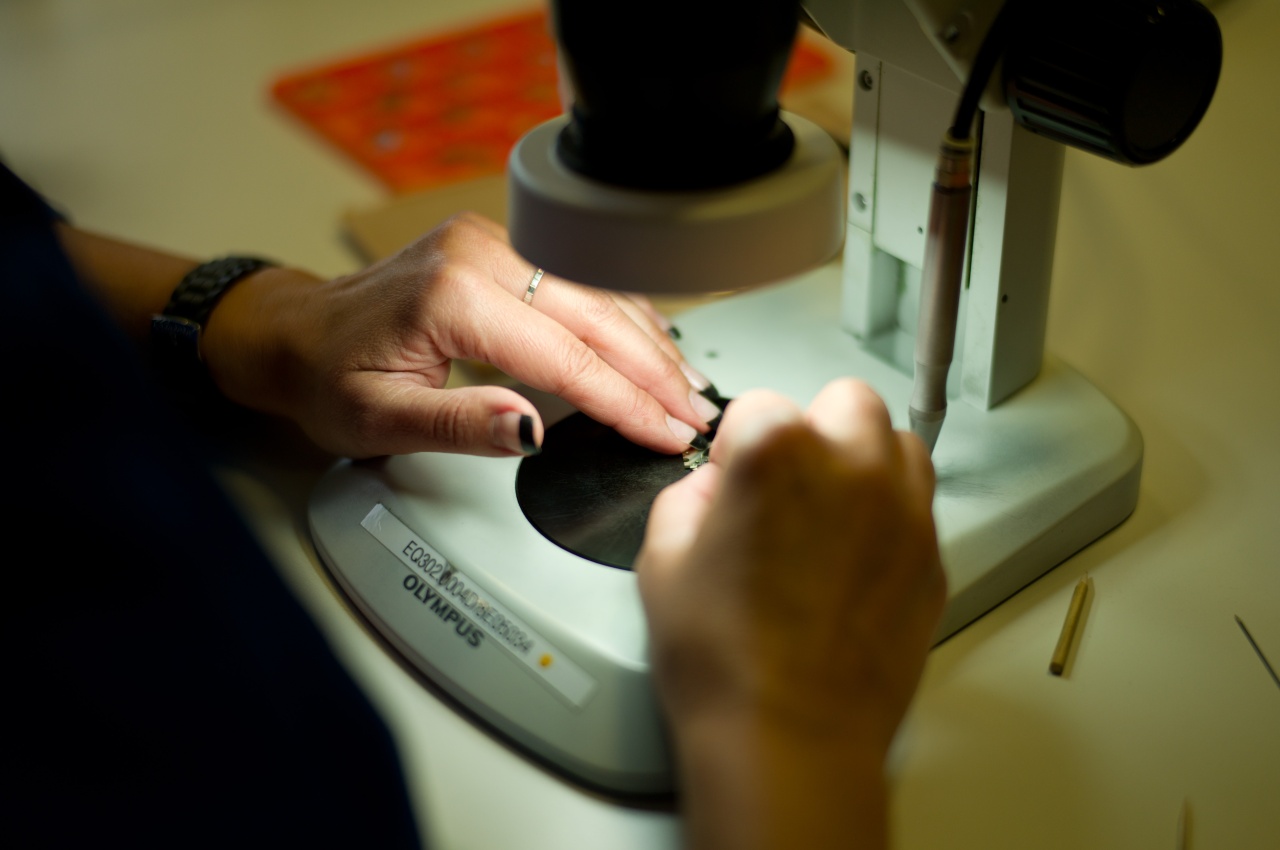
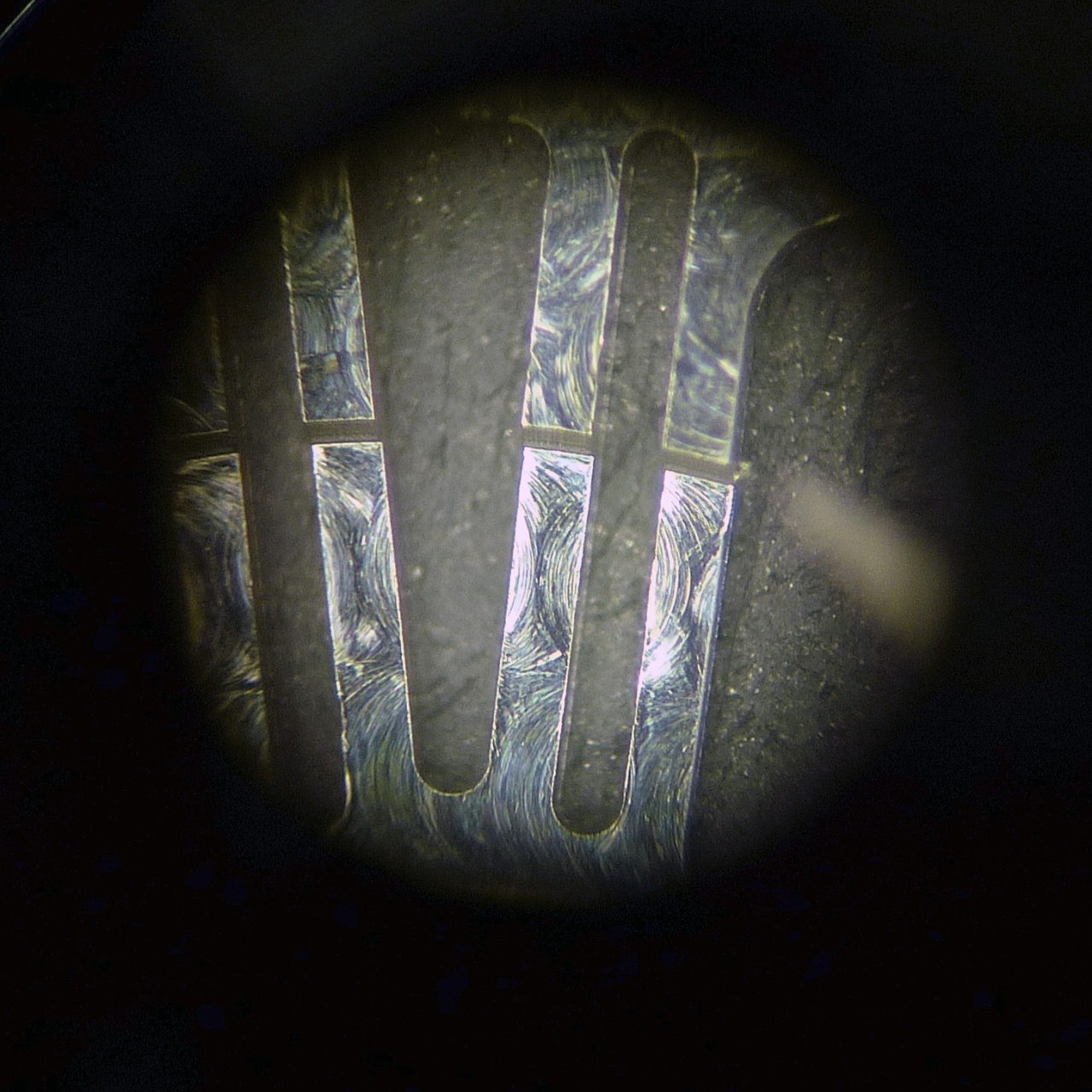
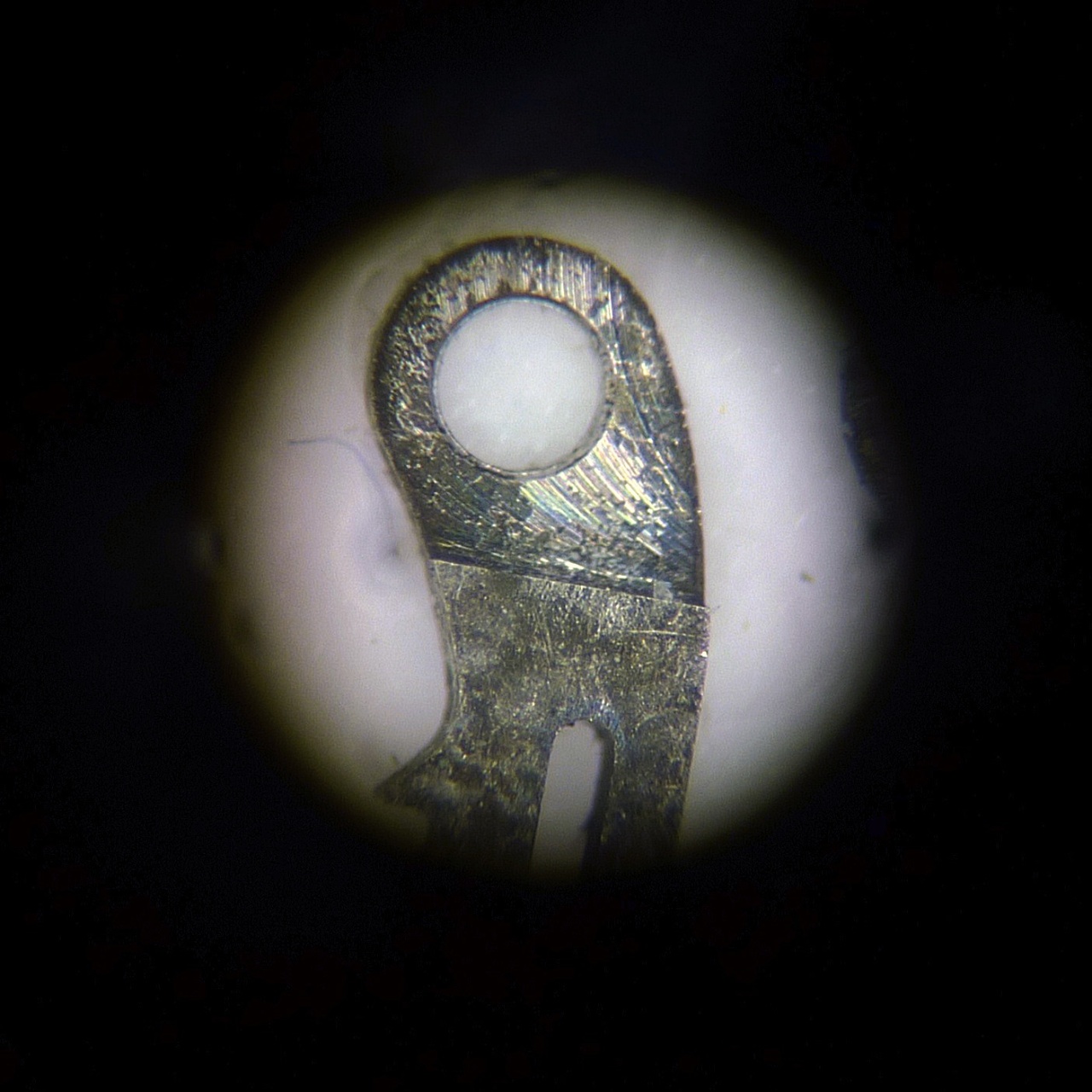
Burrs are removed by hand under a microscope ...


A lot more fine finishing will transform these parts into the final highly finished components inside our watches.


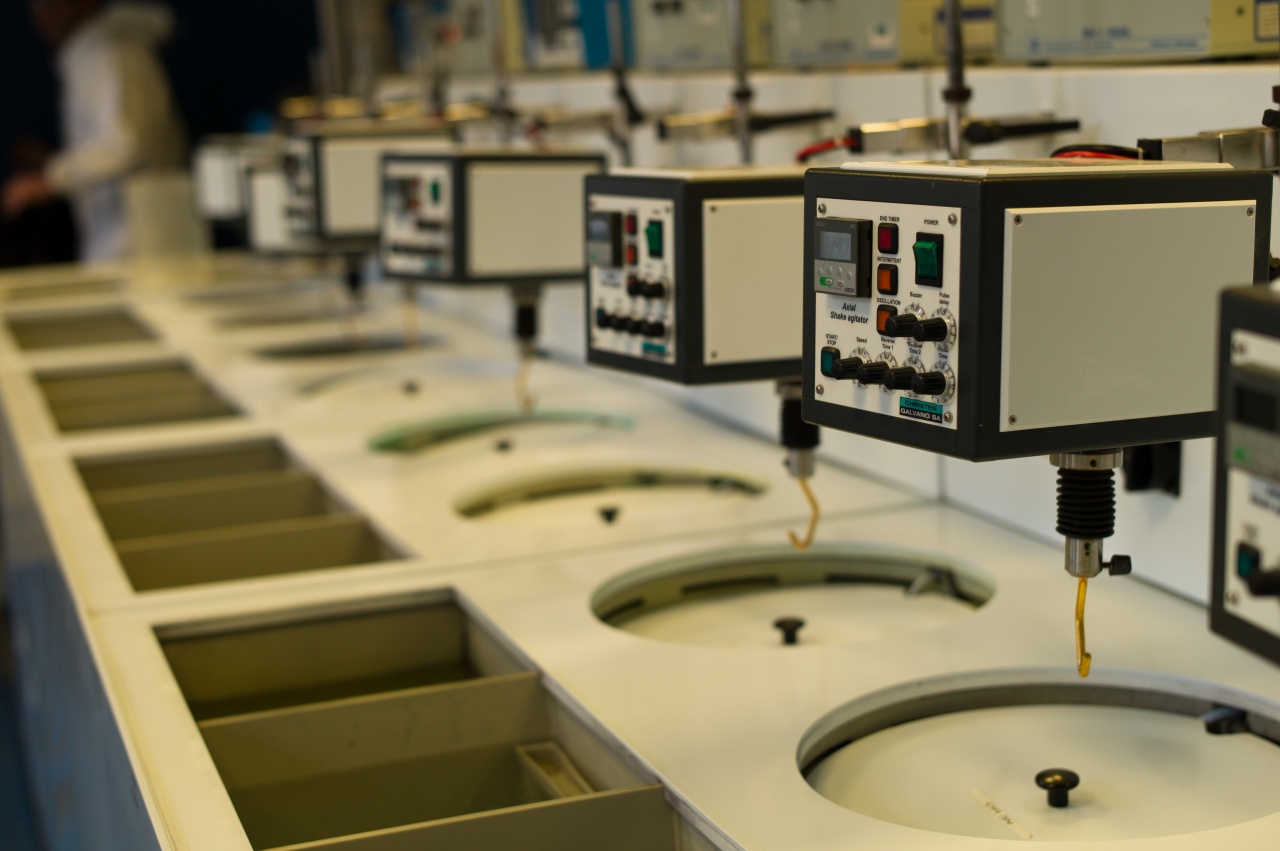
Most of the work is done with steel and gold. Electroplating provides the final finish. Even here it takes the hand of an experienced technician to decide when the plating and colours are just right. I assumed this sort of process would lend itself to automation, with dipping in a bath for the correct amount of time, but human judgment and an experienced eye are the best tools.


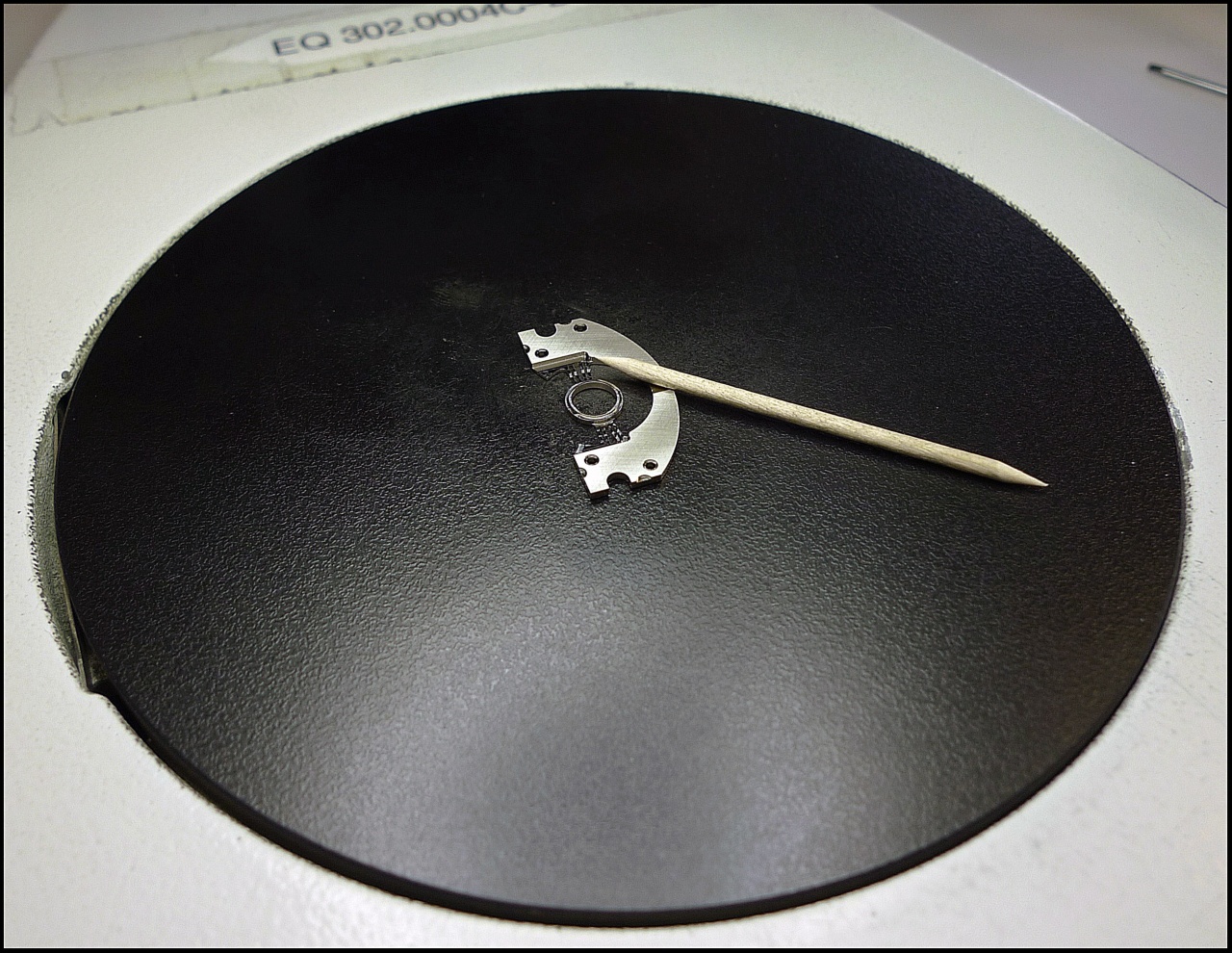
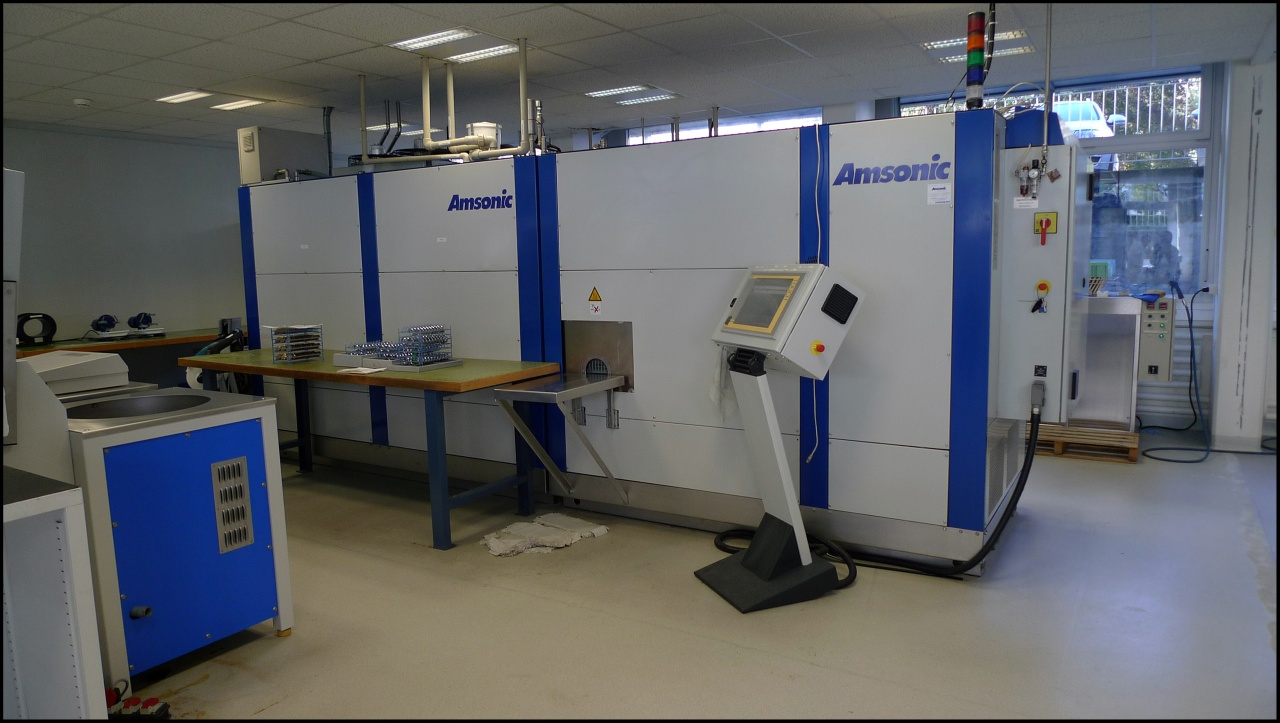
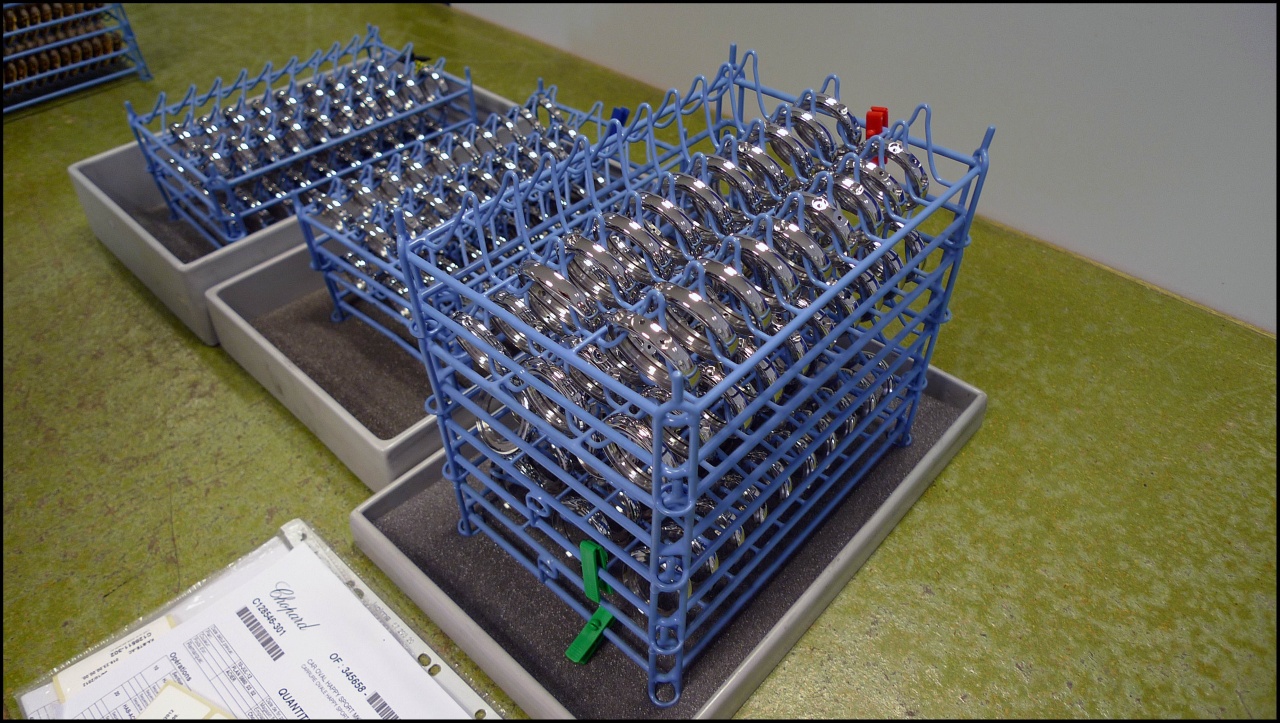
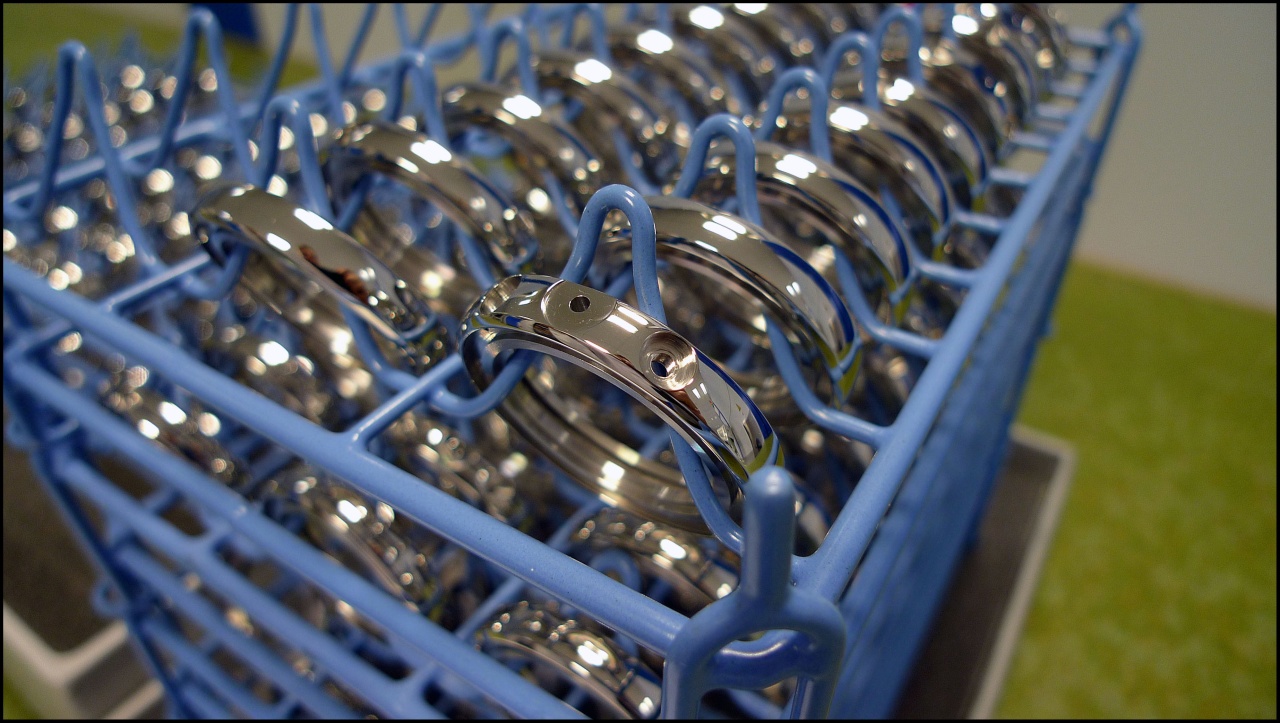
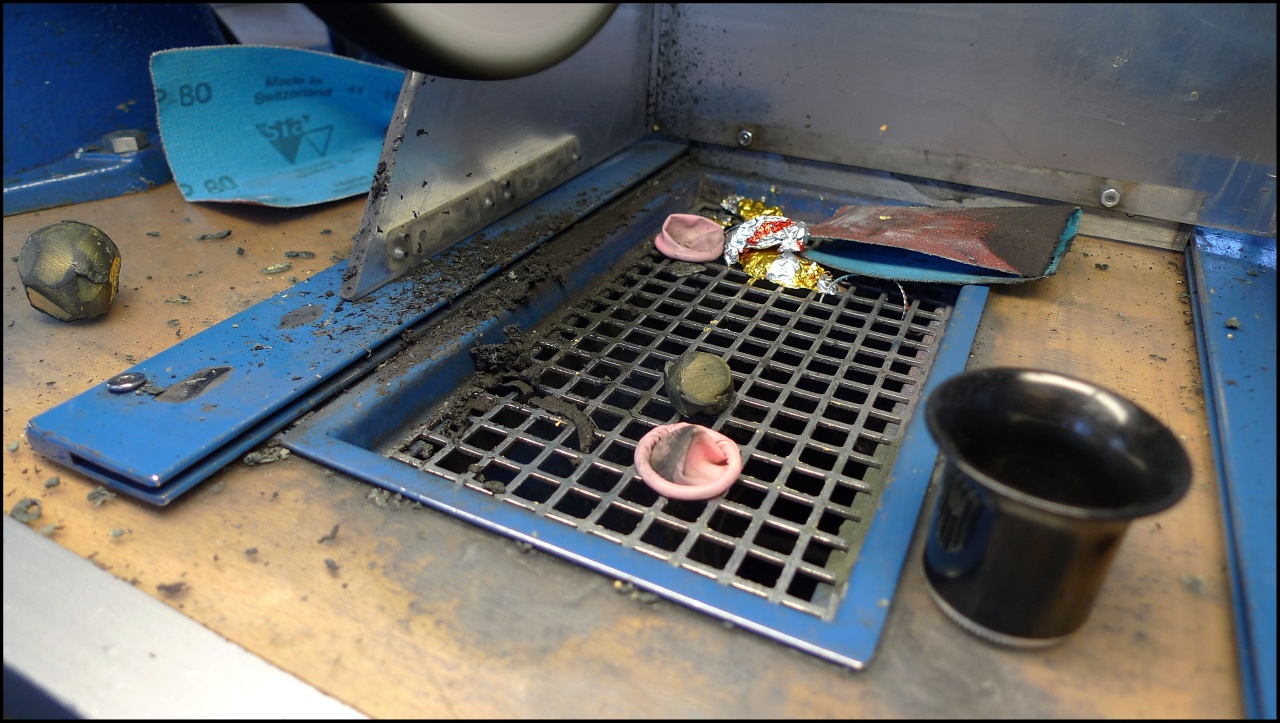
Cleaning galvanised parts ...


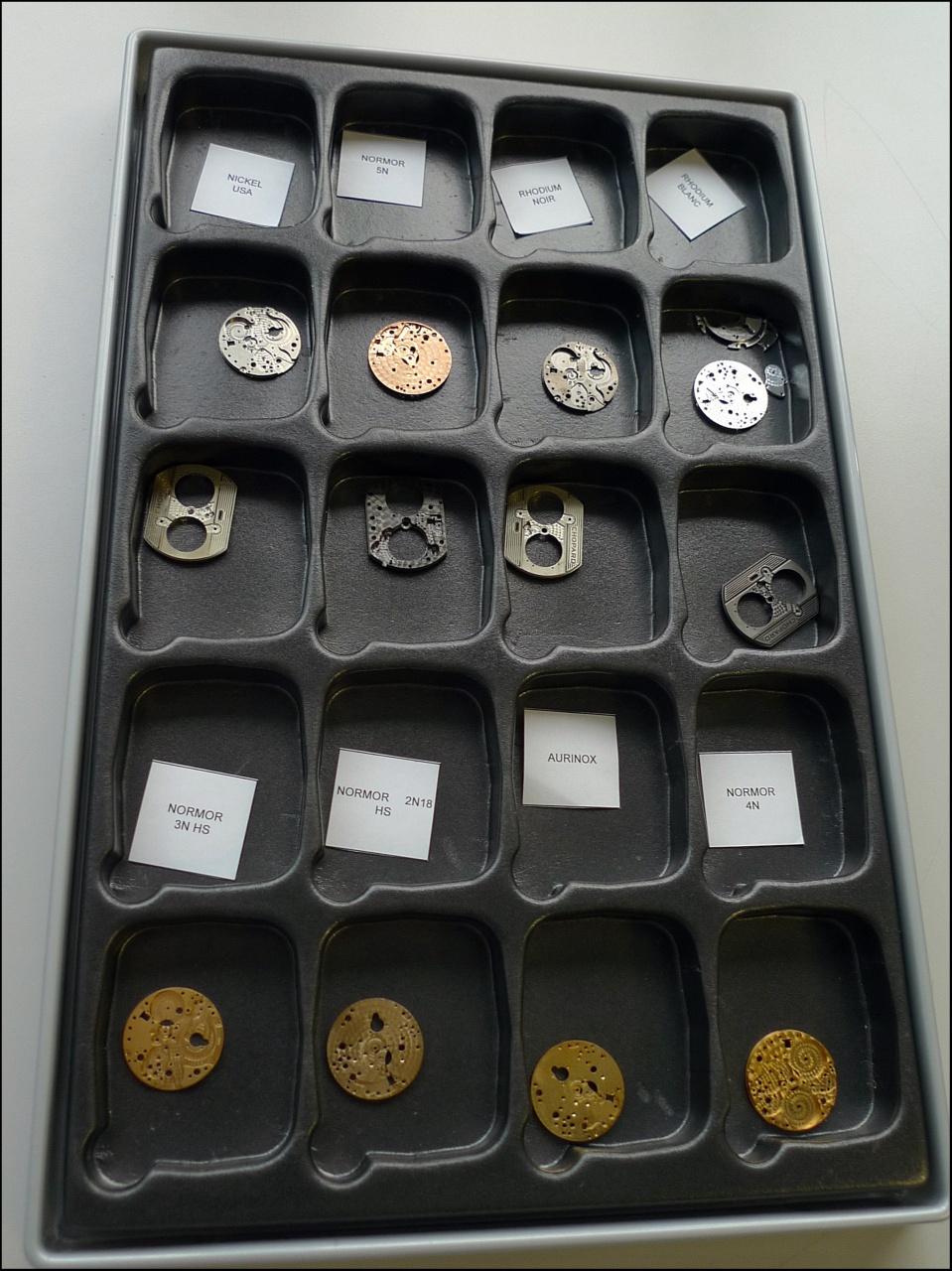
The range of colours and surface coatings achieved ...


How do you like your gold?


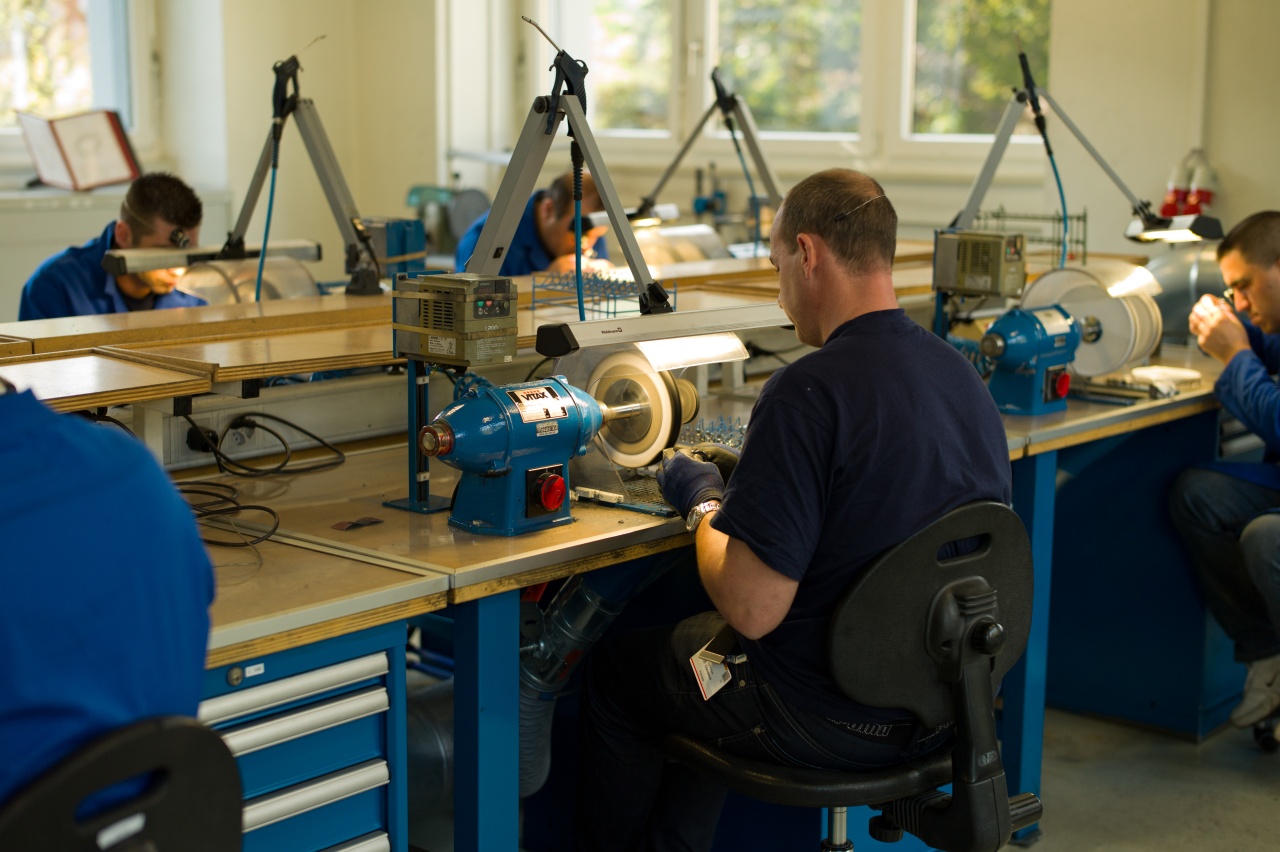
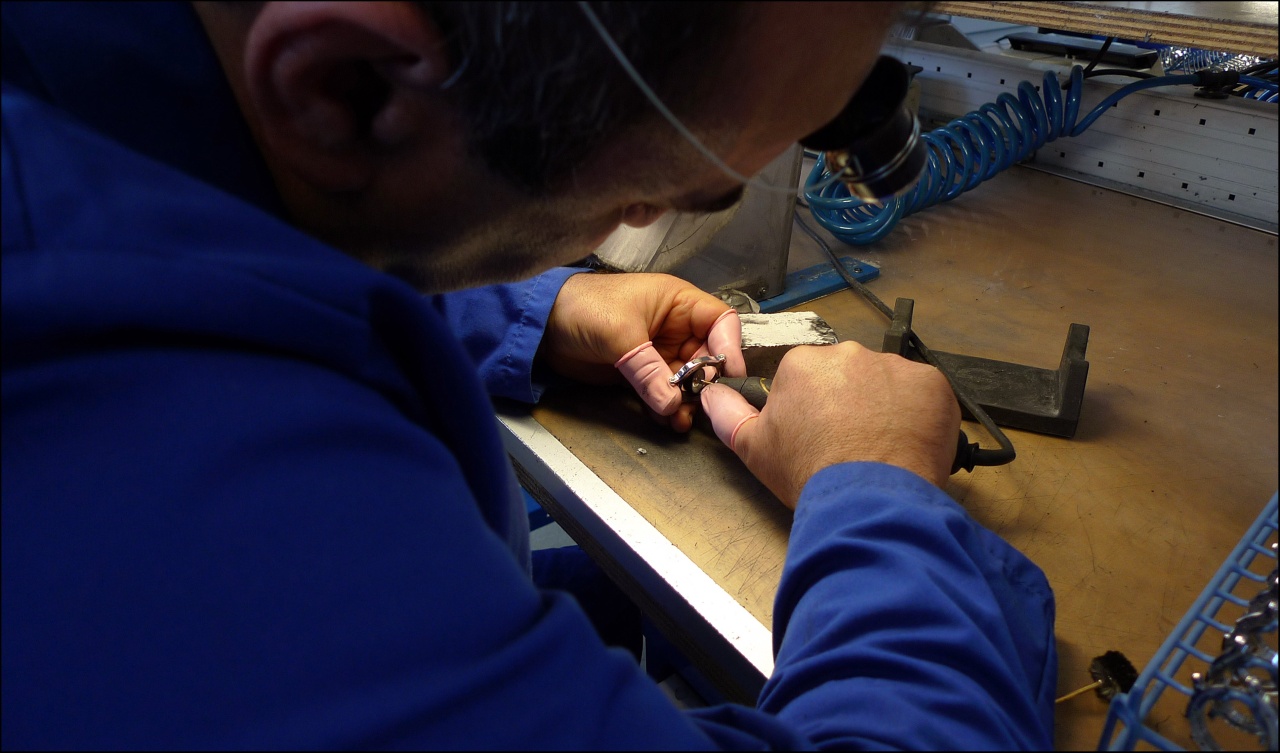
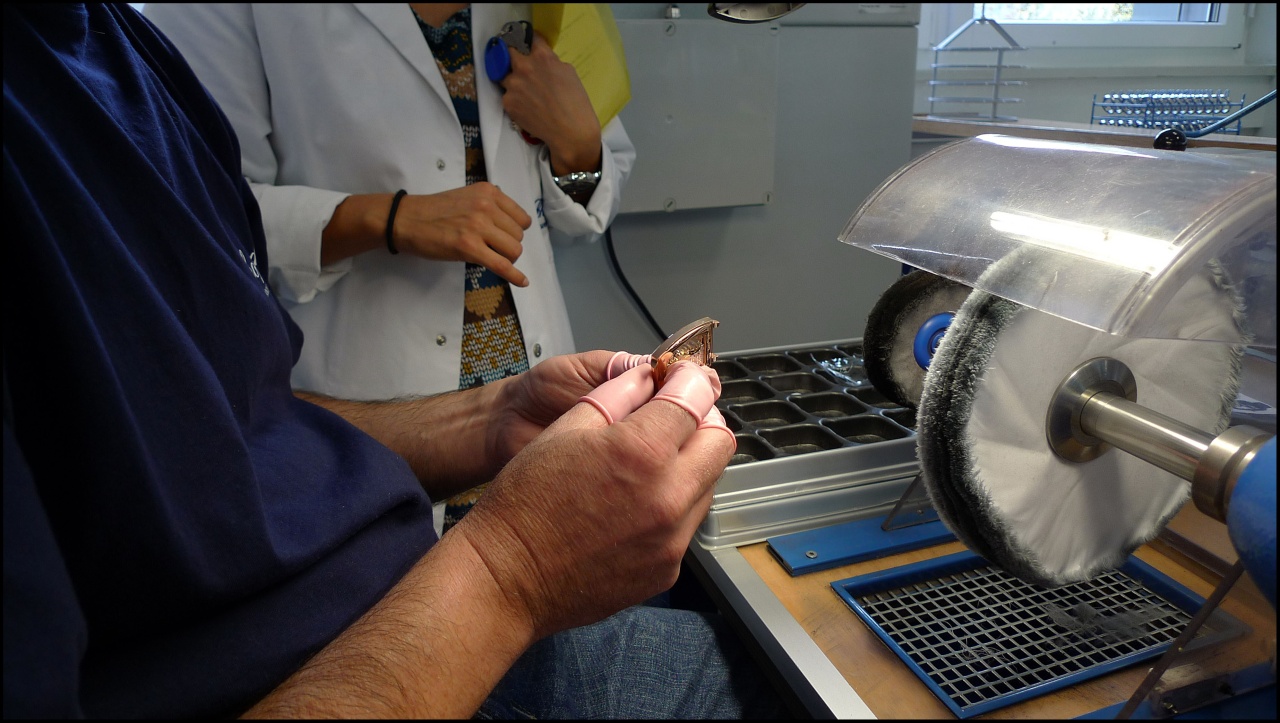
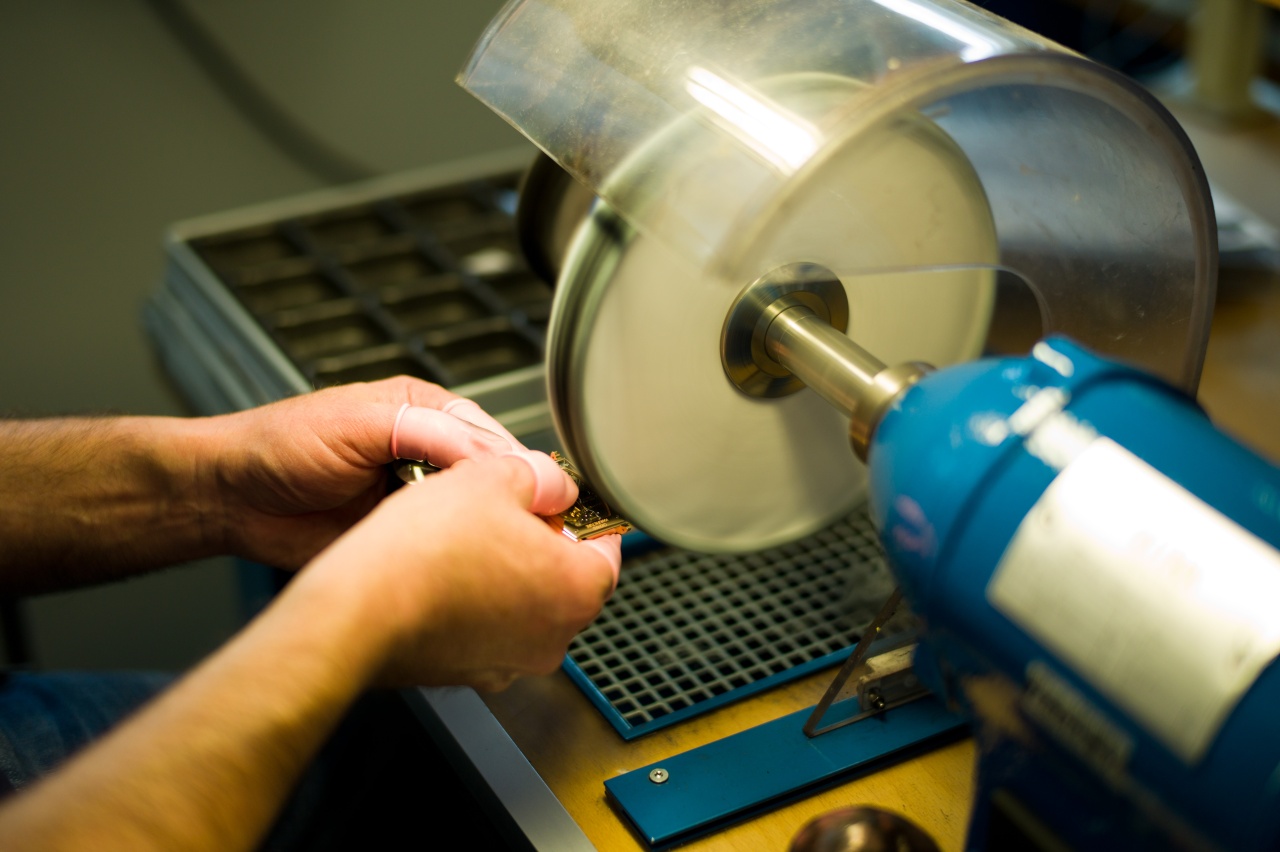
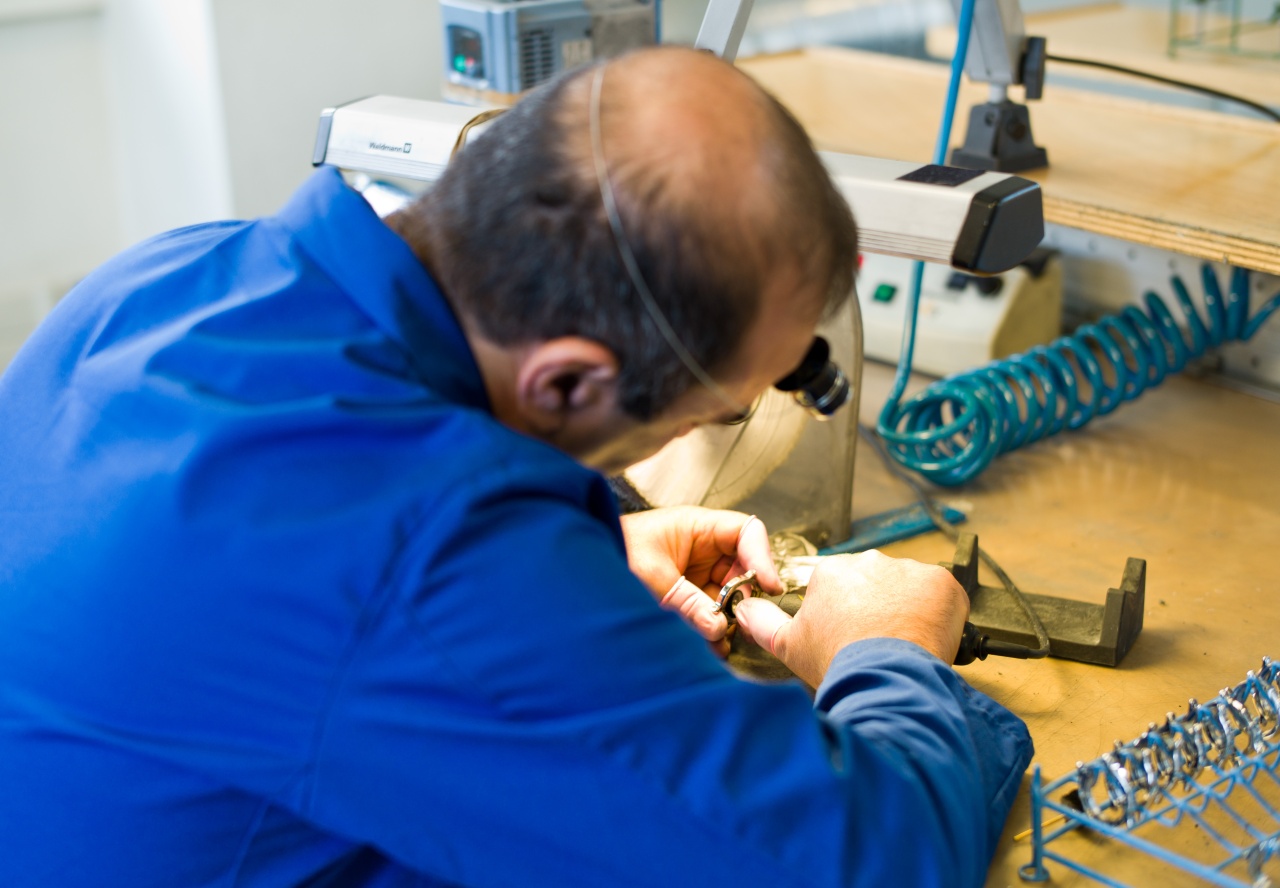
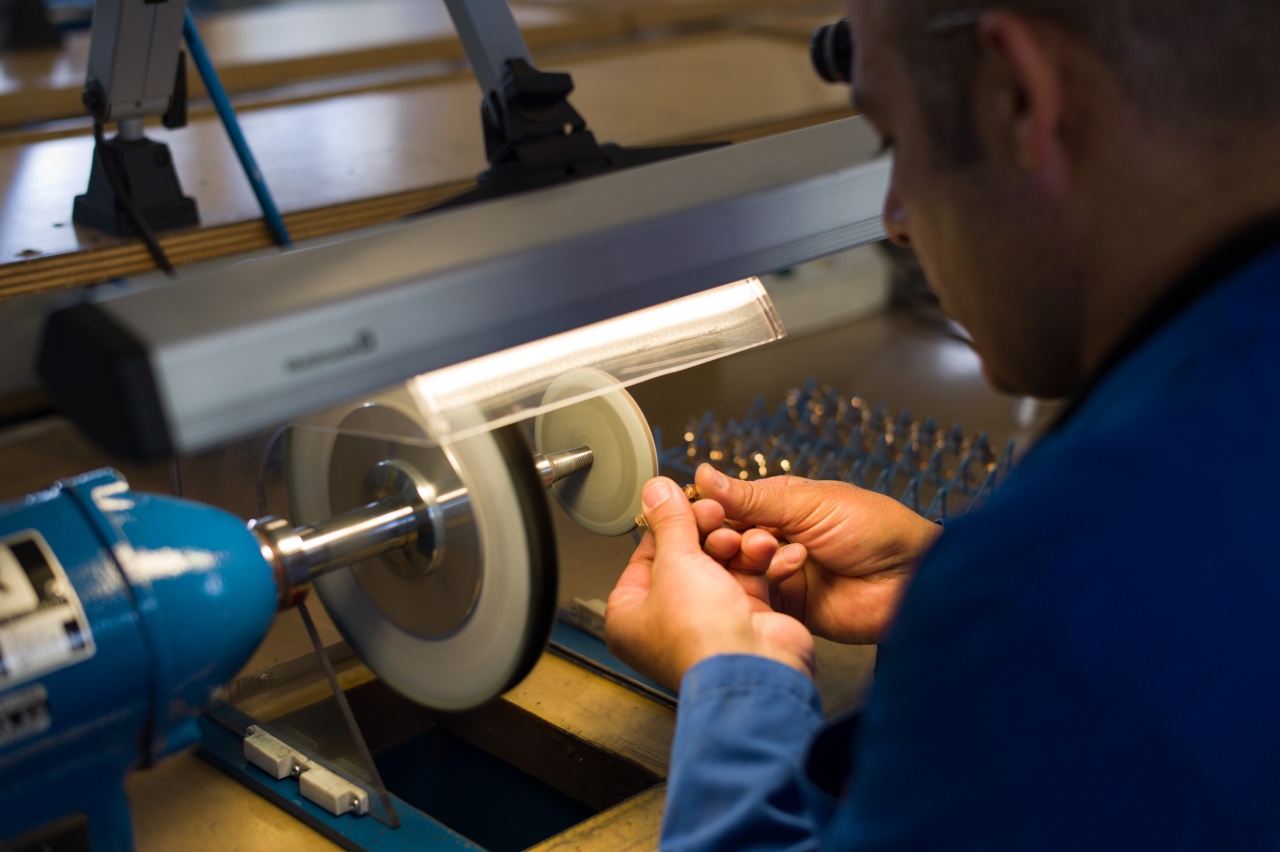
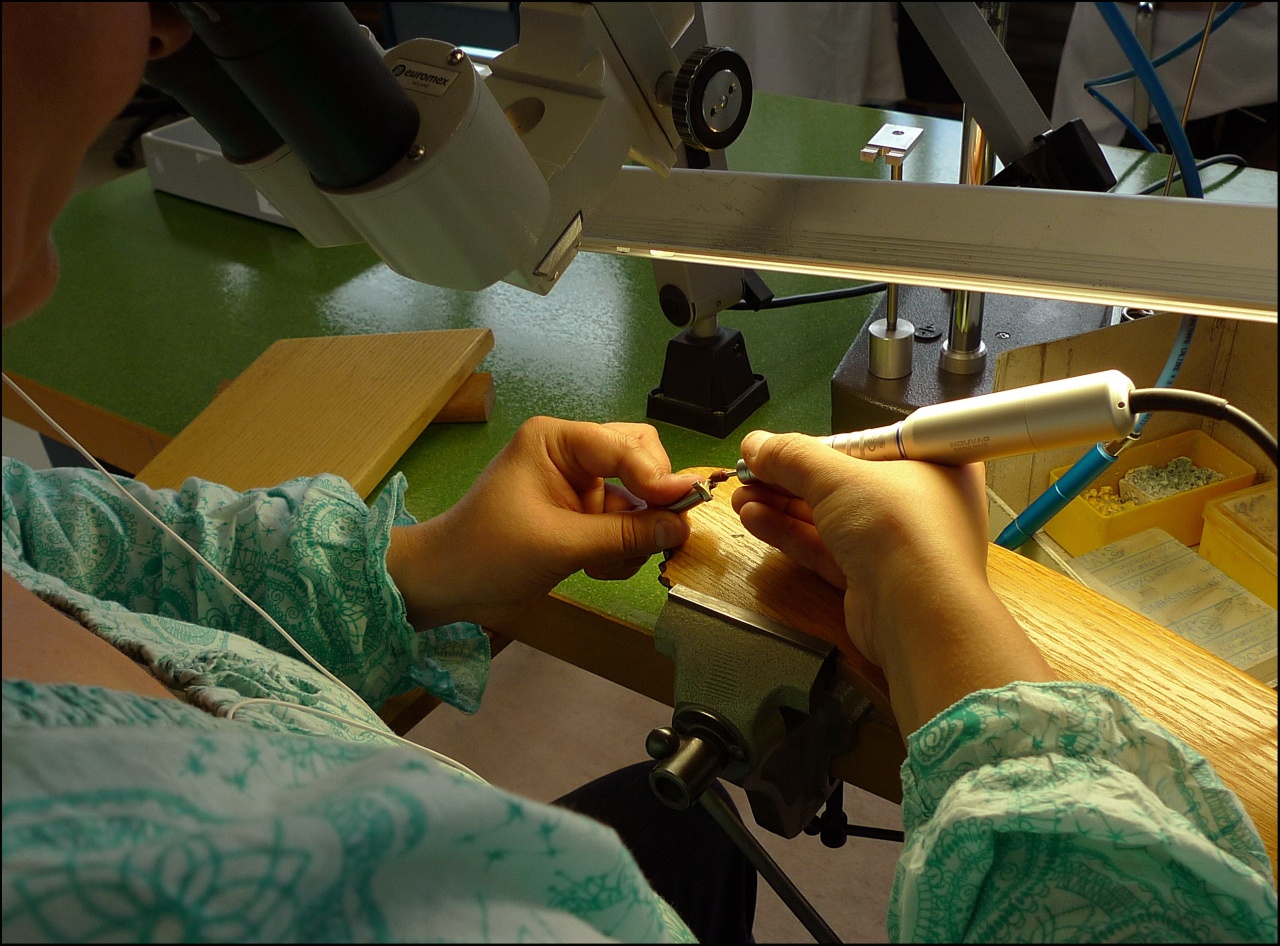
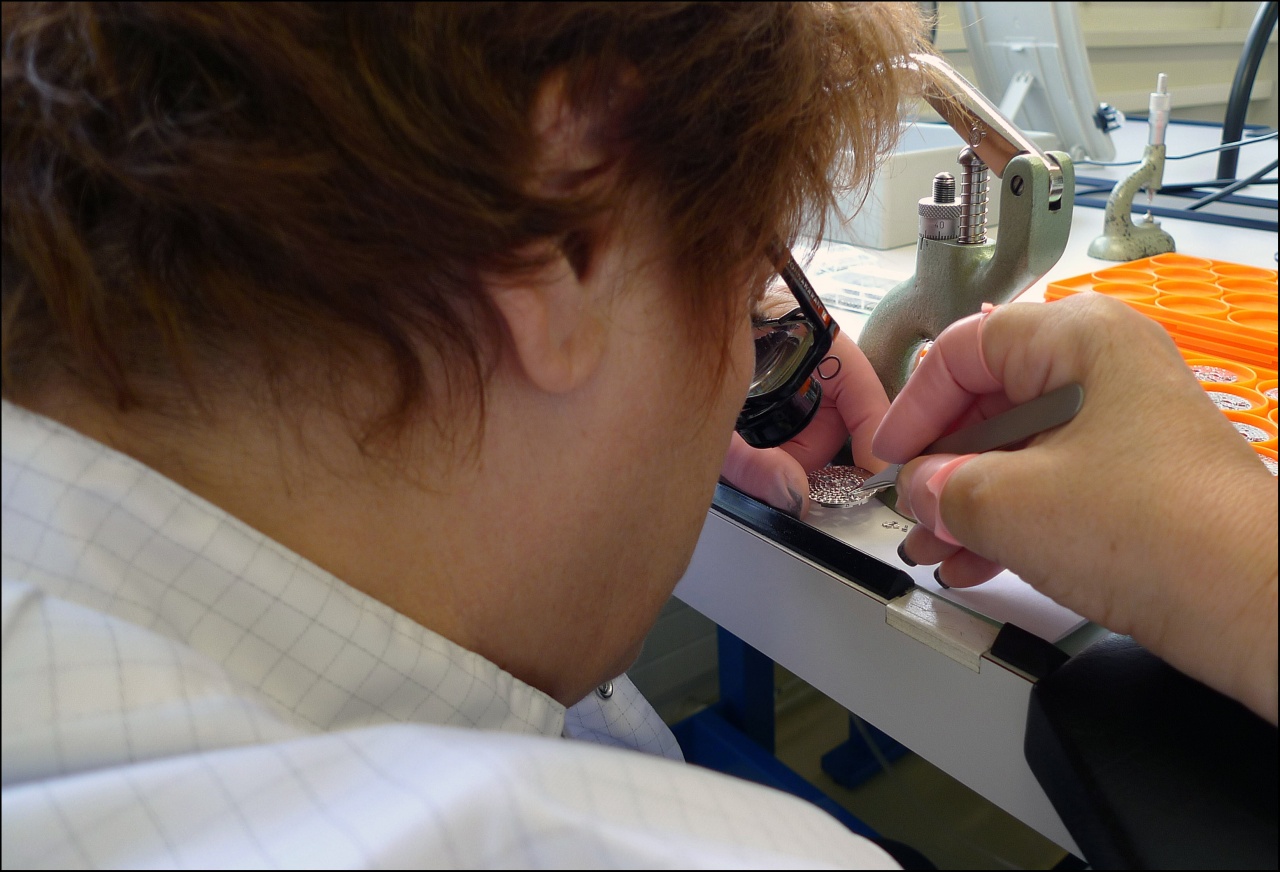
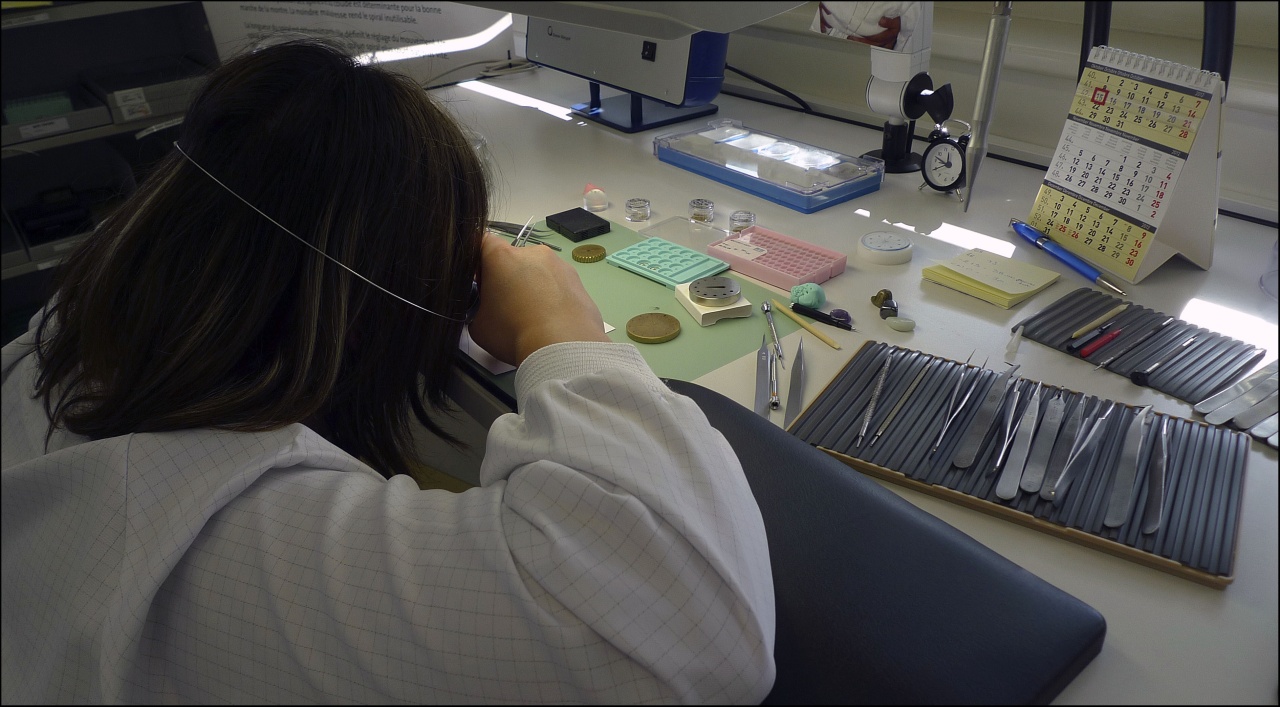
Polishing is done by hand, and the results checked regularly with a loupe; nothing replaces an experienced hand and eye.


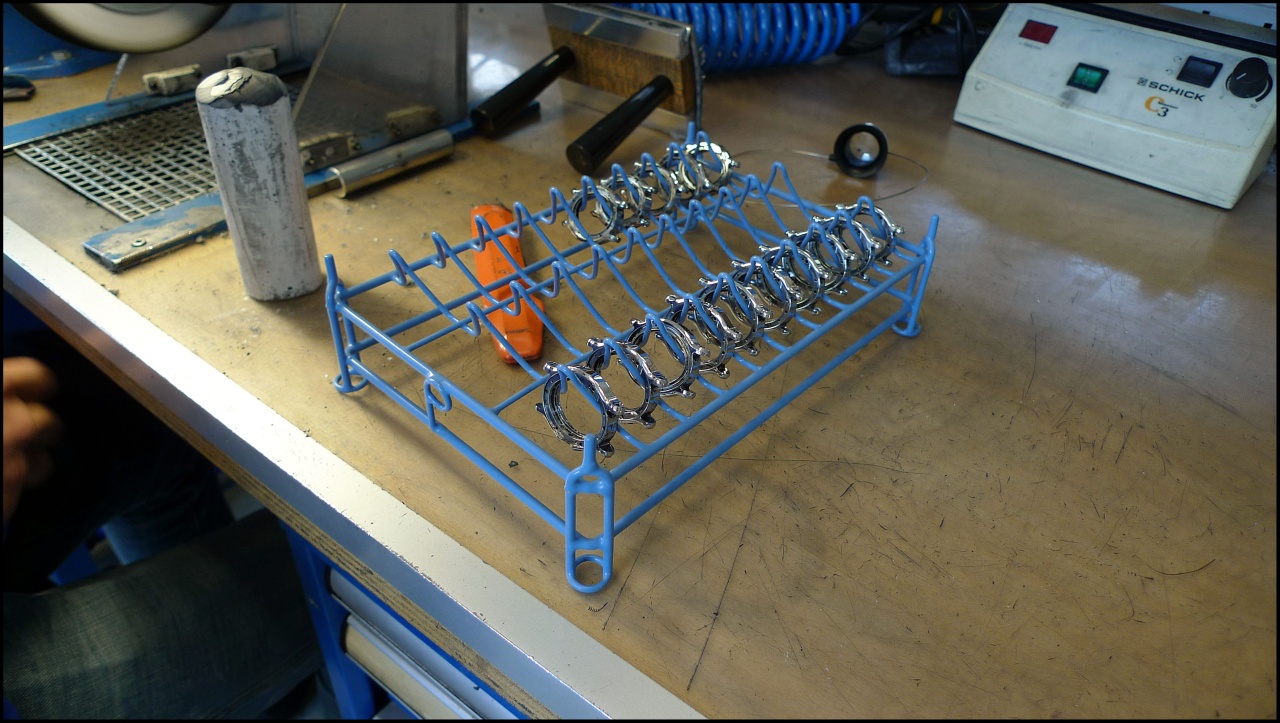
The finishing process may involve either polishing to create shiny surfaces or creating a matt effect using a range of different materials such as sand and fabric. Even bracelets are hand finished in this way.


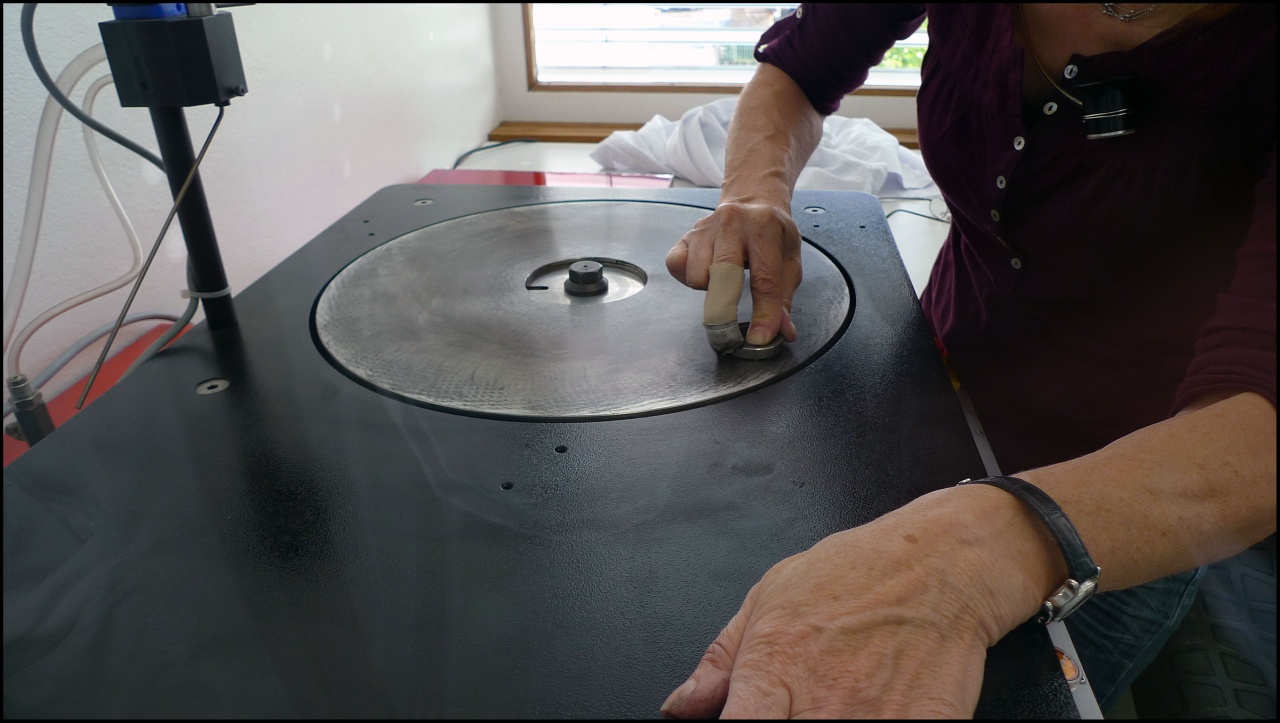
Diamond polishing flat parts which then go on to hand chamfering. The Chopard ‘house style’ is 45 degree beveling rather than rounded edges, but it is applied by hand.


Perlage is hand applied, the carousel being turned by hand, so each plate is unique and demonstrates the ‘hand’ of the watchmaker.

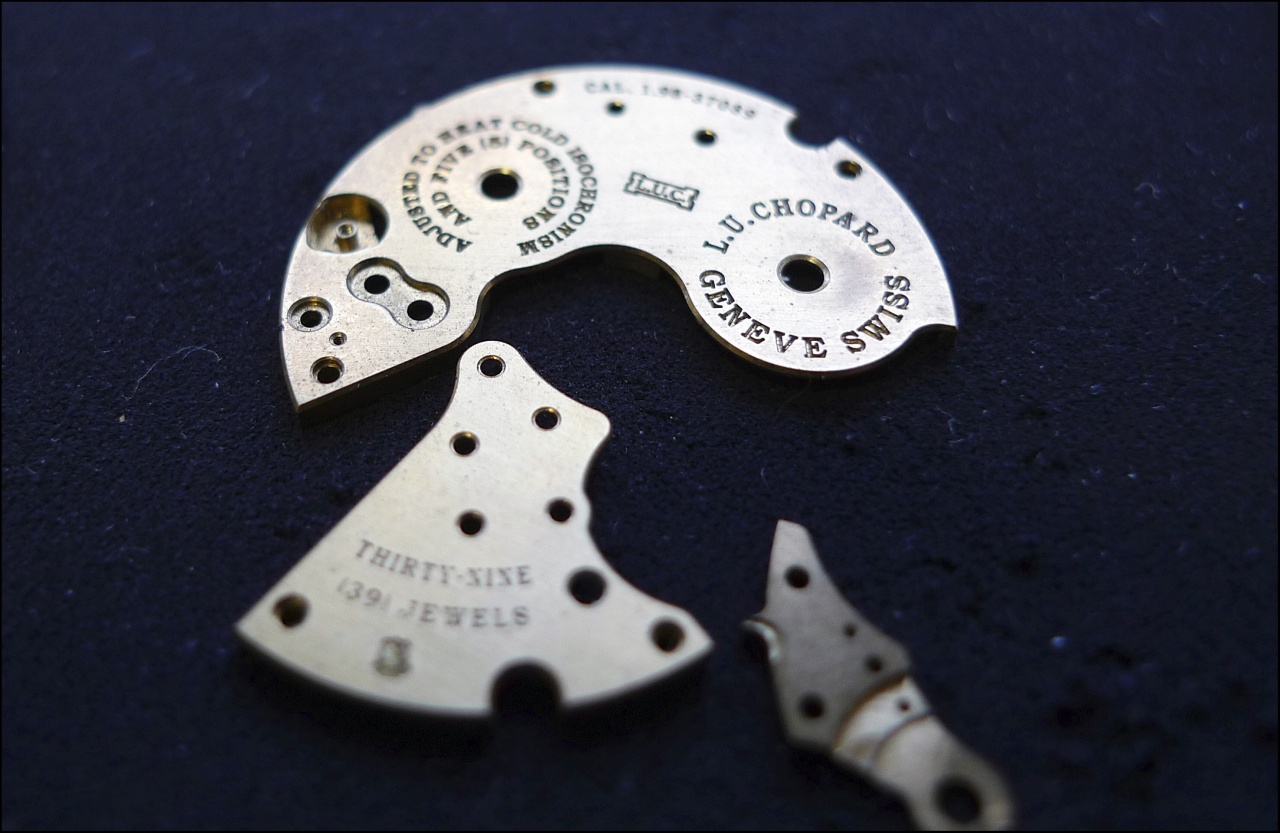
The range of finished components ...
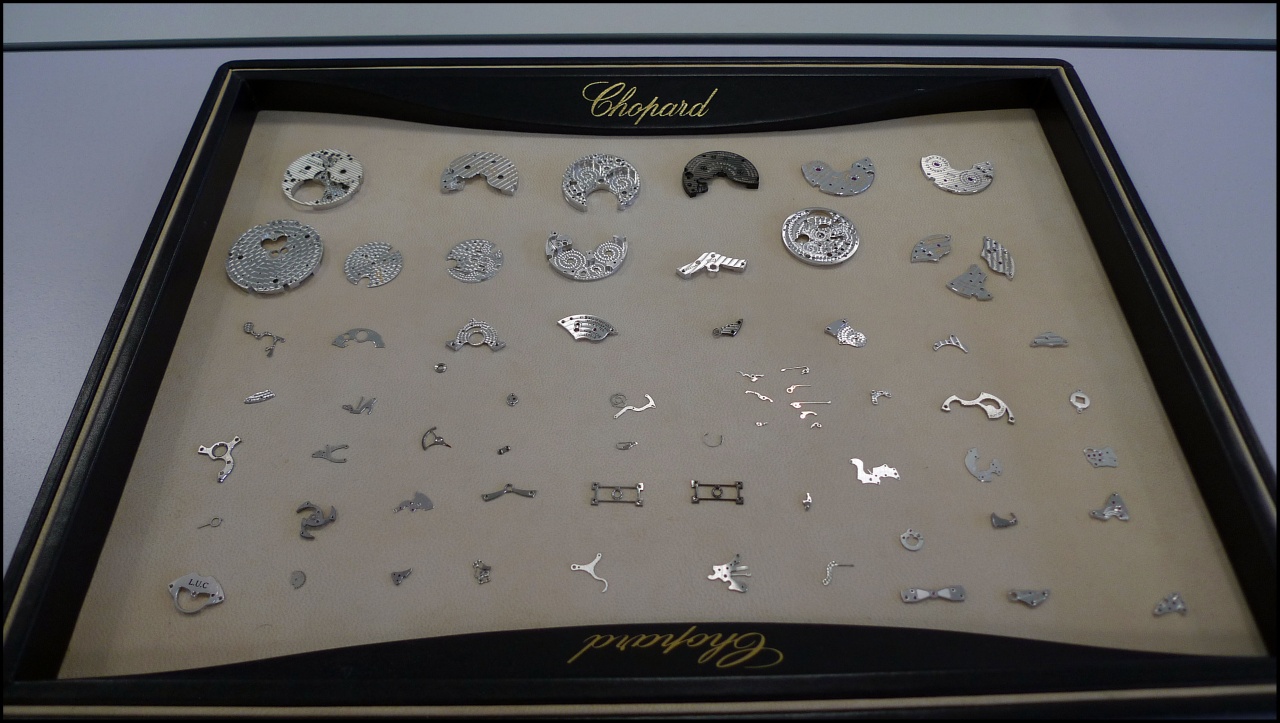


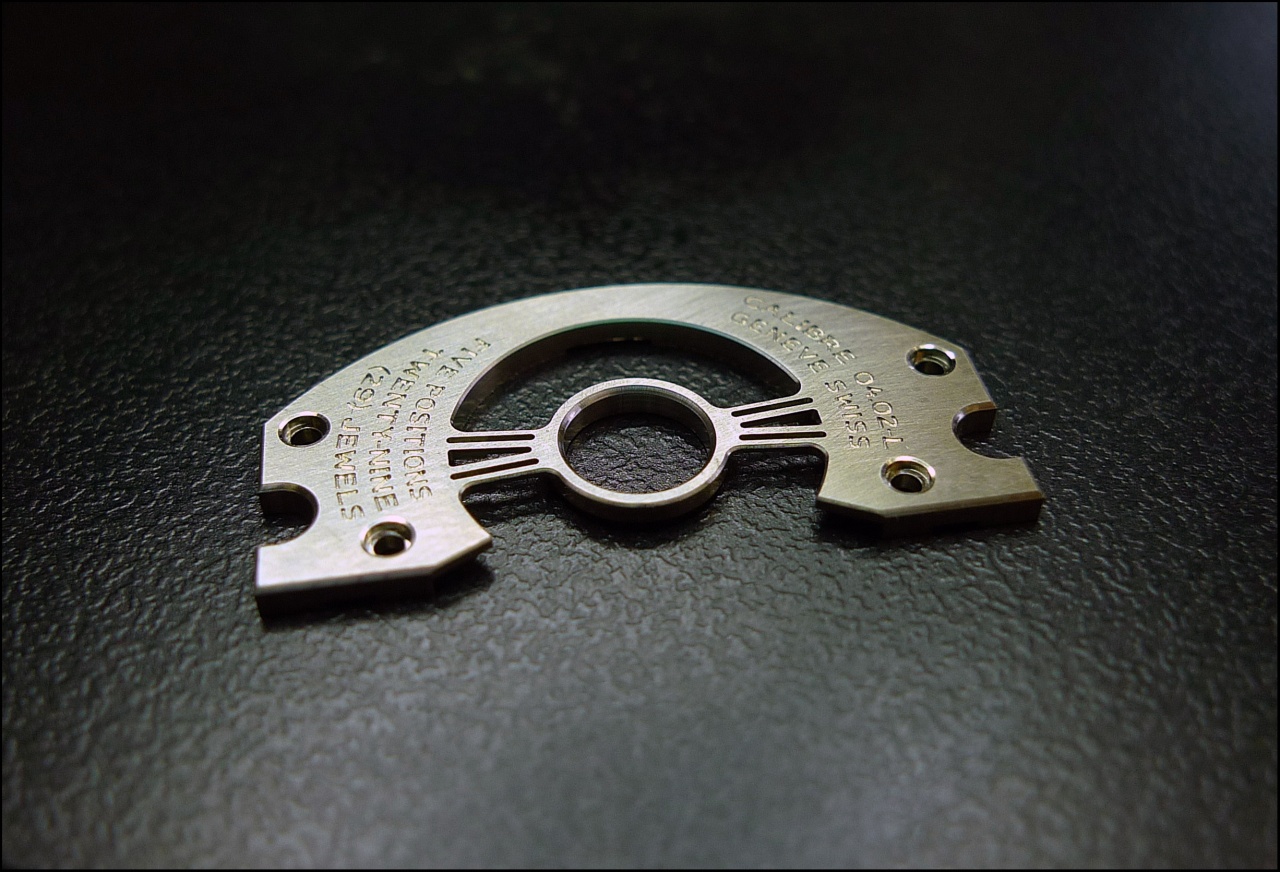
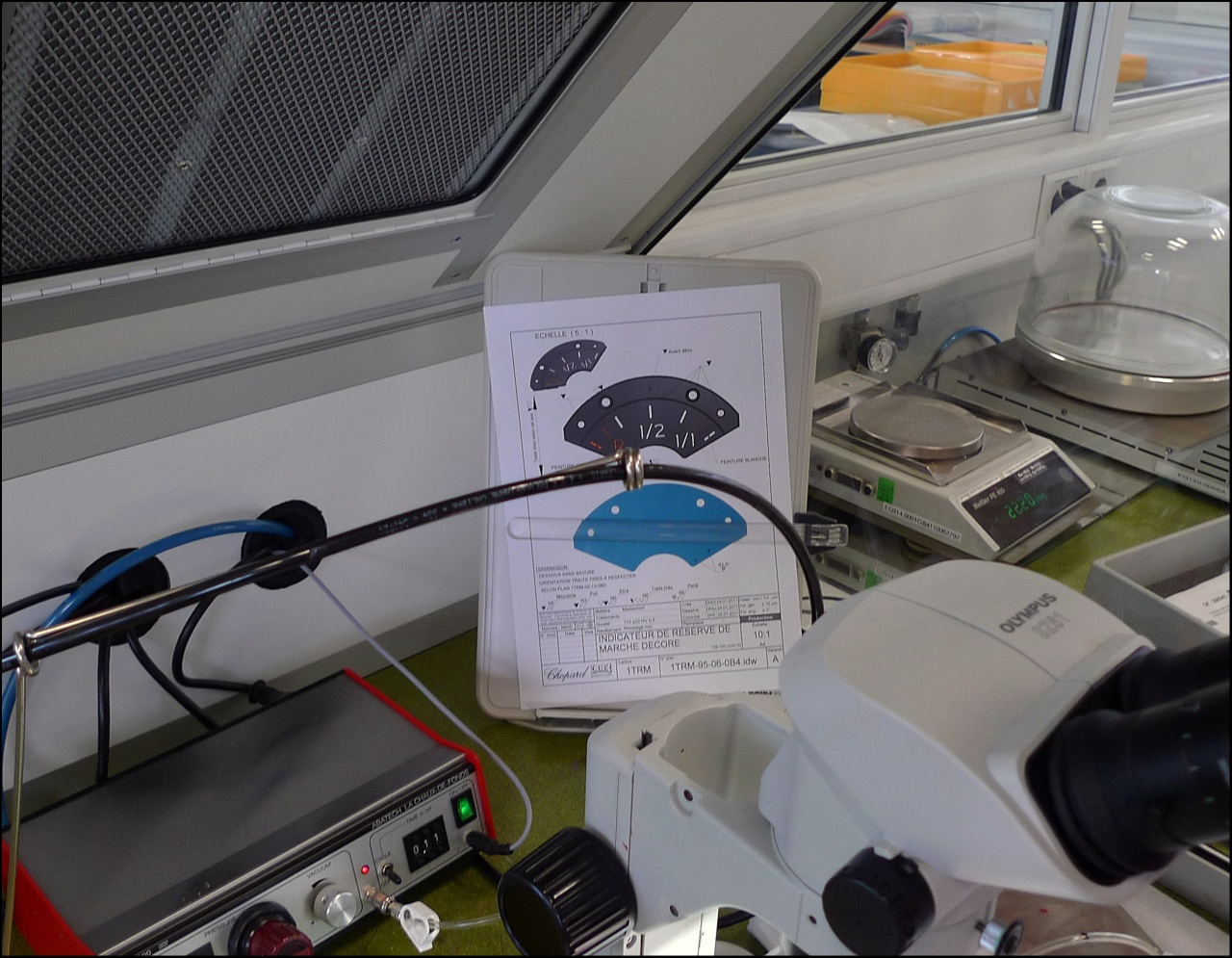
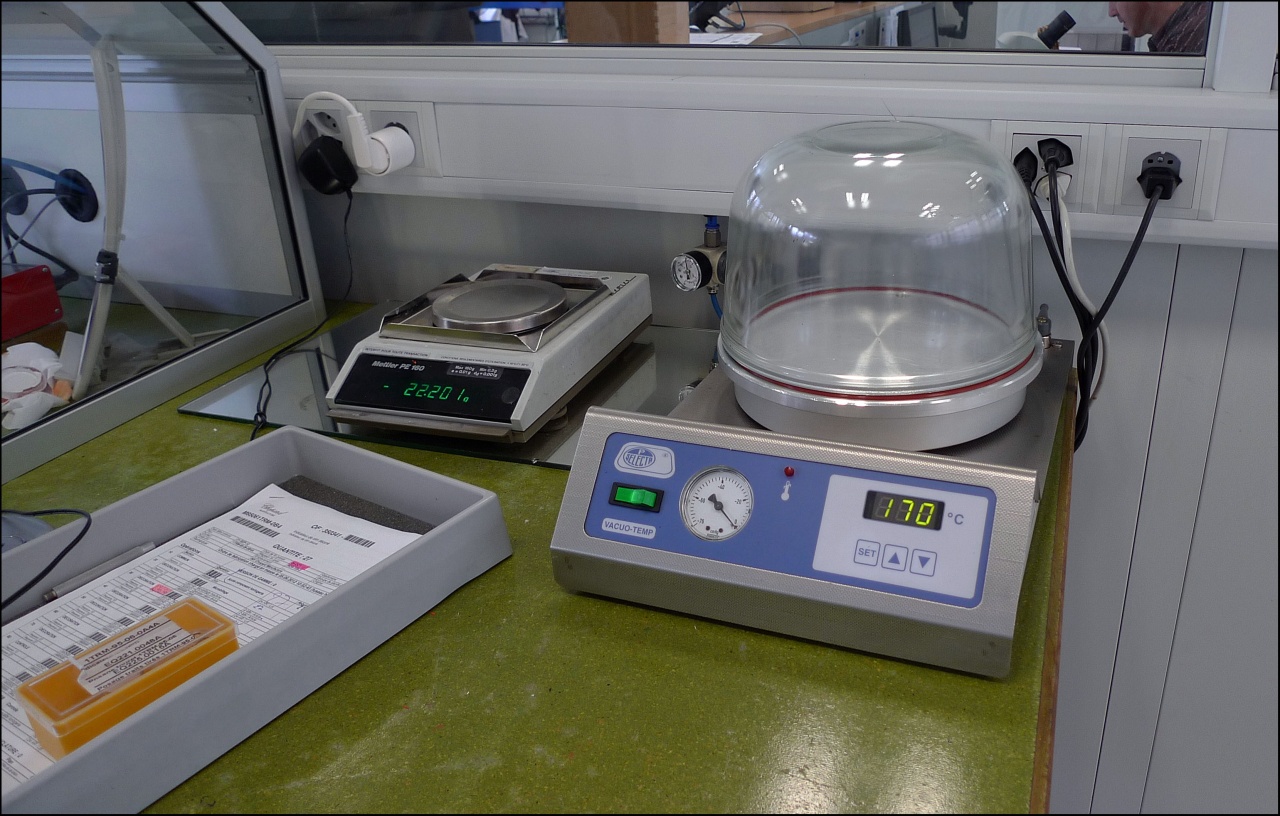
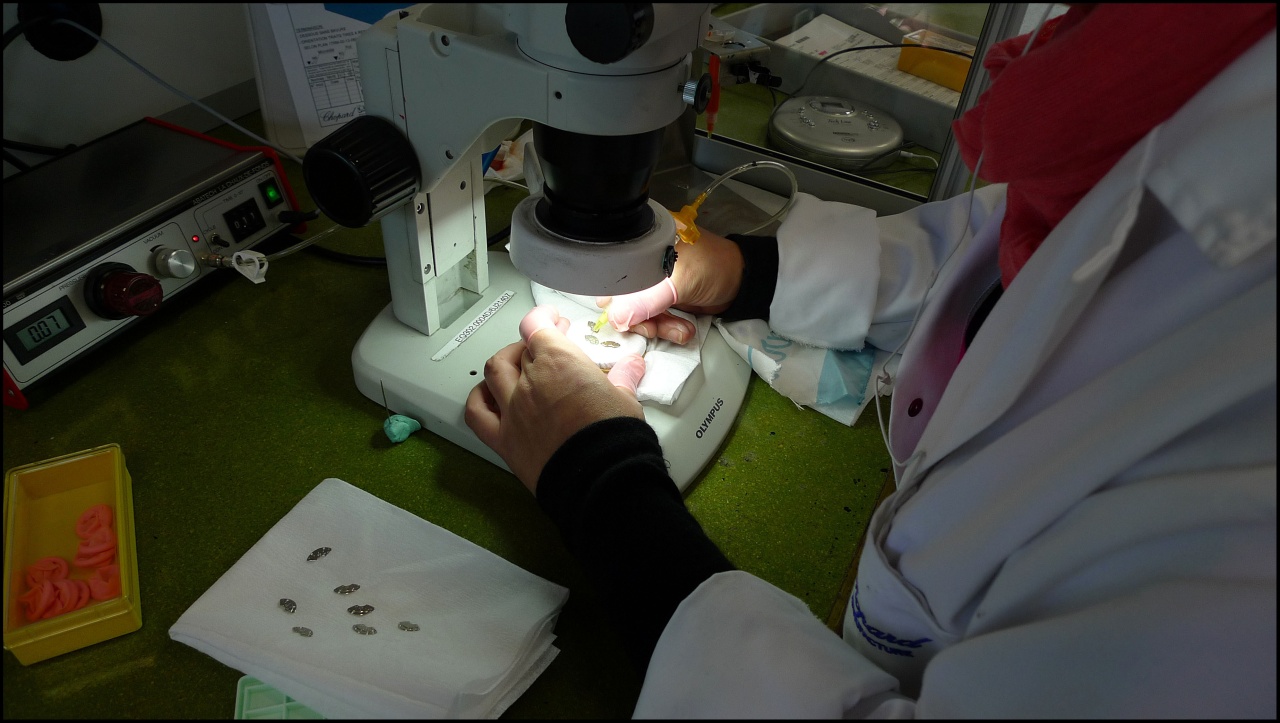
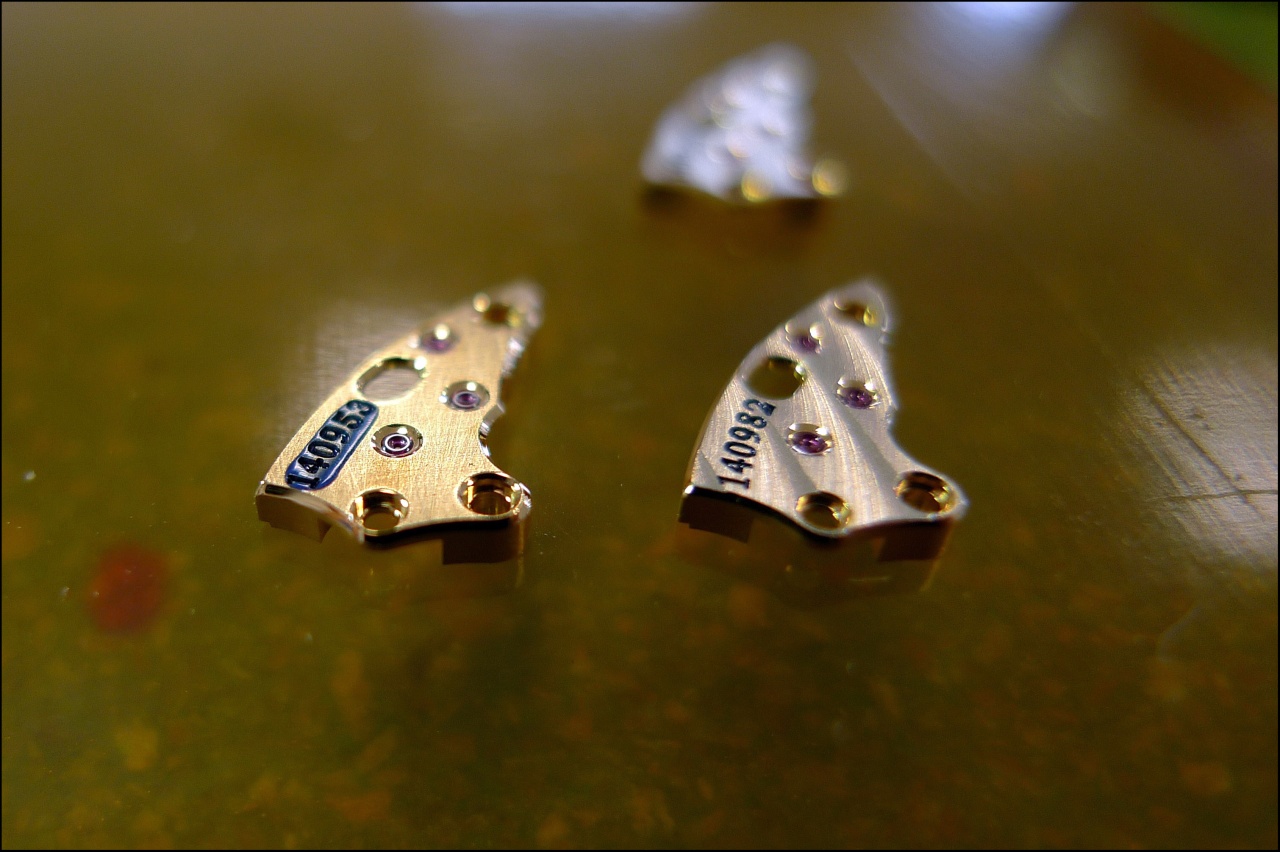
Text and numbers are mechanically engraved onto plates. Paint is then applied into the engraved areas; meticulous work that requires a steady hand. Paint is dried on a hot plate.


Geneva stripes being applied. I will come back to this process with a video and more images ...


Polishing requires a considerable amount of skill because defects such as scratches and machining residue have to be removed without changing the shape or size of the part. Staff performing finishing are in fact responsible for making sure the dimensions of the finished pieces comply with the original plans for the watch.


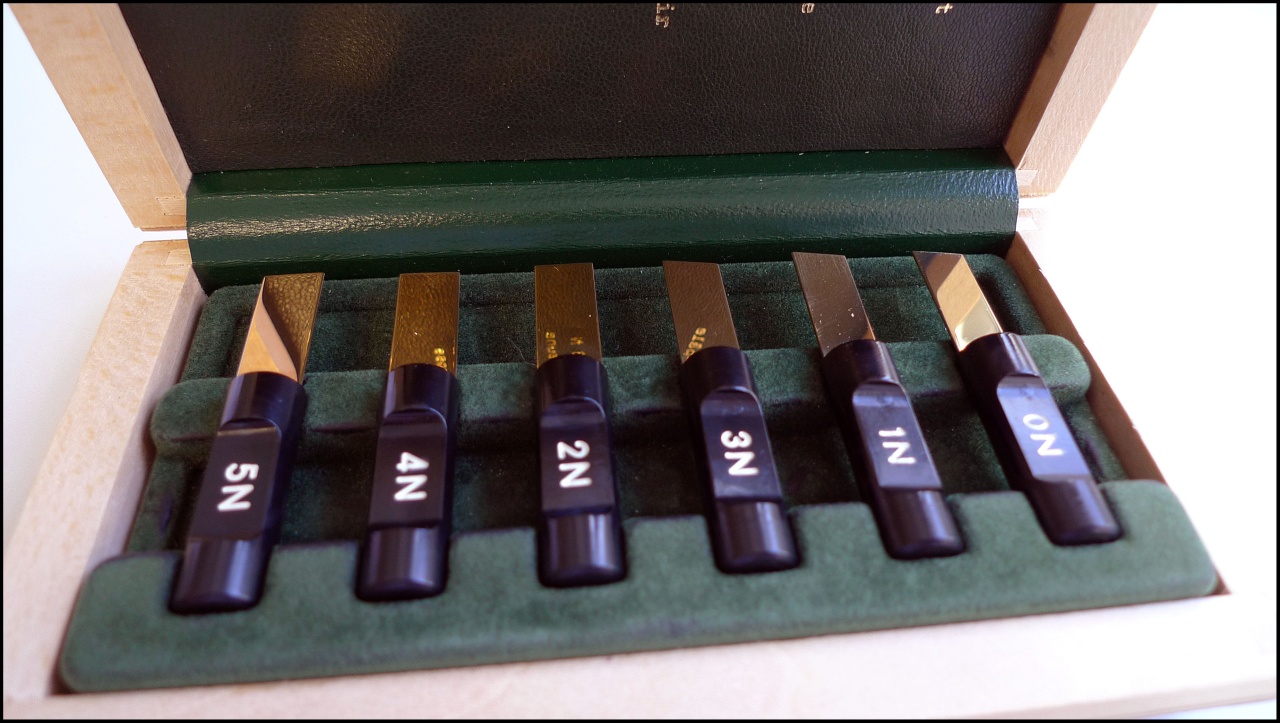
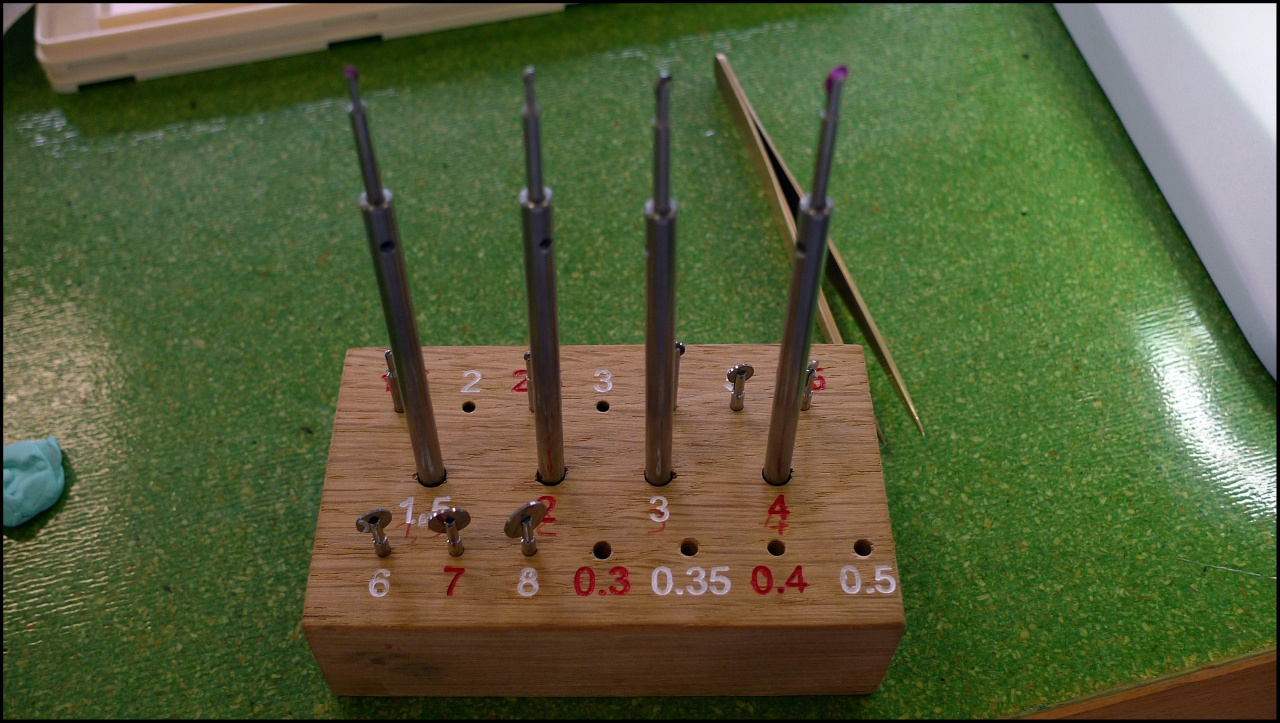
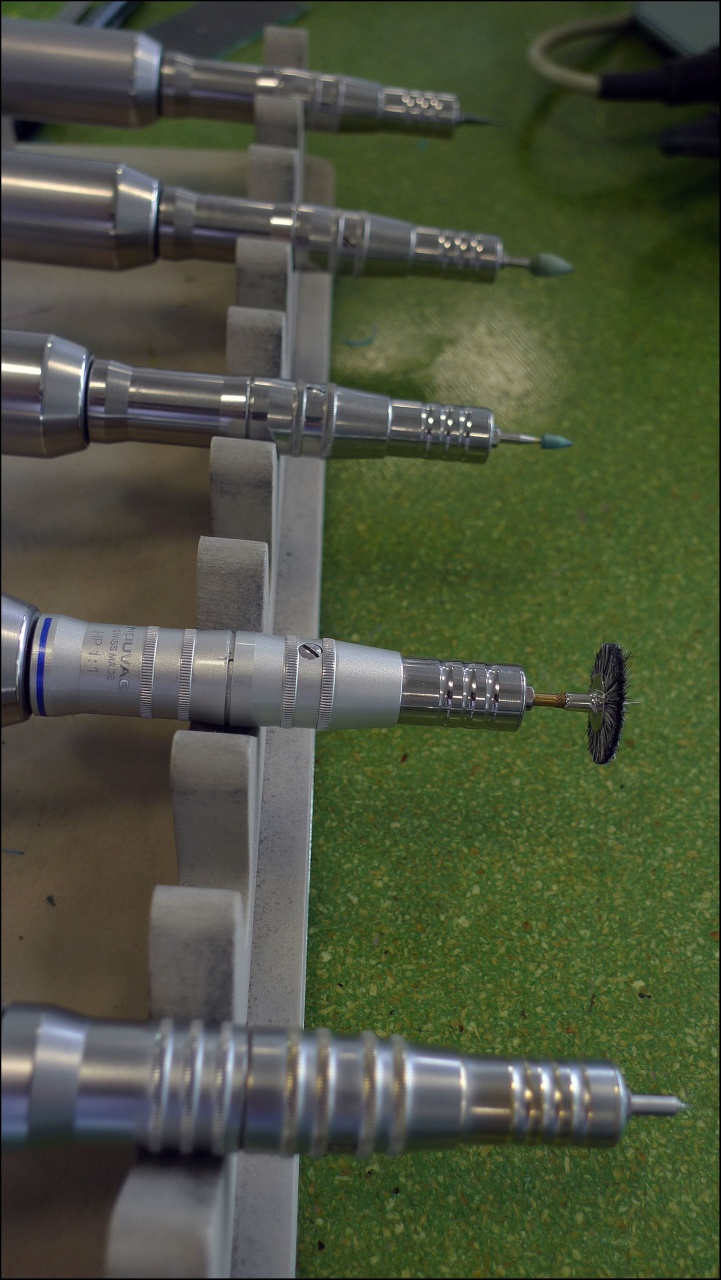
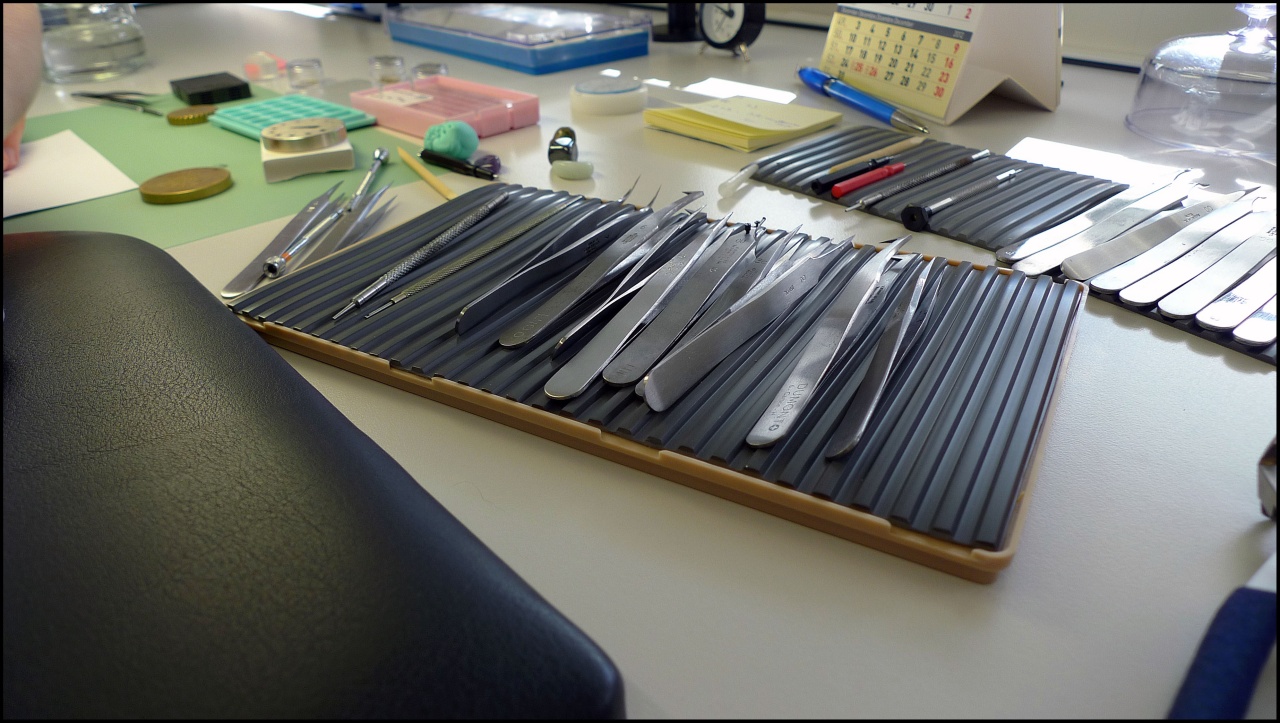
A range of files, drills, burnishers and diamond and metal mills are used for polishing various parts ... 


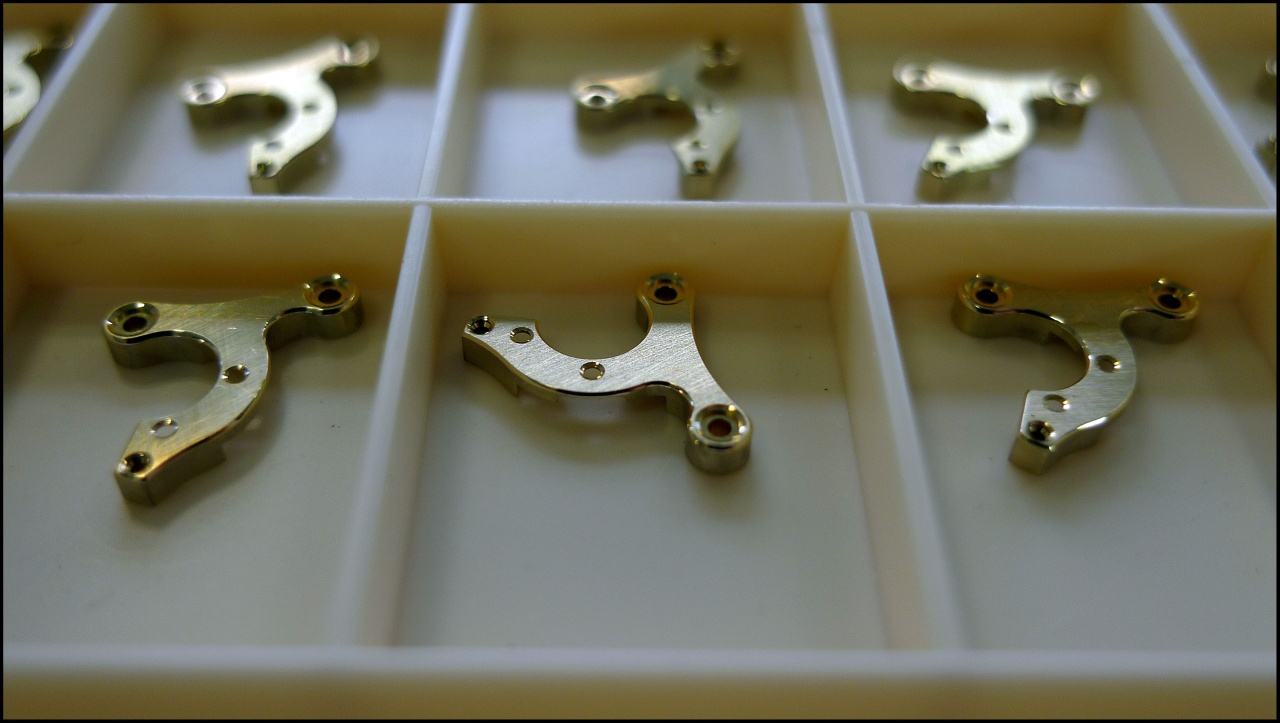
The beauty of the finished parts ...


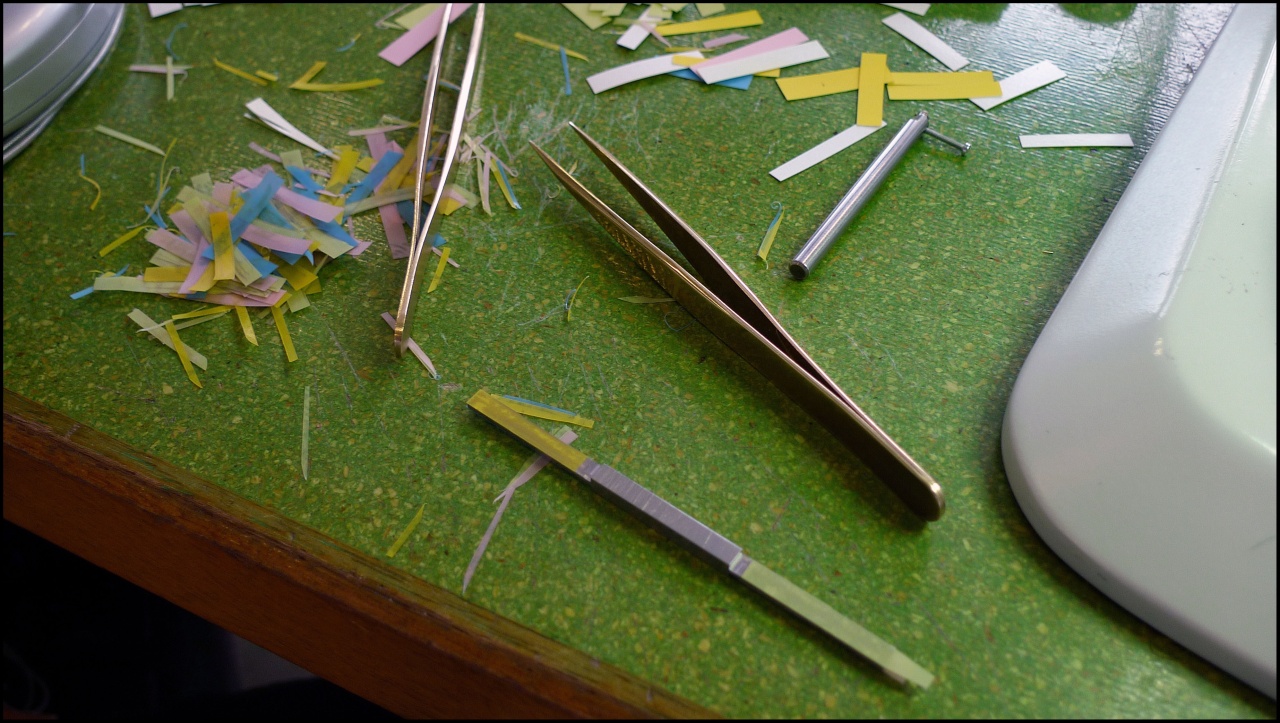
Blue wax is applied over lettering to protect it. Sandpaper is used to inscribe the Geneva stripes.
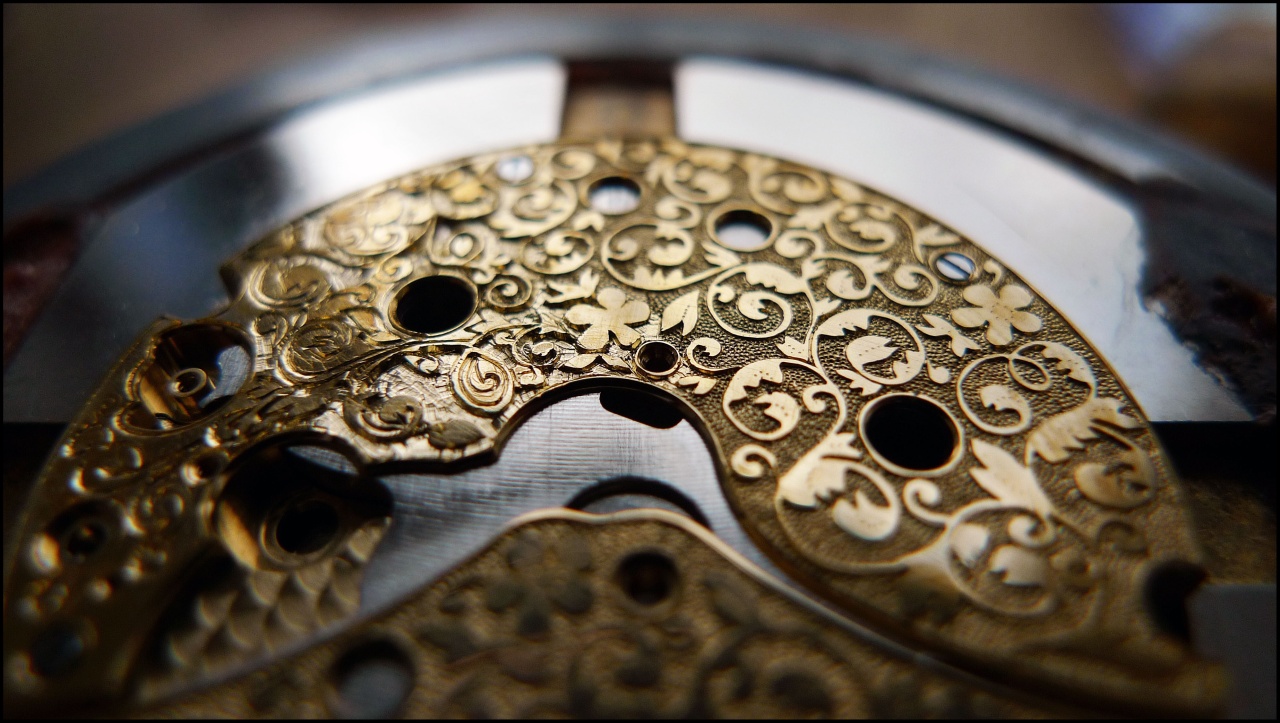
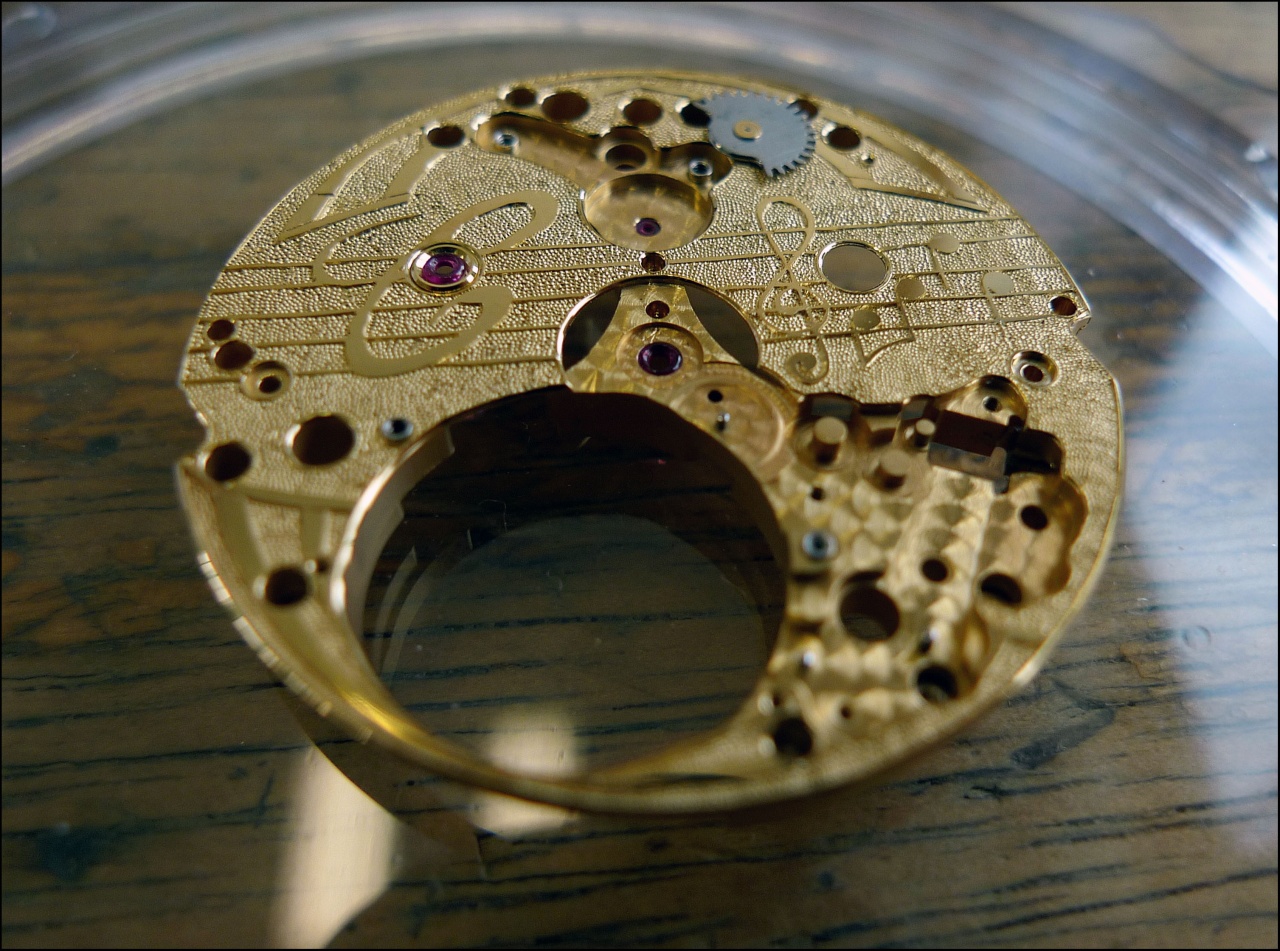
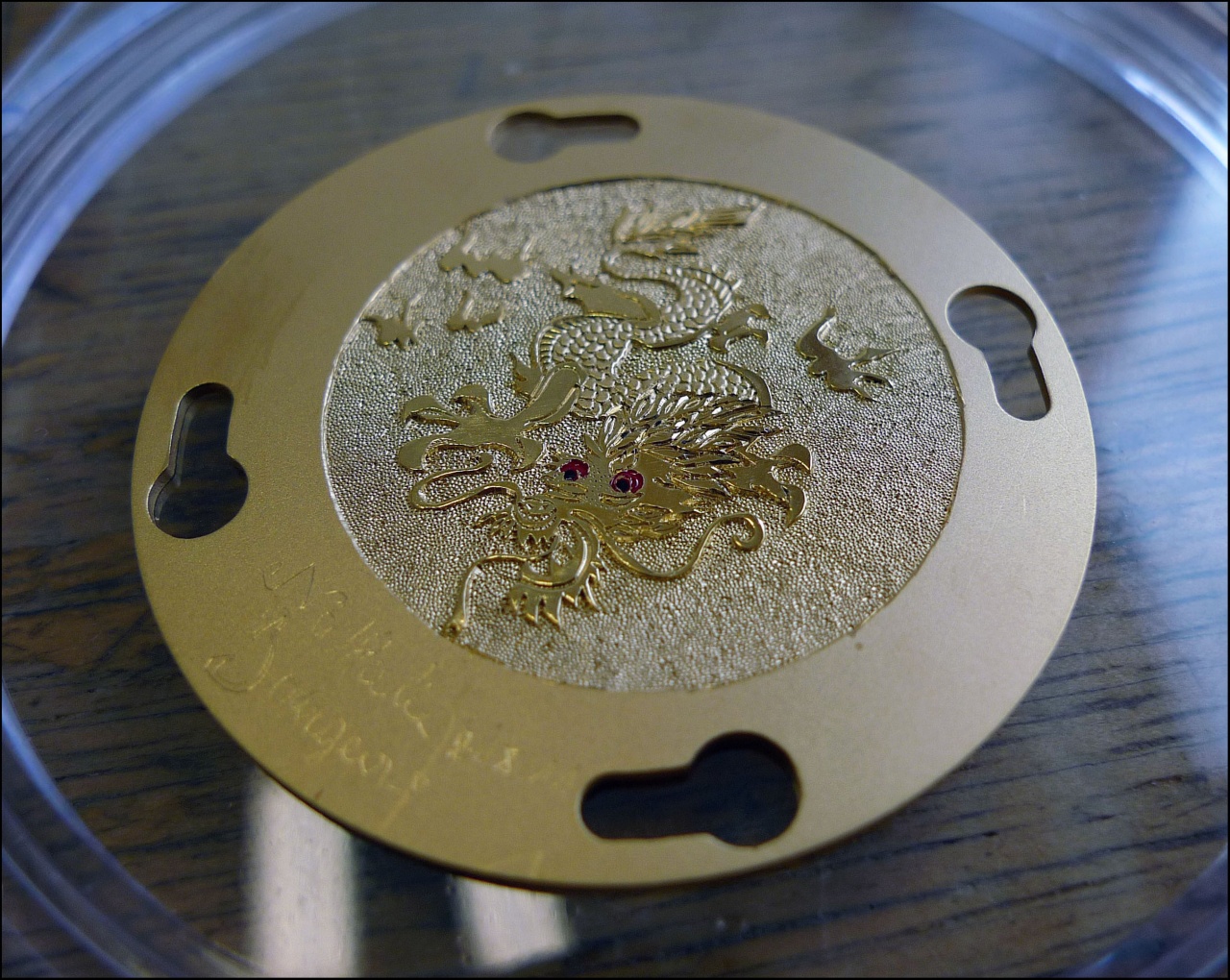
Engraving in reverse! A relief pattern is created by removing gold around the flower motif. Based on a Bovet pocket watch produced for the Chinese market in the 1800's and the technique re-learned by a Chopard engraver. This took 6 months and was a considerable investment in time for the Manufacture.


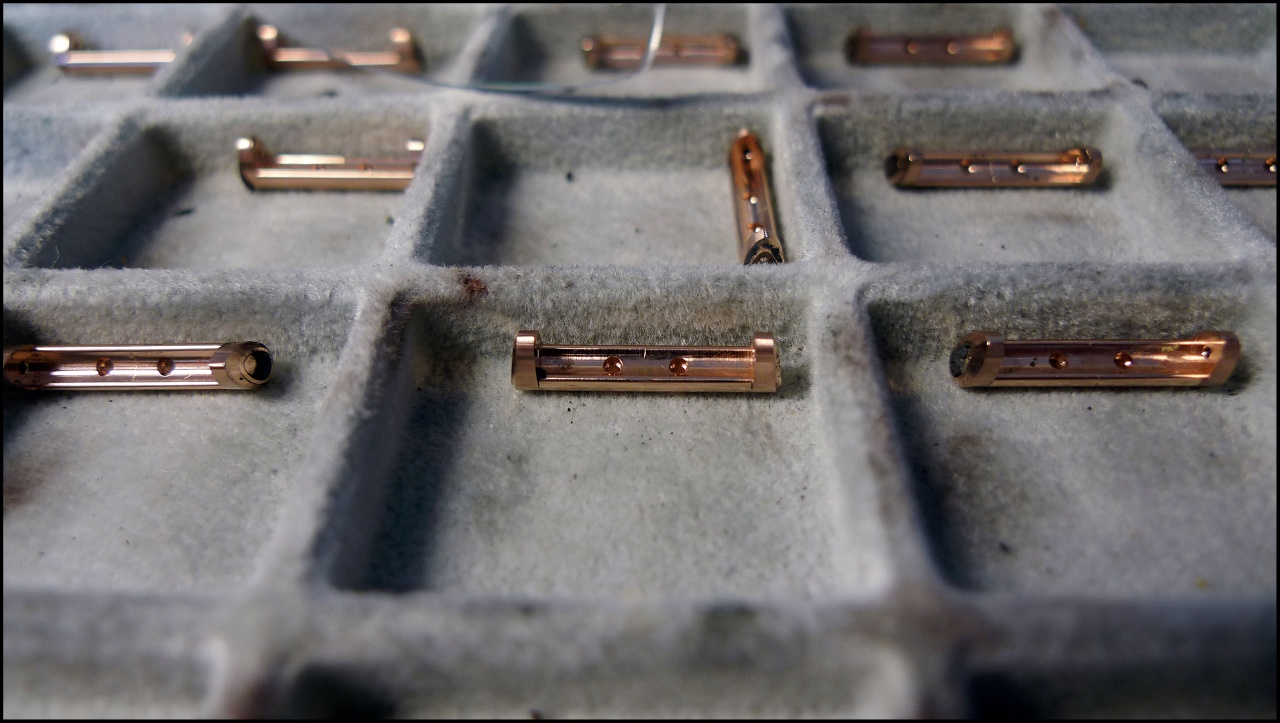
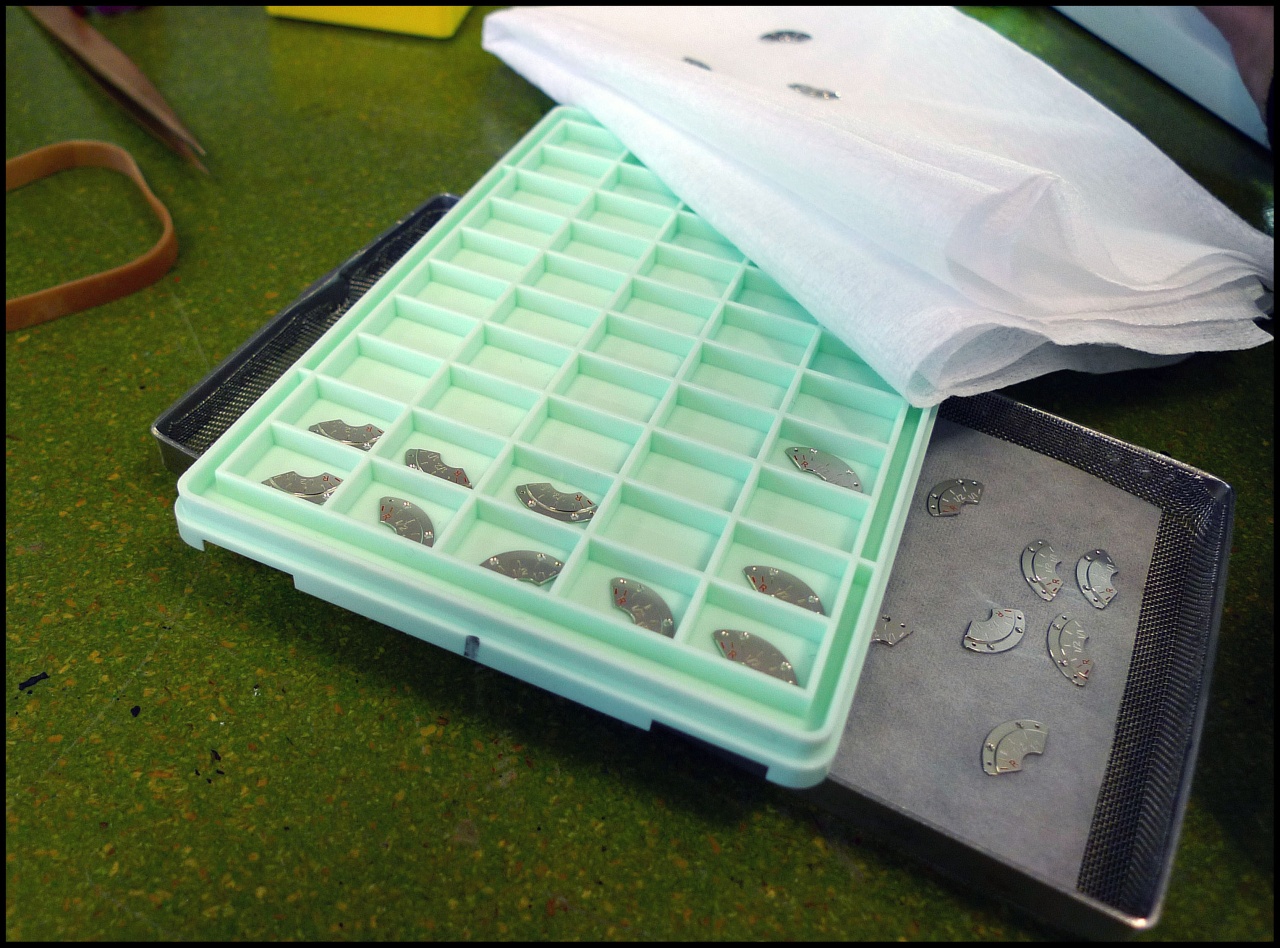
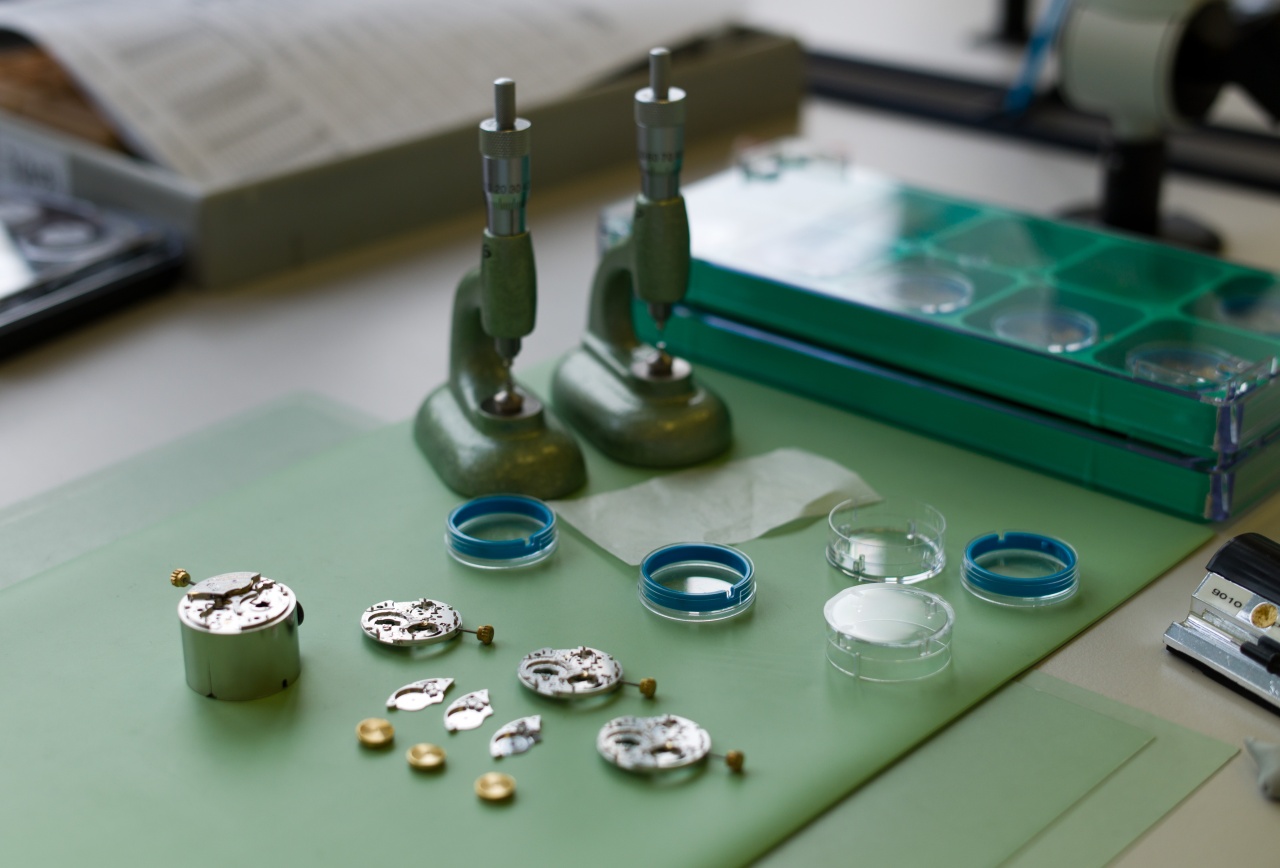
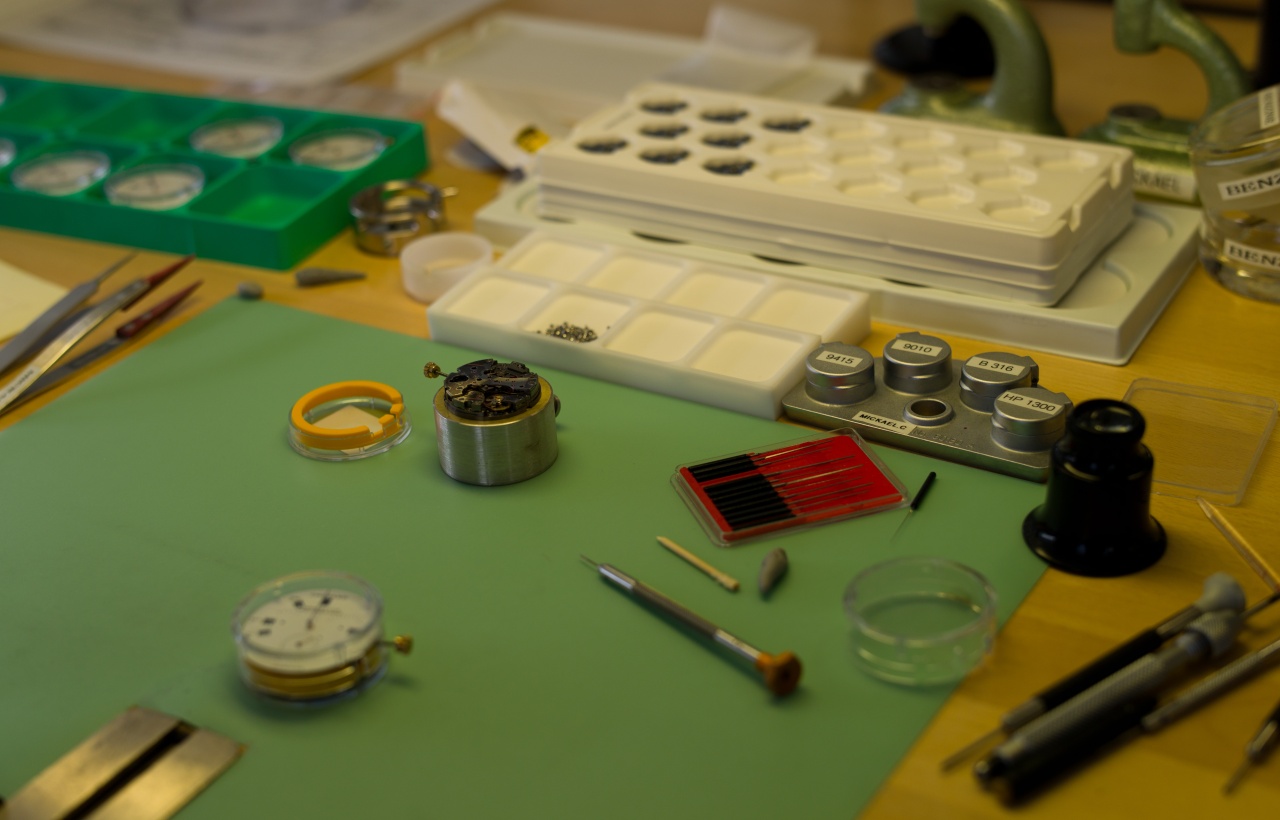
Cleaned and finished parts are stored awaiting assembly by the watchmakers.


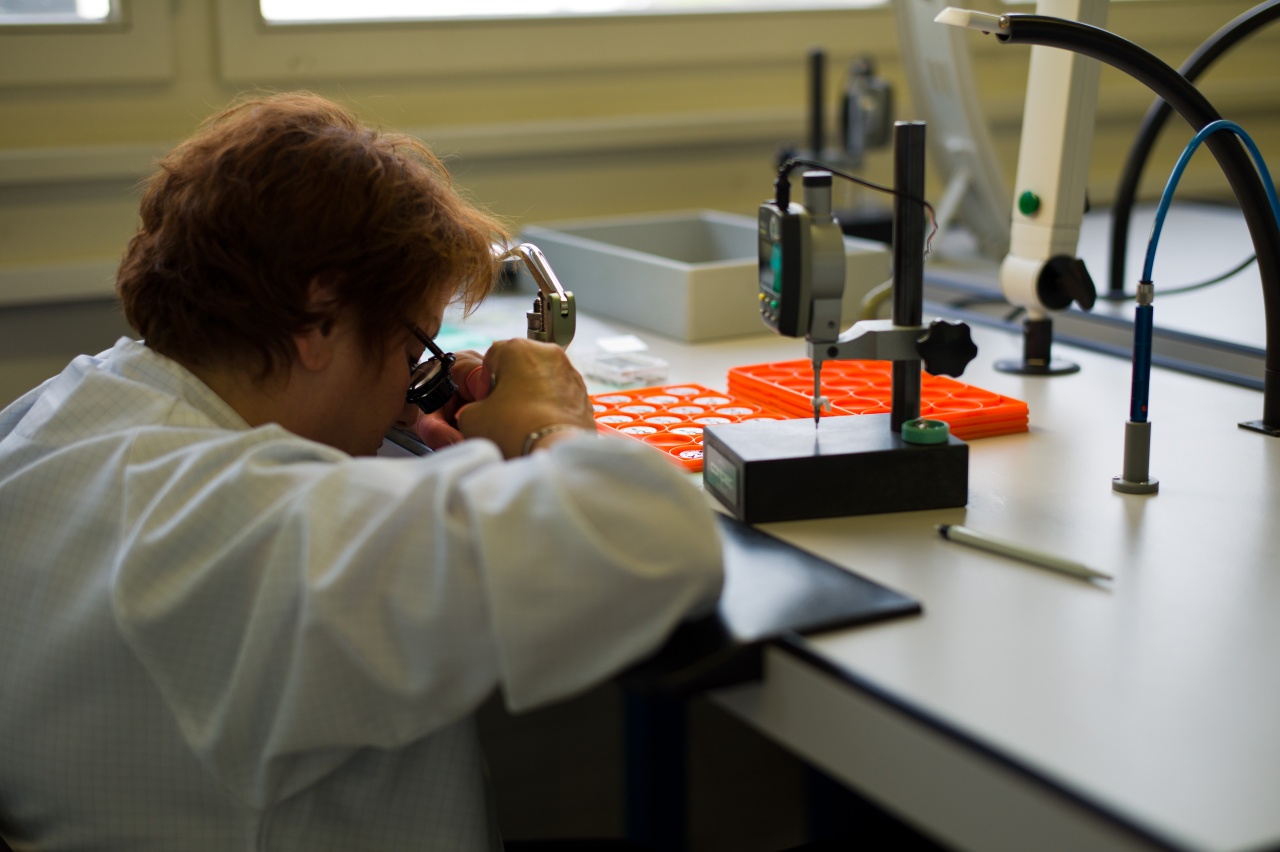
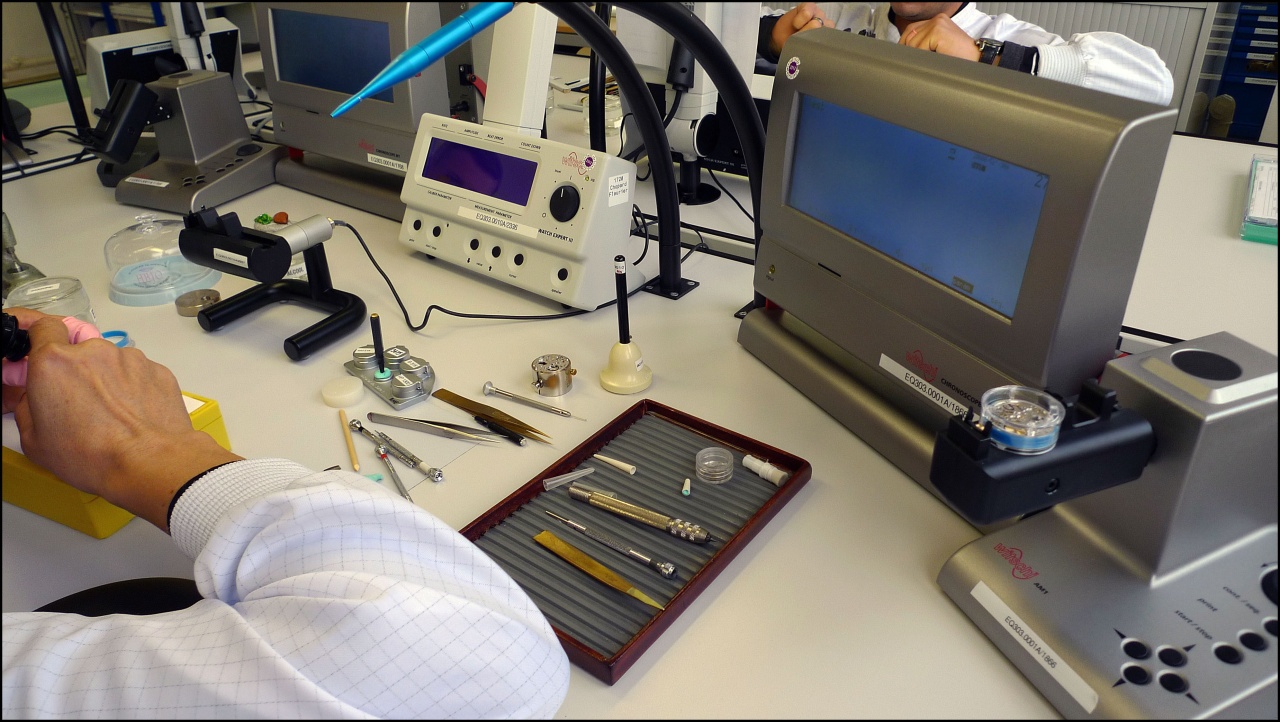
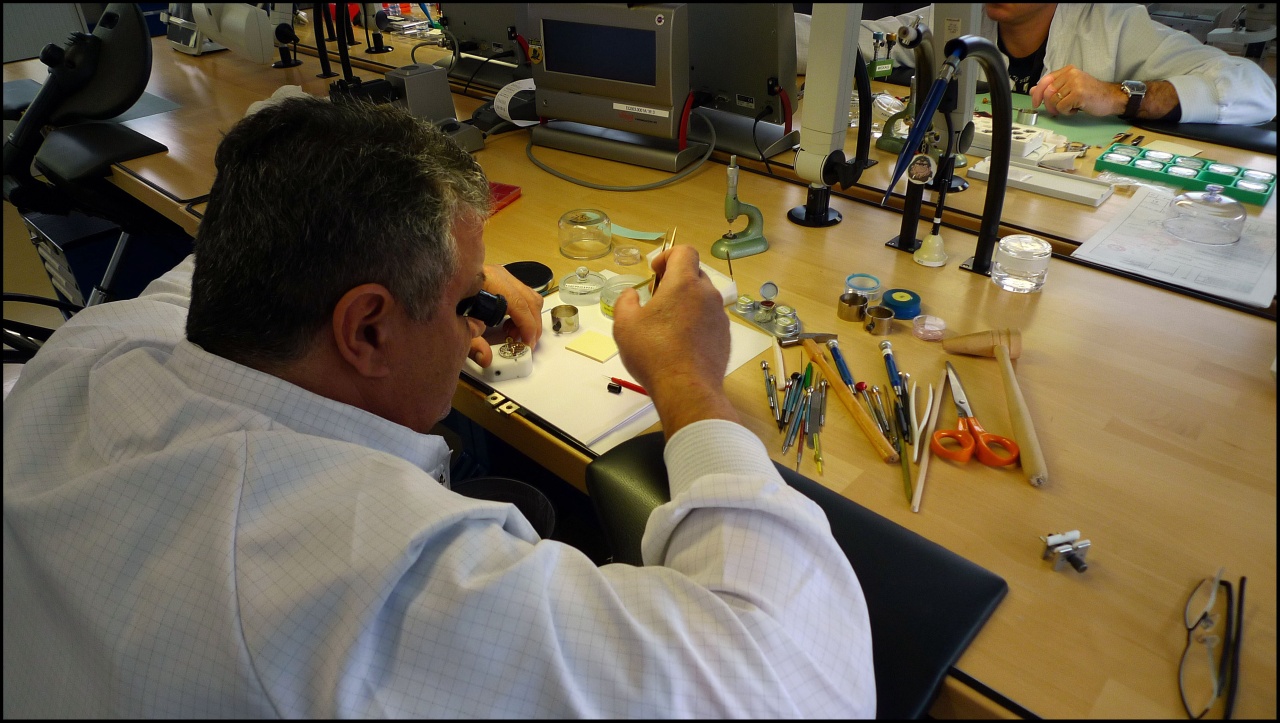
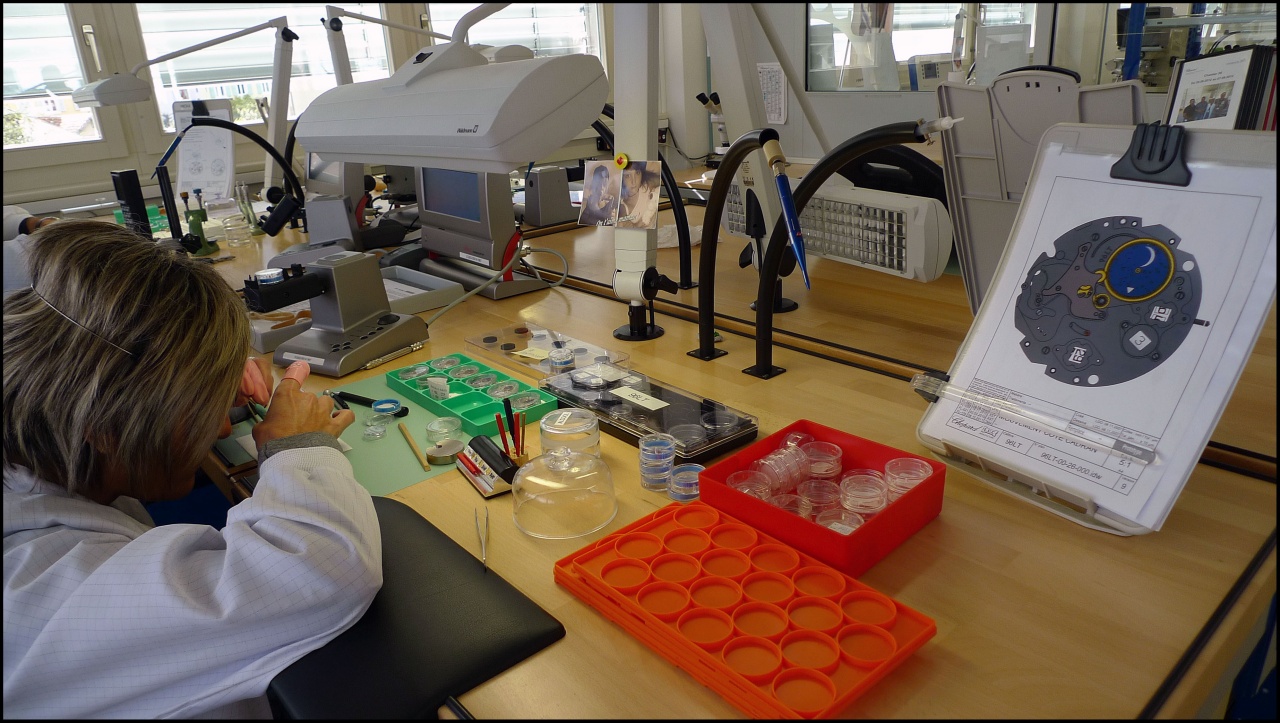
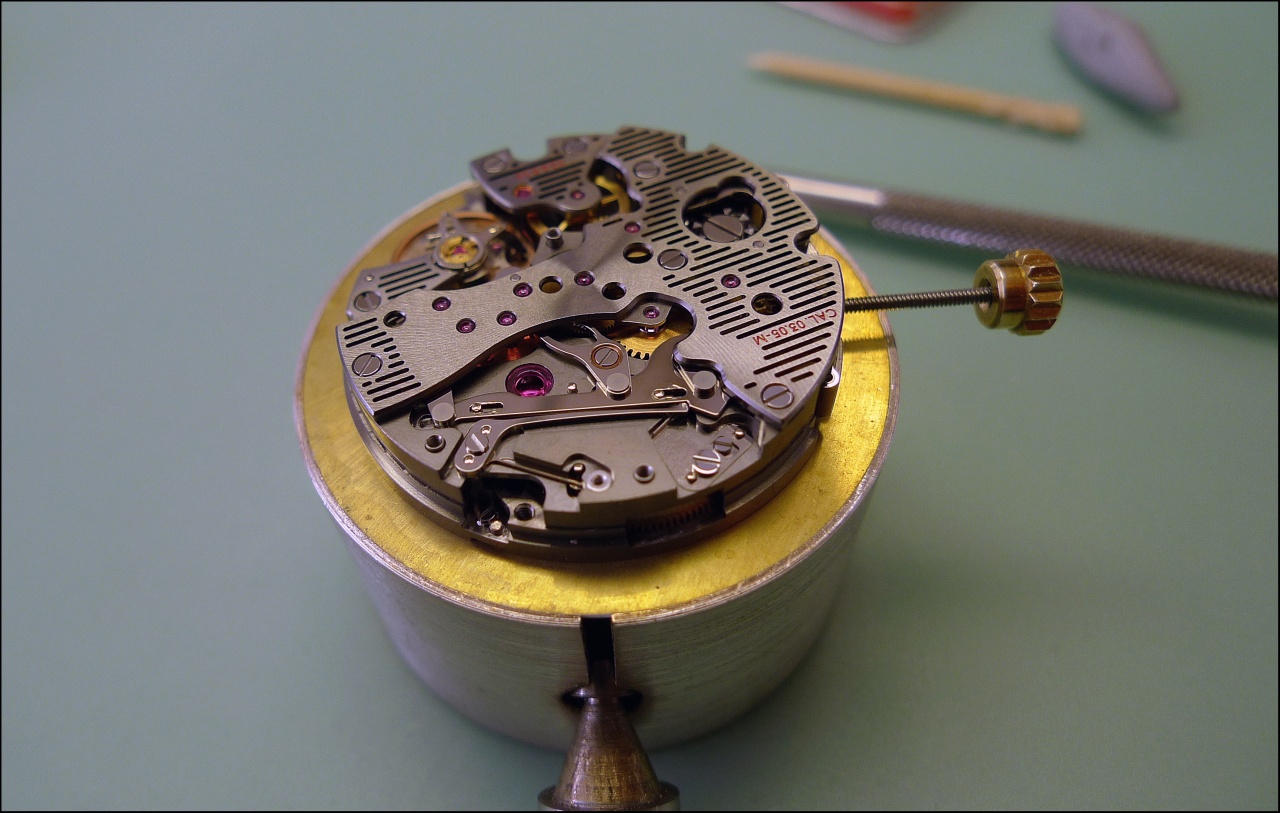
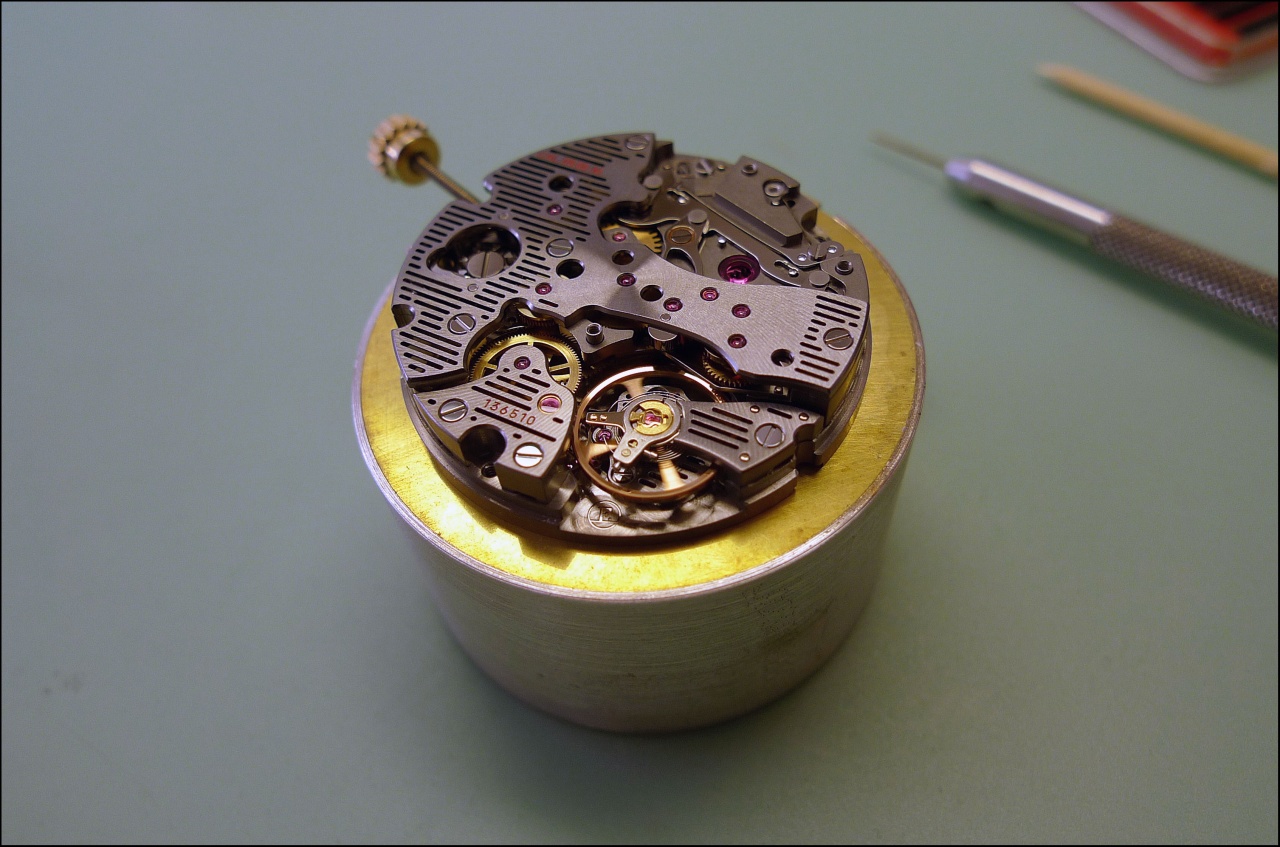
Now the watchmaking, or at least the watch assembly, begins. I realised that the actual assembly is just a small part at the end of a long process of human creativity and endeavor.


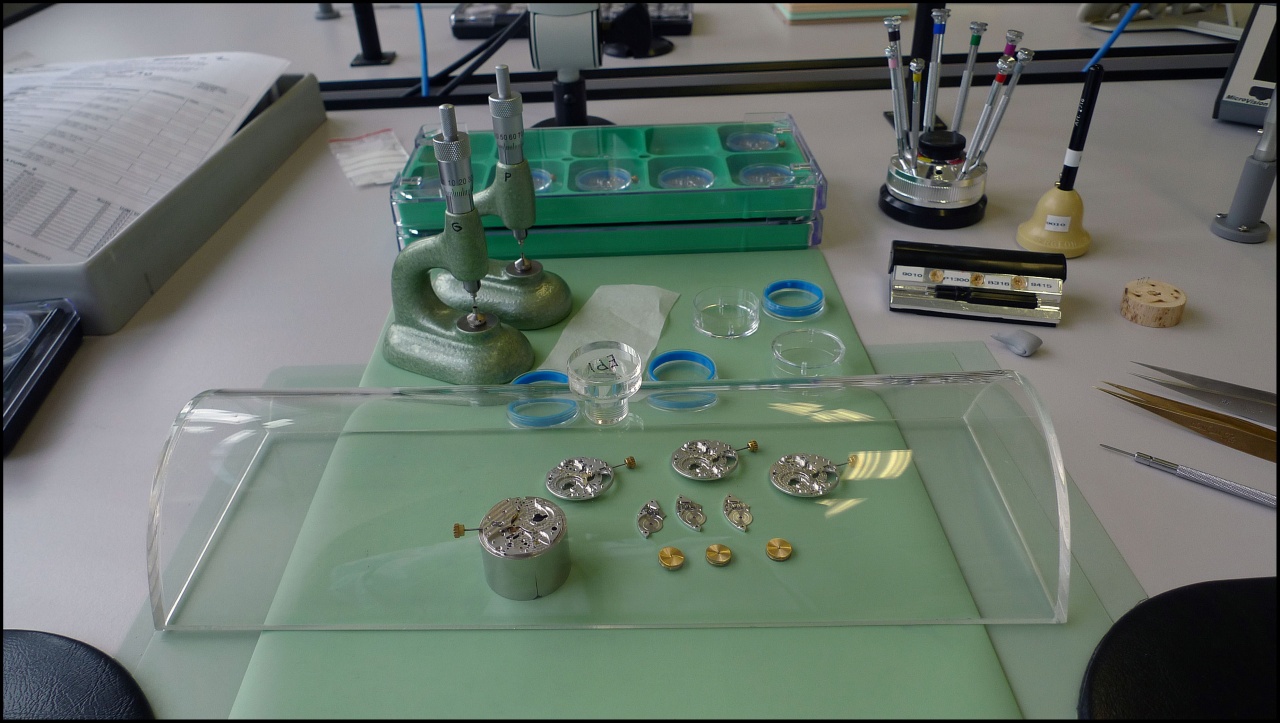
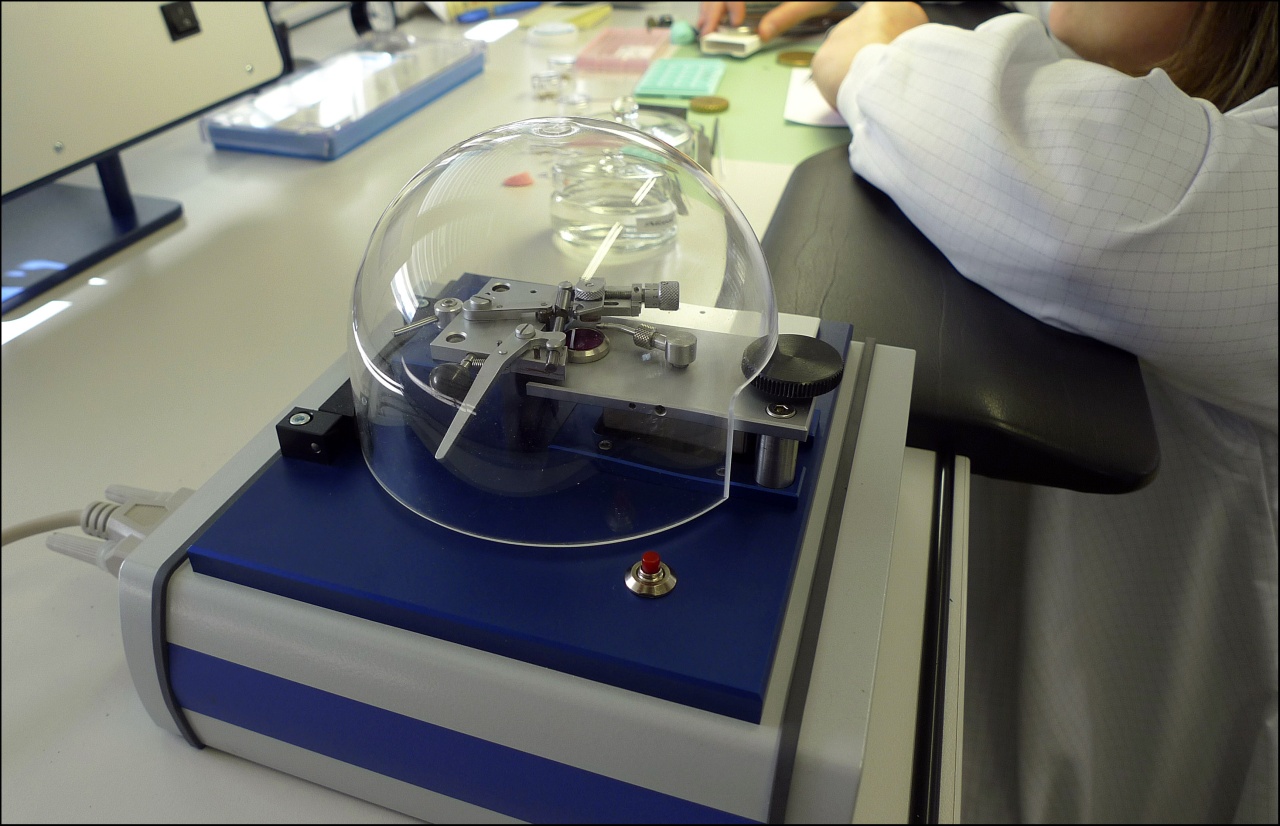
The intermediate testing and adjustment phase.


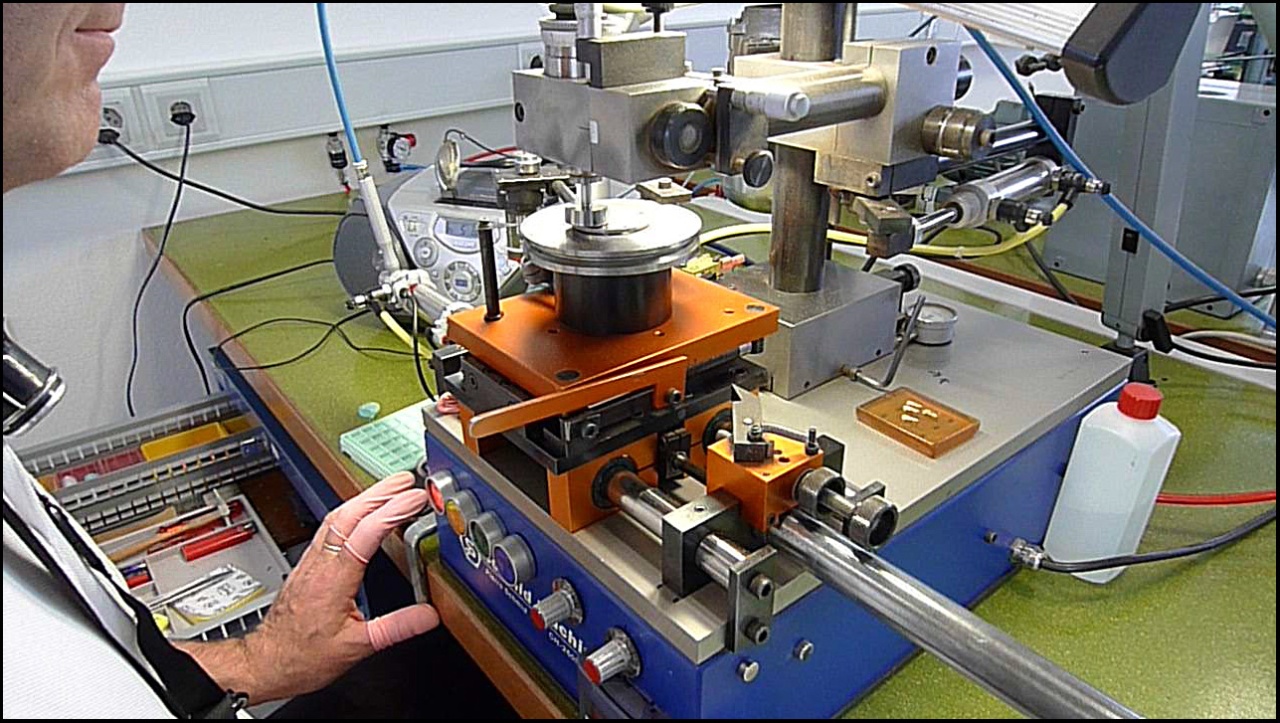
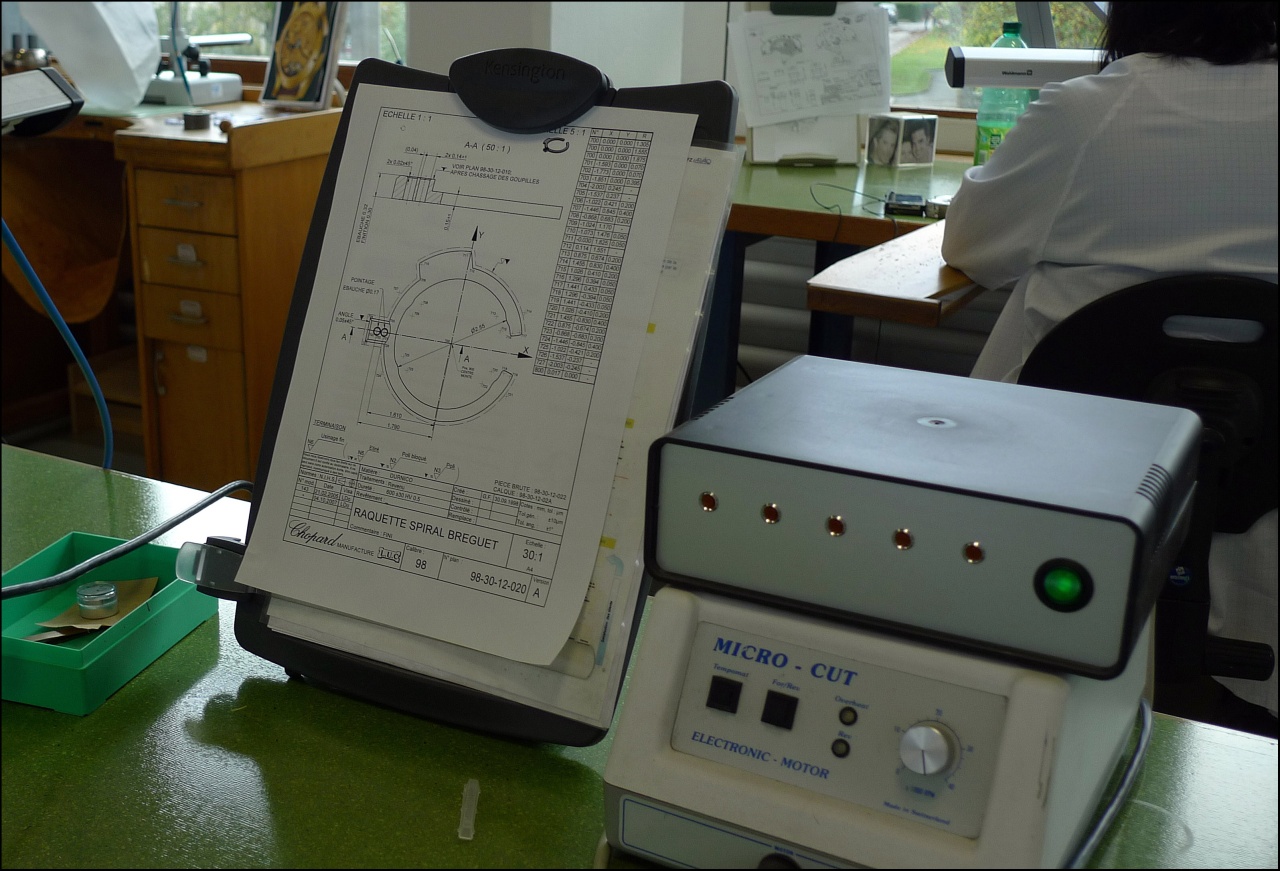
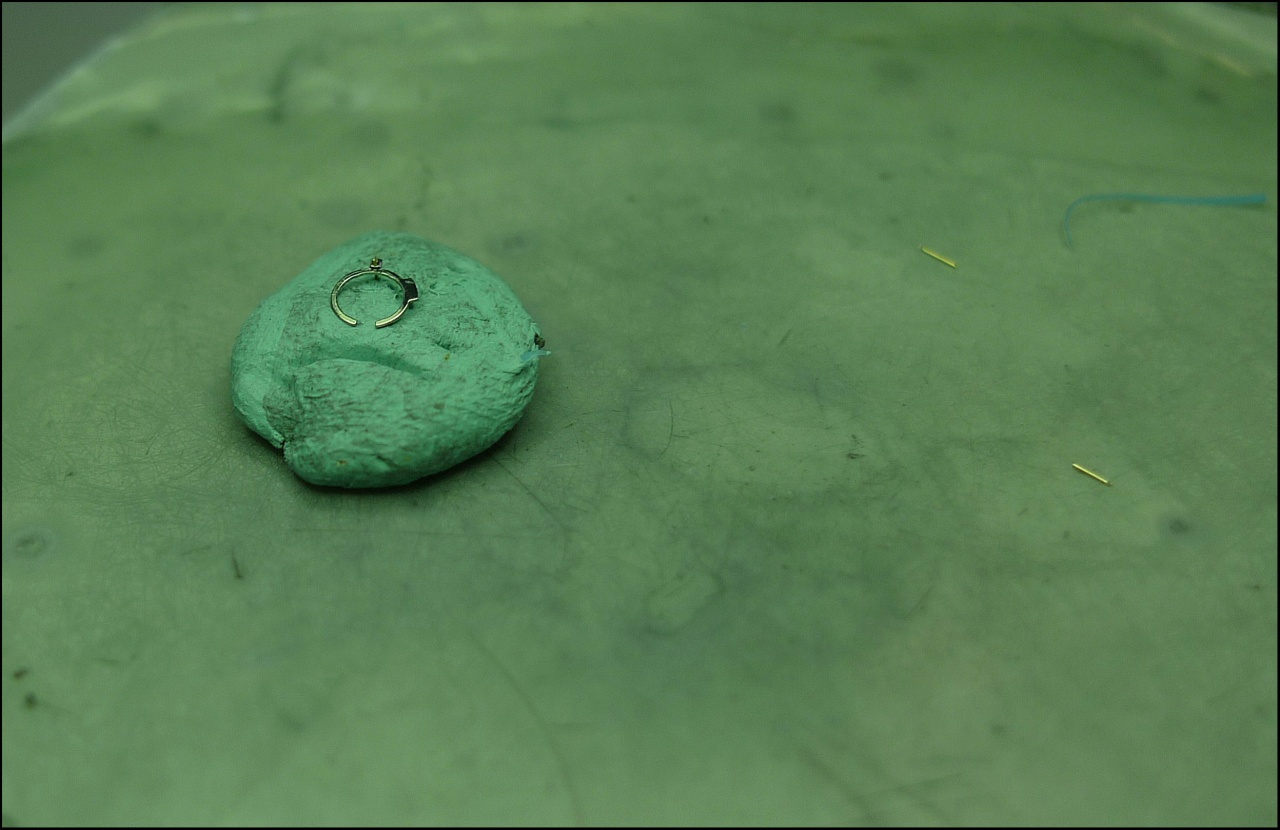
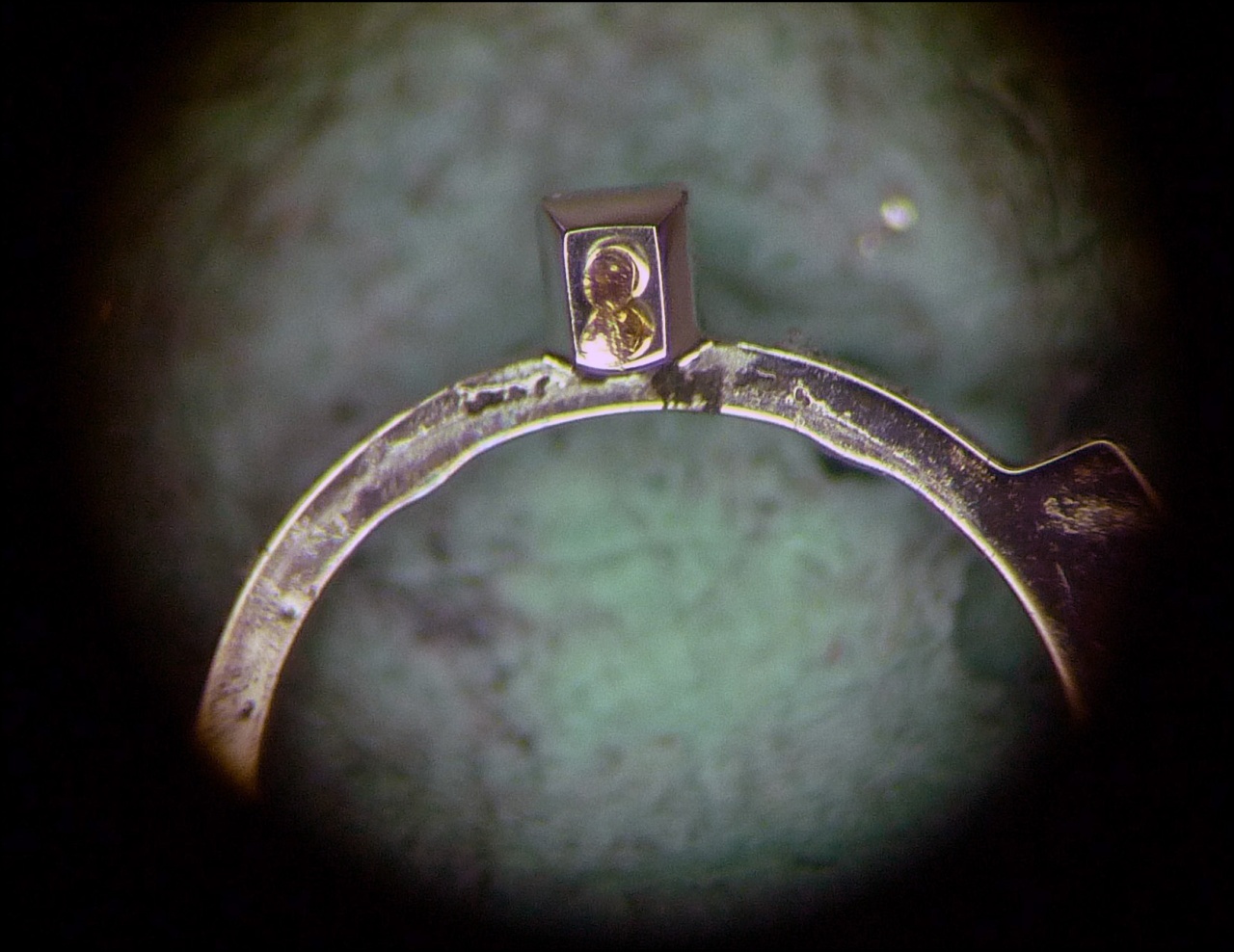
The balance springs are purchased from Nivarox. Chopard have secured a reliable, ongoing supply. The springs are cut to the right length and a terminal curve is fashioned by hand.


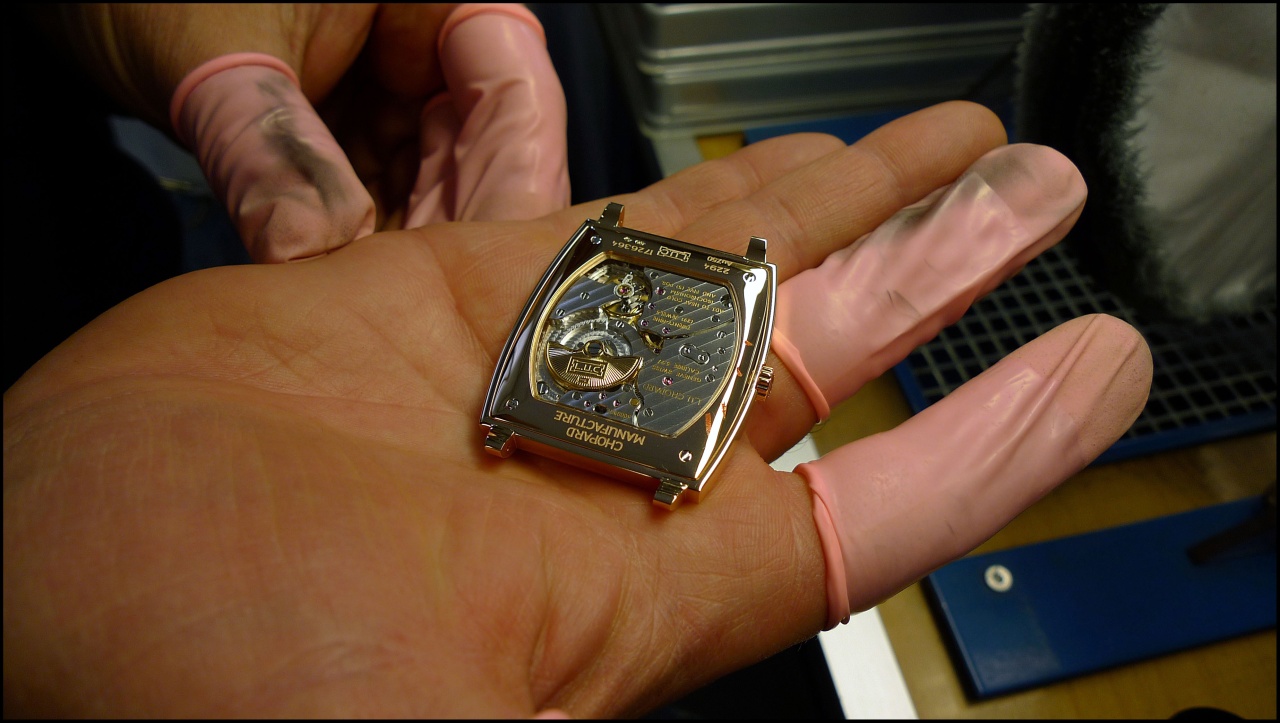
And the finished product.


My sincere thanks to the wonderful staff of Chopard in Fleurier who looked after me for the day.

Andrew

Key Points from the Discussion

Advertisement
The Discussion
SA
SALMANPK
May 25, 2013

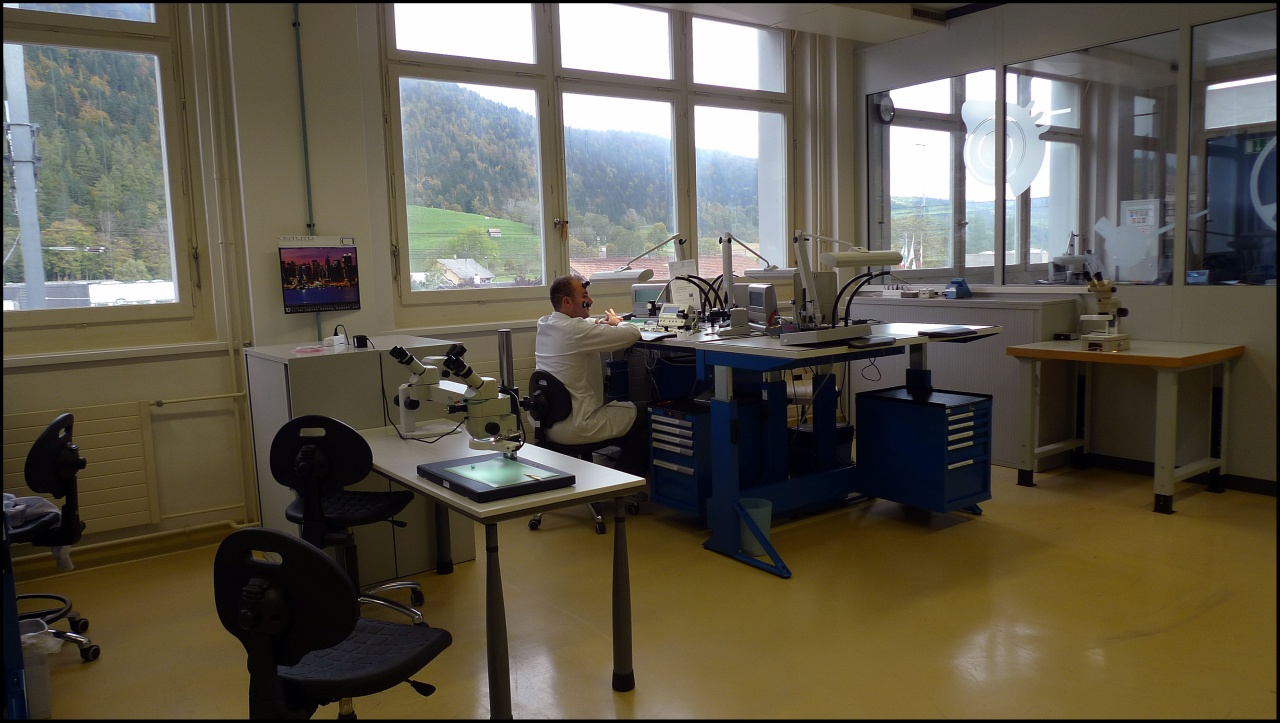
Really Impressive to see their facilities and the finishing done by hand, I love seeing and learning about how our watches are made and really the work they do restores my faith in humanity somehow, the third from last picture, what a wonderful view to have at work :-) Thank You for Sharing your Trip with Us. S

SA
Sandgroper
May 25, 2013

at the office you must have had, what a great insight. These L.U.C mouvements are absolutely superb, great pictures too. Thank you very much. Cheers, Francois

AL
AlexSunrise
May 25, 2013

Thank you, Andrew for showcasing just how much work and dedication goes into all L.U.C. pieces made by the hands of some incredibly nice people. It is a great place to visit for any watch enthusiast! Those unaware of Chopard´s efforts in the field of HH, will most definitely walk out with a renewed perspective on them. Thanks again for sharing! Your photos are super cool! Hope all is well, Alex

SP
Spellbound
May 25, 2013

And actually a manufacture that I think deserves more credit in horology and not just jewelry. Their image gets distracted by the fact that, like Cartier, they also make accessories and fragrances, but L.U.C deserves worthy praise for their achievements in horology. And I have always though they have good designs too.

TI
tick tock doctor
May 26, 2013

Hello AndrewD, Thanks for the report, have to admit I really enjoy seeing the process from start to finish. Kind regards Anthony

OP
Ophiuchus
May 26, 2013

such as specialty tools I recognized. The picture with the 4 tools standing up in the wood block, those were solid ruby cutters for cutting radiused, polished countersinks for jewel holes. I'd love to know where they get those...I want a set.... It was refreshing to see so much detail of the manufacturing operations, their CNC jig setups, and whatnot. I wonder what is so special about the brand of CNC I see them using- it seems to be a common swiss watch industry brand, which leads me to believe

Advertisement

Continue the conversation

This thread is active on the Chopard forum with 15 replies. Share your knowledge with fellow collectors.

Join the Discussion →