
AnthonyTsai
[PuristS]
22366

June 18th marks the Bicentennial of the Battle of Waterloo 1815-2015
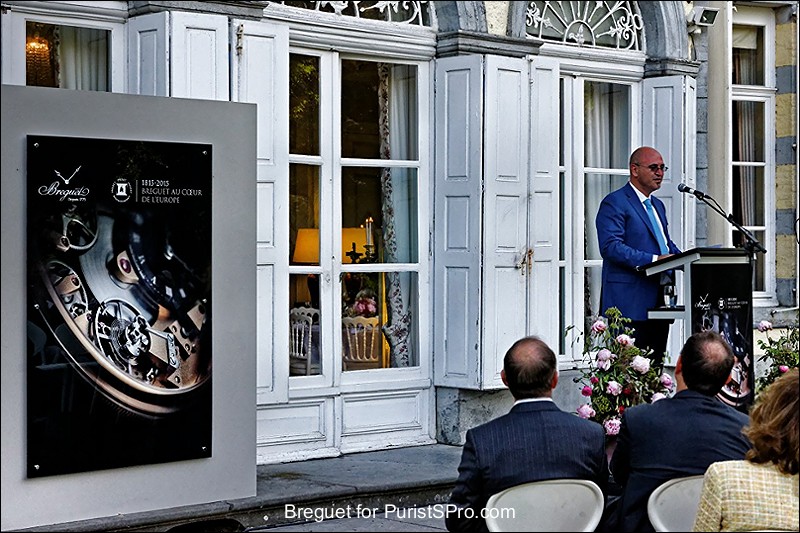
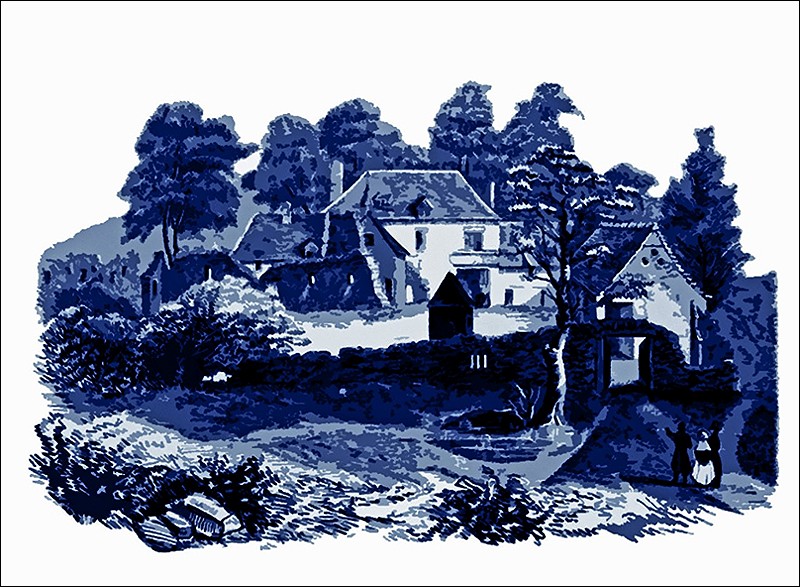
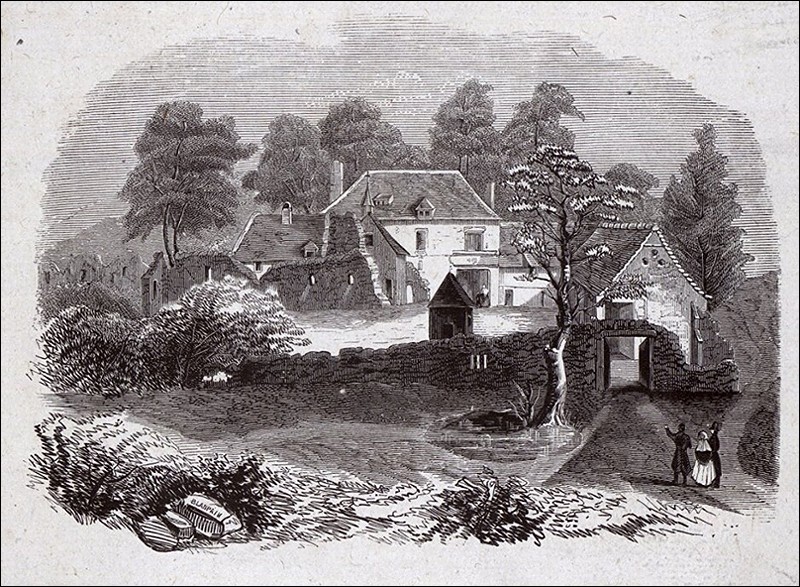
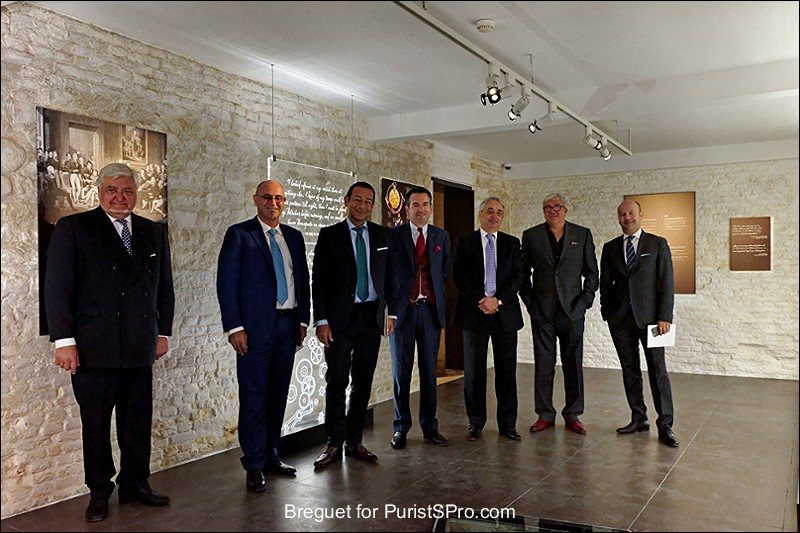
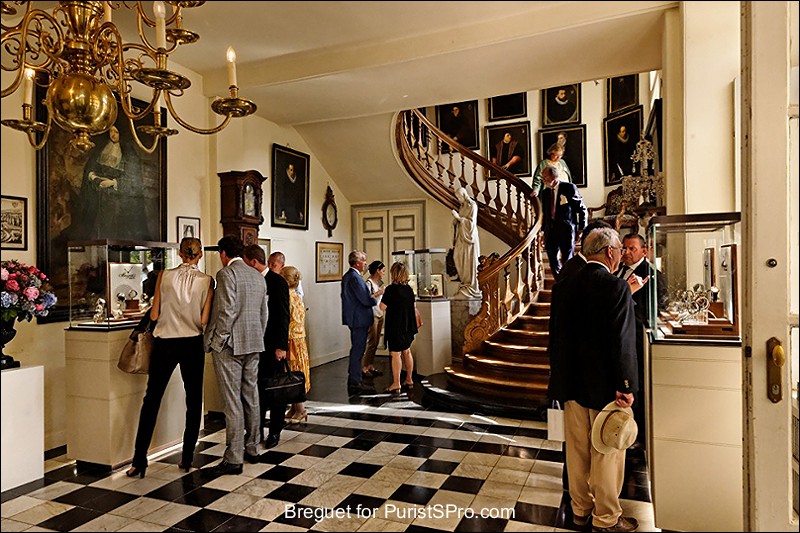
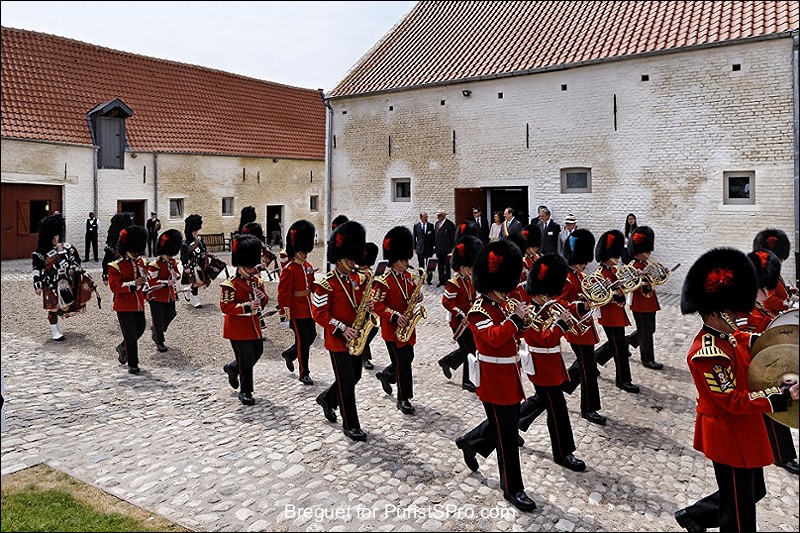
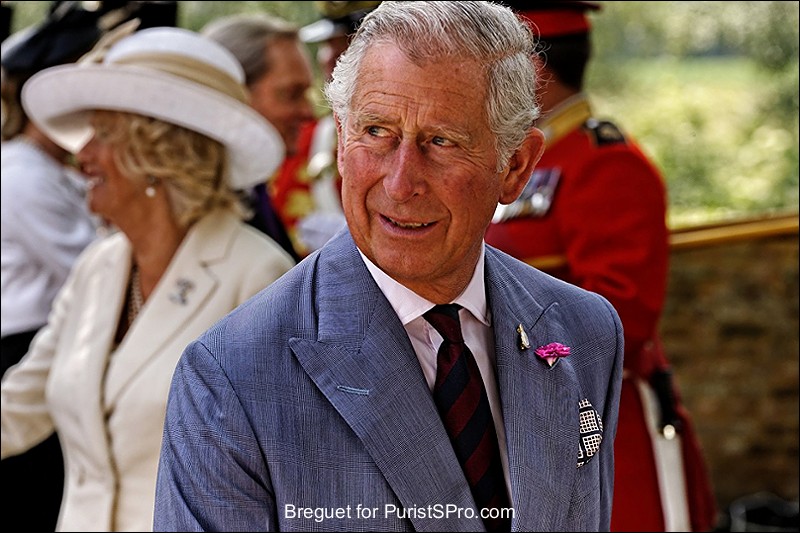
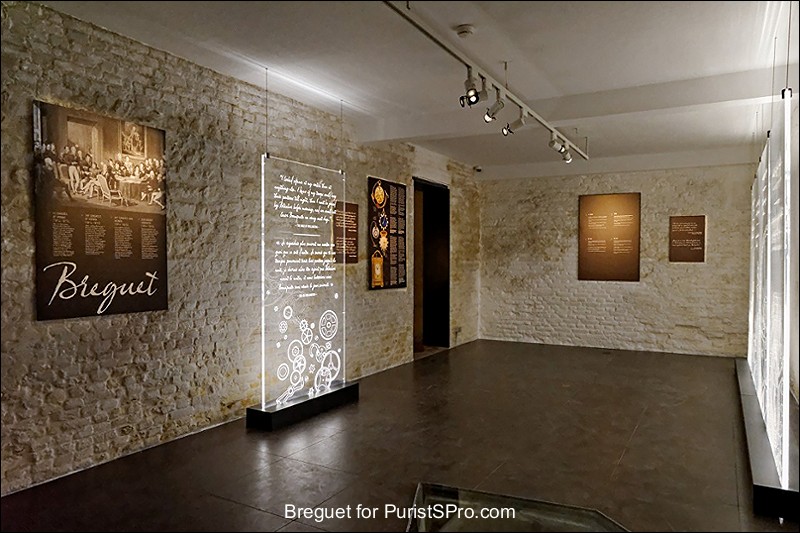
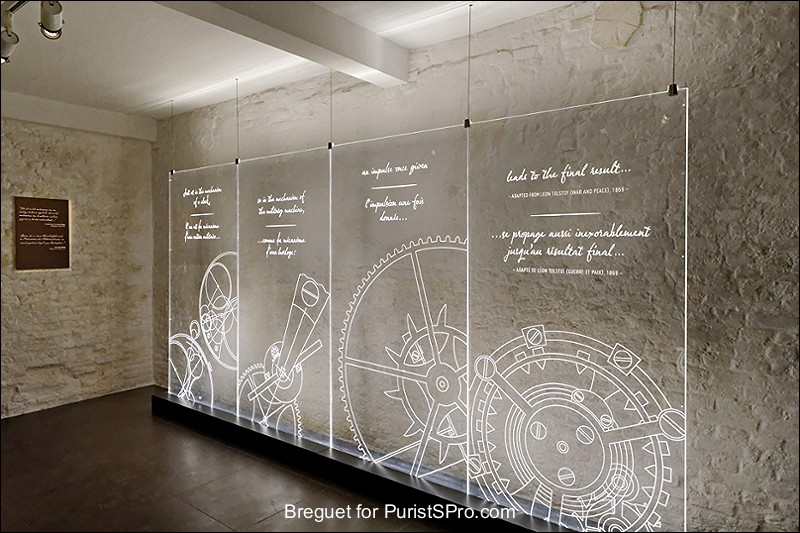
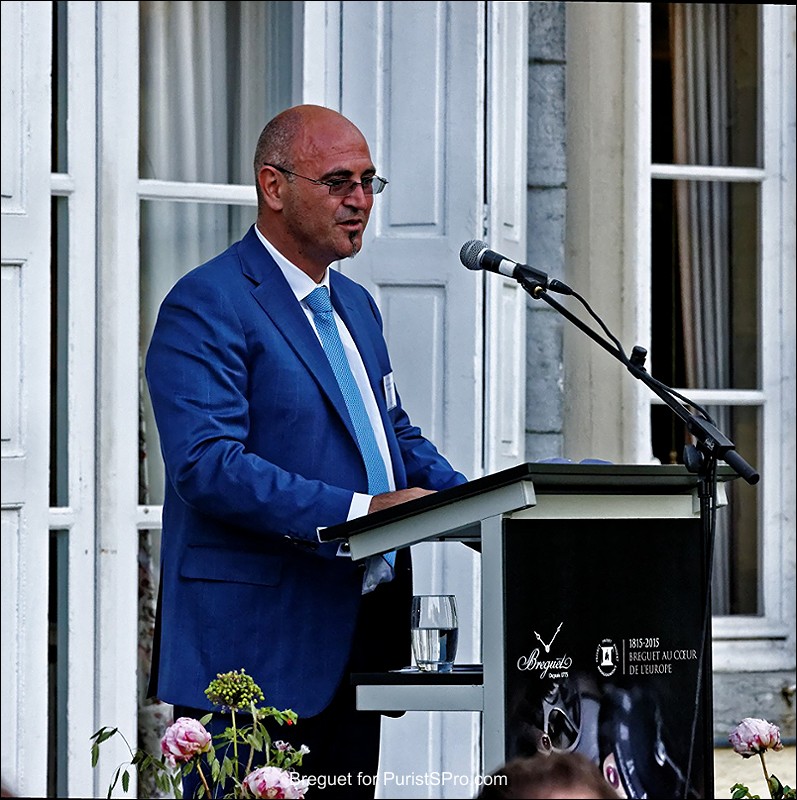
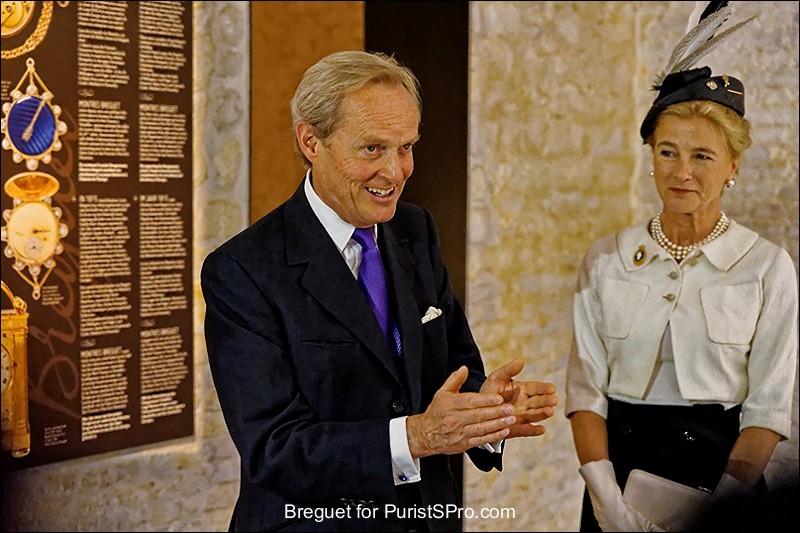
Breguet is marking the bicentenary of the Battle of Waterloo by acting as principal private sponsor for the restoration work on the Hougoumont farm. One of the last genuine witnesses to the battle, Hougoumont is intended to stand as a symbol of peace and stability in Europe. The inauguration of this important piece of history following restoration work and repurposing as a museum, is scheduled for 17 June 2015, in the presence of Marc A. Hayek, President & CEO of Breguet, members of European royalty - including Prince Charles, the Duke of Wellington, Prince Blücher von Wahlstatt and Prince Charles Bonaparte – leading politicians and the international press.
Breguet in the heart of Europe: Waterloo 1815-2015
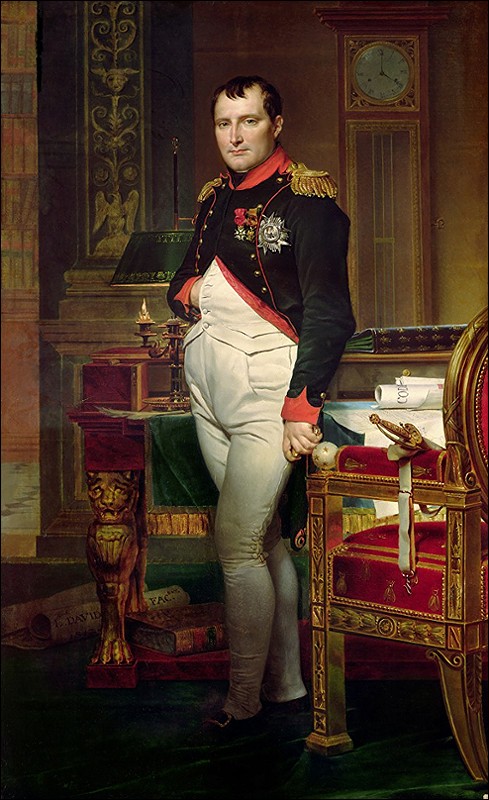
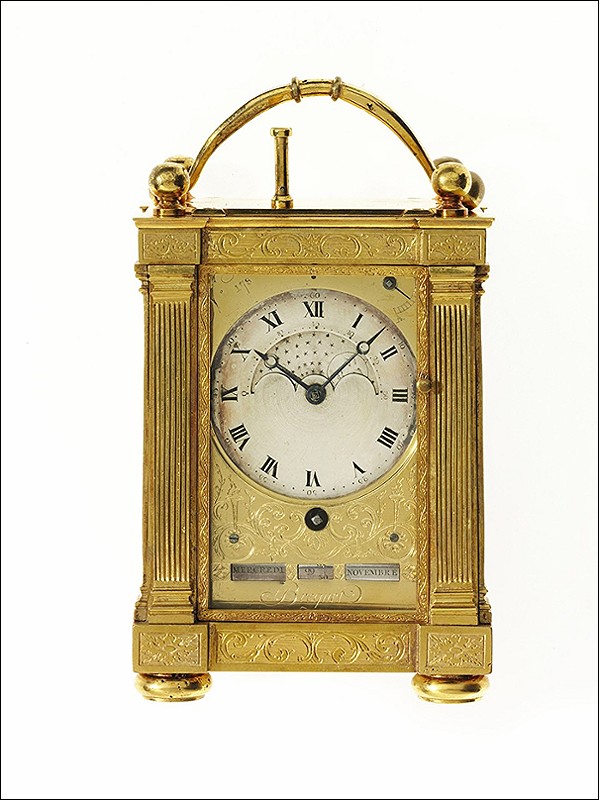
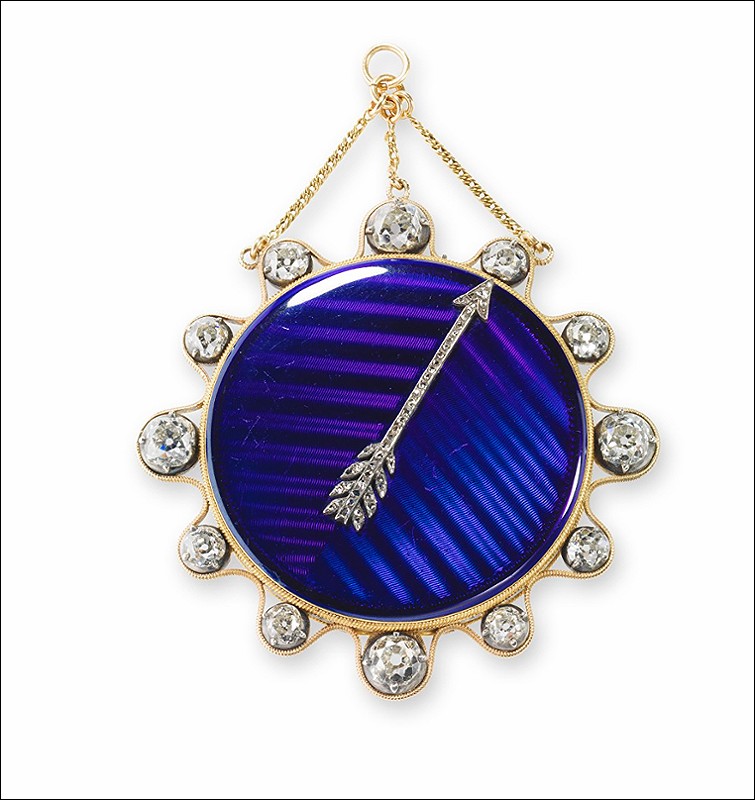
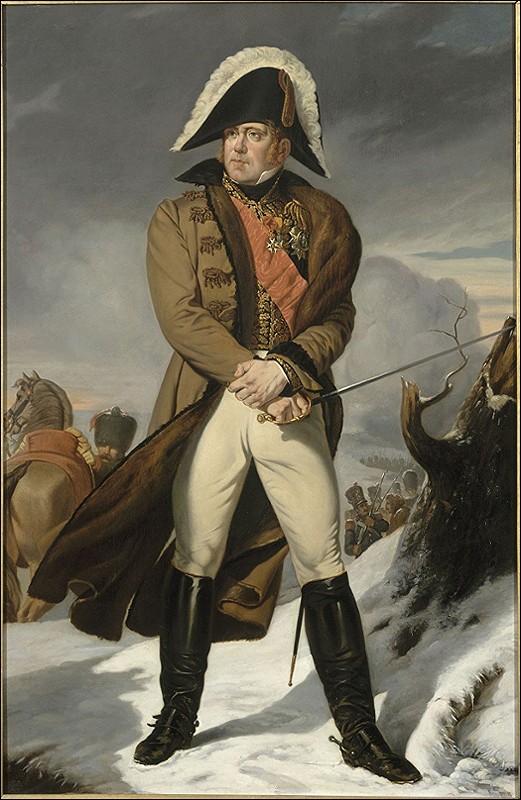
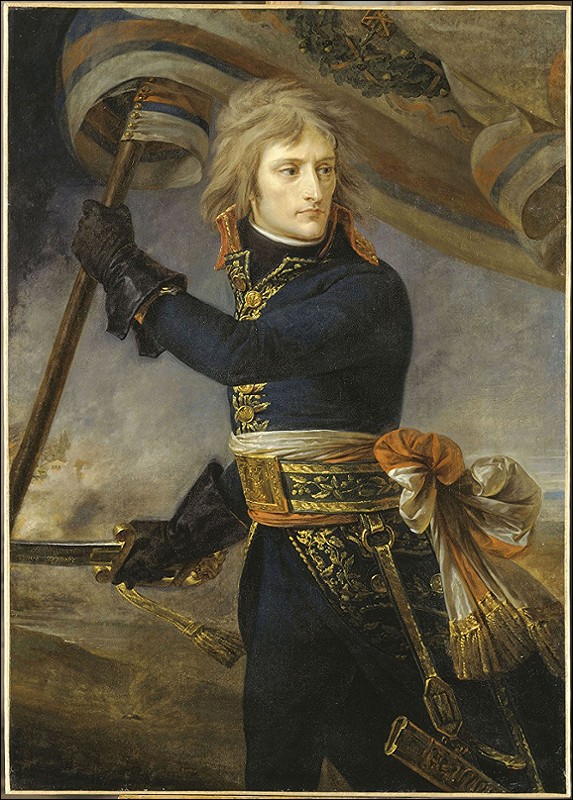
The Duke of Wellington considered the occupation of Hougoumont farm as decisive to the outcome of the Battle of Waterloo (18 June 1815), which was to end over twenty years of war in Europe. This building has particular significance for Breguet due to the establishment’s links to the battle’s protagonists. Loyal customers of Breguet could be found in both Napoleon’s and the Allies’ camps. The most famous among them are of course the Emperor Napoleon and the Duke of Wellington! We can, however, also mention Marshal de Grouchy, Marchal Ney, Jérôme Bonaparte, Chief Surgeon Dominique Larrey and General Kellerman on one side, and the Earl of Uxbridge, Lord Somerset, Major Percy and the Generals Cooke, Maitland and Ponsonby on the other side ... as well as Pozzo di Borgo. But the Battle of Waterloo was also the occasion of honours and recognition being bestowed upon A.-L. Breguet. In Louis XVIII, King of France, he had a sincere and active admirer. On 27 October 1815, only a few months after Waterloo, the master was appointed Watchmaker to the Royal Navy. He had then been at the head of his watch company for 40 years. The company was established in Paris in 1775 and obtained its first successes at the French court during the reign of Louis XVI and Marie-Antoinette. In the troubled years of the French Revolution, Breguet returned to Switzerland, his native country. During the period of the Empire, nearly all the members of the imperial family were clients. Breguet also exported his creations, which were highly sought after in England, Spain and Russia. The politics of Napoleon, the Continental Blockade and the war with Russia prevented him from developing his commercial talents, but after the defeat of Napoleon, the protection of Louis XVIII and the birth of a new Europe, following the Congress of Vienna, helped his company and enabled him to thrive.
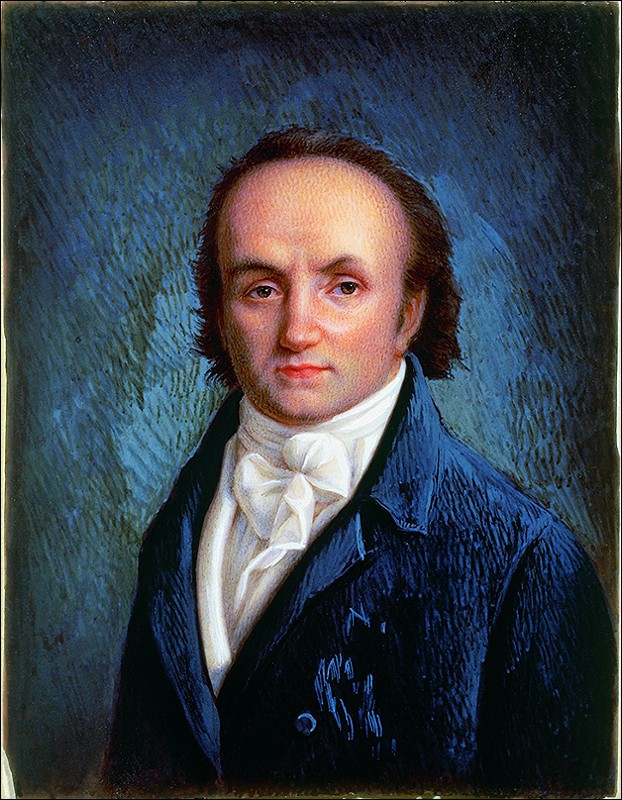
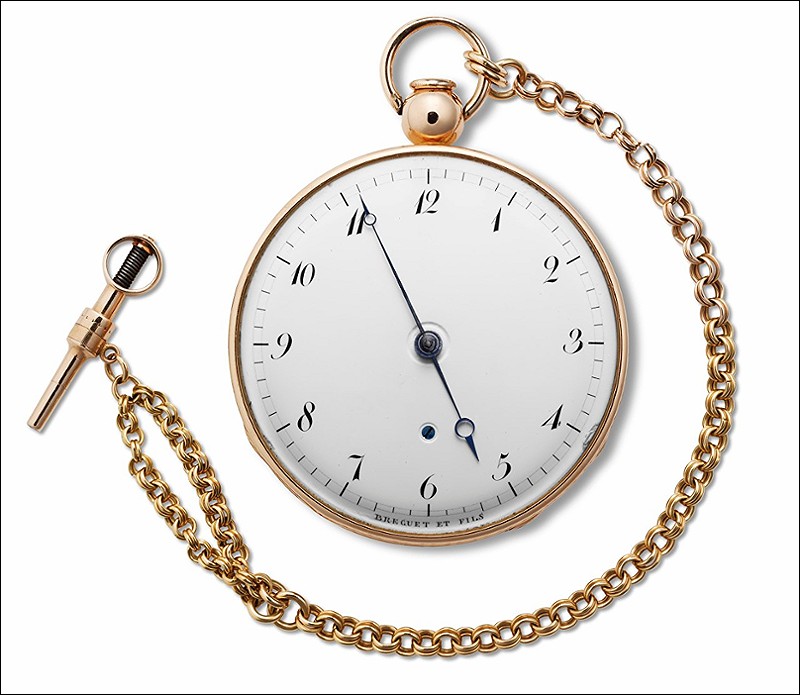
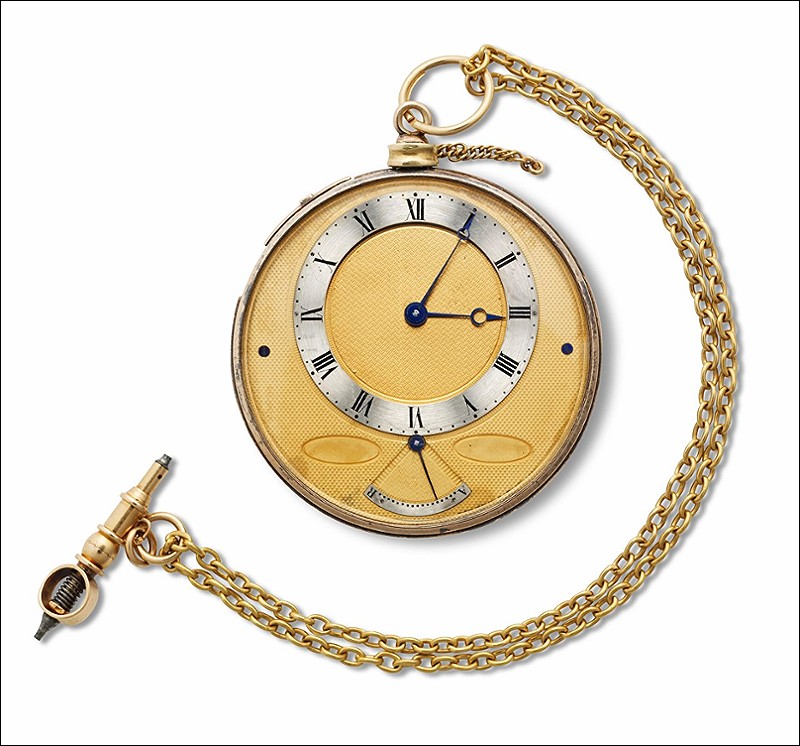
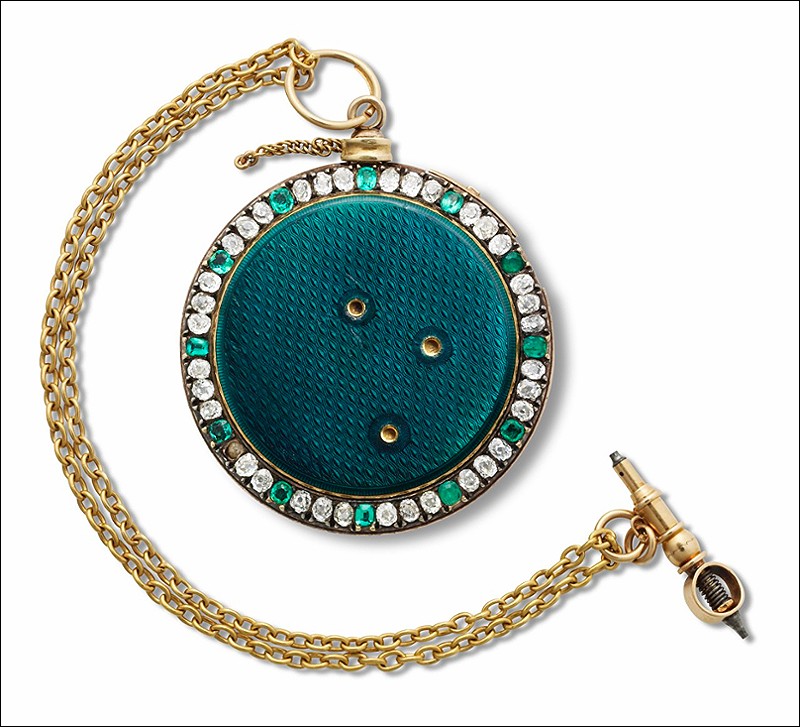
Abraham-Louis Breguet was responsible for many inventions, both technical and aesthetic, that gave birth to modern watchmaking. His inventions include the gong spring, the Breguet balance spring, the tact watch, the tourbillon and the first chronographs. He also designed the first wristwatch in 1812, for Caroline Murat, Napoleon’s sister. Breguet gave his watches a flat and unadorned appearance, with guilloche dials, “moon” tip hands, and caseband fluting.
With the patronage of Project Hougoumont, Montres Breguet underlines its links with its own history as well as with the history of Europe. This partnership is in keeping with Breguet’s overall policy, initiated in 2005, of financial support for the preservation of cultural heritage, which includes the complete funding of the restoration of the Petit Trianon and the French Pavilion in the grounds of the palace at Versailles; supporting the Louvre as the main sponsor for the restoration of the 18th century halls of the Art Department; funding a hall dedicated to naval aviation in the National Navy Museum in Paris; and sponsoring the creation of the Salon Doré in the San Francisco Fine Arts Museums.
The official opening ceremony for the restored Hougoumont farm and its Breguet room, on 17 June 2015, will end with a symbolic handshake between the Duke of Wellington, Prince Blücher von Wahlstatt and Prince Charles Bonaparte. In a series of lectures on the occasion of the commemorative days (17-20 June 2015), entitled Breguet in the Heart of Europe, Baron Bernard Snoy – President of the Waterloo Committee in Belgium – will examine the extraordinary links between the watchmaker and the leaders of the troops, as well as the ambassadors of the great European powers who gathered at the Congress of Vienna (1814-1815). This is a striking illustration of the pivotal position of Breguet and his work in Europe.
The House of Breguet
As a symbol of historical and cultural heritage as well as pioneering technology, Breguet exerts a genuine fascination for its ability to innovate. From the tourbillon to the gong spring, A.-L. Breguet's (1747-1823) numerous inventions have influenced the history of watchmaking since 1775.
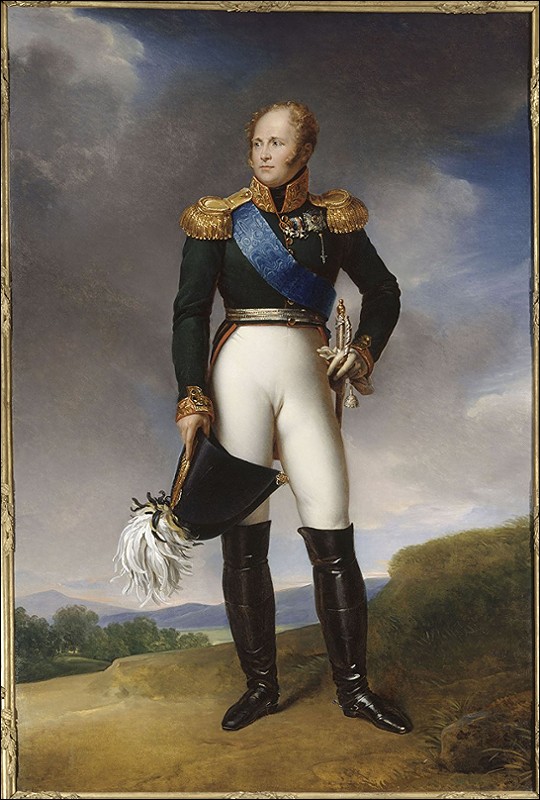
Breguet, as the leading watchmaker to European royalty, has travelled through the centuries in the company of persons of distinction, such as Marie Antoinette, Napoleon Bonaparte, Tsar Alexander 1, the Prince of Wales, the Prussian King Frederick William III, Prince Talleyrand and Winston Churchill, to name but a few. Acquired by the Swatch Group in 1999, the House of Breguet continues to strengthen its position as a key player in the watch industry. Its considerable investment in research and development is the source of new and unique innovations that represent the driving force of the Haute Horlogerie of tomorrow.



This message has been edited by AnthonyTsai on 2015-06-22 14:28:08