Review
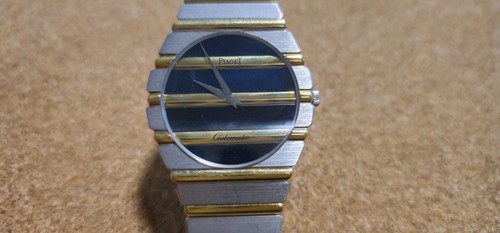
patrick_y delves into the critical considerations for choosing the right watch winder, emphasizing that not all winders are created equal and that an expensive price tag doesn't guarantee suitability. He meticulously outlines the varying winding requirements of different calibers, from Rolex to Patek Philippe, and presents the Swiss Kubik Watch Winder Box as a superior solution for discerning collectors.


Watch winders have become necessities for watch collectors like us. But not all watch winders are made the same. And sometimes buying an expensive one isn’t the best solution.
Some watch collectors, despite their experience, don’t realize what their watch winding requirements are. Some watches wind clockwise, some counter-clockwise, and some both. Some watches require as little as 600 rotations a day, some watches require as much as 2000 rotations a day to keep the mainspring wound.
Winding the watch in the wrong direction could be detrimental to the timepiece. Winding too many rotations a day could create unnecessary wear. Winding too little and the watch will stop.
So, let’s say you have a Rolex Submariner or Datejust; this
watch winds in either direction and requires 650 rotations a day. This is an easier watch to deal with. Maybe you have an even thicker automatic watch, a IWC Big Pilot or an automatic Panerai, this watch can handle it!
In addition, let’s say you also have a Patek Philippe with a 240 caliber. Most Patek Philippes are a bit unusual, they need to be wound Counter-clockwise and at least 800 rotations a day!
Let’s also say, you have both a Rolex and a Patek Philippe and you alternate between the two. Wouldn’t it be nice to have a single watch winder that could fulfill both requirements?
Finding such a solution isn’t easy. When you acquire the multi-winder from Scatola Del Tempo (which winds multiples of three watches at once), all three timepieces are subjected to the same program which must alternate from clockwise and counter-clockwise, because when you wind three watches in a connected gear; the middle watch will always wind the opposite direction of the left and right watch. This means, if your Patek Philippe was in this watch winder, it’d be enduring unnecessary clockwise motions. On a tense Patek Philippe 240 caliber, the weight may have some tension and swing violently, causing a small amount of wear. Multiplied by thousands of days, there would be noticeable unnecessary wear.
So, I was in search of a better solution. Here were my requirements:
1. Cost effective and financially efficient. No point at throwing lots of money on a medium problem.
2. Small in size, fits in safety deposit box at bank. Obviously battery operation needs to be possible.
3. Thoroughly customizable that would compatibly meet the needs of all my automatic watches.
4. And a scale-able solution. The solution must be scale-able for my current small collection but scale to a large collection (one day).
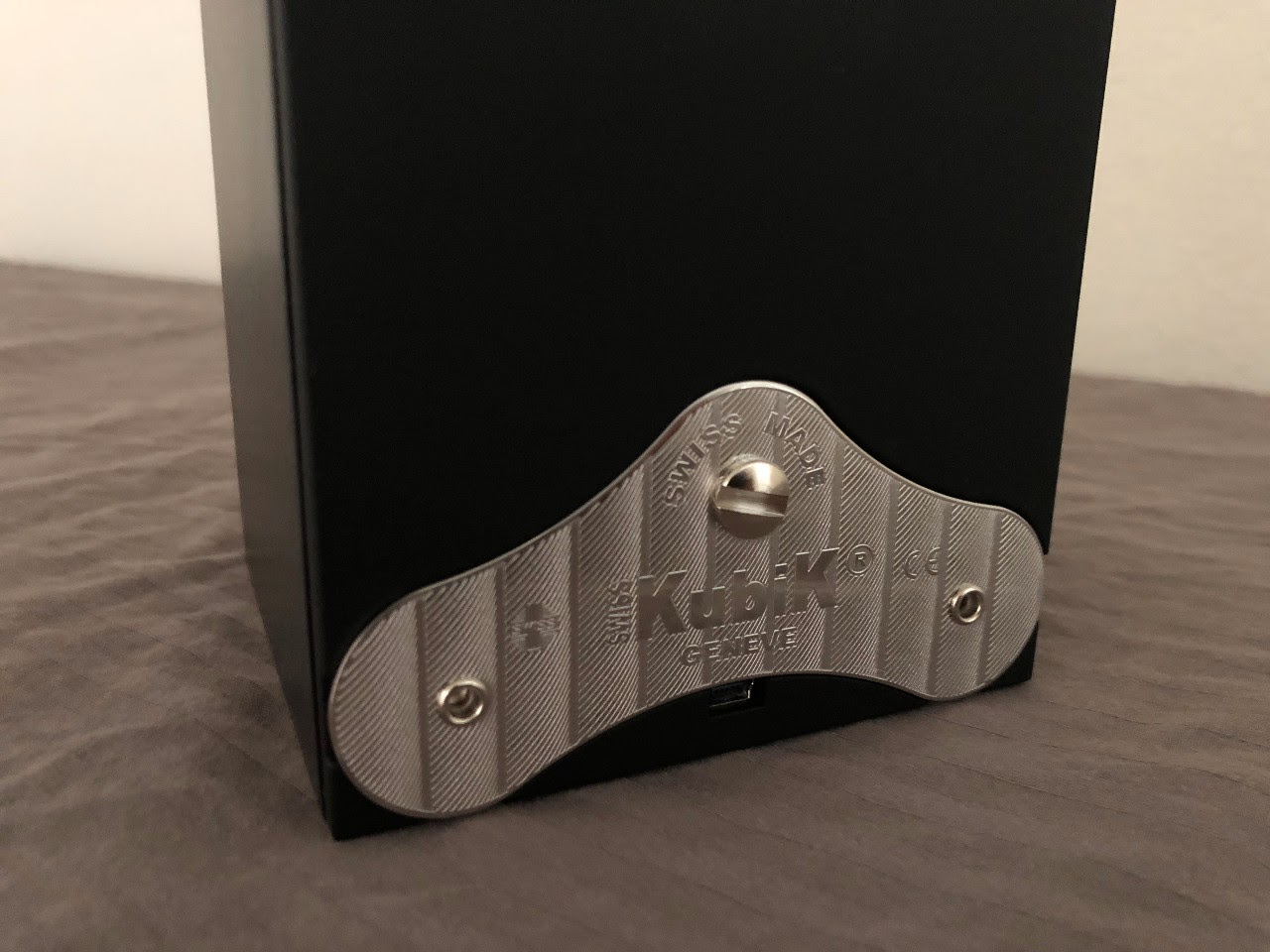
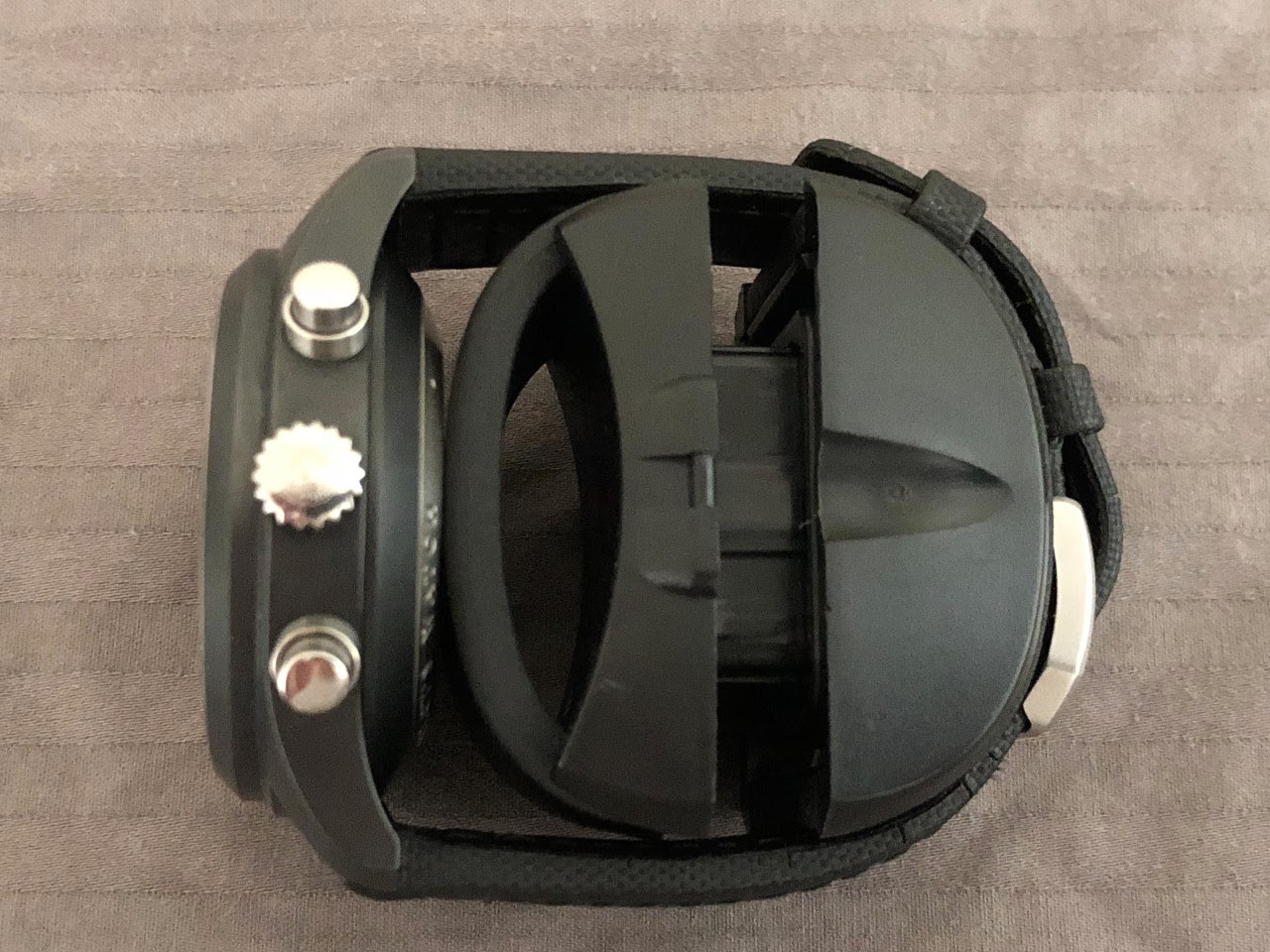

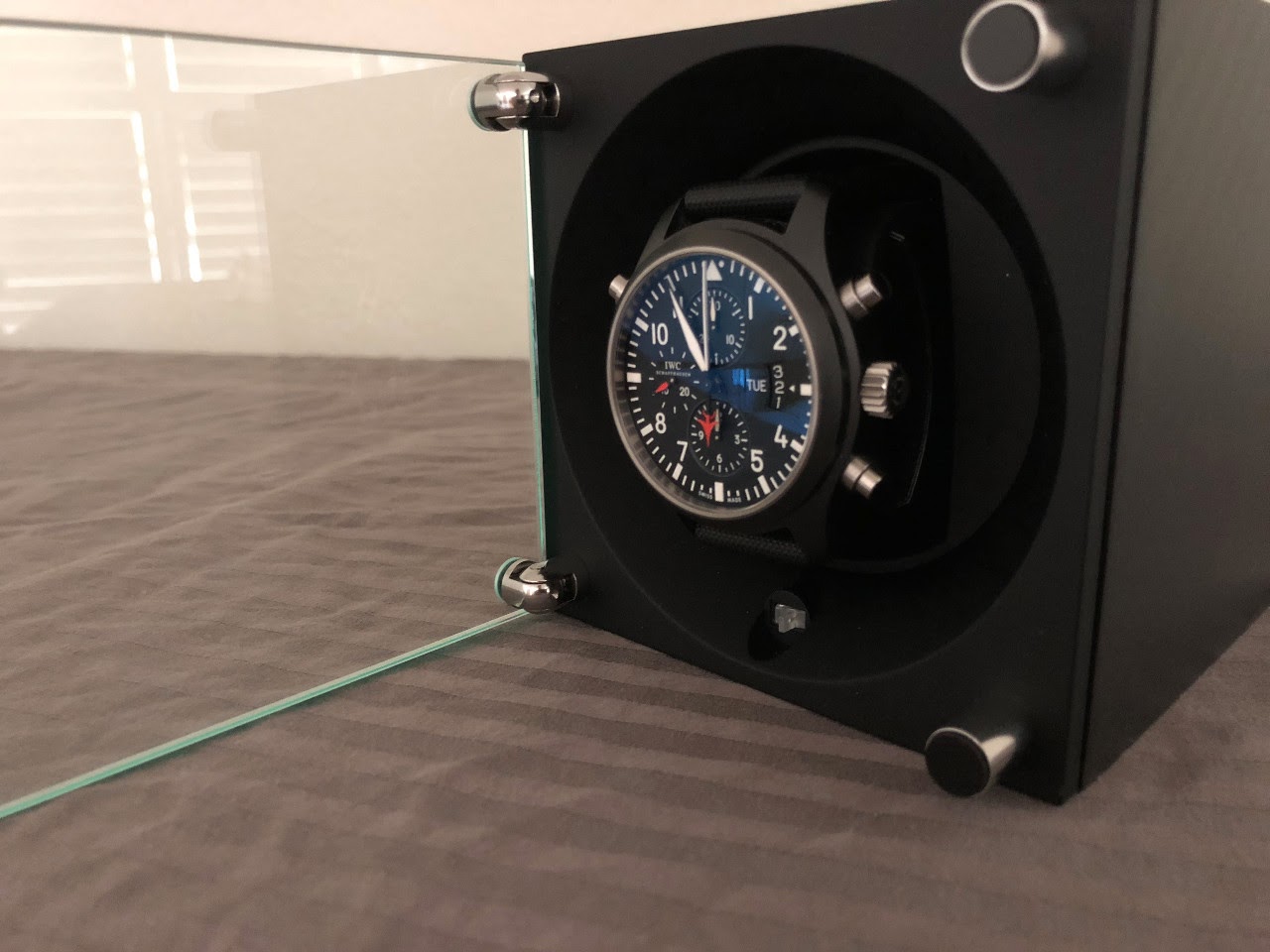
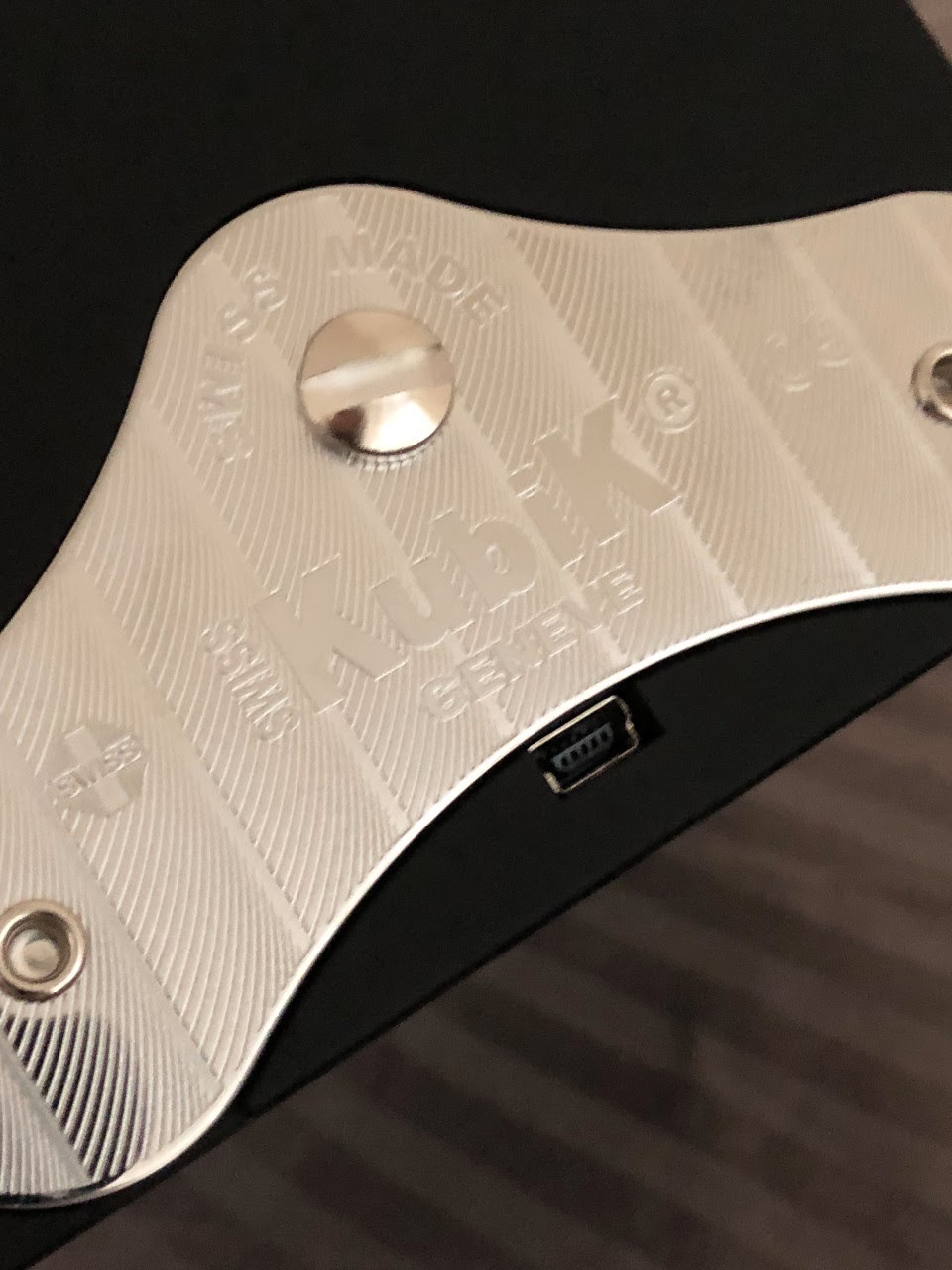
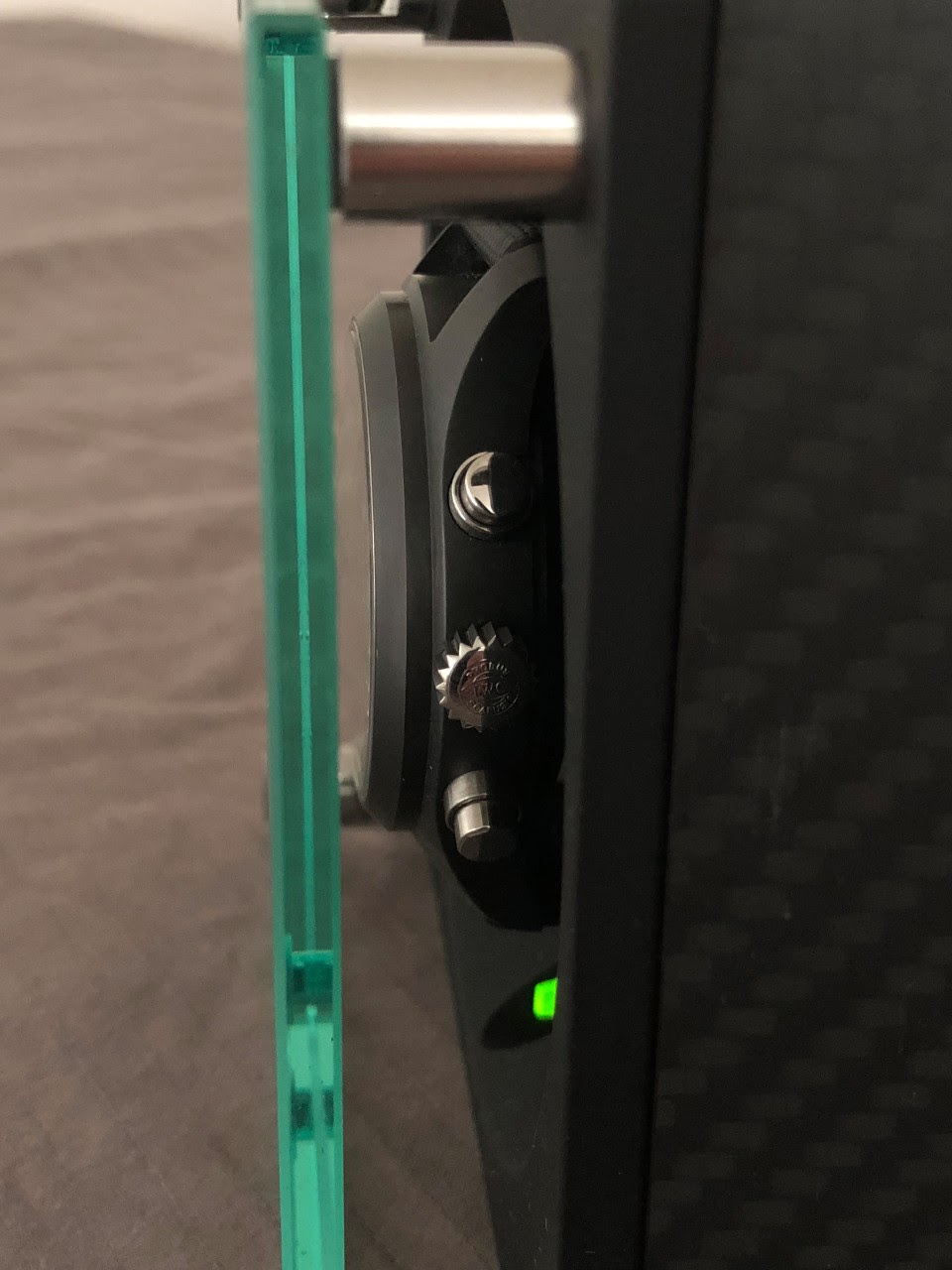
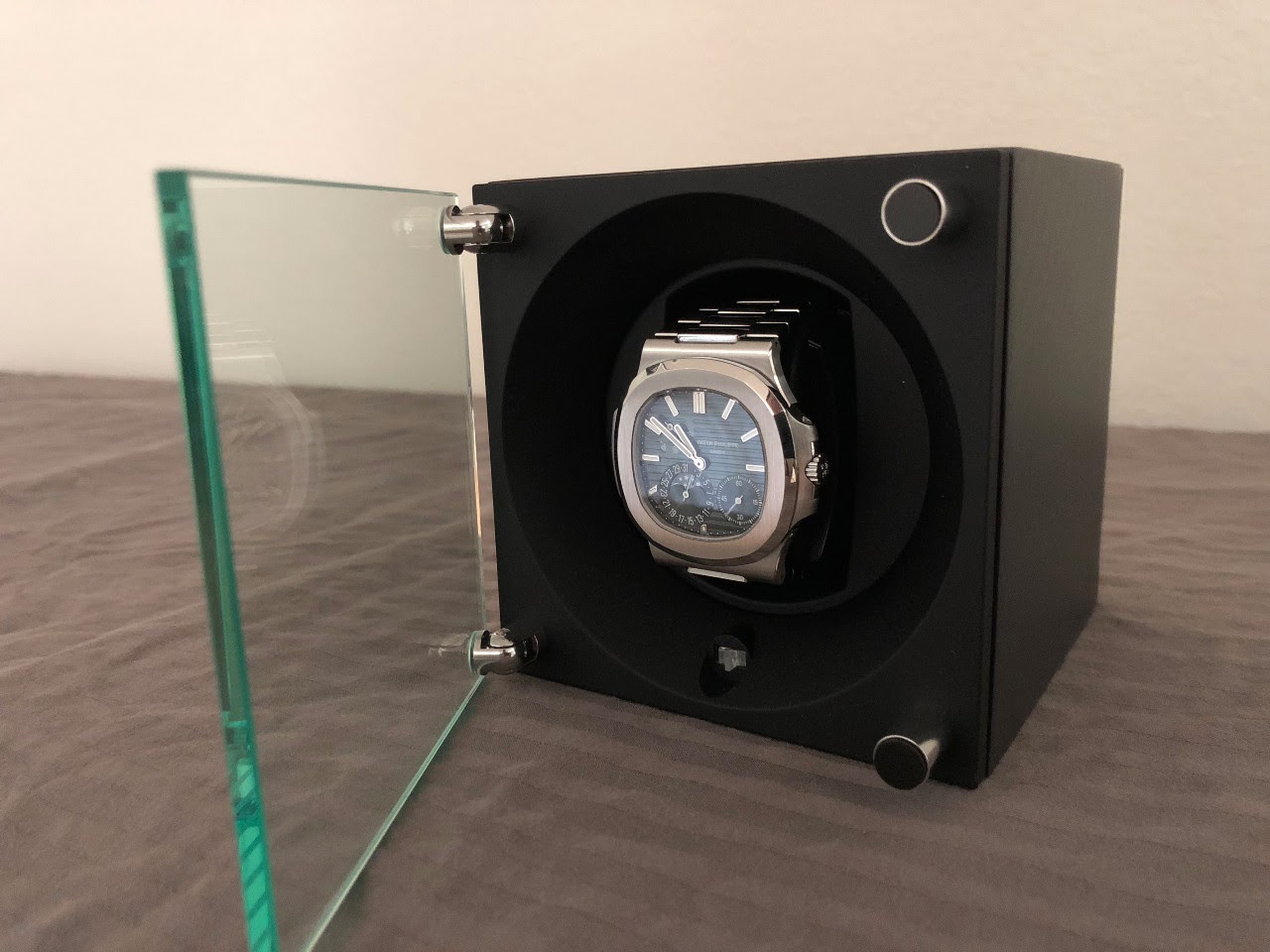
I have three of them and they absolutely great. The batteries last quite a long time too. Although they are quite pricey, they are a high quality product.
I have an IWC sitting in a Scatola Del Tempo. Fortunately this IWC isn't picky about which way it turns, so the Scatola Del Tempo (this model has to turn both CCW and CW, I can only set how many turns a day from 600, 800, 1000, 1200, 1400 increments) meets the need. But my pickier watches will definitely appreciate this Swiss Kubik Watch Winder.
This thread is active on the Horological Meandering forum with 40 replies. Share your knowledge with fellow collectors.
Join the Discussion →