Vintage
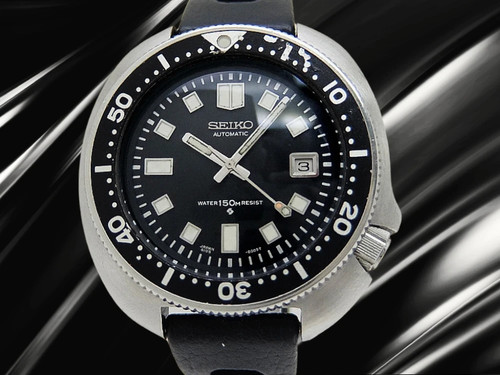
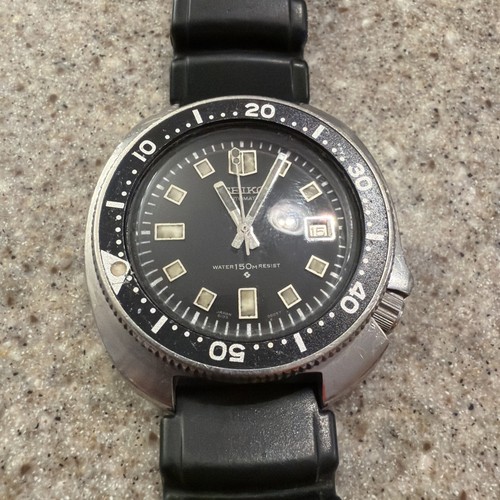
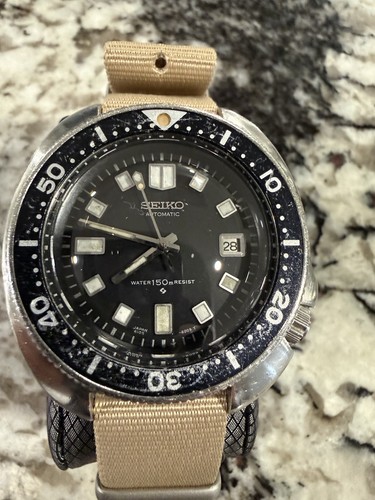
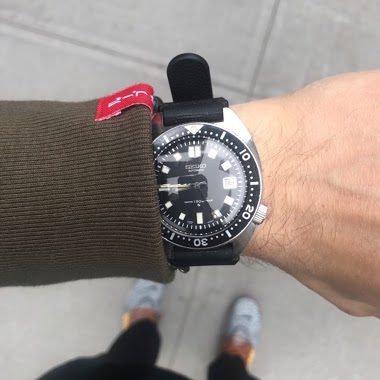
Hieraklion embarks on an ambitious multi-part review of the iconic Seiko 6105-811x diver, comparing it with its modern reissue, the SLA033/SBEX031. His introduction outlines a comprehensive exploration of Seiko's diver history, a detailed review of the vintage reference, and crucial tips for identifying genuine models amidst prevalent fakes. This series aims to be a valuable resource for both seasoned 'Seikoliks' and new enthusiasts.


In this
series of articles, I will review the iconic 6105-8110 reference and compare it with the
SLA033 reissue. First, I introduce this review with a chapter on the Seiko diver’s
history. For sure, this part will not be a breakthrough for the Seiko enthusiasts, but it should help the
beginners.
Next, I review the 6105-8110 reference. Trying to buy a genuine 6105-811x for many years, I have been faced to a lot of frustration with bad condition models and after-market replacement items. I tried to add “Seikolic and fake recognition” highlights for the persons that could be interesting to buy a vintage 6105-811x model … hoping mine is not a fake!
Finally, I compare the 6105-8110 reference with the 2019 reissue.
I cannot guarantee that this article is
100% complete or accurate. If you spot any issues, missing copyrights in the
article, please add comments.
Enjoy.
Note: I’m French, so my English is unfortunately not a Shakespeare/W.Churchill/B.Obama/R.Parks one. But I did a lot of efforts!
A lot of dedicated, detailed articles and reviews already exist on the Seiko diver watches. For Seikoliks, an interesting book exists “SEIKO Diver's Watch Evolution”. Unfortunately, it is in Japanese but worthy.
I just briefly introduce the 6105 model in
the Seiko diver’s history to highlight the continuity and legitimacy of Seiko
in this watch’s category.
By the end of the 50’s and the beginning of
the 60’s scuba diving is becoming possible for - almost! - anybody. Seiko, like
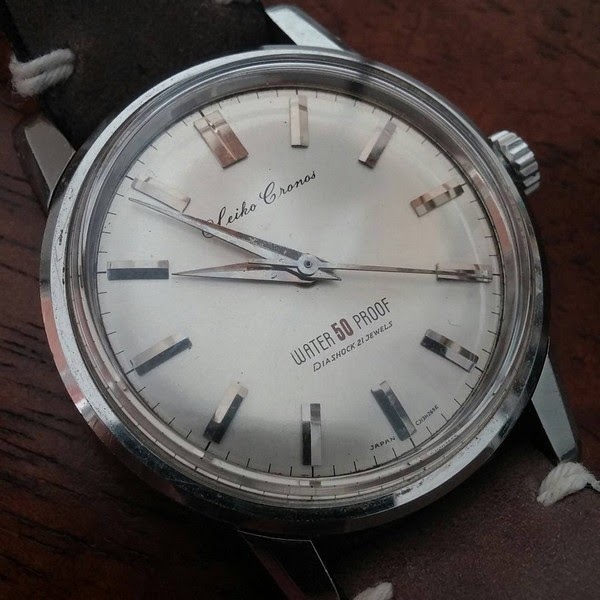
other brands designed models for this new sport. In 1959, appeared a Seiko 50m rated
water proof model: the Seiko Cronos Sea Horse (ref. J13032) with a manual Diashock
21 jewels movement and a new 2 parts screw-down case. Honestly, I do think that
we could rather consider this model as a sport watch with swimming and
snorkeling capabilities even if it was marketed as a diver watch.
The first real waterproof Seiko belonged to
the Seikomatic line in 1961: Seikomatic 50m SilverWave (ref. J12082). From a history perspective, the Silverwave
models made the link between the previous Sea Horse models and the first Seiko
professional diver watch, the 62MAS.

The J12082 SilverWave was discontinued when a budget SilverWave model with a cheaper movement appeared in 1964 until early 1966. This model named Sportsmatic SilverWave (ref. 69799) was 30m rated water proof due to a pressure fit case back.
It’s important to notice that the SilverWave models were the first model of Seiko having the “tsunami wave” symbol on the case back.
In 1965, Seiko released the 62MAS (autoMAtic Selfdater – ref.6217-8000/1). It retailed for 13,000 yen. This is the first professional diver watch from Seiko with dedicated features:
The « tsunami wave » symbol was not used anymore, replaced by a « dolphin » symbol (except for the later models having Seiko engraved inside a « horseshoe »). The 62MAS 6217-8000 reference is the first generation of the 62MAS mainly featuring a smaller crown (April-May 1965). The 62MAS 6217-8001 reference is the second generation (Jan. 1966 - June 1967) with a bigger crown, a larger crown tube and a small case cut for the crown. If the first generation is built by Suwa, Daini joined from 1967 to June 1967.
However, since this
emblematic model, we can retrieve the 62MAS DNA in the next Seiko divers and
for sure, the 62MAS is an important milestone in the Seiko history, considered
as an emblematic model for all Seikolic!

After the 62MAS, we can consider 2
different ranges of Seiko divers. The professional one with 300m or 600m rated
water proof models like 6125-7000 (in 1967), 6159-7001 (in 1968), the shrouded Tuna
models and more recently the Marine Master.


In 1988, the new model 7002-7039 introduced a new era: water resistance of 200m, 120 clicks unidirectional bezel and a thinner case, still present in the current models.
Now, let’s focus on the 6105-8xxx models.
Hieraklion 01/2020
** TO BE CONTINUED **
Adventures in Amateur Watch Fettling: adventuresinamateurwatchfettling.com
m
Fratello Magazine : www.fratellowatches.com
/
Horology Crazy: www.horologycrazy.com
m
Keep the Time Blog: www.keepthetime.com
/
Plus9Time : www.plus9time.com
/
Seiko & Citizen Watch Forum (SCWF): www.thewatchsite.com
/
Seiko Club Singapore: forums.seikoclubsg.com
/
Seiko Corp: www.seiko-watch.co.jp
/
Seiko Diver Blog: seikodiver.blogspot.com
/
Seiko Museum: museum.seiko.co.jp
/
Seiko Shizuku-Ishi Studio : www.shizukuishi-watch.com www.morioka-seiko.co.jp
l
Spencer Klein: www.kleinvintagewatchrepair.com
m
The Grand Seiko Guy : thegrandseikoguy.com
m
The Seikoholics Forums:
www.tapatalk.com
/
The Sping Bar : thespringbar.com
m
Vintage Time Australia: www.vintagetimeaustralia.com
Worn & Wound: wornandwound.com
/
Wrist Sushi, A Japanese Watch Forum: wristsushi.proboards.com
/
…
The 1966 Ford Mustang represents a significant year for the model, building on the initial success of its introduction. This reference is part of the first generation, which established the Mustang as a distinct category of American automobile. It continued to offer a range of body styles and engine options, allowing for considerable personalization and appealing to a broad market segment. The 1966 model year saw refinements rather than radical changes, solidifying its design language and market position.
The vehicle's construction typically featured a steel unibody chassis. Various engine configurations were available, including inline-six and V8 options, paired with manual or automatic transmissions. Specific dimensions varied slightly depending on the body style, such as coupe, convertible, or fastback. The interior offered a functional layout, with instrumentation focused on driver information.
This reference holds interest for collectors due to its place in the early history of the Mustang and its enduring popularity. The availability of different engine and trim levels means that specific examples can vary widely in their features and performance. It remains a recognizable and sought-after classic, often celebrated at automotive events worldwide.
This thread is active on the Seiko forum with 2 replies. Share your knowledge with fellow collectors.
Join the Discussion →