Vintage
Baron - Mr Red's comprehensive guide to 'tropical dials' remains a vital resource for collectors navigating the nuanced world of vintage watches. His initial framework, built on community input, helps distinguish genuinely aged dials from damaged or artificially altered ones. This article continues to be highly relevant for anyone looking to understand the authenticity and value of these unique timepieces.
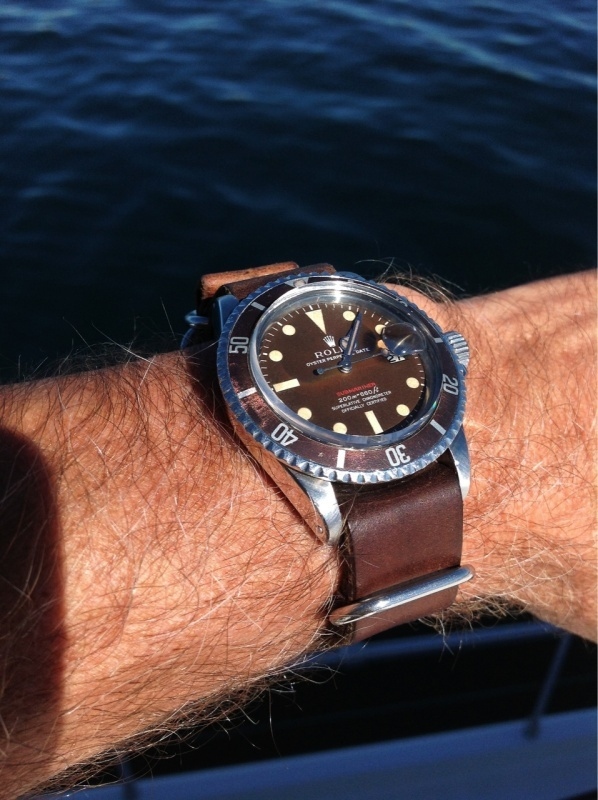


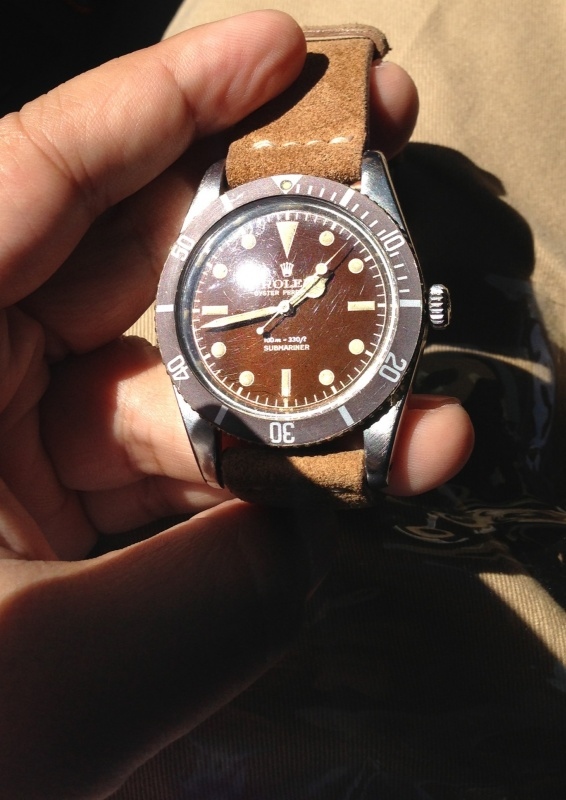


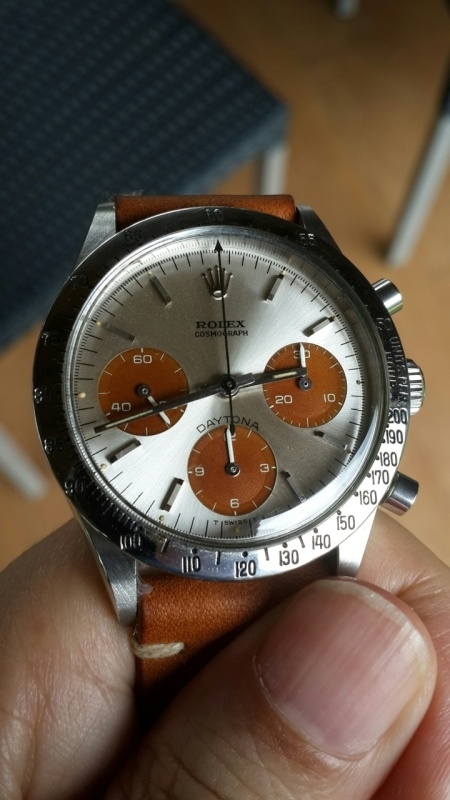
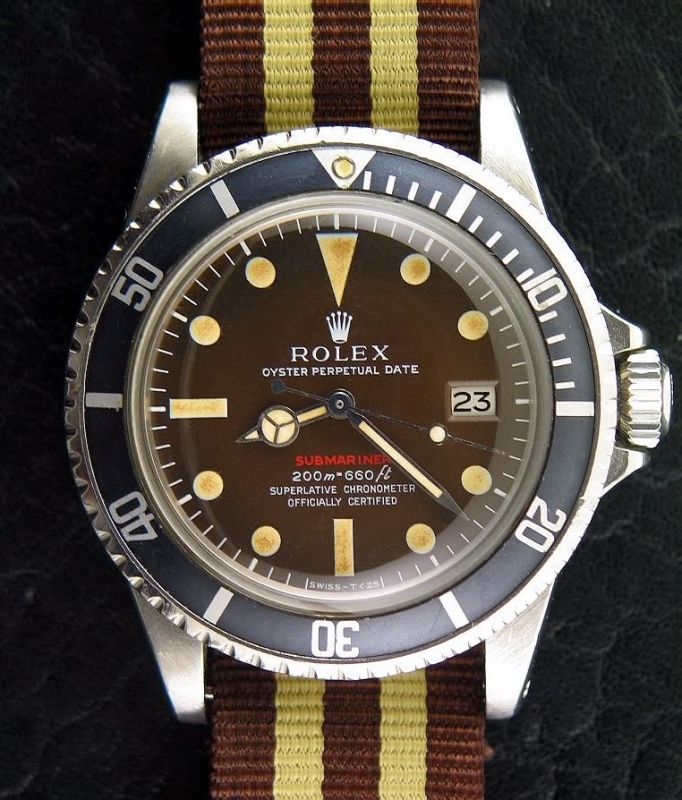
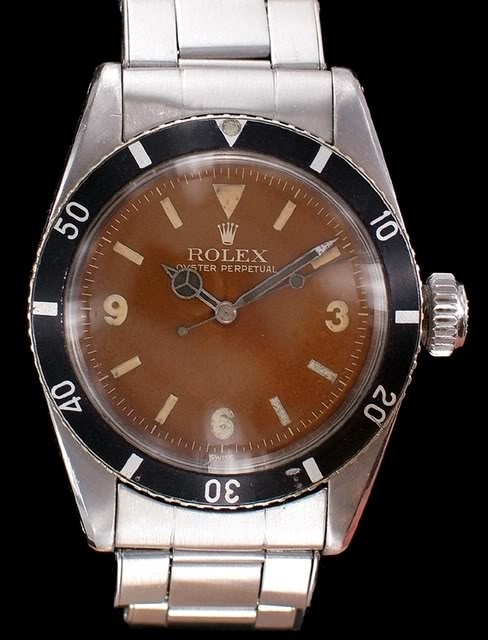
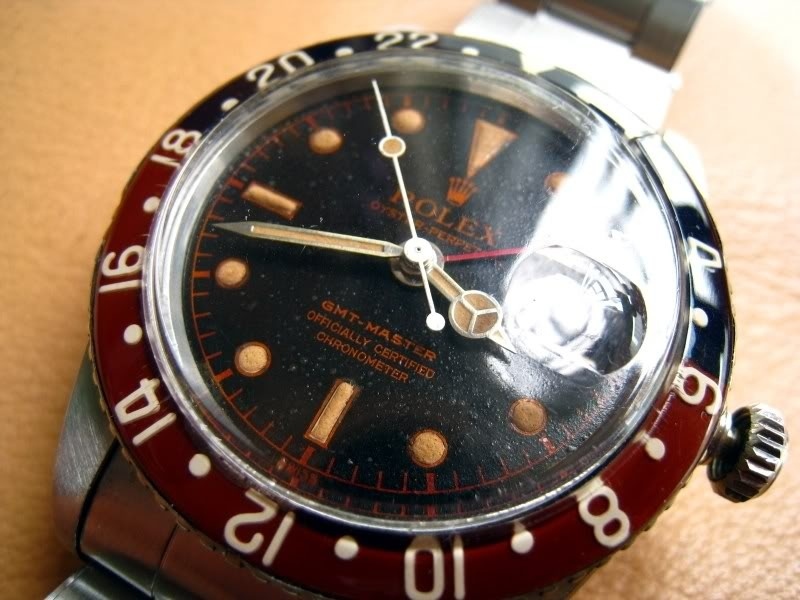
What is a tropical dial? It is a term that means different things to different people. To an unscrupulous dealer with a watch with a damaged dial, it represents an opportunity to represent that dial as something exotic and desirable. Also, lets not forget the possibility of adding a healthy price premium to a watch that has an tropical dial. As Edmond put it so well, when one hears a watch described as having a tropical dial, it is like a “big red warning light” that means you need to proceed with extreme caution. Edmond, you are correct. For a topic that is so subjective and open to interpretation, defining what is tropical and what is not is always going to be open to abuse. It is with this in mind that I thought it would be useful to compile a photographic diary, if one likes, of various watches that do appear to have genuinely uncontested tropical dials. Such a view will always be a democratic one….if a sizeable enough body of views disagrees with my photographic compendium or if new examples come to light, the article will be edited and adjusted to take account of such new information. My starting point, then, is providing a framework from which to judge. Marcello provided an initial checklist. A dial is tropical when
1) It has faded naturally to a different colour. Note that the fade is often from black to brown, but can be from any original colour so long as a material change in colour is evident. Also note that the change must be brought about “naturally”. This can be through exposure to the sun, natural ageing or indeed any other natural process. Baking it in an over most definitely does not count as natural.
2) A tropical dial needs to be almost uniform in its fading. Sometimes a watch dial gets only partial exposure to the sun and this results in a clear fade but only to some parts of the watch. To be a pure tropical dial, the fading should be uniformly and evenly spread across the whole dial.
3) The change in colour should NOT be due to water (or other) damage. This is not to say that various types of damage can create very unusual dial outcomes - indeed, often attractive - but this would not be considered a tropical effect.
These are simple rules and by no means cast in iron. However, by adopting such a simplified methodology, one gets a fairly clear picture of what is and what is not a good tropical dial.
Many dials were sent in to my original post. My apologies to those that do not appear in the following compendium. I have tried to select those dials that appear to tick the boxes above most clearly.
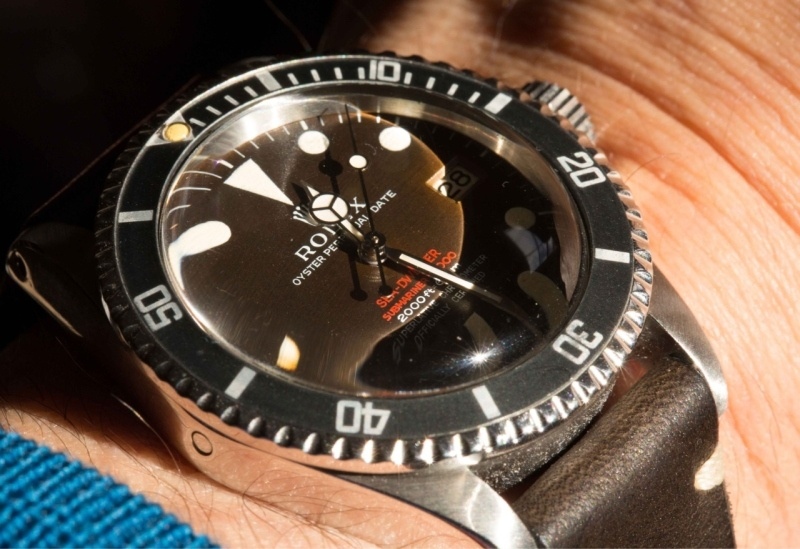
First off, the Sea-Dweller 1665. As the sun moves across the dial from left to right, the tropical nature of the dial unveils itself. Unquestionably brown and uniform. A superb example of a tropical dial.
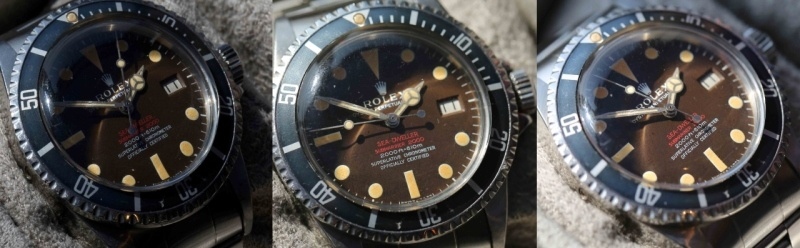
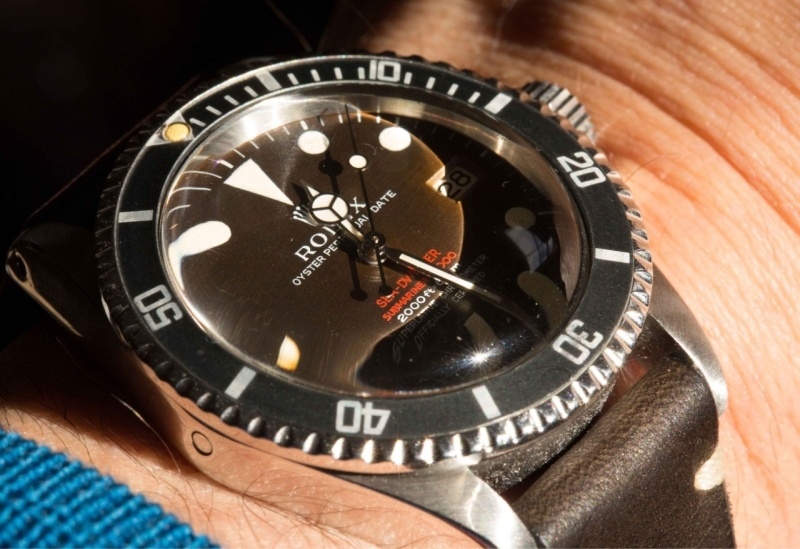
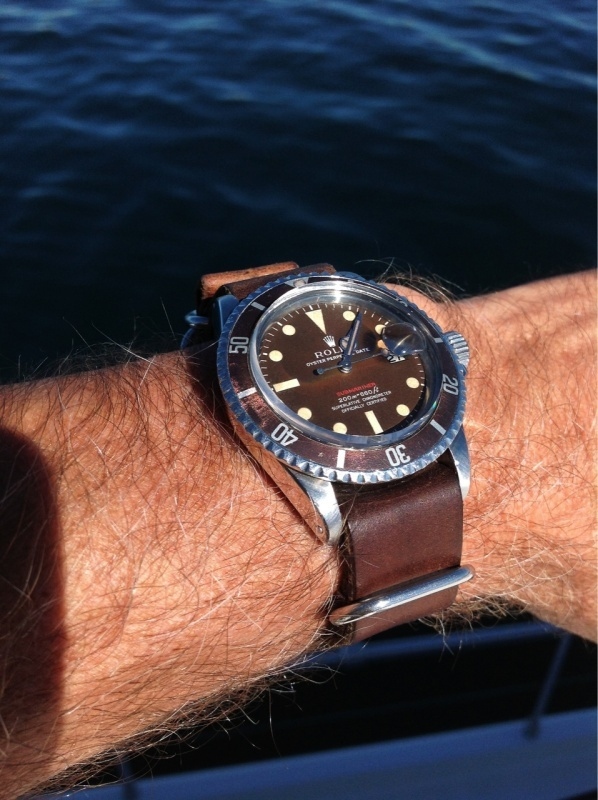
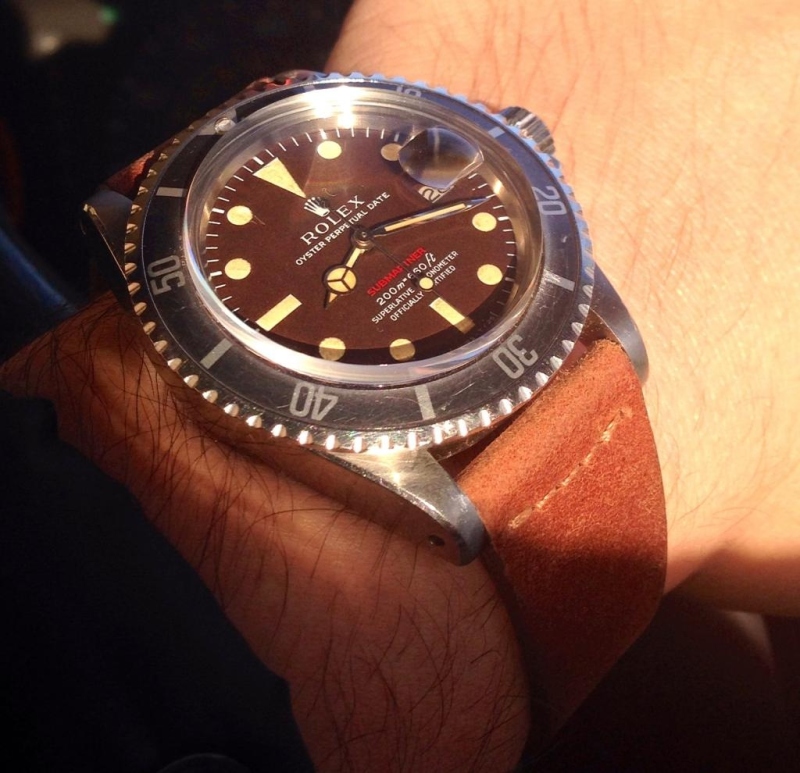
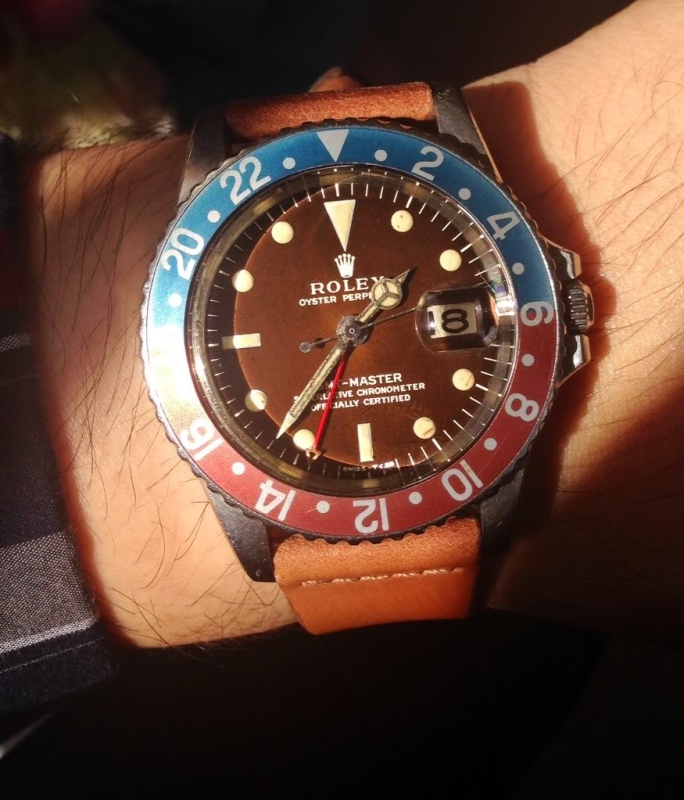
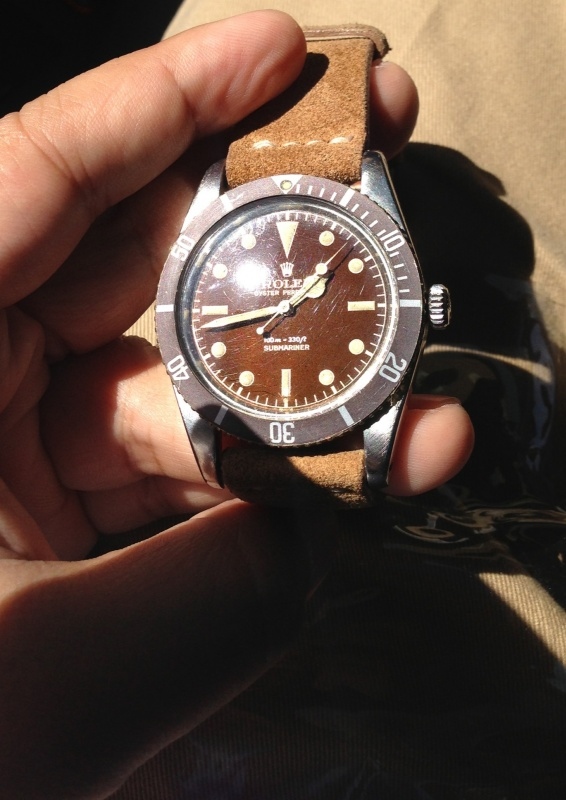
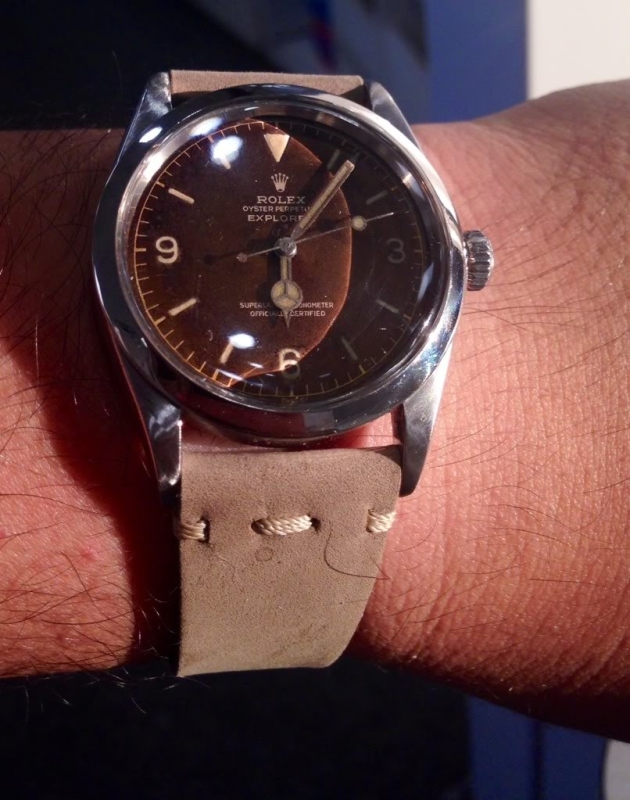


The Rolex Reference 1665, known as the "Great White," is a specific iteration within its model family. This particular reference is distinct from the Reference 1680, which the collector notes as a separate model undergoing a makeover.
This example features a case described as being in good condition. The movement is a caliber 1570. The dial is a servicedial with Luminova, marked as a Tritium dial.
This reference appeals to collectors seeking specific variations within the Rolex lineup. The presence of a servicedial with Luminova, marked as Tritium, is a notable characteristic for those interested in dial variations.
Will have to read more carfully and come back to this post tonight... Best Blomman
Though, I would not say that a dial is tropical because it has Brown subdials. I would say that THE subdials are tropical, not the dial. Too many times, too often, we read anything about so called Tropical things... Which are all except tropical. That had to be written. Thank you. My small participation here, according to your criterias: Best, Nicolas
......so you'd call it a dial with tropical sundials? OK....how about this.....this style we'll call sub-tropicals!!
( 6154 )
This thread is active on the Rolex forum with 38 replies. Share your knowledge with fellow collectors.
Join the Discussion →