Prix Gaïa 2014: Voutilainen, Thomann, Dubois
Community

Prix Gaïa 2014: Voutilainen, Thomann, Dubois

By DonCorson · Sep 20, 2014 · 4 replies
DonCorson
WPS member · Horological Meandering forum
4 replies1960 views19 photos
f 𝕏 in 💬 🔗

DonCorson's report on the 2014 Prix Gaïa ceremony at the International Horological Museum (MIH) in La Chaux-de-Fonds provides a vital overview of horological excellence. This post celebrates the achievements of three distinguished individuals across watchmaking's diverse fields: Kari Voutilainen for craftsmanship, Pierre Thomann for research in timekeeping, and Henri Dubois for entrepreneurship in watch industry chemistry. The article underscores the significance of this annual award in recognizing contributions to the art and science of horology.

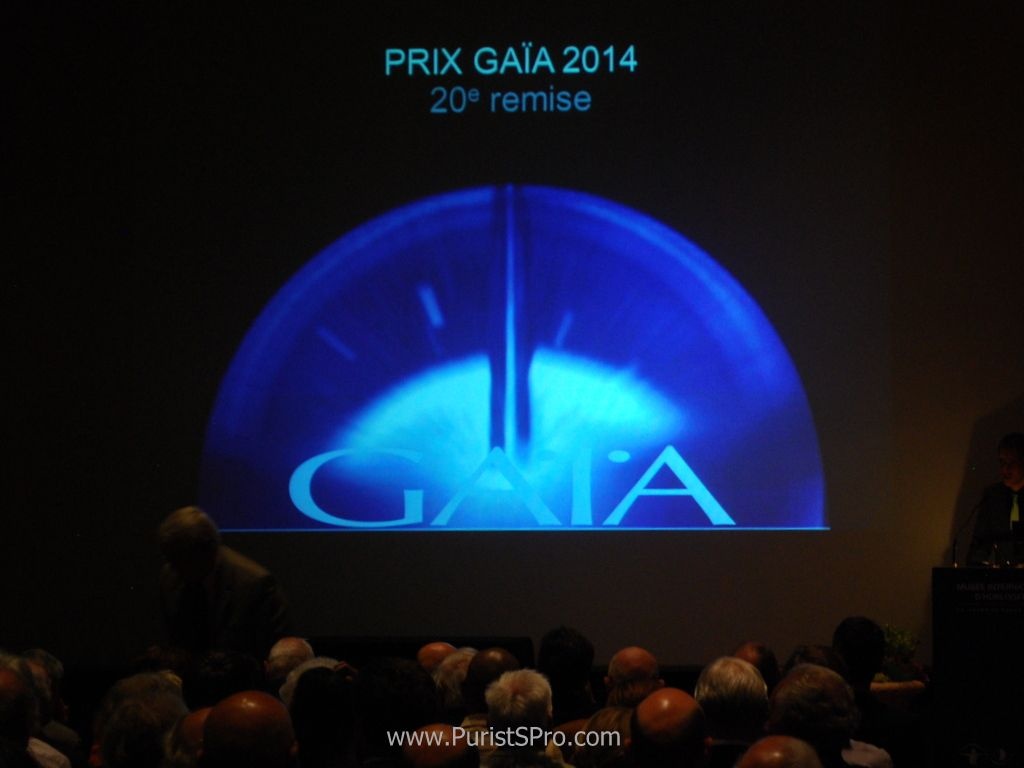
The Prix Gaïa is a prize awarded by the International Horological Museum (MIH) in La Chaux-de-Fonds, this year for the 20th time.  The presentation is always on the last Thursday before the equinox in September, this year on September 18th.  The prize is awarded for people active in 3 different domains:
    1) Workmanship and Design in watchmaking,
    2) History and Research in watchmaking and timekeeping and
    3) Entrepreneurship. 
A jury of people active in those domains called together by the MIH makes a choice out of the submissions made by third parties for candidates.

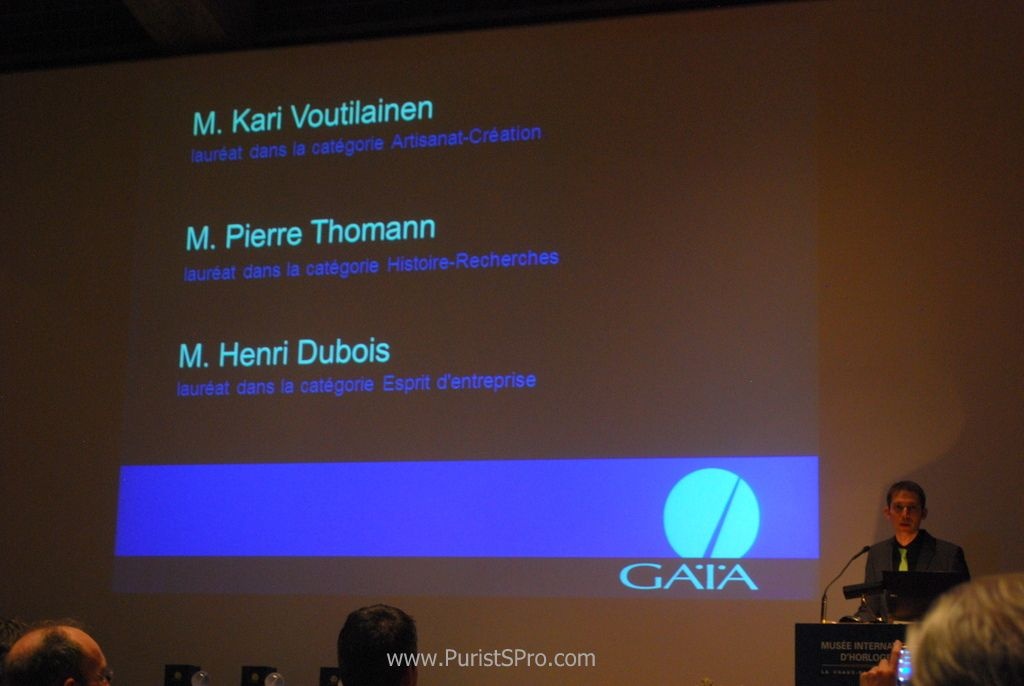
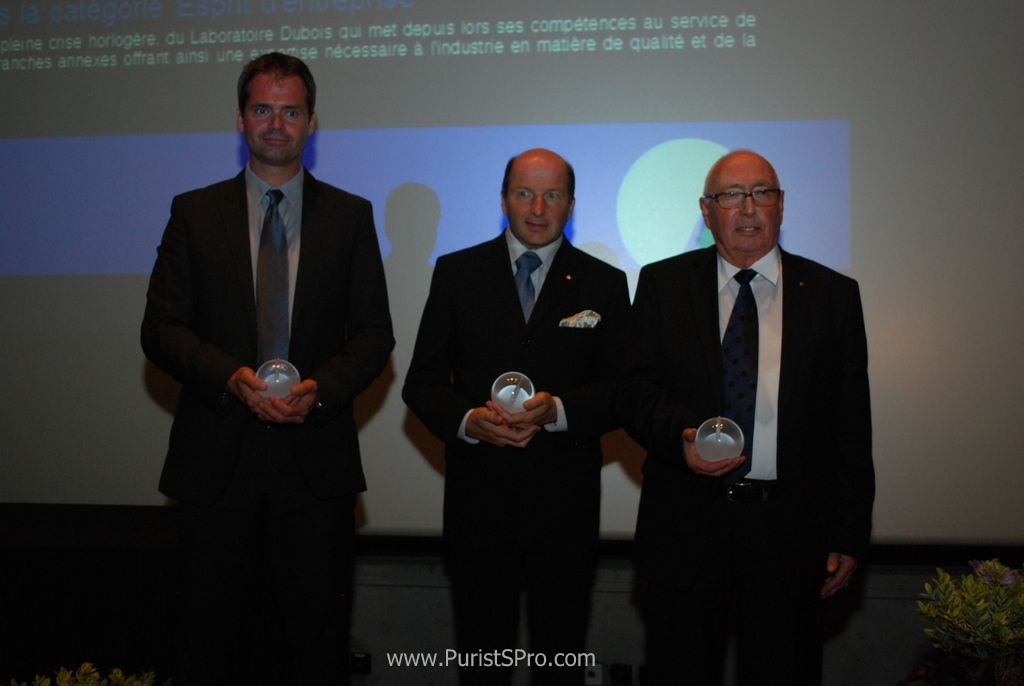
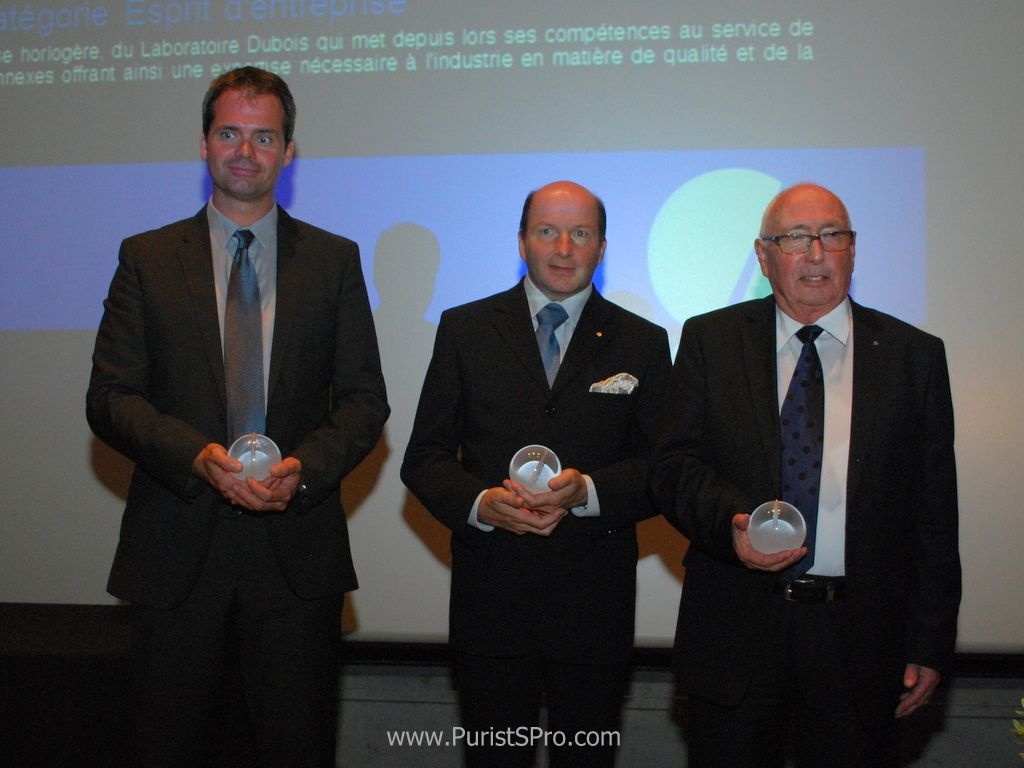
This year the prizes went to:

- Kari Voutileinen, well know here on this forum as one of the most active independent watchmakers, renouned for his capabilities in high complications such as repeaters and for the exquisite finishing of his watches.

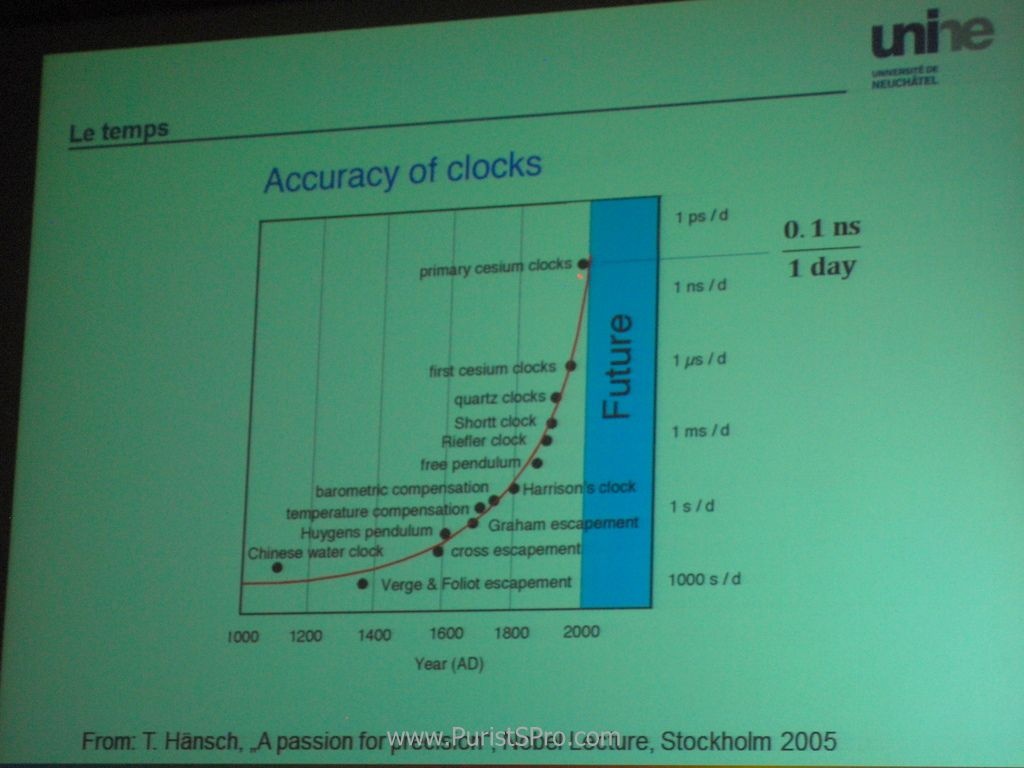
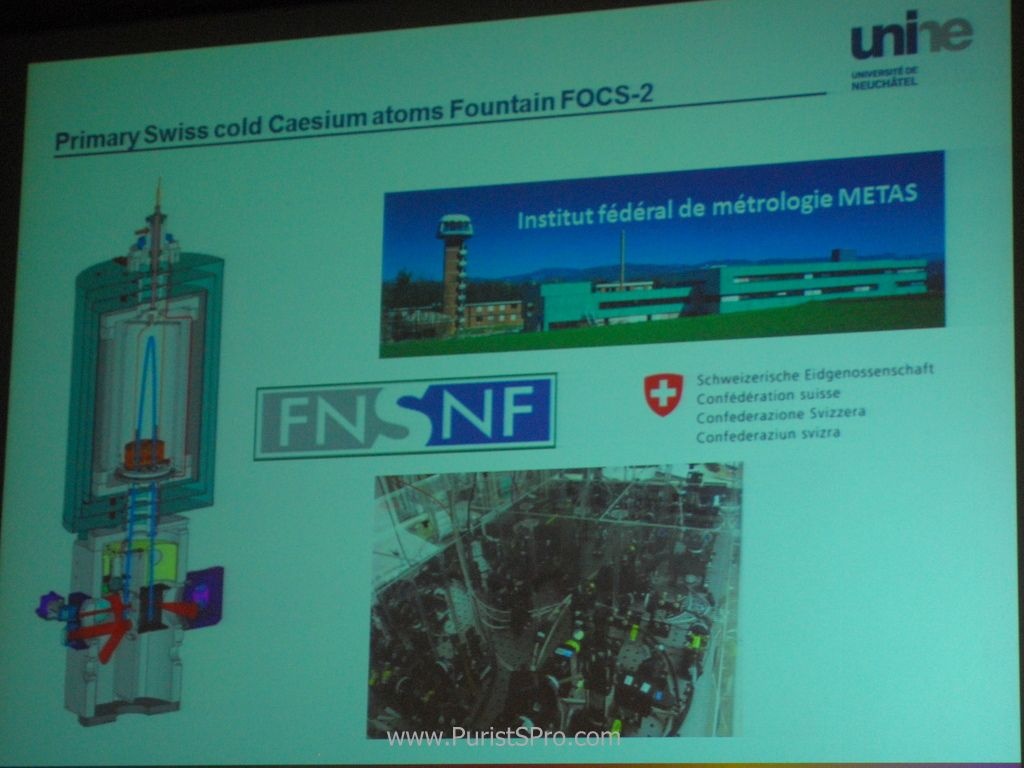
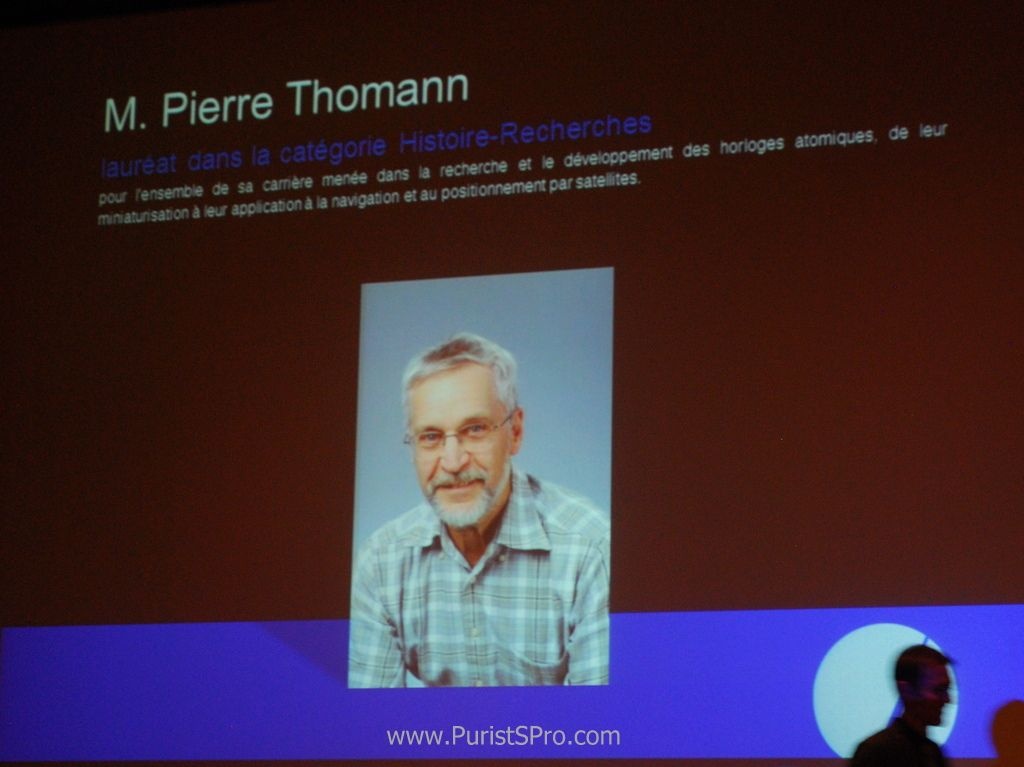
- Pierre Thomann, professor emeritus who created the Time and Frequency Laboratory at the University of Neuchâtel and is a leading researcher on atomic clocks.  This lab continued the activities of the Observatory of Neuchâtel in this domain where Mr. Thomann was previously active.

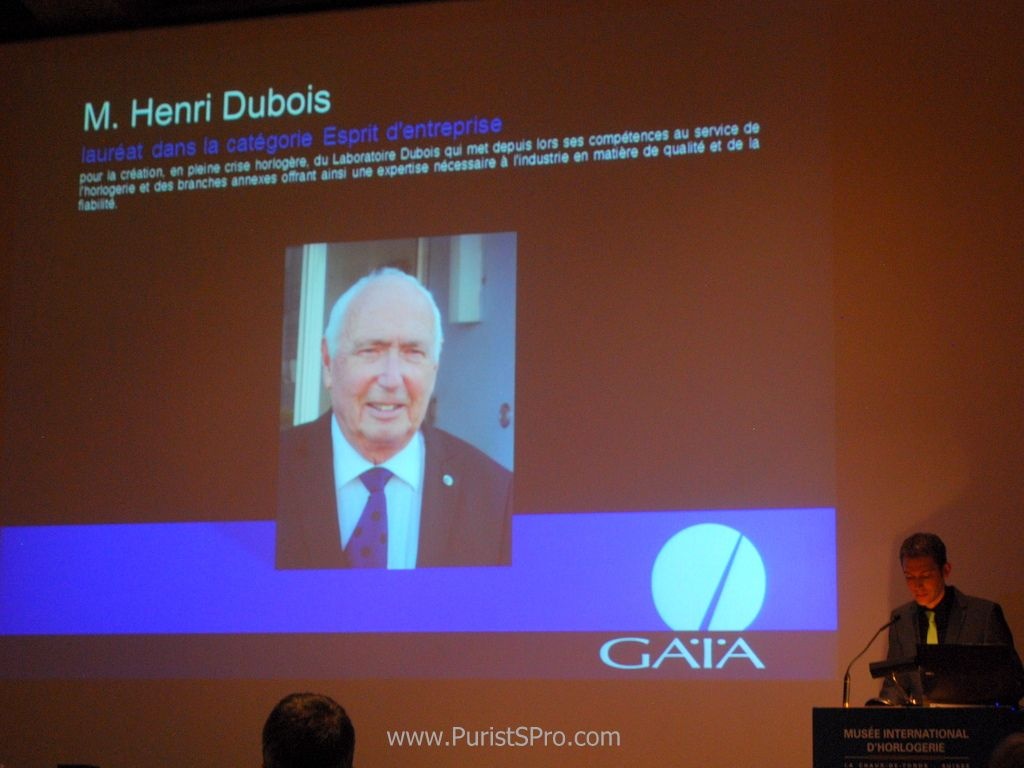
- Henri Dubois, founder of the Laboratory Dubois in La Chaux-de-Fonds, the leading lab treating chemistry and especially electrochemistry such as electroplating for the watch industry.  The lab has branched out in recent years to testing in general for the watchmaking industry and owns the company Chronofiable that may be known to some here on the forum.

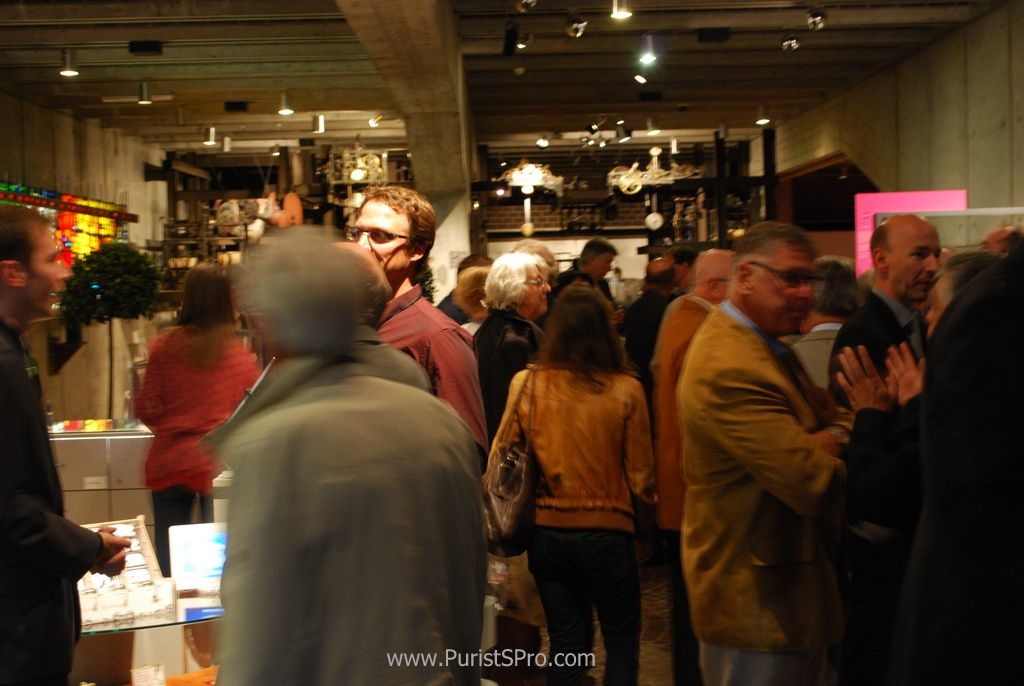
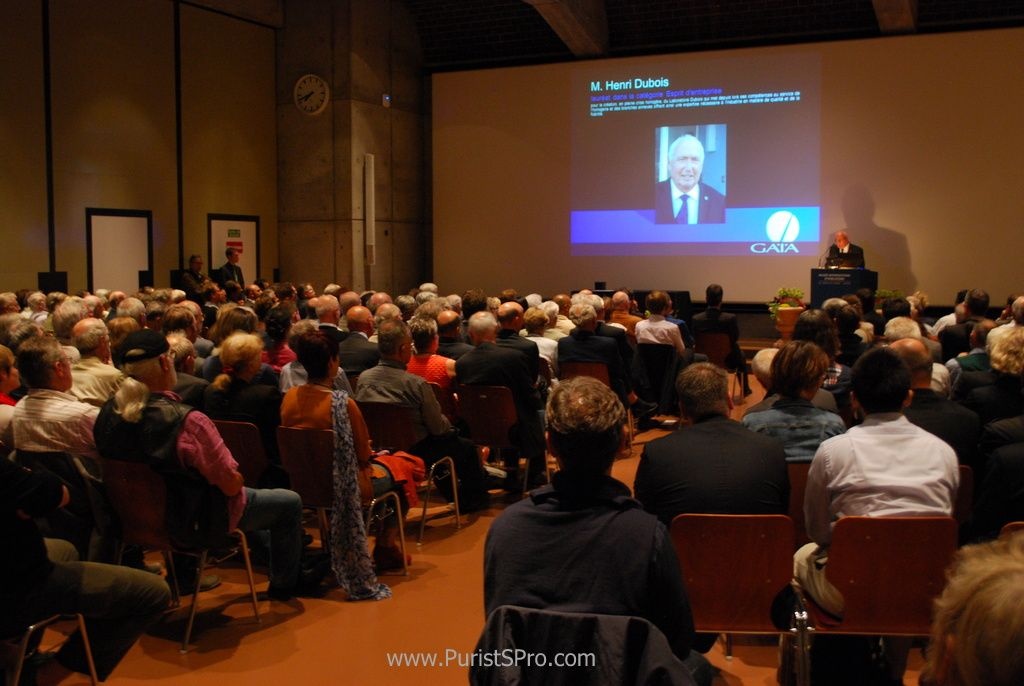
The ambiance of the MIH before the presentation, several hundred people attended.


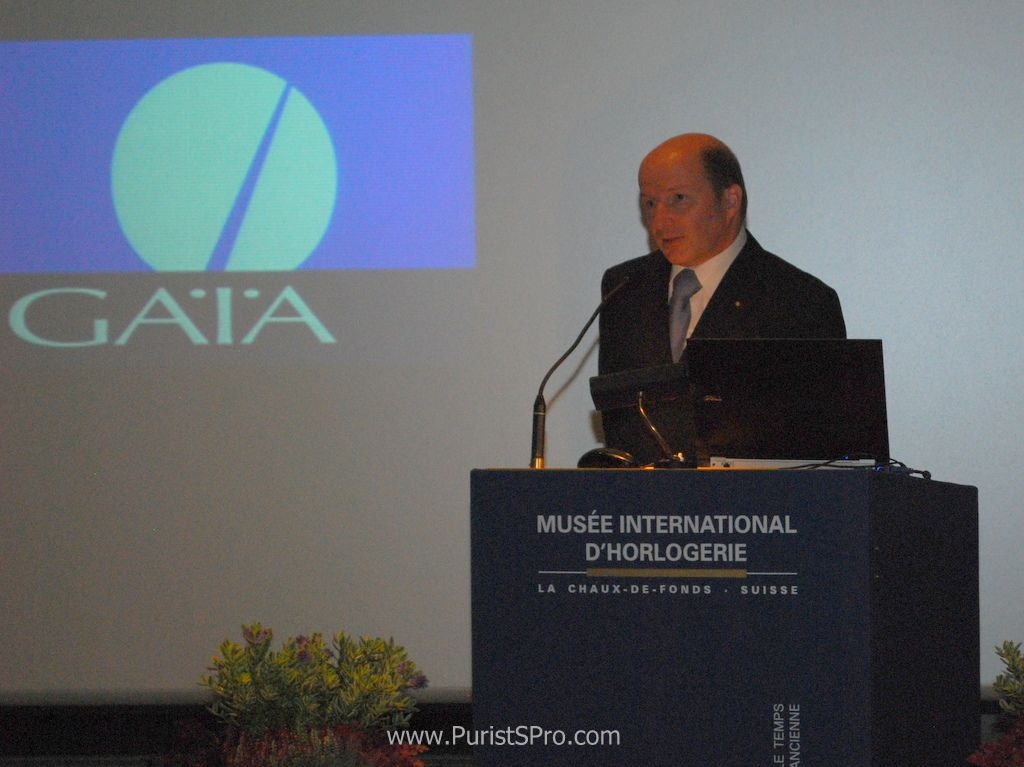
The presentation was held in the MIH by the new curator of the museum, Mr. Régis Huguenin.  Mr. Huguenin replaced the retiring Ludwig Oechslin this summer.  Mr. Oechslin's very successful tenure at the MIH started in 2002.


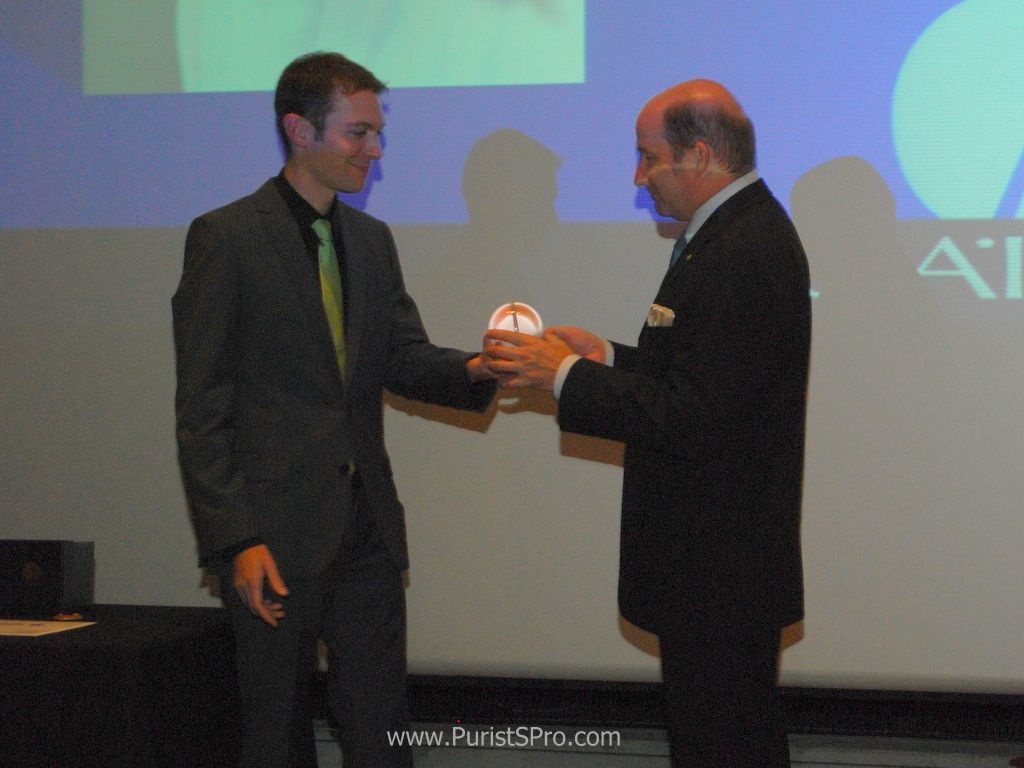
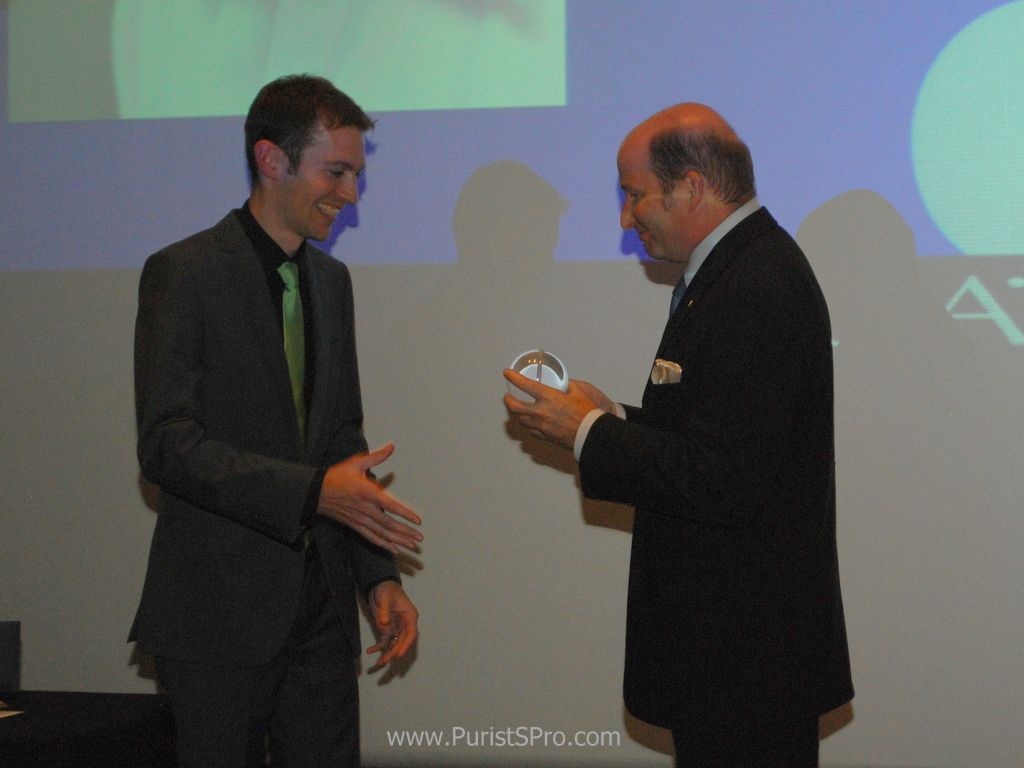
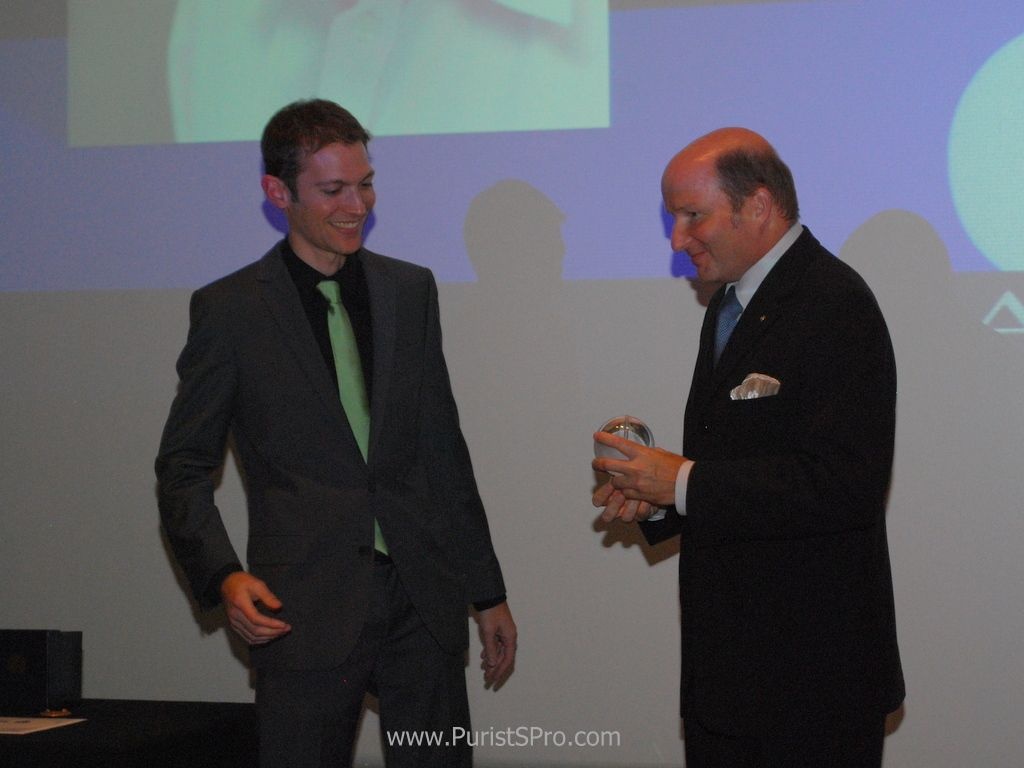
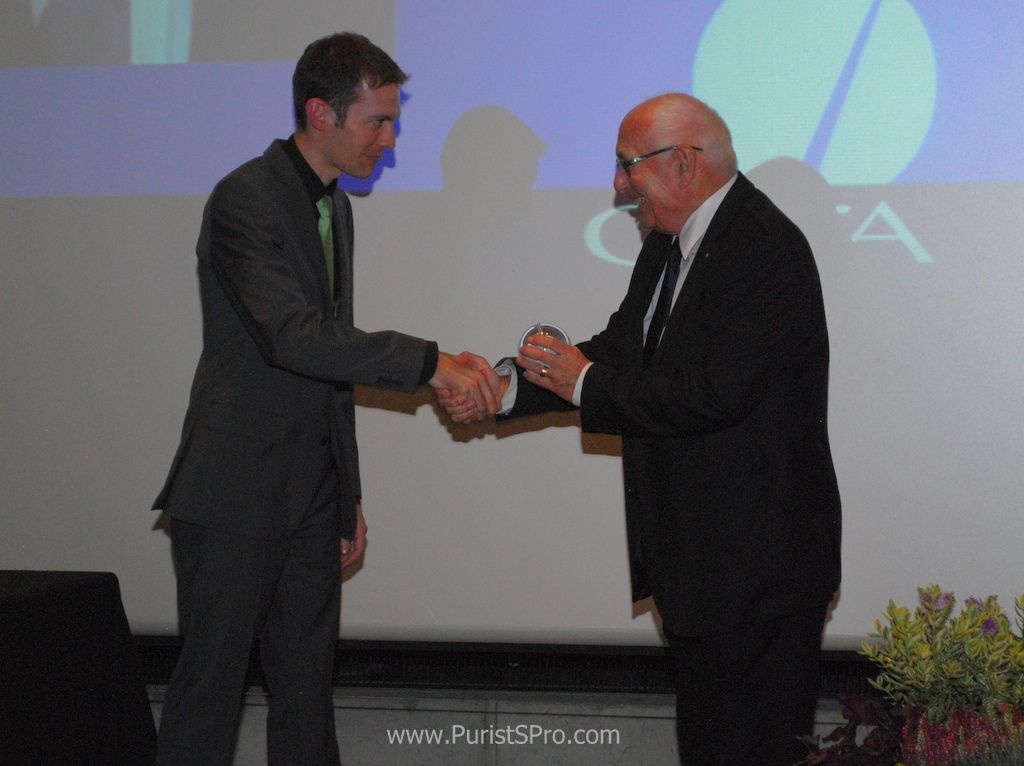
Kari Voutilainen receiving the Gaïa award from Mr. Régis Huguenin curator of the MIH.


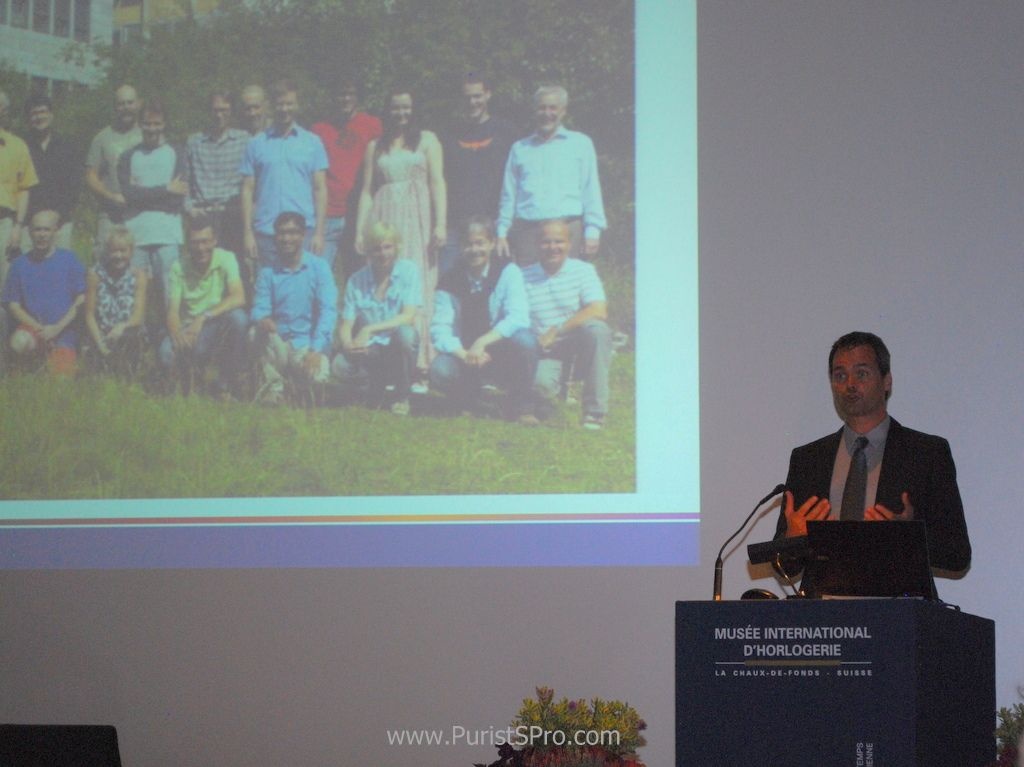
Unfortunately Mr. Thomann was unable to attend the ceremony and was represented by his successor at the Time and Frequency Laboratory, Prof. Thomas Südmeyer


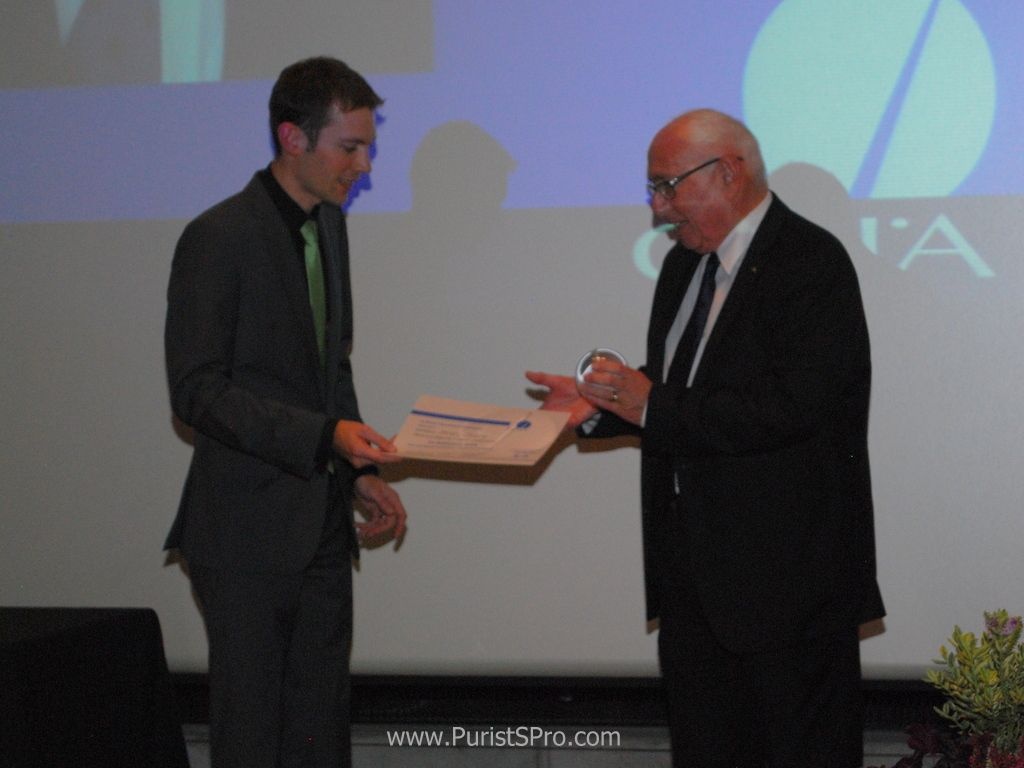
Henri Dubois receiving the award.


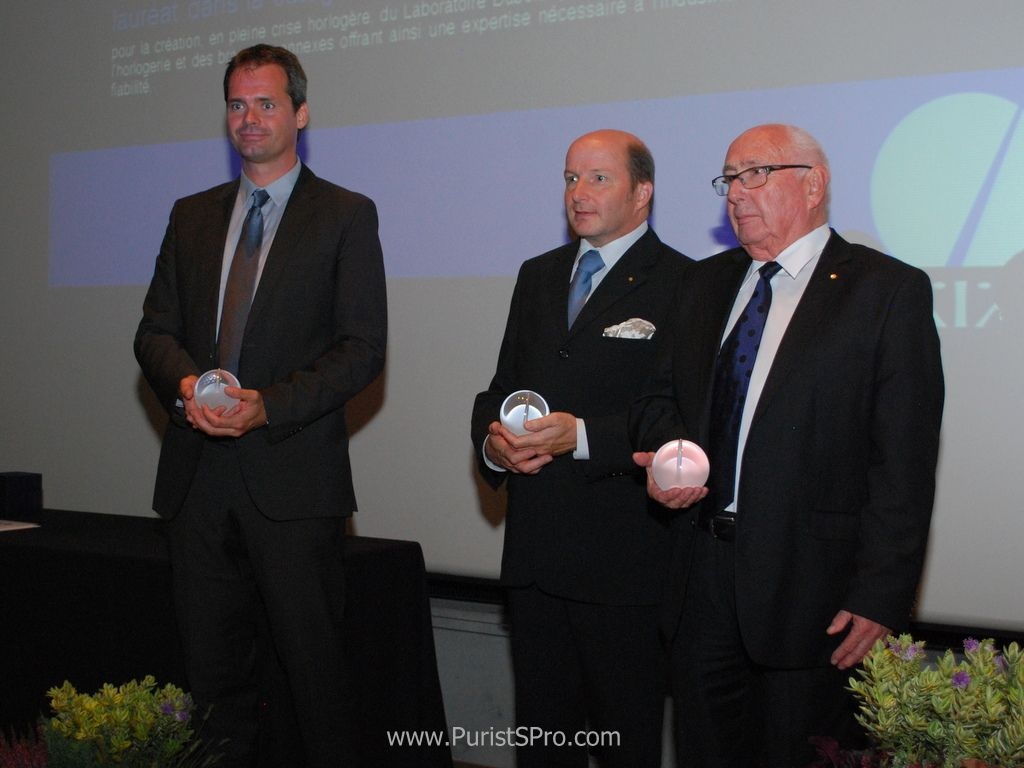
Lauréats Prix Gaïa 2014


The list of the past winners of the Prix Gaïa is very interesting with many names that we know well (as well as many that I, at least, don't know at all).

Lauréats Prix Gaïa 1993 – 2013

1993
Jean-Claude Nicolet         Artisanat-création
Henry Louis Belmont        Histoire-recherches
André Margot                    Esprit d’entreprise

1994
François-Paul Journe       Artisanat-création
François Mercier              Histoire-recherches
Anton Bally                       Esprit d’entreprise

1995
Michel Parmigiani             Artisanat-création
Ludwig Oechslin              Histoire-recherches
Antoine Simonin               Esprit d'entreprise

1996
Vincent Calabrese           Artisanat-création
Jean-Luc Mayaud            Histoire-recherches
Günter Blümlein              Esprit d'entreprise

1997
Richard Daners               Artisanat-création
Jean-Claude Sabrier        Histoire-recherches
Jean-Pierre Musy             Esprit d'entreprise

1998
Philippe Dufour                Artisanat-création
Yves Droz et Joseph Flores    Histoire-recherches
Luigi Macaluso                 Esprit d'entreprise

1999
Derek Pratt                     Artisanat-création
Estelle Fallet                   Histoire-recherches
Gabriel Feuvrier              Esprit d'entreprise

2000
René Bannwart               Artisanat-création
Kathleen Pritschard        Histoire-recherches
Simone Bédat                 Esprit d'entreprise

2001
George Daniels               Artisanat-création
Catherine Cardinal          Histoire-recherches
Rolf Schnyder                 Esprit d'entreprise

2003
Anthony G. Randall        Artisanat-création

2004
André Beyner                 Esprit d’entreprise

2006
Luigi Pippa                     Artisanat-création
John H. Leopold            Histoire-recherches

2007
Paul Gerber                   Artisanat-création

2008
Nicolas G. Hayek           Esprit d’entreprise

2009
Beat Haldimann            Artisanat-création
Robert Greubel et Stephen Forsey    Esprit d’entreprise

2010
Jacques Mueller et Elmar Mock    Artisanat-création
Jean-Claude Biver        Esprit d’entreprise

2011
François Junod              Artisanat-création
Pierre-Yves Donzé        Histoire-recherches
Philippe Stern                Esprit d'entreprise

2012
Eric Coudray                 Artisanat-création
Francesco Garufo        Histoire-recherches
Franco Cologni             Esprit d'entreprise

2013
Andreas Strehler           Artisanat-création
Günther Oestmann       Histoire-recherches
Ernst Thomke               Esprit d'entreprise


About the Antoine Preziuso Concept Ref. 2000

The Patek Philippe World Time reference 2523, launched in 1953, is distinguished by its innovative two-crown system. One crown serves for winding the watch, while the second, positioned at 9 o’clock, controls the city disc. This design marked a significant development in the functionality and user experience of world time complications for the brand.

The reference 2523 was offered in two primary versions. The initial ref. 2523 featured larger lugs that extended above the bezel, with a case diameter of 35.5 mm. A subsequent variant, ref. 2523/1, presented a slightly larger diameter of 36 mm and thinner lugs that were integrated without extending above the bezel. Both versions were powered by the caliber 12-400 HU, which incorporated the world time module developed by Louis Cottier.

This reference appeals to collectors interested in Patek Philippe's historical advancements in complicated watchmaking, particularly the evolution of its World Time series. The distinct design differences between the 2523 and 2523/1, especially regarding lug integration and case dimensions, provide specific points of interest for enthusiasts tracking the model's development and variations.

Specifications

Caliber
12-400 HU
Case
White Gold
Diameter
35.5mm
Dial
Silver
Water Resist.
30m
Crystal
Sapphire

Key Points from the Discussion

Advertisement
Advertisement

Continue the conversation

This thread is active on the Horological Meandering forum with 4 replies. Share your knowledge with fellow collectors.

Join the Discussion →