Vintage
asiaassoc shares a remarkable find: the Poljot 2200, the thinnest Soviet mechanical movement ever produced. This post highlights the rarity and historical significance of this 1.85mm caliber, offering a unique glimpse into Soviet horological achievements. Readers will discover the challenges of acquiring such a piece and its place in watchmaking history.
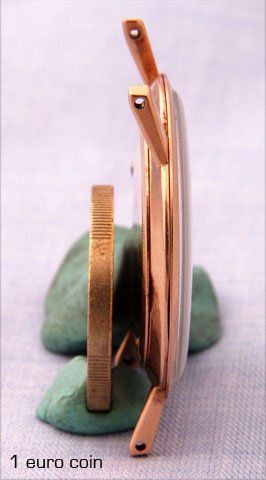
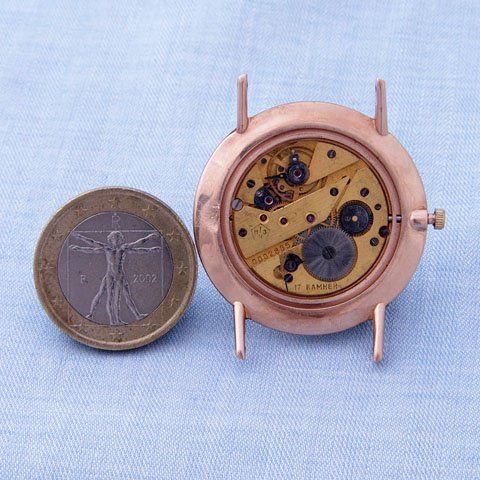
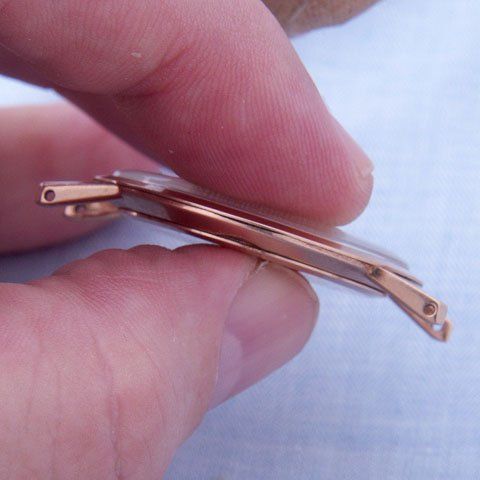
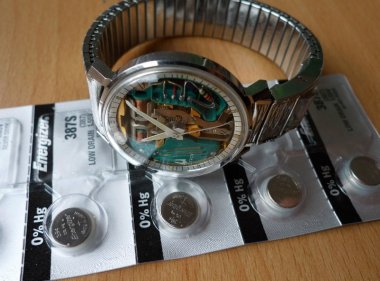
I have made it a point not to impose my Soviet Russian horological mania on you guys. I didn't even bother you when a super-rare late 1960s Soviet copy of the Bulova Accutron came my way.
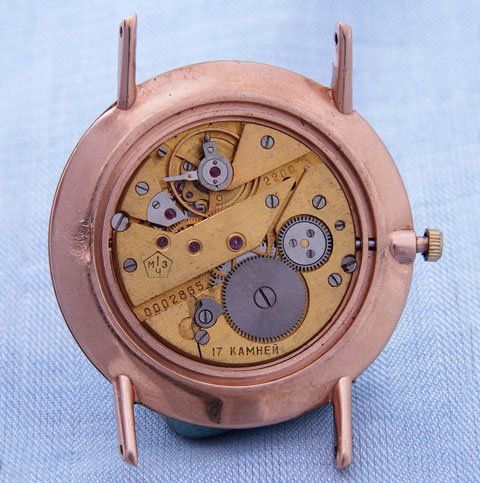
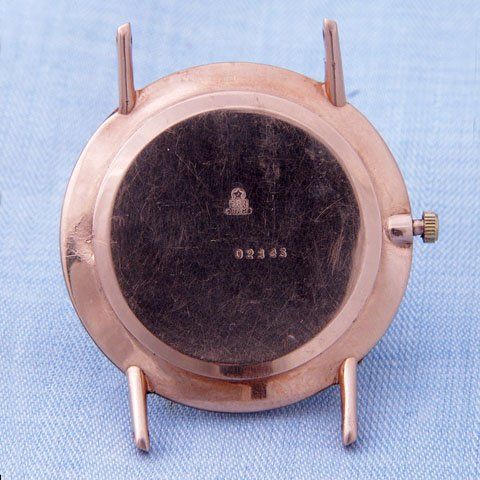
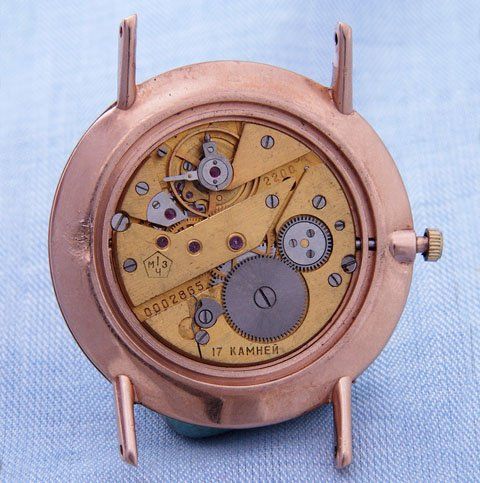
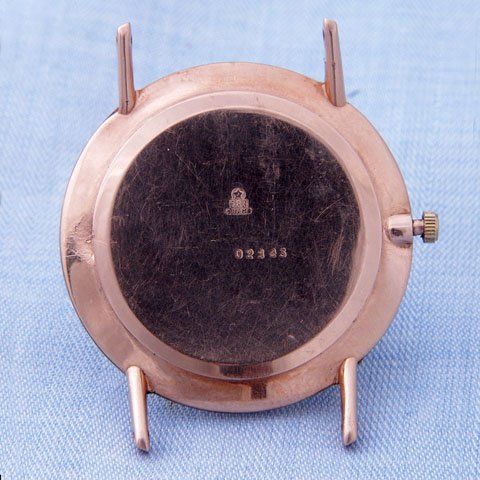
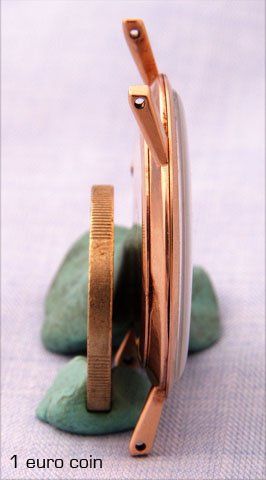
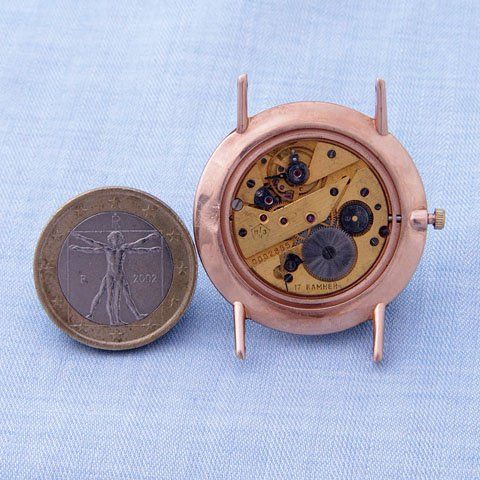
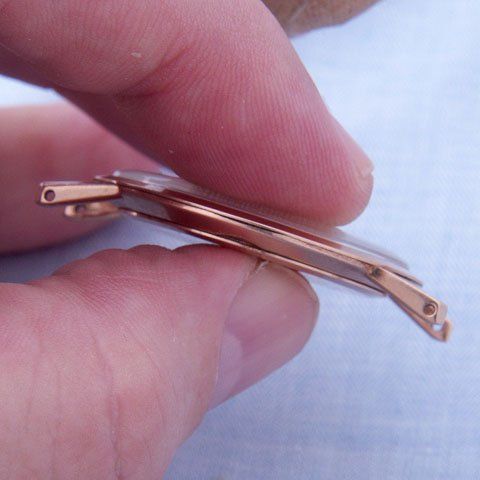
But this one I think you will enjoy. It is the legendary Poljot 2200. At 1.85 mm, it is the thinnest Soviet mechanical movement ever produced and one of the thinnest mechanical movements ever produced anywhere in the world. Made circa 1965 by the 1st Moscow Watch Factory and housed in a solid .583 (14K) gold case, it is so rare that up until this piece was offered to me by a seller deep in the old Soviet empire, I had never seen one in the flesh anywhere, let alone one for sale. Inquiries to all my Russian watch friends around the world produced a similar blank.
I only knew that it existed from an image in an old 1970 Soviet Watch catalog and from a one-sentence description with a small photo in Andrew Babanin’s authoritative history of Soviet watch movements: “…2200 caliber - 1,85 mm (22mm diameter, no central seconds, no shock protection) - extremely rare, it was not successful - bridges deformed easily, produced from 1965.” Yet, here it sits, in my collection. Even more amazing, it’s in perfect working order and it keeps good time. Only the crown has been replaced (though poorly) and that will have to be fixed eventually. Here are a few photos. To see others, visit my website-- [Browser Search ifor 'USSRtime'] -- and view number 0628, or use the custom search function to search for ‘2200’. -- Mark
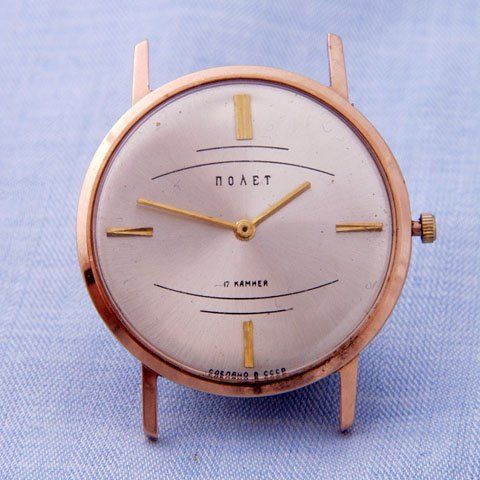
Edited for Editor's Pick This message has been edited by SJX on 2008-08-11 01:25:27
Edited to include browser search keywords
This message has been edited by MTF on 2008-08-11 21:14:36.........and exotic ....LOL....but thank you for sharing this with us. I particularly like the case , its qutie elegant. '¨Being made in 1965 I suppose this was not a watch for the average worker. Would you mind telling a little more of who would be wearing such a watch in the USSR. thank you again for sharing Best regards COD
I just had a quick peak - WOW what a collection, I will look again more closely - but you really know your stuff. I recommend others to take a look too. enjoy your obsession Best regards COD This message has been edited by ChristianOfDenmark on 2008-08-10 15:40:45
Who would have worn this type of watch? Was it for export and hard currency? Was it for special people like a retirement gold watch? Was it for Party officials? What was the context of a thin mechanical watch in 1970s in the USSR regime? Regards, MTF
Since this caliber was never produced 'commercially', it wasn't used for much at all. In this case, the few that were produced would have been given to high-level politicos in the Sovet Union and other communist countries. However, other solid gold watches produced since the early 1950s were widely distributed, not only as objects of status, but also as a reward to party faithfuls, students, veterans, etc. Some were also exported, primarily to communist and third-world countries like India. In t
47 Bulova listings are live on the eBay market and 3 collector listings on the WatchProSite marketplace.
This thread is active on the Horological Meandering forum with 8 replies. Share your knowledge with fellow collectors.
Join the Discussion →