
Market
MTF initiates a crucial discussion on the phenomenon of 'Boutique Exclusive' watches, using Piaget models as illustrative examples. This article delves into the motivations behind brands offering exclusive pieces solely through their own boutiques, exploring the implications for both brands and collectors.


Dear forumners,
From the title of this article, dear Reader, one could be forgiven for thinking it is merely a discourse about Piaget and their Boutique products.
I would like to merely illustrate my arguments with a few Piaget 'Boutique Exclusives' only because I have readily available photos. The same arguments could be applied to all the other Brand Boutique Exclusives and this discussion thread may be of interest to the general HOrological MEandering crowd on PuristSPro.
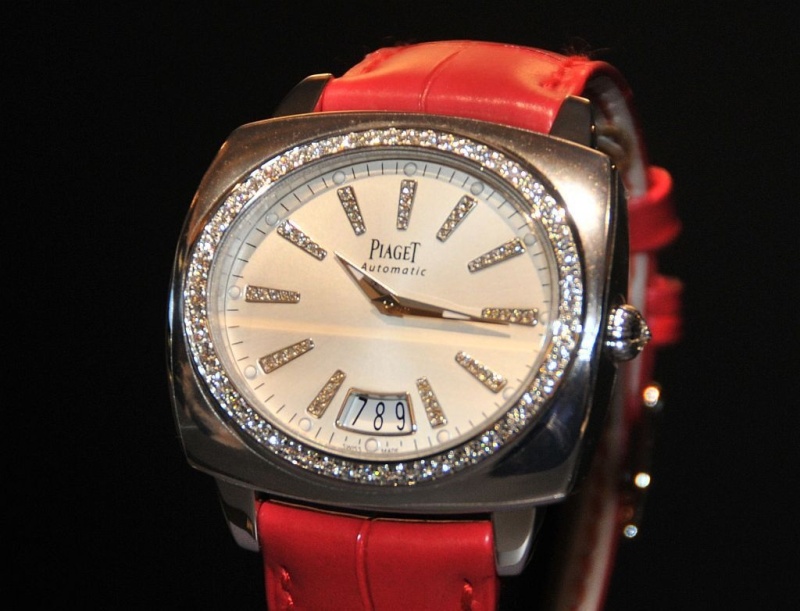
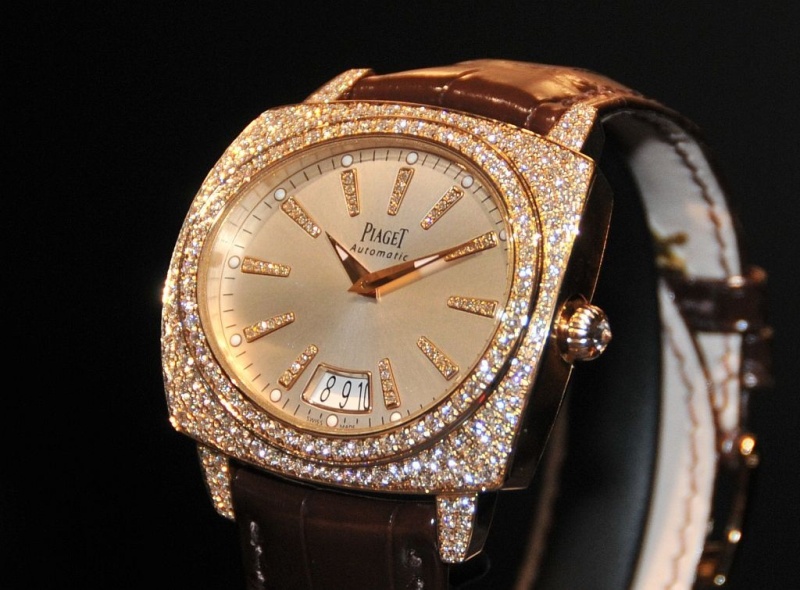
After all, many top brands today maintain product lines that are only available from their own managed boutiques as well as the common or garden (sic) models that any dealer is allowed to purvey. This practice has rankled many a dealer who are desperate to satisfy their regular clients and provide the "exclusive" models but with 'discounts' that are not usual in branded boutiques.
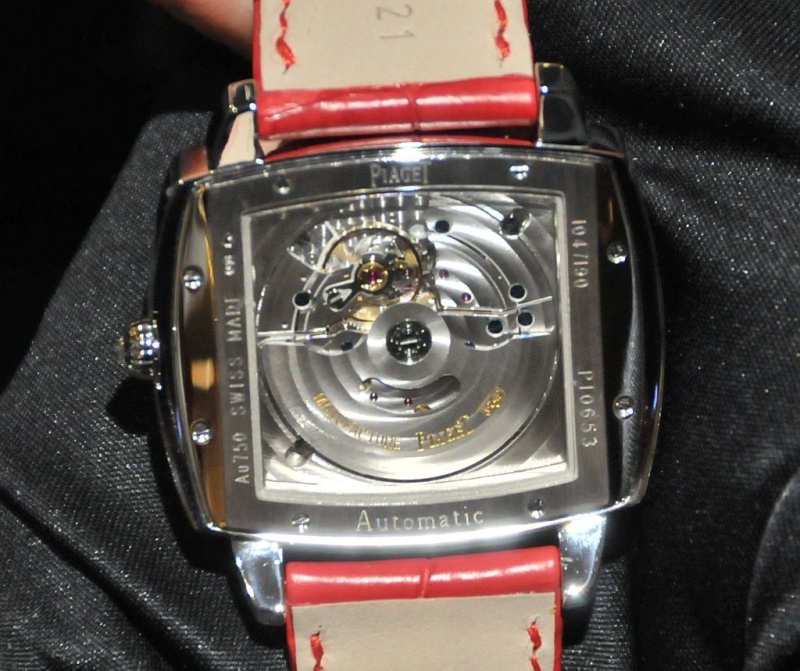
The USP (unique selling point) of such Boutique Exclusives is....well.....their exclusivity. 
That's how you are attracted into the boutique in the first place.
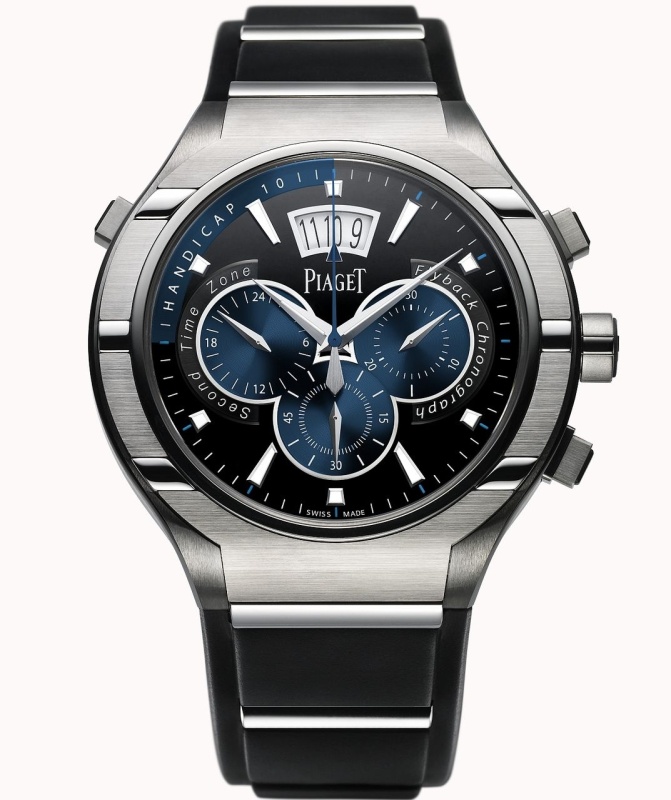
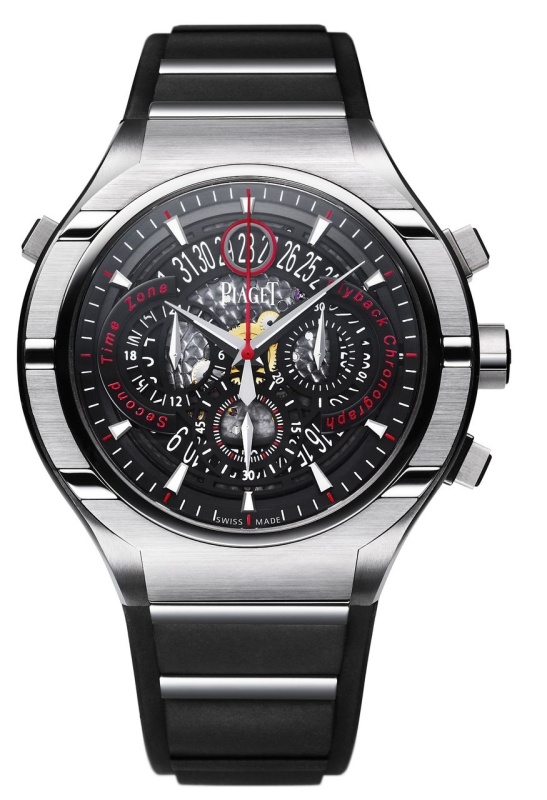
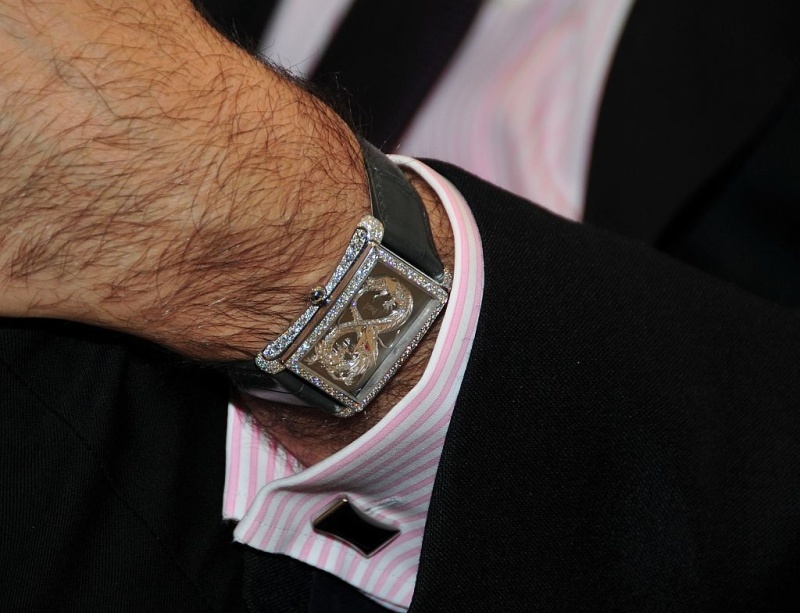
I think there is more to it than that.
Implicit in the process is the 'valuation' that the client 'calculates' either consciously or sub-consciously about the brand or that specific product.
What is the price of luxury?
What is the cost of exclusive luxury?
I say, "The true price of luxury is the affordability of choice."

The distillation of Boutique Exclusivity may be summed up in three words: Uniqueness, Priceless and Emotion.
Uniqueness is about products that are Distinctive and Exclusive.
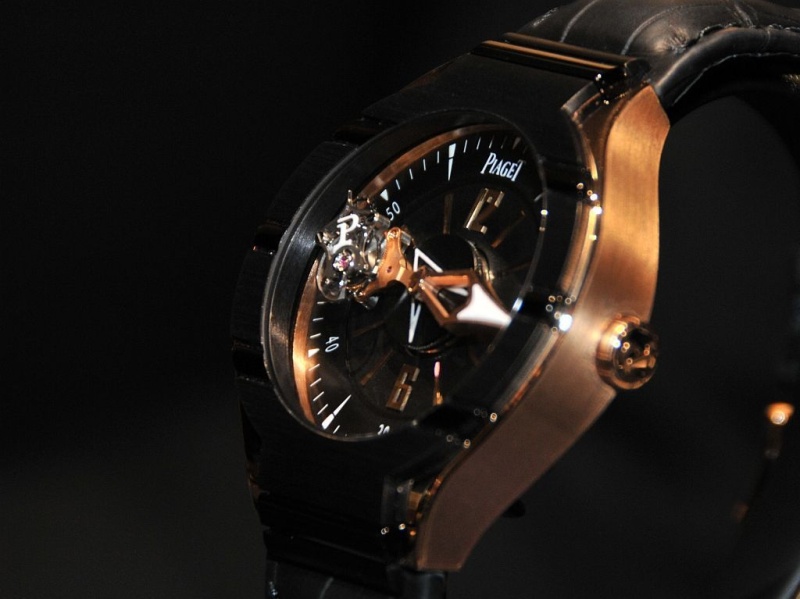
To be distinctive, the product has to have dedicated Designs and dedicated manufacture movements.
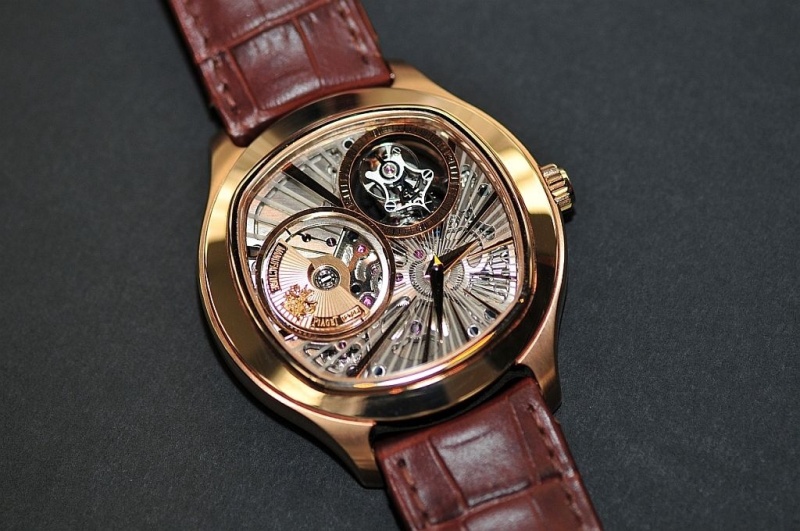
To be Exclusive, they must offer ultra-limited series; the raison d'etre of the offering.
Priceless means both 'Sought-after' and 'Rare'.
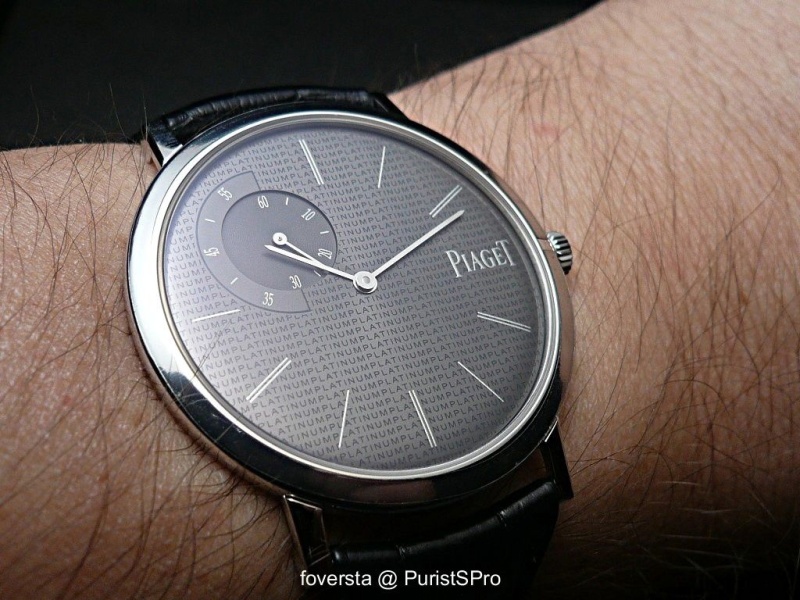
The 'sought-after' proposition is covered by the exclusive offers.
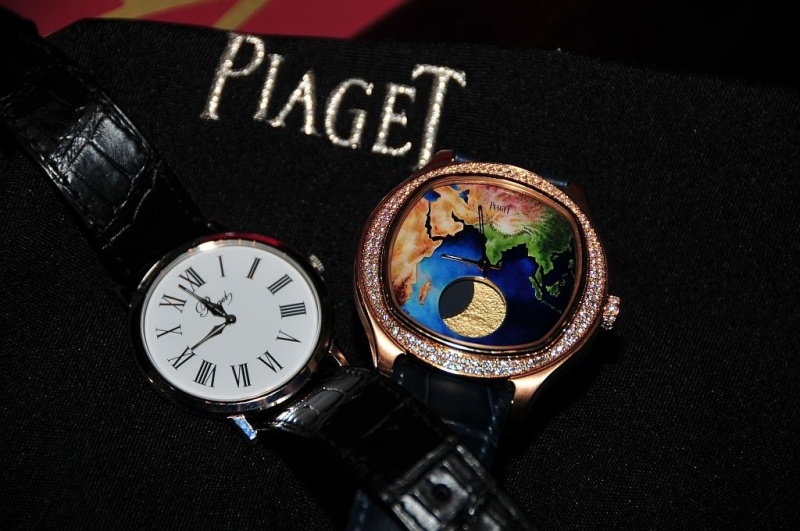
The sobriquet 'Rare' is satisfied by either Personalised creations or Prestigious know-how.
Here the know-how is enamelling: 'pure' and 'cloisonne' versions.
Emotion means so much in the luxury and haute horlogerie world and yet it is difficult to define. People may rationalise their decisions and justify their choices but the actual moment of commitment is triggered by emotion – DESIRE. It is not an understatement to say: "If you want it, you can get it but to get it, you've gotta want it". ***
That desirability is evoked by Fine Craftsmanship.
The Boutique Exclusive does not have to be the most expensive or gem-encrusted models although they are never going to be 'common' in all its connotations.
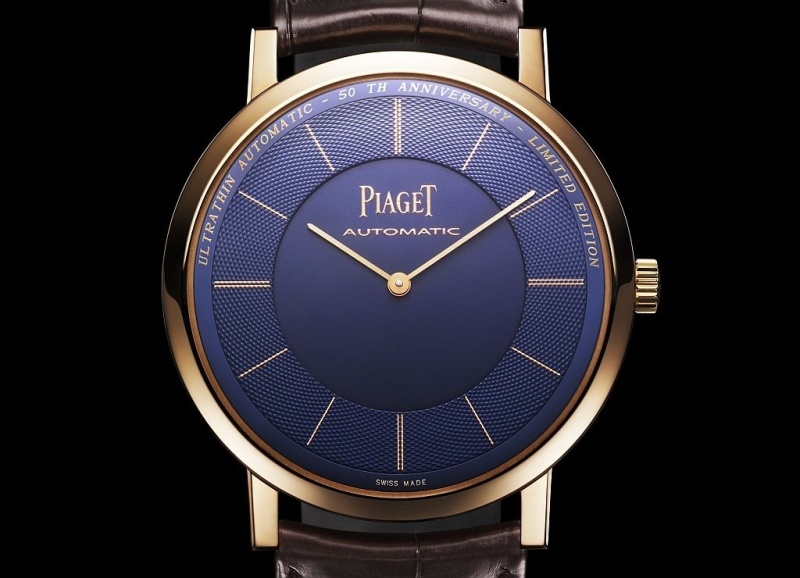
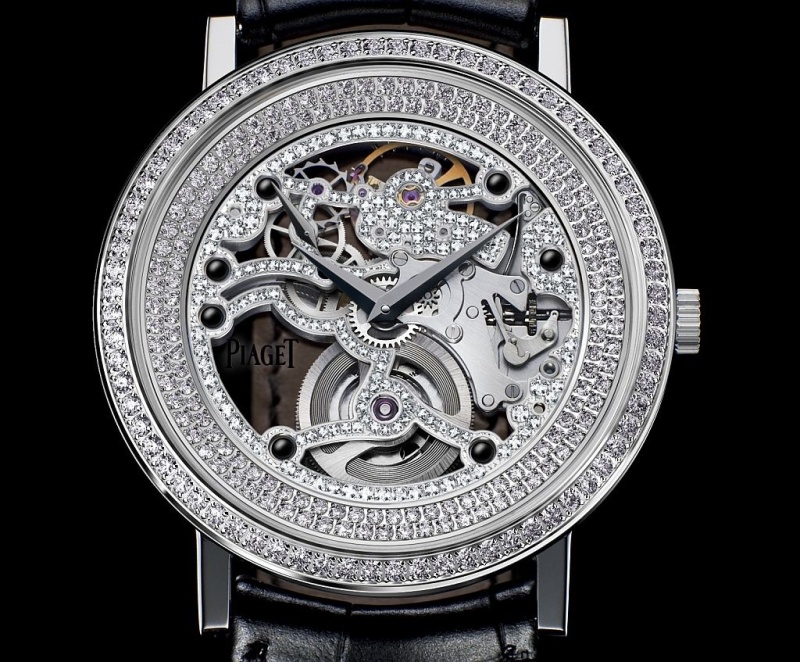
PIAGET highlights three key messages about Piaget Boutique Exclusives:
1) Ultra-limited series owned by the Few (privileged people around the world) or even UPC (unique personalised creations).
2) Exceptional product that highlights unique and prestigious techniques like engraving or enamelling.
3) Piece of Art, Tradition and Refinement that is treasured.
See below........
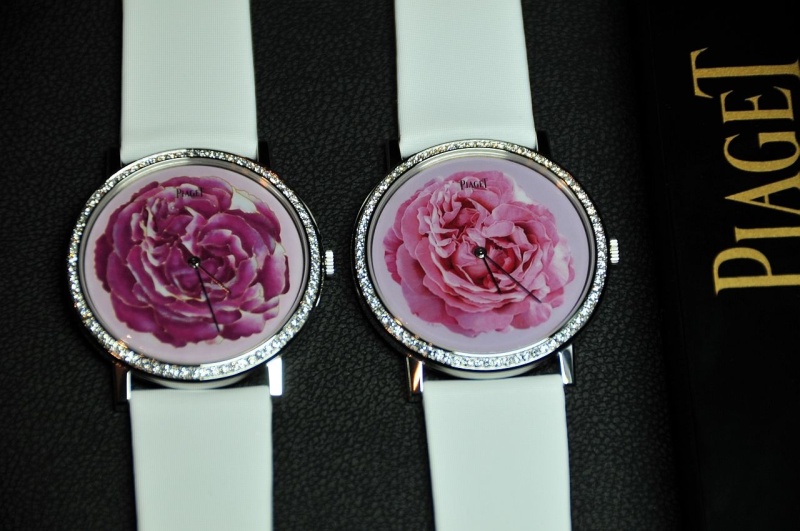
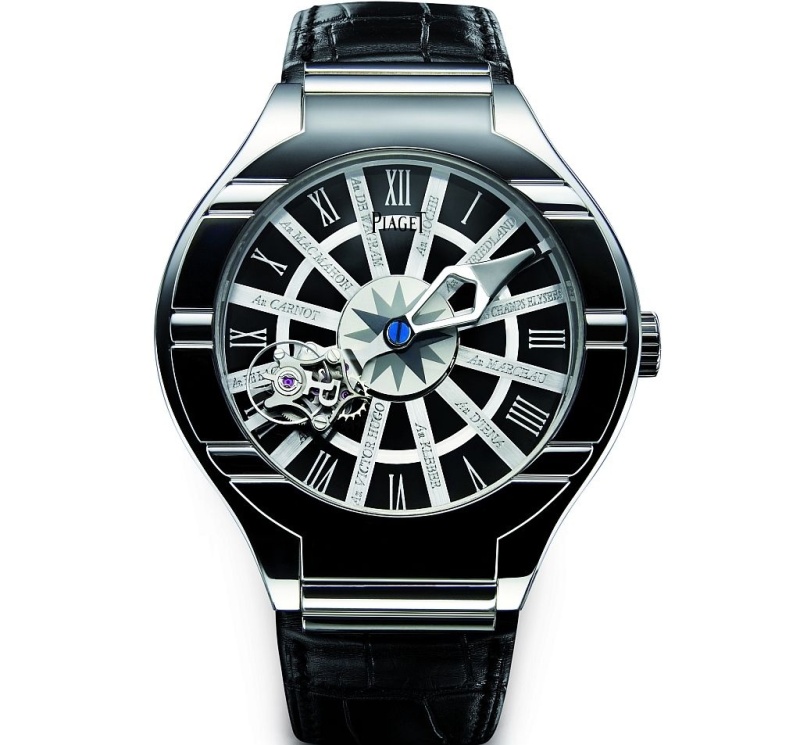
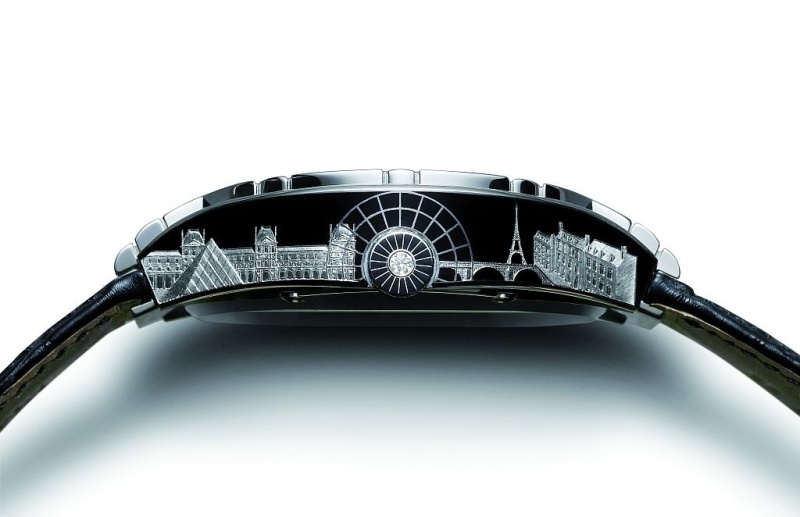
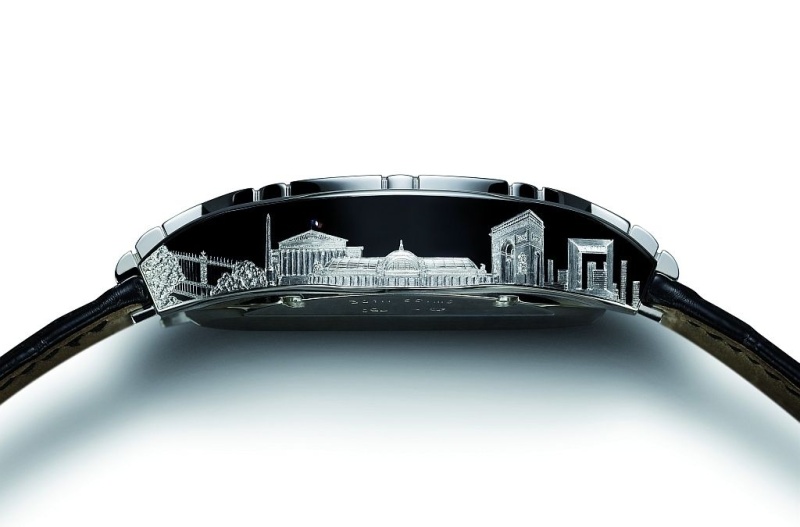
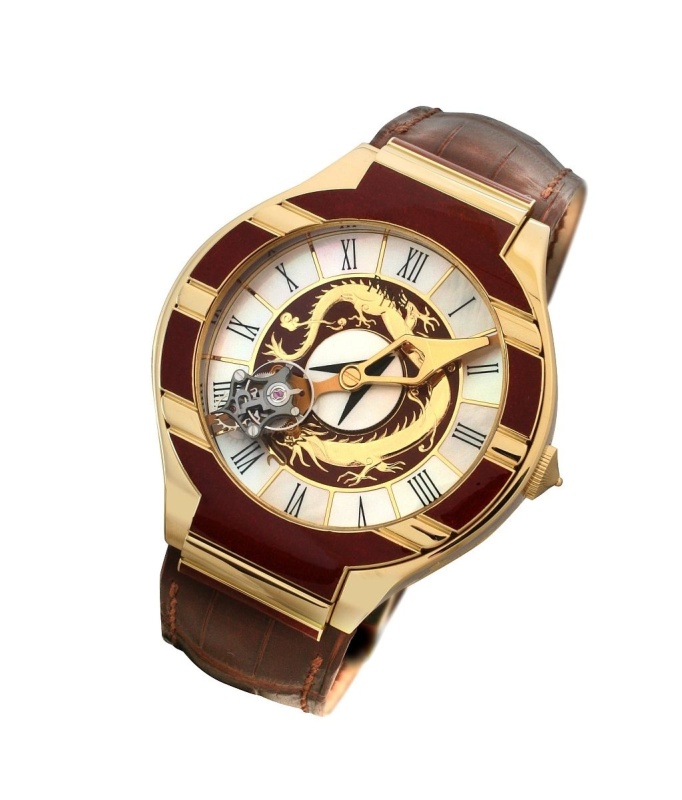
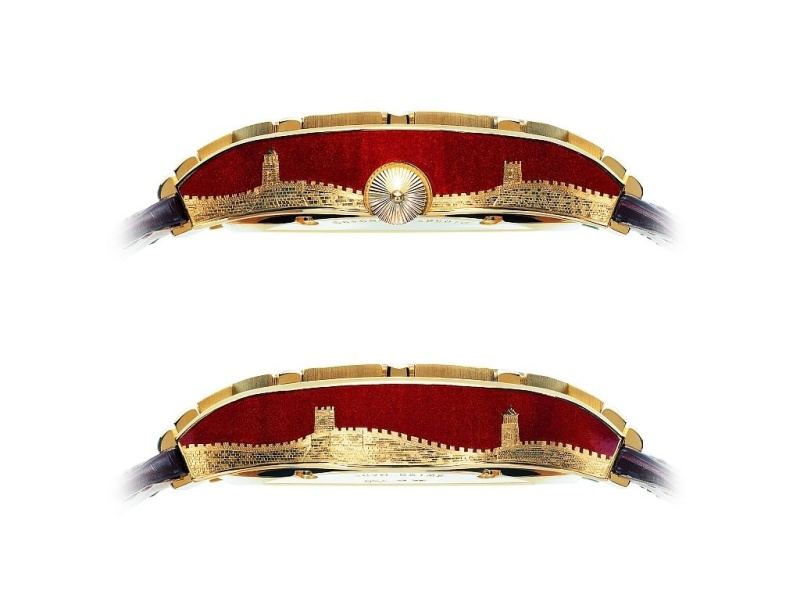
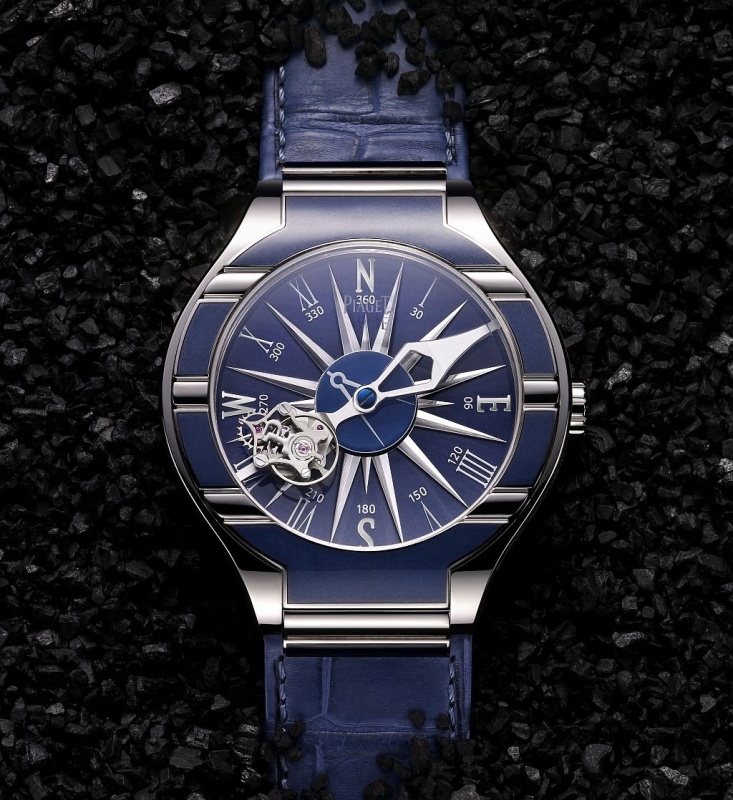
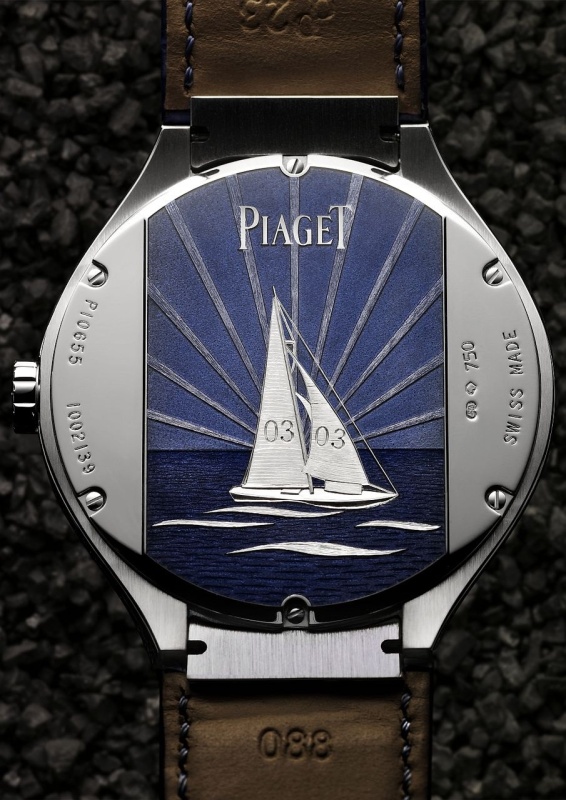
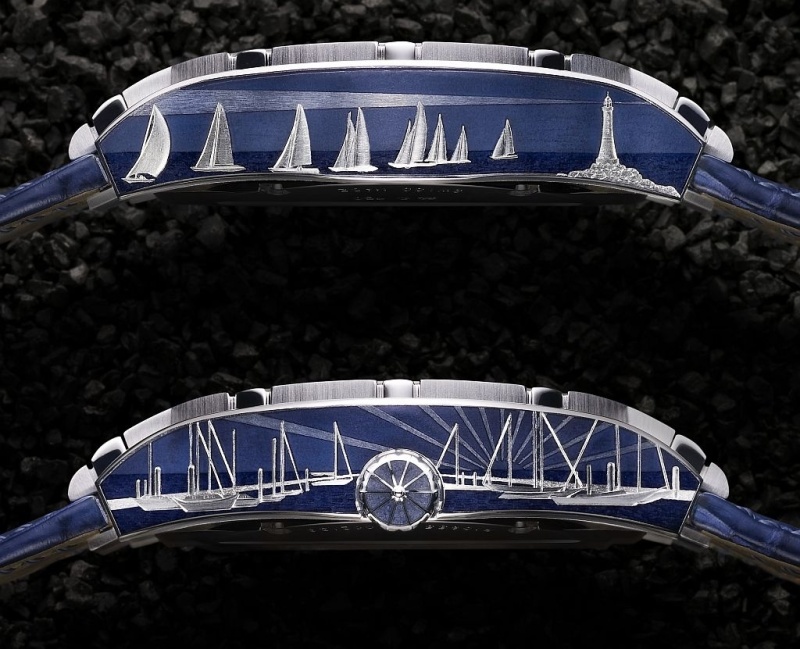
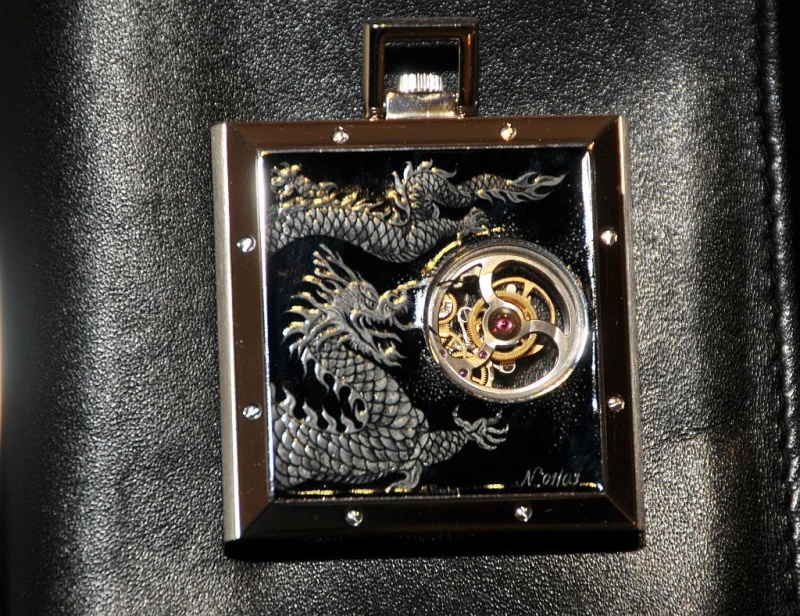
Piece Unique...surely the ultimate exclusivity...Only One privileged owner of very rare Grisaille enamel know-how on a tourbillon pocket watch.
How did we define Uniqueness before? To be Distinctive and Exclusive with dedicated Design and dedicated Manufacture movements.
Q1. What do you think of a class of watches called Boutique Exclusives?
Q2. What are the first ladies mechanical watches that appear on this article?
Regards,
MTF
*** References
Make a wish, have a ball,
Dream a dream, Be it all...
If you want it, you can get it,
But to get it, you've got to want it.
Anything you want to try,
Just let go, fly high...
…and Make a Wish.
Tom Chapin on ‘Make a Wish’, ABC TV series 1971 - 1976.
I do not enjoy shopping in conglomerate boutiques, nor do I feel it is an equitable proposition to independent ADs carry their line-ups. The luxury watch industry rose from ashes of the 1980s with a partnership between the Swiss conglomerates and a network of independent merchants who took risk and sold products on behalf of brands. It was a partnership. Today, in established Western markets, there is a definite feeling between ADs and conglomerates that they are playing for different teams. Tha
Which is good and not good. Good, because if the brands control the distribution through these Boutique Exclusivities, everybody will buy a same watch at the same price. Hence, no discussion like " Hey, I got 30 % off the retail " while others will complain to have paid the full price. Equity. Horological Equity. Good because you, as a brand, can more easily control the distribution, and avoid the " price breakers " who damage the reputation of a brand, and listing all the brands which suffered
Boutique exclusives are meant to draw in non-boutique fans of the brand to the boutique so the brand can get a better relationship with the consumer. The impact is two-fold, 1, the consumer relinquishes their normal dealer for an increased loyalty with the specific brand and 2, secondly the boutique manages the relationship with the consumer on a more personal level. At the end of the day, the consumer and the brand both benefit. The sad reality of boutique exclusives is that they 1, undermine t
For the simple reason of I haven't been serve the way it was promise by boutique concept. I must clarify that I am usually quite a low key, keep to myself kind of person so my presence is easily gone unnoticed. LOL From my own experience, the boutique around me are full of pretty ladies or straight up salesman. I'm not sure whether that's the boutique experience it was intended. Most of the staff are not knowledgeable but is the same thing to the ADs. One thing for sure. If is not because if the
Every brand wants to make more profit and there for make the shareholders happy, which in turn increases the investment into the brand, increases the marketing, can lead to increased market share, which can lead to increased brand awareness and the ultimately leads to more buyers of the brand, which can lead to more demand than supply which keeps selling prices as close to retail as possible, which leads to better brand perception and higher used market prices. You keep hearing it today by "most
... if used properly and very very rarely. BUT, typically, they do it to make more money and it would often destroy the value and attractiveness of the regular version and therefore customer loyalty. What is the purpose of the boutique? Having both boutique and retail POS can't make sense if they compete each other. Boutique MAY have to be more on the "showroom" side and support the brand recognition and brand management while other AD or POS should focus on sales..... Just my 2 yen.... Ken
This thread is active on the Piaget forum with 28 replies. Share your knowledge with fellow collectors.
Join the Discussion →


