
Manufacture
Small-luxury-world's post offers an intimate glimpse into the Piaget Manufacture, complementing an earlier report by takman. This article highlights Piaget's rich history as a movement supplier and its evolution into a renowned watchmaker-jeweler, providing valuable insights into the brand's commitment to ultra-thin movements and exquisite craftsmanship.



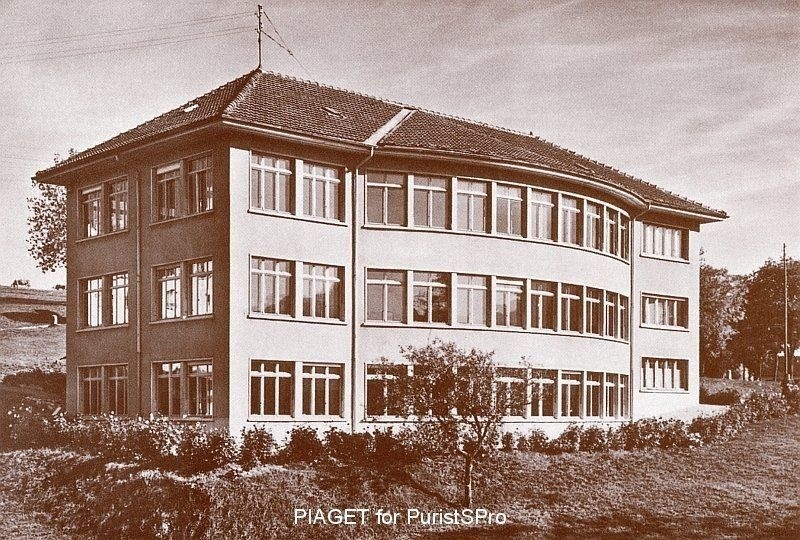
(It still looks like this – more or less)
La Cote-aux-Fées, Swiss Canton Jura, a one and a half hour drive by car. Somewhere up in one of the valley´s, a quiet place for watchmaking.
The house was founded back in 1874. A movement supplier specialized in extra-thin movements.
Only in the year 1943, they registered the trademark Piaget and started to offer their own watches.
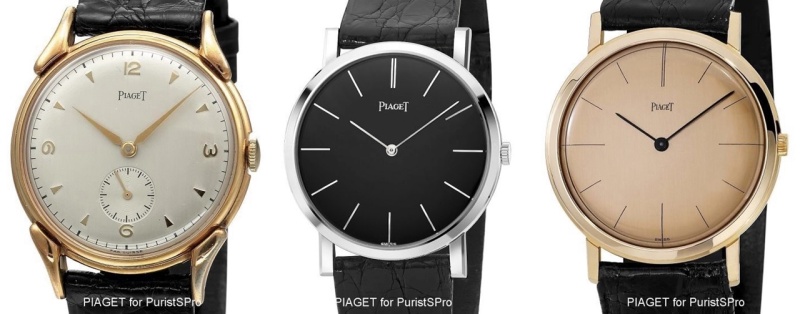
When I think about Piaget, following watches come to my mind (first):
Some of their famous/well known movements:
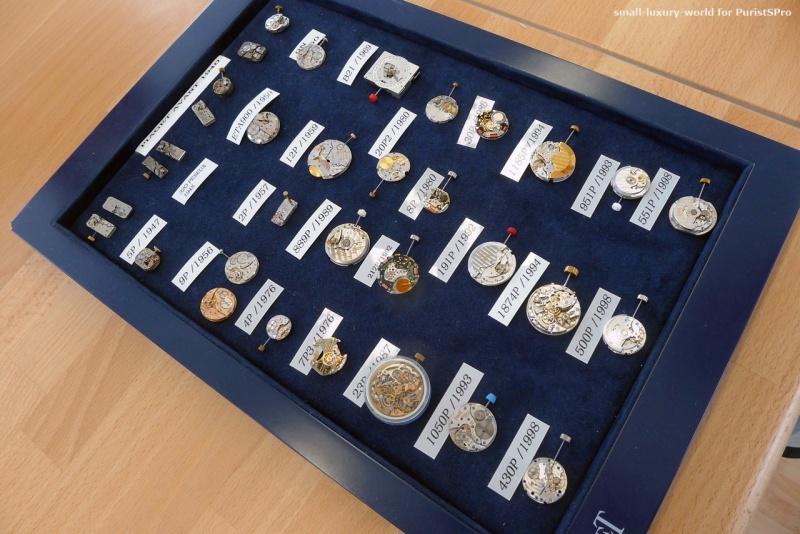
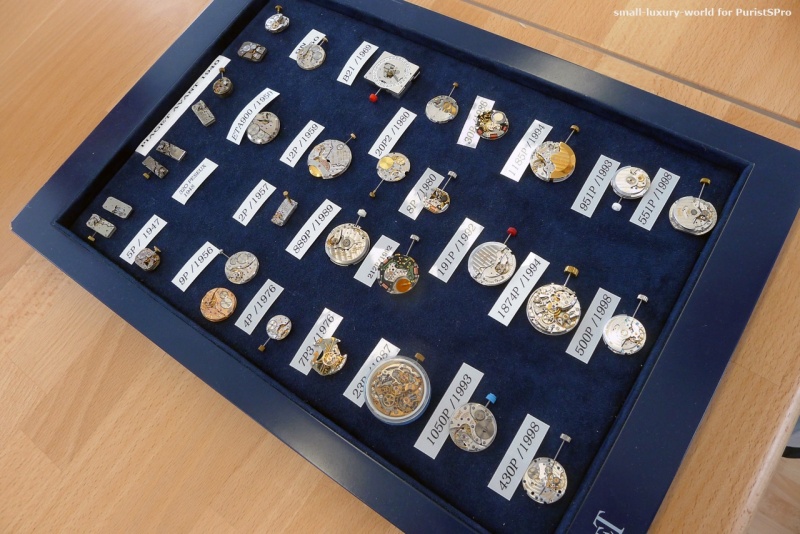
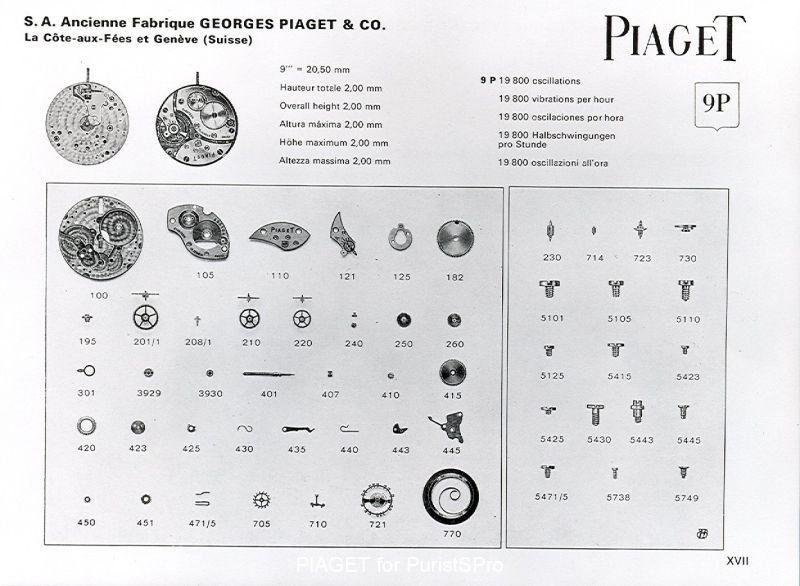
Calibr 9P (1957): the thinnest manual winding movement at this time
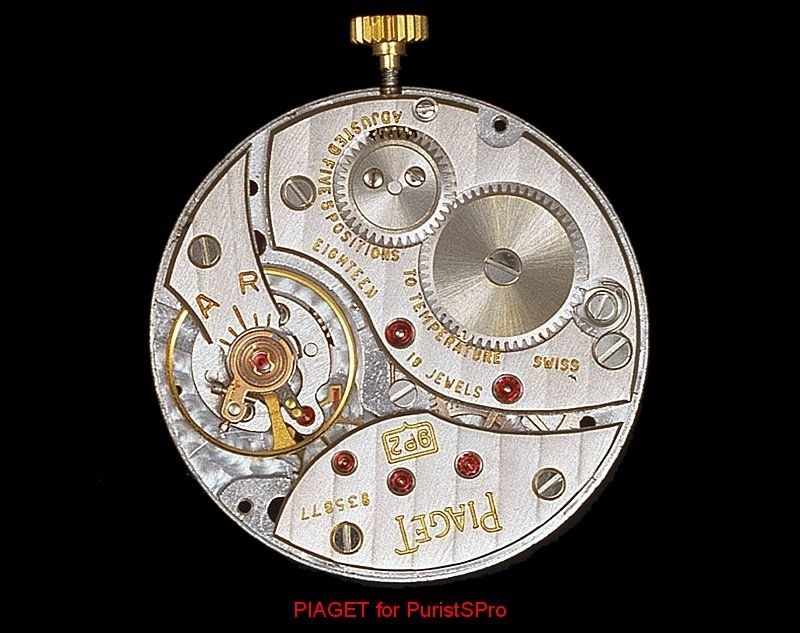
(9P to 9P2 is + 0.15mm less thinness to increase stability)
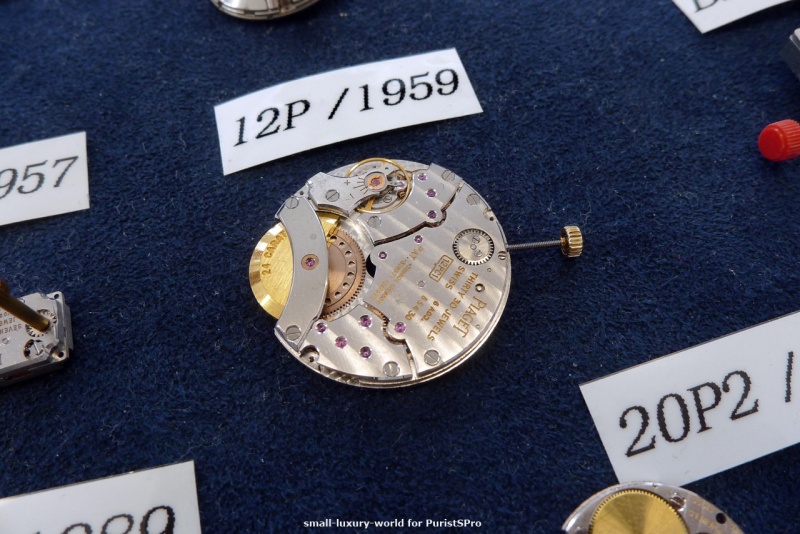
Caliber 12P (1960): the thinnest self-winding movement (only 2.3 mm)
Caliber Beta 21 (1969): Piaget participated in the creation of that first quartz movement, from Switzerland
Caliber 7P (1976): the thinnest quartz movement at the time
Caliber 430P (1998): an ultra-thin movement created for the launch of the Altiplano watch collection
Caliber 600P (2003): an ultra-thin tourbillon movement (only 3.5 mm)
Note : If someone is interested in more info about the
movements, I can recommend MTF´s former post´s on that forum. Just use the
search function 
1964 acquisition of Baume & Mercier and launch of their first watches with dials made from hard/semiprecious stones:

In the 60´s personalities like Jacky Kennedy, Sophia Loren and Gina Lollobrigida … have been seen with Piaget watches on their wrist. In those days they became a watchmaker-jeweller and until today it somehow is like this. When I asked my wife about Piaget, their famous rings came to her mind … ;-)
Nothing is wrong with jewellery, but personally I prefer serious watchmaking and therefore I would like to show you some insights about that (Part I).
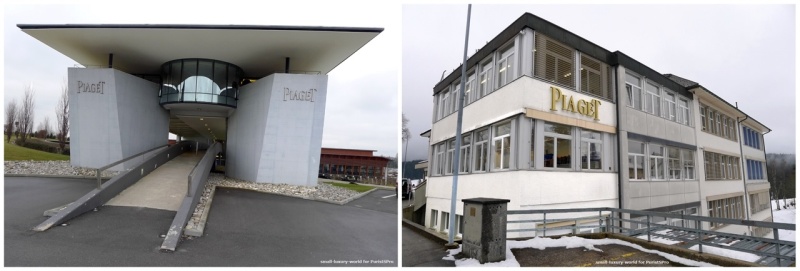
(Left side: Manufacture de Haute Horlogerie in Geneva; right side: the watchmaker’s workshop)
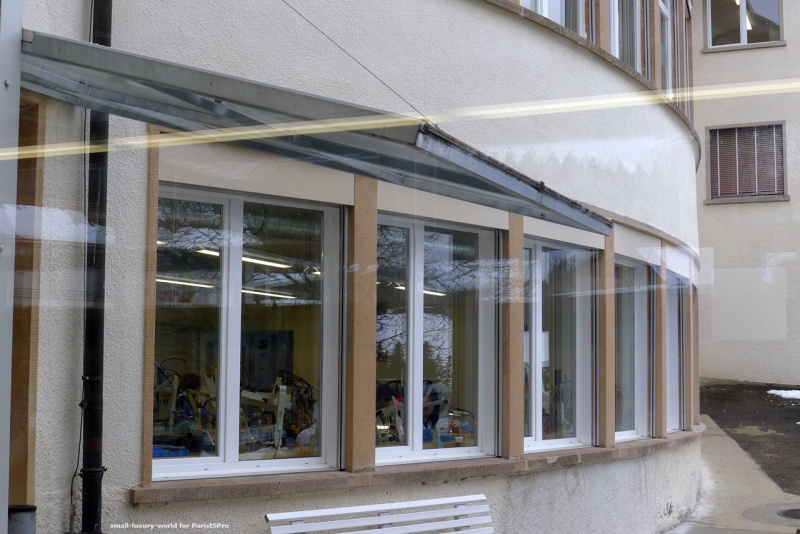
Let´s go inside …
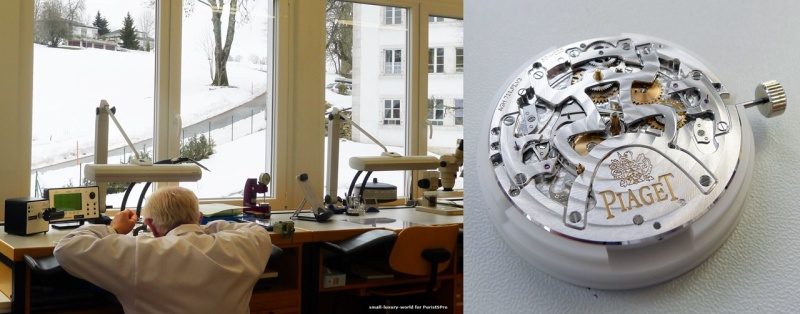
(A master watchmaker working on a perpetual calendar)
But let´s start from the beginning.
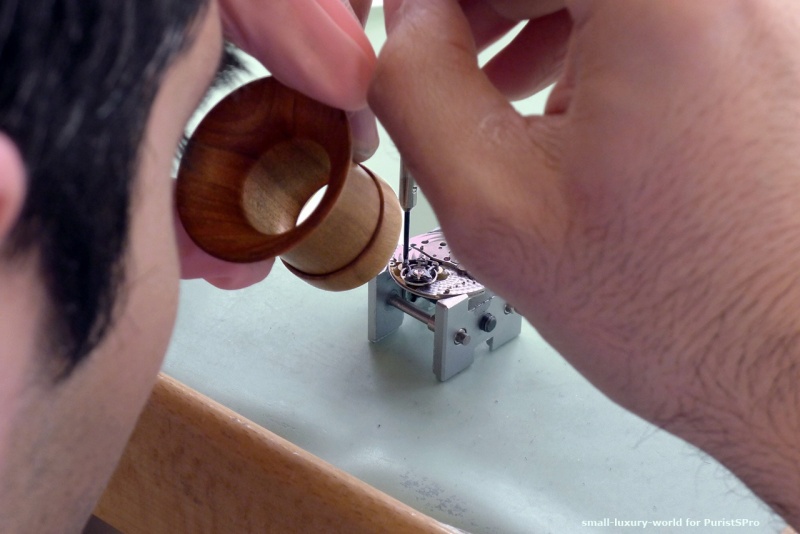
First of all tools are needed and those are made in-house.
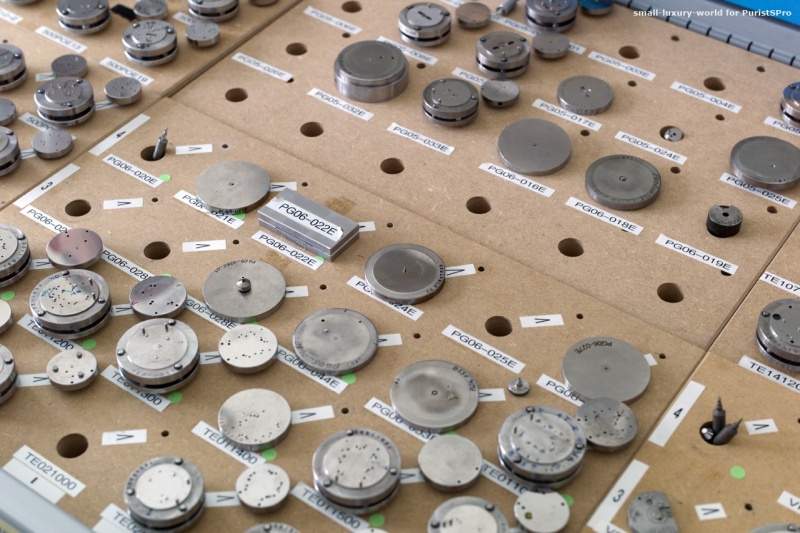
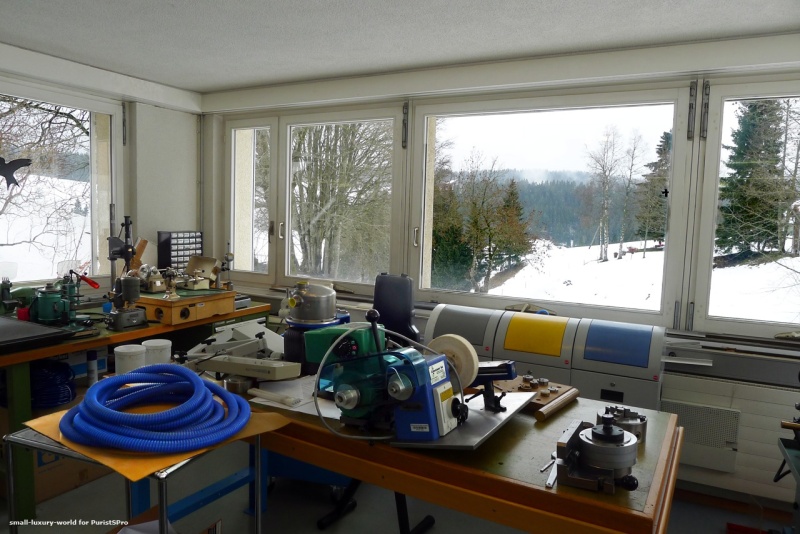
Most of the tools and some very tricky parts are made by a very humble “hidden master”. One of those men, which are quite often forgotten when we talk about watches. For example he also prepares helpful tools for the watchmakers who work on a special tourbillon …
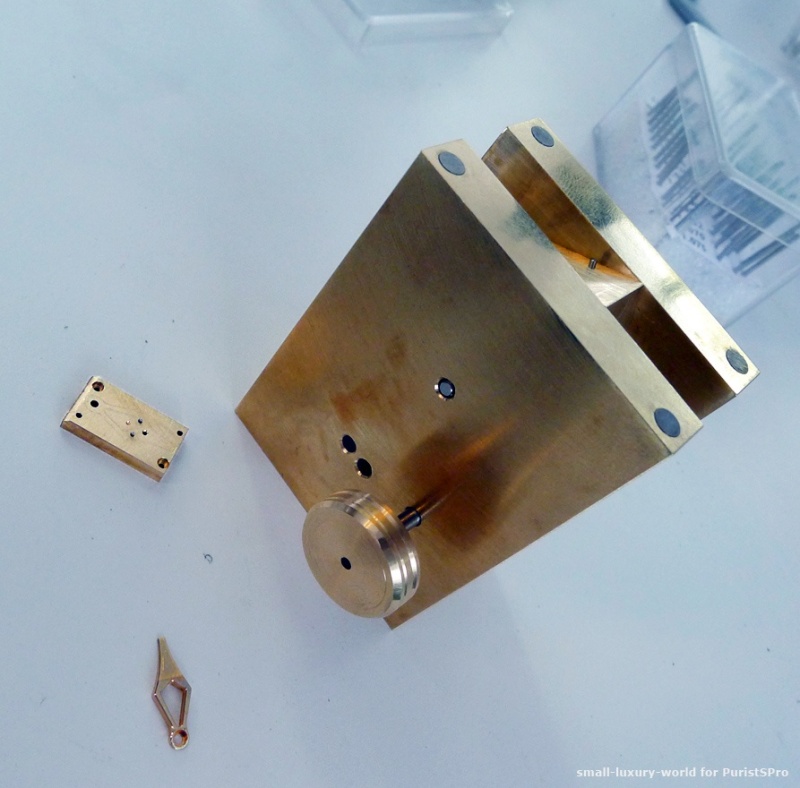
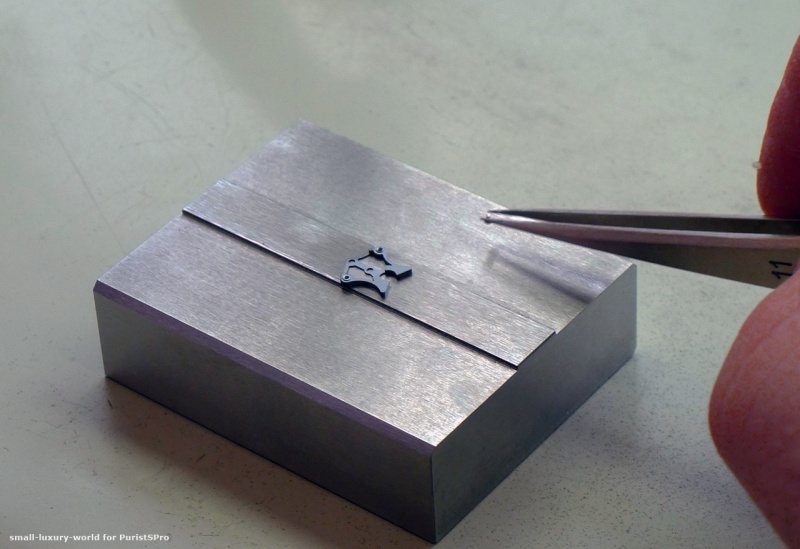
and sometimes he is the only one who is able to produce tiny parts like this:
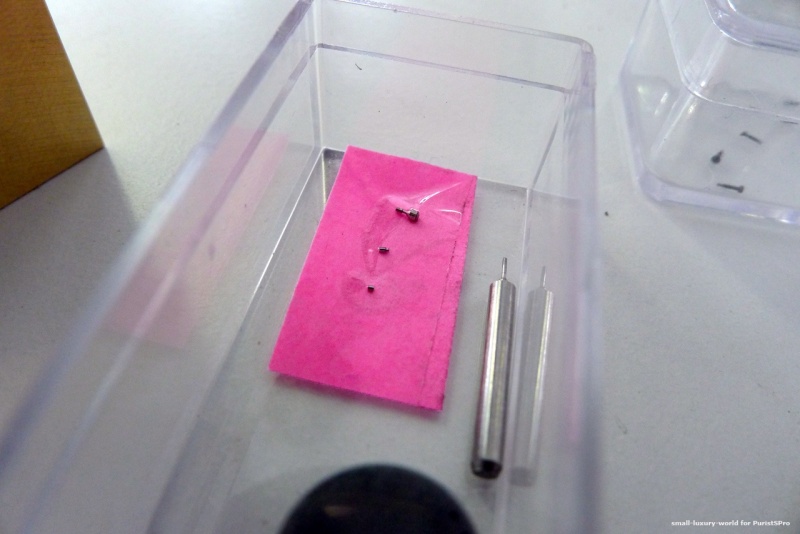
I won´t show you a picture of that “shy/humble” man, but I will share a view in his “magical” workshop and his view out in the valley:
Preparation before assembling:
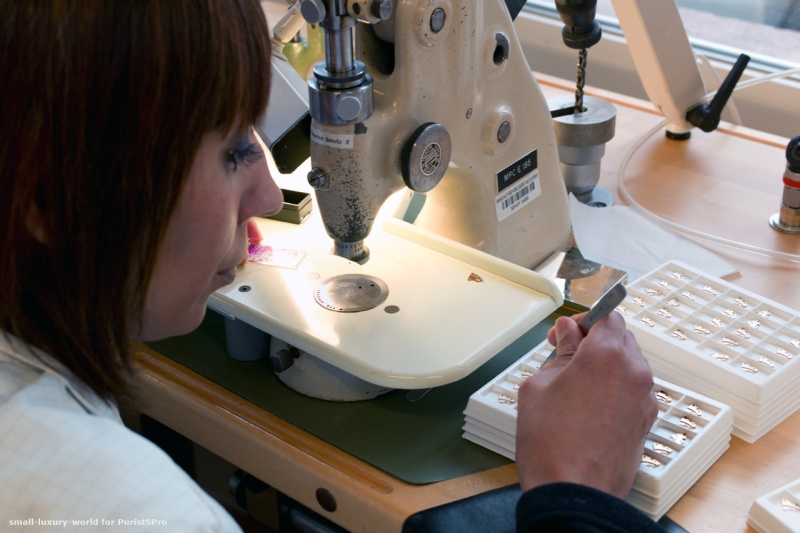
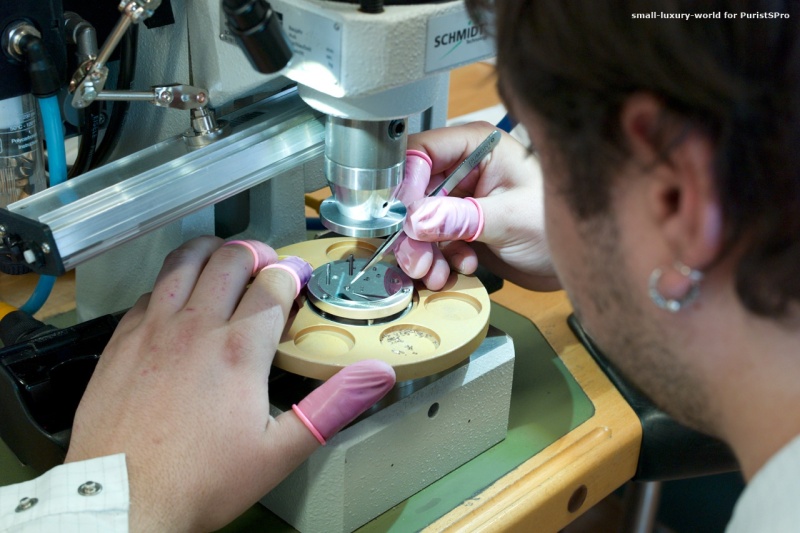
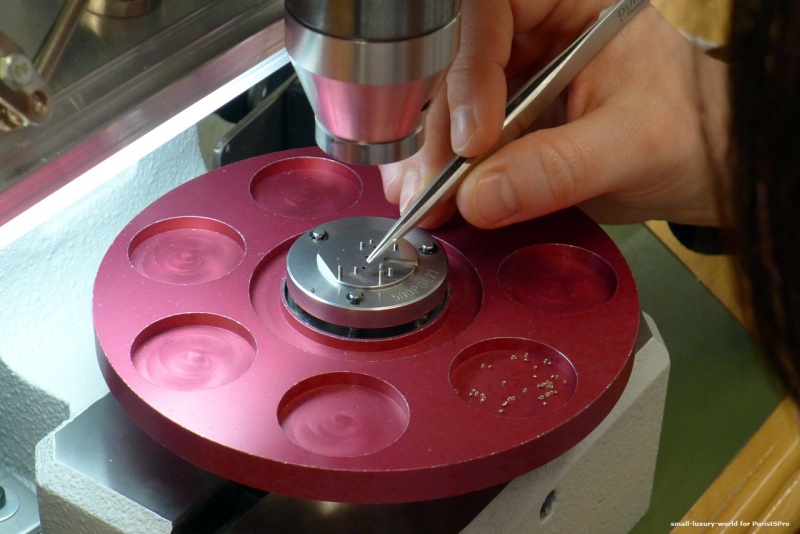
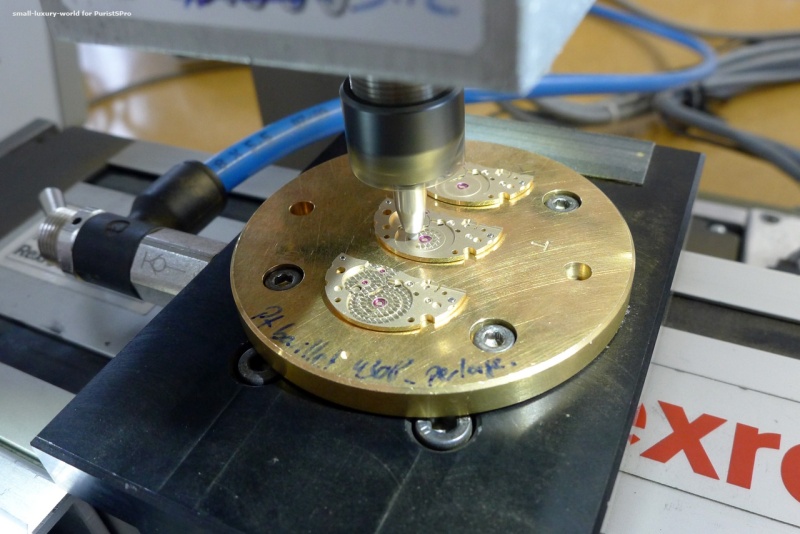
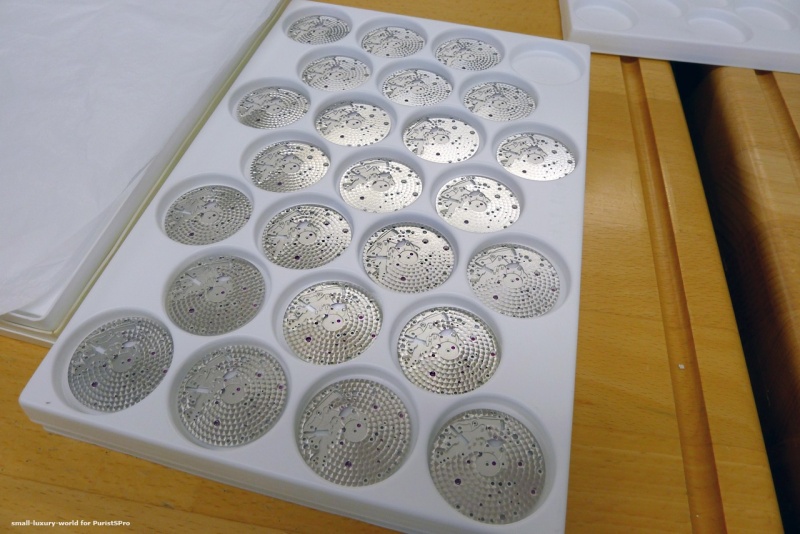
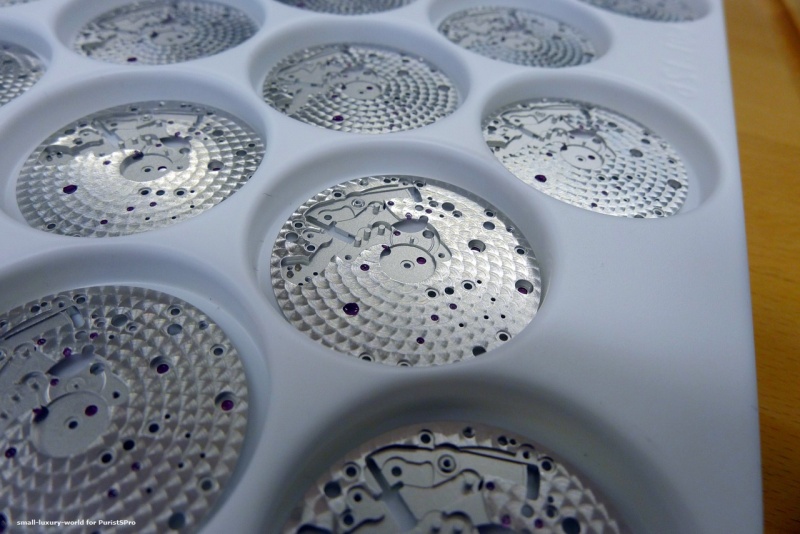
… cleaning …
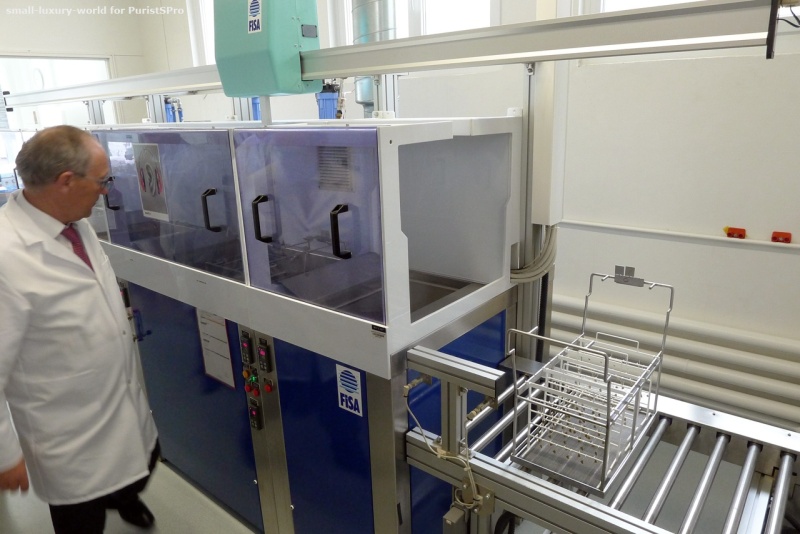
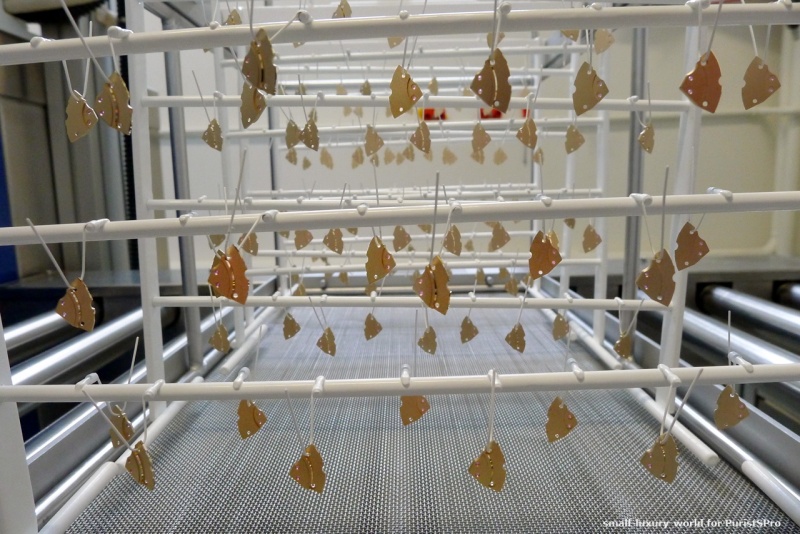
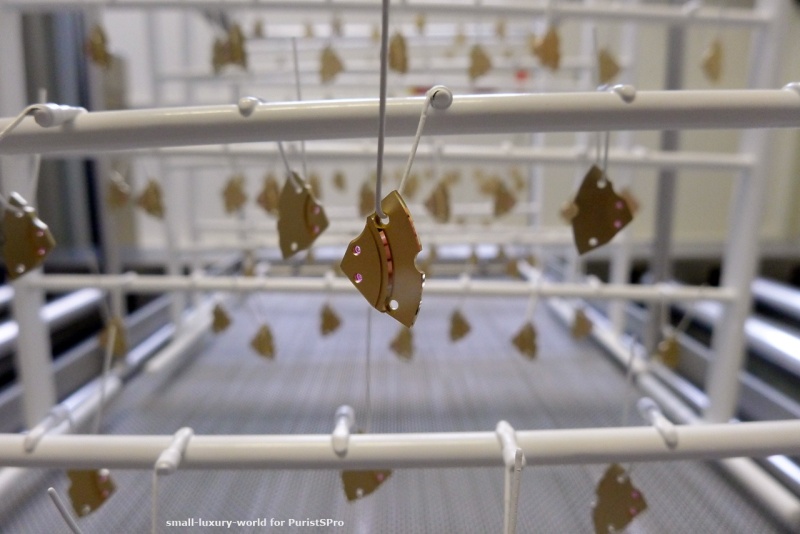
… control …
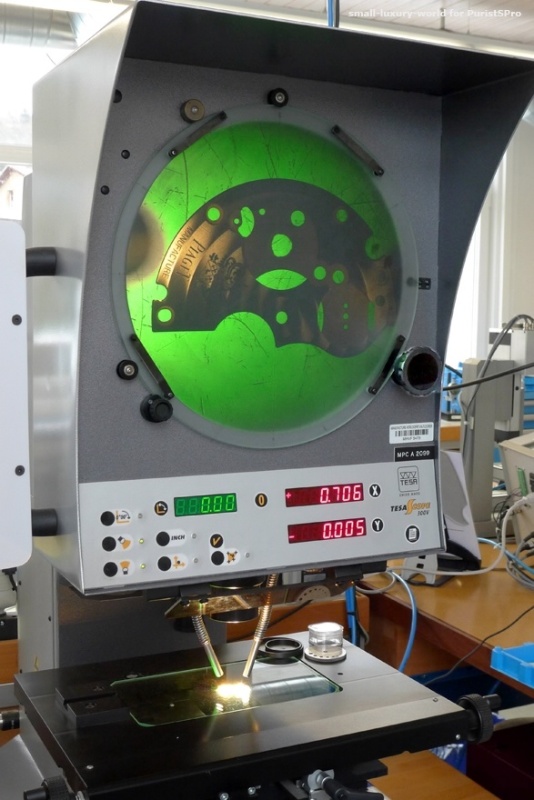
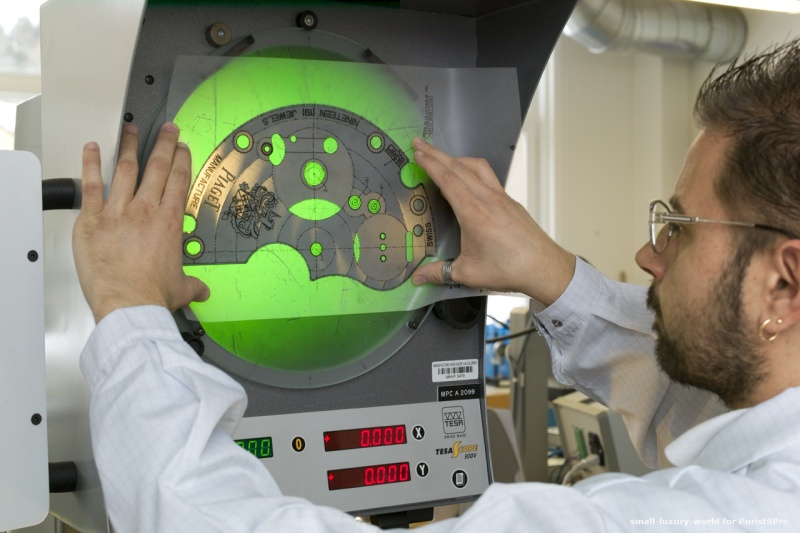
… finishing …
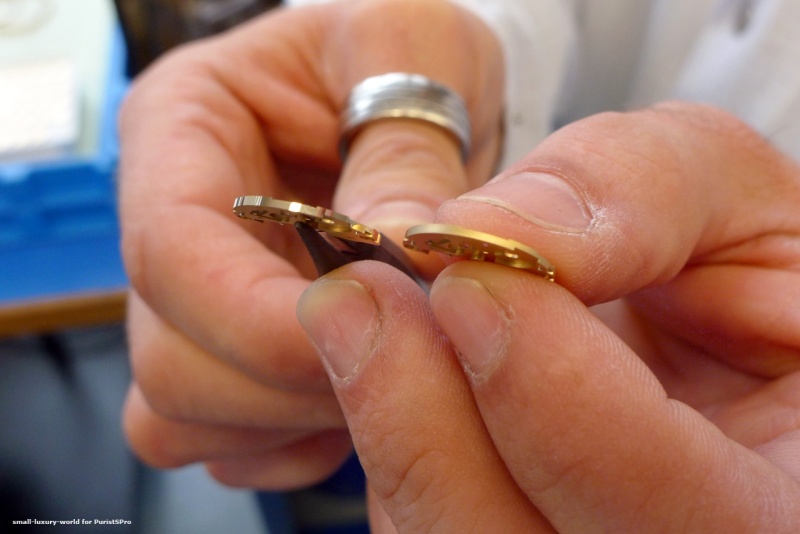
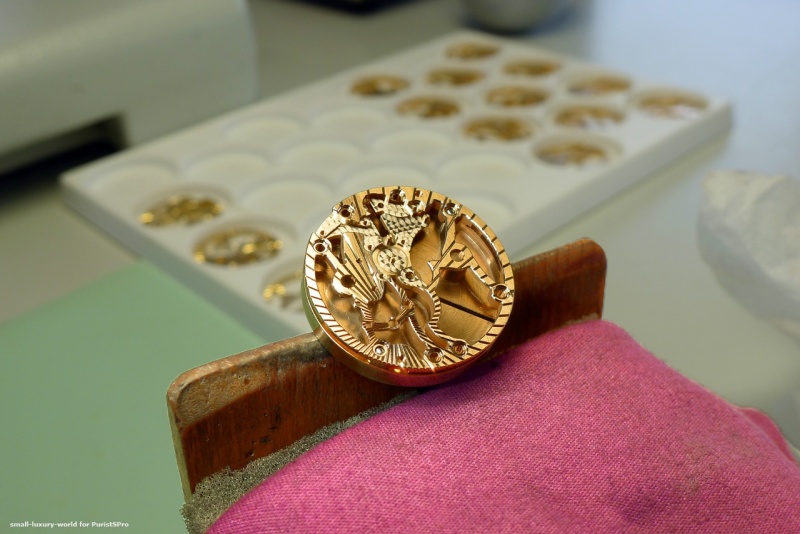
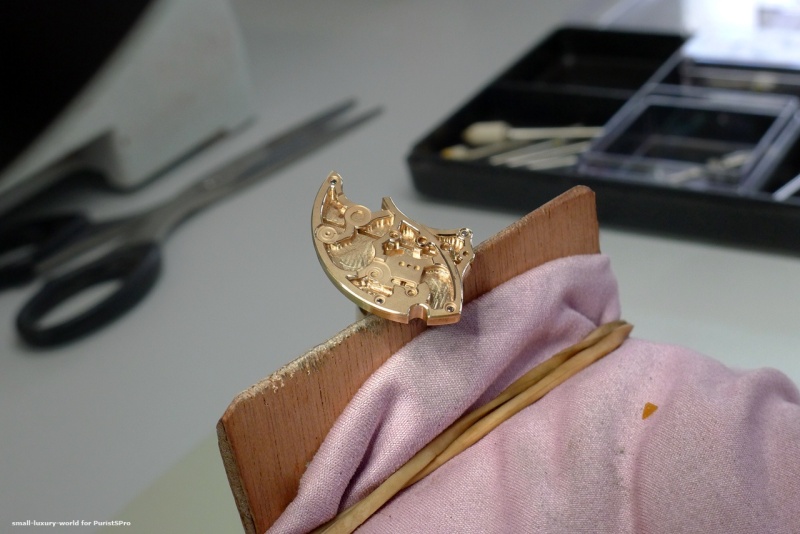
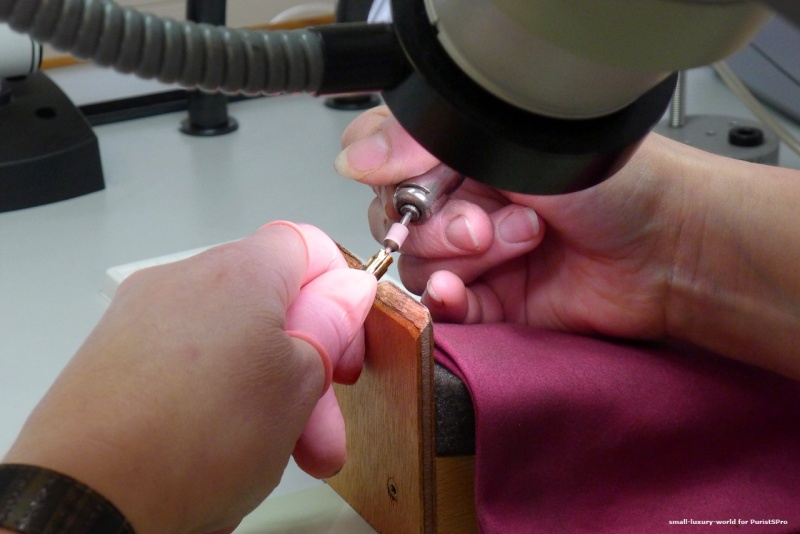
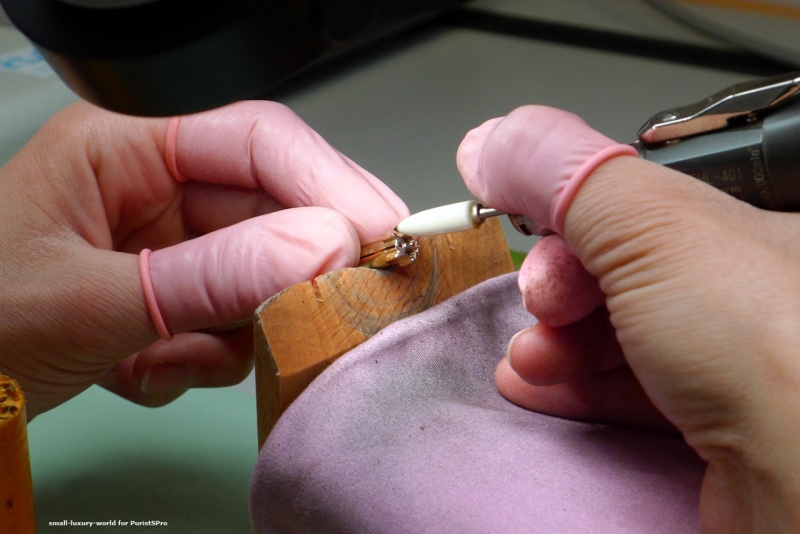
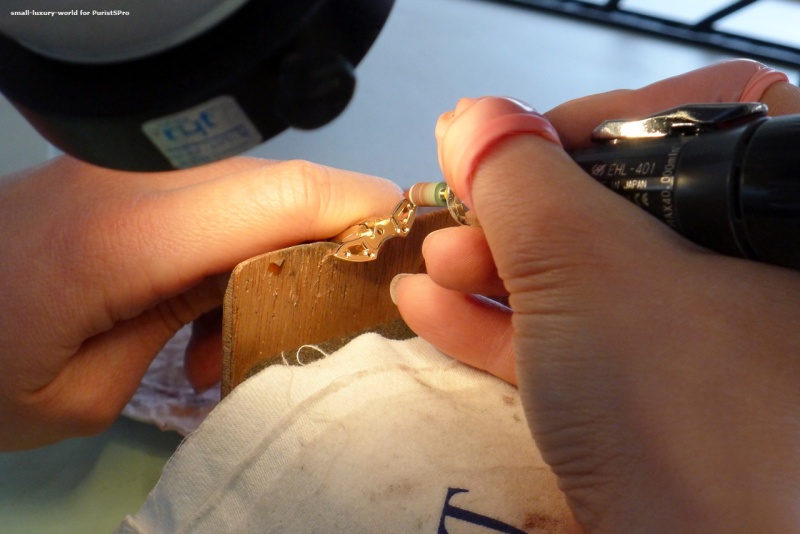
… inspiration for finishing …
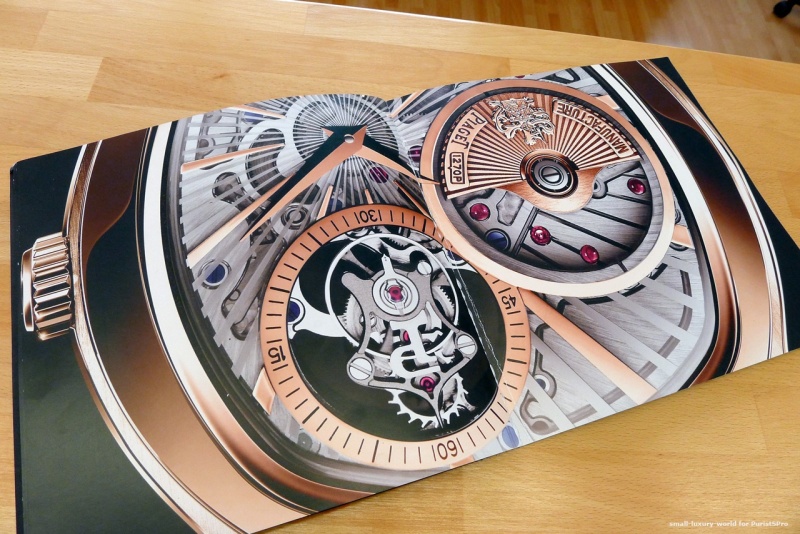
The finishing is an important point, because there are
changes - currently. Piaget takes the next step and some of their (already) “finishing
master´s” got extra lessons.
Even more employees do that special training now
or in the near future.
The result can be seen here, for example:
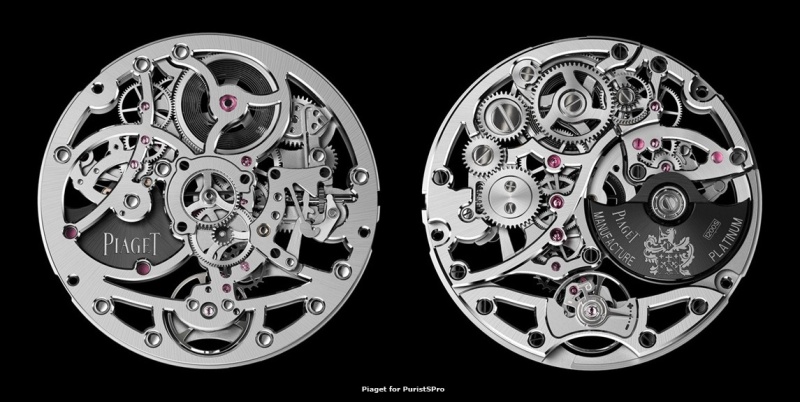
To me it was always a “show stopper” (to be honest) when I looked at the finish of a movement, after enjoying the rest of their watches. Nothing was wrong, but something was missing – at least for me ;-)
So, I am very happy with the latest developments and it shows that we can expect even more from the master-watchmaker Piaget.
If you have the chance, you should have a detailed look on those watches:
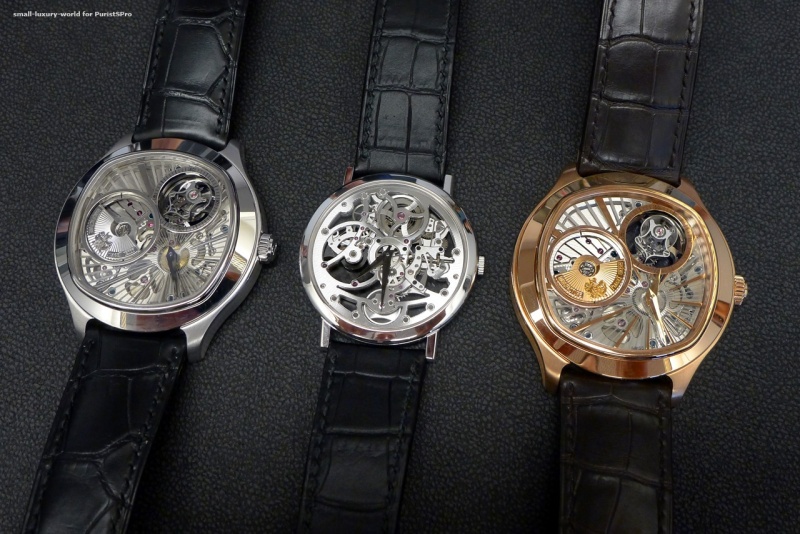
It is a pleasure to look at the details
But there is more than just finishing: assembling, testing …
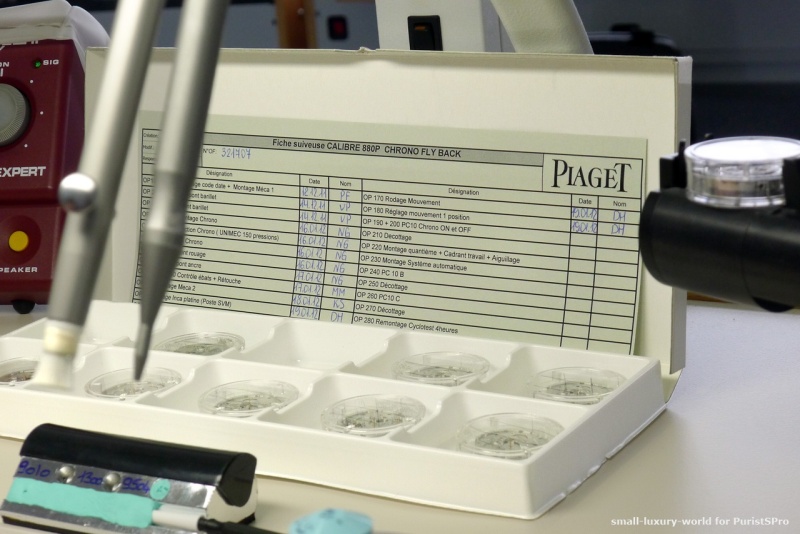
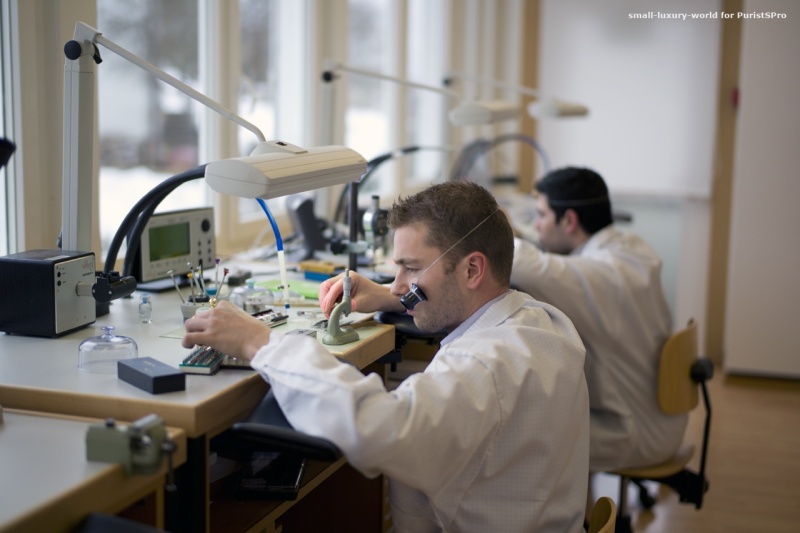
A watchmaker gets all the parts and has to assemble them – example caliber 880P; dual time zone, flyback chronograph, 5.6 mm thick.
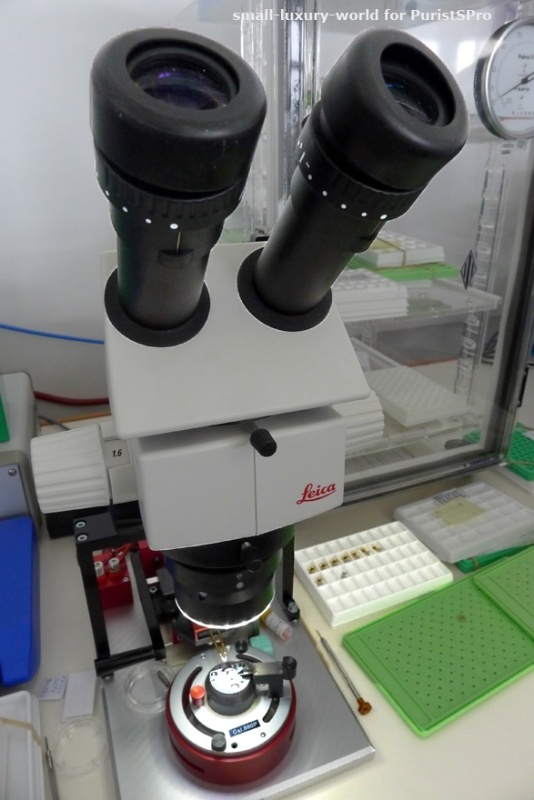
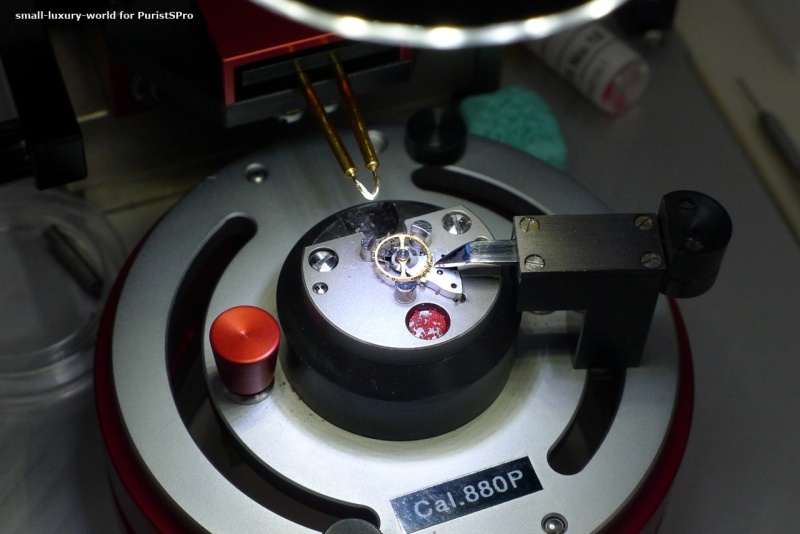
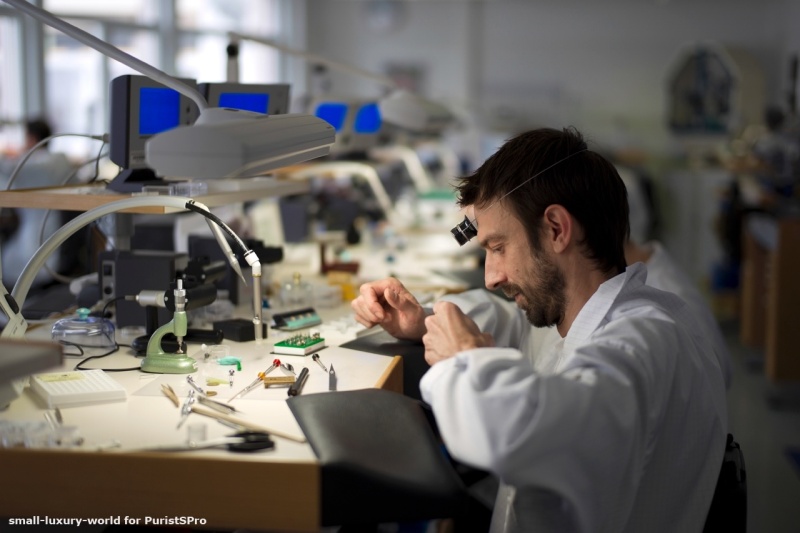
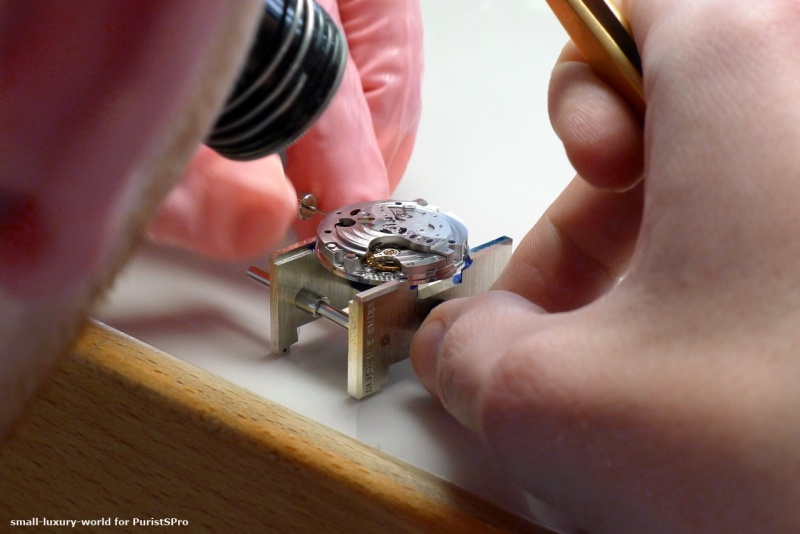
Once it is done, there is “heavy” testing …
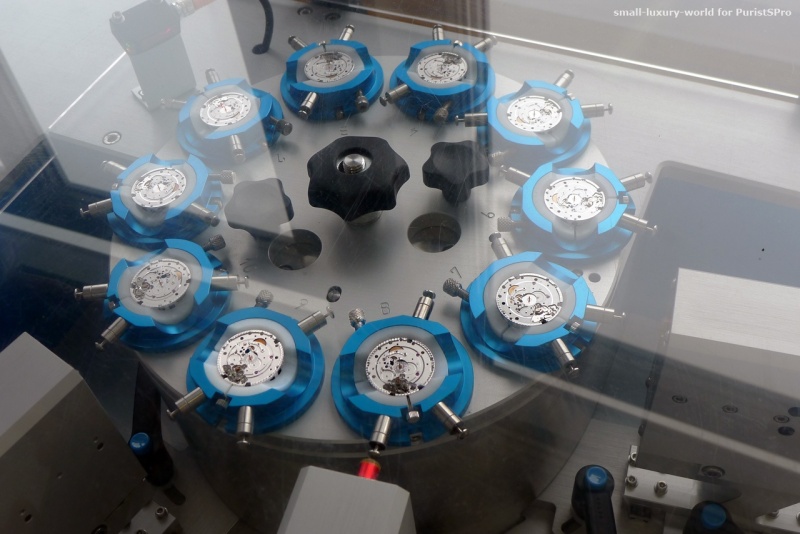
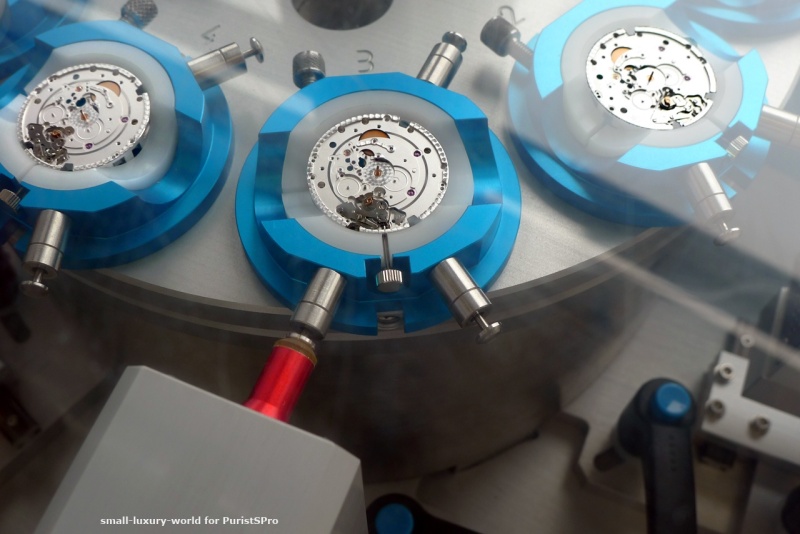
and not only once, twice - efficiency and smoothness of the pusher feeling. Don´t know about you, but to me the latter is very important, if we talk about high-class chronographs. Quite often it is disappointing.
“Volume production” can be seen here …
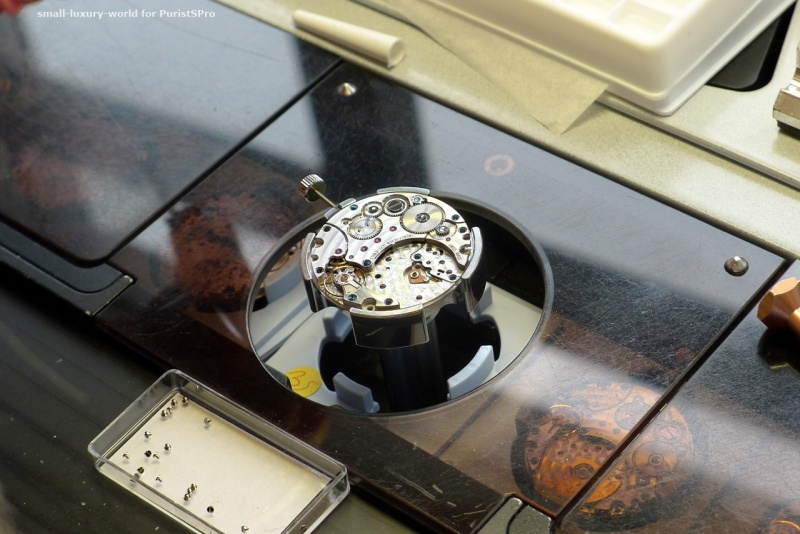
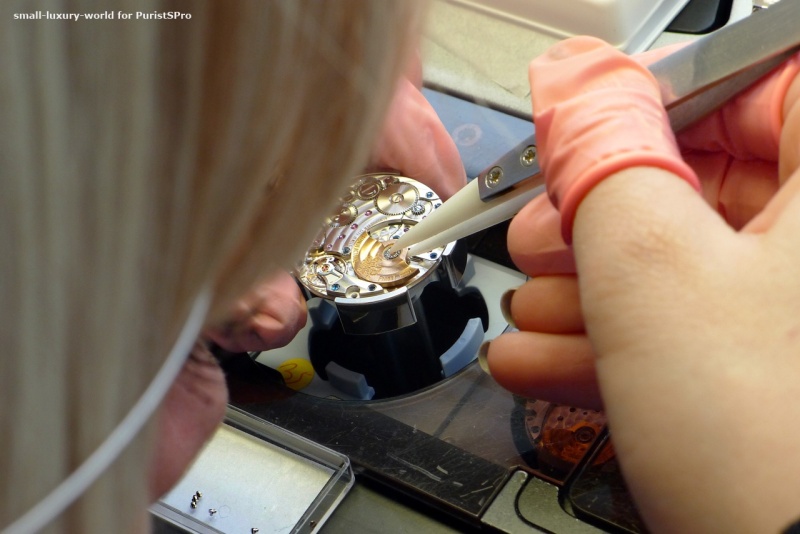
On the top-level of the building is the high-complication department (perpetual calendar, tourbillon …).
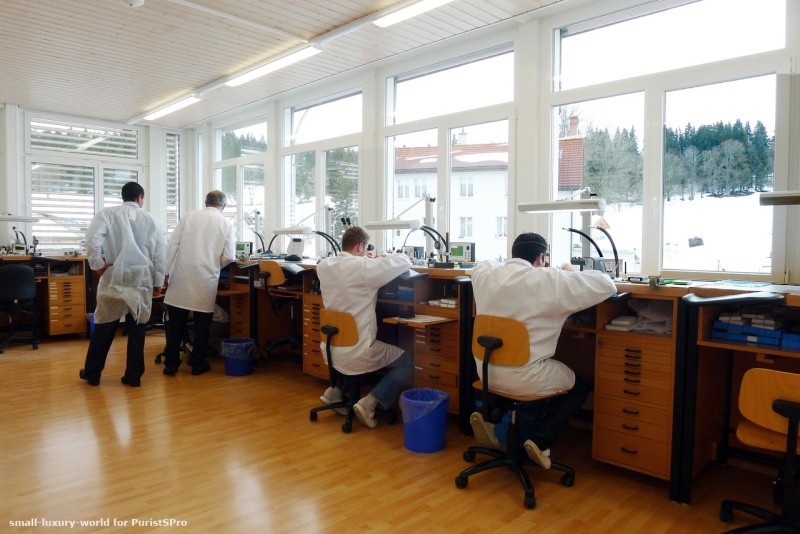
Some watches ready to deliver:
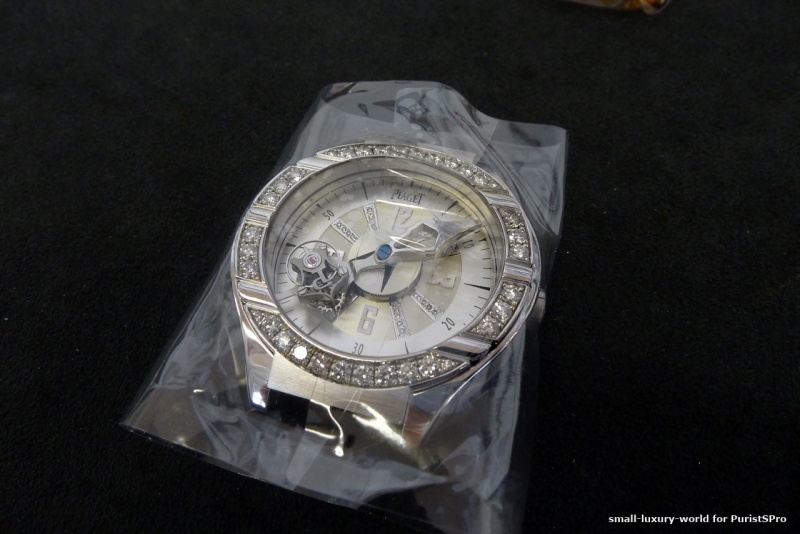
Can you still remember the custom made part from the “hidden
master”?!
Look at the tourbillon/hand and think about the tool.
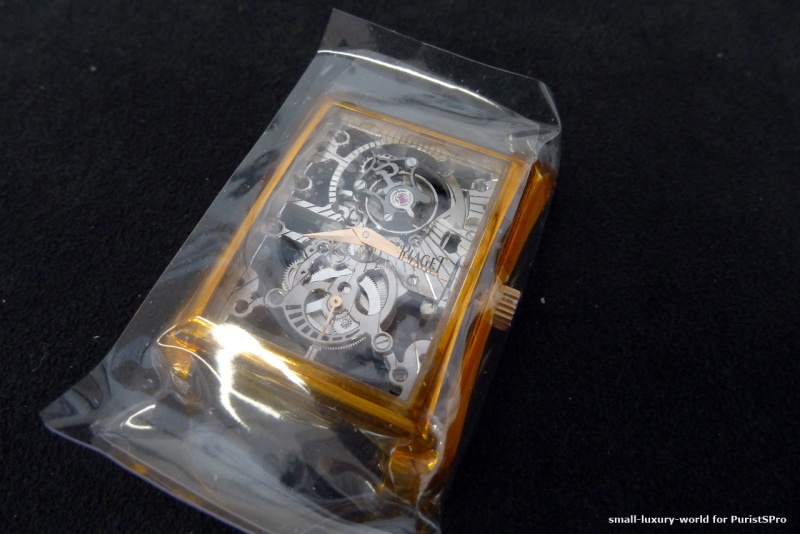
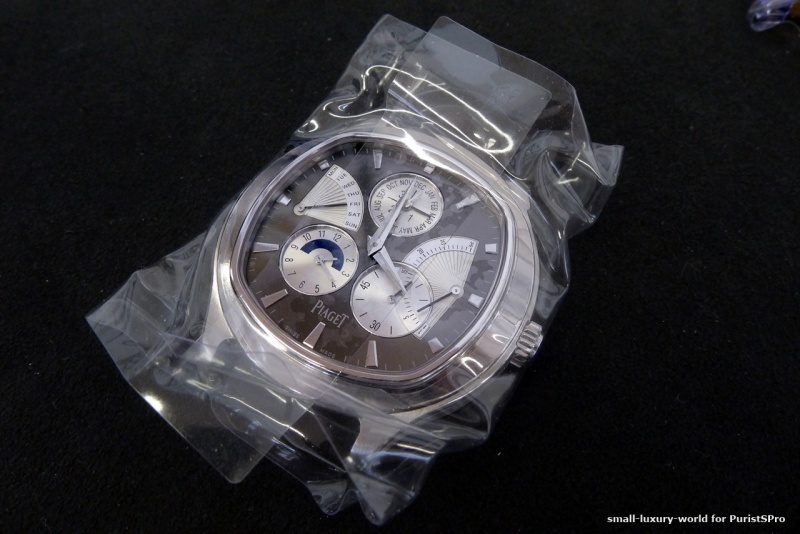
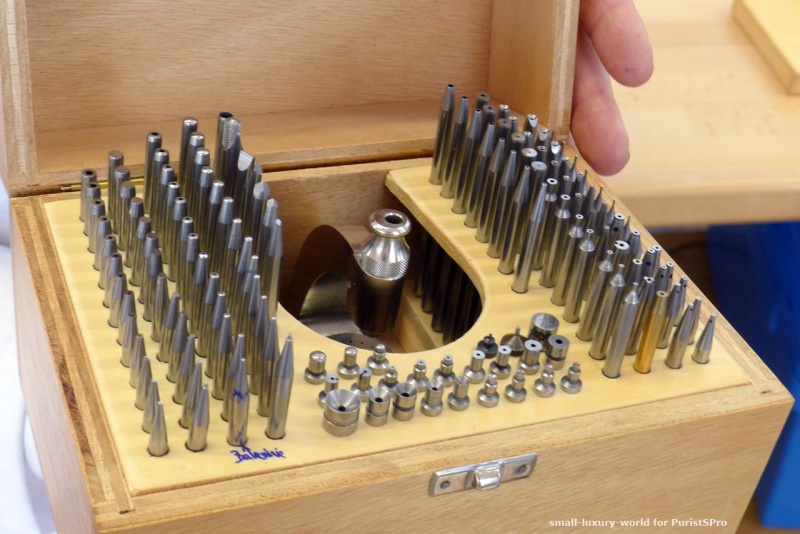
We started the visit with tools and I will finish with tools.
Each watchmaking apprentice has to make a box like this, including the box and the tools - in the first years:
Another hidden secret is a hammer in the high-complication department. It is stored in one of the watchmaker’s desk and belongs to him. Yes, even those masters need something like this – sometimes ;-)
What looks like a black plastic grip (to inexperienced people, only) is made out of ebony. Luxury tools for master watchmakers of Haute Horlogerie. I love that!
End of part I
Oliver
Thanks, Oliver, for your report! Your pictures are really delightful, and I appreciate very much your insights about the finishing you've seen on some of the newer pieces. Really excellent commentary here in part 1 of your article detailing your visit with Takman to the Manufacture! I particularly love your photos of the watchmakers at work. I am always impressed by the little details that come forward when one learns more about Piaget -- how their apprentice watchmakers create their own box of
Thanks! Oliver
... they are so my kinda poeple Particularly, this Piaget (thanks to my challenge for the quiz, which I failed one or maybe two questions) persistent to make thin watches and that DNA even today. Very impressive report, no this is Article, Oliver. I am looking forward to the Part II. Ken PS: Wow, Leica microscope? Yet another my kind of .....
and next time you will see artists & more. Leica - if there is quality needed ... One day, we both can do a visit like this - together. I trust in that! Oliver
post! It made my morning this snowy day in Zagreb How appropriate Best Damjan
.
This thread is active on the Piaget forum with 46 replies. Share your knowledge with fellow collectors.
Join the Discussion →


